Sometimes an automaker knows it needs outside magic. A good engine can become great with the right cylinder head design. A solid chassis can turn genuinely special with the right suspension geometry and steering calibration. Over the decades, mainstream manufacturers have quietly partnered with engineering specialists like Cosworth, Lotus, and Yamaha to sharpen their cars into something far more memorable. These collaborations were not just marketing exercises. They often involved deep mechanical reworking that transformed ordinary platforms into icons. These ten vehicles prove what happens when experts step in behind the scenes and push things further than the factory originally intended.
Ford Sierra RS Cosworth
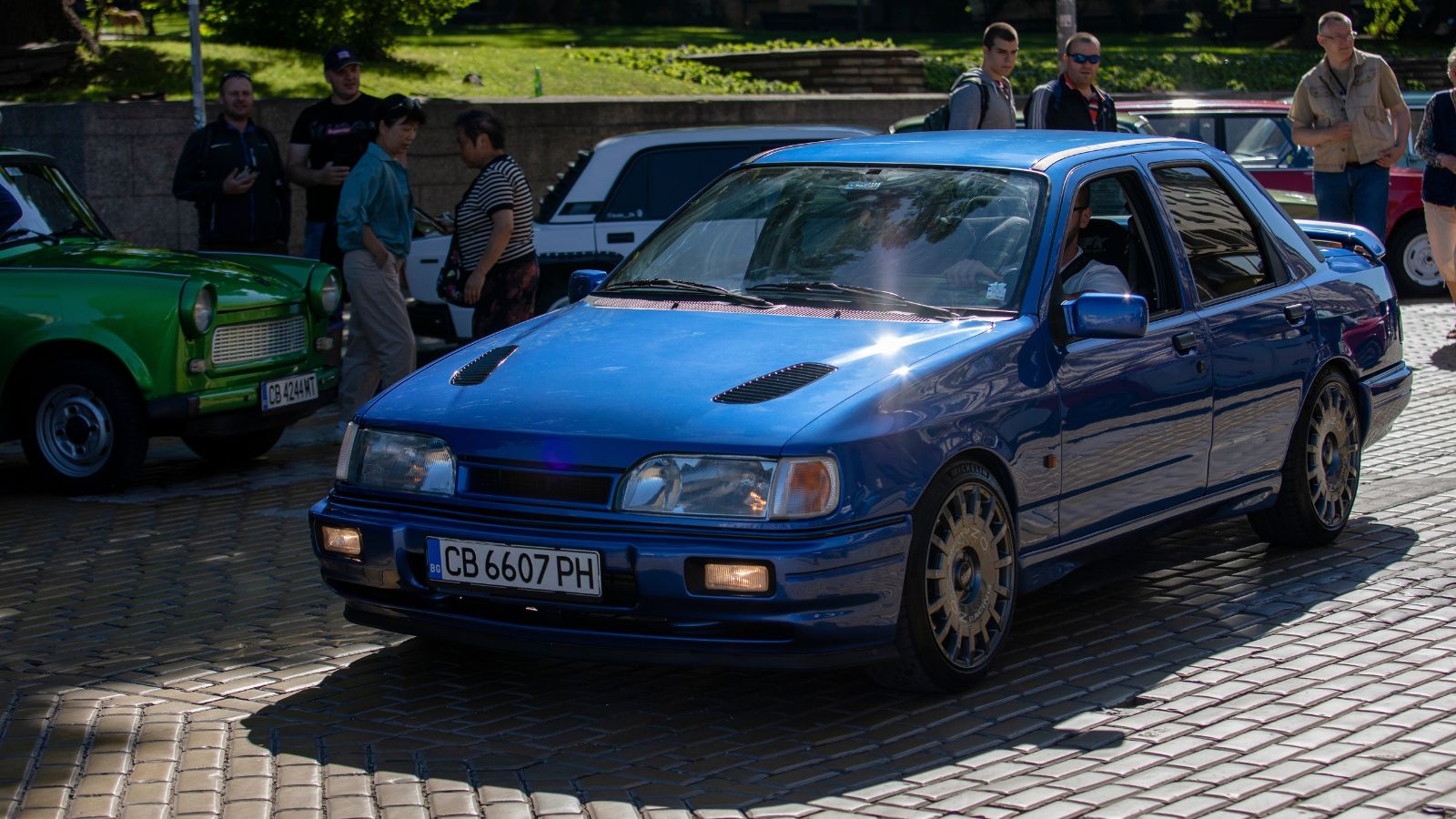
Cosworth’s name is practically inseparable from the Sierra RS Cosworth. The British engineering firm developed the twin cam 16 valve cylinder head that transformed Ford’s humble four cylinder Pinto based engine into a turbocharged powerhouse. The result was explosive performance, huge tuning potential, and genuine motorsport credibility. It was not just faster than the standard Sierra. It felt purpose built, raw, and aggressive, laying the foundation for decades of Cosworth folklore.
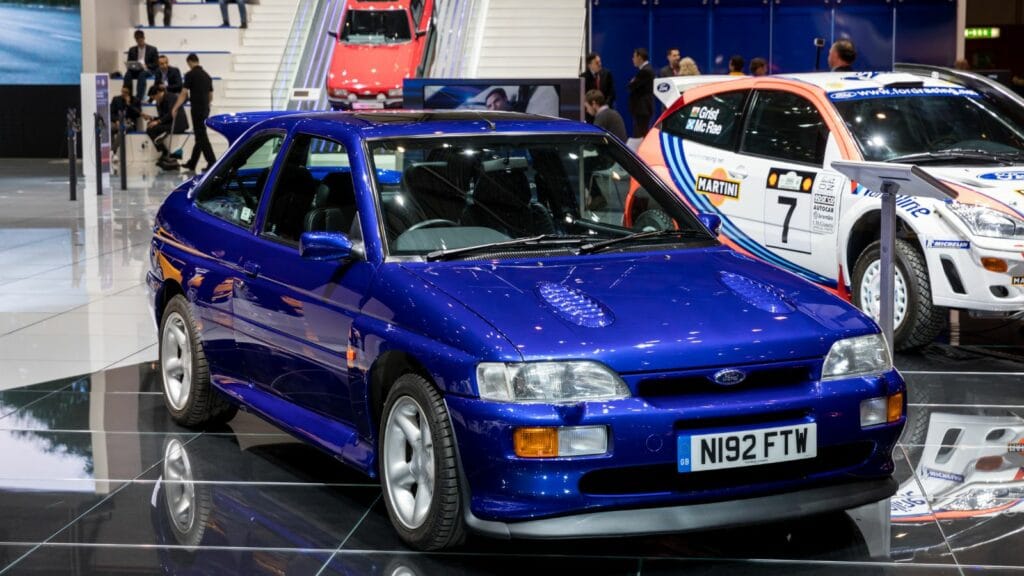
Ford Escort RS Cosworth
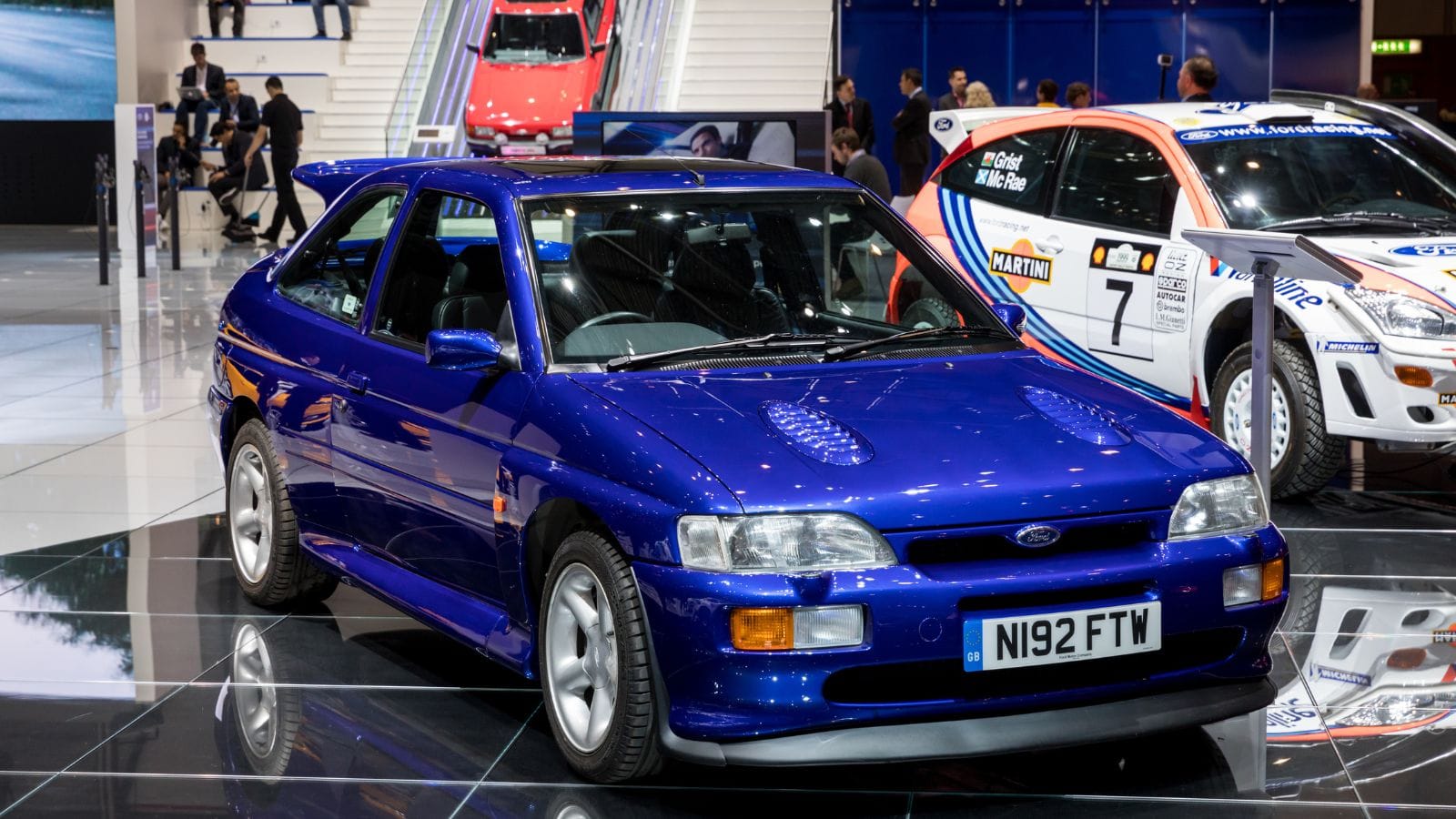
Building on the Sierra’s legacy, the Escort RS Cosworth combined turbocharged Cosworth developed power with all wheel drive grip. Its engine tuning delivered strong midrange punch and high rev capability, while its drivetrain calibration made it feel rally ready straight from the showroom. The distinctive rear wing was not just for show. It symbolized a car engineered with competition in mind, not simply warmed over for the road.
Lotus Cortina

Lotus took the modest Ford Cortina and completely reshaped its character. Beyond engine upgrades, Lotus revised suspension mounting points, geometry, and weight distribution. The result was a lightweight performance sedan that could embarrass far more powerful rivals on tight circuits. It demonstrated early on that chassis tuning expertise could be just as transformative as raw horsepower.
Chevrolet Corvette ZR-1
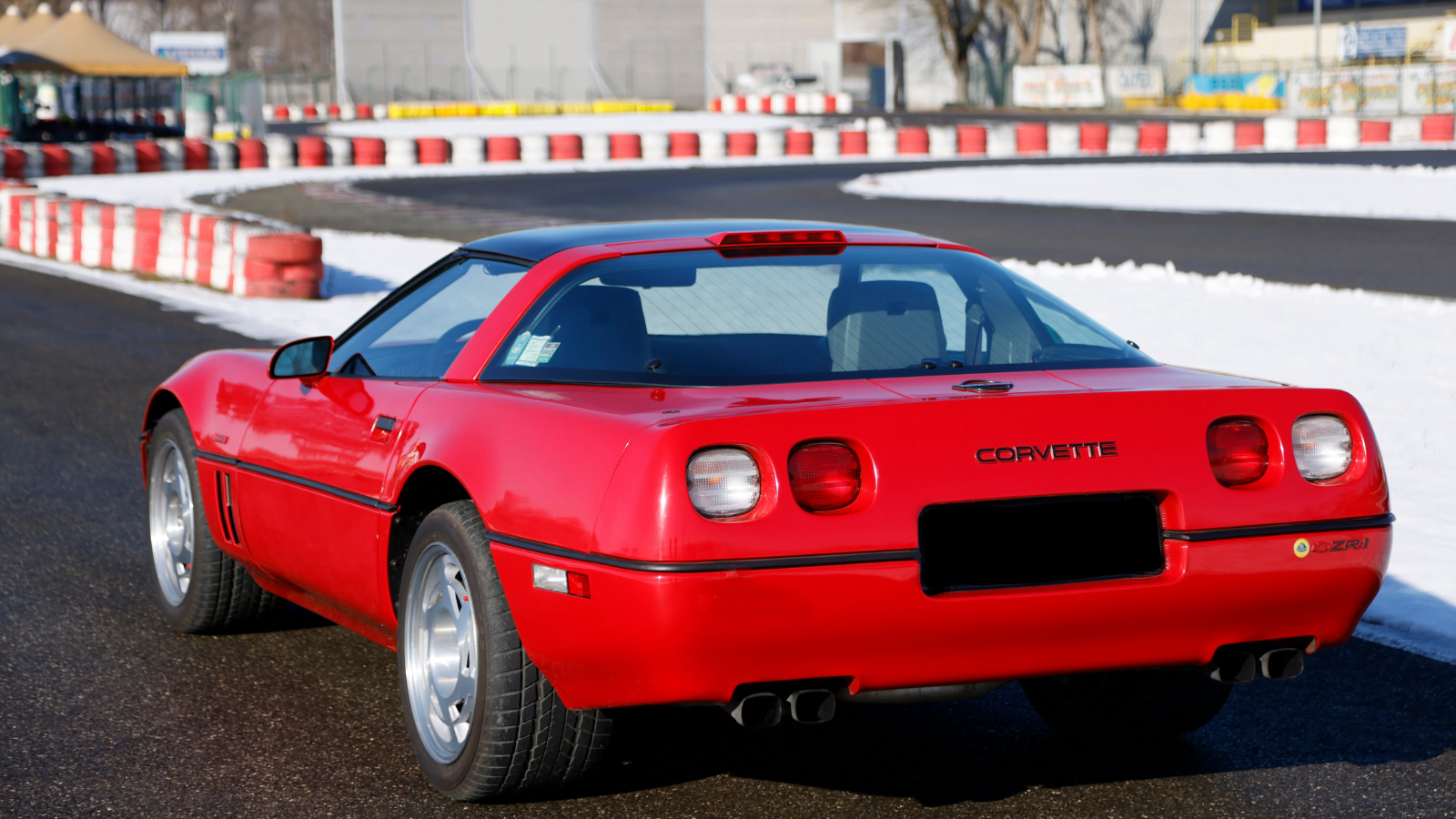
Yamaha played a critical role in developing the LT5 engine for the C4 ZR-1. This all aluminum, dual overhead cam V8 was far more exotic than Chevrolet’s traditional pushrod designs. Yamaha’s expertise in high revving cylinder head design allowed the engine to breathe freely at higher RPMs, producing serious power for its era. The result was a Corvette that felt more like a European supercar than a traditional American muscle machine.
Toyota 2000GT

Yamaha collaborated heavily on the 2000GT’s inline six engine and overall development. The cylinder head design and fine tuning elevated the engine into a smooth, high revving unit capable of competing internationally. The partnership helped position the 2000GT as Japan’s first genuine world class sports car, proving that collaboration could fast track credibility on the global stage.
Mercedes-Benz 190E 2.3-16
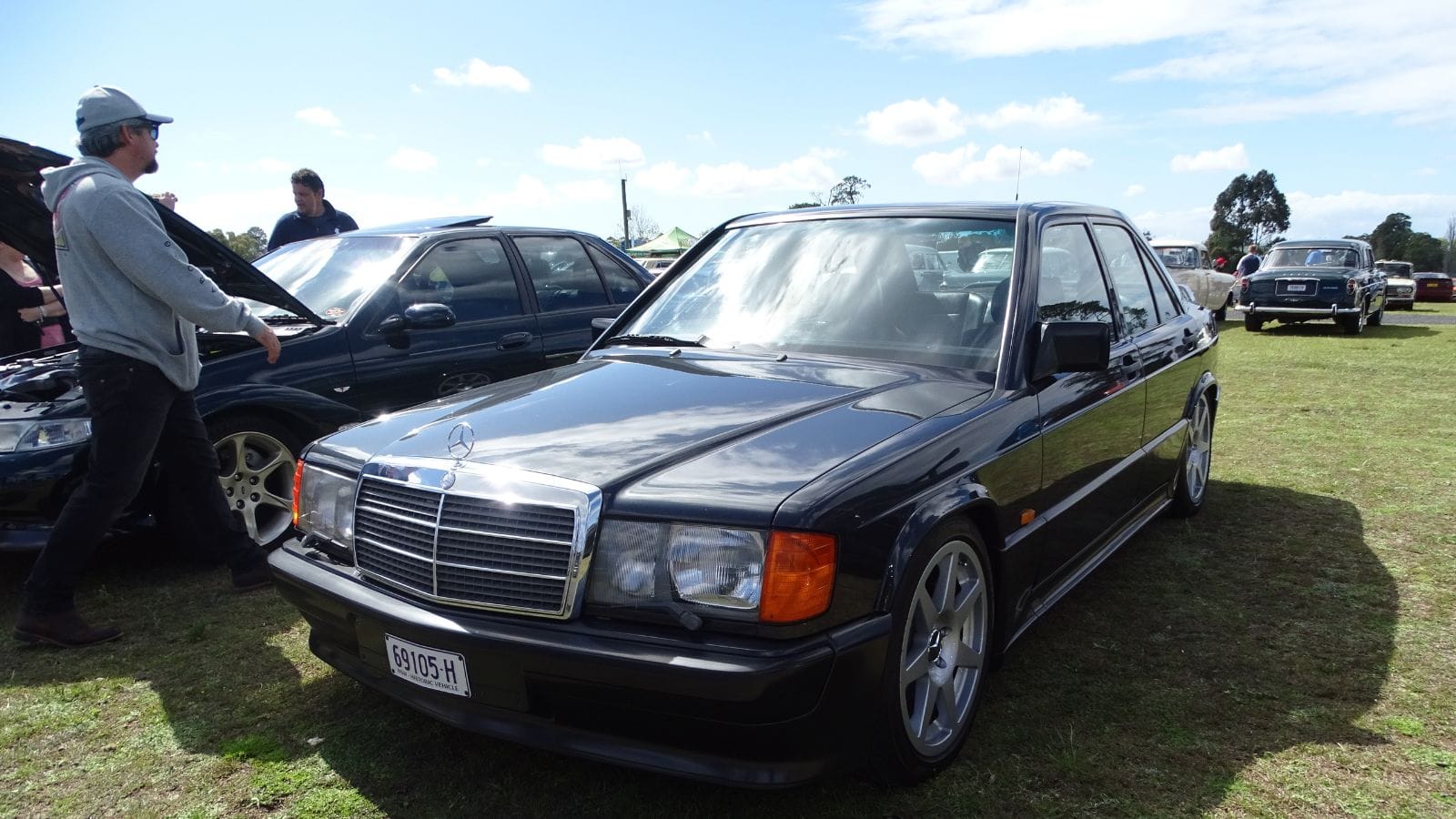
Mercedes turned to Cosworth to develop the high performance cylinder head for the 2.3-16 variant of the 190E. The result was a high revving, motorsport inspired engine that dramatically changed the car’s personality. It allowed Mercedes to compete in touring car racing while maintaining road car refinement. The Cosworth connection gave the 190E a sharper edge without sacrificing durability.
Nissan Skyline GT-R

Although primarily engineered in house, the R32 GT-R benefited from specialist motorsport knowledge and external performance tuning expertise. The RB26 engine’s robust design and high output potential were influenced by racing partnerships and advanced calibration work. The drivetrain refinement, particularly in its all wheel drive system, created a car that redefined what Japanese performance engineering could achieve.
Talbot Sunbeam Lotus
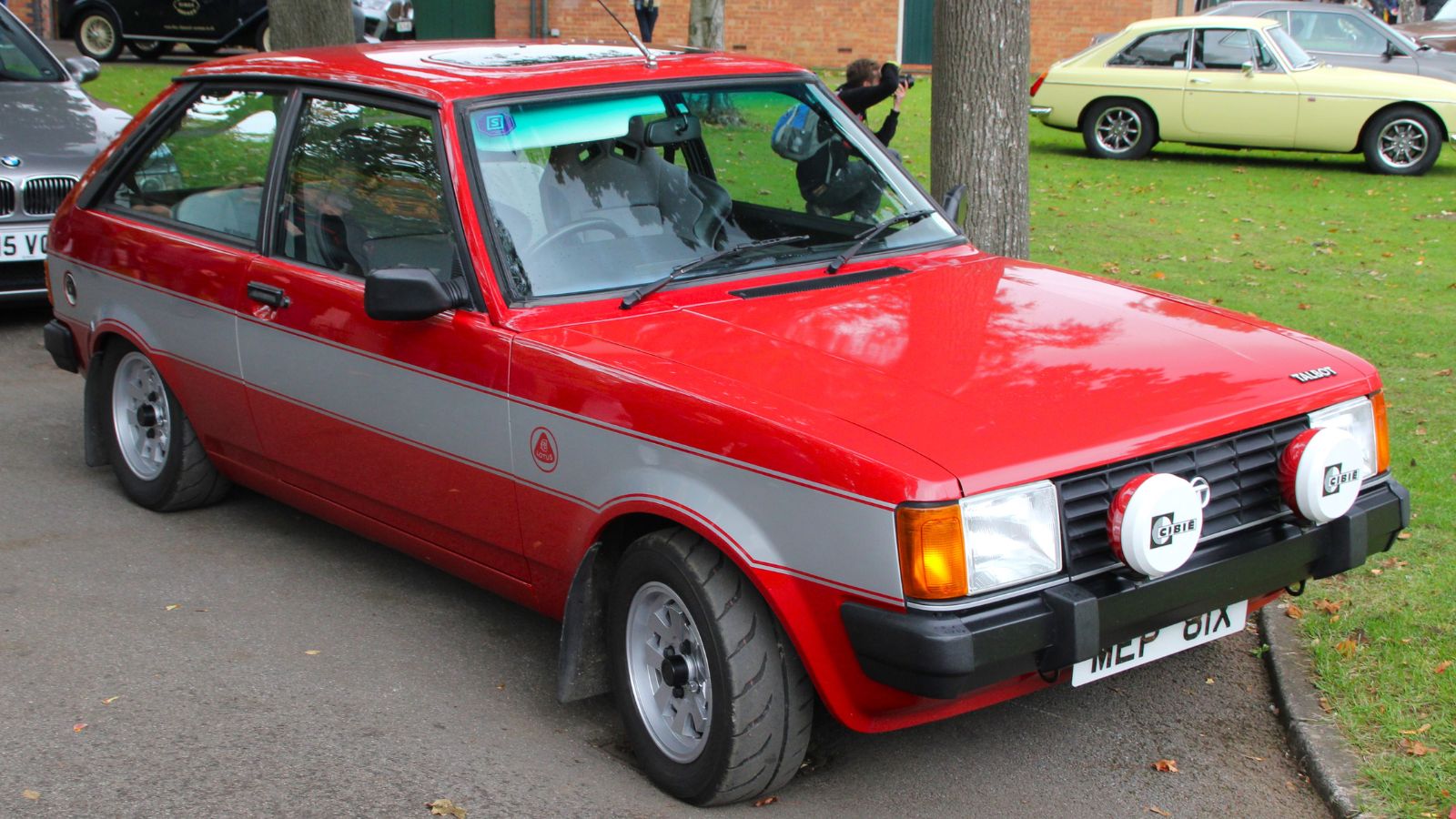
Lotus supplied a twin cam engine and significant tuning input that transformed the humble Sunbeam into a rally champion. The lightweight chassis paired with Lotus engineering created a compact performance machine with serious motorsport credibility. It showed that the right powerplant and tuning philosophy could dramatically alter a car’s destiny.
Ford Focus RS
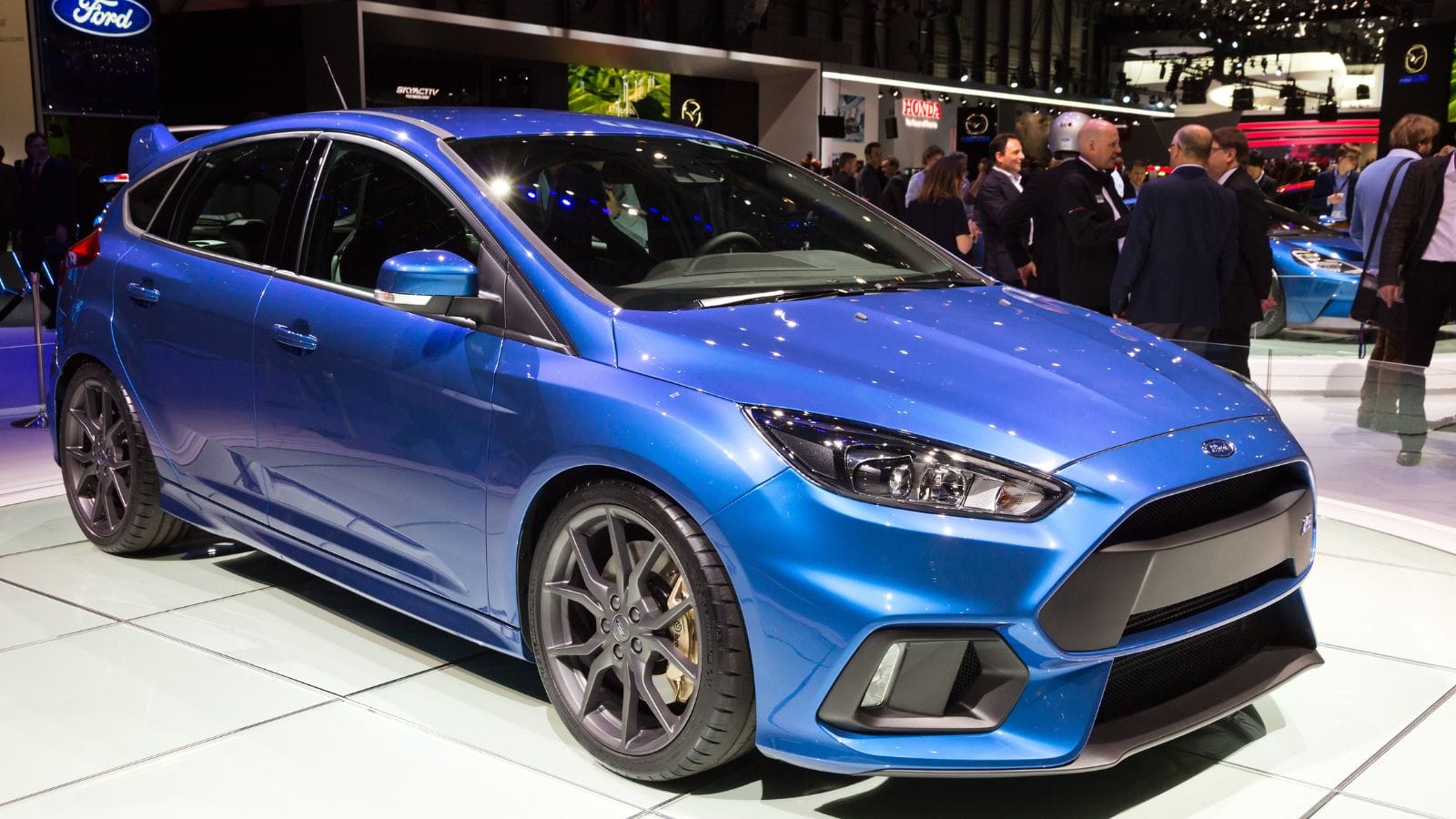
The Focus RS represents a modern example of collaboration driven performance engineering. While Ford led development, the drivetrain and all wheel drive system benefited from advanced calibration inspired by motorsport partnerships and specialist input. The torque vectoring system and engine tuning delivered performance far beyond what a standard hatchback platform would suggest.
Performance Partners

Partnerships between automakers and engineering specialists have repeatedly produced some of the most exciting performance vehicles in history. When companies like Cosworth, Lotus, or Yamaha step in, they bring racing experience, advanced airflow knowledge, and precision tuning that transforms ordinary designs into mechanical standouts. These collaborations prove that sometimes the most memorable drivetrains are born not from one badge alone, but from shared expertise focused on performance above all else.
25 Facts About Car Loans That Most Drivers Don’t Realize

Car loans are one of the most common ways people fund car purchases. Like any other kind of loan, car loans can have certain features that can be regarded as an advantage or a disadvantage to the borrower. Understanding all essential facts about car loans and how they work to ensure that you get the best deal for your financial situation is essential. Here are 25 shocking facts about car loans that most drivers don’t realize:
25 Facts About Car Loans That Most Drivers Don’t Realize
