Canadian winters do not forgive poor planning. Snowfall can be heavy, temperatures plunge well below freezing, and road salt eats away at metal for months at a time. Black ice hides in shaded corners, parking lots become frozen rinks, and cold starts test batteries and electronics daily. While proper winter tires transform almost any vehicle, some cars are simply less suited to life in deep snow and subzero temperatures. Rear wheel drive layouts, low ground clearance, stiff suspensions, and high performance tires all work against them.
These ten cars are not bad vehicles. In fact, many are excellent in the right climate. But when winter tightens its grip, they demand far more effort and preparation than most Canadian drivers want to deal with.
BMW 3 Series
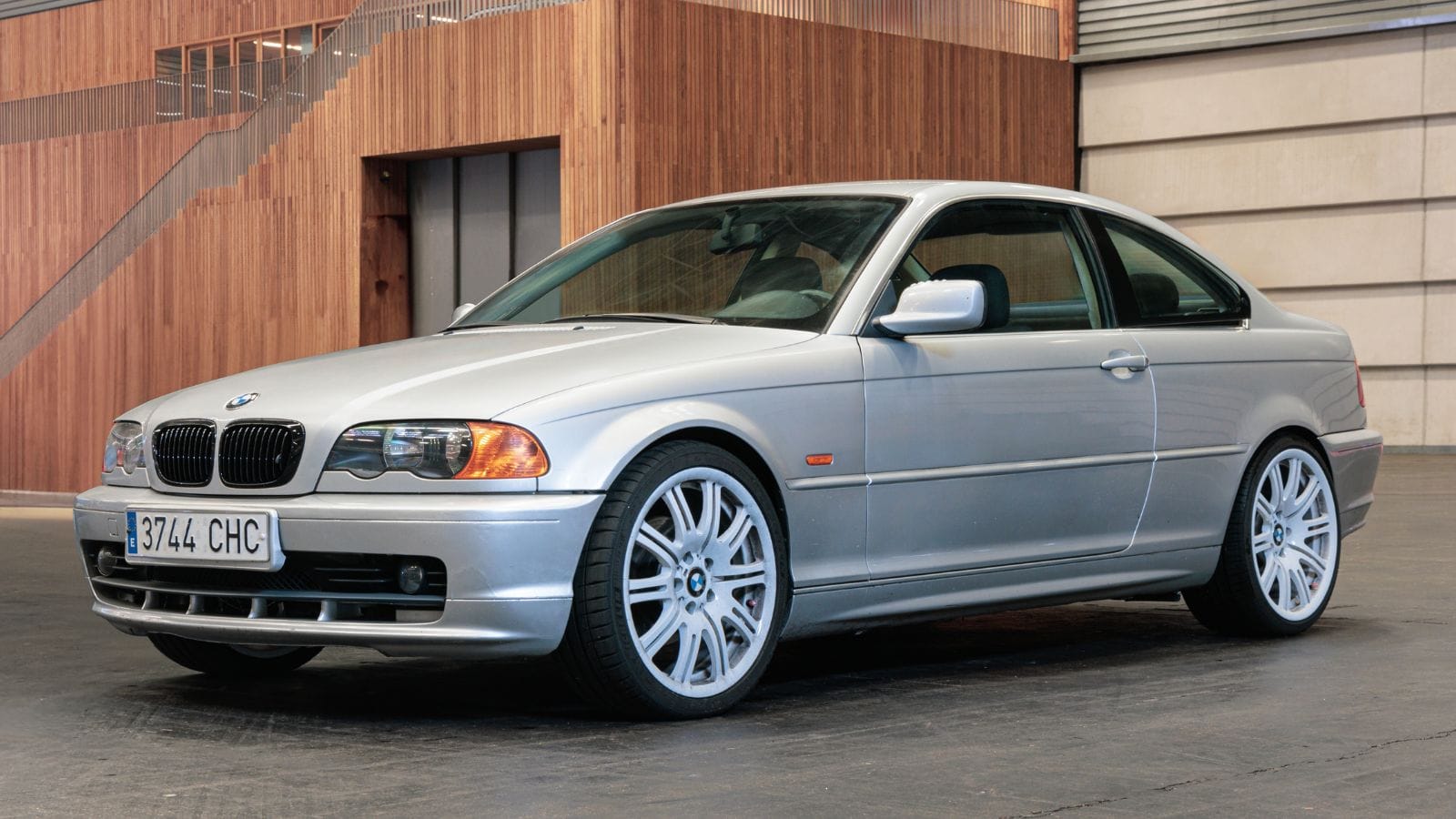
The 3 Series has long been praised for balanced handling and driver engagement. In rear wheel drive form, that balance becomes a liability on snow covered roads. Weight distribution helps, but without xDrive and proper winter tires, traction can be limited on steep hills and icy intersections. Add low profile tires common on sport trims, and winter confidence drops quickly.
BMW 5 Series
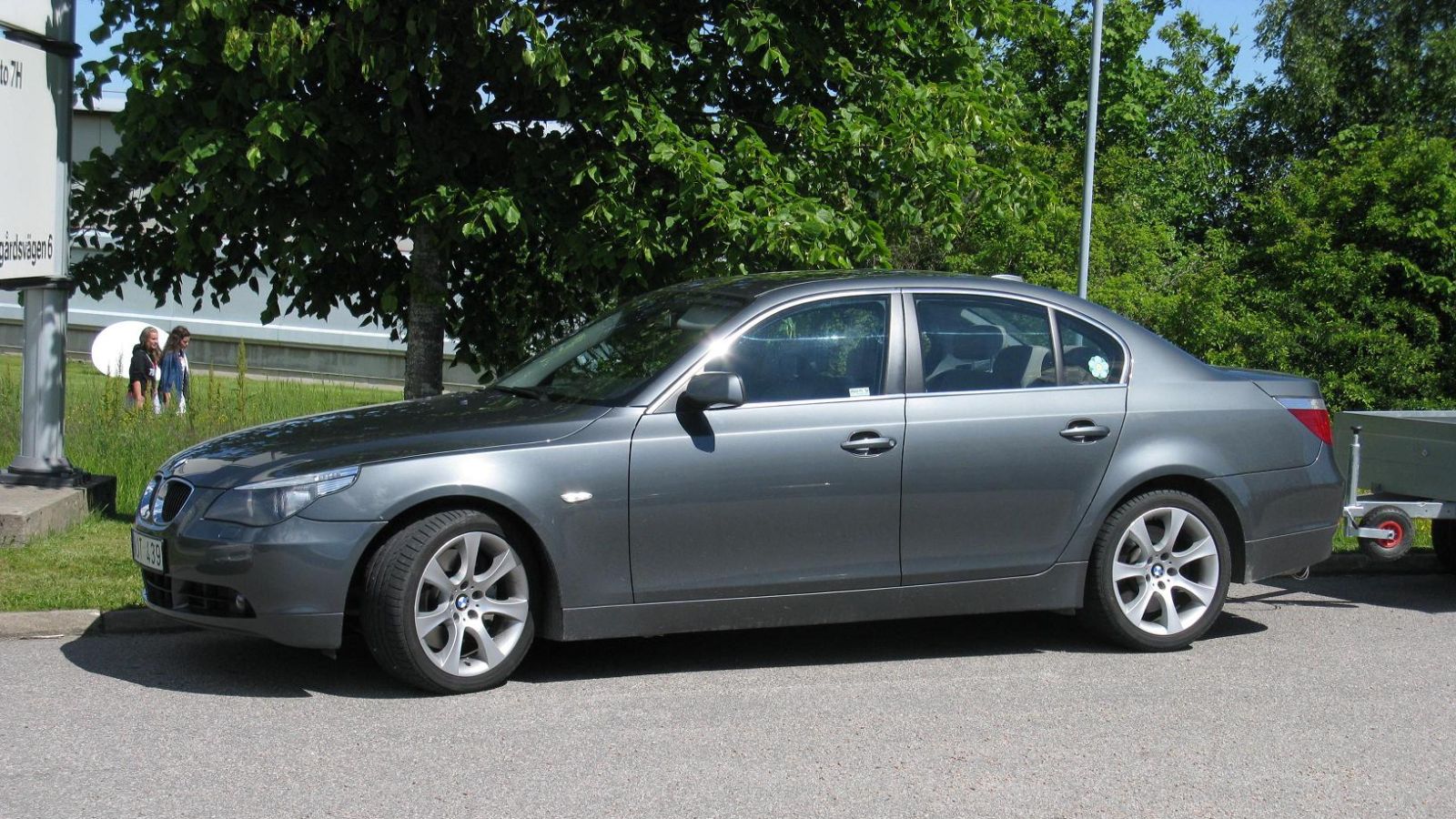
The larger 5 Series offers comfort and power, but rear wheel drive versions struggle when roads turn slick. Powerful turbocharged engines can easily overwhelm grip, especially on packed snow. The car’s weight works against it under braking on ice, and wide performance tires make matters worse.
Mercedes-Benz C-Class
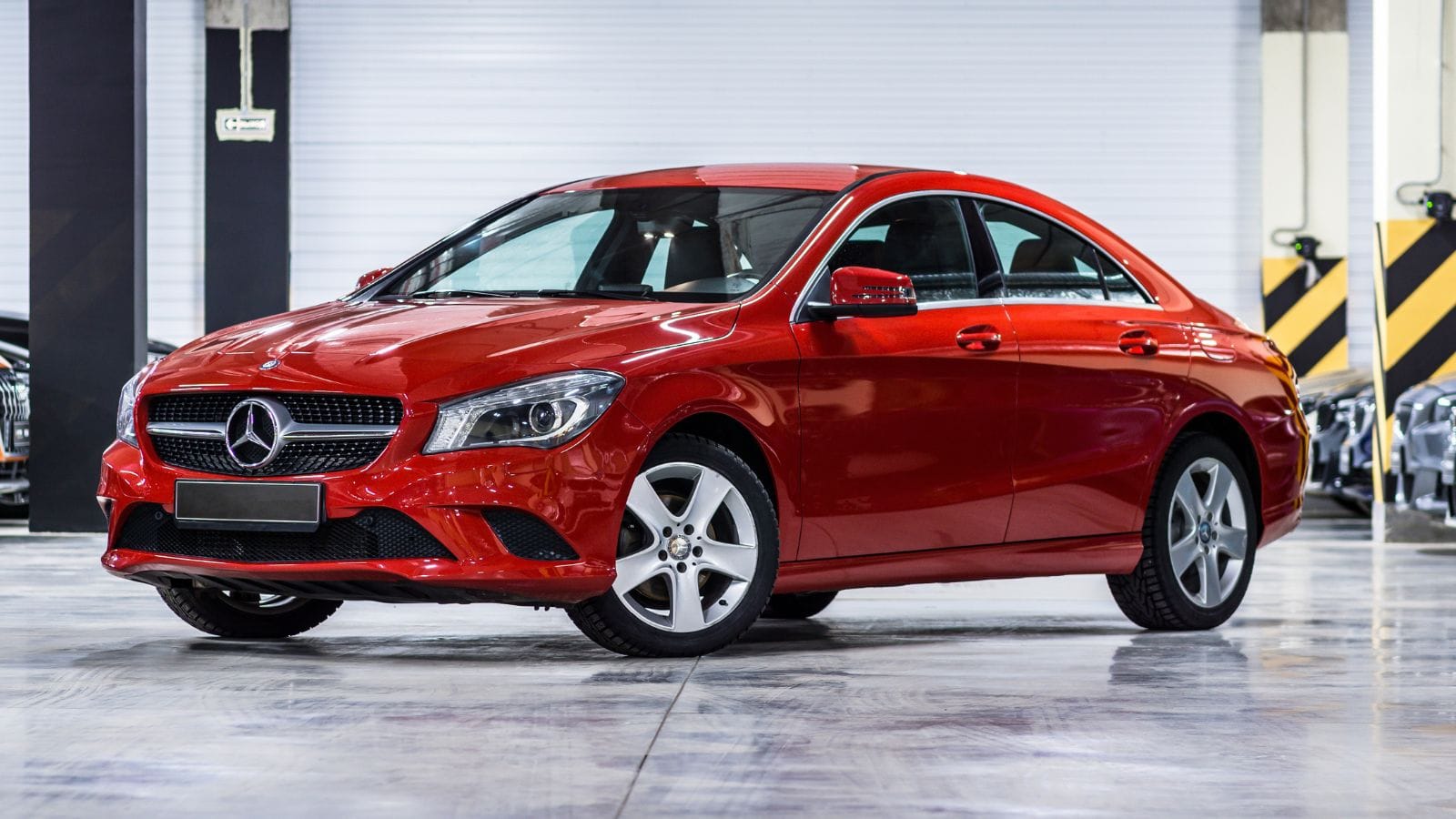
In rear drive configuration, the C Class can feel nervous in deep winter conditions. Light rear weight bias compared to front heavy sedans reduces traction on acceleration. Sport packages with larger wheels and low sidewall tires compound the issue. Without winter rubber, it becomes more demanding than reassuring.
Mercedes-Benz E-Class
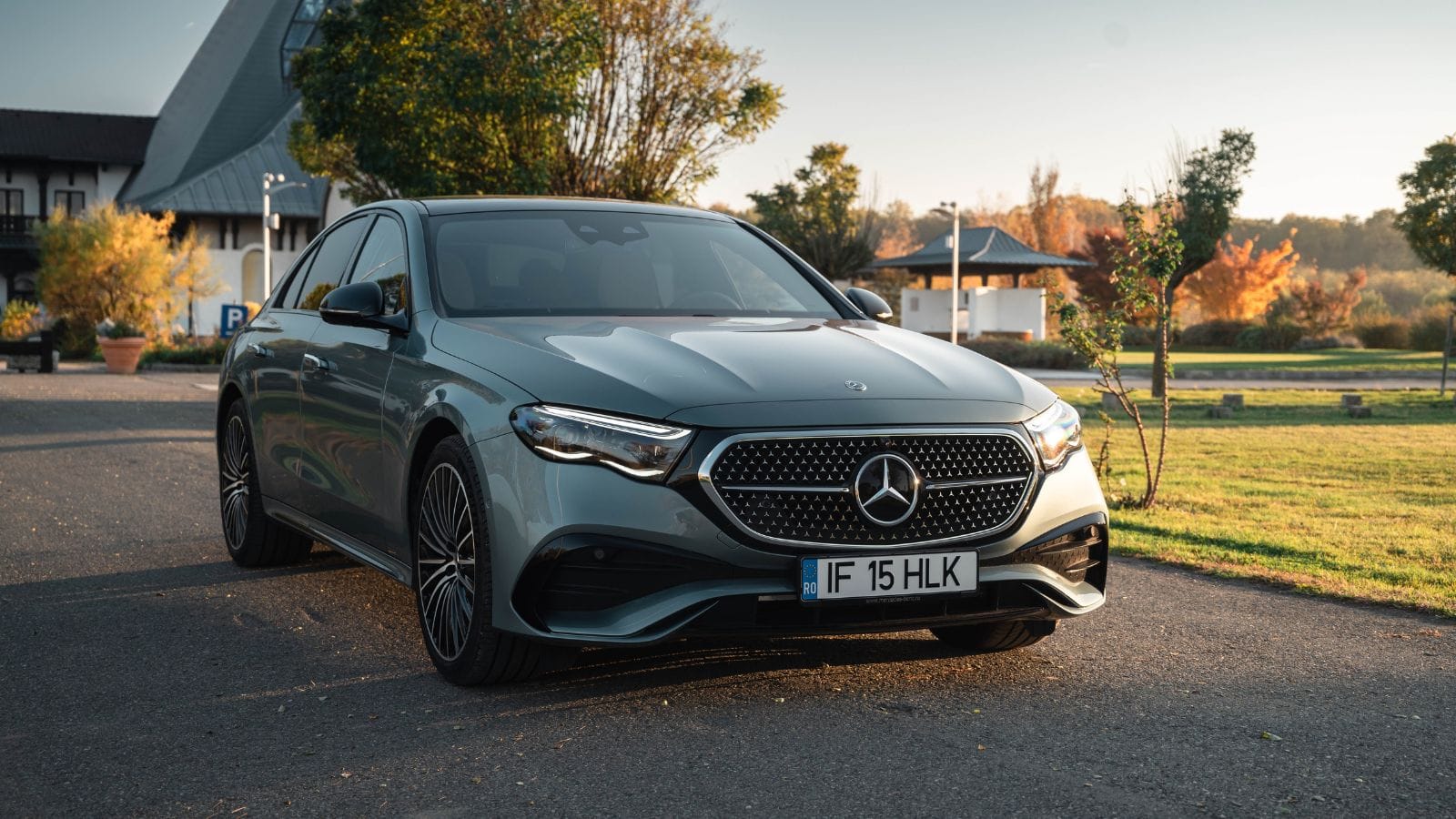
The E Class is built for smooth highway cruising, not plowing through snowbanks. Rear drive versions can struggle on unplowed suburban roads. While stability control systems help, physics still applies. Deep snow and steep driveways quickly highlight the limits of rear wheel traction.
Lexus IS
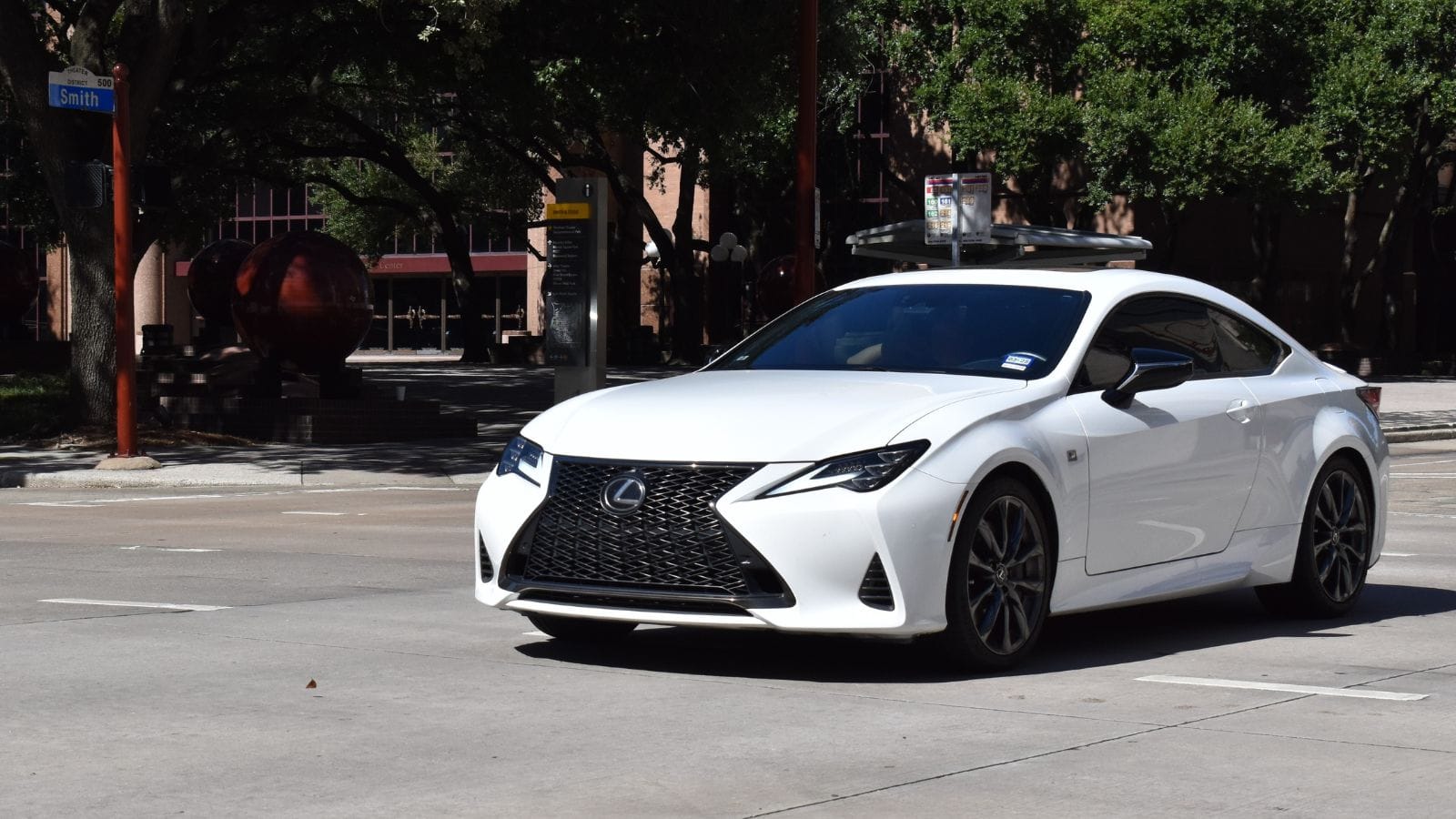
The IS is often chosen for its reliability and sporty handling. In winter, its rear wheel drive layout and lower ride height can make it a handful without proper preparation. Short wheelbase characteristics also mean it can step out more abruptly on slippery surfaces.
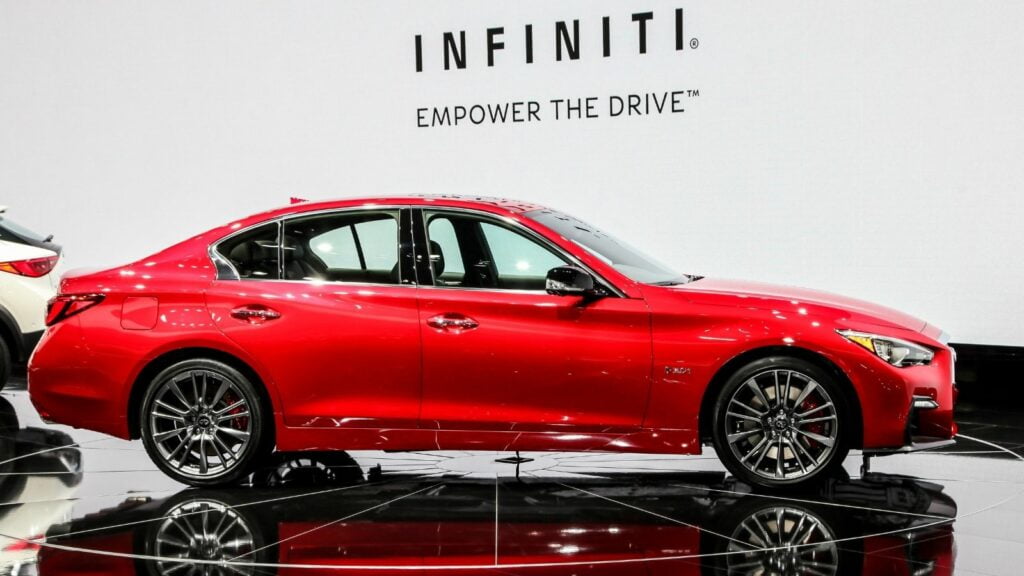
Infiniti Q50
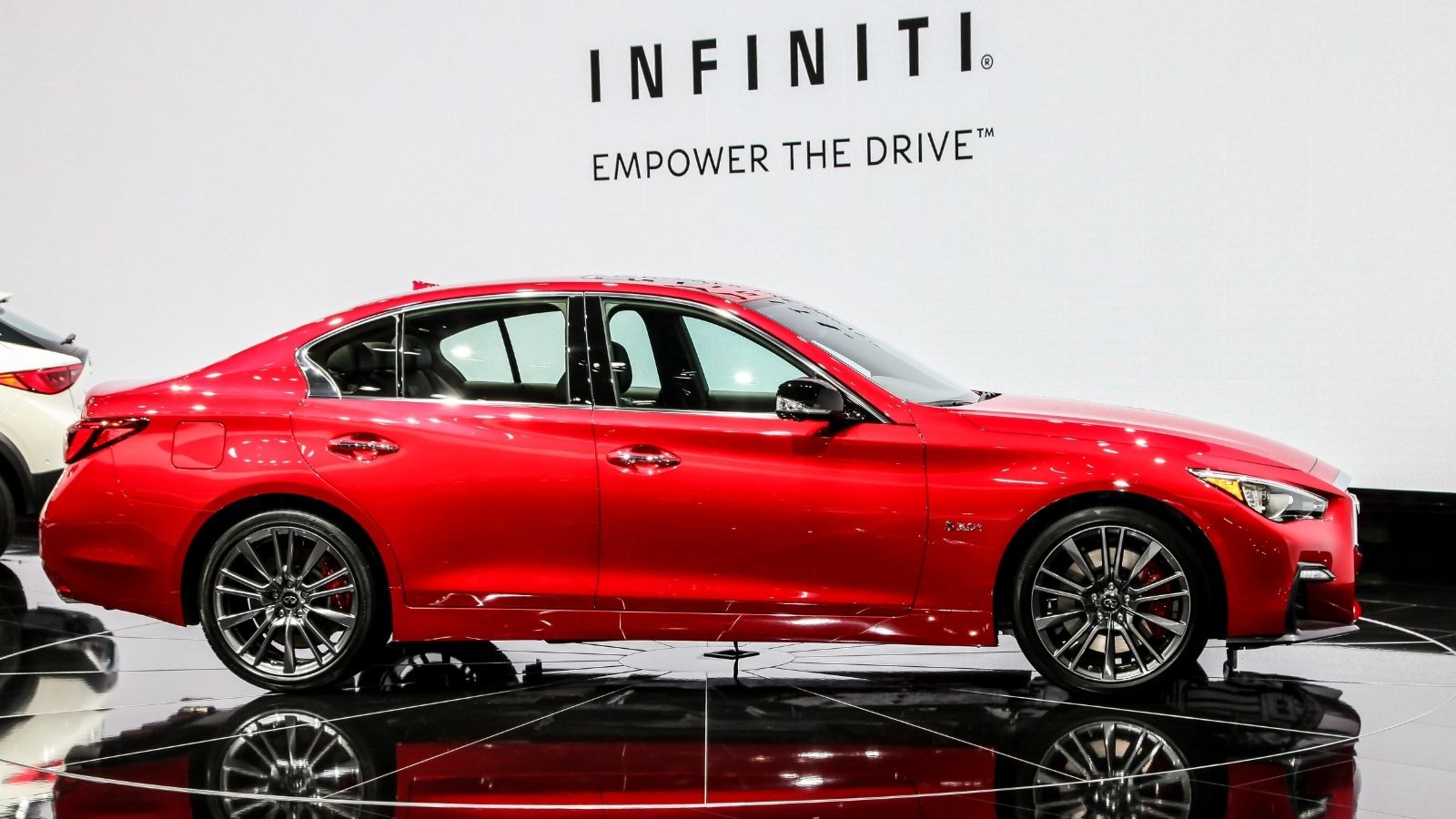
The Q50 offers strong power and rear drive dynamics. That same power delivery can make icy roads challenging. Its electronic steering system does not always provide the most intuitive feedback in low grip conditions, which can make winter corrections feel less predictable.
Chevrolet Camaro
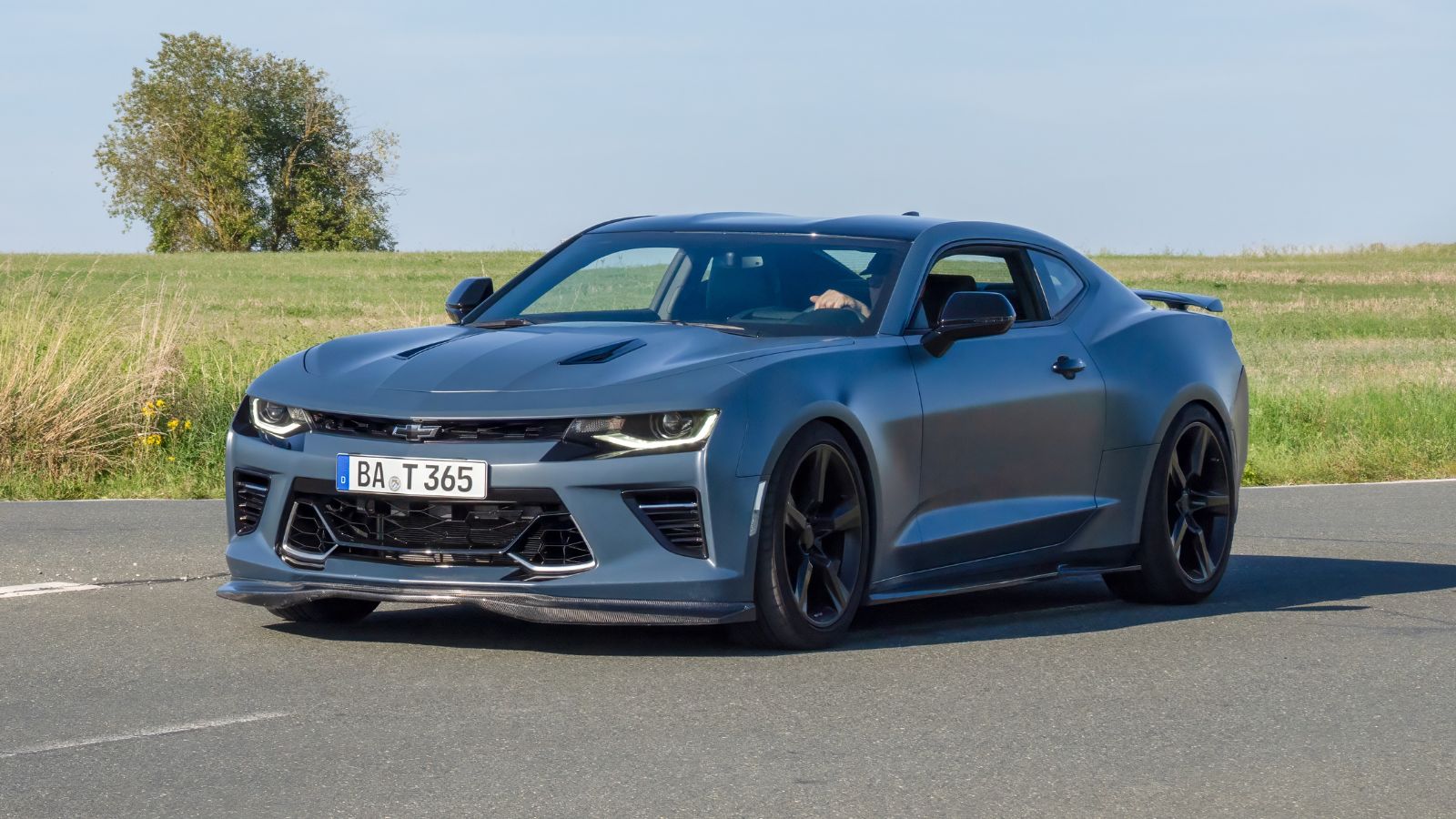
Low ride height, wide rear tires, and rear wheel drive create a triple challenge in winter. Even modest snowfall can pack beneath the front bumper and reduce ground clearance further. Visibility in snowy parking lots is also limited, adding to the stress of daily use.
Dodge Charger
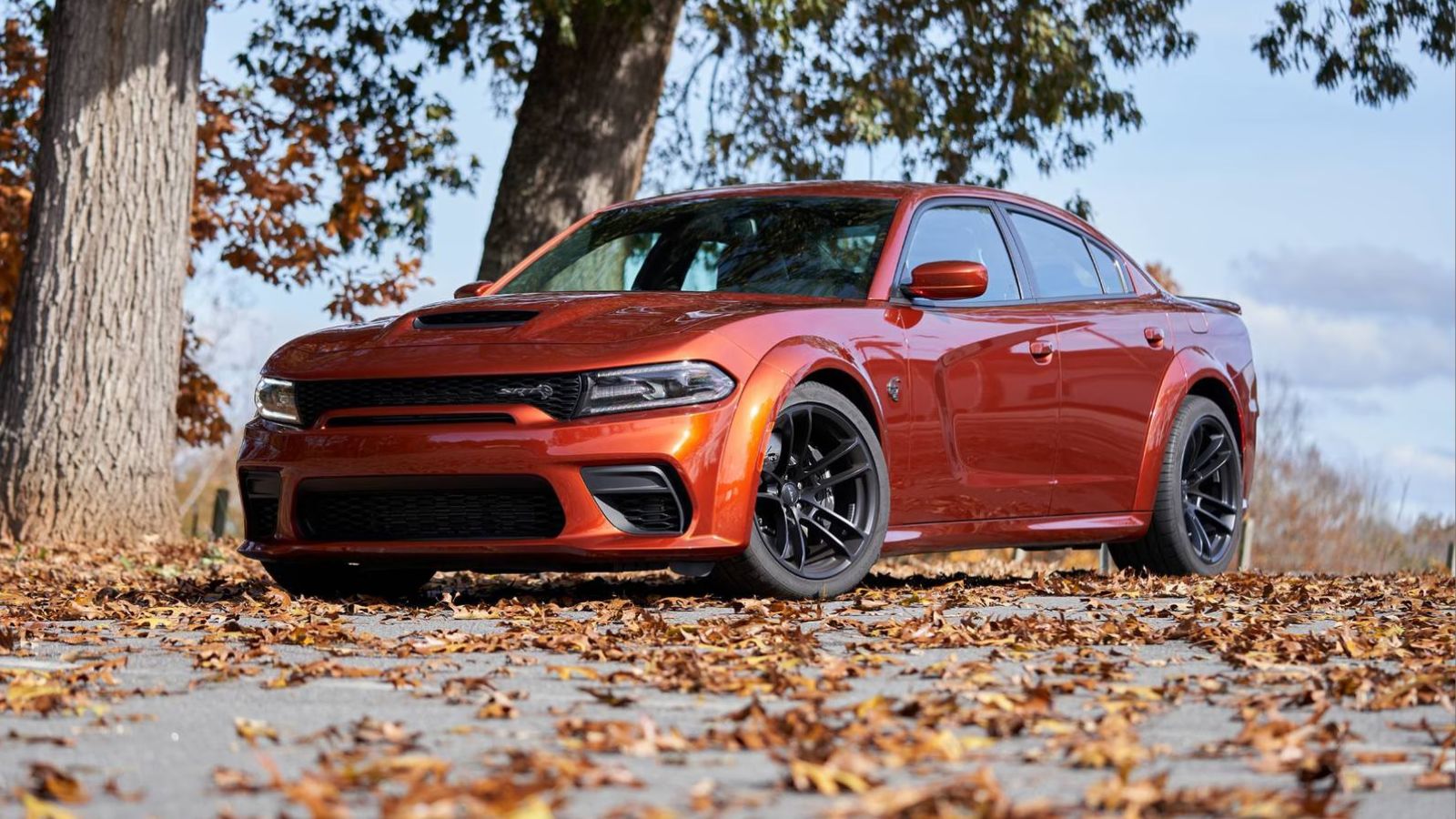
The Charger combines size, weight, and rear wheel drive. While winter tires improve matters significantly, base rear drive versions still struggle on steep or untreated roads. V8 powered trims are especially eager to break traction when temperatures drop.
Cadillac CTS
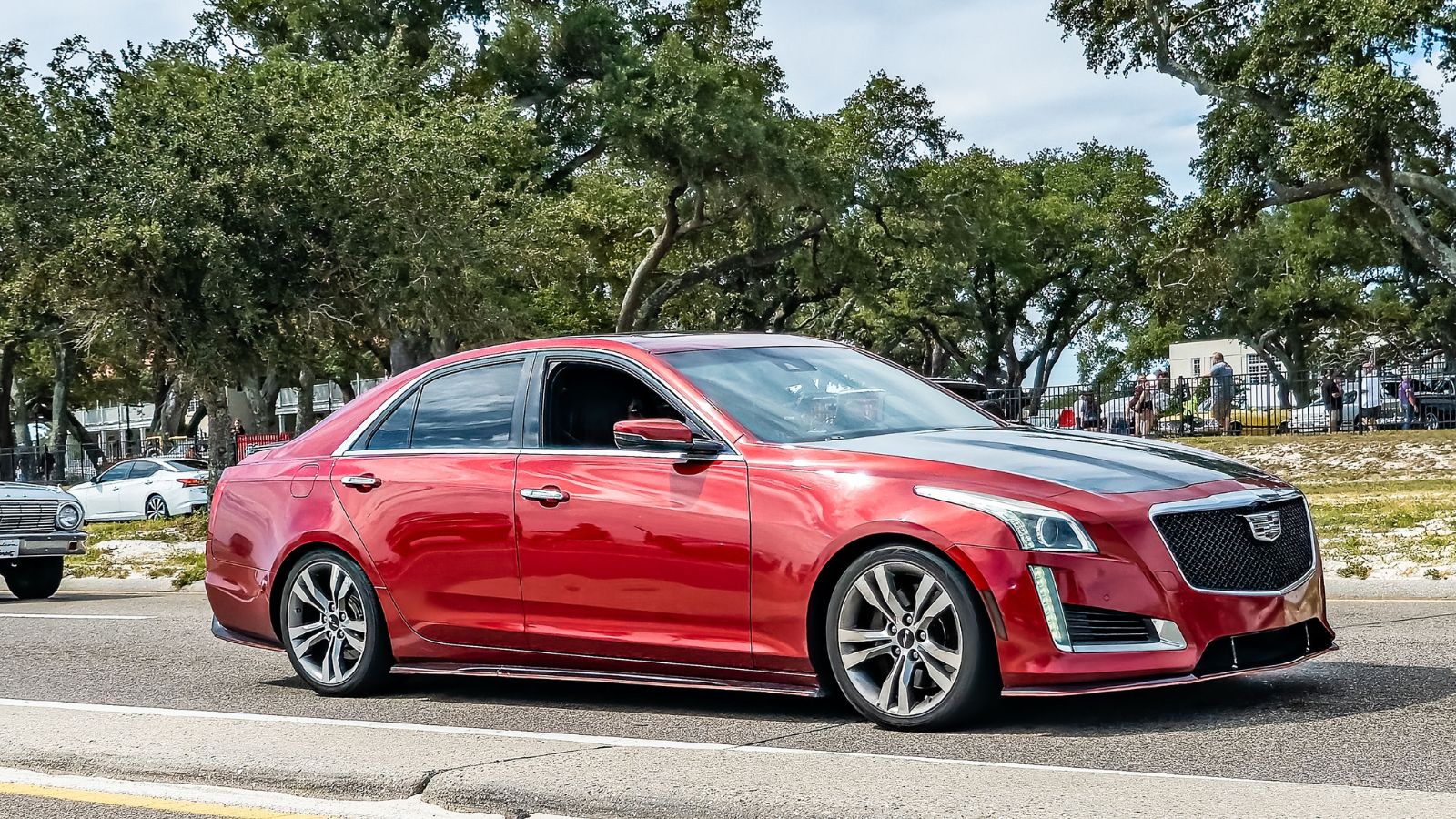
The CTS delivers sharp handling in dry conditions, but winter exposes its limitations. Low ground clearance and performance oriented suspension tuning make it less forgiving over rutted, frozen surfaces. Without all wheel drive, it demands careful throttle and brake inputs.
Ford Mustang
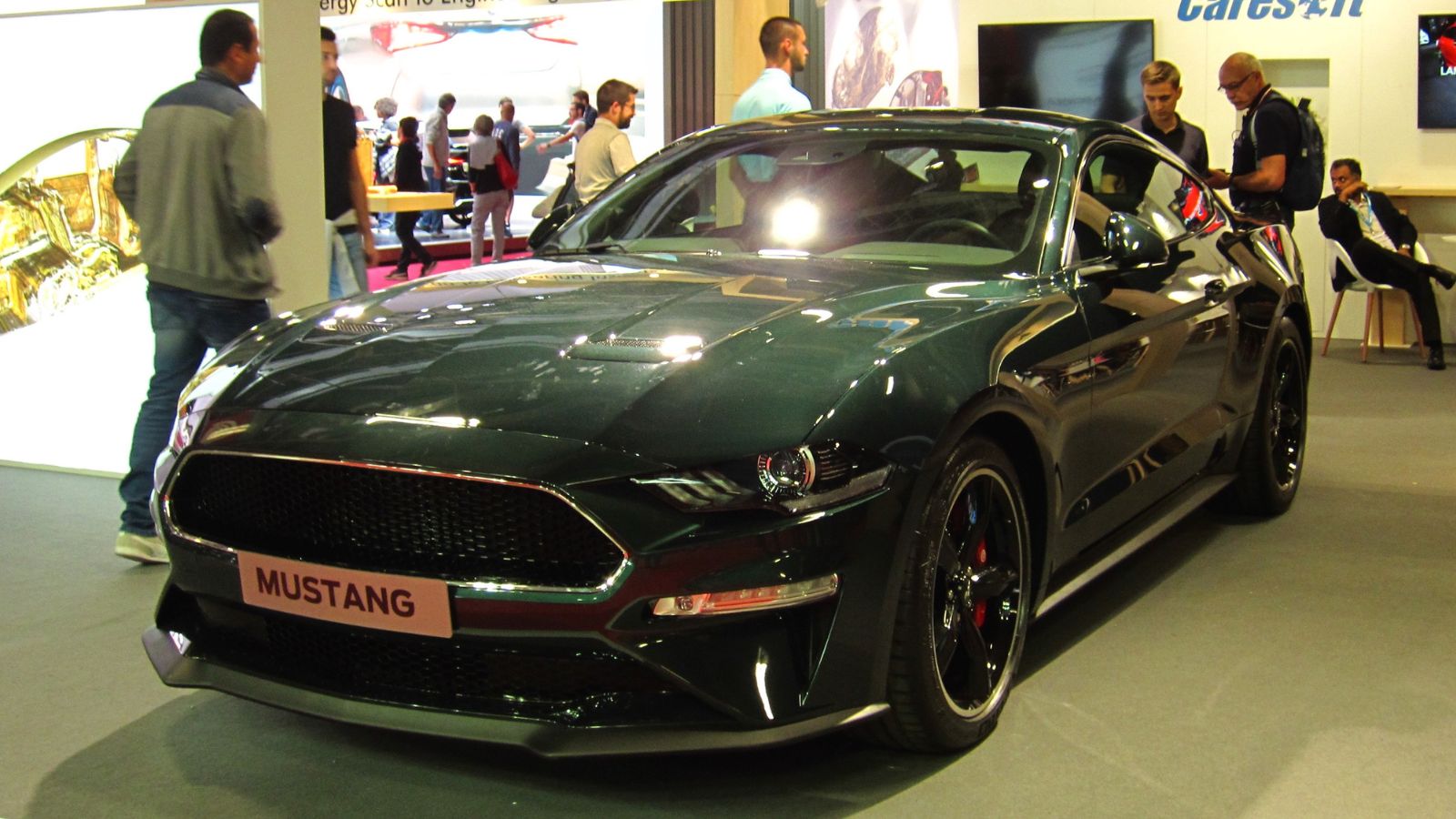
The Mustang has always been a rear wheel drive icon. In deep Canadian winter, that layout becomes a challenge. Powerful engines, wide rear tires, and limited rear weight make traction inconsistent on icy roads. With proper tires it can survive, but it is never the easiest winter companion.
Winter driving in Canada is as much about preparation as vehicle choice. Dedicated winter tires, proper weight distribution, and careful throttle control can make many of these cars manageable. However, compared to front wheel drive sedans or all wheel drive crossovers, they require more effort and attention. When temperatures fall and snow piles up, simplicity, traction, and clearance often matter more than handling balance and horsepower.
25 Facts About Car Loans That Most Drivers Don’t Realize

Car loans are one of the most common ways people fund car purchases. Like any other kind of loan, car loans can have certain features that can be regarded as an advantage or a disadvantage to the borrower. Understanding all essential facts about car loans and how they work to ensure that you get the best deal for your financial situation is essential. Here are 25 shocking facts about car loans that most drivers don’t realize:
25 Facts About Car Loans That Most Drivers Don’t Realize
