
Electric cars promise smooth power, quiet driving, and lower running costs. Yet many owners are discovering a hidden downside that rarely appears in showroom brochures. Tires on electric vehicles can wear out faster than expected. From Tesla Model 3 sedans to Ford F150 Lightning pickups, some EV owners report replacing tires far sooner than they did on gasoline vehicles. The reason comes down to a mix of weight, torque, and physics.
Instant Torque Puts More Stress on Tires

Electric motors deliver power differently than gasoline engines. The moment a driver presses the accelerator, the motor can deliver its full torque instantly. That surge of force travels directly to the wheels, which means the tires must immediately handle the entire load.
In a gasoline car, power builds gradually as the engine climbs through the rev range. That smoother delivery spreads stress over time. In an electric vehicle the sudden torque can break traction or scrub rubber away during normal acceleration. Drivers often enjoy the quick response, but the tires pay the price through faster wear.
Electric Cars Are Heavier Than Many Gasoline Cars
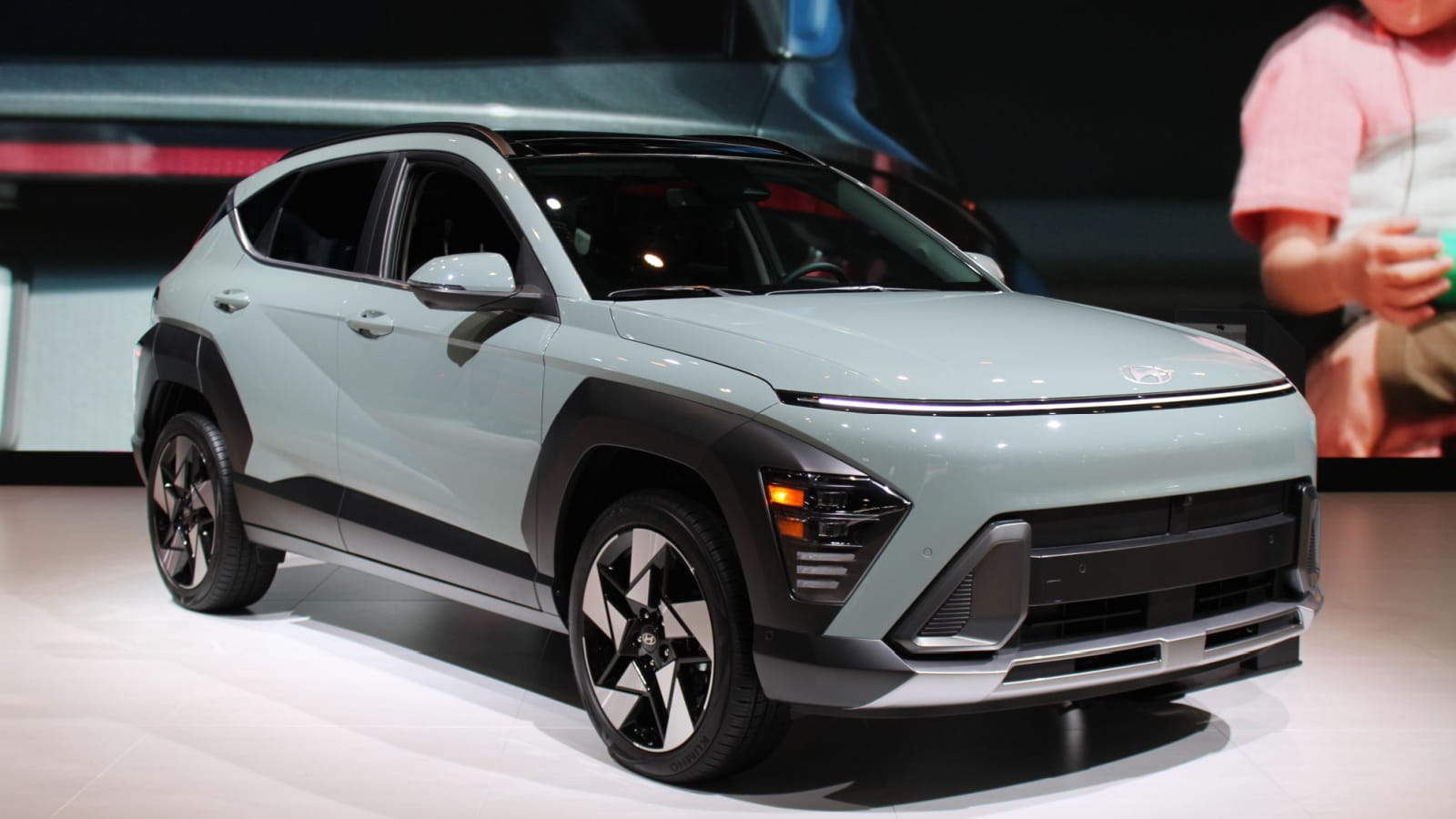
Weight plays a major role in tire life. Electric vehicles carry large battery packs that add significant mass compared with traditional cars. A Tesla Model Y, for example, weighs several hundred pounds more than a comparable gasoline crossover.
That extra weight presses harder on the tires, increasing friction with the road surface. Every time the car accelerates, brakes, or corners, the tires must manage more load. Over thousands of miles that additional stress can shorten tire life noticeably. Even careful drivers may see faster wear simply because the vehicle itself is heavier.
Regenerative Braking Changes Tire Loads

Electric cars rely heavily on regenerative braking to recover energy while slowing down. Instead of using traditional brake pads, the electric motor reverses its function and helps slow the car while charging the battery.
This system shifts braking forces differently compared with conventional vehicles. Often the rear tires handle more braking work than they would in a gasoline car. Over time this altered load distribution can create unusual wear patterns. Owners sometimes notice that tires wear unevenly or more quickly, particularly on the driven wheels.
Performance Focused Tires Wear Quickly
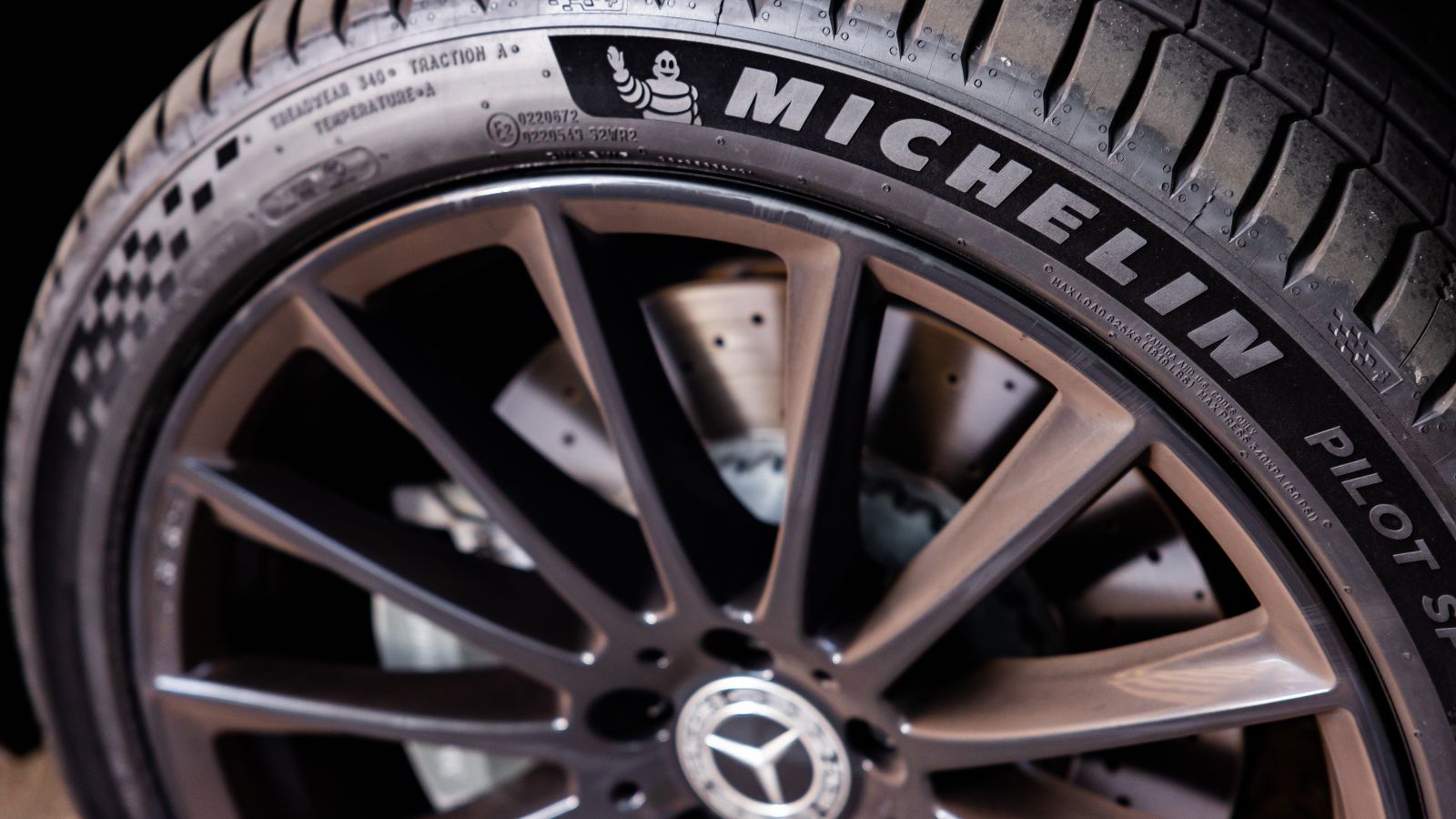
Many electric vehicles leave the factory with performance oriented tires designed to handle high torque and heavy weight. These tires provide excellent grip and quiet operation, but softer rubber compounds tend to wear faster.
Manufacturers also select low rolling resistance tires to improve driving range. Balancing efficiency and traction can lead to compromises in durability. As a result, some EV tires simply reach their wear limits sooner than drivers expect, especially if the car is driven enthusiastically.
Driving Style Matters More With Electric Power

Electric vehicles encourage quick acceleration because the power delivery feels effortless. Even moderate throttle inputs can produce strong bursts of speed that would require aggressive revving in a gasoline car.
That responsiveness often leads drivers to accelerate harder without realizing it. Each strong launch increases stress on the tire surface. Over time those repeated bursts of torque slowly grind away rubber. Drivers who adopt smoother acceleration habits often find their tires last noticeably longer.
Tire Technology Is Adapting to EV Demands
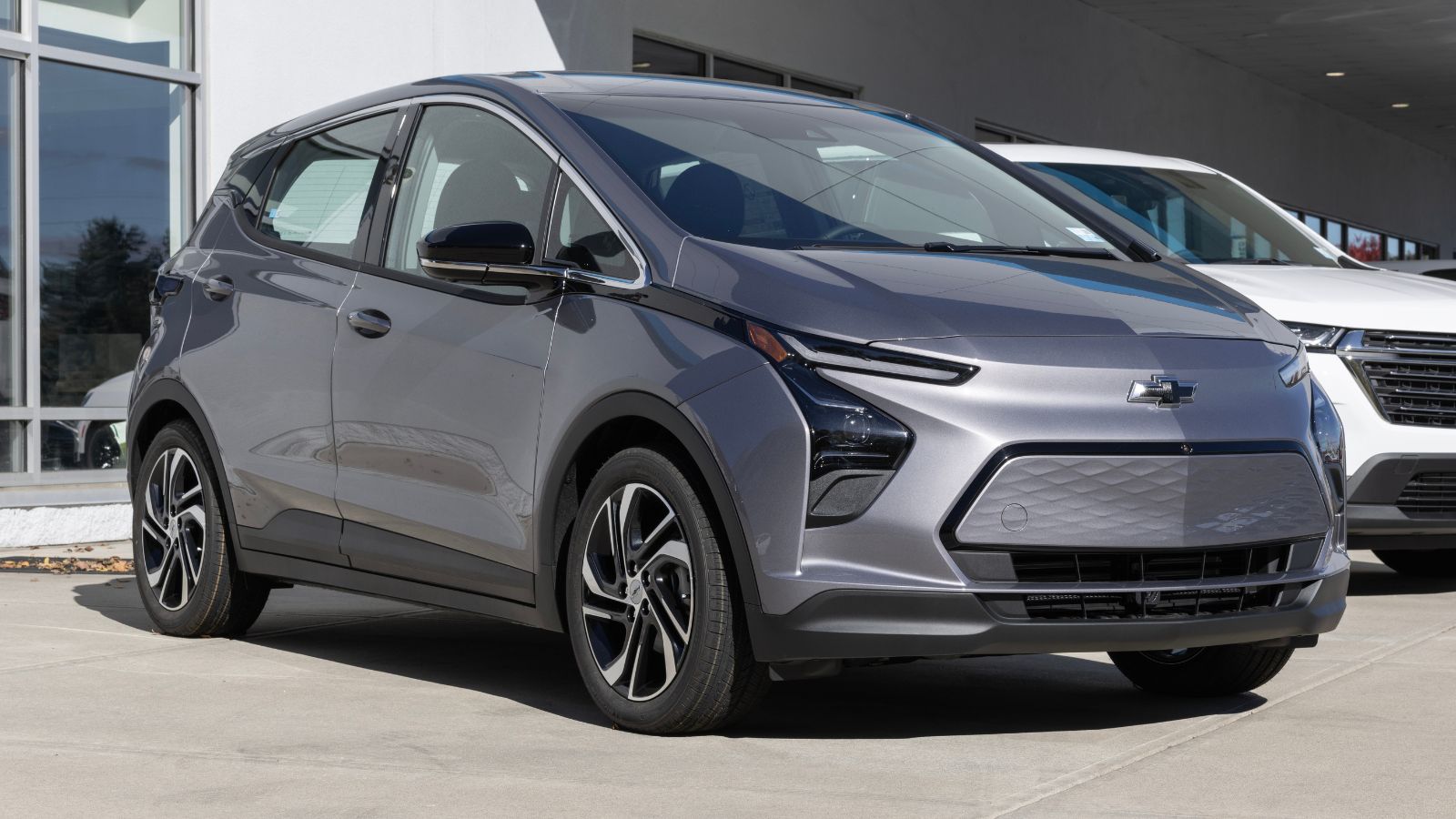
Tire manufacturers are already developing designs specifically for electric vehicles. These tires often include reinforced sidewalls to handle heavier loads and specialized compounds that resist rapid wear.
Some also feature acoustic foam inserts to reduce road noise, which is more noticeable in quiet electric cars. As EV adoption grows, tire technology will likely continue evolving to address the unique stresses created by electric powertrains.
For now, electric vehicle owners should pay closer attention to tire maintenance. Regular rotations, proper inflation, and smoother driving habits can make a significant difference in how long those expensive tires last.
25 Facts About Car Loans That Most Drivers Don’t Realize

Car loans are one of the most common ways people fund car purchases. Like any other kind of loan, car loans can have certain features that can be regarded as an advantage or a disadvantage to the borrower. Understanding all essential facts about car loans and how they work to ensure that you get the best deal for your financial situation is essential. Here are 25 shocking facts about car loans that most drivers don’t realize:
25 Facts About Car Loans That Most Drivers Don’t Realize
