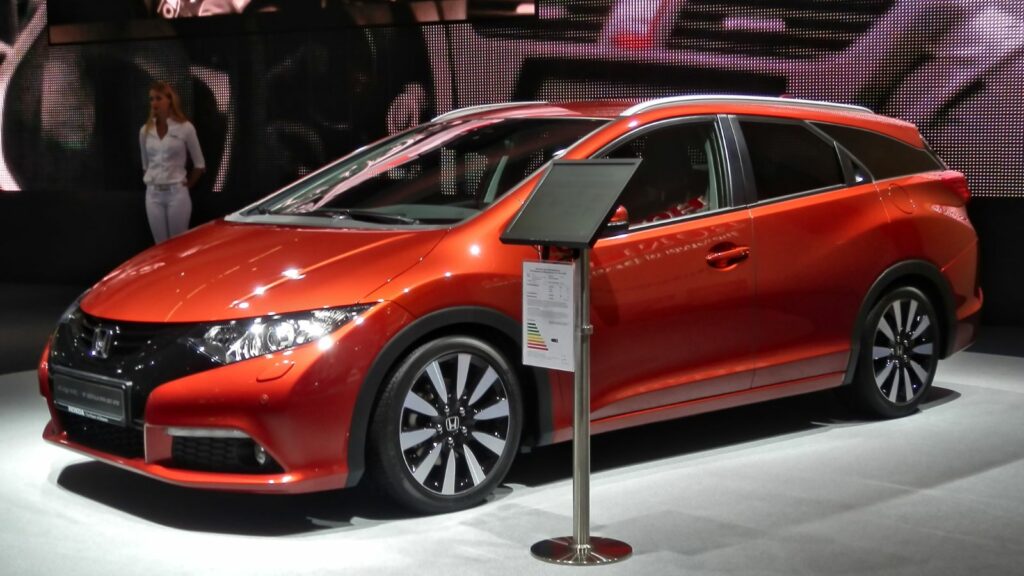
Not every great car is exciting. In fact, some of the most dependable machines ever built were also the most forgettable to look at and drive. They did not chase headlines, Nürburgring lap times, or bold styling trends. Instead, they quietly started every morning, handled brutal winters and long commutes without complaint, and accumulated hundreds of thousands of kilometers with minimal drama. These twelve cars may have been labeled dull, but they proved that boring can be a superpower.
Toyota Corolla
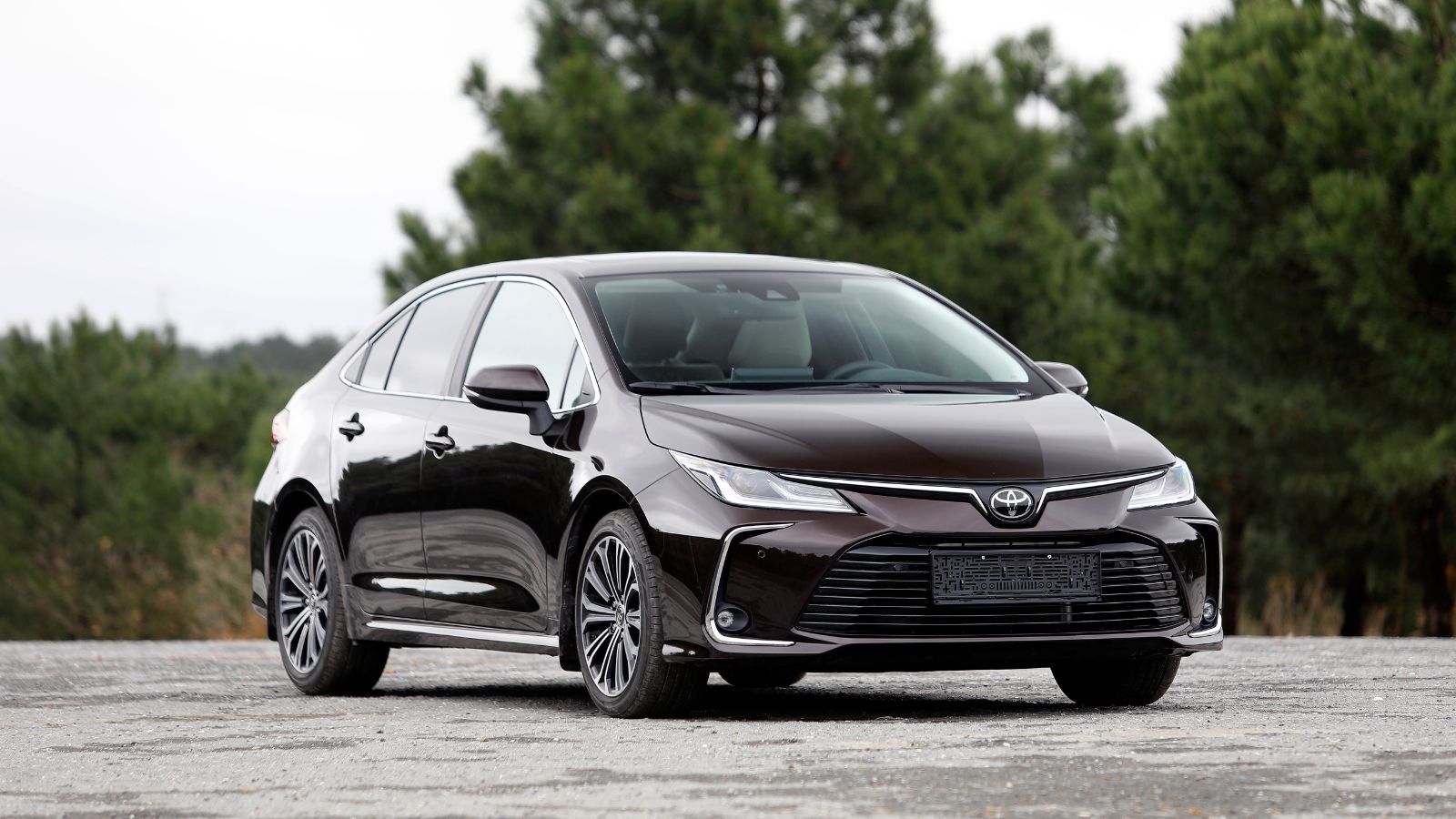
Few cars embody reliable transportation like the Corolla. Conservative styling, modest power, and predictable handling made it easy to overlook in any parking lot. Yet it built a global reputation for durability that few rivals could match. Simple naturally aspirated engines, proven automatic transmissions, and straightforward engineering meant fewer surprises over time. Owners routinely push them well past 300,000 kilometers with little more than basic maintenance.
Honda Civic
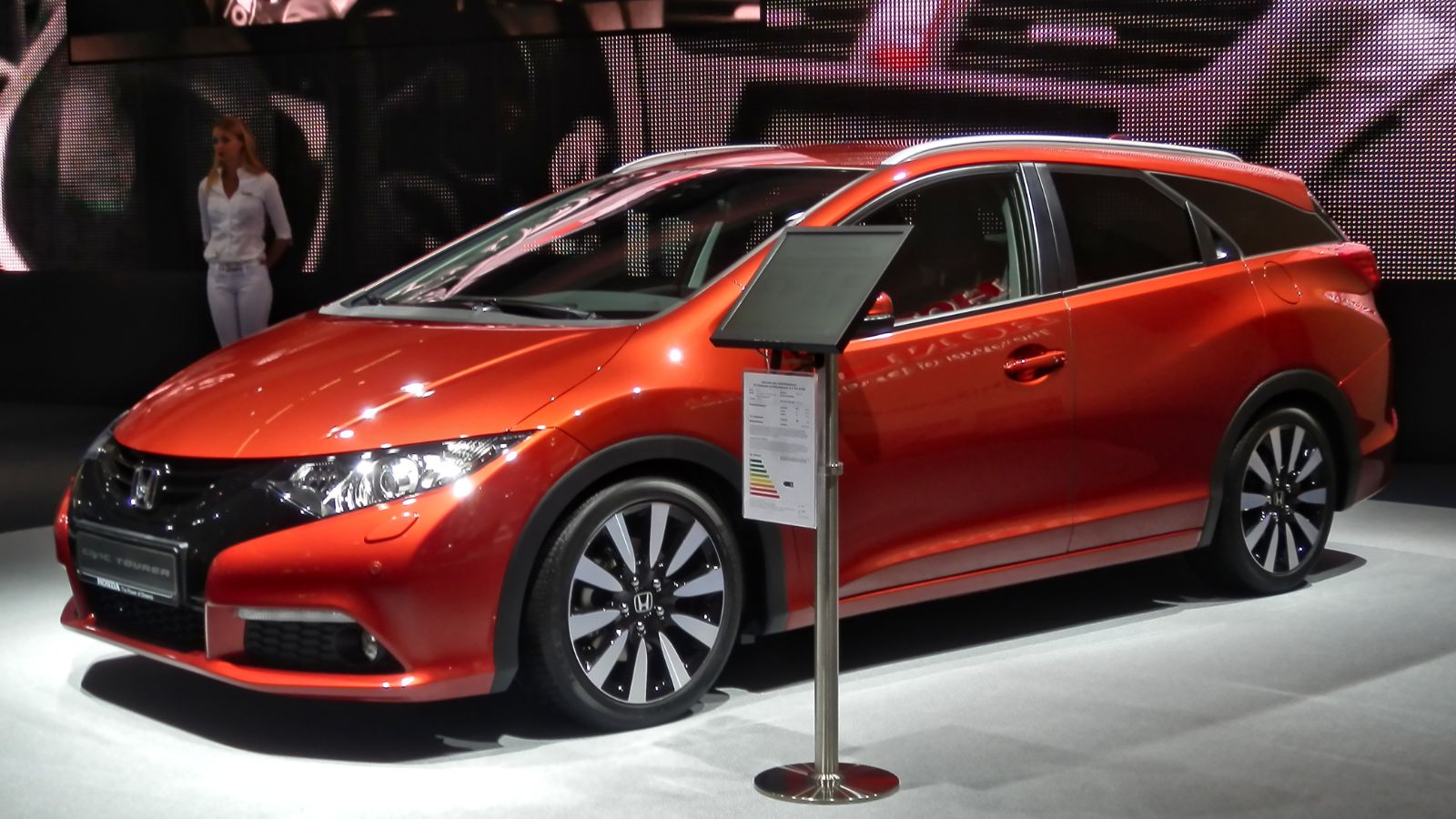
For decades, the Civic was the sensible choice for students, commuters, and families alike. It was rarely the fastest or flashiest in its class, but its engines were efficient, durable, and easy to service. Manual gearboxes held up well, and even high mileage examples continued to deliver dependable performance. The Civic earned loyalty not through excitement, but through consistency.
Toyota Camry
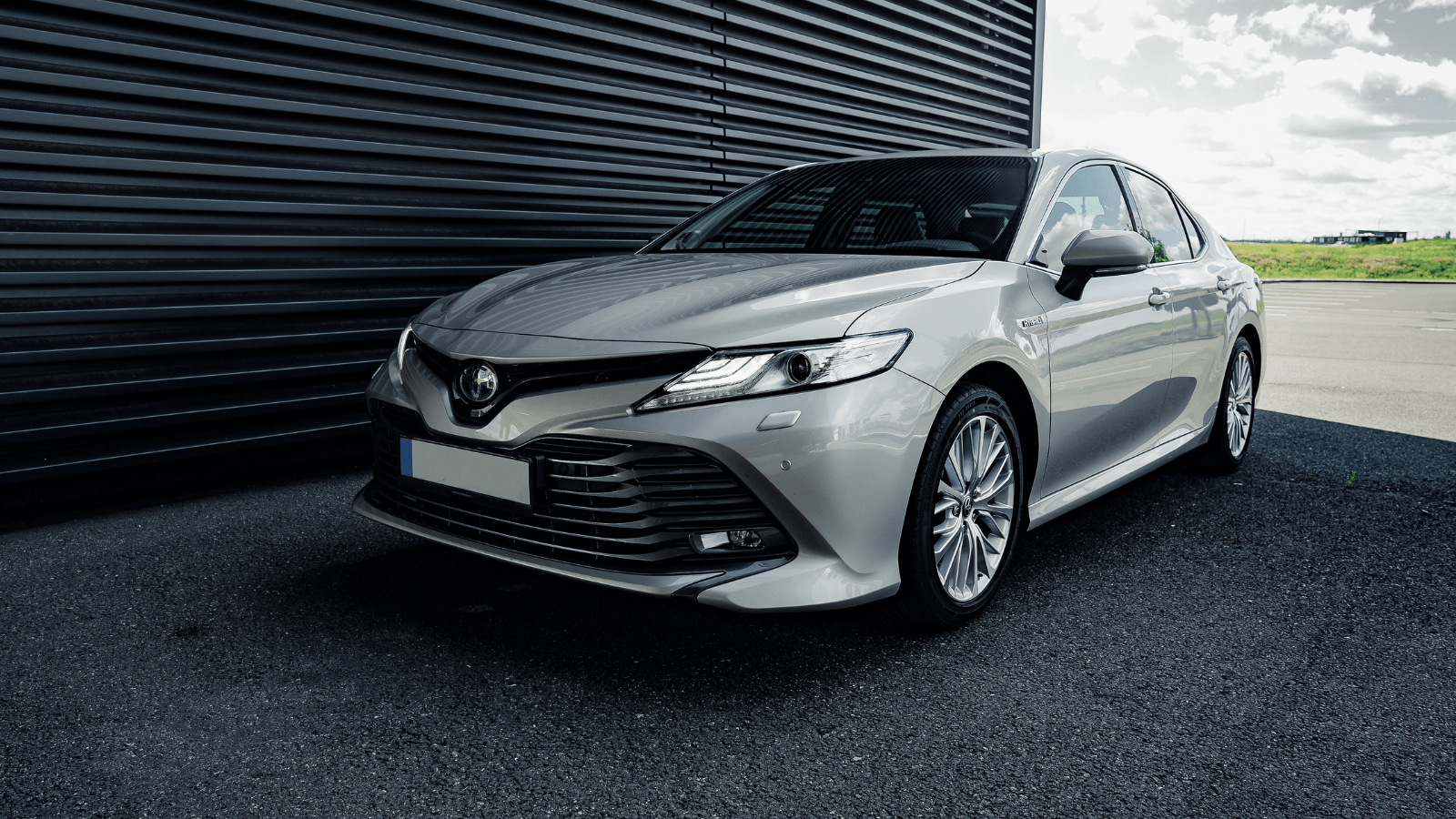
The Camry defined middle of the road motoring. Smooth, quiet, and unremarkable in its styling, it rarely thrilled drivers. What it did instead was deliver stress free ownership year after year. Its four cylinder and V6 engines became known for longevity, and resale values reflected that trust. In many households, the Camry became the car that simply never caused trouble.
Honda Accord
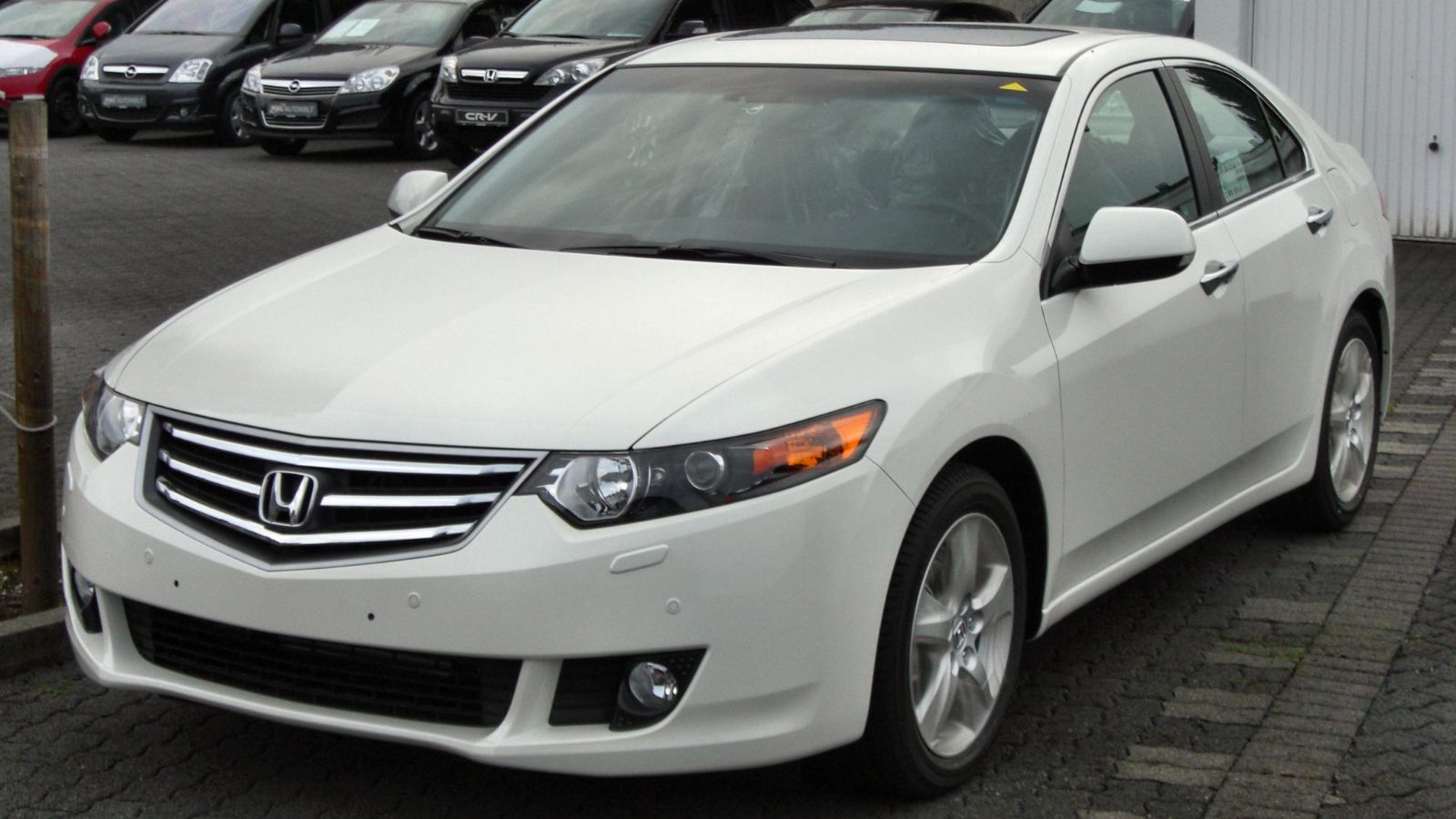
The Accord combined practicality with mechanical longevity. It balanced comfort and driving feel without ever leaning too far in either direction. Strong engines, well engineered suspensions, and durable transmissions helped it age gracefully compared to many competitors. Owners appreciated that it felt solid even after a decade on the road.
Toyota Yaris
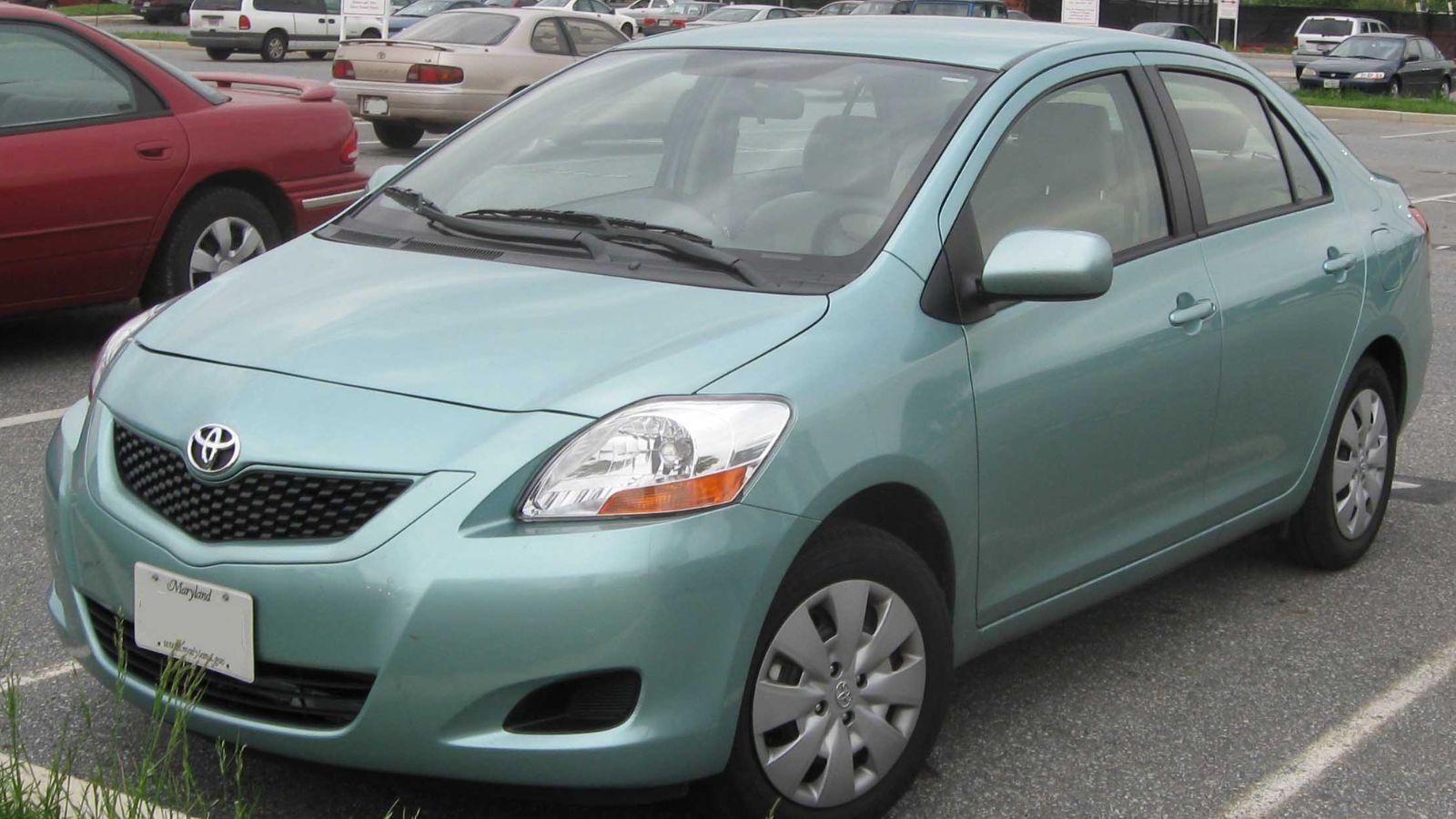
Small, simple, and inexpensive, the Yaris was never about excitement. Its lightweight build and basic engineering made it easy to maintain and cheap to run. With fewer complicated systems and modest power output, there was simply less to go wrong. For urban drivers and first time buyers, it became a dependable companion that just kept going.
Buick LeSabre
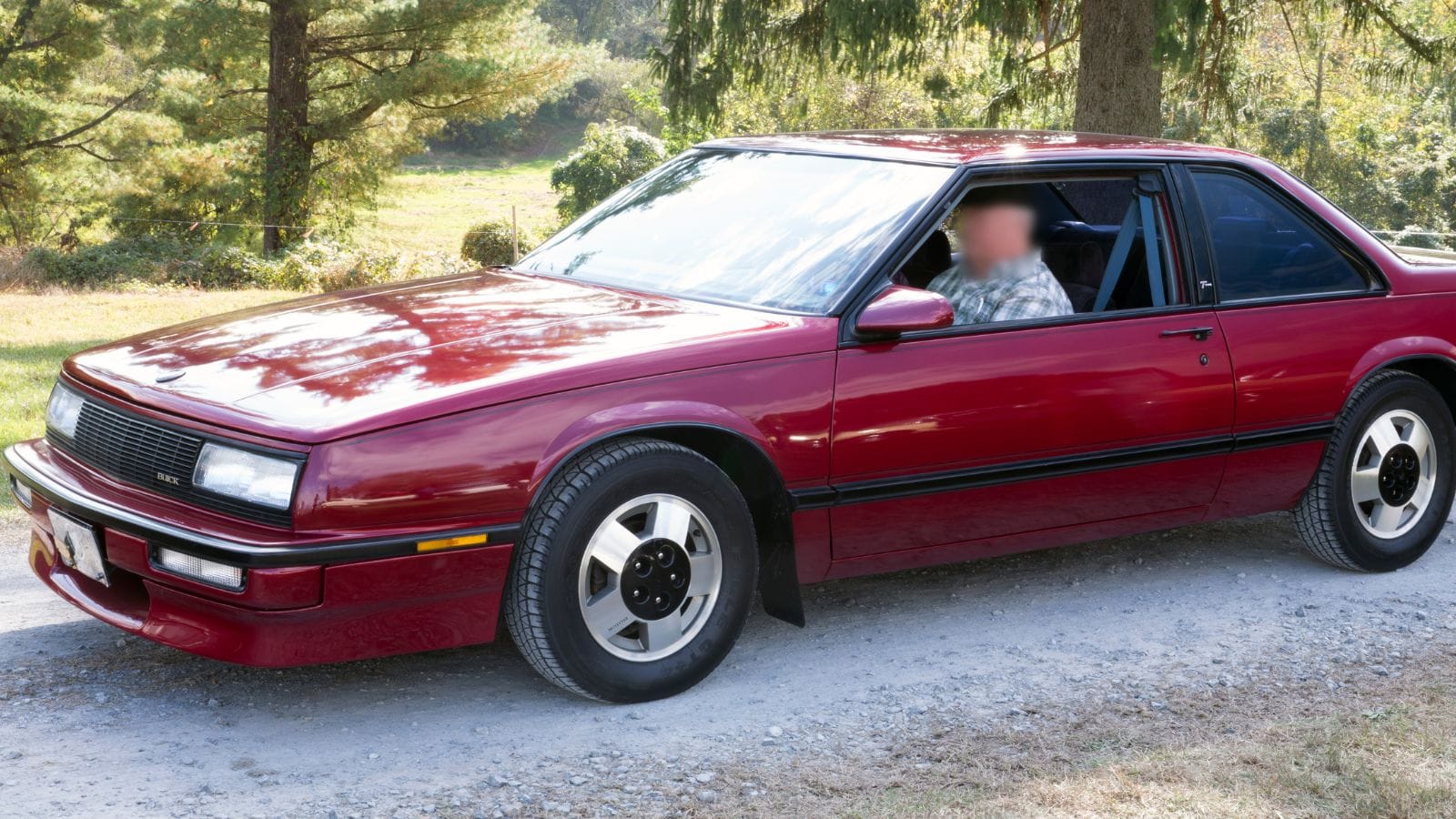
The LeSabre catered to comfort seekers, not enthusiasts. Underneath its soft suspension and plush seats lived General Motors’ proven 3800 V6 engine, widely regarded as one of the company’s most durable powerplants. Many examples accumulated massive mileage with minimal mechanical trouble, especially when used as long distance highway cruisers.
Ford Crown Victoria
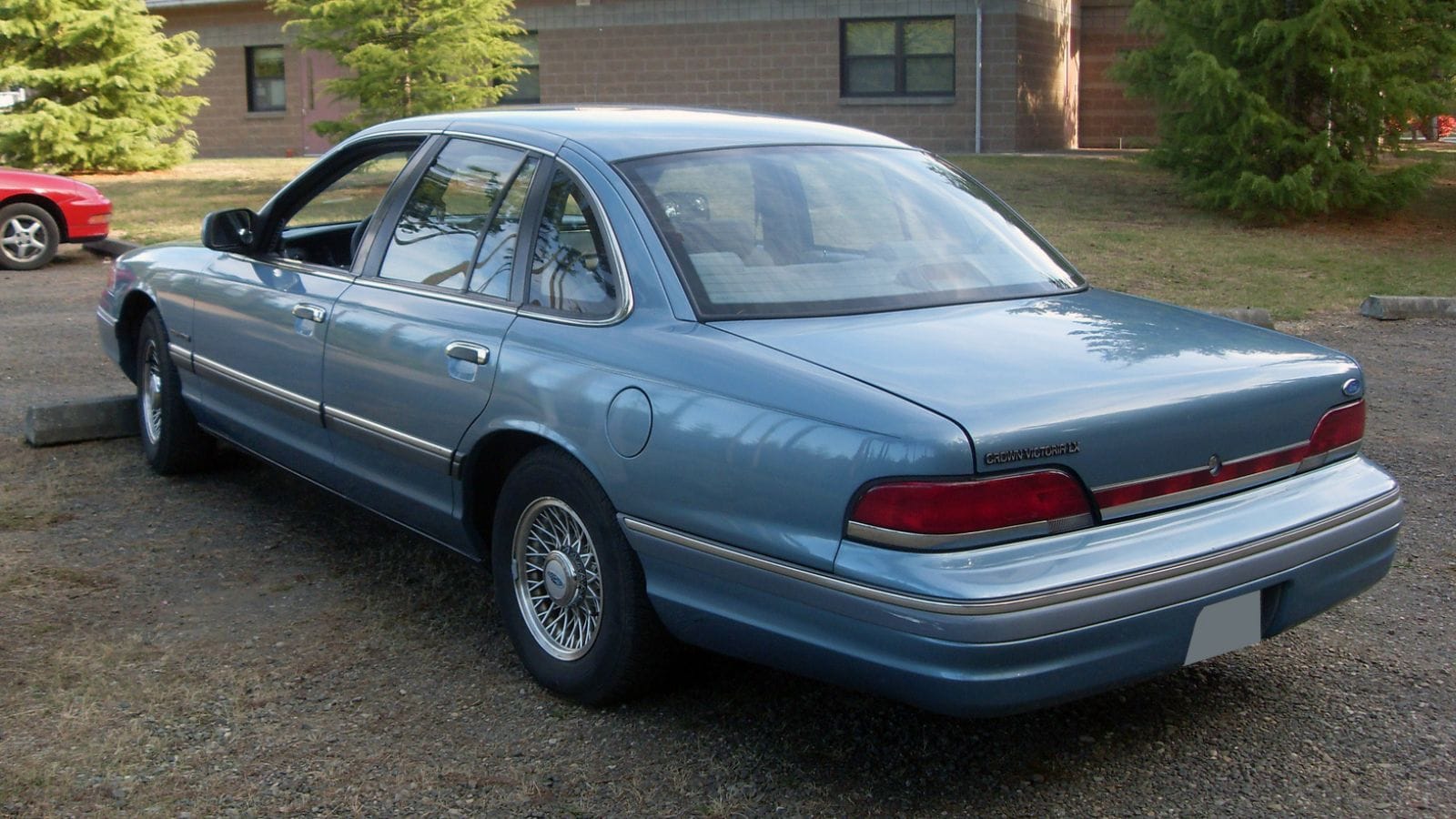
Often associated with police fleets and taxi companies, the Crown Victoria was the definition of basic transportation. Its body on frame construction and simple V8 engine made it tough and easy to repair. Fleet service proved its reliability credentials, as many units survived hundreds of thousands of kilometers under harsh duty cycles.
Toyota Avalon
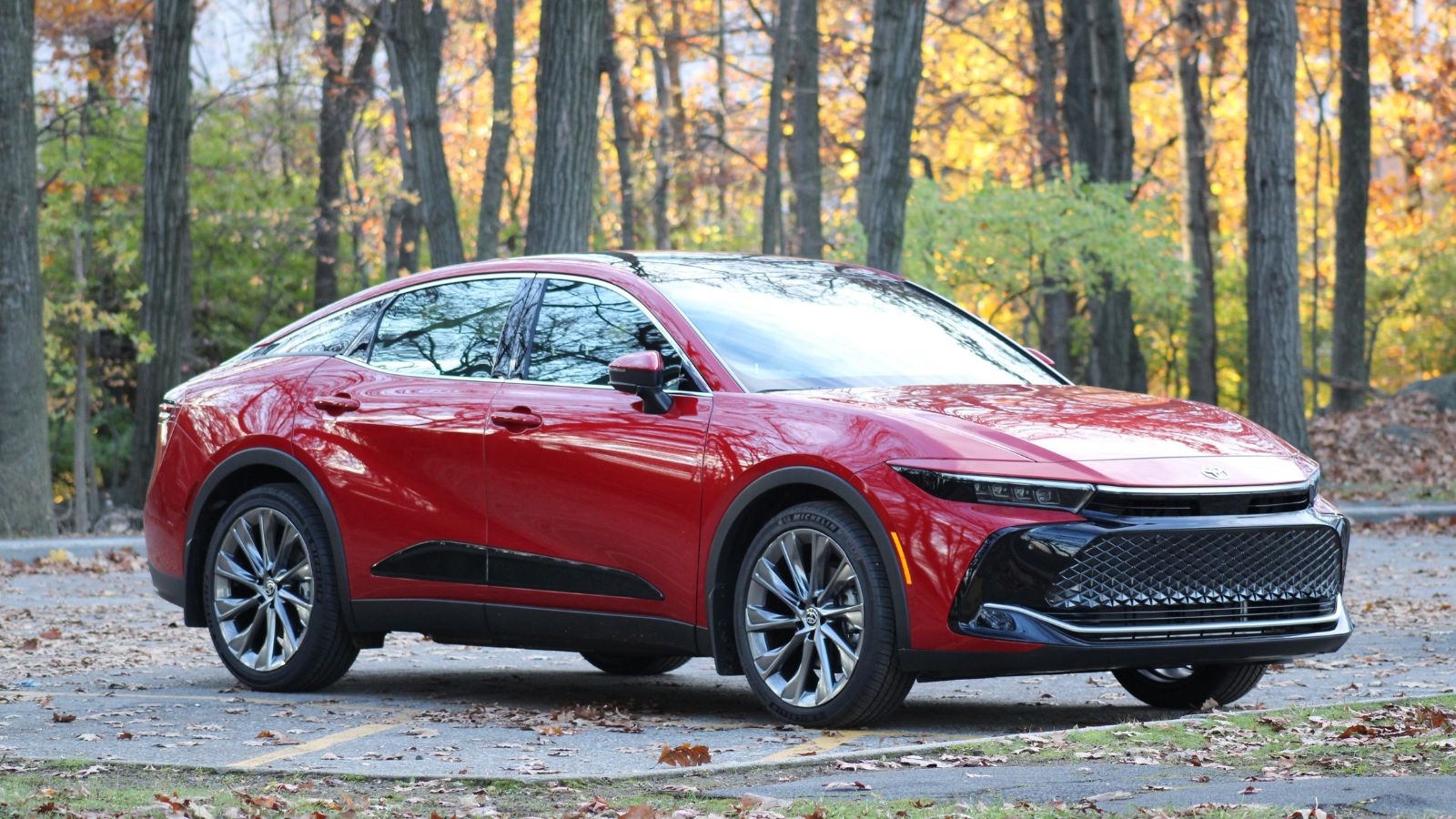
The Avalon offered comfort without drama. It lacked the prestige of European rivals and rarely appeared in enthusiast discussions. Yet its smooth V6 engine and conservative engineering paid off in the long run. Owners enjoyed quiet, low maintenance motoring that often exceeded expectations for longevity.
Subaru Legacy
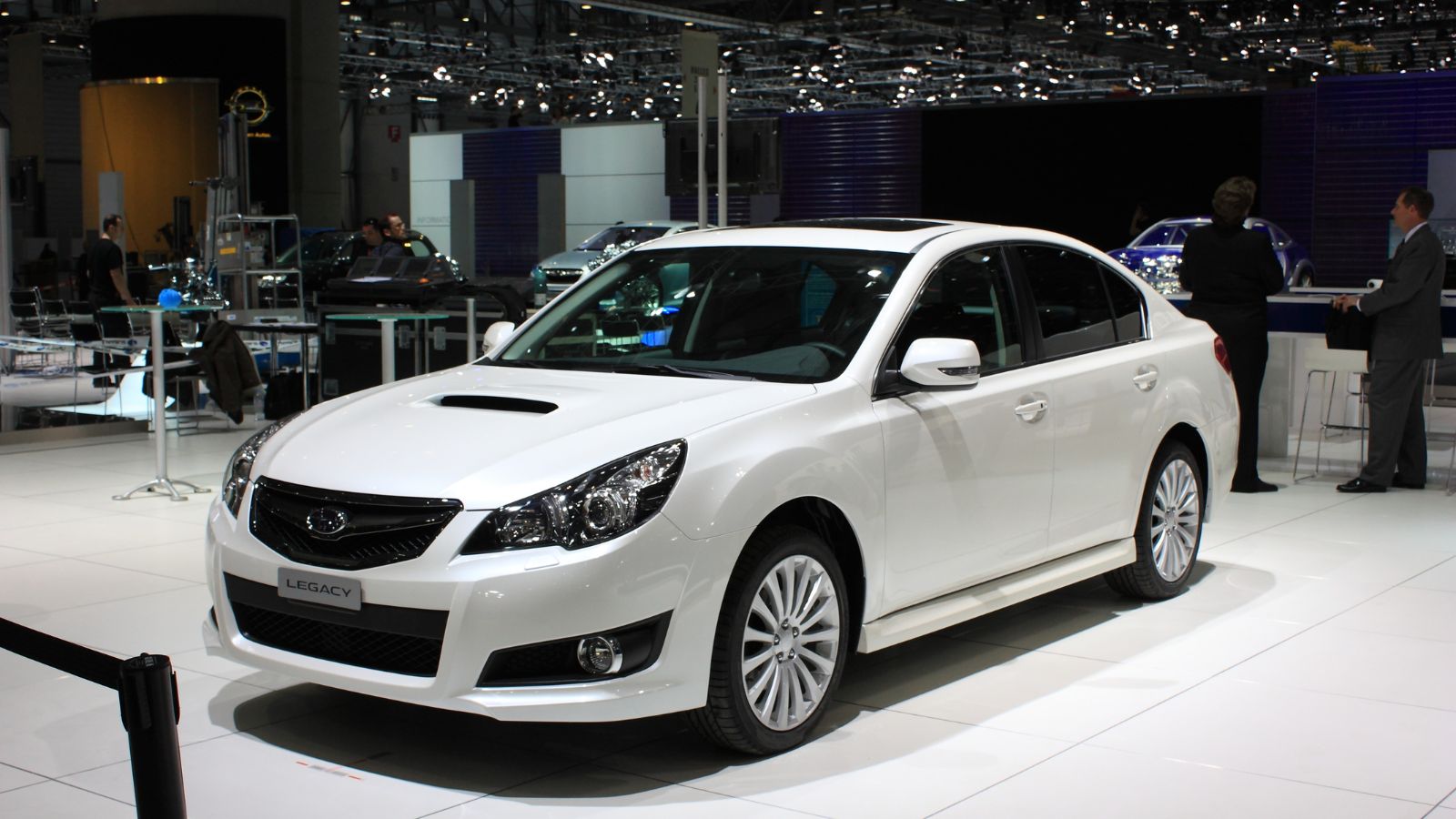
The Legacy was never the flashiest all wheel drive sedan on the market, but it built a reputation for dependable traction and durability in harsh climates. While early generations had mixed results, later models proved robust when properly maintained. In snow heavy regions, it became a trusted daily driver.
Hyundai Elantra
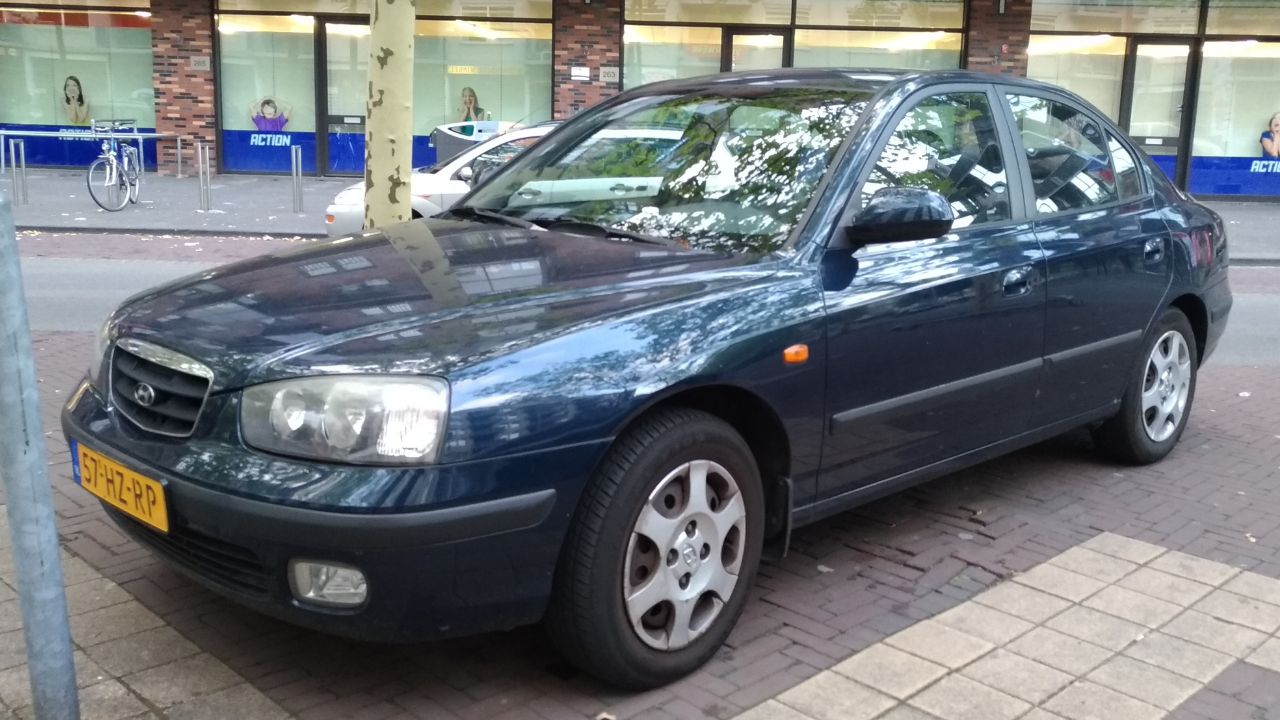
Early Elantras struggled with perception, but Hyundai steadily improved quality and engineering. Newer generations delivered solid reliability at affordable prices, backed by long warranties that boosted buyer confidence. Over time, the Elantra transformed from budget gamble to dependable commuter.
Mazda6
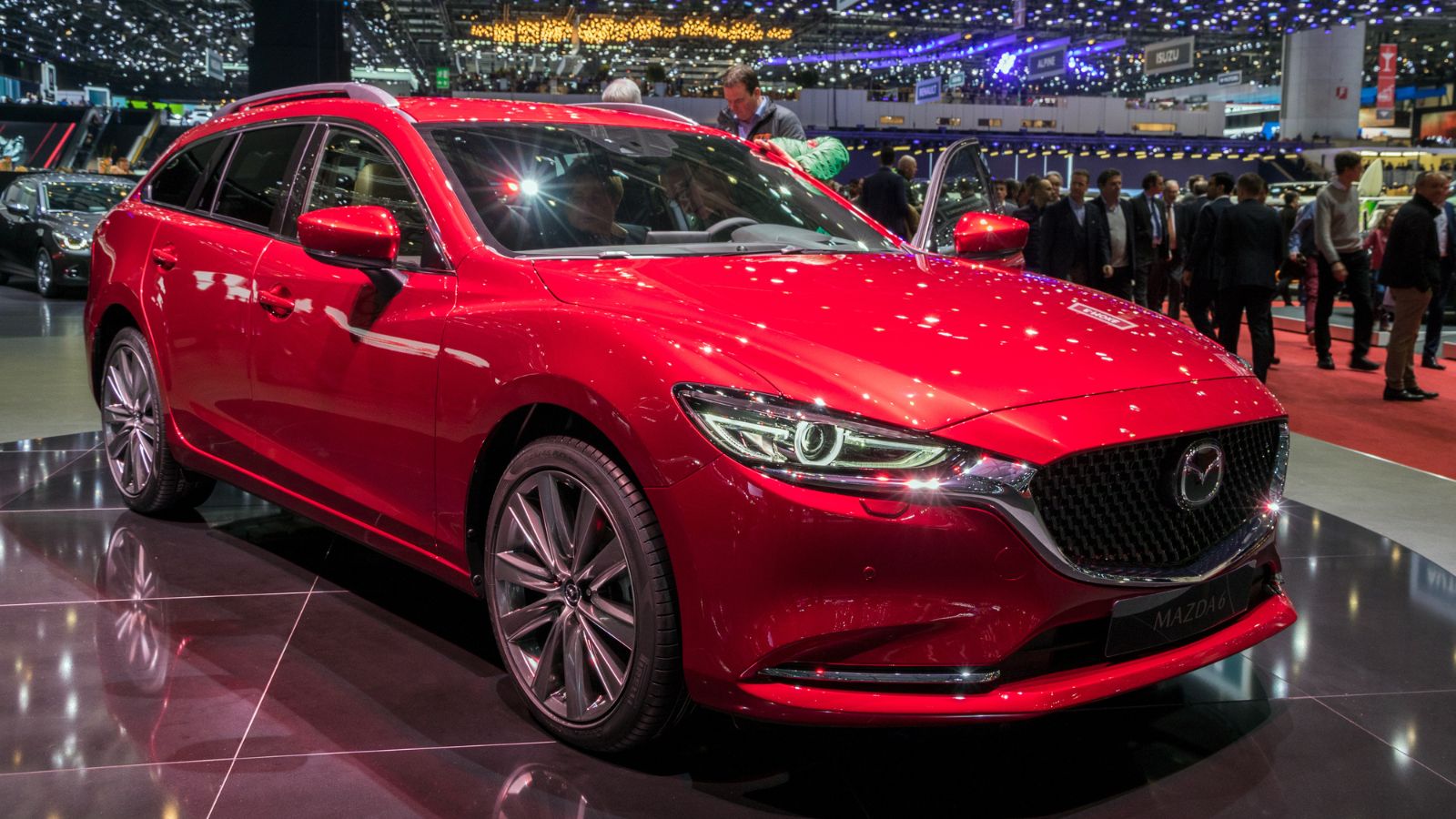
The Mazda6 often flew under the radar, overshadowed by larger selling rivals. Its naturally aspirated engines and straightforward mechanical design proved long lasting. While it offered better handling than many competitors, it remained understated in both design and marketing. Owners who kept up with maintenance were rewarded with dependable service.
Chevrolet Impala
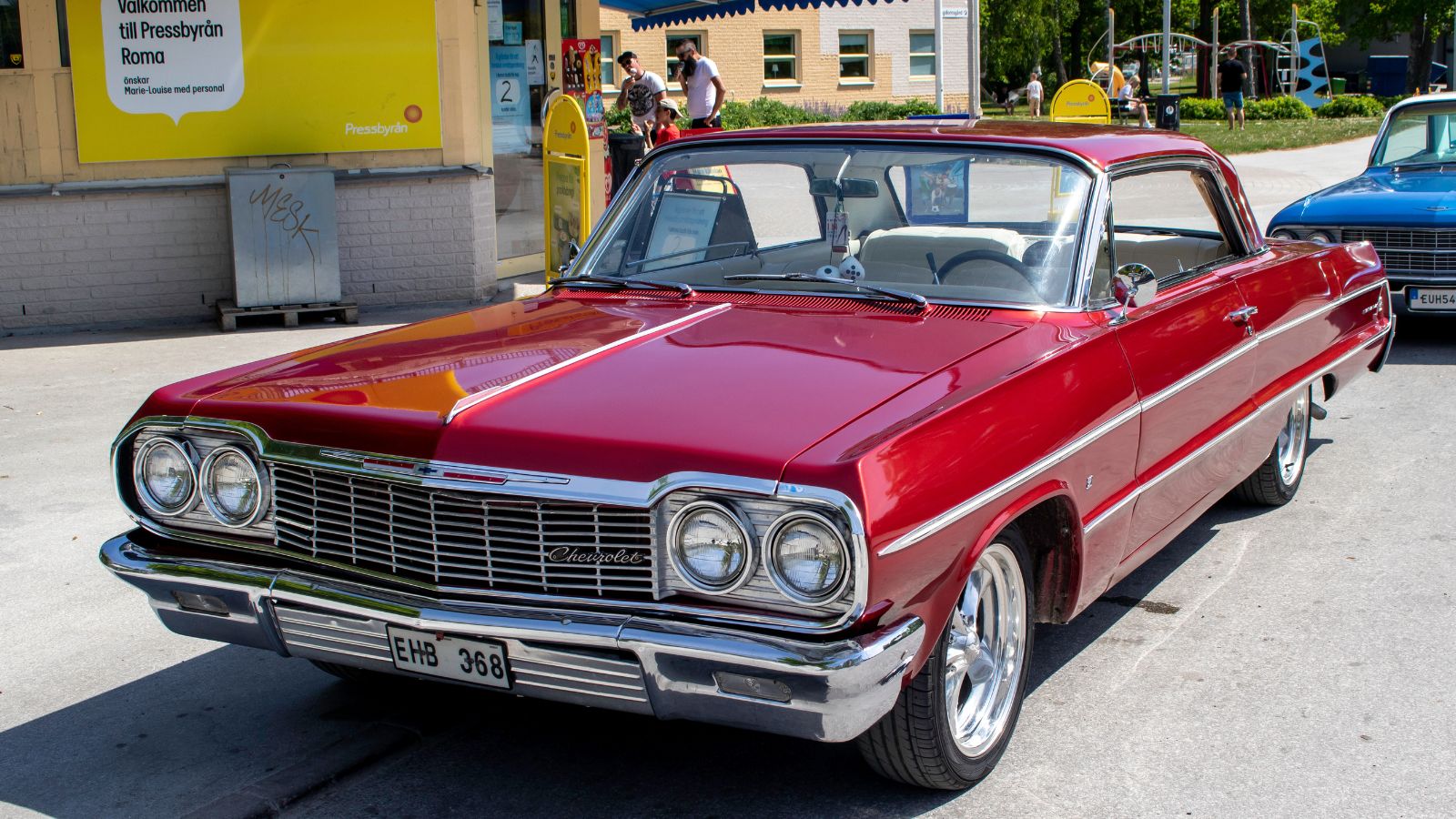
The later front wheel drive Impala was often overlooked in a crowded sedan market. Conservative styling and modest branding kept expectations low. Beneath the surface were proven V6 engines and simple drivetrains that delivered solid durability. It became a dependable family workhorse, particularly in fleet and rental service where reliability was essential.
Reliability rarely makes headlines the way horsepower does. These cars did not inspire posters on bedroom walls or heated debates at car meets. Instead, they earned something more valuable over time. Trust. They worked when asked, lasted longer than expected, and quietly proved that sometimes the least exciting choice is the smartest one. In a world obsessed with performance and technology, these “boring” cars showed that dependability can be the ultimate achievement.
25 Facts About Car Loans That Most Drivers Don’t Realize

Car loans are one of the most common ways people fund car purchases. Like any other kind of loan, car loans can have certain features that can be regarded as an advantage or a disadvantage to the borrower. Understanding all essential facts about car loans and how they work to ensure that you get the best deal for your financial situation is essential. Here are 25 shocking facts about car loans that most drivers don’t realize:
25 Facts About Car Loans That Most Drivers Don’t Realize
