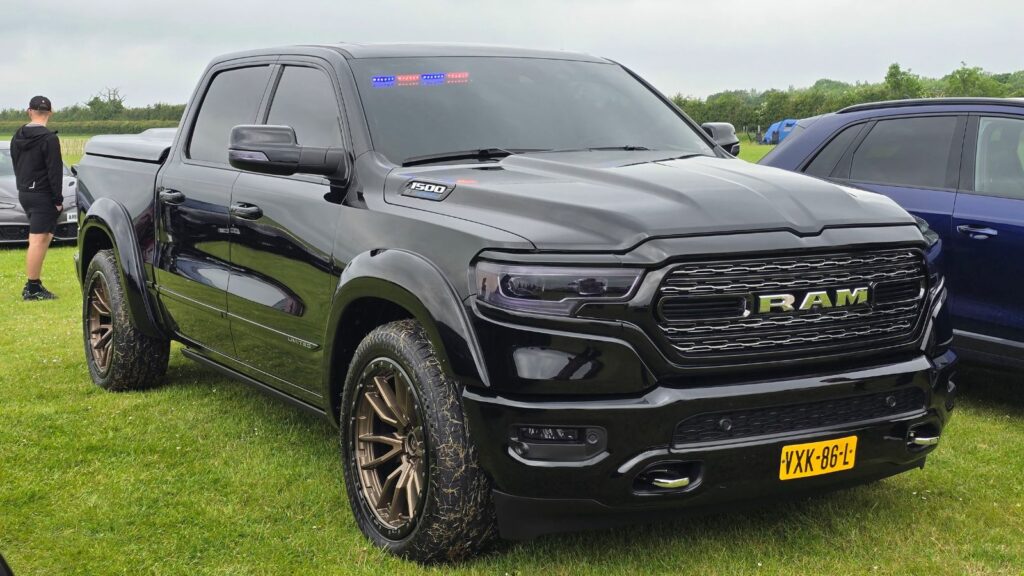
Canadian winters are brutal in ways many trucks are never truly tested for. Subzero temperatures, aggressive road salt, deep snow and constant freeze thaw cycles attack metal, electronics and seals at the same time. A truck can feel solid in warm climates yet unravel quickly once winter becomes a daily reality. These ten trucks earned reputations among Canadian owners for struggling when cold weather stress revealed flaws in design, materials or long term durability.
Dodge Ram 1500 Early Two Thousand Models Suffered From Rust
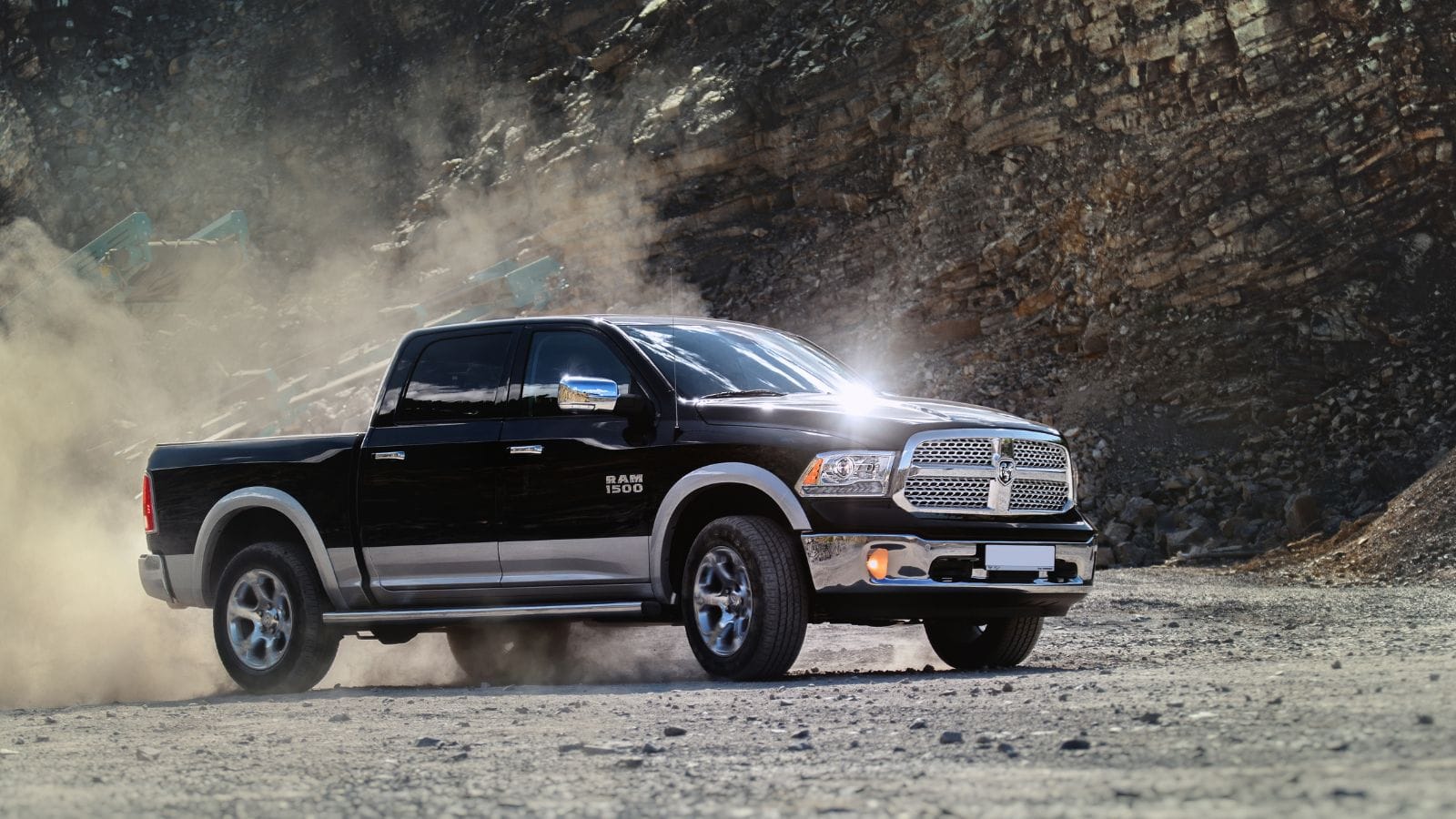
Older Ram 1500s became infamous across Canada for severe rust issues. Rocker panels, rear fenders and frames deteriorated rapidly once exposed to salted roads. Electrical connectors corroded early which led to erratic gauges, warning lights and hard starts in cold weather. Many owners reported structural rust well before the truck reached high mileage. Winter accelerated the damage and turned what looked like a bargain pickup into a long term liability.
Ford F 150 Early Aluminum Transition Years Had Cold Weather Quirks
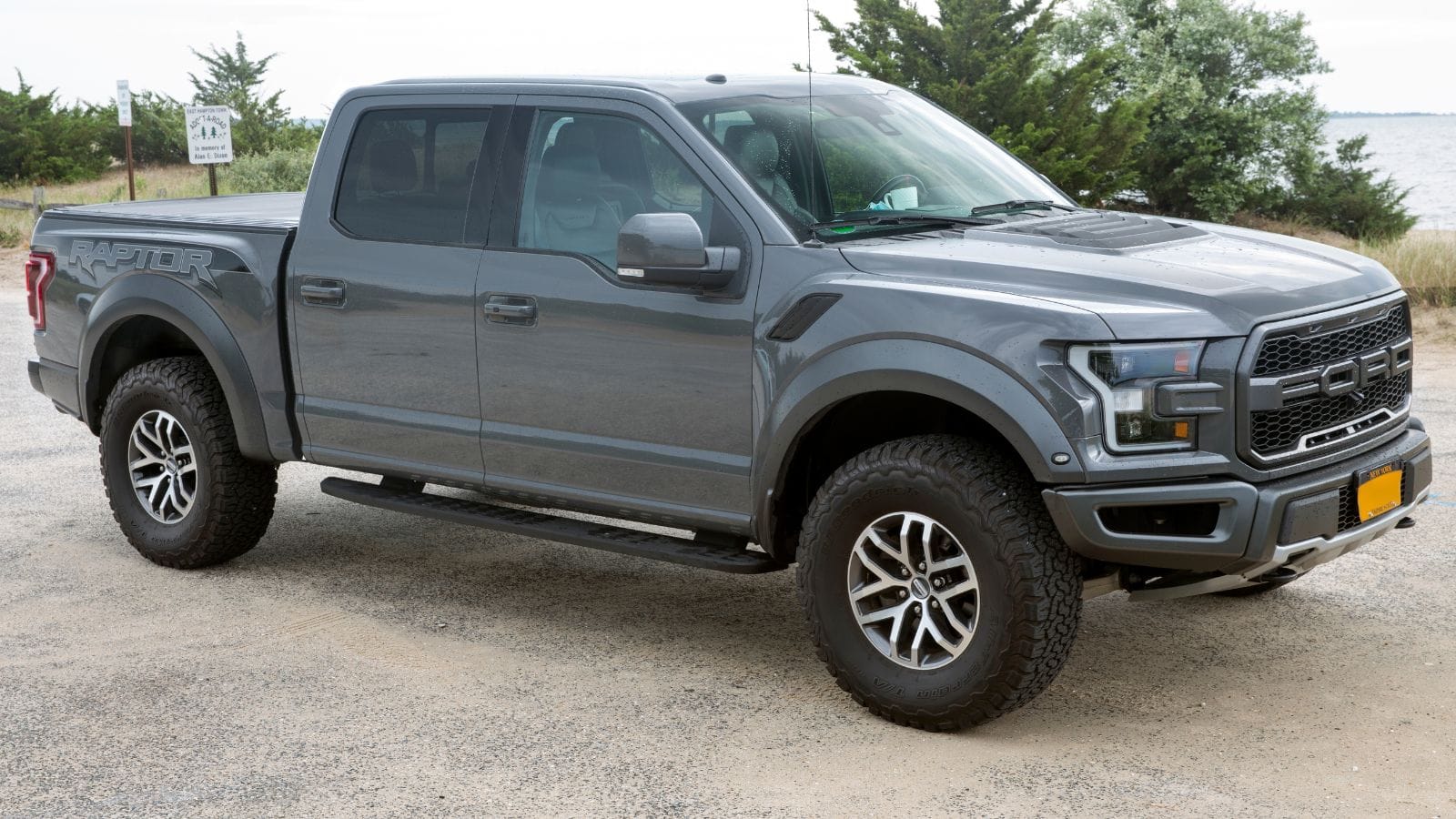
Ford’s shift to aluminum body panels helped reduce rust, but early versions introduced new winter problems. Door latches froze shut in deep cold, sometimes trapping owners outside their own trucks. Sensors struggled in extreme temperatures, triggering false warnings and limp modes. While corrosion resistance improved, winter usability took a hit. Later updates fixed many issues, but early adopters paid the price during harsh Canadian winters.
Chevrolet Silverado Two Thousand Ten Era Showed Electrical Weakness
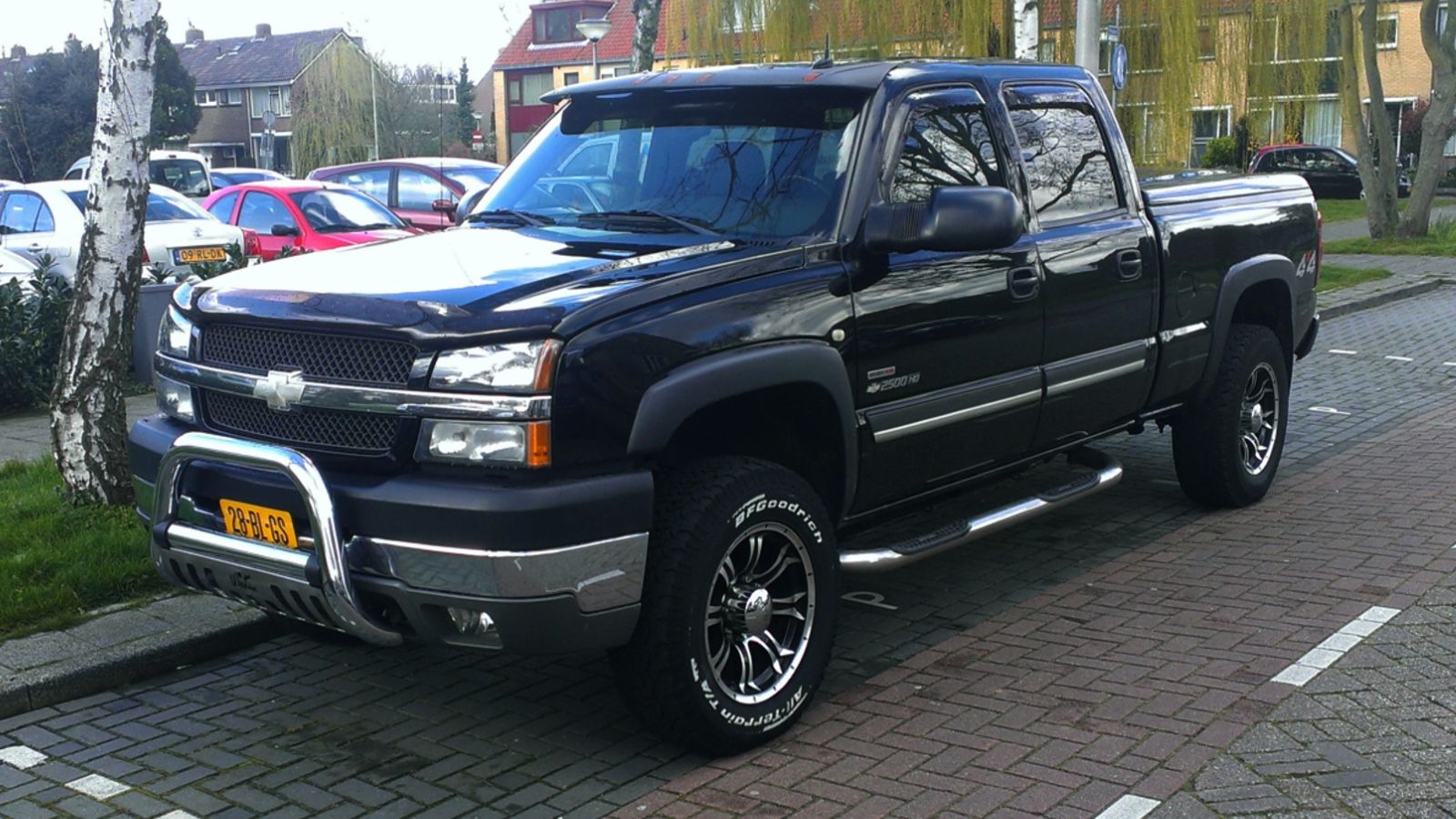
Silverados from the early twenty tens often revealed electrical fragility once winter arrived. Moisture intrusion affected door locks, tailgates and interior electronics. Cold starts exposed weak battery management and grounding issues that worsened in subzero conditions. Engines generally remained reliable, but winter electrical gremlins made daily use unpredictable and frustrating for many owners.
GMC Sierra Shared the Same Winter Vulnerabilities
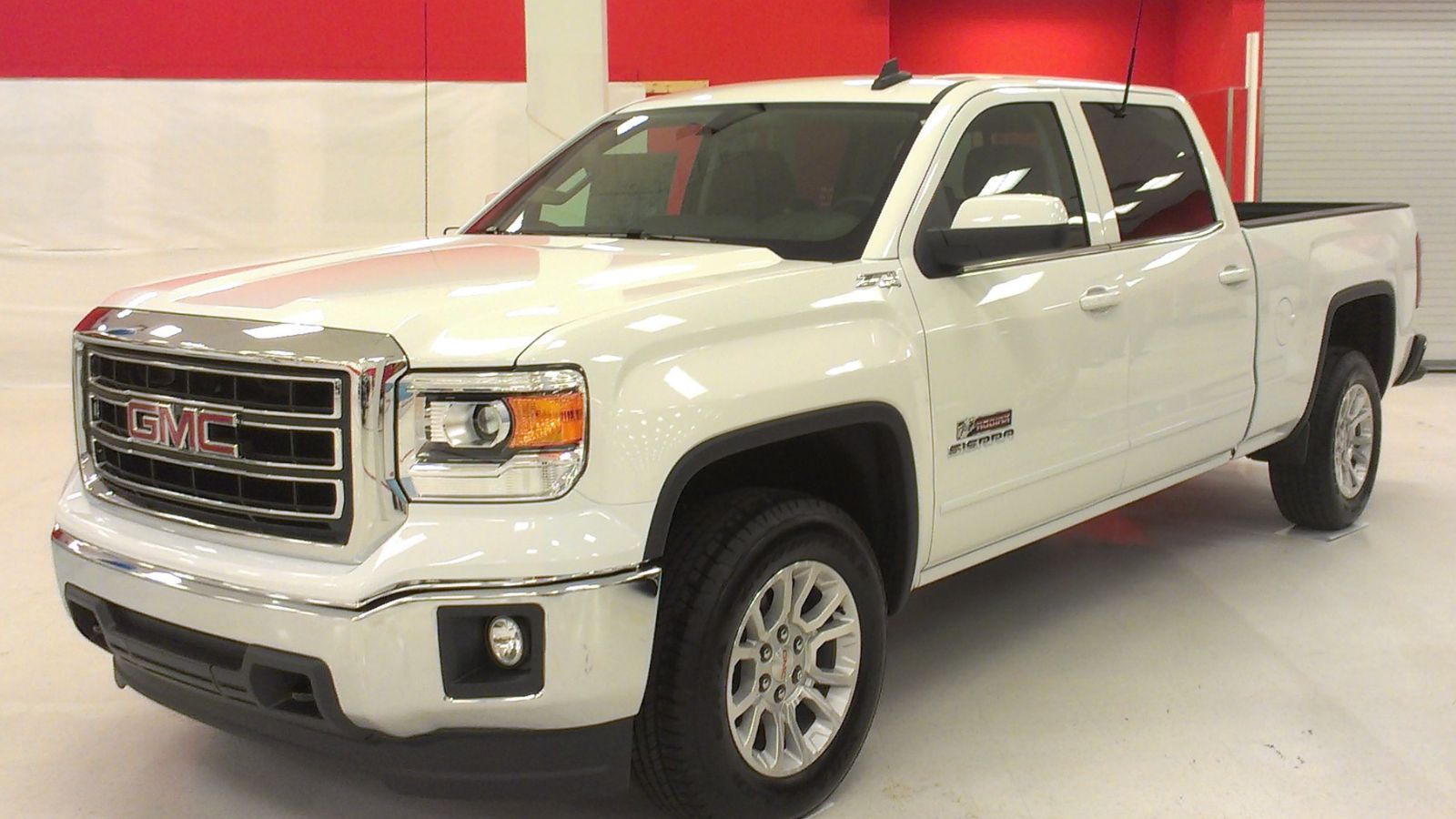
The Sierra mirrored Silverado problems almost exactly. Frozen door handles, malfunctioning heated seats and sensor failures appeared frequently during cold snaps. Owners often praised the powertrain while criticizing the electronics. In winter, the truck felt mechanically strong but electronically delicate. Canadian drivers learned quickly that reliability meant more than just engine performance.
Nissan Titan First Generation Struggled With Cold Durability
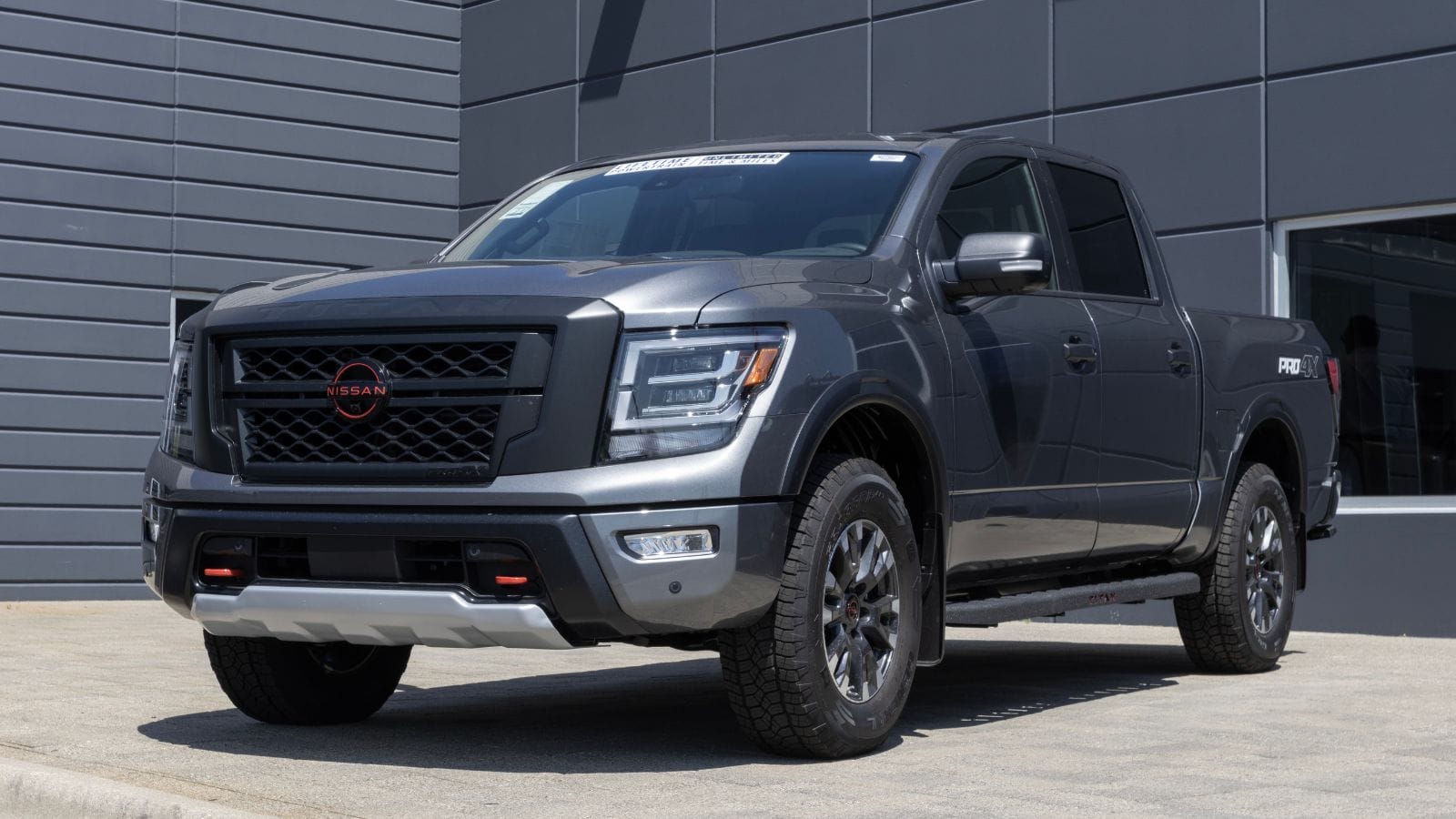
The first generation Titan promised Japanese reliability in a full size pickup, but Canadian winters told a different story. Exhaust manifolds cracked under repeated cold heat cycles. Suspension components wore faster than expected and rust protection lagged behind competitors. After a few salty winters many Titans showed advanced corrosion underneath, giving the impression of a truck aging far too quickly.
Toyota Tundra Early Models Rusted Aggressively in Salt Zones
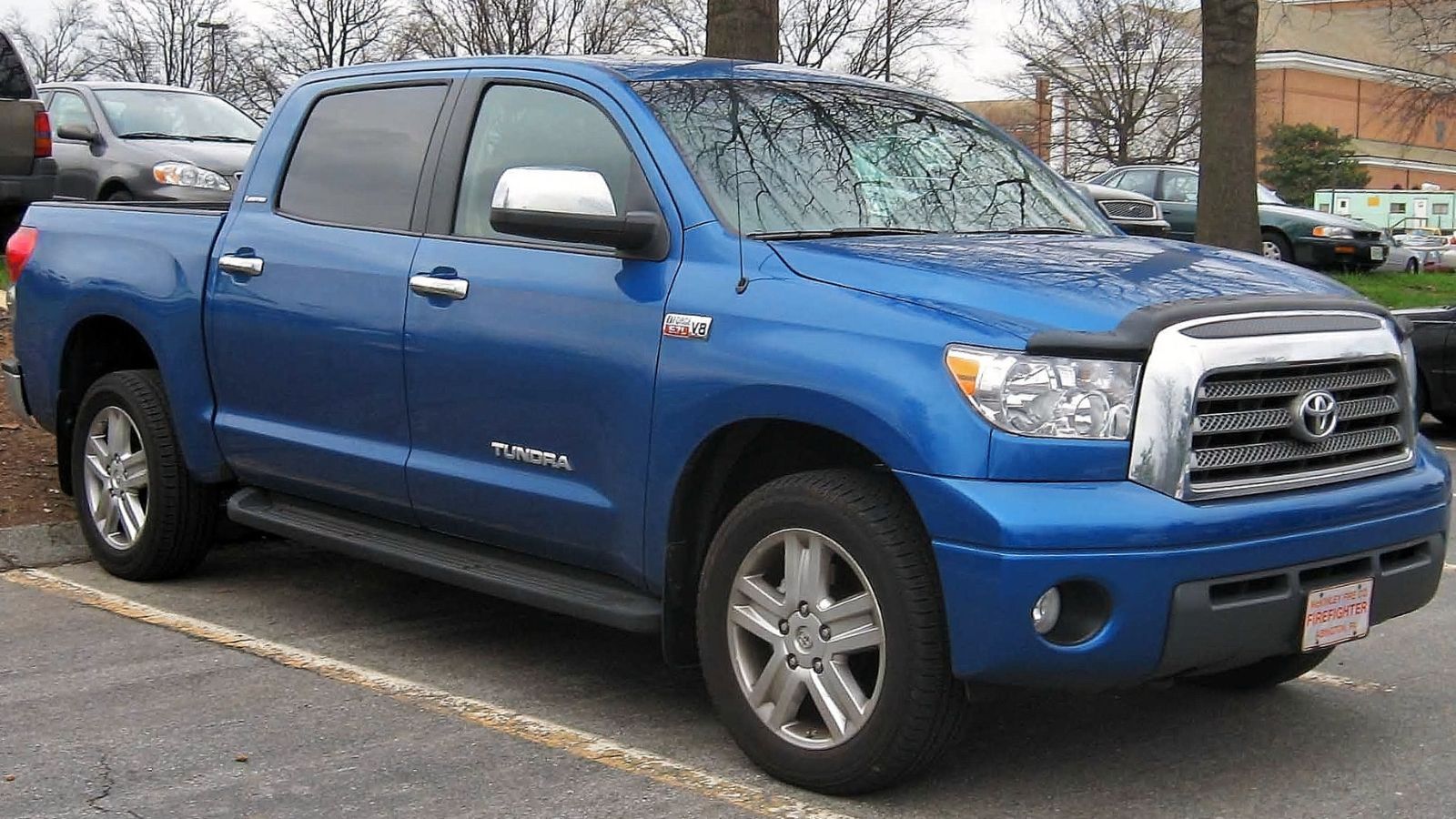
Toyota’s reputation took a serious hit with early Tundra rust problems. Frames corroded at alarming rates in provinces where road salt is heavily used. Toyota eventually issued frame replacement programs, but many trucks were already compromised. Engines remained strong, yet owners lived with constant worry about structural integrity. Winter did not affect performance so much as long term survival.
Jeep Gladiator Faces Cold Weather Build Quality Complaints
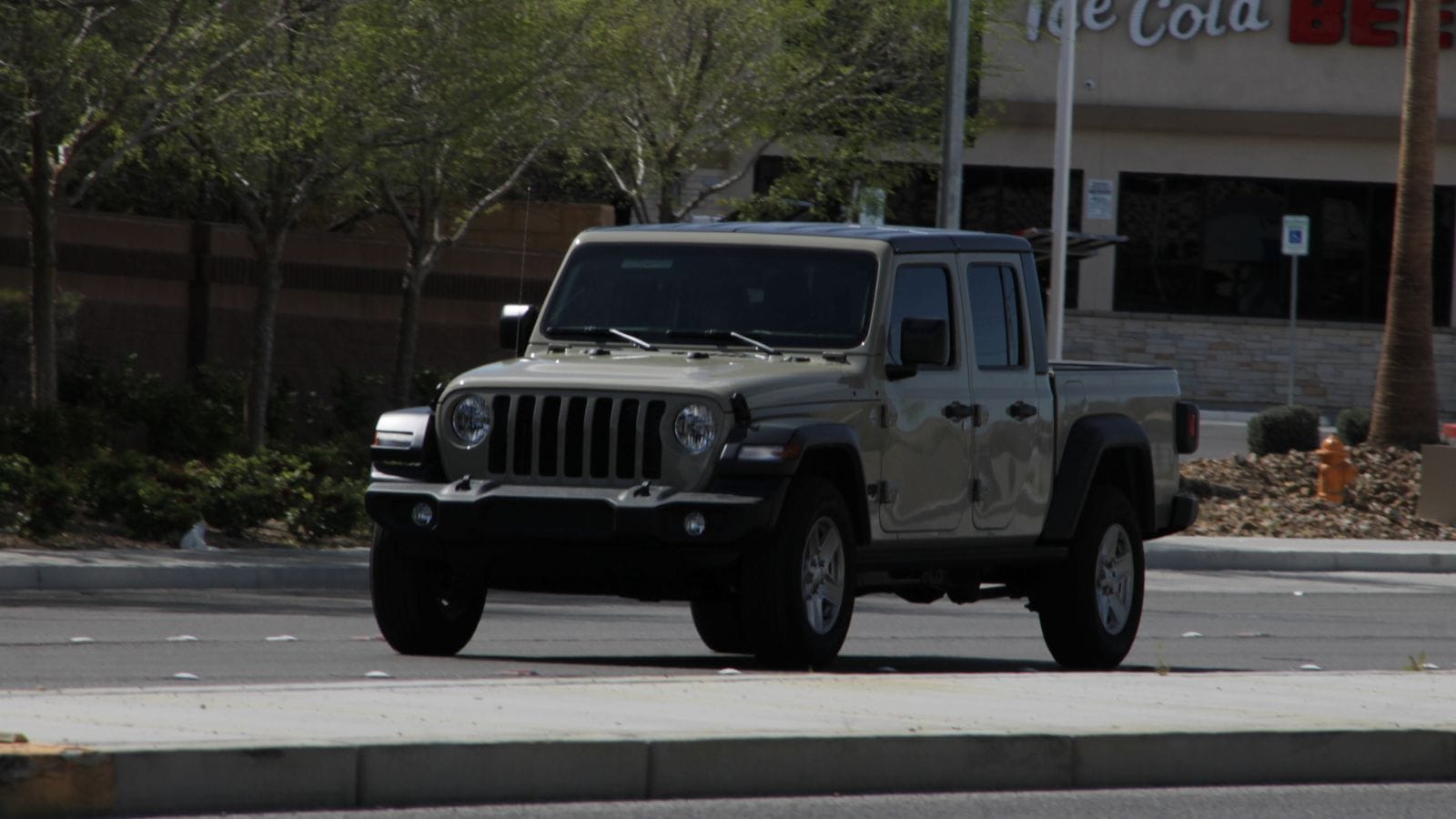
The Gladiator’s off road image suggests toughness, but winter ownership exposed weaknesses. Door seals froze, wind noise increased and water intrusion became common in freezing rain. Short winter trips drained batteries quickly and triggered electrical faults. While capable in snow, repeated winters raised concerns about long term durability and build consistency in cold climates.
Ford Ranger Older Generations Struggled With Winter Electronics
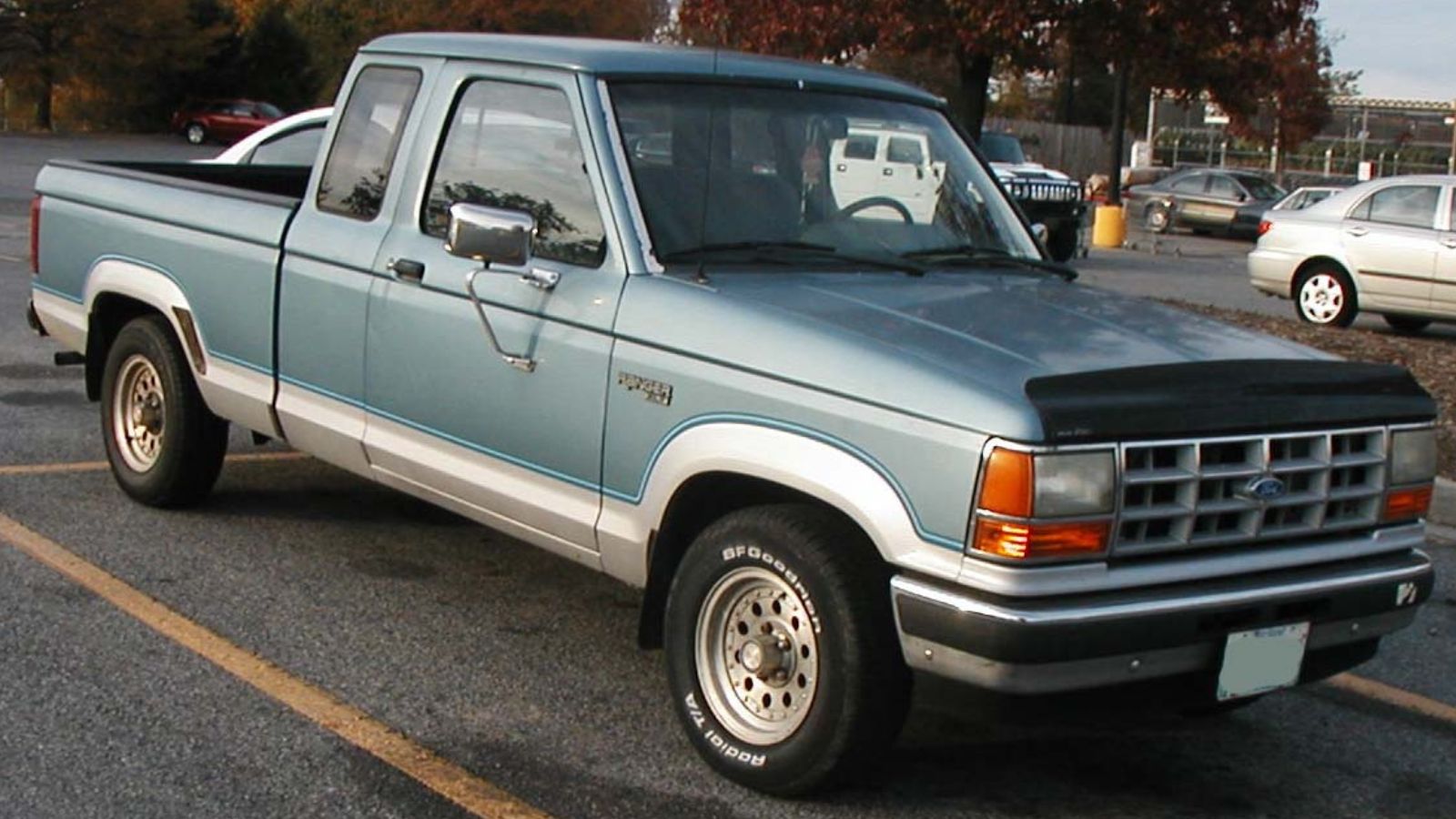
Older Rangers built before the modern redesign suffered heavily in Canadian winters. Brake lines and fuel lines corroded early, especially in high salt regions. Wiring harnesses degraded, leading to intermittent electrical problems. Cold starts exposed weak ignition systems and heater output often disappointed during extreme cold. The trucks were tough, but winter comfort and reliability lagged behind rivals.
Chevrolet Colorado Early Models Showed Premature Wear
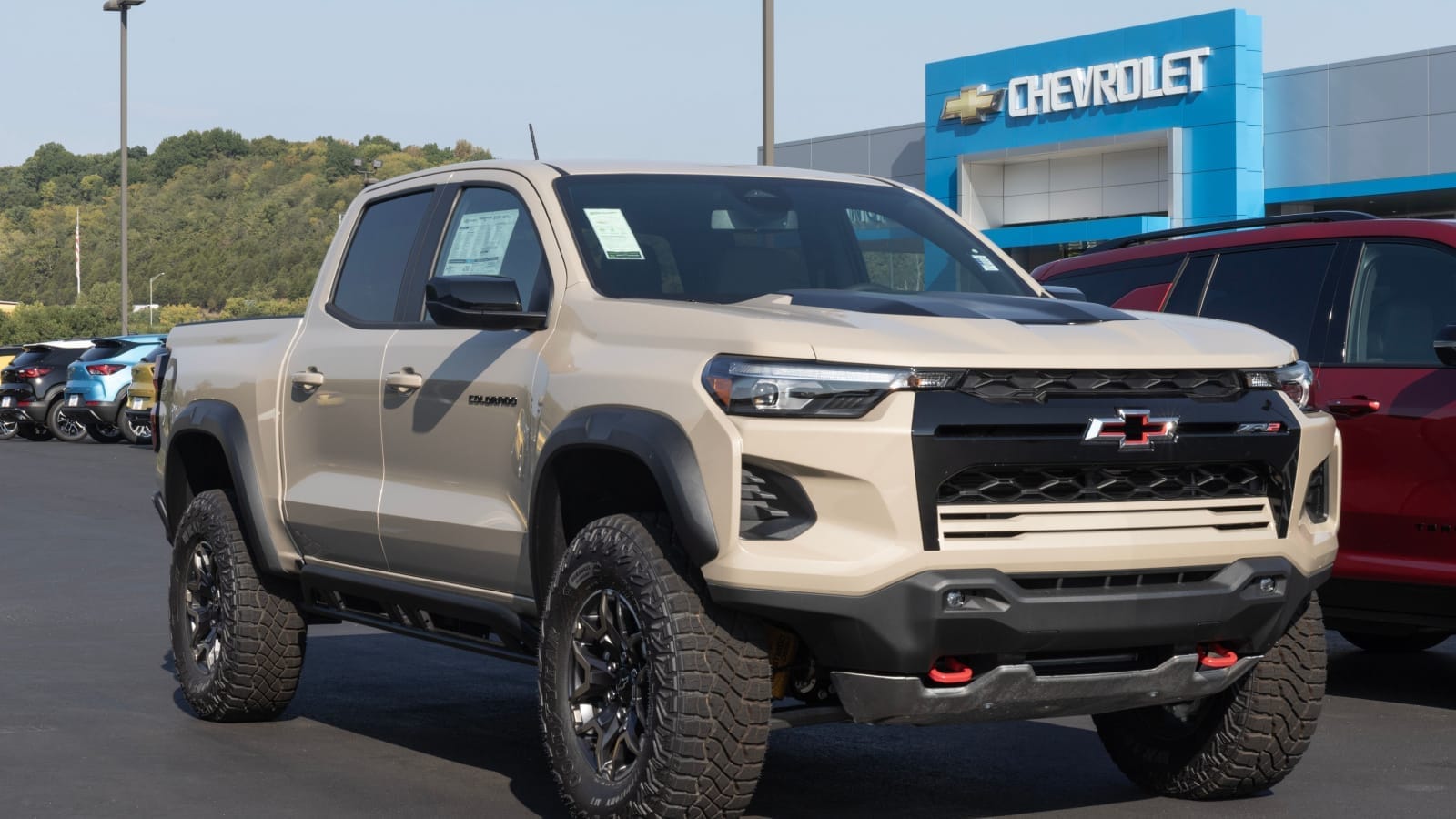
Early Colorado models struggled once winter became routine. Suspension components wore prematurely and electronic faults multiplied in cold damp conditions. Transmission shudder complaints worsened in freezing temperatures. Salt exposure accelerated corrosion underneath, especially on brake and fuel lines. Owners who depended on them year round often faced repairs sooner than expected.
Honda Ridgeline First Generation Had Winter Specific Weaknesses
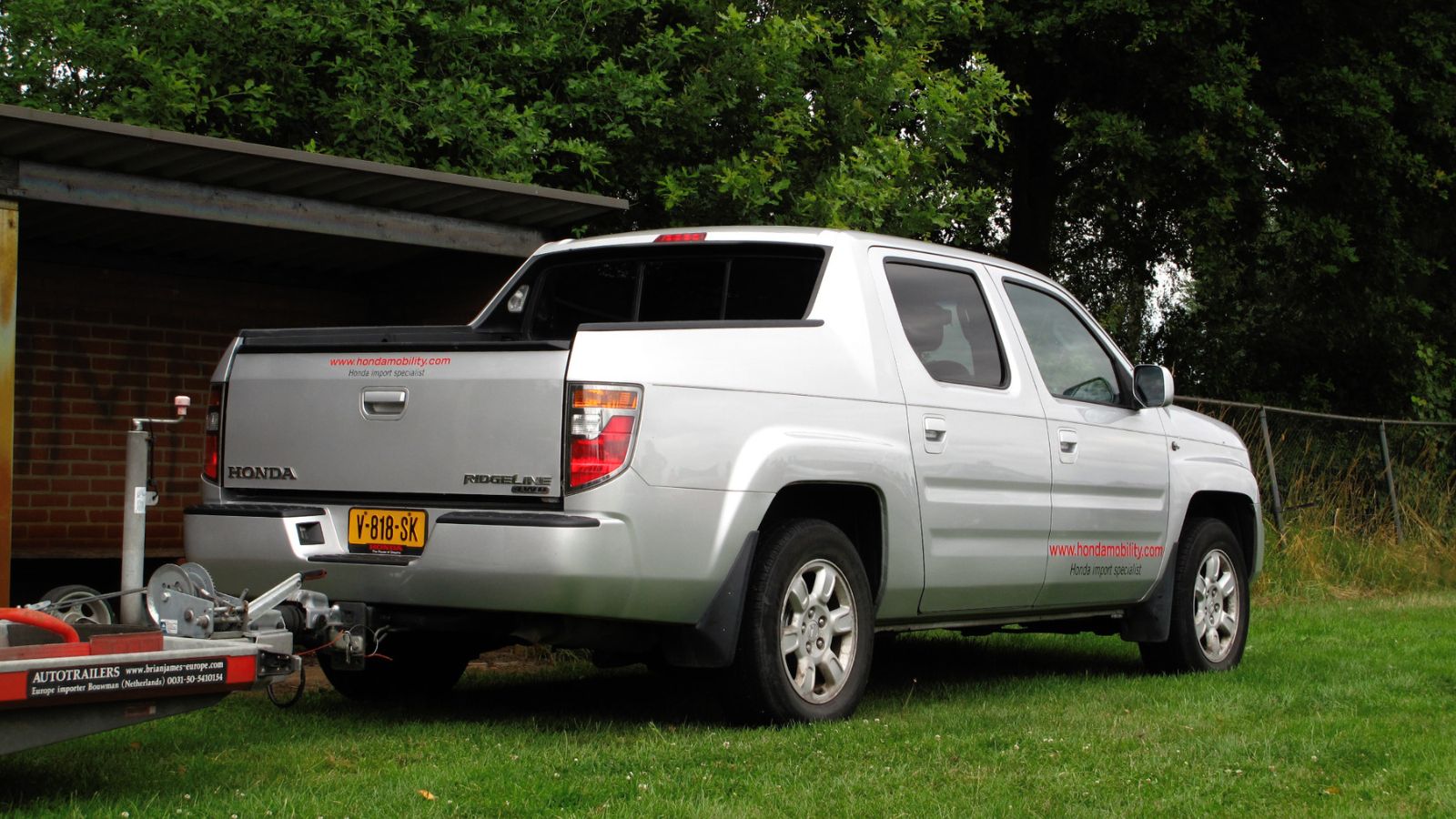
The first generation Ridgeline delivered comfort and smooth driving but suffered in harsh winters. Rust developed around rear subframes and brake components earlier than expected. The AWD system worked well in snow, yet cold weather exposed durability limits compared to body on frame trucks. For light duty use it was fine, but long term winter abuse shortened its lifespan noticeably.
25 Facts About Car Loans That Most Drivers Don’t Realize

Car loans are one of the most common ways people fund car purchases. Like any other kind of loan, car loans can have certain features that can be regarded as an advantage or a disadvantage to the borrower. Understanding all essential facts about car loans and how they work to ensure that you get the best deal for your financial situation is essential. Here are 25 shocking facts about car loans that most drivers don’t realize:
25 Facts About Car Loans That Most Drivers Don’t Realize
