SUVs dominate Canadian roads for good reason. Drivers want space, winter capability, and the confidence that comes with higher ground clearance. Yet not every SUV actually delivers what buyers expect. Some models promise versatility but fall short in reliability, practicality, or value. Canadian owners have discovered that certain SUVs simply do not live up to their reputation once the excitement of the purchase fades.
Dodge Journey (2009 to 2020)
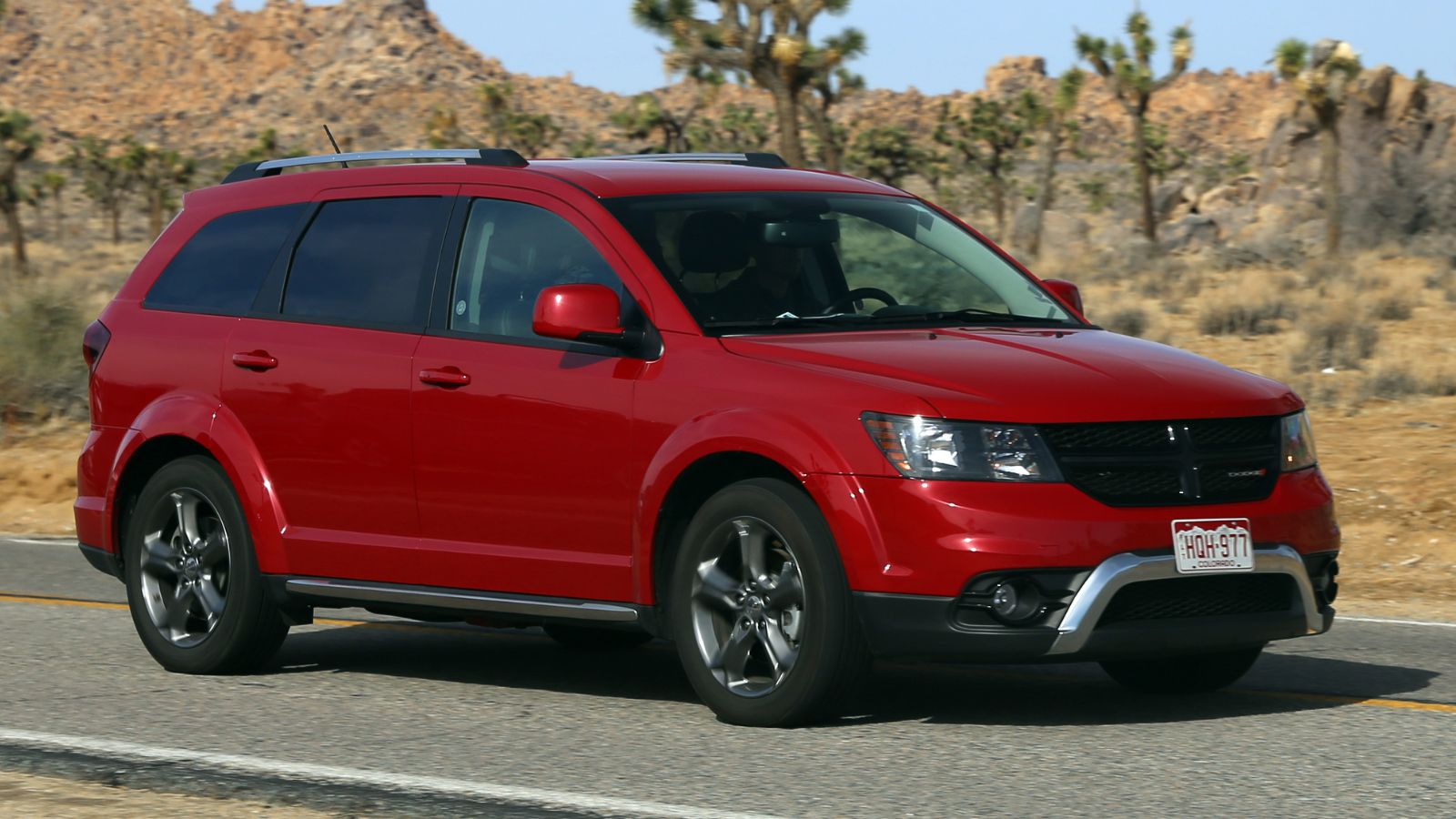
The Dodge Journey became one of the cheapest ways to buy a three row SUV in Canada, which helped it sell in large numbers. At first glance it seemed like a practical family vehicle with flexible seating and a comfortable ride.
In reality many owners found it underpowered and outdated compared with rivals. The four cylinder engine struggled to move the vehicle, and even the available V6 did not transform the driving experience. Interior technology also lagged behind competitors for years. Many Canadian drivers eventually realized the low purchase price came with compromises.
Mitsubishi Eclipse Cross (2018 to Present)
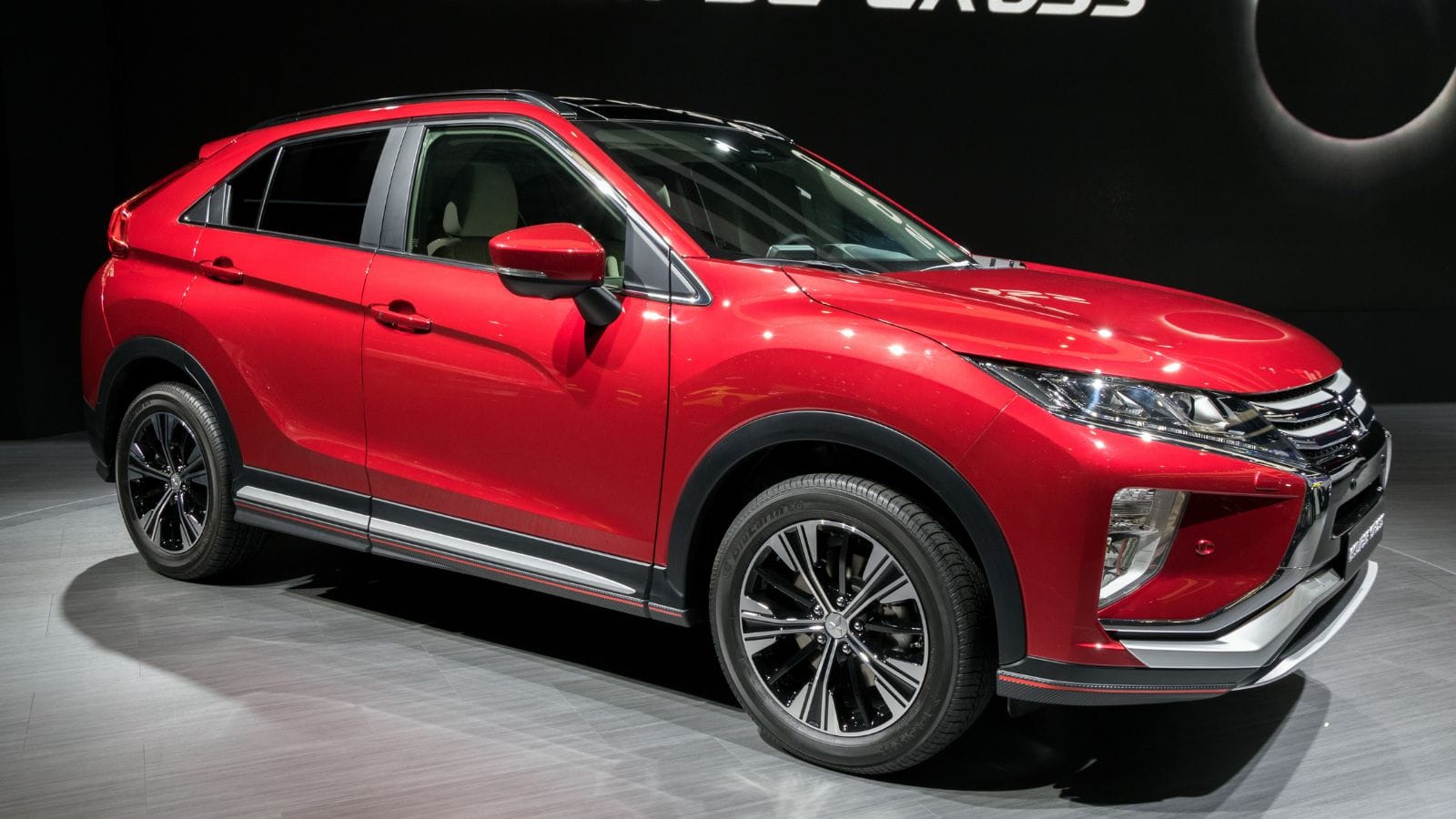
The Eclipse Cross arrived with an interesting name that hinted at Mitsubishi’s sporty past. Unfortunately the SUV never delivered the excitement some buyers expected from a model carrying the Eclipse badge.
Owners often describe the driving experience as uninspiring. The turbocharged four cylinder produces modest performance, and the continuously variable transmission dulls acceleration. While Mitsubishi’s all wheel drive system performs well in winter conditions, many buyers feel the vehicle lacks the refinement and interior quality offered by rivals in the compact SUV segment.
Nissan Murano CrossCabriolet (2011 to 2014)
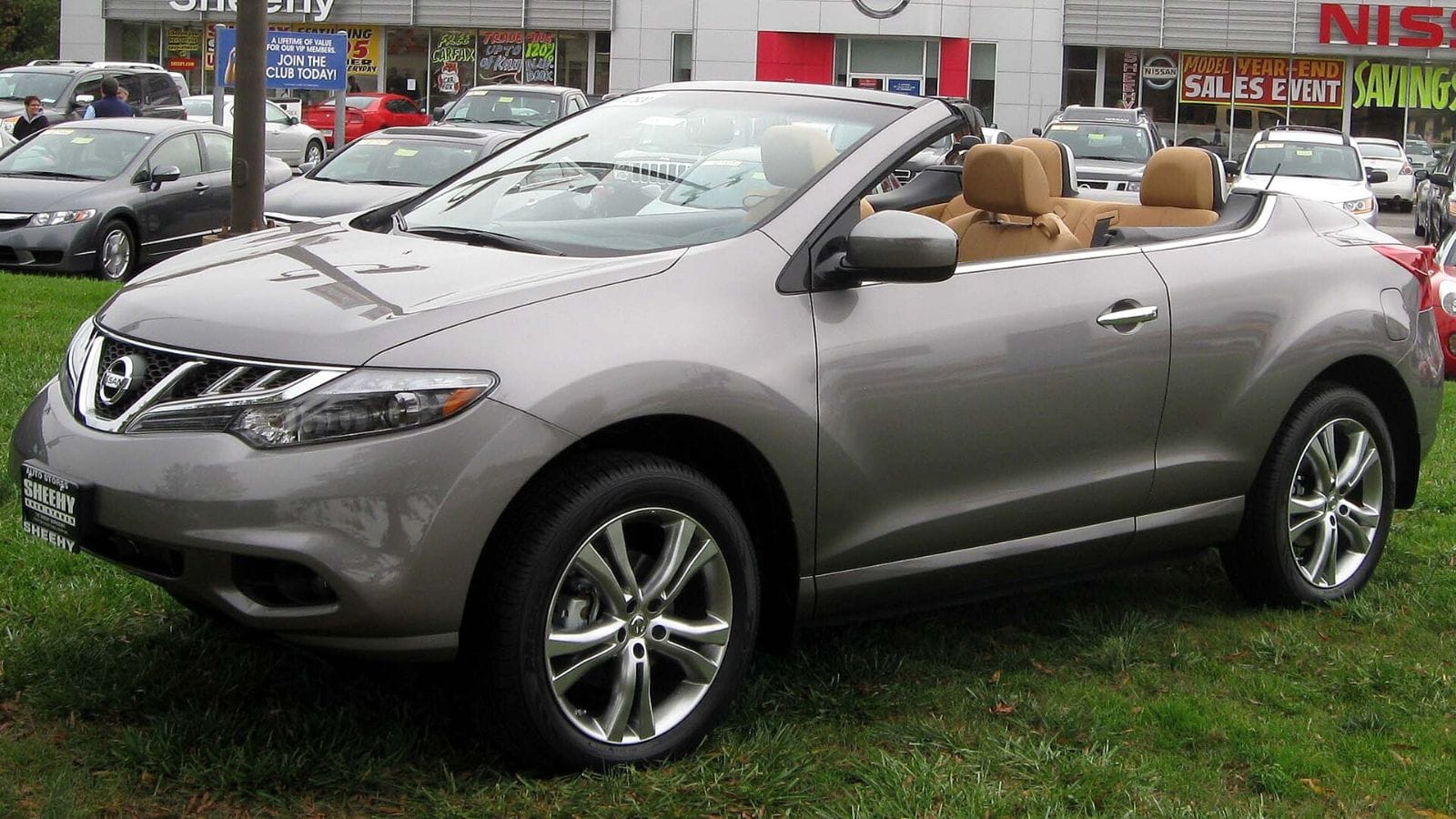
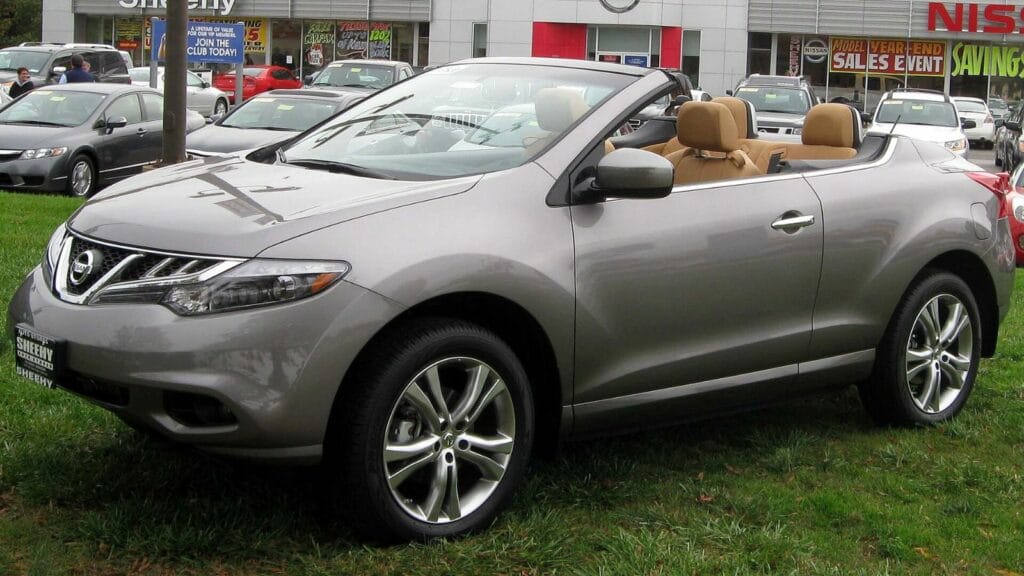
The Murano CrossCabriolet remains one of the strangest SUVs ever sold in North America. Nissan took the regular Murano crossover and removed the roof to create a convertible SUV.
While the idea was certainly unique, the execution left many buyers puzzled. The vehicle was heavy, expensive, and not particularly practical. Rear seat access was awkward and cargo space was limited. Canadian drivers who wanted either a convertible or an SUV discovered that combining the two did not create a particularly useful vehicle.
Jeep Compass (2007 to 2017)
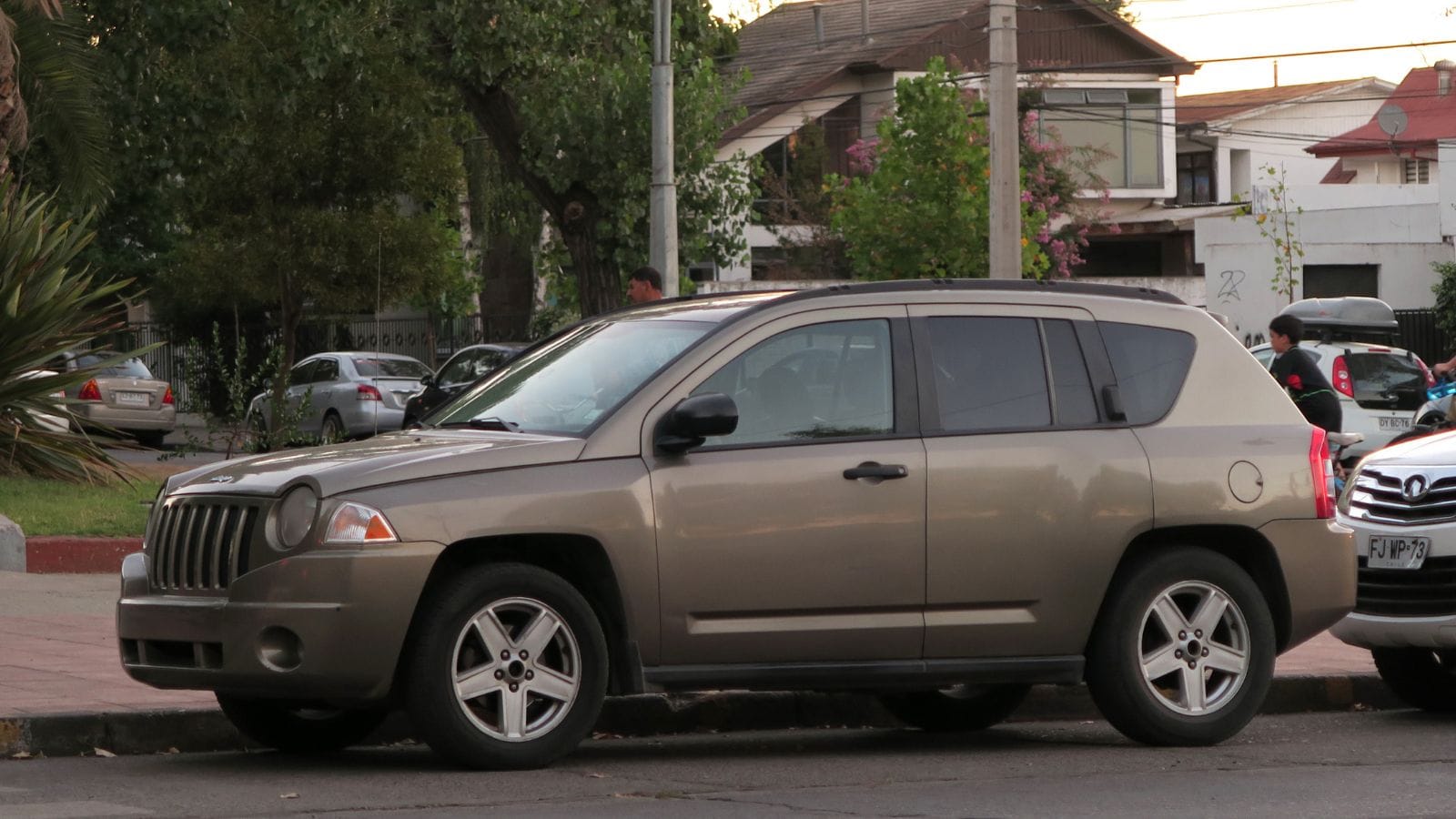
Early versions of the Jeep Compass were marketed as affordable SUVs with off road heritage. Many Canadian buyers expected the rugged capability traditionally associated with the Jeep brand.
Instead the vehicle delivered a driving experience closer to a compact economy car. Interior materials felt basic, and early models lacked the off road ability many buyers expected. While later versions improved significantly, the early Compass struggled to justify its SUV identity compared with more capable competitors.
Chevrolet Trax (2015 to 2022)
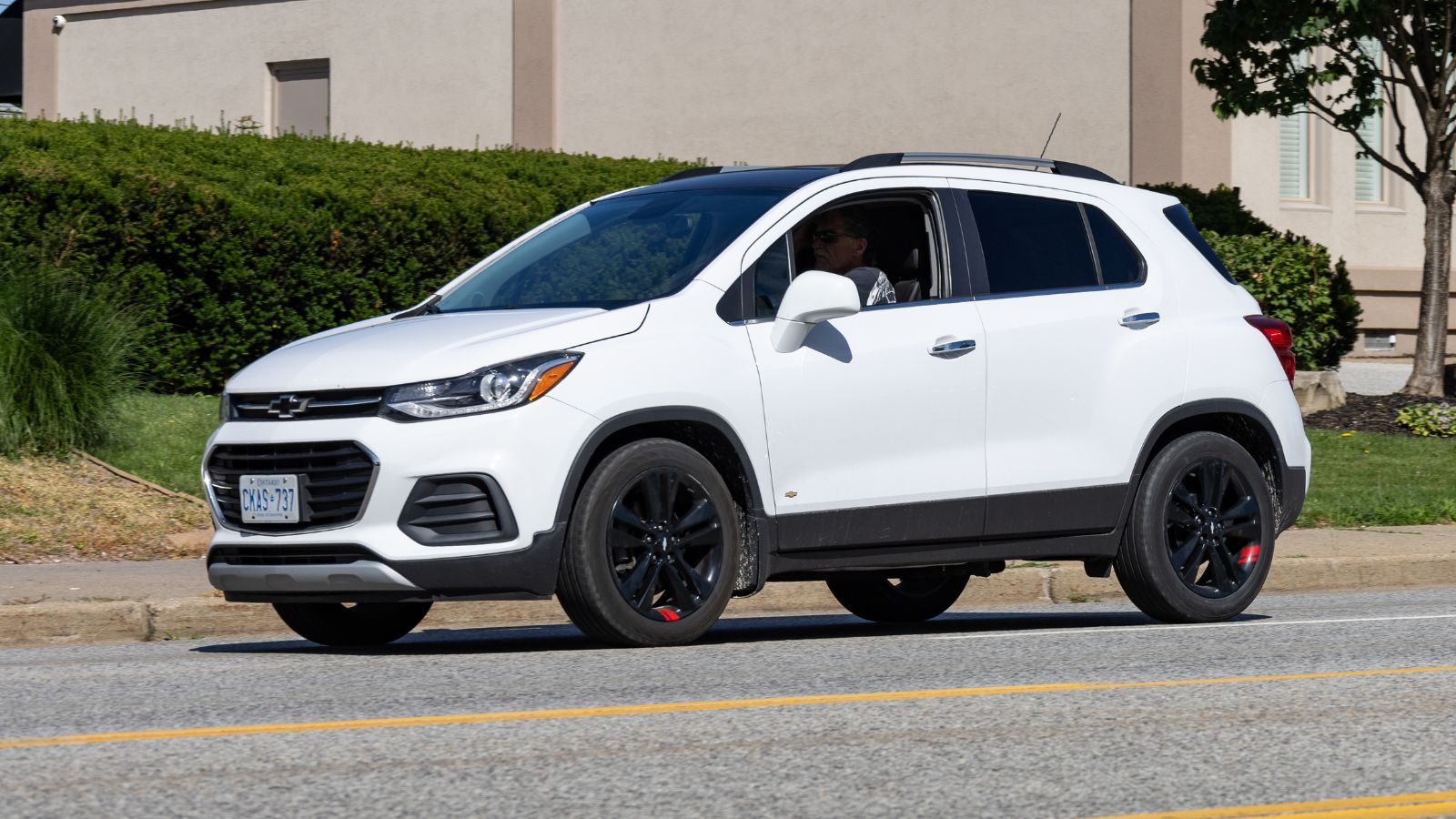
The Chevrolet Trax became popular with buyers looking for an affordable entry point into the SUV market. Its small size made it easy to drive in cities, and the available all wheel drive appealed to Canadian drivers facing winter weather.
However many owners soon realized that the Trax felt underpowered and cramped. The small turbocharged engine often struggled during highway driving, and interior space was limited compared with larger compact SUVs. Drivers looking for true versatility often felt the Trax delivered the appearance of an SUV without the practicality.
Ford EcoSport (2018 to 2022)
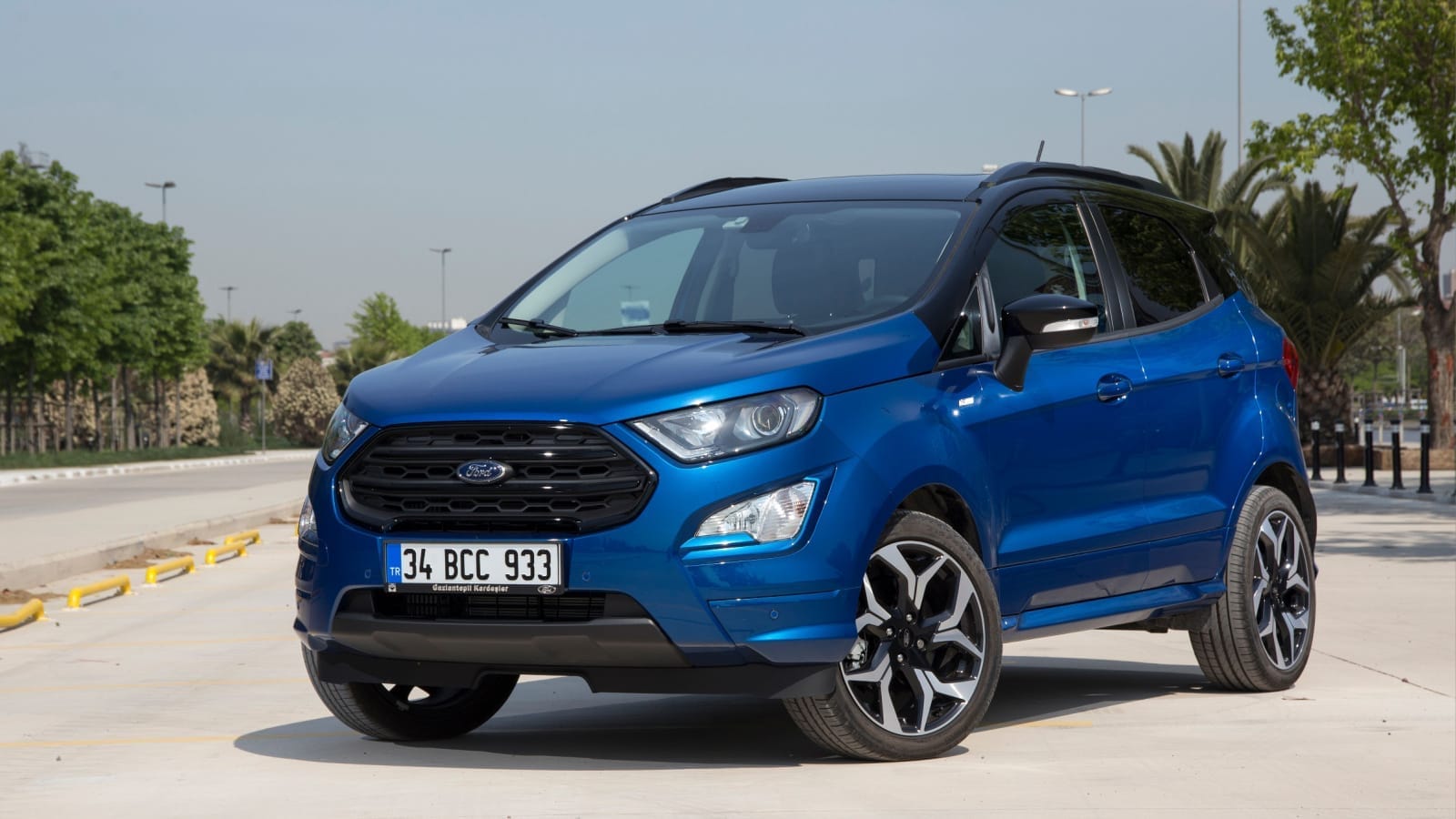
The Ford EcoSport was designed primarily for global markets before arriving in North America. Canadian buyers expected a practical small SUV from a company known for trucks and utility vehicles.
Instead many drivers found the vehicle awkwardly packaged. The side hinged rear door felt unusual in tight parking spaces, and the interior space did not feel generous for an SUV. Performance was also modest, particularly with the base engine. Many owners concluded the EcoSport felt more like a tall hatchback than a useful utility vehicle.
Toyota C HR (2018 to 2022)
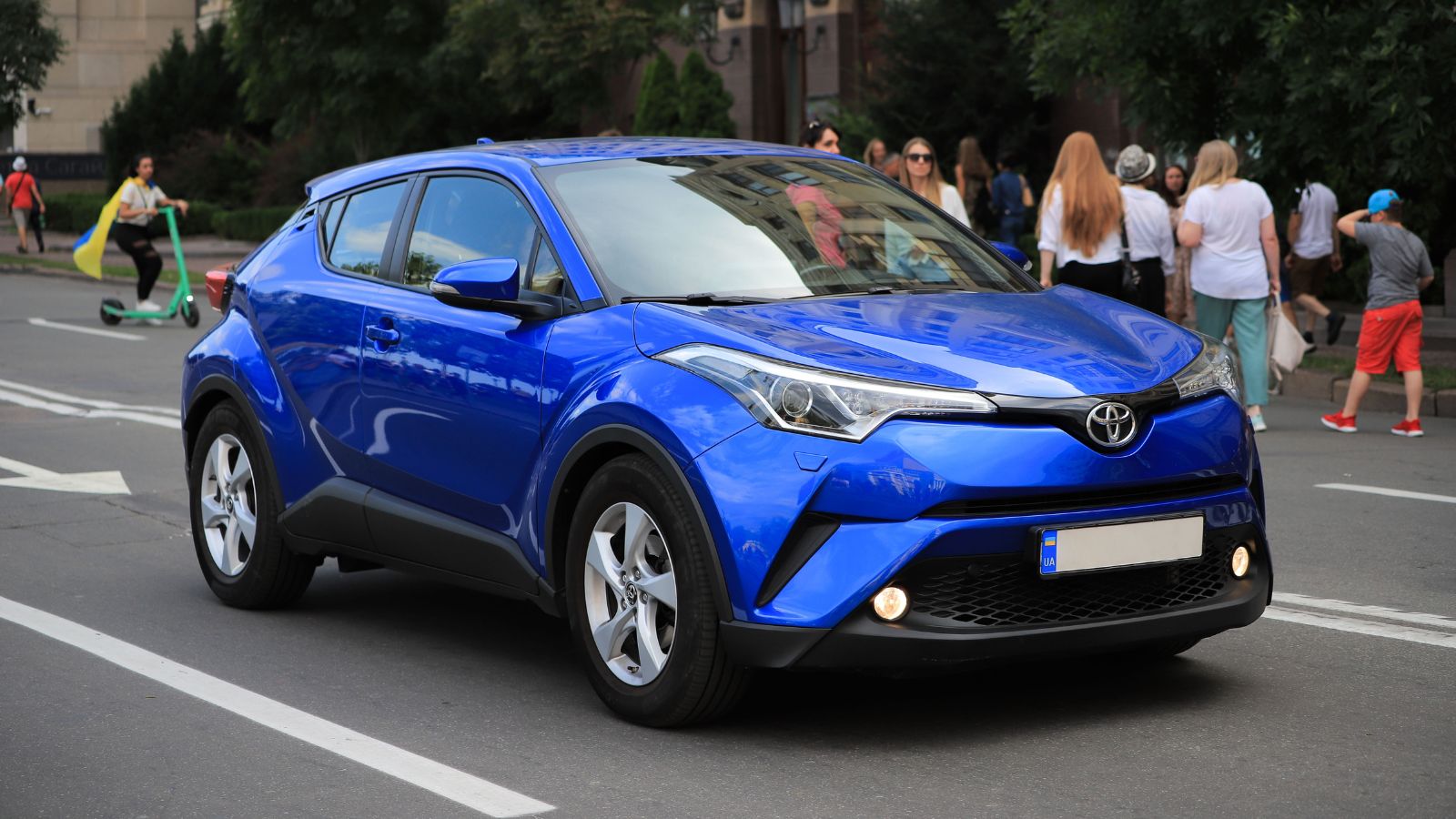
Toyota built the C HR to stand out with bold styling and coupe inspired lines. While the design certainly attracted attention, it also created several compromises that Canadian owners noticed quickly.
Rear visibility was limited because of the sloping roofline and thick pillars. Interior space was tighter than expected for a crossover, and the vehicle lacked all wheel drive in North America despite being marketed as an SUV. Many drivers appreciated the reliability but questioned whether the vehicle truly offered the versatility buyers expect from the segment.
Jeep Renegade (2015 to Present)

The Jeep Renegade promised authentic off road character in a small package. With boxy styling and Jeep branding, many Canadian buyers expected serious capability.
While some versions perform well off road, many owners complain about reliability issues and inconsistent build quality. The small turbocharged engines can feel strained during highway driving, and fuel economy is not always impressive for a vehicle of its size. Some drivers feel the Renegade offers style and brand identity more than everyday practicality.
Infiniti QX30 (2017 to 2019)
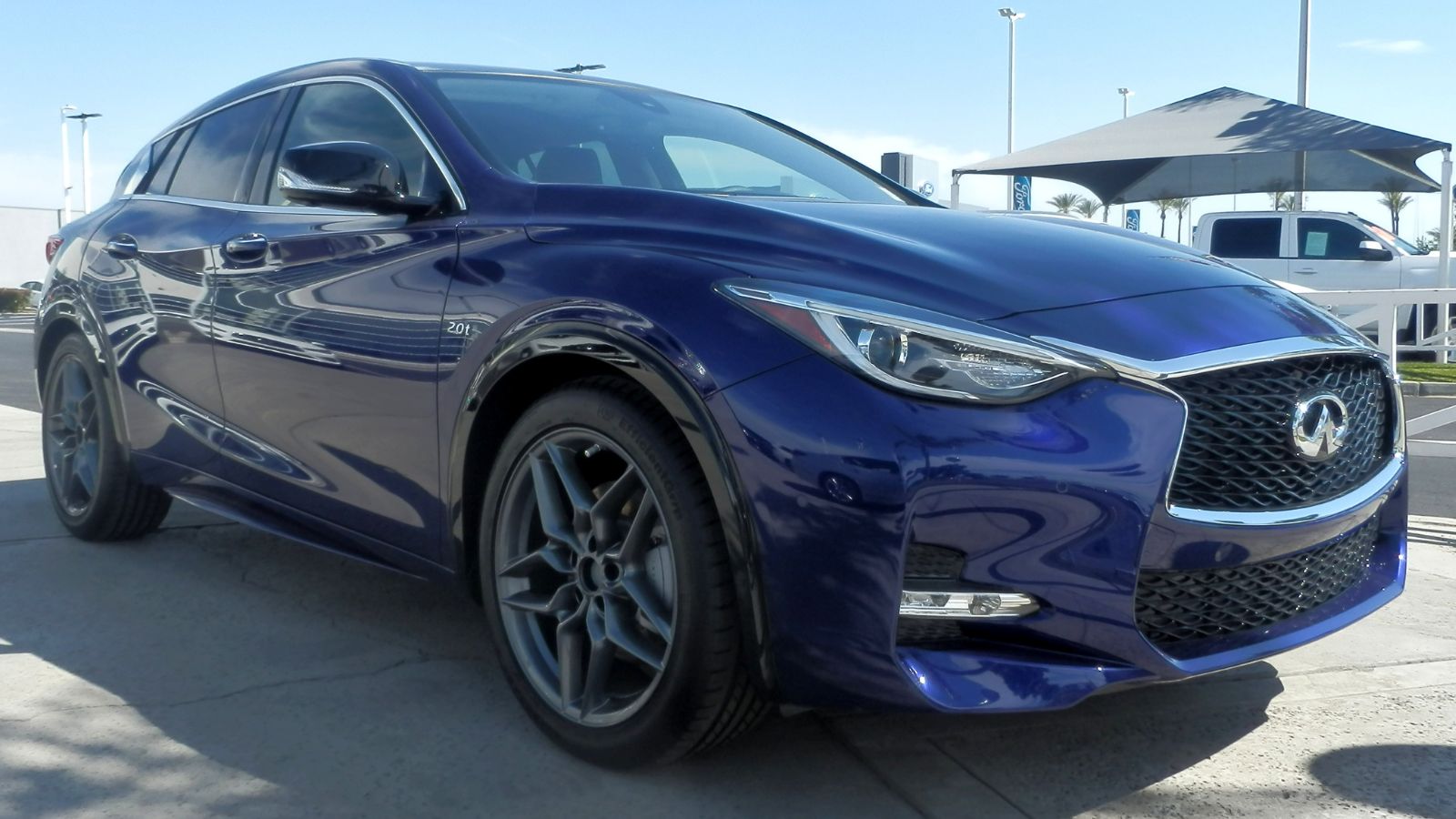
The Infiniti QX30 attempted to combine luxury styling with compact SUV practicality. Built using shared engineering with the Mercedes Benz GLA, the vehicle offered a premium badge at a relatively accessible price.
Unfortunately the interior packaging created compromises. Rear seat space was limited and cargo capacity was smaller than expected. The ride quality could also feel firm on rough Canadian roads. Many owners discovered the QX30 felt more like a lifted hatchback than a genuinely useful luxury SUV.
Mitsubishi RVR (2011 to Present)
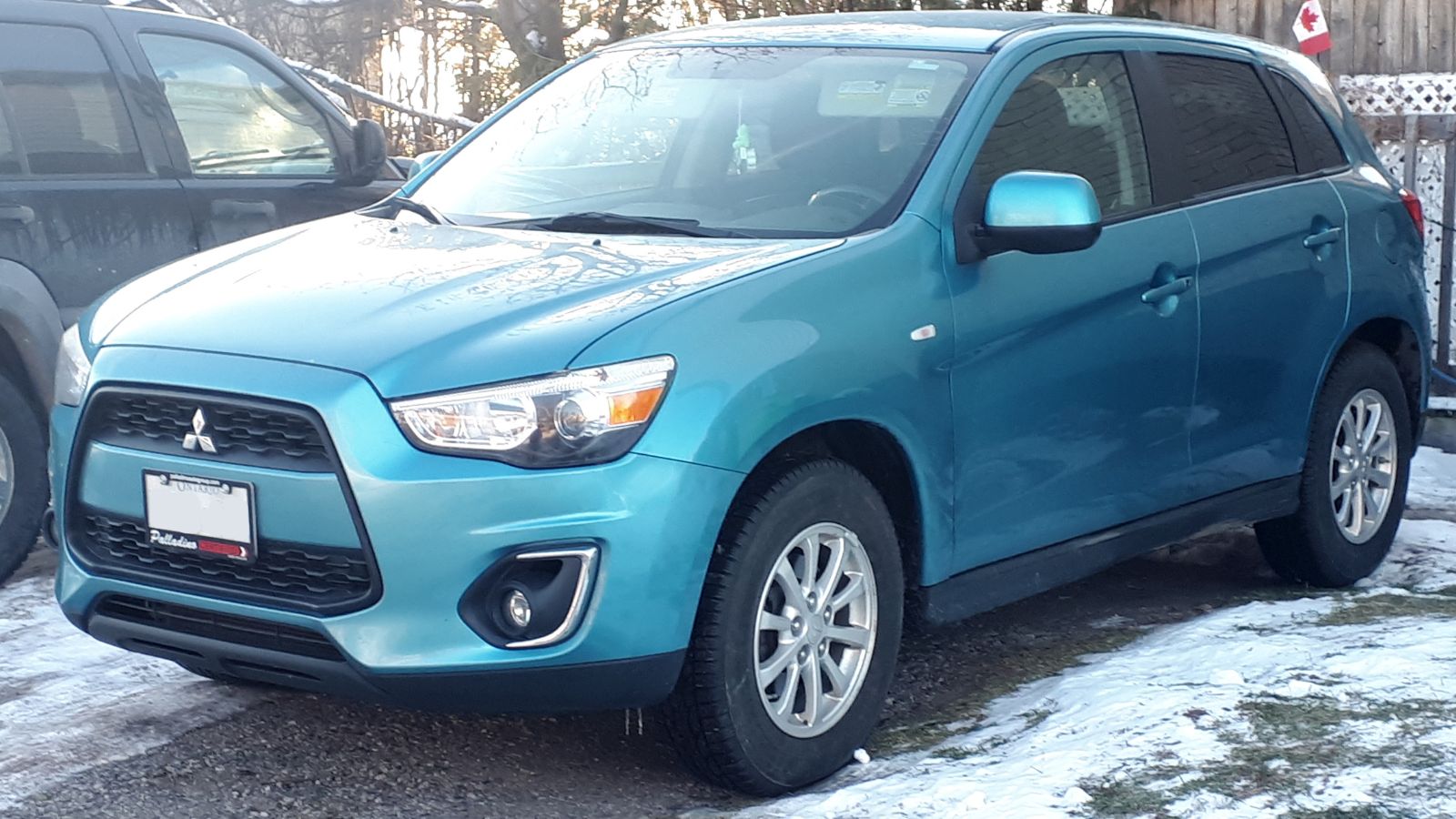
The Mitsubishi RVR has remained on sale in Canada for many years with only modest updates. Its affordability and available all wheel drive continue to attract buyers looking for a budget friendly SUV.
However the platform itself is aging, and many owners note that the driving experience feels dated compared with newer rivals. The engine and transmission combination often produces slow acceleration and noticeable noise during highway driving. While dependable transportation for some drivers, the RVR often feels like a compromise rather than a truly satisfying SUV purchase.
25 Facts About Car Loans That Most Drivers Don’t Realize

Car loans are one of the most common ways people fund car purchases. Like any other kind of loan, car loans can have certain features that can be regarded as an advantage or a disadvantage to the borrower. Understanding all essential facts about car loans and how they work to ensure that you get the best deal for your financial situation is essential. Here are 25 shocking facts about car loans that most drivers don’t realize:
25 Facts About Car Loans That Most Drivers Don’t Realize
