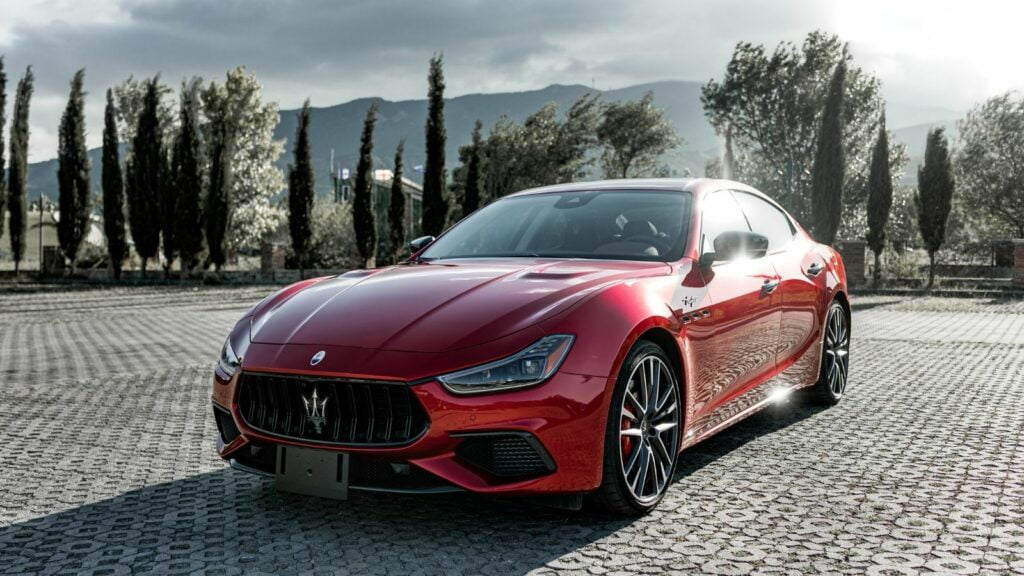
Depreciation is the hidden cost of car ownership. Some vehicles hold their value stubbornly, barely moving year after year. Others fall off a financial cliff the moment they leave the showroom. Luxury badges, complex technology, high original sticker prices, and shifting consumer tastes all play a role. These ten cars are known for losing value quickly, often shedding a massive percentage of their original price within just a few years.
BMW 7 Series
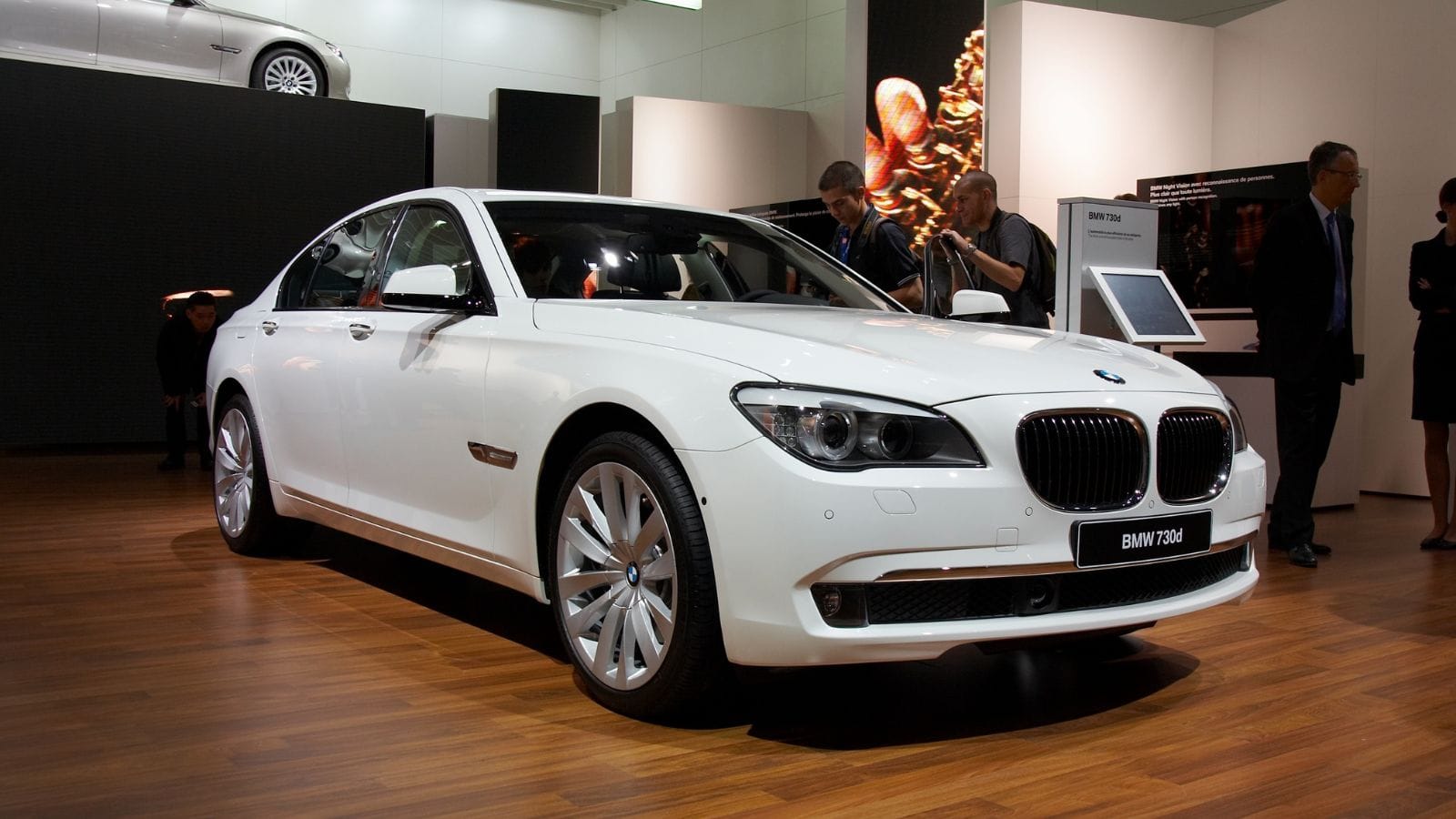
The 7 Series delivers flagship comfort, technology, and performance, but it drops in value fast. High original pricing combined with expensive maintenance scares second and third owners. As new generations arrive loaded with even more tech, older models feel outdated quickly, accelerating depreciation.
Mercedes-Benz S-Class
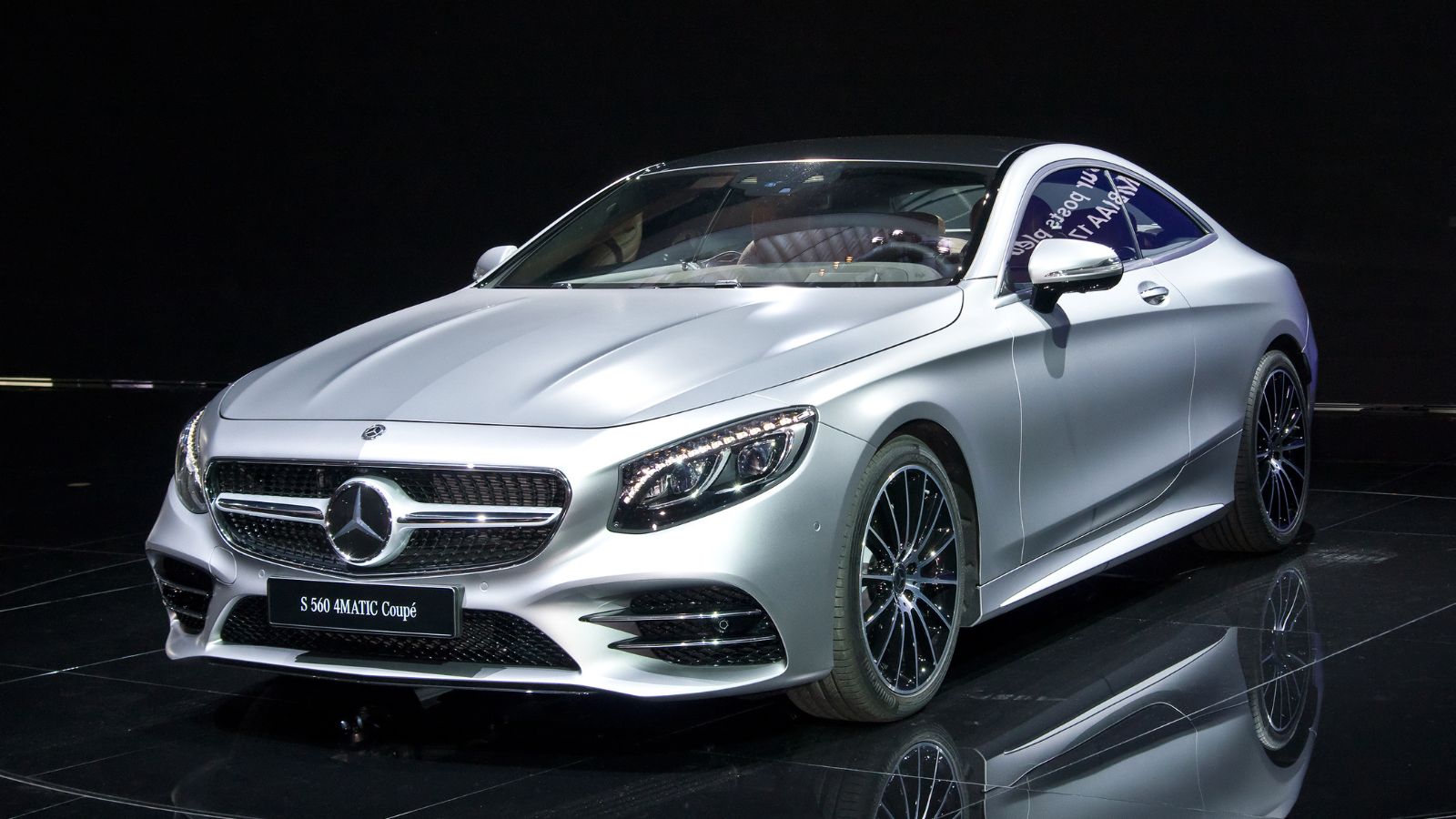
The S-Class is a benchmark in luxury, but it is also one of the steepest depreciators. Advanced electronics and costly repairs make used buyers cautious. While it remains an engineering marvel, resale values often fall sharply after the first few years.
Jaguar XF
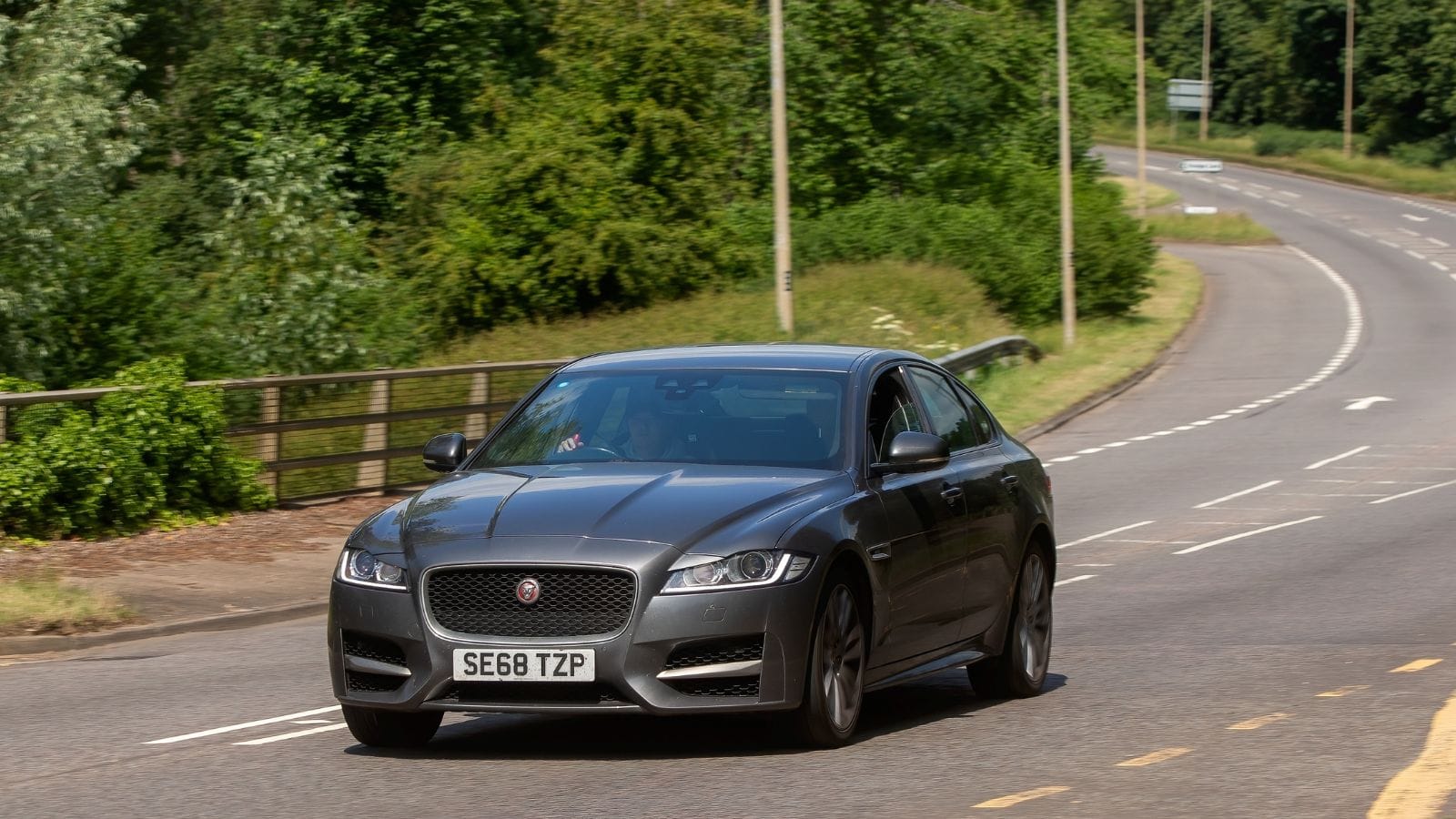
The XF combines style and performance, yet resale values have historically been weak. Brand perception, reliability concerns, and strong German competition have hurt long-term value retention. Buyers can find significant discounts on the used market.
Maserati Ghibli
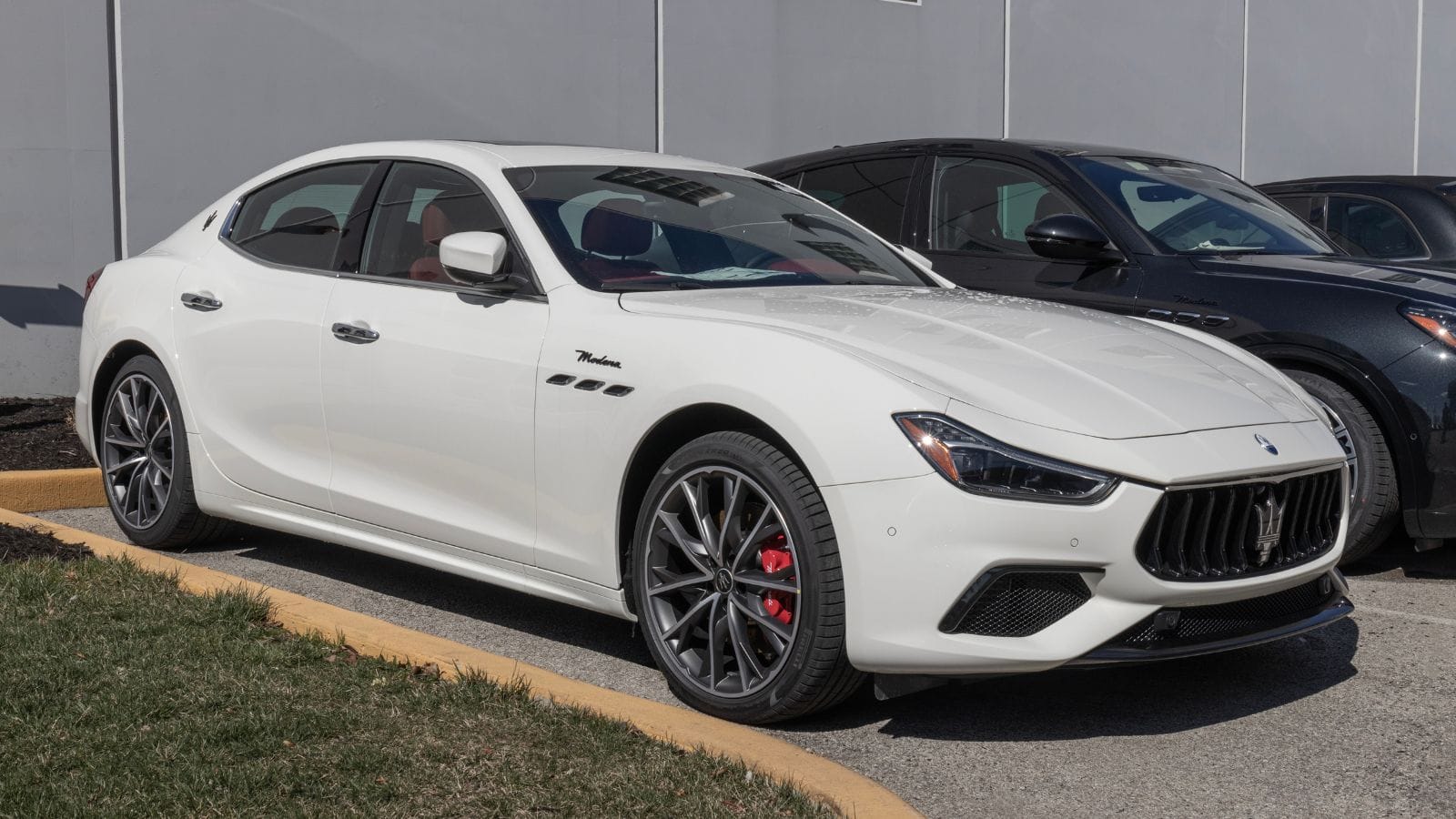
The Ghibli launched with strong styling and an exotic badge, but depreciation has been brutal. High maintenance costs and limited dealer networks dampen resale demand. Early models in particular saw steep value drops within just a few years.
Nissan Leaf
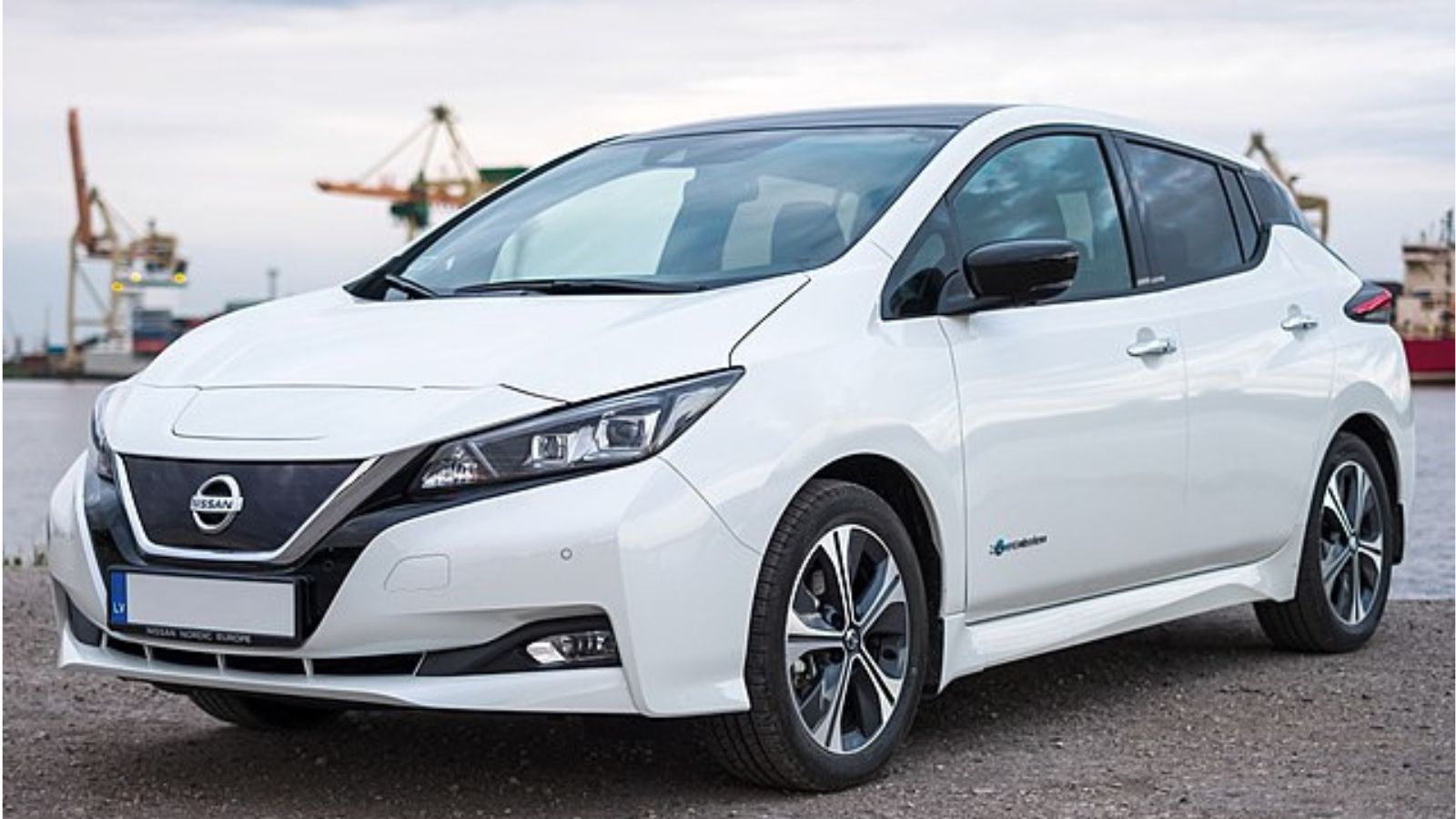
Early Leafs depreciated heavily due to rapid battery technology improvements. As newer EVs offered better range and charging speeds, older Leafs quickly felt obsolete. Limited battery longevity in early versions also affected resale confidence.
Chevrolet Malibu
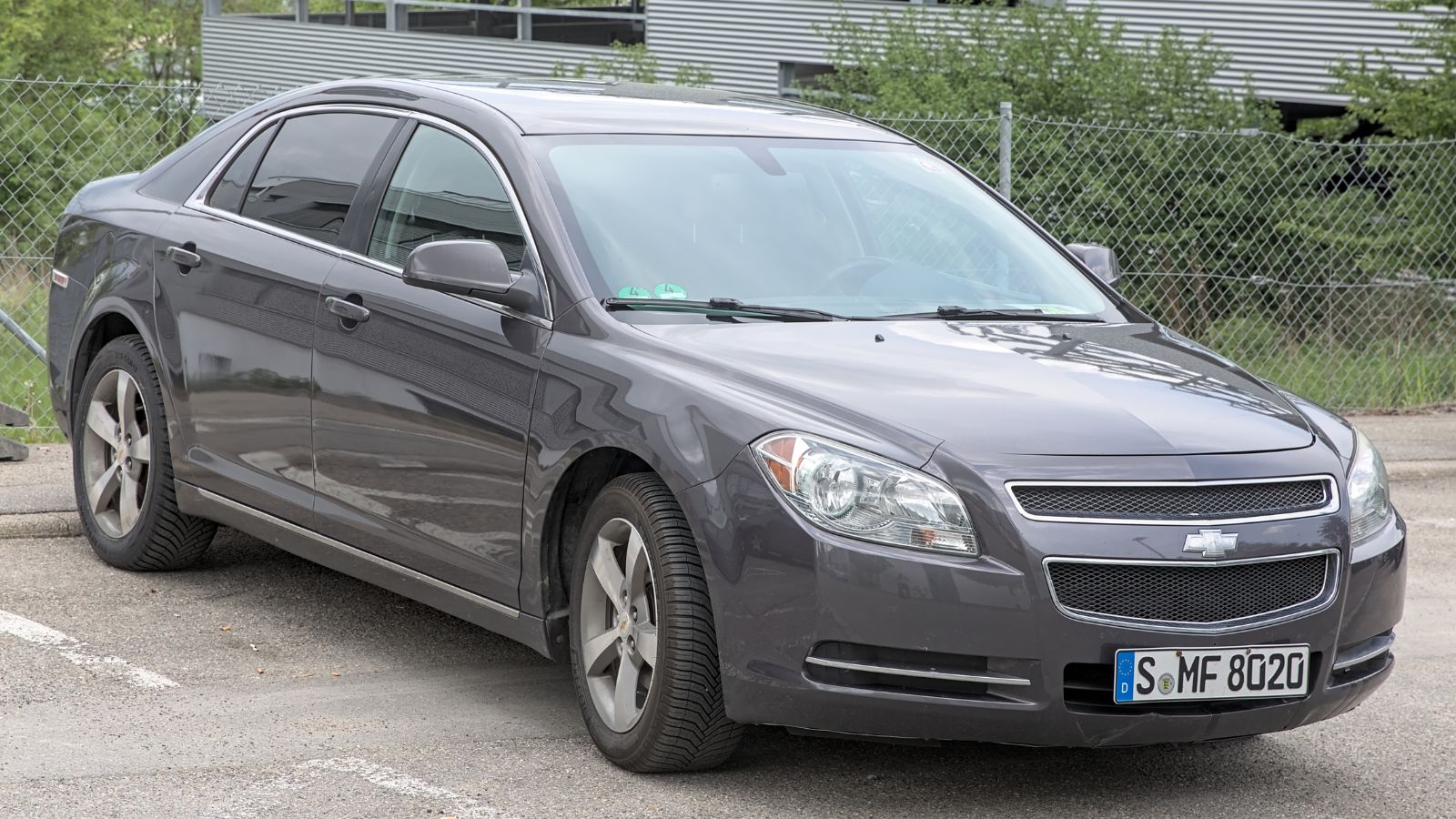
Mainstream sedans have suffered in the SUV era, and the Malibu is no exception. Strong incentives when new and declining demand for sedans accelerate value loss. Even well-maintained examples can be found at steep discounts a few years in.
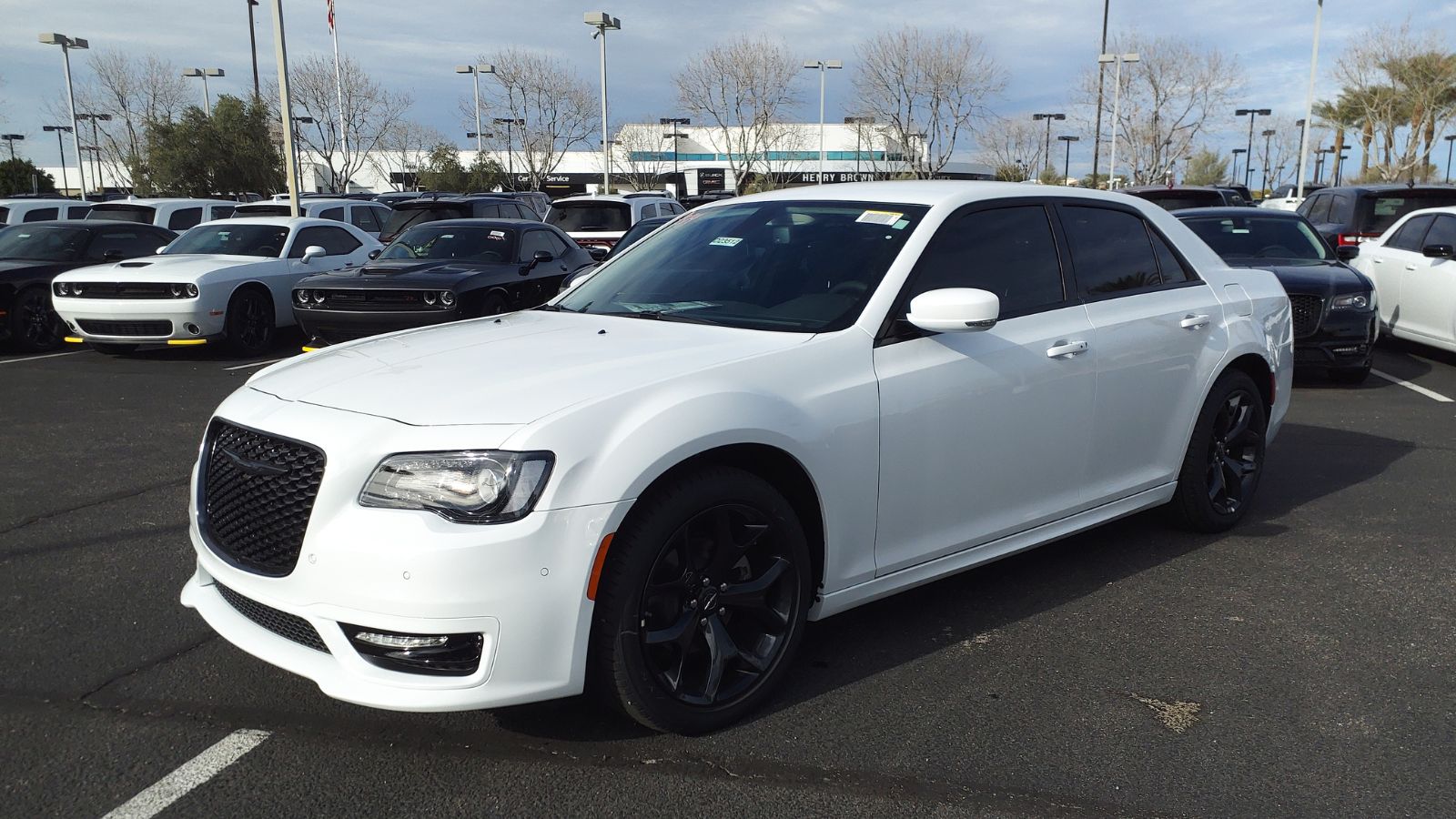
Chrysler 300
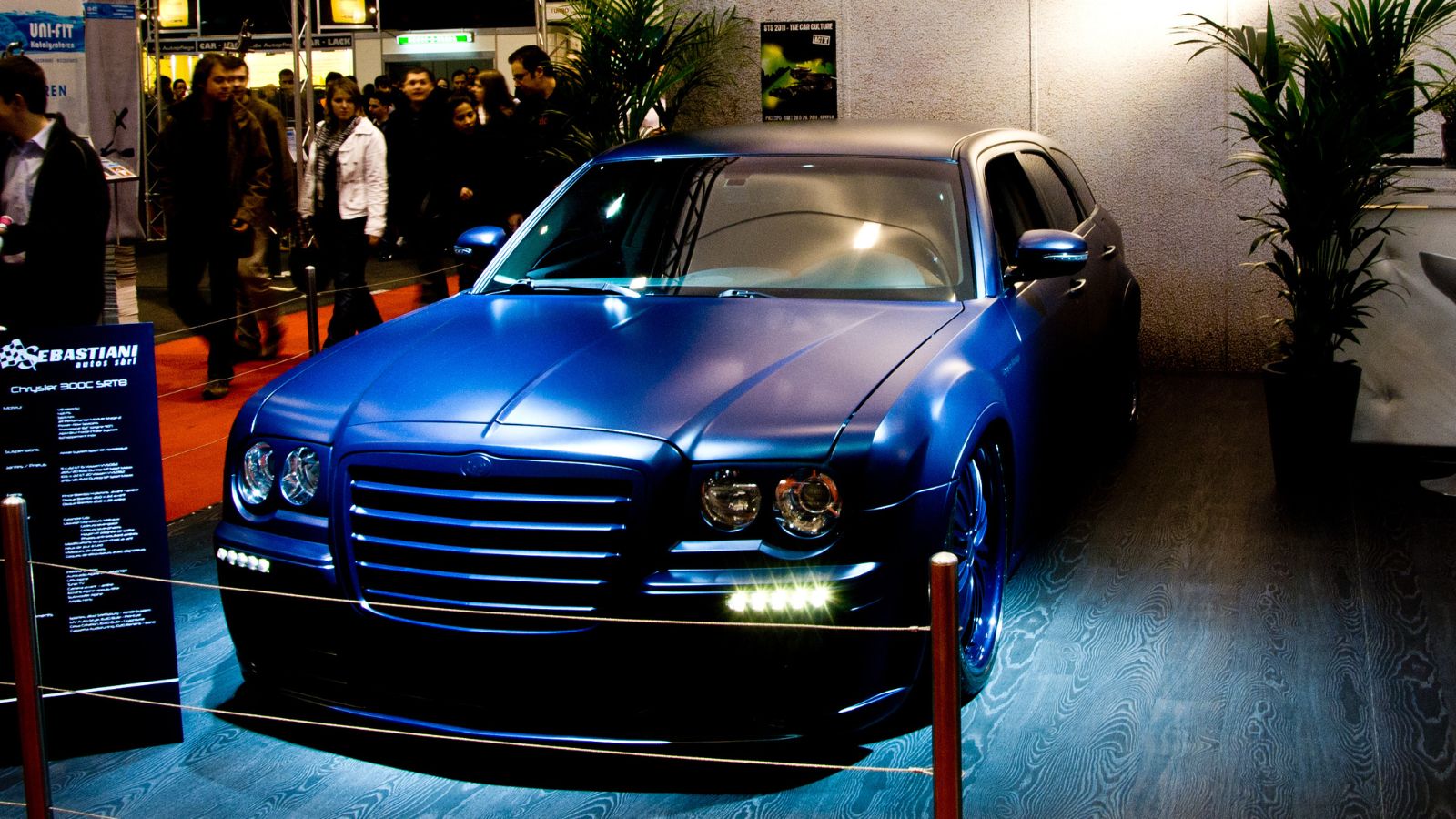
The 300 enjoyed popularity for years, but aging architecture and limited updates hurt resale value. As buyers shifted toward SUVs, large sedans like the 300 saw sharper depreciation curves.
Cadillac CTS
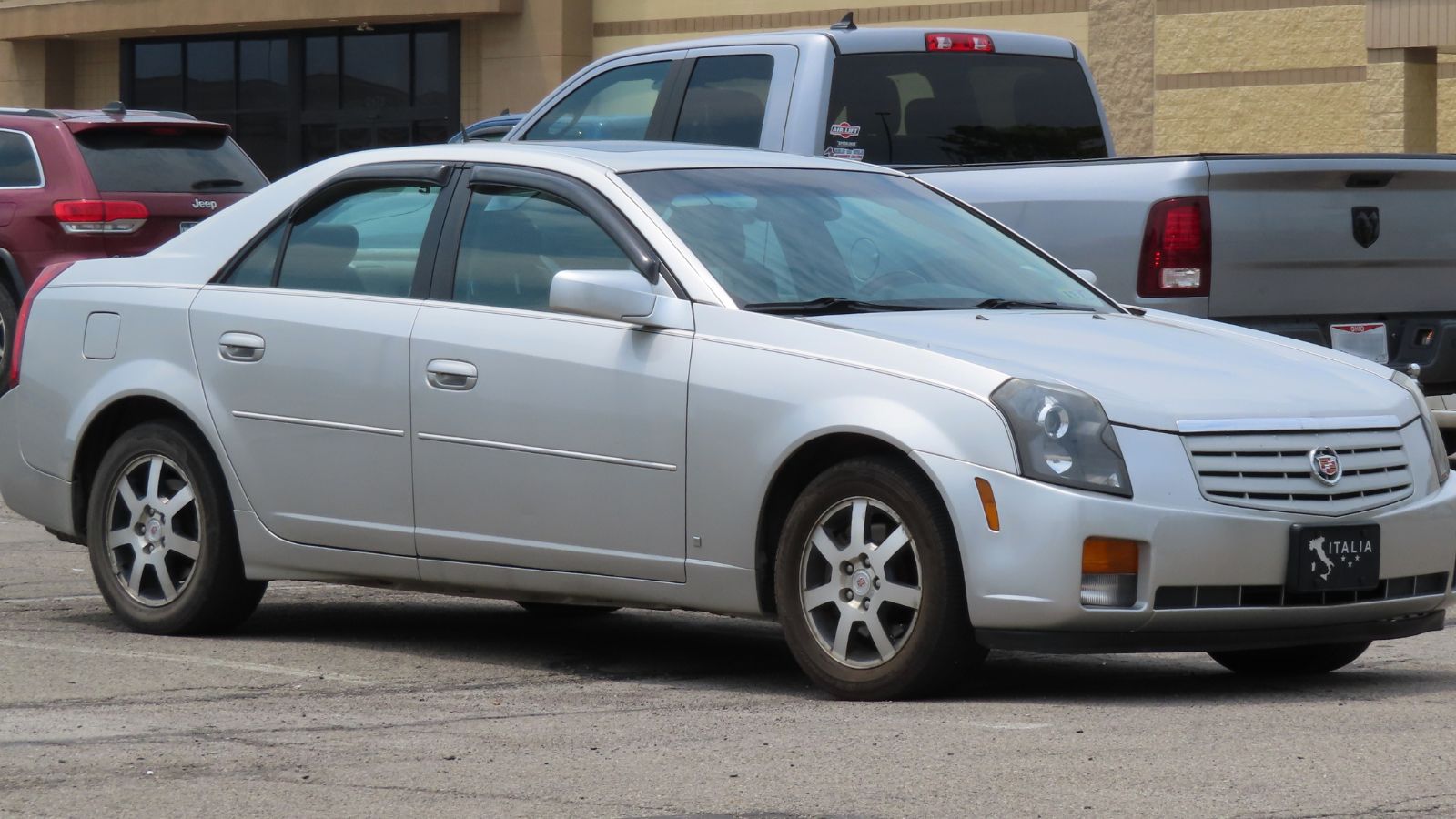
The CTS offered serious performance and premium interiors, yet resale values declined quickly. Luxury competition, repair costs, and brand perception all played a role in its aggressive depreciation.
Ford Expedition
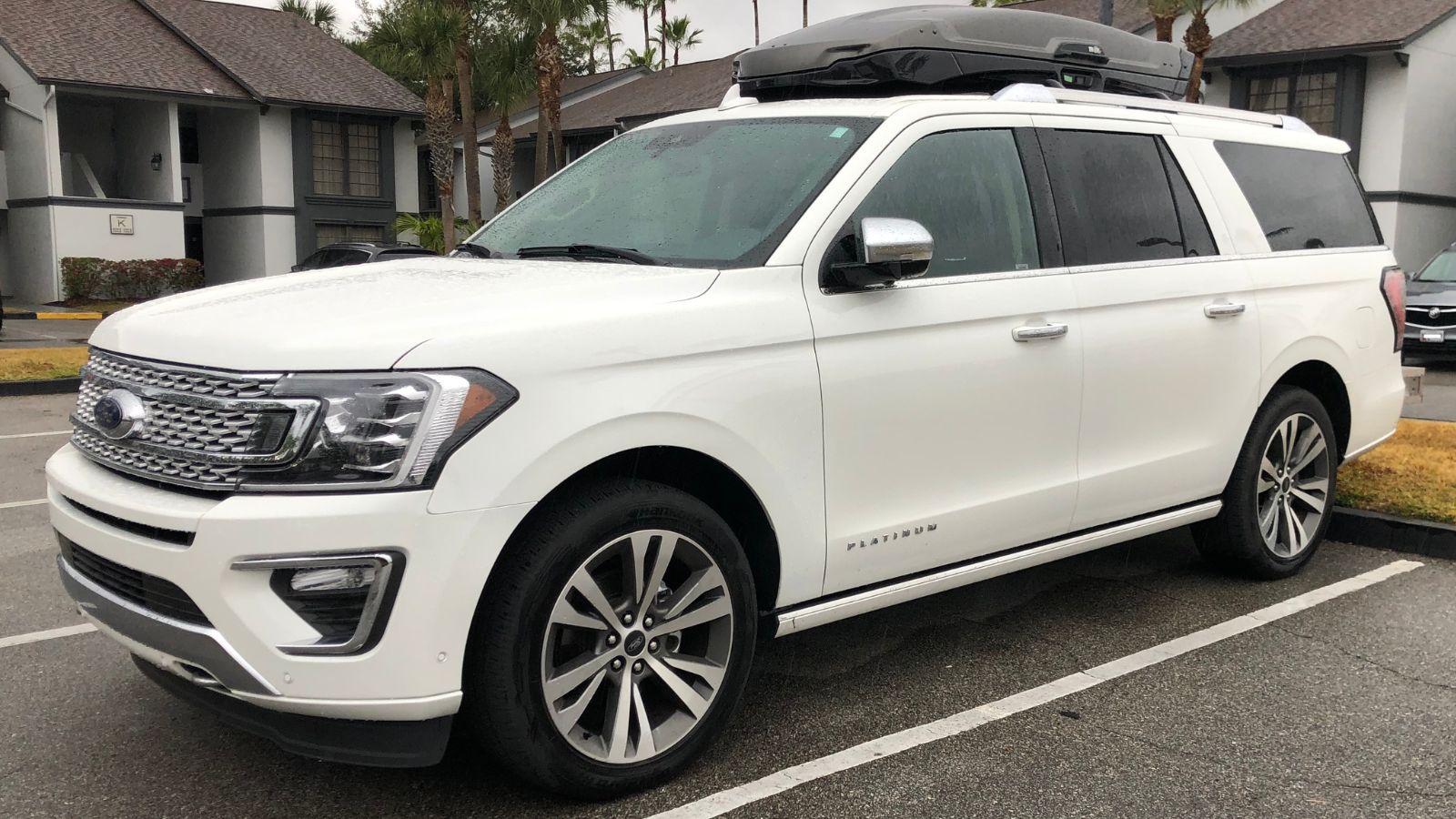
Large SUVs can depreciate quickly due to high original pricing and fuel consumption. While useful and capable, buyers often hesitate at used market prices when fuel costs rise, pushing values downward.
Audi A8
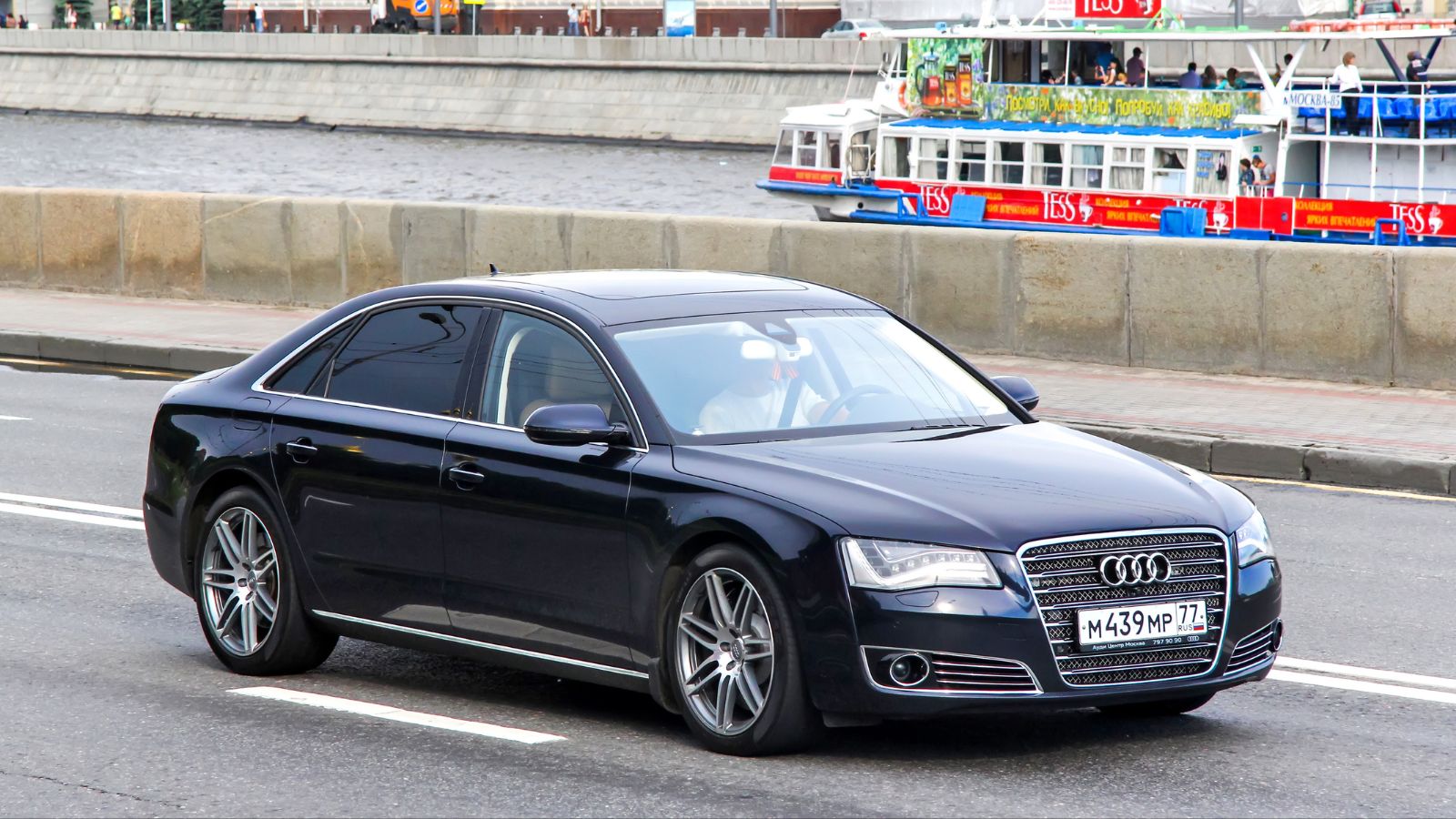
The A8 combines sophisticated technology with understated design, but that technology becomes expensive to maintain as it ages. Like many flagship luxury sedans, it loses value rapidly after its first few years on the road.
Free Fall
Depreciation is not always a negative story. For second or third owners, steep value drops can create incredible bargains. The key is understanding that while purchase prices fall quickly, maintenance, insurance, and repair costs often remain closer to original luxury levels. For buyers who know what they are getting into, these hard depreciators can offer premium experiences at surprisingly attainable prices.
25 Facts About Car Loans That Most Drivers Don’t Realize

Car loans are one of the most common ways people fund car purchases. Like any other kind of loan, car loans can have certain features that can be regarded as an advantage or a disadvantage to the borrower. Understanding all essential facts about car loans and how they work to ensure that you get the best deal for your financial situation is essential. Here are 25 shocking facts about car loans that most drivers don’t realize:
25 Facts About Car Loans That Most Drivers Don’t Realize
