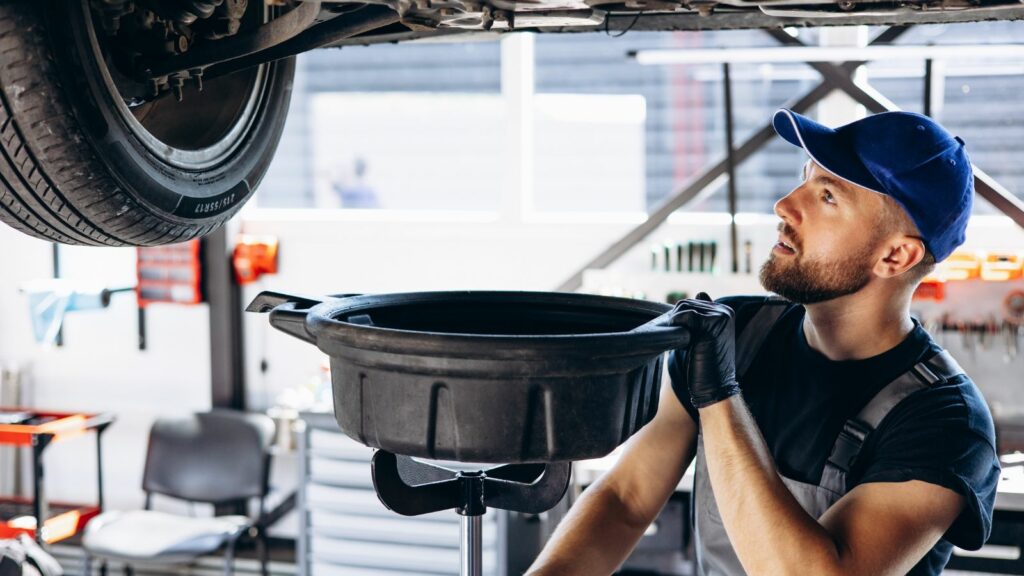
Reaching 200,000 kilometres is no longer a miracle. It is a mindset. Most cars built in the last 20 years are mechanically capable of going that far, but not all of them will. The difference usually comes down to ownership habits, not brand or badge. Small decisions made consistently over years determine whether a car ages gracefully or becomes a financial headache. These ten habits dramatically improve the odds of seeing that six digit milestone on the odometer.
Follow Oil Changes Relentlessly
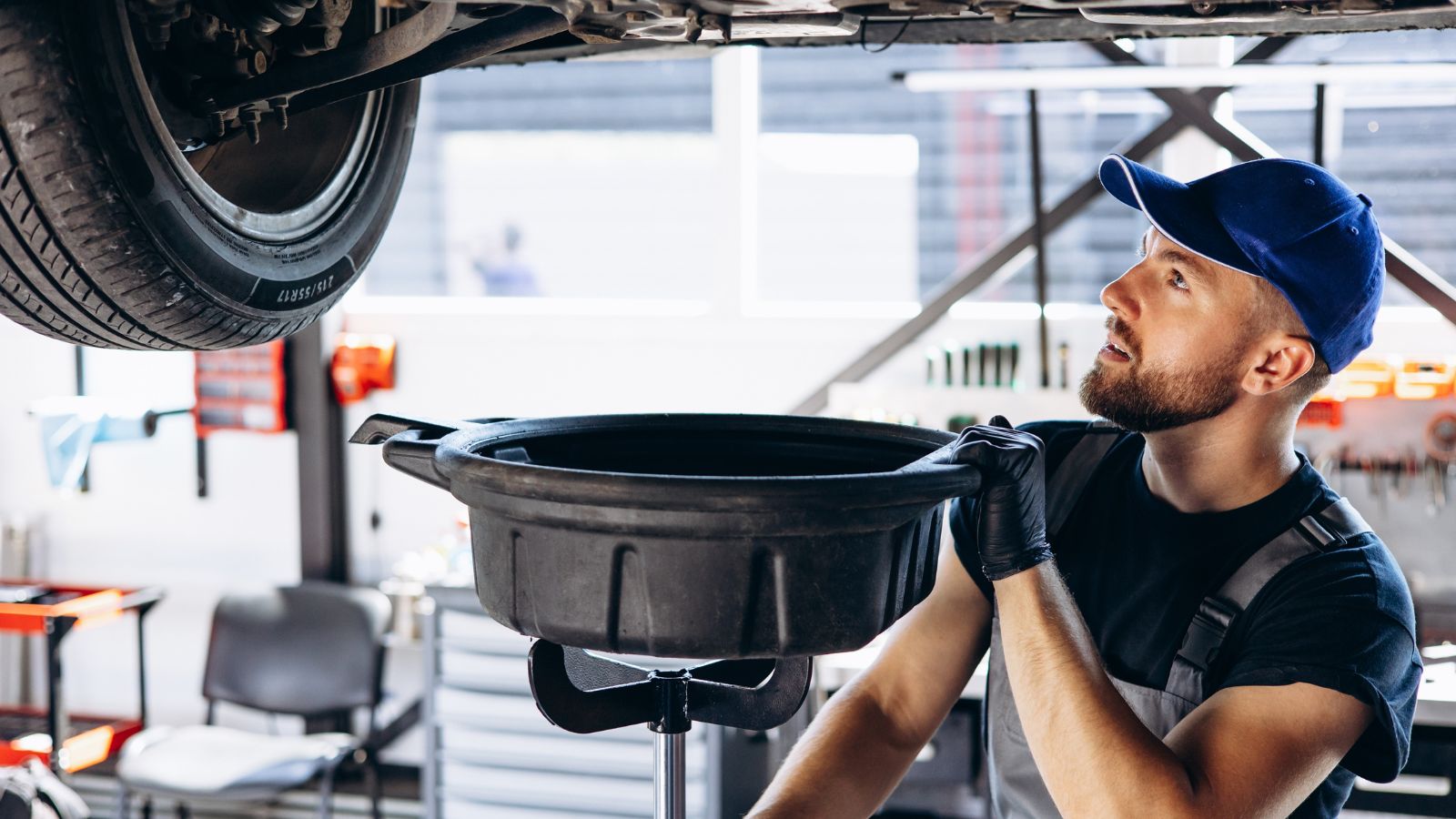
Oil is cheap. Engines are not. Ignoring oil change intervals is the fastest way to shorten an engine’s life. Stick to conservative intervals rather than stretched manufacturer claims, especially if you drive short trips or in cold climates. Fresh oil protects bearings, timing components, and turbochargers from slow, silent wear.
Warm It Up Gently

Cold starts cause the most engine wear. That does not mean idling for ten minutes. It means driving gently until temperatures stabilize. Keep revs low, avoid full throttle, and let fluids circulate. Engines last longer when they are not shocked into hard work while cold.
Change Fluids Beyond the Basics
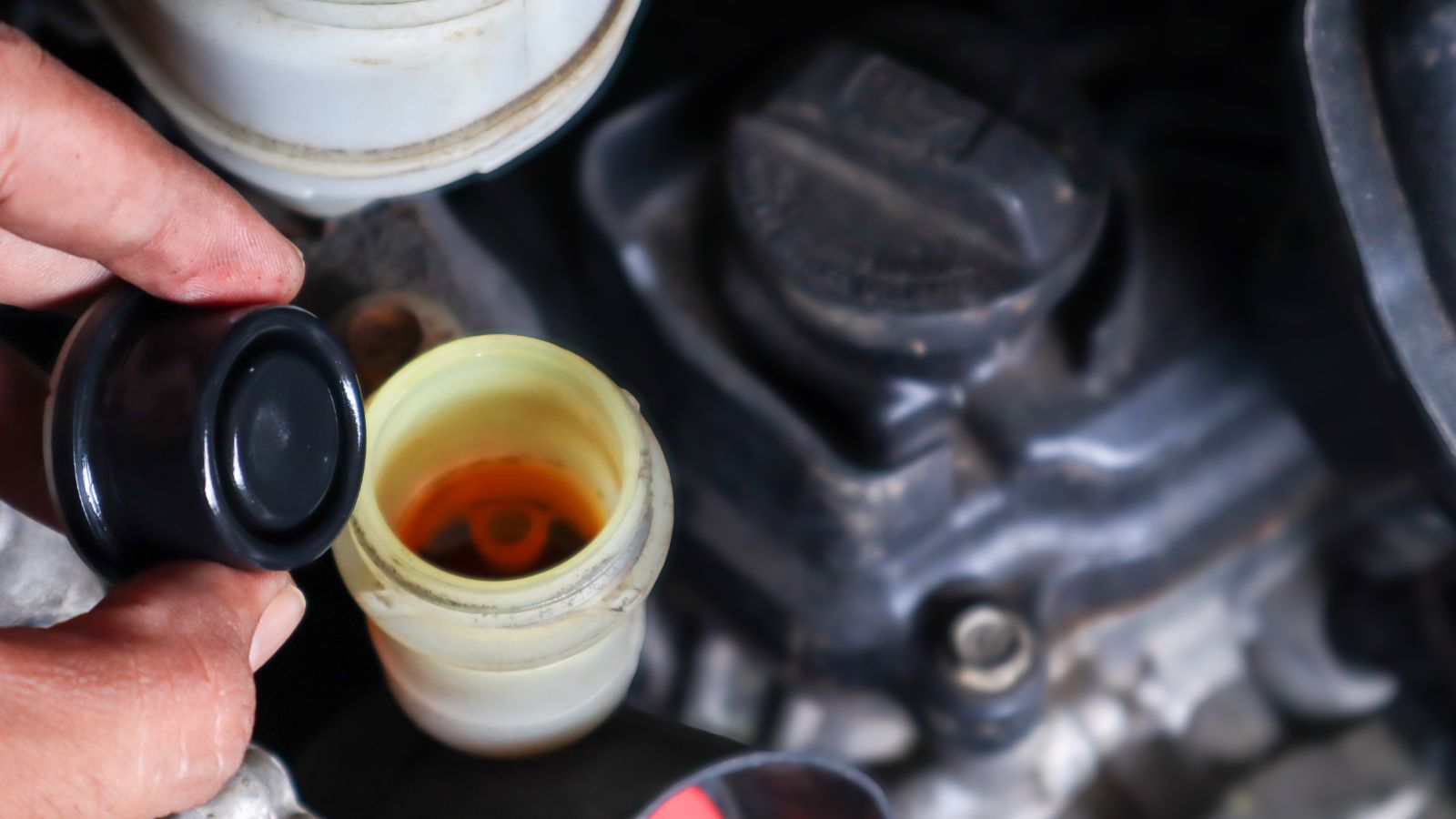
Many owners only think about engine oil. Transmission fluid, differential oil, brake fluid, and coolant matter just as much. Lifetime fluid claims are optimistic at best. Regular fluid changes prevent internal wear, corrosion, and overheating that quietly kill components long before 200,000 kilometres.
Fix Small Problems Immediately
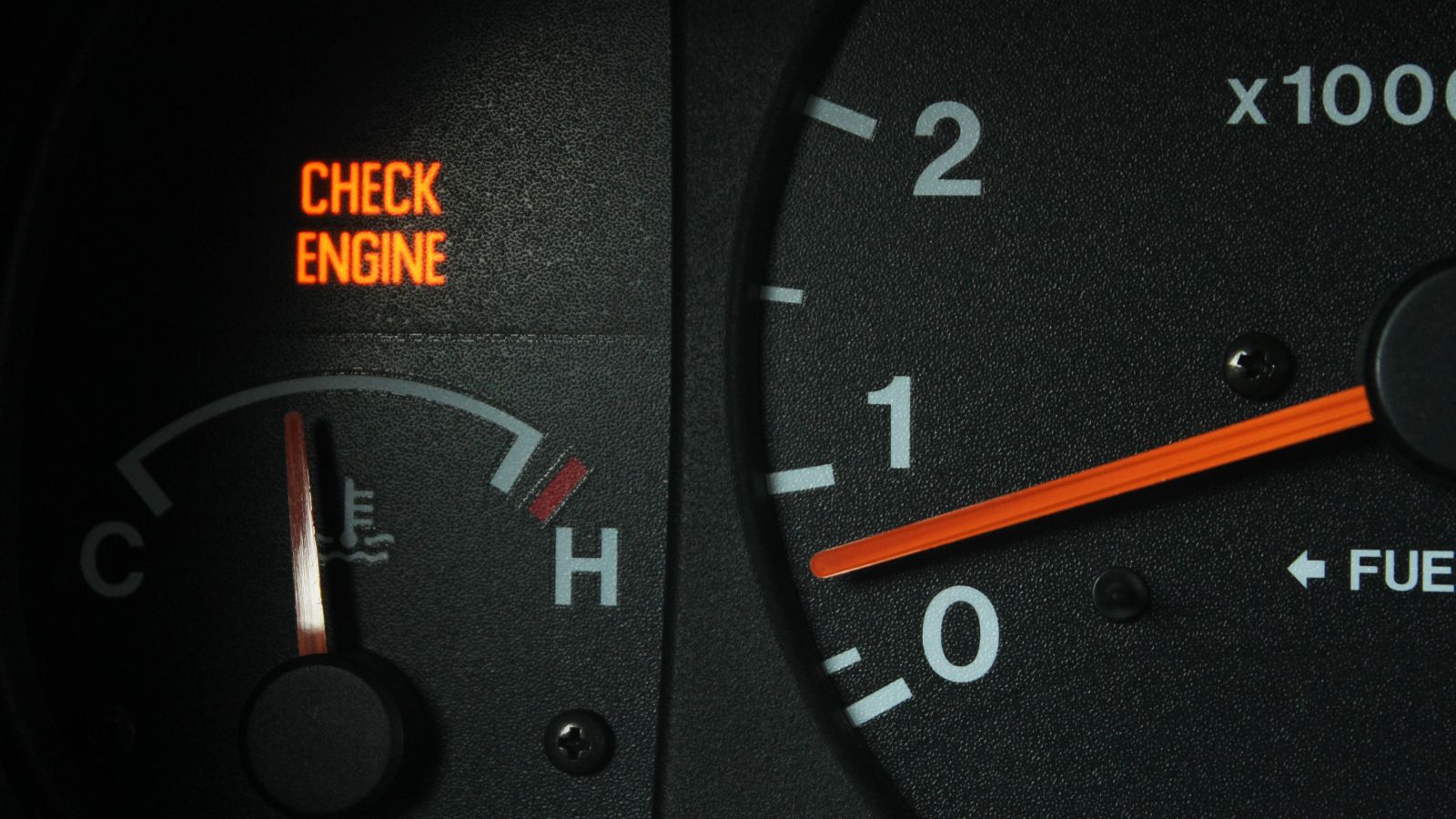
A minor noise, vibration, or warning light rarely fixes itself. Small issues become big ones when ignored. A failing sensor can cause rich fueling, which damages catalytic converters. A worn suspension bushing can destroy tires. Early repairs cost less and prevent cascading failures.
Use Quality Parts Not the Cheapest Ones
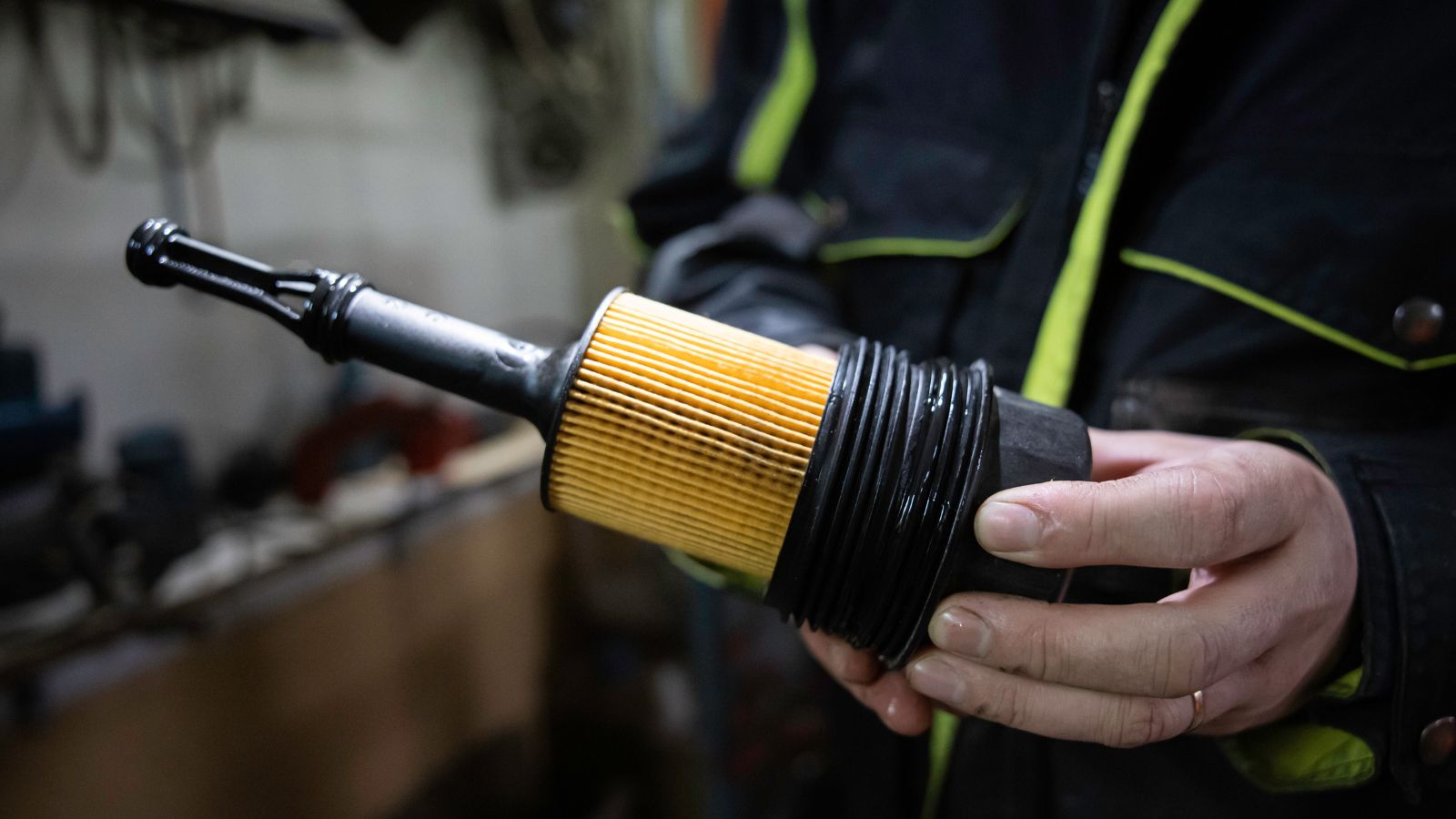
Not all replacement parts are equal. Cheap filters, brake components, and ignition parts often fail early or cause secondary damage. Using quality OEM or reputable aftermarket parts improves reliability and reduces the chance of repeat repairs that wear down both the car and the owner.
Keep Cooling Systems Healthy
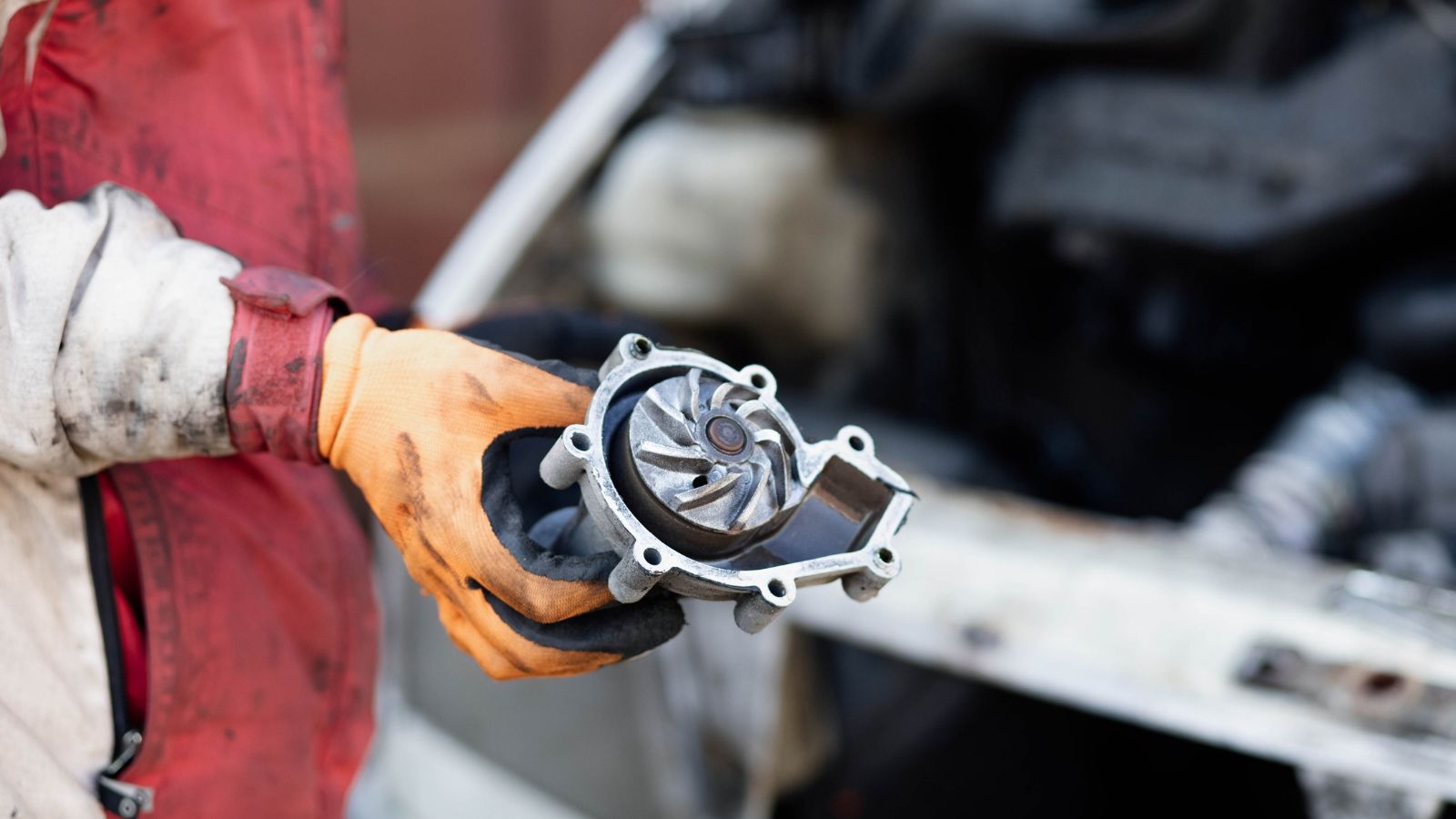
Overheating is catastrophic. Radiators clog, hoses harden, and thermostats fail over time. Regular coolant changes and inspections prevent head gasket failures and warped components. A healthy cooling system is one of the strongest predictors of long engine life.
Align and Rotate Tires Regularly
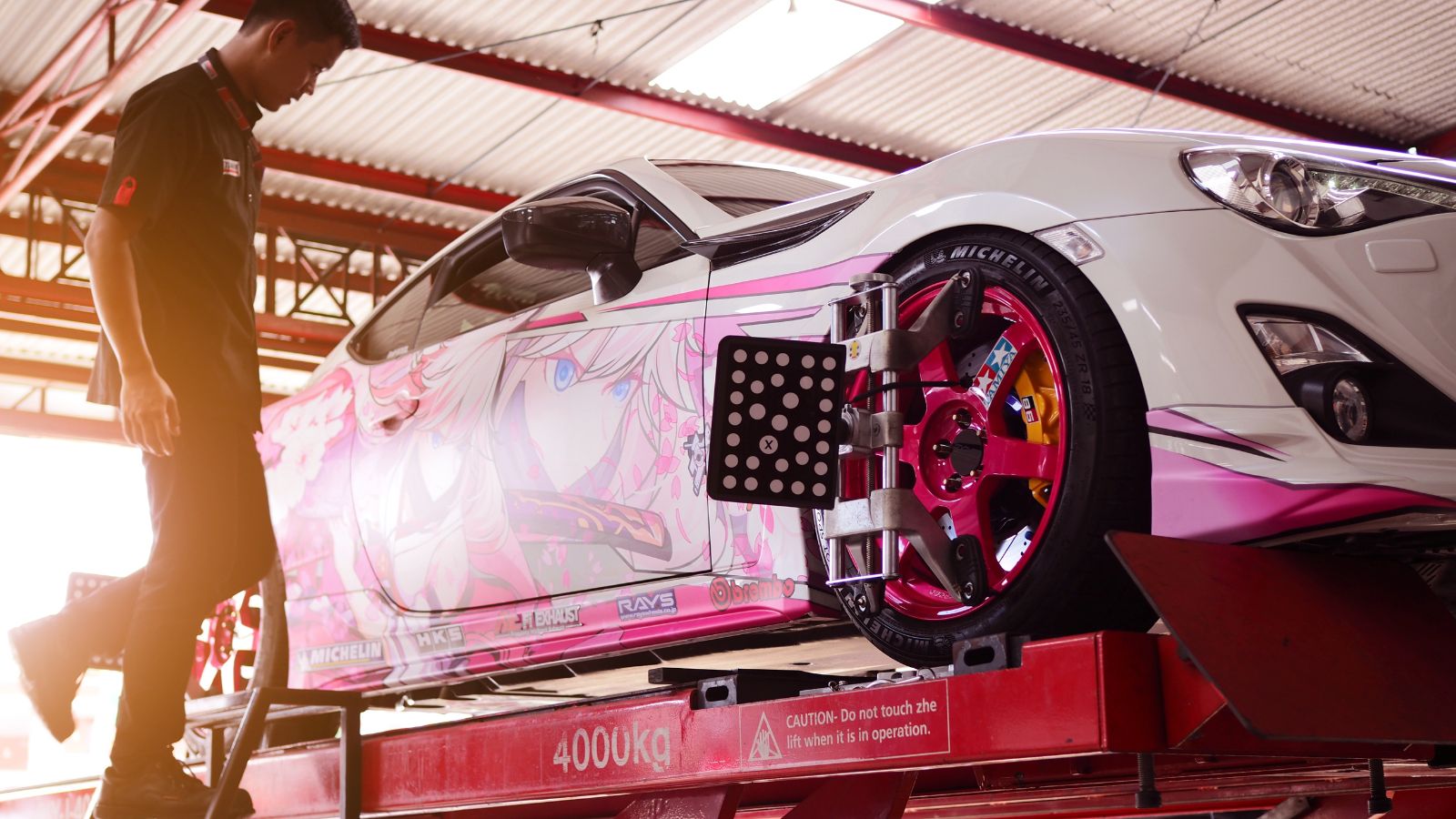
Suspension and steering components suffer when tires wear unevenly. Proper alignment reduces stress on ball joints, bushings, and wheel bearings. Tire rotations extend tire life and improve stability. A car that tracks straight and rolls smoothly experiences less mechanical strain overall.
Do Not Ignore Rust Prevention
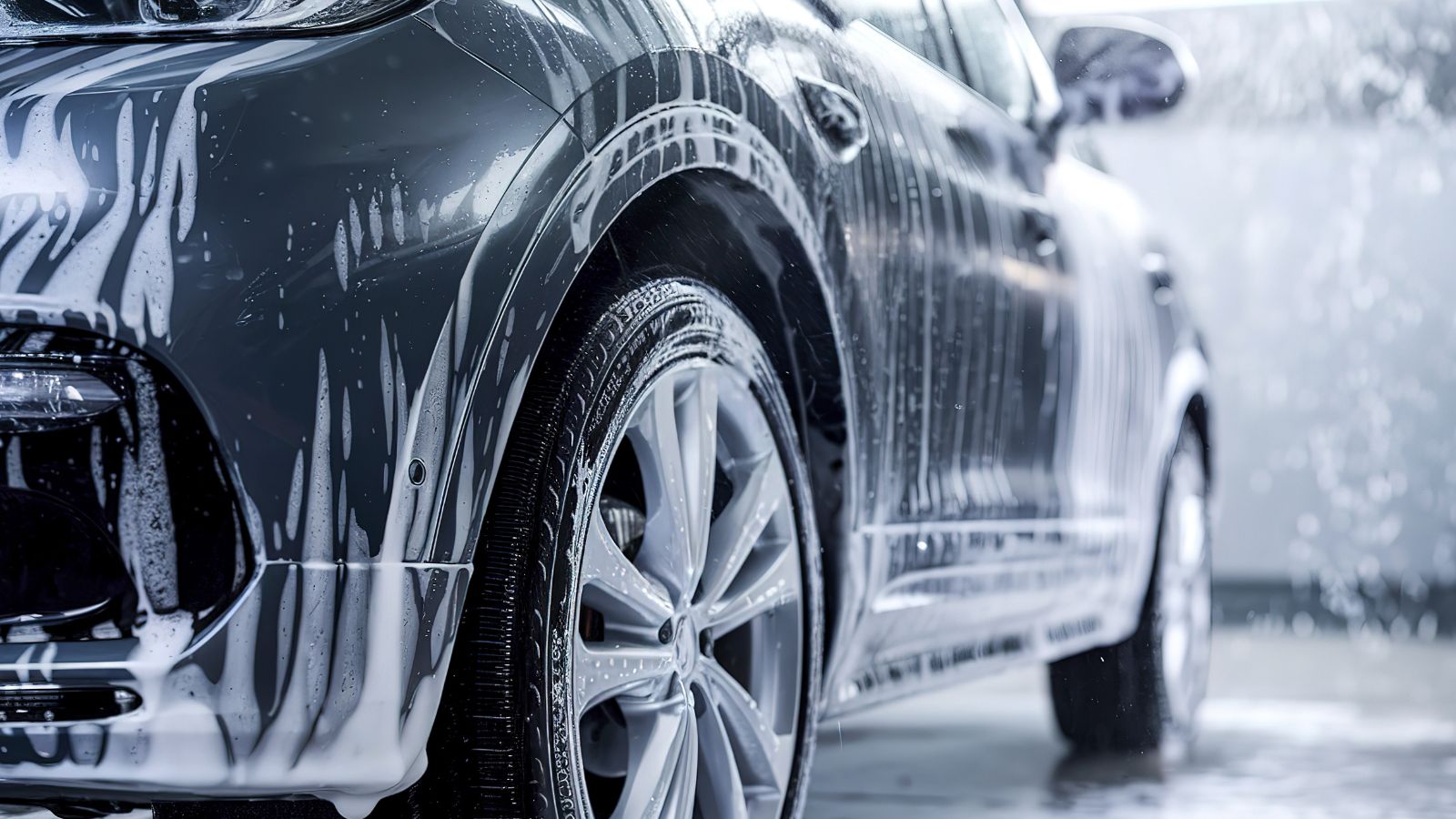
In salt heavy regions, corrosion kills cars before engines ever fail. Washing the underbody, repairing paint chips, and applying rust protection can add years to a vehicle’s usable life. Structural rust is often what sends otherwise healthy cars to the scrapyard.
Drive With Mechanical Sympathy

Aggressive driving wears everything faster. Hard launches stress drivetrains. Constant heavy braking overheats components. Smooth inputs reduce strain across the entire vehicle. Cars driven with restraint tend to last significantly longer, even if they are not driven slowly.
Keep Records and Stay Consistent

Maintenance history matters. Keeping records encourages consistency and prevents missed services. It also increases resale value if you decide to sell before reaching 200,000 kilometres. A well documented car is usually a well cared for car.
200k

Reaching 200,000 kilometres is rarely about luck. It is the result of hundreds of small decisions made correctly over time. Treat the car like a long term investment rather than a disposable appliance, and most modern vehicles will repay that care with years of dependable service.
25 Facts About Car Loans That Most Drivers Don’t Realize

Car loans are one of the most common ways people fund car purchases. Like any other kind of loan, car loans can have certain features that can be regarded as an advantage or a disadvantage to the borrower. Understanding all essential facts about car loans and how they work to ensure that you get the best deal for your financial situation is essential. Here are 25 shocking facts about car loans that most drivers don’t realize:
25 Facts About Car Loans That Most Drivers Don’t Realize
