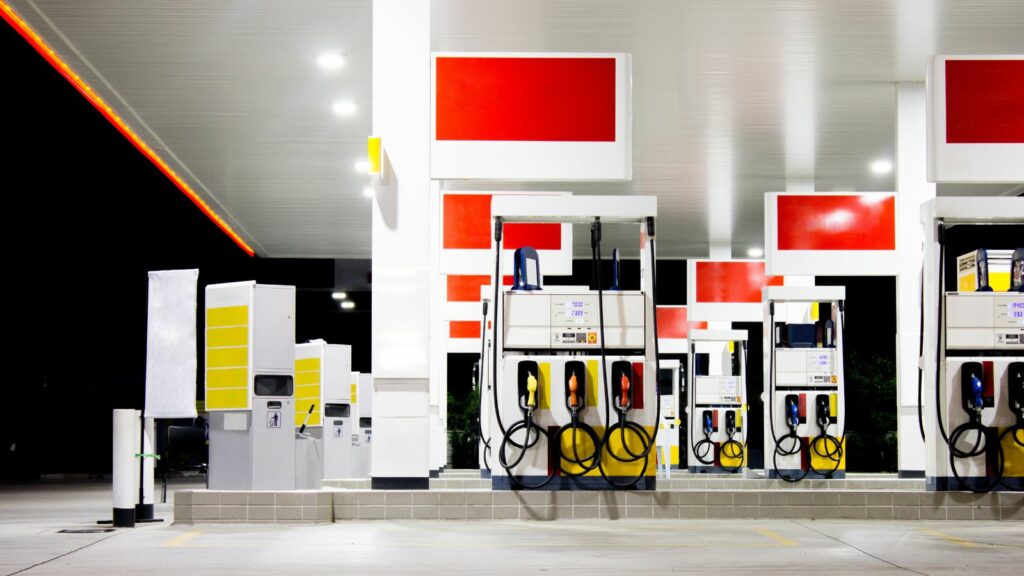
Premium fuel sounds like a smart upgrade. Higher octane, smoother running, better performance. At the pump, though, it also means paying noticeably more every single fill-up. The truth is that for most drivers, premium gas delivers little to no benefit. Whether it is worth the extra money depends entirely on how your engine is designed and how you actually drive.
Here is what really matters.
What Premium Gas Actually Is
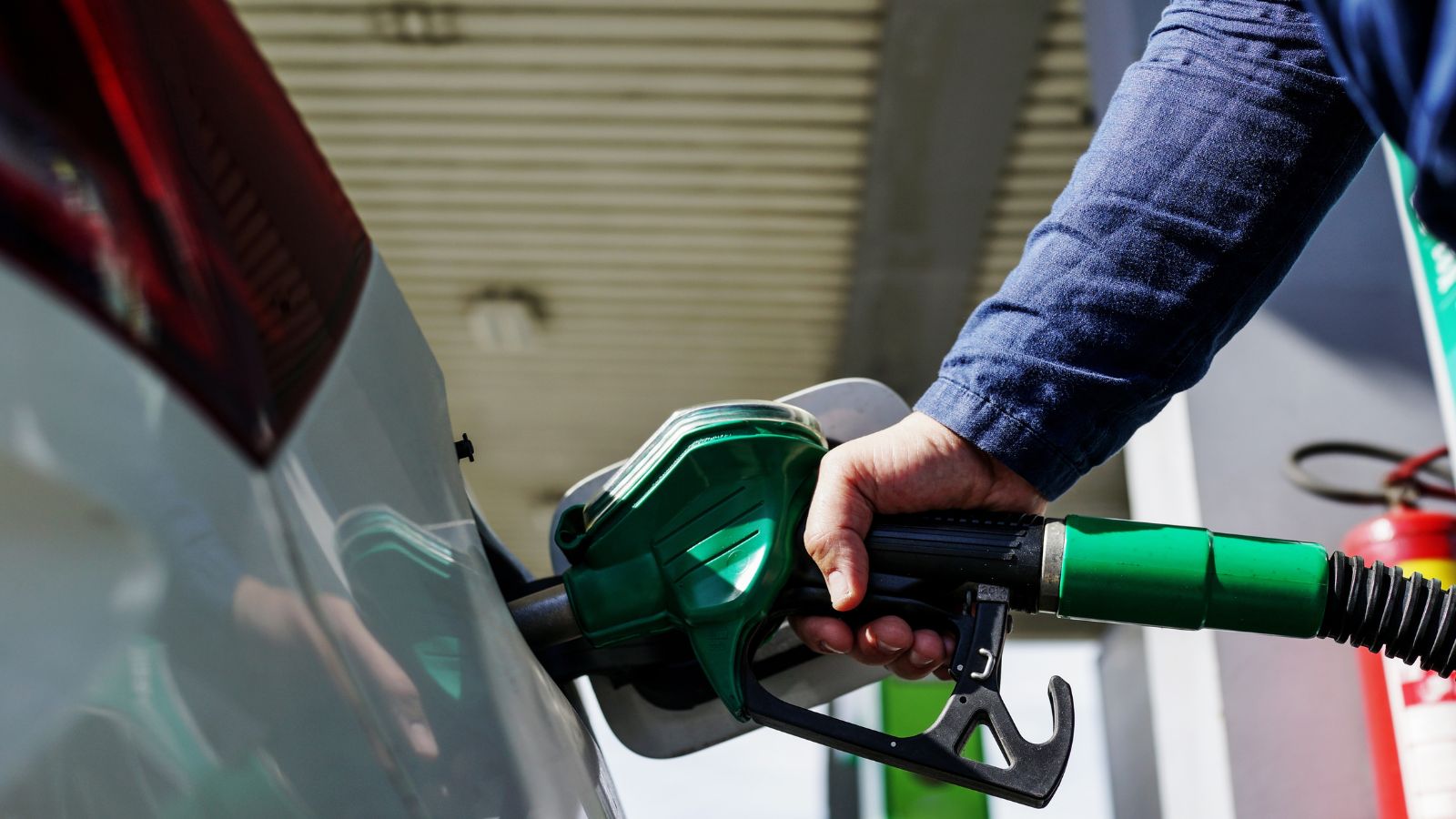
Premium gasoline has a higher octane rating than regular. Octane is not a measure of power or quality. It is a measure of resistance to knocking, which is uncontrolled combustion inside the engine. Higher octane fuel is simply harder to ignite under pressure.
That matters for some engines. For many others, it does not matter at all.
Engines That Truly Need Premium
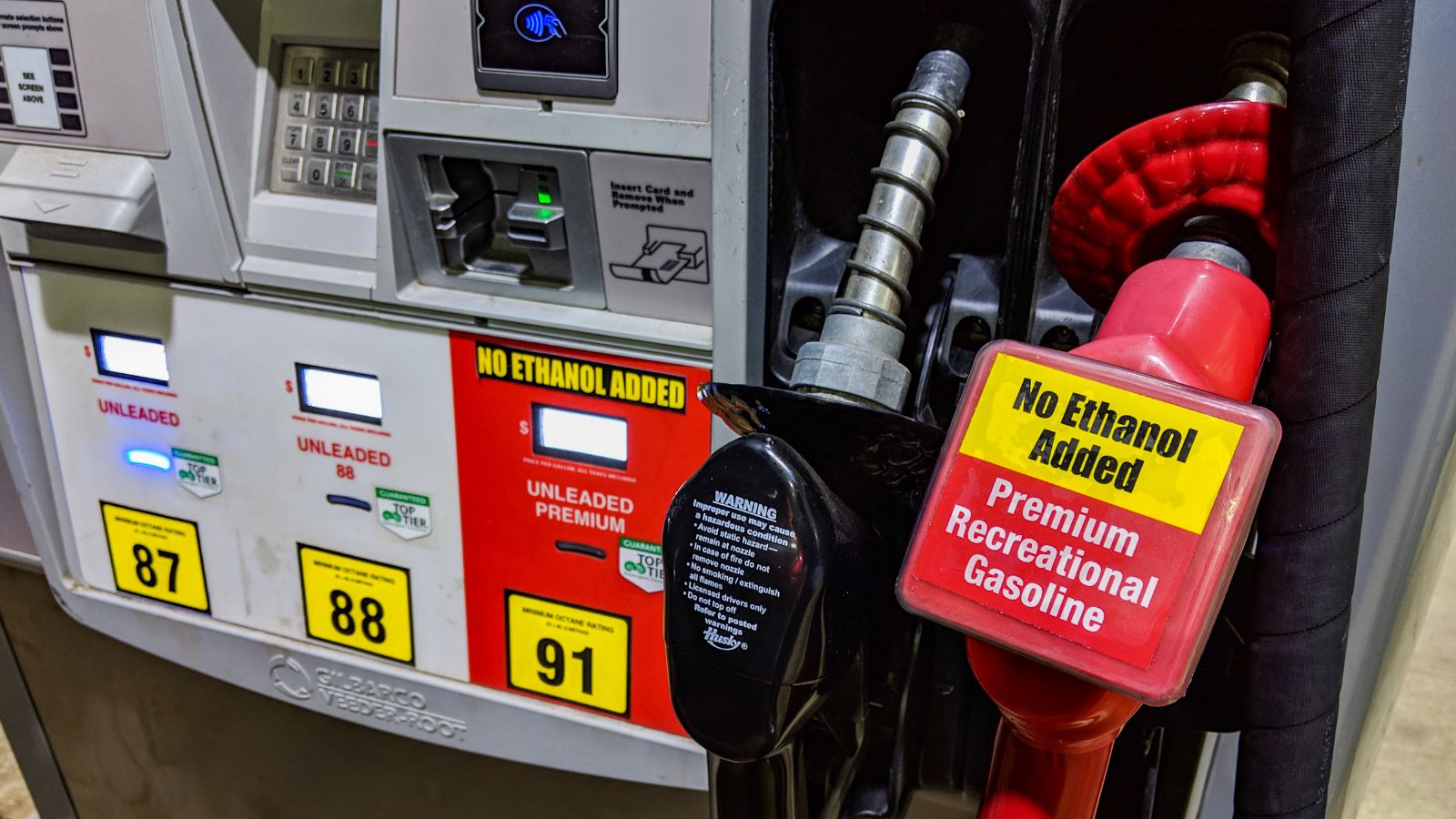
Some engines are designed to run on higher octane fuel. High compression engines, turbocharged engines, and certain performance tuned powerplants rely on premium fuel to avoid knock under load. In these cases, using regular fuel can reduce performance and efficiency, and over the long term it can increase wear.
If your owner’s manual says premium is required, believe it. The engine was calibrated around that fuel.
Engines That Do Not
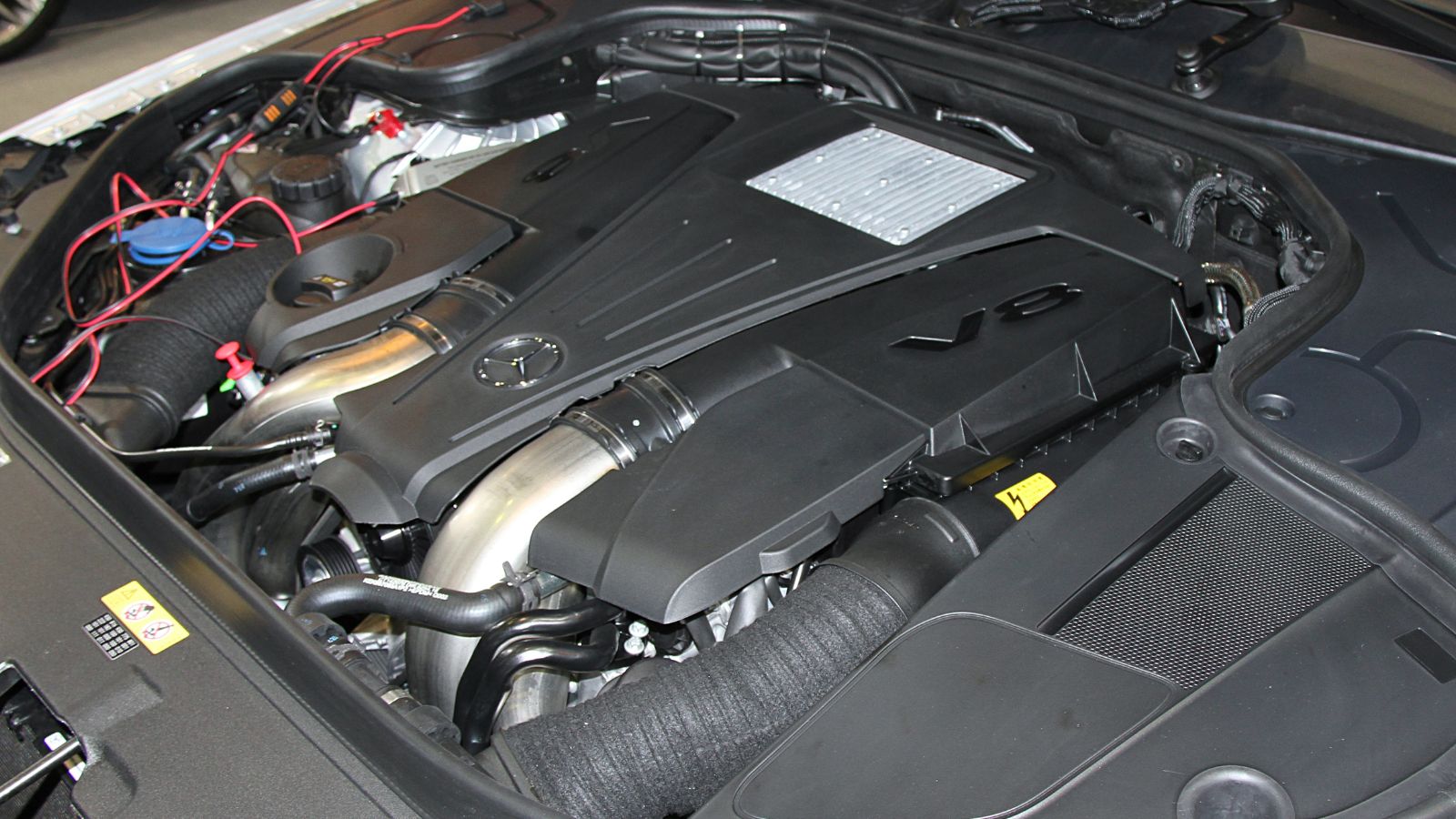
Most naturally aspirated engines with modest compression ratios are perfectly happy on regular gas. Using premium in these engines does not unlock hidden horsepower or improve reliability. Modern engine management systems will not magically take advantage of higher octane if the engine does not need it.
If the manual says regular is recommended, premium is mostly wasted money.
The “Recommended” Gray Area
Some manufacturers say premium is recommended but not required. This is where confusion sets in. In these cases, the engine can safely run on regular fuel, but it may reduce power slightly under heavy load or aggressive driving. For everyday commuting, the difference is often impossible to feel.
If you tow heavy loads, drive hard, or live in hot climates, premium may help maintain peak performance. For normal driving, regular fuel is usually fine.
Fuel Economy Myths
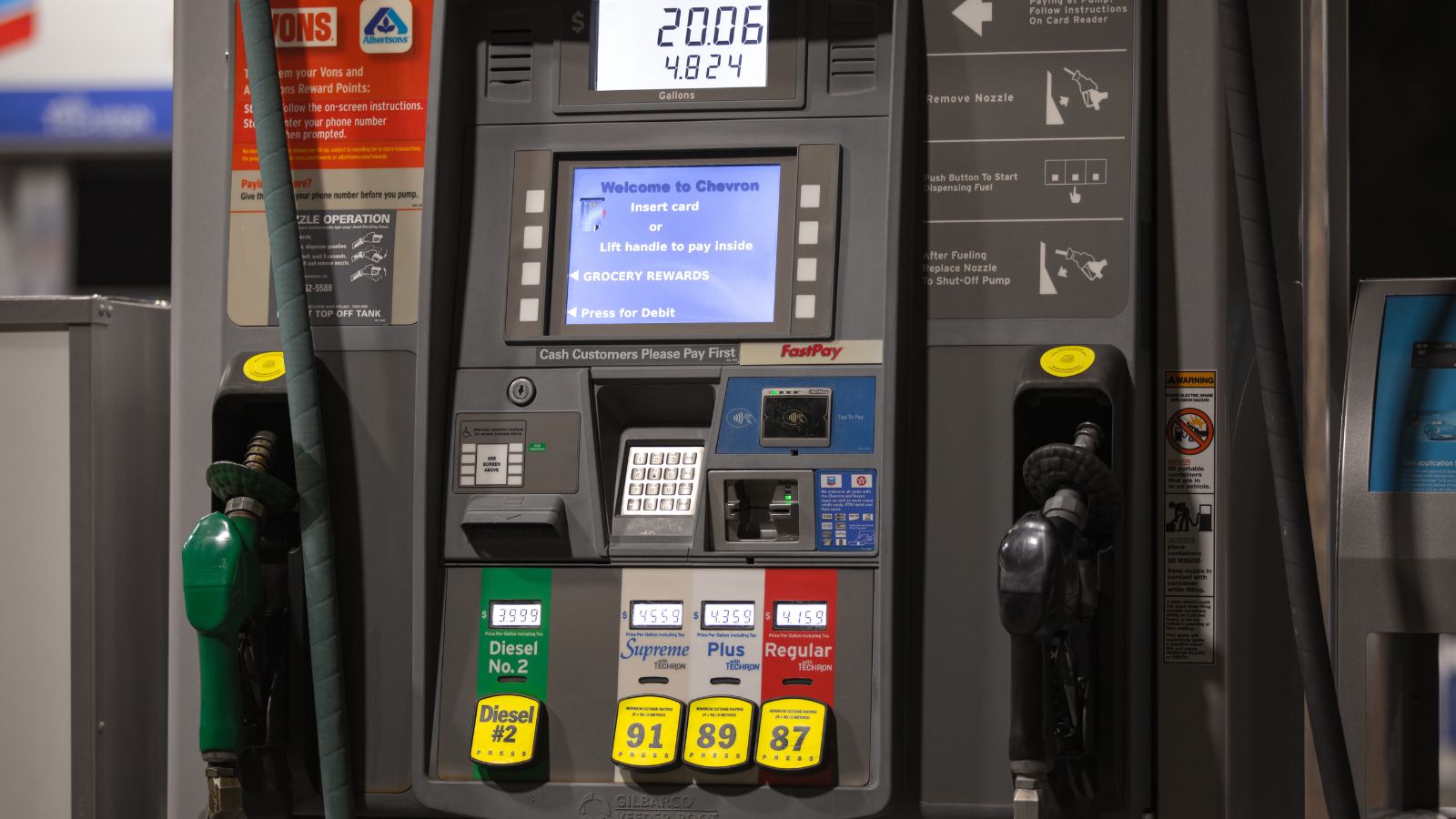
One of the most common claims is that premium gas improves fuel economy. In most cars, it does not. Any small gains are usually offset by the higher price per litre. Unless the engine specifically advances timing or boosts efficiency on premium, your cost per kilometre will increase, not decrease.
Engine Cleanliness Claims
Premium fuel often contains more detergents, but modern fuel standards require detergents in all grades. Regular gas today is far cleaner than it was decades ago. Paying extra for premium does not mean your engine will suddenly be cleaner or last longer. Regular oil changes matter far more.
Modern Knock Sensors Change the Game
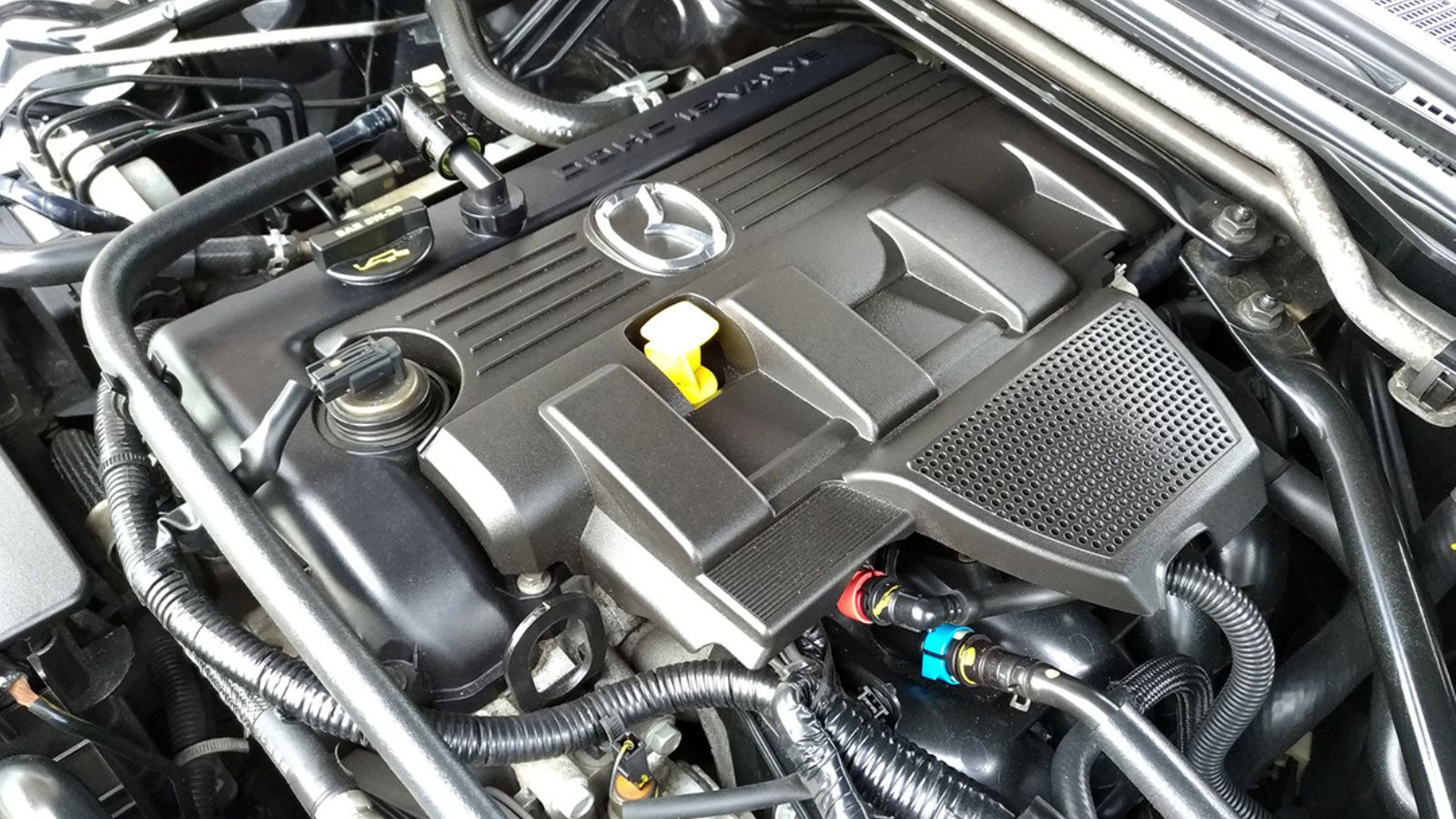
Modern engines are smart. Knock sensors adjust ignition timing automatically to protect the engine. If you put regular fuel in an engine designed for premium, the computer will pull timing to prevent knock. That keeps the engine safe but reduces performance and sometimes efficiency.
You are not destroying the engine, but you are not getting what you paid for either.
When Premium Makes Sense
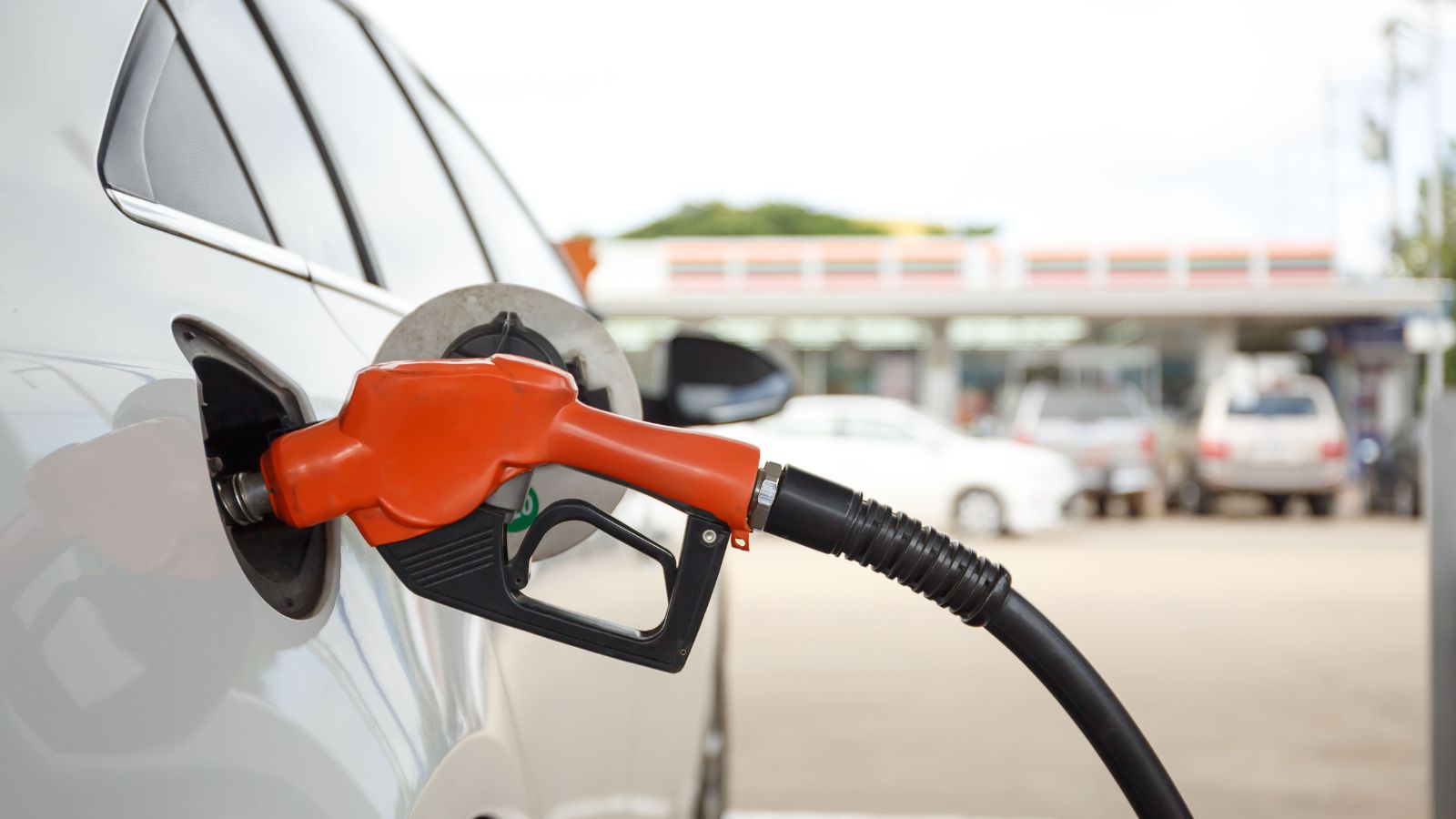
Premium gas makes sense if your vehicle requires it, or if you regularly push the engine hard. Track driving, heavy towing, mountain driving, or sustained high speed use can justify the higher octane. In those scenarios, premium allows the engine to operate as intended.
For relaxed commuting, the benefit is minimal.
When It Is a Waste
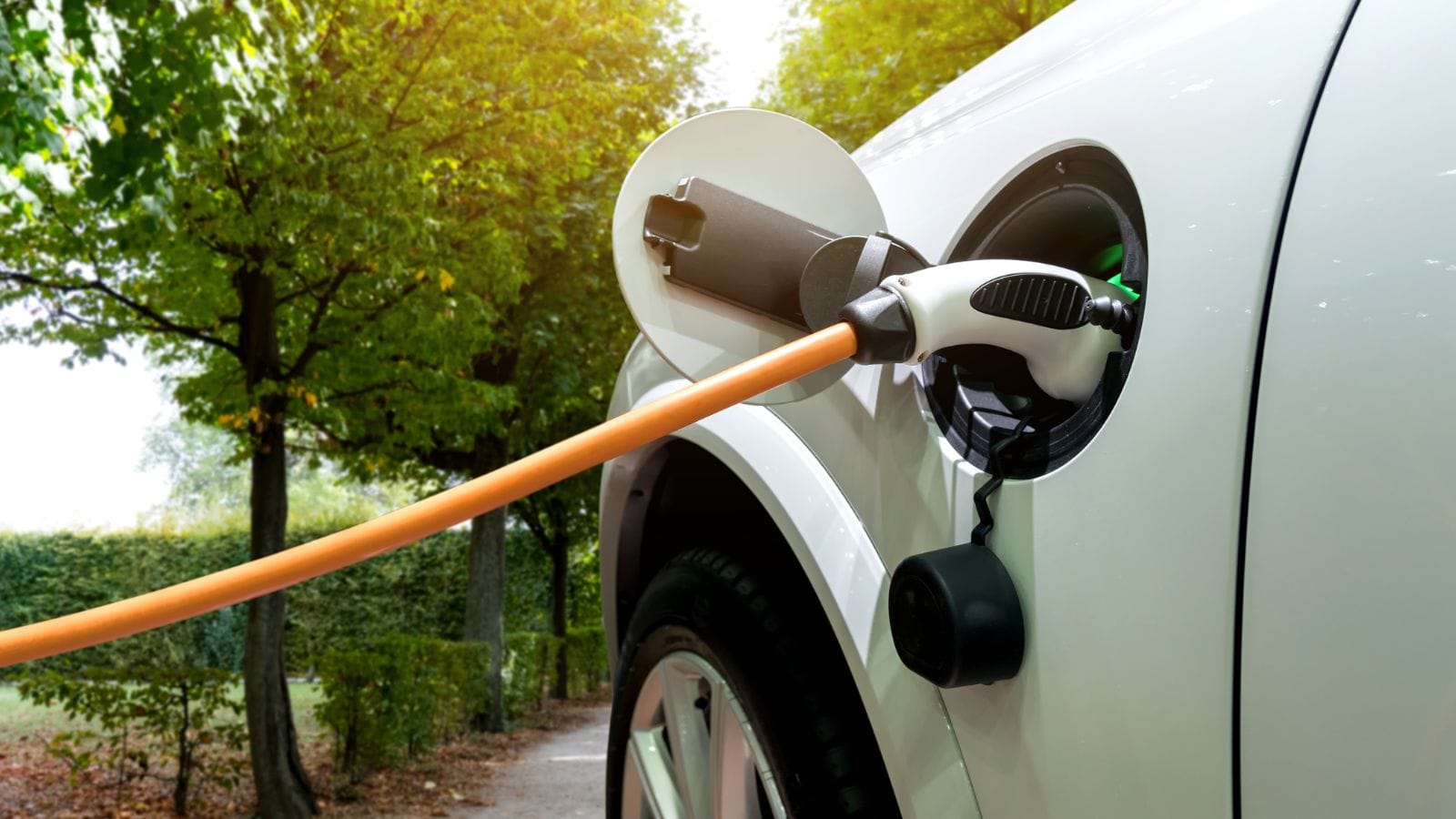
If your car is designed for regular fuel and you drive normally, premium is almost always a waste of money. Over a year, that extra cost adds up significantly with no measurable return. Many drivers pay more simply out of habit or belief, not necessity.
Read the Manual Not the Pump

The pump does not know your engine. The marketing on the nozzle does not know your driving habits. Your owner’s manual does. That is the only source that matters.
If it says premium required, use it. If it says regular recommended, save your money unless you have a specific reason not to. If it says premium recommended, regular is usually fine for everyday driving.
The truth is simple. Premium fuel is not better fuel. It is just different fuel. Paying extra only makes sense when your engine actually needs it. For everyone else, regular gas does the same job for less money.
25 Facts About Car Loans That Most Drivers Don’t Realize

Car loans are one of the most common ways people fund car purchases. Like any other kind of loan, car loans can have certain features that can be regarded as an advantage or a disadvantage to the borrower. Understanding all essential facts about car loans and how they work to ensure that you get the best deal for your financial situation is essential. Here are 25 shocking facts about car loans that most drivers don’t realize:
25 Facts About Car Loans That Most Drivers Don’t Realize
