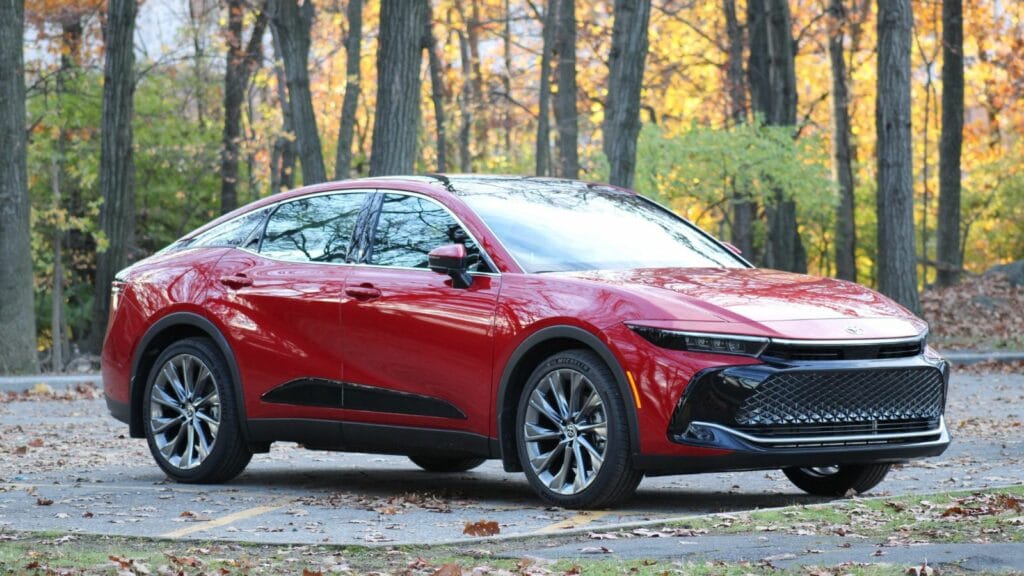
The automotive world has spent years debating the future of transportation. Electric vehicles have received enormous attention, while traditional gasoline engines continue evolving to meet stricter emissions standards. Yet somewhere in the middle sits a technology that may ultimately make the most sense for many drivers. Hybrid vehicles combine electric efficiency with gasoline practicality, creating a balance that works particularly well in countries like Canada where geography, climate, and infrastructure present unique challenges.
Canada’s Long Distances Favor Hybrid Flexibility

Canada is one of the largest countries in the world, and long distances between cities remain a reality for many drivers. Pure electric vehicles can work well in urban areas, but long highway journeys can still require careful planning around charging stations.
Hybrid vehicles remove that concern entirely. Drivers benefit from electric assistance during city driving while still relying on gasoline for long distance travel. This combination offers efficiency without range anxiety.
Cold Weather Can Affect Electric Vehicles

Canadian winters are famously harsh. Extremely low temperatures can reduce battery performance and shorten driving range for fully electric vehicles.
Hybrids avoid many of these issues because the gasoline engine continues operating normally even in cold weather. While the electric system still contributes to efficiency, the vehicle does not rely exclusively on battery power.
Fuel Efficiency Improves Dramatically
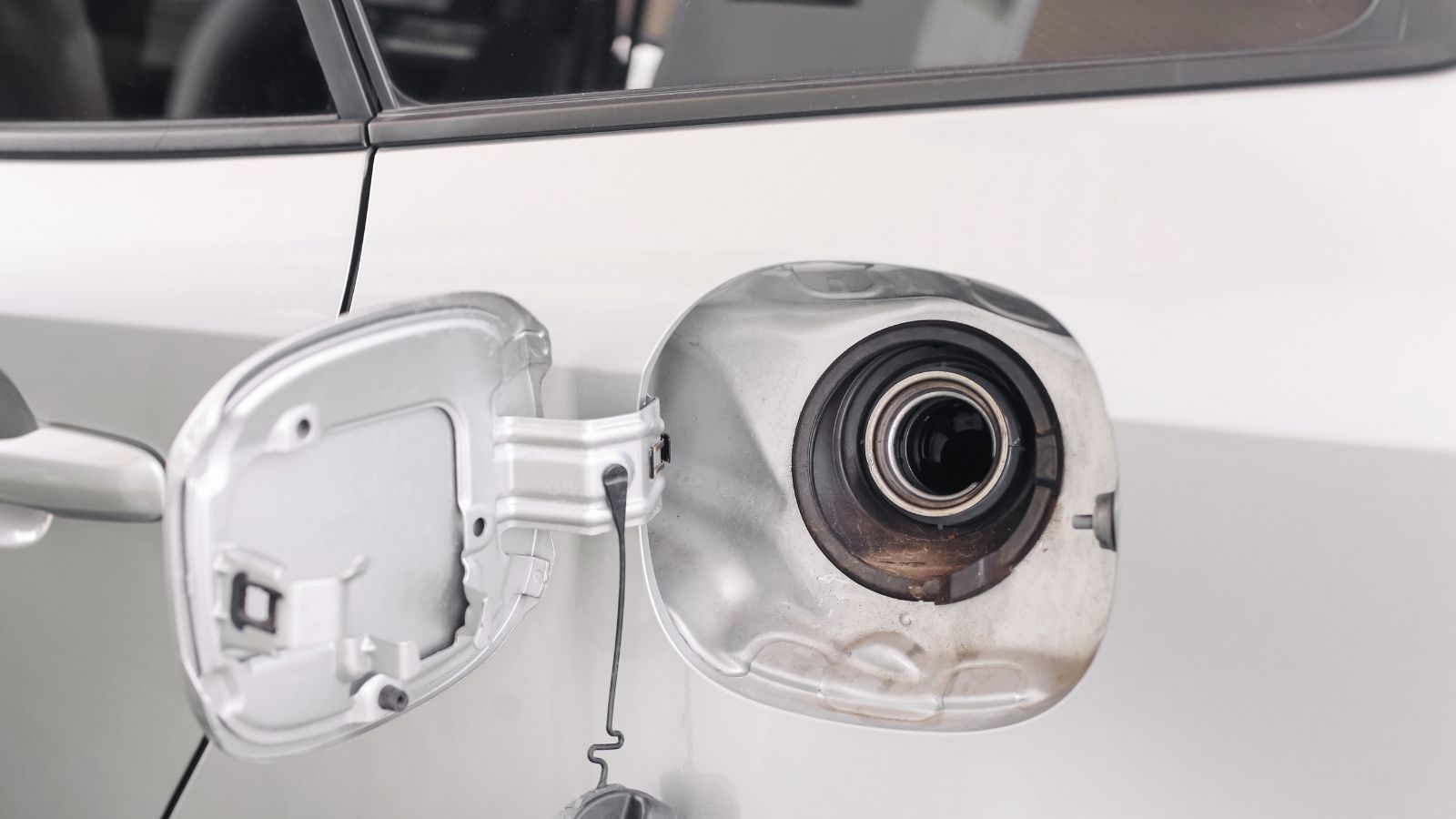
One of the biggest advantages of hybrids is fuel efficiency. Electric motors assist the gasoline engine during acceleration and low speed driving, reducing fuel consumption.
Vehicles such as the Toyota Prius, Toyota RAV4 Hybrid, and Honda CR V Hybrid demonstrate how hybrids can achieve impressive efficiency while maintaining everyday practicality. For many drivers this translates directly into lower fuel costs.
Charging Infrastructure Is Not Required
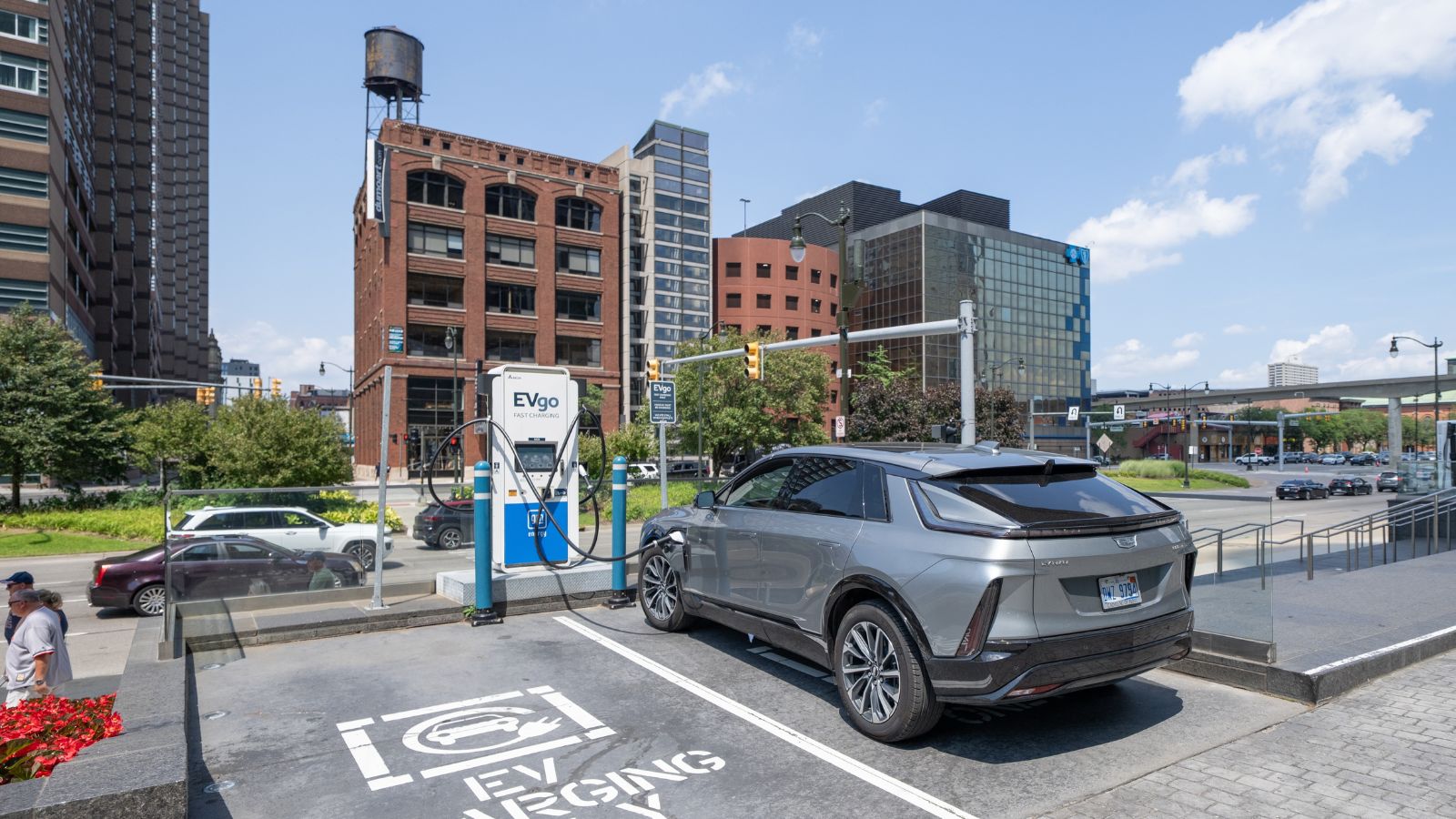
Fully electric vehicles depend on a reliable charging network. In major cities this infrastructure is expanding rapidly, but rural areas and smaller communities may still have limited charging options.
Hybrids eliminate this concern. Drivers can simply refuel at traditional gas stations while still benefiting from partial electrification.
Hybrids Offer Smooth Driving Experiences
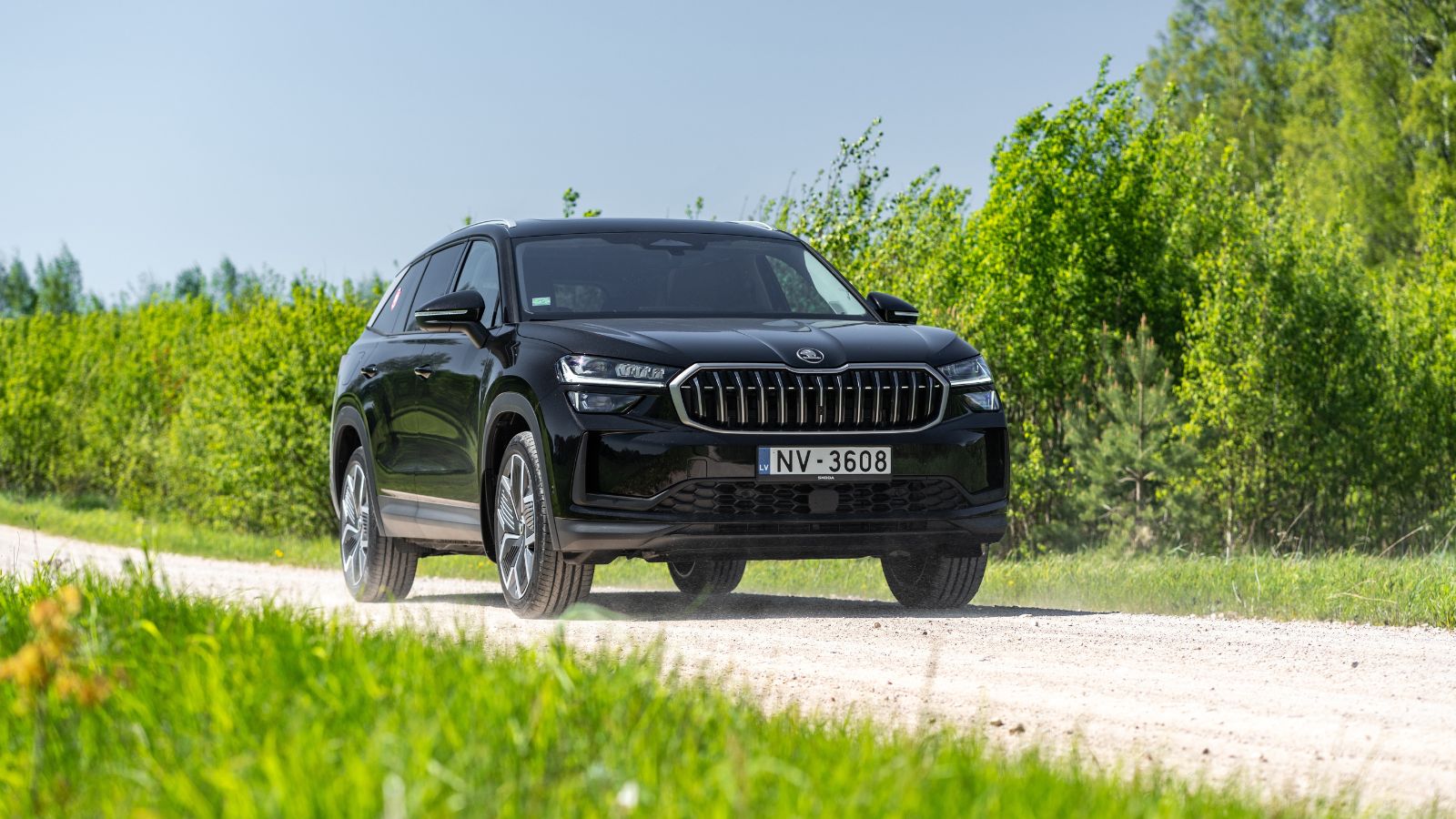
Electric motors deliver instant torque, which improves acceleration from a standstill. This makes hybrid vehicles feel surprisingly responsive during everyday driving.
The transition between electric and gasoline power is also extremely smooth in modern hybrids. Many drivers barely notice when the engine starts or stops during operation.
Reliability Has Proven Strong
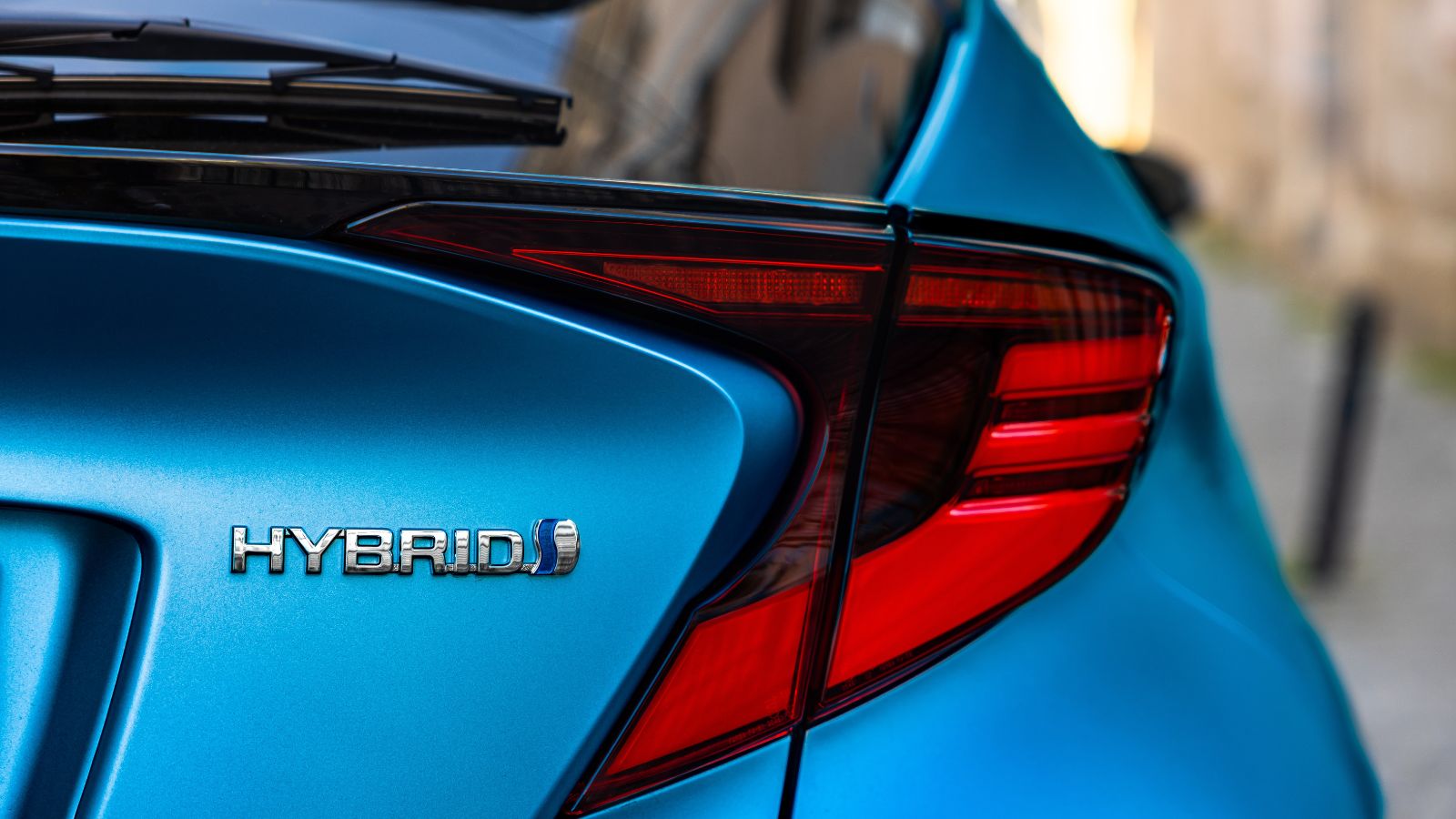
Hybrid technology has been in widespread use for more than two decades. During that time manufacturers have refined the systems significantly.
Many hybrid models have demonstrated excellent reliability and long service lives. For buyers concerned about durability, this track record provides reassurance.
Lower Emissions Without Major Lifestyle Changes
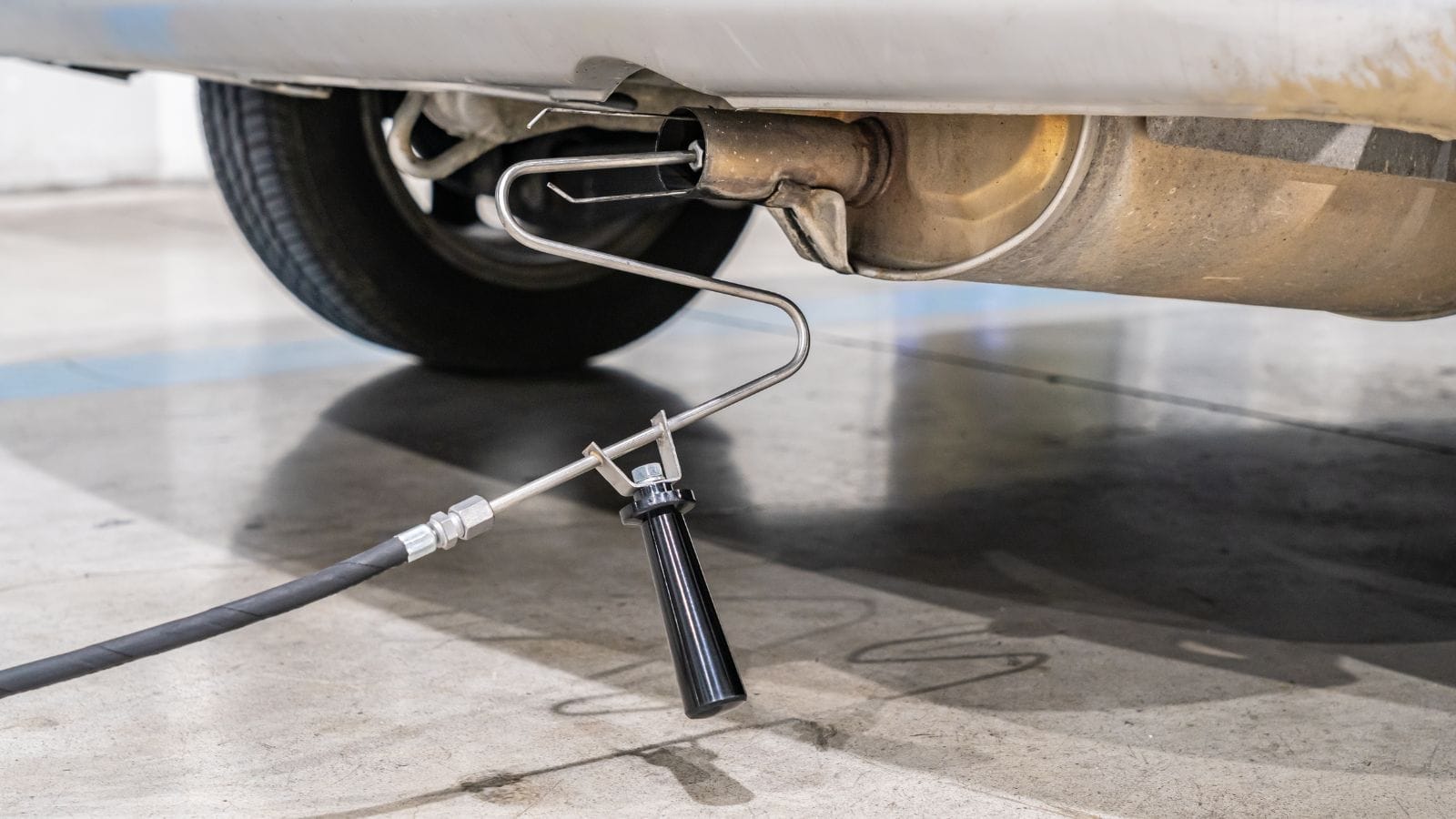
Reducing emissions remains a major goal for governments and automakers. Hybrid vehicles help lower fuel consumption and greenhouse gas output compared with traditional gasoline vehicles.
At the same time drivers do not need to change their daily habits significantly. Refueling, maintenance, and driving routines remain familiar.
Automakers Are Expanding Hybrid Lineups

Many manufacturers are now investing heavily in hybrid technology. Hybrid versions of popular vehicles are appearing across multiple segments including SUVs, trucks, and sedans.
This expansion suggests automakers see hybrids as an important part of the transition toward more efficient transportation.
A Practical Bridge to the Future
The global shift toward electrification will likely take many years. Infrastructure, technology, and consumer preferences will continue evolving during that transition.
Hybrid vehicles provide a practical bridge between traditional gasoline cars and fully electric transportation. For Canadian drivers especially, they offer efficiency, reliability, and flexibility in a package that fits today’s realities.
For many people the future of driving may not be purely electric or purely gasoline. Instead it may be a thoughtful combination of both technologies working together.
25 Facts About Car Loans That Most Drivers Don’t Realize

Car loans are one of the most common ways people fund car purchases. Like any other kind of loan, car loans can have certain features that can be regarded as an advantage or a disadvantage to the borrower. Understanding all essential facts about car loans and how they work to ensure that you get the best deal for your financial situation is essential. Here are 25 shocking facts about car loans that most drivers don’t realize:
25 Facts About Car Loans That Most Drivers Don’t Realize
