
Tailgaters are one of the most stressful things you deal with behind the wheel. They pressure you, break your concentration, and raise the risk for everyone around you. The smart response is not to punish or provoke, but to use calm defensive techniques that reduce tension and let the problem disappear on its own. These approaches work in real traffic, not in theory.
Slow Your Pace Slightly and Smoothly
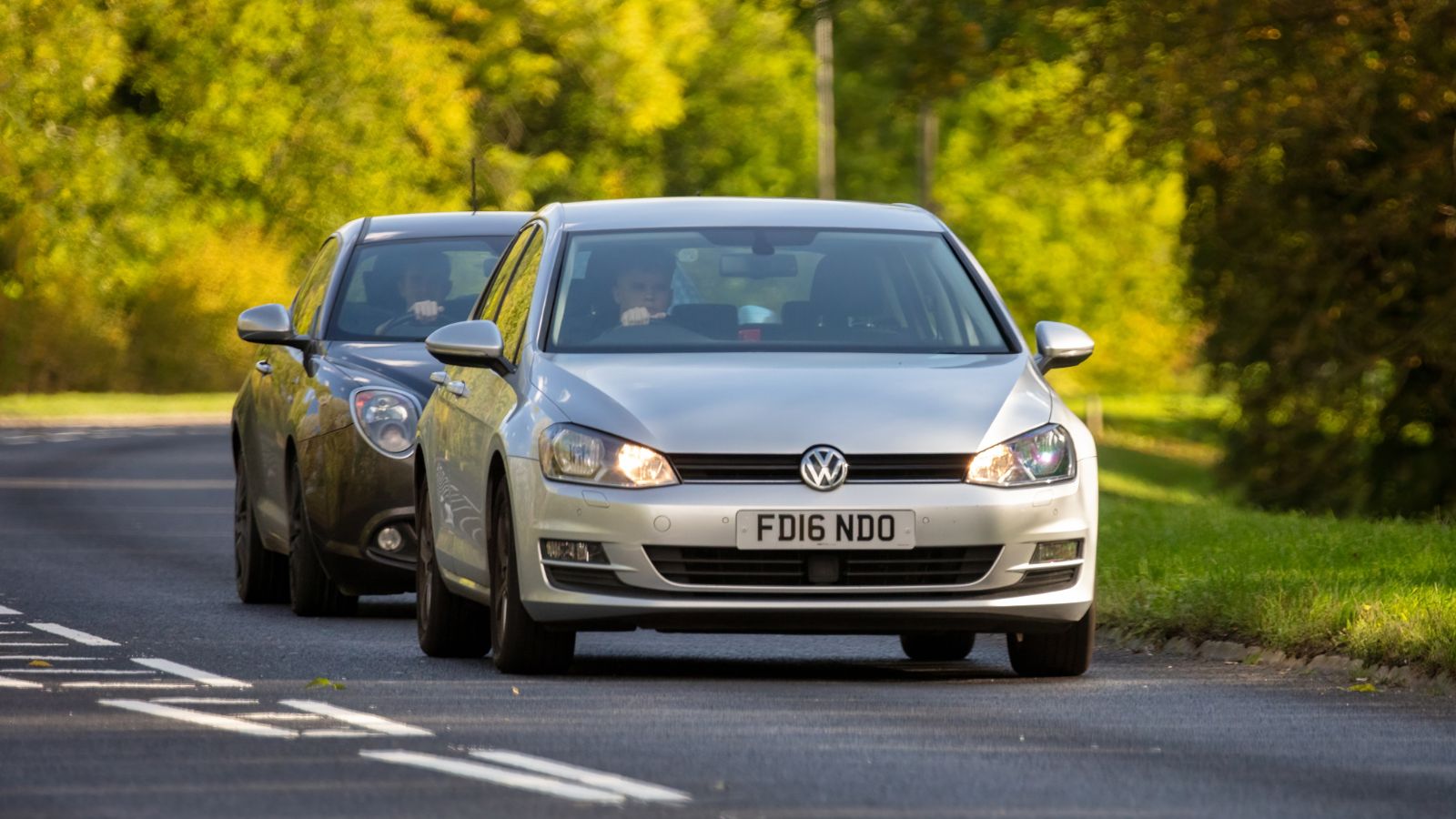
One of the most effective ways to deal with a tailgater is to gently reduce your speed. This sounds counterintuitive, but it creates space in front of you, which gives you more room to react if something unexpected happens. That extra buffer lowers the risk of a sudden stop that could cause a rear end collision. Do it gradually so it feels natural, not retaliatory. Many tailgaters take this as a cue to pass, which is exactly what you want.
Increase the Space in Front of You
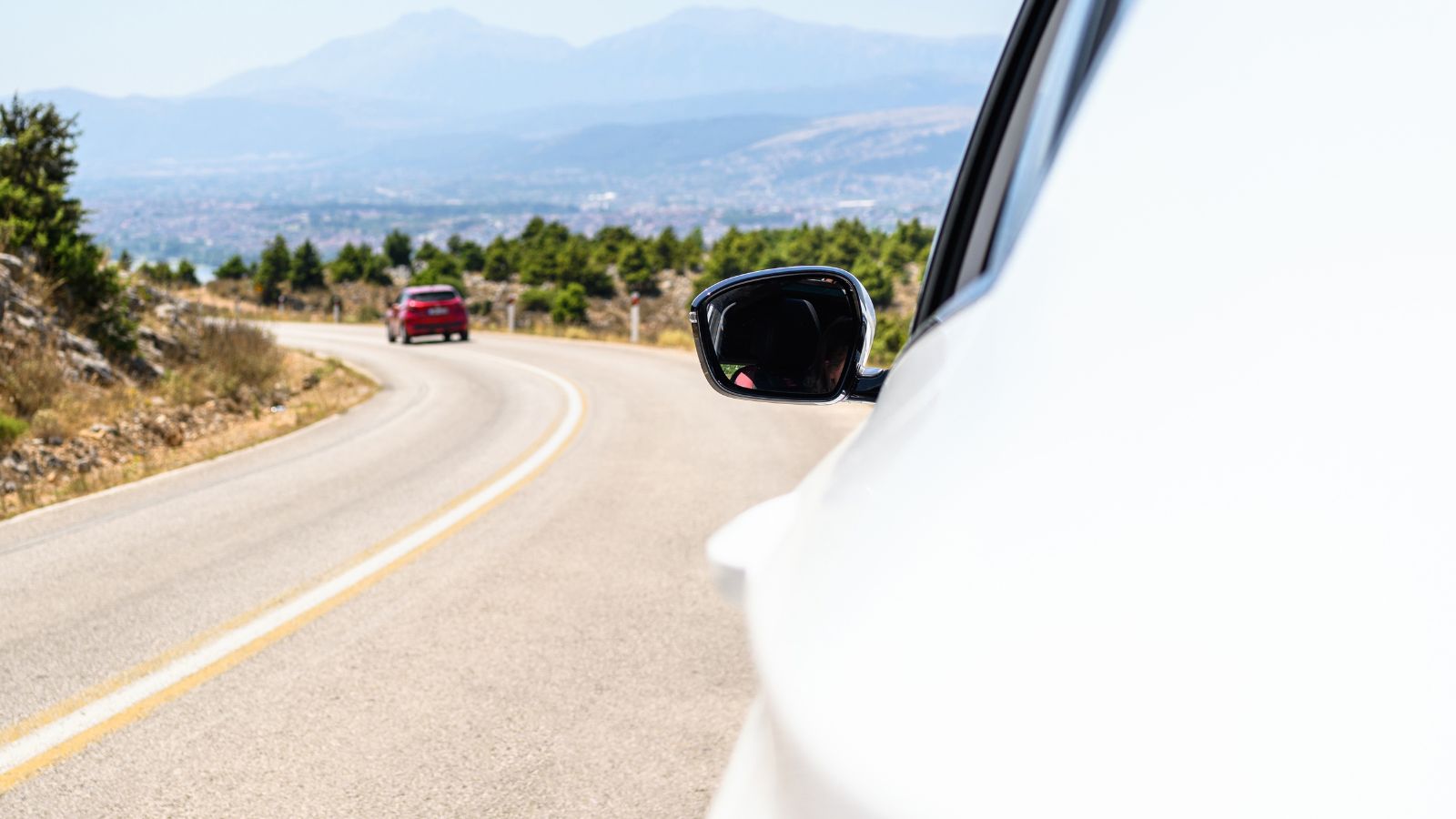
When someone is riding close behind, your priority should be expanding your escape options. Increasing the following distance ahead of you reduces the chance you will need to brake suddenly. Defensive driving is about time and space, and tailgaters remove one of those. You can compensate by adding the other. This technique protects you legally as well, since you are clearly driving responsibly even if the other driver is not.
Avoid Eye Contact or Gestures

It is tempting to look in the mirror, shake your head, or gesture back. Resist that urge. Eye contact can escalate the situation and turn mild impatience into aggressive behavior. Tailgaters often feed off reactions. If they get nothing from you, they are more likely to lose interest. Keep your focus forward, hands steady, and posture relaxed. Your goal is to appear predictable and boring, not challenging or confrontational.
Change Lanes When It Is Safe
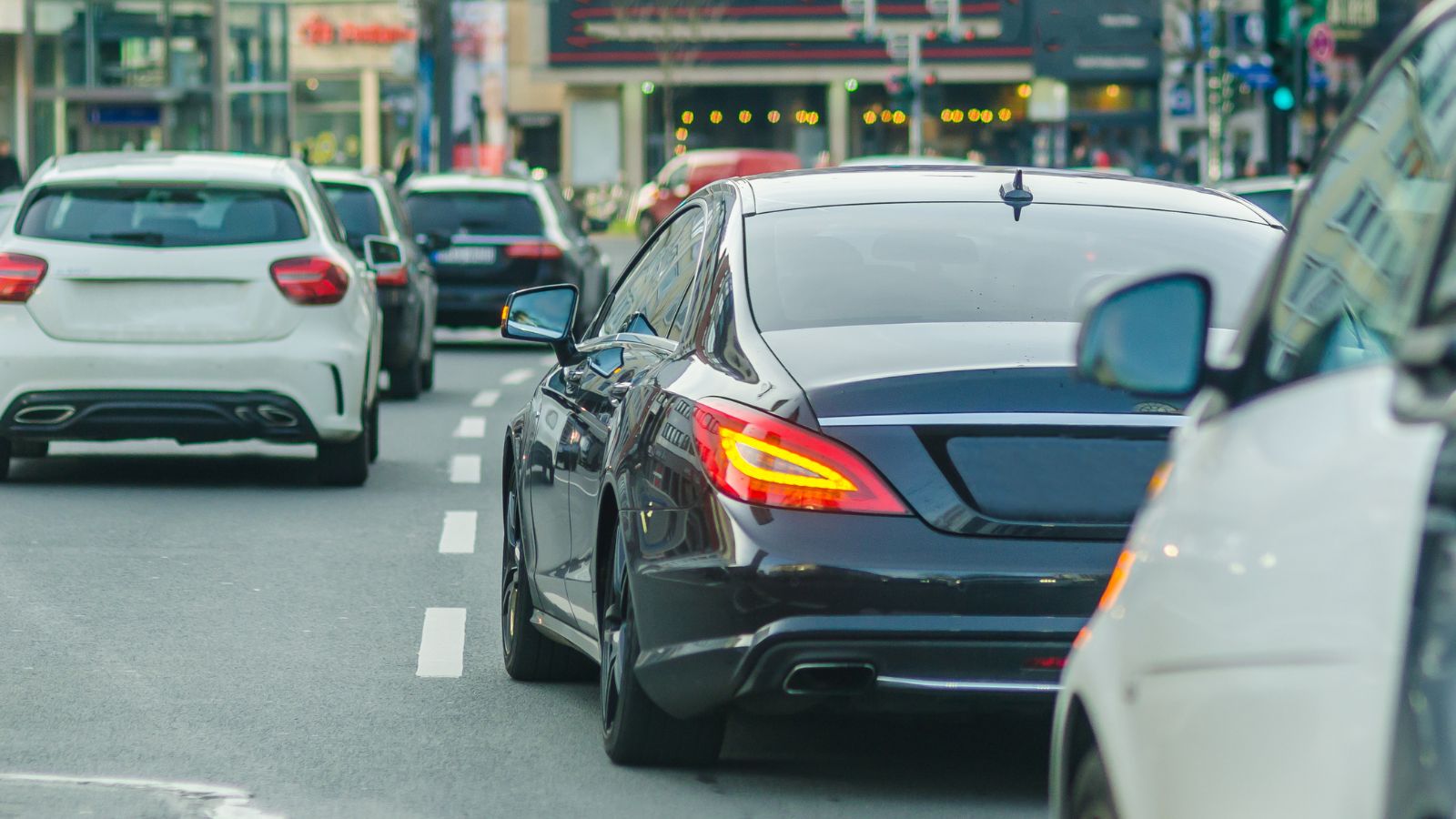
If you have the option to change lanes, use it. This is not giving in, it is removing risk. Defensive driving is about choosing the safest outcome, not proving a point. Signal early, make a clean lane change, and let the tailgater go on their way. In most cases, they will immediately speed off, and your stress level drops instantly. The few seconds you lose are insignificant compared to the safety you gain.
Use Your Turn Signals Early

Clear communication reduces confusion and frustration. Using your turn signals earlier than usual tells the driver behind you exactly what to expect. Tailgaters often react badly to surprises, especially sudden braking or last second turns. Early signaling lowers the chance of a close call and makes your intentions obvious. It also strengthens your position if anything goes wrong, since you are clearly signaling and driving predictably.
Maintain Steady Speed and Inputs
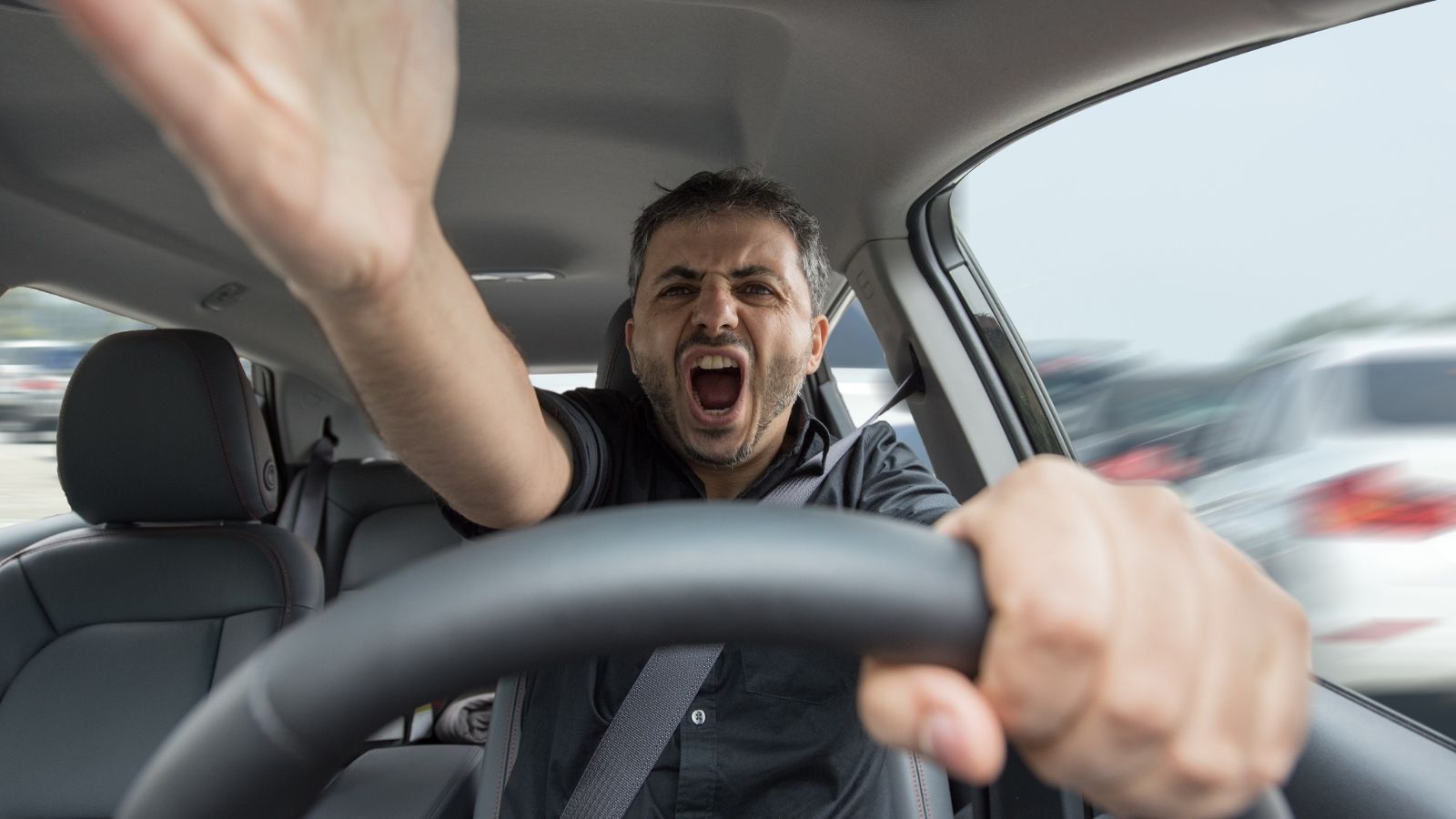
Erratic driving makes tailgaters worse. Sudden speed changes, unnecessary braking, or weaving can provoke aggressive responses. Hold a steady speed and smooth steering inputs. Consistency signals confidence and control. Many tailgaters back off when they realize you are not going to be rattled or rushed. A calm, steady driver often defuses the situation without any direct action at all.
Pull Over Briefly When Appropriate
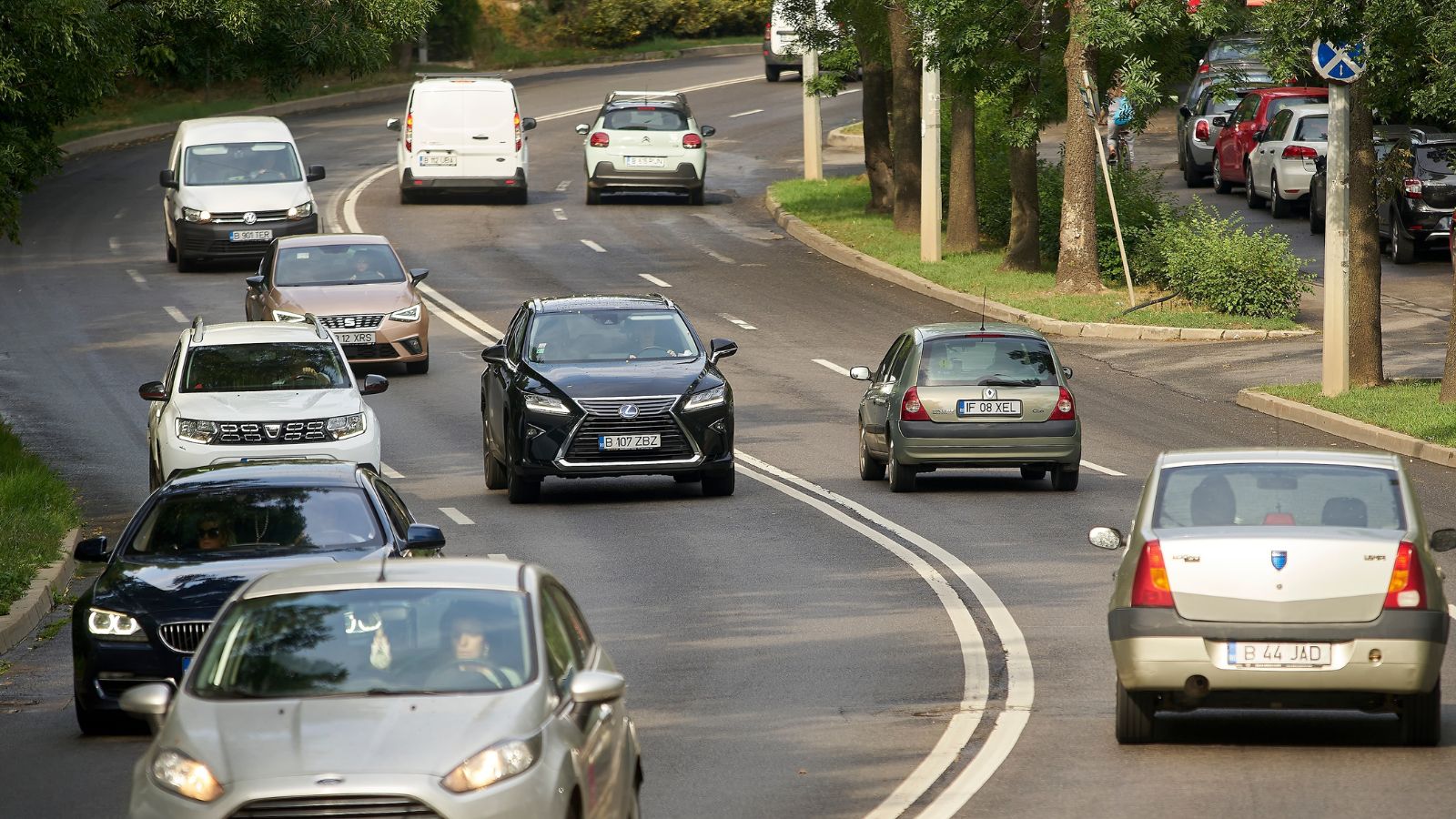
On rural roads or long single lane stretches, a brief pull over can be the safest move. Slow down, signal clearly, and allow the tailgater to pass. This works especially well on scenic routes or highways with turnout areas. It takes seconds, and the payoff is a clear road and peace of mind. Defensive driving means choosing the lowest stress option, even if it feels inconvenient in the moment.
Avoid Brake Checking at All Costs
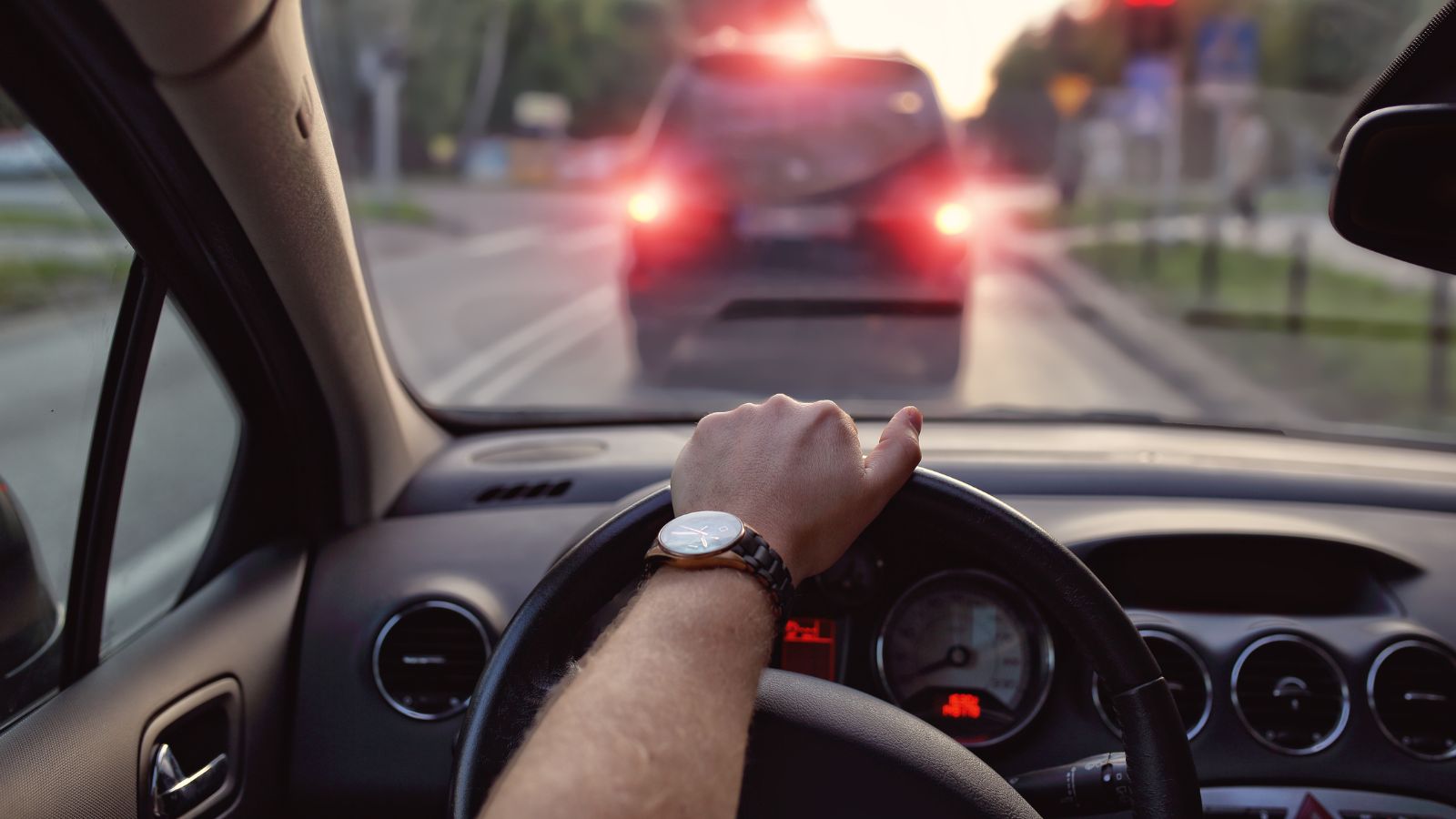
Brake checking is dangerous, illegal in many places, and escalates the situation instantly. It increases the risk of a collision and can turn a minor annoyance into a serious incident. Even light taps on the brake can be misinterpreted. Defensive driving is about avoiding conflict, not teaching lessons. No matter how frustrated you feel, braking aggressively only puts you and others at risk.
Stay Right Except to Pass
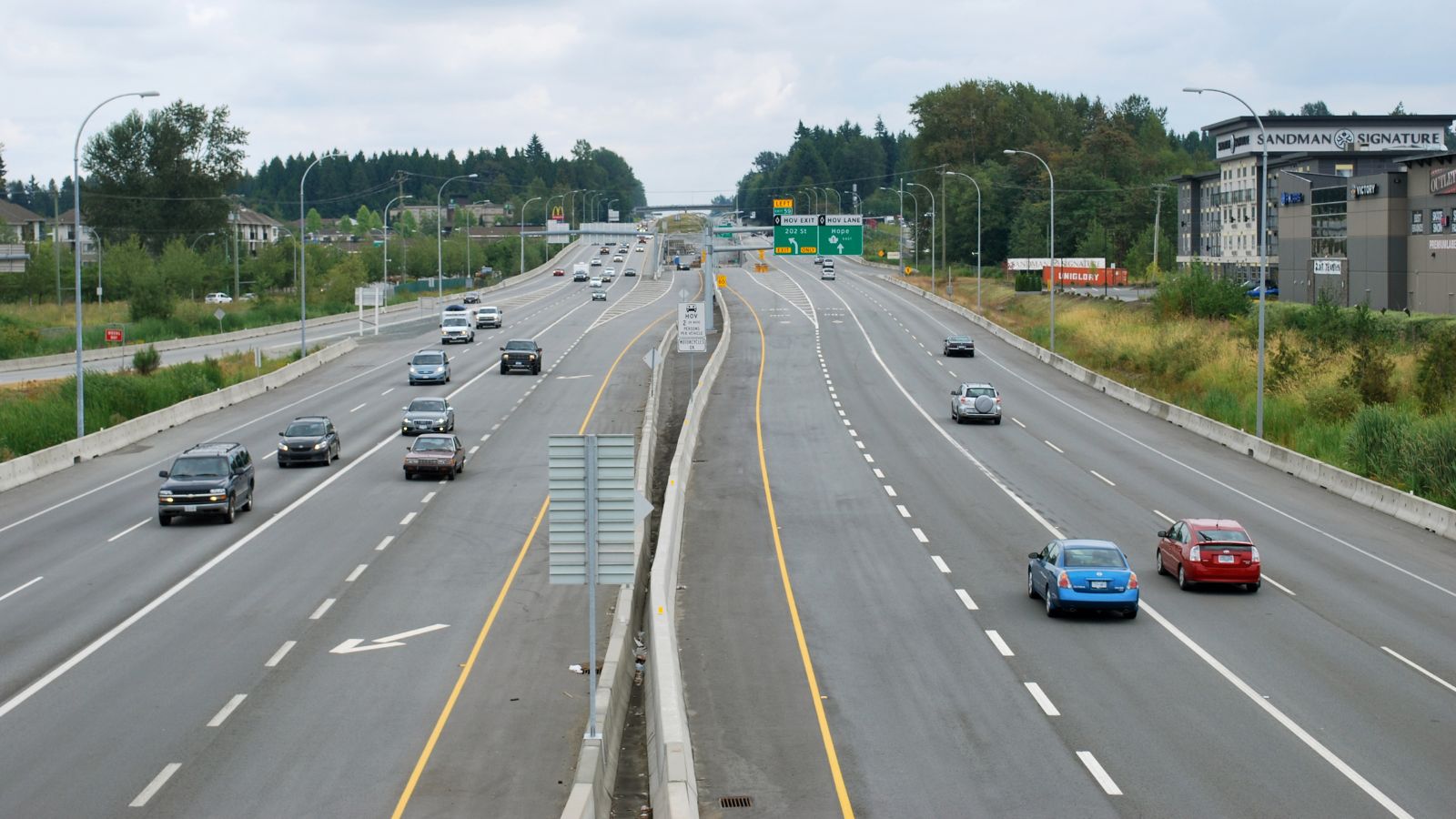
Many tailgating situations start because faster drivers expect the left lane to be clear. Staying right except when passing reduces encounters with impatient drivers. This is especially effective on highways and multi lane roads. Even if you are doing the speed limit, lane discipline matters. Letting faster traffic move around you naturally prevents tailgating before it starts.
Remember That It Is Not Personal
Tailgaters are reacting to their own stress, schedule, or driving habits. It is rarely about you. Keeping that perspective helps you stay calm and make better decisions. When you remove emotion from the situation, the solution becomes obvious. Defensive driving is not about winning the moment, it is about arriving safely and without incident.
Handled correctly, tailgaters stop being a threat and become a temporary inconvenience. Calm inputs, clear communication, and smart positioning turn a tense situation into a non issue, which is exactly how defensive driving is supposed to work.
25 Facts About Car Loans That Most Drivers Don’t Realize

Car loans are one of the most common ways people fund car purchases. Like any other kind of loan, car loans can have certain features that can be regarded as an advantage or a disadvantage to the borrower. Understanding all essential facts about car loans and how they work to ensure that you get the best deal for your financial situation is essential. Here are 25 shocking facts about car loans that most drivers don’t realize:
25 Facts About Car Loans That Most Drivers Don’t Realize
