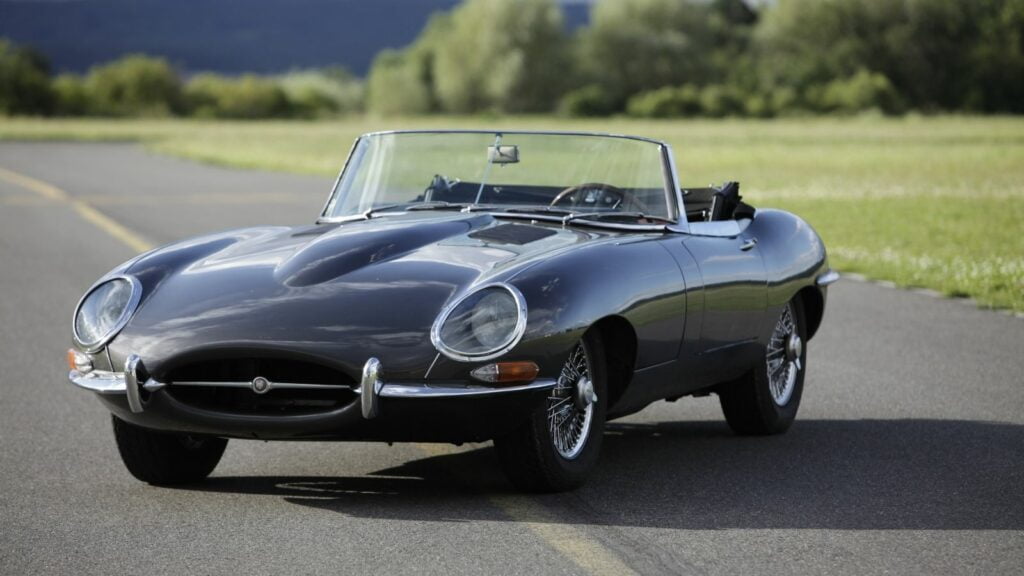
The 1960s were not about lap times or spec sheet bragging. Sports cars were built to feel alive, to make noise, to turn every back road into an event. Power figures were modest by modern standards, but weight was low, steering was unfiltered, and drivers were part of the machinery. These cars were not perfect. That is exactly why they were so much fun.
Mazda Cosmo Sport 110S 1967 to 1972
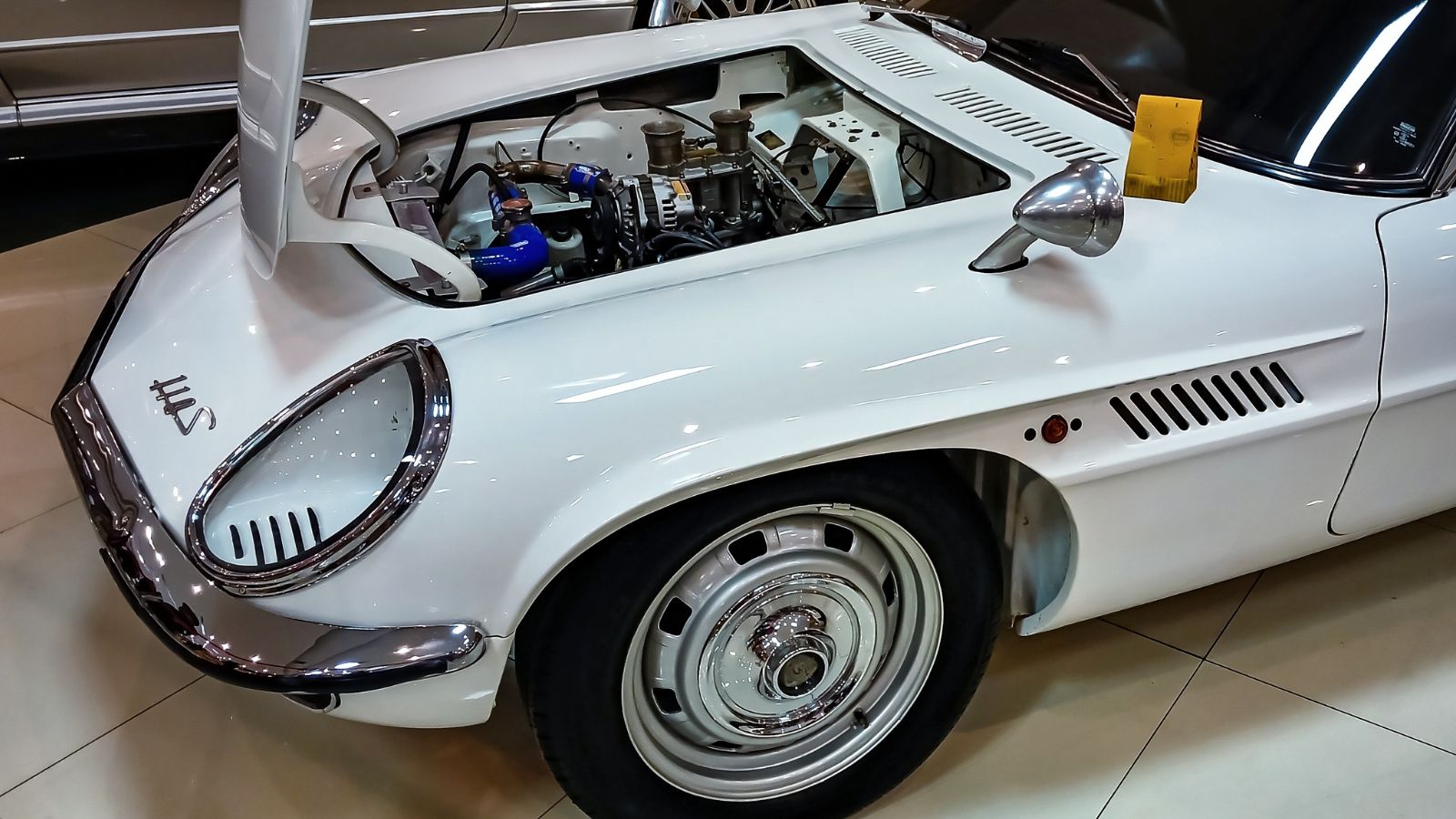
Mazda’s Cosmo was a technical gamble wrapped in elegant styling. Its rotary engine loved to rev and sounded unlike anything else on the road. It was light, smooth, and eager, rewarding drivers who kept it on the boil. The Cosmo was not about brute speed, but about sensation. Steering feel and engine character made every drive memorable, especially at a time when most cars still felt agricultural.
Jaguar E Type Series 1 1961 to 1964
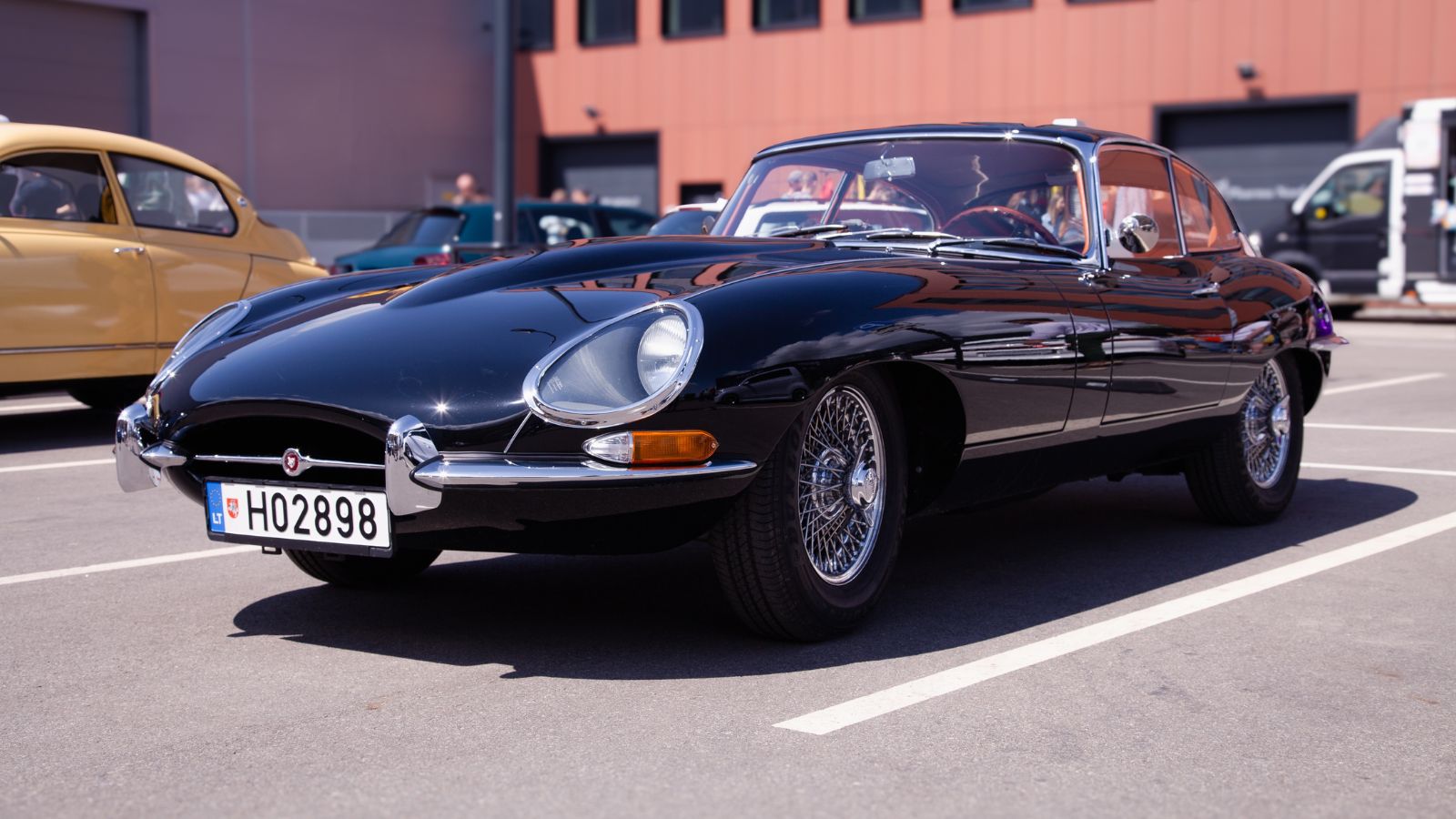
Few cars delivered drama like the early E Type. Long hood, short rear deck, and an engine note that made even slow speeds feel special. It was genuinely quick for its time, but what mattered more was how it made you feel behind the wheel. The steering was alive, the suspension supple, and the whole car felt like it wanted to be driven hard. It turned everyday trips into events.
Chevrolet Corvette C2 Sting Ray 1963 to 1967
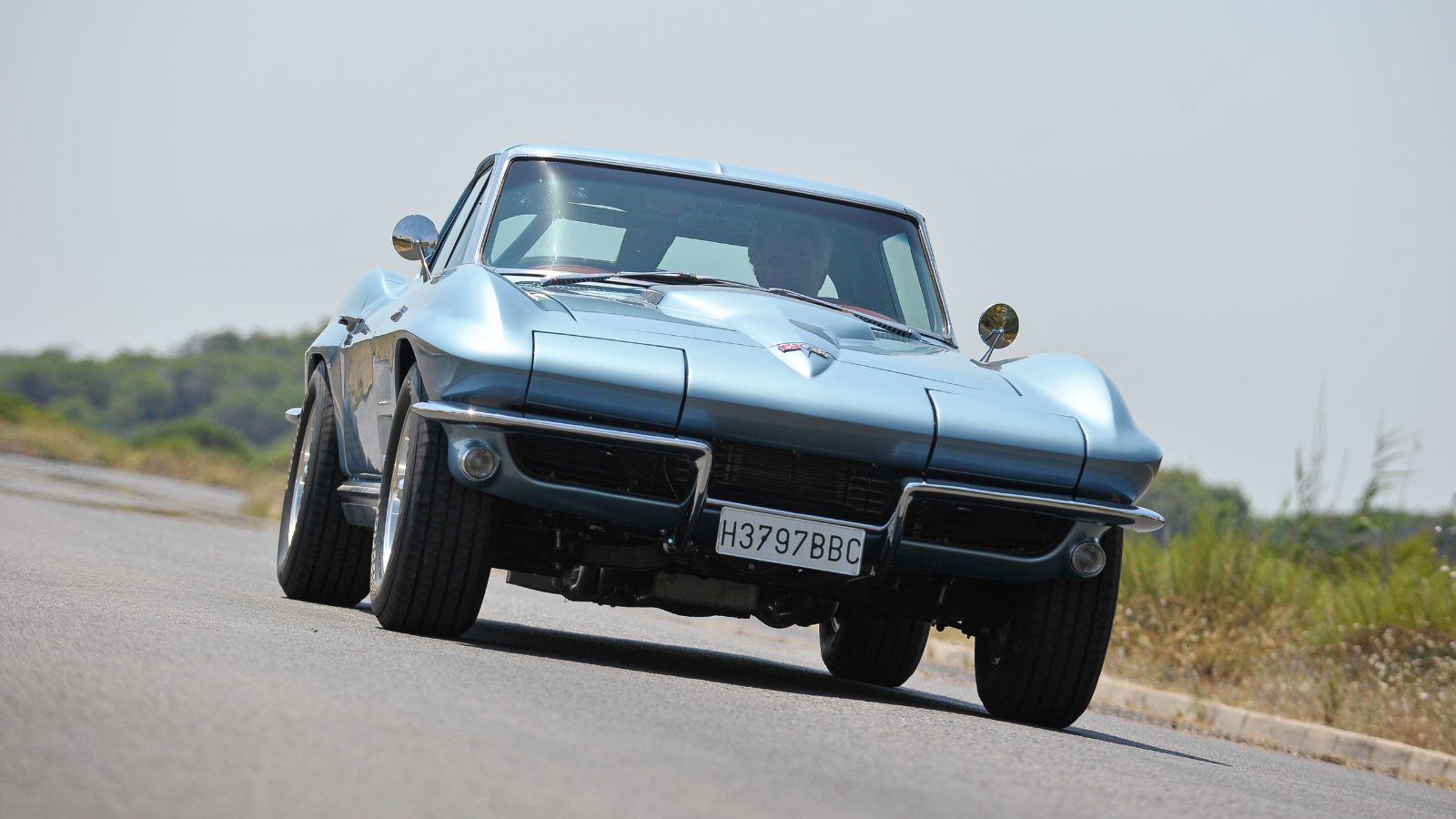
The second generation Corvette finally matched looks with handling. Independent rear suspension transformed how it drove, while V8 power made acceleration effortless. It could cruise, corner, and thunder in equal measure. Unlike European rivals, it was loud and unapologetic. That contrast made it fun in a different way. It was not delicate, but it was endlessly entertaining.
Porsche 911 1964 to 1969
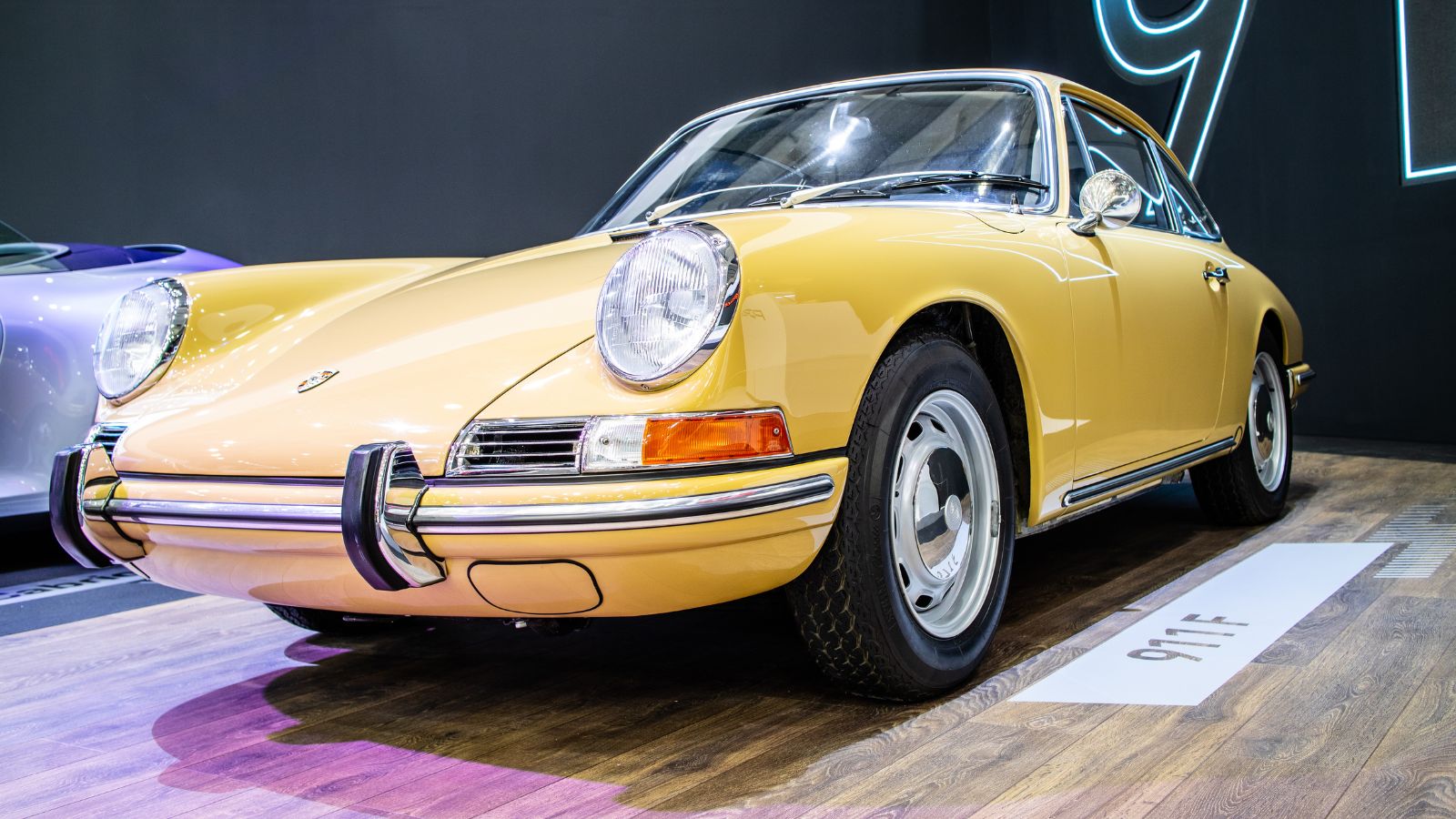
Early 911s were raw and slightly unruly. Rear engine weight distribution demanded respect, but rewarded skill. Once you understood it, the car felt telepathic. Steering feedback was exceptional, and the flat six engine loved to spin. It was small, responsive, and engaging at speeds that did not risk your license. That balance is why early 911s still feel playful today.
Alfa Romeo Spider Duetto 1966 to 1969
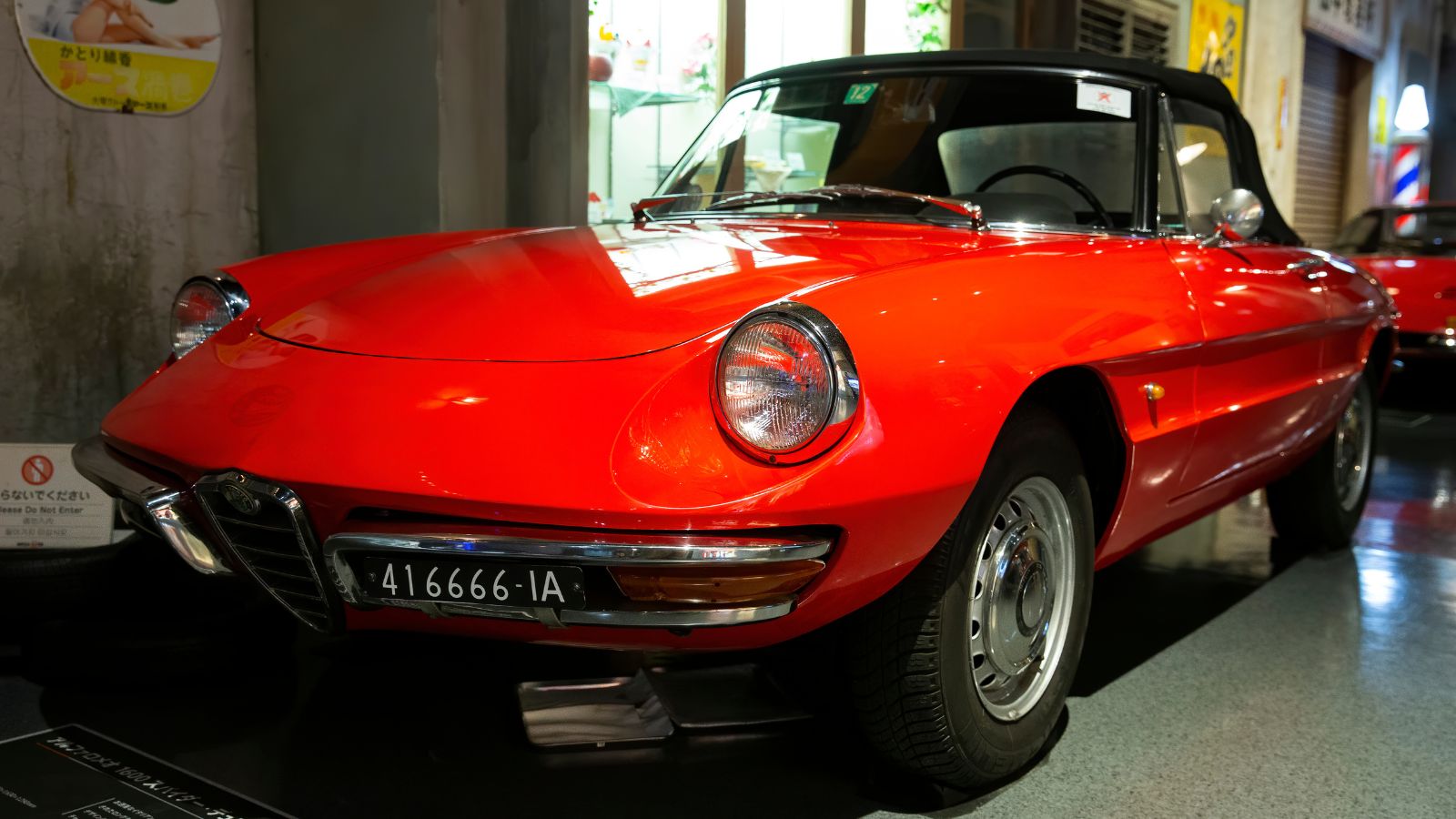
The Spider Duetto captured the spirit of carefree driving. Its free revving four cylinder engine and light chassis made it happiest on winding roads. Steering was quick, the gearbox encouraged frequent shifts, and the open top amplified every sensation. It was never about raw speed. It was about rhythm and connection, which made it endlessly enjoyable.
Lotus Elan 1962 to 1968
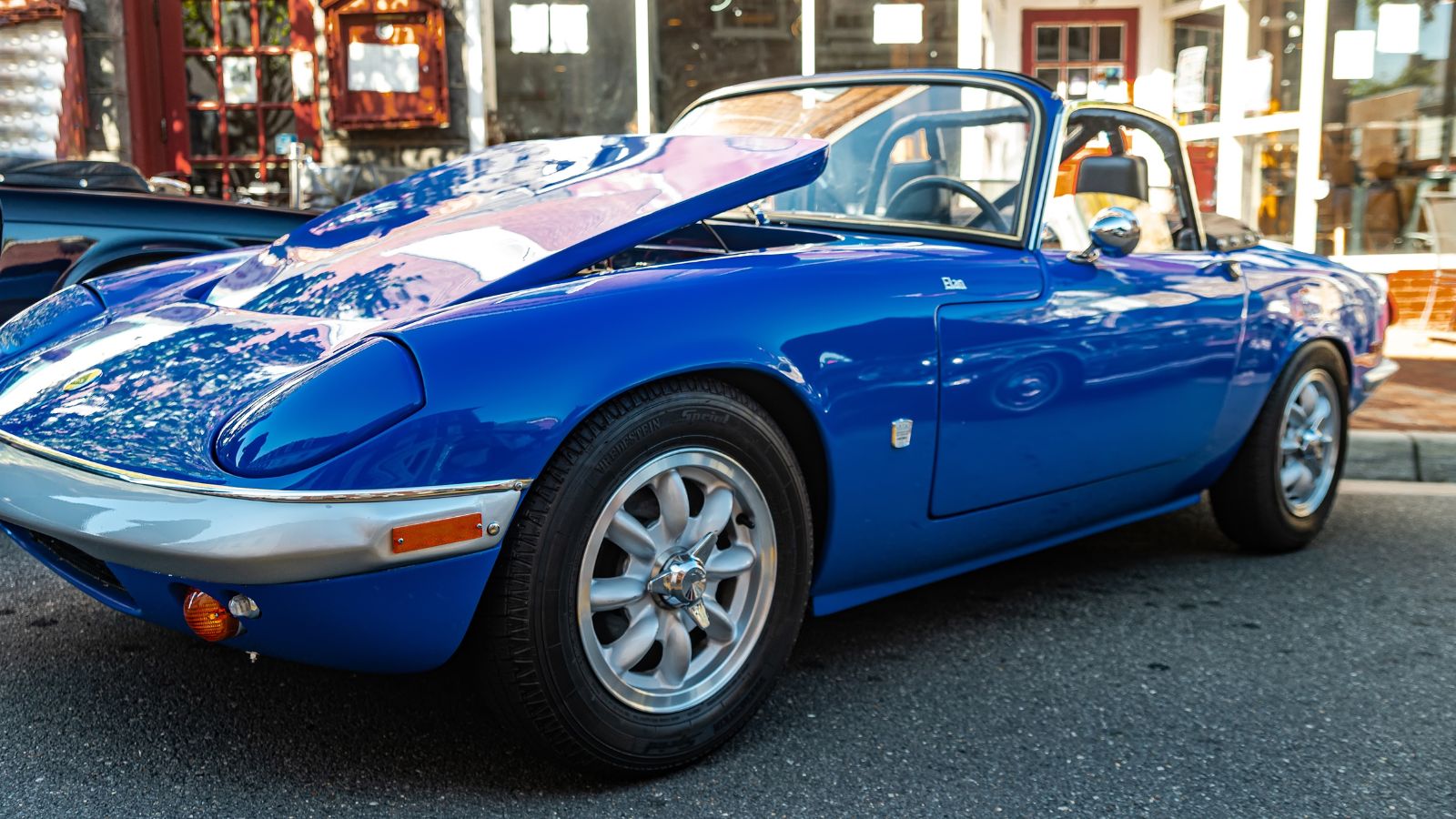
The Elan proved that lightness beats power. With barely any mass and beautifully tuned suspension, it danced through corners. Steering feel bordered on magical, and the car responded instantly to driver input. It made modest engines feel exciting and turned average roads into playgrounds. Many modern sports cars still chase the balance Lotus nailed over sixty years ago.
Ford Mustang Fastback 1965 to 1968

The Mustang was not subtle, but it was pure fun. Affordable V8 power, dramatic styling, and endless customization made it accessible and exciting. It was not a precision tool, but it delivered excitement in a way few cars could. Straight line speed, engine sound, and attitude mattered more than finesse, and buyers loved it for exactly that reason.
MG B 1962 to 1969
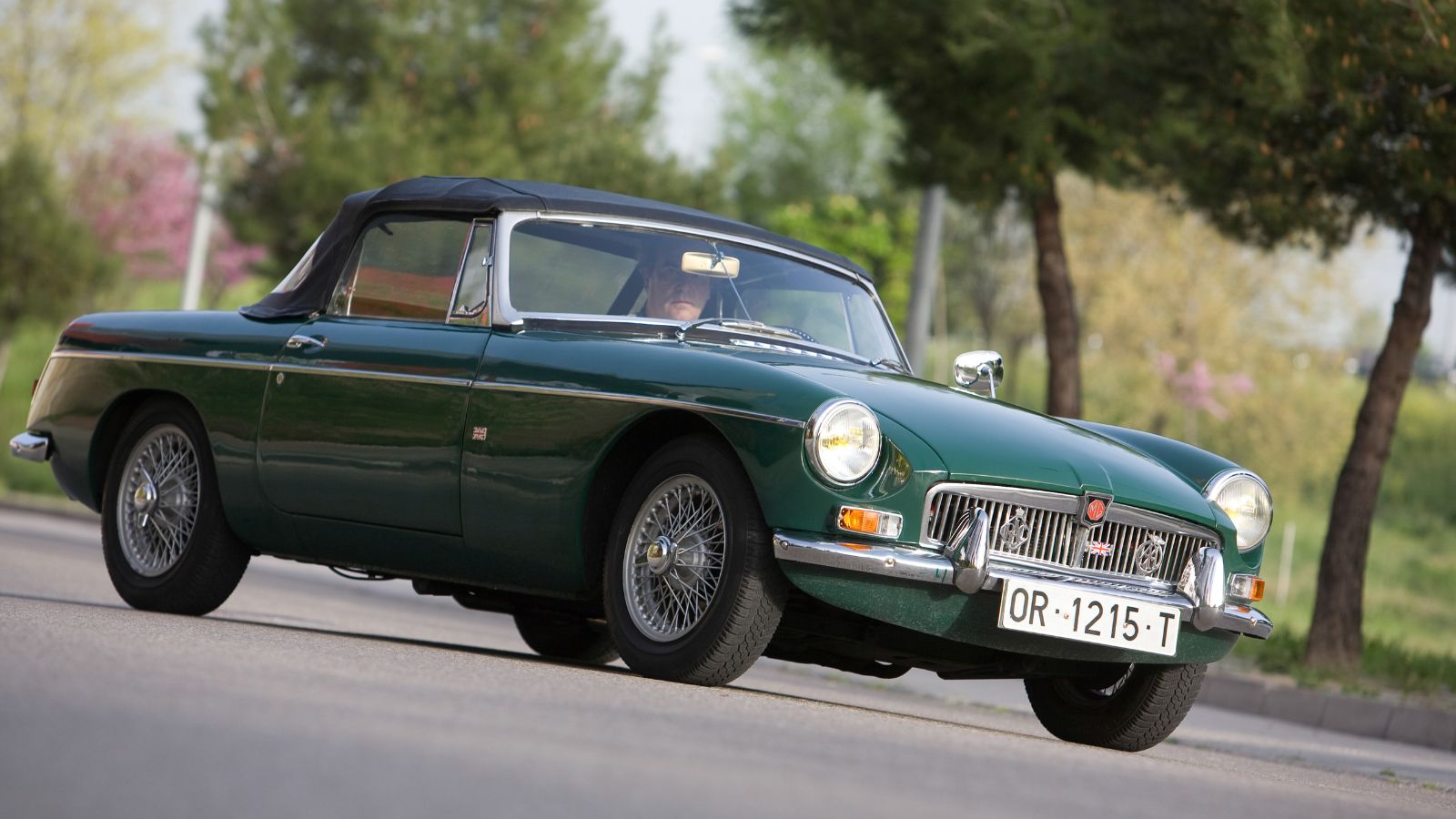
The MG B became a global success because it was simple and joyful. Light steering, predictable handling, and an engine that encouraged momentum driving made it a favorite among enthusiasts. It was forgiving and friendly, ideal for drivers who wanted fun without fear. The MG B proved you did not need exotic engineering to enjoy a sports car.
Fiat 124 Sport Spider 1966 to 1969
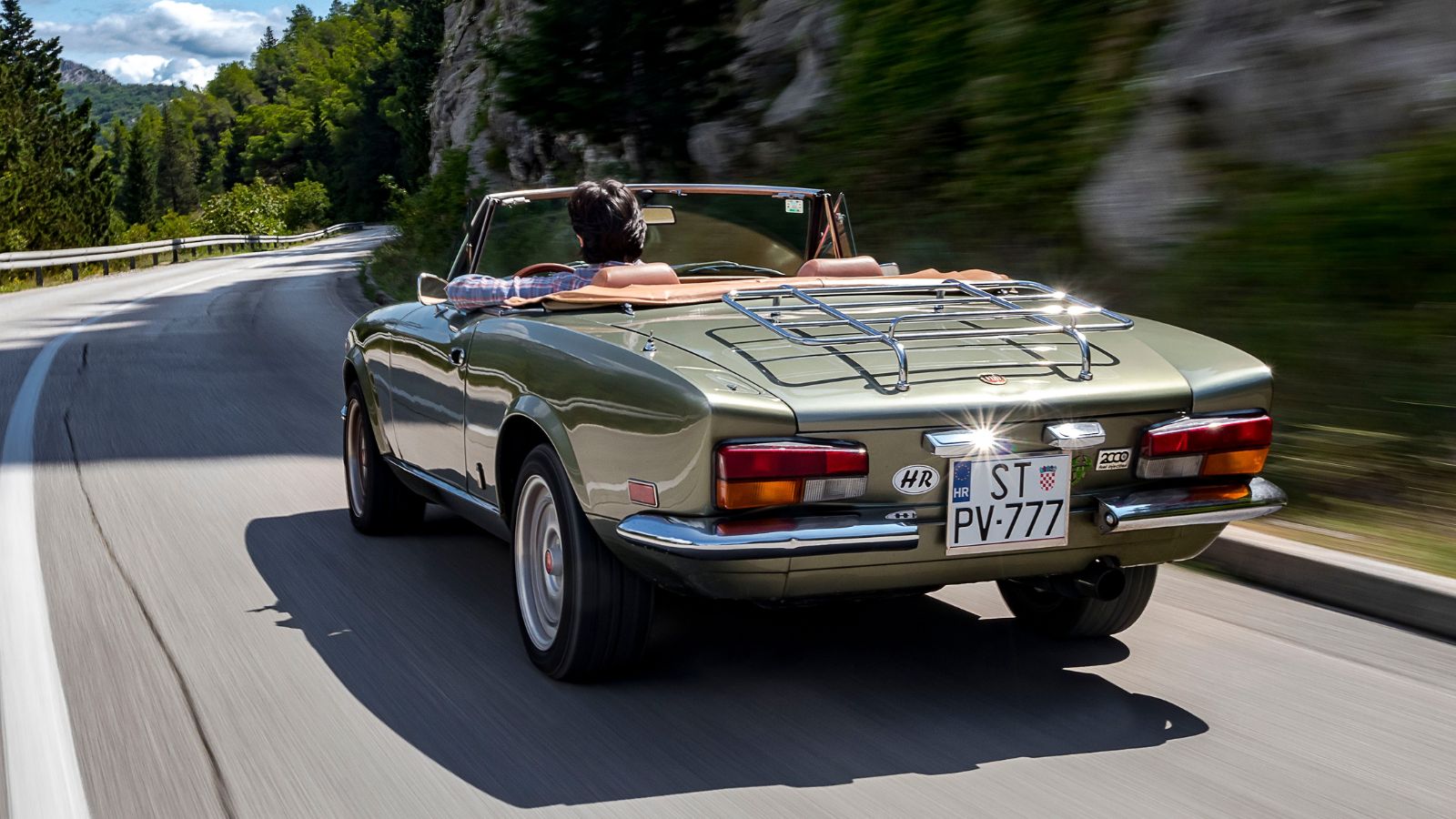
The Fiat 124 Sport Spider was joy distilled into an affordable, stylish package. Designed by Pininfarina, it looked elegant without being intimidating. Under the hood, a rev happy four cylinder engine paired with a slick manual gearbox made it a delight on twisting roads. It encouraged drivers to use every gear and enjoy the process rather than chase outright speed. It was fun because it felt light, honest, and eager.
Triumph Spitfire 1962 to 1969
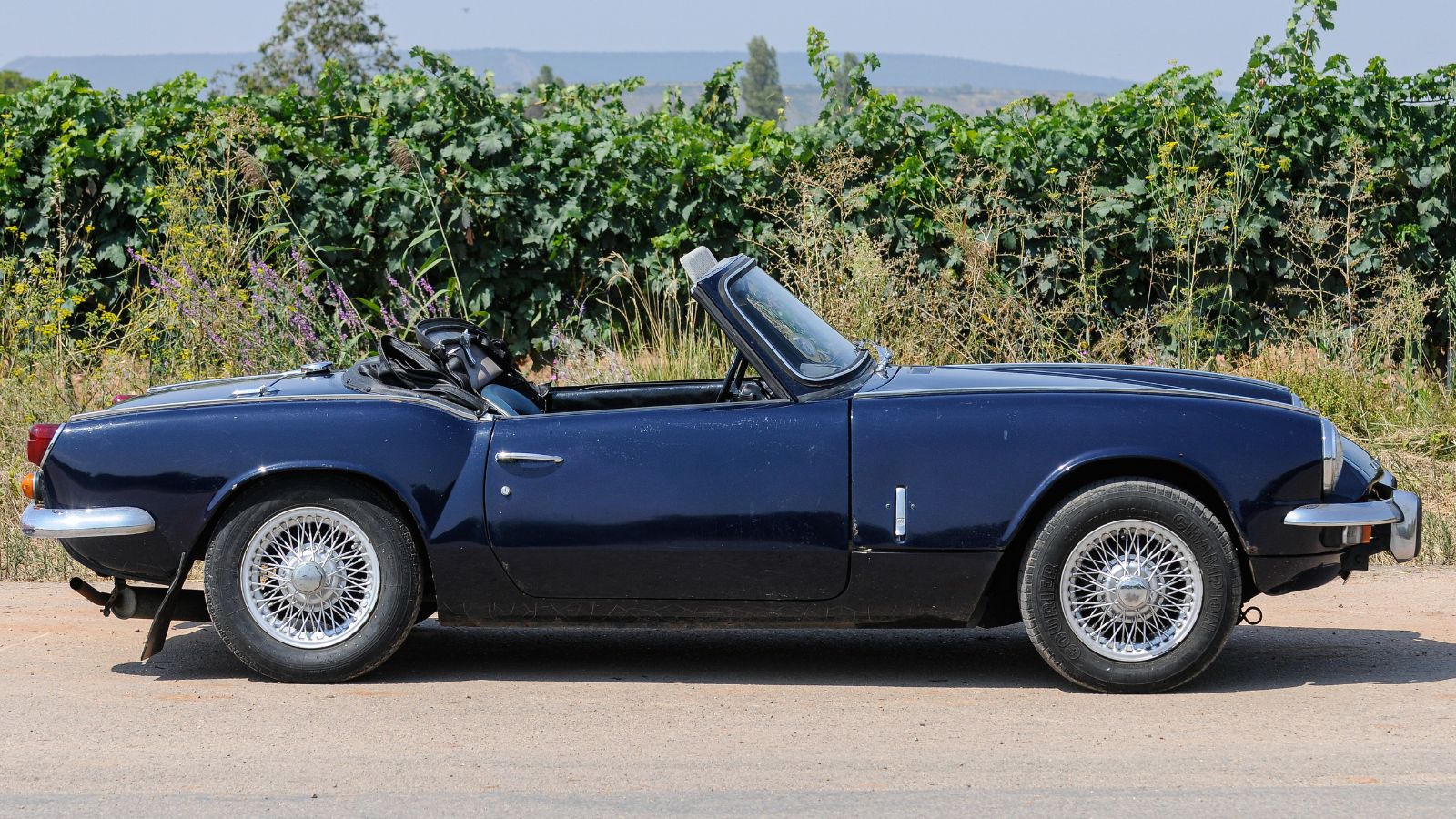
The Spitfire was playful in every sense. Small, light, and eager, it thrived on narrow roads and tight corners. Steering was direct, and the car communicated constantly. It encouraged spirited driving without intimidation. For many, it was their first taste of sports car ownership, and it delivered smiles mile after mile.
These cars remind us that fun does not come from numbers alone. It comes from sound, feel, and connection. The 1960s understood that instinctively, and the sports cars of the era remain joyful because of it.
25 Facts About Car Loans That Most Drivers Don’t Realize

Car loans are one of the most common ways people fund car purchases. Like any other kind of loan, car loans can have certain features that can be regarded as an advantage or a disadvantage to the borrower. Understanding all essential facts about car loans and how they work to ensure that you get the best deal for your financial situation is essential. Here are 25 shocking facts about car loans that most drivers don’t realize:
25 Facts About Car Loans That Most Drivers Don’t Realize
