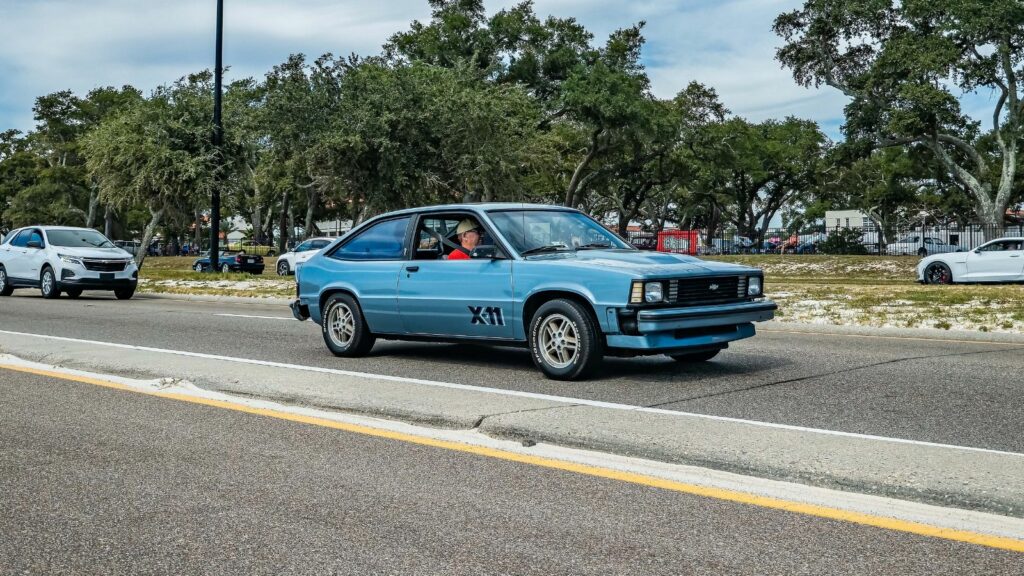
The 1980s were a confusing decade for car buyers. Emissions rules tightened, fuel economy mattered more than ever, and manufacturers were still figuring out how to balance cost cutting with quality. The result was a wave of cars that looked futuristic but drove terribly, aged badly, or simply failed at their basic job. These are ten cars from the 80s that earned a reputation for all the wrong reasons.
Cadillac Cimarron 1982 to 1988
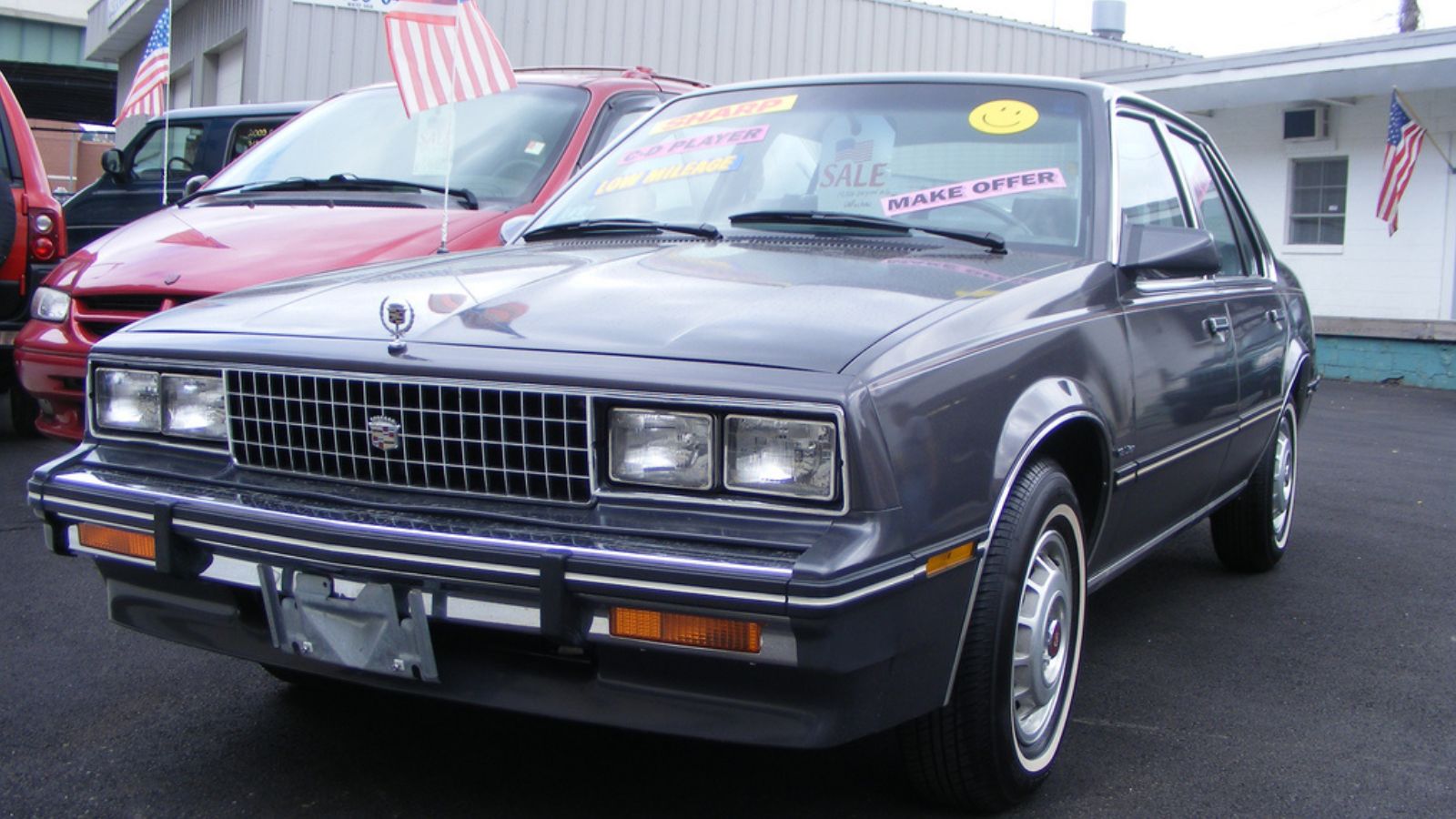
The Cimarron is often cited as the moment Cadillac lost its way. It was little more than a rebadged compact economy car dressed up with leather and chrome. Performance was weak, interior quality failed to justify the badge, and buyers felt insulted by the price. It damaged Cadillac’s credibility for years and became a textbook example of brand dilution.
Yugo GV 1985 to 1992
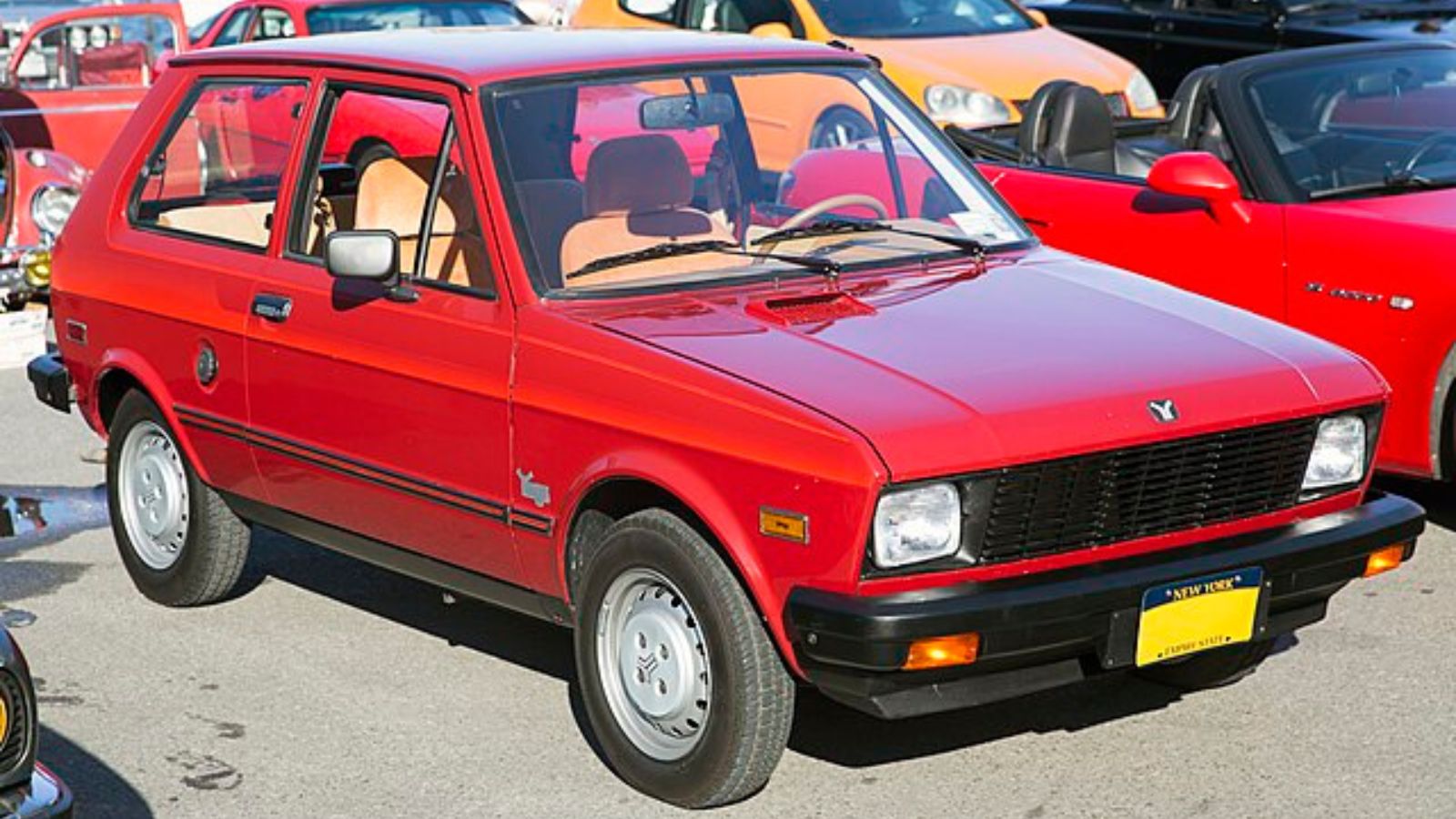
Cheap transportation was the Yugo’s only selling point, and even that came with serious compromises. Build quality was poor, reliability was questionable, and safety standards were minimal. It struggled with basic tasks like highway driving and cold starts. While it became a cultural punchline, many owners learned the hard way that low purchase price often leads to higher long term frustration.
Chevrolet Citation 1980 to 1985
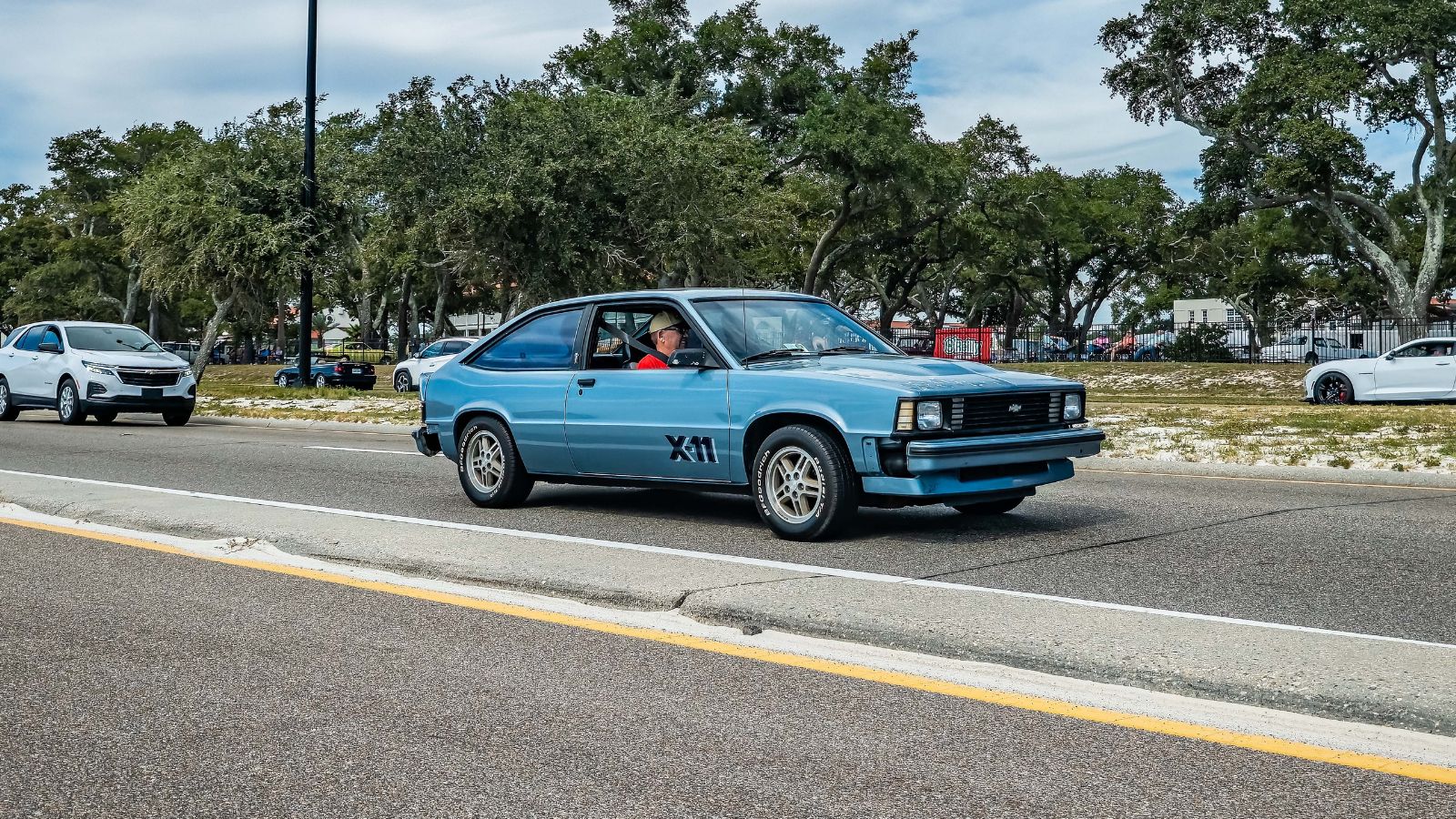
The Citation launched with huge expectations and massive early sales, but reality hit quickly. Handling issues, poor build quality, and recalls plagued the car almost immediately. Steering felt vague, interiors wore quickly, and long term durability was disappointing. It went from sales hero to cautionary tale in record time.
Renault Alliance 1983 to 1987
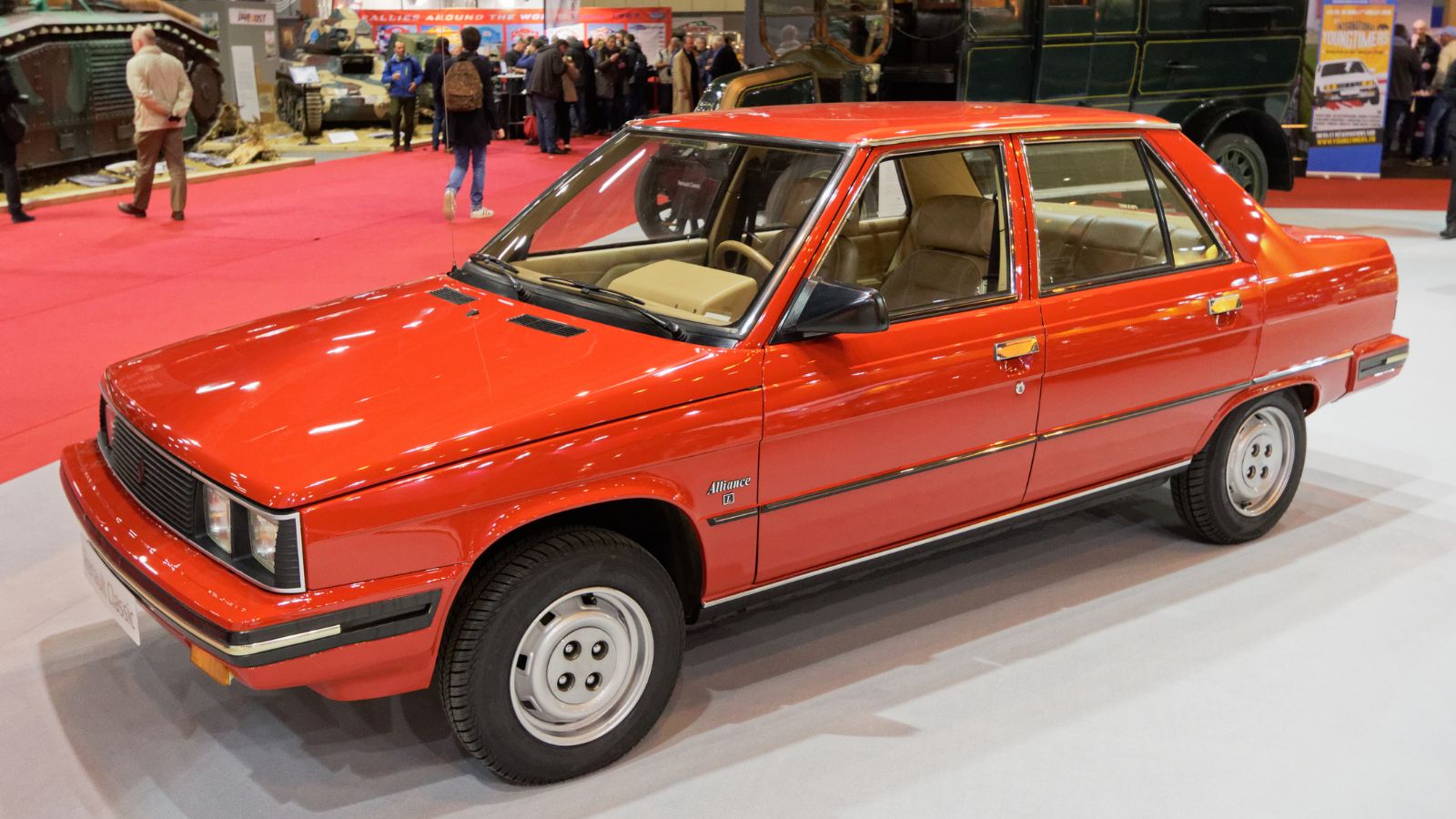
The Alliance was supposed to bring European efficiency to North America, but it failed to adapt to local conditions. Engines felt underpowered, automatic transmissions struggled, and reliability issues piled up. Air conditioning could barely cope with summer heat, and cold weather revealed further weaknesses. Buyers expecting something refined instead got frustration.
Pontiac Fiero Early Models 1984 to 1985
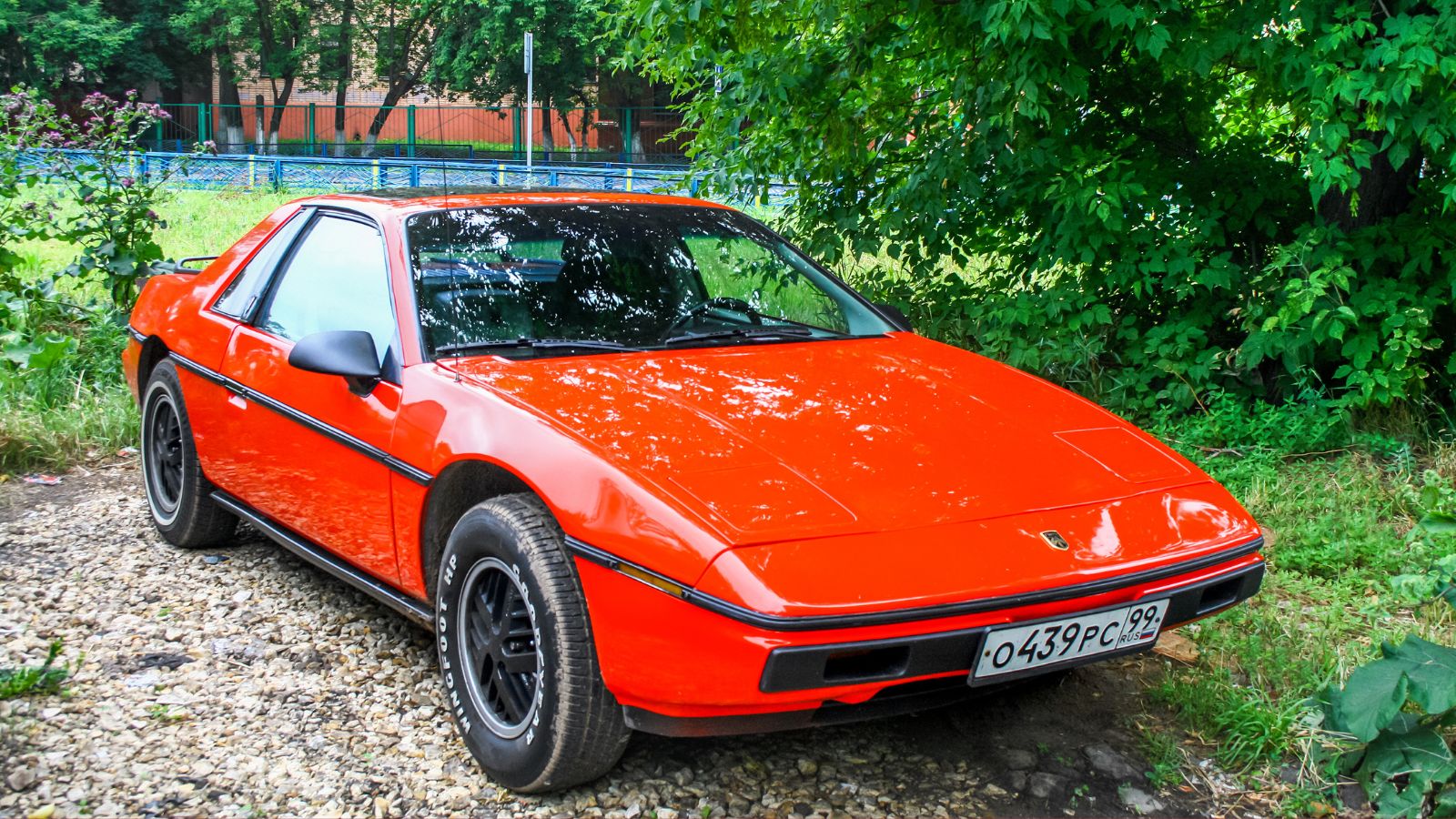
The idea behind the Fiero was brilliant, but early execution was not. Underpowered engines, suspension borrowed from economy cars, and engine bay fire issues quickly tarnished its reputation. Later models improved dramatically, but early problems stuck. It became a symbol of wasted potential rather than innovation.
Ford Mustang II 1979 to 1982
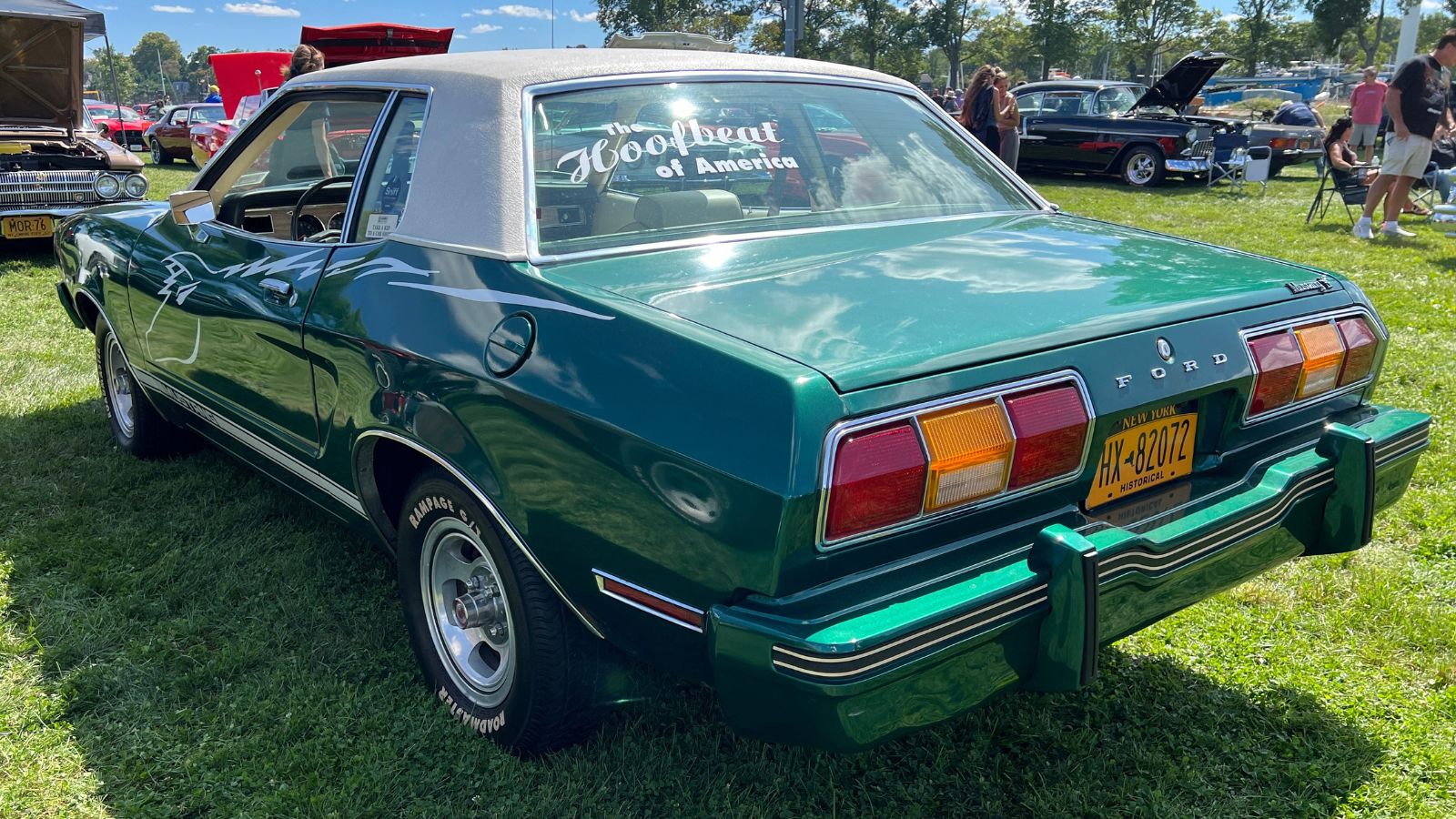
While technically straddling decades, the Mustang II era defined early 80s disappointment. Downsized proportions, weak engines, and uninspiring driving dynamics left enthusiasts cold. It carried a legendary name but delivered very little of the spirit that made the Mustang famous. For many, it represented everything wrong with the malaise era.
Dodge Omni 1980 to 1987
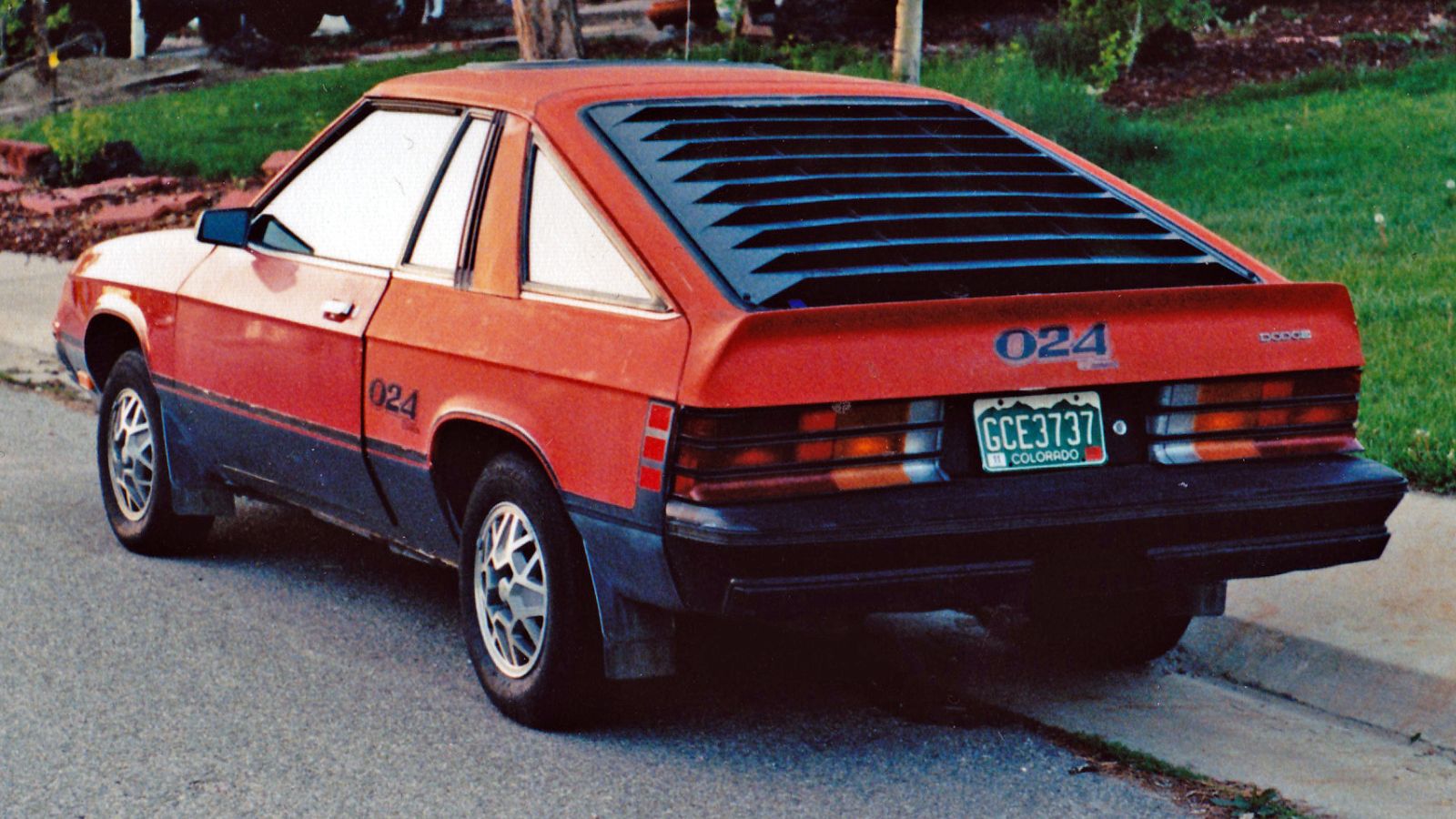
The Omni was cheap and practical, but it suffered from inconsistent build quality and uninspired driving. Interiors felt flimsy, rust was common, and early models were underpowered. While later performance variants improved the formula, most owners experienced the Omni as basic transportation with very few redeeming qualities.
Oldsmobile Diesel 88 1979 to 1985
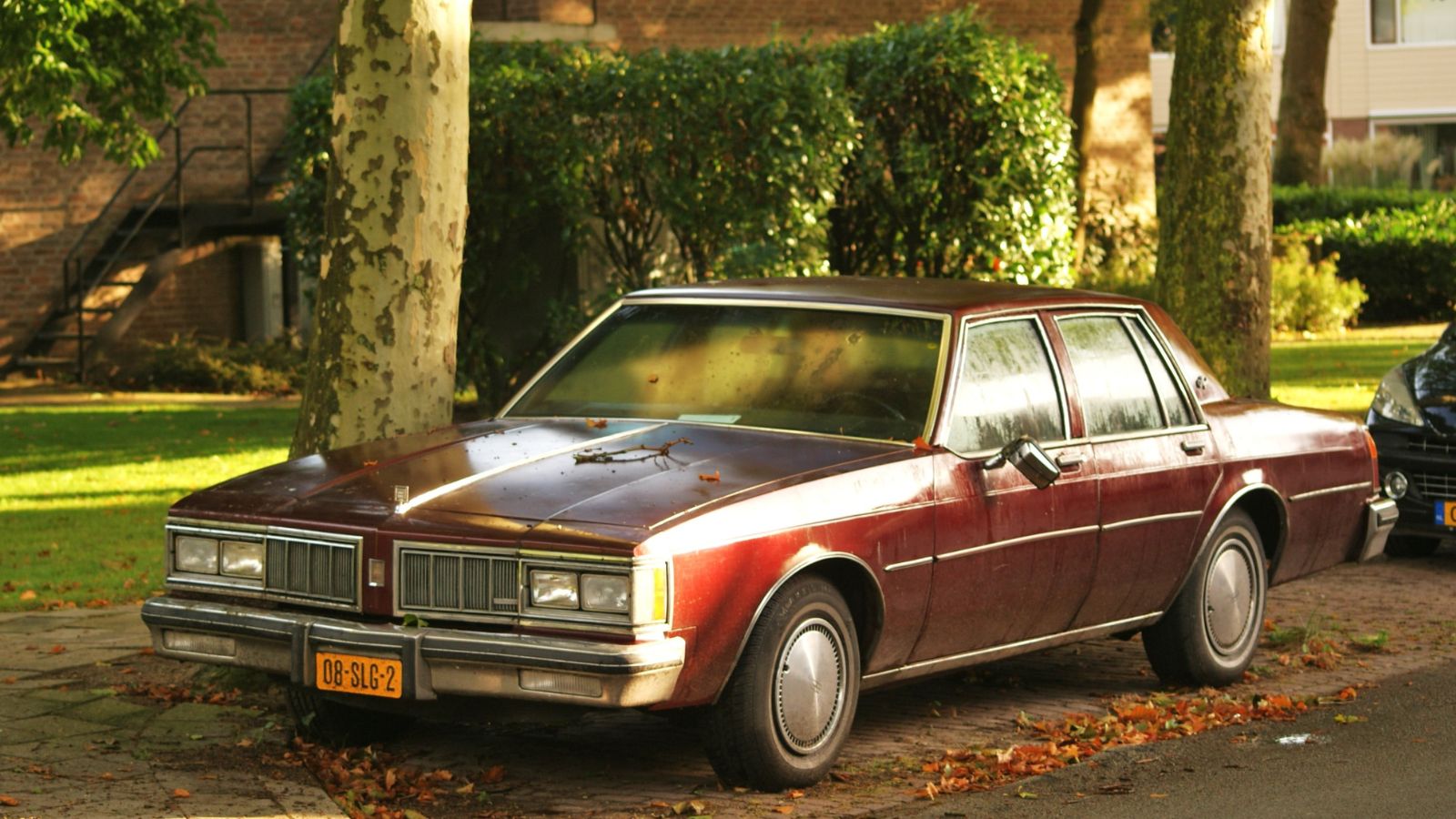
Diesel was supposed to be the future, but Oldsmobile’s execution was disastrous. Gasoline engines hastily converted to diesel use led to frequent failures, poor cold starting, and expensive repairs. The damage to consumer trust was severe and long lasting. It turned many buyers off diesel cars for an entire generation.
Subaru Justy 1987 to 1994
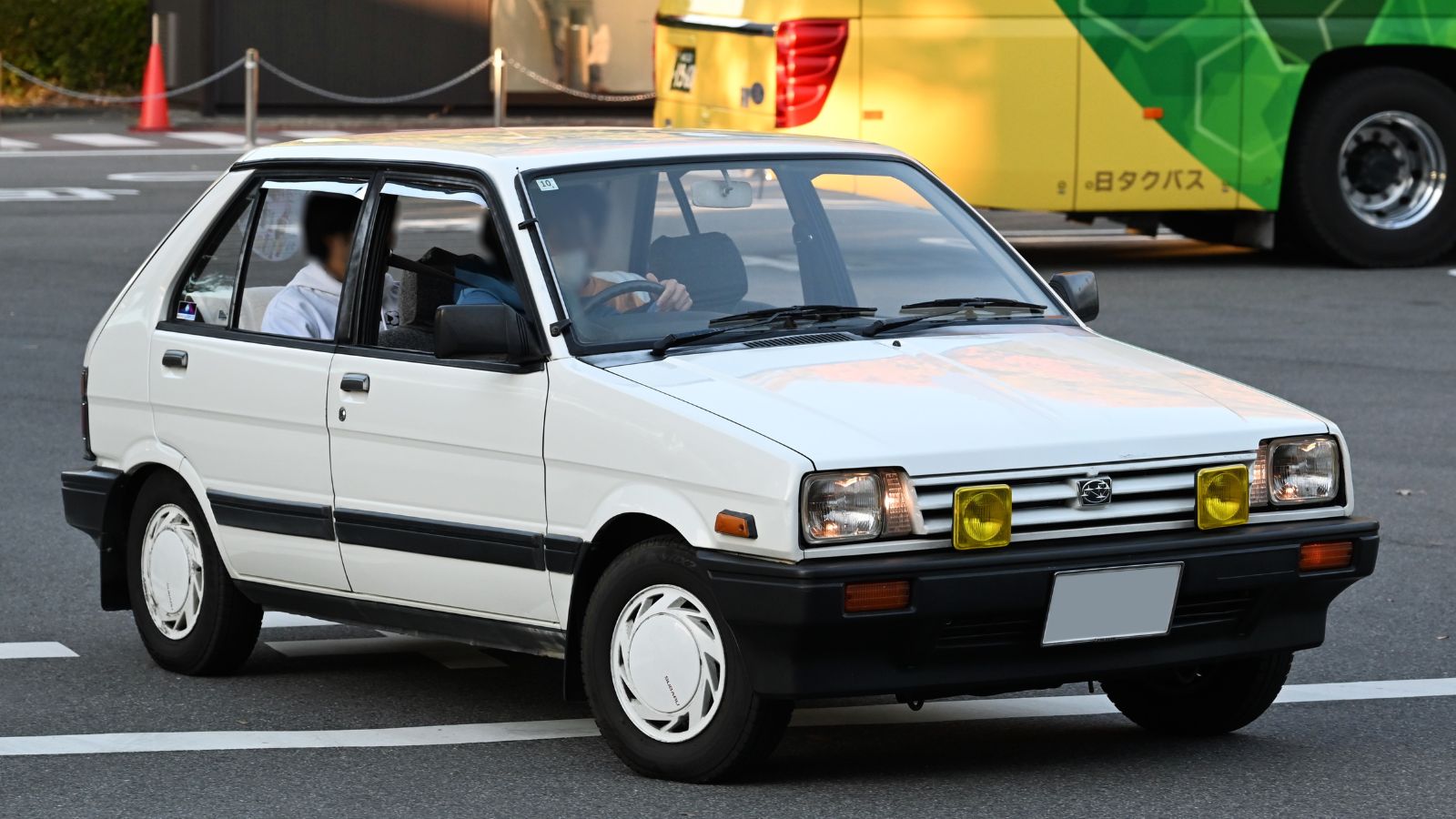
The Justy was small, light, and economical, but it felt underdeveloped for North American use. Engines struggled on highways, interiors were noisy, and build quality was inconsistent. While it offered all wheel drive in some versions, the overall experience felt compromised. It was transportation, not enjoyment.
These cars reflect a decade when manufacturers were reacting rather than leading. Cost pressures, regulation, and rushed engineering created vehicles that failed to age gracefully. While the 80s produced some icons, it also gave us these reminders of what happens when compromise goes too far.
25 Facts About Car Loans That Most Drivers Don’t Realize

Car loans are one of the most common ways people fund car purchases. Like any other kind of loan, car loans can have certain features that can be regarded as an advantage or a disadvantage to the borrower. Understanding all essential facts about car loans and how they work to ensure that you get the best deal for your financial situation is essential. Here are 25 shocking facts about car loans that most drivers don’t realize:
25 Facts About Car Loans That Most Drivers Don’t Realize
