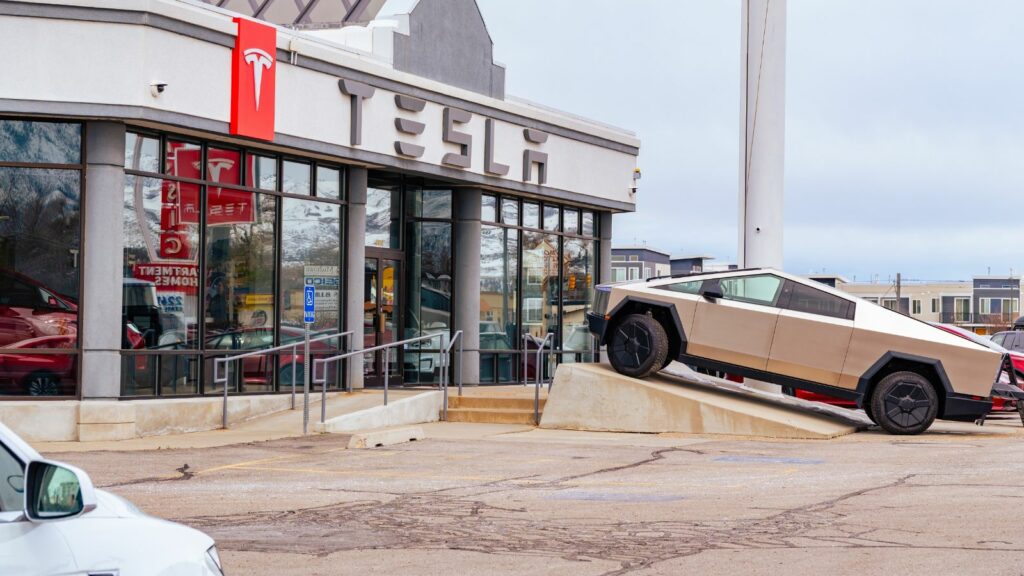
The Cybertruck arrived with enormous hype and an even bigger presence. It looks like nothing else on the road and promises performance figures that grab attention instantly. But living with a vehicle day to day is very different from watching a launch event. For many drivers in Canada and the United States, the Cybertruck raises more practical concerns than it solves.
The Size Is a Daily Problem
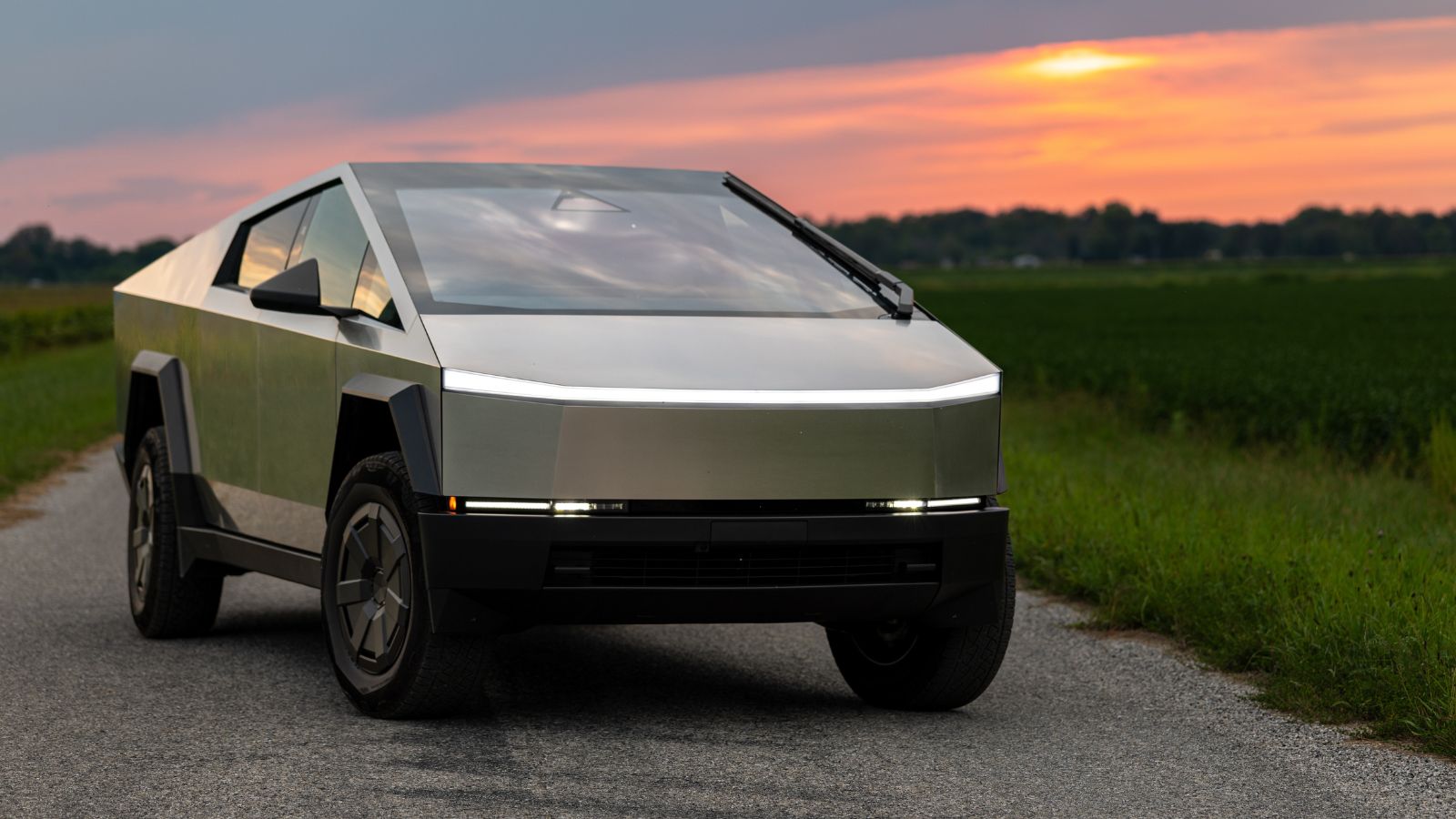
The Cybertruck is huge, and not in a useful work truck way. Its width and sharp angles make city driving, parking garages, and narrow streets unnecessarily stressful. In older Canadian and American neighborhoods built long before modern full size trucks, it simply does not fit naturally. What looks bold in a photo becomes awkward very quickly in real life.
Repair Costs Will Be Brutal
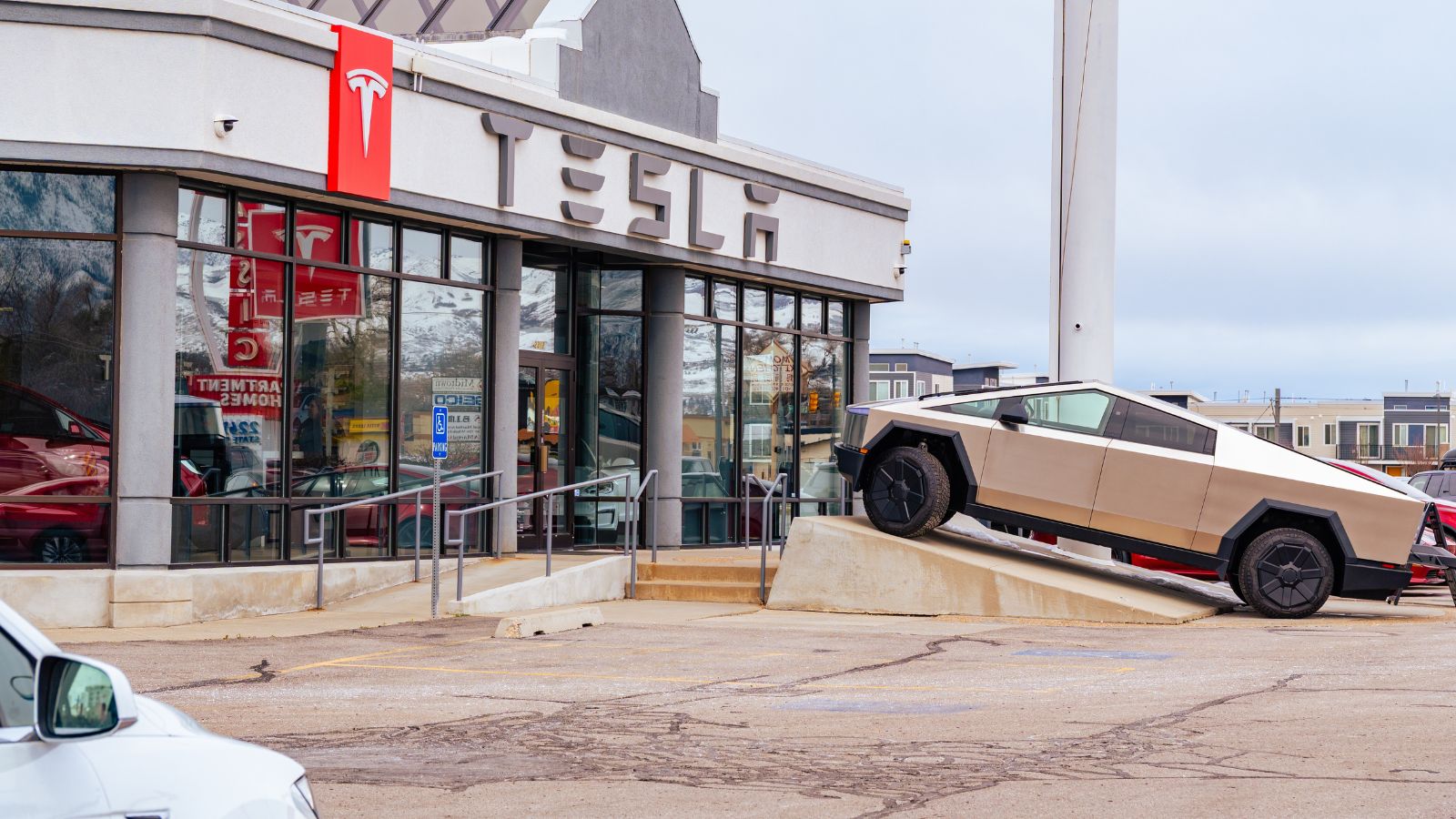
Stainless steel body panels are not like conventional painted steel or aluminum. Even minor damage could require specialized repair processes or full panel replacement. Body shops are not set up for this material, which means higher costs and longer repair times. Insurance premiums are likely to reflect that reality, especially in urban areas.
Cold Weather Raises Big Questions

Canadian winters are unforgiving, and stainless steel behaves differently in extreme cold. Panel contraction, door alignment issues, and ice buildup around sharp edges are real concerns. Add in battery performance loss during deep winter temperatures and the Cybertruck becomes less appealing for anyone who deals with snow and subzero mornings regularly.
Pedestrian Safety Concerns Are Real
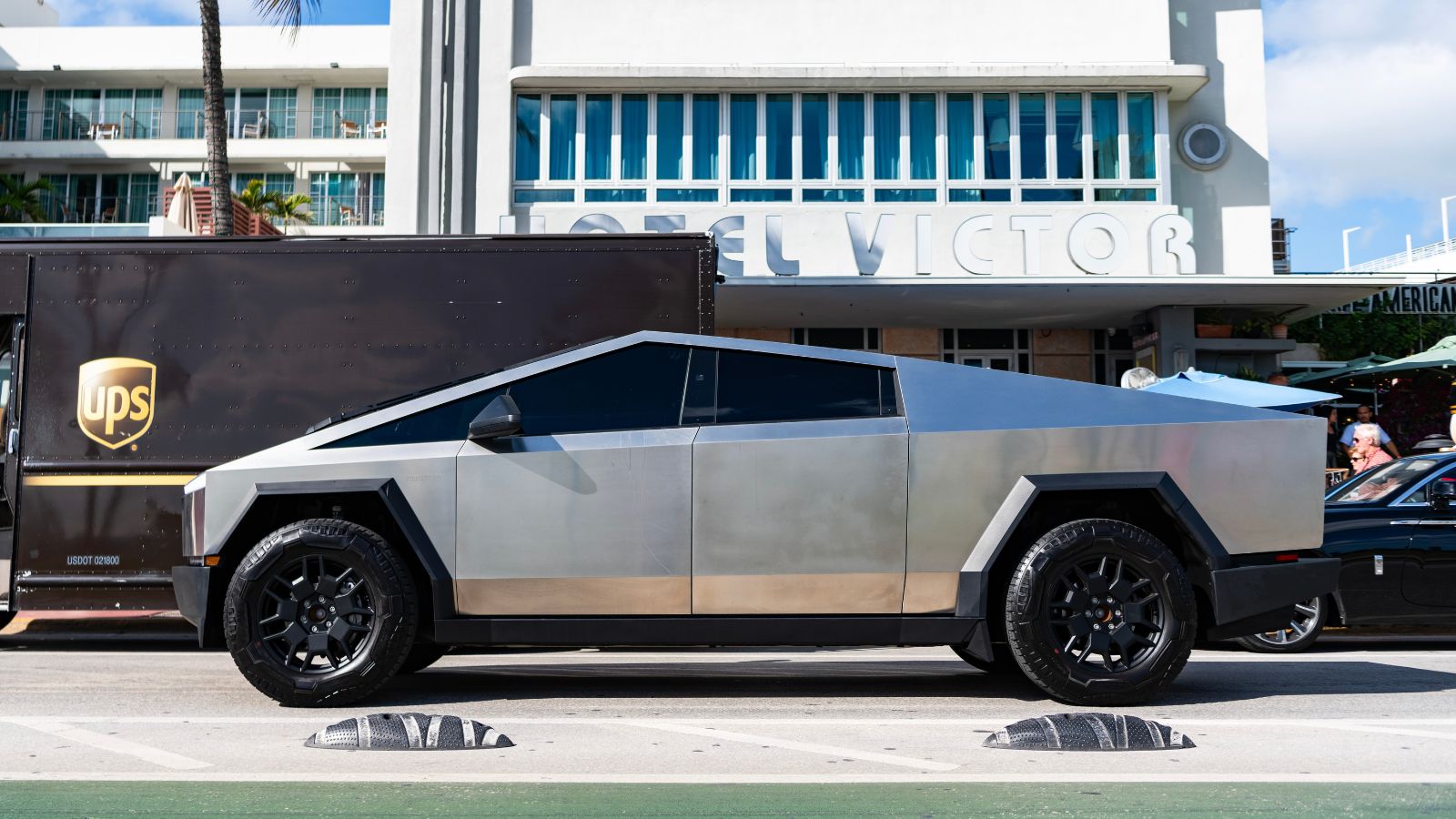
The Cybertruck’s hard edges and rigid surfaces raise serious safety questions in the event of a collision. Traditional trucks are already criticized for pedestrian safety, and this design pushes things further. Regulators approved it, but approval does not always mean ideal. In dense cities, that matters more than most buyers want to admit.
Visibility Is Not as Good as It Looks
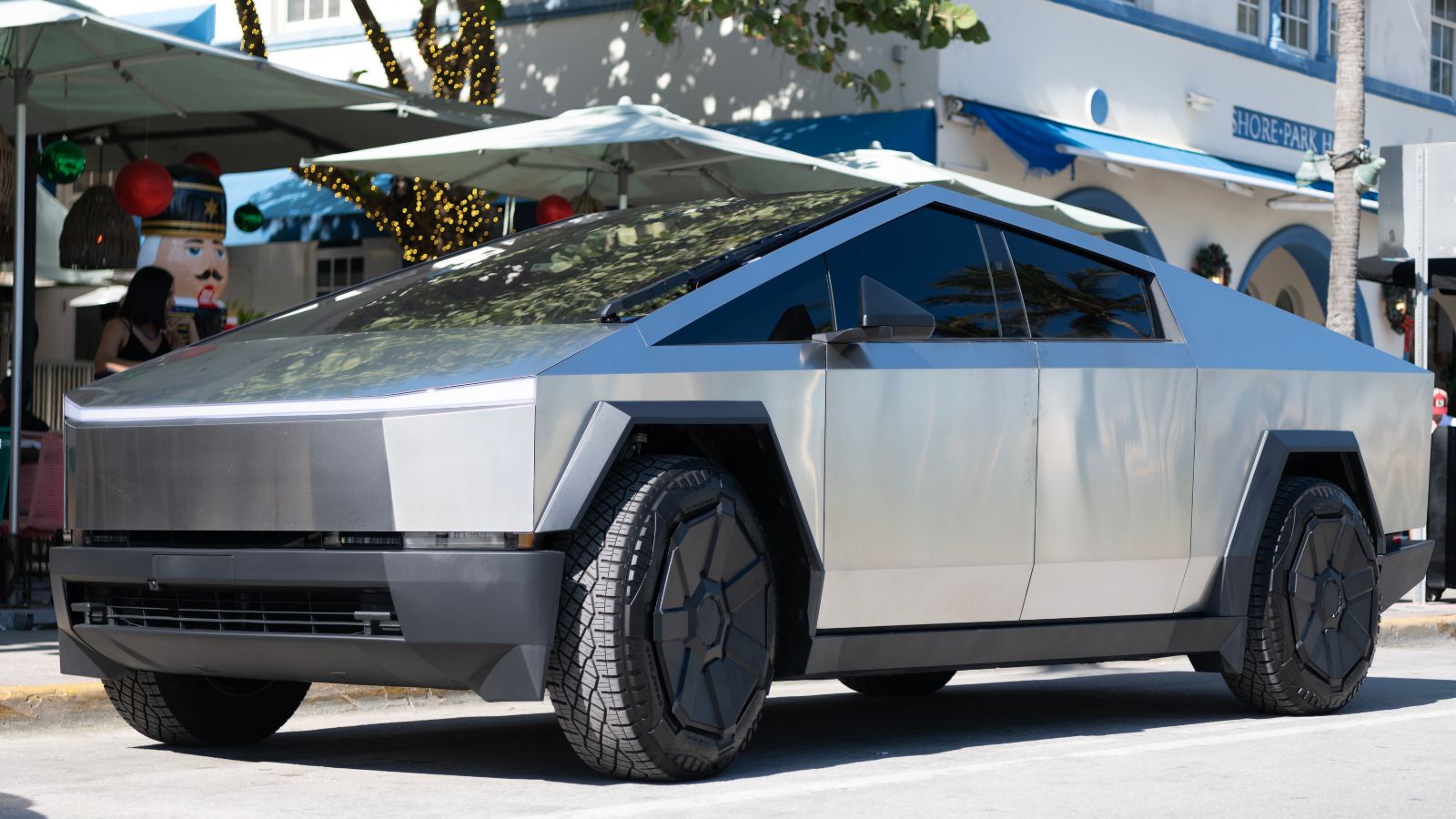
The design prioritizes style and structure over traditional sight lines. Thick pillars, a high beltline, and an unconventional windshield shape can make judging corners and tight spaces difficult. Cameras help, but reliance on screens instead of natural visibility adds complexity and distraction rather than confidence.
Interior Quality Does Not Match the Price
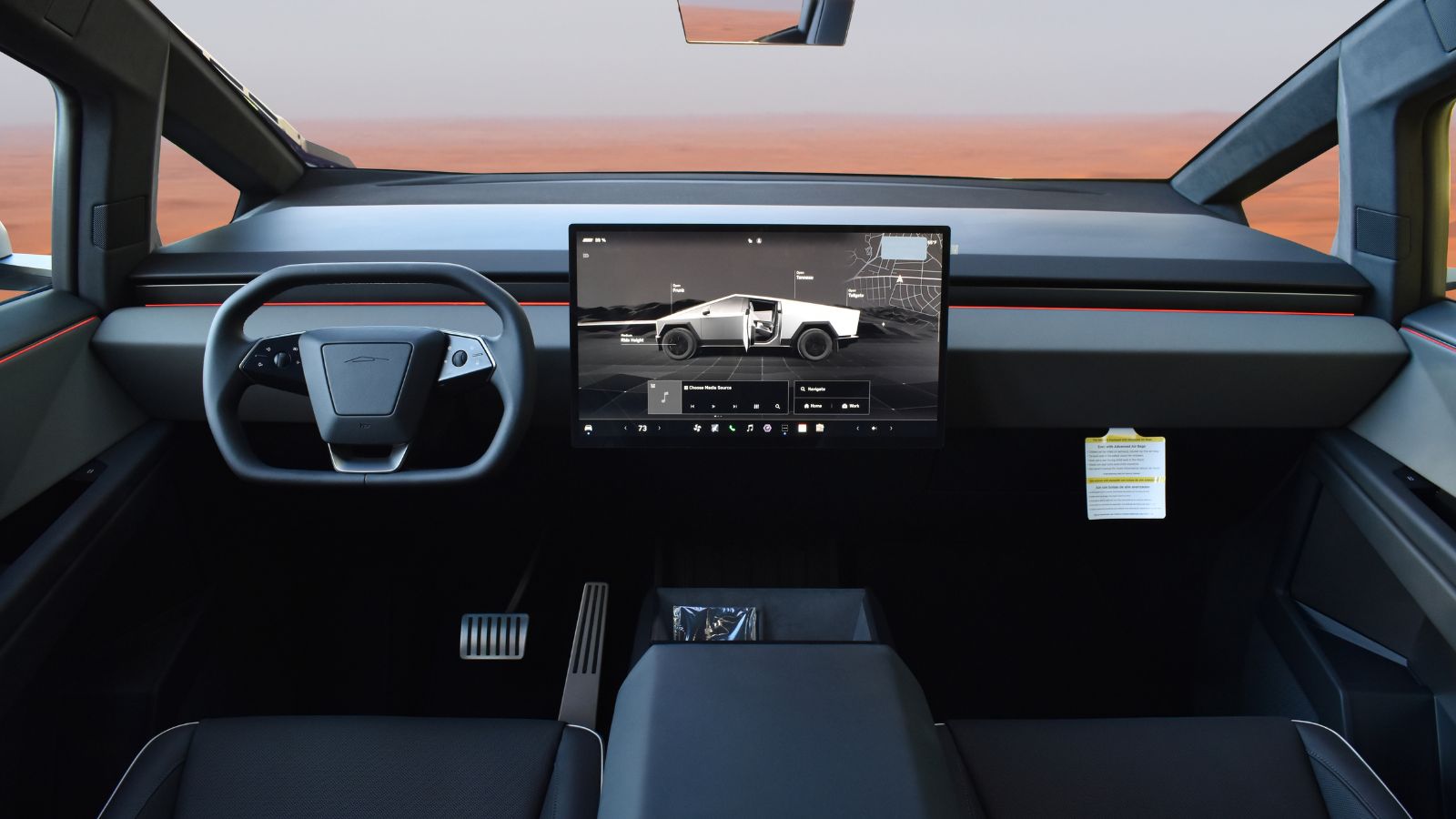
For a vehicle positioned as futuristic and premium, the interior feels surprisingly sparse. Materials are basic, surfaces are flat, and the experience relies heavily on software rather than craftsmanship. Many buyers expecting a luxury level cabin comparable to high end trucks or SUVs may feel underwhelmed once the novelty wears off.
Software Dependence Creates Long Term Risk

Nearly every function depends on software, updates, and screens. That works when everything is running perfectly. When systems glitch, age, or lose support, everyday usability suffers. Owners become beta testers whether they want to or not. Long term ownership becomes less predictable compared to more traditional vehicles.
Practical Truck Use Is Compromised
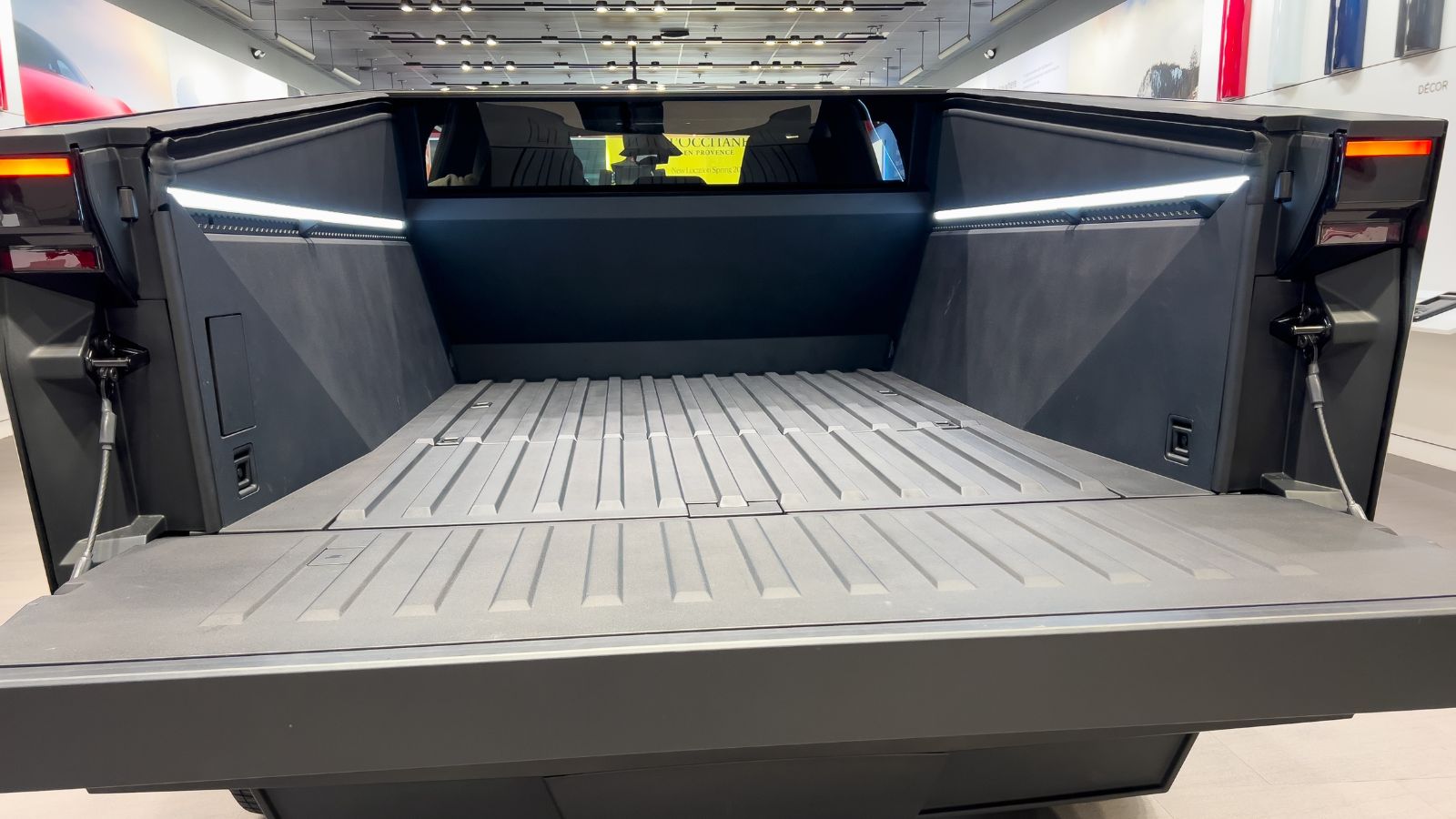
Despite its size, the Cybertruck does not behave like a conventional work truck. Bed access, tailgate functionality, and accessory compatibility are limited compared to established pickups. Tradespeople and outdoor users may find that real world usability falls short of what long standing truck designs already do well.
Resale Value Is a Gamble

Early hype can prop up resale values, but long term demand is harder to predict. Polarizing design limits the buyer pool, especially once newer models arrive. In Canada and the United States, resale stability matters because vehicles are often kept for many years. This one carries more risk than most.
Attention Comes With Downsides
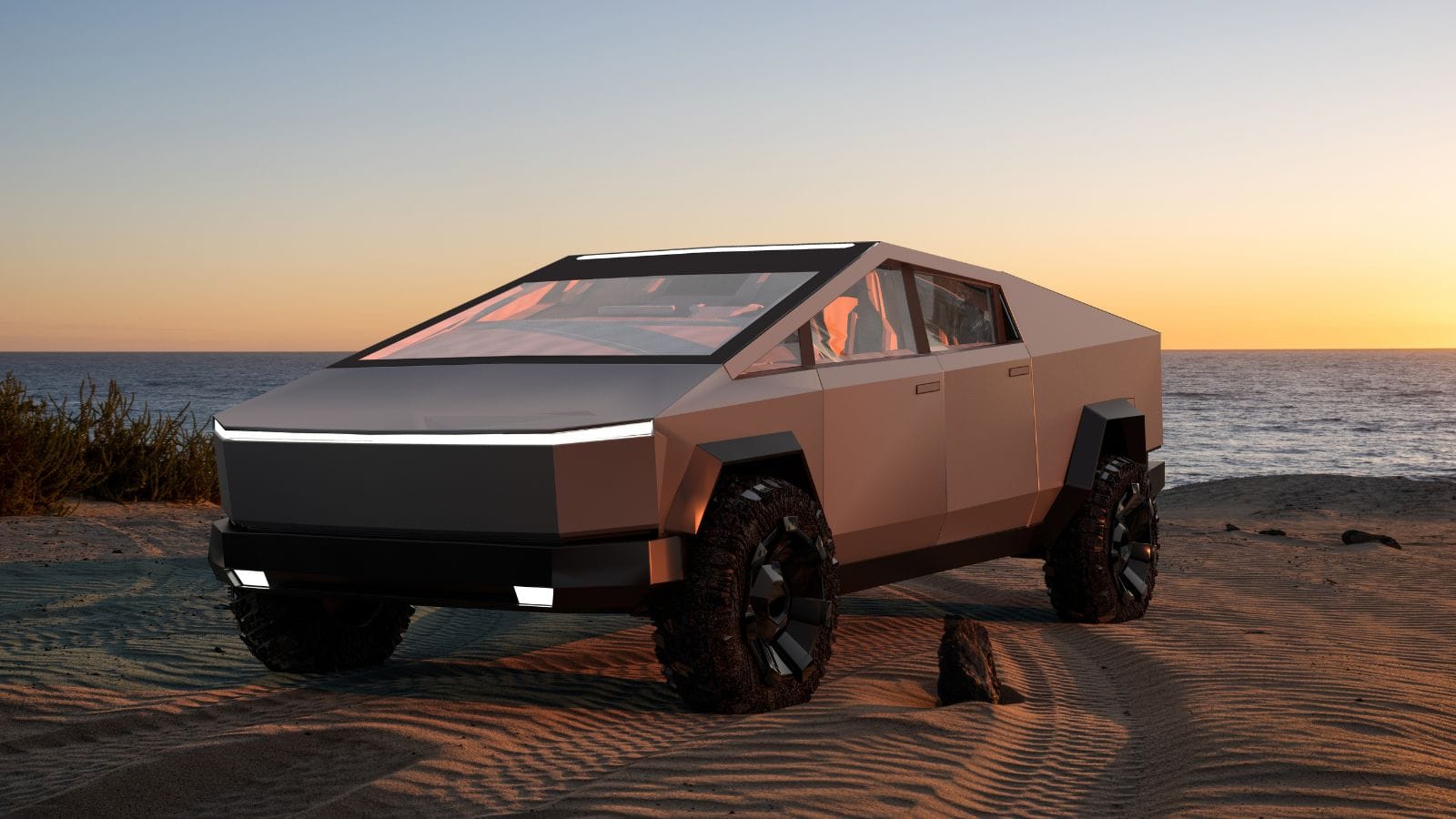
Driving a Cybertruck guarantees attention. That includes curiosity, criticism, and sometimes hostility. For some owners that is the point. For others it becomes tiring very quickly. Standing out is not always a benefit when you just want to commute, park, or blend in without hassle.
The Cybertruck is not a bad idea in theory, but theory and daily ownership rarely line up perfectly. For Canadians and Americans who value practicality, long term ownership costs, and real world usability, there are far better trucks and SUVs available today than the striking but complicated Tesla Cybertruck.
25 Facts About Car Loans That Most Drivers Don’t Realize

Car loans are one of the most common ways people fund car purchases. Like any other kind of loan, car loans can have certain features that can be regarded as an advantage or a disadvantage to the borrower. Understanding all essential facts about car loans and how they work to ensure that you get the best deal for your financial situation is essential. Here are 25 shocking facts about car loans that most drivers don’t realize:
25 Facts About Car Loans That Most Drivers Don’t Realize
