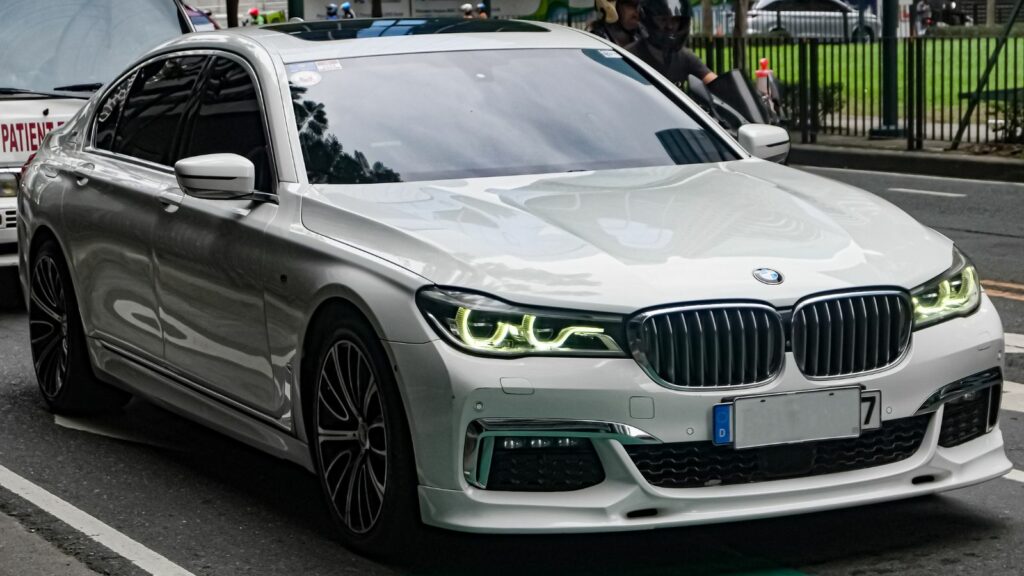
Depreciation is the silent cost of car ownership, and over the last five years it has hit some vehicles brutally hard. Rapid tech changes, oversupply, reliability concerns, and shifting buyer tastes have punished certain models far more than others. These cars were often expensive, impressive on paper, and even praised at launch, but the used market has not been kind.
Tesla Model S
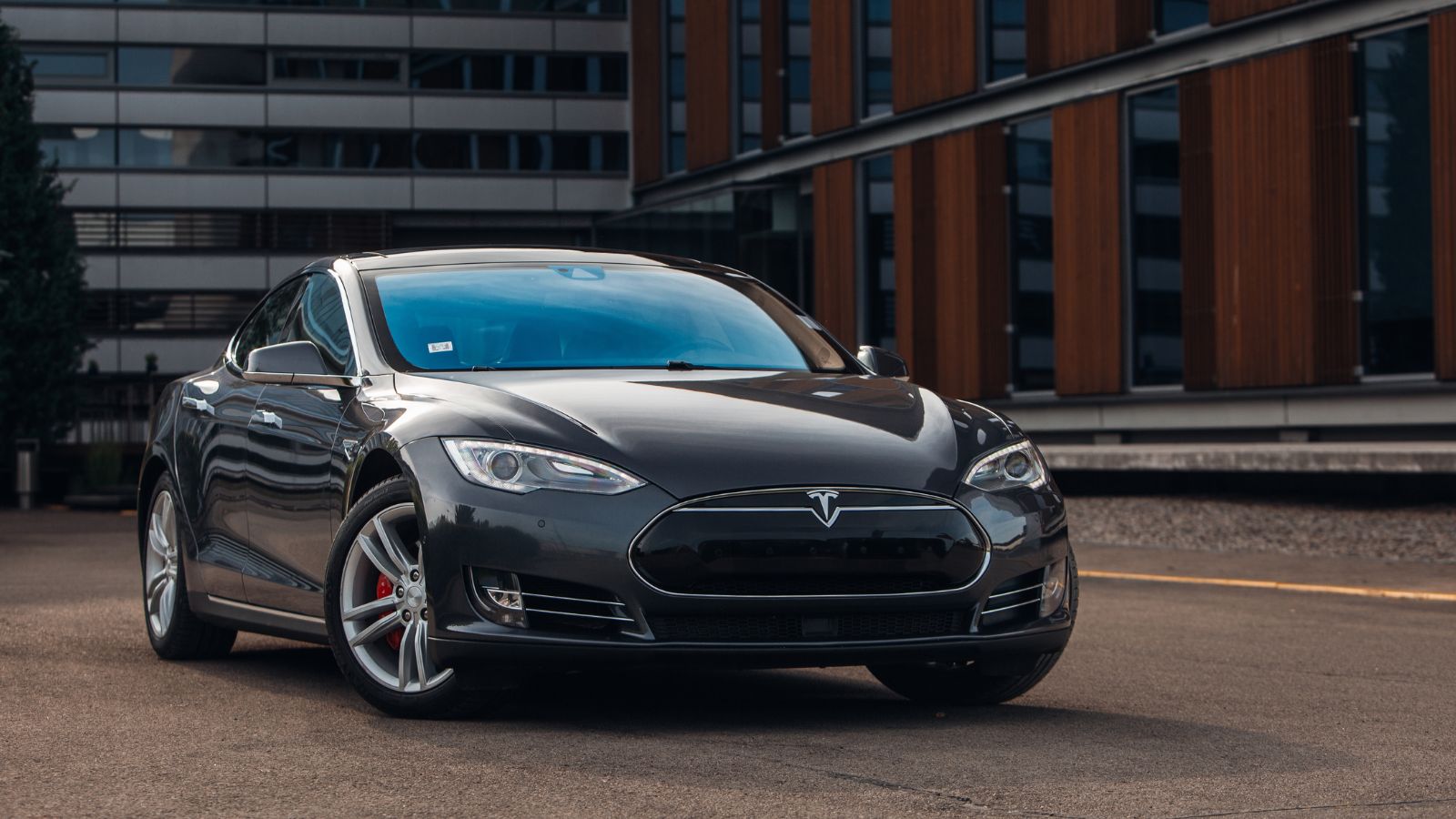
Few cars illustrate modern depreciation better than the Model S. Constant hardware updates, frequent price cuts on new models, and rapid battery tech evolution crushed used values. Owners who paid premium prices early watched resale values slide quickly as newer versions made older ones feel obsolete almost overnight.
BMW 7 Series
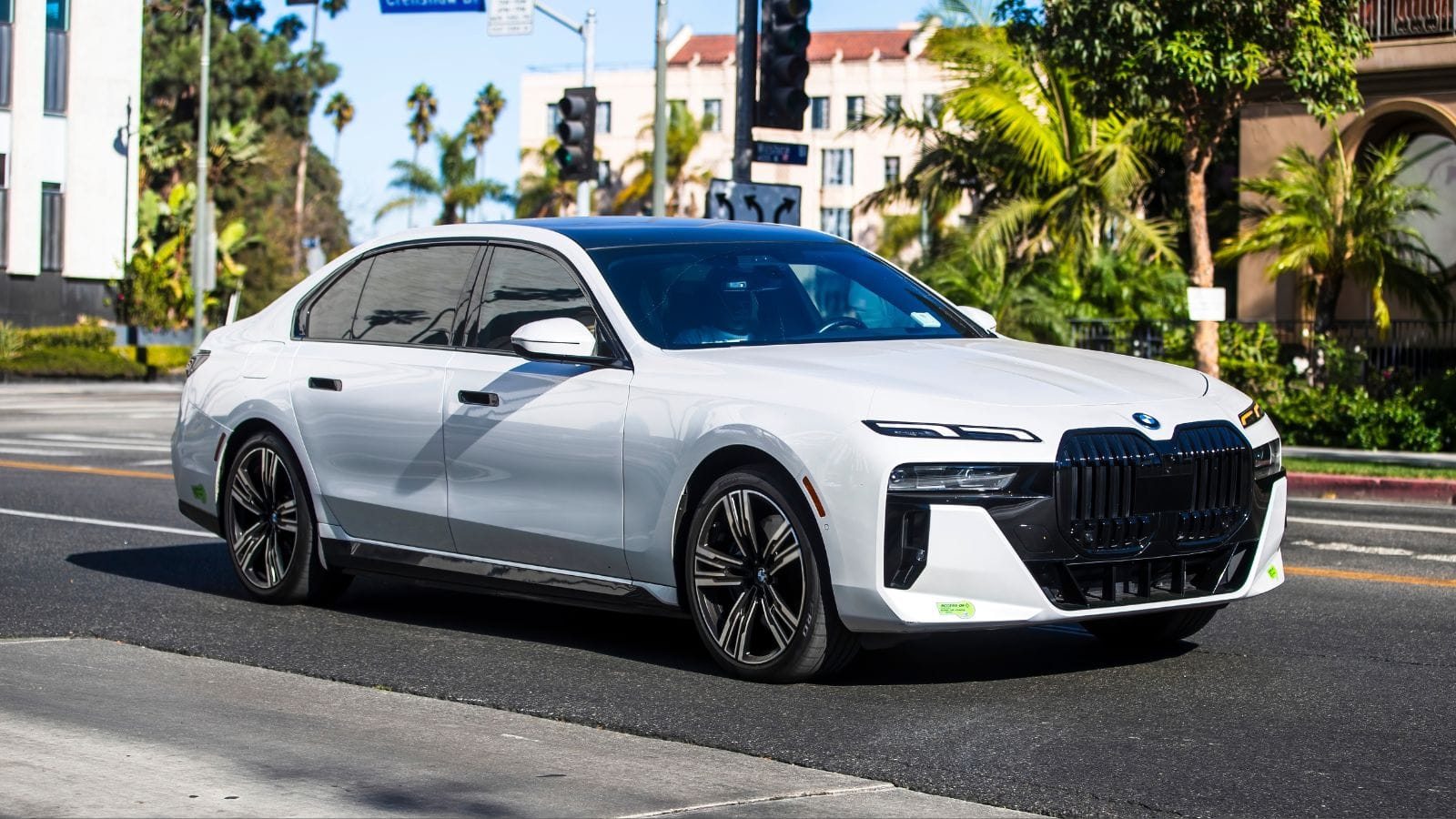
The 7 Series has always depreciated heavily, but the last five years accelerated the trend. Complex technology, expensive repairs, and stiff competition from SUVs reduced demand on the used market. Once warranties expire, buyers become cautious, and values drop fast as a result.
Jaguar I-PACE
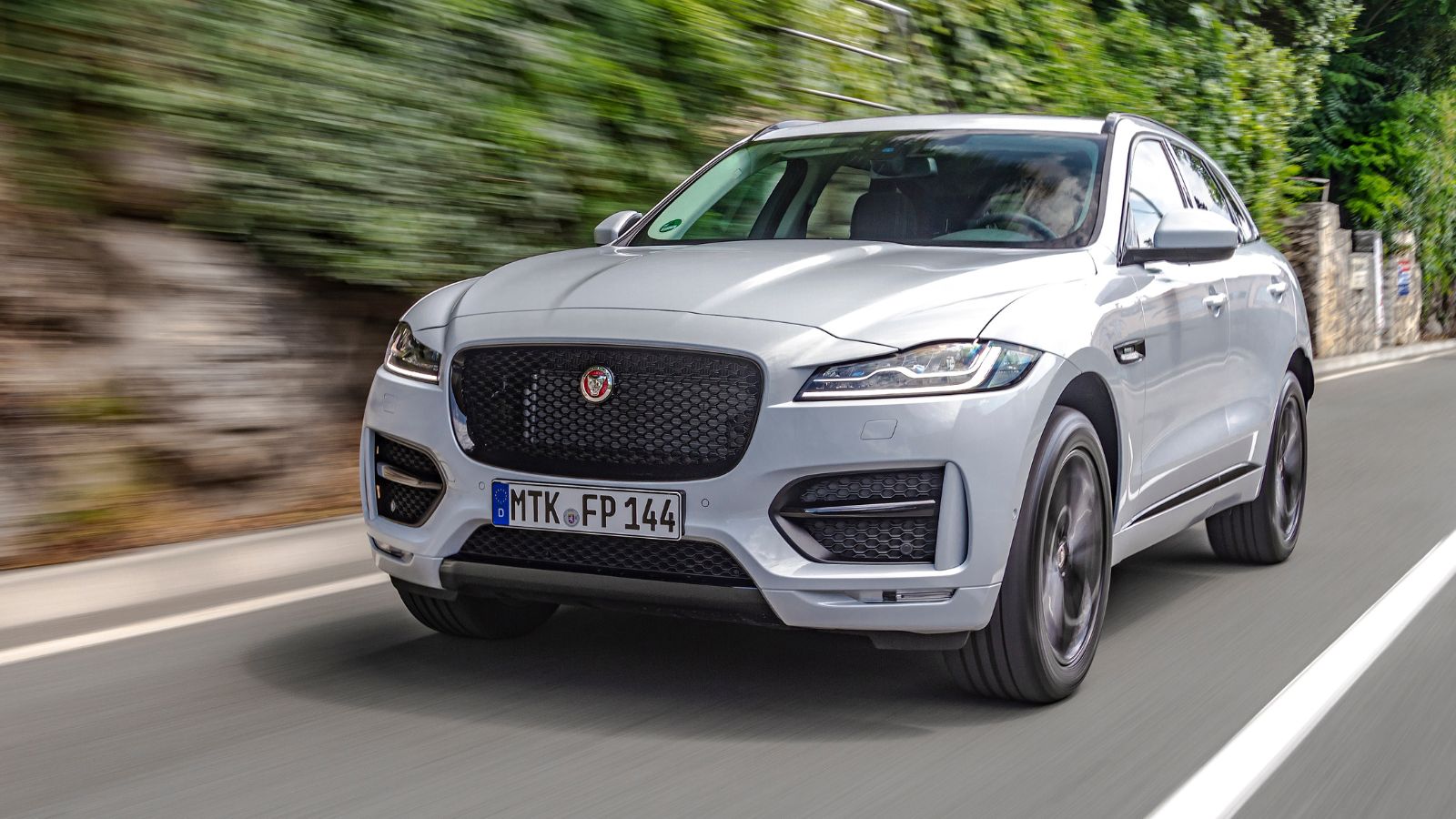
The I-PACE launched with huge praise, but long-term ownership concerns quickly hurt resale. Software issues, range that aged quickly compared to newer EVs, and weak brand confidence in EV longevity caused steep depreciation. Used prices fell sharply as buyers gravitated toward newer alternatives.
Maserati Ghibli
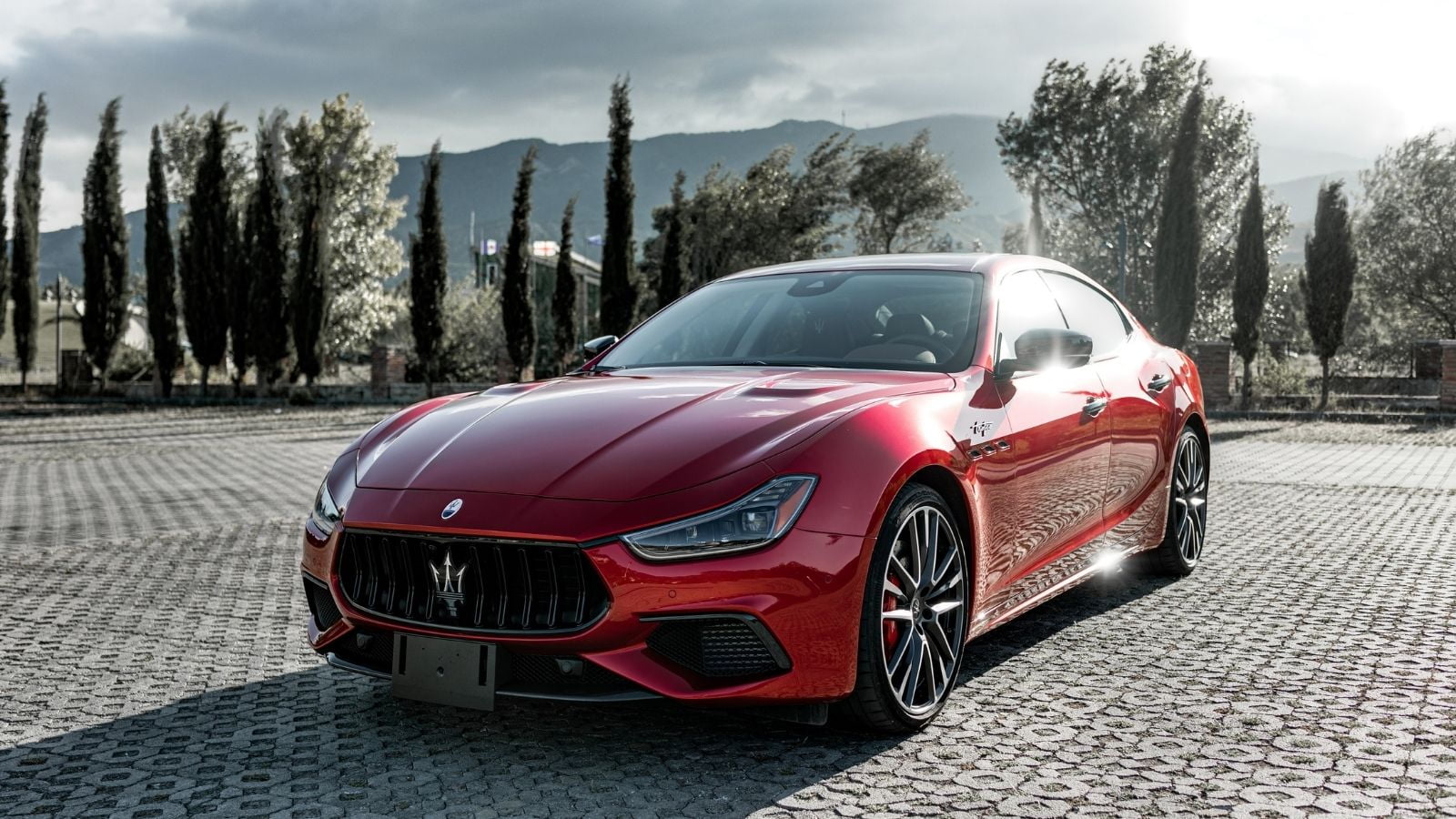
Maserati’s badge promises exotic flair, but the Ghibli struggled to deliver lasting value. Interior quality complaints, reliability worries, and heavy discounting on new cars undermined resale. The used market adjusted quickly, making it one of the fastest depreciating luxury sedans available.
Audi A8
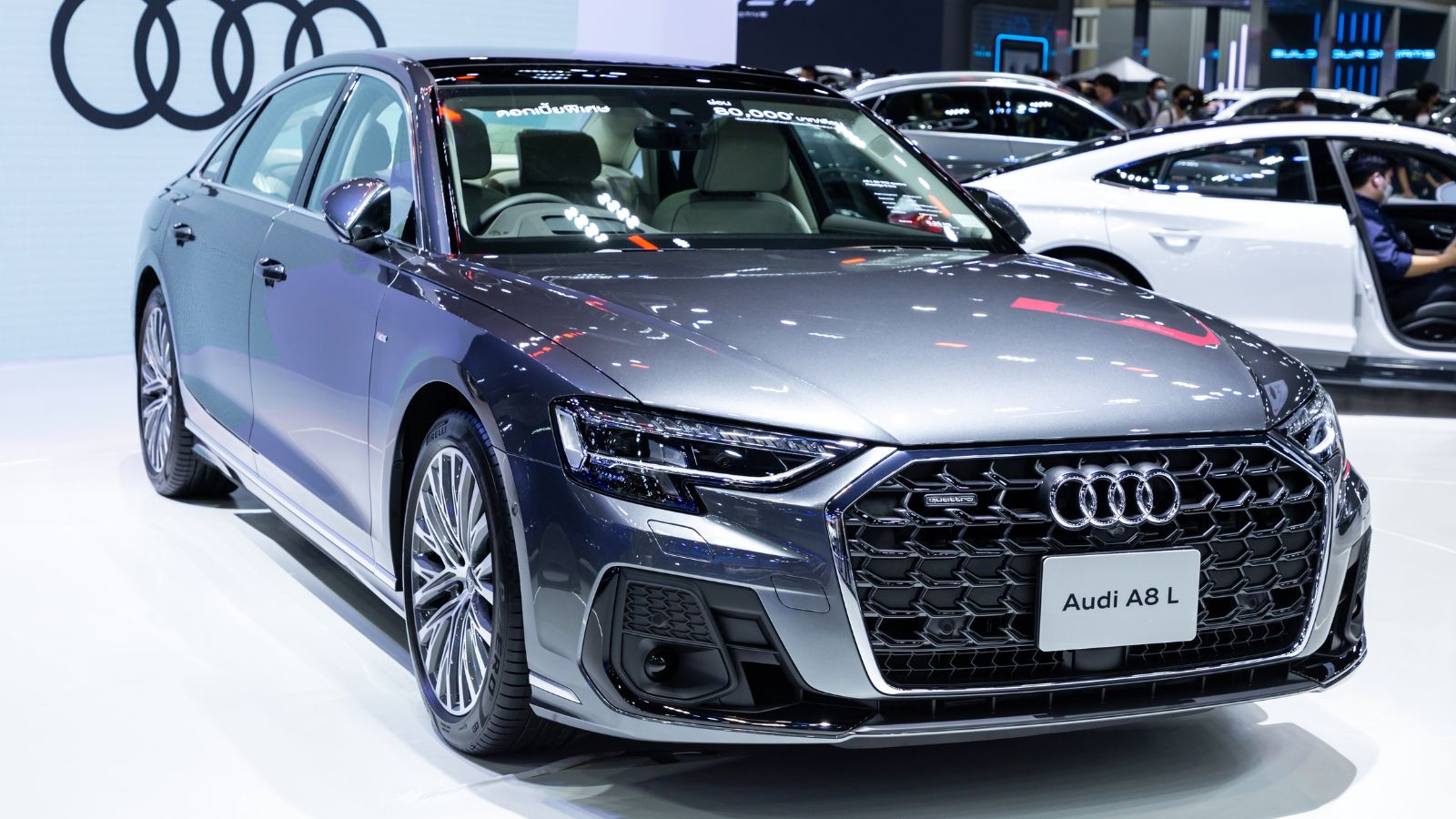
Audi’s A8 packed advanced technology and refined comfort, but that same complexity scared second owners. Repair costs, rapid tech aging, and declining demand for full-size sedans pushed values down aggressively. It became a used bargain far sooner than buyers expected.
Nissan Leaf
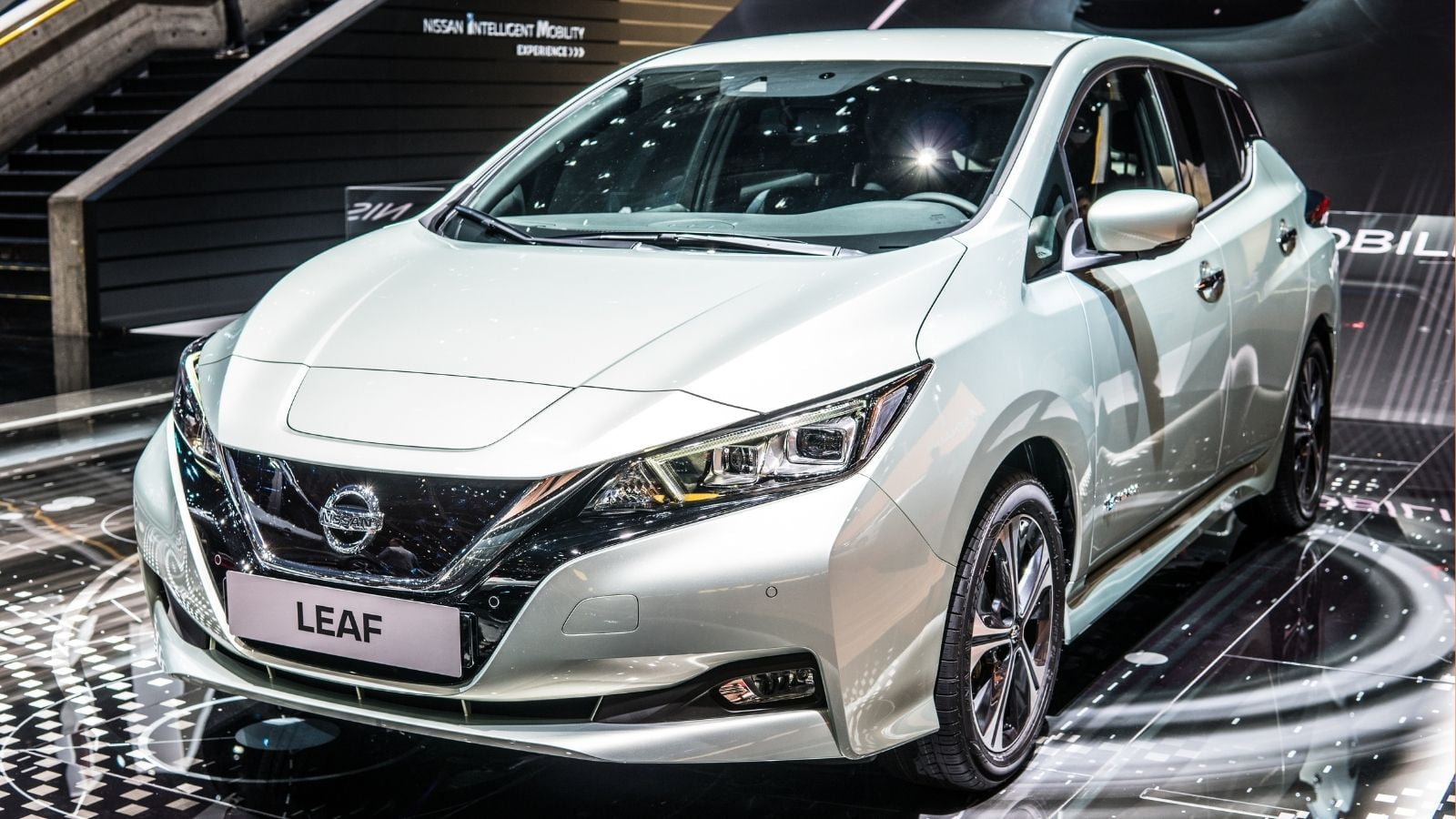
Early Leafs suffered from limited range and battery degradation concerns, which became more visible as EV expectations rose. As newer EVs doubled range at similar prices, older Leafs lost appeal. Depreciation hit hard, especially in markets with harsh climates that highlighted battery wear.
Chevrolet Bolt EV
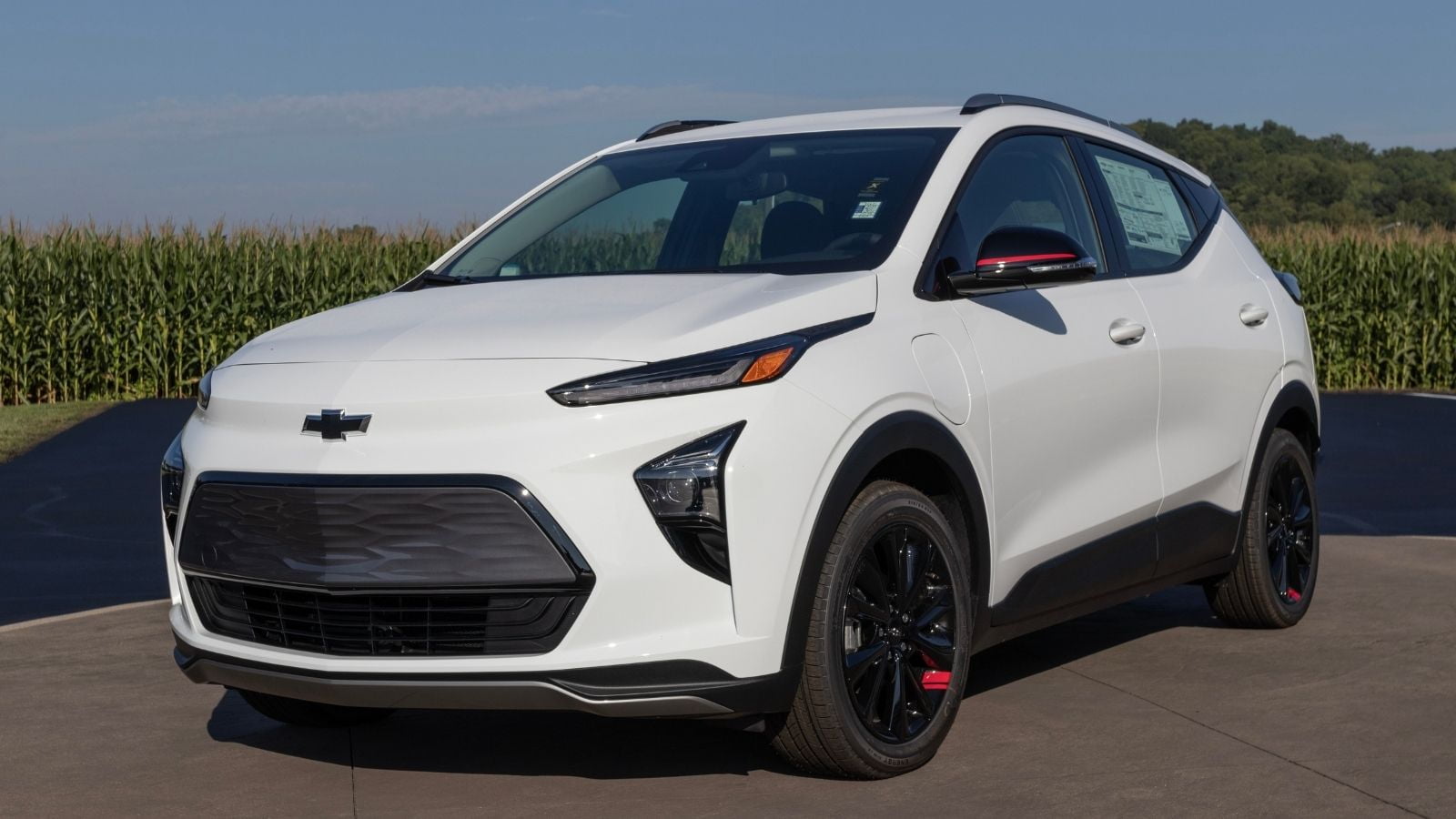
Despite being practical and efficient, the Bolt was hammered by battery recall issues and shifting pricing strategies. New-car price reductions dragged down used values, and lingering concerns about long-term battery confidence kept depreciation steep over the past five years.
Land Rover Range Rover
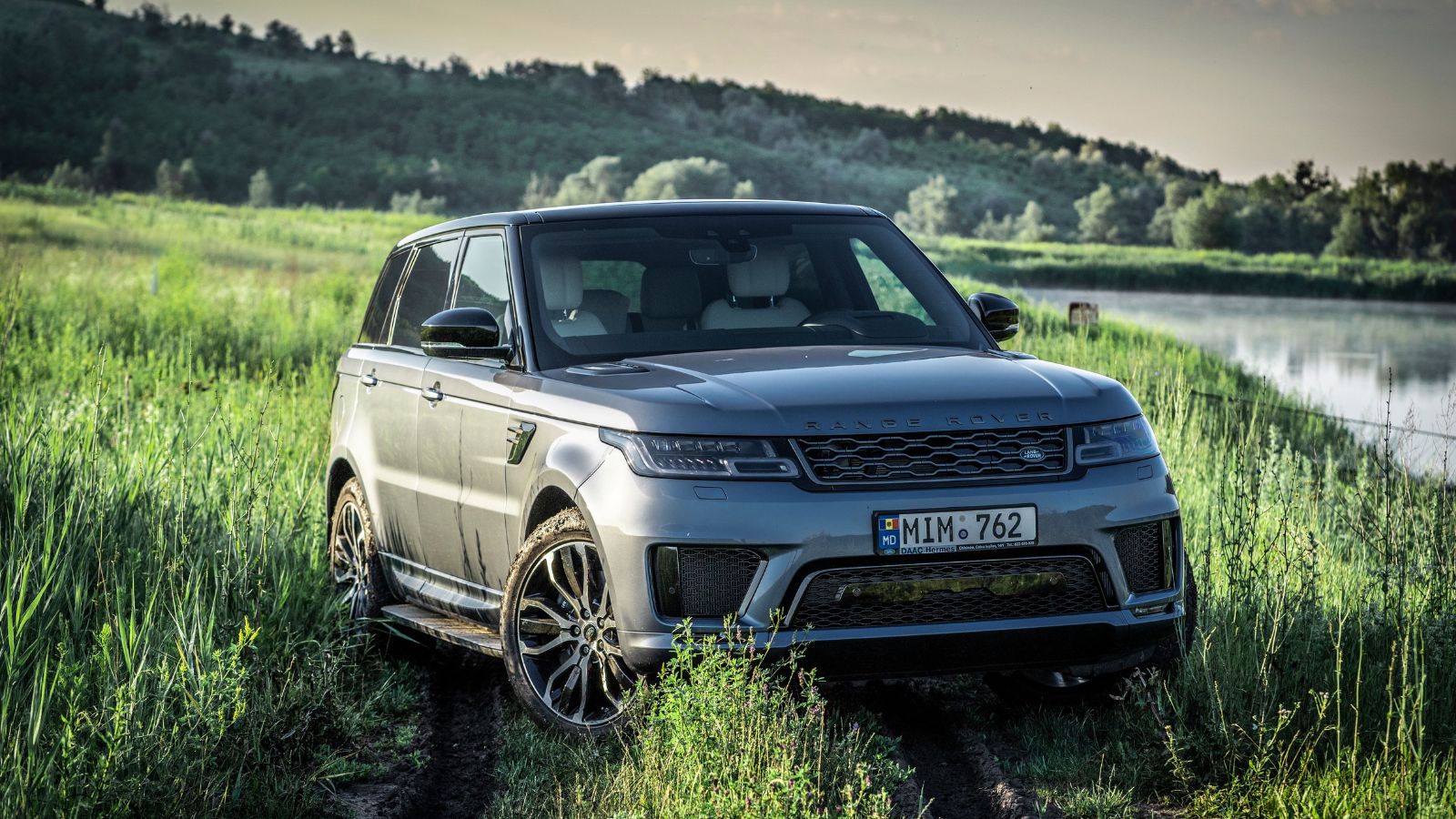
Range Rovers remain desirable when new, but long-term ownership fears hit resale hard. Reliability reputation, costly repairs, and electronics complexity caused rapid value drops once warranties expired. Even strong brand image could not slow the depreciation curve.
Infiniti QX80
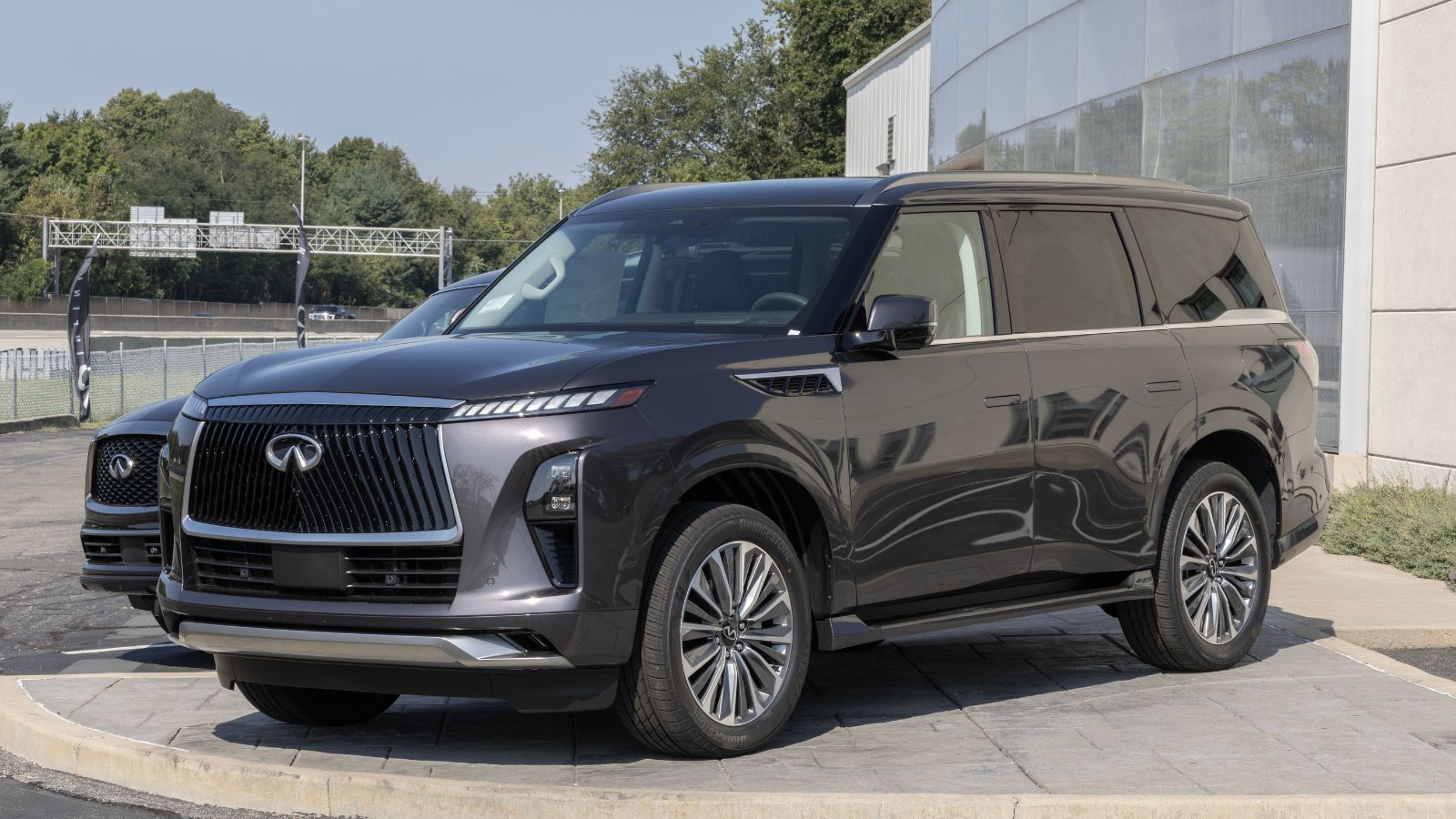
Large luxury SUVs without hybrid or electric options lost ground quickly as fuel costs and efficiency concerns grew. The QX80’s aging platform and interior tech accelerated depreciation, especially as newer competitors offered better economy and modern features.
Chrysler 300
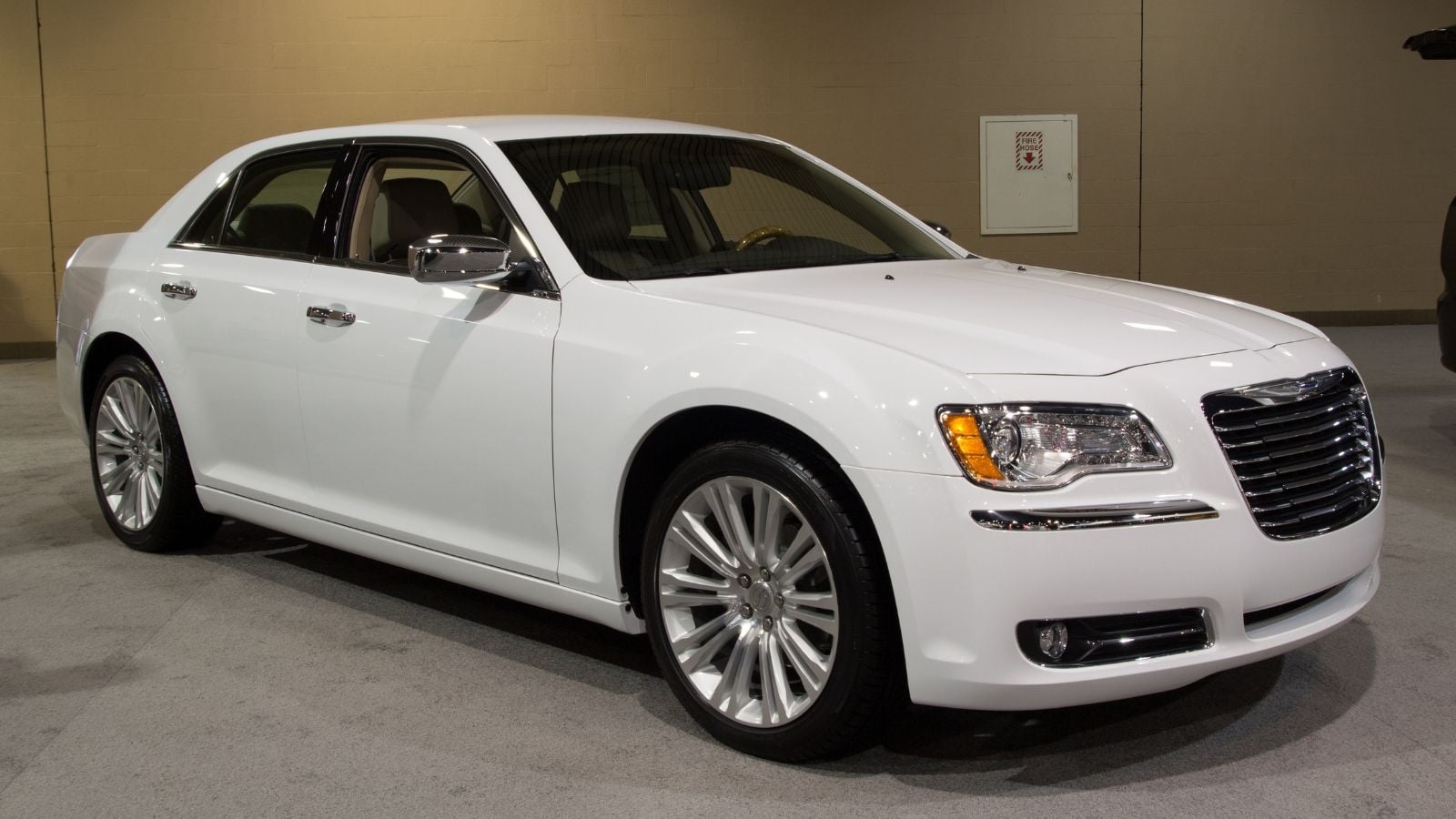
The 300’s bold styling aged faster than expected in a market moving away from large sedans. Limited updates, declining demand, and fleet exposure pushed used prices down quickly. What once felt distinctive became a tough sell on the secondhand market.
Depreciation does not mean these cars are bad. Many offer tremendous value used, especially for buyers who understand long-term ownership costs. But over the last five years, these models lost value faster than most, proving that technology pace, brand trust, and market trends now matter more than ever when it comes to resale.
25 Facts About Car Loans That Most Drivers Don’t Realize

Car loans are one of the most common ways people fund car purchases. Like any other kind of loan, car loans can have certain features that can be regarded as an advantage or a disadvantage to the borrower. Understanding all essential facts about car loans and how they work to ensure that you get the best deal for your financial situation is essential. Here are 25 shocking facts about car loans that most drivers don’t realize:
25 Facts About Car Loans That Most Drivers Don’t Realize
