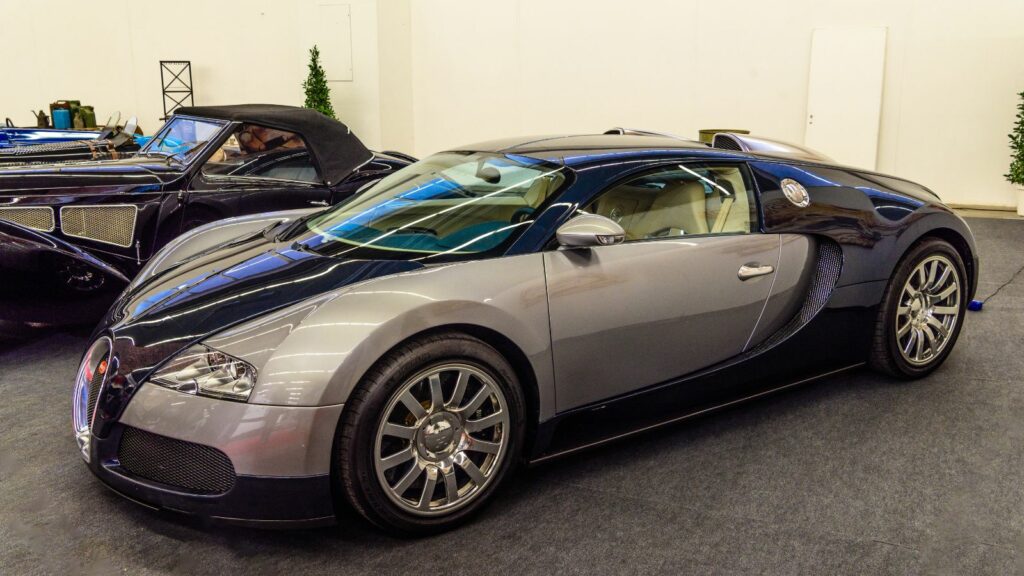
Some cars exist because engineers win arguments over accountants. These are the vehicles where ambition, technology, or regulatory pressure pushed development costs so high that manufacturers lost money on every unit sold. They were not failures in spirit or execution, but financially they made no sense. Like the Porsche 959, these cars were built to prove a point, not to turn a profit.
Porsche 959
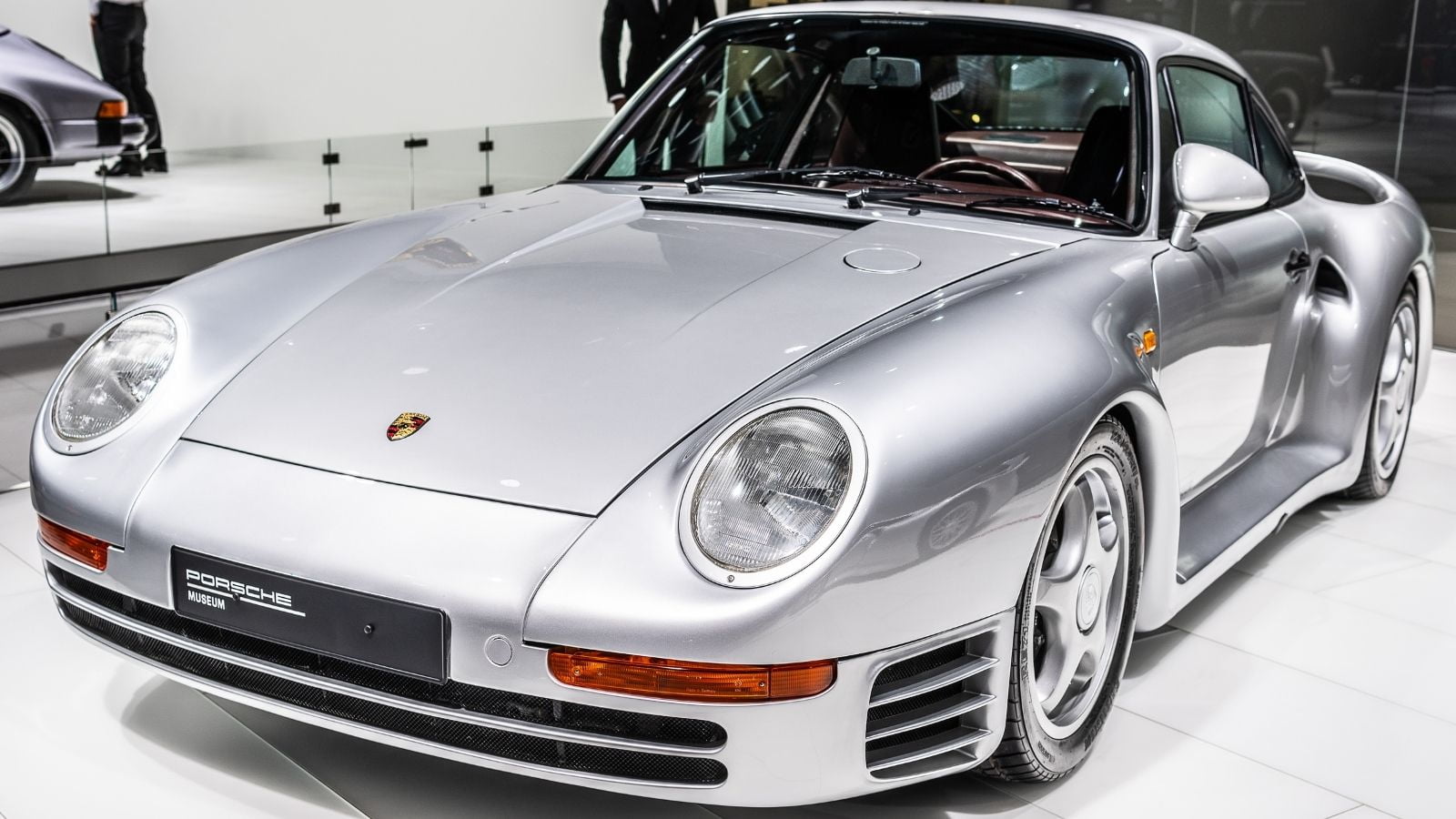
The 959 is the gold standard of loss-making legends. Developed to dominate Group B and showcase Porsche’s future technology, it introduced advanced all-wheel drive, adjustable suspension, and tire pressure monitoring decades early. The problem was cost. Each car reportedly cost far more to build than its sticker price, even at supercar money. Porsche accepted the losses because the tech filtered into future road cars.
Bugatti Veyron
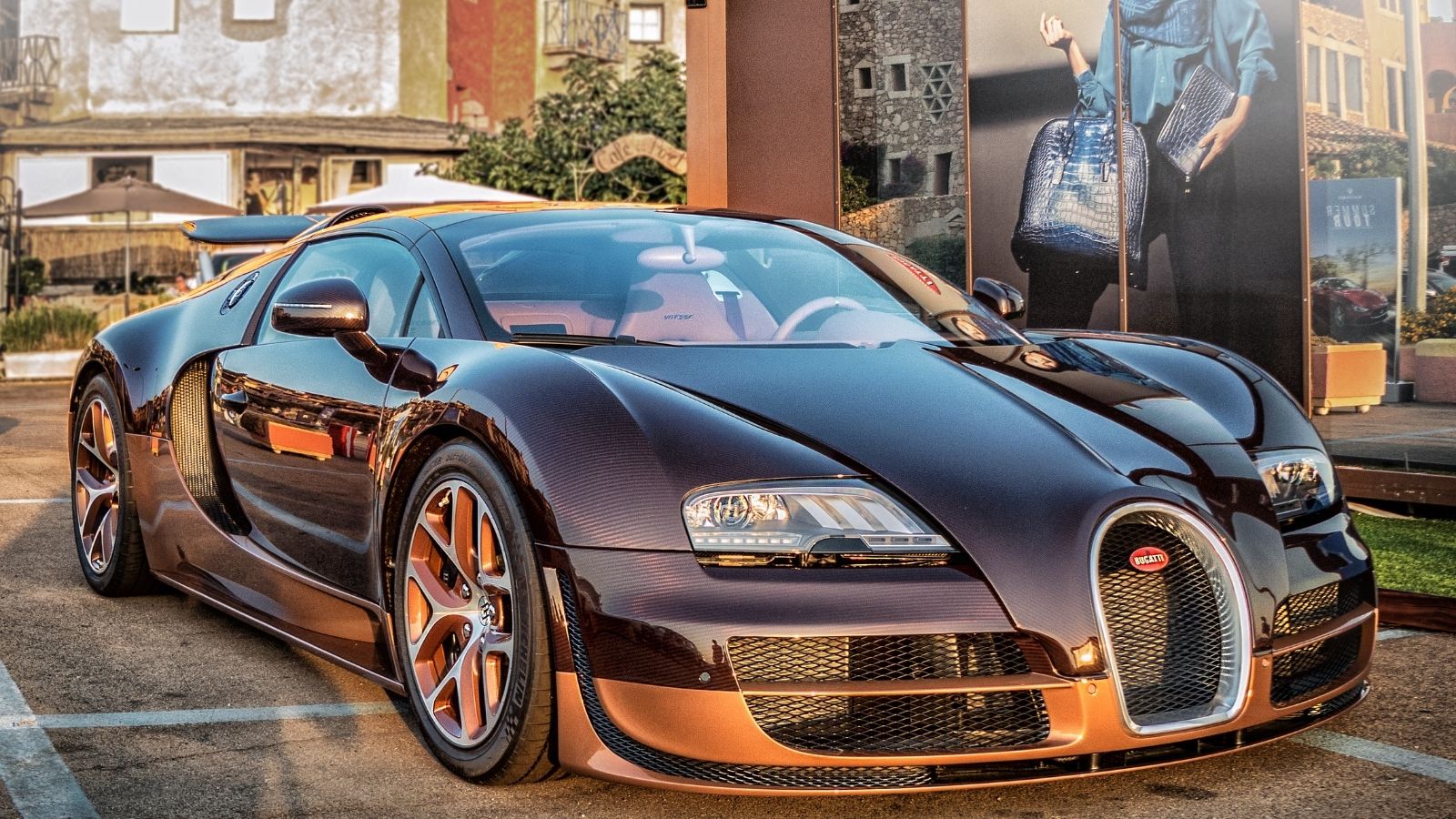
Volkswagen never intended the Veyron to make money. The engineering brief was to build the fastest, most powerful, most over-engineered road car in history. The quad-turbo W16, bespoke components, and obsessive quality control meant each Veyron sold at a massive loss. It was a brand statement, not a business case, and it succeeded brilliantly at that.
Lexus LFA

The LFA took nearly a decade to develop and introduced carbon fiber manufacturing techniques Lexus had to invent in-house. The naturally aspirated V10 alone was a masterpiece of engineering. Development costs were so high that Lexus reportedly lost hundreds of thousands of dollars on every car sold. Profit was never the goal. Reputation was.
Honda NSX
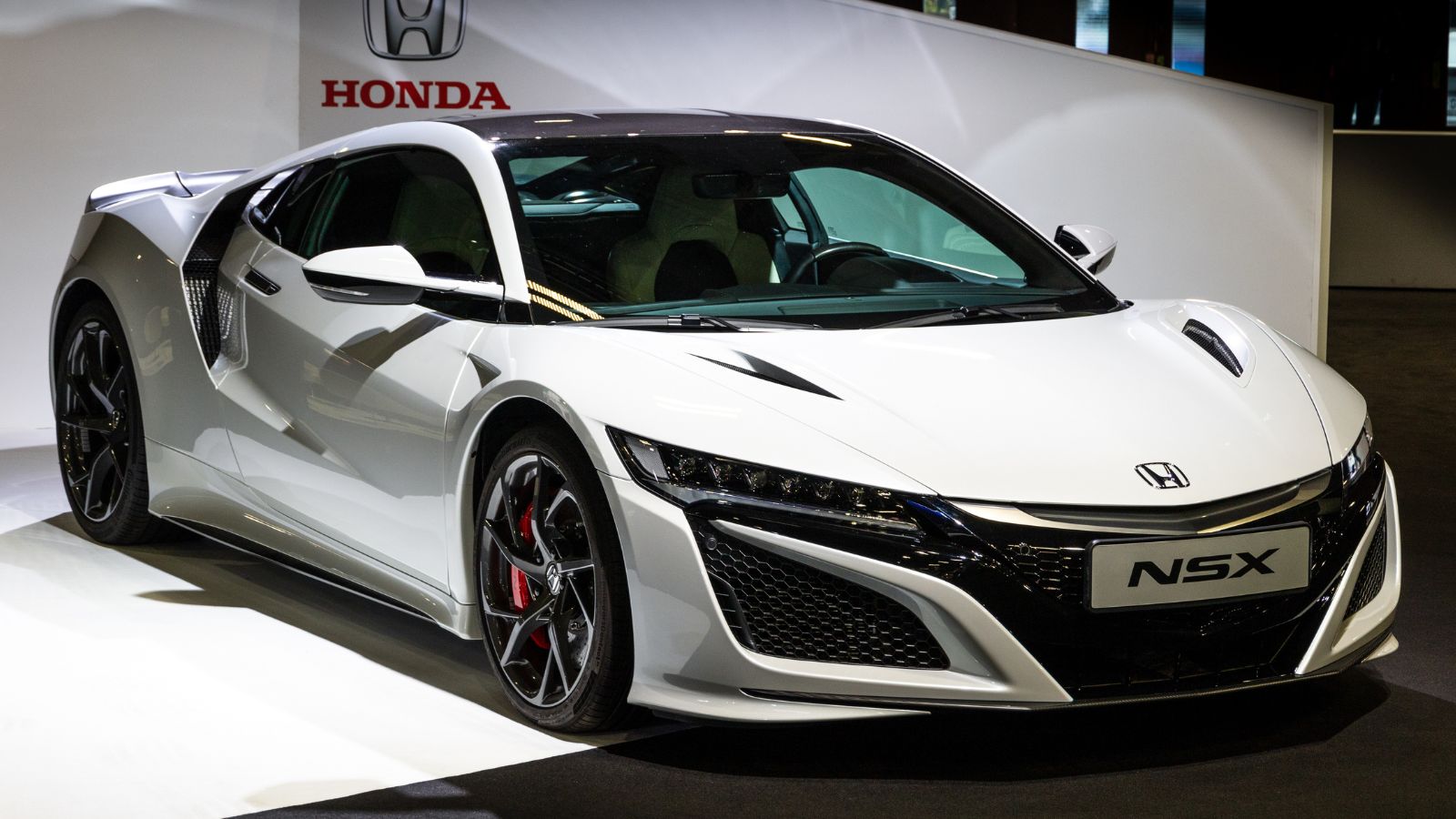
While not as extreme as later cars on this list, the original NSX still cost Honda more than it earned. Aluminum construction, Formula 1 input, and obsessive quality control pushed costs beyond what the market would bear. Honda chose pricing accessibility over margin, and the loss paid off in brand credibility that lasted decades.
McLaren F1

The F1 was built with no compromise whatsoever. Gold-lined engine bay, bespoke V12, carbon fiber chassis, and hand-built precision made it impossibly expensive to produce. McLaren lost money on every road car sold. Ironically, it became one of the most valuable cars ever made, but that payoff came long after the accountants gave up.
Volkswagen Phaeton
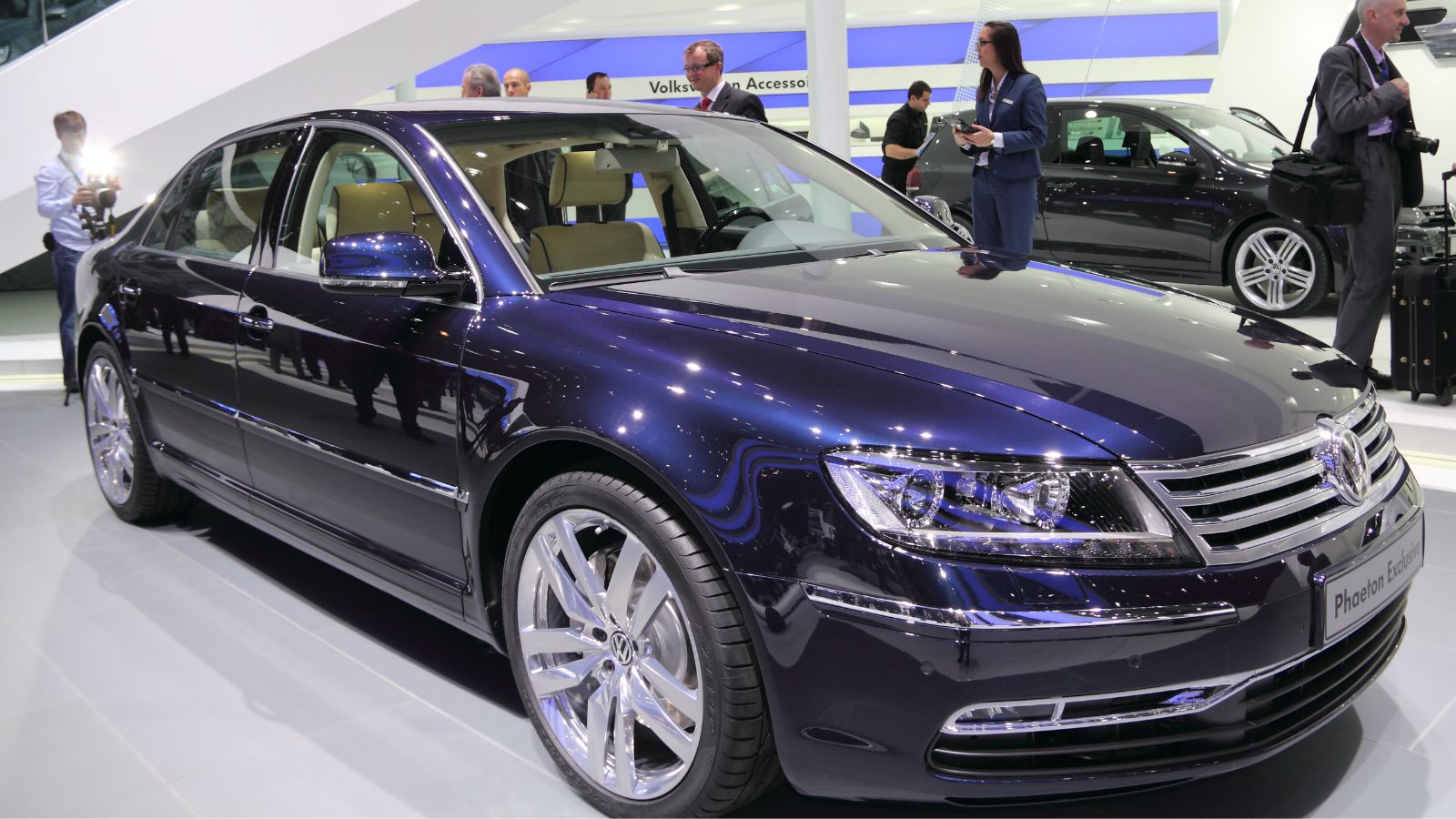
The Phaeton was Ferdinand Piëch’s personal mission to out-engineer Mercedes. It featured climate zones for each seat, extreme build tolerances, and a factory designed specifically to build it. Customers never paid enough to cover the costs. Volkswagen lost money on every Phaeton, but the lessons learned improved the entire group’s luxury platforms.
BMW i8
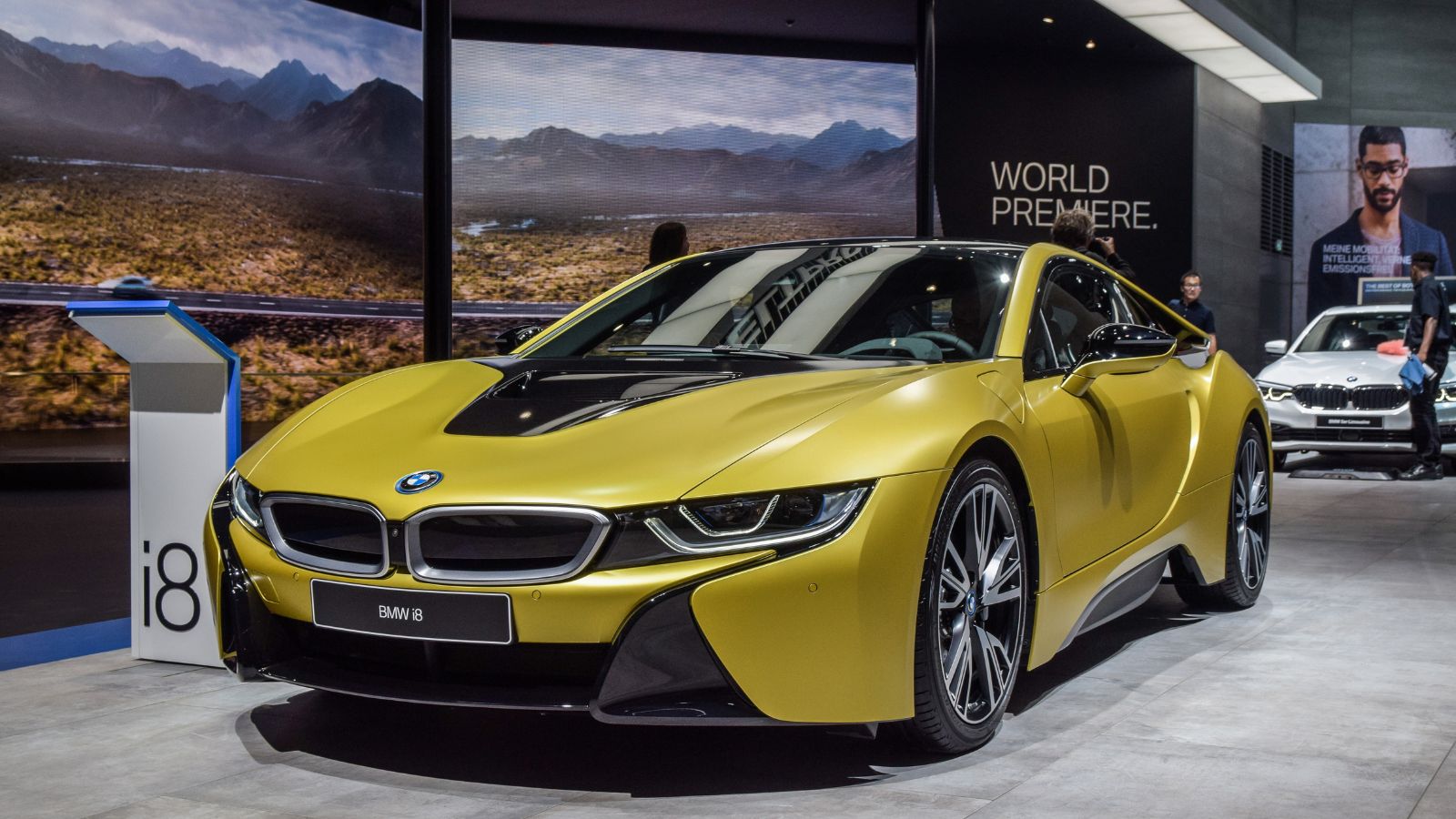
The i8 looked futuristic and delivered cutting-edge hybrid tech, but carbon fiber construction and low production volume destroyed profitability. BMW openly acknowledged that it never made money on the i8. Instead, it functioned as a rolling research project that prepared the company for future electrification.
Audi A2

The A2 was a lightweight, ultra-efficient aluminum car built well before the market understood its value. Aluminum construction was expensive, repairs were costly, and buyers were not willing to pay a premium for efficiency. Audi lost money on every unit, but the A2 became a cult classic for its forward thinking design.
Ford GT
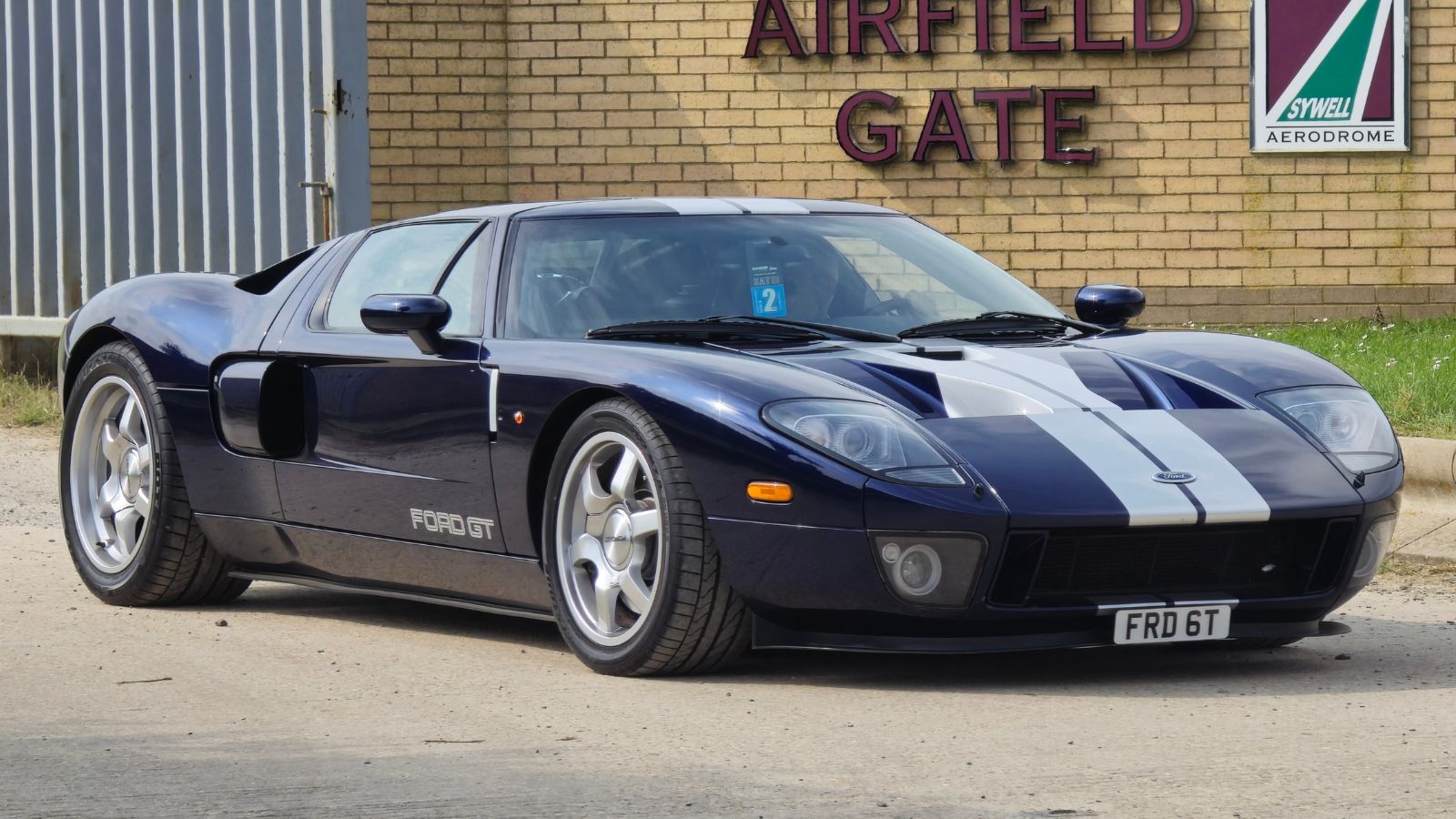
The mid-2000s Ford GT was built as a halo car to celebrate Ford’s Le Mans history. Carbon fiber bodywork, bespoke components, and low-volume production made profitability impossible. Ford knew this going in. The GT was about brand pride and performance credibility, not balance sheets.
Alfa Romeo 4C

The 4C featured a carbon fiber monocoque at a price point that made no financial sense. Manufacturing complexity, low volumes, and limited pricing flexibility ensured losses. Alfa Romeo accepted the hit because the car reignited passion for the brand and reminded enthusiasts what Alfa could still do when unleashed.
These cars were never meant to be sensible. They were statements of engineering confidence, rolling laboratories, and sometimes acts of corporate stubbornness. Manufacturers lost money on every unit, but they gained something harder to measure. Legacy, technology, and moments in automotive history that spreadsheets alone could never justify.
25 Facts About Car Loans That Most Drivers Don’t Realize

Car loans are one of the most common ways people fund car purchases. Like any other kind of loan, car loans can have certain features that can be regarded as an advantage or a disadvantage to the borrower. Understanding all essential facts about car loans and how they work to ensure that you get the best deal for your financial situation is essential. Here are 25 shocking facts about car loans that most drivers don’t realize:
25 Facts About Car Loans That Most Drivers Don’t Realize
