Canada’s push to cut emissions is starting to show up in ownership costs. Vehicles with large engines, high fuel consumption, and poor real-world efficiency are increasingly targeted through fuel taxes, carbon pricing, registration fees, and luxury-style surcharges. These cars are not illegal, but owning them is becoming noticeably more expensive. Here are ten vehicles that sit squarely in the high-polluter crosshairs.
Ram 1500 TRX
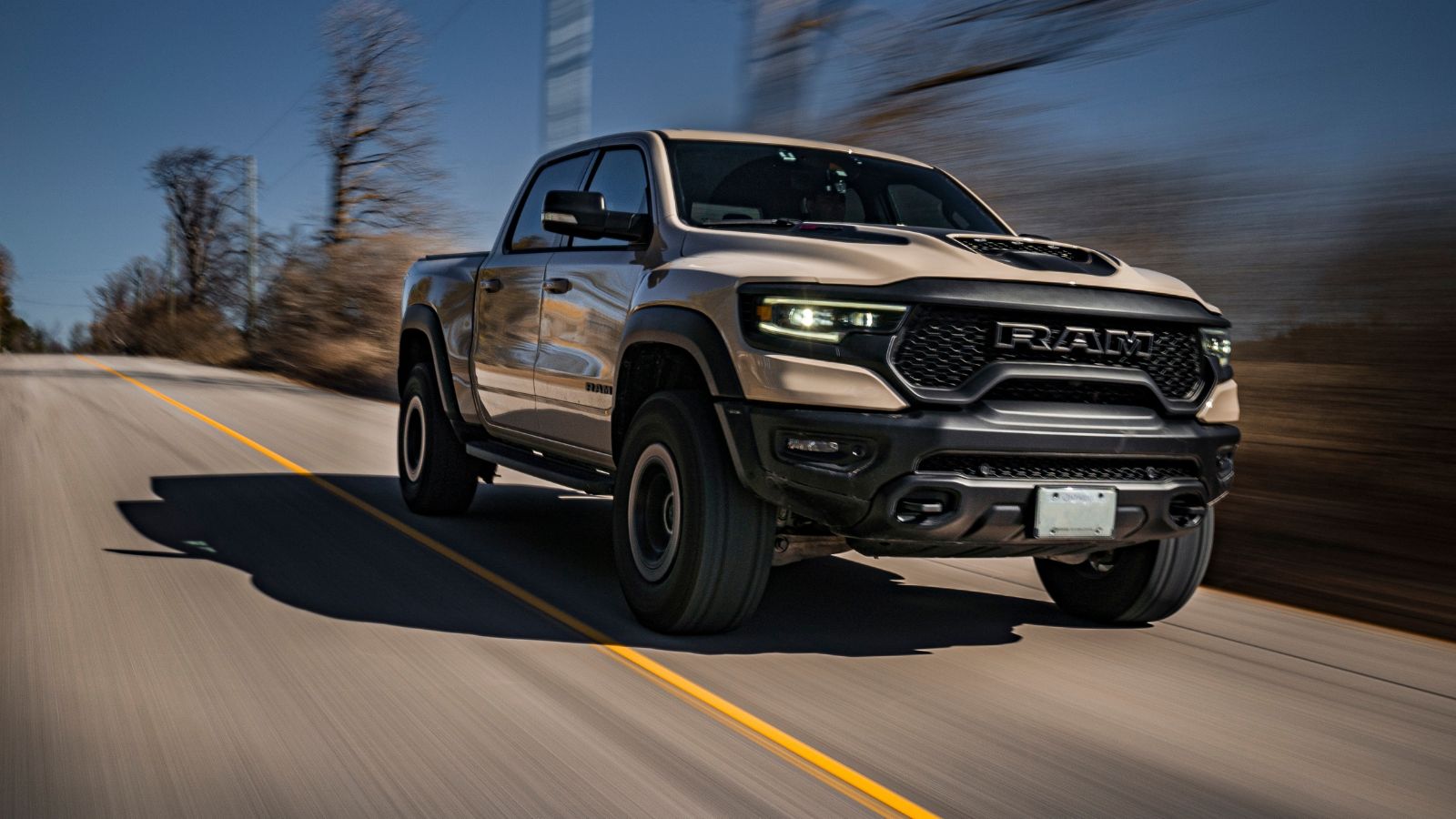
The TRX is unapologetically excessive. A supercharged V8, massive curb weight, and single-digit fuel economy in real driving make it an easy target. In Canada, fuel costs alone are punishing, and future emissions-based taxes could push ownership costs even higher. It is thrilling, but it burns fuel at a rate policymakers hate.
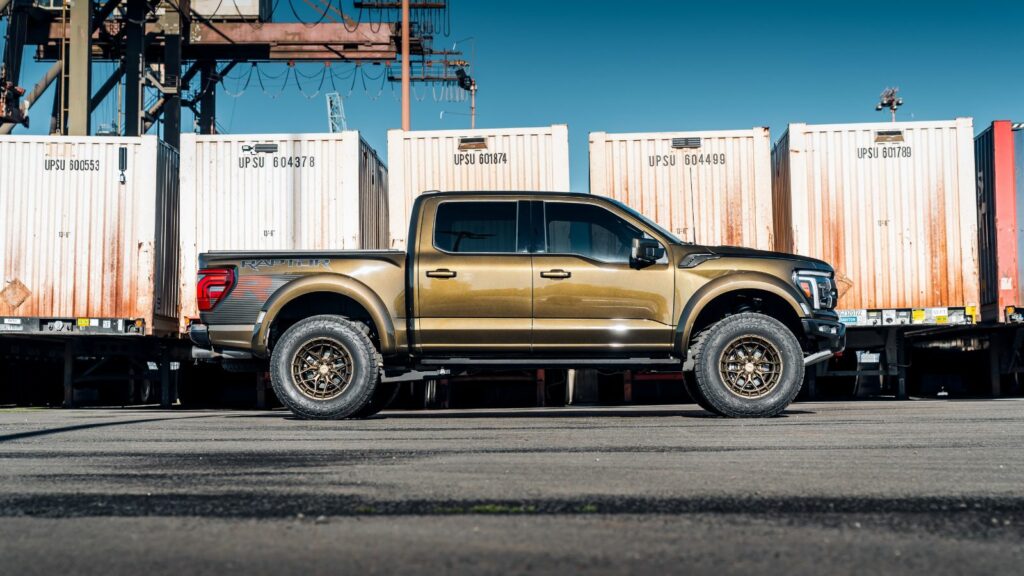
Ford F-150 Raptor R
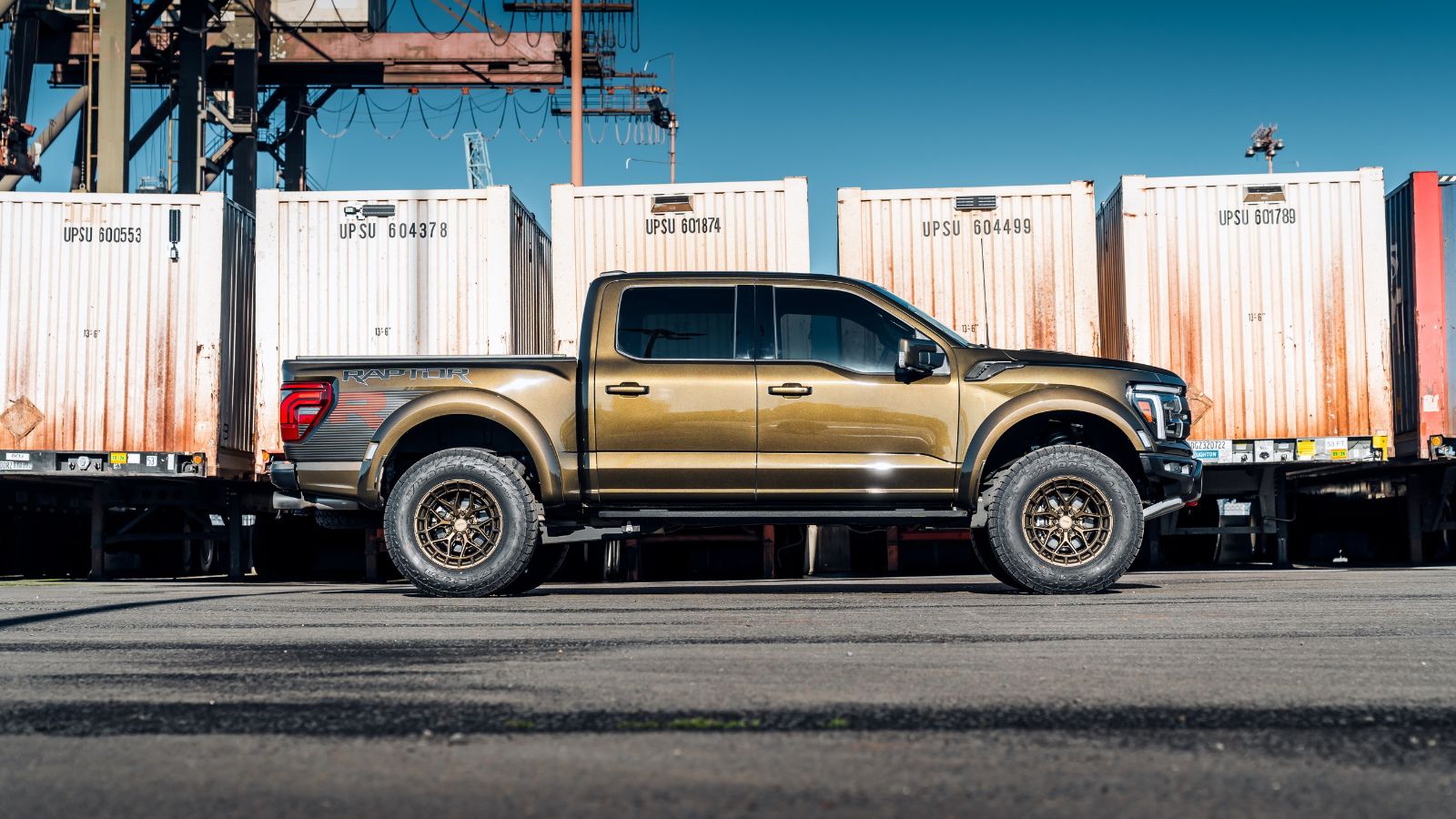
Ford brought the V8 back to the Raptor with the R version, and with it came eye-watering consumption. While buyers love the sound and performance, governments see a heavy truck with sports-car emissions. Between fuel taxes and potential registration penalties, the Raptor R is shaping up to be an expensive long-term proposition.
Chevrolet Suburban
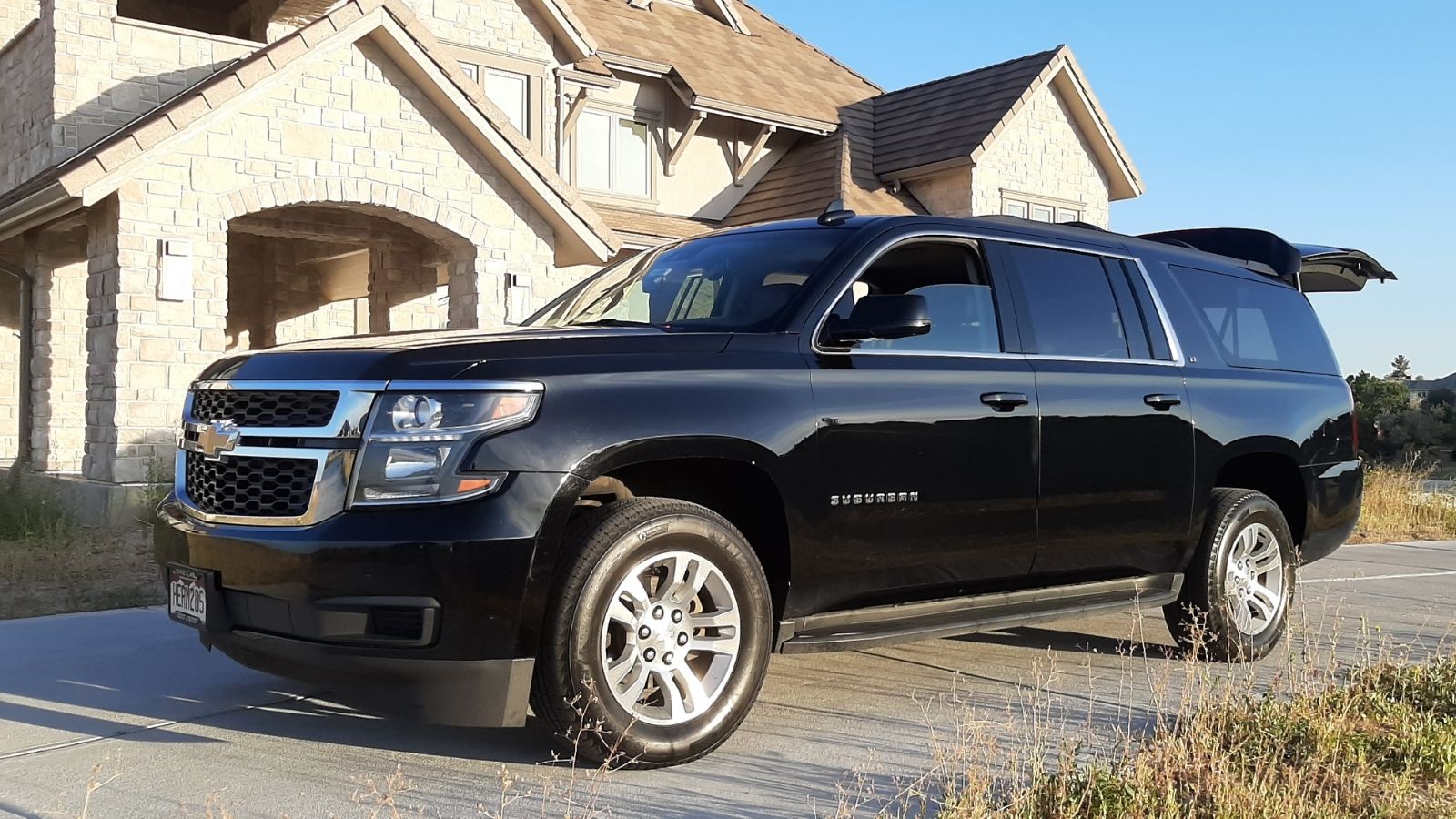
The Suburban has always been about space and capability, but efficiency has never been its strength. Its size, weight, and V8 options place it firmly in the high-emissions category. As provinces explore usage-based and emissions-based taxation, vehicles like the Suburban are likely to face increasing financial pressure.
GMC Yukon XL
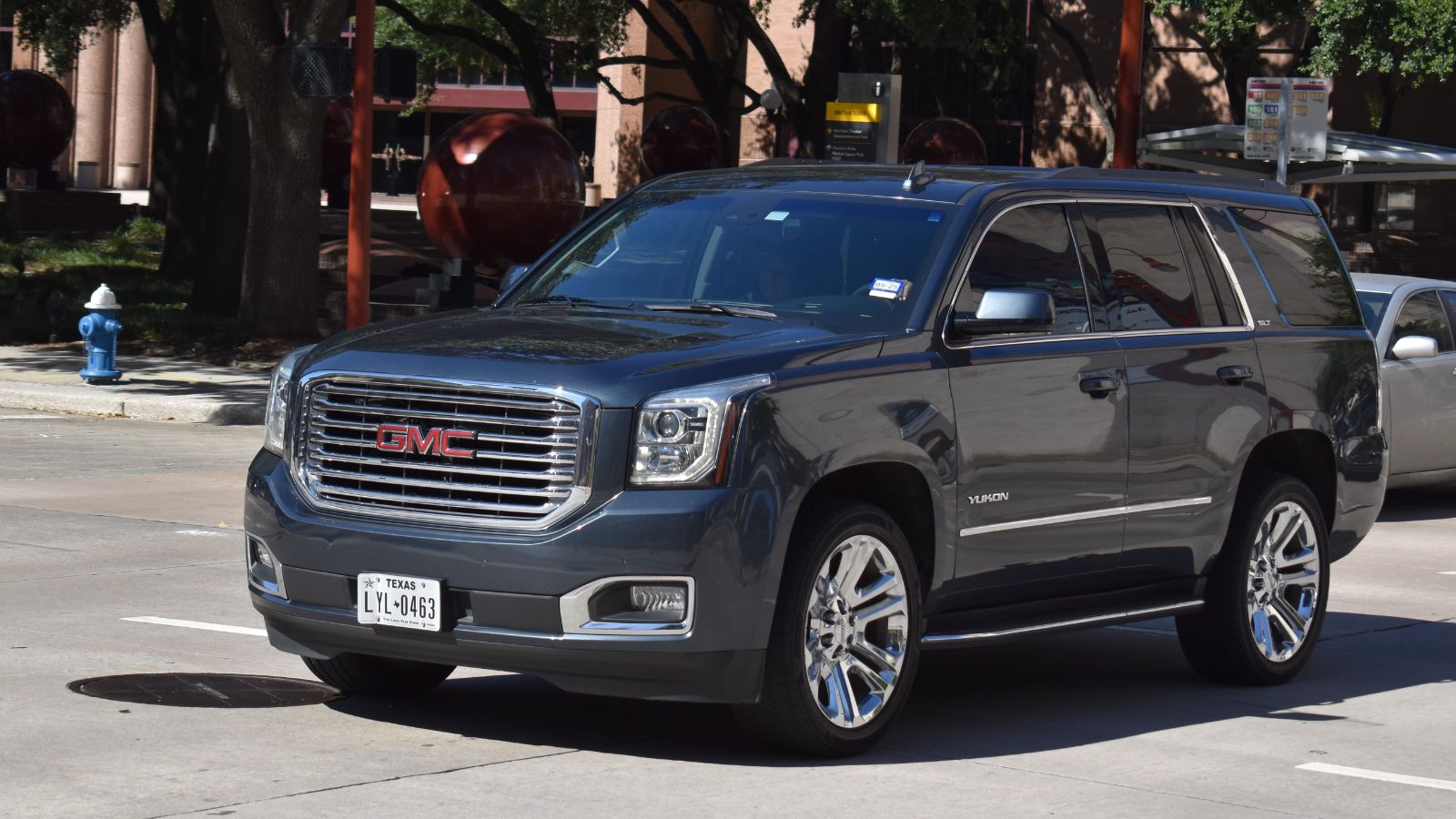
Closely related to the Suburban, the Yukon XL delivers luxury and towing muscle at the cost of fuel efficiency. In urban Canada, where large SUVs are under growing scrutiny, taxes and fees aimed at reducing emissions could hit this segment especially hard.
Jeep Grand Wagoneer
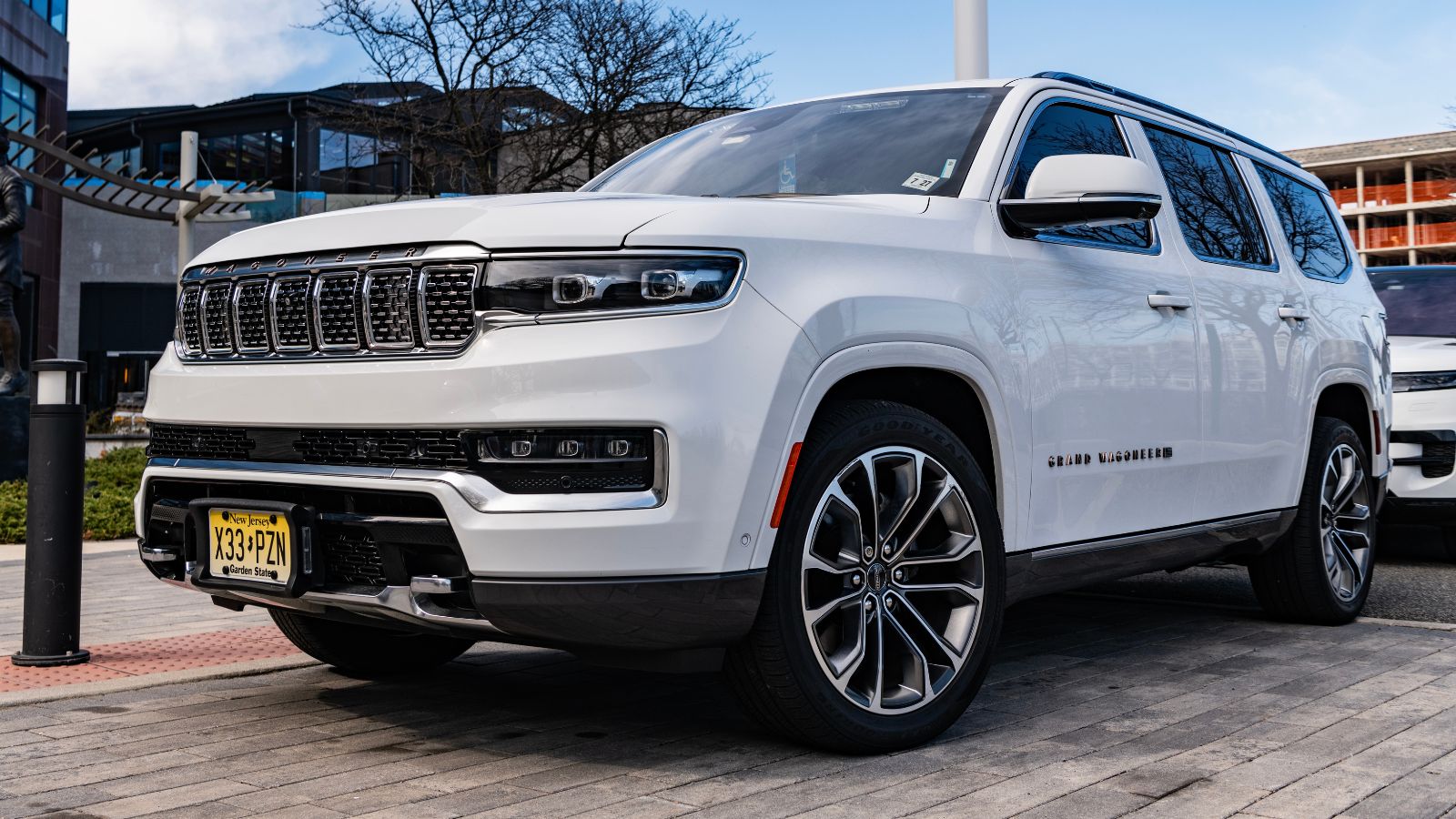
The Grand Wagoneer combines luxury weight with thirsty powertrains. Despite premium pricing, its real-world fuel use is closer to heavy-duty trucks than family SUVs. That combination of size, weight, and consumption puts it on the radar for both luxury taxes and emissions-based penalties.
Toyota Sequoia
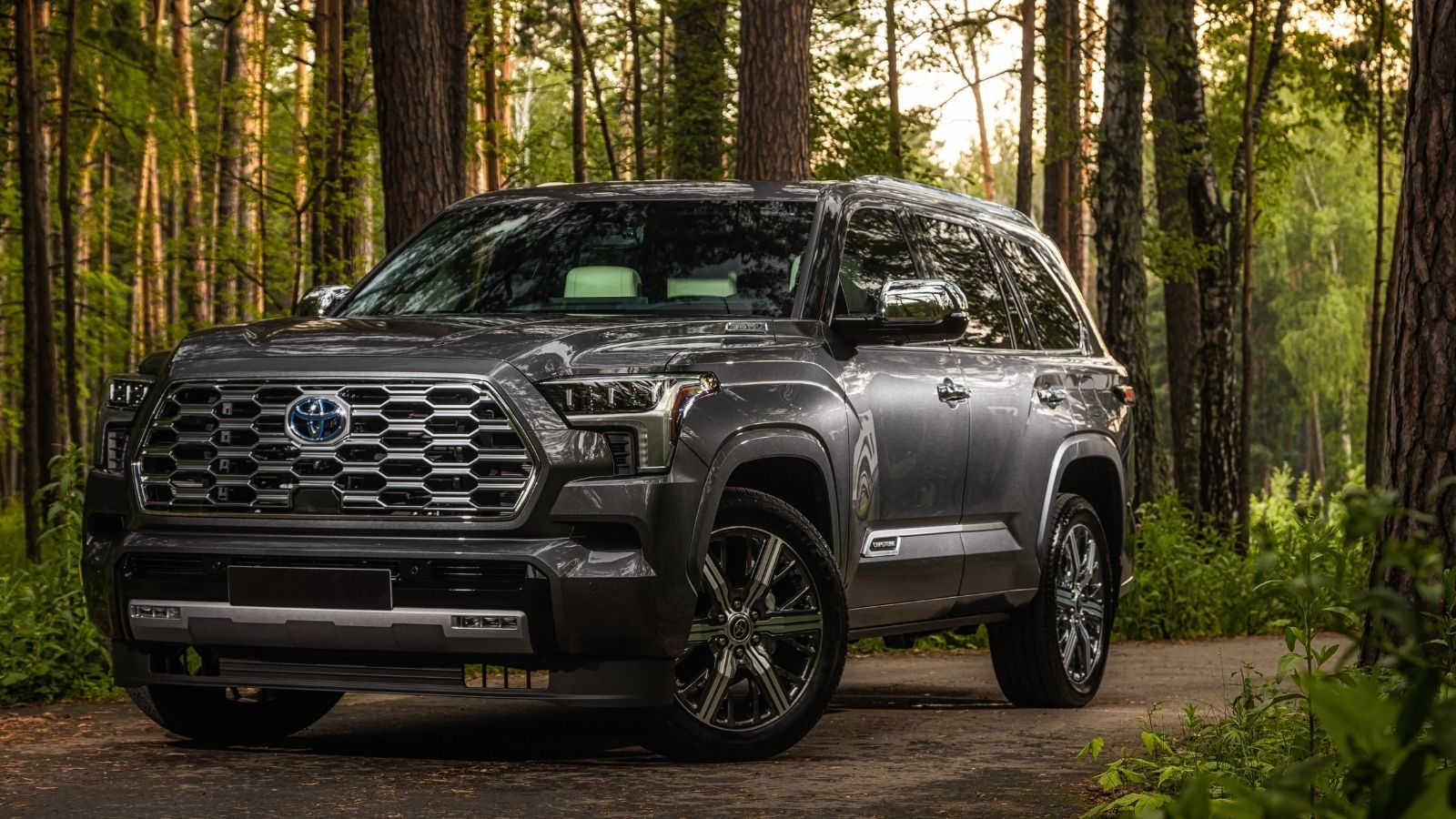
Even with a hybrid badge, the Sequoia remains a large and heavy vehicle. Its efficiency is better than older versions, but still poor relative to its footprint. Policymakers increasingly look at total emissions rather than drivetrain type, and the Sequoia’s size works against it.
Dodge Durango Hellcat
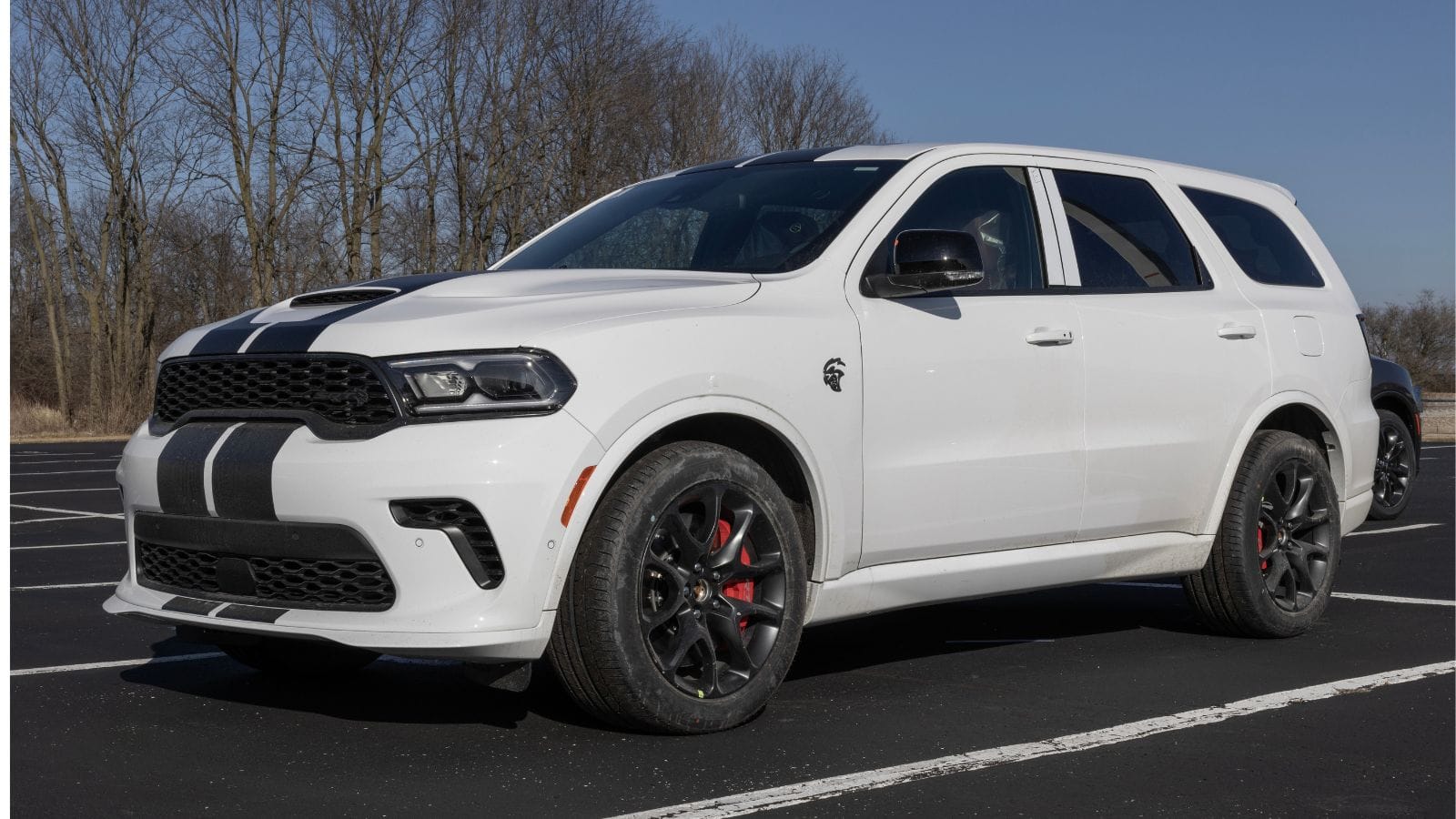
Performance SUVs are especially vulnerable to emissions scrutiny. The Durango Hellcat pairs supercar power with family-hauler mass, resulting in extreme fuel consumption. It exists in a shrinking regulatory window, and future taxation could make it financially painful to keep registered and fueled in Canada.
Mercedes-Benz G-Class

The G-Class is an icon, but it is also a brick on wheels. Aerodynamics, weight, and powerful engines combine to produce high emissions. In a country tightening its climate policies, vehicles like the G-Wagen are obvious candidates for higher taxes and fees tied to environmental impact.
Lamborghini Urus
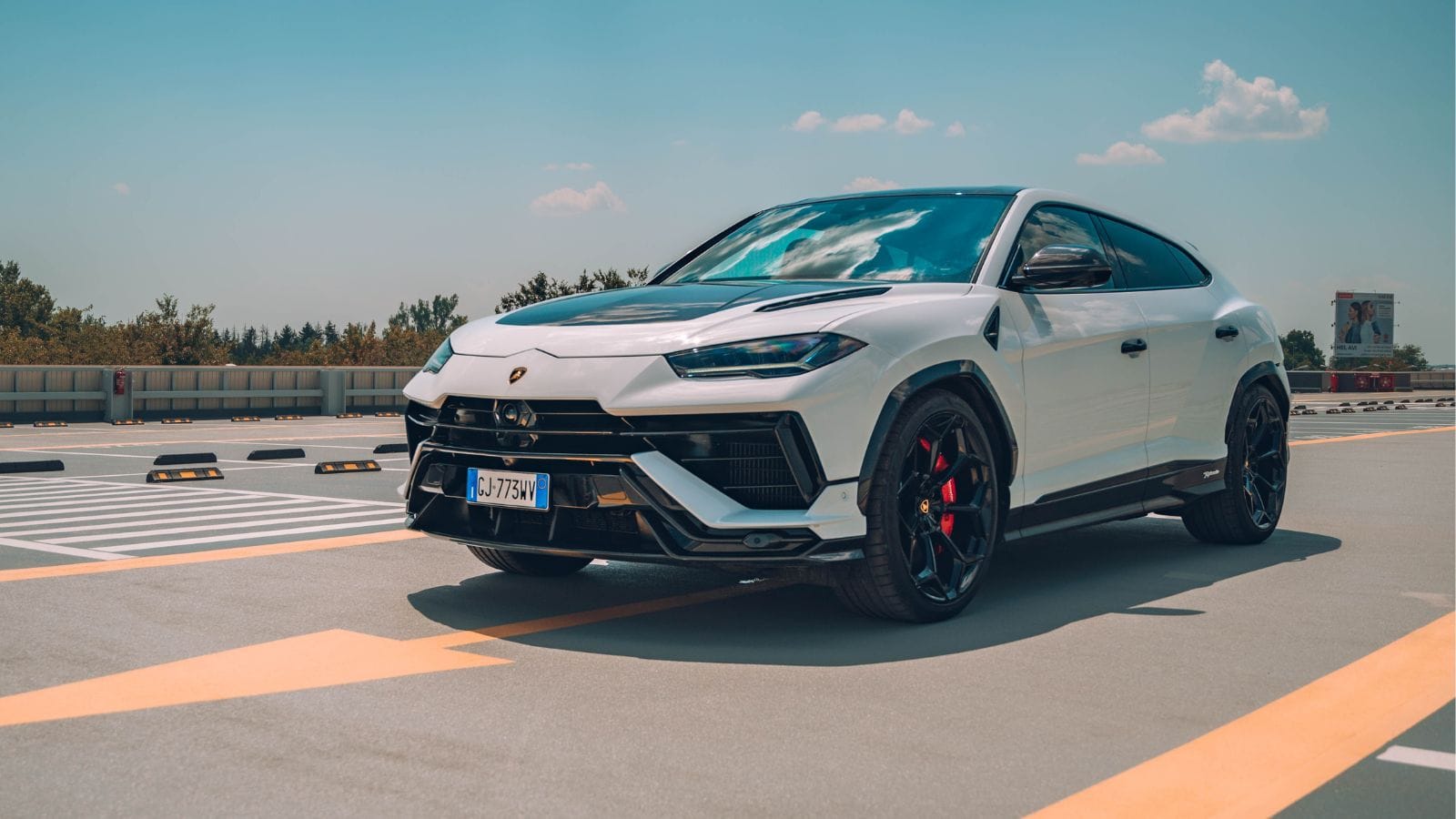
The Urus delivers exotic performance in SUV form, but its fuel consumption reflects that ambition. High purchase price already triggers luxury taxes, and emissions-based charges only add to the burden. It is the kind of vehicle regulators point to when justifying stricter policies.
Chevrolet Camaro ZL1
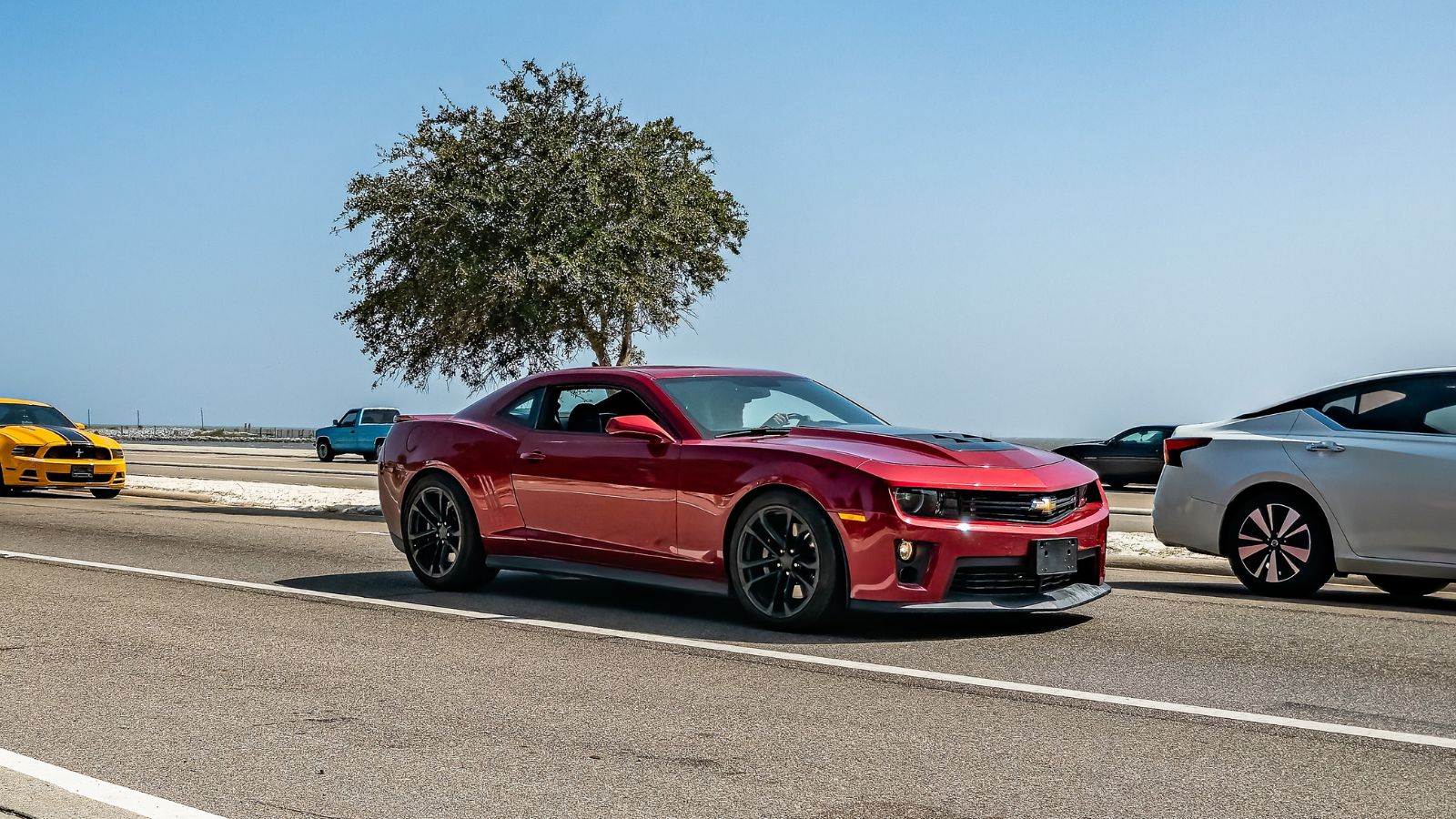
High-performance coupes are not exempt from scrutiny. The ZL1’s supercharged V8 delivers thrilling speed but also high emissions. As Canada moves toward discouraging inefficient internal combustion vehicles, cars like this face rising ownership costs despite being relatively low-volume enthusiasts machines.
These vehicles represent freedom, power, and capability, but they also sit at odds with Canada’s environmental direction. As taxation shifts from purchase price to environmental impact, owning big polluters is likely to become a conscious financial decision rather than an afterthought.
25 Facts About Car Loans That Most Drivers Don’t Realize

Car loans are one of the most common ways people fund car purchases. Like any other kind of loan, car loans can have certain features that can be regarded as an advantage or a disadvantage to the borrower. Understanding all essential facts about car loans and how they work to ensure that you get the best deal for your financial situation is essential. Here are 25 shocking facts about car loans that most drivers don’t realize:
25 Facts About Car Loans That Most Drivers Don’t Realize
