
International trade disputes rarely stay confined to boardrooms and government negotiations. They often spill directly into consumer markets, and the automotive industry is particularly vulnerable. Cars move across borders constantly, and modern vehicles rely on parts sourced from multiple continents. When political tensions rise between major trading partners, tariffs on imported vehicles and components often become a tool of economic pressure. For Canadian buyers, that possibility raises an important question. Could global trade tensions make imported cars significantly more expensive?
The Auto Industry Is Highly Globalized

Modern vehicles are rarely built entirely in one country. A car assembled in North America may use engines built in Europe, electronics produced in Asia, and raw materials sourced from several other regions. This complex network makes the automotive industry one of the most globally integrated sectors of manufacturing.
Because of that interdependence, tariffs introduced by one country can ripple through the entire supply chain. Even a small duty on certain components can increase production costs across multiple markets.
Tariffs Are Often Used as Negotiation Tools
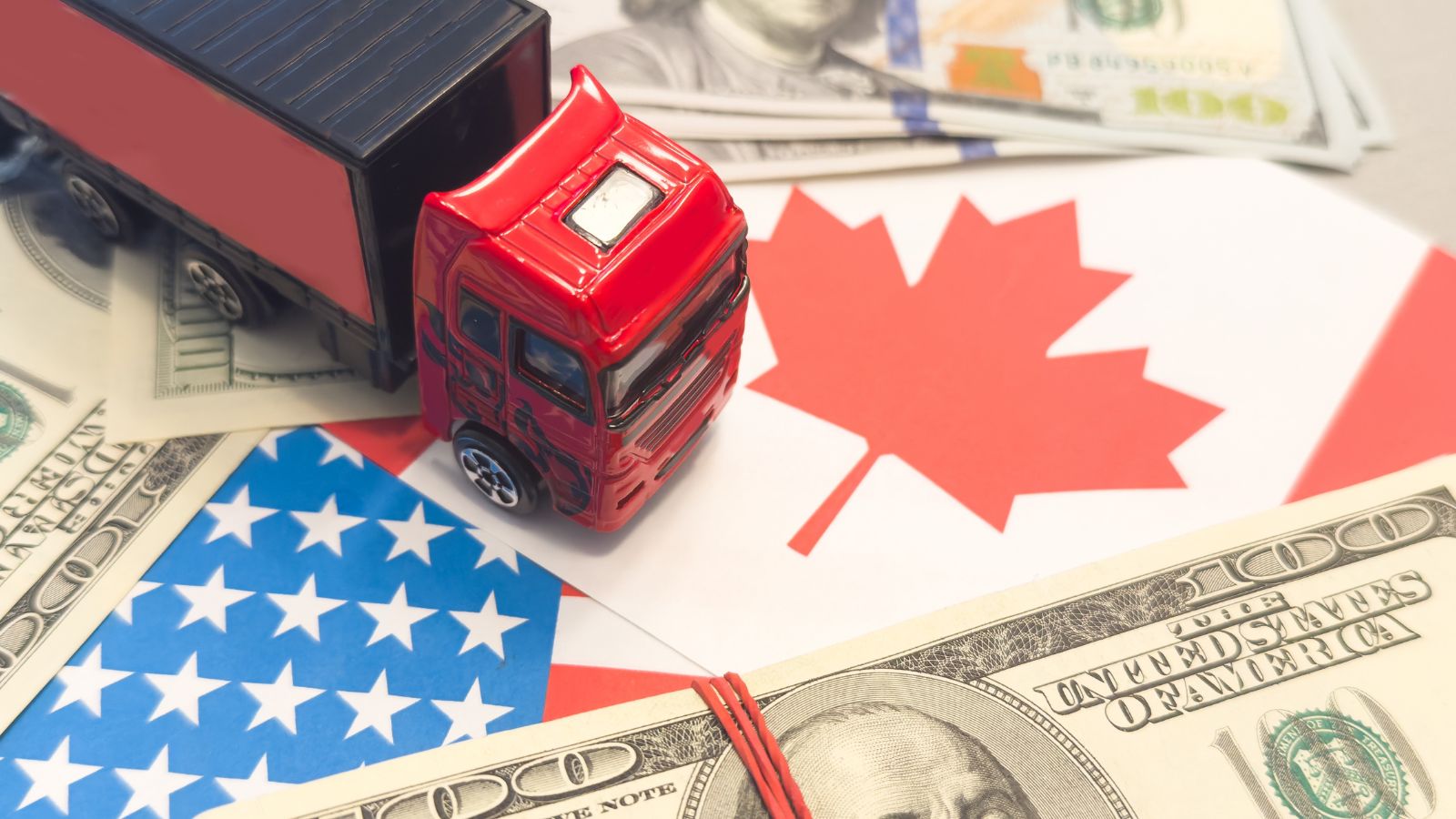
Governments sometimes introduce tariffs not only to protect domestic industries but also as leverage in trade negotiations. When tensions rise between countries, imported goods such as vehicles often become targets.
In the past, tariff disputes between major economies have quickly influenced automotive pricing. Higher duties on imported cars force manufacturers either to absorb the costs or pass them on to consumers.
Canada’s Unique Trade Position

Canada sits in a unique position within the global automotive market. Its auto industry is closely integrated with the United States and Mexico through continental trade agreements. At the same time, Canada imports a significant number of vehicles from Europe, Japan, and South Korea.
If trade tensions escalate between large economies, Canada could face indirect impacts even if it is not directly involved in the dispute.
Imported Luxury Cars May Be Most Exposed

Luxury vehicles imported from Europe are often among the most vulnerable to tariff increases. Brands such as Mercedes, BMW, Audi, and Porsche rely heavily on international shipping to reach Canadian dealerships.
If tariffs were introduced or expanded, these vehicles could see noticeable price increases relatively quickly.
Supply Chains Could Also Be Affected
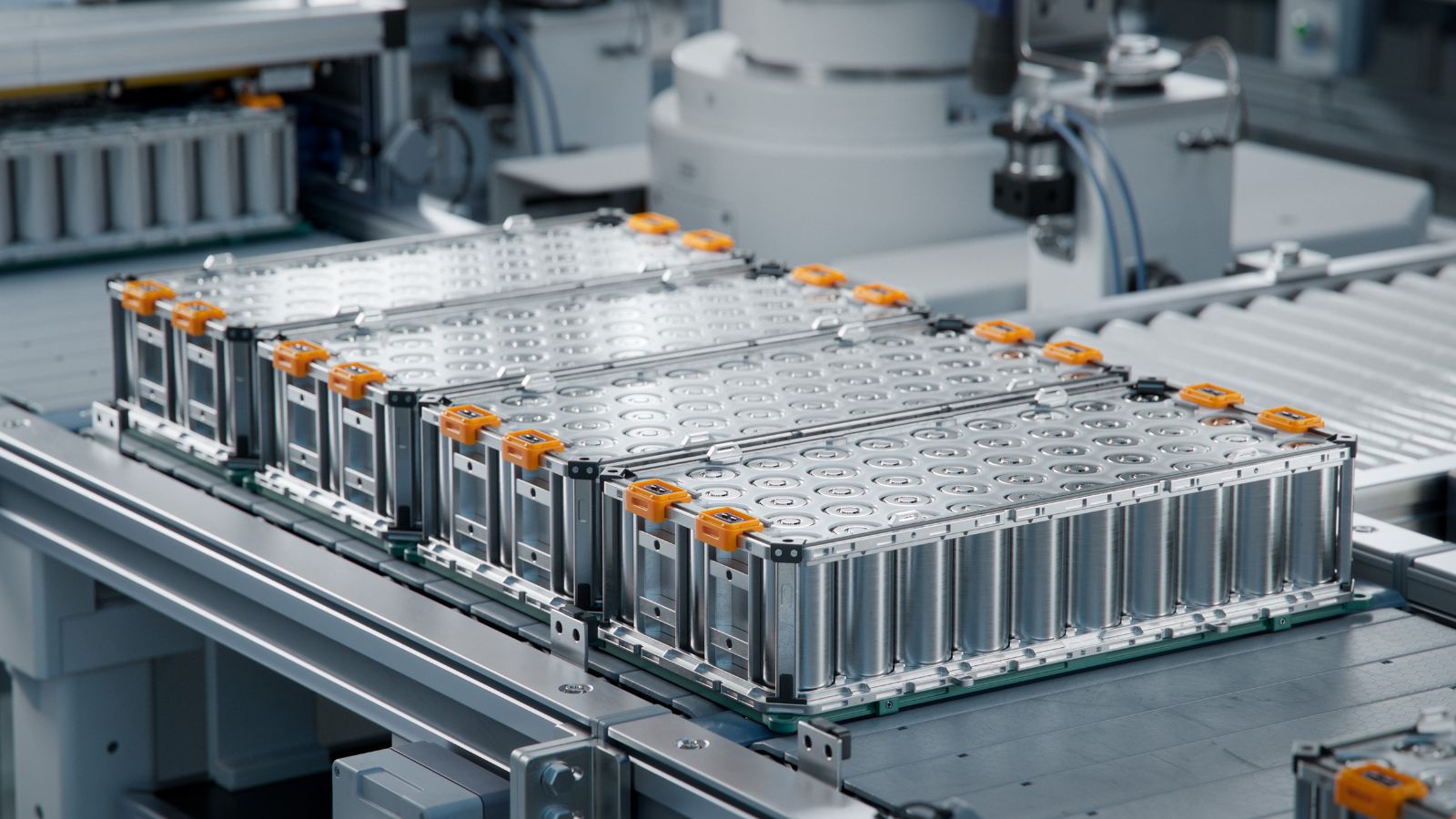
Tariffs do not only apply to finished vehicles. Components such as electronics, batteries, and advanced materials can also be subject to trade duties. When those parts become more expensive, manufacturers may need to adjust production costs across entire model lines.
Even vehicles assembled domestically could become more expensive if they rely on imported components.
Automakers May Shift Production
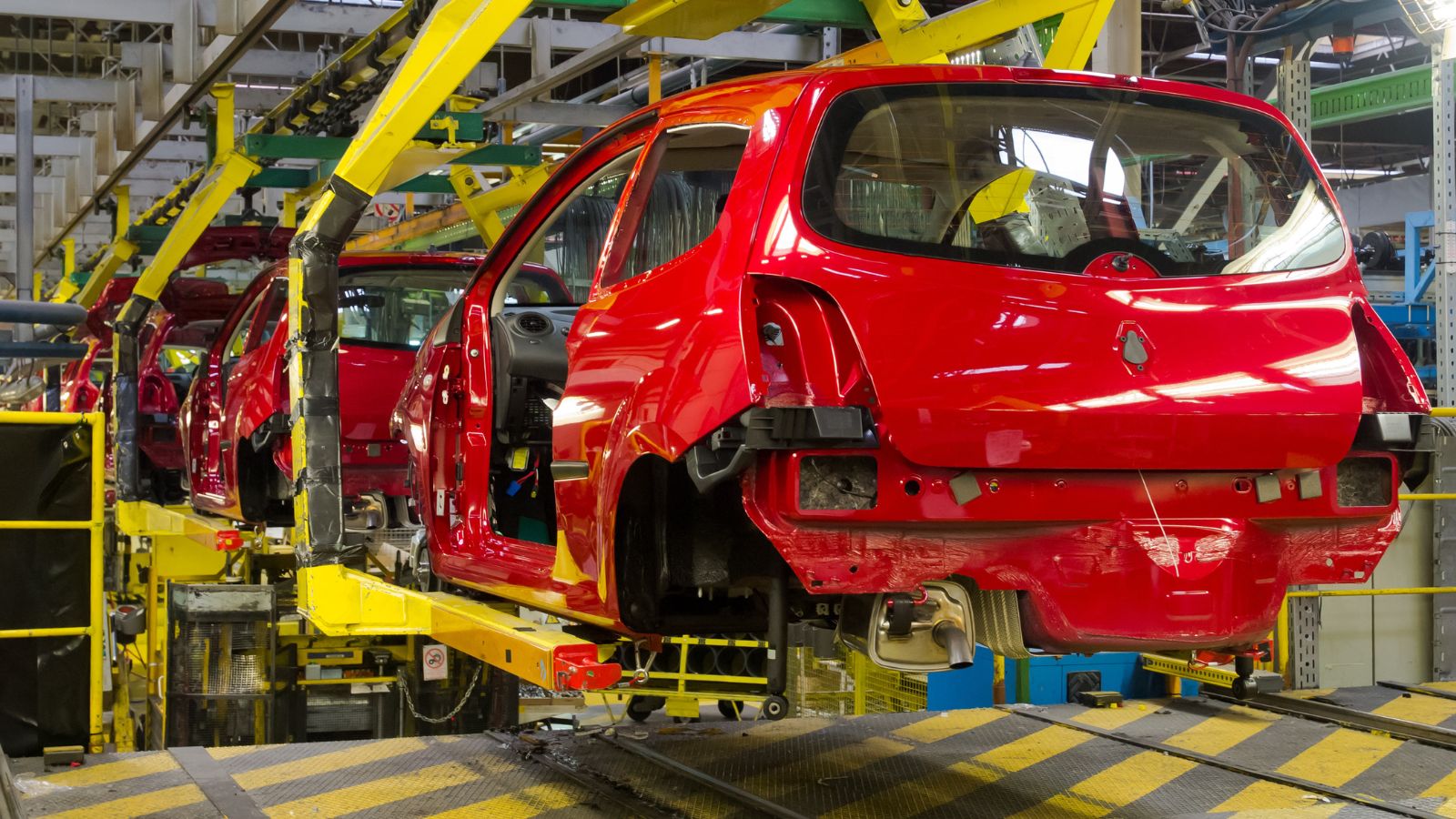
Manufacturers sometimes respond to tariffs by relocating production to avoid trade barriers. While this strategy can reduce import costs, it takes time and significant investment. In the short term, consumers often see price adjustments before production strategies change.
Currency Movements Add Another Layer

Trade disputes often trigger currency volatility. If the Canadian dollar weakens relative to the U.S. dollar or euro during a trade dispute, imported vehicles become even more expensive. Currency shifts can amplify the effects of tariffs.
Electric Vehicles Face Unique Risks

Electric vehicles rely heavily on global supply chains for battery materials and electronic components. If tariffs target these sectors, EV production costs could rise. That could slow price reductions that many consumers expect as electric vehicles become more common.
Consumers May Turn to Domestic Options
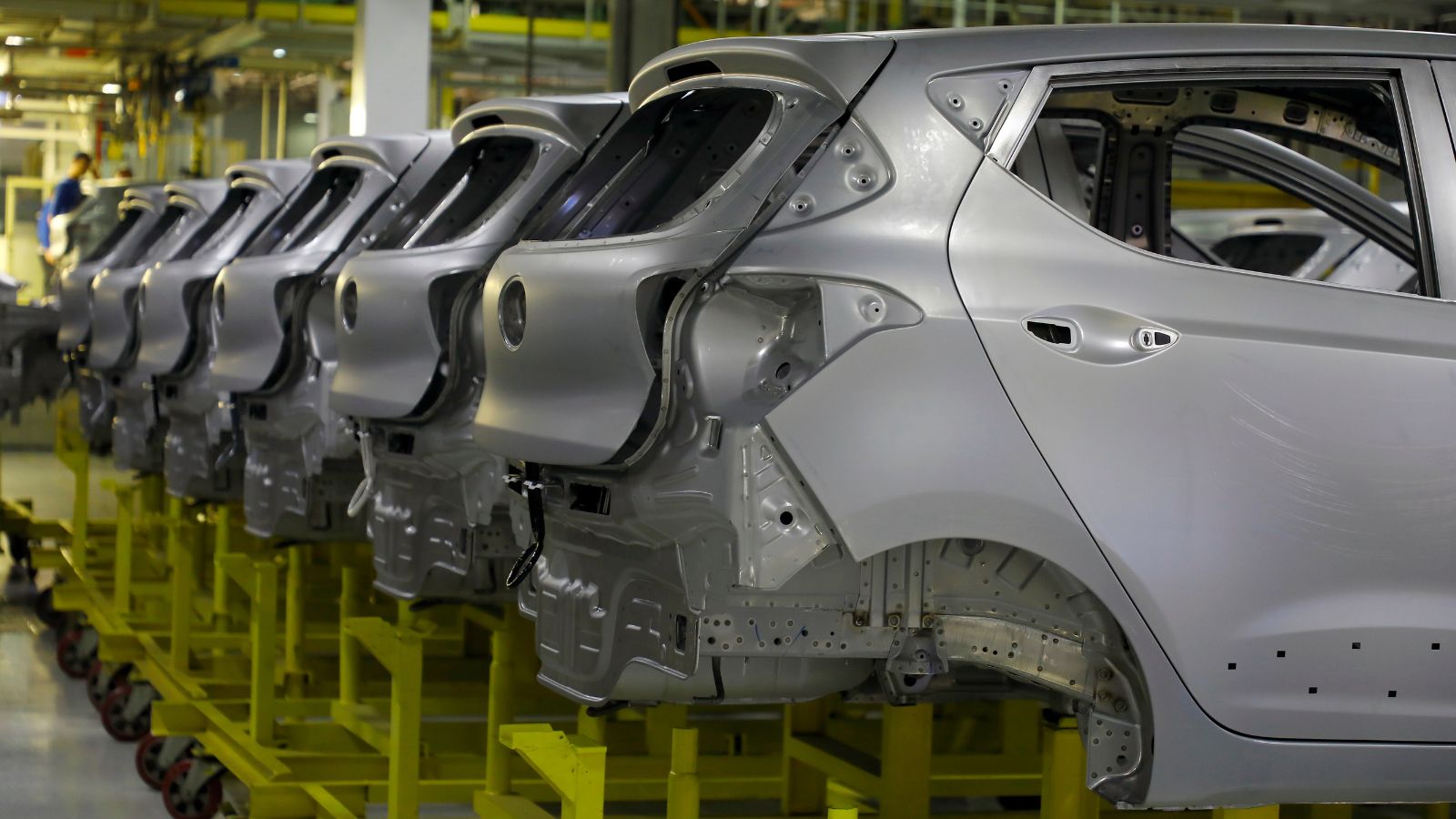
If tariffs significantly increase the price of imported vehicles, buyers may shift toward models assembled in North America. Vehicles produced within the continent may experience smaller price changes compared with fully imported alternatives.
The Uncertainty Factor
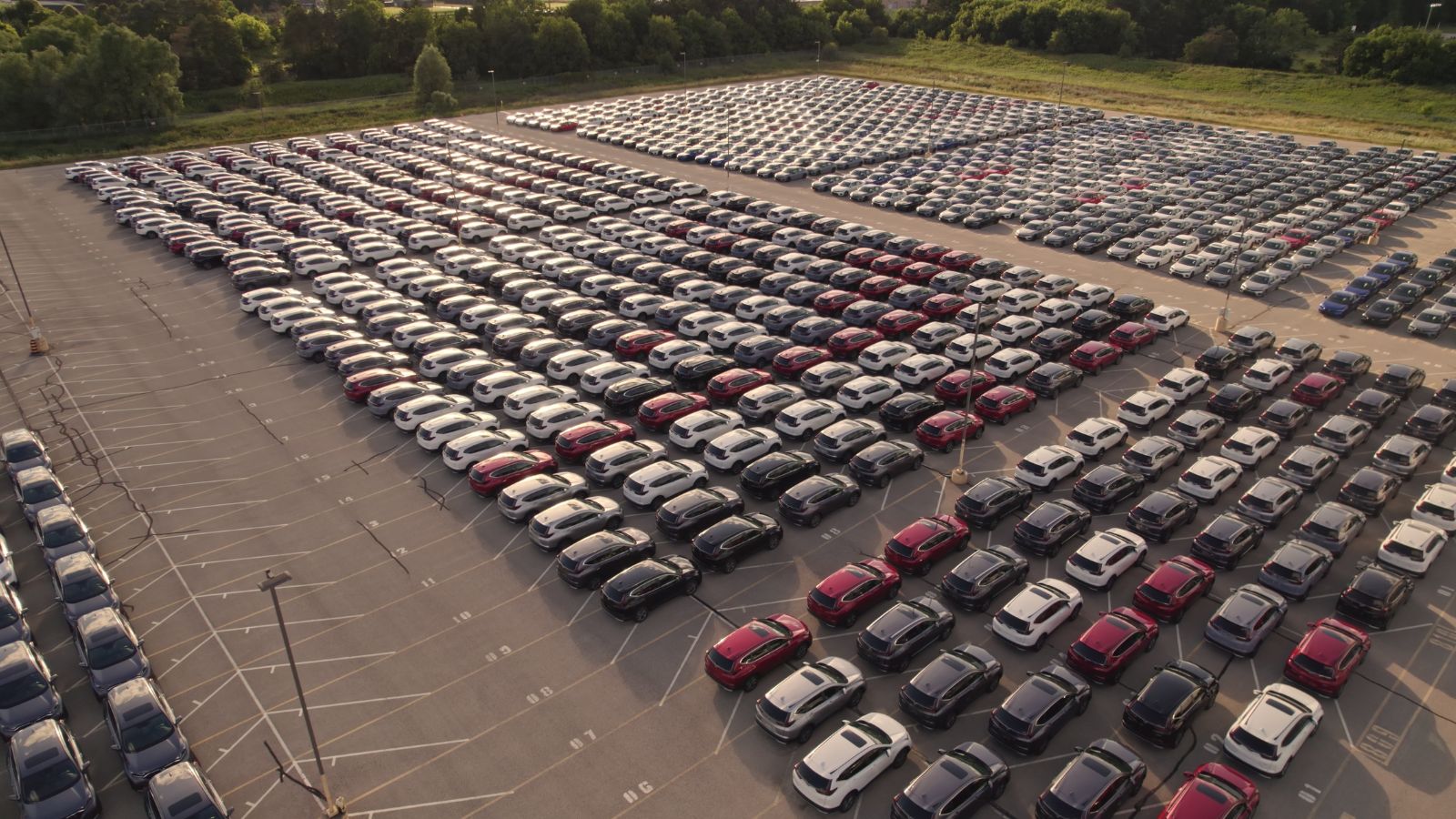
Perhaps the biggest impact of trade tensions is uncertainty. Automakers and dealers must make pricing and inventory decisions months in advance. When trade policies become unpredictable, companies often build price buffers into their planning to protect against sudden cost increases.
Trade tensions do not automatically lead to tariffs, but the possibility remains a real factor in global automotive markets. For Canadian buyers, the effects would likely appear gradually through higher prices, fewer incentives, or longer wait times for certain models.
In a globalized industry like automotive manufacturing, political decisions made thousands of kilometres away can still shape the price of the car parked in your driveway.
25 Facts About Car Loans That Most Drivers Don’t Realize

Car loans are one of the most common ways people fund car purchases. Like any other kind of loan, car loans can have certain features that can be regarded as an advantage or a disadvantage to the borrower. Understanding all essential facts about car loans and how they work to ensure that you get the best deal for your financial situation is essential. Here are 25 shocking facts about car loans that most drivers don’t realize:
25 Facts About Car Loans That Most Drivers Don’t Realize
