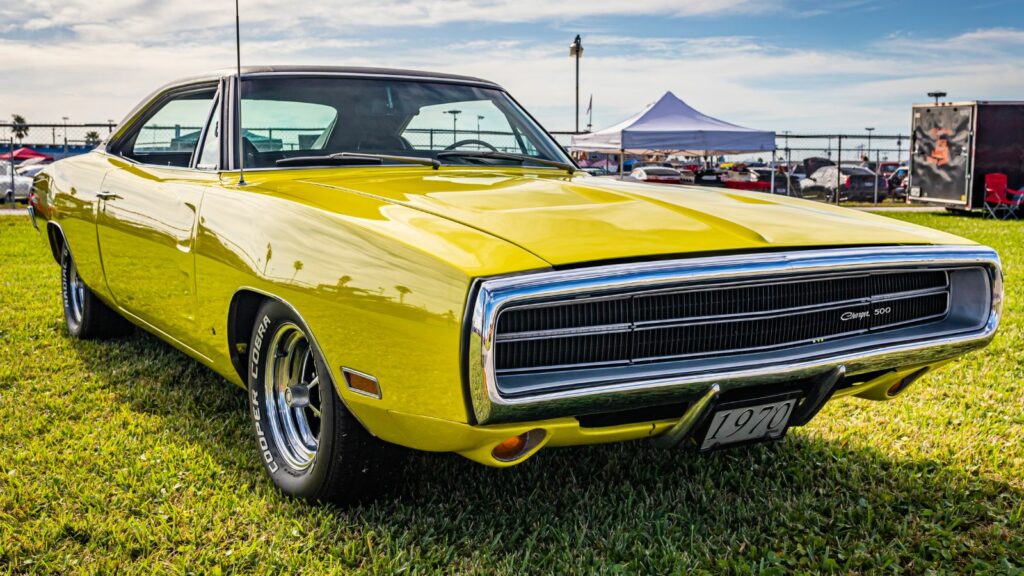
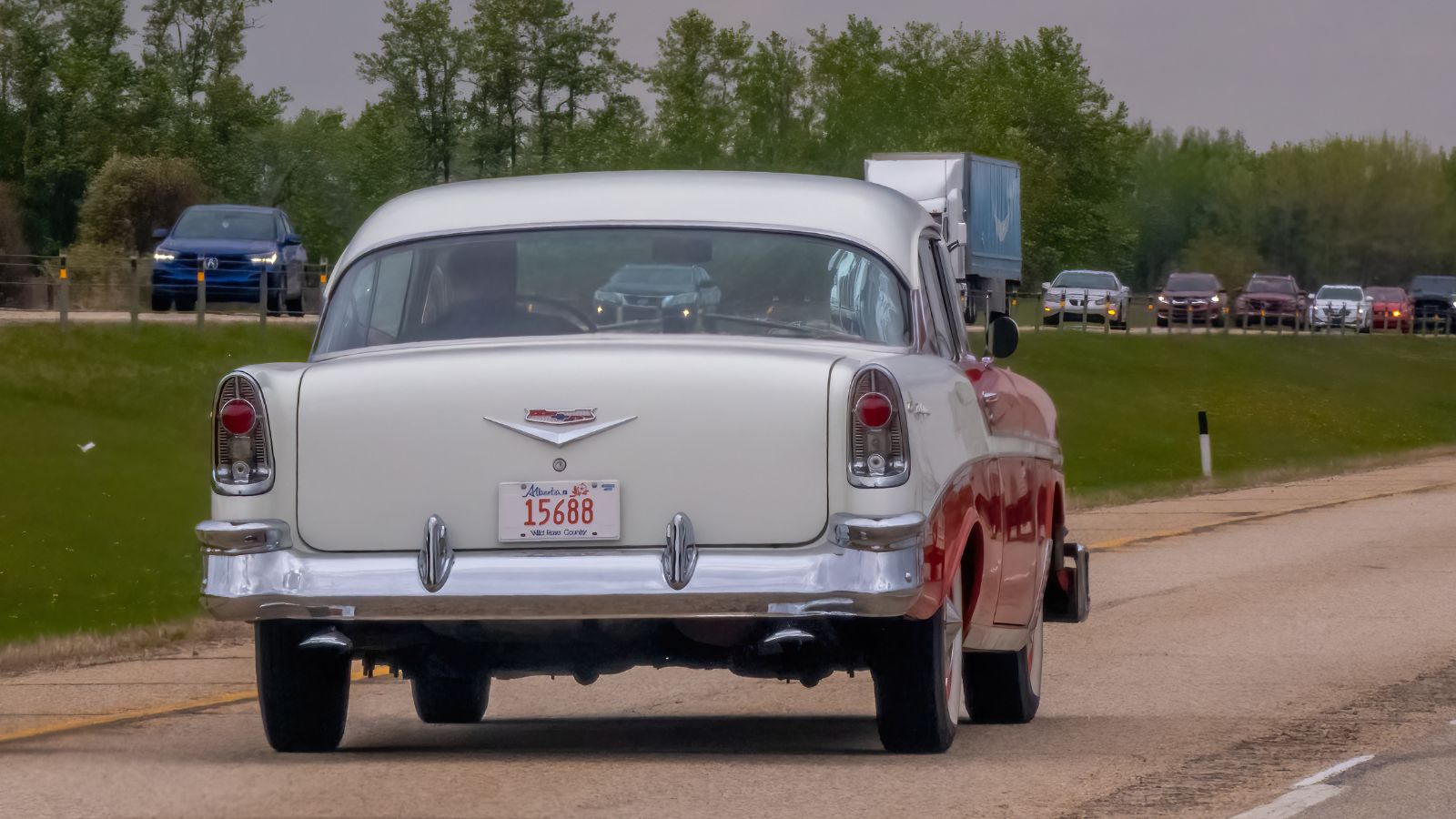
Owning a classic car in Canada is more than chrome, carburetors and nostalgia. The moment a vehicle crosses into historic or collector territory, different rules can apply depending on province, insurance category and how the car is actually used. These eight legal realities regularly catch classic car owners off guard and can cause real trouble if ignored.
Historic and Collector Plate Restrictions
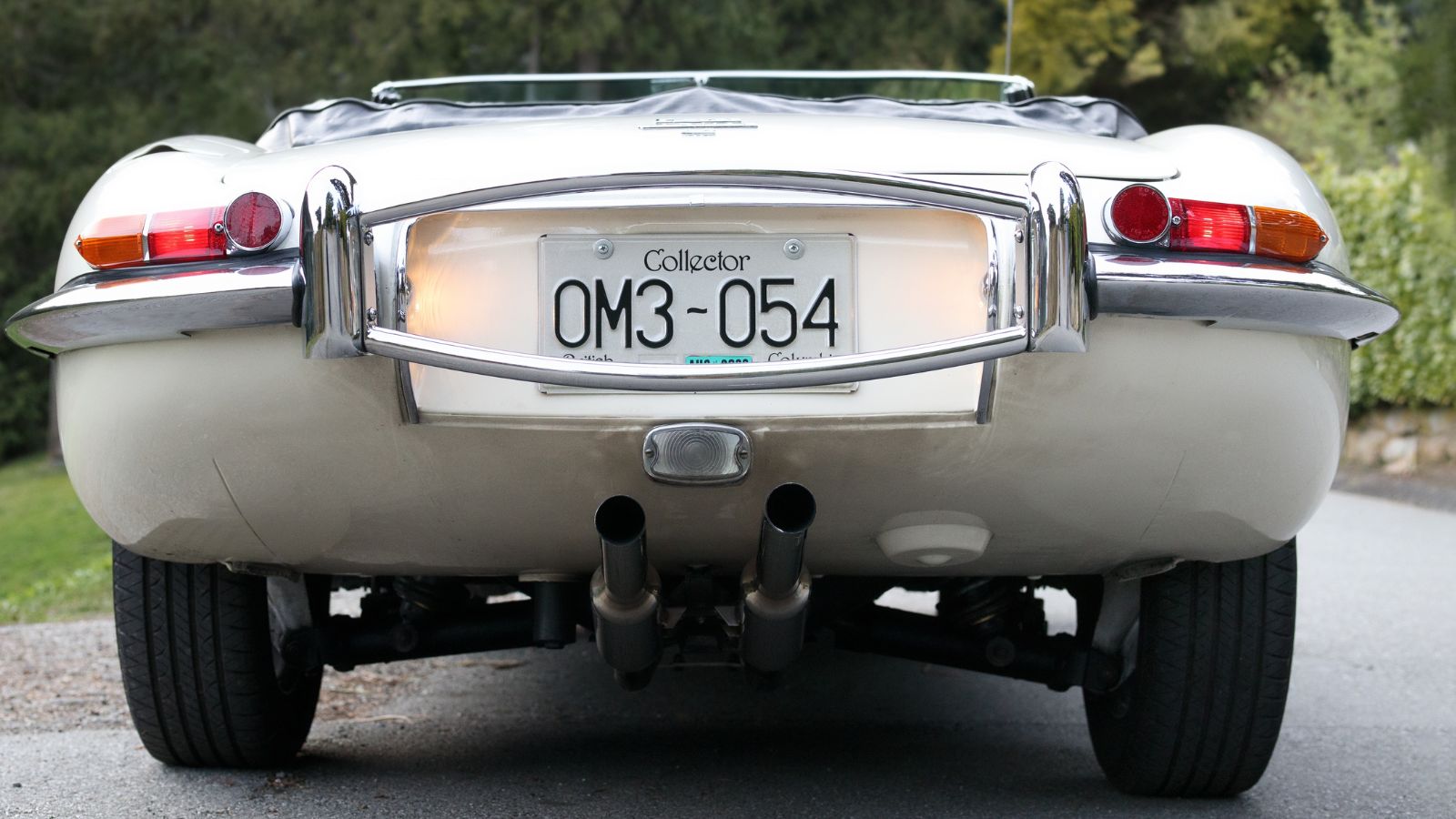
Most provinces offer historic or collector plates, but they come with strict usage limits. These registrations are meant for shows, parades, maintenance drives and occasional leisure use. Daily commuting or commercial use is usually prohibited. Getting caught using a classic as a regular car while registered under a collector program can result in fines, revoked plates or insurance cancellation.
Modified Classics Can Lose Their Legal Status

Once you significantly modify a classic, especially the engine, suspension or emissions equipment, it may no longer qualify as a historic vehicle. Many provincial programs require the car to remain close to factory specification. Engine swaps, modern drivetrains or aggressive restomods can push the car back into standard registration categories with higher fees and stricter inspections.
Emissions Exemptions Are Not Universal

Some provinces exempt older vehicles from emissions testing, but the cutoff year varies. Owners often assume anything pre nineteen ninety is exempt everywhere, which is incorrect. If a classic is registered in a province with emissions rules tied to model year or fuel type, testing may still apply. Importing a classic from another province can also trigger unexpected emissions requirements.
Insurance Use Clauses Are Legally Binding

Classic car insurance policies are far more restrictive than standard policies. Mileage caps, storage requirements and usage limitations are enforceable conditions, not suggestions. If you exceed mileage limits or park the car overnight outside an approved garage, insurers can legally deny claims. Many owners learn this only after an accident, when it is already too late.
VIN and Identity Laws Are Strict
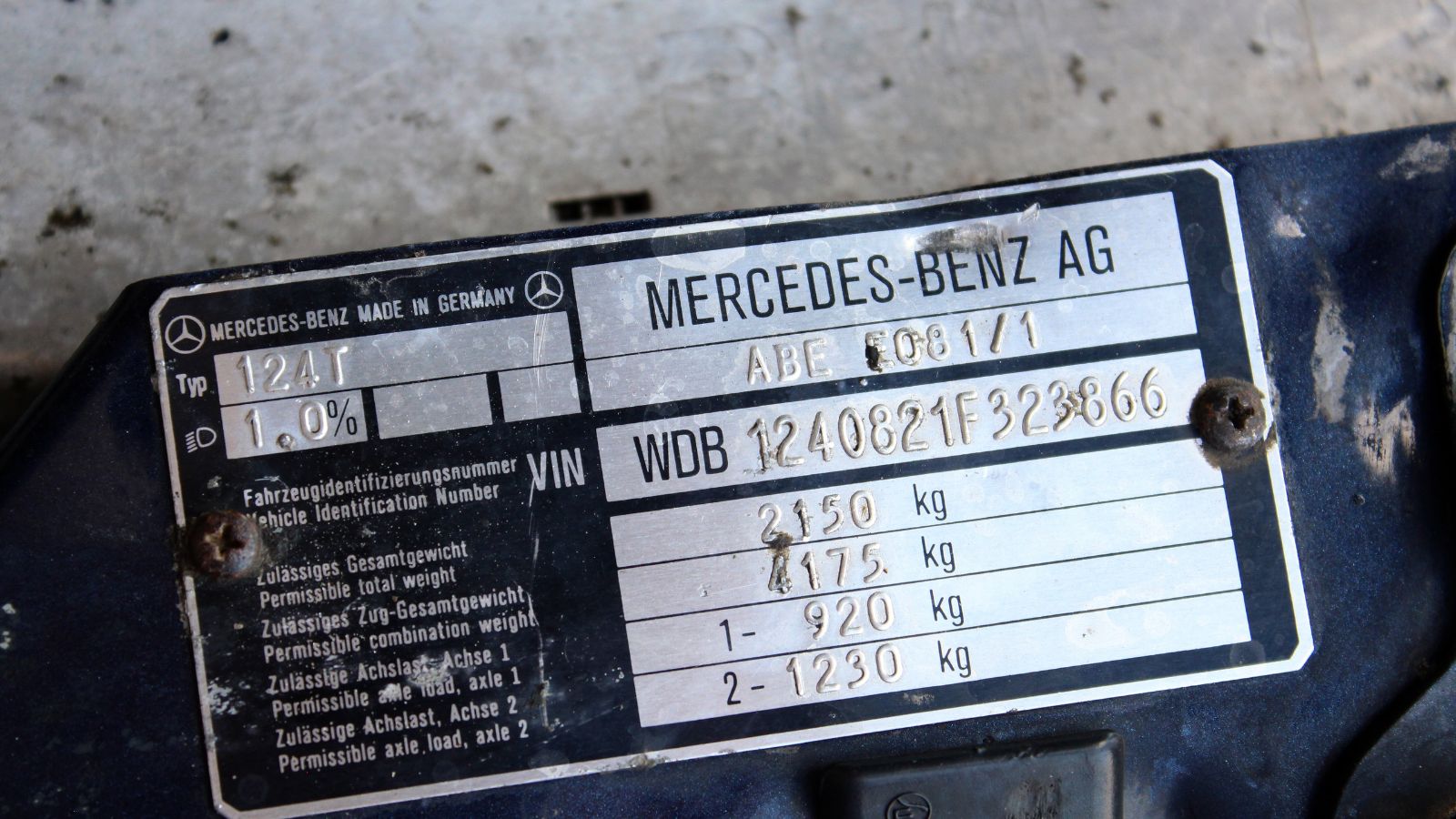
Classic cars are frequent targets for VIN tampering and rebodying. Canadian law treats altered or mismatched VINs seriously, even if the work was done decades ago. Buying a classic with an incorrect VIN plate, missing stampings or paperwork inconsistencies can result in seizure or forced re VIN inspection. Owners are responsible even if they were unaware of the issue.
Import Rules Differ for Classics

Canada allows easier importation of vehicles over fifteen years old, but that does not mean no rules apply. Transport Canada, provincial safety standards and duty requirements still exist. Left hand drive is allowed, but lighting, child restraint anchors and safety equipment may still be reviewed during registration. Assuming a classic will sail through import untouched is a costly mistake.
Noise and Equipment Laws Still Apply
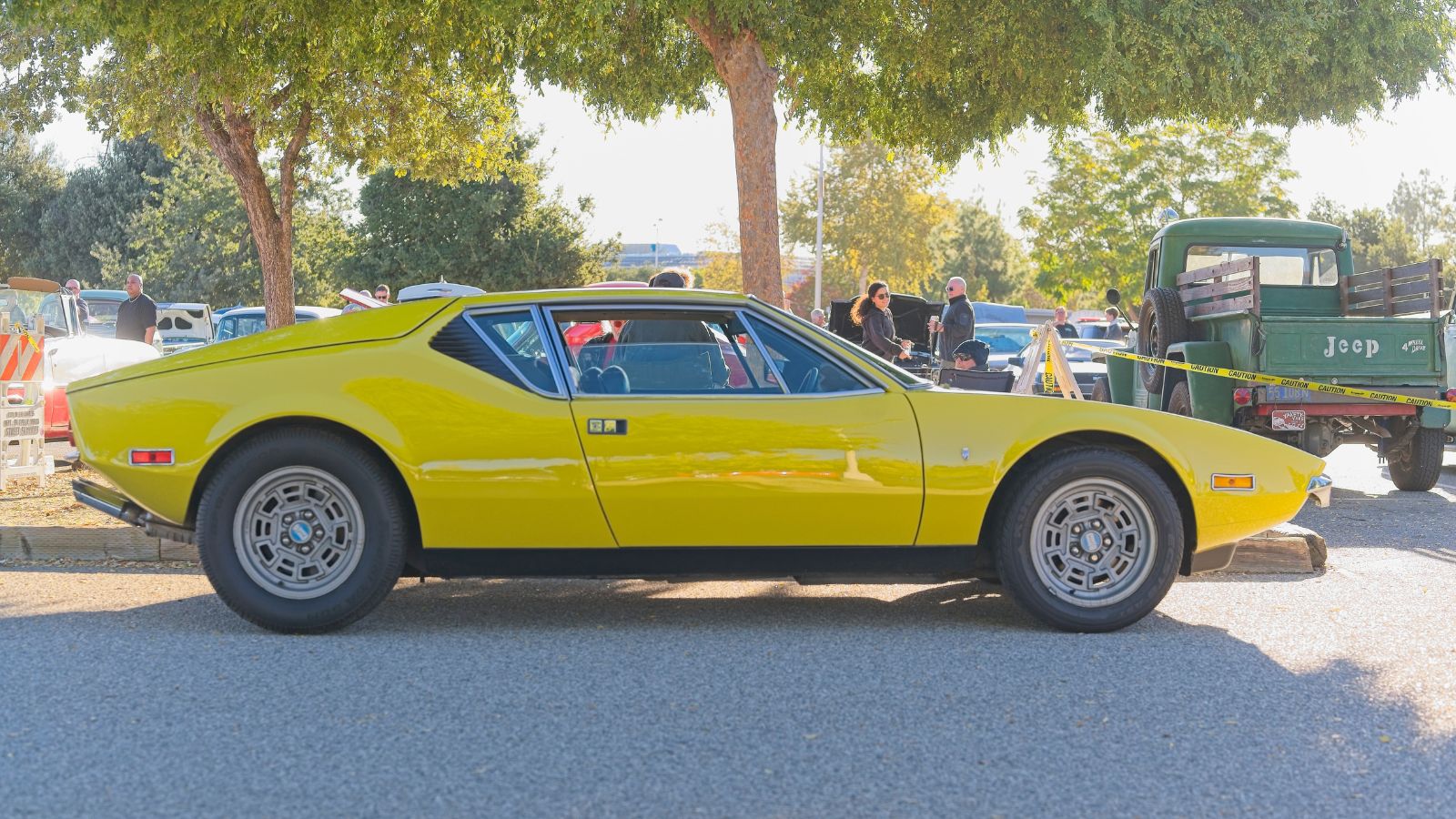
Classic cars are not exempt from modern noise bylaws or basic equipment requirements. Excessively loud exhaust systems, missing mufflers, unsafe tires or non functional lighting can all trigger tickets. Many municipalities enforce noise limits aggressively, especially during summer months when classics are most visible. Age does not protect a vehicle from roadside enforcement.
Storage and Property Bylaws Can Affect Classics
Municipal bylaws often regulate how many unregistered or inoperable vehicles can be stored on residential property. A classic under restoration may legally be considered an inoperable vehicle. Homeowners can face fines or orders to remove cars from driveways or yards. This surprises many enthusiasts who assume private property grants full freedom.
25 Facts About Car Loans That Most Drivers Don’t Realize

Car loans are one of the most common ways people fund car purchases. Like any other kind of loan, car loans can have certain features that can be regarded as an advantage or a disadvantage to the borrower. Understanding all essential facts about car loans and how they work to ensure that you get the best deal for your financial situation is essential. Here are 25 shocking facts about car loans that most drivers don’t realize:
25 Facts About Car Loans That Most Drivers Don’t Realize
