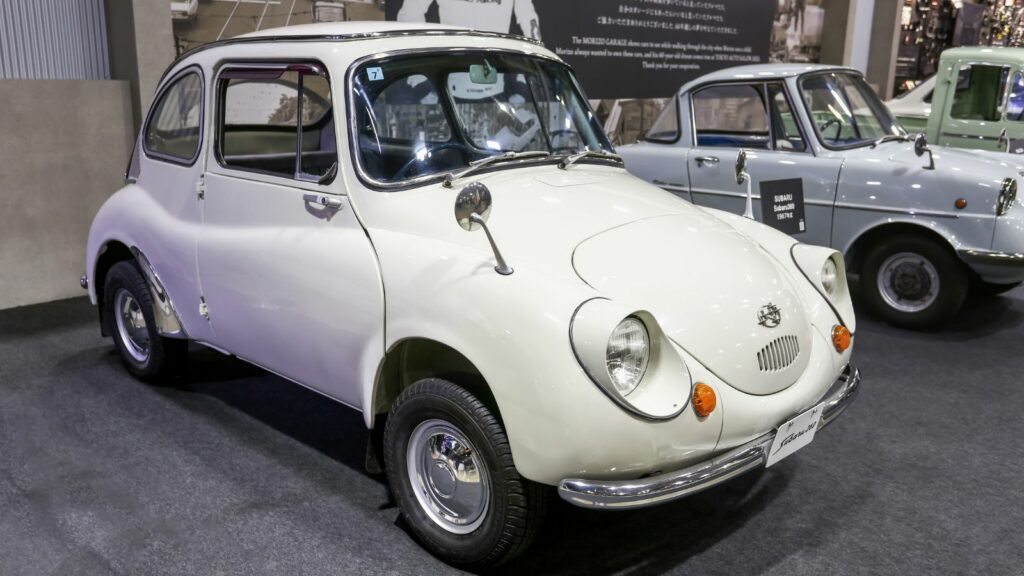
Not every car introduced to the market becomes a success. Some models arrive with bold ideas or unusual designs that simply fail to connect with buyers. Others struggle with reliability problems, awkward styling, or marketing decisions that leave customers confused. The automotive industry is full of ambitious experiments, and while some become legends, others quietly fade away after disappointing sales. These ten cars are among the most unpopular vehicles ever sold.
Edsel Corsair (1958 to 1959)
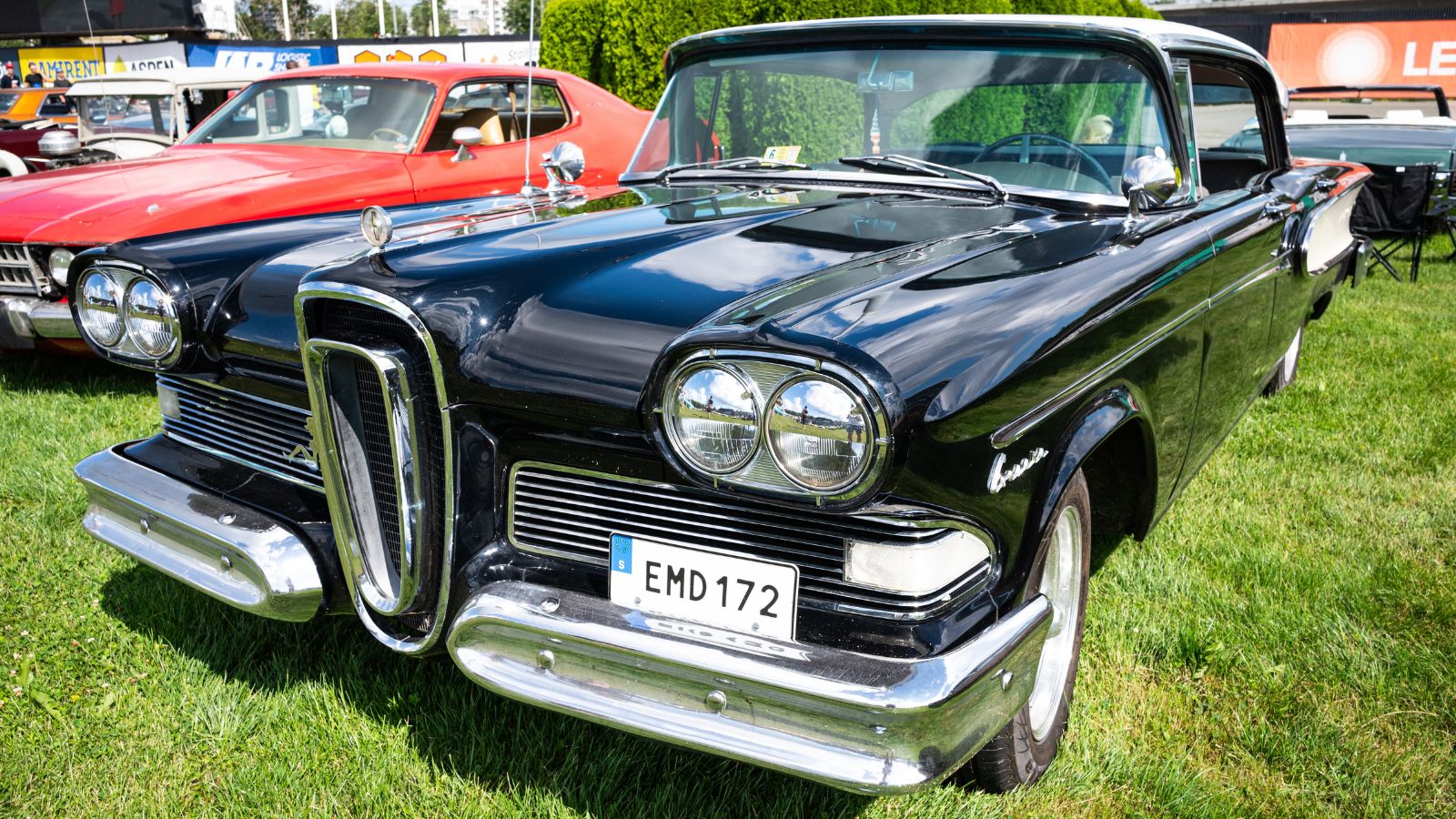
Few automotive failures are as famous as the Edsel. Ford launched the brand in 1958 with enormous expectations and a massive marketing campaign. The Corsair was one of its flagship models.
Unfortunately buyers reacted poorly to the unusual styling, particularly the vertical grille that quickly became the subject of jokes. Combined with a weakening economy and high prices, the Edsel lineup struggled badly. The brand disappeared after only a few years, becoming one of the most well known flops in automotive history.
Pontiac Aztek (2001 to 2005)

The Pontiac Aztek is often cited as one of the least attractive vehicles ever built. When it arrived in the early 2000s, Pontiac hoped the bold design and practical features would appeal to younger buyers.
Instead the awkward proportions and unusual body panels turned many drivers away. While the Aztek offered clever ideas such as a camping package and removable cooler, the styling proved too controversial for most buyers.
Chevrolet Vega (1971 to 1977)
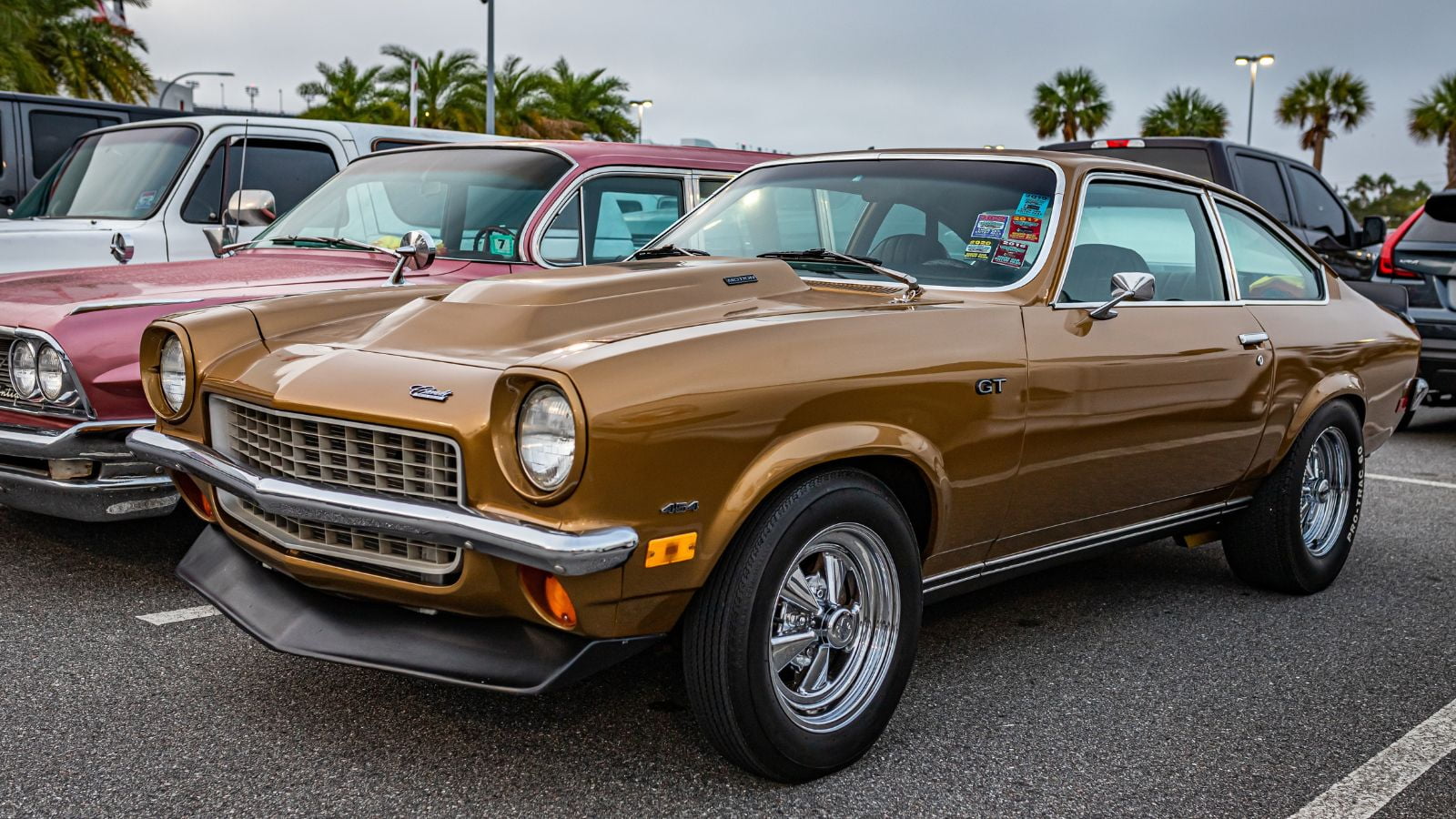
The Chevrolet Vega initially attracted attention for its compact size and modern design. General Motors hoped it would compete strongly in the growing small car market of the 1970s.
Unfortunately the car quickly developed a reputation for serious reliability issues. Engine durability problems and rust concerns damaged its reputation. Even though the Vega sold well at first, its long term image became strongly associated with poor quality.
Yugo GV (1985 to 1992)
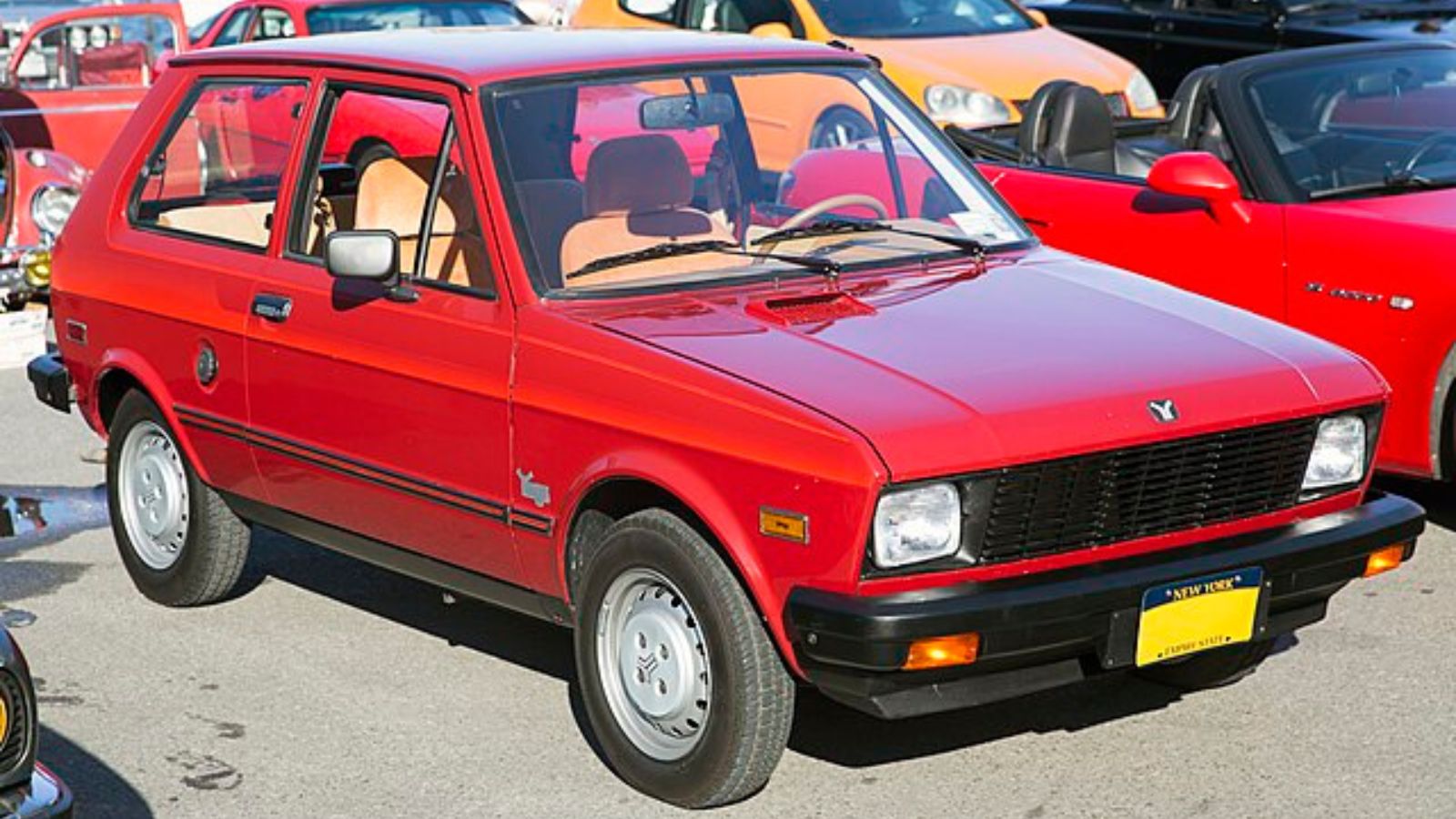
The Yugo GV arrived in North America as one of the cheapest new cars available. Imported from Yugoslavia, it was marketed as extremely affordable transportation.
While the low price attracted curiosity, buyers quickly discovered the car suffered from weak performance and questionable build quality. Reliability issues and poor refinement made it difficult for the model to maintain credibility with consumers.
Cadillac Cimarron (1982 to 1988)
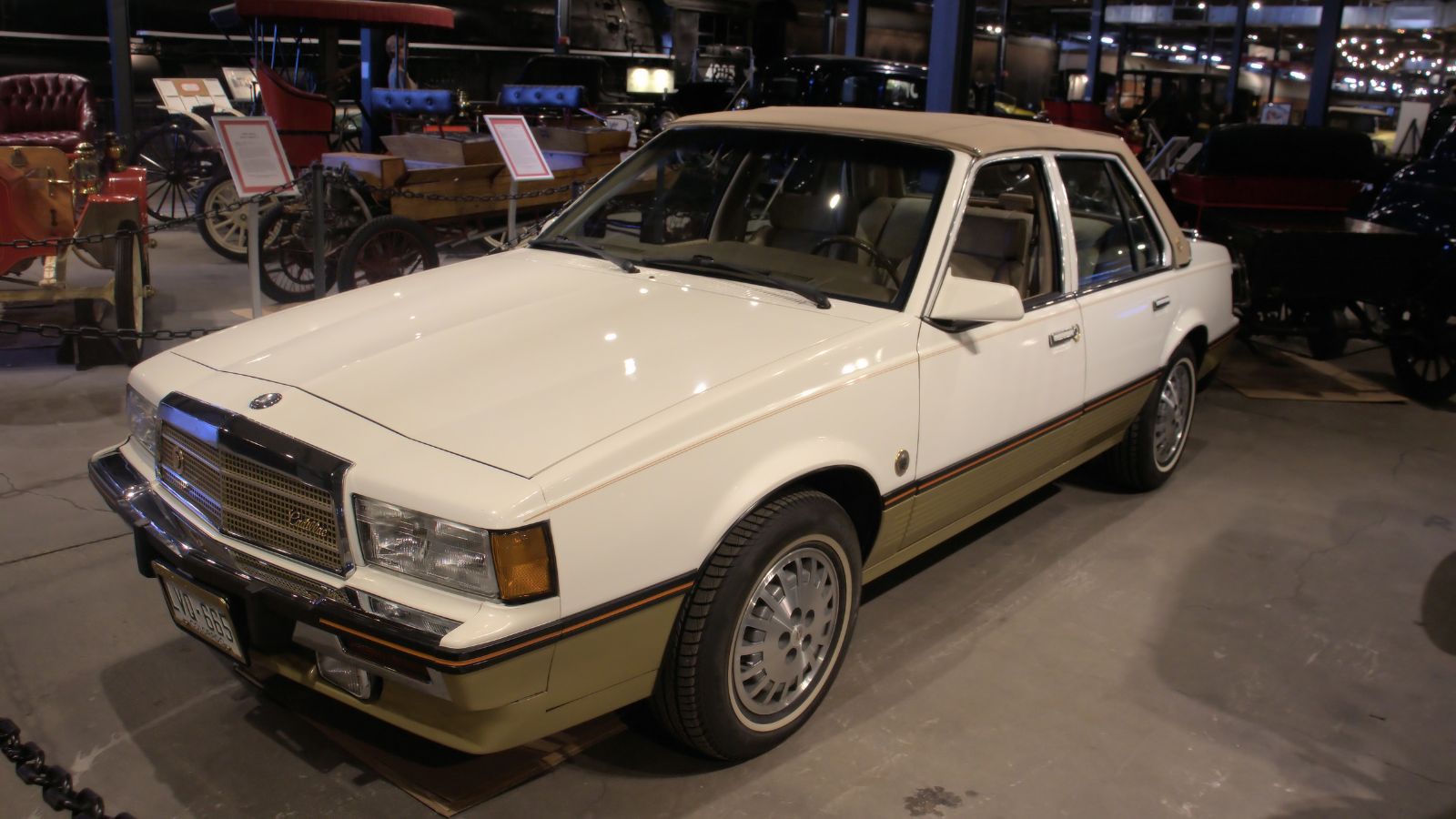
Cadillac introduced the Cimarron in the early 1980s as a compact luxury sedan. The company hoped it would attract younger buyers entering the luxury market.
However the car was heavily based on a much cheaper compact platform used by General Motors. Many drivers quickly realized it felt more like an upgraded economy car than a true Cadillac. The mismatch between price and perceived quality hurt the car’s reputation.
Chrysler TC by Maserati (1989 to 1991)
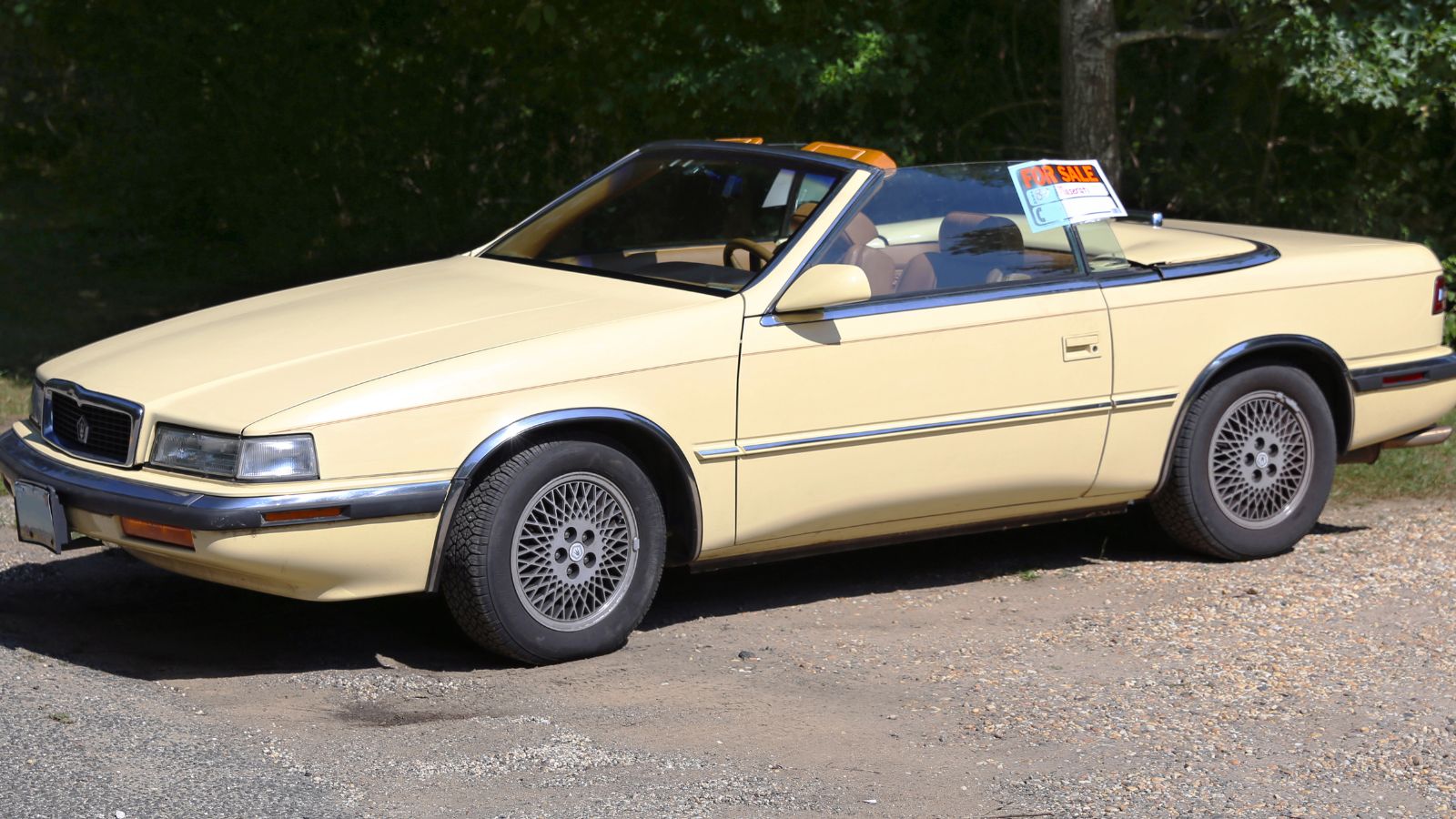
The Chrysler TC by Maserati sounded exciting on paper. A collaboration between an American automaker and an Italian luxury brand promised something special.
In practice the car struggled to stand out. Its performance and design felt too similar to Chrysler’s own LeBaron convertible, which cost significantly less. Buyers had difficulty understanding why the TC deserved its premium price.
Renault Alliance (1983 to 1987)
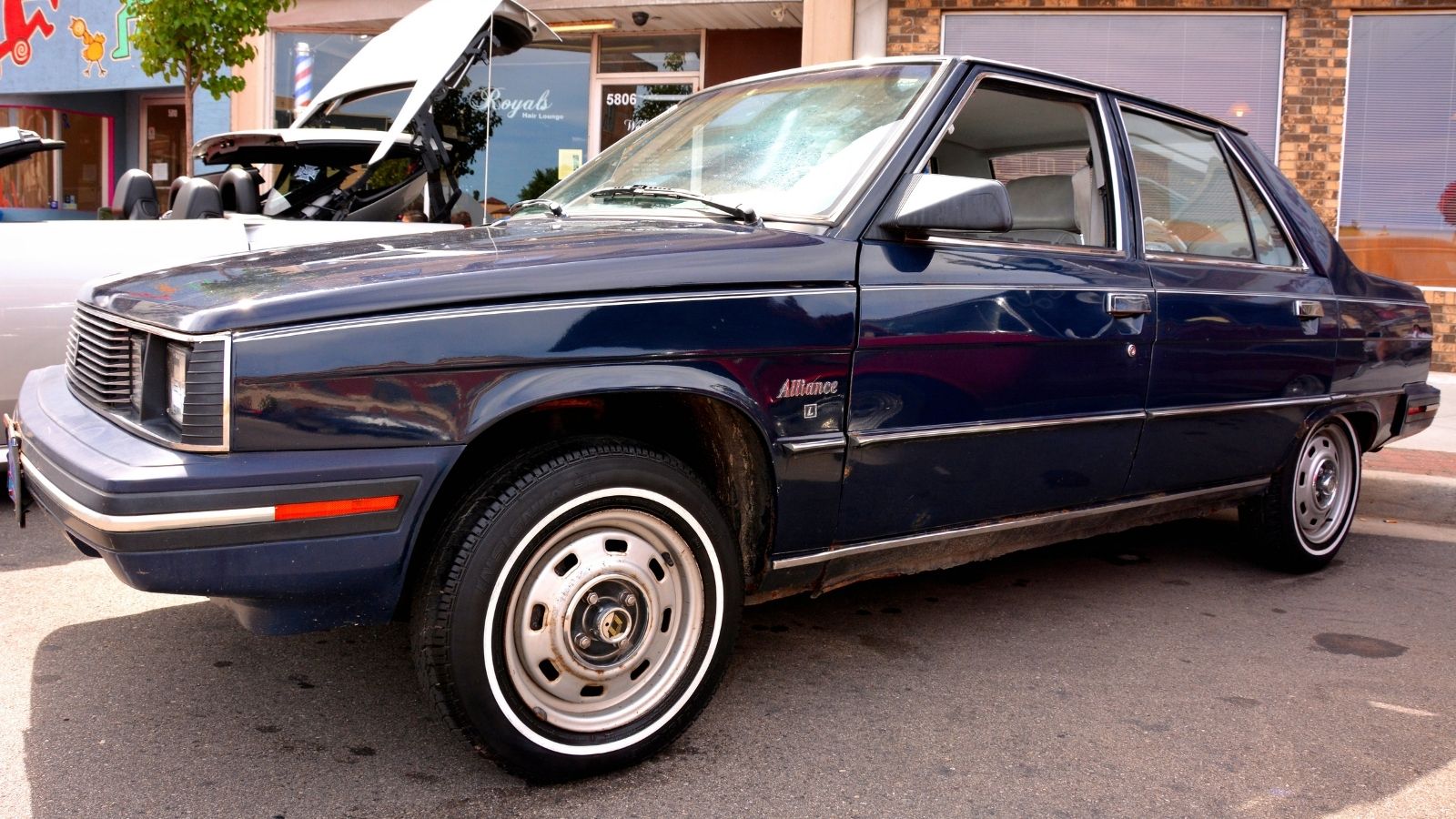
The Renault Alliance was introduced in the United States during a period when European automakers were experimenting with the North American market. Initially it even won awards for its design.
Unfortunately reliability concerns soon began to appear. Mechanical issues and inconsistent build quality caused many owners frustration. As a result the car’s popularity faded quickly.
Subaru 360 (1968 to 1970)
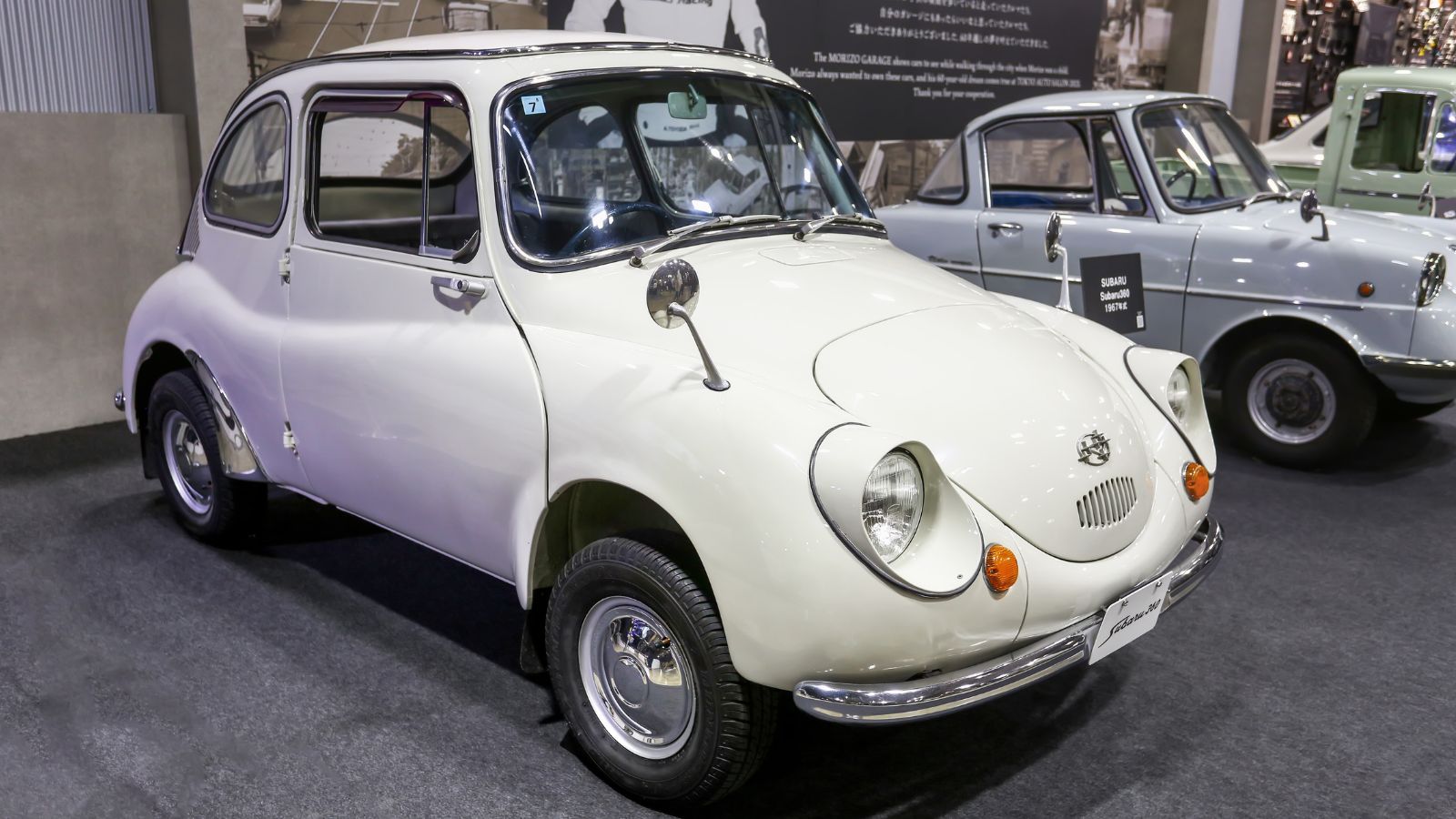
The Subaru 360 was one of the earliest Japanese cars sold in the United States. Its extremely small size and lightweight construction were designed to deliver excellent fuel efficiency.
However American drivers found the car underpowered and fragile compared with larger domestic vehicles. Safety concerns also damaged its reputation, making it difficult for Subaru to gain traction in the market at that time.
Smart ForTwo (2008 to 2019 in North America)
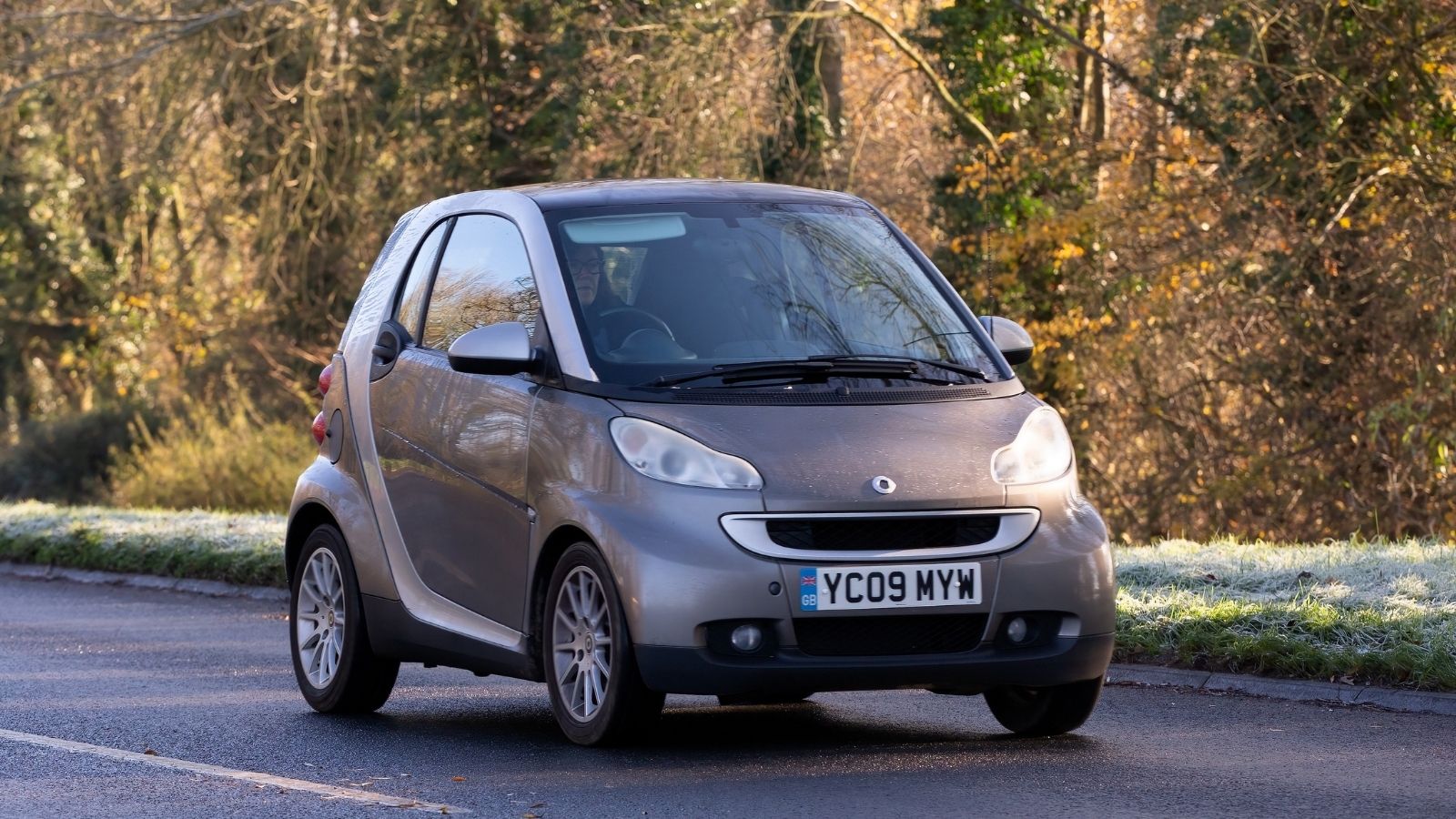
The Smart ForTwo arrived in North America promising an ultra compact solution for city driving. Its tiny size made parking easy and fuel consumption relatively low.
Despite these advantages, many buyers found the car impractical for daily use. Limited interior space, modest performance, and concerns about highway comfort made it difficult to attract a large audience.
Suzuki X 90 (1995 to 1997)
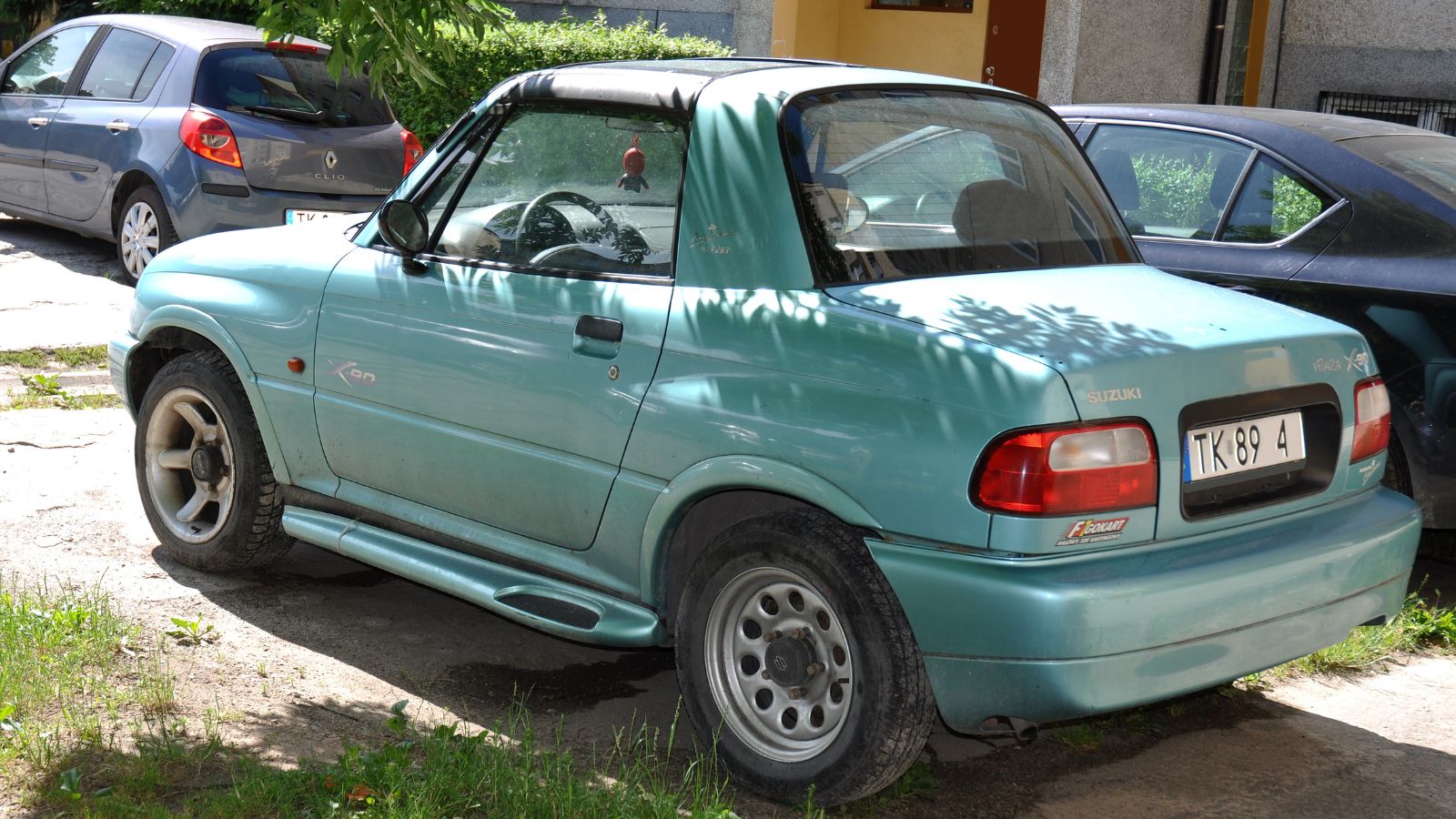
The Suzuki X 90 remains one of the strangest vehicles ever produced. It attempted to combine elements of a compact SUV, a sports coupe, and a convertible.
The unusual design confused buyers who struggled to understand its purpose. With limited cargo space and awkward proportions, the X 90 never found a clear audience and quickly disappeared from the market.
25 Facts About Car Loans That Most Drivers Don’t Realize

Car loans are one of the most common ways people fund car purchases. Like any other kind of loan, car loans can have certain features that can be regarded as an advantage or a disadvantage to the borrower. Understanding all essential facts about car loans and how they work to ensure that you get the best deal for your financial situation is essential. Here are 25 shocking facts about car loans that most drivers don’t realize:
25 Facts About Car Loans That Most Drivers Don’t Realize
