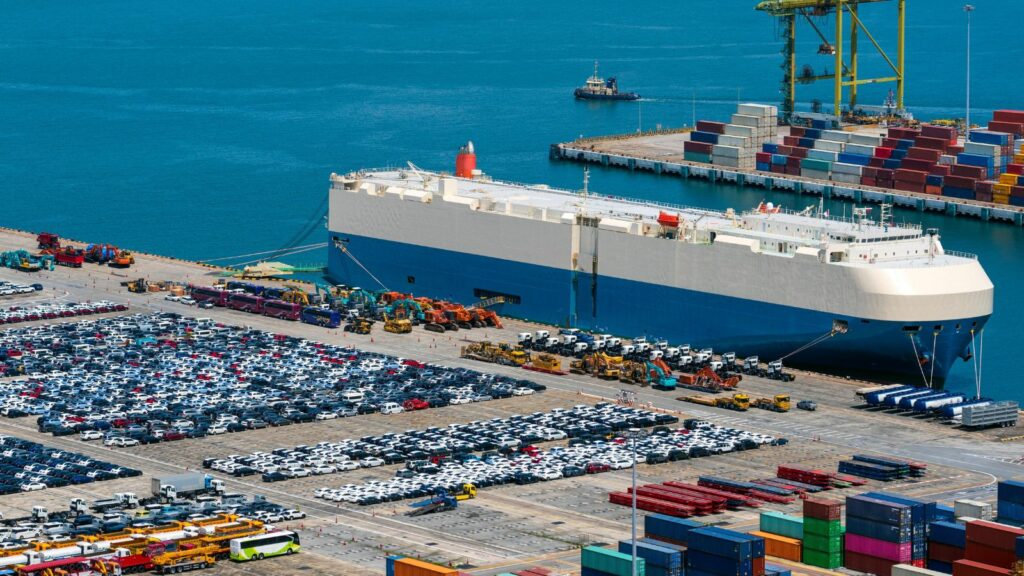
Most Canadian drivers never think about how their vehicle reached the dealership lot. Yet the journey is often long and complex. Many cars sold in Canada travel across oceans aboard specialized cargo ships before arriving at ports on the West or East Coast. When global shipping lanes experience disruptions, those vehicles can suddenly become harder to deliver on schedule. The result may be longer wait times and fewer choices for buyers.
Imported Vehicles Depend on Global Shipping
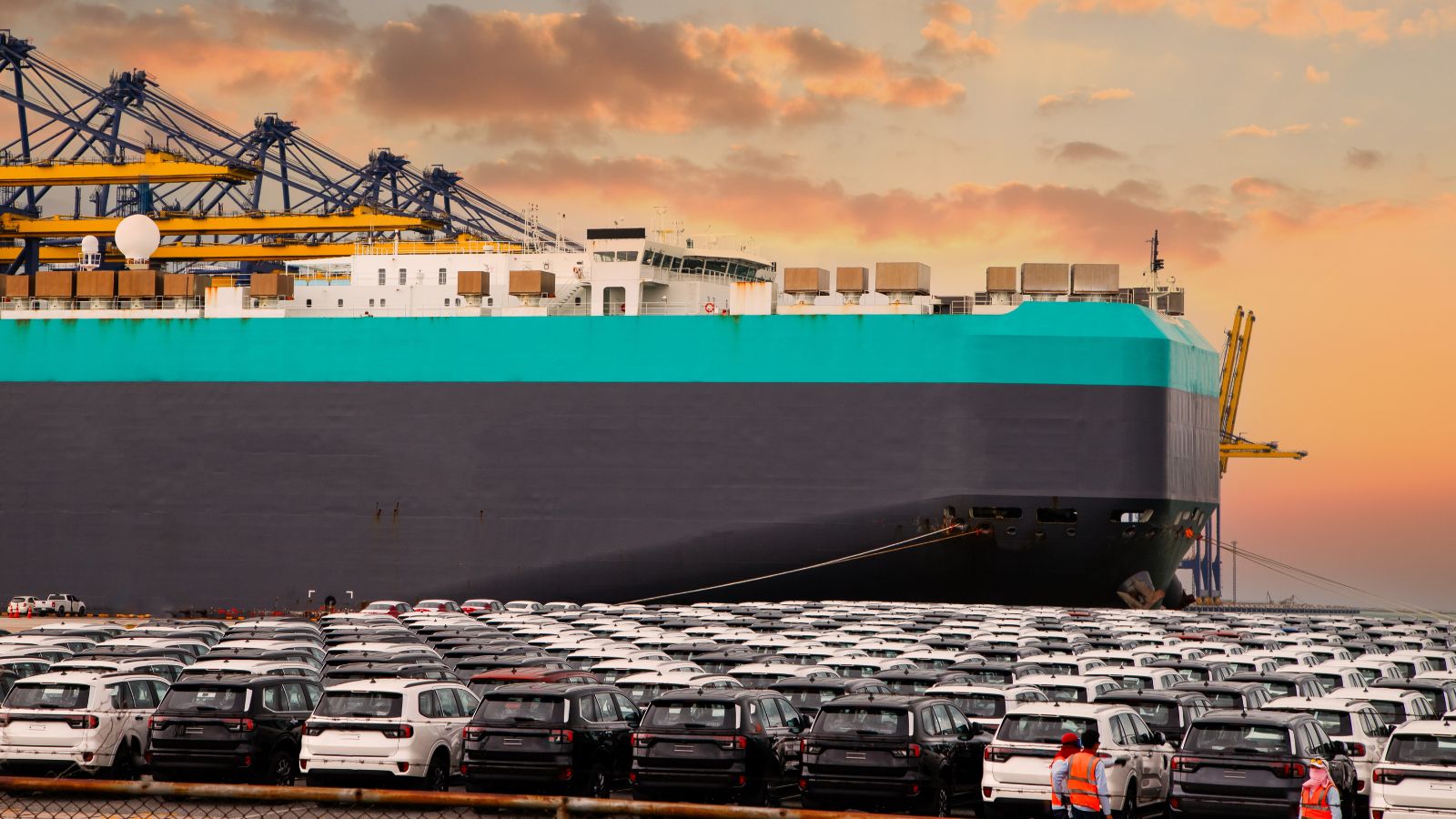
A large portion of vehicles sold in Canada are built outside the country. Popular models arrive from Japan, South Korea, Europe, and Mexico before being distributed to dealerships across the country.
These vehicles typically travel on roll on roll off cargo ships designed to carry thousands of cars at once. The entire system depends on predictable shipping schedules and smooth port operations. When that system slows down, dealerships can quickly feel the effects.
Shipping Routes Can Be Vulnerable to Global Events

International shipping lanes pass through several strategic waterways that are sensitive to geopolitical tensions. Disruptions in these areas can force cargo vessels to change routes or delay departures.
When ships take longer routes or wait for safer conditions, the delivery time for vehicles increases. Even a delay of a few weeks can create noticeable gaps in dealership inventory.
Port Congestion Creates Additional Delays
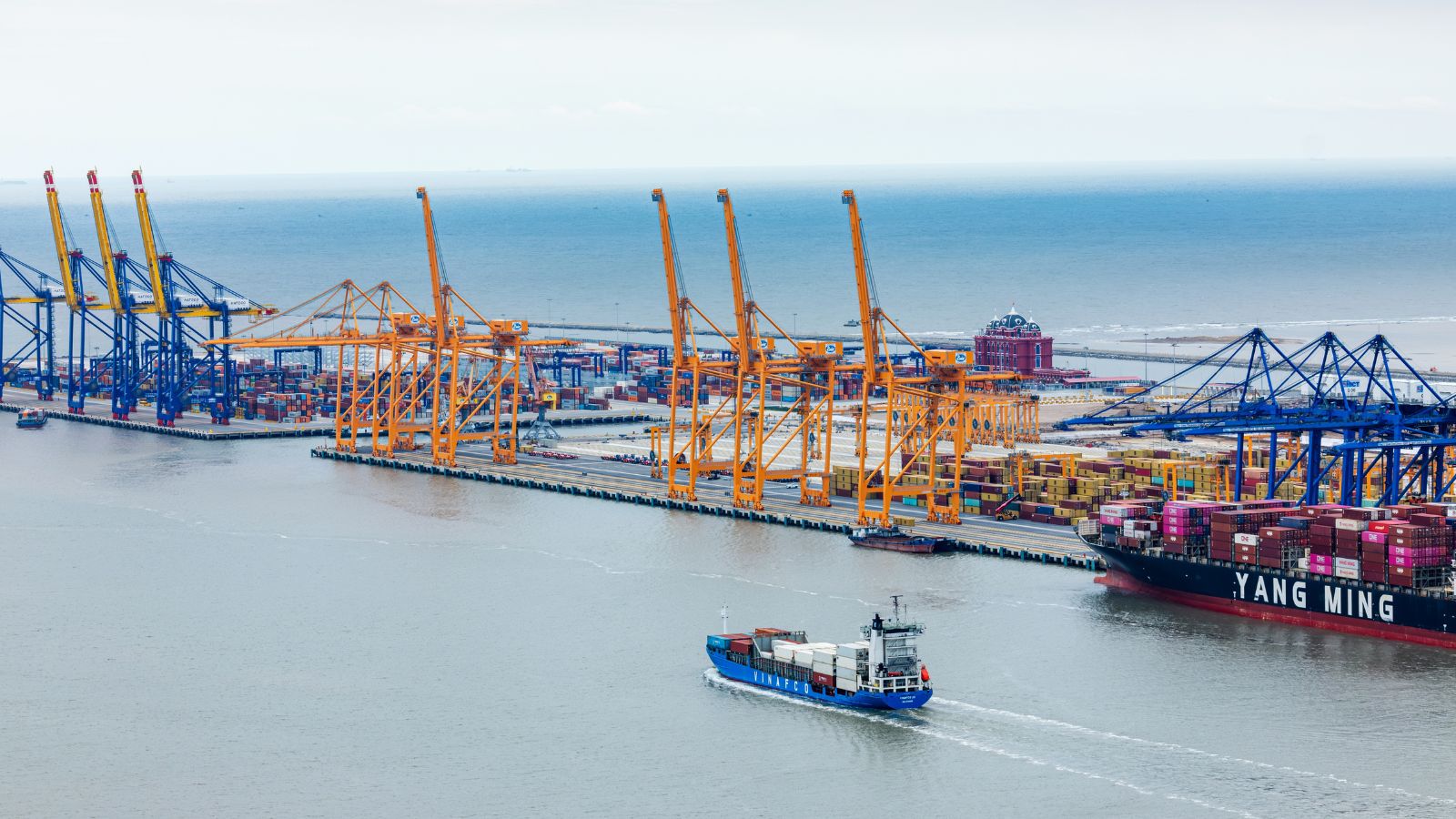
Even when ships reach Canadian ports on time, the process of unloading and distributing vehicles can encounter obstacles. Ports must handle thousands of vehicles arriving at once.
If shipping schedules become unpredictable, ports may experience congestion. Trucks and rail systems that transport vehicles inland can also face bottlenecks. These delays can slow the final step between port arrival and dealership delivery.
Just In Time Supply Chains Increase Sensitivity
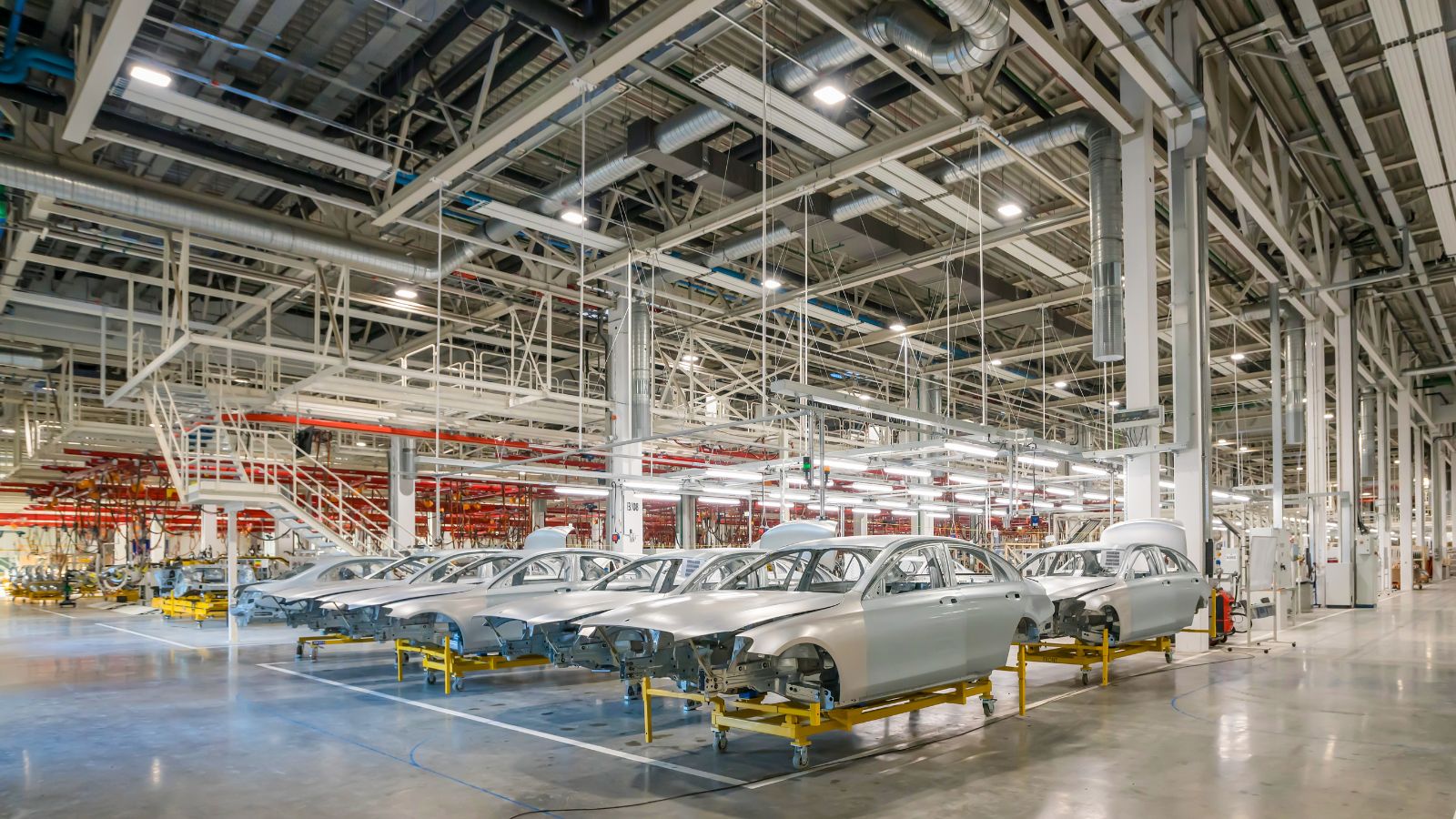
Modern automotive supply chains rely heavily on just in time logistics. Manufacturers plan shipments carefully so vehicles arrive close to when they are needed by dealerships.
While this system improves efficiency, it also leaves little room for disruption. If ships arrive late or ports become congested, the effects ripple quickly through the distribution network.
Buyers May Notice Longer Wait Times

Canadian drivers ordering specific vehicles may be the first to notice the impact of shipping disruptions. Popular imported models can quickly develop waiting lists when supply slows.
Dealers sometimes estimate delivery windows based on shipping schedules that may suddenly change. Buyers who expected delivery within weeks might find themselves waiting months instead.
Limited Inventory Reduces Choice
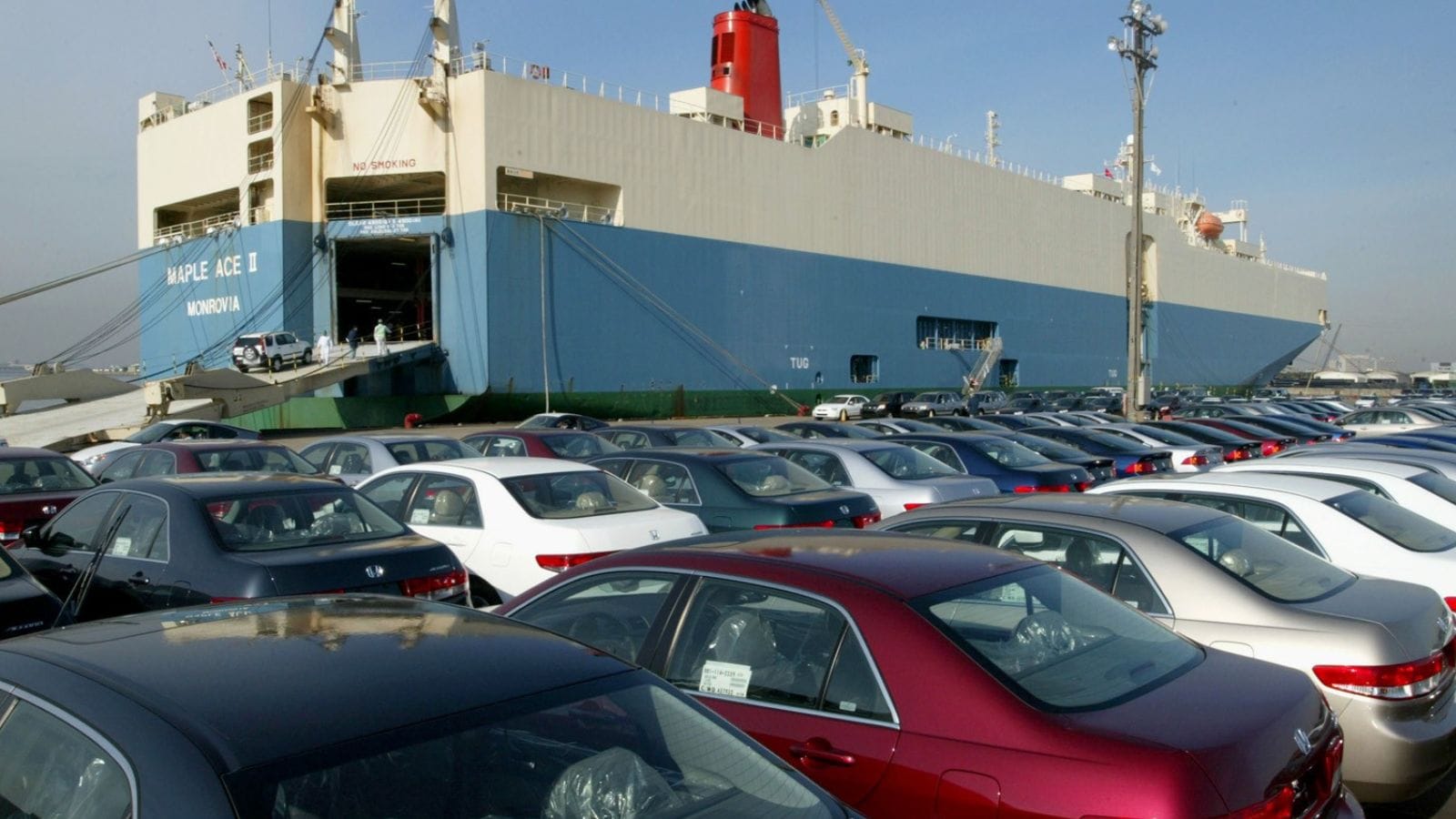
When shipments slow, dealership inventories often shrink. Instead of seeing a full range of colors, trims, and options, buyers may find fewer vehicles available on the lot.
Some customers choose alternative models that are already in stock. Others decide to wait until shipments resume normal patterns.
Certain Brands May Be Affected More
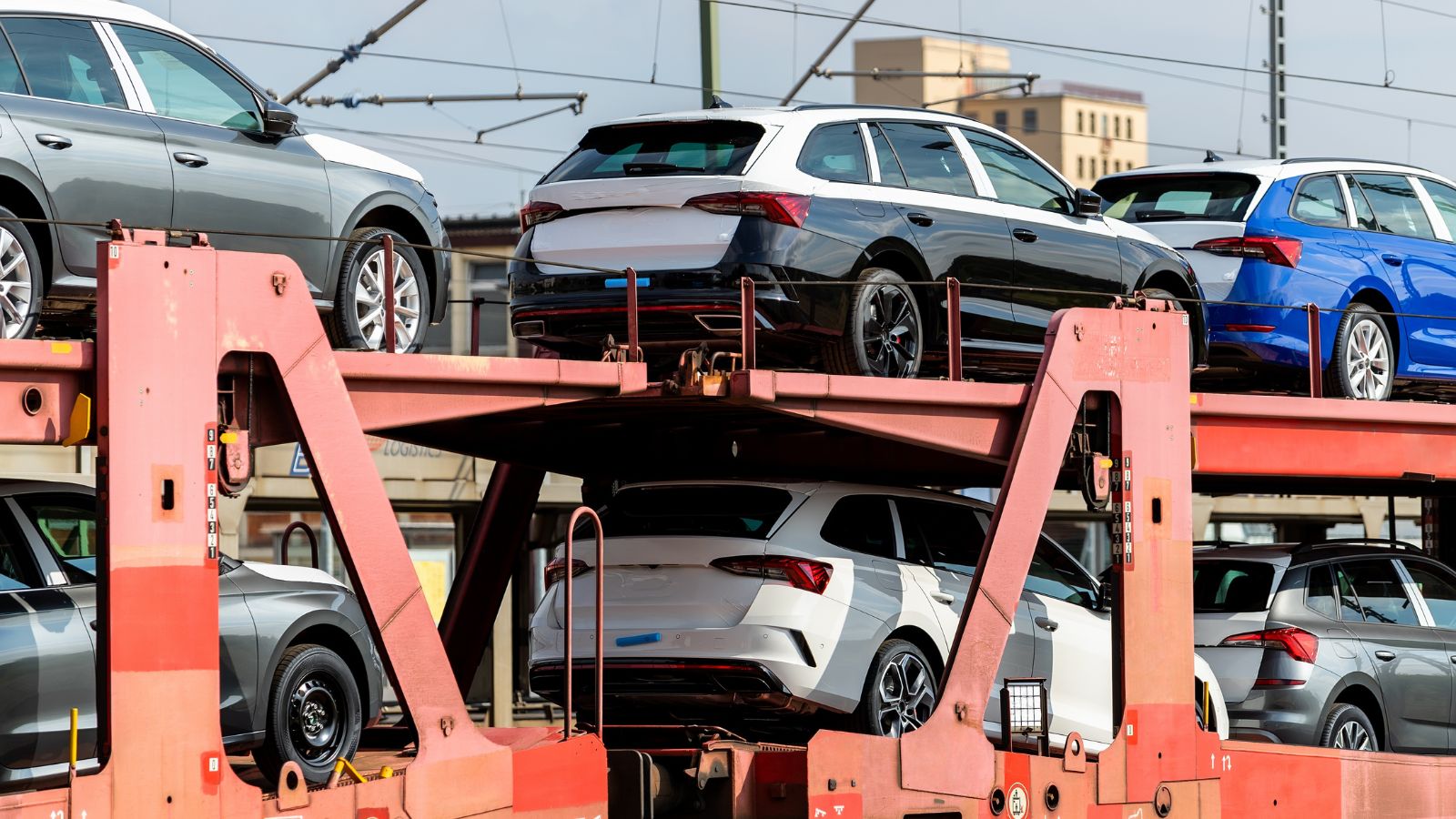
Not all automakers rely equally on imported vehicles. Brands with large domestic manufacturing operations may experience fewer disruptions.
Manufacturers that import most of their vehicles from overseas can feel the effects more strongly. Japanese and European brands, for example, depend heavily on ocean shipping to reach Canadian markets.
The Market Has Seen Similar Situations Before
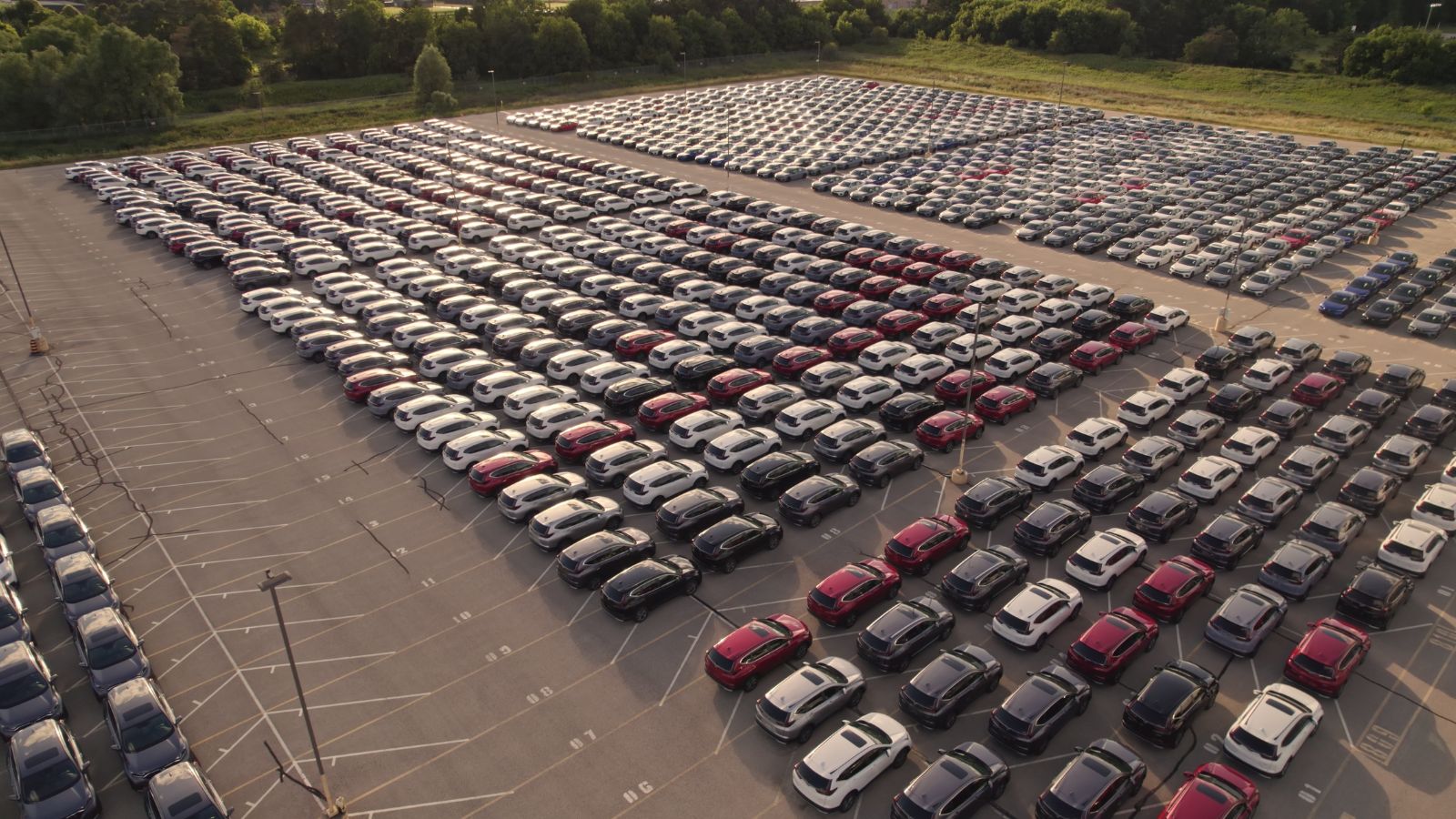
The automotive industry has experienced several disruptions in recent years. Events affecting global trade routes and shipping capacity have previously slowed vehicle deliveries.
During those periods, buyers often encountered higher prices and limited availability. Even once shipping resumed normal patterns, it sometimes took months for inventories to recover.
Shipping Stability Matters for the Canadian Market

Canada’s automotive market relies on efficient global logistics. Vehicles, parts, and components move constantly between continents before reaching drivers.
When international shipping flows smoothly, dealerships can maintain steady inventories. When disruptions occur, however, the effects quickly become visible in showrooms across the country.
For buyers planning a vehicle purchase, global shipping conditions may seem distant. Yet those conditions can quietly influence when the next car or truck finally arrives at the dealership.
25 Facts About Car Loans That Most Drivers Don’t Realize

Car loans are one of the most common ways people fund car purchases. Like any other kind of loan, car loans can have certain features that can be regarded as an advantage or a disadvantage to the borrower. Understanding all essential facts about car loans and how they work to ensure that you get the best deal for your financial situation is essential. Here are 25 shocking facts about car loans that most drivers don’t realize:
25 Facts About Car Loans That Most Drivers Don’t Realize
