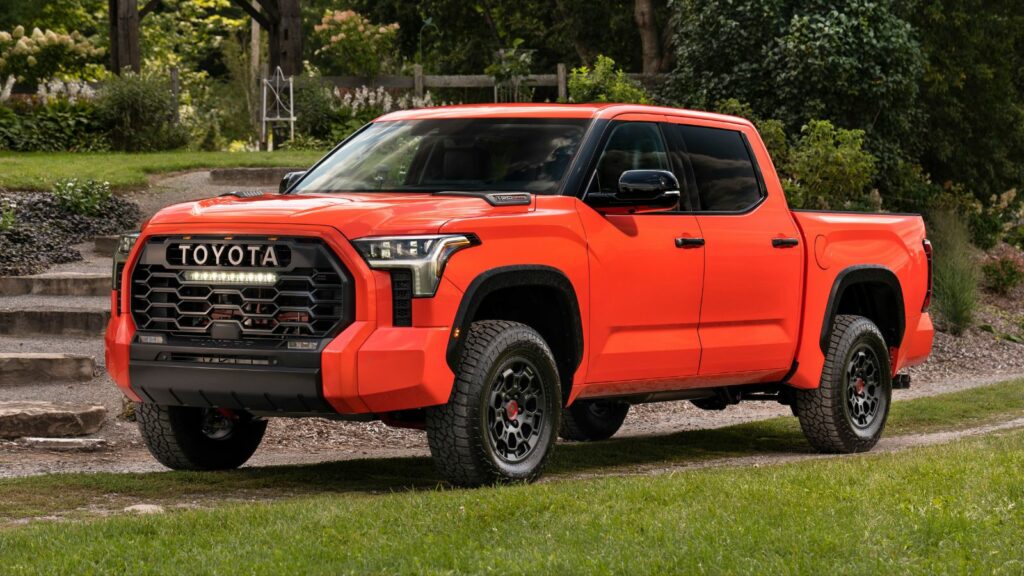
For decades, a proper pickup truck meant one thing. A V8 under the hood. Torque, sound, and effortless pulling power were part of the deal. Today, many of those same trucks rely on V6s or even four-cylinder engines. This shift did not happen because manufacturers forgot how to build V8s. It happened because economics, regulations, and buyer behavior forced a rethink of what a modern truck needs to be.
Ford F-150
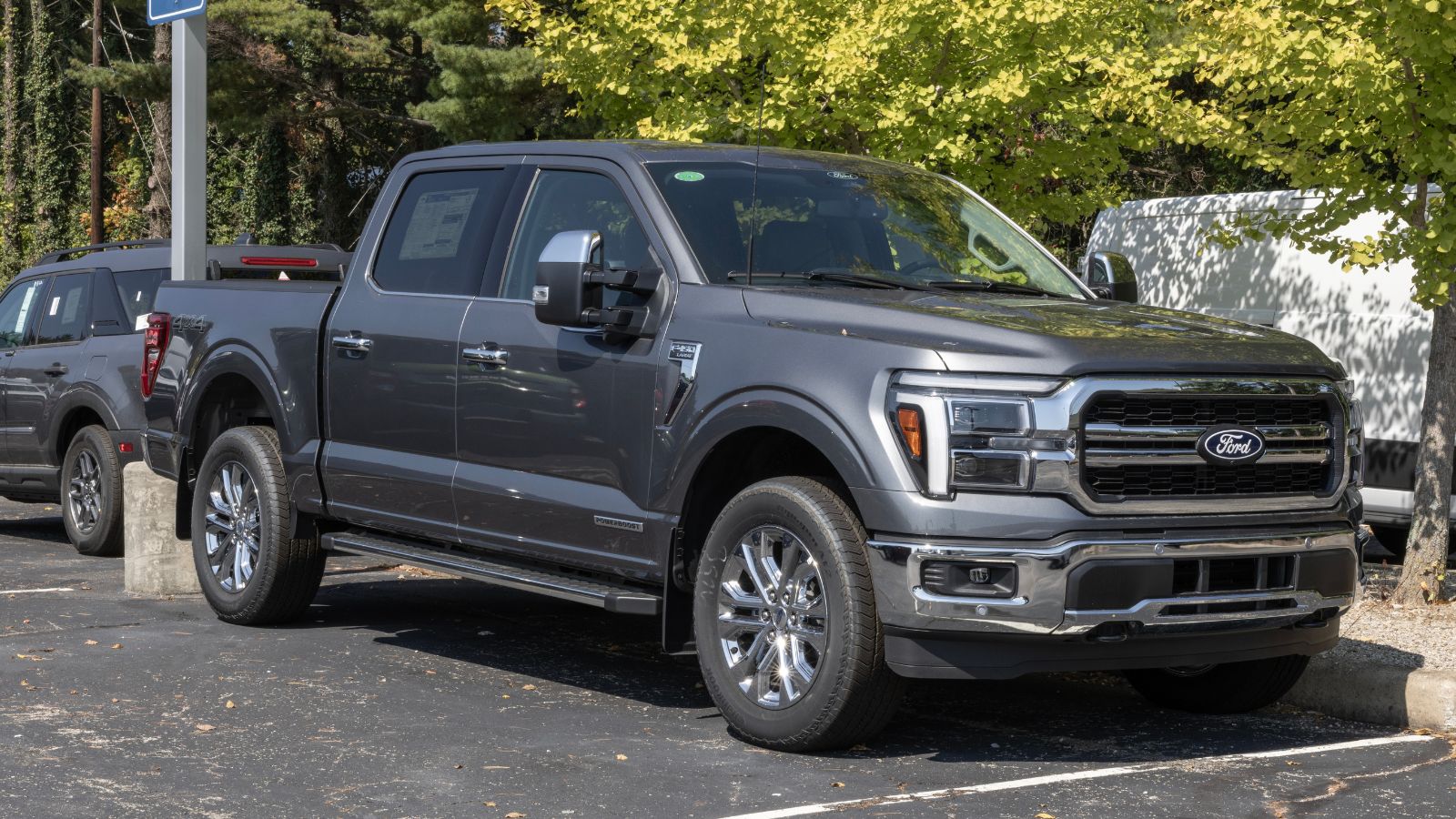
The F-150 was once inseparable from its V8 identity. While V8s still exist in limited trims, most sales now go to EcoBoost V6 engines. Turbocharging delivers strong torque while meeting emissions and fuel economy targets. Ford followed customer data showing buyers wanted performance without the fuel penalty.
Chevrolet Silverado 1500
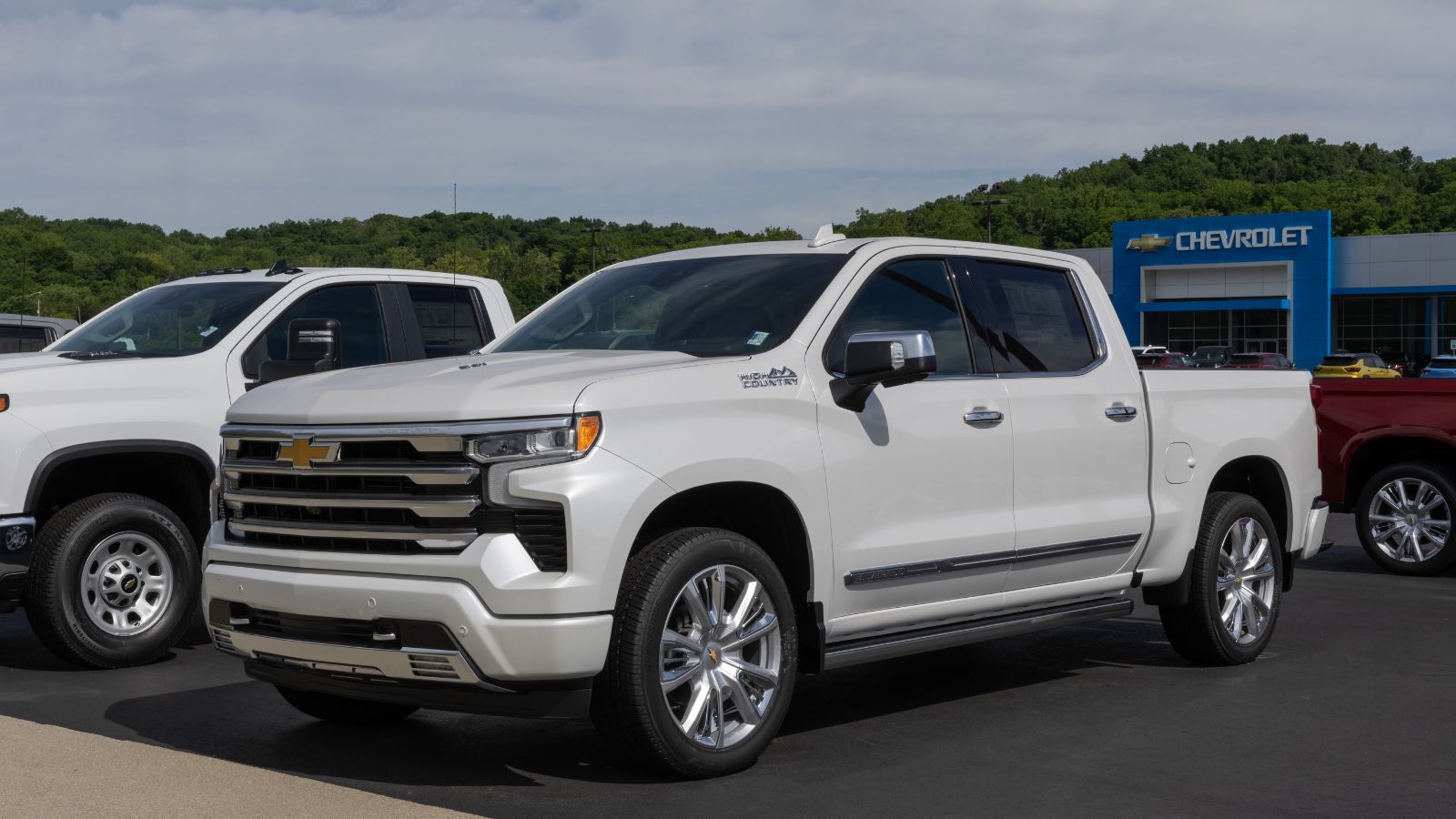
Chevrolet replaced many V8 sales with turbocharged four-cylinder and V6 options. The 2.7 turbo shocked traditionalists, but real-world torque figures rival older V8s. Emissions compliance and fleet fuel targets pushed GM toward smaller engines that still feel strong under load.
GMC Sierra 1500
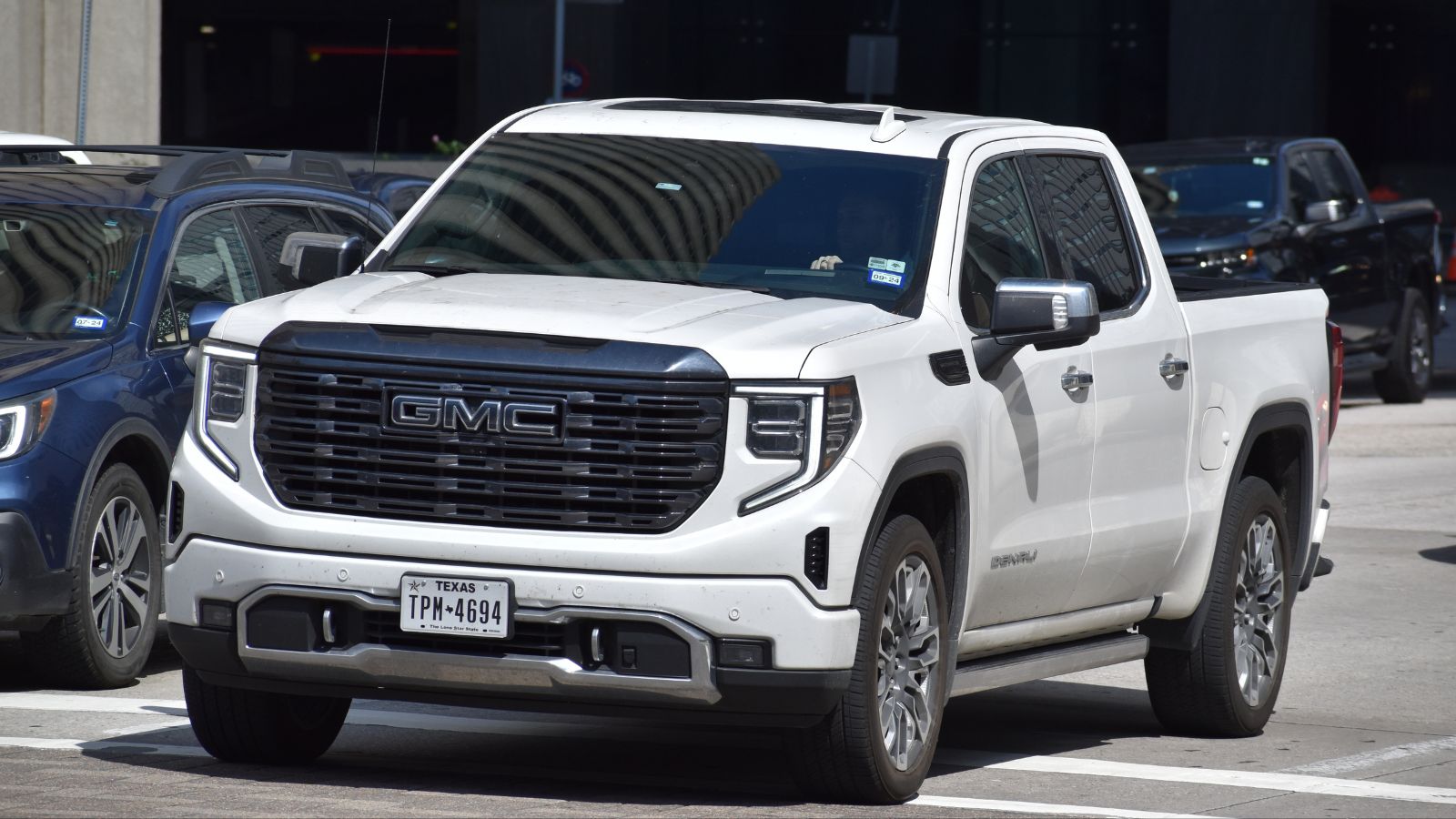
Mechanically similar to the Silverado, the Sierra reflects the same downsizing strategy. Turbo fours and V6s dominate showroom floors. GMC focused on drivability and low-end torque rather than cylinder count, betting that buyers would adapt faster than critics expected.
Ram 1500
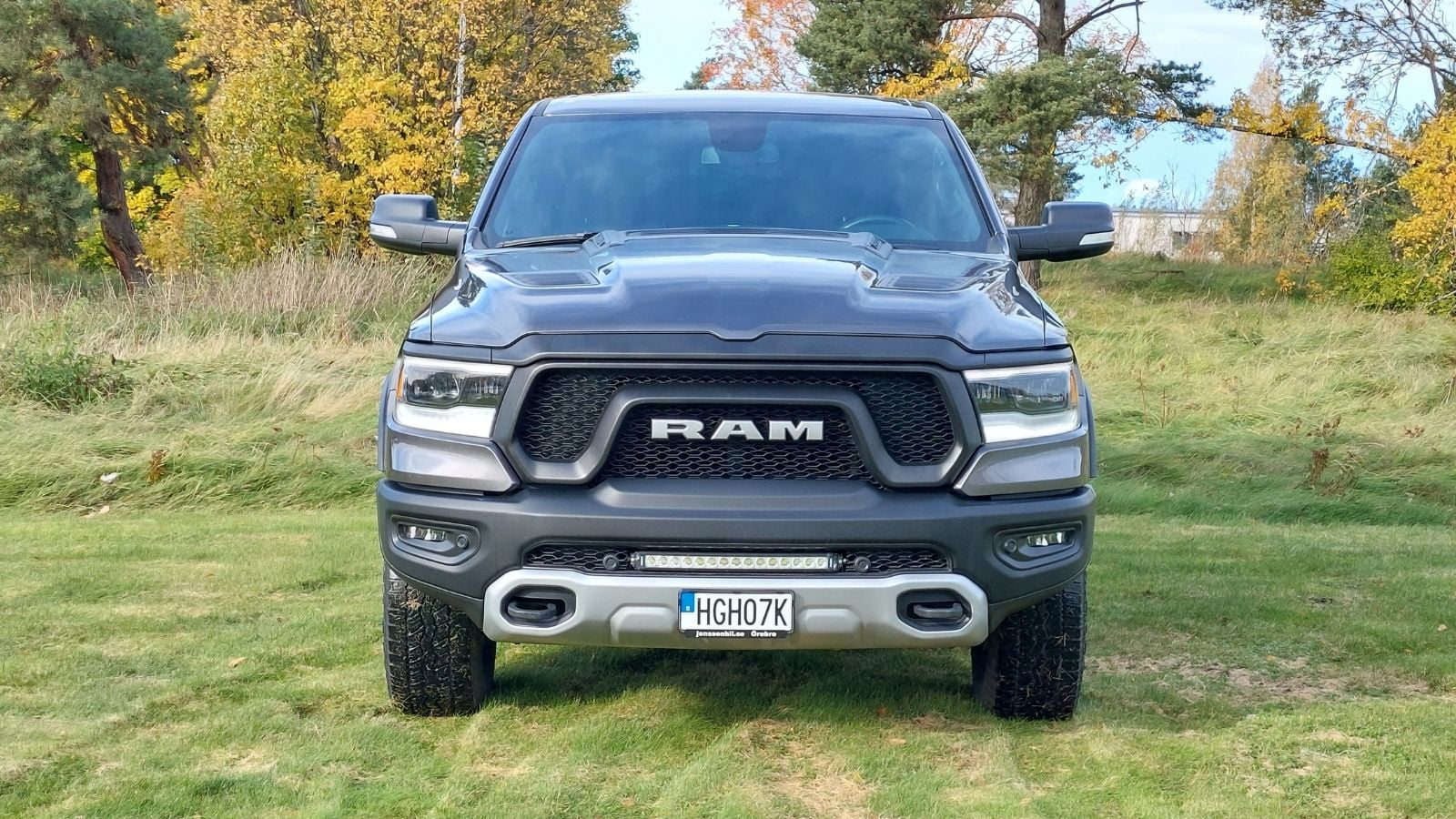
Ram built its reputation on big V8 torque, yet V6 engines now account for a large portion of sales. The Pentastar V6 paired with mild hybrid tech helped Ram hit efficiency targets without sacrificing everyday usability. The V8 still exists, but it is no longer the default choice.
Toyota Tundra
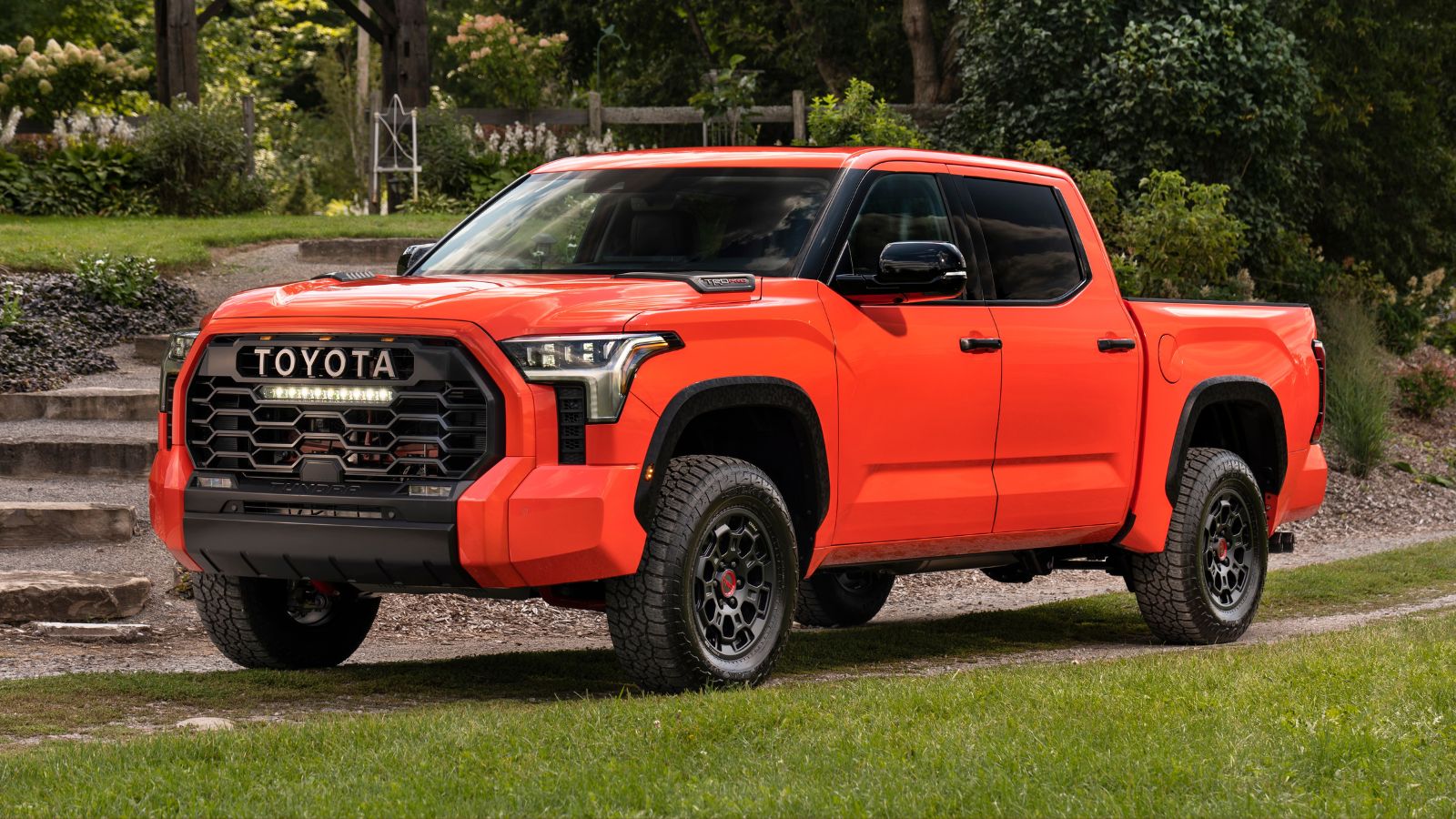
Toyota made one of the boldest moves by dropping its naturally aspirated V8 entirely. The twin-turbo V6 delivers more torque and better efficiency while meeting stricter emissions rules. Toyota concluded that regulatory pressure and global market realities left no room for a traditional V8.
Nissan Titan
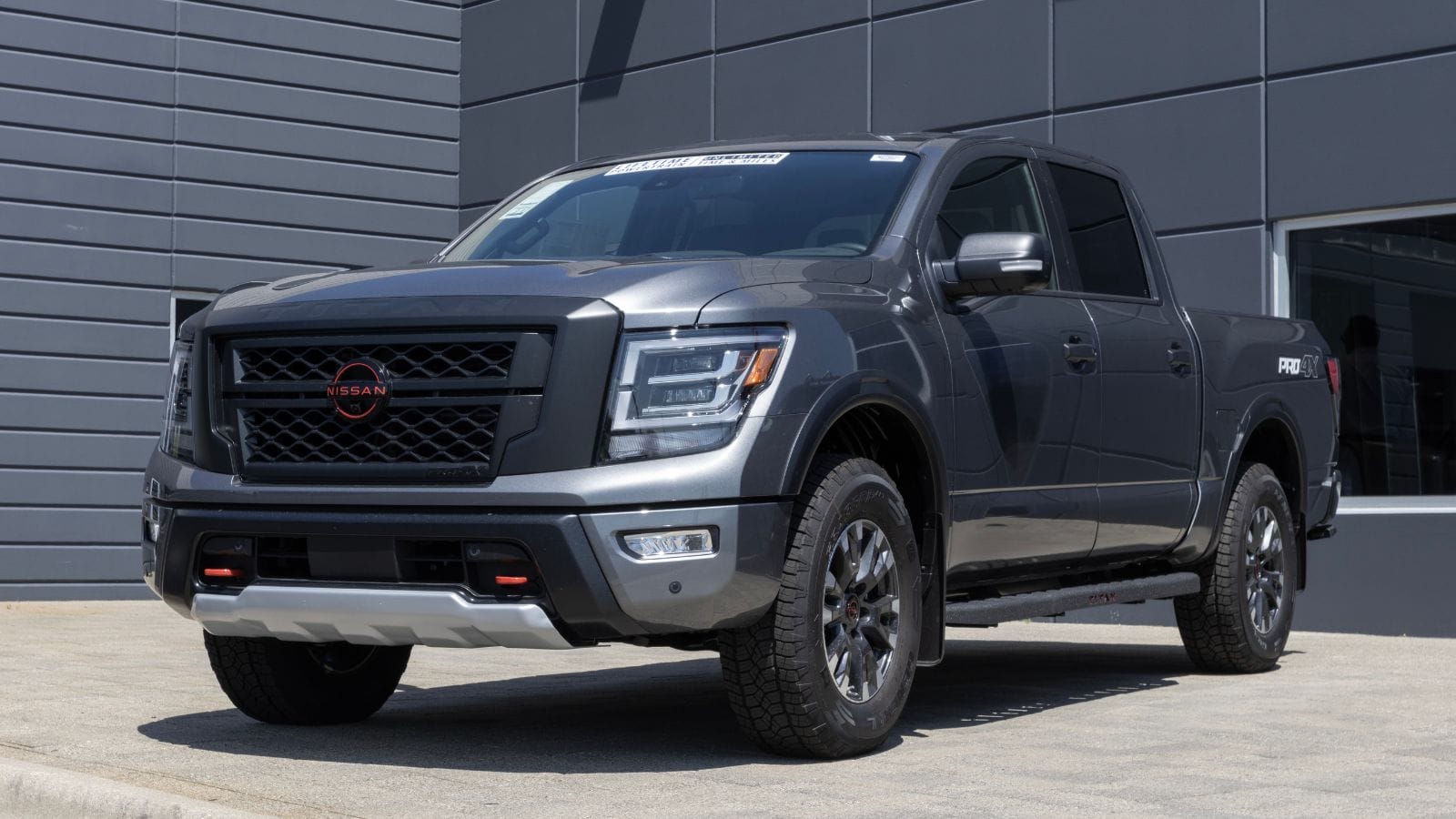
The Titan held onto its V8 longer than most, but shrinking demand and tightening regulations ended its run. Buyers increasingly chose lighter, more efficient trucks. Nissan’s experience showed that clinging to a V8-only strategy made long-term survival difficult.
Ford Ranger
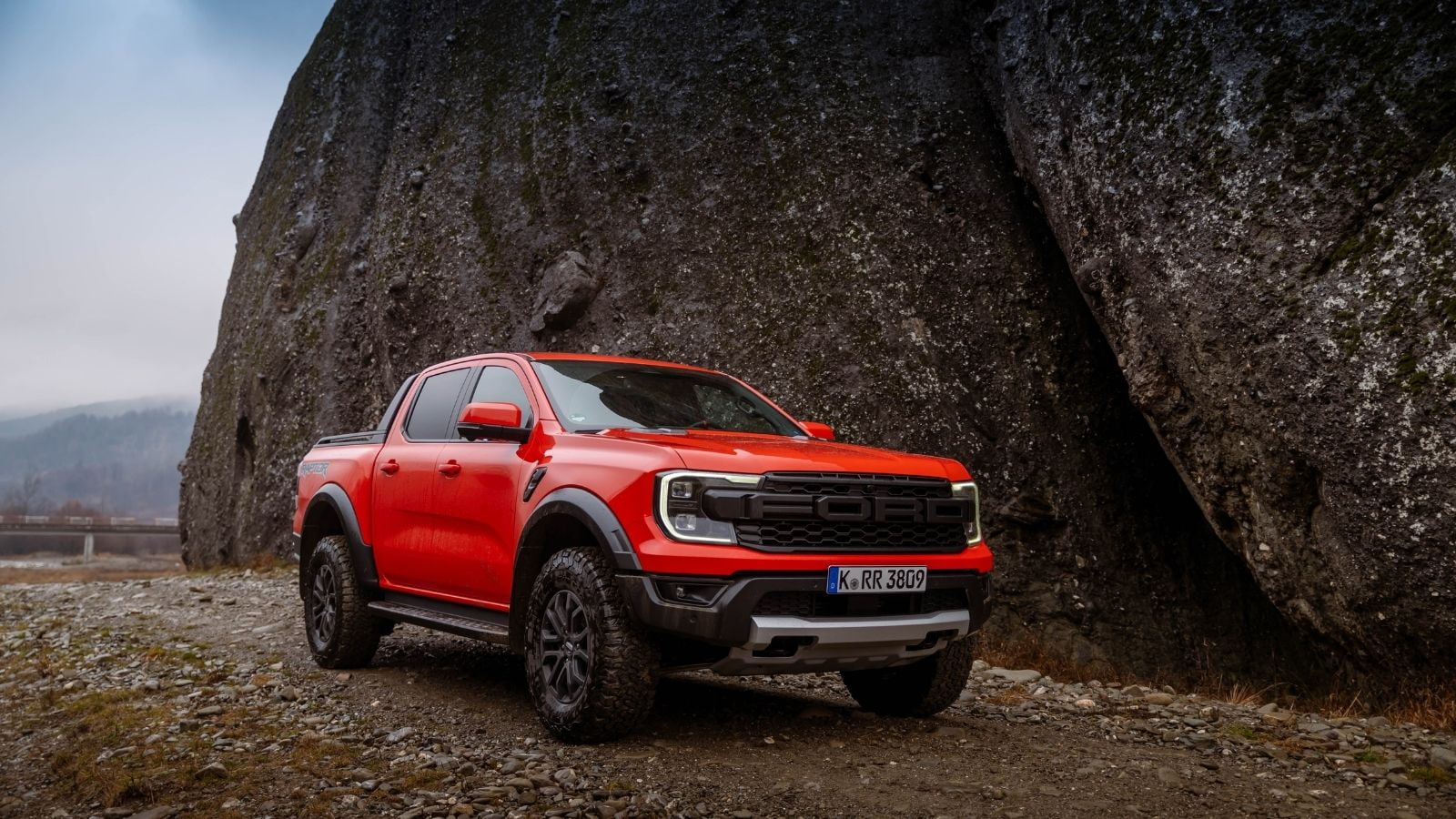
Older Rangers offered simple V6 power, but modern versions rely heavily on turbocharged four-cylinder engines. Downsizing allowed Ford to balance performance with global emissions standards. The result is a truck that performs well without the weight and consumption of older powertrains.
Chevrolet Colorado
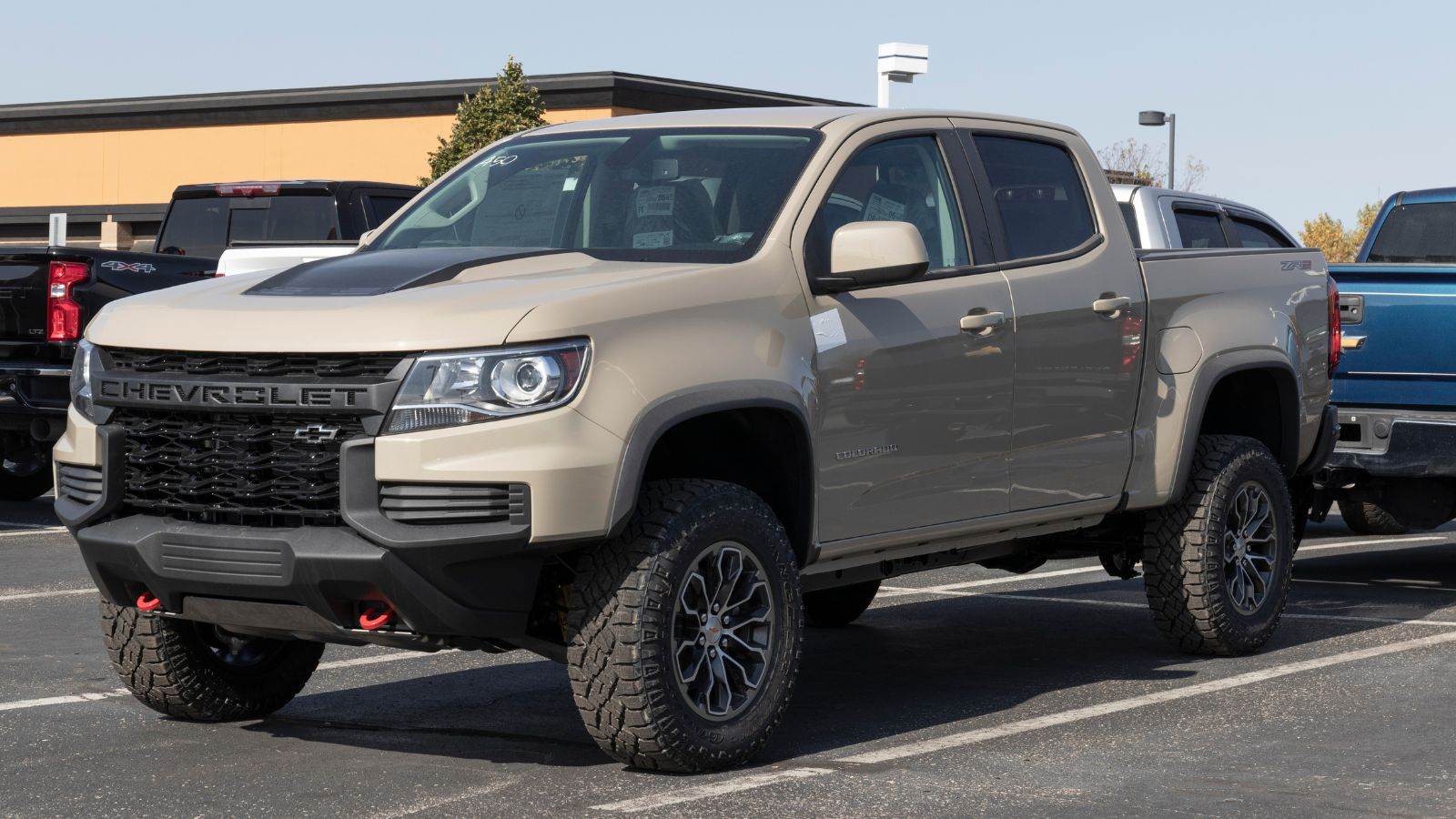
Chevrolet moved the Colorado toward turbocharged four-cylinder engines, replacing larger displacement options. Torque delivery improved, while fuel efficiency and emissions compliance became easier to manage. The change reflects how midsize trucks increasingly overlap full-size performance levels.
Toyota Tacoma
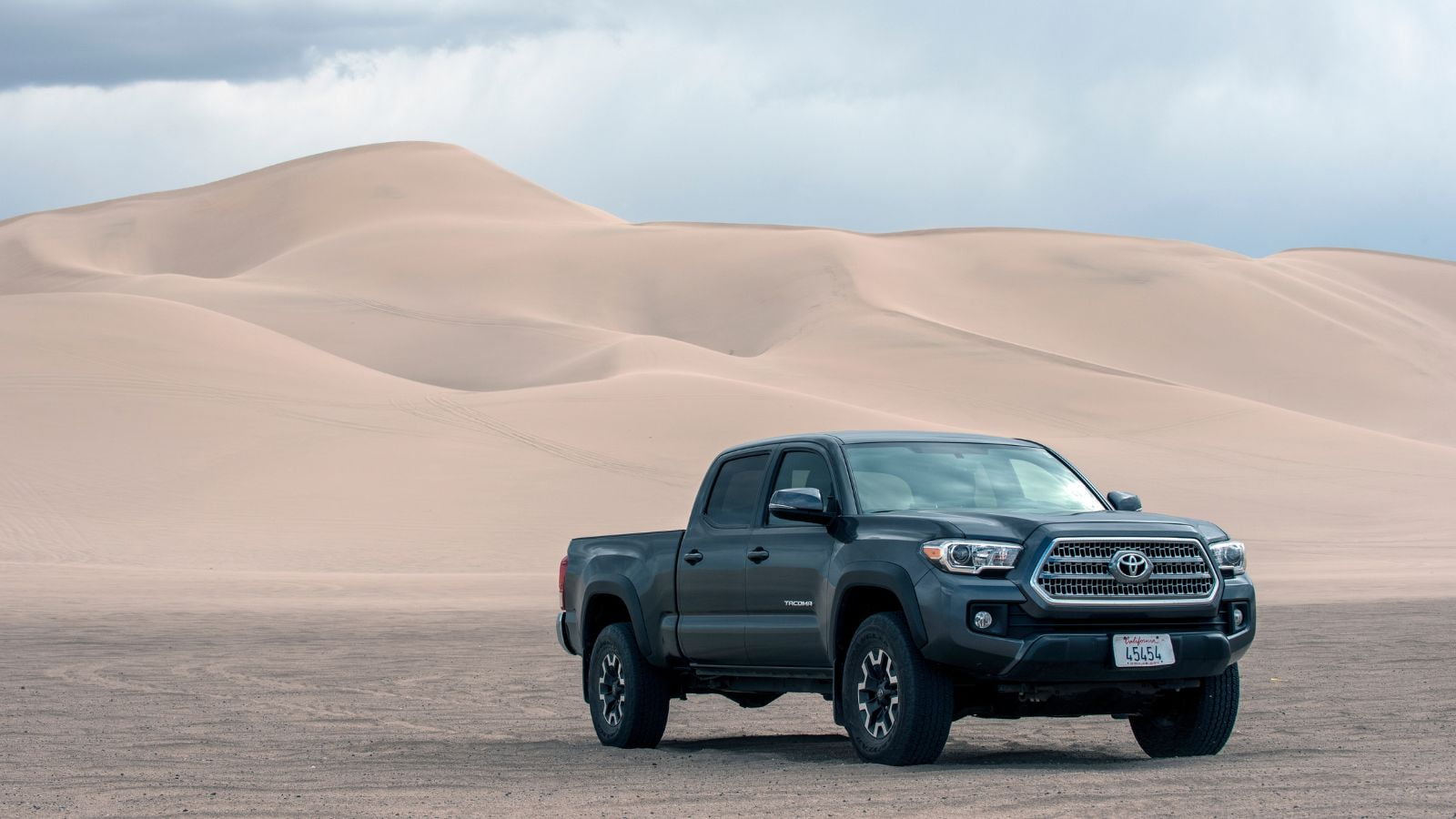
The Tacoma recently followed the same path, dropping its long-running V6 in favor of turbocharged four-cylinder power. Toyota prioritized torque, towing performance, and emissions compliance. The move sparked backlash, but early data suggests most buyers value capability over cylinder count.
Jeep Gladiator
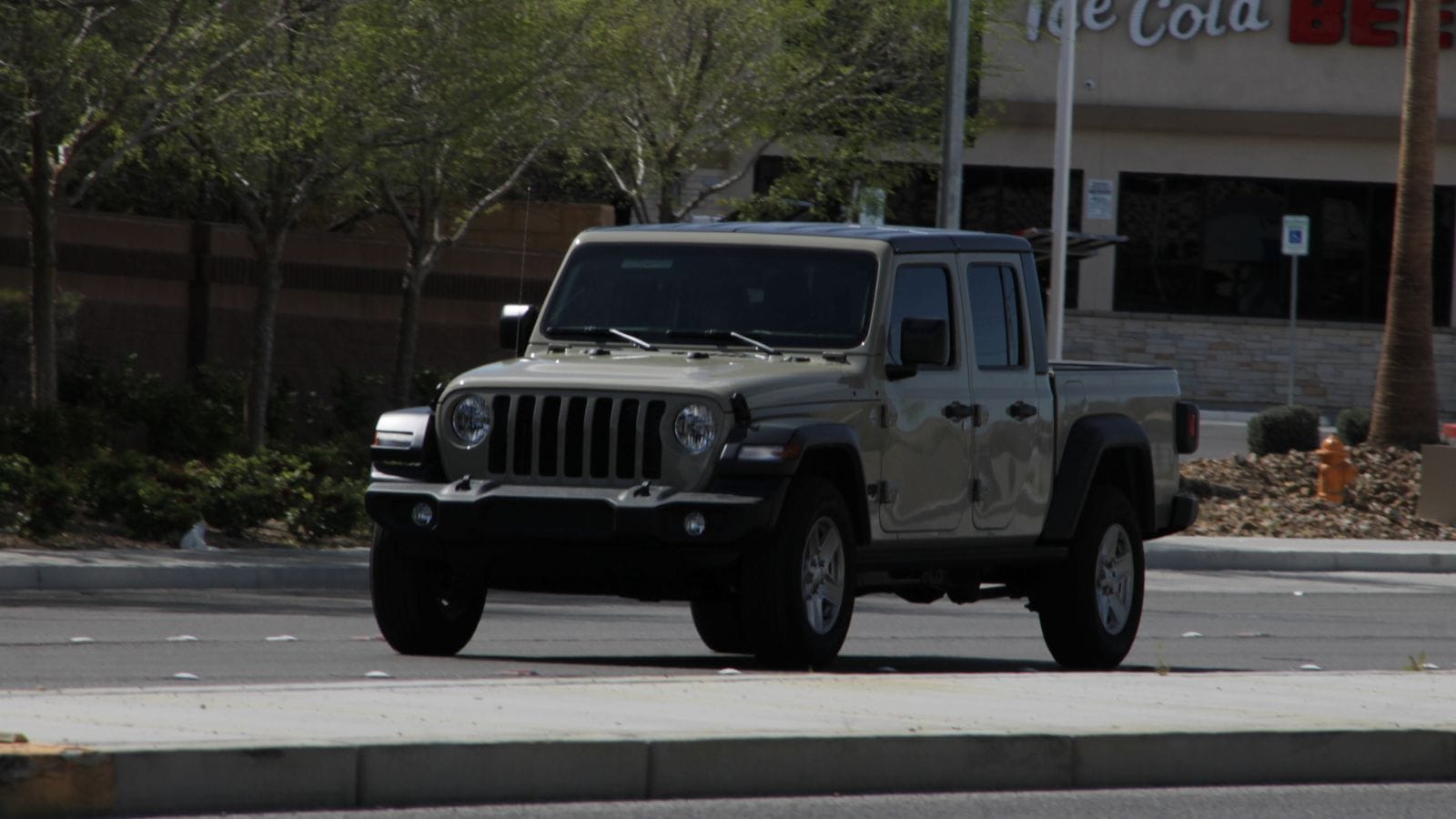
The Gladiator launched with V6 power and later introduced smaller turbo options. Jeep faced pressure to improve fuel economy while keeping off-road credibility intact. Downsizing became unavoidable as emissions targets tightened across North America and Europe.
What’s Driving the Push for Smaller Engines
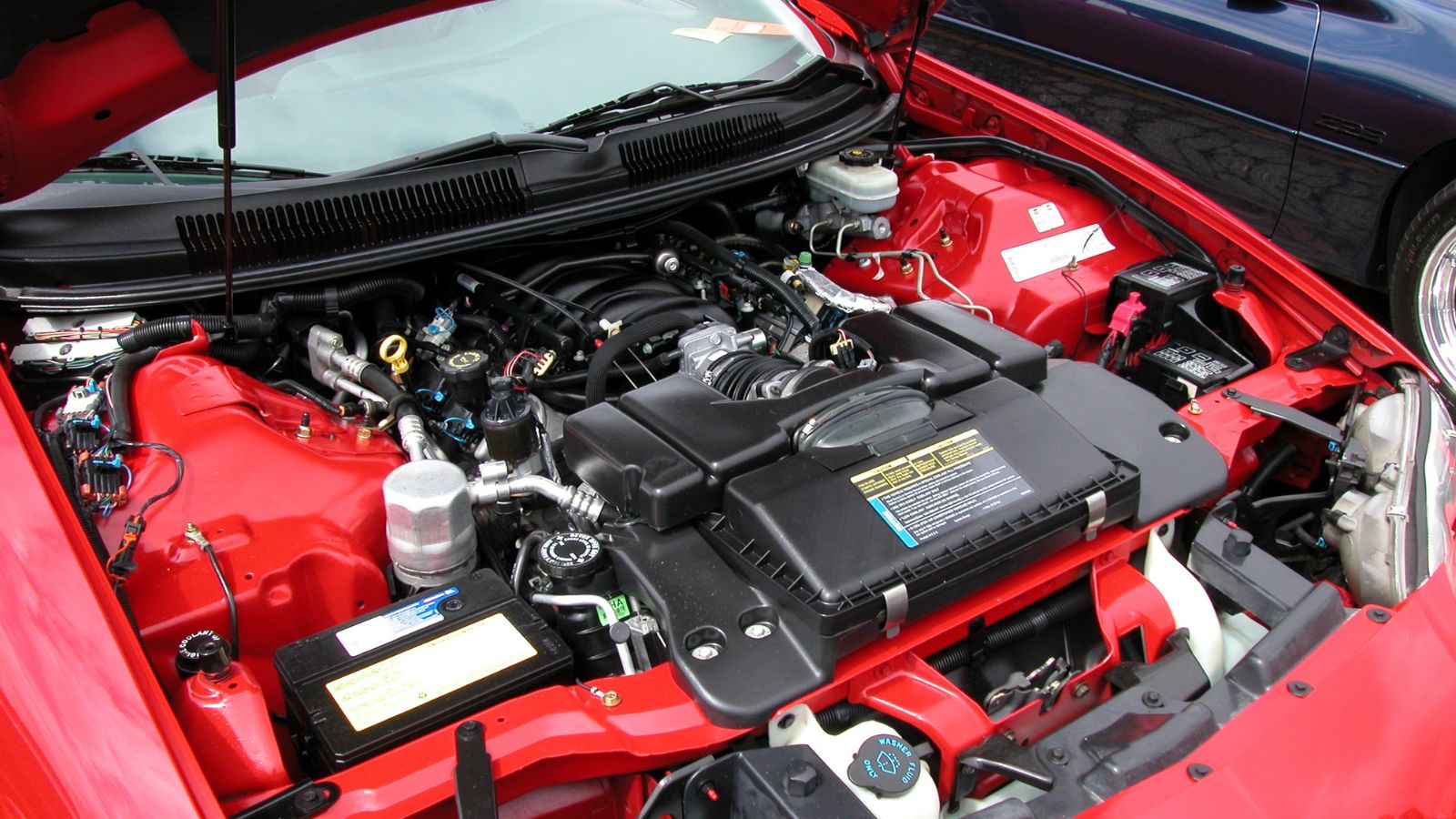
The move away from V8s is not just about fuel prices. Emissions regulations now penalize displacement and fleet averages heavily. Turbocharging allows manufacturers to deliver torque when needed while testing cleaner under standardized cycles. Insurance, taxation, and global market alignment also play major roles.
Consumer behavior matters too. Many buyers rarely tow or haul heavy loads, yet they pay for the engine every day at the pump. Manufacturers build trucks for how they are actually used, not how they are imagined. Downsizing also reduces manufacturing complexity by allowing shared engines across multiple platforms.
V8s are not extinct, but they are becoming specialty products rather than default choices. The modern truck market rewards efficiency, torque curves, and compliance more than tradition. For better or worse, engine size is no longer the defining feature of a serious pickup.
25 Facts About Car Loans That Most Drivers Don’t Realize

Car loans are one of the most common ways people fund car purchases. Like any other kind of loan, car loans can have certain features that can be regarded as an advantage or a disadvantage to the borrower. Understanding all essential facts about car loans and how they work to ensure that you get the best deal for your financial situation is essential. Here are 25 shocking facts about car loans that most drivers don’t realize:
25 Facts About Car Loans That Most Drivers Don’t Realize
