
Global conflicts rarely stay confined to the regions where they begin. When tensions rise in major energy producing areas such as the Middle East, the effects can spread through global supply chains in ways many drivers never expect. While fuel prices often receive the most attention, another cost may quietly rise at the same time. Auto repair and replacement parts can become more expensive when global instability disrupts energy markets, shipping routes, and manufacturing supply chains.
Oil Prices Influence Manufacturing Costs

The automotive industry depends heavily on petroleum based products. Oil is not only used as fuel but also as a key ingredient in plastics, synthetic rubber, and many industrial materials.
When global conflict pushes oil prices higher, the cost of producing these materials increases. Components such as hoses, seals, wiring insulation, and interior plastics can become more expensive for manufacturers to produce. Those higher production costs eventually flow through the supply chain and reach repair shops.
Shipping Costs Can Rise During Conflict
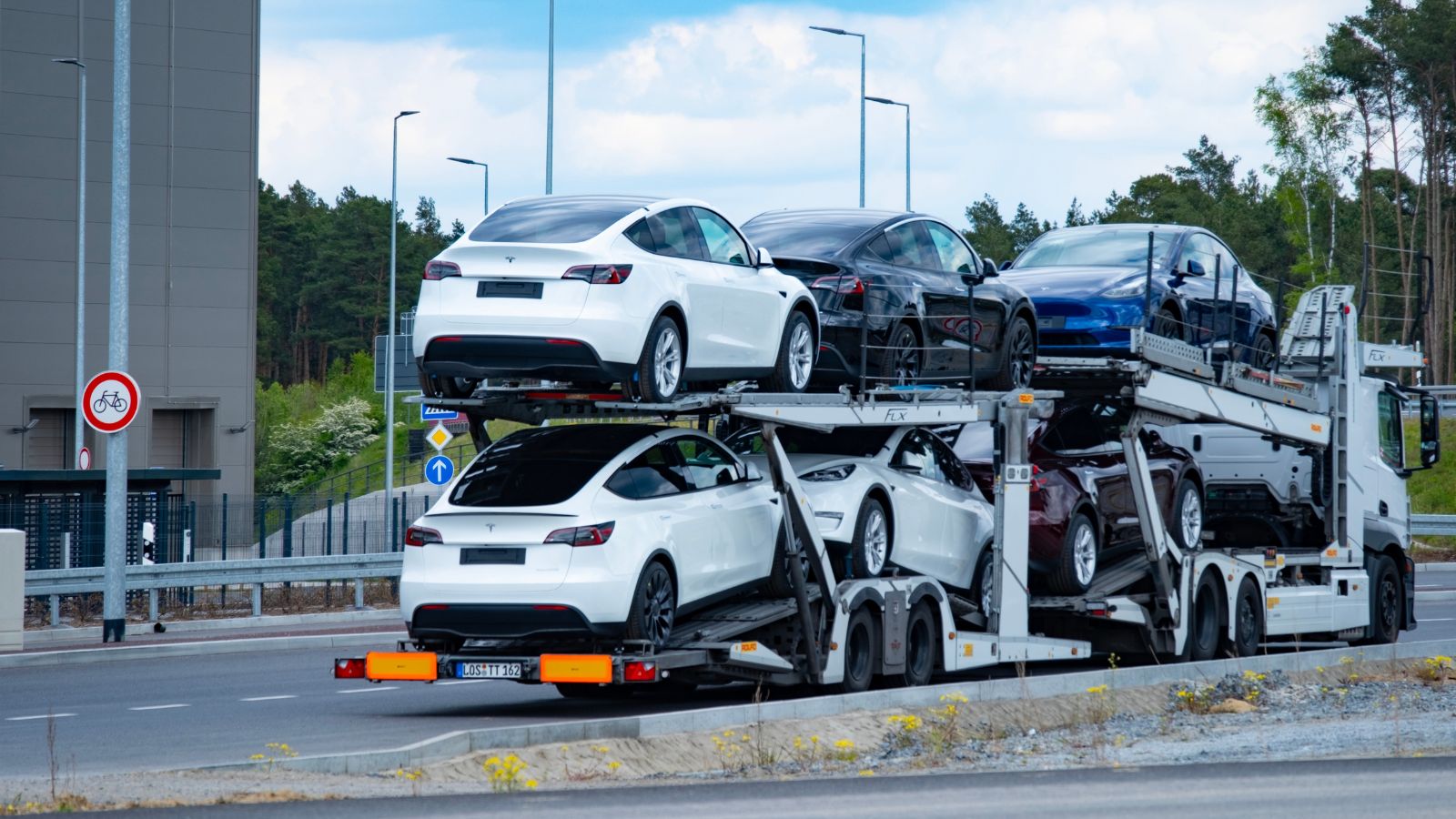
Many replacement parts used in North American vehicles travel long distances before reaching repair shops. Components may be produced in Asia, Europe, or Mexico and shipped through major international trade routes.
Conflict in strategic shipping regions can raise insurance costs for cargo vessels or force ships to take longer routes. Both situations increase transportation costs. Parts suppliers may pass those additional expenses along to distributors and repair facilities.
Energy Costs Affect Factories
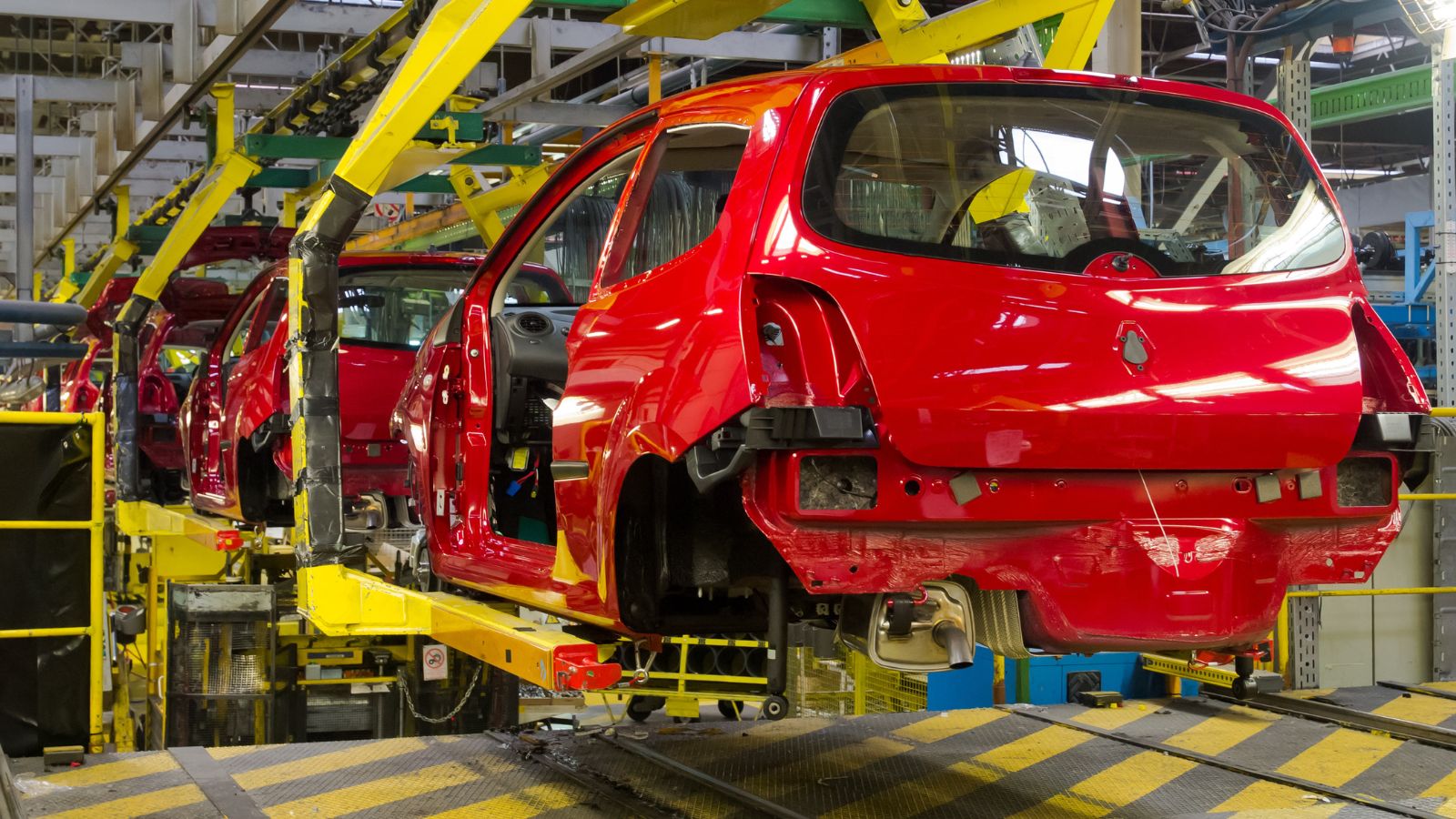
Manufacturing automotive parts requires significant amounts of energy. Steel mills, aluminum foundries, and plastics manufacturers all depend on stable energy supplies to operate efficiently.
When global tensions drive energy prices higher, factories face increased operating costs. Producing components such as brake rotors, engine parts, and body panels becomes more expensive. Those increases can eventually appear in the price of replacement parts.
Insurance and Risk Premiums Increase

Global instability can also affect the cost of insuring shipments of automotive components. When shipping routes become more dangerous or unpredictable, insurers often raise premiums.
These higher insurance costs add another layer of expense to the transportation of parts and materials. Suppliers must absorb or pass along these costs, which can increase prices for repair shops.
Delays Can Tighten Parts Supply
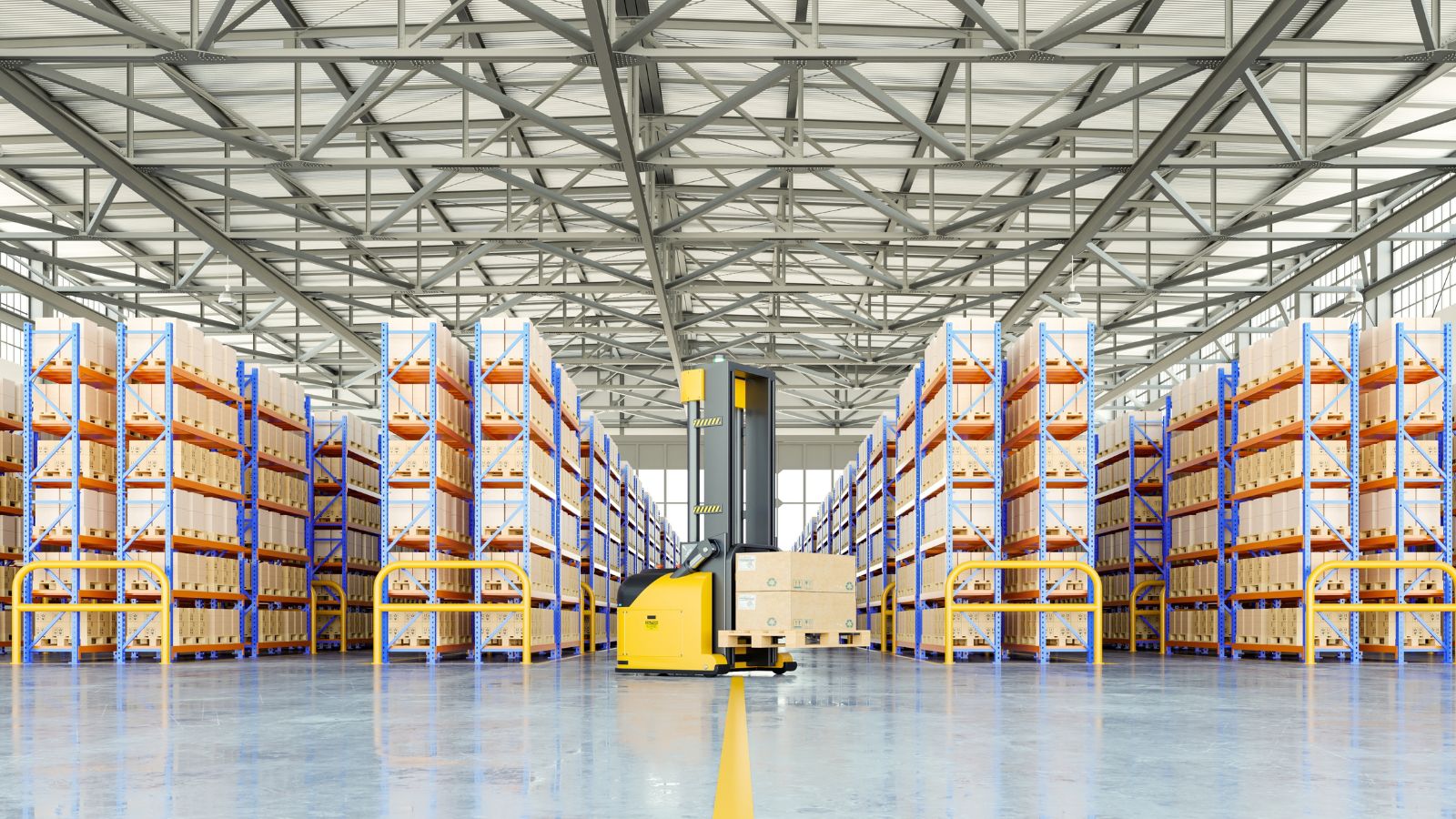
Conflicts that disrupt shipping routes can also slow the movement of parts across global supply chains. Delays in deliveries mean warehouses may temporarily run short of certain components.
When supply tightens while demand remains steady, prices often rise. Repair shops may need to pay more for parts that suddenly become harder to obtain.
Modern Cars Depend on Global Supply Chains
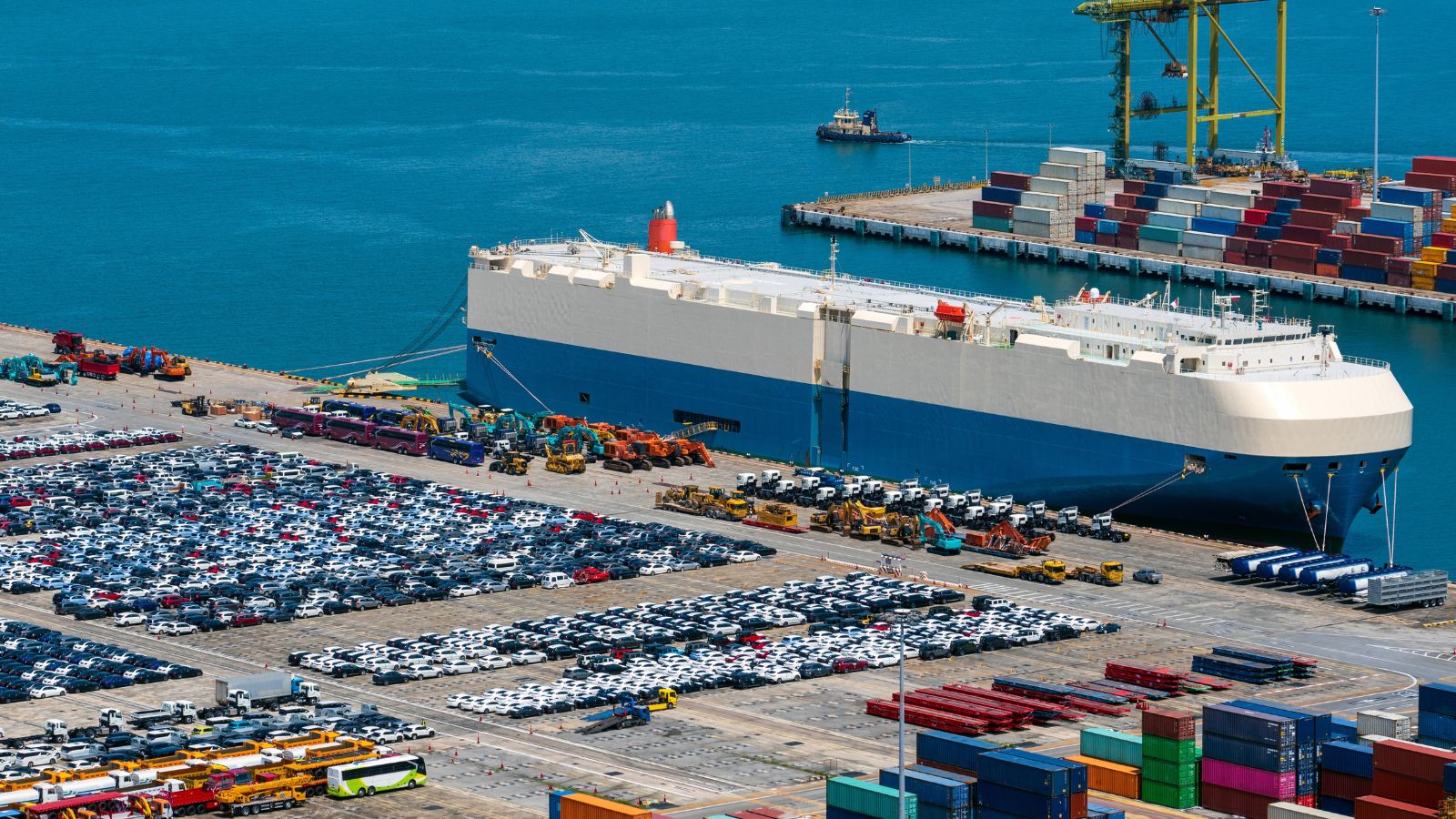
Today’s vehicles rely on extremely complex international supply networks. A single repair might involve parts produced in several different countries.
Electronic modules, sensors, and specialized components are often sourced from specific suppliers. If disruptions affect any part of that network, obtaining replacement components can take longer and cost more.
Labor Costs May Rise as Repairs Take Longer

When parts become harder to obtain, repair times can increase. Vehicles may sit longer in repair shops waiting for components to arrive.
Longer repair timelines can increase labor costs and reduce the number of vehicles a shop can service in a given period. These pressures can contribute to higher repair bills for customers.
Drivers Often Notice the Impact Slowly
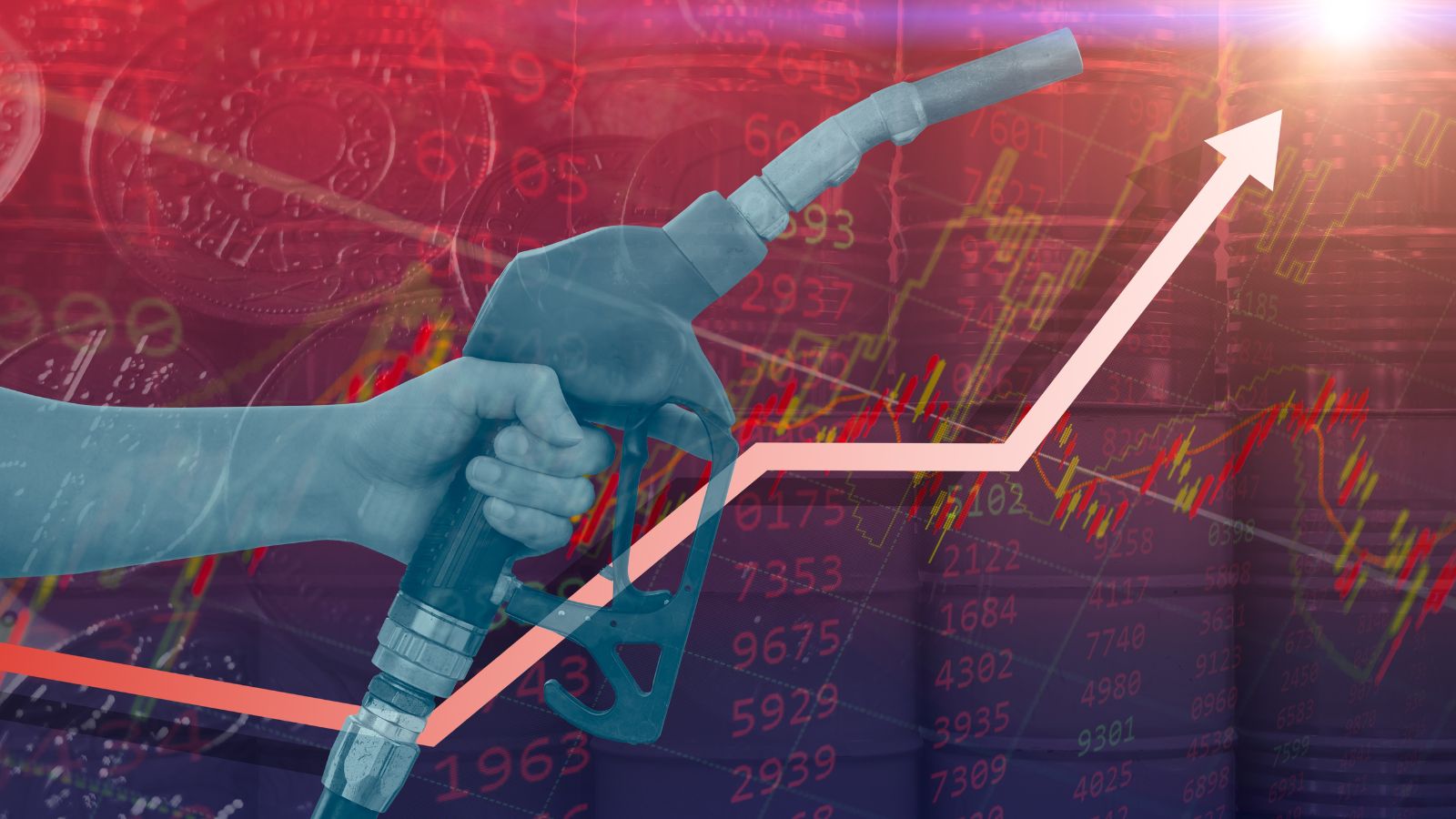
Unlike gasoline prices, which can change quickly, repair costs tend to rise more gradually. Drivers may first notice slightly higher prices for common maintenance items such as tires, filters, or brake components.
Over time these increases can accumulate across multiple repairs and services. The result is a noticeable increase in the overall cost of vehicle ownership.
Global Events Can Reach the Repair Shop
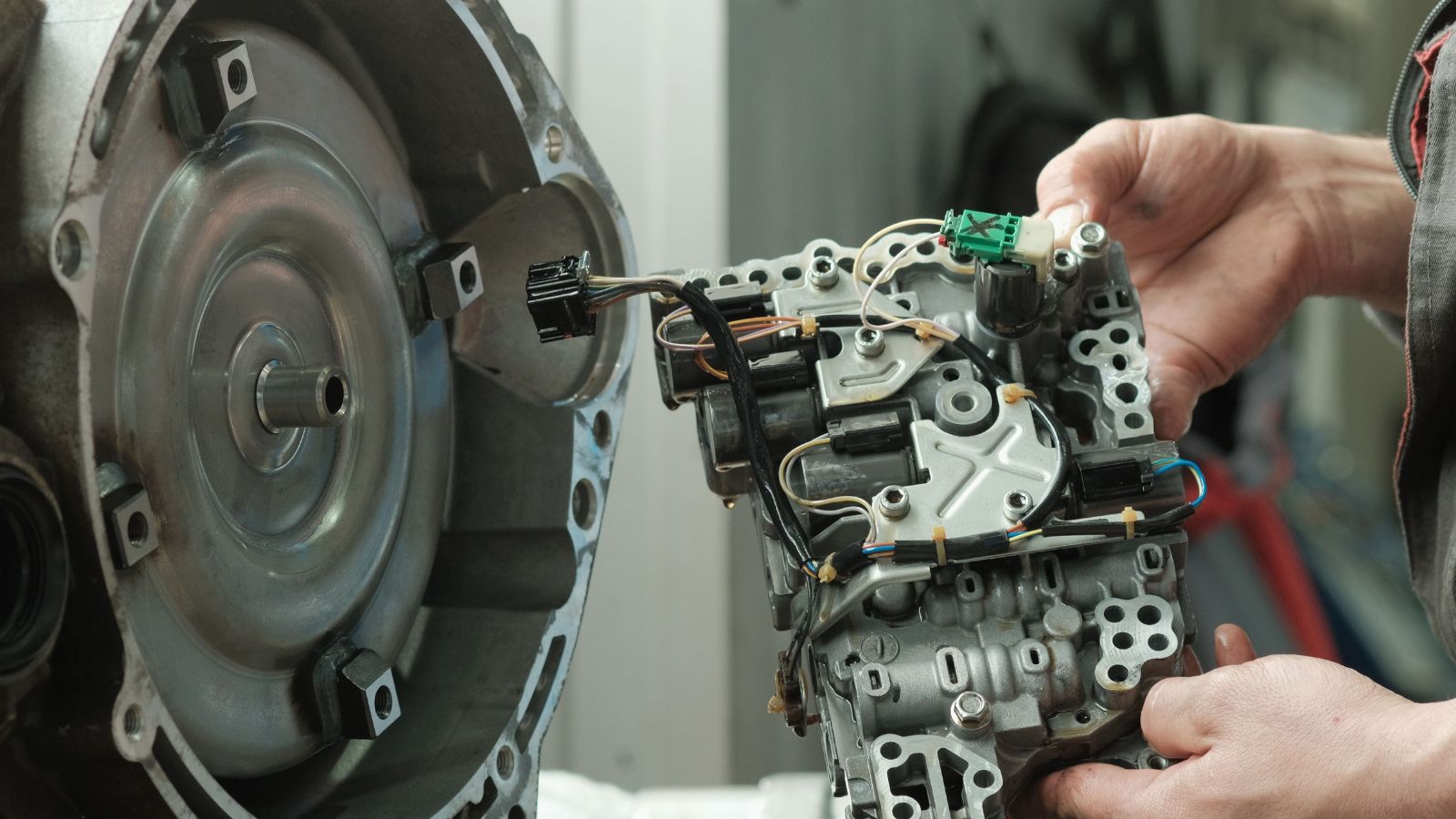
Most drivers think of geopolitical conflicts as distant events. Yet modern supply chains connect industries around the world, including the automotive sector.
When energy markets, shipping routes, or manufacturing costs are disrupted, the effects can eventually reach repair shops and parts suppliers. For drivers, that means global events can quietly influence the price of keeping a vehicle on the road.
25 Facts About Car Loans That Most Drivers Don’t Realize

Car loans are one of the most common ways people fund car purchases. Like any other kind of loan, car loans can have certain features that can be regarded as an advantage or a disadvantage to the borrower. Understanding all essential facts about car loans and how they work to ensure that you get the best deal for your financial situation is essential. Here are 25 shocking facts about car loans that most drivers don’t realize:
25 Facts About Car Loans That Most Drivers Don’t Realize
