
A low odometer reading can make a used car feel like a lucky find, especially when the paint still shines and the seller has a convincing story. Mileage shapes price, warranty expectations, maintenance timing, resale value, and confidence, which is why a misleading reading can turn an apparent bargain into an expensive surprise. Modern digital odometers may look harder to alter than old mechanical ones, but mileage fraud has not disappeared; it has simply become less obvious. These 19 warning signs focus on paperwork, physical wear, vehicle history, seller behaviour, and mechanical clues that can help reveal when a used car’s mileage may not tell the whole story.
Paperwork Mileage Moves Backward

A clean-looking dashboard is only one part of the mileage story. The stronger evidence often begins with the title, registration history, transfer documents, or provincial paperwork. If an older record shows 168,000 kilometres and the car now displays 124,000, the issue is not a harmless clerical detail unless there is a documented explanation. Mileage should generally rise over time, not move in reverse.
The concern grows when the mileage field looks altered, erased, overwritten, left blank, or marked with vague wording such as “unknown” or “not actual.” A seller may explain that a clerk entered the wrong number years ago, and sometimes that is true. Still, buyers should treat backward mileage as a major warning sign until supporting records, repair orders, and a professional inspection all point in the same direction.
The Vehicle History Has an Odometer Gap

Vehicle history reports can reveal mileage readings from registrations, service facilities, insurance records, auctions, collision repairs, and other data sources. A useful report does not simply show accidents or liens; it builds a timeline. When that timeline jumps from regular annual readings to a long silence, then returns with a surprisingly low number, the missing period deserves attention.
A gap is not automatic proof of fraud. Some repairs never reach a reporting database, and do-it-yourself maintenance may leave no digital trace. The problem is when the gap lines up with a sale, an auction appearance, an out-of-province move, or a sudden price that seems too attractive. A buyer comparing two reports, or a report against maintenance receipts, may spot the kind of inconsistency that a quick test drive would never reveal.
Service Records Tell a Different Story

Repair invoices often record the odometer reading on the day work was performed. That makes maintenance paperwork one of the most practical tools for checking whether a car’s mileage pattern makes sense. Oil changes, brake service, tire rotations, warranty repairs, and inspection forms can create a more honest history than the number glowing on the dashboard.
A suspicious file may include a receipt for transmission service at 132,000 kilometres, followed by a current odometer reading of 88,000. Another clue is missing paperwork on a car that supposedly has very low mileage but is old enough to have needed several services. A careful owner may keep a folder of dated receipts. A seller who cannot provide anything, especially while asking a premium for “low kilometres,” leaves buyers with too much to assume.
Oil Change Stickers Do Not Match

Small stickers can be surprisingly revealing. Quick-lube shops and dealerships often place oil-change reminders on the windshield, door frame, glove box, or under the hood. These stickers may show the mileage at the last service and the mileage expected at the next one. When those numbers sit above the current odometer reading, the vehicle’s story needs explaining.
A seller might forget to remove an old sticker after an instrument cluster replacement, or a shop may have entered the wrong mileage. Those possibilities should be documented, not waved away. A sticker reading “next service due at 152,000 km” on a car showing 101,000 km is not a minor oddity. It is a practical clue that should be compared with receipts, service databases, inspection records, and any history report available for the vehicle.
The Age and Mileage Do Not Fit the Story
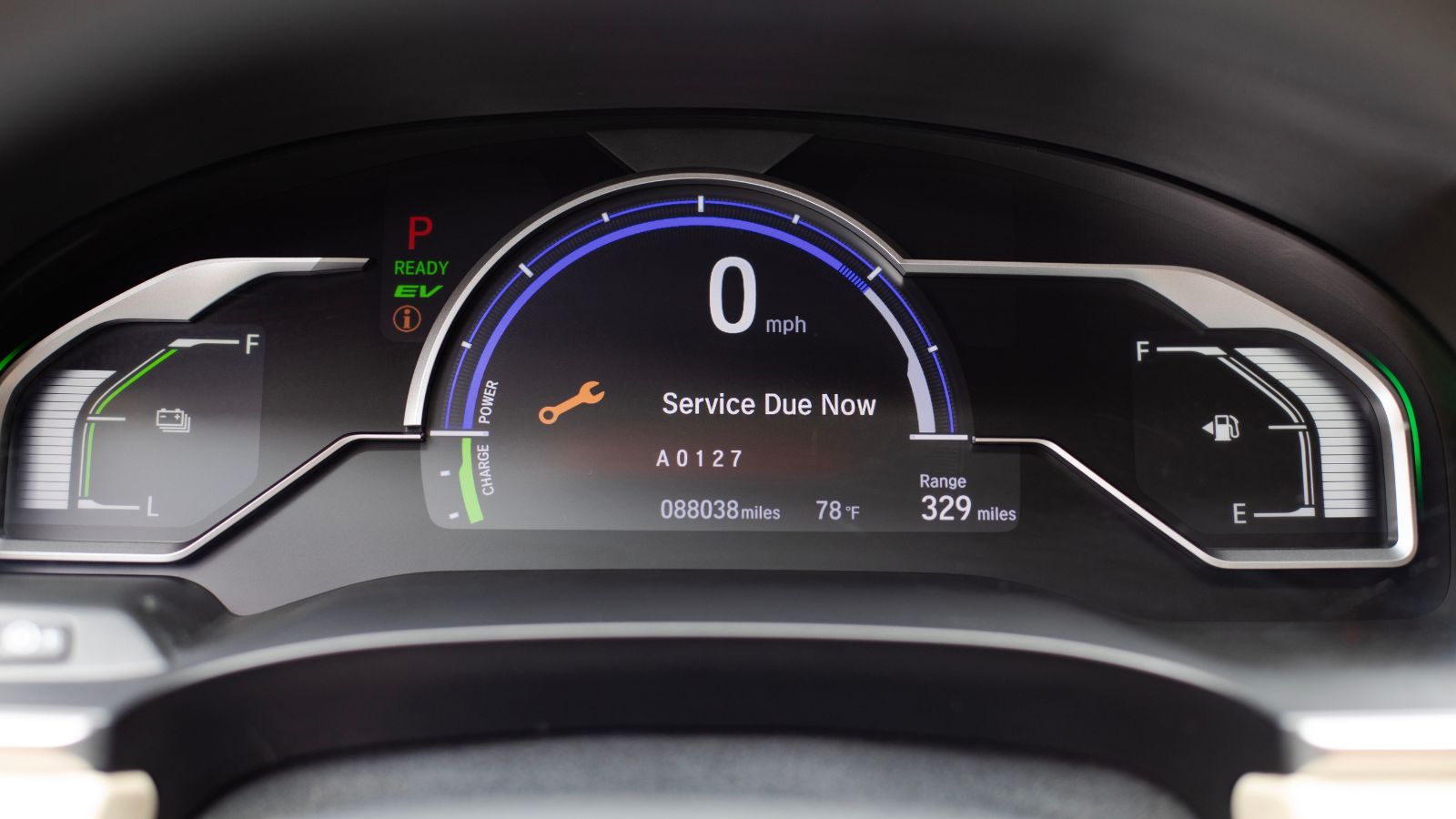
A ten-year-old car with unusually low mileage can be real, but it should come with a believable life story. A retired owner, a second household vehicle, or seasonal use may explain low numbers. The problem appears when the seller’s explanation sounds generic, changes during the conversation, or fails to match the condition of the vehicle.
Average driving varies widely by location and lifestyle, so mileage should never be judged by a single rule. Still, a very low reading on an older commuter-friendly sedan, work truck, or family SUV should invite extra checking. If the car appears to have endured daily use, long highway trips, winter roads, and multiple owners, yet the odometer suggests it barely left the driveway, the mismatch may be more important than the odometer itself.
Tires Look Too New for the Claimed Mileage
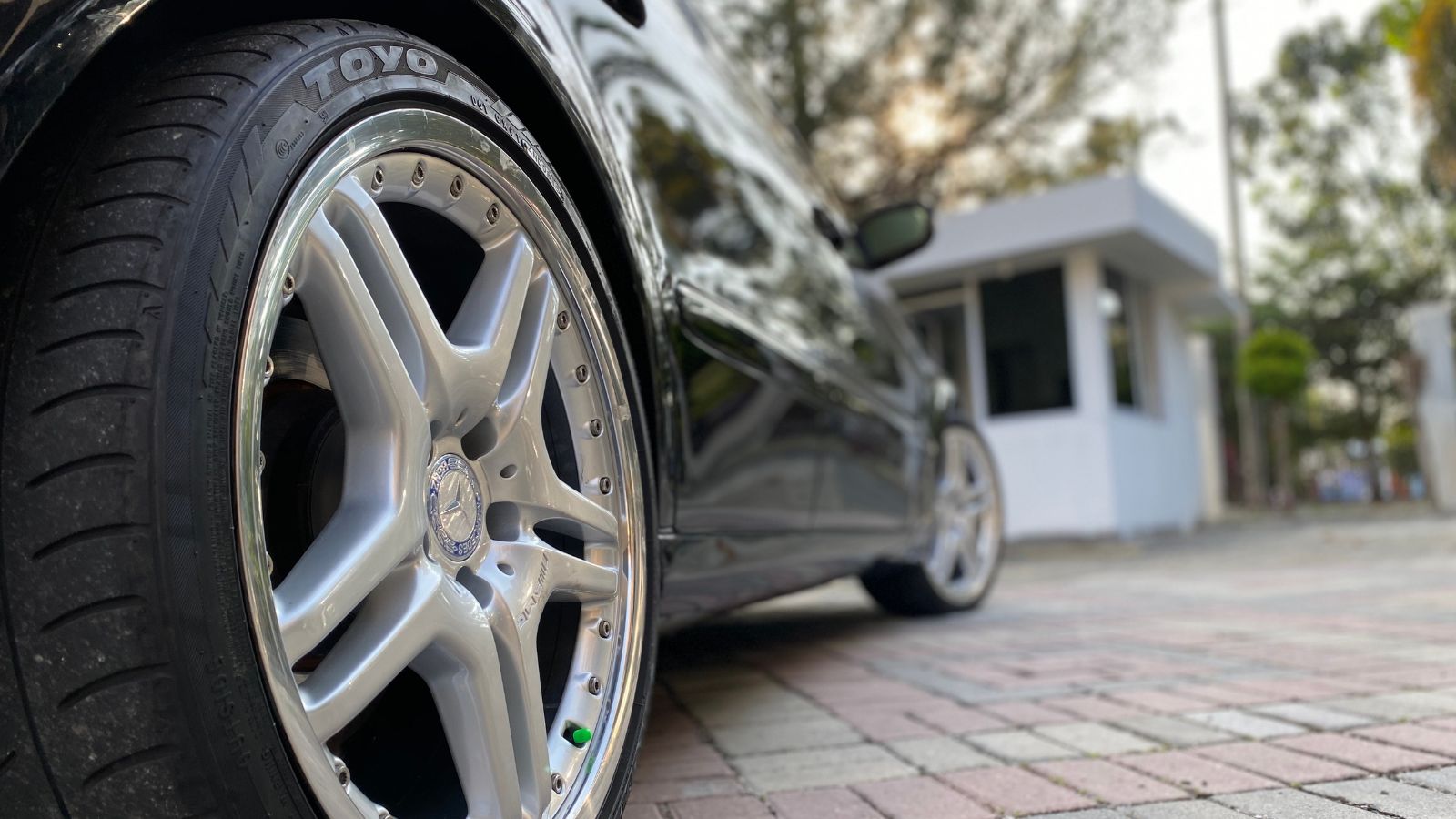
Tires are not a perfect mileage meter, but they can raise useful questions. A genuinely low-mileage vehicle may still have its original tires, depending on age, storage, climate, and tread condition. If a car shows very low mileage but already has a full set of replacement tires, the reason should be clear from receipts or tire date codes.
New tires are not proof of a rollback. Owners replace tires because of punctures, winter driving, age, uneven wear, or safety concerns. The warning sign is the combination: very low mileage, no tire receipts, uneven explanations, and other wear that looks heavier than expected. Tire sidewalls also carry manufacturing codes that can help determine age. A car advertised as barely used should not rely on tire claims that fall apart after a close look.
Pedals Show Heavy Wear
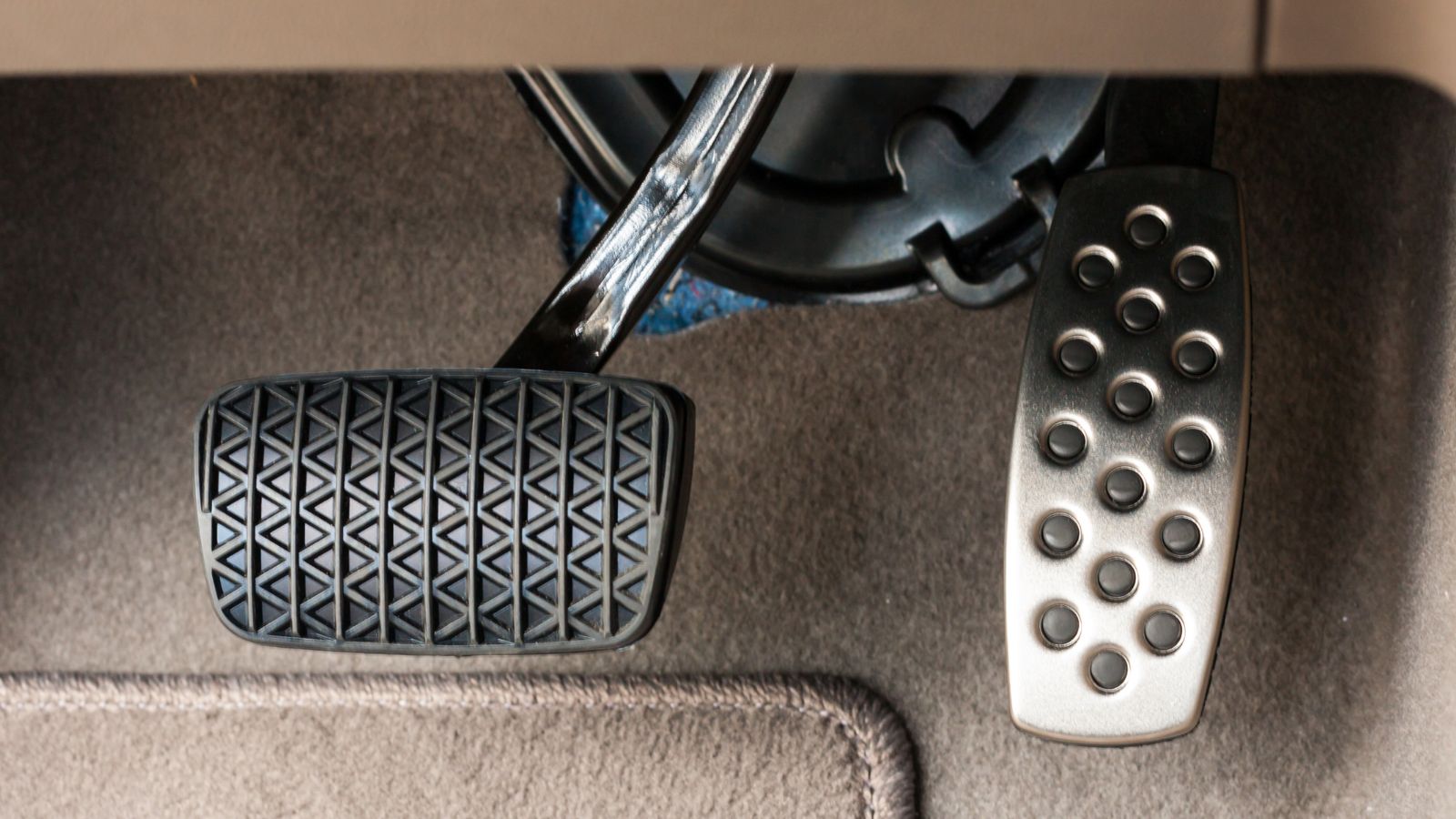
Pedals receive constant contact, especially in stop-and-go traffic. Brake and accelerator pads can become smooth, rounded, cracked, or worn through after years of use. On manual vehicles, clutch-pedal wear can be even more telling. When a seller claims unusually low mileage but the pedal rubber looks polished and tired, the car may have lived a harder life than advertised.
Pedals can be replaced cheaply, which creates another clue. Brand-new pedal pads on an older vehicle with a supposedly untouched interior may be innocent maintenance, but they can also mask wear. The best approach is to compare all contact points together: pedals, steering wheel, driver’s seat, shifter, buttons, floor mats, and door handles. One worn part may mean nothing. A whole cabin that looks heavily used is harder to dismiss.
The Steering Wheel and Seat Look Overused
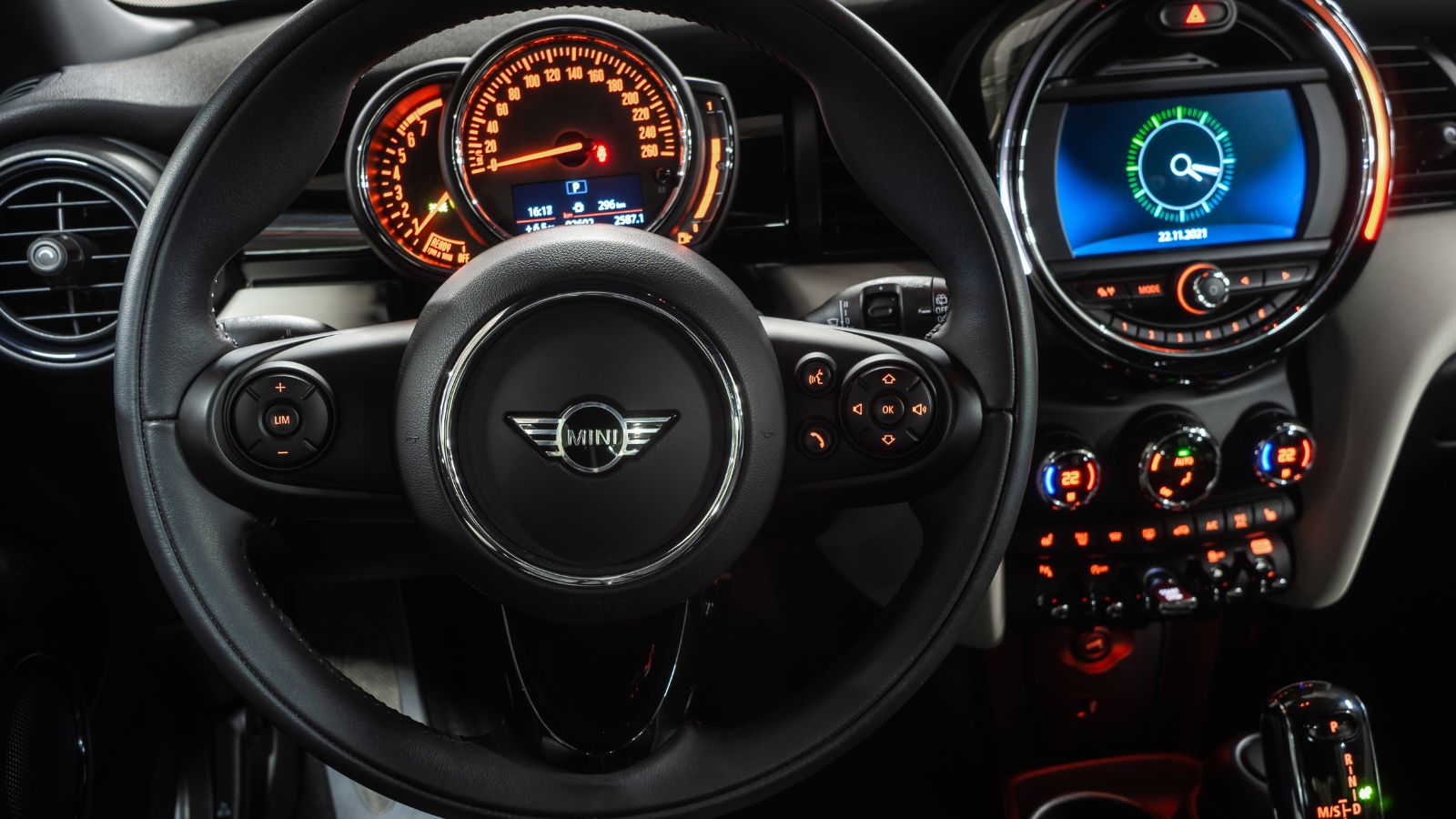
The driver’s seat and steering wheel often age faster than the rest of the cabin. Leather can shine, crack, or flatten. Cloth bolsters can fray where the driver slides in and out. Steering wheels may become glossy from years of hands, while frequently touched buttons lose texture or printed markings. Those details should match the odometer’s claim.
A car showing 48,000 kilometres should not usually feel like a taxi that has spent years in city traffic. Wear patterns matter more than a single scuff. A sagging seat cushion, loose armrest, faded steering controls, and heavily worn floor mat together tell a fuller story. Some sellers install seat covers or steering-wheel wraps before listing a vehicle, which may be cosmetic, but it also makes the buyer’s inspection harder.
Fresh Interior Pieces Seem Too Convenient

A newly installed steering-wheel cover, fresh seat covers, new floor mats, replacement pedal pads, or a recently swapped shifter can be normal upgrades. They can also hide the daily-contact wear that helps buyers judge mileage. Cosmetic refreshes deserve attention when the vehicle is advertised mainly on low kilometres and premium condition.
The key is whether the updates feel consistent with the rest of the car. A spotless driver’s seat cover beside worn door pulls, scratched buttons, and flattened carpet may suggest selective concealment. A seller who volunteers receipts and explains the changes clearly is less concerning than one who becomes defensive. Used cars can be cleaned and improved before sale, but when every worn contact surface has been covered, the odometer should not be trusted alone.
The Dashboard Shows Signs of Tampering

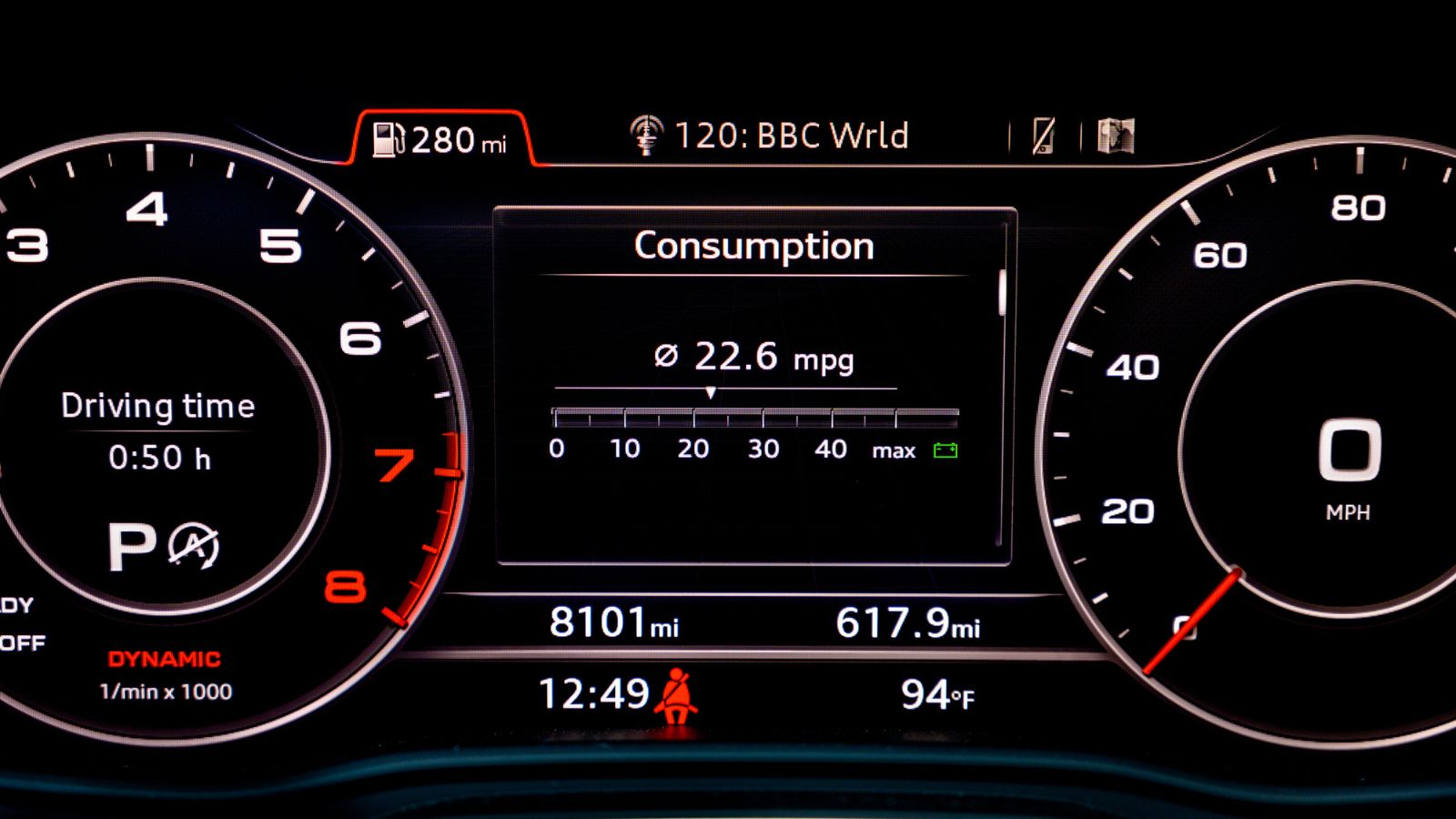
Mechanical odometers can show crooked digits, uneven spacing, or strange movement. Digital odometers are cleaner, but the surrounding dashboard can still reveal signs of access. Loose screws, scratched trim, broken clips, mismatched panels, or tool marks around the instrument cluster may suggest that someone removed or disturbed the cluster.
Dashboard work can have legitimate explanations, including airbag repairs, bulb replacement, electrical diagnostics, or a failed instrument panel. The issue is disclosure. If a seller says the dashboard has never been touched while the trim tells a different story, mileage is not the only concern. A professional inspection can determine whether the cluster was replaced, whether warning lights operate properly, and whether the visible reading is consistent with records stored elsewhere.
The Digital Modules Do Not Agree
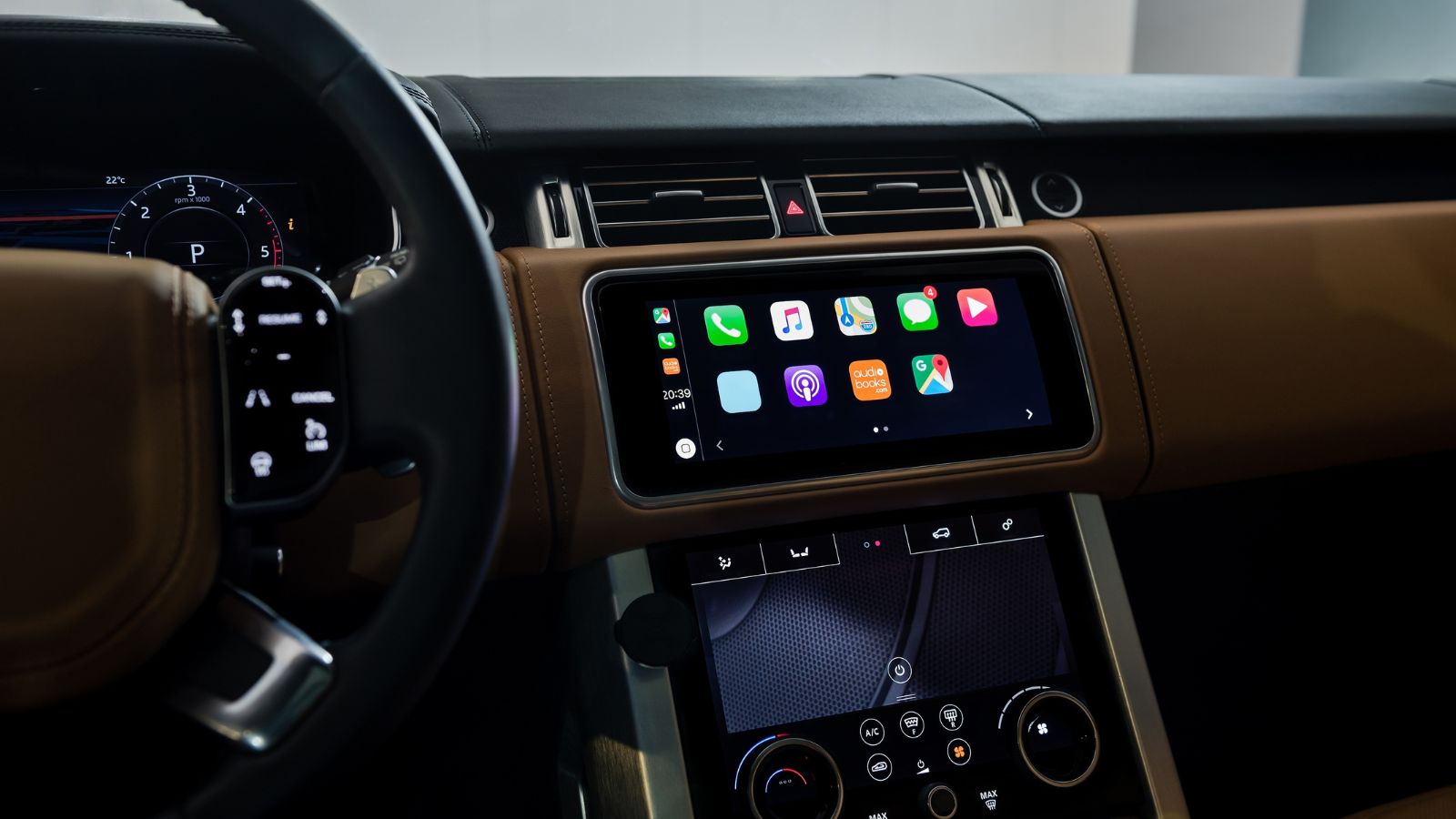
Modern vehicles often store mileage-related information beyond the dashboard display. Depending on the model, a technician may be able to compare data from control modules, service systems, keys, or diagnostic logs. If the dashboard shows one number while another module suggests much higher use, the visible odometer may not be telling the full truth.
Not every scan tool can retrieve this information, and not every vehicle stores it in the same way. Still, the possibility matters because digital odometers can be altered with specialized equipment. A dealer or qualified technician may catch inconsistencies that a buyer cannot see. This is especially valuable on newer vehicles where the dashboard looks perfectly normal, the numbers line up neatly, and the fraud is hidden electronically rather than mechanically.
The VIN Is Hard to Get
A legitimate seller should have no serious reason to hide the vehicle identification number. The VIN allows buyers to order a history report, check recalls, compare documents, and confirm that the car being viewed matches the paperwork. When a seller refuses to provide it before a meeting, crops it out of photos, or gives a number that does not match the windshield plate, caution is warranted.
VIN hesitation can point to more than mileage trouble. It may involve title issues, undisclosed damage, stolen vehicles, cloned identities, or unpaid liens. Still, mileage fraud often depends on limiting what a buyer can verify. A seller who pressures for a deposit before providing the VIN is asking for trust while withholding the very tool needed to verify the story.
The Price Is Low for a “Low-Mileage” Car
Mileage has a direct influence on used-car value. Lower mileage usually supports a higher asking price, especially on reliable models, trucks, family SUVs, and vehicles still close to warranty limits. When a listing advertises unusually low mileage but sits far below comparable vehicles, the bargain may be bait rather than generosity.
There can be fair reasons for a lower price: accident history, cosmetic damage, urgent relocation, mechanical problems, or a rebuilt title. The issue is when the seller insists the car is clean, low-mileage, and trouble-free while pricing it like something is wrong. That contradiction deserves investigation. A deal that seems too good may still be legitimate, but buyers should let paperwork, history reports, inspection results, and seller transparency prove it.
The Seller’s Story Keeps Changing

A useful mileage check can start with a simple conversation. Ask how much mileage is on the car, how it was used, who drove it, where it was serviced, and why it is being sold. Then compare those answers with the advertisement, vehicle history report, registration documents, and repair records. Small differences happen; shifting stories are different.
For example, a seller may first describe the vehicle as a weekend-only car, then mention daily commuting, then say it belonged to a relative, then reveal it came from auction. Each detail may be harmless alone, but together they weaken confidence. Mileage fraud often survives because buyers focus on the dashboard instead of the narrative. A consistent owner history is not proof, but inconsistency is a reason to slow down.
Inspection Records Do Not Progress Logically

Safety inspections, emissions checks, registration renewals, and shop visits can leave dated mileage entries. These entries are useful because they show progression over time. A healthy pattern might show 62,000 km, then 78,000, then 94,000 across several years. A suspicious pattern may jump up sharply, disappear, then return lower.
Administrative errors do happen, especially when digits are transposed or miles and kilometres are confused. That is why a single odd entry should be investigated, not treated as a conviction. The concern grows when several records conflict, when the seller cannot explain them, or when the current reading conveniently restores the car to a more valuable mileage bracket. Logical progression is one of the simplest tests a used vehicle can pass.
Wear Items Arrived Earlier Than Expected

Mileage influences when many wear items typically need attention. Brakes, tires, suspension parts, belts, fluids, and some drivetrain services do not follow identical schedules for every driver, but heavy replacement history on a supposedly low-mileage car raises questions. A vehicle showing modest use should not usually need the same work as one that has lived a high-mileage life.
Receipts provide context. A brake job at low mileage may reflect city driving, towing, corrosion, or a previous owner’s cautious maintenance. But repeated suspension repairs, multiple tire sets, worn bushings, and major drivetrain service can suggest harder or longer use than the odometer indicates. A mechanic can separate normal age-related deterioration from wear that looks mileage-related. That professional opinion can prevent a buyer from mistaking fresh repairs for proof of careful ownership.
Fleet, Rental, or Commercial Use Was Not Mentioned

Fleet, rental, taxi, police, delivery, and rideshare vehicles can accumulate mileage quickly. Some are maintained carefully, but they may experience frequent starts, hard braking, many drivers, and long operating hours. When a vehicle’s past use was commercial but the seller presents it as a lightly driven personal car, the mileage story deserves closer inspection.
The warning sign is not commercial history by itself. Many former fleet vehicles are sold honestly with clear records and fair pricing. The concern appears when the title, history report, or dealer paperwork shows previous fleet use while the seller’s pitch relies on private-owner language. A car that spent part of its life in service may show cabin wear and mechanical fatigue that do not align neatly with its current odometer reading.
Out-of-Province or Import History Is Murky

Vehicles that move between provinces, states, or countries can have more complicated records. Mileage may be recorded in kilometres in one jurisdiction and miles in another. Paperwork may change hands through auctions, wholesalers, dealers, or private sellers. This does not mean the car is bad, but it creates more places for errors or concealment to enter the story.
A careful buyer should look for continuity. The VIN should match on all documents, the ownership trail should make sense, and the mileage units should be clear. A U.S. import showing 80,000 may mean miles, not kilometres, which is a major difference. If the seller cannot explain where the vehicle came from, how it was registered, or why records are missing, the odometer reading should be treated as unverified.
The Report Uses Mileage Warning Language
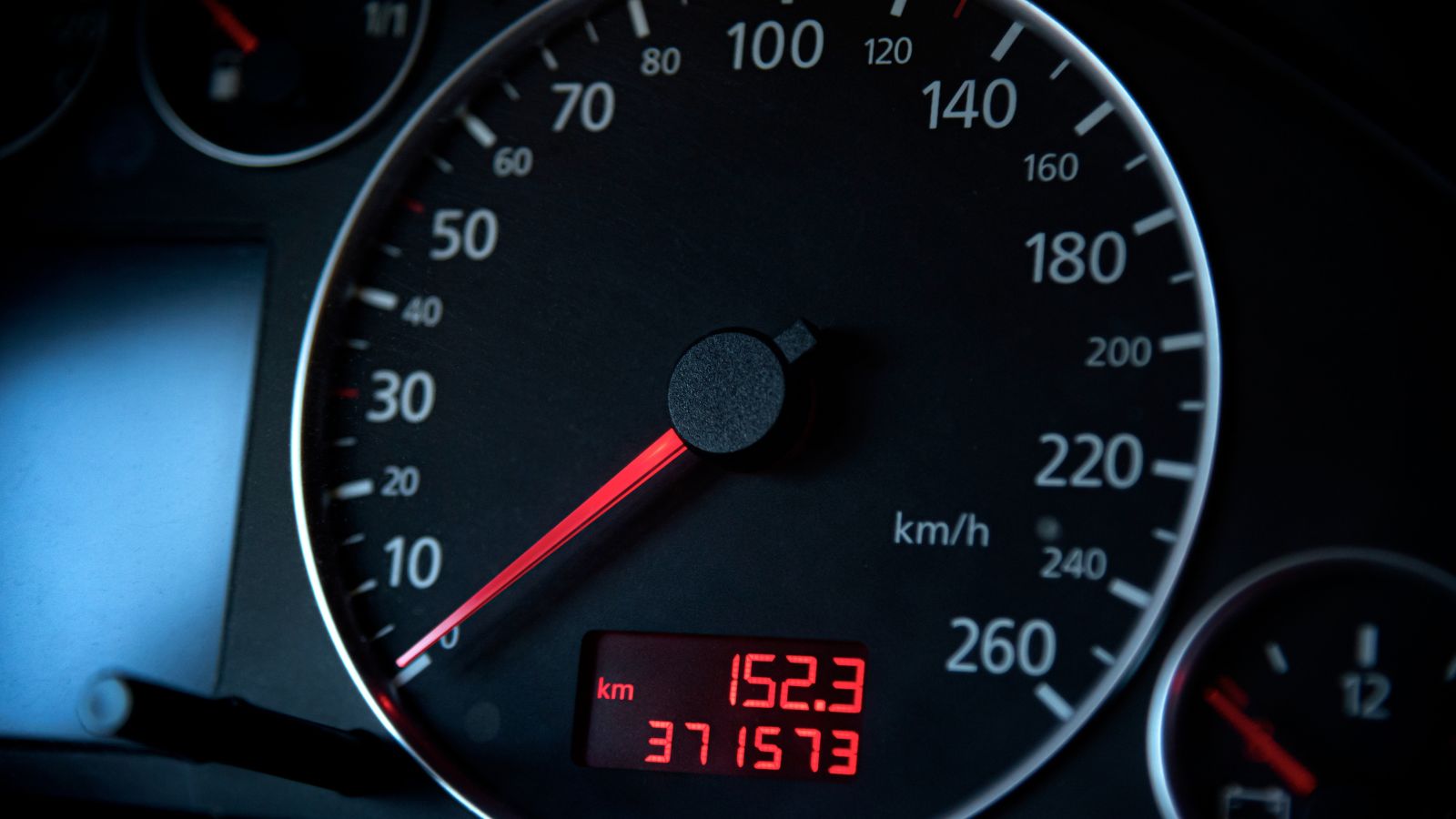
Some history reports and title records use phrases that should stop a purchase from moving too quickly. Wording such as “not actual miles,” “odometer discrepancy,” “true mileage unknown,” “exceeds mechanical limits,” or “rollback” may indicate that the recorded mileage differs from the odometer or from a prior reading. These labels can seriously affect value.
A warning label should not be ignored because the car looks good. It may reduce resale value, complicate financing, affect warranty assumptions, and create future disclosure obligations. The seller may claim the label is an old mistake, and that may occasionally be true. However, the burden should be on documentation, not reassurance. A corrected title, official explanation, service records, and professional inspection are the minimum needed before treating the mileage as credible.
The Seller Resists an Independent Inspection

A pre-purchase inspection is one of the best safeguards against hidden mileage concerns. A qualified mechanic can examine wear patterns, check for dashboard disturbance, scan modules when possible, review maintenance needs, and spot mechanical condition that does not fit the displayed mileage. Refusal does not prove fraud, but it changes the risk.
Some sellers may object because of scheduling, liability, or fear of a buyer wasting time. A reasonable seller can usually agree to a reputable shop, mobile inspection, or dealership visit. A seller who insists the car is perfect but blocks inspection, rushes payment, or says other buyers are waiting may be trying to keep questions from becoming evidence. Mileage confidence improves when the vehicle can withstand an independent look.
22 Things Canadians Do to Their Cars in Spring That Mechanics Hate

Spring brings relief to many Canadian drivers after months of snow, freezing temperatures, and icy roads that put serious strain on vehicles. As temperatures rise across the country, drivers begin washing cars, switching tires, and preparing vehicles for warmer weather and upcoming road trips. However, mechanics across Canada notice the same mistakes every spring when drivers attempt to recover from winter damage. Road salt, potholes, and harsh winter driving conditions often leave vehicles with hidden problems that drivers ignore. Some spring habits even create new mechanical issues that could have been avoided with proper maintenance. Here are 22 things Canadians do to their cars in spring that mechanics hate.

Alanna Rosen is an experienced content writer that focuses on many EV and educational content. Her articles are regularly published on Get CyberTrucked and syndicated on large publications.