A useful accessory can make a car feel safer, cleaner, or more convenient, but some popular add-ons bring risks that are easy to miss. The problem is not always the accessory itself; it is often poor fit, cheap materials, incorrect installation, or a design that interferes with systems engineers carefully built into the vehicle.
These 15 car accessories can create safety problems, mechanical strain, legal trouble, or unexpected repair costs. Some look harmless in a checkout aisle or online listing, yet they can affect visibility, airbags, pedals, headlights, fuel use, or driver attention once the vehicle is actually moving.
Loose Floor Mats That Slide Under the Pedals
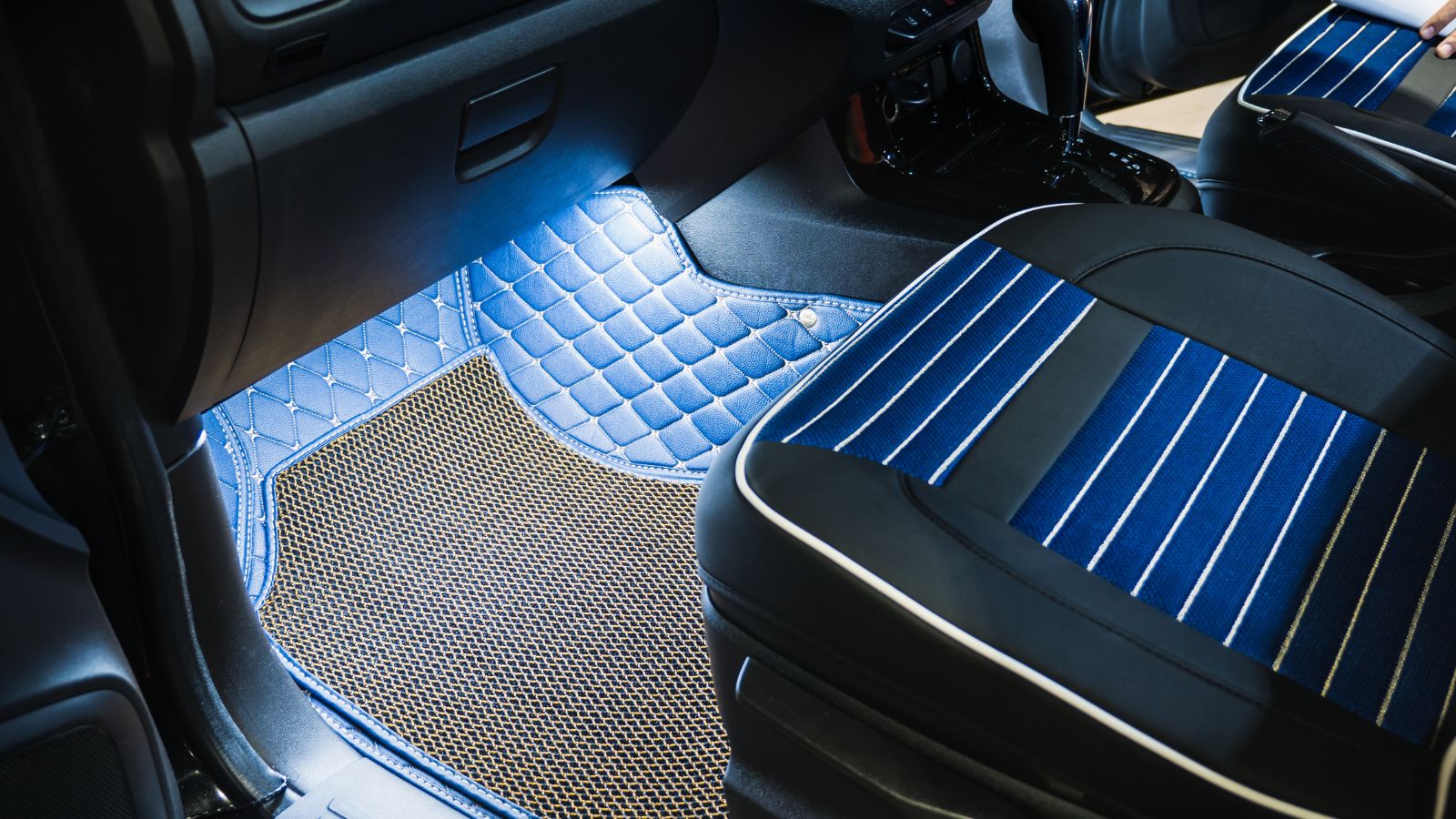
All-weather mats are useful in snowy, muddy, or wet conditions, but the wrong set can become a serious hazard. A mat that is too thick, stacked over another mat, or not clipped into factory anchors can creep forward until it touches the accelerator or brake pedal. In a panic stop, even a small obstruction near the pedal box can turn a routine reaction into a dangerous delay.
This is why original-equipment mats usually have retention hooks and are shaped around the pedal area. A common winter example is a driver swapping in a heavy rubber mat after a storm, leaving the carpet mat underneath “just for protection.” That extra layer can raise the mat enough to catch a pedal edge. Good mats protect the floor; poor-fitting ones compete for space with the most important controls in the car.
Decorative Steering-Wheel Emblem Decals

Rhinestone logos and shiny steering-wheel badges may seem like harmless interior decoration, but they sit directly over one of the most violent devices in the cabin: the driver airbag. When an airbag deploys, it does so in a fraction of a second with enough force to move a person away from the wheel. Anything stuck to the airbag cover can become a projectile.
The risk is not theoretical. Safety regulators have warned against aftermarket steering-wheel decals after serious injuries involving decorative emblems dislodging during crashes. The factory logo is designed as part of the airbag cover; a glued-on metal or plastic plate is not. A small sparkle in normal driving can turn into a sharp object aimed at the driver’s face when the restraint system activates.
Seat Belt Clips, Extenders, and Comfort Adjusters

Seat belts are designed to manage crash forces across stronger parts of the body, especially the shoulder, chest, and pelvis. Accessories that move the belt away from the neck, silence reminders, or add length can change that geometry. A belt that feels more comfortable may sit too high on the abdomen or too far off the shoulder, increasing the chance of injury during a sudden stop.
Extenders can be appropriate when supplied or recommended by the vehicle manufacturer, but universal online versions are a different matter. Some may not latch correctly, may introduce slack, or may place the buckle in the wrong location for a child restraint or booster seat. The safest solution is not simply “more belt.” It is a belt that fits the occupant and locks exactly as the vehicle’s restraint system was designed to lock.
Dark Window Tint on Front Glass
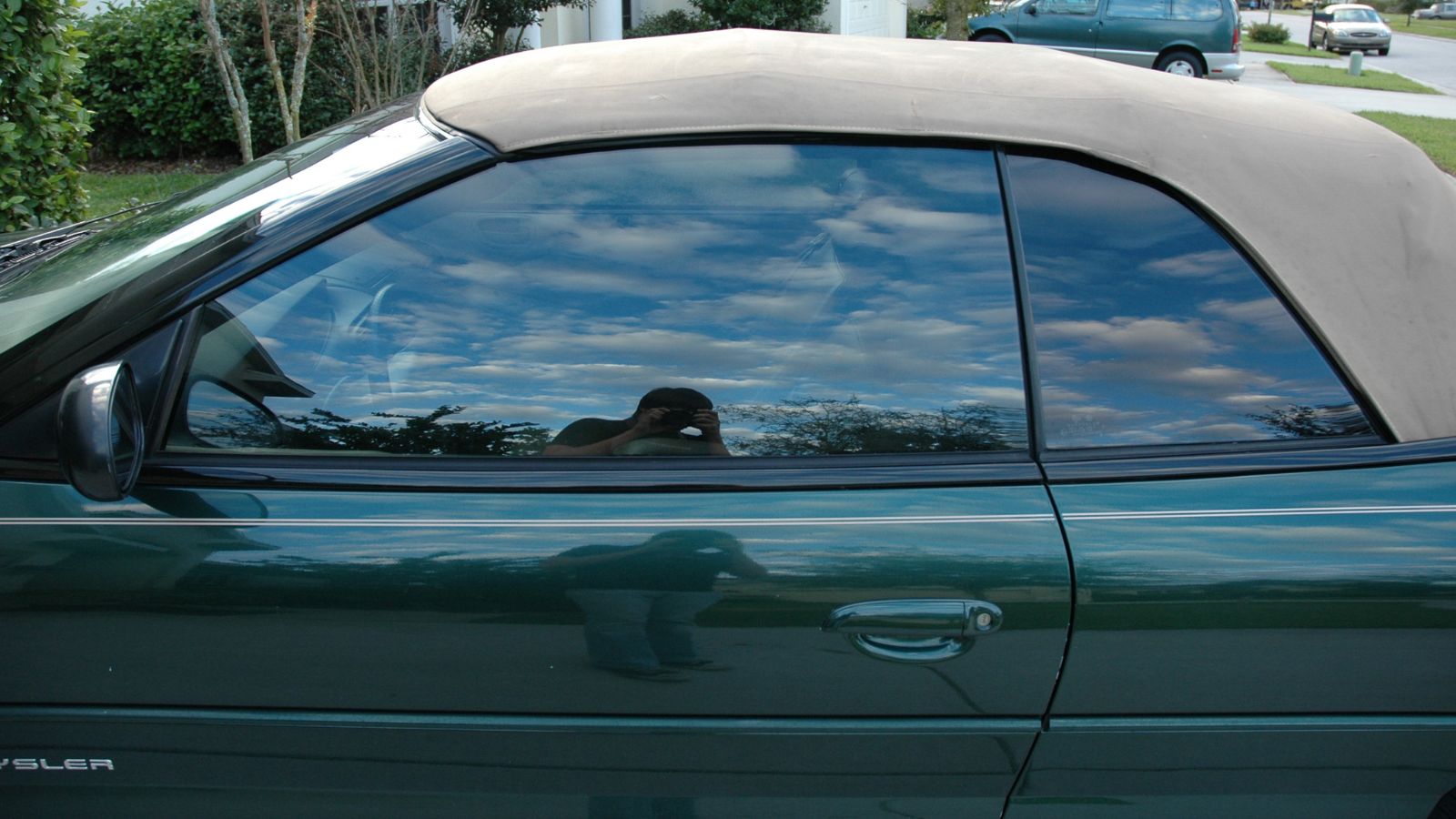
Window tint can reduce heat and glare, but dark film on the windshield or front side windows can cut too much visibility. That matters most at night, in rain, near pedestrians, or when pulling out from a dim side street. A vehicle may look sleeker from the outside while the driver loses some ability to read shadows, cyclists, curbs, and low-contrast hazards.
The legal side can also be confusing because rules vary by province, state, or country. In parts of Canada, front-window tint rules are strict, with limits on how much light must pass through or outright bans on aftermarket tint in certain locations. A driver may buy a tint package that looks normal in daylight, then discover during a roadside stop or safety inspection that the front glass is no longer compliant.
Drop-In LED or HID Headlight Bulb Swaps
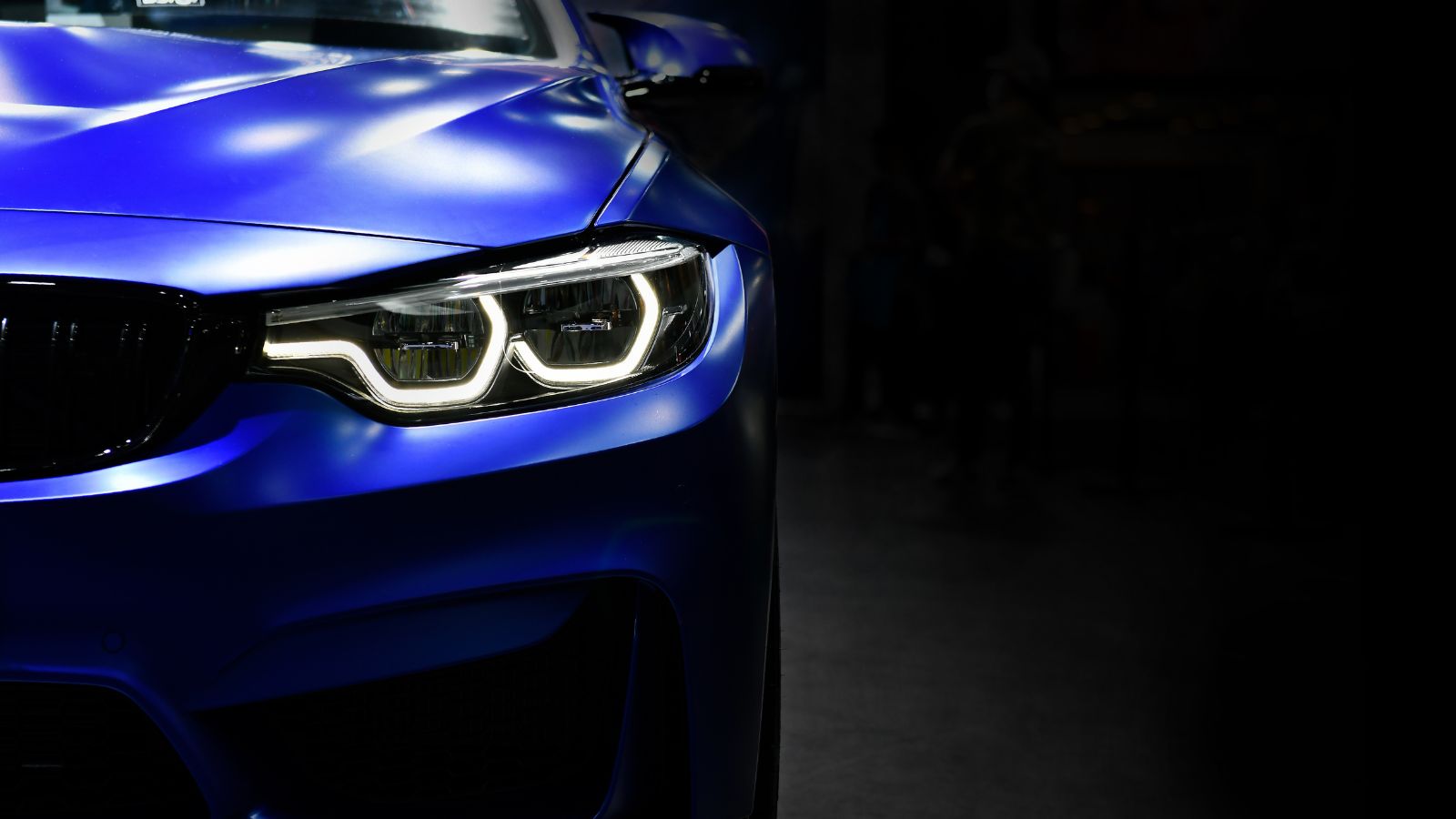
A brighter bulb does not automatically mean better night vision. Many halogen headlamp housings are engineered around the exact position and shape of a halogen filament. When a driver installs a drop-in LED or HID bulb into that same housing, the beam pattern can scatter light upward or outward instead of placing it cleanly on the road.
That creates a double problem. The driver may feel the road immediately in front of the car looks brighter, while oncoming drivers face glare that can temporarily reduce their visibility. Proper modern LED headlights are designed as complete systems with lenses, reflectors, heat management, and aiming standards. A cheap bulb swap can imitate the colour and intensity of newer lights without the beam control that makes those lights safe.
Windshield Phone and GPS Mounts

A phone mount can be safer than holding a device, but placement matters. A large suction-cup mount in the middle of the windshield can block a surprising amount of the view, especially at intersections where pedestrians, cyclists, and traffic signals appear in narrow sightlines. The mount itself, the phone, and the charging cable all add clutter near the driver’s field of vision.
The other issue is attention. Navigation, music, and notifications can still pull the eyes and mind away from driving even when the phone is mounted. A well-positioned holder should sit low, stay secure, and be set before the vehicle moves. A poorly placed one becomes a small screen competing with the road, turning a convenience accessory into another source of visual and cognitive distraction.
Hanging Mirror Ornaments and Air Fresheners
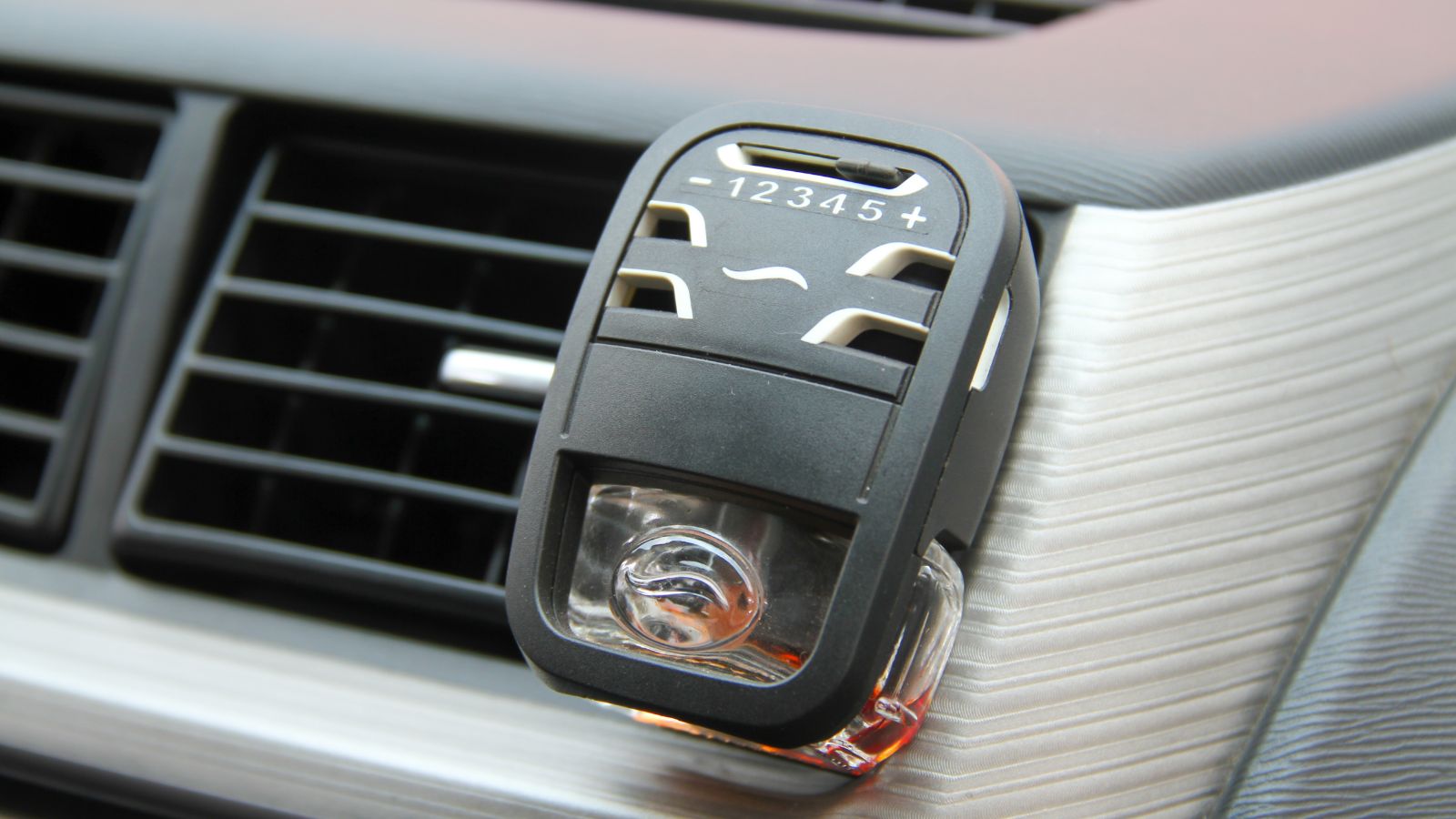
A small air freshener dangling from the mirror rarely feels like a safety issue until it swings at the wrong moment. Hanging objects can block tiny but important pieces of the forward view, especially in low-speed environments such as parking lots, school zones, and busy urban streets. The object may cover a pedestrian’s head, a traffic signal edge, or a vehicle approaching from an angle.
The legal concern is just as real in many jurisdictions. Rules often require a clear and unobstructed view through the windshield and front windows. A fuzzy dice charm or oversized scent card may not seem large, but enforcement can depend on whether it materially interferes with visibility. The safest version of an air freshener is one that does its job without hanging in the driver’s line of sight.
Poorly Mounted Dash Cams and Hardwire Kits
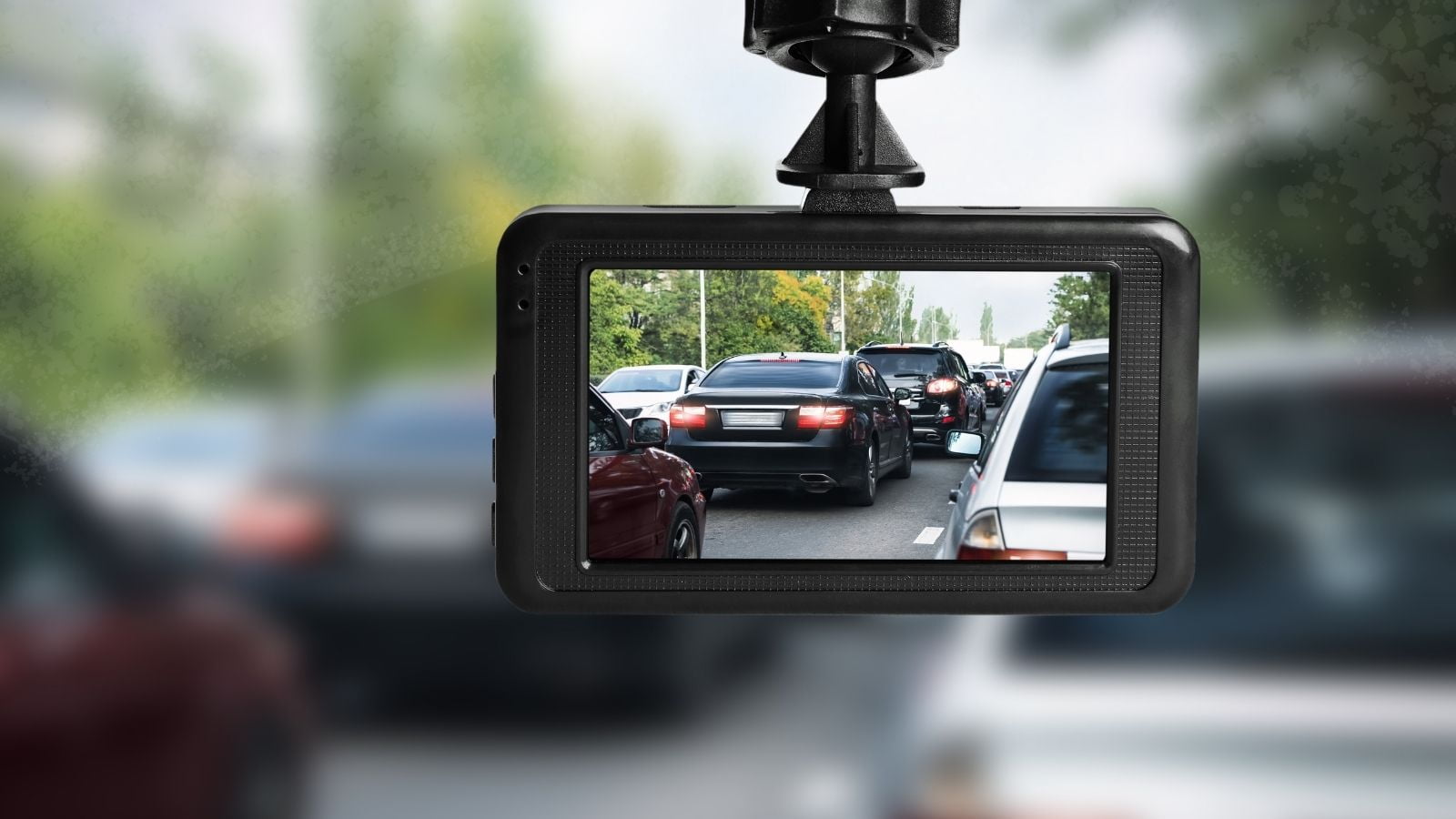
Dash cams can be valuable after a crash, but installation can create its own problems. A camera stuck too low on the windshield can intrude into the driver’s view, while dangling power wires can distract or interfere with controls. The best installations usually place the camera high and central, often behind or near the mirror, with cables routed cleanly away from airbags and pedals.
Hardwired dash cams need extra care. Parking-mode recording may draw power when the engine is off, and a poor installation can drain a weak battery or create electrical issues. Quality kits often include voltage protection, but not every bargain camera or cable setup does. A dash cam should quietly document the drive; it should not become an electrical experiment or a black box sitting in the wrong part of the windshield.
Universal Seat Covers Over Side Airbags
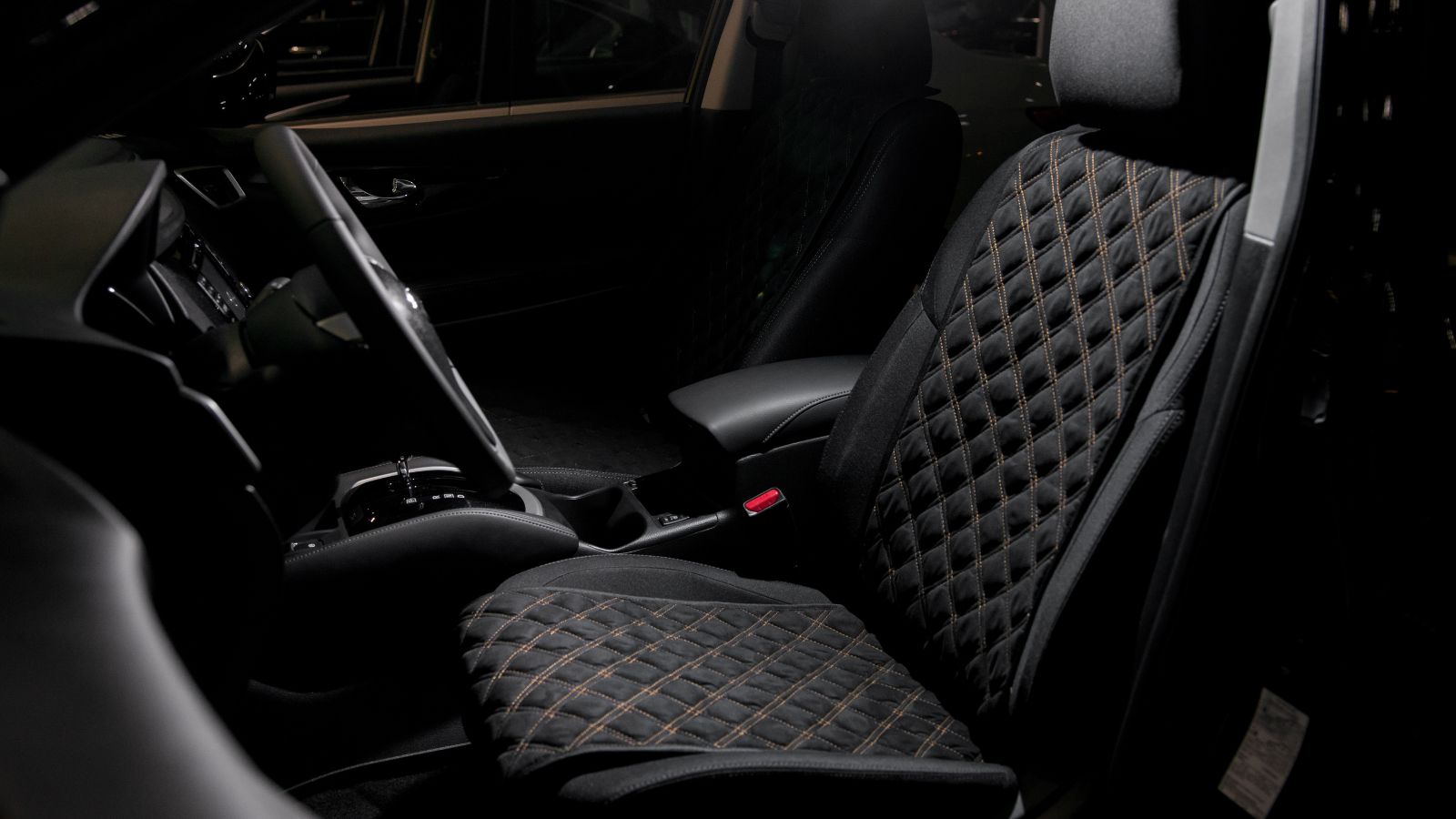
Seat covers protect upholstery from pets, spills, and work clothes, but universal covers can interfere with seat-mounted side airbags. Many modern vehicles deploy airbags from the outer edge of the seatback. If a thick cover, strap, seam, or non-tear-away fabric blocks that path, the airbag may deploy late, deploy incorrectly, or fail to protect the occupant as intended.
The risk is easy to overlook because a cover may fit neatly and still be wrong for the seat. Owners’ manuals often warn against accessory covers unless they are specifically designed for that vehicle’s airbag layout. The safest seat cover is not just the one that matches the interior colour; it is the one tested or approved for the exact seat design, with seams and openings that allow airbags to work.
Roof Racks and Cargo Boxes Left On Year-Round

Roof racks and cargo boxes are practical for skis, camping gear, and family trips, but they change how air moves around the vehicle. Even empty crossbars can add drag, and a roof box creates more frontal area at highway speeds. The result can be lower fuel economy, more wind noise, and extra strain that shows up on long commutes rather than only on vacation drives.
There is also a handling and loading issue. Weight placed high on a vehicle raises the centre of gravity, and an overloaded roof can affect emergency manoeuvres. Many drivers install a cargo box for one trip and leave it in place for months because removal is inconvenient. That convenience has a cost. When the rack is not being used, taking it off can reduce noise, fuel use, and unnecessary wear.
Oversized Wheels and Low-Profile Tires
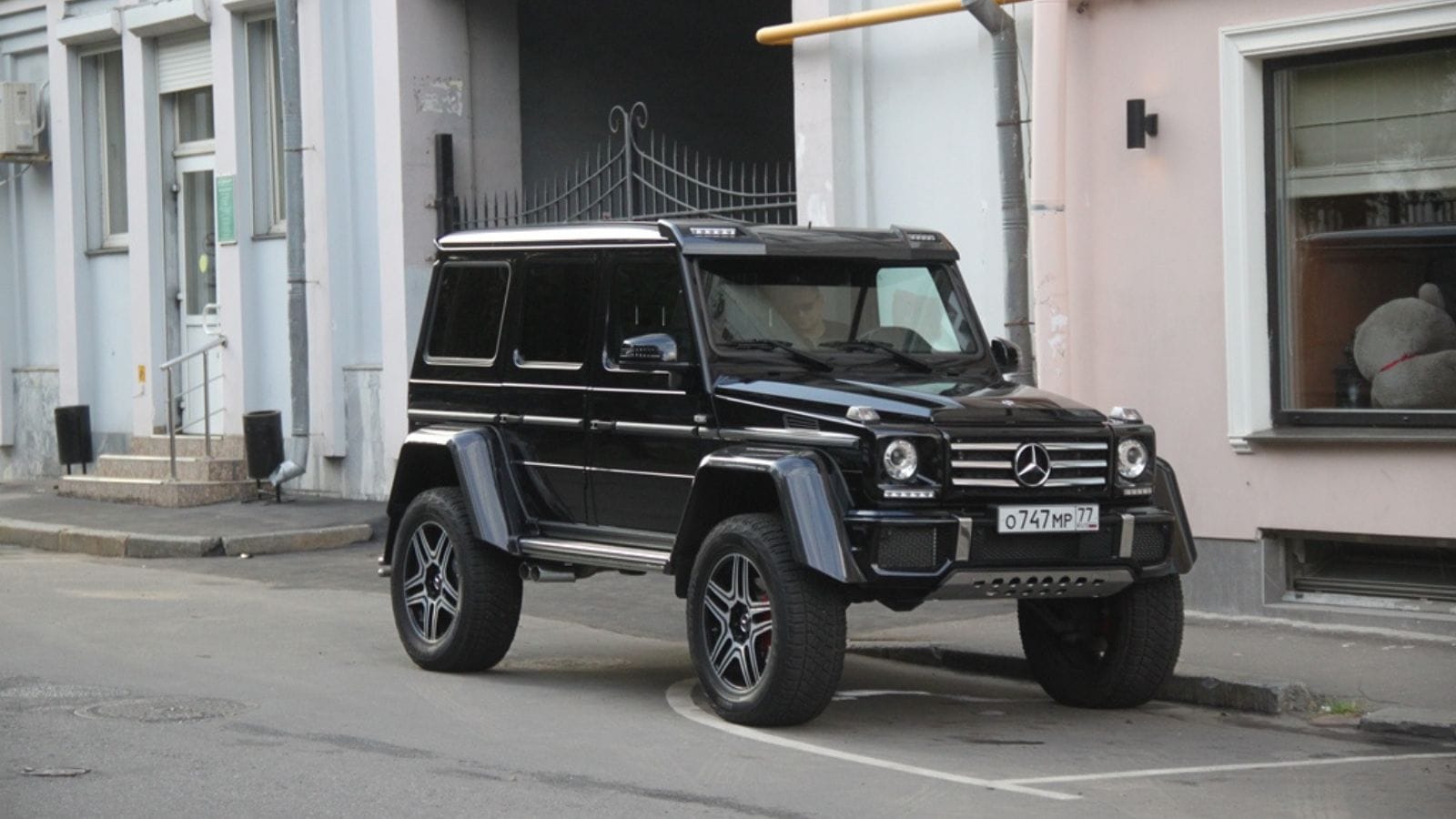
Bigger wheels can dramatically change a car’s appearance, but the upgrade often brings shorter tire sidewalls. Those low-profile tires have less cushioning between the rim and the road, which can make potholes, broken pavement, and winter-damaged streets more punishing. A wheel that looks sharp in a parking lot can bend more easily after a hard impact.
Performance can also change in mixed ways. Larger wheel-and-tire packages may add weight, affect acceleration, change ride comfort, and alter fuel economy. Some combinations improve cornering grip in dry conditions, but that does not mean they are better for everyday driving. For commuters facing rough roads, deep potholes, or seasonal tire swaps, oversized wheels can turn a style upgrade into a recurring repair bill.
Tire Chains Used on the Wrong Vehicle or Road
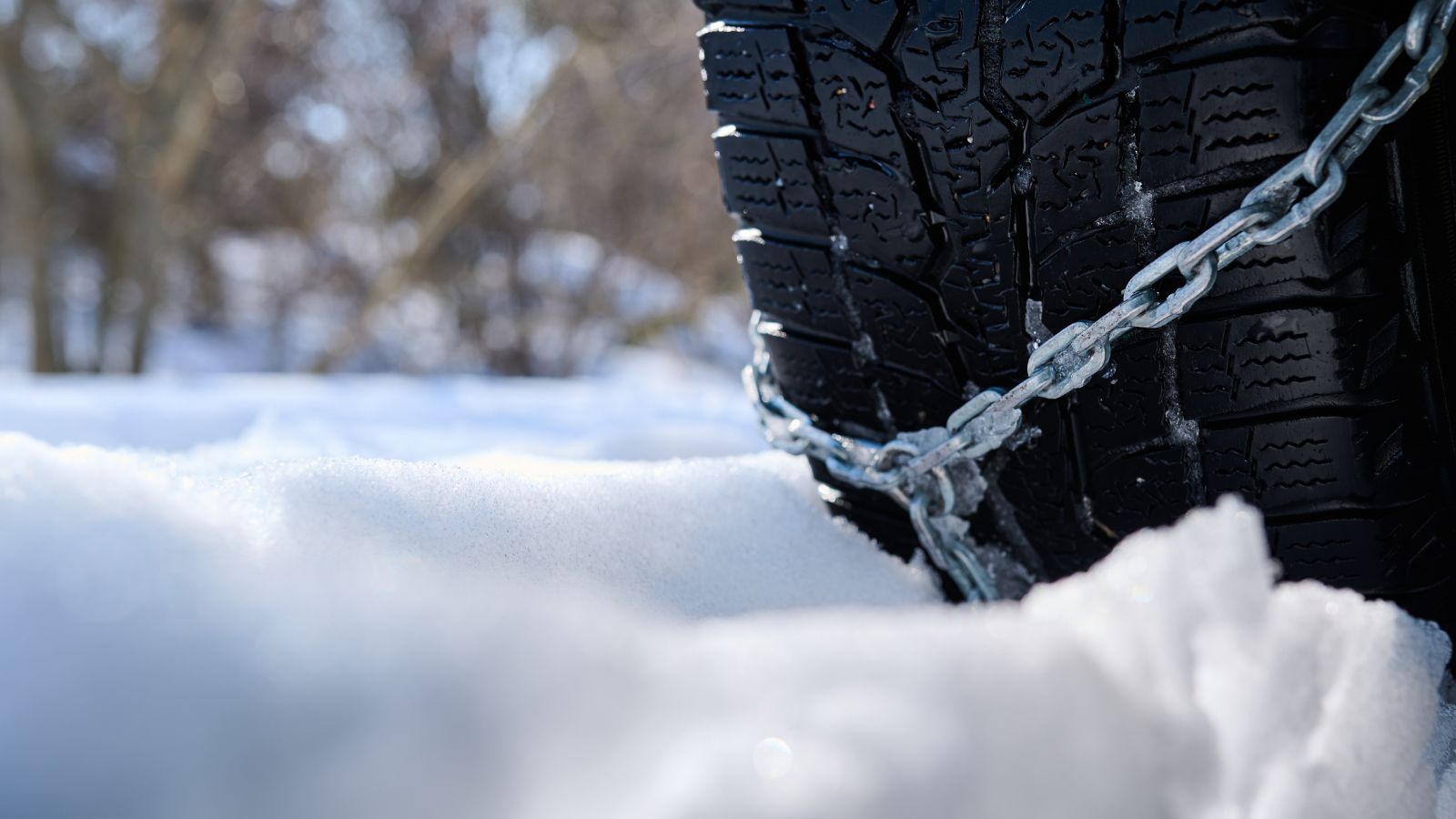
Tire chains can be useful in severe snow and ice, especially on routes where winter-chain signs are enforced. Used incorrectly, however, they can damage tires, suspension components, wheel wells, and even road surfaces. Chains need the right clearance, the right size, proper tension, and slow driving. A chain slapping the inside of a fender is not just noisy; it can tear parts loose.
Many passenger vehicles have limited wheel-well clearance, and some owners’ manuals restrict or prohibit traditional chains. Another common mistake is leaving chains on after returning to clear pavement. That can wear the chains quickly and reduce control. Chains are best treated as a temporary traction tool for specific conditions, not a general winter accessory to install and forget.
Tinted Licence Plate Covers and Bulky Frames
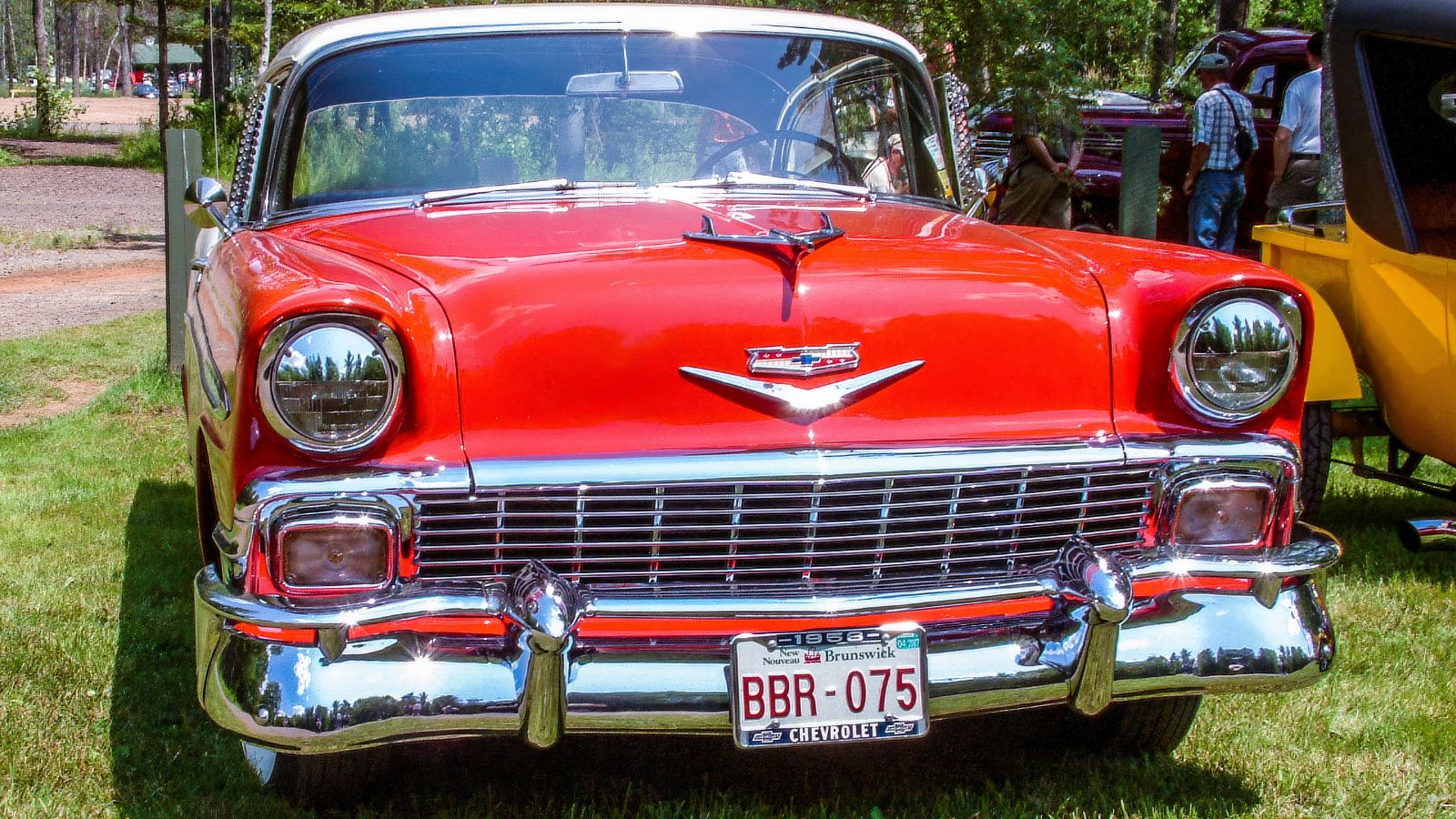
Licence plate covers are often sold as protection from salt, dirt, or scratches, but tinted or reflective covers can make plates harder to read. Even clear plastic can create glare at night or interfere with cameras, toll systems, and police visibility. A frame can also cover the jurisdiction name, registration sticker, or part of the plate number if it is poorly designed.
The problem is that a driver may buy a plate cover legally from a store while using it illegally on the road. In many places, plates must remain plainly visible, unobstructed, and readable from the required distance. A minor accessory can become a ticket, a failed inspection issue, or a problem after a hit-and-run when another driver’s dash cam cannot capture the plate clearly.
Clip-On Pedal Covers
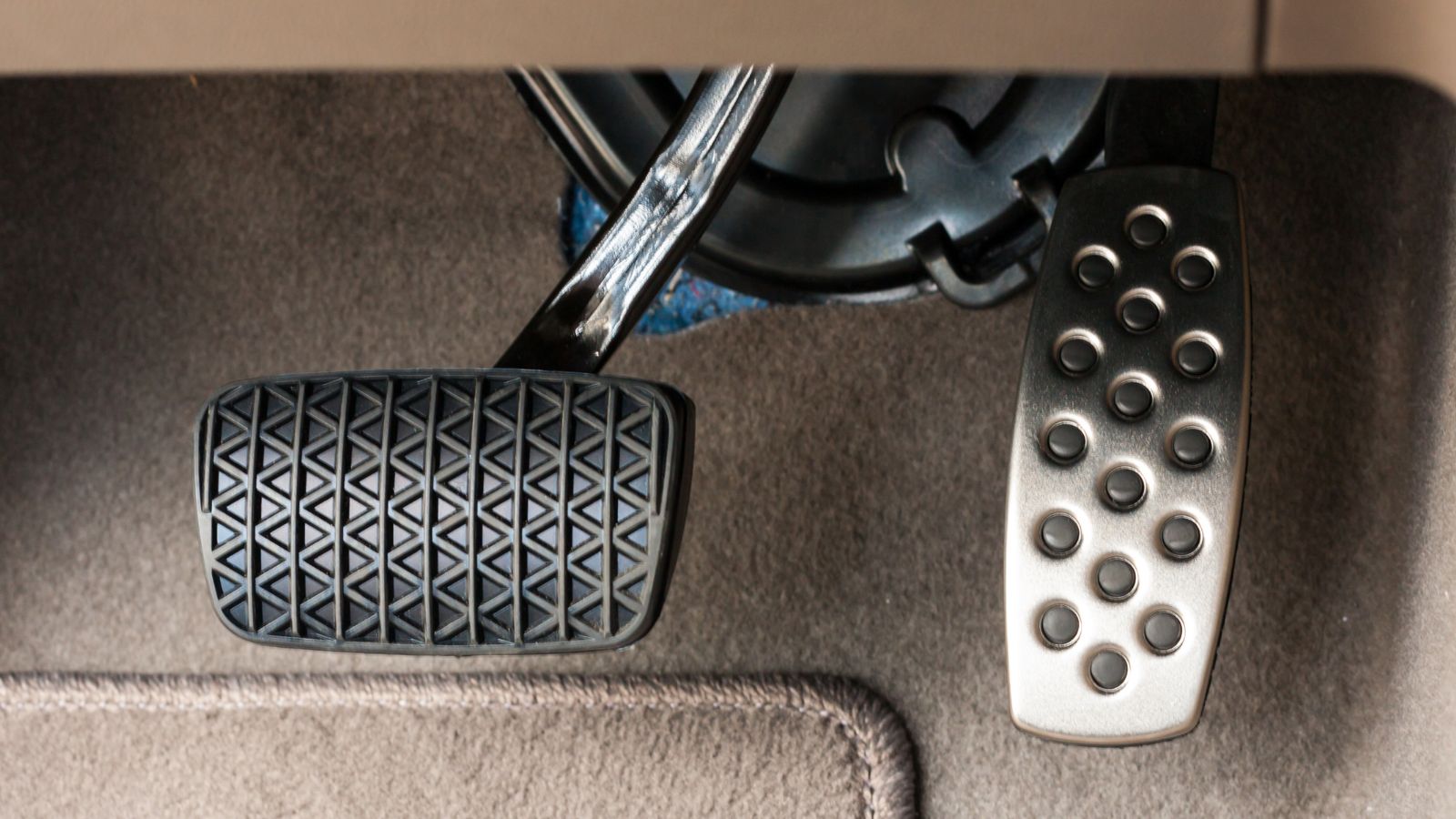
Metal pedal covers are marketed as sporty, grippy, or premium-looking, but the pedal box is a bad place for questionable fit. A cover that loosens, shifts, or adds bulk can affect how the driver’s foot moves from accelerator to brake. Even a small change in pedal shape or spacing matters when the driver is reacting quickly in traffic.
Pedal problems have been serious enough to trigger major safety investigations and recalls when original parts interfered with control. Aftermarket covers add another layer of uncertainty because they may rely on clamps, screws, rubber sleeves, or universal sizing. A cover that feels secure during installation may behave differently when wet shoes, vibration, or repeated pressure are involved. Pedals should feel predictable, familiar, and unobstructed every time.
Plug-In Fuel Savers and Cheap OBD Devices
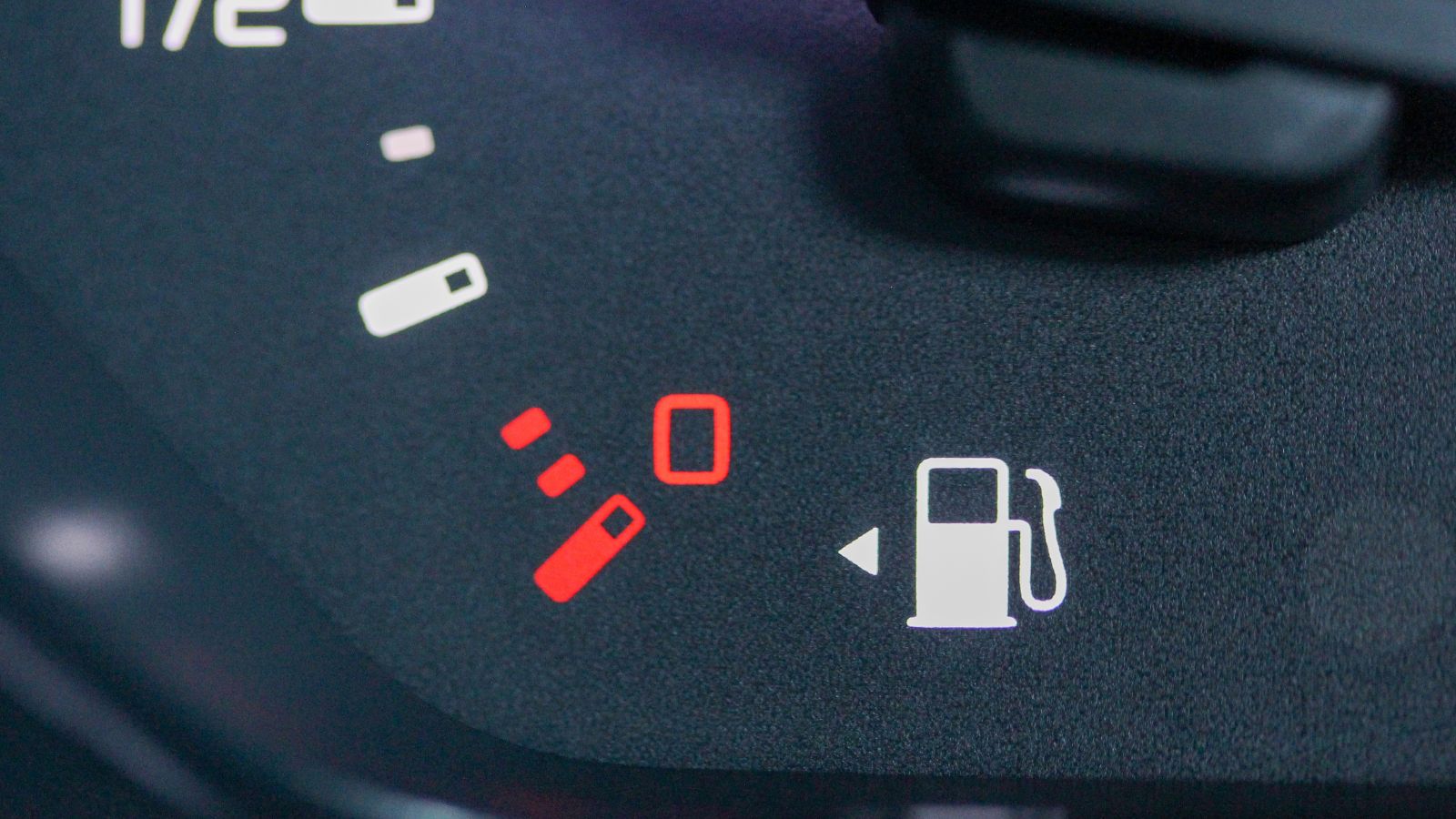
Small plug-in devices that promise better fuel economy or instant performance gains are tempting because they look simple. Many claim to “learn” driving habits or optimize the engine through the diagnostic port. In reality, meaningful changes to fuel economy come from vehicle design, maintenance, tires, driving behaviour, and load, not from a tiny mystery box with lights on it.
The diagnostic port also provides access to vehicle data, so unknown connected devices deserve caution. Some aftermarket dongles are used legitimately for diagnostics, fleet tracking, or insurance programs, but poorly secured connected devices can raise privacy and cybersecurity concerns. Cheap OBD accessories may also stay powered while parked, depending on the vehicle and device. A tool that connects to a car’s electronic nervous system should be chosen carefully, not treated like a novelty charger.
22 Things Canadians Do to Their Cars in Spring That Mechanics Hate
Spring brings relief to many Canadian drivers after months of snow, freezing temperatures, and icy roads that put serious strain on vehicles. As temperatures rise across the country, drivers begin washing cars, switching tires, and preparing vehicles for warmer weather and upcoming road trips. However, mechanics across Canada notice the same mistakes every spring when drivers attempt to recover from winter damage. Road salt, potholes, and harsh winter driving conditions often leave vehicles with hidden problems that drivers ignore. Some spring habits even create new mechanical issues that could have been avoided with proper maintenance. Here are 22 things Canadians do to their cars in spring that mechanics hate.

Alanna Rosen is an experienced content writer that focuses on many EV and educational content. Her articles are regularly published on Get CyberTrucked and syndicated on large publications.