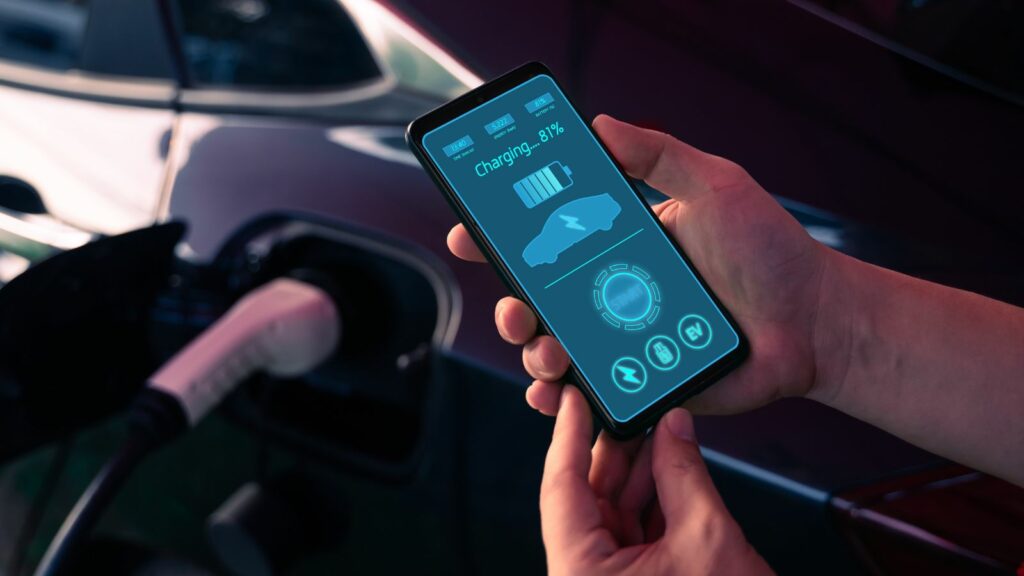
New cars are arriving with more software, larger displays, deeper connectivity, and increasingly assertive safety systems. Many of these changes promise cleaner cabins, easier updates, and fewer crashes. Yet convenience at delivery can become friction after years of subscriptions, software support, repair bills, and daily alerts. The most revealing clue is that regulators and several automakers are already correcting features introduced only a few model cycles ago.
These 20 new-car trends may look modern now but could feel expensive, intrusive, distracting, or unnecessarily complicated by 2031. None is guaranteed to fail, and thoughtful design can solve many of the problems. The risk is that buyers may discover too late that a feature built for a showroom demonstration is less appealing during a long ownership period.
Paying Repeatedly for Features Already Installed

Automakers increasingly treat vehicles as platforms for recurring revenue. Hardware may be fitted at the factory, while software determines whether the owner can use a feature after a trial period. Connected navigation, hands-free driving, performance upgrades, data plans, and convenience functions can all be packaged as monthly or annual services. That model gives manufacturers a continuing relationship with the vehicle long after the original sale, and it can allow buyers to activate an option later without replacing parts. In a lease, the arrangement may even feel manageable because the subscription ends around the same time as the contract.
The resentment may arrive in the used-car years. A second owner could see advanced sensors or capable computing hardware in the vehicle yet still face a payment screen. Families that keep cars for eight to twelve years may accumulate charges that were barely mentioned during the test drive. Subscription fatigue is already common across entertainment, software, and household services; adding the family car to the list could make ownership feel less permanent. By 2031, drivers may judge vehicles partly by how many useful functions remain active without another bill.
Remote Controls That Expire With the Free Trial
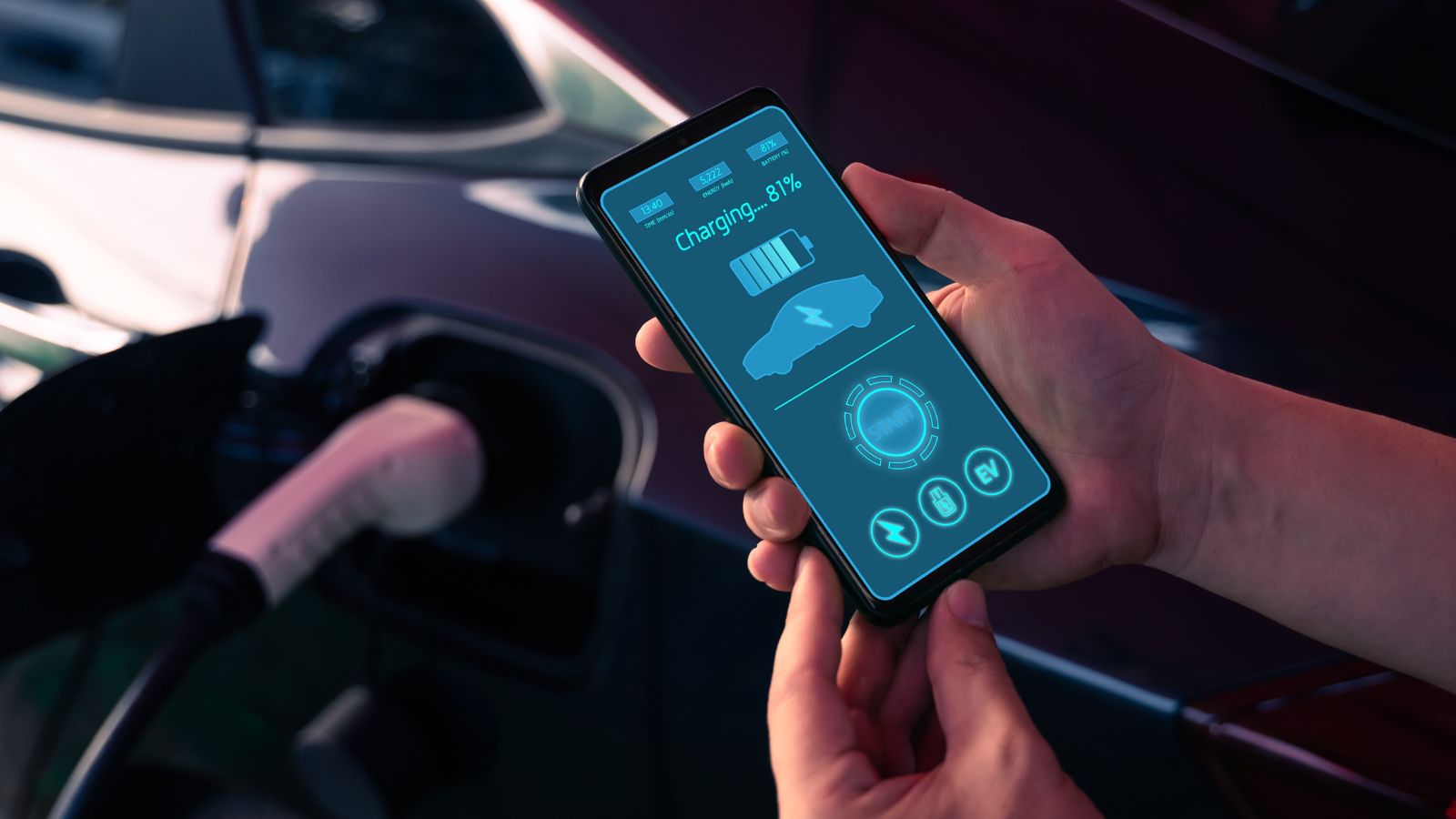
Phone apps can start the engine, precondition the cabin, locate a parked vehicle, check fuel or charge levels, and lock doors from a distance. These services are genuinely useful, particularly during extreme heat, freezing weather, or a rushed morning. The problem is that app-based controls often depend on an active connected-services plan. Trial periods vary by brand and model, and some manufacturers require payment after the complimentary period ends. A buyer may therefore believe remote start is a permanent vehicle feature, only to discover that the most convenient way to use it has become a subscription.
Five years later, the irritation may be greater than the fee itself. Apps can require password resets, phone permissions, cellular coverage, updated operating systems, and functioning manufacturer servers. A household sharing one car may also have to manage multiple accounts or digital permissions. Traditional key-fob controls feel limited, but they usually work without a login or cloud connection. When a simple winter warm-up depends on an app, a server, and a paid plan, the vehicle can seem less self-contained than the older model it replaced.
Basic Controls Buried Inside Touchscreen Menus
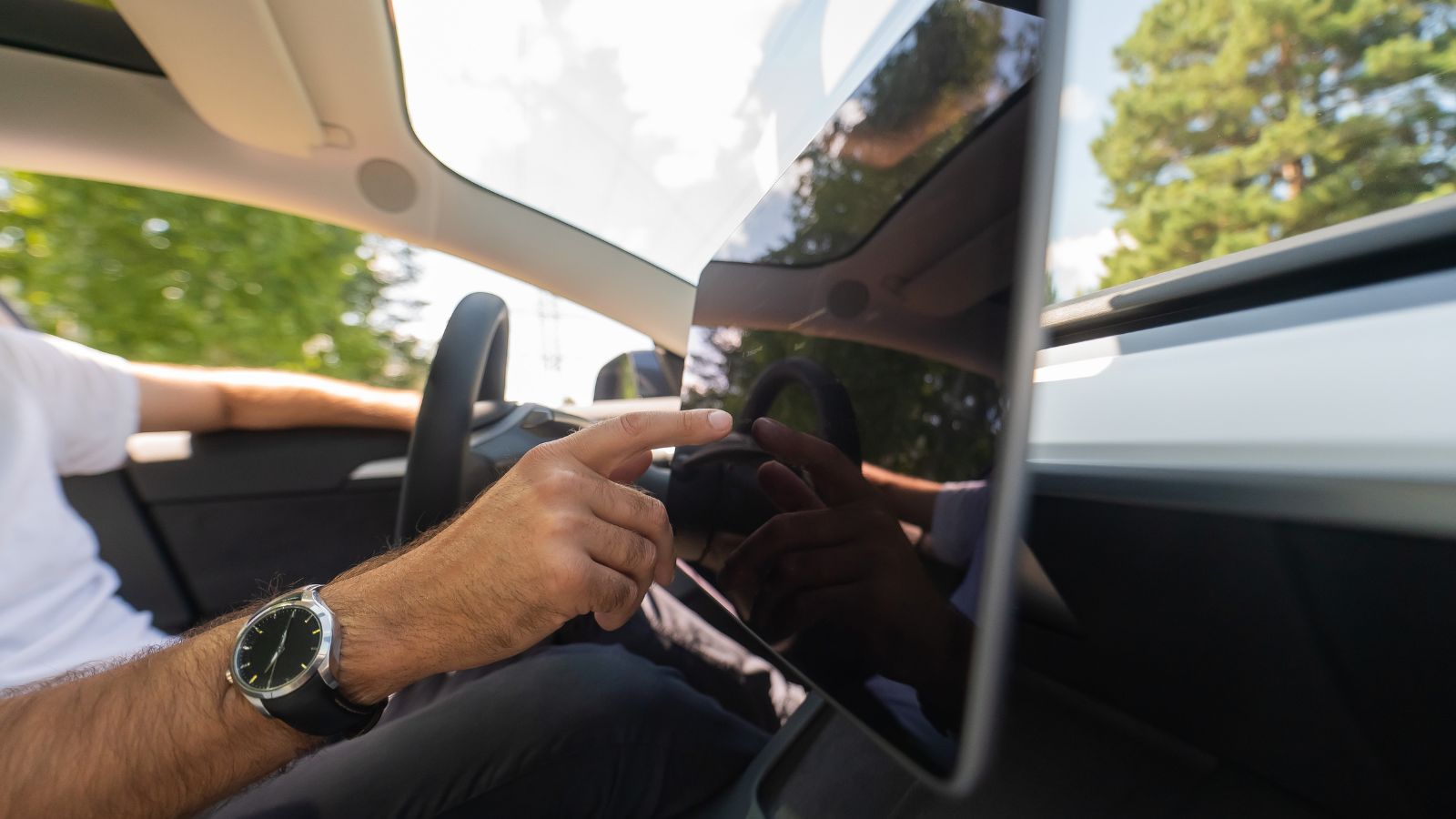
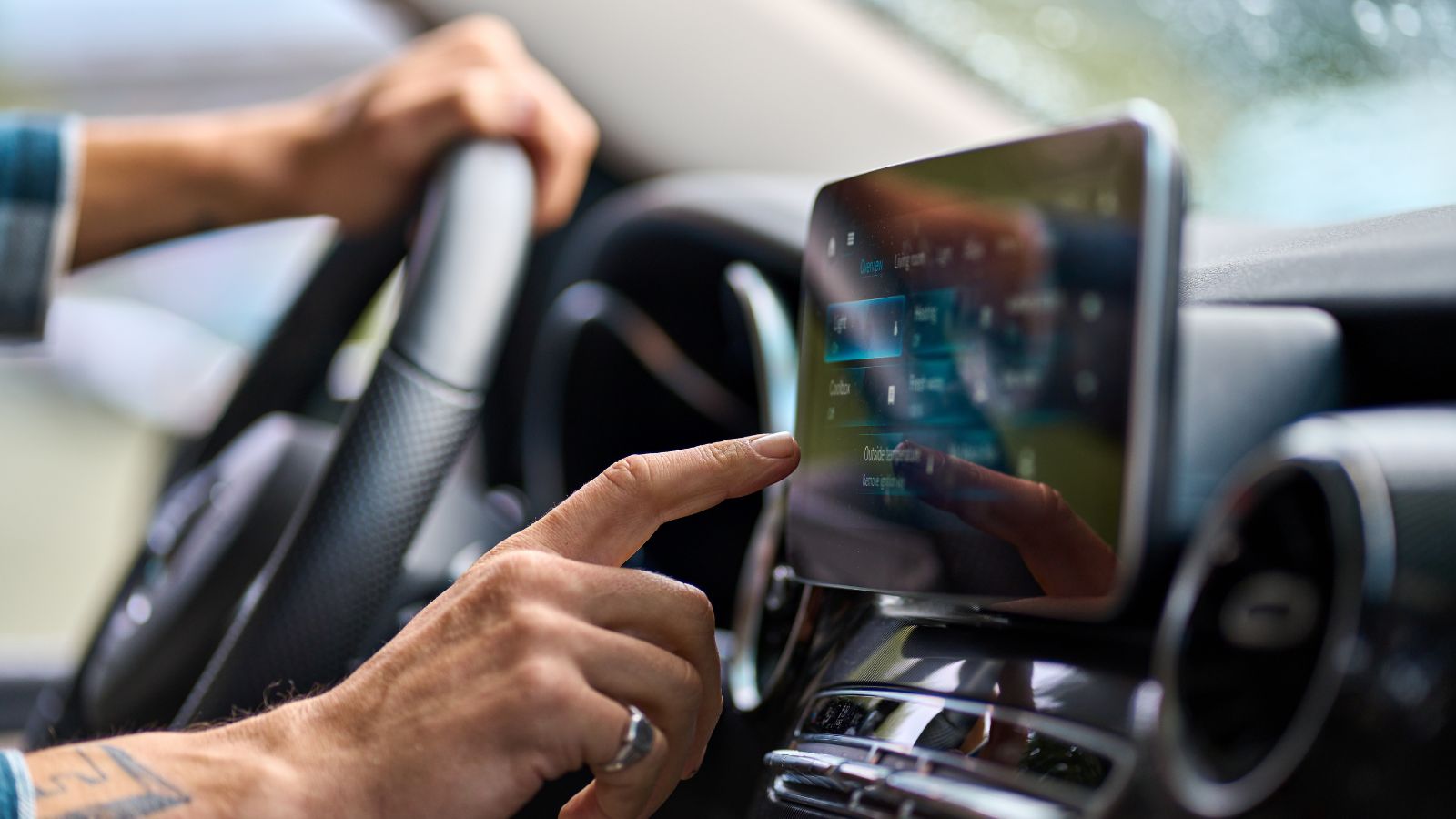
Touchscreens let automakers change layouts through software, reduce physical switchgear, and create a clean dashboard. They also allow one display to handle navigation, media, climate settings, vehicle modes, charging information, and owner instructions. In the showroom, that flexibility looks sophisticated. On a rough road at night, however, adjusting fan speed or turning on a demister can become a sequence of taps on a surface that provides little tactile guidance. The driver may need to glance away simply to confirm that the correct virtual button was pressed.
Safety organizations have responded to the growing concern. American distraction guidance emphasizes limiting eyes-off-road time, while Euro NCAP’s newer assessment approach rewards intuitive access to important functions and encourages separate physical controls. That does not mean every screen is unsafe, but it shows that interface design matters as much as screen size. Cars remain in service far longer than smartphones, and a fashionable menu can age badly. By 2031, buyers may view a dedicated temperature knob or hazard switch not as outdated hardware but as a premium convenience.
Touch-Sensitive Steering-Wheel Buttons
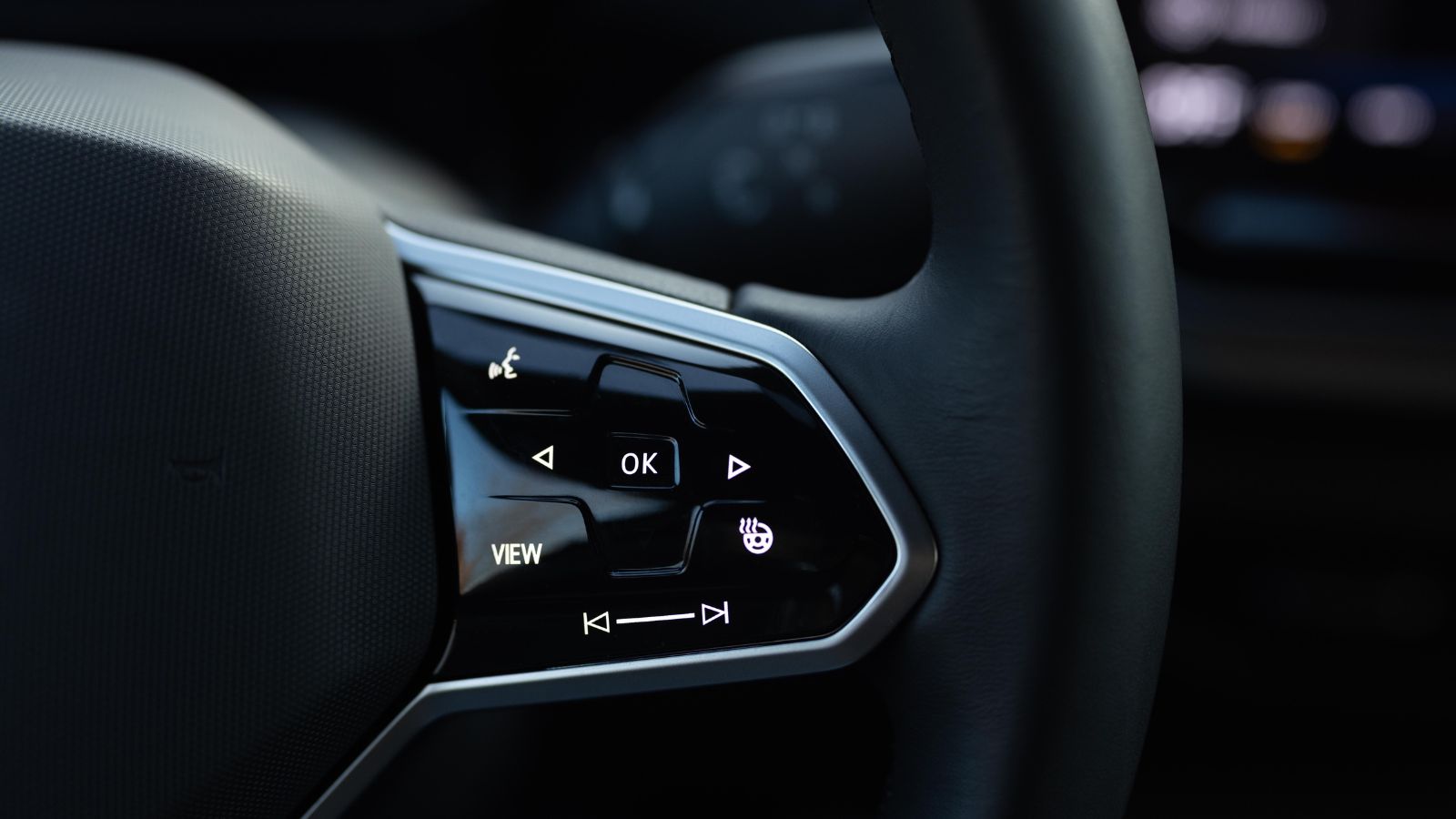
Capacitive steering-wheel controls were promoted as a sleek replacement for mechanical buttons. They can support swipes, taps, illuminated surfaces, and multiple functions without adding visible switchgear. In practice, a driver may brush one accidentally while turning, trigger an unwanted command while resting a hand, or struggle to feel the correct control through gloves. Unlike a conventional button, a flat touch pad offers little physical confirmation before activation. That difference is small in a brochure but noticeable when changing volume, setting cruise control, or navigating a menu at highway speed.
The industry has already shown signs of retreat. Volkswagen committed to bringing back physical steering-wheel buttons after customer criticism, and newer cabin designs from several brands have restored more tactile controls. Ferrari has also moved away from some haptic steering-wheel elements on newer products and offered a physical-control retrofit for selected models. Those reversals are unusually strong evidence against a supposedly futuristic trend. Five years from now, touch-sensitive wheels may be remembered as an era when designers prioritized visual minimalism over muscle memory and reliable operation.
Ever-Larger Screens Competing for Attention
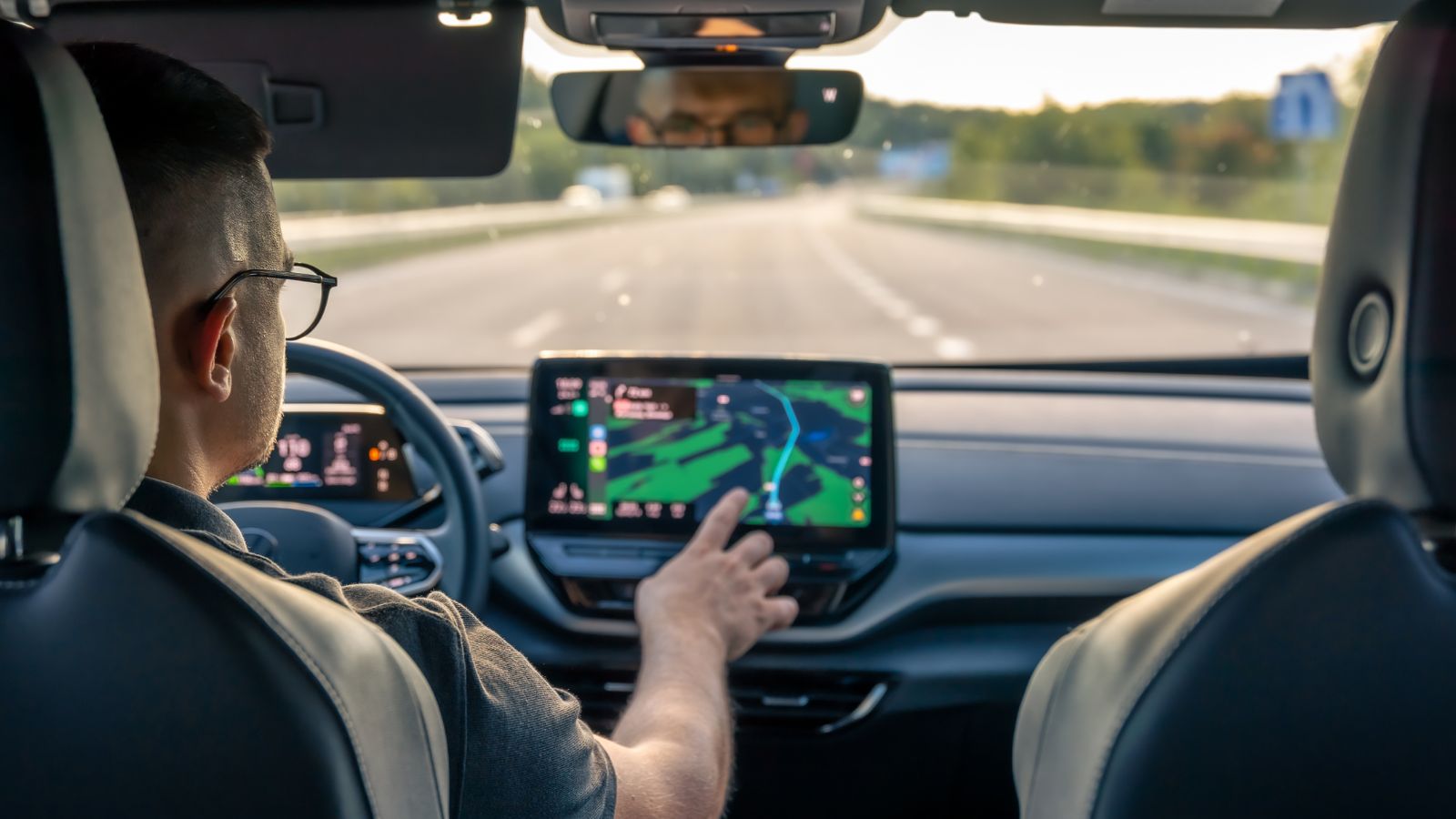
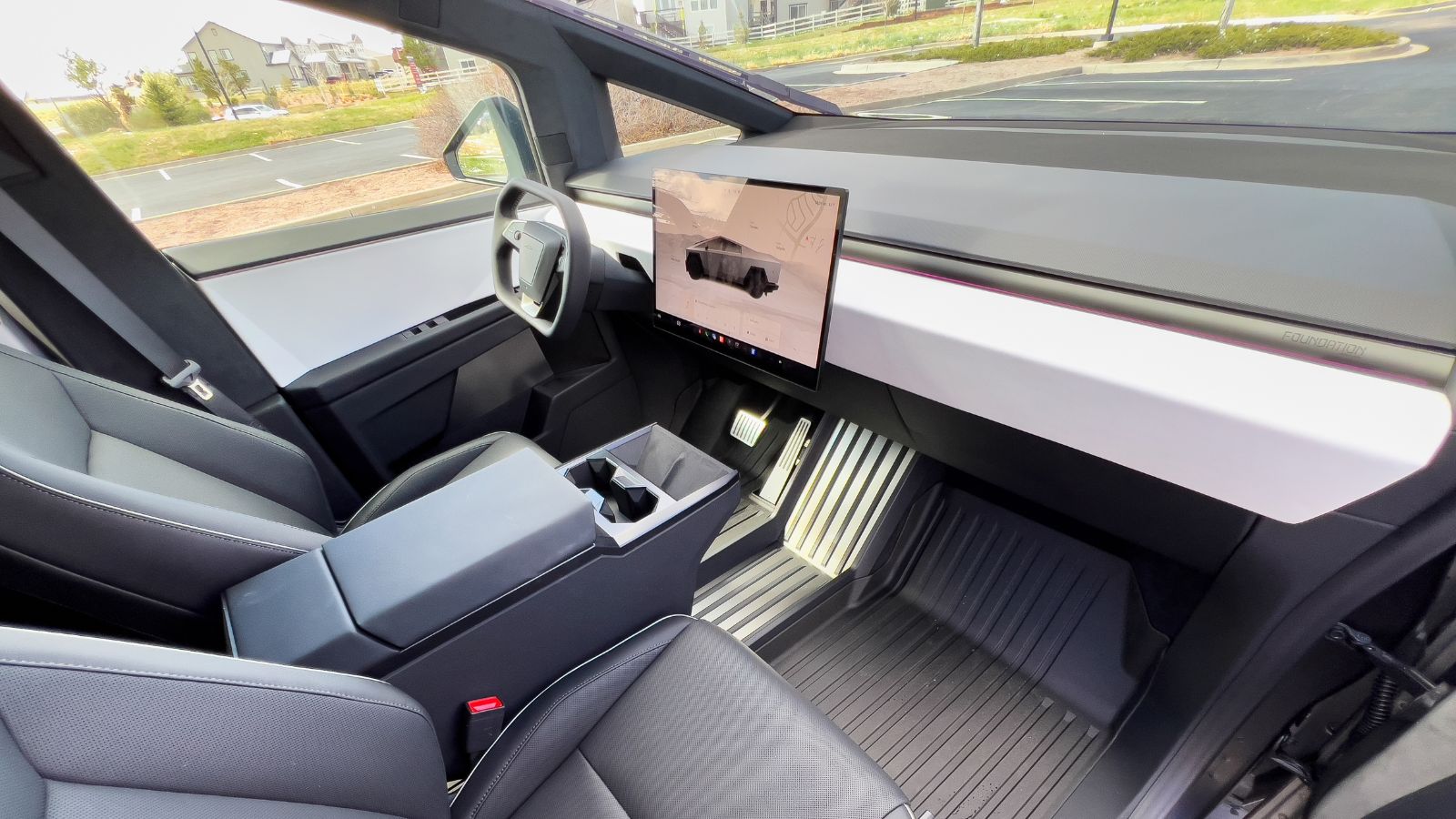
A modern dashboard can include a digital instrument cluster, a wide centre display, a head-up display, and a separate screen for the front passenger. More display area allows clearer maps, richer camera views, charging details, entertainment, and customizable layouts. It also gives automakers a dramatic visual feature that photographs well and helps distinguish a new cabin from the previous generation. The danger is not simply that screens exist; it is that more information, animations, notifications, and menu choices compete for limited attention during a task that already demands constant visual judgment.
Safety guidance recommends designing secondary tasks so they do not require long glances away from the road. That principle becomes harder to follow when common settings move across changing interfaces or when drivers must interpret several displays at once. Passenger screens may be filtered from the driver’s view, yet reflections, bright graphics, and conversations about the content can still add cognitive load. In five years, owners may prefer one well-organized display over a wall of glass, especially when replacement costs, fingerprints, glare, and software lag begin to matter.
Software Updates That Change the Car After Purchase
Over-the-air updates can repair defects, improve charging, add features, and save owners a dealership visit. They are one of the strongest arguments for software-defined vehicles. Yet the same capability means a car’s behaviour, menus, alerts, and feature availability can change after the buyer has learned how everything works. An update can move an icon, alter regenerative braking, revise driver-assistance limits, or introduce a new warning. Even beneficial changes may frustrate owners who expected a stable product rather than a device that evolves according to the manufacturer’s release schedule.
Software is also becoming central to safety recalls. Ford, Tesla, and other automakers have used over-the-air remedies for issues involving steering assistance, cameras, displays, trailer functions, and driver-assistance systems. Remote repairs are convenient, but they remind owners that software can affect critical functions. By 2031, drivers may demand clearer release notes, the ability to postpone nonessential interface changes, and longer software-support commitments. Otherwise, the car may feel like it is never completely finished—or completely under the owner’s control.
Replacing the Key Fob With a Phone

Digital keys allow a smartphone or smartwatch to unlock, start, and share access to a vehicle. The Car Connectivity Consortium has developed standards intended to improve interoperability and security, and certification activity has grown as more automakers and device companies adopt the technology. For rental fleets, families, and car-sharing arrangements, the ability to grant temporary access without handing over a physical key is powerful. Hands-free entry can also be smoother than searching a bag or pocket for a bulky fob.
The drawback is dependence on another complex device. A dead phone battery, damaged handset, operating-system problem, account lockout, or wireless communication failure can turn a routine trip into a support request. Compatibility may vary across phone brands, vehicle trims, and model years, while replacement phones can require a fresh setup process. Secure backup cards and physical keys reduce the risk, but not every owner will carry them consistently. Five years from now, many drivers may appreciate digital keys as an option while strongly disliking vehicles that treat a phone as the only normal way to get inside and drive.
Cars Collecting More Personal and Driving Data
Connected vehicles can record precise location, speed, braking, acceleration, diagnostics, infotainment use, and interactions with mobile devices. Some of that information supports crash response, maintenance alerts, navigation, product improvement, or usage-based insurance. The concern is how much is collected, how clearly consent is obtained, how long it is retained, and which companies receive it. A vehicle is not merely another connected gadget: it can reveal where a person sleeps, works, shops, and spends time.
The issue became concrete when the U.S. Federal Trade Commission took action against General Motors and OnStar over allegations involving the collection and sharing of precise location and driving-behaviour data. The proposed order included restrictions on disclosure to consumer-reporting agencies and requirements for clearer consent and deletion options. That case is likely to shape expectations across the industry. By 2031, drivers may resent privacy settings buried in apps or dealership enrollment screens. A car that quietly influences an insurance profile could create far more anger than a phone that recommends an advertisement.
Cameras Watching the Driver’s Face
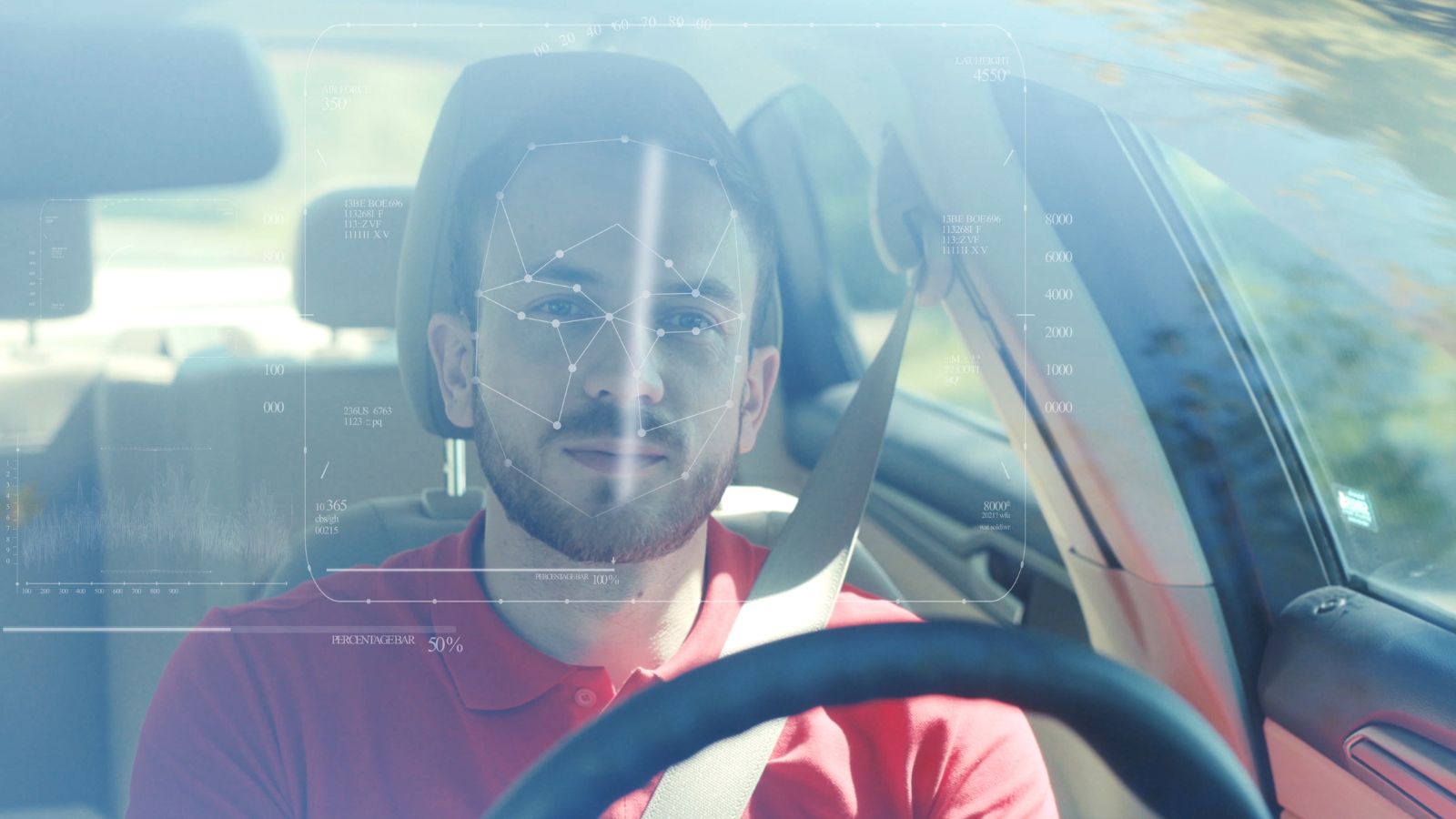
Driver-monitoring systems use cameras or sensors to estimate whether a motorist is looking at the road, becoming drowsy, or ready to take control from partial automation. The safety logic is strong: hands-free systems still require supervision, and a vehicle needs some way to detect serious distraction. The European Union expanded requirements for advanced driver-distraction warning systems in newly registered passenger cars and vans in July 2026, showing that this technology is moving from a premium feature toward a regulated norm.
Acceptance will depend on restraint and transparency. A system that gives a timely warning after a prolonged glance away may feel protective; one that repeatedly scolds a driver for checking mirrors, wearing sunglasses, or looking through a bend may feel hostile. Owners will also want assurance that images are processed locally and not stored or uploaded. Even where regulations specify privacy safeguards, public trust can lag behind technical rules. Five years from now, the most disliked systems may not be those that watch drivers, but those that watch poorly, explain little, and cannot be adjusted without disabling useful assistance.
Speed-Limit Warnings That Reset Every Trip

Intelligent Speed Assistance uses cameras, map data, or both to identify the posted limit and warn when a vehicle exceeds it. The European Union has required overridable ISA on new models since 2022 and on all new cars sold there since July 2024. The objective is understandable: speed contributes to crash severity, and a timely reminder can prevent an unintentional violation. Some systems use a visual symbol, while others add chimes, accelerator resistance, or repeated alerts.
The frustration begins when the detected limit is wrong. Temporary signs, frontage roads, school zones, outdated maps, weather-specific limits, and poorly positioned signs can confuse a system. If the warning reactivates at every restart, drivers may repeat the same shutdown sequence several times a day. Frequent false or irrelevant alerts can also train people to ignore a system that occasionally provides valuable information. By 2031, owners may demand smarter context, fewer noises, and persistent personal settings. A safety feature that is technically correct most of the time may still be hated if its errors are loud and its controls are buried.
Constant Alerts and Unwanted Steering Corrections

Lane-keeping assistance, forward-collision warnings, blind-spot alerts, rear cross-traffic warnings, and parking sensors can prevent crashes or reduce their severity. Problems arise when several systems speak at once or intervene in ordinary situations. Narrow construction lanes, faded road markings, parked cars, cyclists, snow, heavy rain, and sharp bends can all challenge sensors. A steering wheel that tugs unexpectedly or a warning that sounds during a controlled manoeuvre can startle the driver even when the system is operating as designed.
Research on driver reactions shows that trust falls when alerts are perceived as intrusive, poorly timed, or false. Studies have also found that owners differ widely in their understanding and use of assistance technology, while research on false alarms links them to anxiety, excessive caution, and alert fatigue. Turning systems off is not always a clean solution because some reactivate at startup or are bundled with other protections. Five years from now, the best cars may be judged less by the number of safety features listed and more by how calmly, accurately, and predictably those features cooperate.
Hands-Free Driving That Still Demands Full Attention
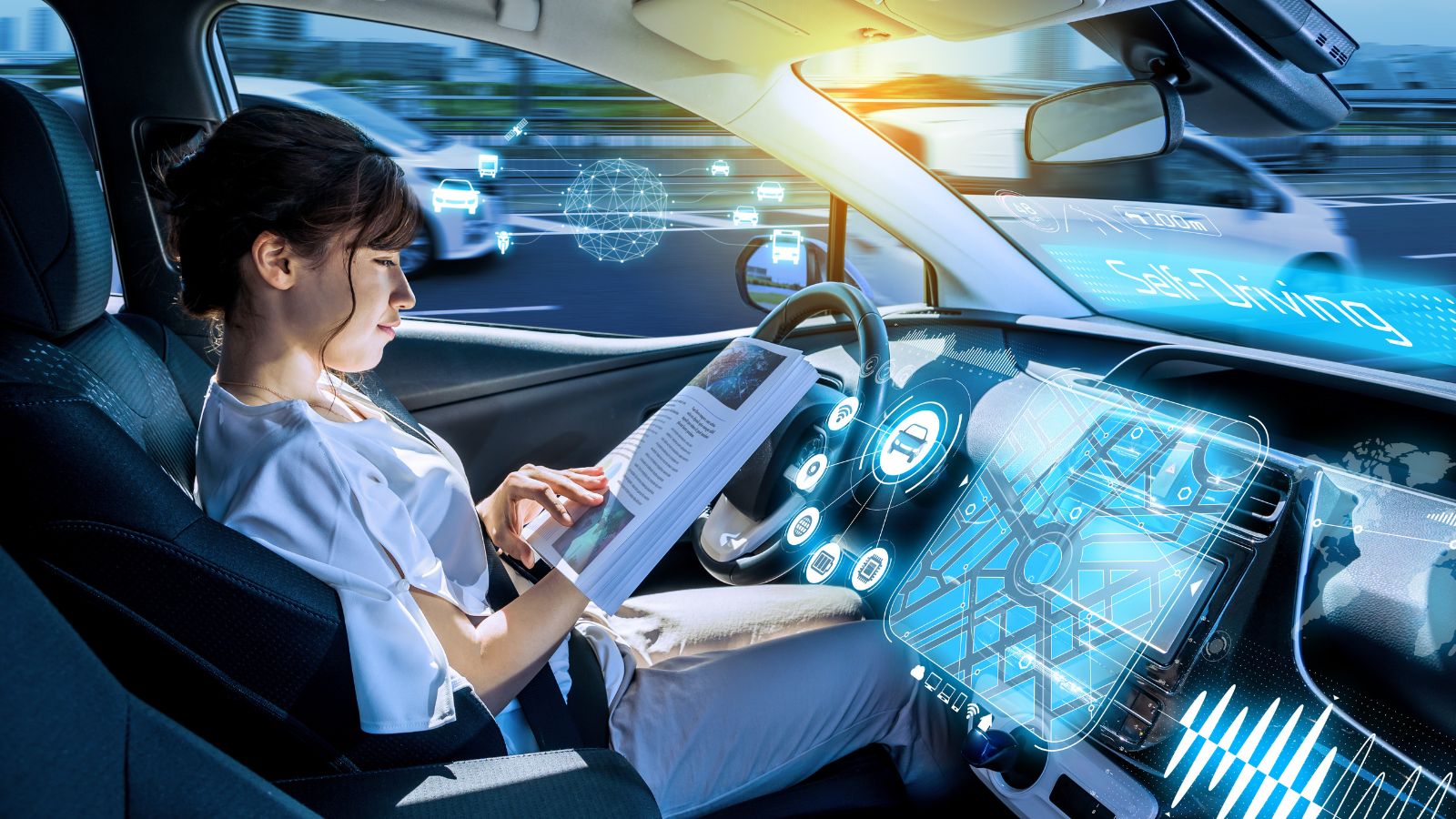
Hands-free highway systems can control steering and speed on approved roads while monitoring the driver. Used correctly, they may reduce workload on long, repetitive journeys. The marketing experience, however, can create a difficult human-factors problem: the vehicle performs enough of the task to encourage relaxation but not enough to handle every construction zone, weather condition, stopped vehicle, or unusual road geometry. The driver must remain ready to intervene despite having little active involvement for long periods.
Research has warned that familiarity with advanced assistance can lead to complacency and disengagement. Other studies have found that people using partial automation may become distracted or slower to respond as trust grows. Driver-monitoring cameras are intended to manage that risk, but they can add another layer of warnings and conflict. By 2031, motorists may dislike paying for a system that promises relief yet requires continuous vigilance and frequent takeovers. The technology may be safest when expectations are modest, controls are intuitive, and the vehicle communicates its limits before—not during—a difficult moment.
Repairs Locked Behind Proprietary Software
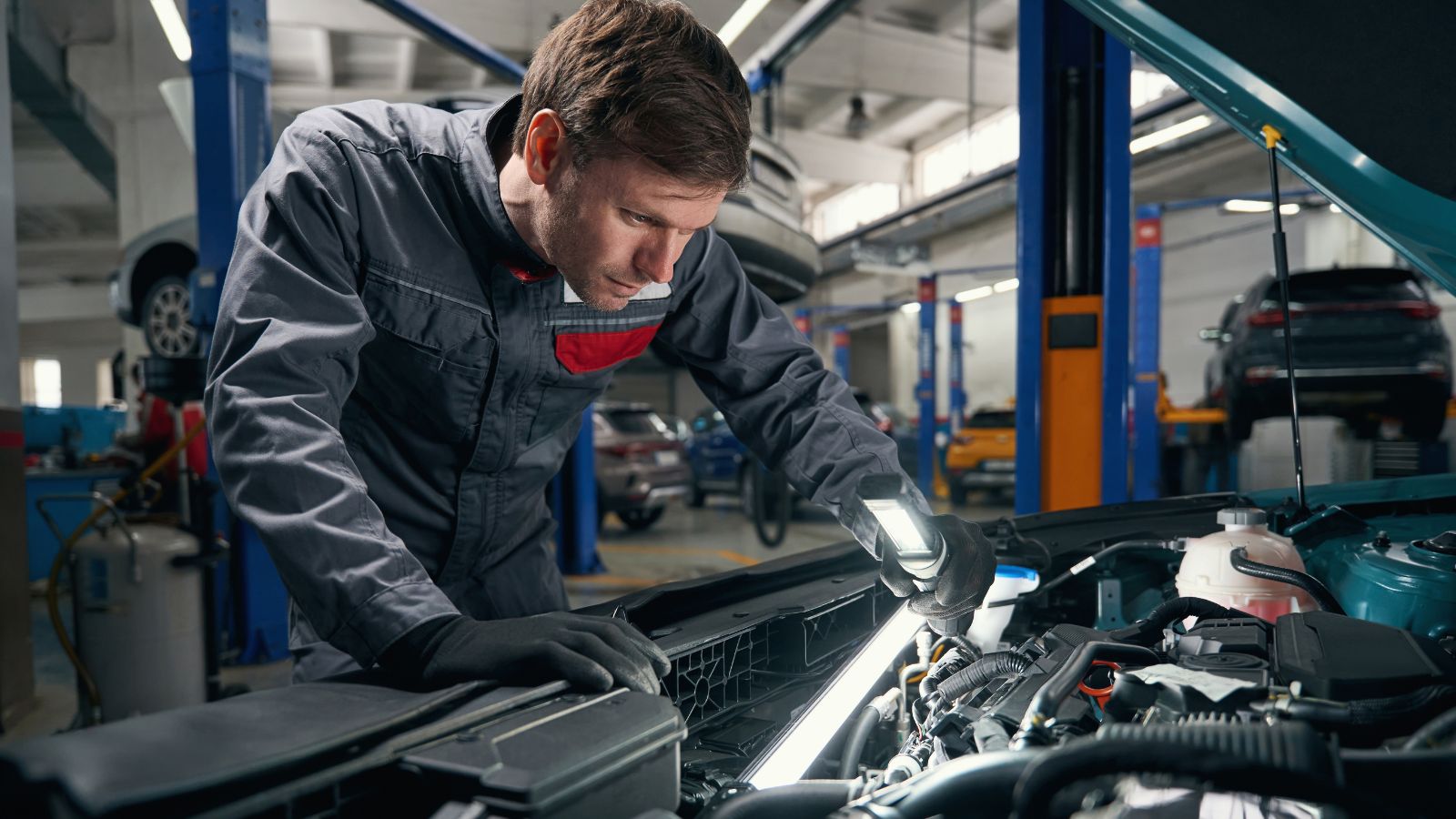
Mechanical repairs increasingly require software access, authentication, coding, calibration data, and manufacturer-specific diagnostic tools. Replacing a component may no longer be enough; the new part may need to be recognized by the vehicle or configured through an online service. Automakers argue that controlled access protects cybersecurity, safety, intellectual property, and emissions compliance. Independent repairers counter that restricted data and tools can force owners toward dealership networks, reduce competition, and increase delays.
The Federal Trade Commission has repeatedly challenged unsupported repair restrictions and has noted arguments that limited access can raise consumer costs. The debate becomes more important as vehicles shift toward centralized computers and persistent connectivity. A car purchased today may still be on the road in 2031, when its warranty is over and affordable independent service matters most. Owners may resent discovering that an ordinary repair requires a subscription tool unavailable to a trusted local shop. Long-term repair access could become as important to resale value as reliability, parts availability, and rust protection.
Minor Collisions Requiring Expensive Sensor Calibration

Modern bumpers, windshields, mirrors, grilles, and badges can conceal cameras, radar units, and ultrasonic sensors. These components support automatic emergency braking, adaptive cruise control, lane centring, parking assistance, and blind-spot monitoring. After a windshield replacement, wheel alignment, bumper repair, or small collision, a sensor may need static or dynamic calibration to ensure that it sees the road accurately. The body damage can look minor while the electronic work adds specialized labour, target equipment, scan procedures, and test drives.
AAA found that ADAS components and related labour can represent a substantial share of repair costs in common damage scenarios, with individual added expenses ranging from hundreds to more than a thousand dollars. IIHS research has also documented post-repair problems reported by some owners, emphasizing that correct calibration matters for safety as well as cost. By 2031, drivers may be frustrated that a cracked windshield or parking-lot bump triggers a complex appointment. Insurers, repairers, and automakers will need more standardized procedures and better component design to keep small incidents from becoming major bills.
Electric-Vehicle Repairs Remaining More Complex Than Expected
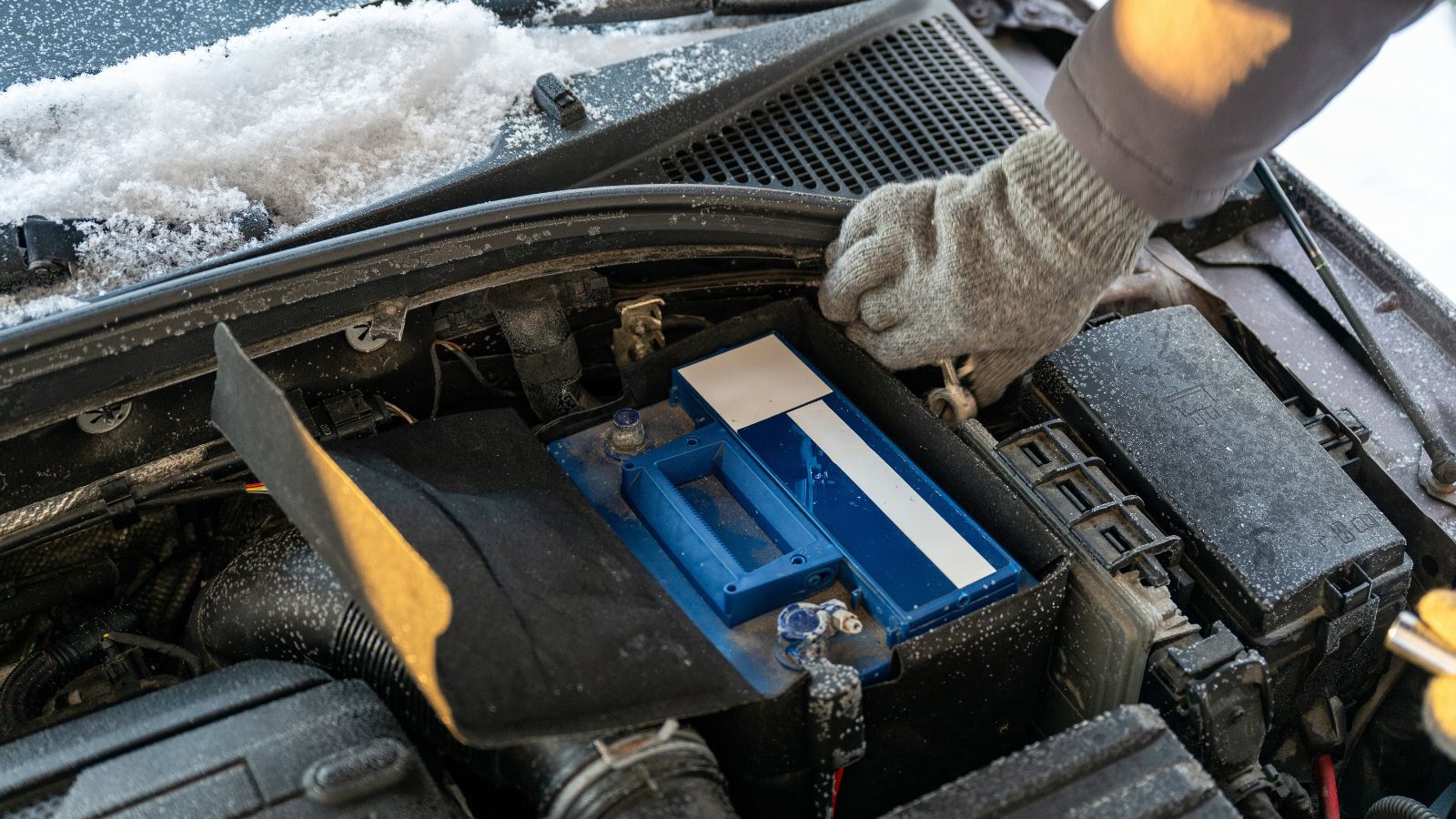
Electric vehicles have fewer routine powertrain service items than combustion vehicles, but collision repair can involve high-voltage isolation, battery inspections, specialized training, longer diagnostic procedures, and manufacturer-specific rules. Battery packs are large structural components in many designs, and damage near the underbody can create uncertainty even when the vehicle still drives normally. Parts availability, safe storage, technician certification, and access to repair instructions can influence whether an insurer approves a repair or declares a total loss.
Industry claims data show that repairable battery-electric vehicles have often carried higher average collision severity than combustion vehicles, although the gap varies by model and has changed as repair experience improves. Canadian data have also placed average repairable-BEV claim severity above several other powertrain categories. Five years from now, owners may be less impressed by instant torque if insurance and collision repair remain unpredictable. The trend does not make EVs inherently poor purchases, but it increases the value of modular battery designs, transparent repair procedures, strong parts networks, and insurance quotes obtained before signing the contract.
New Cars Arriving Without a Spare Tire
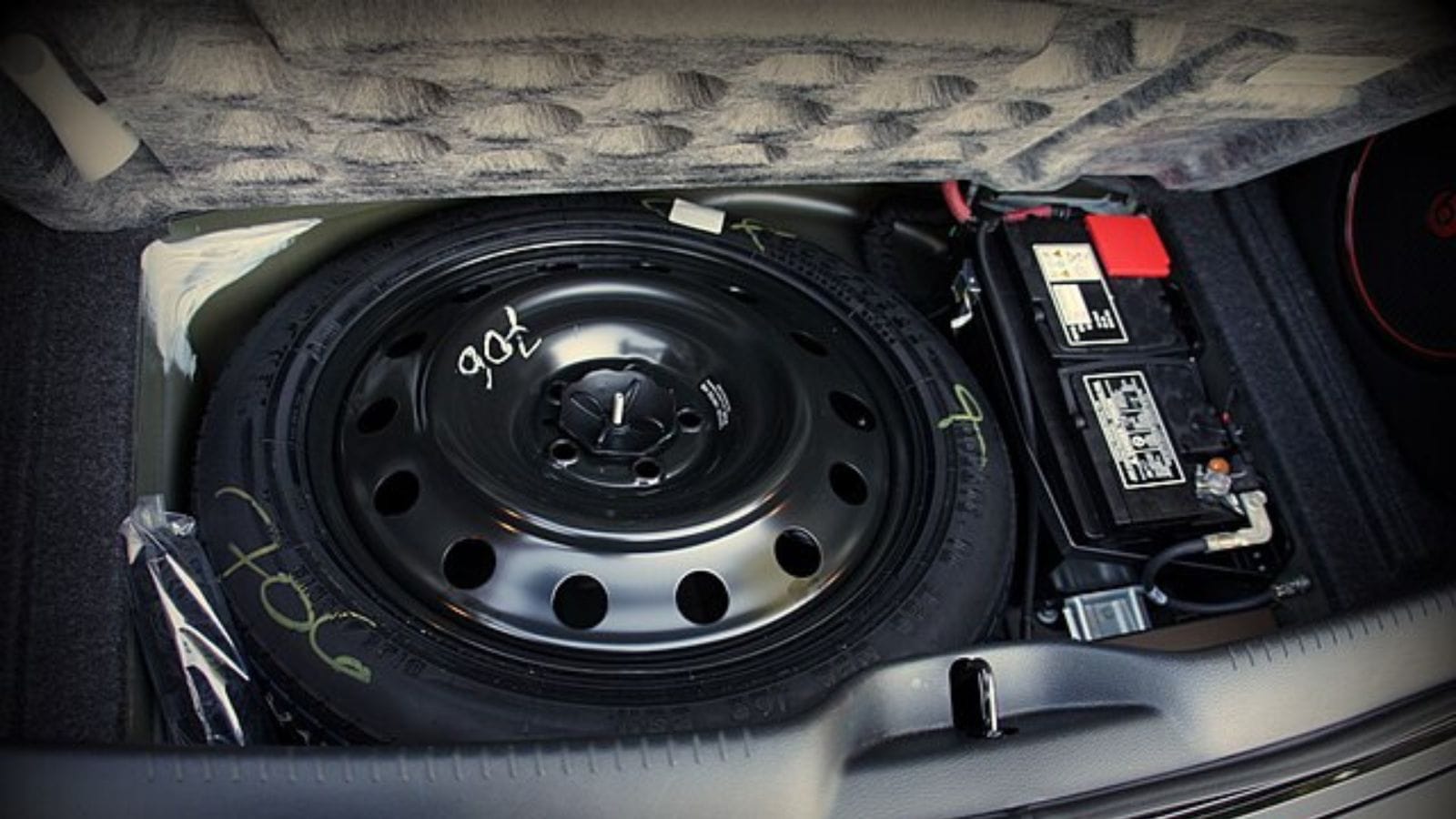
Automakers have removed spare tires to save weight, free cargo space, reduce cost, and improve efficiency. Some vehicles provide a sealant kit and compressor, while others rely on run-flat tires or roadside assistance. The strategy works for a small tread puncture under favourable conditions. It is far less useful for a sidewall cut, bent wheel, large hole, expired sealant canister, or damage in an area without reliable mobile service.
AAA found that roughly 28 percent of 2017 model-year vehicles lacked a spare tire as standard equipment, and the organization has continued warning drivers about the disappearing spare. The issue may grow as packaging pressure increases in hybrids and EVs, where batteries and electronics compete for space. A driver stranded late at night may not care that removing the spare saved a modest amount of weight. By 2031, buyers may specifically seek models with a real temporary spare—or negotiate an accessory kit at purchase—after learning that a “mobility solution” can mean waiting for a tow.
Giant Wheels and Thin-Sidewall Tires
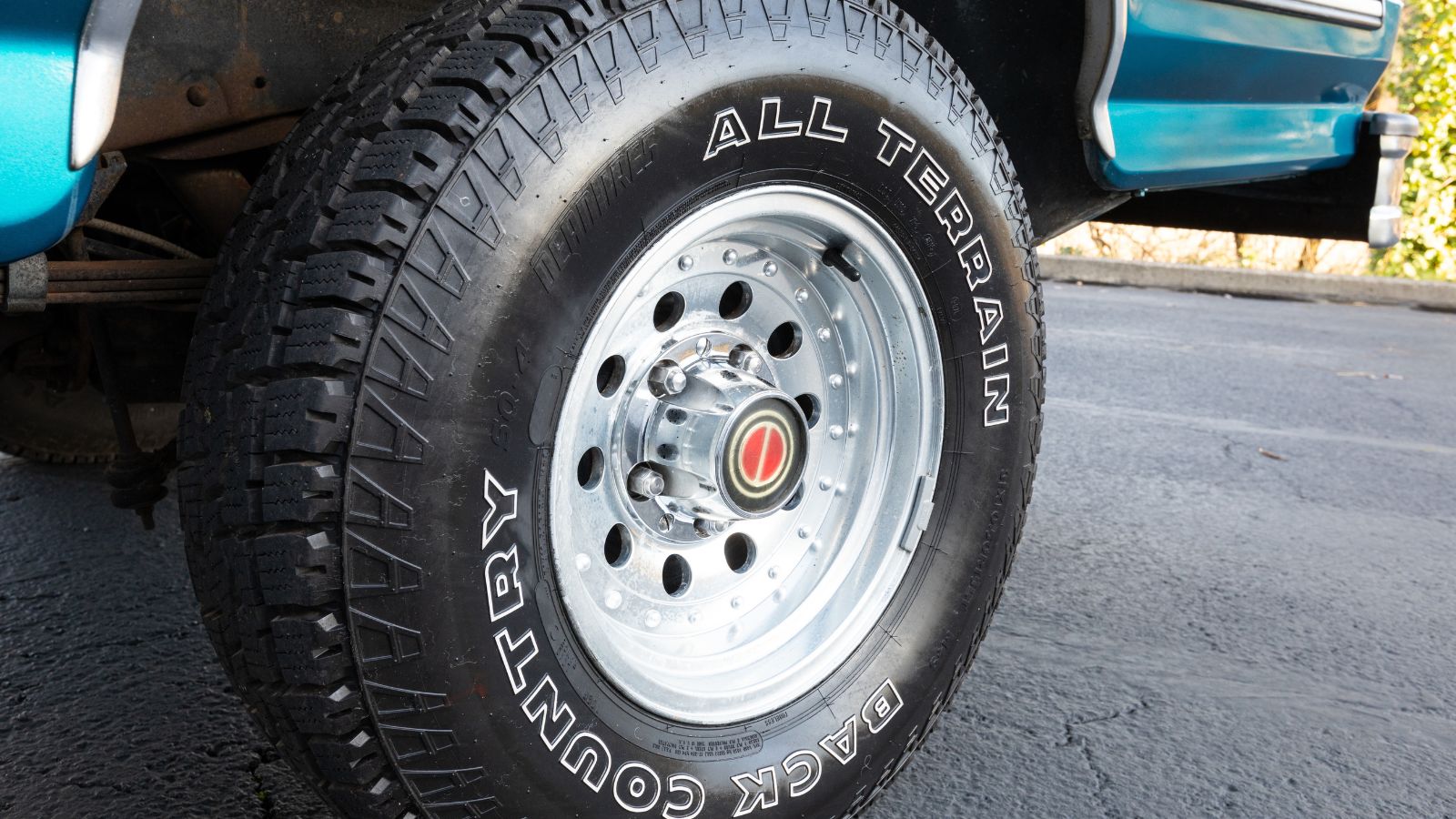
Large wheels give a vehicle a dramatic stance and create room for performance brakes. They also help premium trims look visibly different from base models, making them an easy showroom upgrade. The trade-off is that a larger wheel usually requires a lower-profile tire to preserve the overall diameter. With less sidewall available to absorb potholes and sharp edges, the ride can become firmer and the wheel more vulnerable to impact damage. Replacement tires may also be more expensive and less widely stocked.
The consequences are especially noticeable on heavy vehicles and poorly maintained roads. A fashionable 21- or 22-inch package can produce more road noise, reduced cold-weather comfort, and costly damage from an ordinary pothole. Larger rotating assemblies may also affect efficiency and acceleration depending on their mass and design. Controlled testing of upsized wheel-and-tire packages has demonstrated performance penalties as wheel weight rises, while consumer testing has highlighted the vulnerability of low-profile tires to potholes. Five years from now, buyers may regard a modest wheel with more sidewall as the smarter luxury option.
Vehicles Becoming Heavier Than They Need to Be

New vehicles have grown in size and weight as buyers choose SUVs and pickups, safety structures become more substantial, and battery packs add mass to electric models. Extra weight can help protect occupants in some collisions, and a larger vehicle may feel stable and secure. The benefit is not unlimited. IIHS research released in 2025 found that safety gains top out as vehicles become heavier than the fleet average, while additional mass can increase danger for people in lighter vehicles.
Weight also affects tires, brakes, energy use, parking structures, and the physical forces involved in a crash. Drivers may notice faster tire wear or less agility long before they consider broader road-safety consequences. A very heavy vehicle can deliver impressive acceleration because electric motors produce immediate torque, but that combination may be uncomfortable in crowded neighbourhoods and expensive when consumable parts need replacement. By 2031, some owners may tire of moving three tonnes of machinery for ordinary commuting and school runs. Efficient packaging and right-sized vehicles could feel more advanced than sheer bulk.
Flush Electronic Door Handles
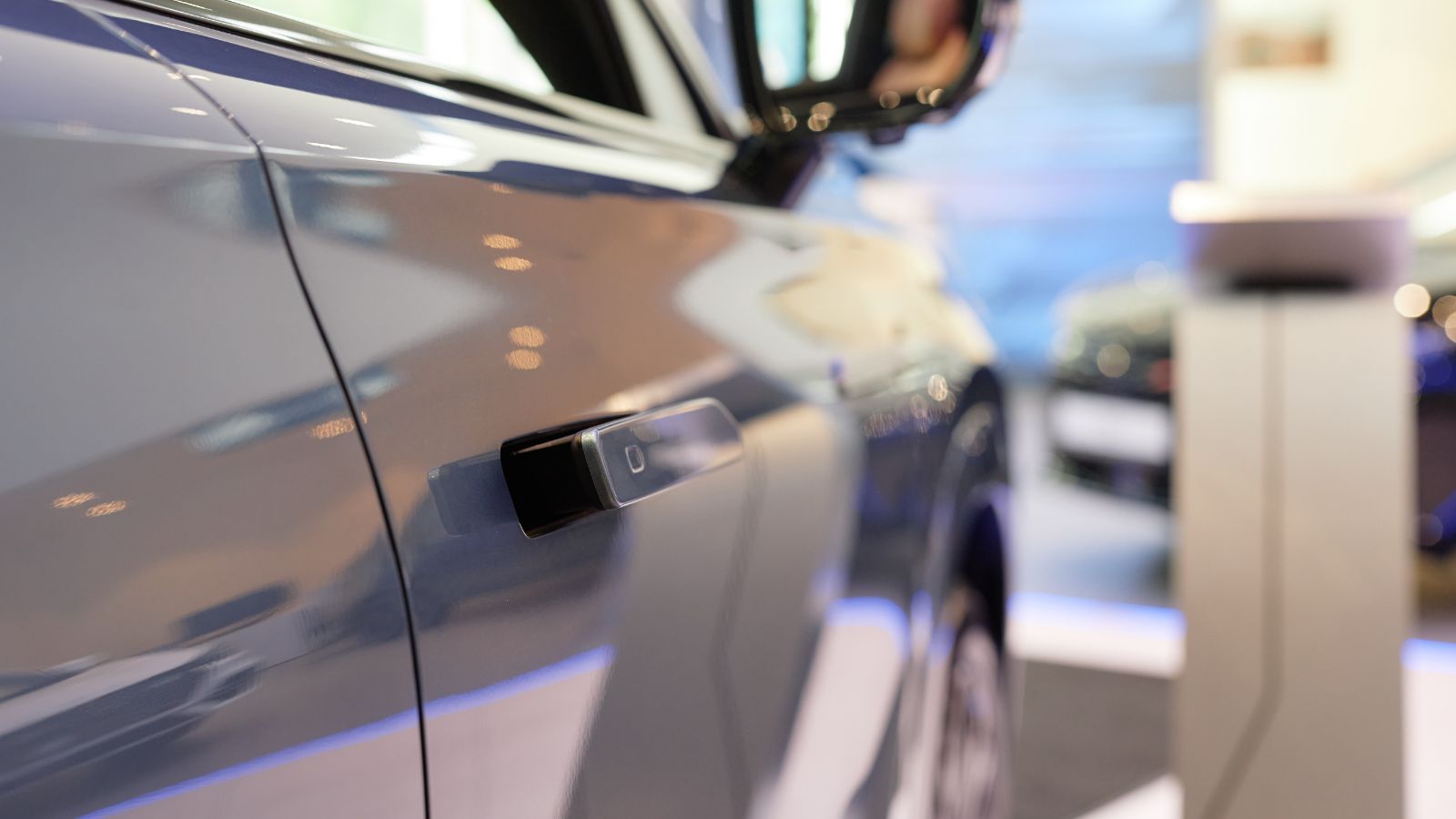
Flush door handles reduce aerodynamic drag and create a clean exterior. Powered versions can present themselves when the driver approaches, then retract while the vehicle is moving. The idea suits electric cars, where small efficiency gains and futuristic styling carry marketing value. The emergency problem is obvious: a handle that depends on power, sensors, or a hidden mechanism may be harder for occupants or rescuers to understand after a crash, fire, battery failure, or electrical shutdown.
Regulatory attention is increasing. China developed safety requirements emphasizing mechanical release capability and usable hand space, while NHTSA signalled in July 2026 that broader U.S. rulemaking could address robust and obvious door egress across the industry. Some vehicles already include manual interior releases, but they may be unfamiliar, poorly labelled, or located where a panicked passenger would not expect them. Five years from now, drivers may view a solid mechanical handle as reassuring rather than old-fashioned. A fraction of aerodynamic efficiency is unlikely to compensate for confusion during the one moment when opening a door matters most.
Public Charging That Requires Too Many Apps and Accounts
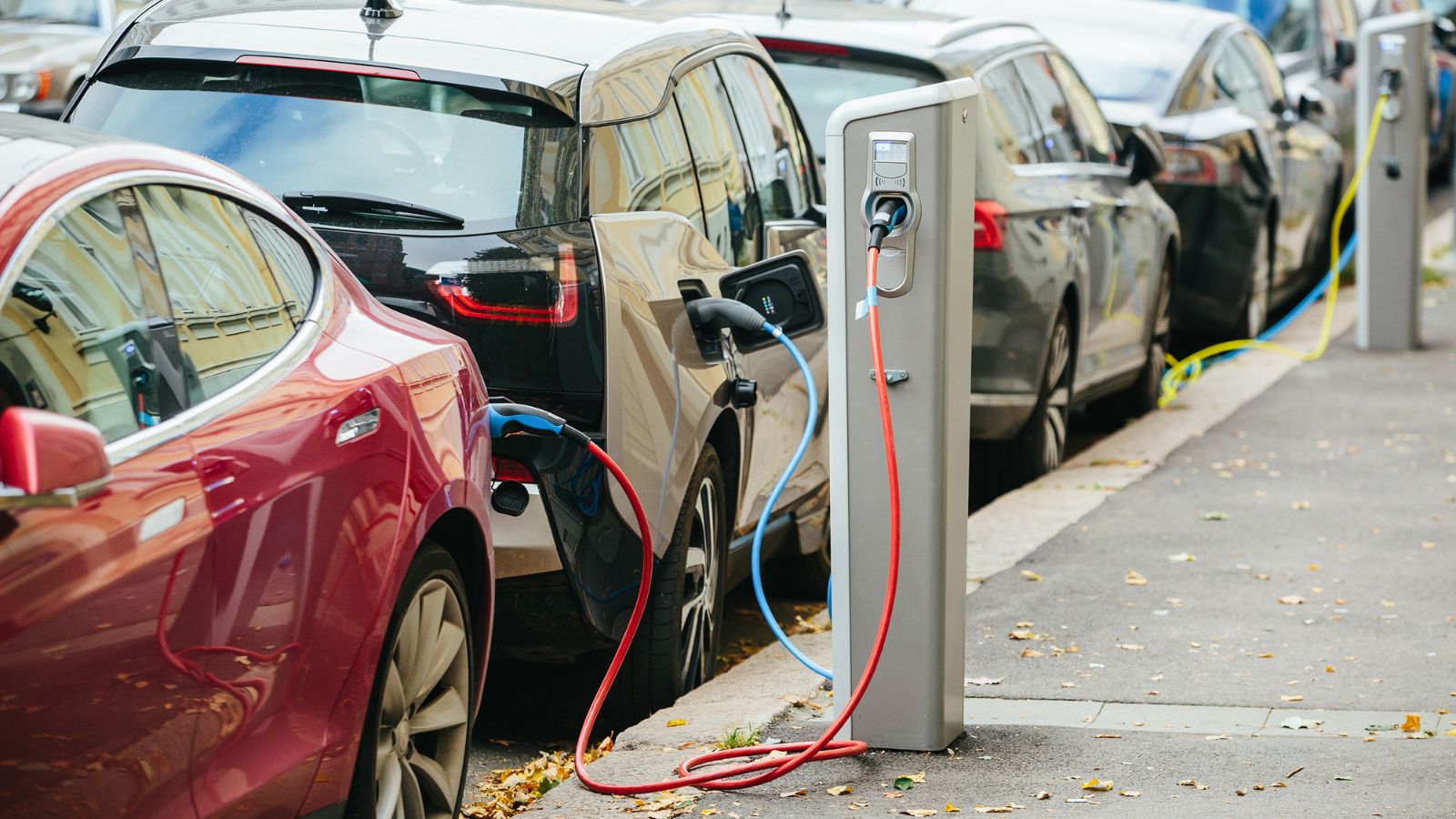
Public EV charging is improving, but the experience can still involve separate apps, memberships, stored payment cards, connector standards, pricing rules, and roaming agreements. A driver may arrive at a working charger yet struggle with account creation, weak mobile service, a failed payment authorization, or an app that does not recognize the station. Networks have legitimate reasons for building digital ecosystems, including billing, loyalty programs, reservations, and real-time status. From the driver’s perspective, however, buying energy should not require a collection of accounts.
Regulators have already recognized the problem. U.S. federal standards for funded charging stations require open-access payment methods, including contactless options, while European rules emphasize ad hoc charging without a pre-existing contract and clearer pricing. J.D. Power’s 2025 public-charging study found that payment and cost continued to weigh on satisfaction even as reliability improved. By 2031, motorists may have little patience for chargers that cannot accept an ordinary card or automatic plug-and-charge authorization. The winning networks will make electricity feel less like software onboarding and more like dependable public infrastructure.
22 Things Canadians Do to Their Cars in Spring That Mechanics Hate

Spring brings relief to many Canadian drivers after months of snow, freezing temperatures, and icy roads that put serious strain on vehicles. As temperatures rise across the country, drivers begin washing cars, switching tires, and preparing vehicles for warmer weather and upcoming road trips. However, mechanics across Canada notice the same mistakes every spring when drivers attempt to recover from winter damage. Road salt, potholes, and harsh winter driving conditions often leave vehicles with hidden problems that drivers ignore. Some spring habits even create new mechanical issues that could have been avoided with proper maintenance. Here are 22 things Canadians do to their cars in spring that mechanics hate.

Alanna Rosen is an experienced content writer that focuses on many EV and educational content. Her articles are regularly published on Get CyberTrucked and syndicated on large publications.