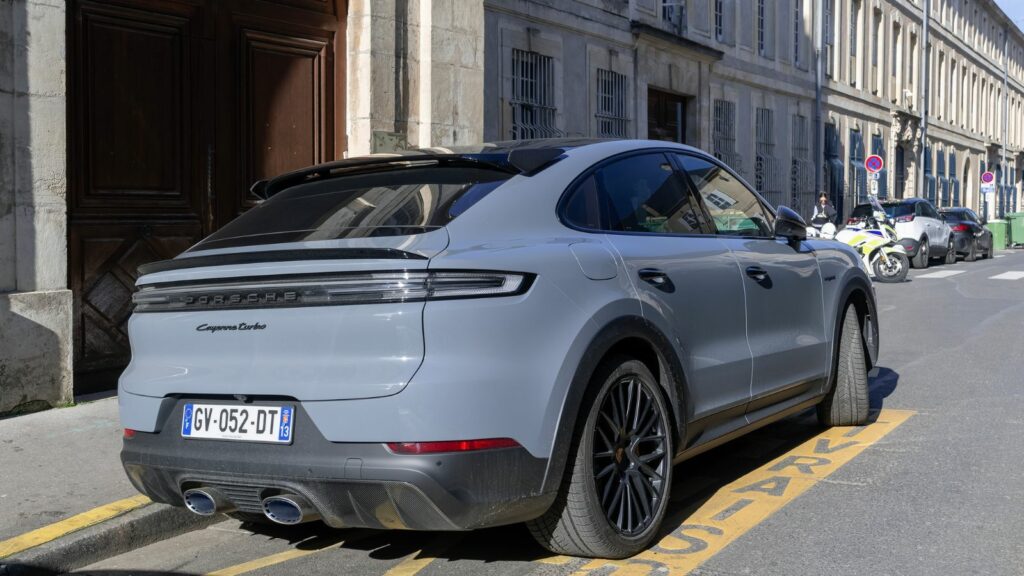
For years, the SUV has been sold as the do-everything answer to Canadian life: comfortable in winter, useful for family trips, and reassuring on rough roads. Yet the same qualities that make a large SUV appealing on an open highway can become liabilities in a dense neighbourhood, an underground garage, or a crowded school zone. The concern is becoming harder to dismiss as multipurpose vehicles dominate new registrations and nearly three-quarters of Canadians live in census metropolitan areas. These 13 pressures explain why some urban drivers are beginning to question whether bigger still means better.
The Canadian Market Has Shifted Dramatically Toward SUVs

The size debate is no longer about a small niche of luxury buyers. Statistics Canada reported that multipurpose vehicles—its category that includes SUVs and crossovers—accounted for 63.2% of new motor vehicle registrations in 2025. Passenger-car registrations continued to decline, while the broader truck category has expanded sharply over the past several years. That means a vehicle type once chosen mainly for specialized space or capability has become the default family vehicle in many Canadian showrooms.
The practical result is visible at almost any condo entrance, school pickup lane, or downtown grocery store. A parking area designed when compact sedans and modest wagons were common now has to absorb three-row crossovers and full-size SUVs. One large vehicle is usually manageable; an entire row of them changes sightlines, door-opening space, and manoeuvring room. Some drivers are not rejecting SUVs altogether. They are reacting to a market in which “normal” has steadily moved upward in length, width, height, and weight.
Standard Parking Spaces Leave Less Room Than They Seem
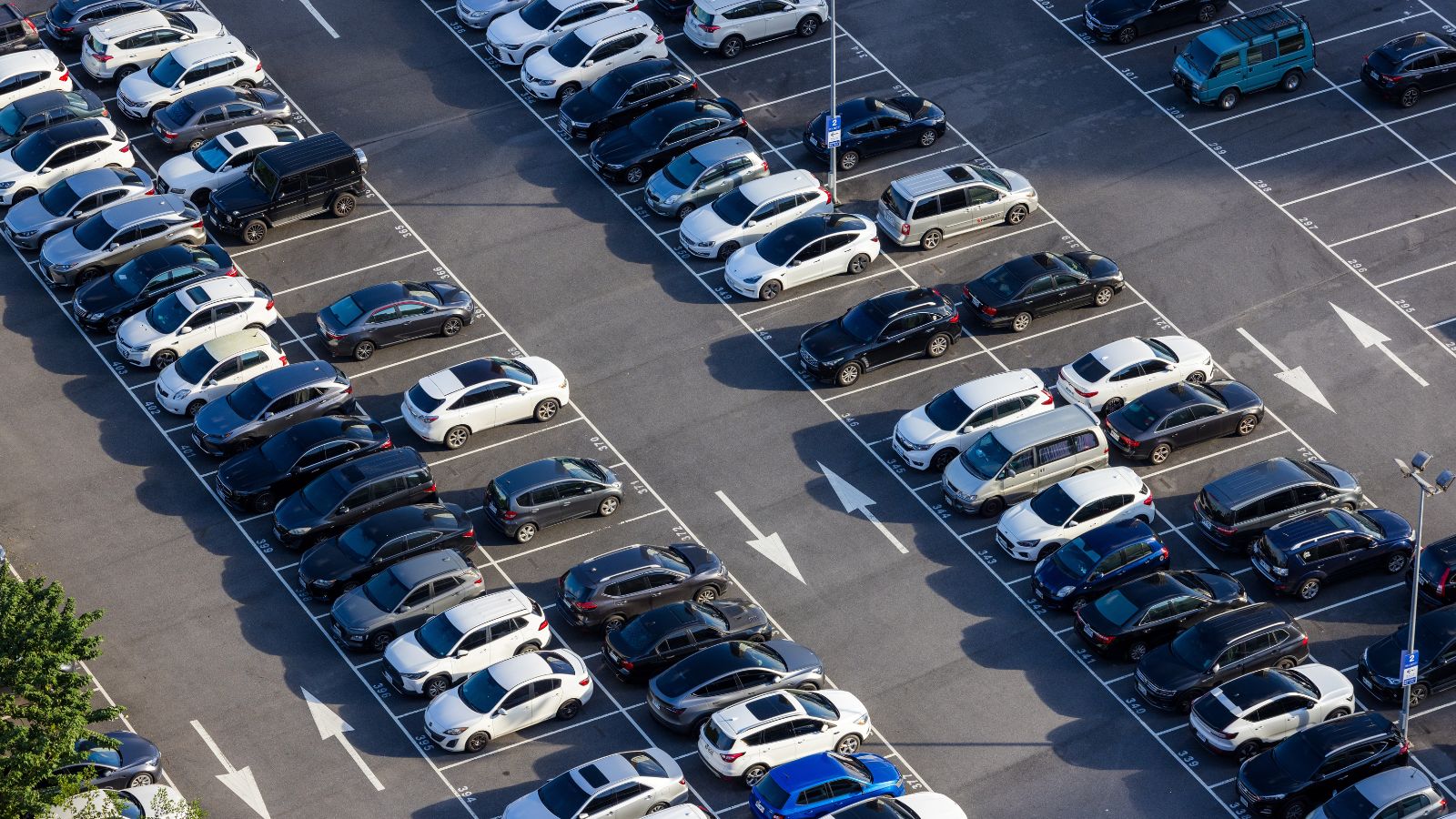
A typical parking stall can look generous when it is empty and surprisingly narrow once a modern SUV is centred inside it. Toronto’s zoning rules specify a standard minimum parking-space width of 2.6 metres and a length of 5.6 metres. By comparison, Ford lists the 2027 Expedition at 2.402 metres wide with mirrors and up to 5.631 metres long in MAX form. The numbers show why the experience can feel stressful even when the vehicle technically fits.
In a 2.6-metre-wide stall, that Expedition would leave less than 20 centimetres of total width beyond the mirrors if they remained extended. Real drivers also need room for concrete columns, neighbouring vehicles, imperfect positioning, winter grime, and doors that must open wide enough for children or mobility devices. A parent loading a car seat may discover that the promised spaciousness inside the SUV creates a new problem outside it. Cameras and parking sensors help, but they do not create physical clearance where little exists.
Underground Garages Can Turn Height Into a Daily Calculation
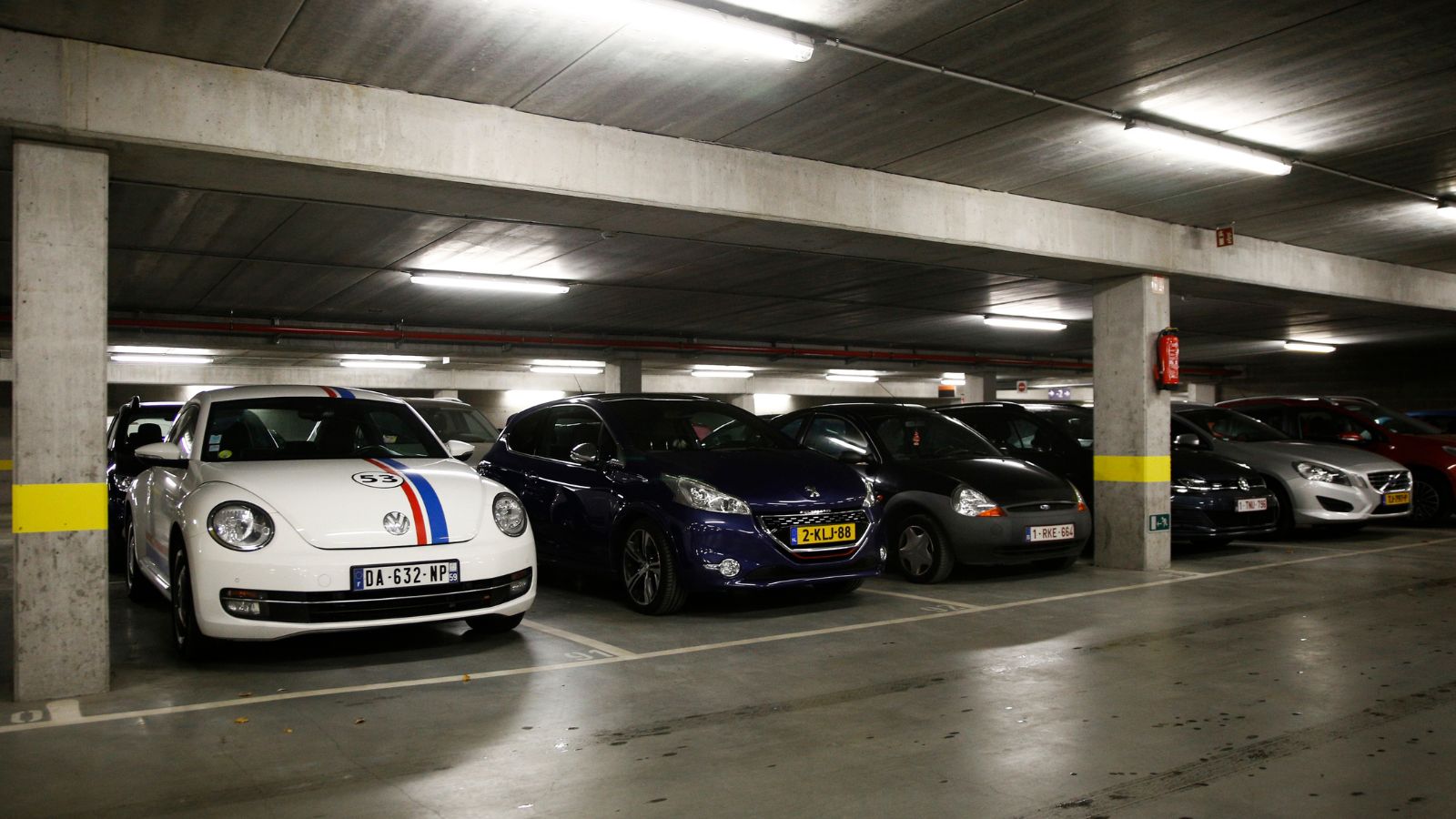
Width receives most of the attention, but height can be just as awkward in urban garages. Toronto’s minimum vertical clearance for a regular parking space is 2.0 metres. Ford lists the 2027 Expedition Tremor at 2.004 metres tall before adding roof-mounted cargo equipment. Even slightly lower SUVs can feel uncomfortably close to hanging signs, pipes, sprinkler equipment, ramps, and older clearance bars.
That does not mean every tall SUV will strike a ceiling. Building designs vary, and posted clearances should always control. The frustration comes from having to think about it at all. A driver heading to a medical appointment or hotel may suddenly be studying a clearance sign while traffic queues behind. Roof boxes used for skis or camping gear can make the problem more complicated, especially in winter when they are left installed for weeks. For city residents, a vehicle marketed for adventure can become oddly restrictive when the first obstacle is simply entering the parkade beneath the destination.
Narrow Streets Feel Smaller When Parked Vehicles Grow
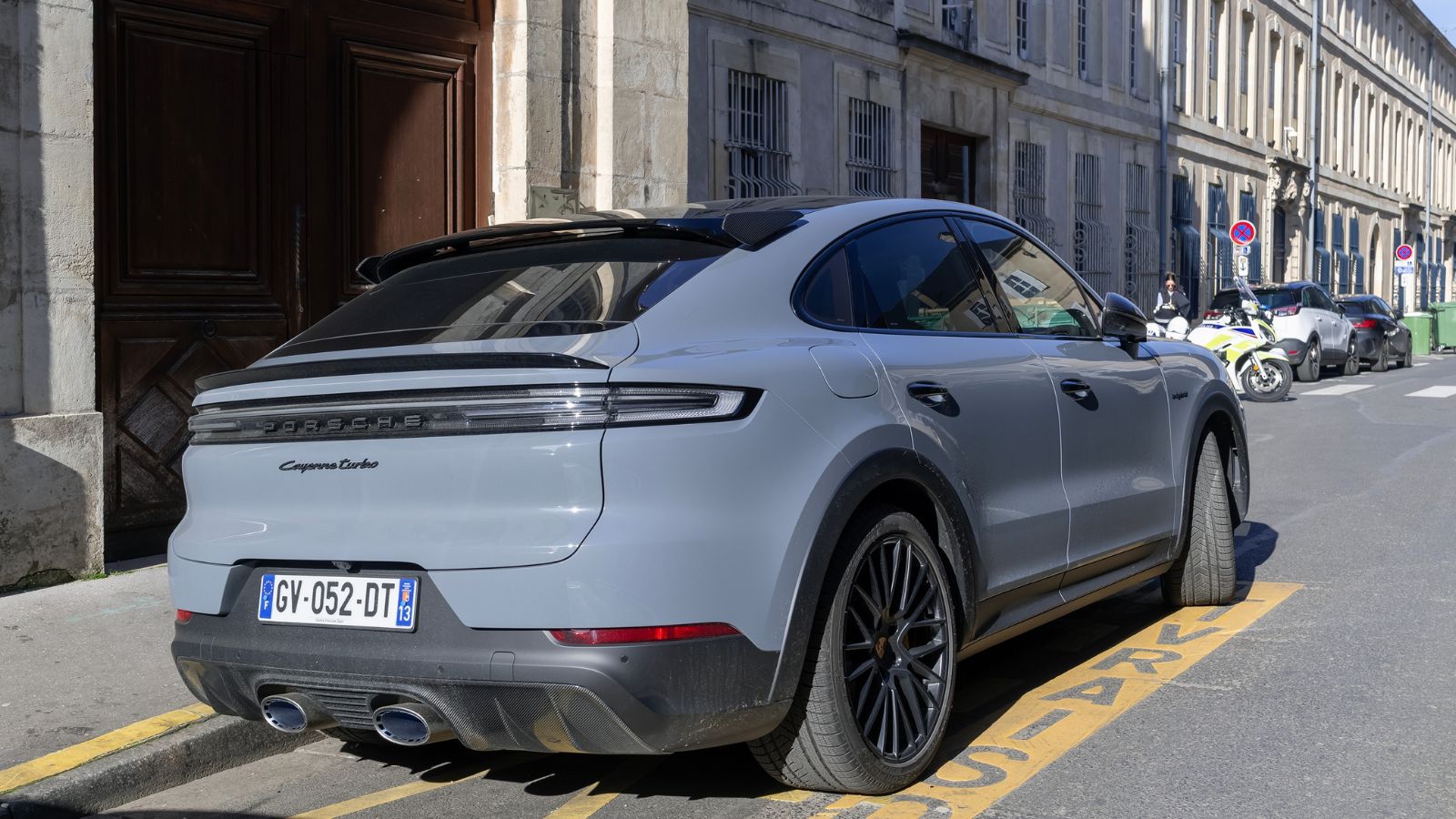
Many Canadian neighbourhood streets were laid out long before today’s largest consumer SUVs existed. When tall, wide vehicles line both curbs, the usable roadway can begin to feel like a single shared channel. Drivers slow, wait behind gaps, and negotiate who will pass first. That cautious behaviour may be sensible, but it also reveals how much public space stationary vehicles occupy.
The effect is more than a matter of convenience. Large parked vehicles can block views between motorists and people stepping from sidewalks, driveways, or laneways. They can also make snowbanks more disruptive because winter already reduces the effective width of the street. A delivery van, garbage truck, or fire vehicle then has less margin to work with. No single SUV causes the problem, and many owners have legitimate needs for cargo or passengers. The criticism emerges when a private vehicle’s footprint repeatedly depends on scarce curb space that must also serve cyclists, emergency access, deliveries, pedestrians, and other residents.
Taller Hoods Can Hide More of What Is Directly Ahead
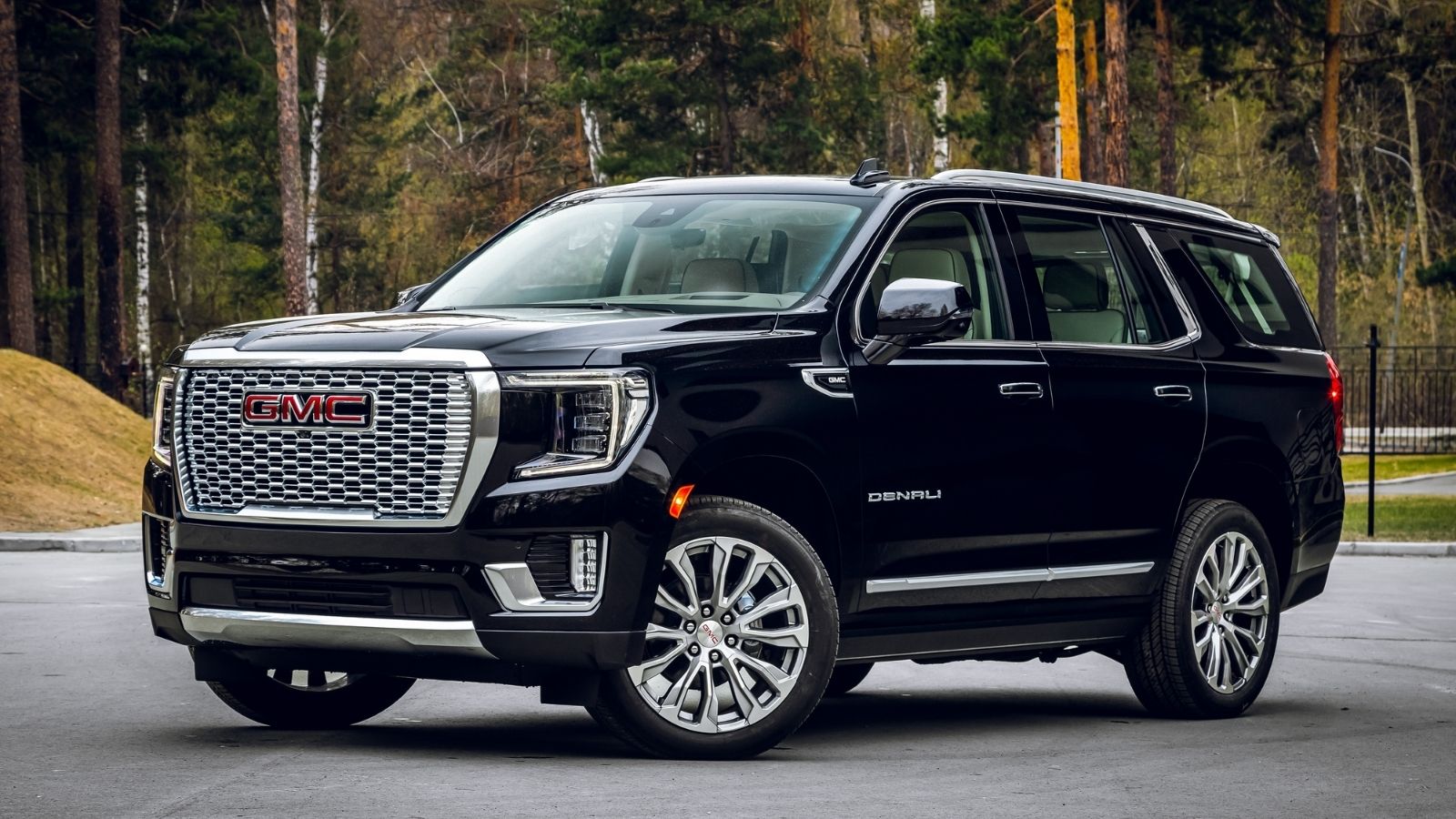
The commanding seating position that attracts many SUV buyers can create a misleading sense of visibility. Drivers may see farther down the road while still having difficulty seeing objects close to the front corners. Research from the Insurance Institute for Highway Safety found that thick pillars, bulky mirrors, tall hoods, and long front ends can enlarge critical blind zones. Its 2025 analysis linked a large driver-side blind zone with a 70% higher risk of a left-turn pedestrian crash than a small blind zone.
This matters in Canadian cities filled with visual clutter: parked cars, snowbanks, construction fencing, bike lanes, streetcar platforms, and people crossing from several directions. A driver may carefully scan and still lose a pedestrian behind an A-pillar during the moment the vehicle begins turning. Cameras and sensors can reduce the burden, but they require attention to screens and may be obscured by slush or dirt. Some drivers therefore prefer a smaller vehicle with naturally clearer sightlines rather than relying on technology to compensate for bulk.
Pedestrians Face More Severe Consequences in a Collision
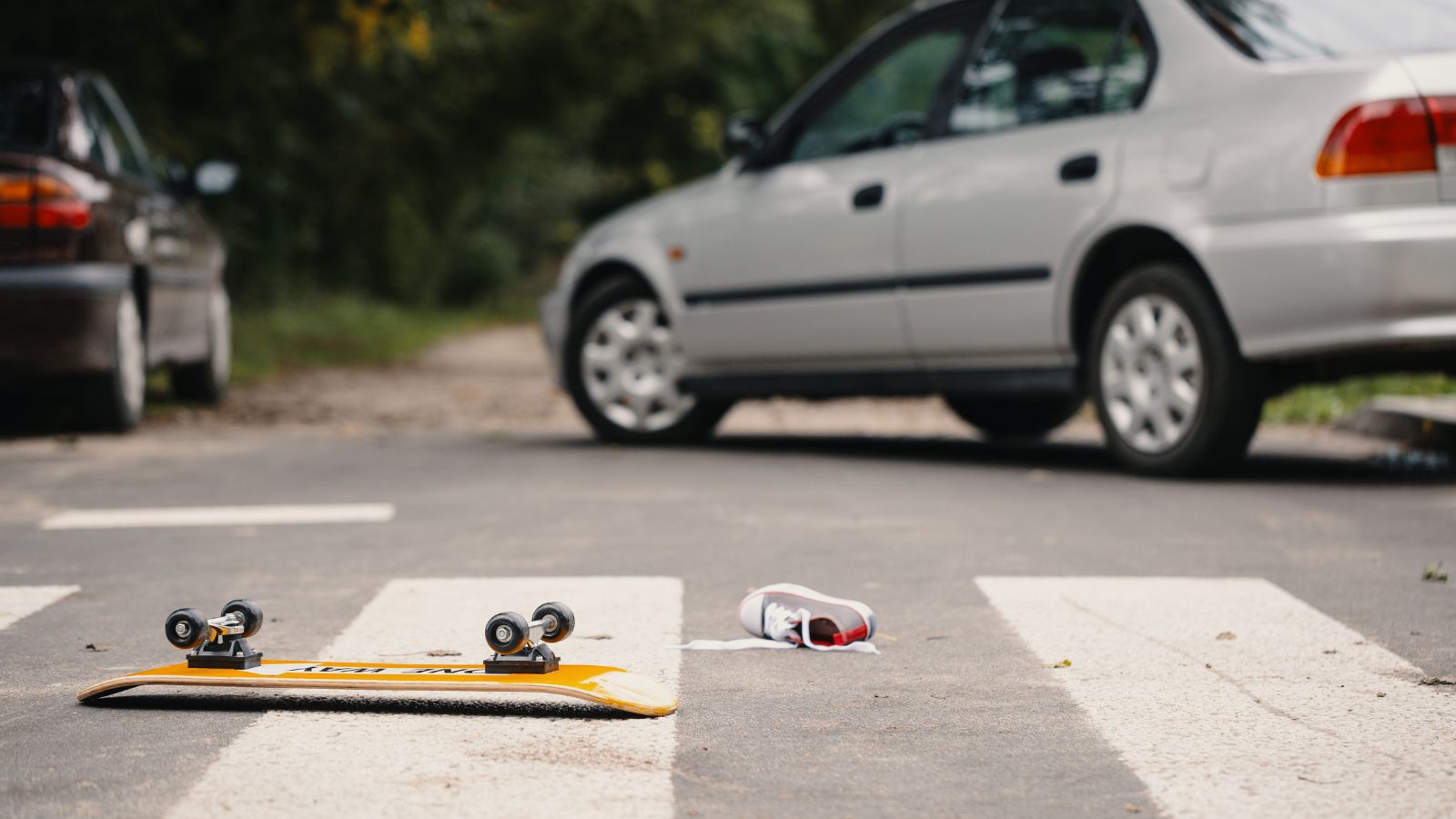
Vehicle size changes more than the driver’s experience; it can change what happens to someone outside the vehicle. An IIHS study of nearly 18,000 pedestrian crashes found that pickups, SUVs, and vans with hood heights above 40 inches were about 45% more likely to cause a pedestrian fatality than lower vehicles with sloped front profiles. The higher, blunter front end tends to strike the torso rather than the legs and can push a person downward instead of onto the hood.
Canadian road-safety data makes the issue difficult to treat as theoretical. Transport Canada recorded 1,964 motor-vehicle fatalities in 2023, the highest national total in a decade, alongside 9,261 serious injuries. Those figures include many crash types and do not prove that SUVs caused the increase. They do show why vehicle design is receiving closer scrutiny. In a dense city, drivers routinely operate within metres of pedestrians. Some owners are concluding that protecting occupants should not require creating greater risk for everyone standing outside the cabin.
Left Turns Become More Demanding Around People on Foot
Urban left turns combine several difficult tasks: judging oncoming traffic, watching signal phases, tracking cyclists, and checking two crosswalk approaches. Larger vehicles can add wider pillars, longer hoods, and more bodywork to that workload. IIHS research found that SUVs were 23% more likely than cars to strike pedestrians while turning left at or near intersections; pickups were 42% more likely. The study was based on American crash data, but the visibility challenge is relevant to similar Canadian street layouts.
Consider a driver turning through a busy Toronto or Vancouver intersection during rain. A pedestrian in dark clothing can pass behind the windshield pillar at exactly the wrong moment, while reflections and wiper movement further interrupt the view. The driver may not be speeding or distracted, yet the vehicle’s geometry reduces the margin for error. Automatic emergency braking can detect some pedestrians, but Transport Canada notes that such systems have operating limits. Drivers who spend most of their time in dense traffic may value a shorter hood and clearer glass area more than an elevated seating position.
Cyclists Can Feel Squeezed Even Without Contact
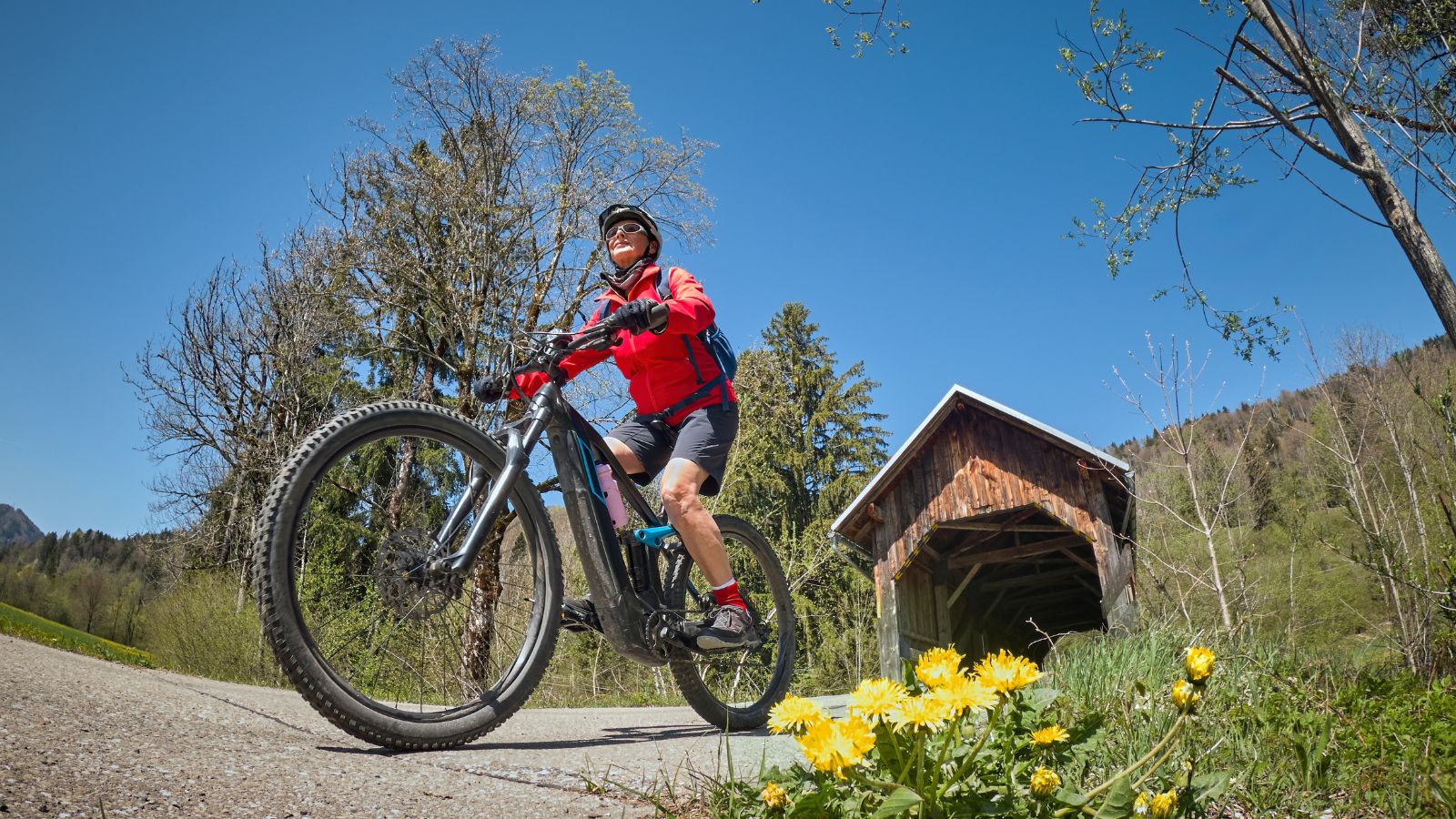
A close pass is unsettling in any vehicle, but the experience can feel more threatening when the passing vehicle is tall and wide. The cyclist sees a large grille, high beltline, and broad mirrors moving through a narrow shared space. Meanwhile, the SUV driver may have difficulty judging the passenger-side distance from the curb or bike lane, especially if the vehicle is unfamiliar or surrounded by parked cars.
Research also suggests that the consequences of contact can be worse. IIHS found that SUVs cause more severe injuries than cars when they strike bicyclists, with the higher point of impact helping explain the difference. This does not make every SUV driver unsafe, and responsible passing distance remains the central issue. Still, vehicle shape affects the stakes when a mistake occurs. On streets where painted bike lanes sit beside traffic, some drivers find that a compact crossover or car provides more natural lateral clearance and makes it easier to understand exactly where the vehicle ends.
Bigger Vehicles Can Make Other Drivers Feel Smaller
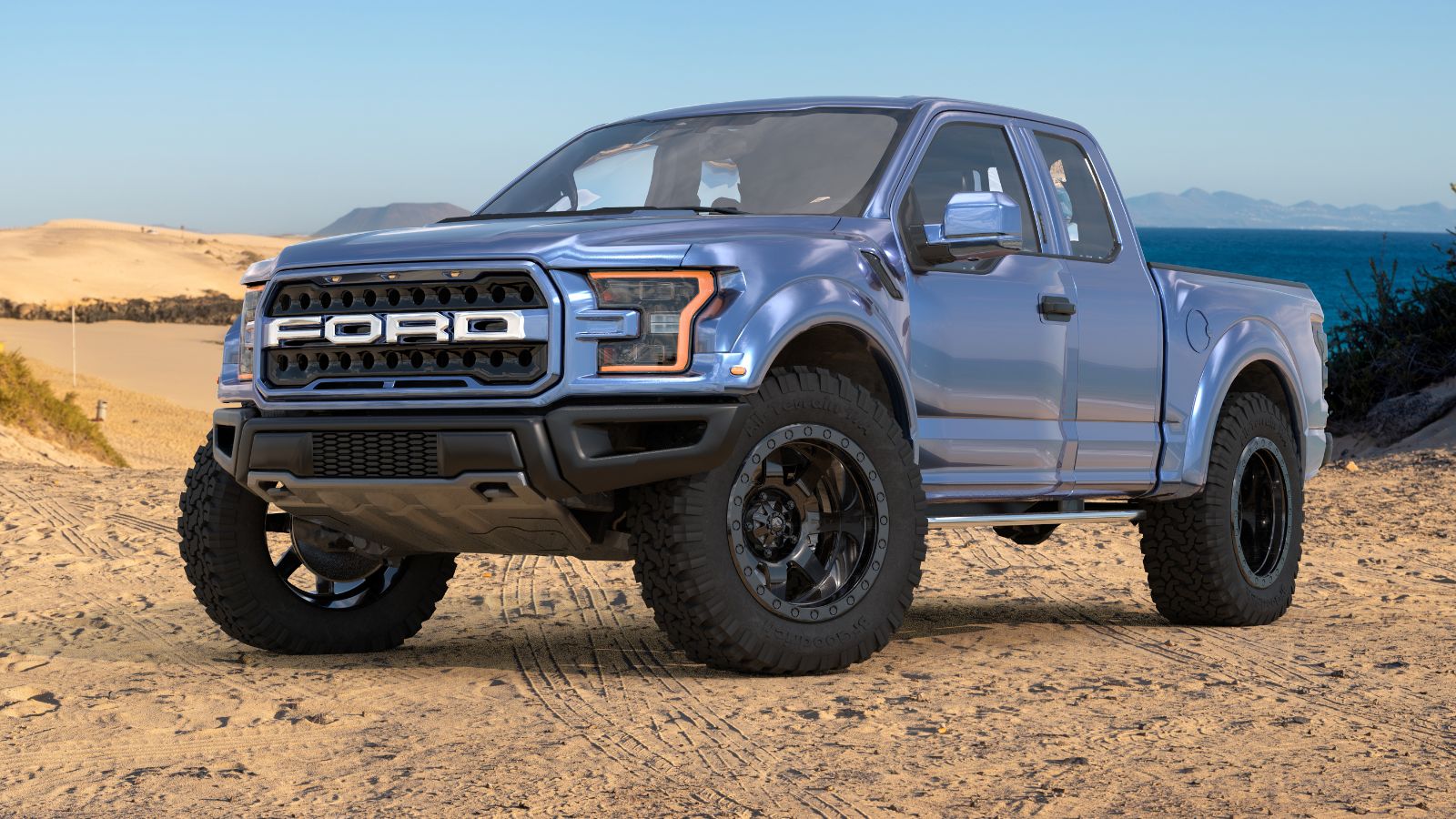
One reason people buy large SUVs is the belief that more mass offers greater protection. For occupants, size and weight can provide advantages in some crashes. The concern is that safety can become relative: when one household moves to a heavier vehicle, occupants of smaller vehicles may feel pressure to do the same. IIHS notes that vehicle weight differences remain an important factor in crash compatibility, even though modern SUV designs have improved substantially compared with older generations.
This creates an urban arms-race feeling. A compact-car driver stopped between two large SUVs may have reduced forward visibility and may struggle to see traffic signals, pedestrians, or brake lights farther ahead. The SUV driver, in turn, may feel surrounded by equally large vehicles and decide that the next purchase should be larger again. Some drivers are questioning that cycle. A city fleet cannot expand indefinitely without affecting everyone’s sightlines, parking access, energy use, and sense of safety.
The Extra Capacity Often Travels Empty
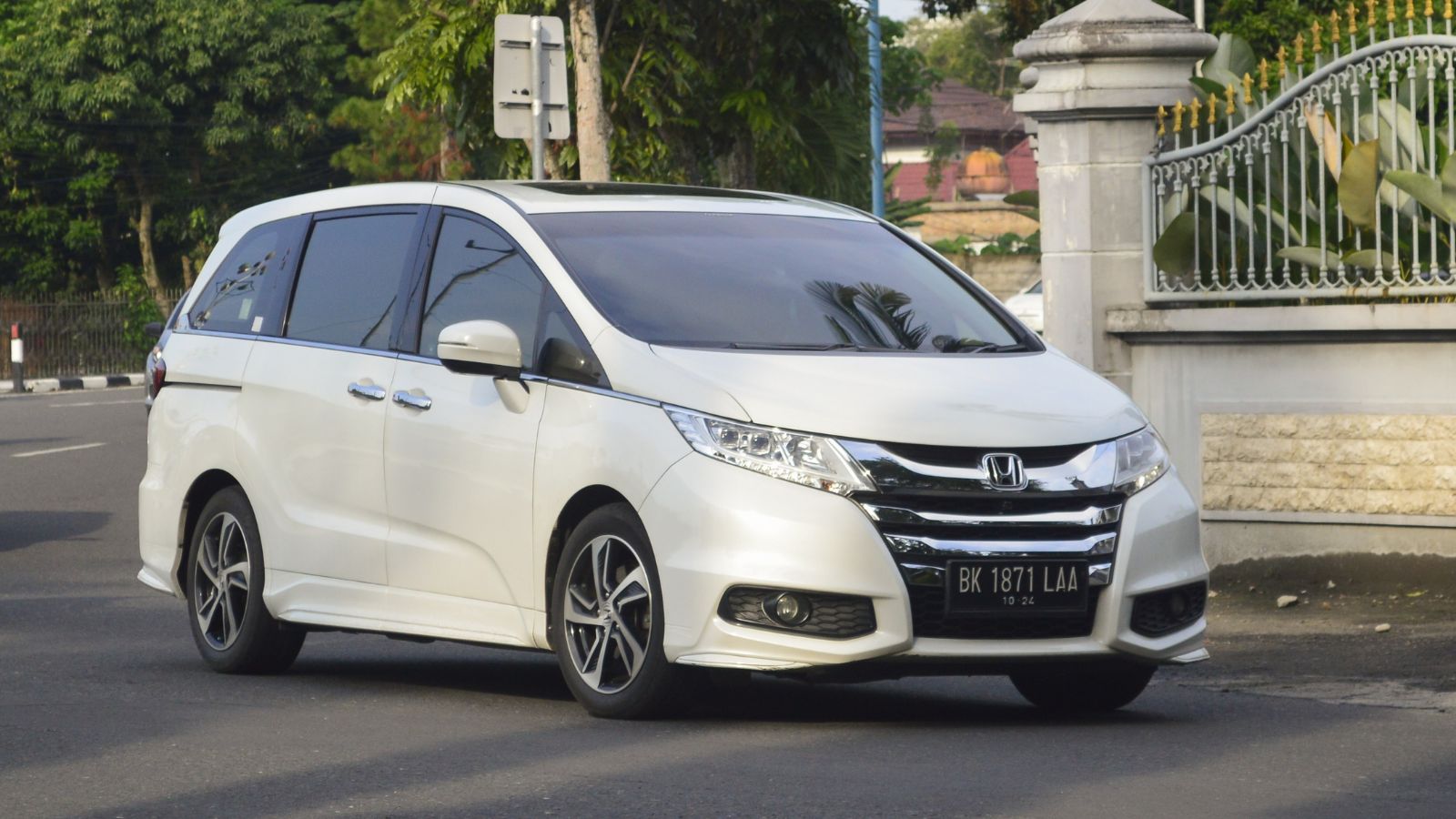
A three-row SUV can be genuinely useful for a large family, carpools, towing, or frequent trips with bulky equipment. The criticism begins when a vehicle sized for the most demanding day of the year becomes the daily tool for one person carrying a laptop and groceries. The owner then pays the spatial and operating penalty on every commute, even though the extra seats or cargo volume may be used only occasionally.
This mismatch is easy to understand emotionally. Buyers often shop for rare scenarios: visiting relatives, hauling renovation supplies, or driving through a major snowstorm. A larger SUV feels like insurance against inconvenience. In a city, however, the common scenario may be parallel parking, navigating a condo ramp, or squeezing through a school zone. Some drivers are deciding that roof racks, occasional rentals, delivery services, or a compact trailer can cover exceptional needs without requiring a full-size footprint every day. “Right-sized” does not have to mean impractical; it can mean matching the vehicle to the trips that actually happen.
Larger SUVs Require More Energy to Move
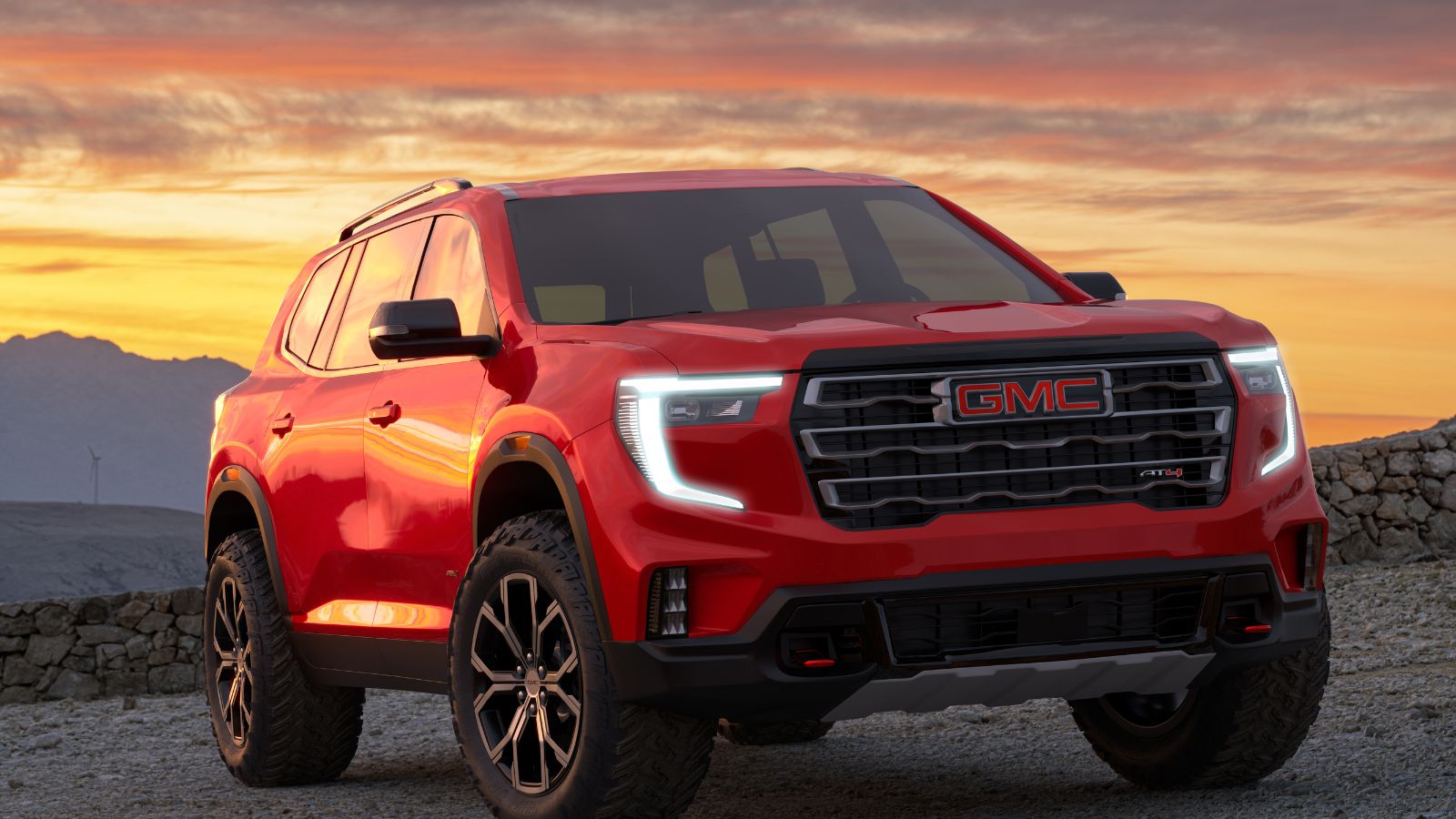
Natural Resources Canada advises buyers to choose the smallest vehicle that meets their needs because added weight and aerodynamic drag increase fuel use. Its consumer guidance notes that large SUVs can exceed 20 litres per 100 kilometres, while efficient vehicles use far less. Even when two models share similar engines, the heavier, taller, wider vehicle generally has more mass to accelerate and more air to push aside.
Electrification changes the emissions equation but not the physics. A large electric SUV can eliminate tailpipe emissions, yet it still needs a larger battery and more electricity than a lighter vehicle with comparable technology and range. Globally, the International Energy Agency estimated that combustion-related SUV emissions reached about one billion tonnes of carbon dioxide in 2023. Canadian drivers worried about fuel bills, charging time, or climate impact increasingly see size as an efficiency choice, not merely a styling preference. The cleanest version of an oversized vehicle may still consume more resources than a smaller alternative.
The City Pays Part of the Space Cost
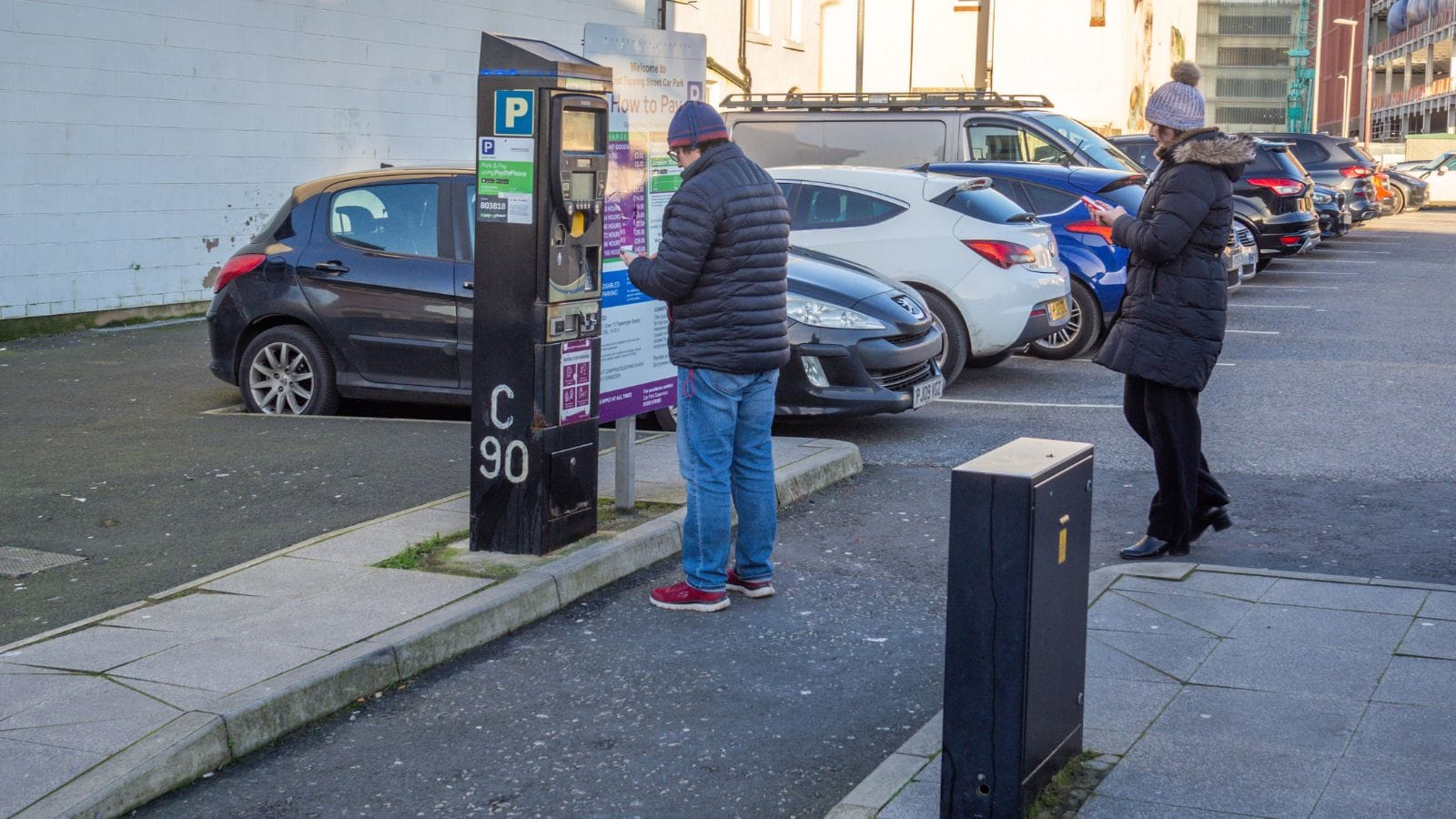
A vehicle purchase is private, but much of the space it uses is public or shared. Curb lanes, municipal lots, condo garages, loading zones, and roadways must accommodate the dimensions of the vehicles residents choose. When vehicles grow, cities can widen stalls, reduce the number of spaces, restrict certain areas, or accept tighter conditions. None of those options is free.
The pressure is especially relevant because 74.8% of Canadians lived in a census metropolitan area in 2025. Urban land must support housing, sidewalks, trees, patios, transit stops, bike infrastructure, deliveries, and vehicle movement at the same time. A few additional centimetres per vehicle may sound trivial, but multiplied across thousands of parked and moving vehicles, they influence how streets function. This is why the debate is shifting beyond personal taste. Some drivers say an SUV can be excellent transportation while still being poorly matched to the limited geometry of a Canadian city.
Smaller Crossovers Are Starting to Look Like the Practical Compromise
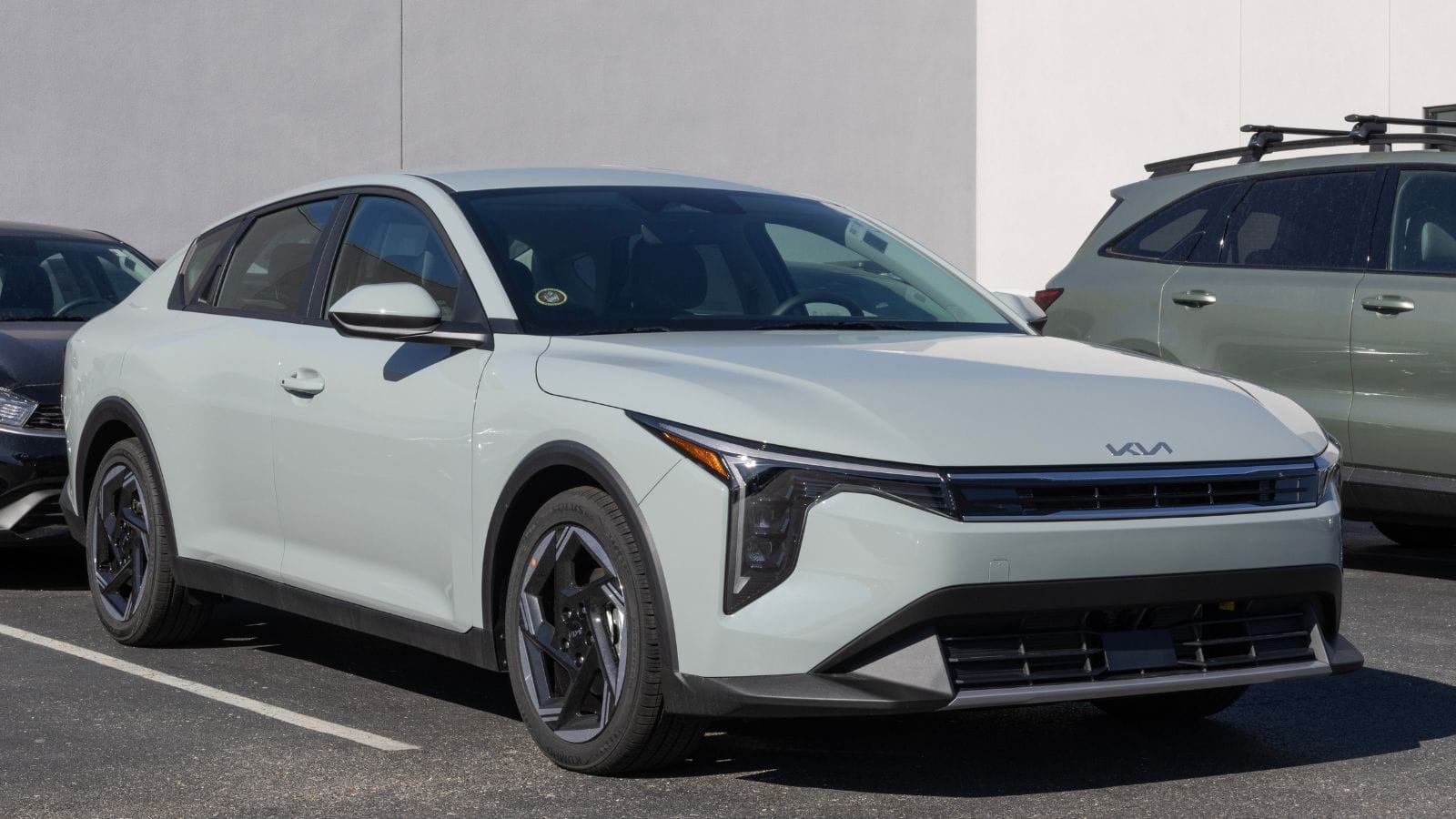
The pushback against oversized SUVs is not necessarily a return to tiny cars. Many Canadian drivers still want all-wheel drive, flexible cargo space, winter ground clearance, and an upright seating position. Compact and subcompact crossovers preserve many of those traits while reducing length, width, weight, and turning effort. The difference becomes noticeable in a narrow stall or when passing a cyclist on a constrained street.
The most useful comparison is not between “SUV” and “car,” but between what a household needs and what each model demands from its surroundings. Buyers can measure their garage, check the tightest regular parking destination, compare mirror-to-mirror width, study hood visibility, and test a low-speed turn before signing. Statistics Canada’s sales data shows that SUVs are firmly embedded in the Canadian market, so the category is unlikely to disappear. The emerging argument is subtler: an SUV designed around urban dimensions may serve many drivers better than the largest vehicle their budget can reach.
22 Things Canadians Do to Their Cars in Spring That Mechanics Hate
Spring brings relief to many Canadian drivers after months of snow, freezing temperatures, and icy roads that put serious strain on vehicles. As temperatures rise across the country, drivers begin washing cars, switching tires, and preparing vehicles for warmer weather and upcoming road trips. However, mechanics across Canada notice the same mistakes every spring when drivers attempt to recover from winter damage. Road salt, potholes, and harsh winter driving conditions often leave vehicles with hidden problems that drivers ignore. Some spring habits even create new mechanical issues that could have been avoided with proper maintenance. Here are 22 things Canadians do to their cars in spring that mechanics hate.

Alanna Rosen is an experienced content writer that focuses on many EV and educational content. Her articles are regularly published on Get CyberTrucked and syndicated on large publications.