A car can trigger a strong sense of danger without actually being mechanically unstable. A sudden steering correction, a pulsing brake pedal, an engine that revs without an obvious gear change, or a tall body leaning through a curve can all feel alarming when the behaviour is unfamiliar. Modern vehicles also intervene more often than older ones, sometimes warning, braking, vibrating, or reducing power before the driver fully understands what is happening.
These 18 characteristics explain why a properly functioning car may still feel unsettled, unpredictable, or intimidating. The important dividing line is consistency: behaviour described in the owner’s manual and present from the beginning is often normal, while a new, worsening, one-sided, or warning-light-related symptom should be inspected.
Noticeable Body Roll in a Tall Vehicle
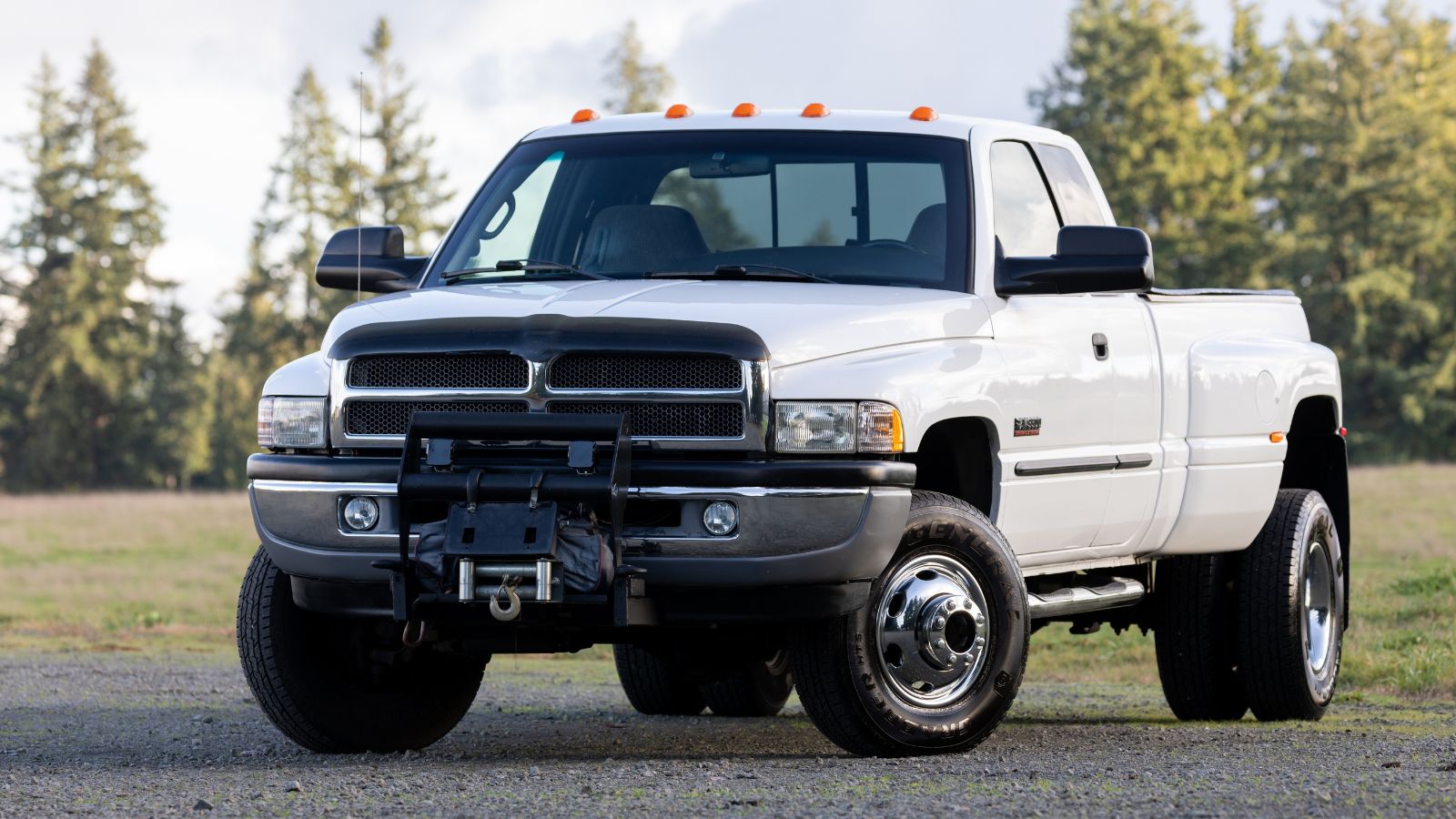
SUVs and crossovers often lean more visibly in corners than low sedans because their bodies and seating positions sit higher above the road. The movement can make passengers brace against the door or imagine the tires are about to lose grip. Yet body roll by itself does not prove that the vehicle is unstable. Suspension engineers allow a controlled amount of movement to balance comfort, tire contact, steering response, and the forces transferred to occupants.
A family may notice this most after trading a compact car for a three-row crossover. The same ramp speed suddenly feels dramatic because the driver’s head travels through a larger arc. Modern stability-control systems also monitor steering angle, wheel speed, and vehicle rotation, and some taller vehicles add roll-stability functions. The sensation should remain progressive and predictable. Excessive swaying, delayed settling, uneven lean, clunks, or a sudden change from the vehicle’s usual behaviour can indicate worn dampers, damaged suspension parts, incorrect tire pressures, or an overloaded vehicle.
Steering That Feels Almost Too Light

Electric power steering can make a steering wheel feel unusually light at parking speeds, especially to someone accustomed to older hydraulic systems. That low effort may be interpreted as looseness or a weak connection to the front tires. In reality, electric assistance can be deliberately varied with speed, drive mode, and software calibration. Many systems provide more assistance during tight manoeuvres and reduce it as road speed rises.
The unsettling part is often sensory rather than mechanical. A driver may turn the wheel with one hand in a parking garage, then wonder why so little force was required to move a large vehicle. Some cars also filter kickback from potholes and rough pavement, reducing the feedback that people associate with grip. Normal light steering should still be accurate, consistent, and self-centering. Wandering, a crooked steering wheel, unequal effort from left to right, persistent vibration, warning lights, or a sudden loss of assistance are different matters and can point to alignment, tire, suspension, sensor, or steering-system faults.
Lane-Keeping Assistance Tugging the Wheel

Lane-keeping systems are designed to warn or intervene when cameras determine that a vehicle is drifting toward a lane marking. Depending on the model, the response may be a steering-wheel vibration, a gentle steering correction, light braking on one side, or continuous lane-centering assistance. To an unprepared driver, that input can feel as though the steering is fighting back or the car has suddenly developed a pull.
The effect is especially noticeable on narrow roads, construction zones, faded markings, or curves where the system and driver interpret the desired path differently. A driver who changes lanes without signalling may also trigger a correction because the system has not been told the movement is intentional. These features remain driver-assistance tools, not substitutes for control, and performance varies with road markings and conditions. Familiarity with the settings helps: many vehicles allow warning intensity or intervention strength to be adjusted. A persistent pull when the system is switched off, however, deserves an alignment, tire, or suspension check.
Forward-Collision Warnings That Seem Premature

A sudden red symbol, flashing light, or urgent chime can make a routine approach to traffic feel like a near crash. Forward-collision warning systems estimate closing speed and distance using cameras, radar, or both. They are intentionally calibrated to provide time for a driver to react, so a warning may arrive before the situation looks critical from behind the wheel. That early timing is part of the safety margin.
Unwanted alerts can still occur. A vehicle ahead may turn off the road, a car may cut across the lane, or roadside objects and curves may briefly resemble a collision path to the sensors. The warning can feel especially dramatic when the driver already intends to brake. Research has nevertheless found meaningful reductions in rear-end crashes for vehicles equipped with forward-collision warning. Drivers should keep sensors clean and learn any sensitivity settings available. Repeated alerts on empty roads, warning lights, or behaviour that changes after windshield, bumper, or collision repair may require calibration or diagnosis.
Automatic Emergency Braking That Feels Abrupt
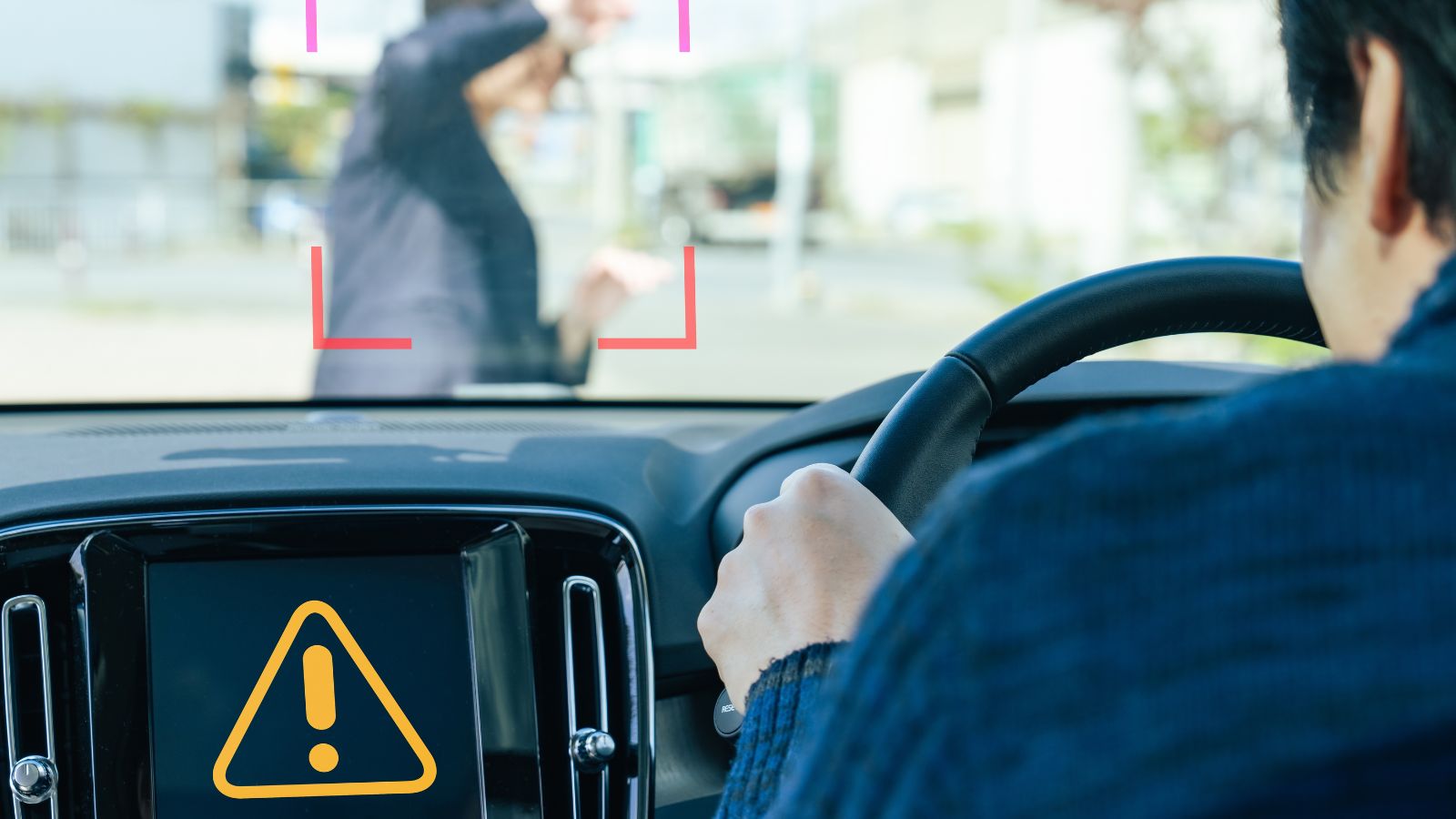
Automatic emergency braking can apply the brakes when a system predicts that a frontal collision is imminent and the driver has not responded strongly enough. Because the intervention may be fast and forceful, occupants can mistake the event for brake failure, a seized wheel, or a loss of control. In many cases, the opposite is happening: the car is using its braking system to reduce impact speed or avoid the crash.
A common example occurs when traffic stops sharply after a moment of distraction. The driver may touch the brake, but the system calculates that more deceleration is required and adds pressure. Some systems also activate when another vehicle cuts in or turns across the path. Automatic braking is not infallible, and manufacturers warn that detection can be limited by weather, speed, visibility, or unusual objects. Even so, real-world studies consistently show fewer rear-end crashes in equipped vehicles. Any unexplained hard braking with no apparent target should be documented and checked, particularly if it repeats in the same location or follows sensor-related repairs.
A Brake Pedal That Pulses During Hard Stops

When anti-lock brakes activate, the pedal can pulse rapidly, make mechanical noises, or push back against the driver’s foot. The car may also feel as though it is shuddering over the road. Those sensations are startling because conventional braking is usually smooth, but they are expected signs that the system is cycling brake pressure to prevent wheel lock and preserve steering control.
The reaction matters. Drivers unfamiliar with ABS sometimes release the pedal because the vibration feels like a fault. The correct response in a genuine emergency is generally to maintain firm, continuous pressure and steer where needed rather than pumping the brakes. NHTSA research found that many motorists misunderstood ABS pedal feedback, which helps explain why the sensation remains intimidating. Pulsation only during maximum braking on slippery or uneven surfaces is different from a rhythmic vibration during ordinary stops. The latter may indicate rotor variation, tire issues, suspension wear, contamination, or another condition that should be inspected.
Stability Control Cutting Power or Grabbing a Brake
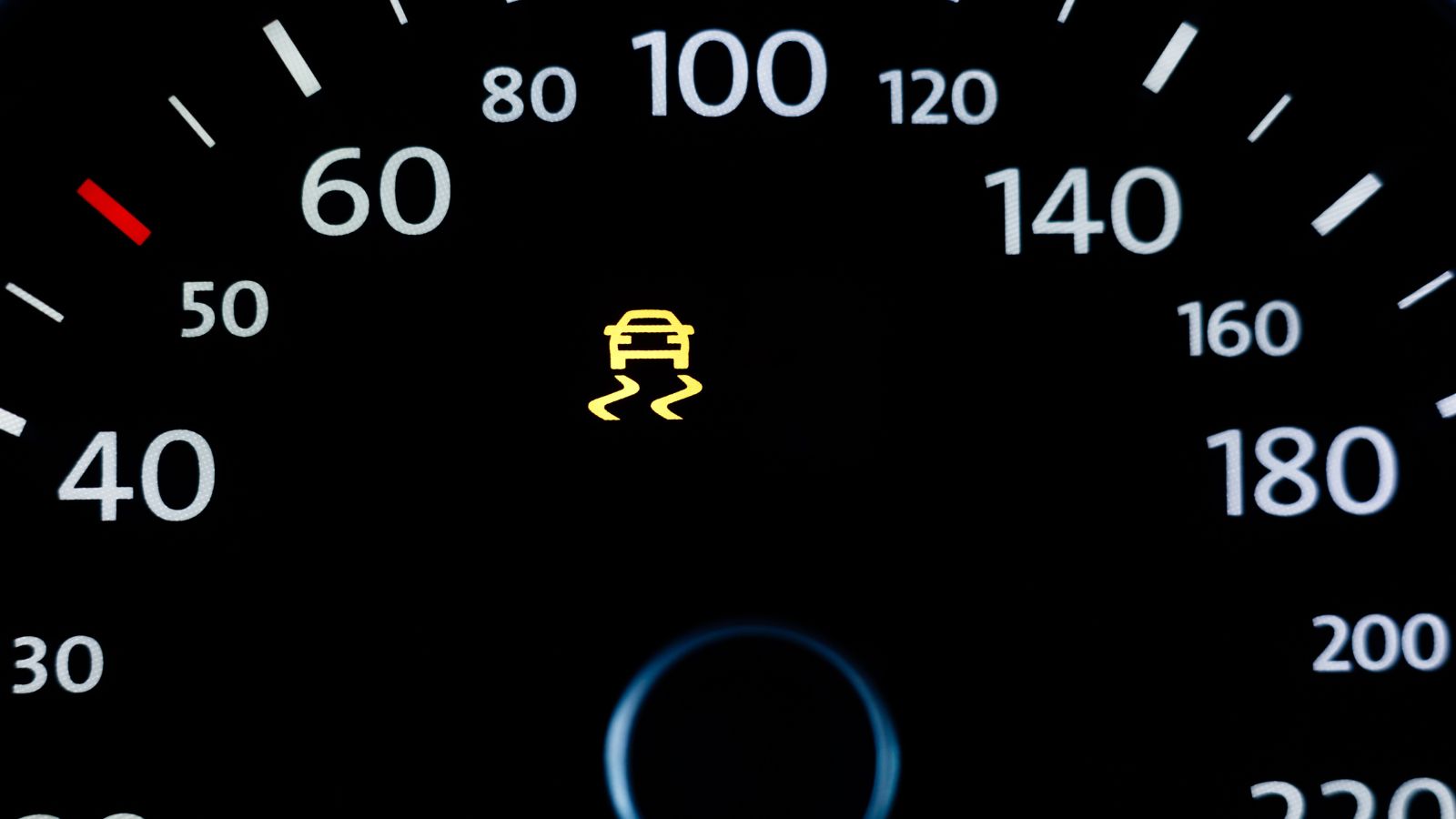
Electronic stability control compares where the driver intends to go with how the vehicle is actually moving. If the car begins to rotate too much, plow straight ahead, or lose traction, the system can reduce engine torque and brake individual wheels. From the cabin, that intervention may feel like the accelerator stopped working, the engine stumbled, or one corner of the vehicle briefly grabbed.
This often happens while accelerating on snow, gravel, wet paint, broken pavement, or a steep slippery hill. The flashing stability or traction-control symbol is a useful clue that the system is actively managing wheel slip rather than suffering a powertrain failure. The technology has been linked to large reductions in serious single-vehicle and rollover crashes, particularly for SUVs. Normal intervention should be brief and tied to low-grip conditions or aggressive inputs. Frequent activation on dry, level pavement can point to mismatched tires, incorrect pressures, alignment problems, wheel-speed sensor faults, or a developing mechanical issue.
Crosswinds Pushing a Tall or Light Vehicle
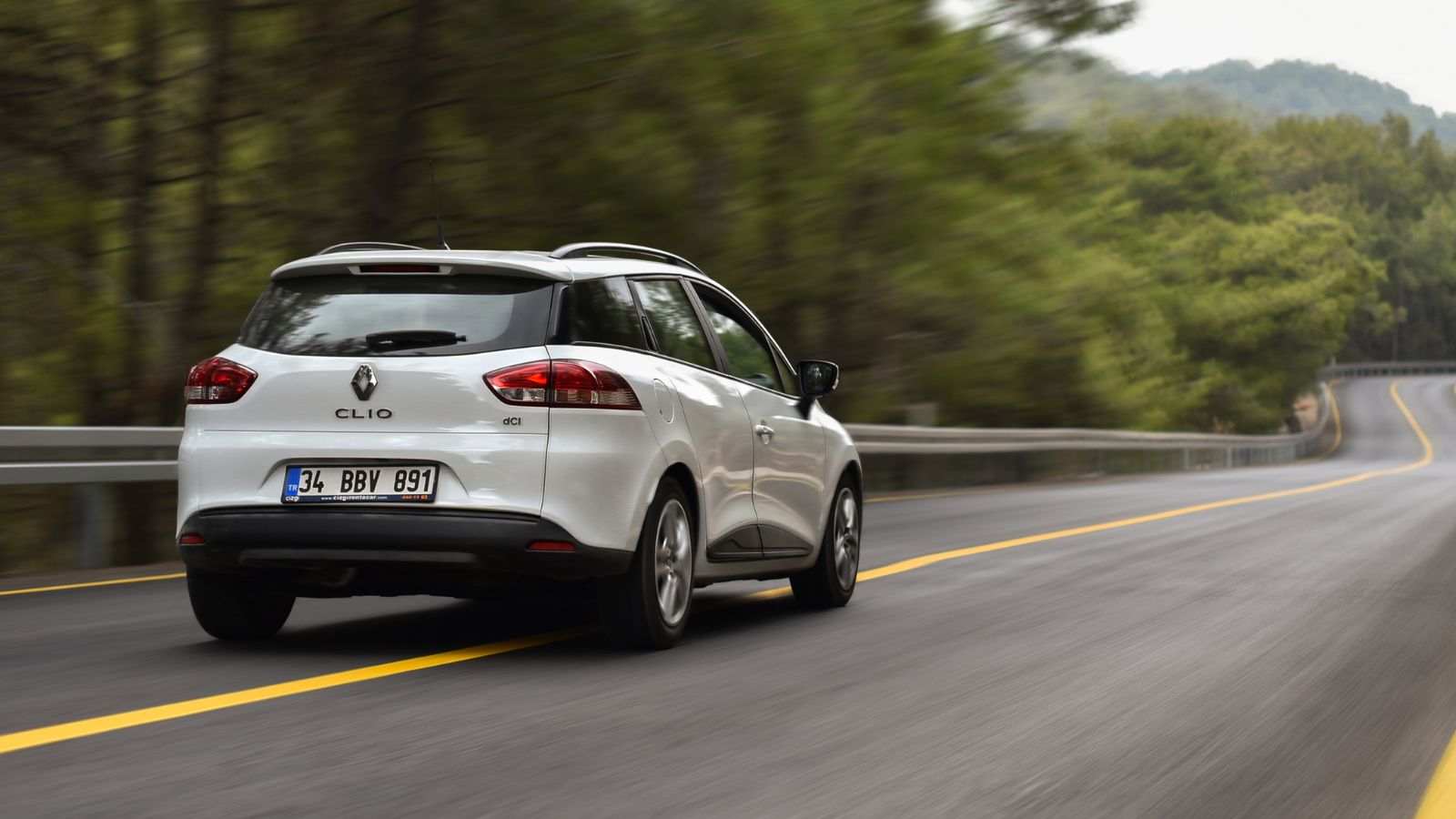
A strong side wind can move a vehicle laterally even when the steering and suspension are working correctly. Tall vans, SUVs, pickups, roof-box-equipped cars, and lightly loaded vehicles present more surface area to gusts. The shove may arrive suddenly when the car leaves the shelter of trees, crosses a bridge, passes a gap in buildings, or emerges from beside a large truck.
That moment can feel like the tires lost grip, yet the cause may be aerodynamic force rather than a mechanical defect. Small, smooth steering corrections are normally enough in moderate conditions, while reducing speed lowers the force and gives the driver more time to respond. Official road-weather guidance treats high-profile vehicles as especially vulnerable during strong winds, and severe gusts can create a genuine hazard even for a sound vehicle. If the car wanders only in windy, exposed areas, the sensation may be normal. Wandering on calm roads suggests checking tire pressure, alignment, steering components, suspension, and load distribution.
A CVT Holding High Engine Revs
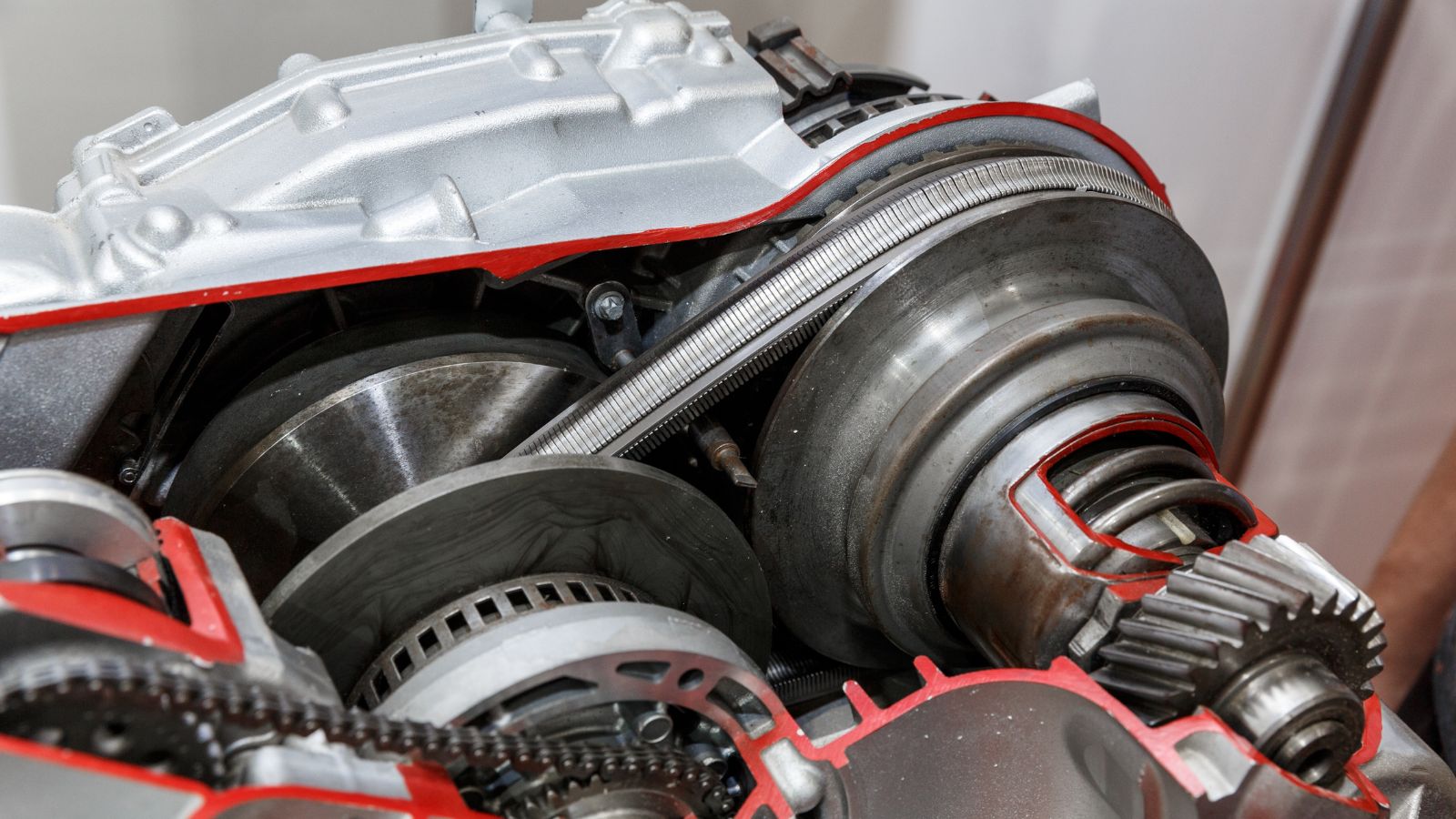
A continuously variable transmission does not have to step through a fixed series of gears. Under acceleration, it may move quickly to an efficient ratio and hold the engine at a relatively high speed while the vehicle continues gaining speed. The resulting steady drone can make it sound as though the transmission is slipping, particularly to drivers who expect engine revs to rise and fall with each shift.
Imagine joining a highway in a small crossover: the tachometer climbs, stays near the same point, and the speedometer keeps moving upward. That behaviour can be normal because the transmission is continuously changing the pulley ratio while the engine remains in a useful power band. Some manufacturers add programmed “shift” sensations because buyers find them more familiar. Normal CVT operation should still produce smooth, predictable acceleration. Flaring revs with little acceleration, overheating warnings, delayed engagement, burning smells, shuddering, or a major change from previous behaviour can indicate a genuine transmission or engine problem.
The Engine Shutting Off at a Stoplight

Automatic stop-start systems shut down the gasoline engine when the vehicle is stationary and restart it when the driver releases the brake, presses the accelerator, or meets another programmed condition. The sudden silence can feel like a stall, while the restart may produce a brief vibration through the seat or steering wheel. In a conventional vehicle, those sensations once signalled trouble, so the reaction is understandable.
The feature exists to reduce unnecessary idling, particularly in urban traffic. Government energy research notes that stop-start technology conserves fuel by switching the engine off while the vehicle is at rest, and modern starting systems are designed for the additional cycles. Operation may be suspended when the battery is weak, the engine is cold, cabin heating or cooling demand is high, or other conditions are not met. A normal restart should be prompt and repeatable. Extended cranking, warning messages, rough running, failure to restart, or unusually violent shaking is not something to dismiss as a normal characteristic.
Regenerative Braking That Changes the Deceleration

Hybrids and electric vehicles can slow by using the drive motor as a generator, converting some of the vehicle’s motion back into electrical energy. This regenerative braking may begin as soon as the accelerator is released, especially in a strong one-pedal or “B” setting. Drivers coming from gasoline cars can interpret the immediate deceleration as brake drag or a wheel beginning to bind.
The feel may also change as the system blends regenerative braking with conventional friction brakes. Battery temperature, state of charge, speed, drive mode, and traction conditions can affect how much regeneration is available. For example, a fully charged or very cold battery may accept less energy, so the car may rely more heavily on its hydraulic brakes or coast differently than expected. Manufacturers engineer the two systems to work together, but pedal feel is not identical across models. A consistent, documented change is usually normal; pulling, grinding, warning lights, a soft pedal, or clearly reduced stopping ability requires immediate attention.
Dual-Clutch Hesitation at Low Speed

A dual-clutch transmission behaves more like an automatically operated manual gearbox than a traditional torque-converter automatic. At parking-lot speeds, the clutches must engage, release, and sometimes slip briefly as the vehicle creeps. That can create a pause, mild shudder, engine-braking sensation, or abrupt engagement that feels like the transmission cannot decide what to do.
The effect is most obvious in stop-and-go traffic, on inclines, or during repeated transitions between brake and accelerator. A driver may expect the smooth creep of a conventional automatic and instead feel the mechanical connection of a manual clutch. Manufacturer guidance commonly describes some low-speed characteristics as normal for this design and warns against holding the vehicle on a hill with accelerator pressure because that can overheat the clutch. Normal hesitation should be mild, predictable, and brief overall. Severe banging, prolonged slipping, overheating messages, burning odour, loss of drive, or worsening shudder deserves service rather than reassurance.
Turbo Lag Followed by a Sudden Surge
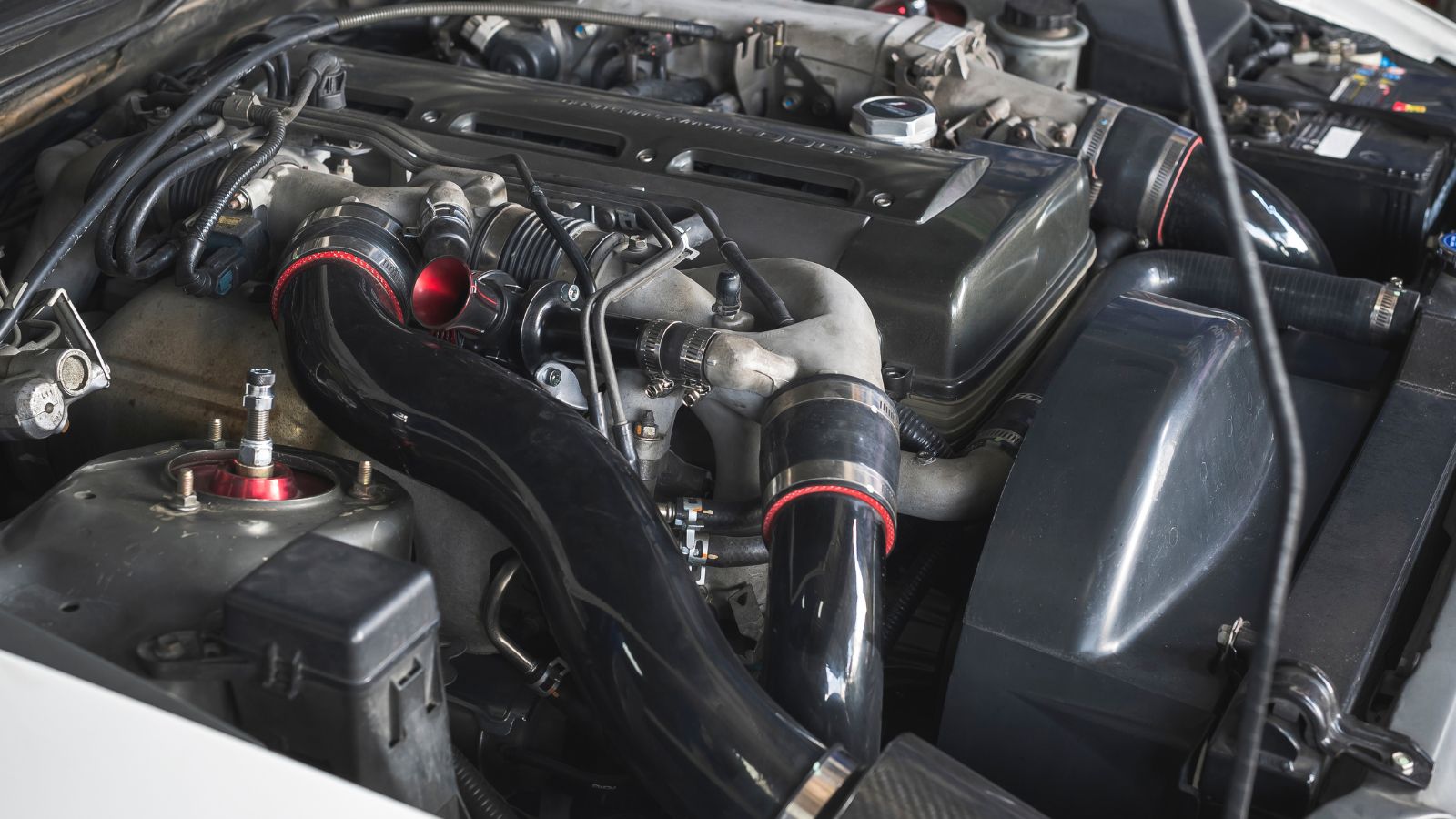
Turbocharged engines can hesitate briefly after the accelerator is pressed because exhaust flow must build enough energy to spin the turbine and create boost. When the boost arrives, torque may increase noticeably. That delay-and-surge pattern can feel unpredictable during a merge or pass, even though it is a normal characteristic of many turbo systems.
The effect varies with engine speed, gear selection, turbo size, throttle programming, and transmission response. Pressing the accelerator hard from low rpm may produce less immediate power than downshifting first, then the car can accelerate strongly once the turbo reaches its operating range. Modern twin-scroll, variable-geometry, hybrid, and electrically assisted systems are designed to reduce lag, but they do not eliminate every delay. Drivers often become more comfortable after learning the response. A new loss of power, smoke, unusual whistle, rattling, warning light, oil consumption, or dramatic increase in lag can signal leaks, control problems, or turbocharger damage.
Tires That Follow Grooves in the Road
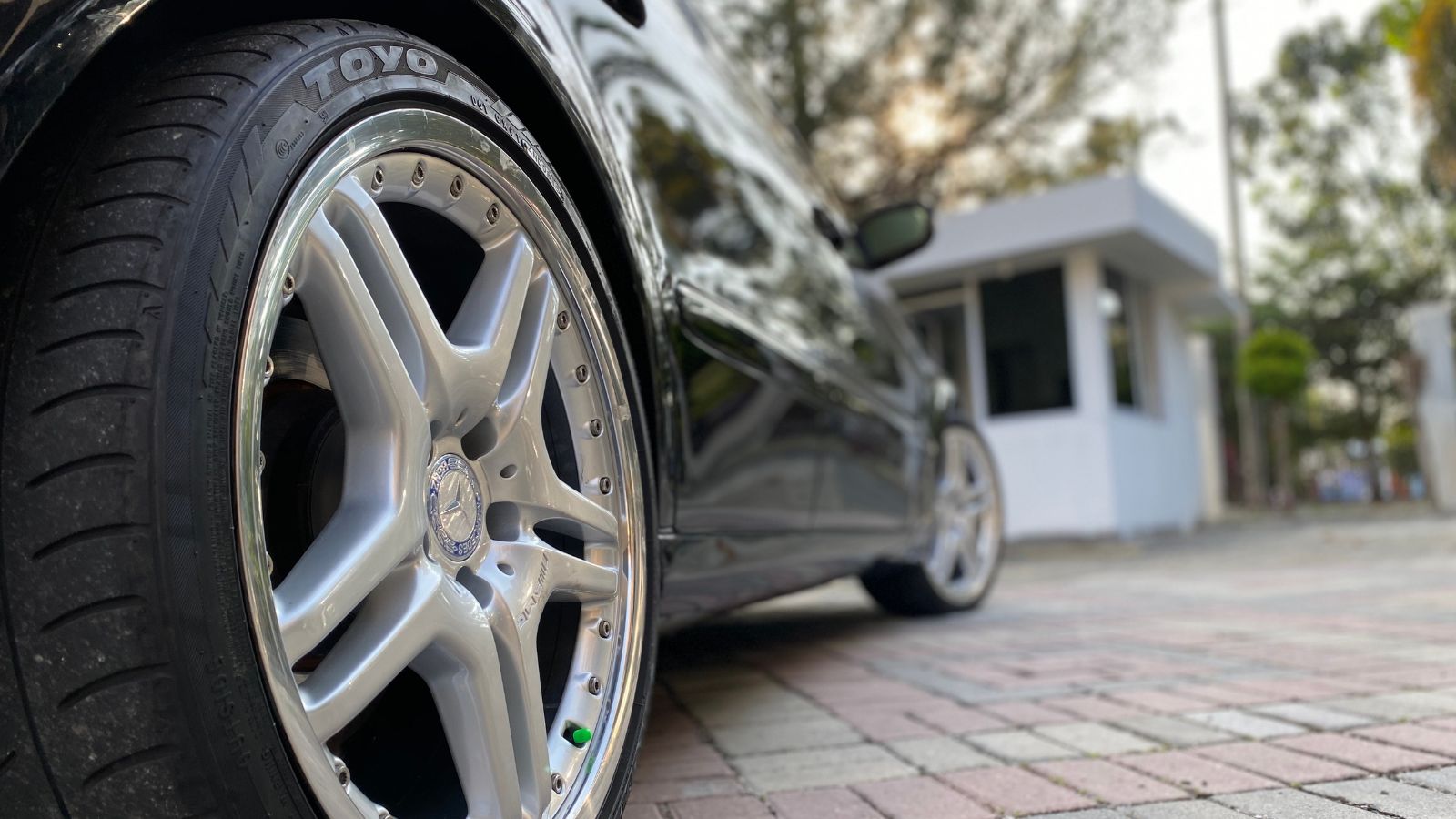
Wide, stiff, low-profile performance tires can react strongly to ruts, pavement seams, bridge joints, and longitudinal grooves. The steering wheel may wriggle or the car may seem to choose its own path. This is often called tramlining, and it can make a vehicle feel nervous even when its steering parts are tight and its tires have ample grip.
The sensation is influenced by tread design, tire width, sidewall stiffness, alignment, inflation pressure, wheel offset, and the shape of the road. A sports car that feels planted on smooth asphalt may require constant small corrections on a truck-worn highway. Performance-oriented tires also tend to trade some isolation for faster steering response, transmitting more road texture into the cabin. Mild tramlining that changes with pavement can be a normal setup characteristic. Strong pulling on every road, sudden onset after a pothole, uneven wear, vibration, or a steering wheel that no longer sits straight should prompt checks for tire damage, alignment, wheel problems, or worn suspension components.
A Firm Ride and Loud Tire Impacts
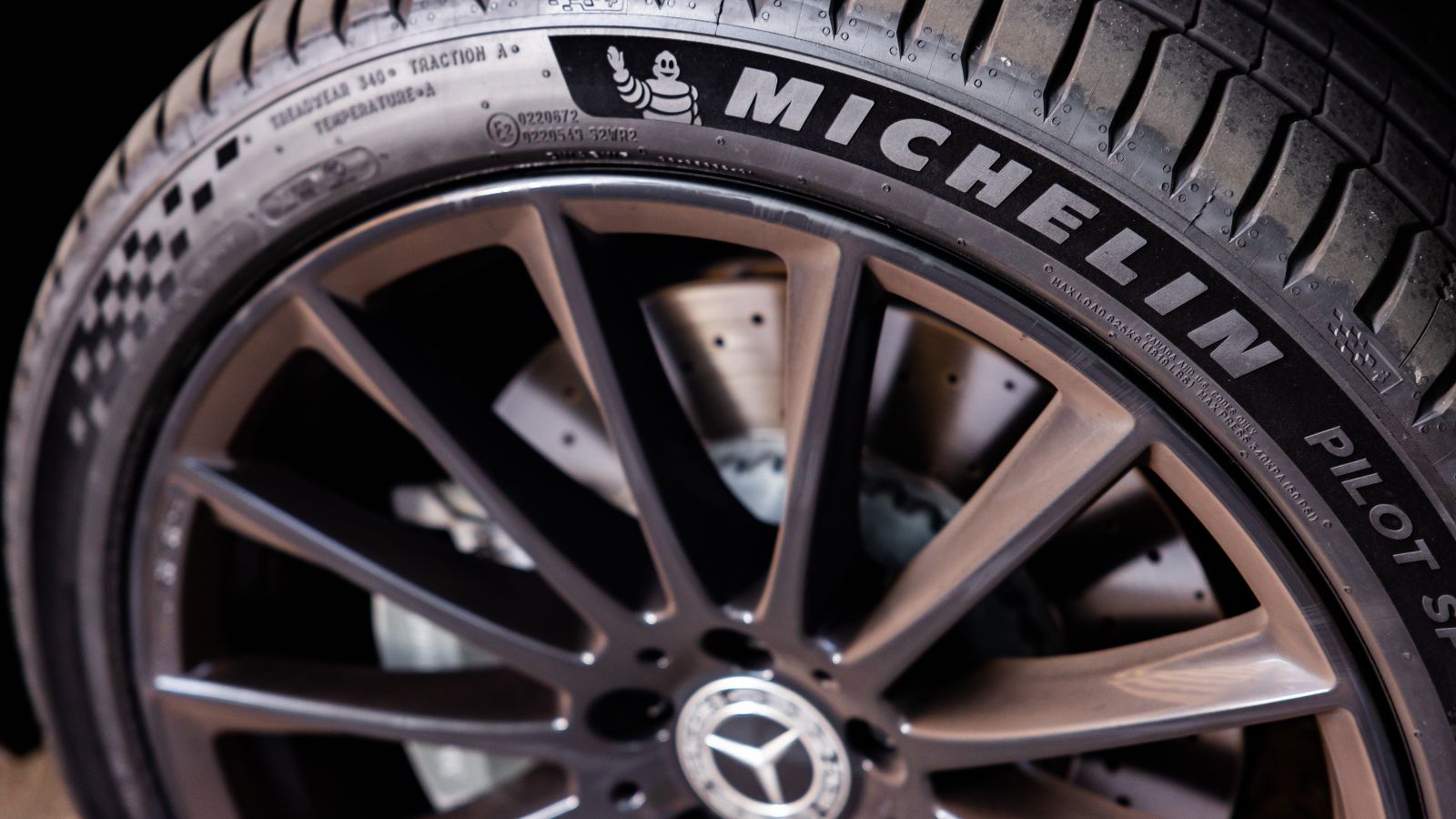
Some cars are tuned with firm springs, stiff dampers, rigid bushings, large wheels, or high-performance tires to improve response and body control. On broken pavement, that setup can produce sharp impacts, booming tire noise, and rapid vertical movement. Passengers may interpret the harshness as suspension failure or believe the car is bouncing off the road, although the vehicle may be operating exactly as designed.
The contrast becomes obvious when someone moves from a comfort-oriented sedan to a sport package or an electric vehicle fitted with high-load tires. Stiffer construction can support weight and sharpen handling, but it also transmits more surface feedback. Tire manufacturers openly describe comfort, noise, steering precision, and stiffness as engineering trade-offs. Normal firmness should remain controlled: the body should settle quickly after a bump and the car should track consistently. Repeated bouncing, metallic knocks, tire rubbing, bottoming out, fluid leaking from a damper, or a new impact sound deserves an inspection.
A Wide-Angle Camera Making Distance Hard to Judge
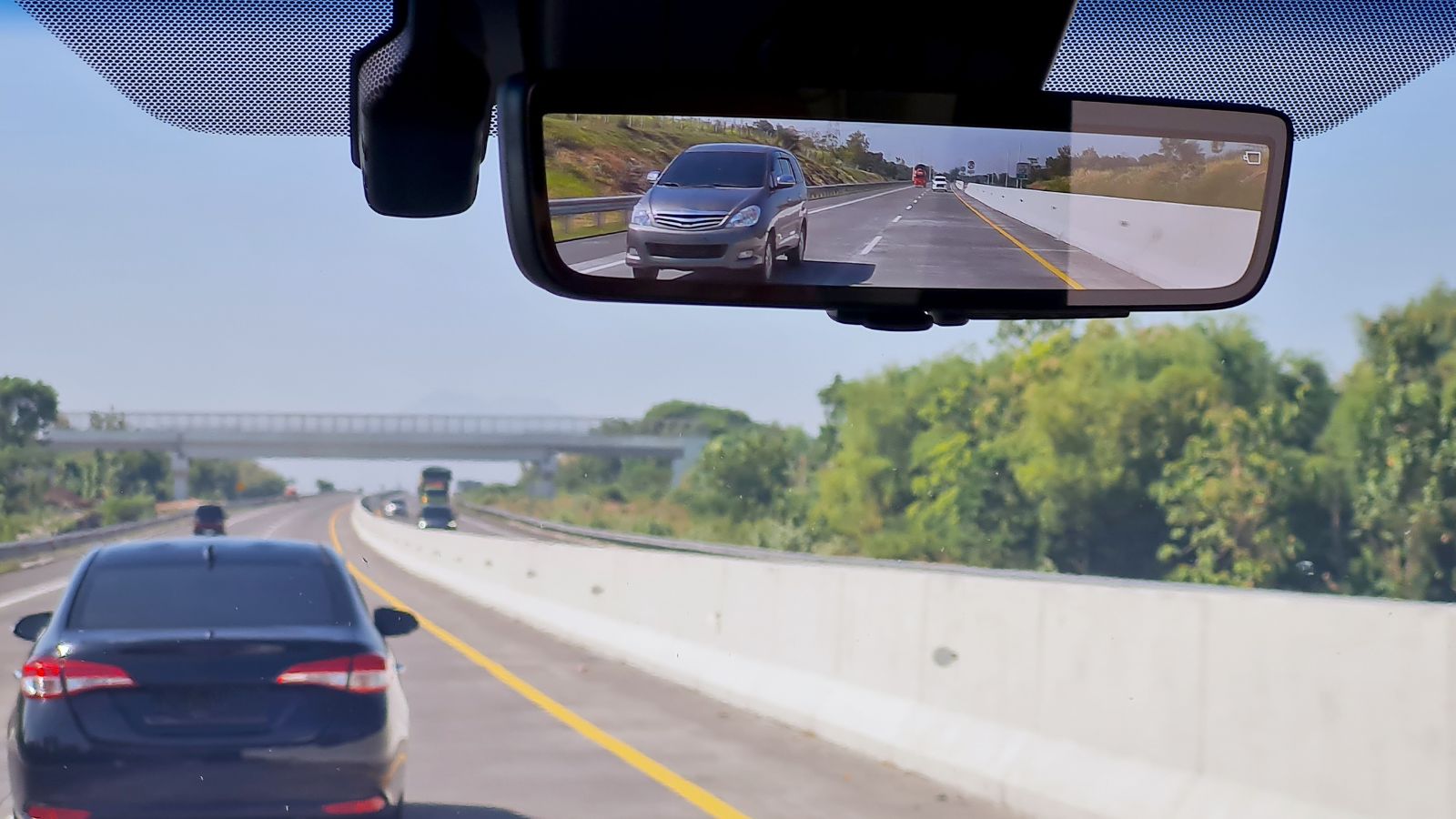
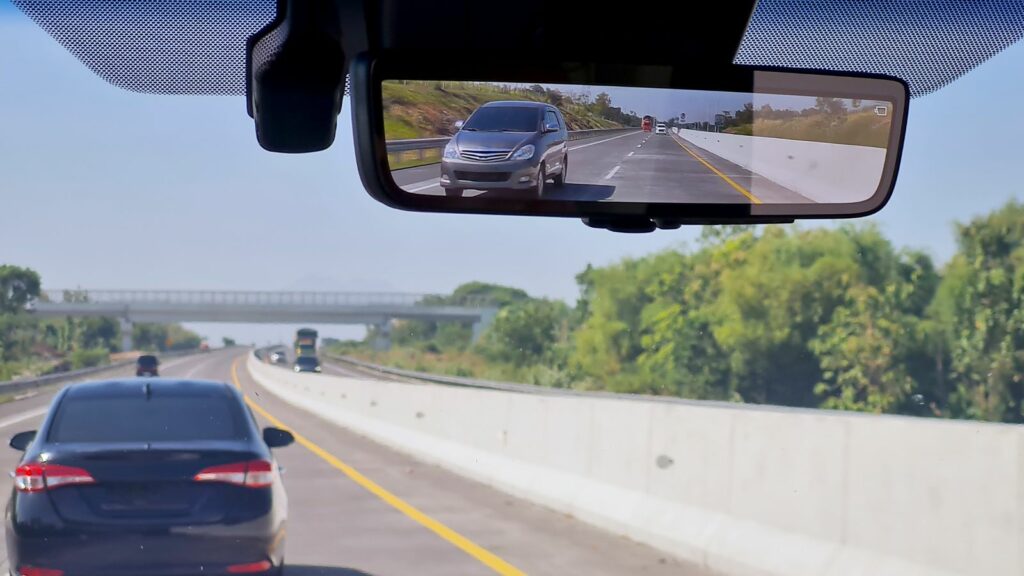
Rearview and surround-view cameras reveal areas that mirrors and direct vision may miss, but a wide field of view can make objects appear smaller or farther away. A driver may see a vehicle, post, or pedestrian on the screen yet feel uncertain about the true distance. The distortion can make backing seem riskier even though the camera is expanding visibility.
Research behind rear-visibility standards examined specific zones directly behind vehicles because conventional sight lines can leave substantial blind areas, especially on pickups, vans, and multipurpose vehicles. NHTSA testing has also noted that wider camera views can minify objects and make them harder to discern. The safest approach is to combine the image with mirrors, direct checks, parking sensors, and slow movement rather than treating the screen as a complete picture. A dirty lens, delayed image, blank display, severe distortion, or misaligned guidance lines can create a real hazard and should be corrected.
Clunks and Buzzes From Normal System Self-Checks
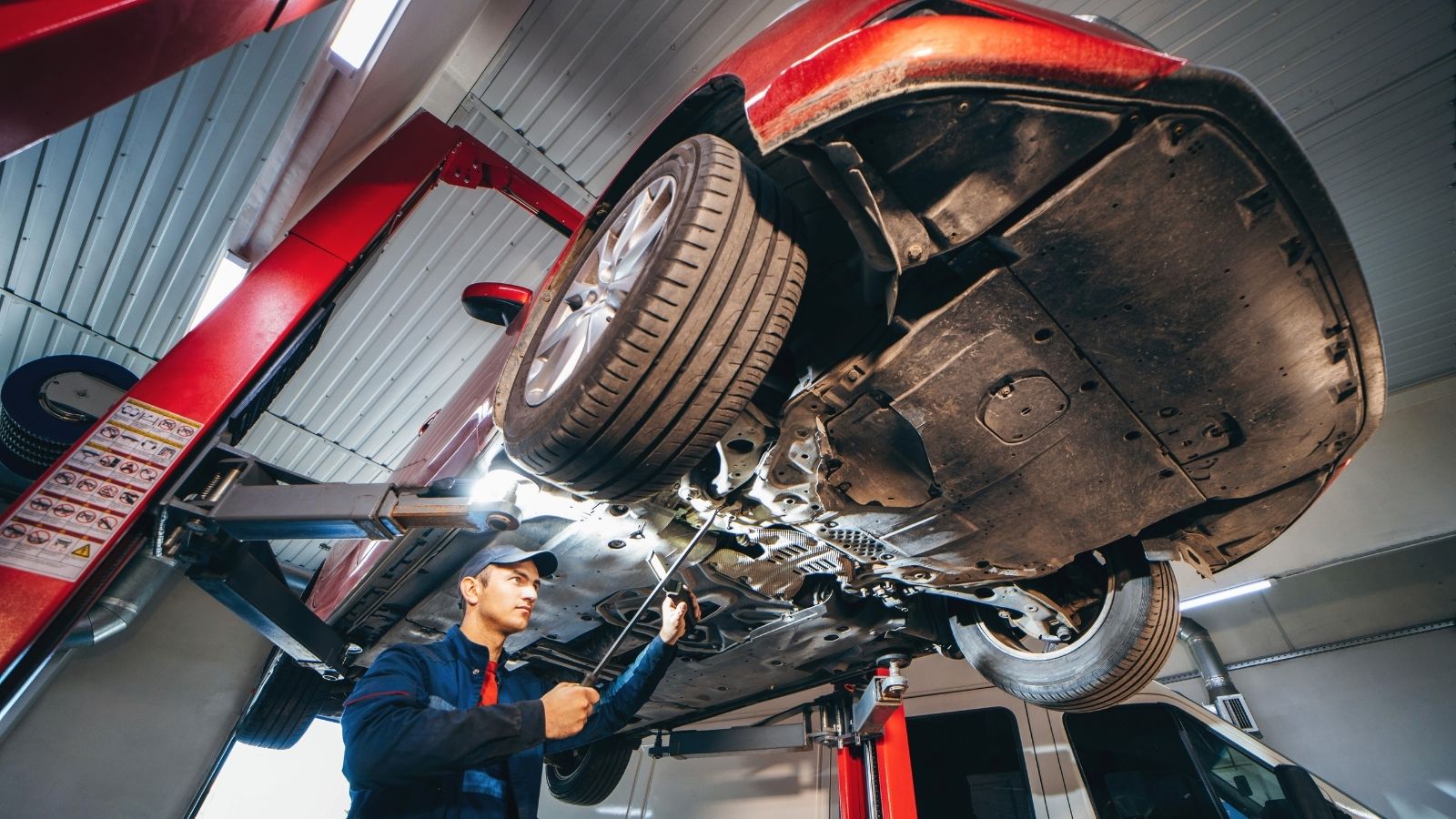
Modern cars routinely test brake, stability, parking-brake, and driver-assistance hardware after startup or when the vehicle first begins moving. Pumps, valves, motors, and actuators may click, buzz, thump, or briefly pulse the pedal. Because the sound often comes from under the floor or near a wheel, it can resemble a loose suspension part or a brake component about to fail.
Manufacturers have issued service information explaining that a one-time ABS self-check can create a clunk or pedal pulsation with no repair required. Electric parking brakes, active grille shutters, air suspension, and other automated systems can add their own startup noises. The key clue is repeatability: a normal self-test usually happens once, under similar conditions, and does not affect braking or steering afterward. A noise that repeats continuously, grows louder, appears with warning lights, changes pedal travel, or occurs over every bump should not be written off as electronics. Recording when it happens can help a technician distinguish normal sequencing from a developing fault.
Driver-Assistance Features Going Temporarily Offline

Cameras, radar units, and ultrasonic sensors need a usable view of the road. Heavy rain, snow, fog, road spray, low sun, frost, mud, insects, or ice can block or confuse them. When that happens, a vehicle may display messages saying that automatic emergency braking, adaptive cruise control, lane assistance, or parking aids are temporarily unavailable. The sudden loss of familiar assistance can make the car feel less secure even though its basic steering and braking remain functional.
Many systems are designed to shut down rather than operate on unreliable information. Service guidance from manufacturers describes temporary deactivation in obstructive weather as normal behaviour, not necessarily a defect. The driver must immediately resume full responsibility, increase following distance, and rely on ordinary controls. Cleaning the windshield camera area, radar cover, and parking sensors may restore operation once conditions improve. A warning that remains after the vehicle and sensors are clean, or that began after windshield, bumper, alignment, or collision work, may indicate damage or a need for calibration.
22 Things Canadians Do to Their Cars in Spring That Mechanics Hate

Spring brings relief to many Canadian drivers after months of snow, freezing temperatures, and icy roads that put serious strain on vehicles. As temperatures rise across the country, drivers begin washing cars, switching tires, and preparing vehicles for warmer weather and upcoming road trips. However, mechanics across Canada notice the same mistakes every spring when drivers attempt to recover from winter damage. Road salt, potholes, and harsh winter driving conditions often leave vehicles with hidden problems that drivers ignore. Some spring habits even create new mechanical issues that could have been avoided with proper maintenance. Here are 22 things Canadians do to their cars in spring that mechanics hate.

Alanna Rosen is an experienced content writer that focuses on many EV and educational content. Her articles are regularly published on Get CyberTrucked and syndicated on large publications.