
A seven-year car loan can make a costly vehicle look manageable at first glance, especially when the monthly payment drops just enough to fit a household budget. But more buyers are taking a harder look at what happens after the excitement of delivery day fades. Long repayment terms can stretch debt across changing jobs, family needs, repairs, depreciation, and resale decisions. These 12 reasons explain why some car buyers are stepping back from seven-year loans and choosing shorter, more flexible paths instead.
The Lower Payment No Longer Feels Like a Win

Seven-year loans became popular because they solve one immediate problem: the monthly payment. When vehicle prices hover near record levels, stretching payments over 84 months can bring a truck, SUV, or higher trim within reach. That can feel like a practical compromise at the dealership desk, especially when the shorter-term payment looks hundreds of dollars higher.
The problem is that the lower payment is only one piece of the deal. A buyer may leave with breathing room in the monthly budget but carry the debt through most of the vehicle’s useful early ownership years. Many shoppers now recognize that a payment that looks comfortable in year one may feel less appealing in year five, especially if the vehicle no longer feels new.
The Interest Bill Is Harder to Ignore

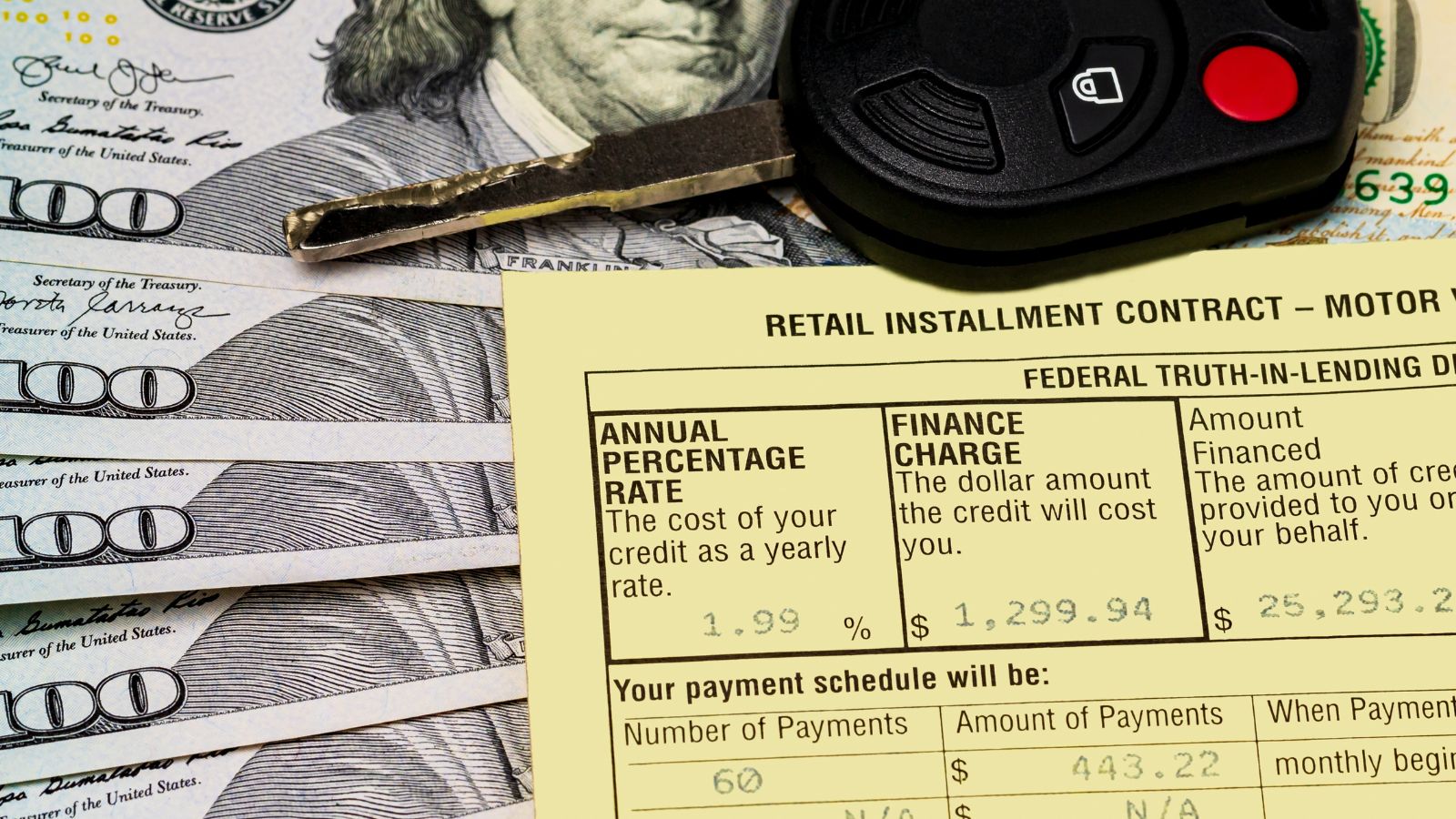
Longer loans usually mean more total interest, even when the interest rate itself does not look shocking. A $40,000 loan at roughly 7% illustrates the trade-off clearly: spreading the balance over seven years can cut the monthly payment compared with a five-year loan, but the borrower may pay thousands more in interest by the end.
That difference is becoming harder for buyers to dismiss. With household costs still elevated, some shoppers are calculating the full borrowing cost before signing. A family comparing two similar vehicles may discover that the seven-year loan makes the nicer model feel affordable today, while quietly adding enough interest to cover a major repair, insurance deductible, or several months of fuel.
Negative Equity Can Last Too Long

Cars depreciate quickly, and long loans can slow the pace at which the borrower builds equity. That creates a stretch where the vehicle may be worth less than the remaining loan balance. This is especially risky when the buyer made a small down payment, rolled taxes and fees into the loan, or bought during a period of inflated prices.
Negative equity is not just an accounting problem. It becomes real when a driver wants to sell, trade in, refinance, or replace a damaged vehicle. Some buyers are walking away from seven-year loans because they do not want to spend years trapped in a car that cannot be sold cleanly without bringing extra cash to the table.
Trade-In Timing No Longer Matches the Loan

Many drivers do not keep a vehicle for seven full years. Tastes change, family needs shift, commutes evolve, and some owners simply get tired of the same vehicle after a few years. When a buyer with an 84-month loan wants to trade at year three or four, the loan balance may still be uncomfortably high.
That mismatch is a major reason longer loans are losing appeal for cautious shoppers. A buyer who once traded vehicles every few years may realize a seven-year loan turns that habit into a financial trap. Instead of using trade-in value as a down payment, the buyer may need it just to escape the old loan.
Higher Rates Can Cancel Out the Longer Term

A seven-year term does not always come with the same interest rate as a shorter loan. Lenders often price longer terms as riskier because more can change over seven years: income, vehicle condition, mileage, market value, and borrower credit strength. Even a modest rate difference can reduce the benefit of stretching the loan.
This has changed the conversation for buyers who once focused only on the payment. If the longer term carries a higher rate, the borrower may be paying more for the privilege of paying more slowly. Some shoppers are now asking for side-by-side quotes because the seven-year option can look less attractive once the rate and total finance charge are visible.
Big Vehicle Prices Make the Shortcut Riskier

Long loans are closely tied to the rise of expensive vehicles. Full-size pickups, large SUVs, luxury trims, and electric vehicles can push transaction prices far above what many households can comfortably finance over five years. The seven-year loan often becomes the bridge between the desired vehicle and the buyer’s monthly budget.
But that bridge can be fragile. A buyer choosing a $65,000 truck may feel safer with a lower payment, yet the amount financed remains large. If resale values soften or incentives rise later, the vehicle’s market value can fall faster than the loan balance. That is why some buyers are choosing a less expensive model rather than using time to stretch into a pricier one.
Buyers Are Thinking Beyond the Showroom Budget

A car payment is not the full cost of owning a car. Insurance, registration, fuel, maintenance, tires, parking, and repairs all compete with the same household income. When a seven-year loan consumes budget space for nearly a decade, other costs can feel heavier than expected.
This is pushing some buyers to think in terms of total ownership cost instead of monthly approval. A driver may qualify for an 84-month payment and still feel squeezed by rising repair or insurance costs. That realization has made shorter loans, larger down payments, and lower-priced vehicles more appealing to buyers who want a payment plan that leaves room for real life.
Repairs Can Arrive Before the Loan Ends
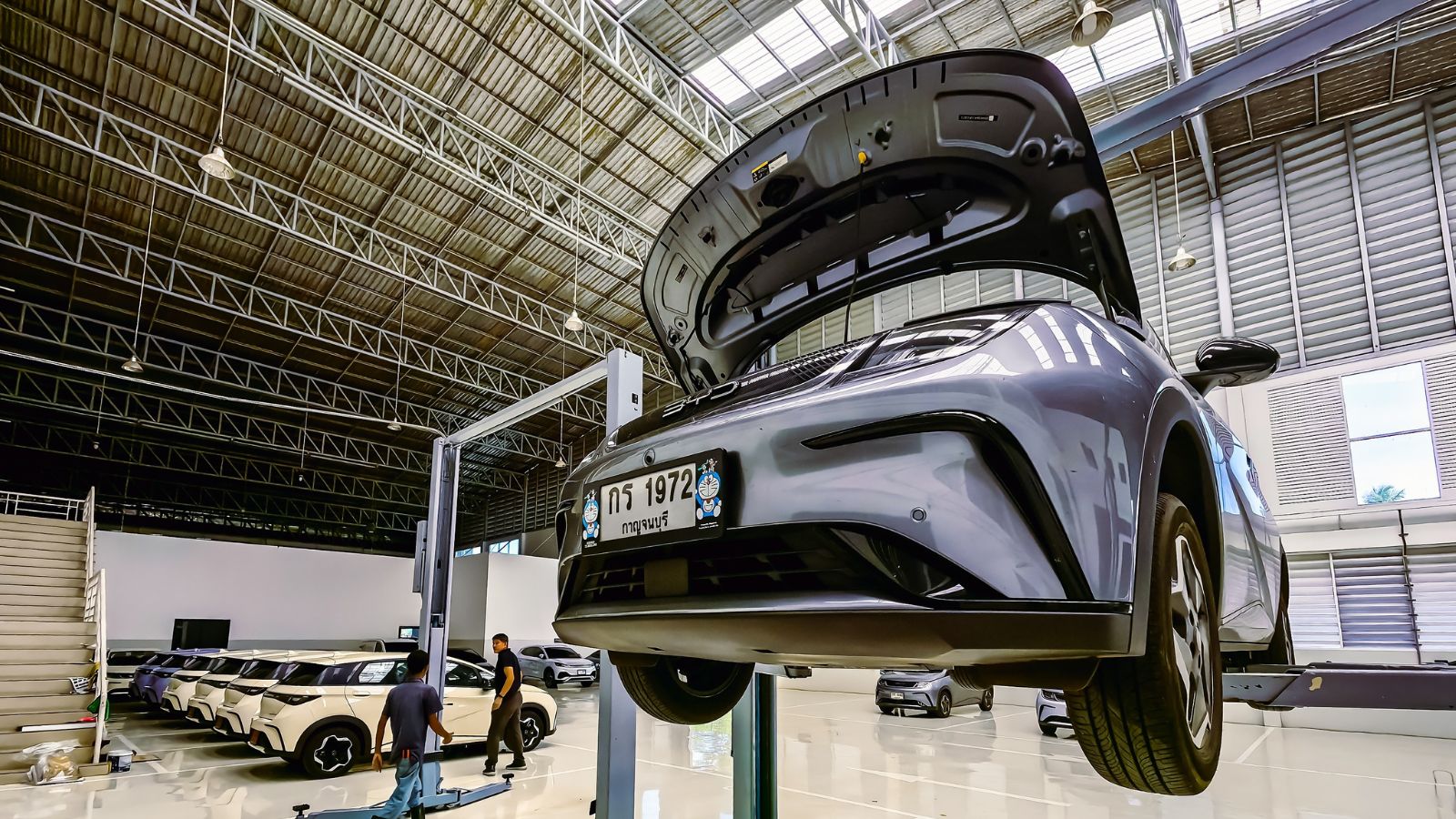
A seven-year loan can easily outlast the most carefree years of ownership. By the later stages of the loan, the vehicle may need tires, brakes, suspension work, battery replacement, or other age-related repairs. For higher-mileage drivers, those expenses can arrive while payments are still due every month.
That overlap changes the emotional math. A buyer may not mind paying for a vehicle that feels new and trouble-free, but paying loan installments and repair bills at the same time can feel discouraging. Some shoppers are stepping away from seven-year loans because they do not want the repair phase and repayment phase to collide.
Total-Loss Risk Feels More Expensive

If a financed vehicle is totaled in a crash, insurance typically pays based on the vehicle’s value, not necessarily the remaining loan balance. When a long loan creates negative equity, the settlement may not fully clear the debt. Without adequate protection, the borrower could owe money on a car that no longer exists.
That possibility has made some buyers more cautious. A commuter with a long highway drive, for example, may view the risk differently than someone who drives only occasionally. Gap coverage can help in certain cases, but it also adds another cost. For some buyers, the cleaner answer is avoiding a loan structure that makes the gap more likely.
Shorter Loans Can Bring Better Discipline

A shorter loan often forces a clearer decision about affordability. If a vehicle only works financially over seven years, some buyers now see that as a warning sign rather than a solution. The shorter-term payment can reveal whether the purchase truly fits the budget or depends on stretching debt too far.
This does not mean every buyer must choose the shortest possible loan. It means more shoppers are using shorter terms as a reality check. If the five-year version feels impossible, they may negotiate harder, consider a lower trim, buy used, wait longer, or increase the down payment. That discipline can prevent years of regret.
Life Changes Make Seven Years Feel Too Rigid
Seven years is a long time to predict transportation needs. A couple may need a larger vehicle after having a child. A remote worker may return to commuting. A city resident may move somewhere with winter roads, longer drives, or higher parking costs. The vehicle that fits today may not fit the next stage of life.
This uncertainty makes long loans feel less flexible. The buyer is not only choosing a car, but also committing to a financial structure that may remain in place through several life changes. For shoppers who value flexibility, a shorter loan can make it easier to adapt without carrying old debt into a new decision.
More Buyers Are Comparing the Real Number

Dealership conversations often start with the monthly payment, but more buyers are asking for the full cost: purchase price, interest rate, term, finance charge, fees, add-ons, and total paid over the loan. This shift is making seven-year loans easier to question because the long-term cost is harder to hide once everything is written out.
Preapproval has also changed buyer behavior. A shopper who arrives with a bank or credit union offer can compare it against dealer financing instead of relying on one payment quote. That extra comparison can reveal whether the seven-year term is truly helpful or simply masking a vehicle price that has stretched beyond a comfortable range.
22 Things Canadians Do to Their Cars in Spring That Mechanics Hate

Spring brings relief to many Canadian drivers after months of snow, freezing temperatures, and icy roads that put serious strain on vehicles. As temperatures rise across the country, drivers begin washing cars, switching tires, and preparing vehicles for warmer weather and upcoming road trips. However, mechanics across Canada notice the same mistakes every spring when drivers attempt to recover from winter damage. Road salt, potholes, and harsh winter driving conditions often leave vehicles with hidden problems that drivers ignore. Some spring habits even create new mechanical issues that could have been avoided with proper maintenance. Here are 22 things Canadians do to their cars in spring that mechanics hate.

Alanna Rosen is an experienced content writer that focuses on many EV and educational content. Her articles are regularly published on Get CyberTrucked and syndicated on large publications.