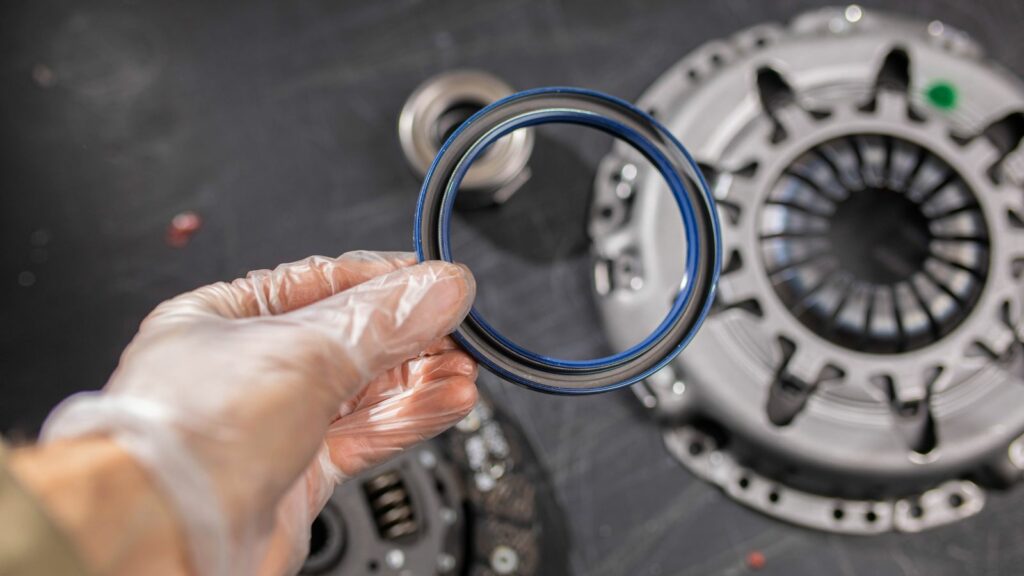
A disappearing oil level can turn a routine drive into a costly warning sign. Modern engines are designed to use tiny amounts of oil as part of normal lubrication, but frequent top-ups, blue exhaust smoke, or a burnt-oil smell usually point to something more specific.
These 17 reasons explain why a vehicle may be burning more oil than normal, from worn internal parts and neglected maintenance to turbocharger problems, oil choice, driving conditions, and model-specific engine issues. Some causes are simple to correct, while others can signal deeper engine wear that should not be ignored.
Worn Piston Rings
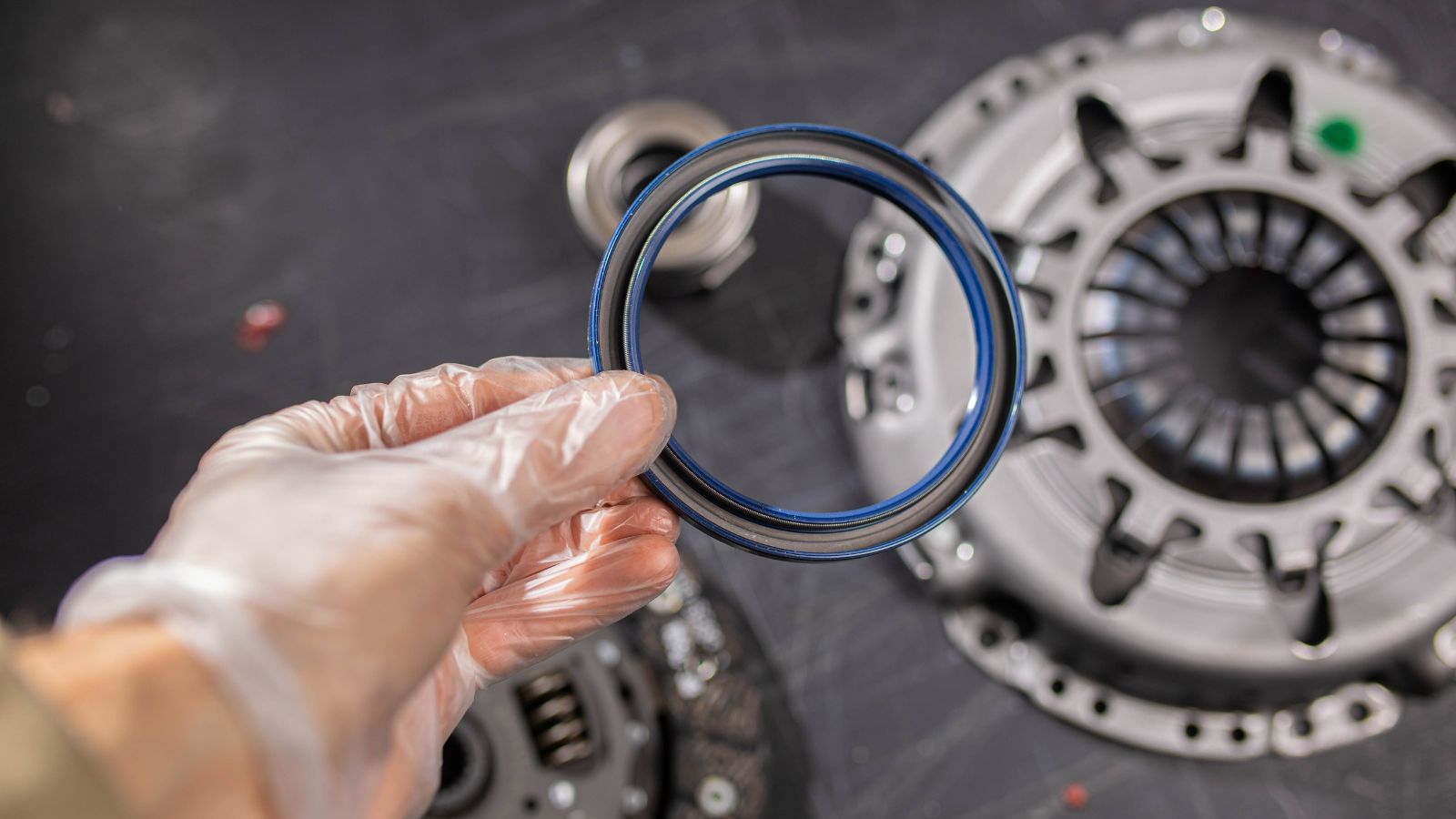
Piston rings sit between the piston and cylinder wall, sealing combustion pressure while helping scrape oil back down into the crankcase. When those rings wear, lose tension, or no longer seal evenly, oil can remain on the cylinder wall and burn during combustion. The result may be blue-gray smoke, lower compression, and a dipstick that seems to drop faster every week.
This problem is common in older or high-mileage engines, especially those that have seen irregular oil changes or long periods of hard use. A commuter car that once used almost no oil may suddenly need a quart every few weeks. Compression and leak-down tests are often used to separate ring wear from valve-seal or PCV-related oil consumption.
Stuck Oil Control Rings
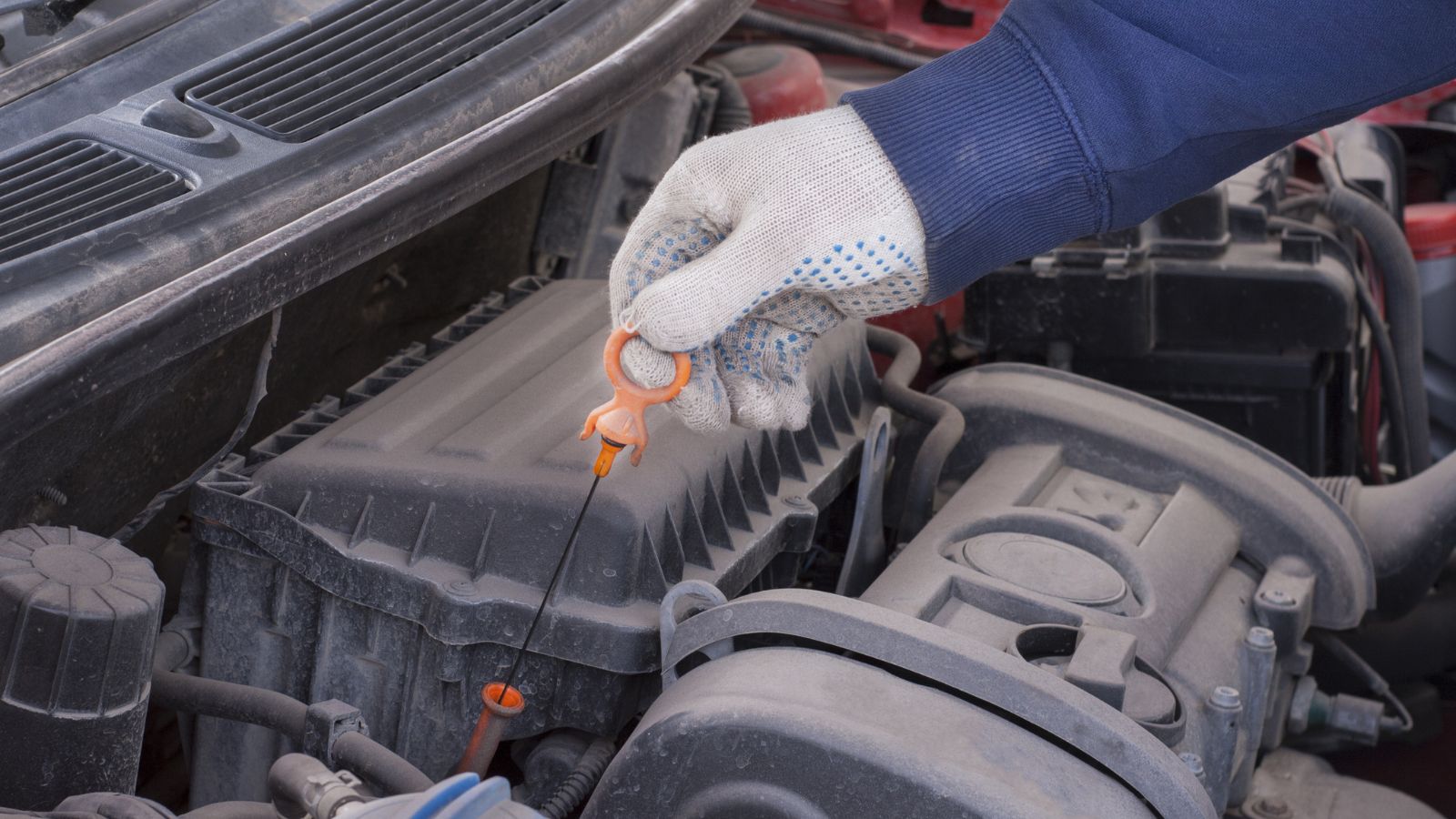
Oil control rings are designed to meter a thin oil film on the cylinder wall, not let oil flood into the combustion chamber. When carbon, varnish, or sludge locks those rings in their grooves, they may stop scraping properly even if the engine still has decent compression. That is why an engine can run smoothly yet use oil at a frustrating rate.
This issue can appear gradually. A driver may first notice a faint puff of smoke after idling, then more frequent top-ups between oil changes. In some engines, stuck rings are associated with deposit buildup around the piston lands. Once deposits harden, the ring cannot move freely, and oil control becomes much less precise.
Aging Valve Stem Seals
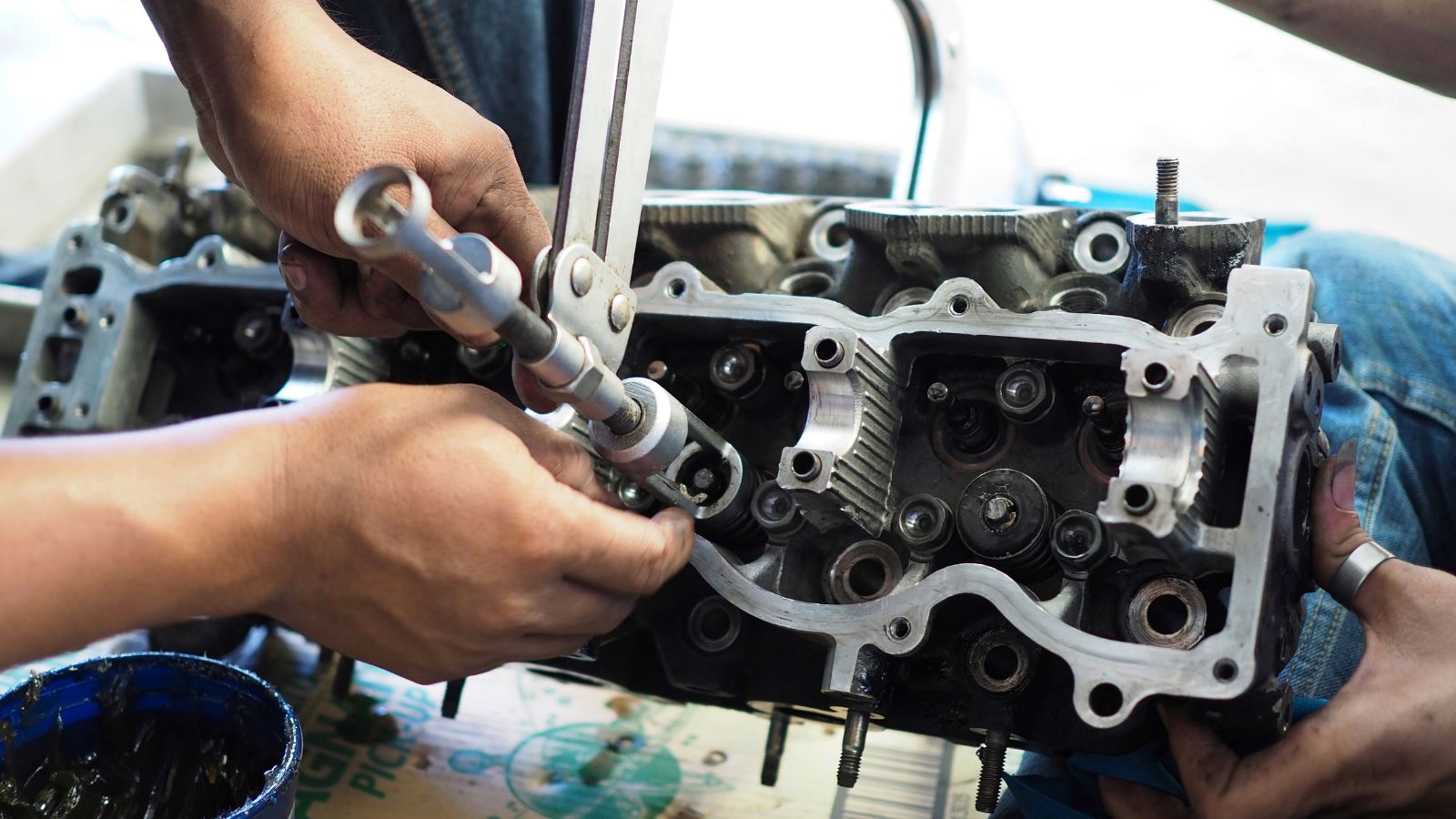
Valve stem seals control how much oil reaches the valve stems as they move. When these seals harden, shrink, or crack, oil can drip past the valve guides and enter the combustion chamber. A classic sign is blue smoke after startup, especially after the vehicle has sat overnight or after a long downhill coast.
The reason is simple: oil pools near the valve area while the engine is off, then burns when the engine starts again. This can be easy to dismiss because the smoke may disappear once the engine warms up. Over time, however, the oil level keeps falling, spark plugs may develop oily deposits, and emissions components can face extra stress.
Scored or Glazed Cylinder Walls
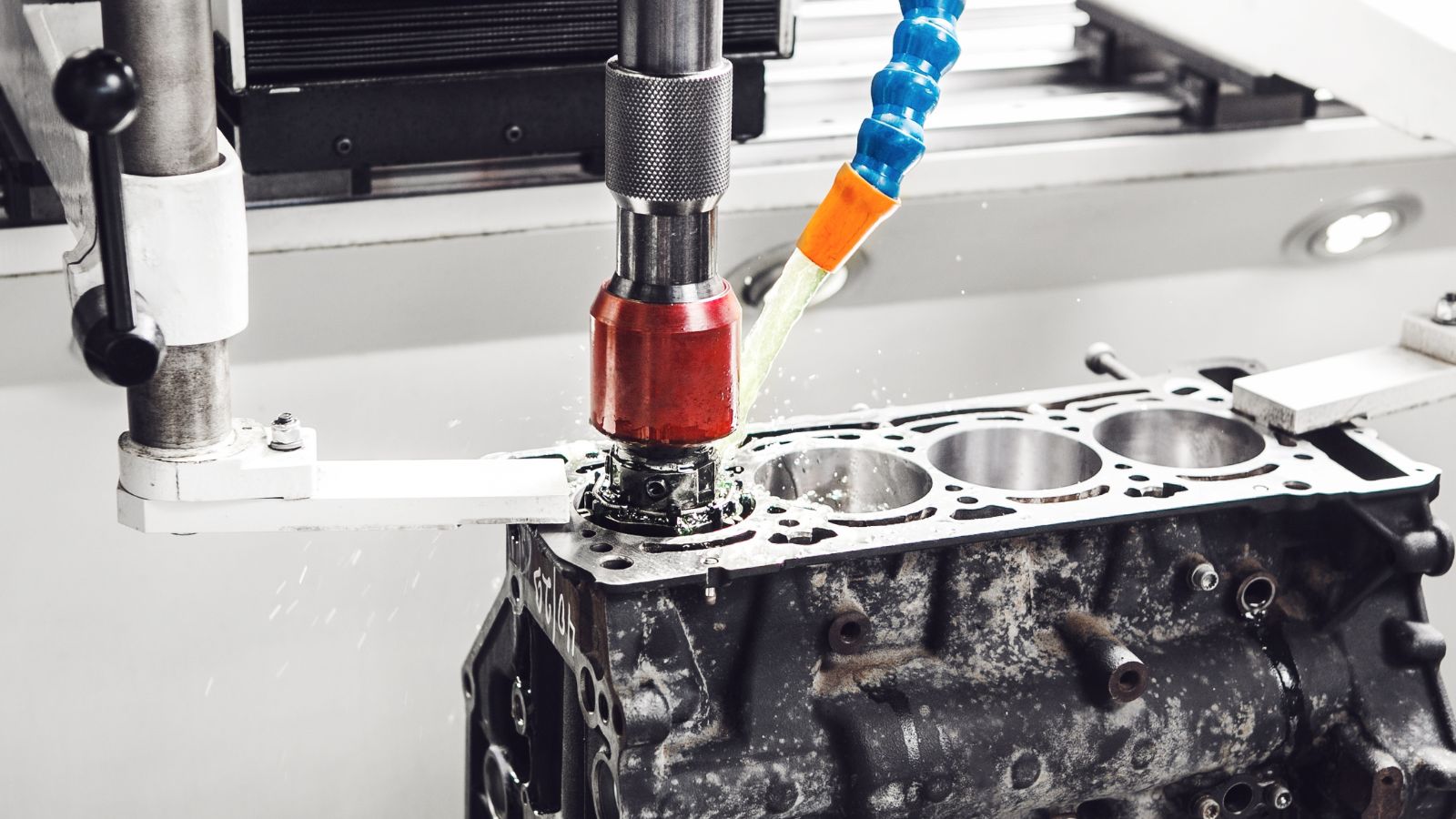
Cylinder walls need a precise surface finish so piston rings can seal and oil can be controlled. If the walls become scratched, polished smooth, or worn out of shape, the rings cannot do their job properly. Oil can then slip past the ring pack and burn with the air-fuel mixture, even after fresh oil has been added.
Scoring may come from abrasive dirt, overheating, poor lubrication, or earlier mechanical damage. Glazing can also occur when rings never seat properly against the cylinder surface. A used vehicle with a clean exterior but poor maintenance history may hide this kind of wear until oil consumption, smoke, or weak compression reveals the problem.
A Faulty PCV Valve
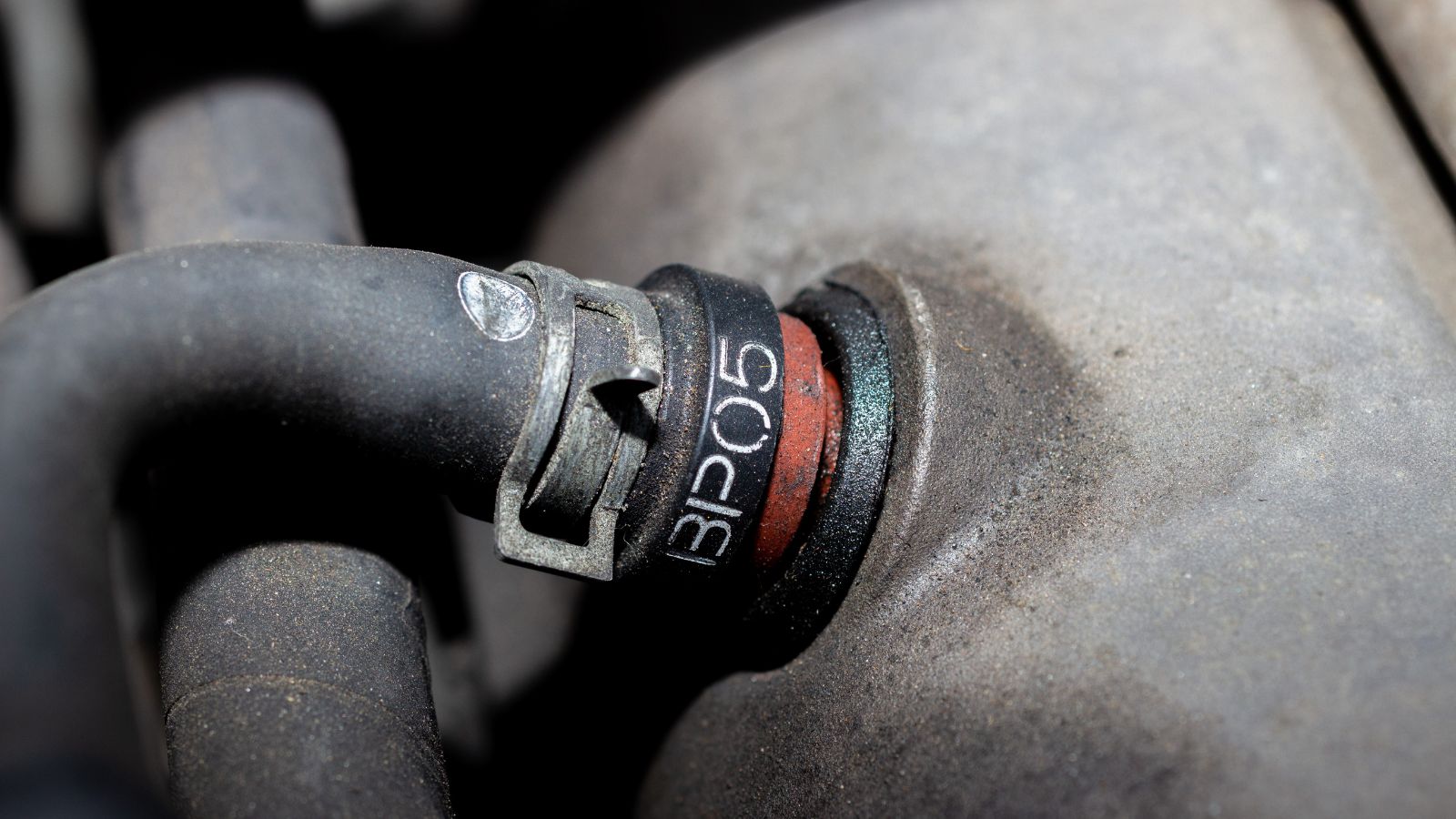
The positive crankcase ventilation system manages blow-by gases that escape past the piston rings. When the PCV valve sticks open, oil mist can be pulled into the intake and burned. When it clogs or sticks closed, crankcase pressure can rise and push oil past seals, gaskets, or into areas where it does not belong.
This is one of the more overlooked causes because the part may be inexpensive compared with internal engine repairs. A rough idle, oily intake hose, whistling noise, or unexplained oil loss can all point in this direction. Before assuming an engine needs major work, checking the PCV system can prevent a costly misdiagnosis.
Turbocharger Bearing or Seal Problems
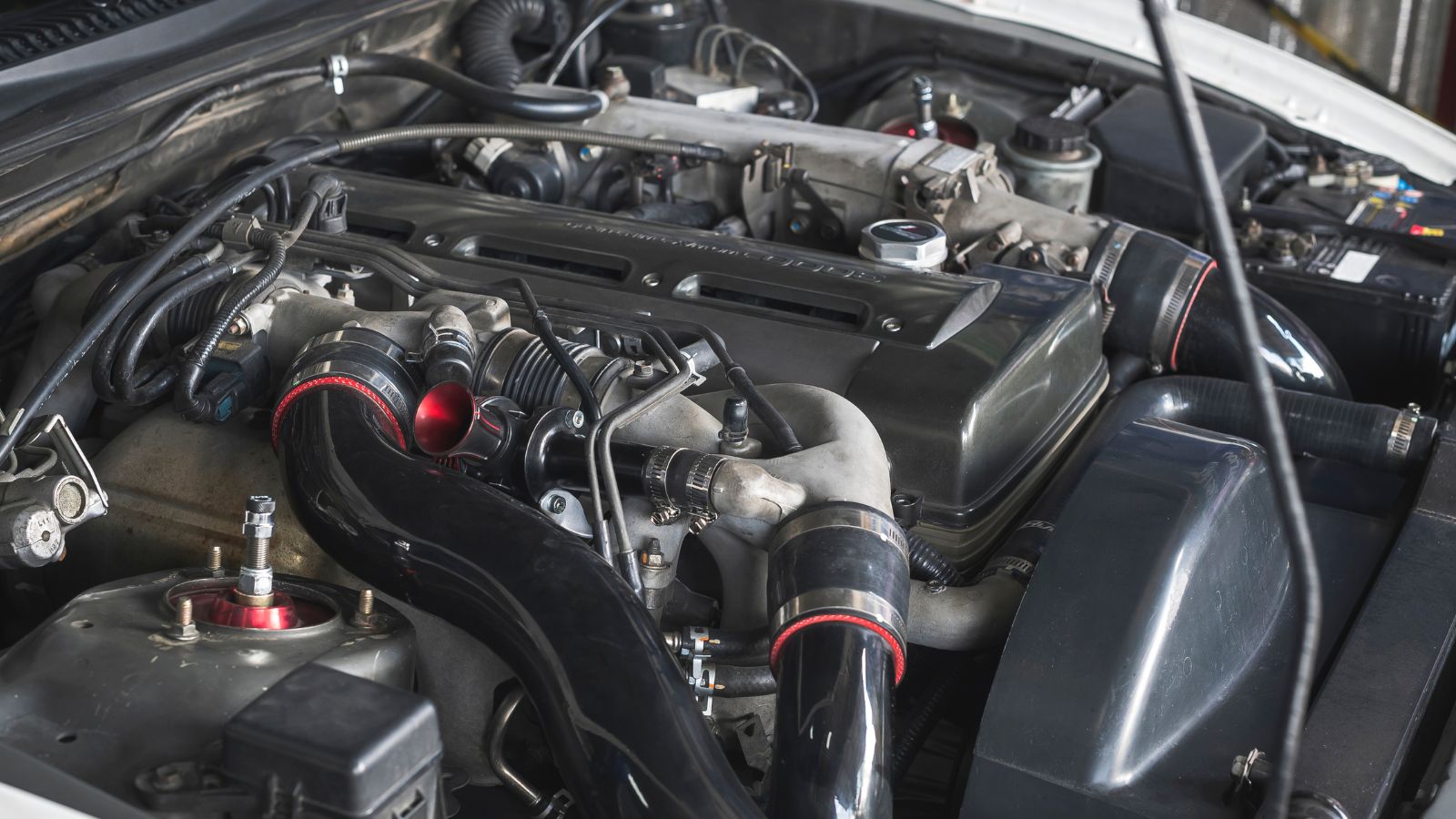
Turbochargers operate in an extremely hot, high-speed environment and depend on a steady supply of clean oil. When turbo bearing clearances increase or oil control inside the turbo is disrupted, oil can enter the intake or exhaust side. Once it reaches hot exhaust flow or the combustion process, it burns and may create blue smoke.
A turbo-related oil issue can show up under acceleration, after boost, or during deceleration. Some drivers also notice oily residue in charge pipes or intercooler plumbing. Because turbochargers can spin at extraordinary speeds, even small lubrication or pressure problems can turn into visible oil consumption faster than many owners expect.
A Blocked Turbo Oil Return
Not every oily turbo means the turbo itself has failed. The oil leaving the turbo must drain freely back to the engine. If the return line is kinked, blocked, restricted, or carboned up, oil can back up inside the turbocharger. That pressure imbalance can force oil into the intake or exhaust stream.
This cause is especially easy to miss after engine work, turbo replacement, or neglected oil changes. A technician may replace a turbo only for the same smoke to return because the drain problem remains. In practical terms, the turbo cannot control oil properly if the return path behaves like a clogged sink drain.
External Leaks That Look Like Burning
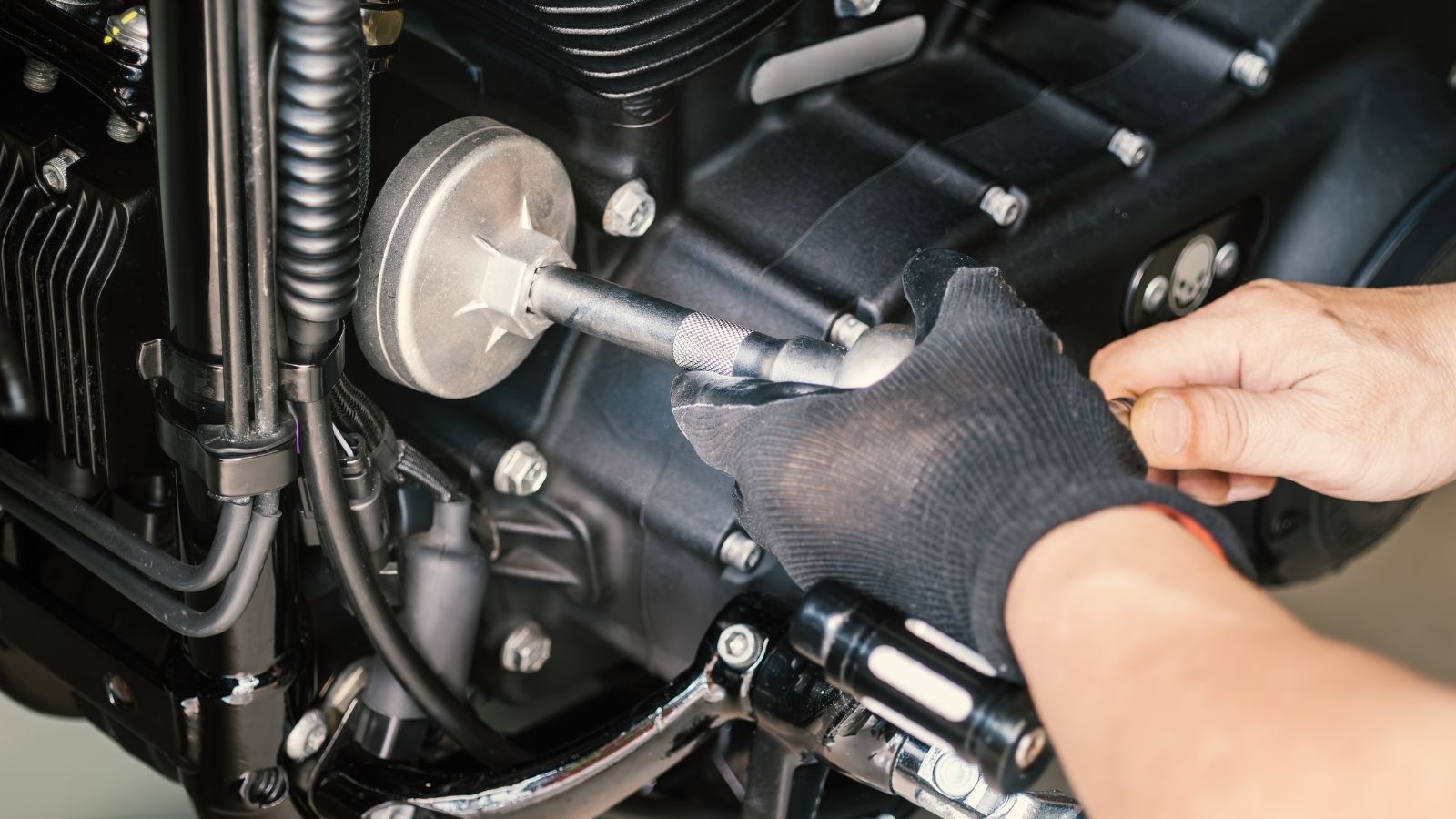
Sometimes a vehicle seems to be “burning” oil because leaking oil lands on hot engine or exhaust parts. A valve cover gasket, oil filter seal, oil pan gasket, crankshaft seal, or loose drain plug can leave oil where it smokes or smells burnt after a drive. The oil level still drops, but the combustion chamber may not be the source.
This can fool owners because there may be no big puddle on the driveway. Oil can spread across underbody panels, drip only while driving, or burn off before it reaches the ground. A careful inspection with the engine cleaned, and sometimes dye added to the oil, can reveal whether the loss is external.
The Wrong Oil Viscosity or Specification
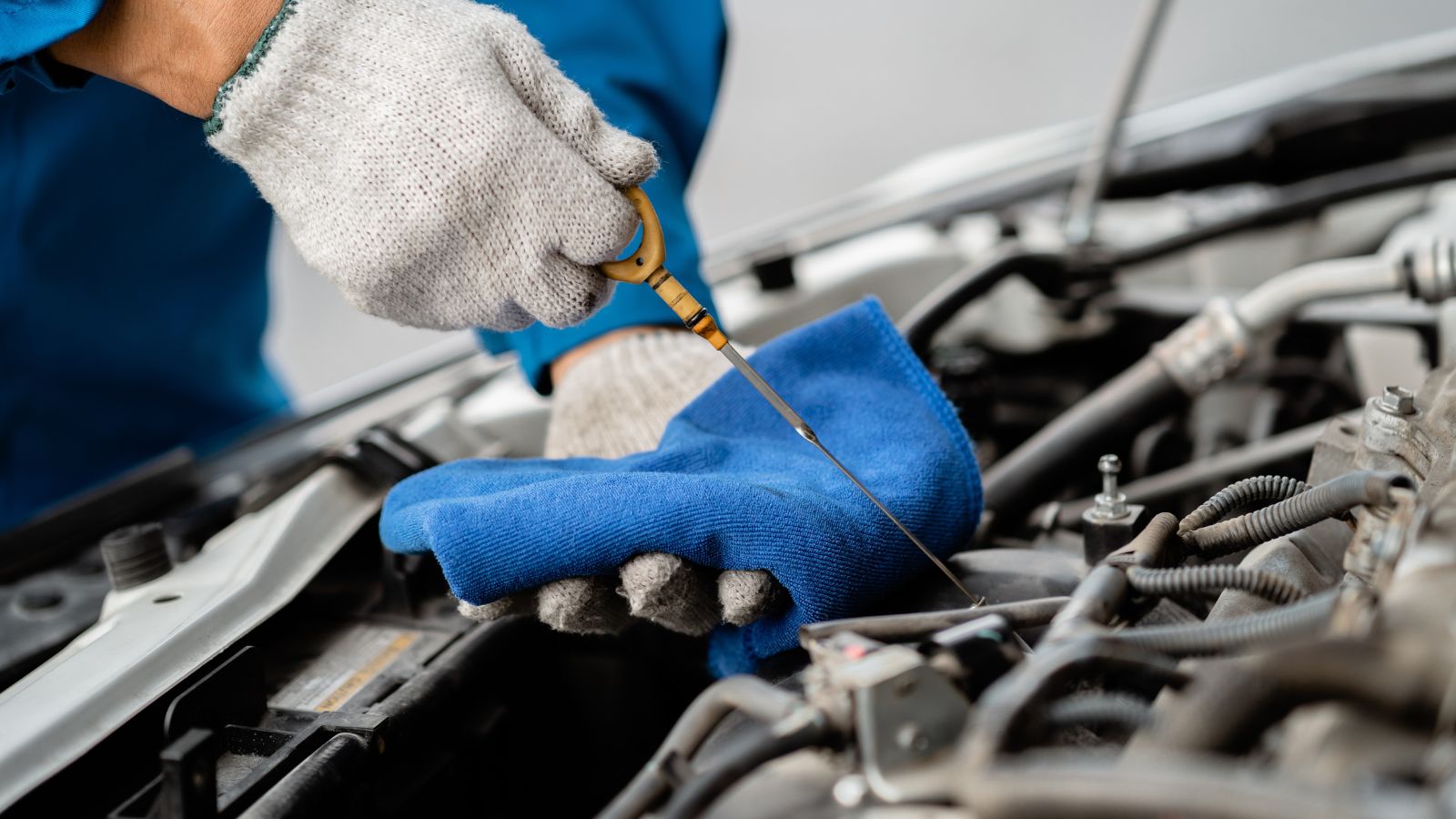
Engines are built around specific oil viscosity and performance standards. Oil that is too thin for the engine, too thick for cold-start flow, or missing the required specification can affect oil control, deposit protection, and lubrication. The wrong oil may not be the only cause of oil consumption, but it can make an existing issue worse.
The owner’s manual matters because modern engines can have narrow requirements. A turbocharged direct-injection engine may call for an oil designed to handle low-speed pre-ignition, deposits, and high turbo temperatures. A bargain jug with the wrong rating can save a few dollars upfront while increasing wear or consumption over time.
Too Much Oil in the Crankcase
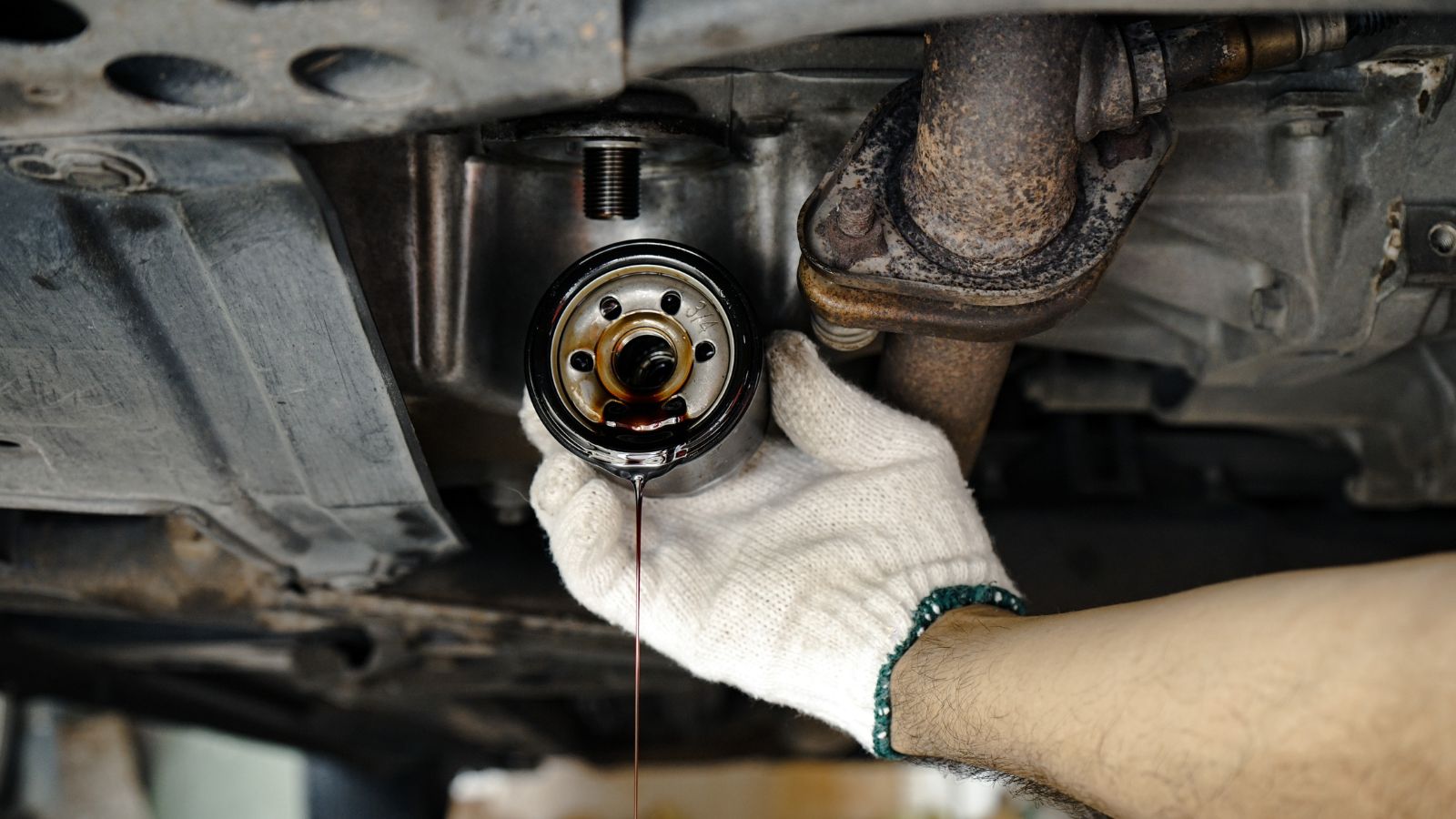
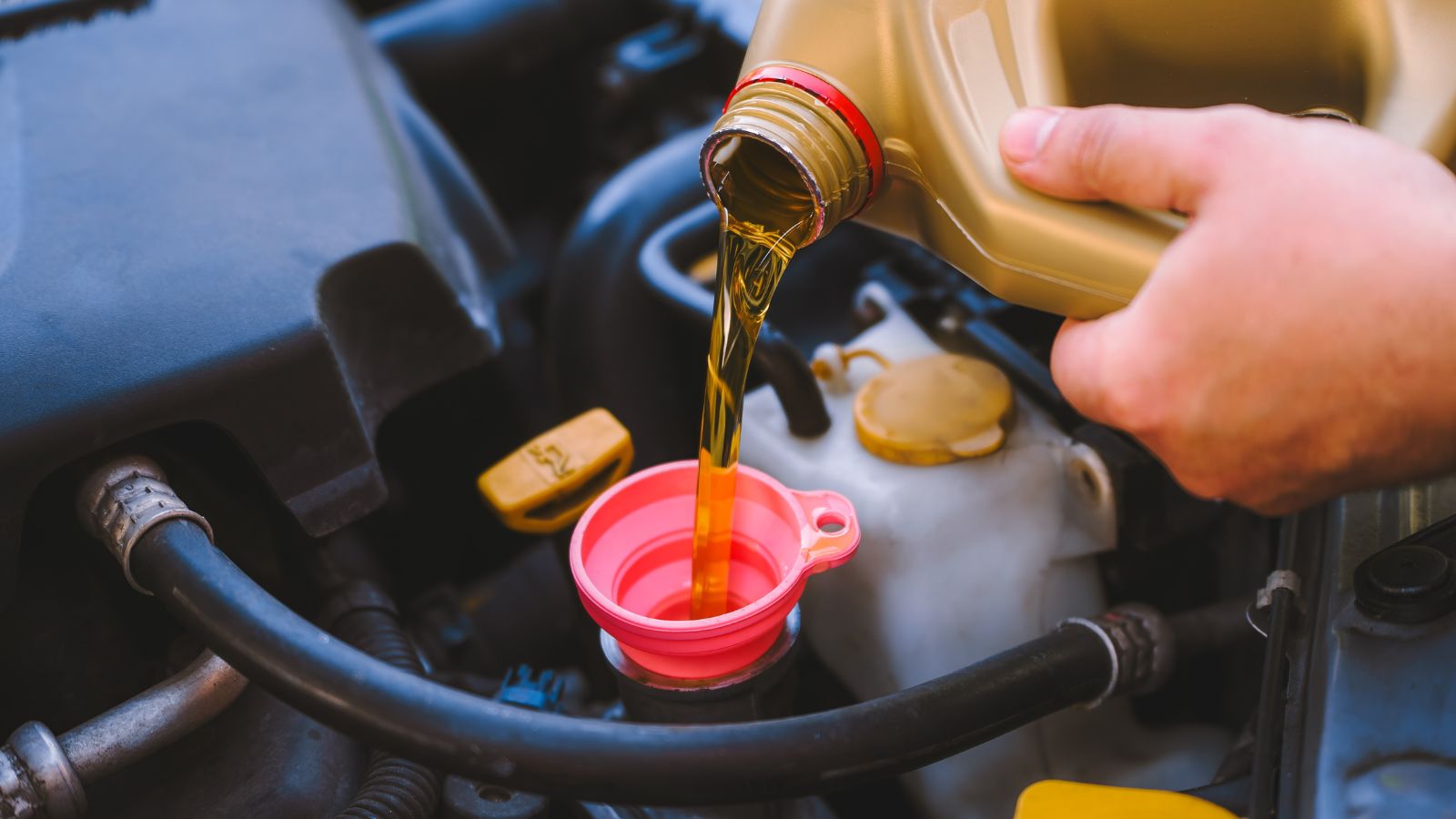
Overfilling engine oil is not harmless. If the oil level rises too high, rotating parts can churn the oil into foam, and oil mist can be pushed through the ventilation system. In some cases, excess oil can reach the intake, foul spark plugs, create smoke, or overwhelm seals.
This often happens after a rushed oil change or a top-up done without checking the dipstick carefully. Many dipsticks have an “add” and “full” range, and the space between them often represents about a quart. Adding an entire bottle when only a small amount is needed can create the very smoke and consumption problem the top-up was meant to prevent.
Oil Change Intervals Stretched Too Far
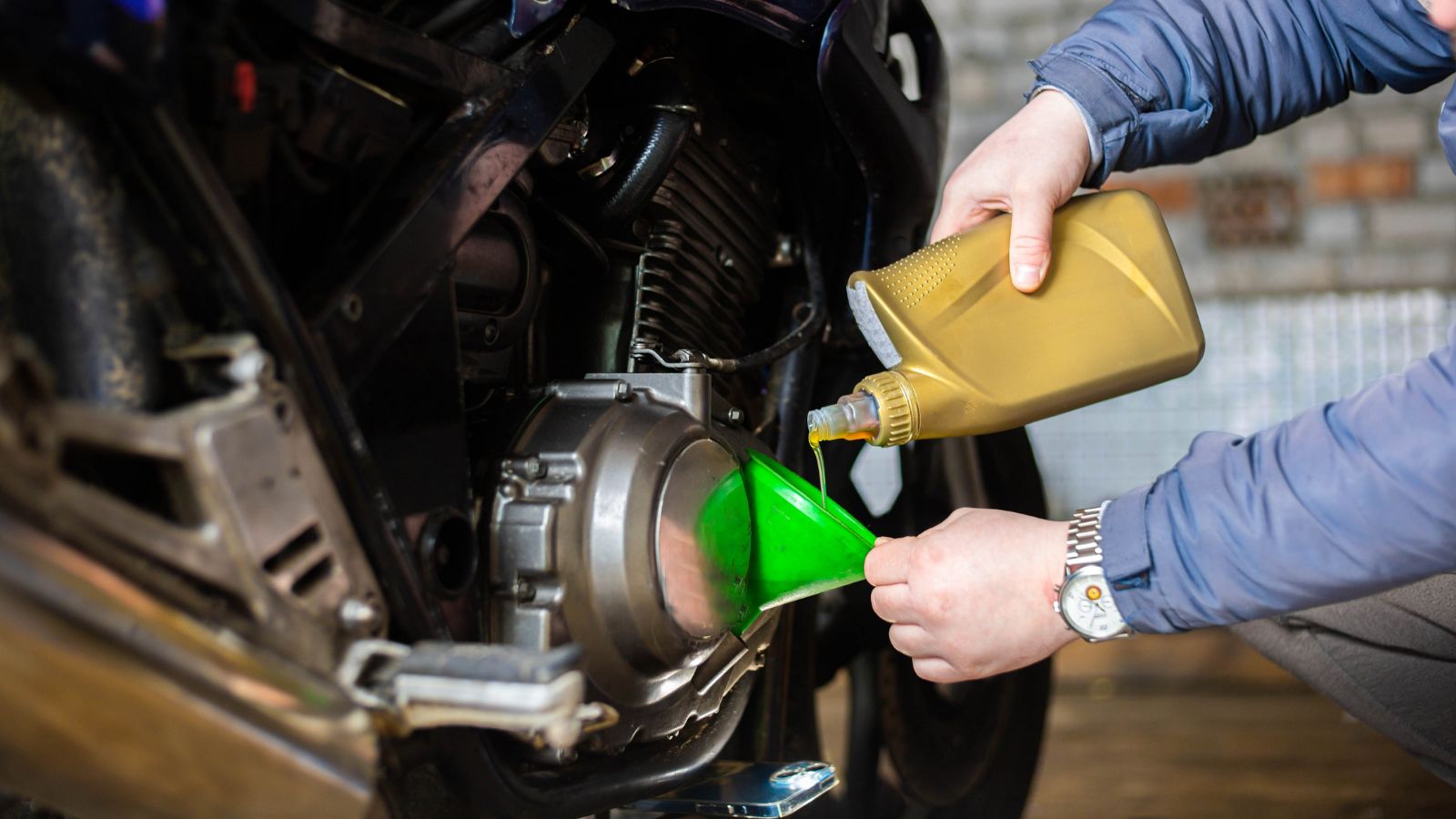
Oil does more than reduce friction. It cools, cleans, suspends contaminants, and protects internal surfaces. When oil is left in service too long, heat and contamination can reduce its effectiveness. Deposits may form around piston rings, turbo oil passages, and small oil-control areas that depend on clean flow.
Modern vehicles often use oil-life monitoring systems, but severe service can shorten the safe interval. Short trips, idling, towing, dusty roads, and repeated heat cycles can all make oil work harder. A vehicle that technically allows long intervals may still develop sludge or varnish if the real driving pattern is tougher than the schedule assumes.
Repeated High-Load Driving
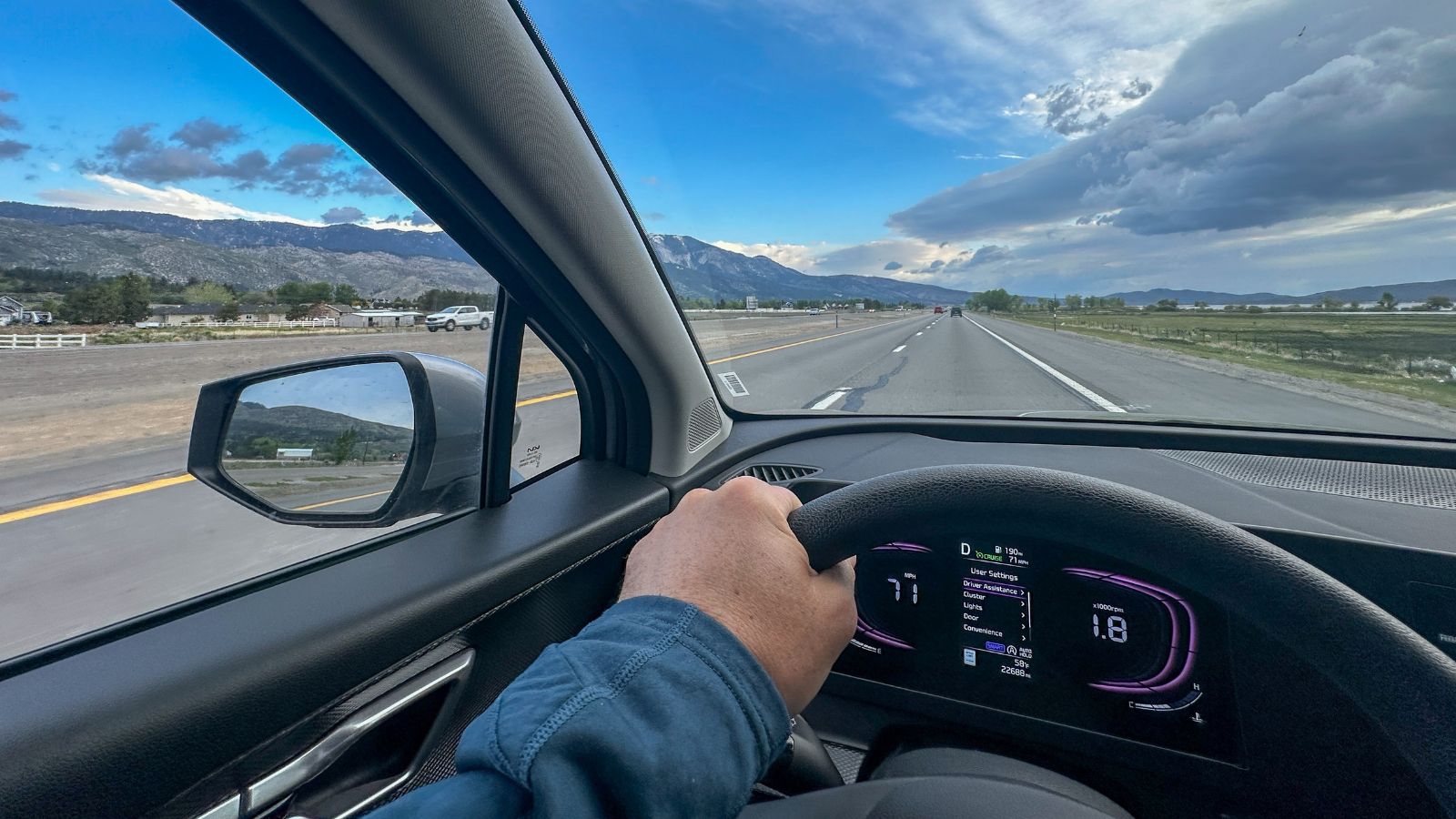
Hard acceleration, mountain driving, towing, and long high-speed trips raise engine temperature and load. Under these conditions, more oil can evaporate or burn off the cylinder wall film. A healthy engine should still control oil, but consumption can rise noticeably when the same vehicle is used for heavier work.
This is why a crossover that barely uses oil during city commuting may need topping off during a summer road trip with luggage, passengers, and steep grades. High load also increases blow-by, which can push more oil vapor through the crankcase ventilation system. The dipstick often tells the story before any warning light appears.
Overheating or Weak Cooling

Heat is one of the enemies of oil control. Overheating can damage piston rings, harden seals, distort components, and thin the oil film that protects sliding surfaces. Even if the engine survives a temperature warning, the after-effects can include higher oil consumption weeks or months later.
Weak cooling does not always mean a dramatic steam cloud. A partially clogged radiator, weak fan, bad thermostat, low coolant, or failing water pump can let temperatures creep up under load. A vehicle may seem normal on short errands but run hotter on the highway. Once heat damages sealing surfaces, oil use may not return to normal without repair.
Dirt Entering Through the Intake
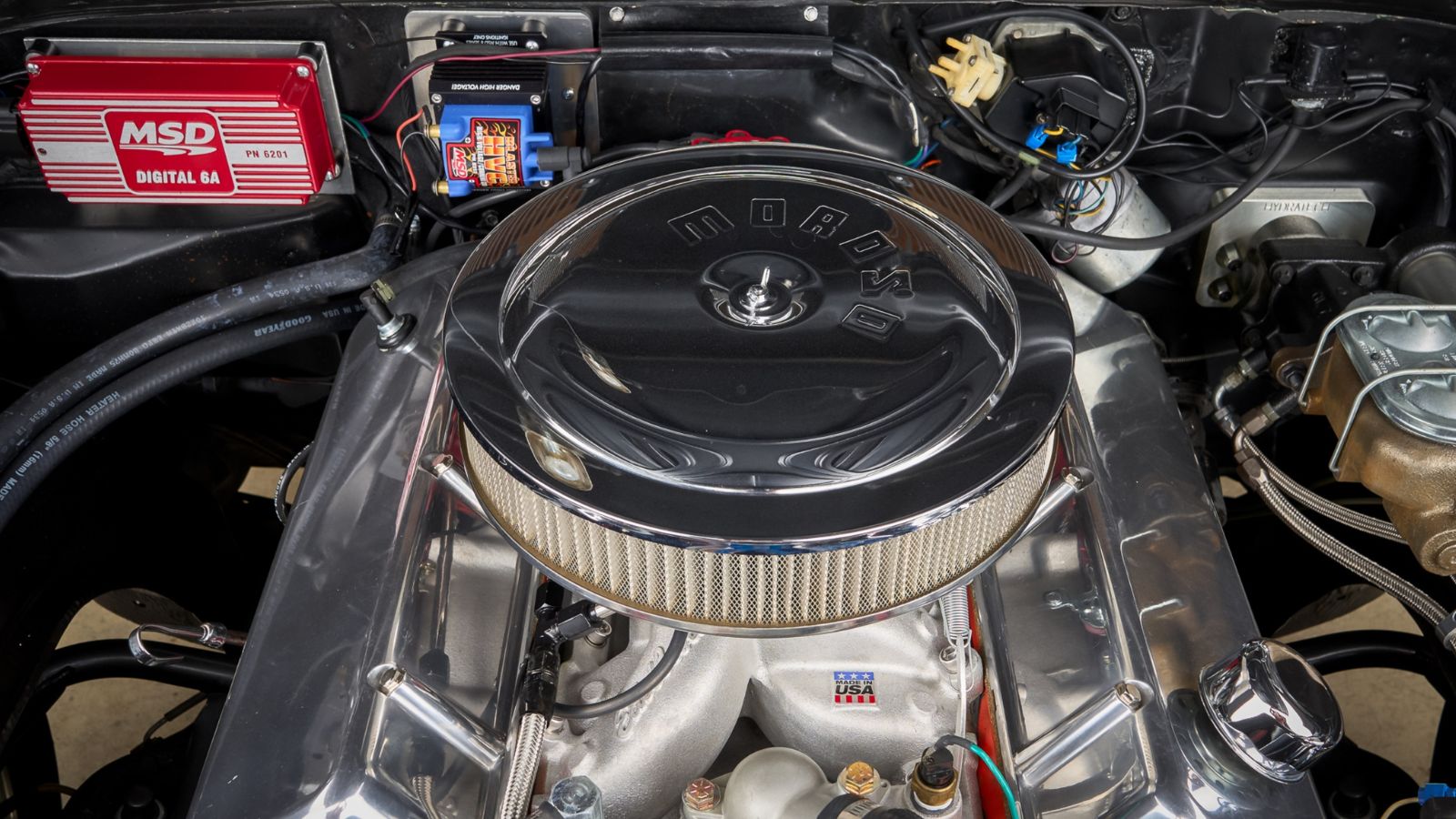
A damaged air filter, loose intake clamp, cracked hose, or poorly sealed airbox can let abrasive particles into the engine. Those particles can scratch cylinder walls and wear piston rings. As the sealing surfaces deteriorate, oil can pass more easily into the combustion chamber and burn.
This kind of damage can happen quietly. An off-road vehicle, rural work truck, or car driven through construction dust may suffer faster wear if the intake system is not sealed properly. A cheap filter installed incorrectly can be more expensive than it looks, because dirt damage affects the parts that control compression and oil consumption.
Fuel Dilution From Short Trips
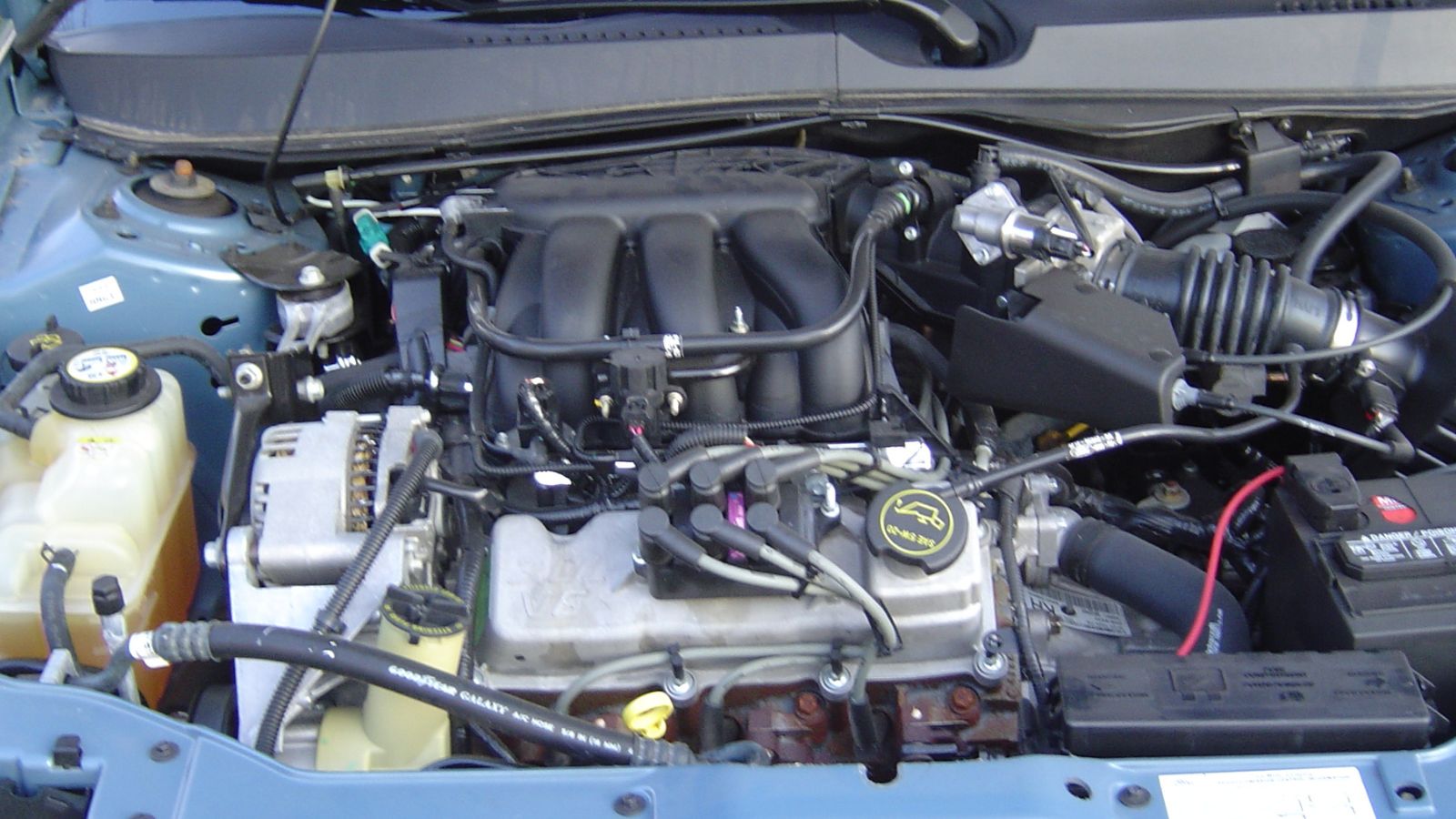
Frequent short trips can prevent the engine oil from reaching and maintaining full operating temperature. In some engines, especially direct-injection designs, small amounts of fuel can get past the rings and mix with the oil. This fuel dilution can reduce oil viscosity and weaken the oil’s ability to protect hot, loaded parts.
The confusing part is that the dipstick may not drop at first because fuel is adding volume while oil is being degraded. Later, as the oil thins and deposits increase, consumption and wear can accelerate. A strong fuel smell on the dipstick or repeated short-hop driving in cold weather should be treated as a warning sign.
Poor Break-In After New Engine Work

New or rebuilt engines need piston rings to seat properly against the cylinder walls. If the rings, cylinder finish, assembly lubrication, or early operating procedure are wrong, the rings may not create the tight seal expected. That can leave an engine burning oil even after expensive repair work.
This is one reason a fresh rebuild that smokes is not automatically “normal.” Some oil use may occur during early running, but persistent consumption after the break-in period deserves attention. Poor ring seating, incorrect ring installation, or the wrong cylinder surface finish can turn a repair meant to solve oil burning into the start of another oil problem.
A Known Engine Design or Manufacturing Issue
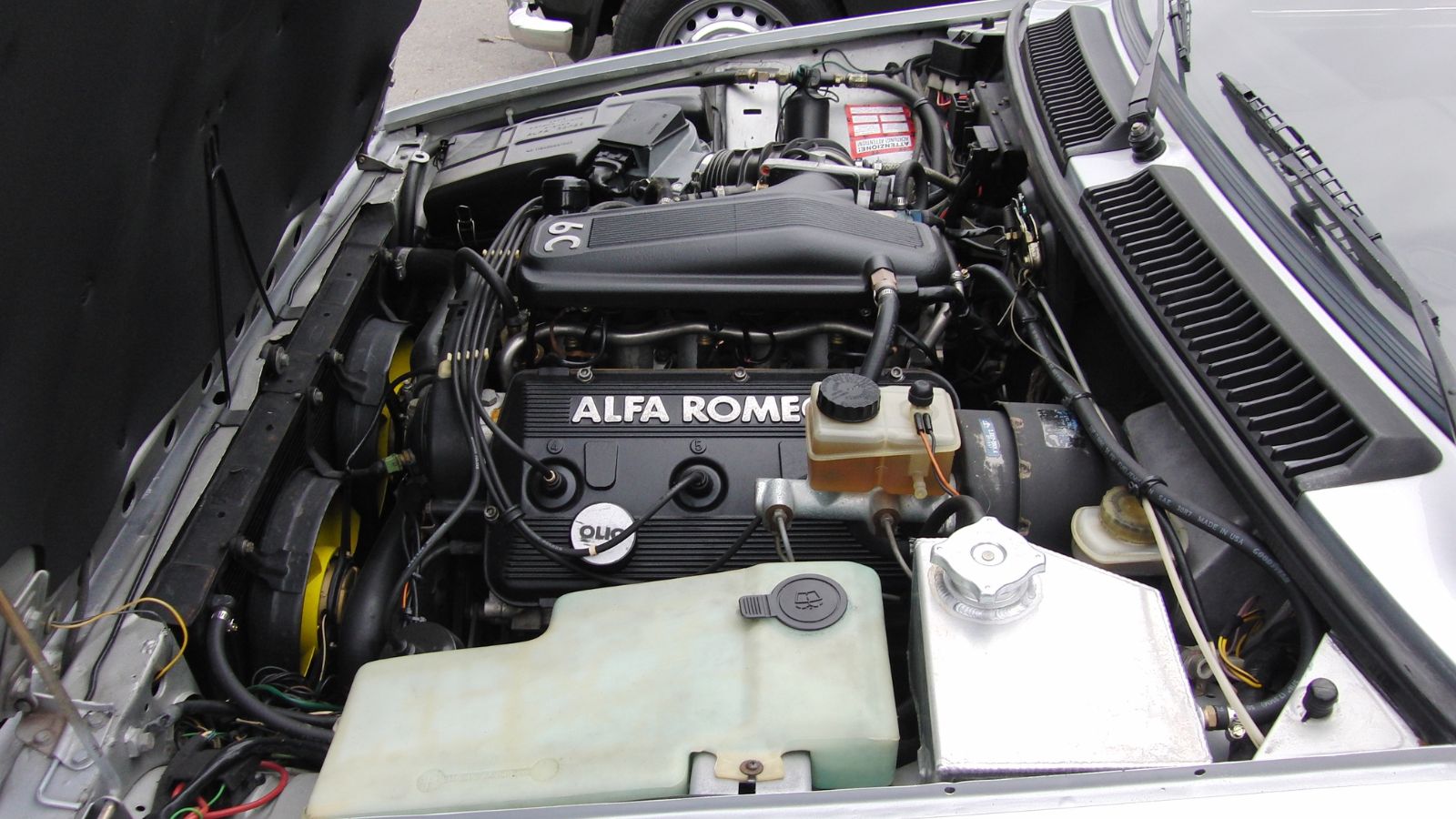
Some oil consumption problems are not caused by one owner’s habits. Certain engines have developed reputations for piston ring, oil-control, or manufacturing issues that lead to higher-than-expected oil use. In those cases, service bulletins, warranty extensions, or repeated owner complaints may reveal a pattern.
This matters when a vehicle is still under warranty or when buying used. A car that consumes a quart every 1,000 miles may be considered “within spec” by one automaker but unacceptable to many owners. Checking technical service bulletins, recall history, and model-specific reliability reports can help separate normal aging from a known engine defect.
22 Things Canadians Do to Their Cars in Spring That Mechanics Hate

Spring brings relief to many Canadian drivers after months of snow, freezing temperatures, and icy roads that put serious strain on vehicles. As temperatures rise across the country, drivers begin washing cars, switching tires, and preparing vehicles for warmer weather and upcoming road trips. However, mechanics across Canada notice the same mistakes every spring when drivers attempt to recover from winter damage. Road salt, potholes, and harsh winter driving conditions often leave vehicles with hidden problems that drivers ignore. Some spring habits even create new mechanical issues that could have been avoided with proper maintenance. Here are 22 things Canadians do to their cars in spring that mechanics hate.

Alanna Rosen is an experienced content writer that focuses on many EV and educational content. Her articles are regularly published on Get CyberTrucked and syndicated on large publications.