A full-size SUV can feel like the ultimate upgrade at the dealership: commanding visibility, three rows of seats, serious towing capability, and enough sheet metal to make smaller vehicles seem cramped. Daily ownership, however, can expose compromises that are easy to overlook during a test drive. Fuel, tires, parking, visibility, cargo arrangements, depreciation, and even safety become more complicated as vehicles grow larger and heavier. For households that genuinely use all that capacity, the trade-offs may be worthwhile. For others, the biggest vehicle the budget allowed can gradually start feeling like more machine than the family actually needs. These 12 reasons help explain why some drivers eventually begin wondering whether a slightly smaller SUV would have been the smarter purchase.
Fuel Stops Start Feeling Much More Expensive
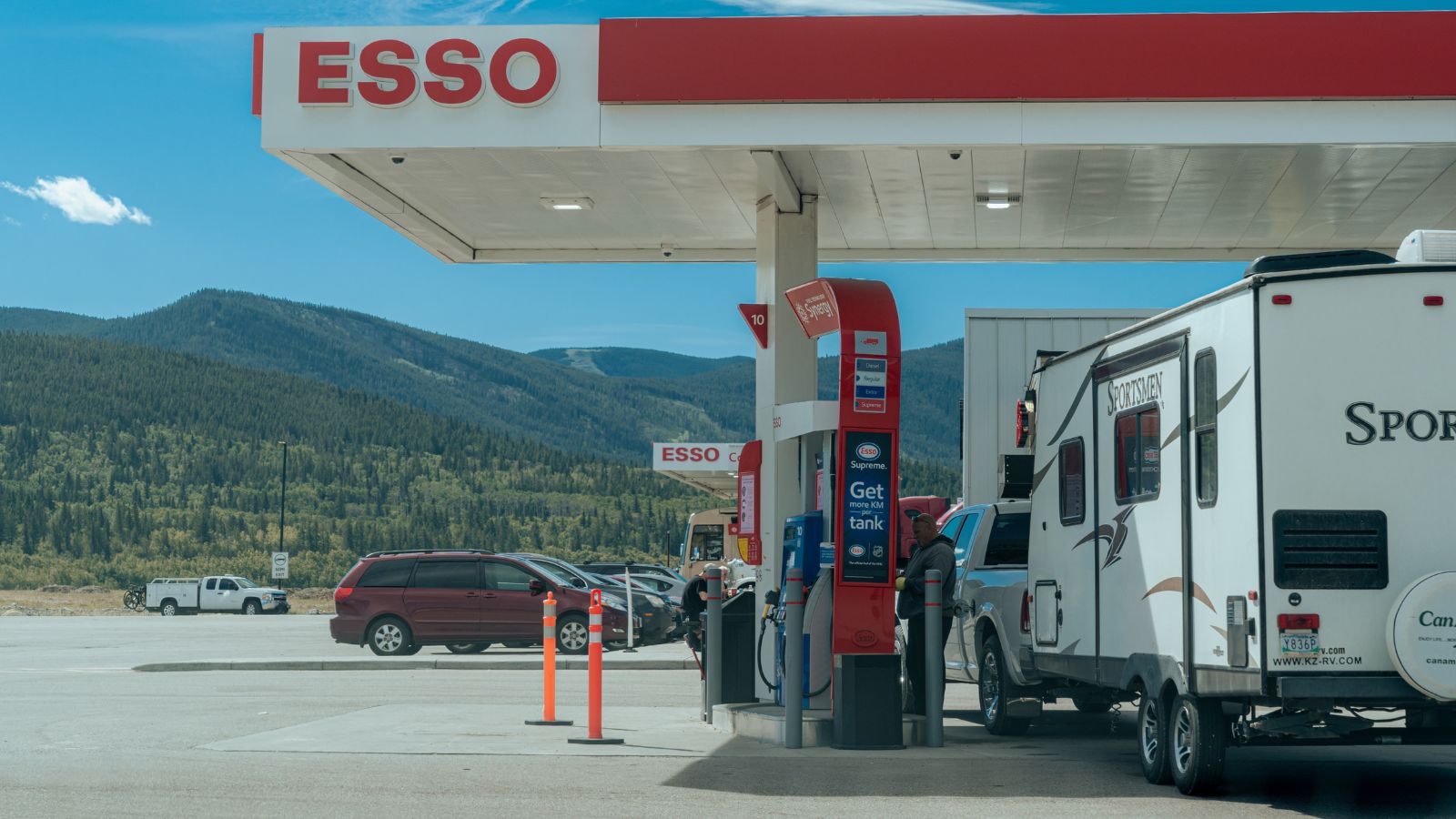
Modern full-size SUVs have become considerably more efficient than their predecessors, but physics still matters. Greater weight, a larger frontal area, four-wheel-drive hardware, and powerful engines all require energy. The EPA reported estimated real-world fuel economy of 25.7 mpg for the truck-SUV category in model year 2024, even after years of technological improvement. Individual full-size models can come in lower depending on engine, drivetrain, tires, and configuration. Toyota, for example, lists a 22-mpg combined EPA estimate for some 2026 Sequoia configurations.
That difference can seem minor while examining window stickers, yet it becomes far more noticeable over thousands of annual miles. A household that mainly commutes, runs errands, and drives children to school may spend nearly every mile moving a vehicle designed for considerably heavier work. Fuel prices also fluctuate, making an already thirsty SUV more painful whenever gasoline rises sharply. The spacious cabin remains appealing, but owners sometimes discover that they are effectively paying an efficiency penalty every day for capability used only occasionally.
Parking Becomes a Daily Geometry Problem
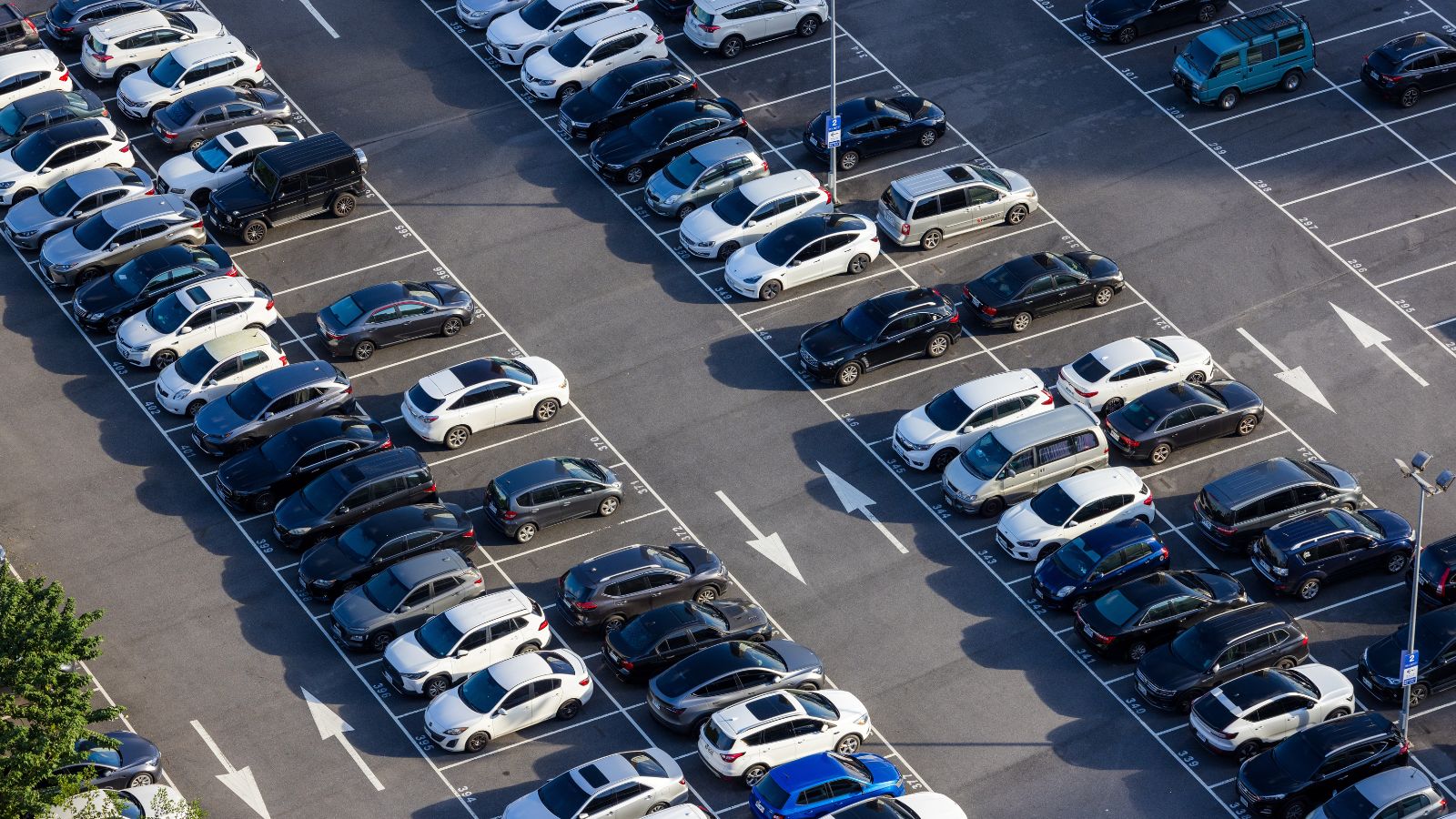
The sheer dimensions of a full-size SUV can become tiring long after the excitement of owning something imposing fades. Ford lists the 2026 Expedition Tremor at roughly 209.9 inches long and 94.6 inches wide with its mirrors. Chevrolet says the 2026 Tahoe stretches about 211.3 inches and measures 93.6 inches across with mirrors. Those measurements leave less breathing room beside concrete pillars, neighboring vehicles, garage shelving, shopping carts, and narrow driveways.
The difference becomes obvious during ordinary routines rather than highway trips. A parent may discover that the convenient parking space near school requires folding the mirrors. Someone living in an older home may technically fit the SUV in the garage but struggle to open the doors afterward. Parking cameras, sensors, and automated systems certainly help, yet they do not physically shrink the vehicle. After months of deliberately seeking end spaces or walking farther across parking lots, some owners start viewing compact dimensions as a luxury rather than a sacrifice.
Replacement Tires Can Deliver Sticker Shock
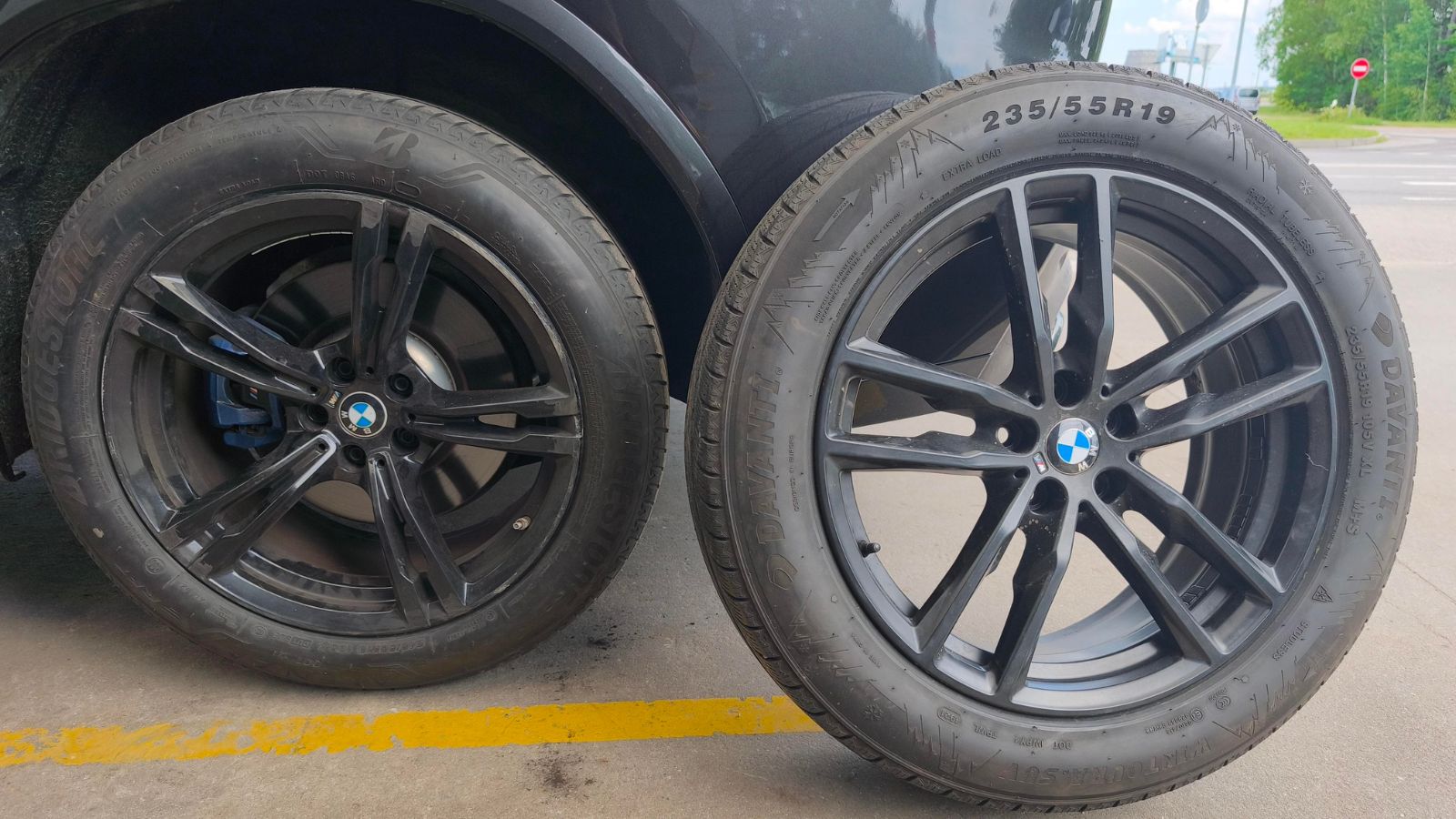
Large SUVs increasingly wear substantial wheels and wide tires, particularly on premium or appearance-focused trims. Those combinations can look impressive in a showroom, but replacement day eventually arrives. Consumer Reports notes that motorists should generally expect larger tires to cost more and reported that members paid an average of about $212 for their most recent tire purchase. Premium SUV tires, specialized all-terrain designs, and unusually large wheel sizes can move considerably beyond an average price.
That expense is particularly noticeable because tires are usually purchased in pairs or full sets rather than one inexpensive component at a time. Four-wheel-drive and all-wheel-drive vehicles can also make maintaining similar tread depths especially important. Suddenly, the stylish wheel upgrade selected during the purchase becomes a four-figure maintenance event. The same pattern can appear with brakes and other wear items engineered for a heavy vehicle. Owners who stretched their original budget to reach the largest SUV may find these less-visible operating expenses harder to absorb later.
Bigger Vehicles Can Mean Bigger Damage Bills

Insurance premiums are influenced by far more than vehicle size, including driving history, location, theft rates, coverage levels, and the specific model. Still, insurance-loss data provides an important warning about large vehicles. The Highway Loss Data Institute, affiliated with IIHS, reports that collision and property-damage losses generally rise with vehicle size within vehicle classes. Larger vehicles tend to cost more to purchase, repair, or replace, while their additional mass can increase damage to other property when crashes occur.
That can transform seemingly minor mishaps into surprisingly expensive events. A scraped bumper on an older SUV might once have been largely cosmetic; a modern bumper can contain radar units, parking sensors, cameras, wiring, and precisely aligned bodywork. Large luxury SUVs add expensive lighting and elaborate trim to the equation. Even when insurance covers most of a repair, owners may still face deductibles and future premium implications. The size that initially provided a feeling of security can therefore create an uncomfortable financial downside when something actually gets damaged.
The Commanding View Can Hide Serious Blind Zones
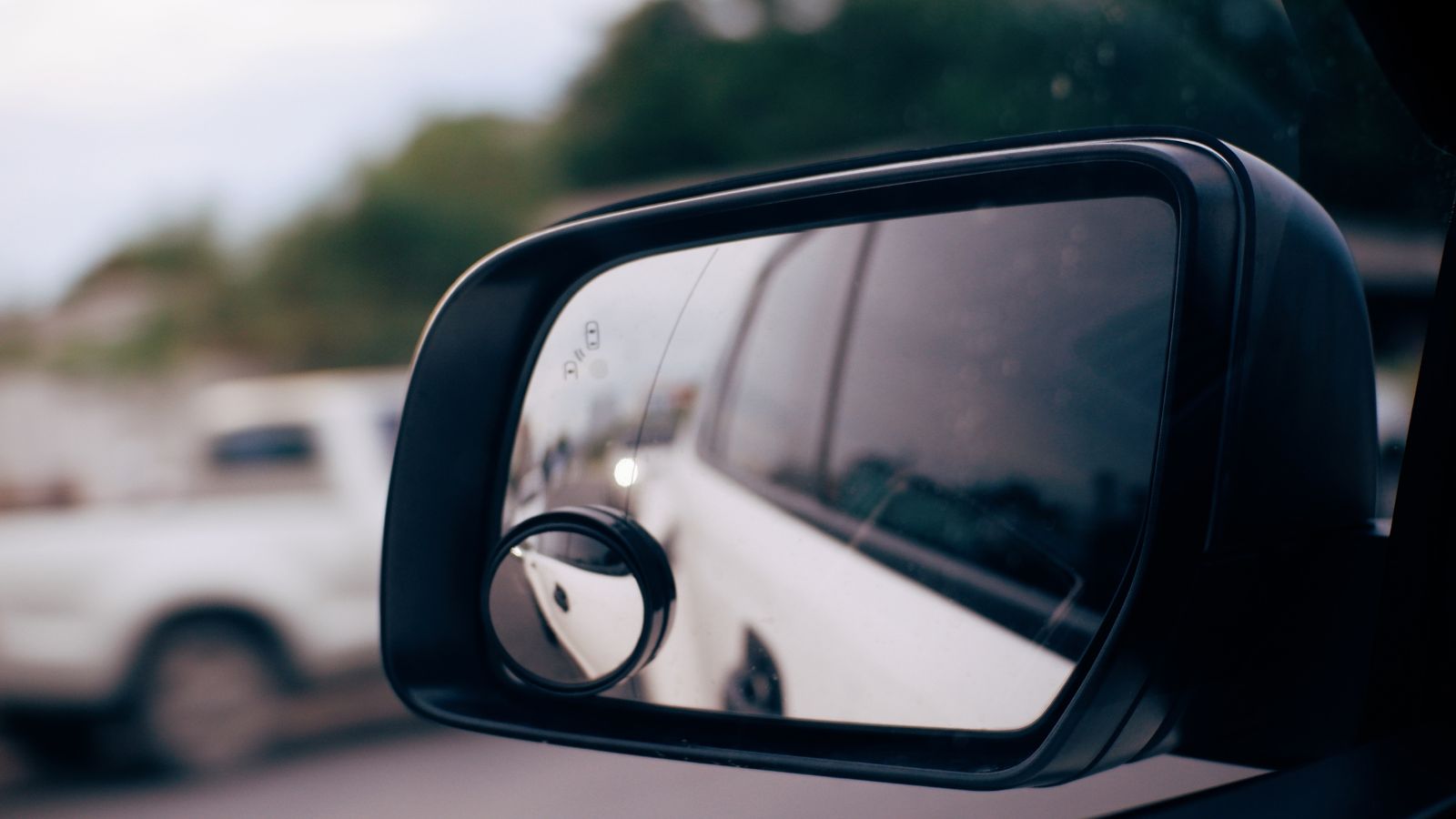
Sitting high above surrounding traffic creates one of the strongest initial appeals of an SUV. Height, however, is not the same thing as visibility. Research highlighted by IIHS found that forward visibility within 10 metres declined by as much as 58% across redesigns of three popular SUVs studied between 1997 and 2023. Higher hoods, larger mirrors, and thicker structural pillars can block areas surprisingly close to the vehicle.
Drivers often notice this problem most in places where speeds are lowest: crowded parking lots, school pickup zones, narrow residential streets, and busy intersections. Cameras and parking sensors are valuable aids, but using screens simply to understand what is immediately around the front corners can make a large SUV feel less effortless than expected. A vehicle marketed around a commanding driving position may therefore demand more concentration during mundane manoeuvres. For an owner who rarely needs the SUV’s maximum interior capacity, repeatedly managing its blind zones can gradually outweigh the pleasure of sitting higher.
Three Rows Do Not Automatically Mean Unlimited Cargo
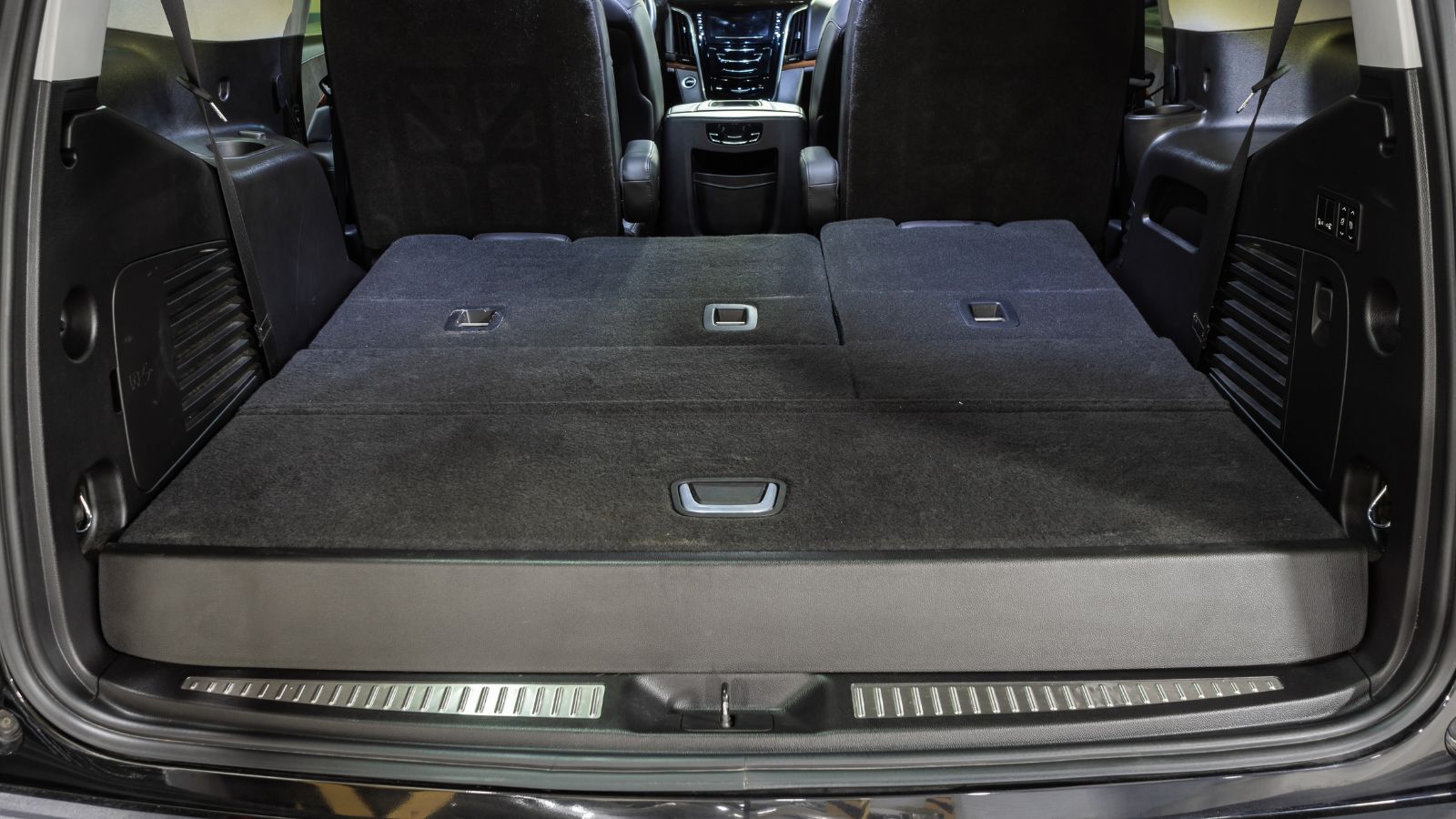
A giant exterior creates an expectation of giant storage space, yet passenger and cargo requirements compete for the same interior volume. Chevrolet lists 25.5 cubic feet of cargo capacity behind the third row in the 2026 Tahoe. Ford lists about 22.9 cubic feet behind the third row in some standard-wheelbase 2026 Expedition configurations, although the longer Expedition MAX expands that substantially. Those figures are useful, but they also illustrate why the answer to “How much can it carry?” depends heavily on which seats are occupied.
Family travel makes the compromise obvious. With every seat needed, bulky strollers, coolers, sports equipment, suitcases, or pet crates can consume the remaining cargo area faster than expected. Folding the third row creates tremendous room, but doing so also eliminates part of the seating capacity that helped justify purchasing the vehicle. Some owners eventually realize that a well-packaged midsize crossover or minivan could have handled their real passenger-and-cargo pattern with less exterior bulk.
Most Trips Never Use All Those Seats

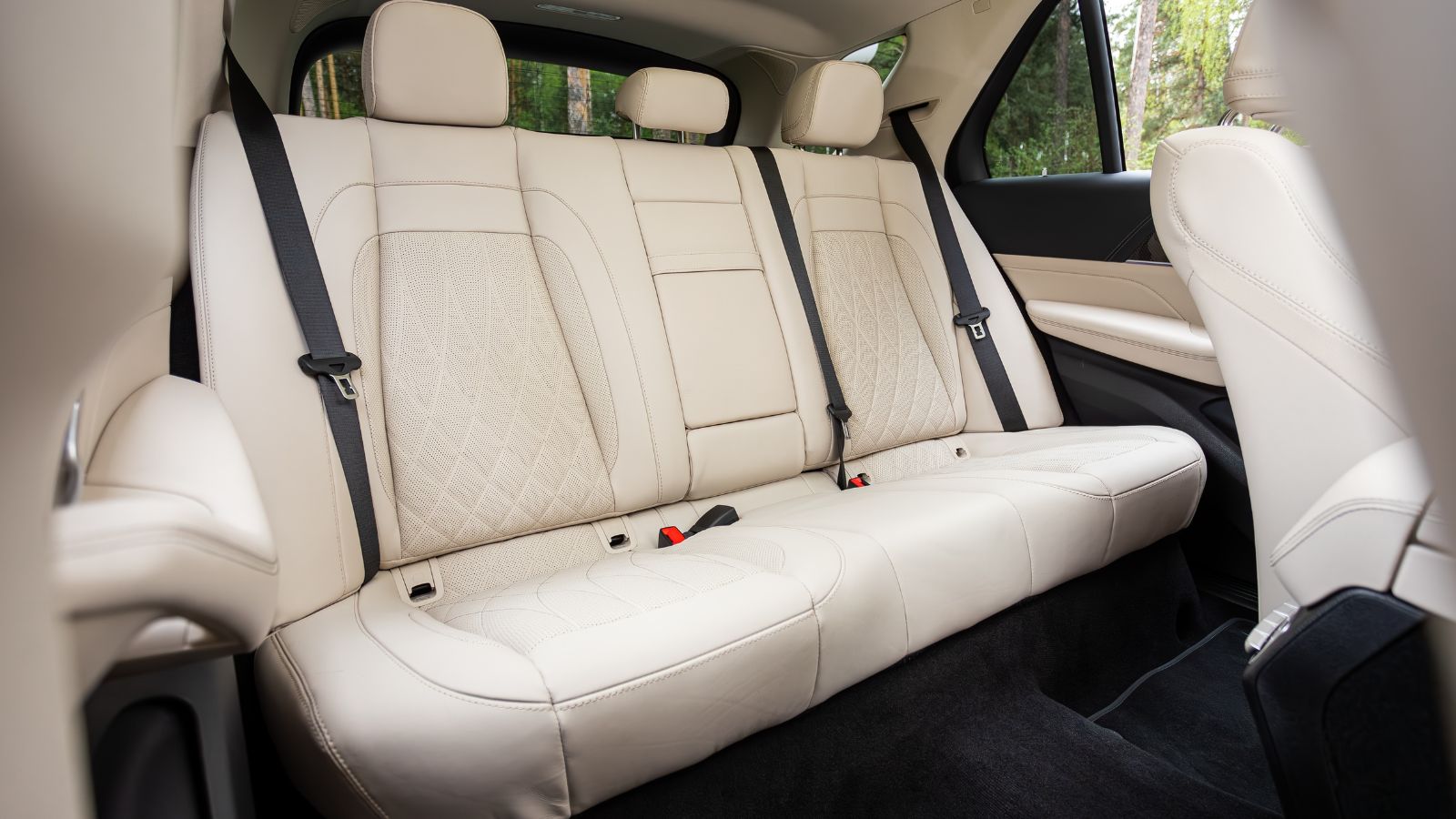
Buying for the biggest imaginable family trip can mean carrying empty capacity during the other 95% of ordinary life. Data from the 2022 National Household Travel Survey found that U.S. household vehicles averaged only 1.5 occupants per trip. SUVs and crossovers were somewhat higher at 1.7 occupants, but even that figure remains far below the seven-, eight-, or occasionally nine-person capacity advertised by large three-row models.
That mismatch does not mean large SUVs are pointless. Families with several children, frequent car pools, elderly relatives, or regular group travel can genuinely use them. The regret tends to appear when exceptional situations were allowed to dictate the everyday purchase. A household may discover that six seats are occupied during one holiday road trip but only one or two seats are occupied throughout hundreds of commuting and grocery trips. Once fuel, parking, and maintenance costs enter the calculation, maintaining three rows for rare occasions can start looking like an expensive form of preparedness.
The Safety Benefit Eventually Reaches a Ceiling
Large vehicles do provide real protection advantages in many crashes, and dismissing that benefit would be misleading. Greater mass and longer structures can reduce forces experienced by occupants when compared with much smaller vehicles. Recent IIHS research, however, found that the benefit of adding more weight diminishes once vehicles are already heavier than the fleet average. Bigger does not translate into endlessly increasing protection.
IIHS examined crashes involving newer cars, SUVs, and pickups and found an average vehicle weight of approximately 4,000 pounds in its sample. Above that point, additional mass produced little further reduction in occupant fatality risk while potentially increasing danger to people in lighter vehicles. The finding challenges a common purchasing instinct: if a midsize SUV feels safer than a compact car, the biggest SUV available must be safer still. For buyers who stretched financially primarily for perceived protection, learning that the relationship has diminishing returns can fundamentally change how they view the purchase.
Pedestrian Safety Can Become Harder to Ignore

MFajarH/Shutterstock.
A large SUV’s imposing front end may contribute to its road presence, but vehicle height and shape also matter when a pedestrian is struck. IIHS researchers studying nearly 18,000 pedestrian crashes found that pickups, SUVs, and vans with hood leading edges above 40 inches were about 45% more likely to cause pedestrian fatalities than lower vehicles with sloping profiles. Tall, blunt vehicle fronts were particularly concerning because they tend to strike higher portions of the body.
For many drivers, this risk becomes personal rather than abstract once the vehicle is regularly driven around children, cyclists, crowded shopping areas, or neighbourhood streets. Automatic emergency braking and pedestrian-detection systems are important advances, but technology does not eliminate the physical consequences associated with vehicle geometry. An owner may have bought the largest SUV partly because it felt protective around family members inside the cabin, only to become increasingly conscious of what its height and mass mean for people outside it. That can alter the emotional appeal of oversized design.
High-Riding Handling Still Comes With Trade-Offs
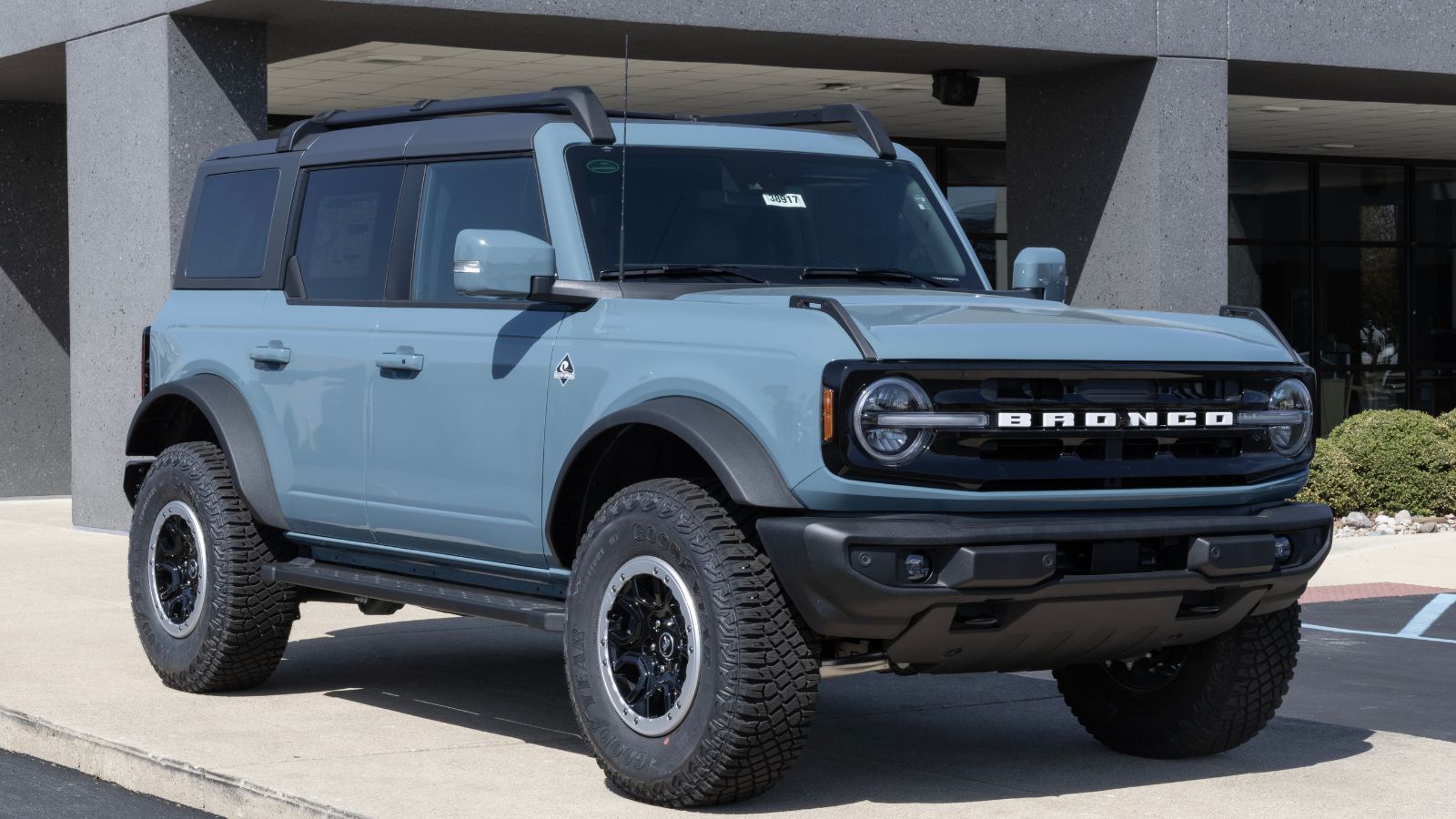
Today’s large SUVs are dramatically more composed than the lumbering utility vehicles of decades past. Electronic stability control, sophisticated suspension systems, wider tracks, active dampers, and advanced tires have made them remarkably capable. Nevertheless, height remains an important part of vehicle dynamics. NHTSA continues to include rollover resistance in its safety-rating system and specifically evaluates how “top-heavy” a vehicle is using its Static Stability Factor along with a dynamic manoeuvre test.
In ordinary driving, that does not mean a modern large SUV constantly feels unstable. The difference emerges in comparison with something lower and lighter. Tight corners, sudden lane changes, narrow roads, and rapid transitions can require greater awareness of mass and body movement. Some owners eventually discover that they preferred the more natural responses of the smaller crossover they traded in. The irony is that sophisticated suspension technology may make a huge SUV remarkably competent, yet it cannot completely remove the sensation of controlling thousands of pounds of tall vehicle.
Towing Capacity Can Turn Into Expensive Overkill
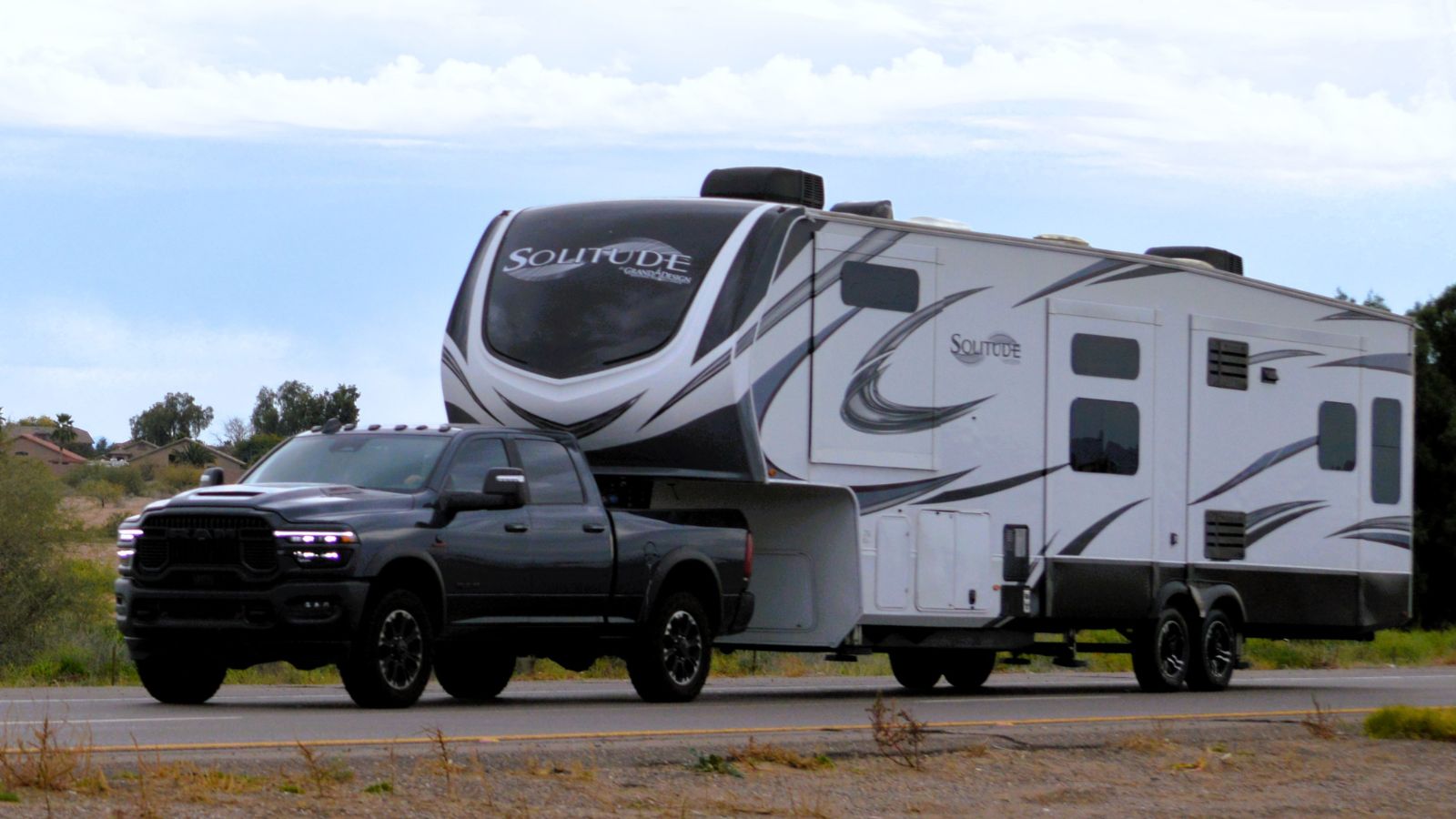
One reason full-size SUVs command high prices is that many are engineered to perform serious work. Ford lists towing capacities reaching roughly 9,000 pounds or more on properly configured Expedition models, depending on trim and equipment. Heavy-duty cooling systems, substantial frames or structures, powerful engines, trailer electronics, and robust drivetrains make these machines exceptionally versatile for households pulling boats, campers, horse trailers, or recreational equipment.
The calculation changes completely when nothing ever gets attached to the hitch. A driver who imagined buying a travel trailer someday may spend years commuting in a vehicle optimized partly for a job that never materializes. The same applies to off-road equipment, high ground clearance, low-range systems, or enormous payload capabilities. Capability has value when it solves a real problem; unused capability still carries purchase, fuel, tire, and weight penalties. For some owners, regret arrives when they realize the SUV was selected around an aspirational lifestyle rather than the one the vehicle actually experiences.
Total Ownership Cost Makes Downsizing Look Attractive

The payment visible on a finance agreement is only one part of vehicle ownership. AAA’s 2025 analysis estimated that owning and operating a new vehicle averaged $11,577 annually under its standardized assumptions. The organization includes depreciation, financing, fuel, insurance, registration and taxes, maintenance, repairs, and tires in its calculations. Depreciation alone averaged $4,334 annually across the vehicles studied, making lost value the largest single ownership expense.
That broader accounting can change how an oversized SUV feels several years into ownership. A household may be able to make the monthly payment yet still resent the accumulated cost of gasoline, premium tires, insurance, and value loss. This is where downsizing often stops feeling like a downgrade. A smaller SUV can still provide all-wheel drive, modern crash protection, comfortable seating, useful cargo capacity, and advanced technology while asking less from the household budget and parking space. The largest affordable vehicle is not necessarily the vehicle that remains comfortably affordable to live with.
19 Used Cars Canadians Should Avoid in 2026 (Based on Owner Complaints)
Buying a used car in Canada can feel safe until repair bills start stacking up. Owner complaints tell a different story than glossy listings. Transmission failures, electrical problems, and weak winter reliability show up again and again in consumer reports. Many of these issues appear after warranties expire, when owners least expect them. Some vehicles look affordable upfront, but become expensive to keep on the road. Others struggle in cold weather, urban driving, or long highway commutes. Here are 19 used cars Canadians should avoid in 2026 (based on owner complaints).
19 Used Cars Canadians Should Avoid in 2026 (Based on Owner Complaints)

Alanna Rosen is an experienced content writer that focuses on many EV and educational content. Her articles are regularly published on Get CyberTrucked and syndicated on large publications.