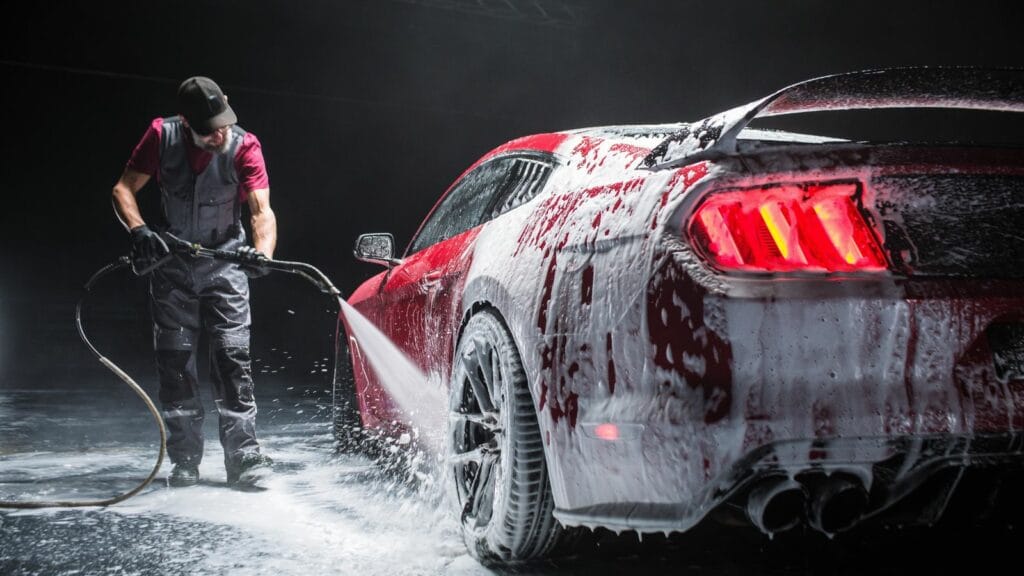
Winter grime has a way of making a vehicle look temporarily neglected, but the bigger concern is what can happen beneath that dull grey film. The costly habit is letting road salt, brine, and gritty slush remain on a vehicle for long stretches instead of washing them away during winter. Salt does not simply dissolve healthy automotive paint on contact; the more serious problems involve prolonged contamination, moisture, abrasion, exposed chips, seams, and vulnerable metal.
These 12 important points explain why leaving winter residue in place can accelerate deterioration, where damage tends to begin, and how a relatively simple cleaning routine can help preserve a vehicle’s finish through years of Canadian winters.
The Habit Is Waiting Until Spring to Wash
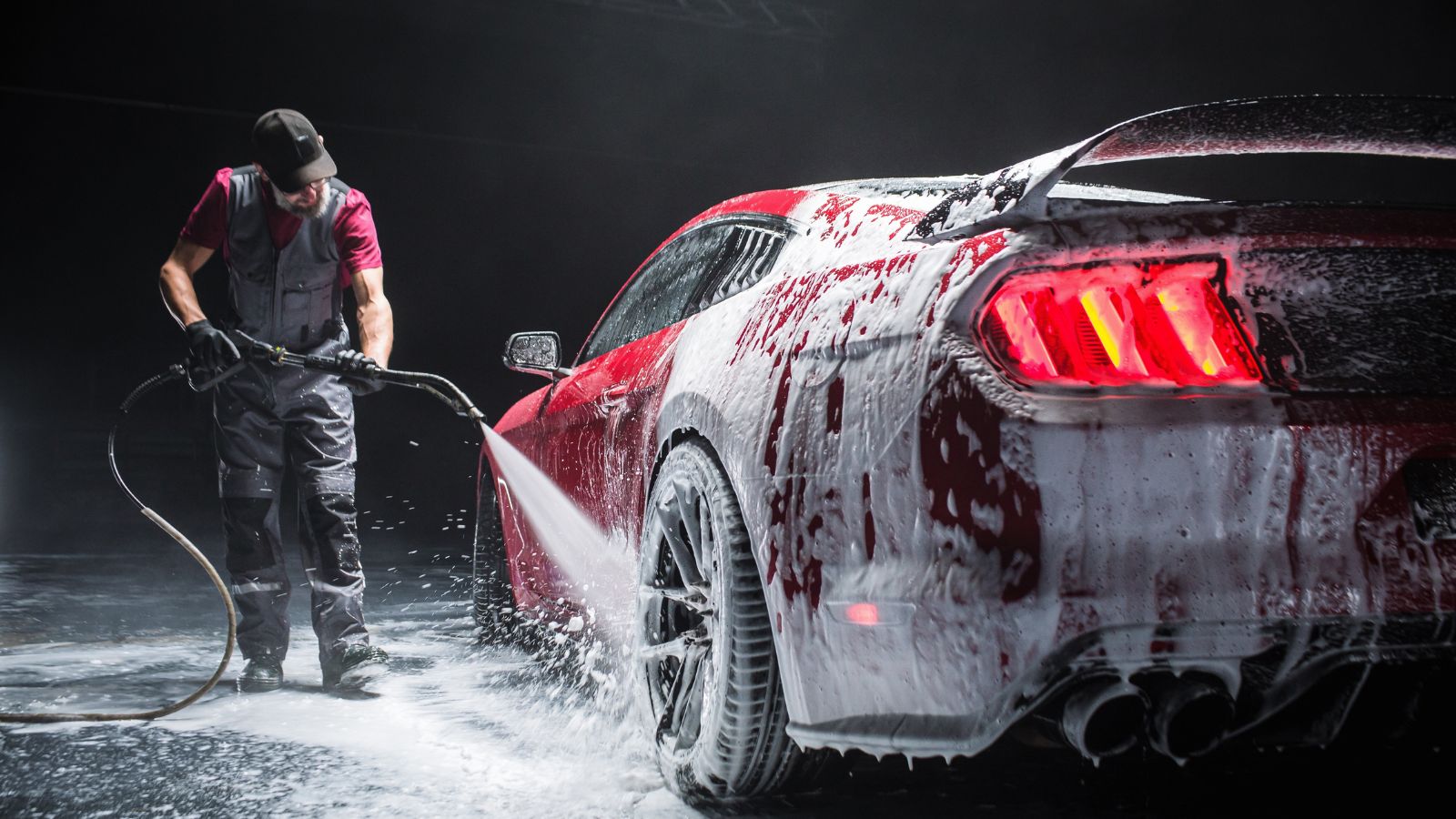
The habit that causes the most trouble is surprisingly ordinary: driving through salty winter roads, parking the car, and leaving the residue there for weeks because another storm is expected anyway. In Canada, road salt is not a minor exposure. Environment and Climate Change Canada says roughly five million tonnes are used each year to control snow and ice. That means the chalky film along doors, fenders, and bumpers is more than an appearance problem.
Manufacturers warn about this exposure for a reason. Toyota notes that road salt accelerates corrosion, while Ford lists road salt among environmental causes of paint and appearance damage that may fall outside warranty coverage. The biggest risk is not that one salty commute instantly destroys clear coat. Damage builds when contaminated moisture remains on the vehicle, especially around stone chips, seams, lower panels, and places where protective coatings have already been compromised. Waiting until spring gives that contamination a long winter residence.
Salt Becomes More Troublesome When Water Is Present
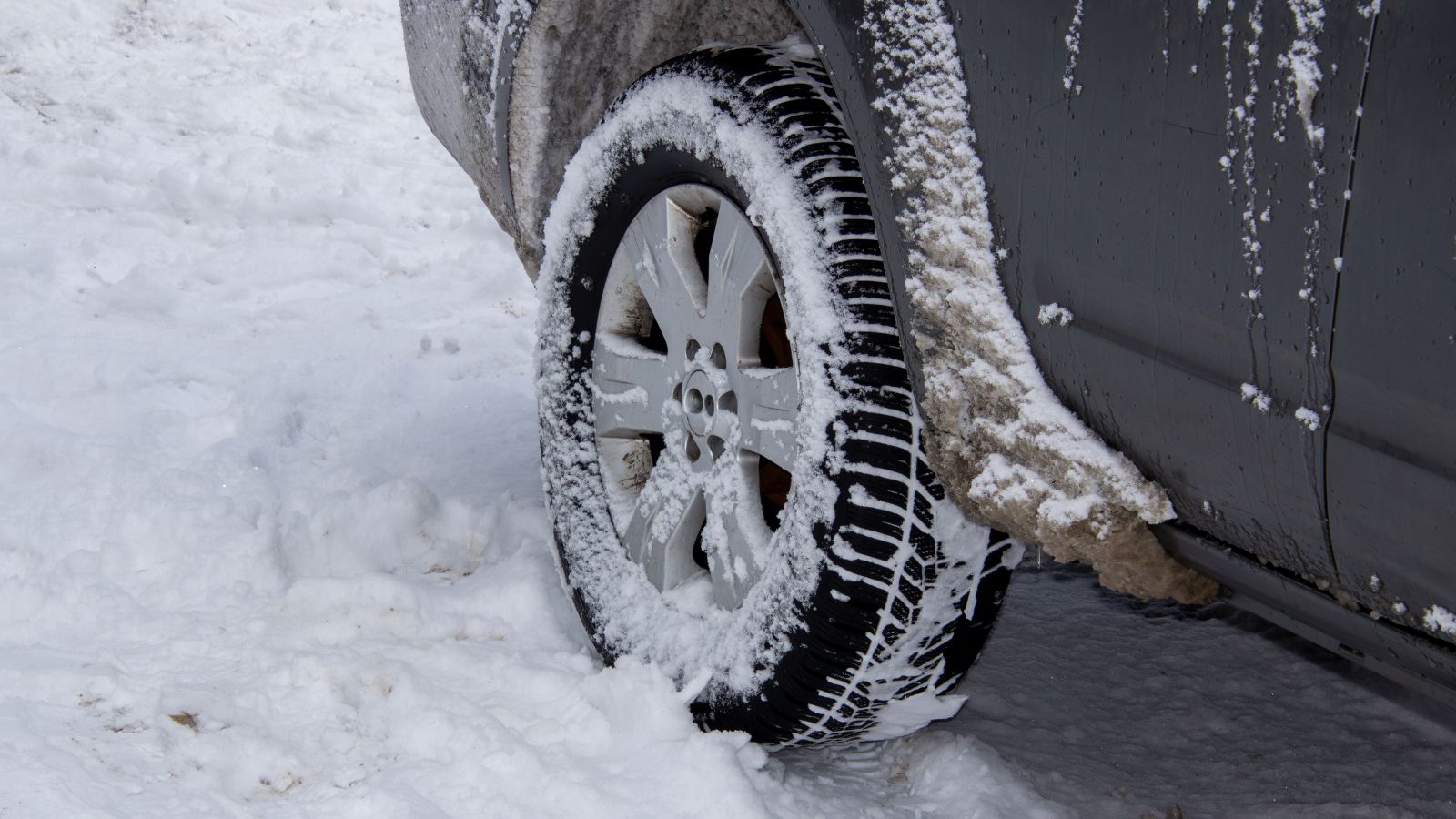
Road salt becomes more aggressive when water enters the picture. Sodium chloride, calcium chloride, and magnesium chloride all dissolve into ions, creating an electrolyte that makes electrochemical corrosion easier on exposed metal. Research on automotive galvanized steel has found that simulated snow water containing chloride deicers is more corrosive than plain snow water, and corrosion rates rise as chloride concentration increases.
That distinction matters because a winter car rarely stays completely dry. Snow melts in wheel wells, slush splashes onto rocker panels, and temperature changes repeatedly wet and dry the same surfaces. Modern paint systems include multiple protective layers, including corrosion-resistant primers and a clear coat, so intact factory paint is not defenseless. Trouble starts when salt-laden moisture reaches vulnerable edges, scratches, fasteners, chips, or poorly protected crevices. The longer contamination is allowed to remain, the more opportunities those wet-dry cycles have to act on areas where the coating barrier is weakest.
Liquid Brine Can Be Easy to Underestimate
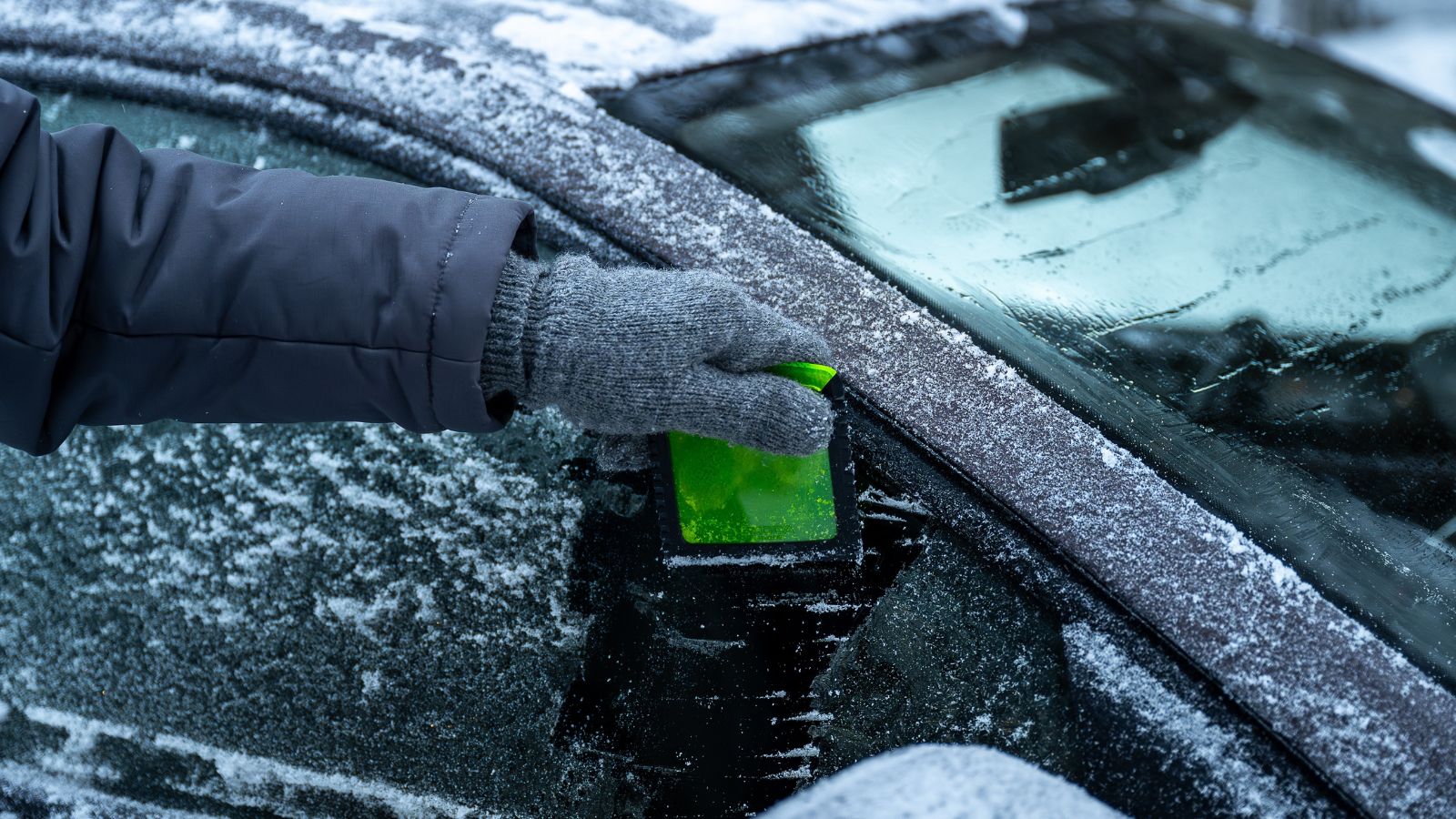
Modern winter maintenance increasingly uses more than visible crystals of rock salt. Canadian road authorities also rely on anti-icing, pre-wetting, and liquid applications that help salt work efficiently and stay on the roadway. Environment and Climate Change Canada specifically identifies anti-icing and pre-wetting among common salt-management technologies. For drivers, that can mean a vehicle picks up a thin, dirty liquid film long before obvious white salt crust appears.
That film is easy to underestimate. Spray from tires reaches lower doors, quarter panels, bumpers, wheel arches, and the underside, while traffic ahead can throw additional mist onto the front of the vehicle. Because the contamination is already mixed with water, it can coat irregular surfaces and collect in seams. A car may therefore look merely dull rather than heavily salted while still carrying chloride residue. Judging wash timing only by whether thick white deposits are visible can leave the most exposed parts contaminated for much longer than intended.
Winter Grime Can Turn Into Sandpaper
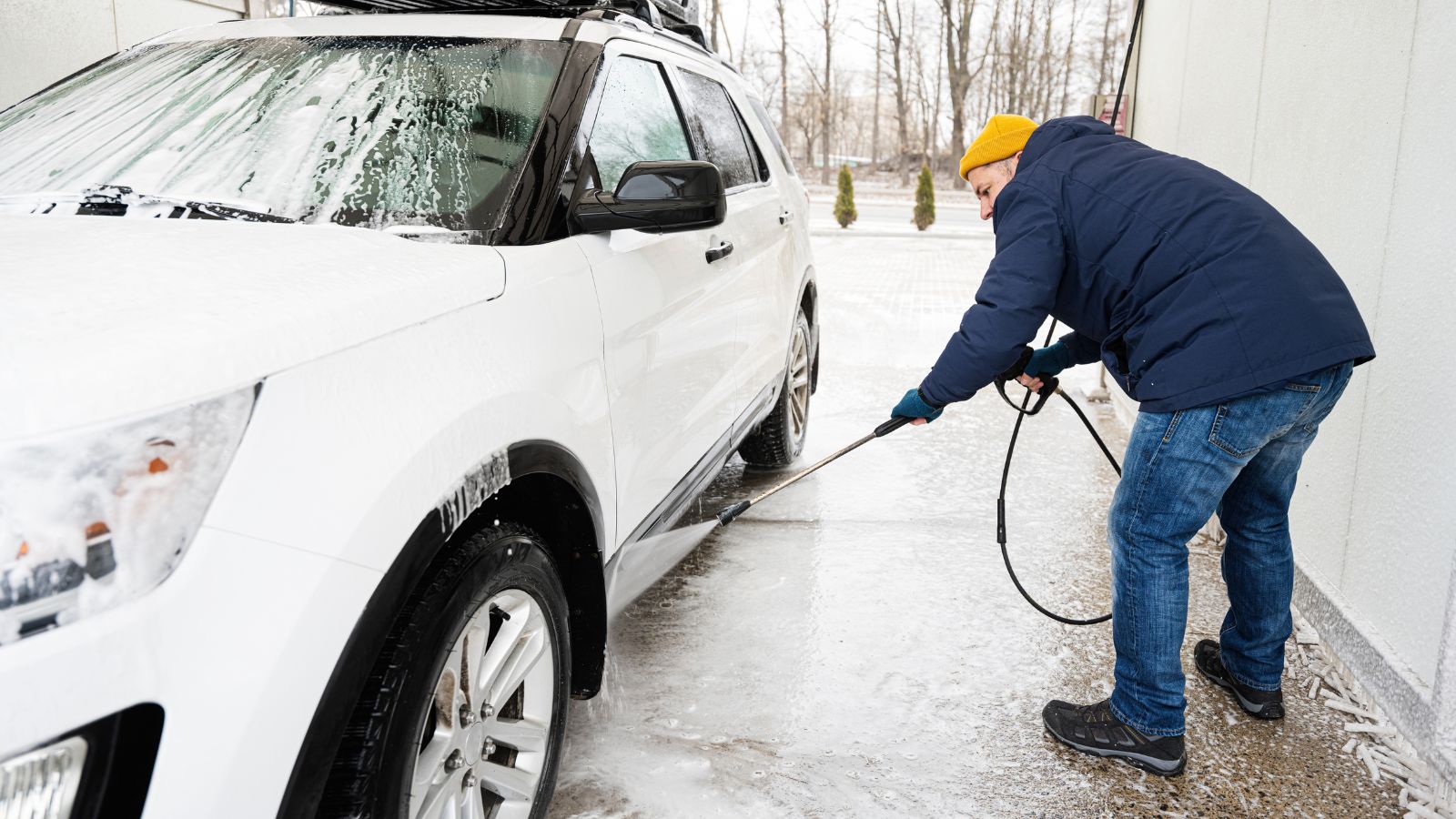
Winter grime is not chemically troublesome only; it can also become abrasive. Canadian road maintenance commonly combines chloride salts with sand or other abrasives, and those particles can end up stuck to the vehicle with slush and road film. BCAA specifically cautions against simply wiping salt off a dirty vehicle because the grains can scratch paint. CAA North & East Ontario similarly warns that scrub brushes can grind rough salt and sand into the finish.
That makes the “quick wipe” at a gas station or in a garage a poor substitute for a rinse. Modern clear coat is designed to resist weathering and abrasion, but it is still a relatively thin upper layer whose job is to protect the colour coat beneath it. Dragging gritty contamination across the surface can create fine scratches and swirl marks that reduce gloss. In winter, the safer sequence is to loosen and flush away particles with water first, then use a paint-safe washing method rather than rubbing dry grime across the panel.
A Tiny Stone Chip Changes the Equation
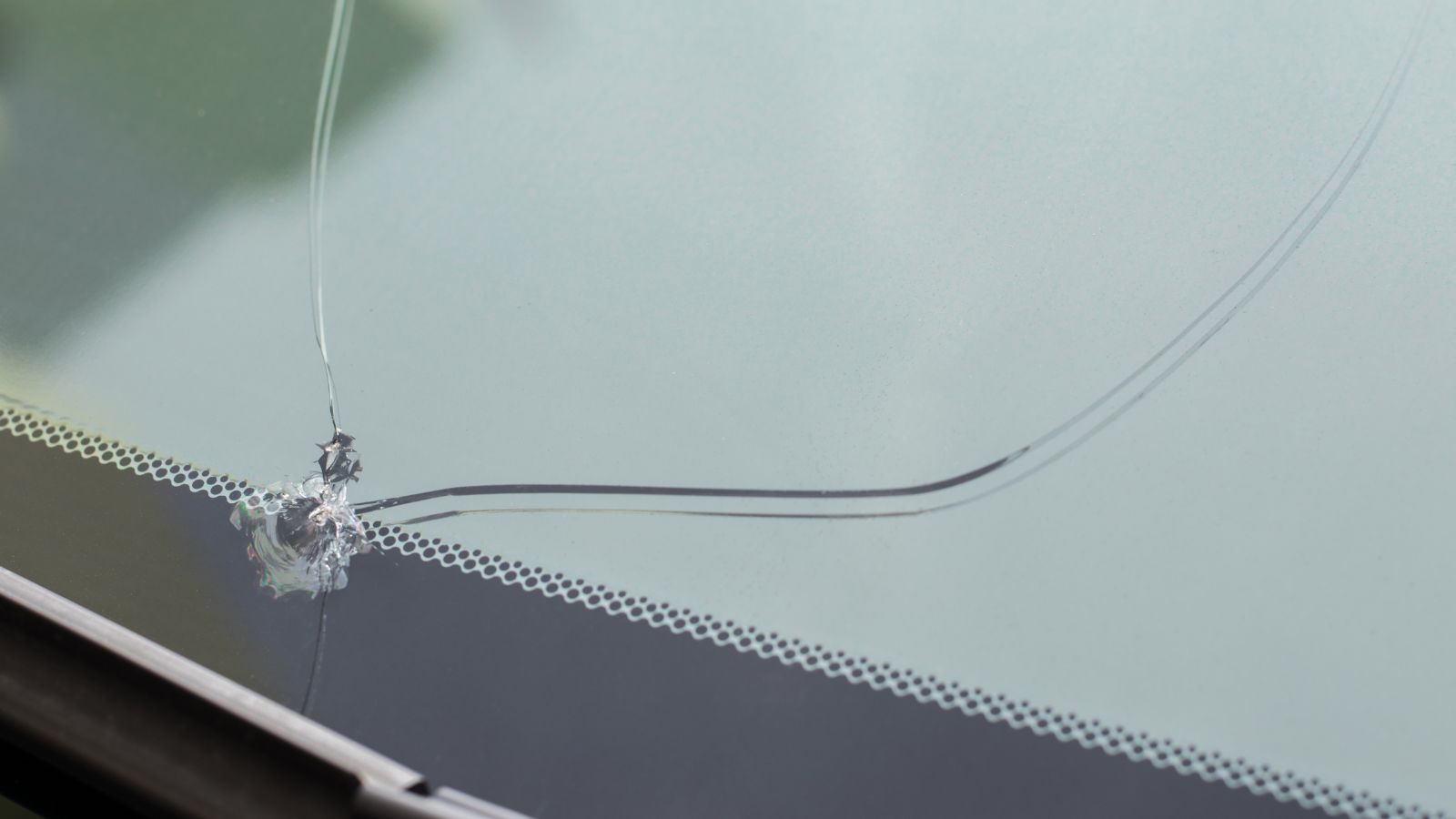
A tiny stone chip can change the risk dramatically because paint is part of the vehicle’s corrosion-protection system. Automotive coating research describes primers and electrocoat layers as key barriers against corrosion and stone damage. Once a chip penetrates enough of that system, bare or less-protected metal may be exposed. Winter roads then supply exactly what corrosion needs: moisture, oxygen, and chloride-rich contamination.
This is why small chips around the hood edge, wheel arches, rocker panels, and lower doors deserve attention before they become obvious rust spots. CAA recommends touching up small scratches caused by road salt or rocks, and manufacturer warranty language often separates environmental damage such as chips, scratches, and road salt from factory defects. A pinhead-size blemish may look cosmetic during the first snowfall, but repeated exposure can allow corrosion to start at the defect and spread beneath surrounding coating. Cleaning the area and using the manufacturer’s recommended touch-up process is far cheaper than repairing a larger blistered section later.
Wheel Arches and Rocker Panels Take the Punishment
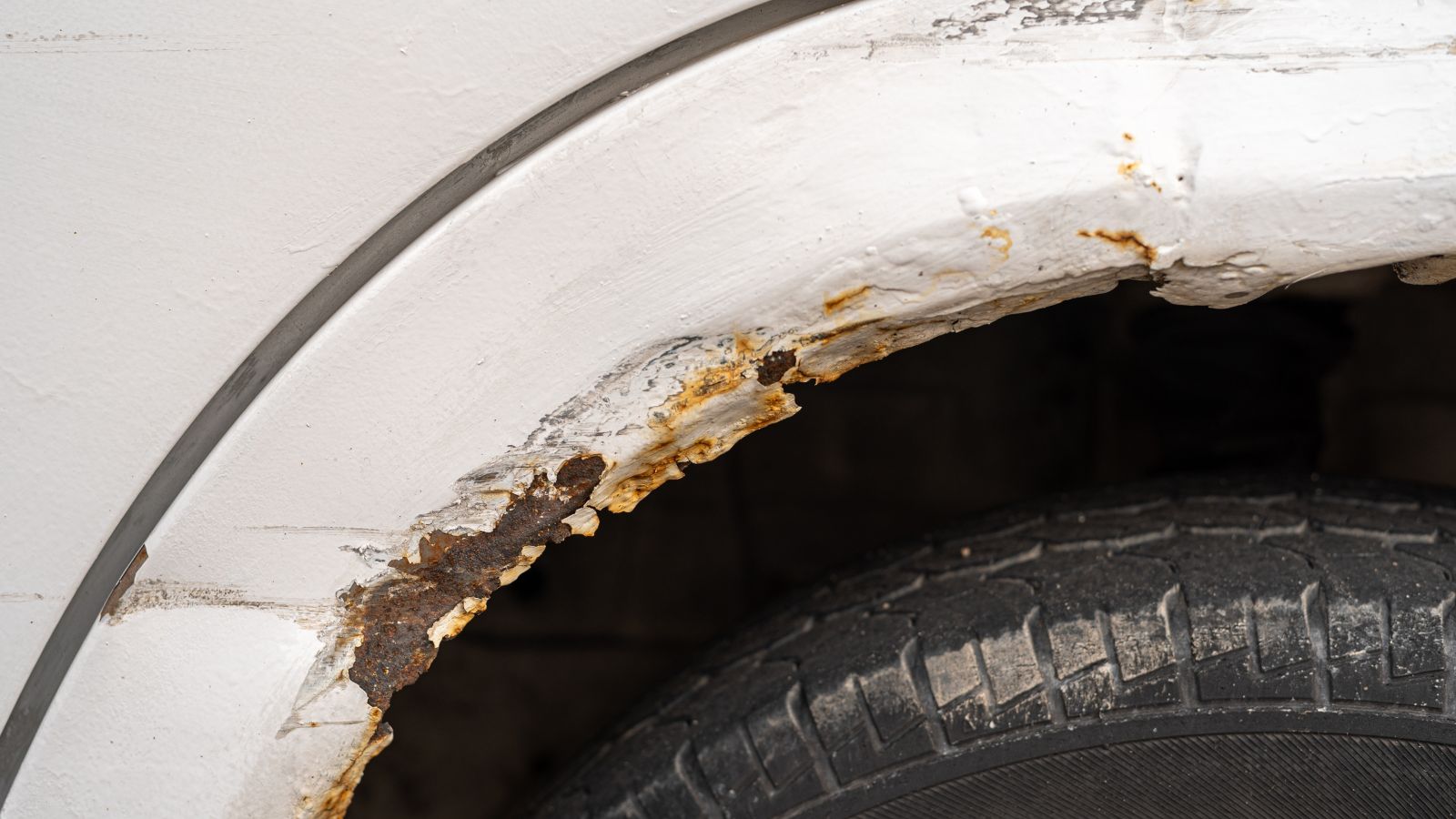
The dirtiest-looking panel is not always the most important one. Wheel wells, rocker panels, lower door edges, and the underbody sit directly in the path of spray thrown by rotating tires. Toyota Canada tells owners to focus winter washing on the undercarriage, wheel wells, and lower panels, while CAA guidance repeatedly highlights the same areas because salt tends to collect there. Those locations also contain seams, joints, fasteners, and drainage points that are harder to inspect.
Visible paint can suffer indirectly when corrosion begins at an edge or from the backside of a panel. A clean hood does little good if salty slush remains packed behind a wheel-arch lip or around a rocker seam. This is one reason a winter wash should not be treated as a cosmetic rinse of the roof, hood, and doors. Directing water into wheel wells and choosing an underbody rinse helps remove residue from the areas that receive the heaviest road spray and are easiest to overlook.
Waiting for Perfect Washing Weather Can Backfire
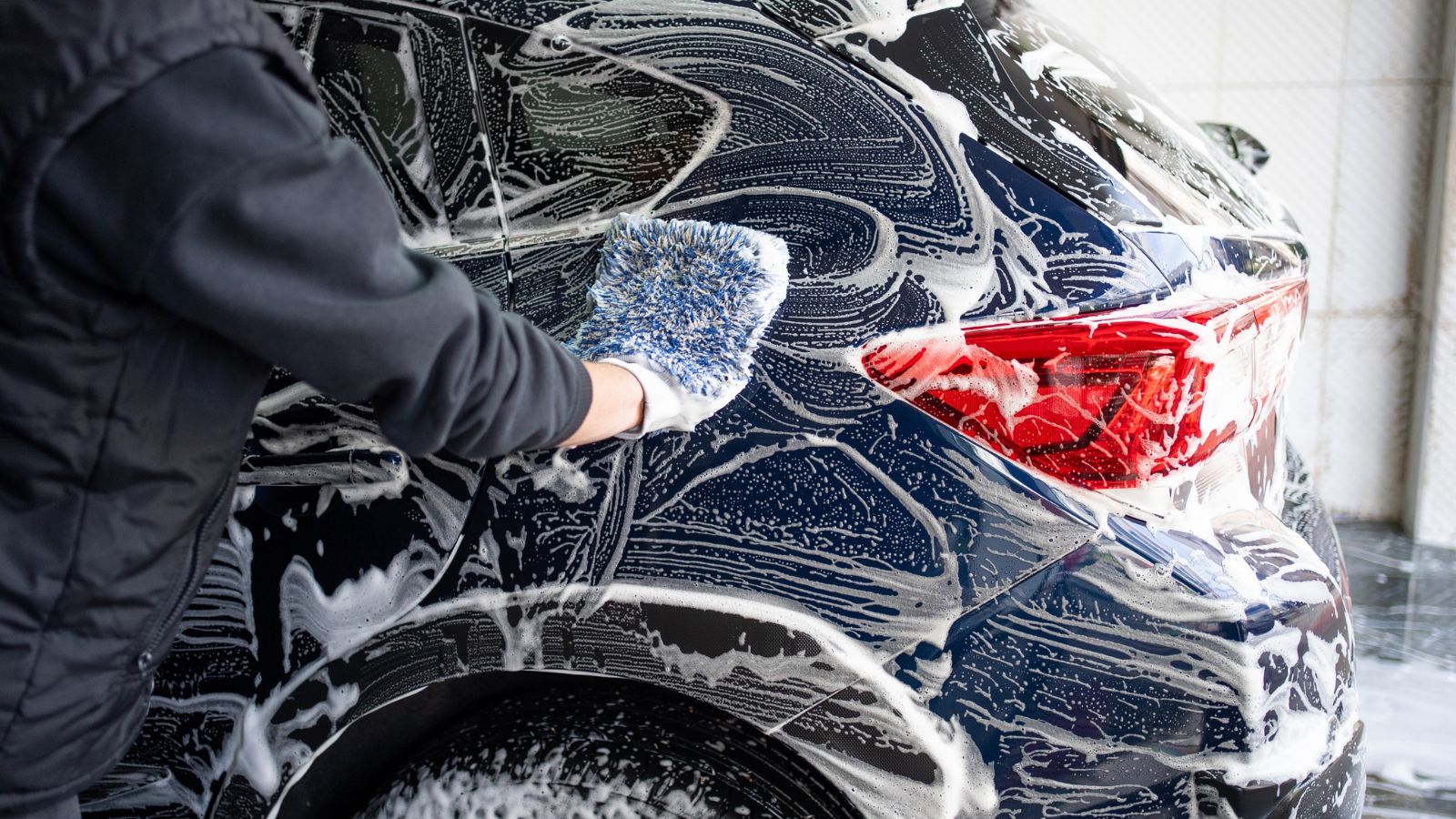
Many drivers wait for a perfect stretch of warm, dry weather before washing, but Canadian winter rarely offers that luxury. CAA North & East Ontario recommends regular cleaning through the snowy season and says a generally reasonable interval is every two to four weeks, with more frequent washing when the vehicle is salty. AAA’s 2026 guidance is even more conservative for heavy salt exposure, recommending at least every two weeks and more often after heavily salted roads.
The important point is not to follow a rigid calendar regardless of conditions. A commuter travelling daily on treated highways can accumulate contamination much faster than a car that stays parked during storms. After a major snow event, road crews may apply substantial deicer, and spray can remain heavy for several days. If the lower body is coated in white residue or salty road film, postponing cleaning for a month simply because winter is not over extends the exposure. Frequency should follow contamination, not the season’s end date.
Rinse First and Scrub Later
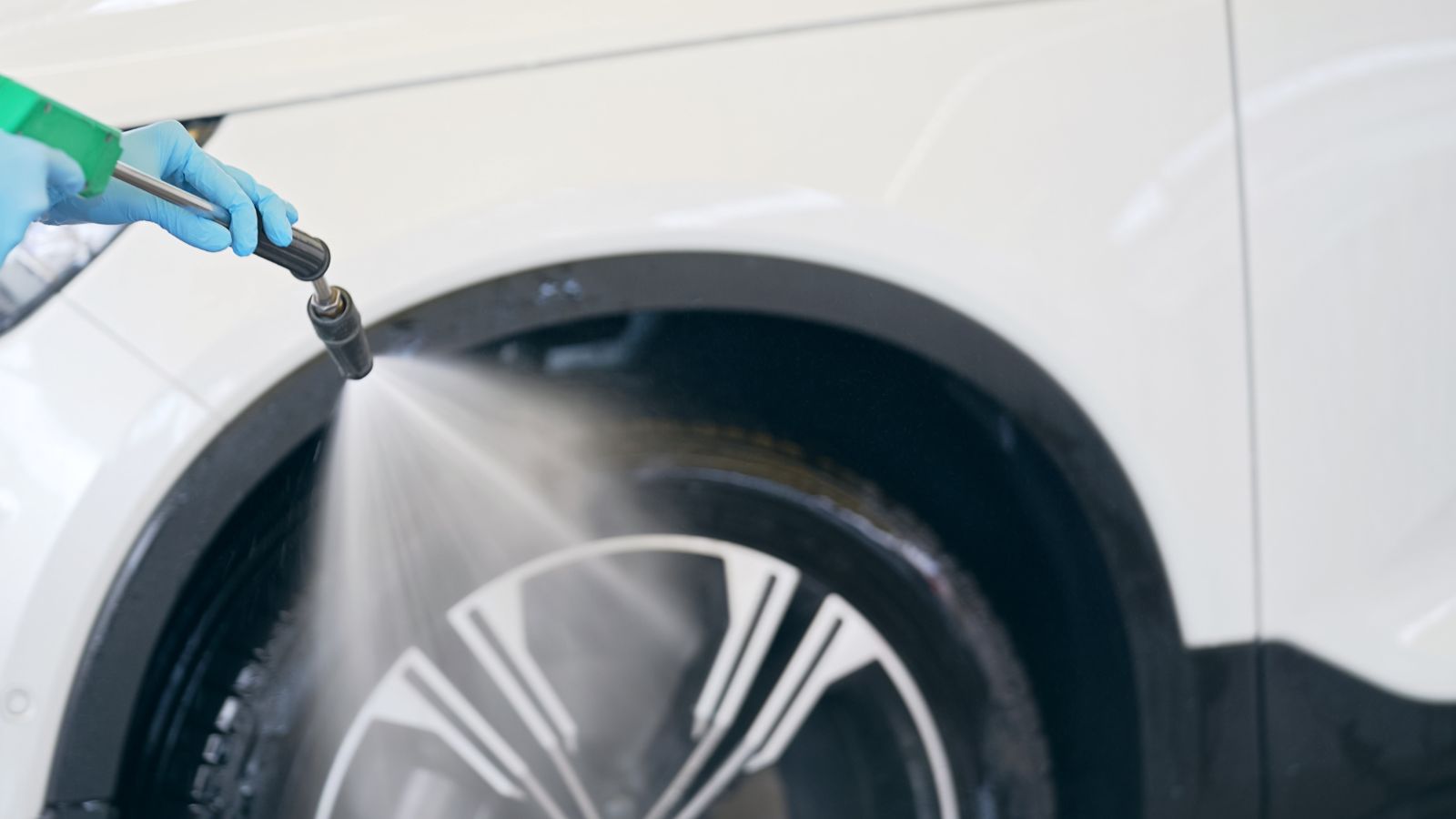
The first stage of a winter wash should be removal, not scrubbing. AAA advises rinsing loose salt before the main wash specifically to help protect paint, and Canadian motoring organizations give similar warnings about rubbing gritty winter deposits across a vehicle. A strong preliminary rinse carries away much of the sand, salt, and road film that would otherwise be trapped between a wash mitt or brush and the clear coat.
That simple order can make a noticeable difference to appearance over several winters. Fine scratches are often most visible under bright sunlight, where repeated abrasion creates a hazy or swirled look on darker colours. Rinsing first also helps expose what actually remains bonded to the paint, allowing soap to handle the film instead of relying on pressure from a brush. The goal is not aggressive cleaning; it is controlled removal. Flush the vehicle from top to bottom, spend extra time on lower panels and wheel arches, then wash with products and tools designed for automotive finishes.
The Undercarriage Is Part of Paint Protection
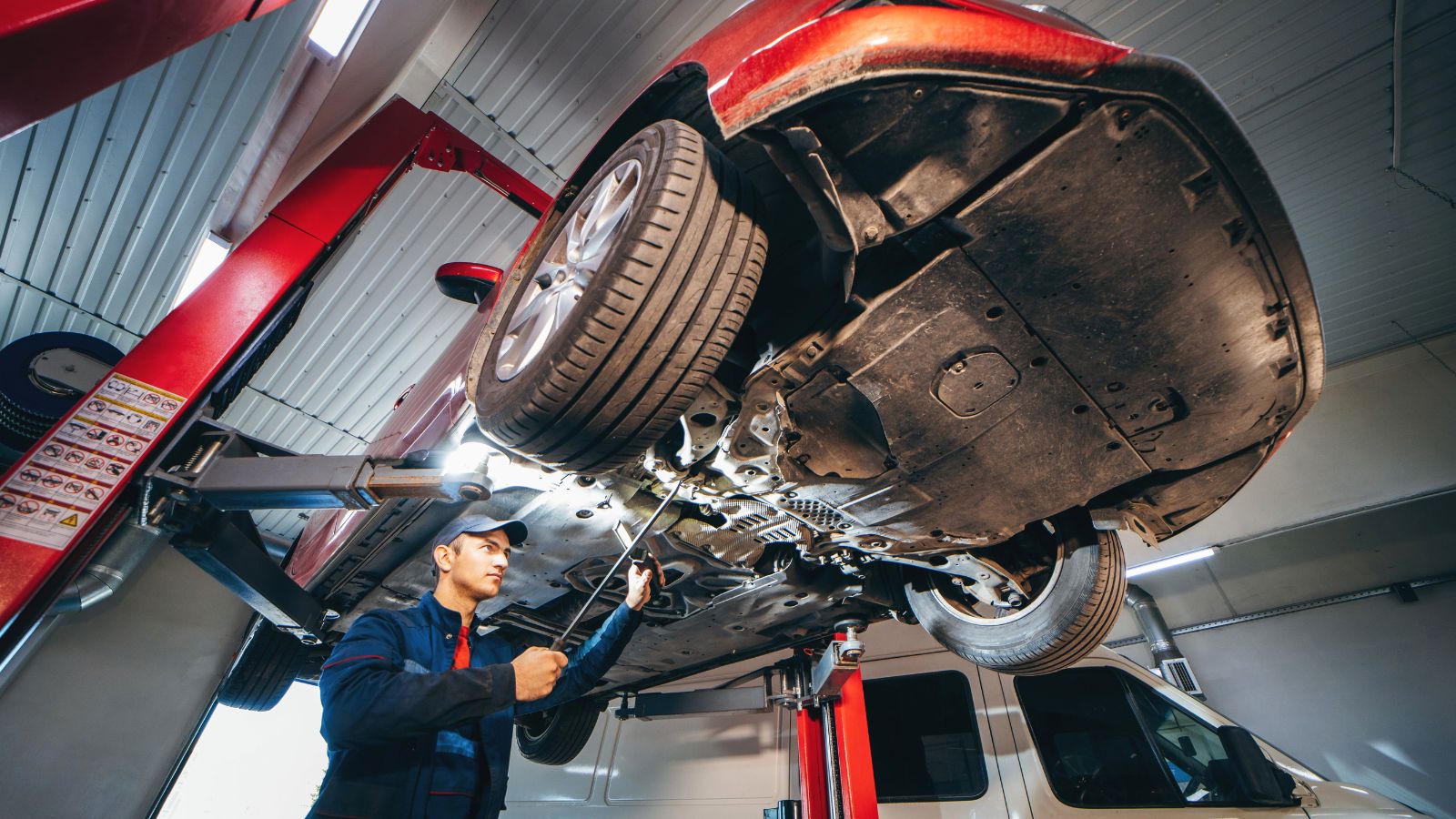
An underbody rinse may sound unrelated to paint, yet it is one of the most important parts of winter appearance care. Salt that accumulates underneath can attack brackets, seams, fasteners, and the backside of body panels, while wheel-well contamination sits close to painted fender and quarter-panel edges. Toyota Canada, CAA, BCAA, and AAA all emphasize cleaning these lower or hidden areas rather than washing only what can be seen from standing height.
The practical lesson is to choose a wash that actually reaches them. Many automatic facilities offer an undercarriage spray, while self-serve bays allow extra time around wheel wells and rocker areas. The exact equipment matters less than removing the residue. Even a beautifully polished upper body can develop ugly bubbling around a lower seam if corrosion starts where moisture and salt remain trapped. A complete winter wash therefore treats the underside and wheel arches as part of preserving the exterior finish, not as optional mechanical housekeeping.
Aggressive Scrubbing Can Create New Damage
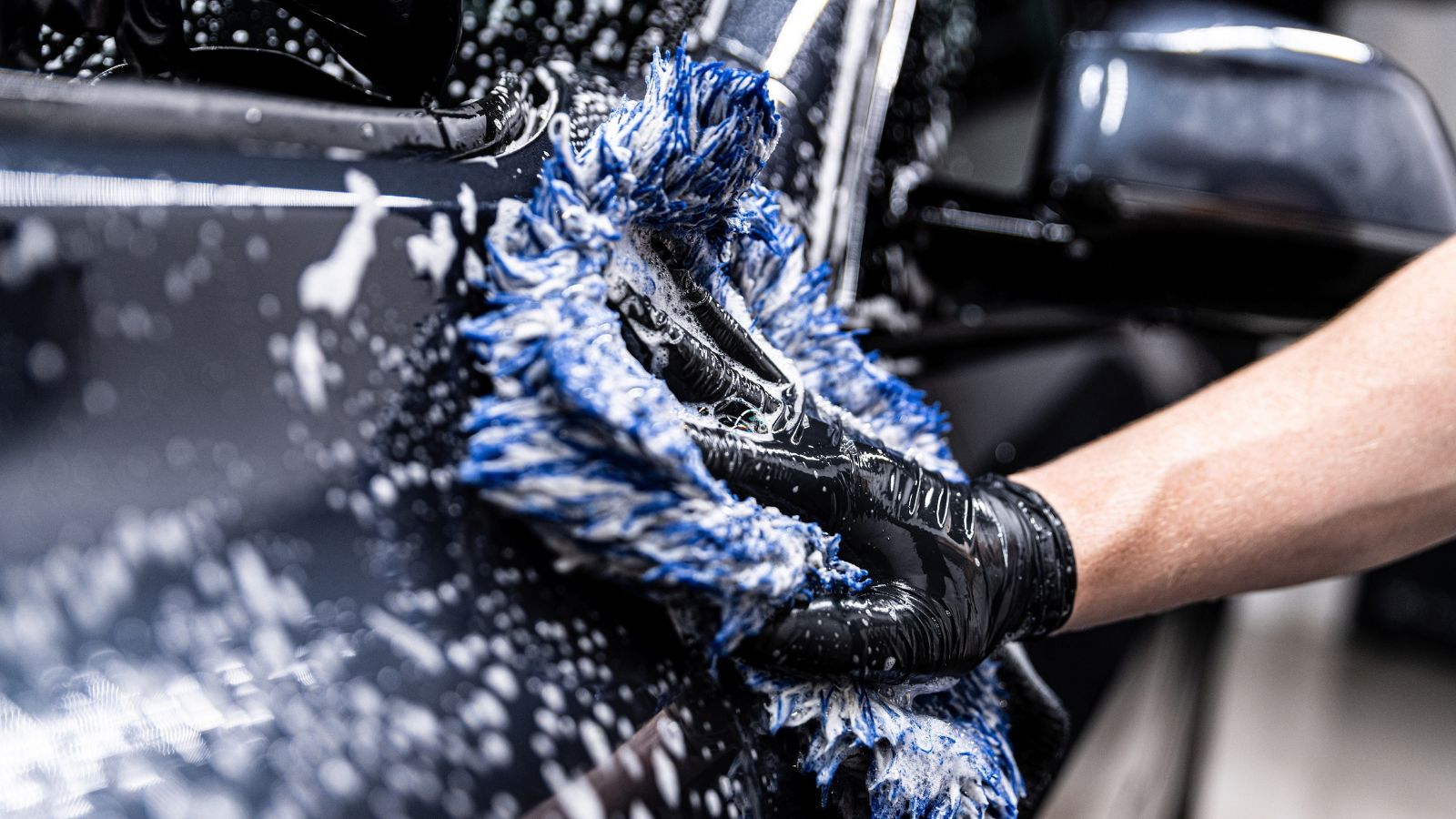
Winter washing can protect paint, but the wrong technique can create its own damage. CAA warns against dense scrub brushes when salt and sand are present because they can grind abrasive particles into the finish. Ford recommends regular washing with cool or lukewarm water and a neutral-pH automotive shampoo, while manufacturer guidance broadly cautions against harsh household detergents or abrasive cleaners that can discolor, scratch, or otherwise damage painted surfaces.
Touchless washing can be useful when a vehicle is heavily contaminated because it reduces direct contact with gritty paint, though no wash method is perfect for every vehicle or finish. Hand washing can also be safe when clean mitts, proper automotive soap, and a thorough pre-rinse are used. What matters most is avoiding the instinct to attack stubborn winter dirt with force. More pressure from a dirty brush does not equal better care. The safest winter cleaning usually relies on water, suitable chemistry, clean tools, and minimal friction.
Wax Helps, but It Cannot Replace Washing
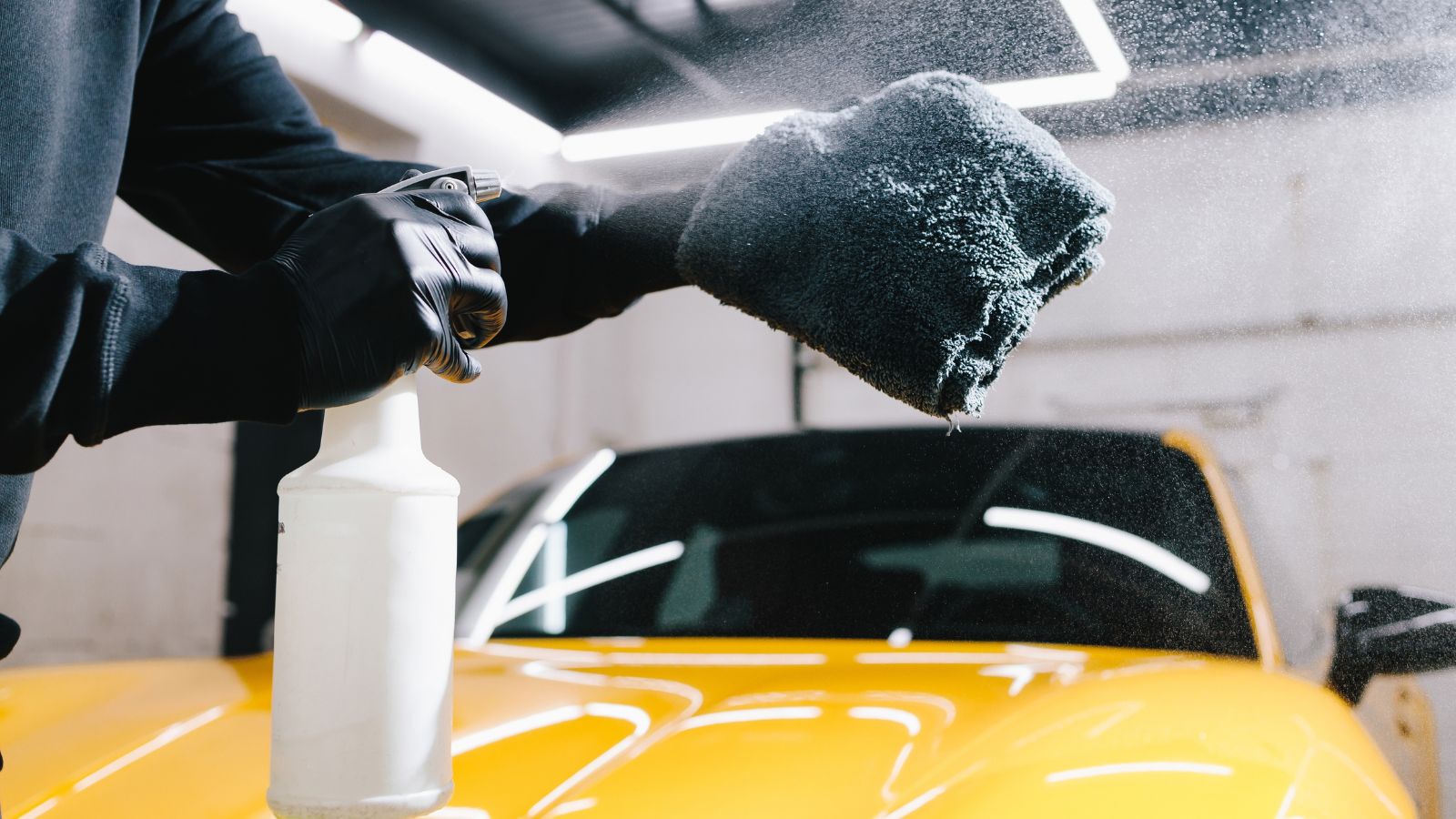
A protective wax or sealant can help, but it should be viewed as a supplement rather than permission to stop washing. AAA recommends applying fresh wax before winter to help shield paint from salt and moisture, and CAA also suggests waxing as an extra layer of protection. These products can make water bead and reduce how strongly grime clings to the surface, which may make subsequent cleaning easier.
They cannot, however, repair a deep chip, seal every body seam, or neutralize unlimited salt buildup. Road spray still reaches wheel wells, underbody components, panel edges, and areas that were never waxed. Even the best-looking beading on a hood says little about what is happening under a rocker panel. A sensible routine is therefore layered: start winter with clean paint and appropriate protection, wash contamination off during the season, inspect chips and scratches, and renew protection as the product manufacturer recommends. Wax is a barrier, not a force field.
The Better Winter Habit Is Simple and Repeatable
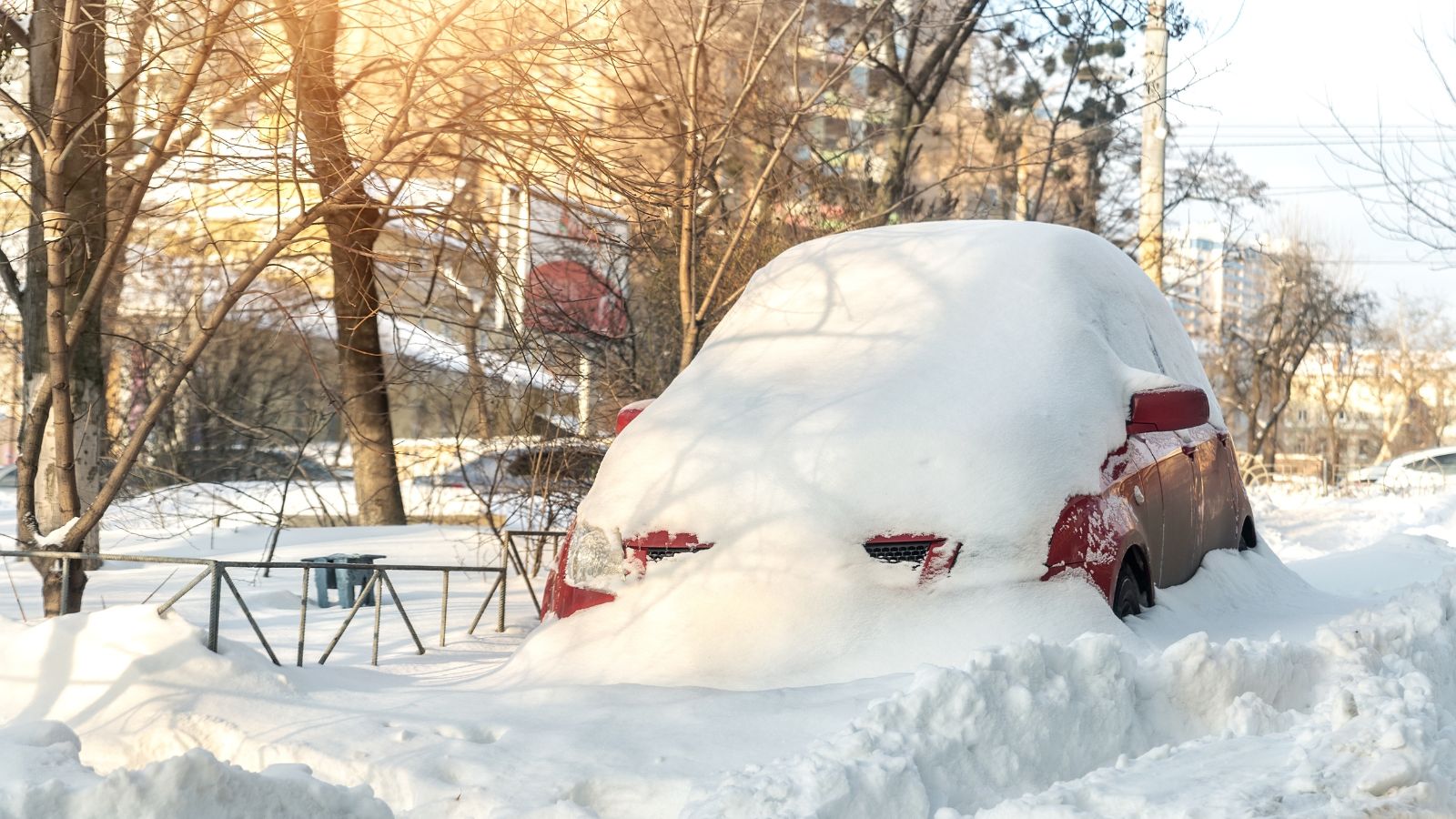
The paint-preserving winter habit is ultimately simple: do not let salt and gritty slush become permanent passengers. After heavy exposure, rinse the vehicle when conditions allow, paying close attention to lower panels, wheel wells, and the underbody. Flush loose contamination before making physical contact with the paint, then use automotive-safe soap and clean tools. Dry accessible areas so water does not freeze around seals or trim, and inspect fresh chips while the surface is clean.
That routine is less dramatic than rustproofing advertisements or expensive detailing packages, but it addresses the exposure manufacturers and motoring organizations repeatedly flag. Canada uses road salts because they materially improve winter road safety, so avoiding them entirely is unrealistic. The practical goal is controlling how long they remain on the vehicle. Drivers who wait until spring may save a few washes, yet they give chloride residue, moisture, and abrasive grit months to work on vulnerable areas. Regular removal is the low-cost habit that keeps winter grime from becoming lasting paint and corrosion damage.
19 Used Cars Canadians Should Avoid in 2026 (Based on Owner Complaints)

Buying a used car in Canada can feel safe until repair bills start stacking up. Owner complaints tell a different story than glossy listings. Transmission failures, electrical problems, and weak winter reliability show up again and again in consumer reports. Many of these issues appear after warranties expire, when owners least expect them. Some vehicles look affordable upfront, but become expensive to keep on the road. Others struggle in cold weather, urban driving, or long highway commutes. Here are 19 used cars Canadians should avoid in 2026 (based on owner complaints).
19 Used Cars Canadians Should Avoid in 2026 (Based on Owner Complaints)

Alanna Rosen is an experienced content writer that focuses on many EV and educational content. Her articles are regularly published on Get CyberTrucked and syndicated on large publications.