
A used car can look spotless, drive quietly, and arrive with a reassuring story attached to it. That does not necessarily make the story true. Some of the most expensive mistakes happen when a convenient sales line is mistaken for evidence—whether it involves mileage, accident history, certification, financing, maintenance, or a freshly detailed engine bay. Modern history databases and inspections have made used-car shopping more transparent, but none provides a perfect shortcut around careful checking. These 22 used-car lies and misleading claims remain especially persuasive because many contain a small piece of truth. Knowing where that truth ends can make the difference between finding a dependable vehicle and inheriting someone else’s costly problems.
“It’s a One-Owner Car, So It Must Have Been Babied”

“One owner” sounds reassuring because it suggests a simple history rather than years of unknown drivers. Yet the number of previous owners says surprisingly little about how a vehicle was actually treated. A single owner can skip oil changes, postpone repairs, drive aggressively, or leave a vehicle outside through years of harsh weather. Conversely, a car with two or three conscientious owners may have meticulous maintenance records and fewer deferred problems. Ownership count is useful context, but it is not a maintenance certificate.
Service history deserves considerably more attention. Buyers should compare maintenance records with the manufacturer’s recommended intervals and look for evidence of routine work such as fluid changes, brakes, filters, and major scheduled services. An organized set of receipts can reveal more about a vehicle’s past than the “one owner” badge in an advertisement. The better question is not how many people possessed the keys, but what those people did while they had them.
“The History Report Is Clean, So It Has Never Been Crashed”

A clean vehicle-history report can create an immediate sense of relief, but “clean” does not mean “accident-proof.” History-report companies depend on information reaching their databases from insurers, repair facilities, government agencies, auctions, and other reporting sources. If damage was repaired privately, never reported to insurance, or simply failed to enter a particular database, the collision may never appear. Consumer Reports specifically warns that not every crash is captured by history reports.
That makes the physical car just as important as the paperwork. Mismatched paint, uneven panel gaps, overspray, unusual welding, replacement fasteners, and inconsistent body-panel finishes can all justify closer examination. An independent mechanic or collision-repair professional may detect evidence that a database missed. A history report remains valuable because it can reveal title problems, recorded accidents, mileage events, and other warning signs. The mistake is treating silence on the report as proof that nothing happened.
“Lower Mileage Always Means a Better Car”

Low mileage usually raises a used vehicle’s value, but it does not automatically make the vehicle healthier. Cars age even when they are not accumulating kilometres or miles. Rubber seals can deteriorate, batteries weaken, tires age, corrosion develops, fluids absorb contaminants, and maintenance can be neglected because an owner assumes that a rarely driven car needs little attention. AAA specifically cautions that age and inactivity can contribute to rust, cracked belts or gaskets, and overdue maintenance.
Higher mileage therefore should not be treated as an automatic disqualifier either. A well-maintained vehicle that accumulated its distance steadily may be a safer bet than an older low-mileage example with missing records and years of short trips or storage. Consumer Reports recommends evaluating age, mileage, maintenance history, and condition together. The odometer matters, particularly when expensive scheduled services are approaching, but it is only one piece of the vehicle’s life story rather than a mechanical health score.
“They’re Highway Miles, So They Barely Count”

There is some truth behind the famous “mostly highway miles” sales pitch. Steady highway operation can be easier on certain components than repeated stop-and-go driving. Consumer Reports notes that a high-mileage vehicle used for long highway commuting may show less wear than one repeatedly driven on short urban trips, while AAA explains that freeway driving typically involves more consistent speeds and less braking. That does not make highway mileage meaningless.
Every mile still adds operating time to bearings, cooling systems, engines, transmissions, suspension components, tires, and other parts. Scheduled maintenance also remains tied to mileage and time regardless of where the odometer turned. A seller claiming 150,000 highway miles still needs evidence that fluids, filters, belts, plugs, brakes, and other required services were handled properly. Highway use can explain why a high-mileage vehicle looks unusually fresh, but it cannot erase its mileage or turn a neglected car into a maintained one.
“Certified Pre-Owned Means It’s Basically a New Car”
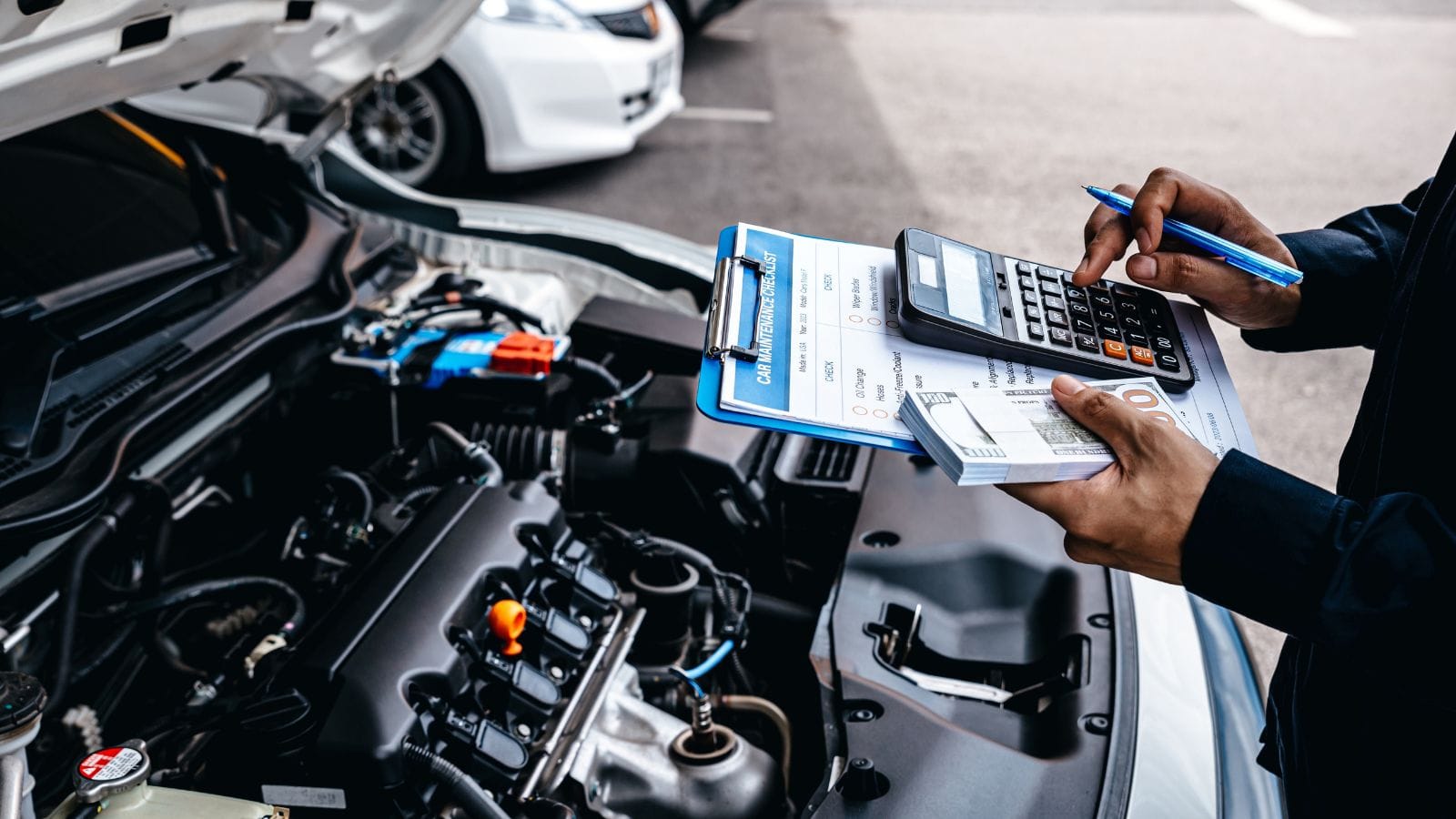
Certified pre-owned vehicles can offer meaningful advantages, but the word “certified” should not be confused with “perfect.” Manufacturer-backed CPO programs generally involve eligibility rules, dealership inspections, and additional warranty protection. Consumer Reports has found that CPO vehicles in its analysis experienced about 14 percent fewer problems than other used vehicles. That is an encouraging difference—but it also means certified cars can and do develop problems.
Coverage varies significantly between programs, and wear items may be excluded. Tires, brake pads, batteries, cosmetic defects, and other components may not receive the protection buyers assume they do. The certification checklist and warranty contract deserve careful reading before the premium price is accepted. Buyers should also distinguish genuine manufacturer CPO programs from looser dealer-created uses of terms such as “certified” or “inspected.” Certification reduces uncertainty when backed by a strong program; it does not reset the vehicle’s age, erase previous use, or guarantee years without repairs.
“Our Dealership Already Inspected It, So Another Inspection Is Pointless”

A dealership inspection is useful, but it creates an obvious conflict: the same business evaluating the vehicle may also be trying to sell it. An independent pre-purchase inspection provides a second opinion from someone who has no financial interest in completing the transaction. Consumer Reports and AAA repeatedly recommend having used vehicles checked by an independent mechanic, even when the seller says an inspection has already been completed.
A thorough pre-purchase inspection can uncover slow leaks, worn suspension parts, brake problems, previous structural repairs, tire issues, corrosion, and upcoming maintenance that may not be obvious during a dealership walk-around. It also gives the buyer a realistic picture of near-term expenses. A car does not have to be a “lemon” for an inspection to save money; discovering that it needs brakes, tires, and suspension work soon after purchase may change what it is worth. Resistance to an independent inspection should therefore be treated as information in itself.
“It Only Needs One Cheap Repair”
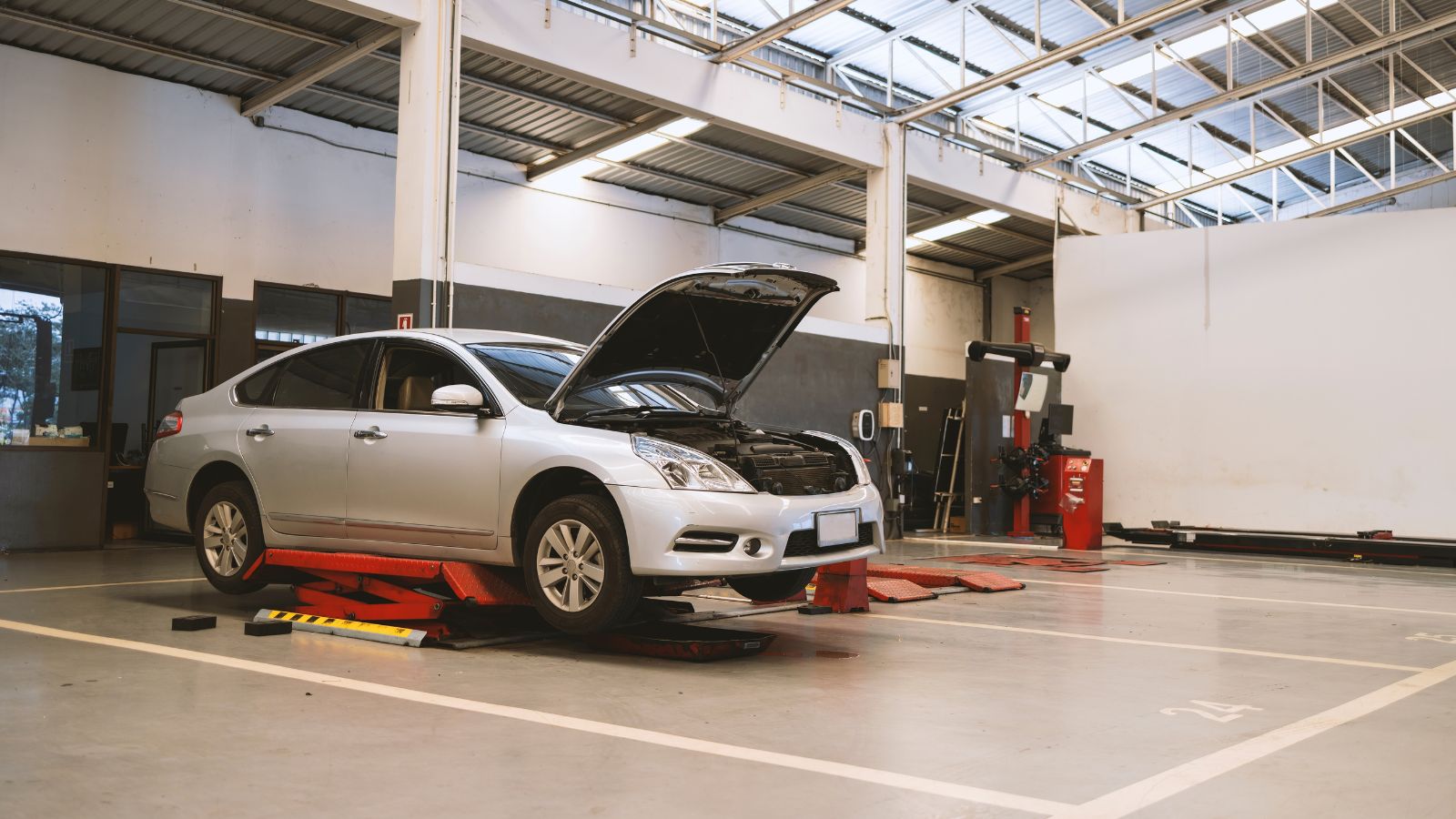
Few used-car phrases have emptied more wallets than “it just needs a cheap fix.” If the repair were truly inexpensive, simple, and certain, a reasonable question is why the seller did not complete it before advertising the vehicle. A warning light blamed on a sensor might have a different underlying cause. A vibration supposedly caused by wheel balance could involve suspension or steering components. A small fluid leak can likewise require more investigation than an optimistic driveway diagnosis suggests.
The safe approach is to price the vehicle based on a professional diagnosis rather than the seller’s estimate. AAA notes that pre-purchase inspections can expose hidden issues such as worn suspension components, leaks, and frame damage, while inspection findings can also become part of price negotiations. Even when a problem really is inexpensive, confirmation matters. Buyers should avoid mentally adding only the price of the promised part; labour, diagnostic time, secondary damage, taxes, and related repairs can quickly turn a “$200 fix” into something much larger.
“It Has Brand-New Tires, So It Was Obviously Well Maintained”
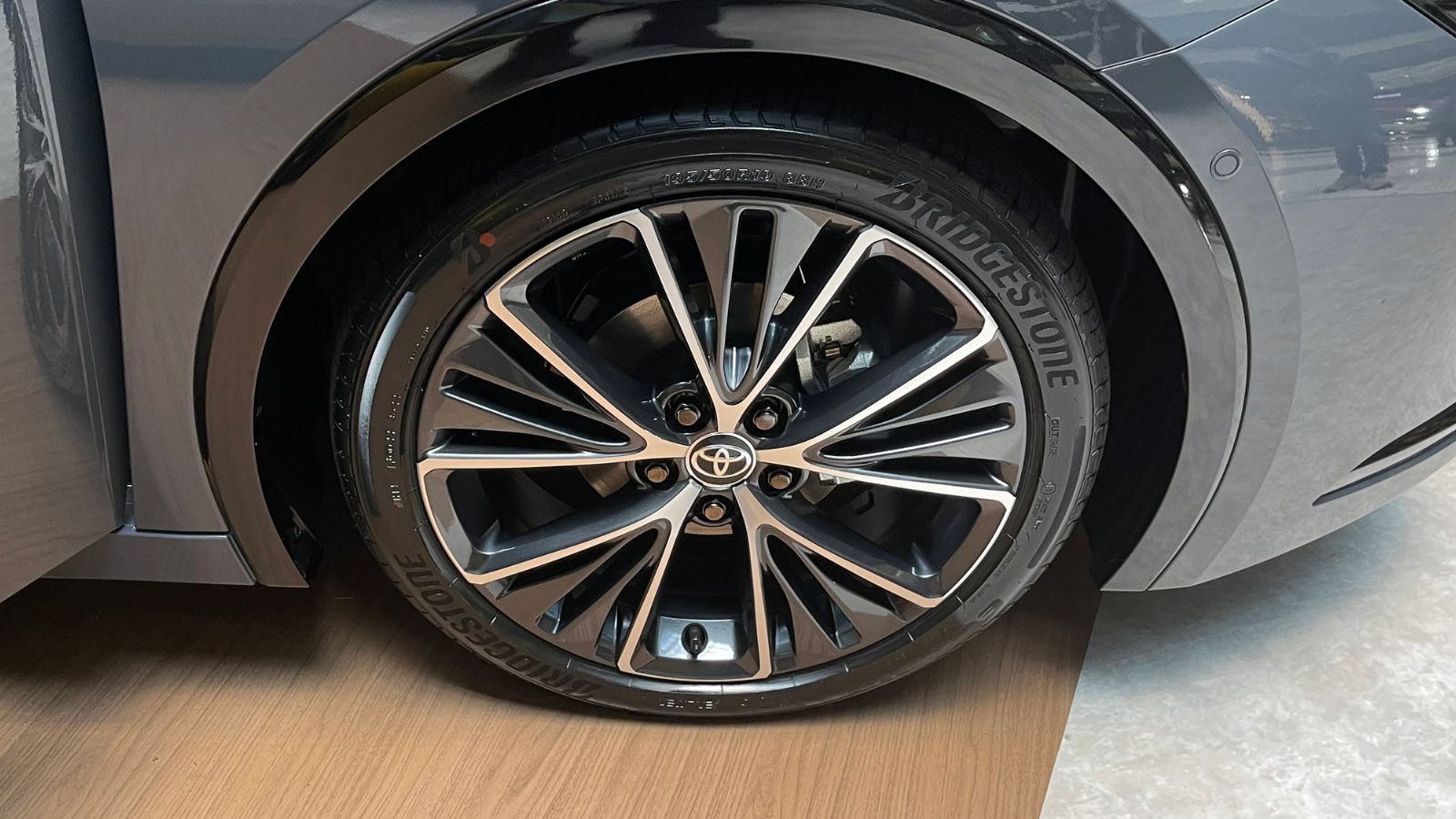
New tires make a used car more attractive because they remove an immediate replacement expense. They do not reveal how the engine, transmission, brakes, cooling system, or suspension were maintained during the previous five years. Tires can also be replaced shortly before a sale simply because the old set would make the vehicle harder to sell. Ontario’s vehicle regulator even notes that recent improvements such as new tires can increase a vehicle’s value by reducing reconditioning costs.
The tires themselves deserve inspection, too. NHTSA recommends checking tread condition, correct sizing, age, damage, pressure, and uneven wear. Uneven wear may point toward alignment or suspension problems, meaning even relatively new rubber can contain useful clues about the car underneath it. Buyers should look for reputable matching tires with appropriate specifications rather than assuming “new” ends the investigation. Maintenance records covering fluids, scheduled services, brakes, and repairs remain far stronger evidence of long-term care than four shiny sidewalls on delivery day.
“The Oil Was Just Changed, So the Engine Must Be Healthy”

Fresh engine oil is good maintenance, but an oil change immediately before a sale proves only that the oil is fresh today. It cannot show whether earlier changes happened on time or whether the engine spent years running low on oil. Consumer Reports recommends obtaining service records and comparing them with the manufacturer’s maintenance schedule. It also notes that abnormal oil condition—such as gritty or gelatinous oil—can indicate prolonged intervals between changes.
Fresh oil may actually remove one clue a buyer could otherwise inspect. That does not mean a recent oil change is suspicious; responsible sellers routinely prepare cars before listing them. It simply should not substitute for documentation. Receipts showing repeated services over several years are more meaningful than one new filter and clean dipstick. A mechanic can also check for leaks, unusual noises, exhaust smoke, fault codes, coolant contamination, and other signs that an oil change cannot conceal permanently. Maintenance patterns matter more than last-minute presentation.
“There Are No Warning Lights, So Nothing Is Wrong”
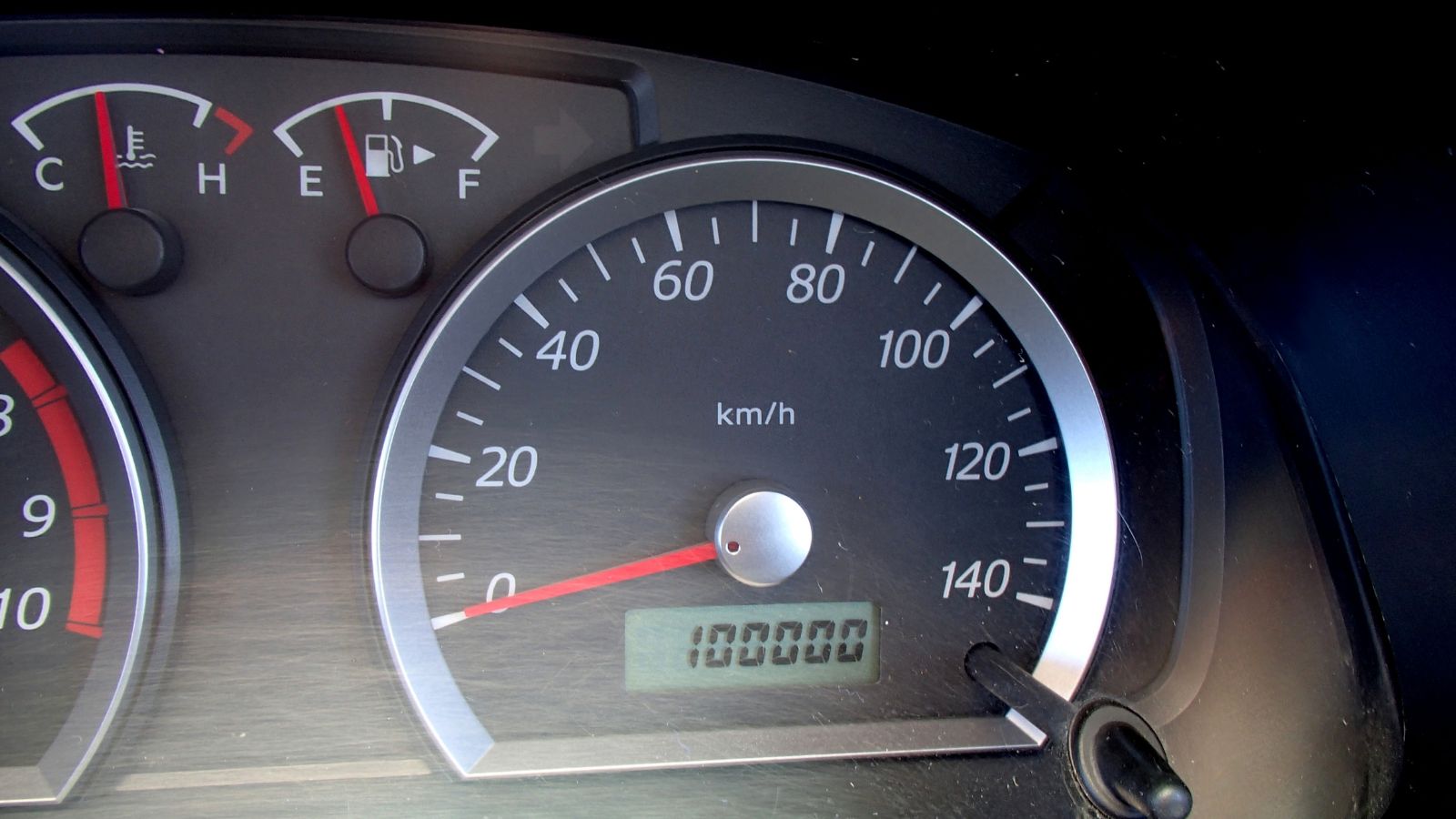
A dashboard free of warning lights is preferable to one glowing like a Christmas tree, but it is not proof of mechanical health. Warning systems monitor specific electronic sensors and vehicle functions. Many expensive problems—worn shocks, weak wheel bearings, leaking seals, aging tires, rust, brake wear, body damage, and numerous mechanical noises—can develop without immediately illuminating a dashboard symbol. AAA’s inspection guidance consequently goes far beyond warning lights and includes leaks, noises, mileage inconsistencies, tires, and structural clues.
Buyers should also confirm that warning lamps actually illuminate during the vehicle’s startup self-check and then turn off normally. Simply seeing a dark dashboard after the engine starts is not the entire test. A professional scan can provide additional information, but electronic diagnostics still do not replace physical inspection. The strongest used-car assessment combines a test drive, visual examination, maintenance records, history research, diagnostic checking, and an independent inspection instead of depending on one quiet instrument panel.
“That Rust Is Only Cosmetic”
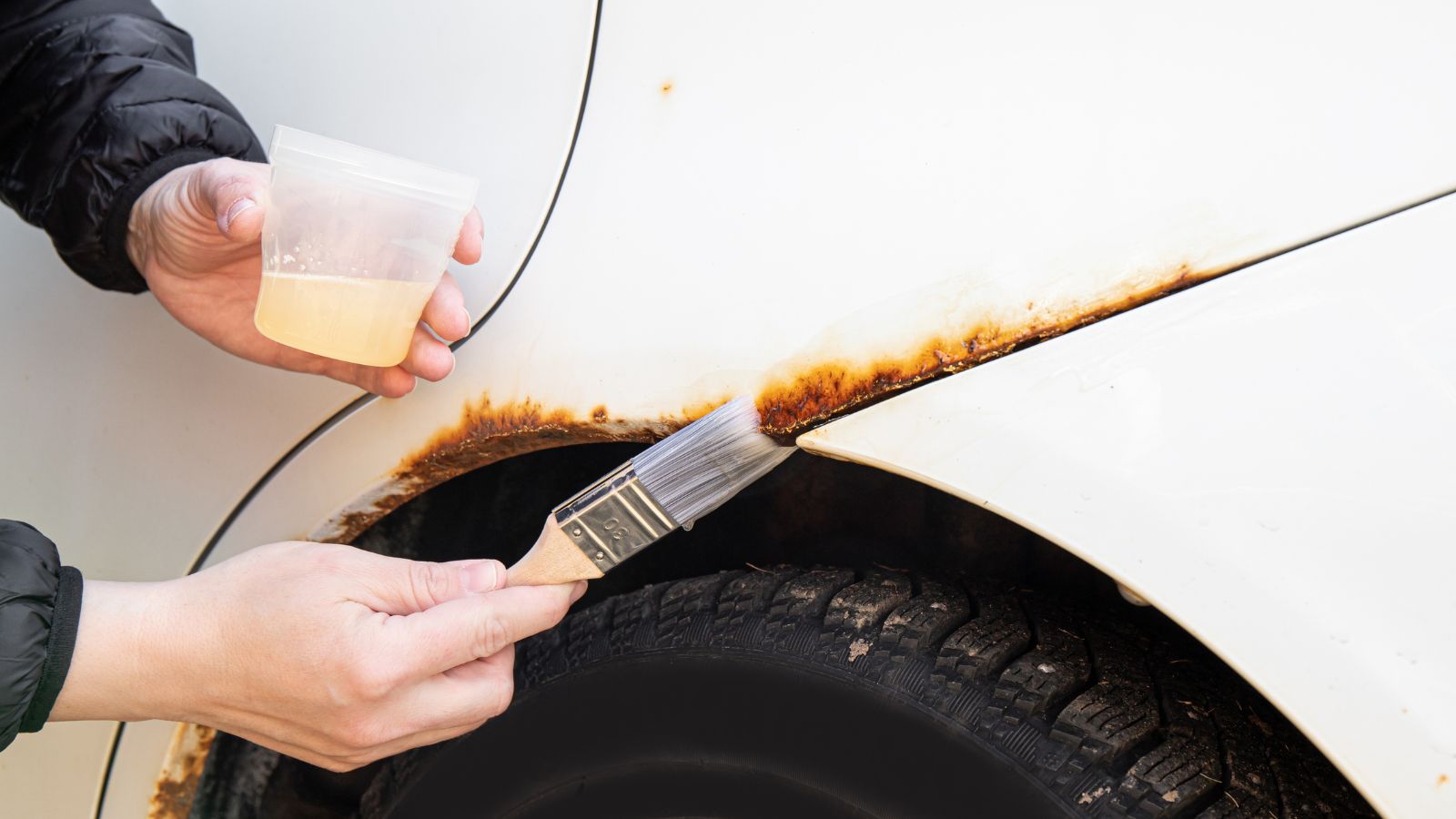
A small patch of surface corrosion on a body panel may indeed be mainly cosmetic, but rust underneath a vehicle deserves considerably more caution. Structural corrosion can weaken frames, subframes, suspension mounting areas, brake lines, floors, and other critical components. NHTSA specifically tells buyers examining potentially flood-damaged vehicles to look underneath for unusual corrosion, while past safety recalls demonstrate that severe corrosion can reduce structural strength and create genuine crash risks.
Location and depth therefore matter more than the mere presence of orange discoloration. Surface rust on a replaceable exhaust component is very different from perforation around a suspension mounting point. Vehicles operated for years in regions that heavily use road salt deserve particular scrutiny underneath, where cosmetic detailing may not reach. A qualified technician can place the vehicle on a lift and determine whether corrosion is superficial, repairable, or economically dangerous. Calling every patch of rust “normal for the age” is an easy sales explanation; deciding whether that statement is true requires inspection.
“A Rebuilt Car Is Just as Good Once It Has Been Repaired”

A rebuilt title does not automatically mean a vehicle is unsafe, but it carries information that should never be minimized. In the United States, the National Motor Vehicle Title Information System explains that vehicles suffering significant damage may receive salvage or junk branding. Flood- or salvage-damaged vehicles can later be rebuilt and legally returned to the road when applicable requirements are satisfied. The repaired vehicle, however, still has a materially different history from an equivalent clean-title example.
Repair quality becomes the central question. Severe previous damage may have involved structural areas, airbags, electrical systems, water intrusion, or extensive component replacement. Buyers also need to consider resale value, insurance availability, financing, and future uncertainty. Title-branding rules differ by jurisdiction, making documentation especially important when vehicles cross borders or regions. A rebuilt vehicle can sometimes represent reasonable transportation at an appropriate price, but the discount exists for a reason. It should be evaluated as a rebuilt vehicle—not treated as identical to a comparable car with no major loss history.
“Open Recalls Aren’t a Big Deal”

A recall is not merely a dealer service recommendation. NHTSA states that recalls occur when a manufacturer or the agency determines that a vehicle or piece of equipment presents an unreasonable safety risk or fails to meet minimum safety standards. Some recalls involve relatively straightforward fixes; others concern airbags, fire risks, steering, braking, or components capable of causing serious injury. NHTSA also says that a safety recall itself does not simply expire.
Used-car buyers should therefore run the VIN through the appropriate government or manufacturer recall database before completing the purchase. In the United States, NHTSA’s lookup can identify unrepaired safety recalls associated with a VIN, and covered recall remedies are generally provided without charge. Other countries maintain their own recall resources. An open recall does not necessarily make a vehicle a bad purchase, particularly when a remedy is readily available, but it should be understood before money changes hands. “Nothing to worry about” is not an adequate substitute for identifying the defect and confirming the repair path.
“Digital Odometers Can’t Be Rolled Back”
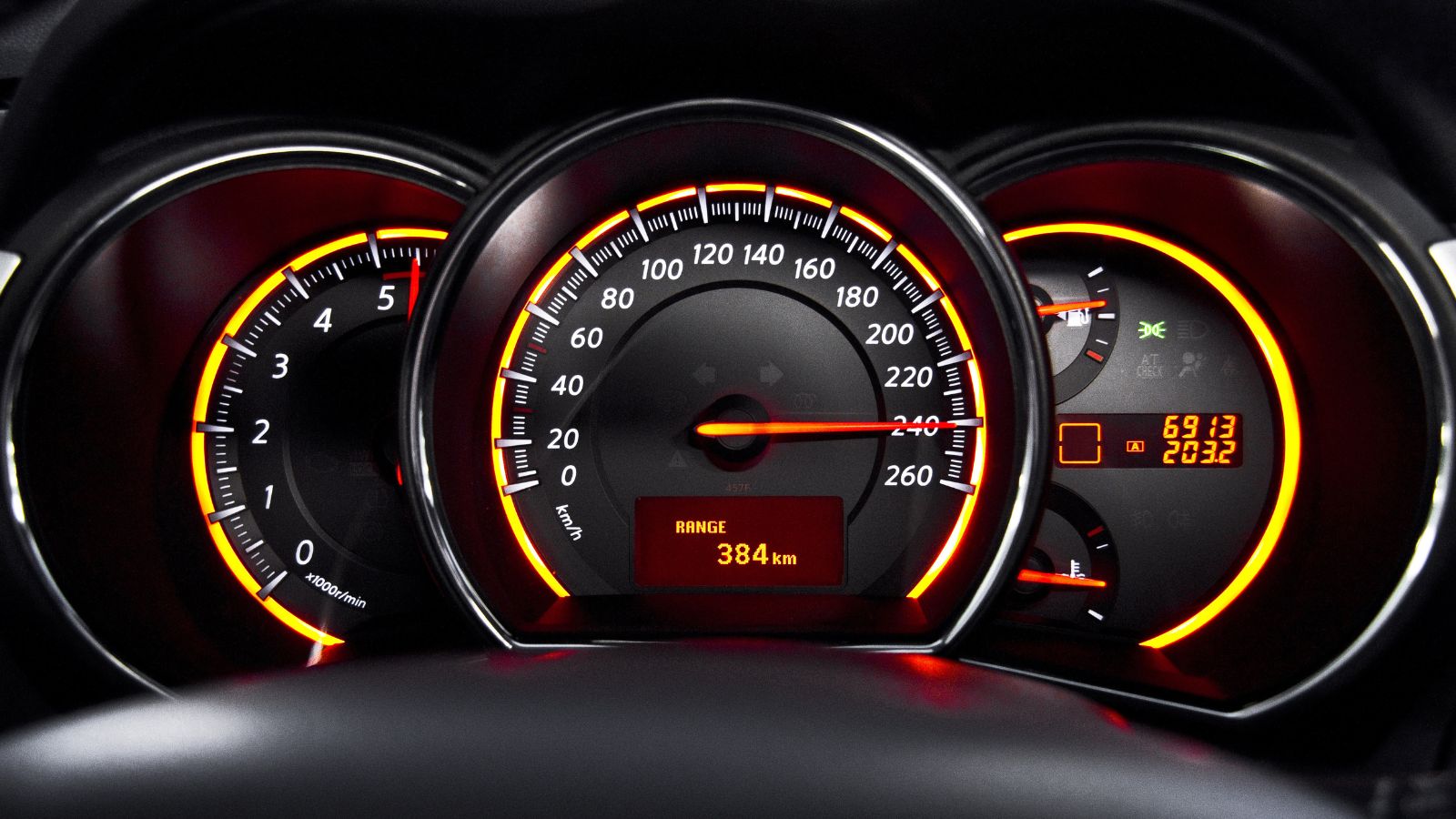
The move from mechanical number wheels to digital dashboards did not make odometer fraud disappear. NHTSA continues to maintain consumer guidance specifically addressing odometer fraud and recommends comparing displayed mileage with title records, maintenance documents, inspection records, and service stickers. Federal U.S. law prohibits altering or resetting an odometer with intent to change the mileage recorded, demonstrating that electronic-era tampering remains a real enforcement issue rather than an obsolete scam.
Physical wear can provide additional context. A vehicle claiming unusually low mileage but showing heavily worn pedals, steering-wheel surfaces, seats, switches, or door hardware deserves closer investigation. History records may also reveal mileage progressing normally for years and then suddenly dropping or becoming inconsistent. None of these clues alone proves fraud, but conflicting information should be resolved before purchase. Buyers should especially resist the idea that a glowing digital number is inherently more trustworthy than an older mechanical display. The odometer is evidence; supporting records determine how convincing that evidence really is.
“Flood Damage Is Easy to Spot”
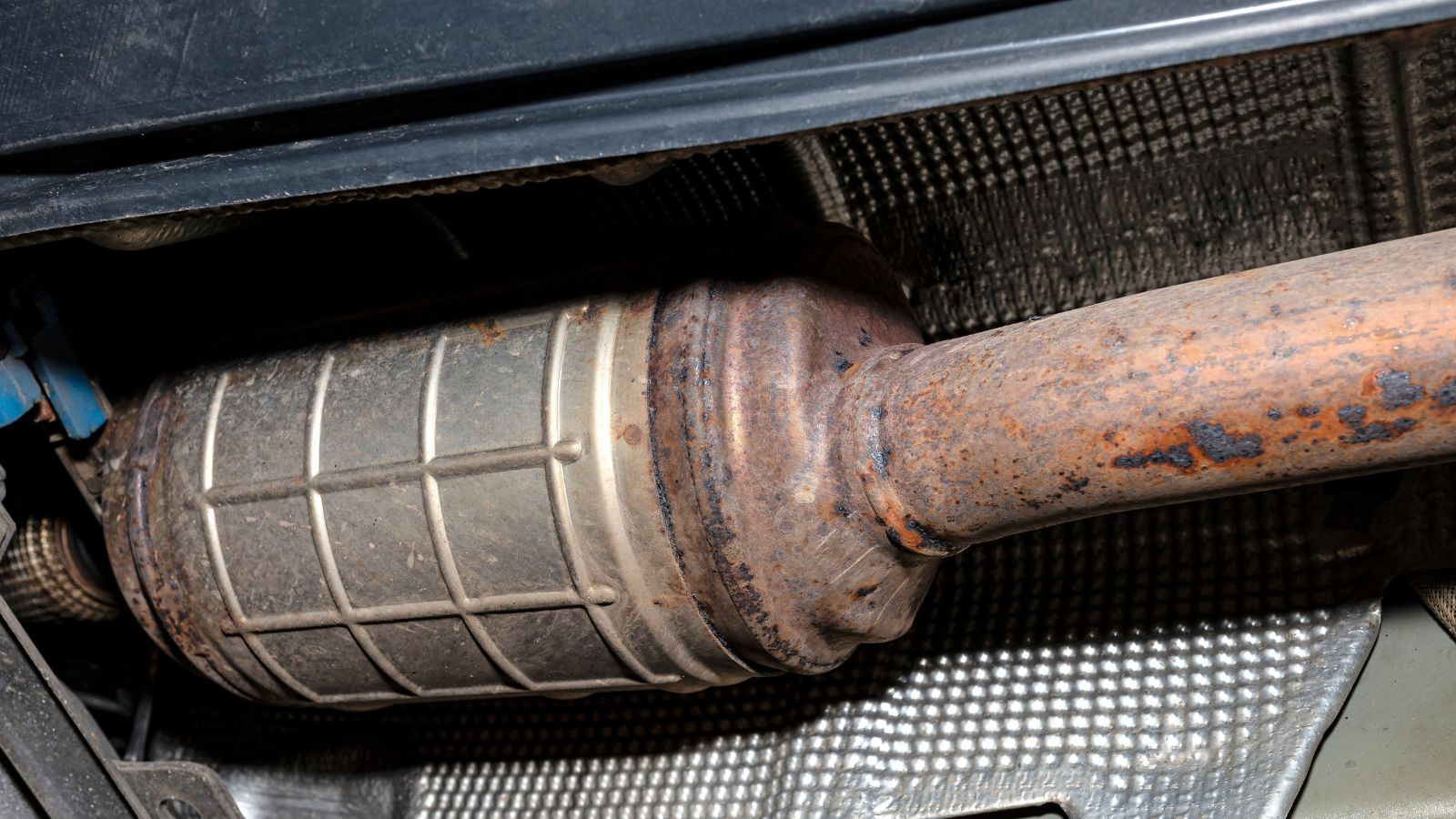
Severe flood cars can smell musty and show obvious staining, but professionally cleaned examples can be much harder to recognize. NHTSA warns consumers about flood-damaged vehicles that may appear with clean or “lost” titles and recommends researching title history. Water can reach electrical connectors, wiring, control modules, seat mechanisms, insulation, and hidden cavities that are not visible during a quick walk around a freshly detailed car.
Clues may include unusual corrosion beneath seats, damp or mismatched carpeting, silt in hard-to-clean areas, condensation in lighting assemblies, persistent odours, or electrical behaviour that does not seem normal. AAA similarly recommends watching for stains, damp carpet, corrosion, and musty smells while shopping for used vehicles. Flood exposure is particularly concerning because problems may appear gradually as corrosion progresses. A suspiciously inexpensive vehicle arriving from a recently flooded region deserves more investigation, not less. A title-history search combined with a professional inspection offers far better protection than assuming water damage will announce itself immediately.
“The Monthly Payment Is Low, So It’s a Great Deal”

A comfortable monthly payment can conceal an expensive transaction. Loan length, interest rate, down payment, trade-in value, financed add-ons, fees, and the vehicle price all influence what appears on the monthly bill. The U.S. Consumer Financial Protection Bureau warns that extending the loan term can reduce the monthly payment while increasing the amount of interest paid over the life of the loan. The agency recommends focusing on total borrowing cost, not merely the monthly figure.
For example, two vehicles can appear similarly affordable each month while one requires payments for considerably longer. The buyer discussing only “what payment works” also loses visibility into whether the car itself is competitively priced. A better approach separates the negotiations: establish the vehicle price, understand the trade-in independently, compare financing offers, and review the total of payments before signing. Monthly affordability is important, but a smaller payment is not the same thing as a smaller price. Sometimes it simply spreads a larger obligation over more calendar pages.
“Those Dealer Add-Ons Are Required”

Paint protection, VIN etching, service contracts, theft products, nitrogen-filled tires, and other dealership extras can appear on paperwork with an air of inevitability. That does not mean every item is required. The U.S. Federal Trade Commission describes dealer add-ons as optional products or services and has taken action involving dealerships accused of charging consumers for unwanted extras or falsely suggesting certain products were mandatory.
Buyers should review the purchase agreement line by line before signing, particularly after a lengthy negotiation when fatigue makes unexpected charges easier to overlook. Whether a specific fee is legally mandatory can depend on jurisdiction, so taxes, licensing charges, and genuine government fees should not be confused with optional dealership products. The practical question is simple: what exactly is being purchased, who requires it, and can it be removed? If the answer is vague, ask for it in writing. A $900 product buried inside financing still costs $900—and financing it may add interest on top.
“The Extended Warranty Covers Basically Everything”

An extended warranty or vehicle service contract can be useful for some buyers, but the name often creates broader expectations than the contract delivers. The Consumer Financial Protection Bureau describes these products as covering some types of repairs beyond or after the manufacturer’s warranty. Coverage varies by provider and plan, while exclusions, deductibles, claim procedures, approved repair facilities, maintenance requirements, and maximum benefits can significantly affect real-world value.
The correct comparison is therefore not “warranty versus no warranty,” but contract terms versus likely repair risk and price. Consumer Reports advises shoppers to examine coverage carefully and has long warned that many extended-warranty products contain exclusions. Buyers should determine whether major systems are covered, whether diagnostics and labour are included, and which wear items are excluded. Existing manufacturer or certified-pre-owned coverage should also be considered to avoid paying for overlapping protection. A contract can reduce financial risk, but describing one as “everything covered” is meaningless until the exclusions page has been read.
“The Asking Price Is What the Car Is Worth”

An asking price is a seller’s chosen number, not an independent appraisal. Used-car values depend on mileage, condition, equipment, accident history, geography, demand, seasonality, and local inventory. Kelley Blue Book notes that its fair-market calculations consider factors including mileage, condition, options, regional variation, and market trends. Even KBB distinguishes typical listing prices from what a buyer should necessarily pay.
That distinction becomes important when two apparently identical vehicles sit several thousand dollars apart. One may have better maintenance history or lower mileage; another may simply be priced aggressively. Buyers should compare multiple similar vehicles rather than allowing a price tag to establish its own credibility. Inspection results also matter because upcoming tires, brakes, timing-belt service, suspension work, or other maintenance changes the effective cost. A vehicle advertised “below market” is only a bargain if the comparison accounts for its actual history and condition. The windshield sticker starts the valuation discussion; it does not finish it.
“A Ten-Minute Test Drive Tells You Everything Important”

A test drive is essential because it can reveal poor shifting, unusual noises, steering problems, vibrations, braking issues, weak air conditioning, and uncomfortable ergonomics. It cannot expose every hidden defect. Consumer Reports recommends test-driving a used vehicle but also advises checking its history and arranging a mechanical inspection before purchase. A short drive cannot put the car on a lift, measure brake components, inspect hidden structural areas, or verify years of maintenance.
Conditions during the drive matter as well. Some problems appear only during cold starts, highway speeds, heavy braking, tight turns, rough roads, or after the vehicle reaches operating temperature. A seller who has already warmed the engine may unintentionally—or deliberately—remove the chance to observe cold-start behaviour. The test drive should therefore be treated as one layer of evaluation rather than the final exam. A car that feels excellent for fifteen minutes can still have an expensive leak, worn component, accident repair, or overdue service waiting underneath.
“The VIN Report Tells the Car’s Whole Story”

Vehicle-history systems are powerful fraud-prevention tools, but they are deliberately limited by the information collected and reported to them. The U.S. Department of Justice explains that an NMVTIS report focuses on five key indicators related to title information, brand history, odometer readings, total-loss history, and salvage or junk reporting. It explicitly encourages consumers to obtain an independent vehicle inspection and consult other vehicle-information resources before buying.
Commercial reports may contain additional maintenance, ownership, accident, and service information, but no database can document an event that never reached its sources. Consumer Reports likewise warns that vehicle-history reports can miss accidents, flood damage, theft, and other important events. That makes the VIN report a screening tool rather than a substitute for inspection. The strongest purchase decision combines history data with service receipts, title documentation, recall research, physical condition, seller answers, and a mechanic’s findings. A clean report is encouraging. Treating it as a complete biography is where buyers get into trouble.
“It Passed a Safety Inspection, So It Must Be Mechanically Excellent”

Passing a government-required safety inspection may sound like a comprehensive endorsement, but the scope can be much narrower. Ontario provides a particularly clear example: the province explicitly states that a Safety Standards Certificate is not a warranty or guarantee of the vehicle’s condition. OMVIC similarly explains that certification means the vehicle met specified minimum safety criteria on the day it was examined; it does not promise future reliability or establish that every mechanical component is in excellent condition.
This distinction matters anywhere buyers encounter roadworthiness, emissions, or safety certificates. A vehicle can satisfy the items covered by a particular inspection while still having aging components, upcoming maintenance, cosmetic damage, or reliability concerns outside that inspection’s scope. Buyers should understand exactly what the local certificate examines rather than assigning it broader meaning. Passing a required test is certainly better than failing one, but it does not eliminate the value of a separate pre-purchase inspection focused on the buyer’s financial risk as well as minimum legal safety standards.
19 Used Cars Canadians Should Avoid in 2026 (Based on Owner Complaints)

Buying a used car in Canada can feel safe until repair bills start stacking up. Owner complaints tell a different story than glossy listings. Transmission failures, electrical problems, and weak winter reliability show up again and again in consumer reports. Many of these issues appear after warranties expire, when owners least expect them. Some vehicles look affordable upfront, but become expensive to keep on the road. Others struggle in cold weather, urban driving, or long highway commutes. Here are 19 used cars Canadians should avoid in 2026 (based on owner complaints).
19 Used Cars Canadians Should Avoid in 2026 (Based on Owner Complaints)

Alanna Rosen is an experienced content writer that focuses on many EV and educational content. Her articles are regularly published on Get CyberTrucked and syndicated on large publications.