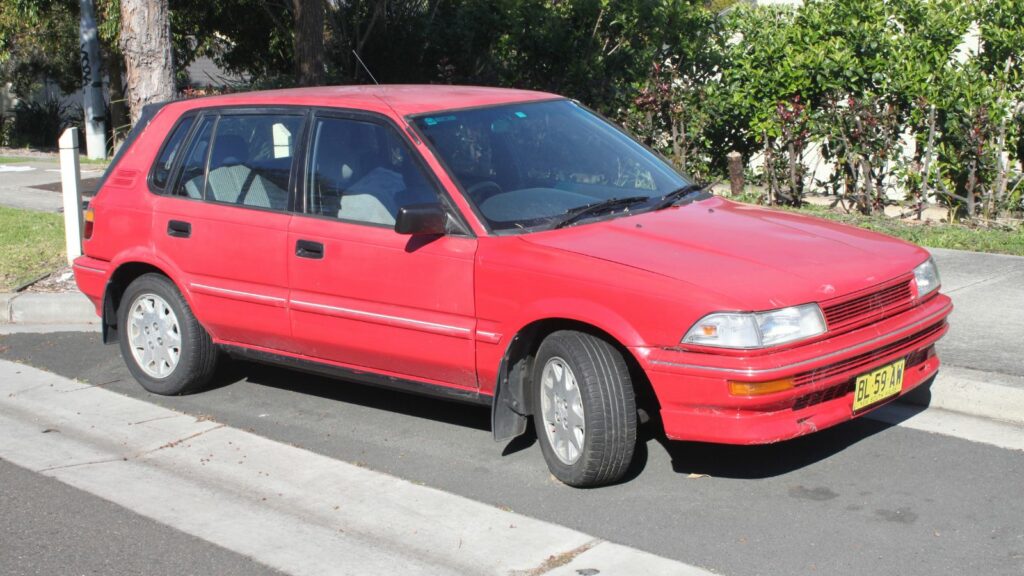
A decade-old Toyota can look like an unusual choice beside a newer luxury vehicle with a panoramic display, quilted leather, and a prestige badge. Yet for a growing group of Canadian drivers, the comparison is less about glamour and more about what remains after the novelty wears off: payments, depreciation, winter use, repairs, insurance, and confidence on an ordinary Monday morning.
The preference is not a claim that every old Toyota is wise or every luxury car is wasteful. Condition, safety equipment, maintenance history, and purchase price still matter enormously. These 12 reasons explain why a carefully inspected Corolla, Camry, Prius, Matrix, or RAV4 can feel more valuable than a newer premium model whose ownership costs extend far beyond the showroom price.
Proven Reliability Can Outweigh Prestige
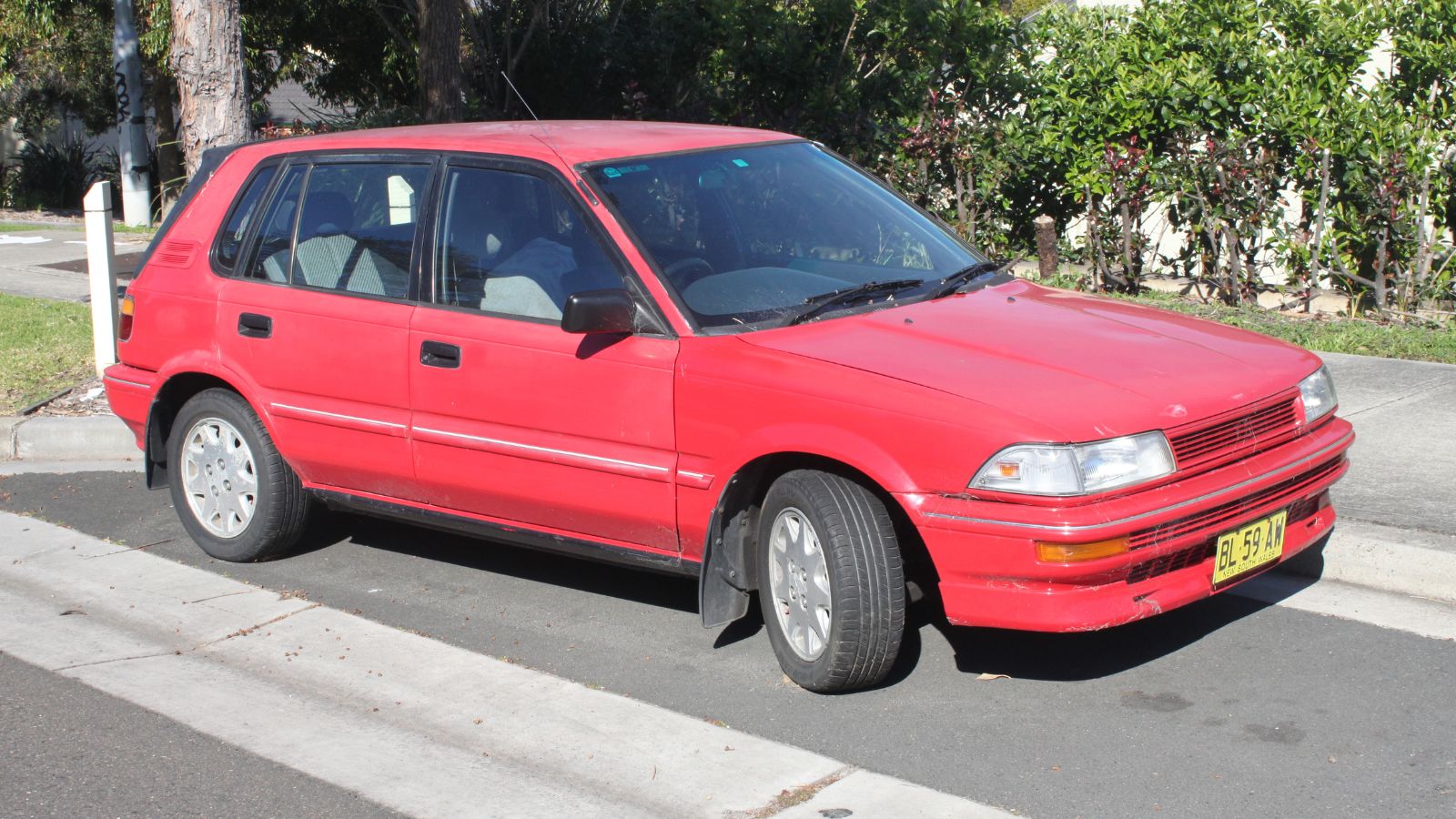
Toyota’s reputation is not built only on anecdotes about a Corolla that refused to quit. In J.D. Power’s 2025 Vehicle Dependability Study, Toyota ranked third overall with 162 reported problems per 100 vehicles, while several Toyota models also received dependability awards. Consumer Reports’ reliability work likewise placed Toyota among the strongest brands, reinforcing the idea that conservative engineering can age well.
That record changes how buyers interpret mileage. A 10-year-old Camry with complete service records may seem less risky than a three-year-old luxury sedan with complicated air suspension, multiple display modules, and an uncertain warranty future. The Toyota is still a used machine, not a guarantee, but its mechanical layout is familiar to owners and technicians. For Canadians who need a vehicle to start during a freezing commute and remain affordable after the purchase, dependable history can carry more weight than soft-close doors, ambient lighting, or a prestigious hood emblem.
Most of the Depreciation Has Already Happened
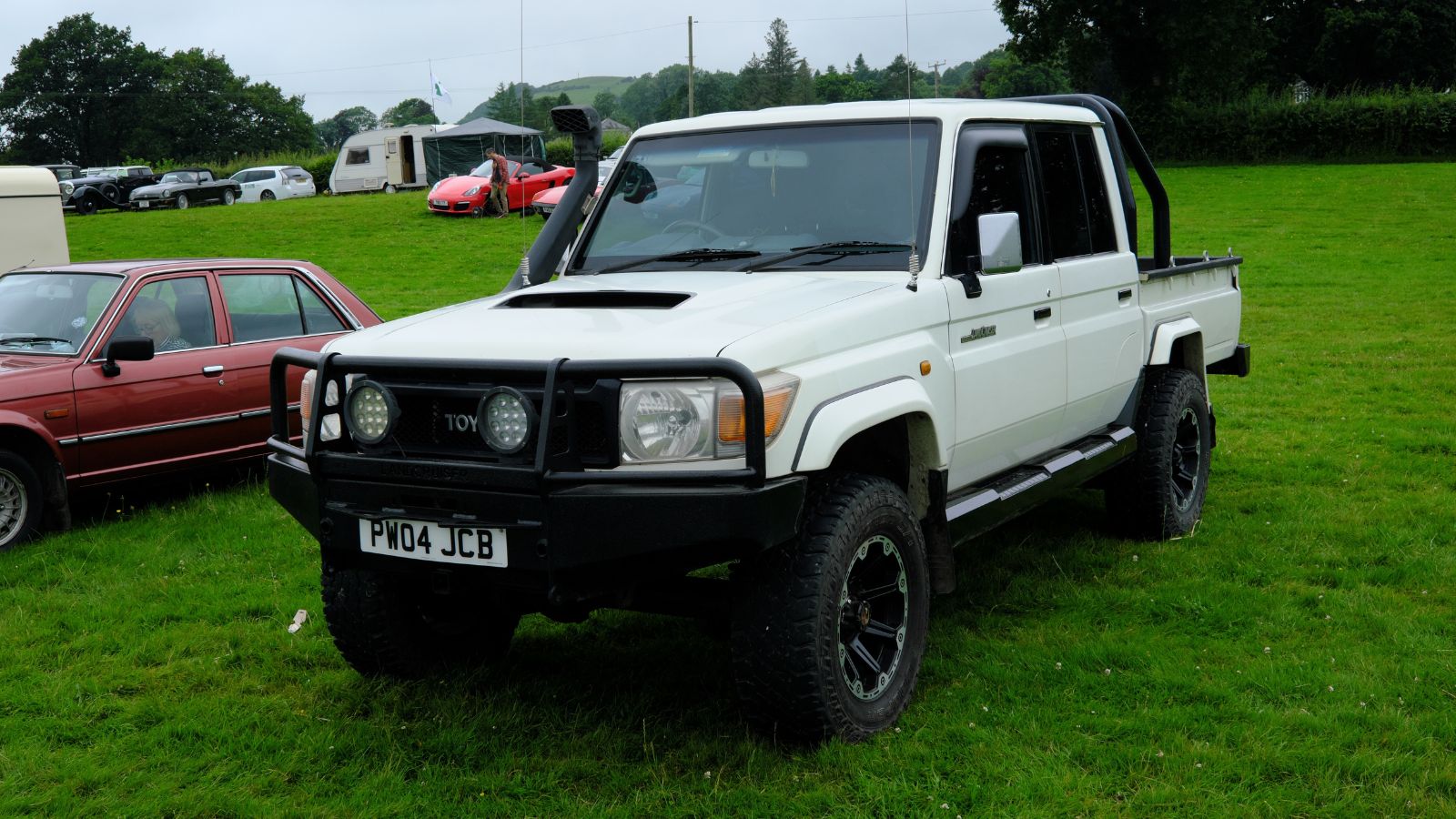
Depreciation is often the largest cost of owning a vehicle, though it never arrives as a bill. CAA has estimated that value loss can account for roughly half of total ownership cost. Canadian Black Book found that 2025 vehicles retained an average of 67.5 per cent of MSRP after four years, meaning a portion of the original price had already disappeared.
An older Toyota lets the first owner absorb much of that decline. Better still, Toyota repeatedly performs strongly in Canadian Black Book awards: the brand led the 2025 retained-value categories and earned major 2026 recognition. A buyer may therefore purchase after the steepest drop while still owning something with an active resale market. A newer luxury car can deliver more comfort and technology, but it may also lose thousands of dollars while sitting in the same driveway. For value-focused Canadians, slower future depreciation feels like an invisible monthly rebate.
A Smaller Loan Feels Safer in an Expensive Economy
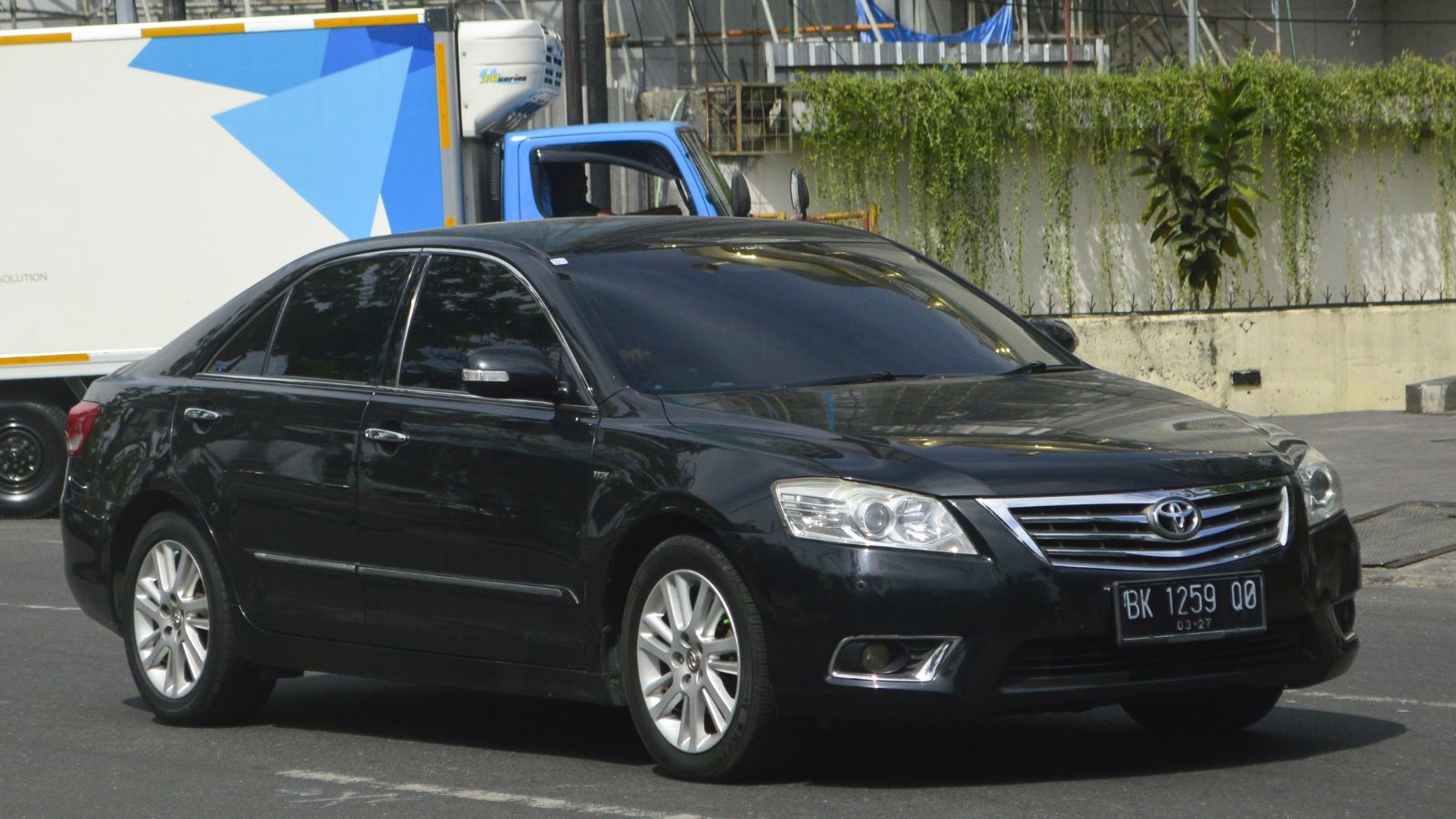
An older Toyota becomes more appealing when the purchase is treated as a debt decision. AutoTrader reported in 2026 that even Canada’s least expensive new cars were priced above $20,000, while average used-vehicle asking prices remained elevated. Moving from a newer luxury vehicle to an older mainstream model can reduce the amount financed, sales tax, and lifetime interest.
That matters while household finances remain strained. The Bank of Canada reported in its 2025 Financial Stability Report that auto-loan arrears among households without mortgages had risen above historical levels. A modest vehicle payment leaves more room for rent, groceries, insurance, emergency savings, and winter utility bills. A Toronto commuter might sacrifice a heated steering wheel and branded audio system, yet gain the ability to clear the loan years earlier and easily. The Toyota’s greatest luxury, in that case, is not leather. It is a monthly budget that has space to breathe.
Repairs Are Often More Predictable
Newer luxury cars impress partly because they contain so much technology: adaptive suspension, powered seats, radar units, cameras, motorized door hardware, complex lighting, and tightly integrated software. The downside appears after minor damage or electronic failure. AAA found that driver-assistance components can add substantial repair cost, with sensors and calibration turning ordinary bumper or windshield work into a specialized job.
Many older Toyotas still use simpler versions of these systems, or none. That does not make them maintenance-free, but it can make failures easier to diagnose and price. A worn wheel bearing, alternator, starter, or suspension bushing is familiar work for independent shops, and owners can often choose among original, aftermarket, or remanufactured parts. The contrast is emotional and financial: a warning light on an older Corolla may signal a contained repair, while a fault in a luxury vehicle’s networked electronics can create uncertainty about modules, programming, and dealership-only labour.
Insurance May Be Easier to Manage
Canadian insurers do not price a policy from the badge alone. Insurance Bureau of Canada says premiums can reflect a vehicle’s make, model, year, value, theft experience, collision record, and potential repair cost. In general, vehicles that generate fewer or smaller claims are less expensive to insure, though driver, postal code, coverage, and claims history remain crucial.
That framework may favour an older Toyota sedan over a newer luxury crossover. The Toyota’s replacement value may be lower, body and mechanical parts may cost less, and a cash buyer may have more flexibility with optional collision coverage. The saving is not automatic: a frequently stolen RAV4 or Highlander can be costly in some regions, and quotes should be compared before purchase. A basic Corolla with modest power and inexpensive components often presents insurers with a different risk profile than a high-output premium vehicle filled with cameras, lighting assemblies, and trim pieces.
Fuel Costs Stay Ordinary
Fuel economy is not exclusive to new cars. Older Corollas, Camrys, Priuses, and four-cylinder RAV4s were designed as practical transportation, and many operate on regular gasoline. Natural Resources Canada’s fuel-consumption guides let shoppers compare official ratings by model, engine, and drivetrain, making it possible to estimate whether an older Toyota fits a commute instead of relying on reputation.
The comparison grows sharper when a newer luxury vehicle recommends or requires premium fuel, carries wider tires, or uses a larger turbocharged engine. Statistics Canada tracks regular and premium gasoline separately because the price gap matters at every fill-up. A difference of a few litres per 100 kilometres, plus a premium-fuel surcharge, compounds across a year of suburban commuting or highway travel. The older Toyota may be slower and less insulated from road noise, but predictable fuel use can matter more than effortless acceleration when every litre is purchased from after-tax income.
Winter Tires Matter More Than a Luxury Badge
Canadian winter driving rewards traction, visibility, clearance, and judgment more than brand prestige. Transport Canada recommends winter tires on all wheels in cold, snowy, or icy conditions. CAA says their compounds and tread designs can provide up to 50 per cent more traction than all-seasons, improving braking and handling.
That helps explain why some drivers choose an older front-wheel-drive Corolla or Camry instead of financing a newer all-wheel-drive luxury model. A carefully maintained Toyota on quality winter tires can be an effective commuter on plowed urban and suburban roads. All-wheel drive can help a vehicle move, but it does not repeal the physics of stopping or cornering on ice. The sensible owner may spend part of the purchase-price difference on tires, a battery test, rust protection, and preventive maintenance. In January, those investments can provide more confidence than a premium badge attached to worn all-seasons and an oversized monthly payment.
Physical Controls Can Feel Refreshingly Calm
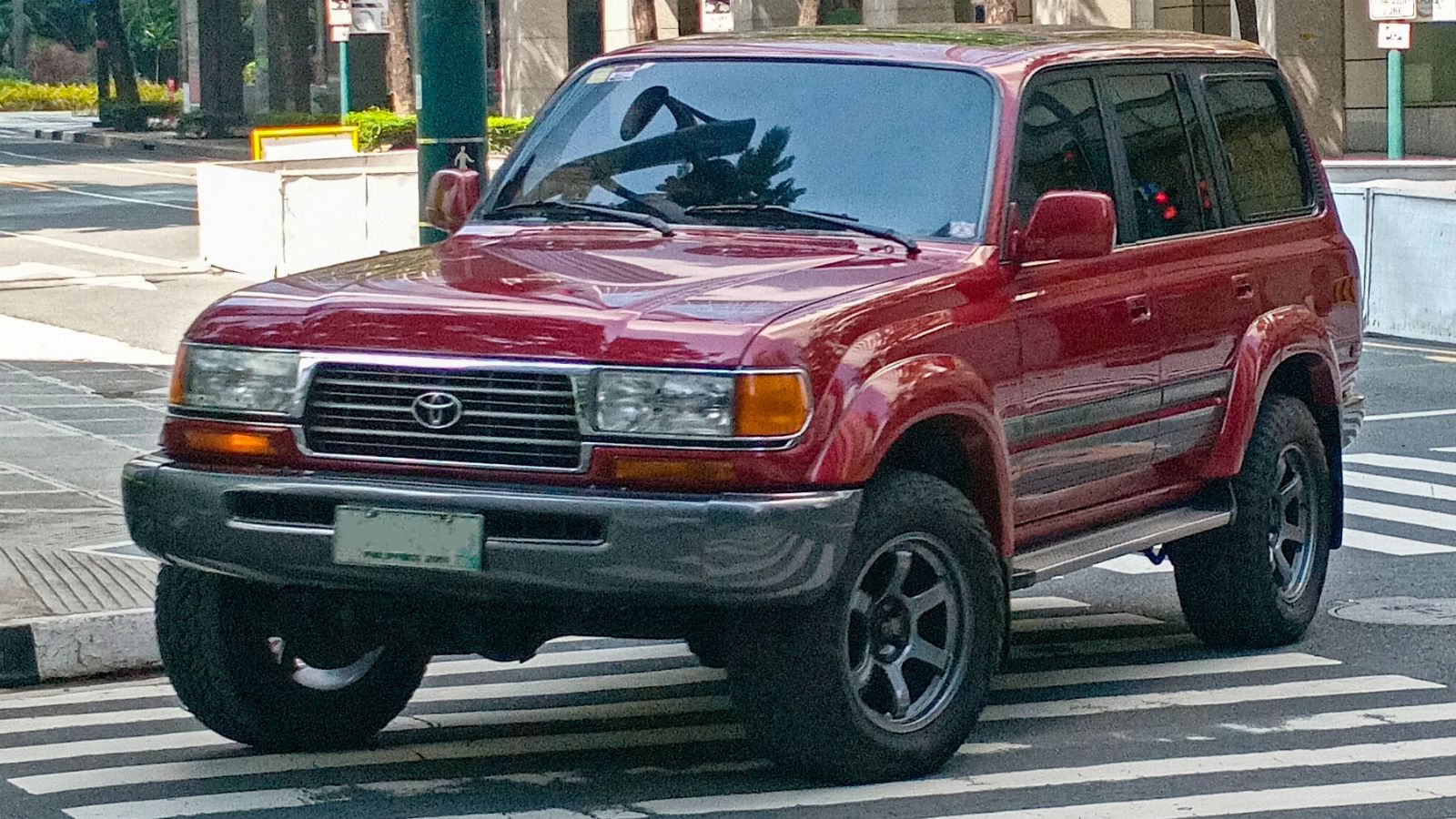
Many older Toyotas predate the migration of climate settings, seat heaters, drive modes, and audio functions into touchscreens. Their dashboards may look dated, but a driver can change temperature or fan speed by feel. AAA Foundation research and European safety reviews have found that complex infotainment tasks create visual and cognitive demand, while physical buttons can be faster.
For a commuter crossing Toronto traffic or a dark rural highway, simplicity brings quiet, welcome comfort. A large display can offer maps and cameras, yet it can also require menus, software updates, fingerprints, and attention. The older Toyota’s radio may be ordinary, but replacing it with a modern phone-compatible unit can add connectivity without redesigning the entire cabin around a screen. These buyers are not rejecting technology; they are separating useful technology from decorative complexity. A familiar knob, clear gauge, and conventional shifter can make the vehicle feel cooperative rather than performative.
Lower Theft Exposure Is Possible, but Model Choice Matters
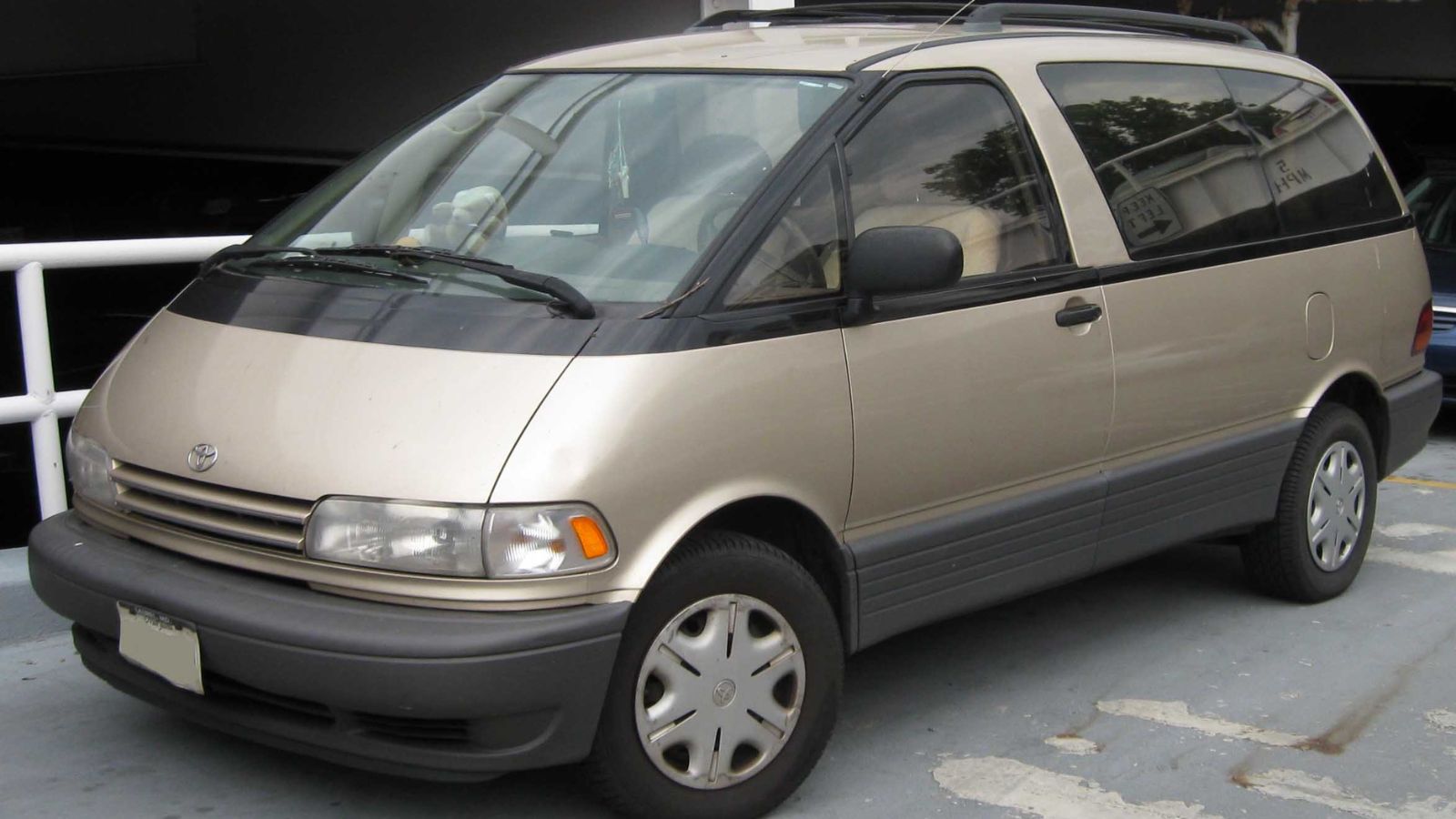
Canada’s auto-theft crisis has changed ownership calculations. Insurance Bureau of Canada reported $1.5 billion in theft claims in 2023, while Équité Association says Canadians still bore roughly $900 million in annual costs in 2025 despite falling theft rates. Highly exportable, newer SUVs with keyless systems have been prominent targets, making theft risk relevant to premiums and peace of mind.
An older Toyota sedan may attract less attention than a newer luxury SUV, when its value and overseas demand are lower. However, the Toyota name is not a shield. Équité’s national list shows that recent RAV4s and Highlanders have also been heavily stolen, and Lexus SUVs have ranked near the top. Buyers therefore investigate the model year, local claim experience, and insurer quote rather than assuming that “old” or “Toyota” means safe. A discreet Corolla with an immobilizer and steering lock may fit the low-profile strategy better than a Toyota SUV.
A Huge Service Ecosystem Reduces Friction
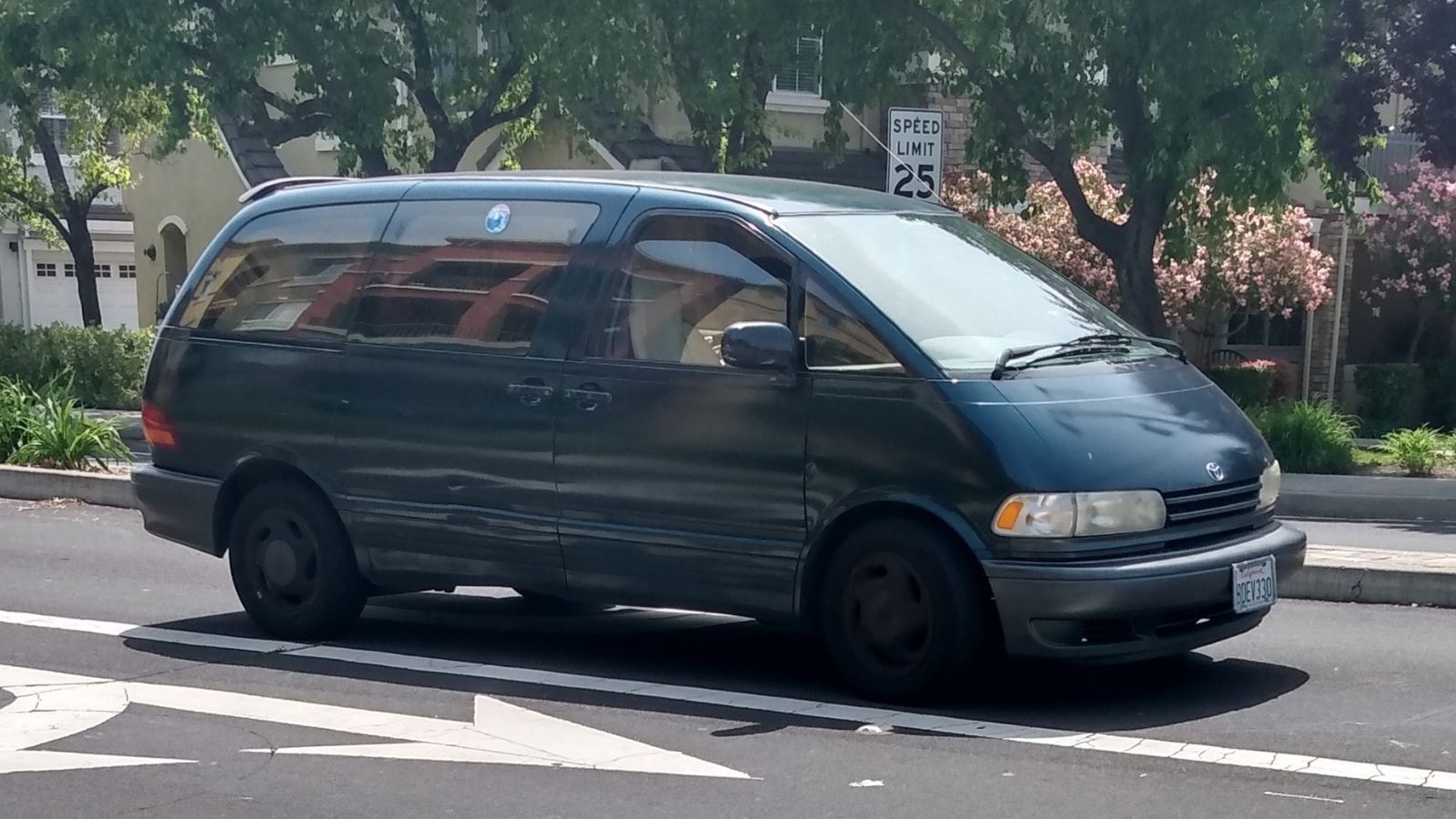
Common vehicles are easier to own because more people know how to service them. Toyota Canada reported in 2026 that over seven million Toyota and Lexus vehicles had been sold through 287 dealerships. Independent garages have decades of experience with high-volume models including the Corolla, Camry, Prius, and RAV4, and parts catalogues offer original, aftermarket, used, and remanufactured choices.
That scale matters once a vehicle is out of warranty. A technician in Halifax, Winnipeg, or a smaller community is more likely to recognize a Toyota fault than an obscure issue in a low-volume luxury model. Owners may find wheels, body panels, switches, and interior pieces through recyclers or enthusiast groups. Availability does not guarantee cheap repairs, and rusted fasteners can complicate any Canadian car. A broad service ecosystem reduces the chance that a minor failure becomes a long wait for a specialized part, proprietary diagnostic session, or distant dealership appointment.
They Are Choosing Older, Not Necessarily Ancient
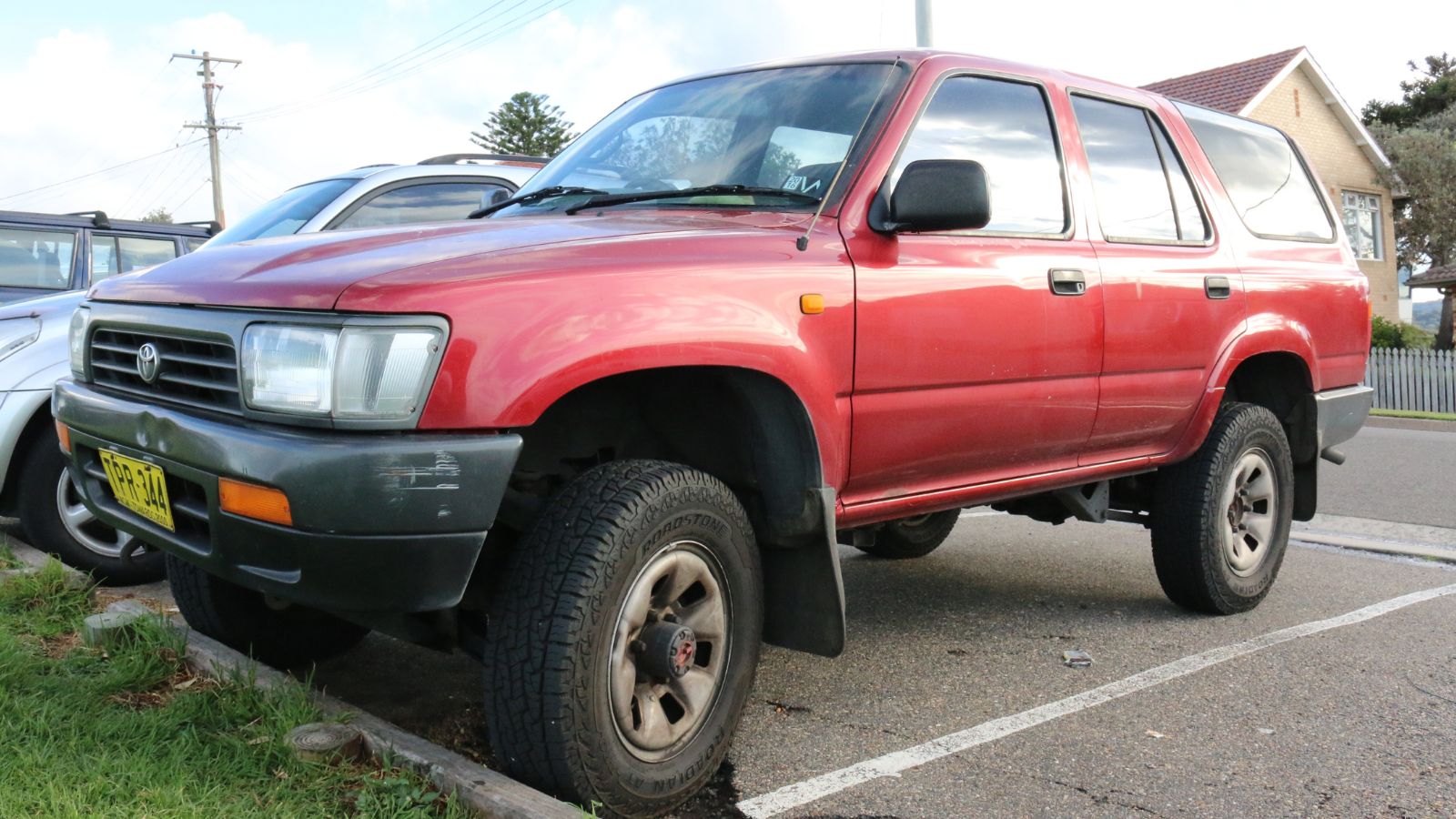
The strongest version of this strategy is selective. Newer vehicles generally offer better crash structures and more driver-assistance technology than old cars. A 2025 fatal-crash study found that vehicles six to 15 years old carried a 19 per cent higher driver-death risk than vehicles five years old or newer; cars over 15 years old showed a larger difference. Each driver-assistance feature studied was linked with lower risk.
For that reason, informed buyers search for the newest well-maintained Toyota they can afford rather than the cheapest one available. Electronic stability control, side-curtain airbags, a crash-test record, good headlights, anti-lock brakes, and a backup camera may matter more than leather upholstery. A 2015 or 2018 model can differ greatly in safety from a 1998 model, even when both wear the same badge. The goal is to capture mature engineering and lower depreciation without giving up essential protection simply to romanticize mechanical simplicity.
Condition Matters More Than the Badge
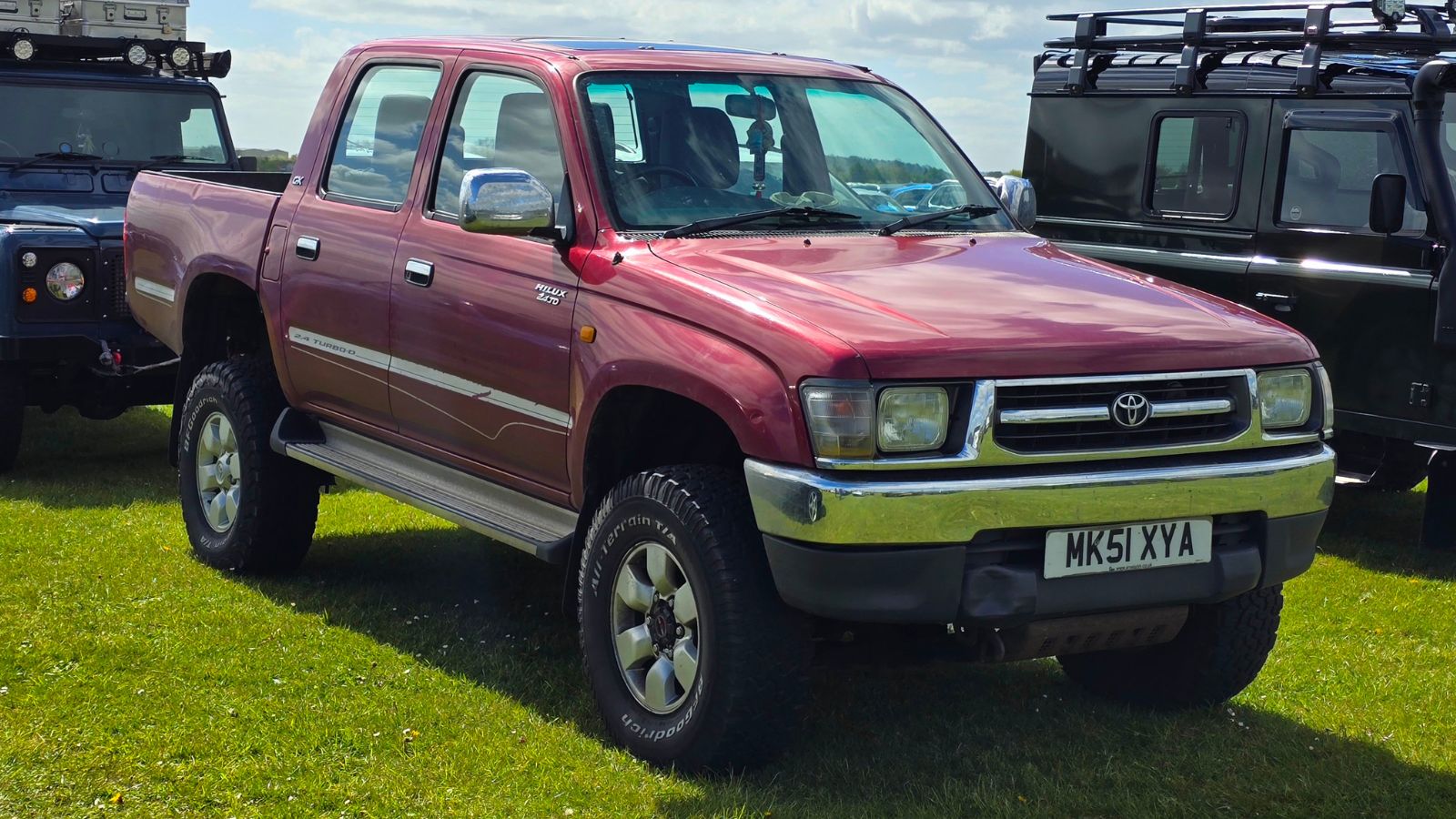
Toyota’s reputation cannot repair neglect, collision damage, hidden rust, or a rolled-back odometer. CARFAX Canada reported that its 2025 data identified more than 600,000 vehicles with accidents in their histories, and it flagged 20,642 vehicles with rolled-back odometers. Those figures show why an older car must be evaluated as an individual machine, not a dependable logo.
The best candidates come with service records, mileage, clean fluid, matching tires, electronics, and an inspection from a technician who is not selling the vehicle. Buyers should check liens, recalls, registration status, accident estimates, and corrosion around brake lines, subframes, rocker panels, and suspension mounts. A well-kept Camry from a careful owner can be a smarter purchase than a neglected luxury lease return, but the opposite can be true. Canadians choosing older Toyotas successfully are not buying on faith. They are buying evidence, then using the brand’s strengths as a margin of confidence.
22 Things Canadians Do to Their Cars in Spring That Mechanics Hate

Spring brings relief to many Canadian drivers after months of snow, freezing temperatures, and icy roads that put serious strain on vehicles. As temperatures rise across the country, drivers begin washing cars, switching tires, and preparing vehicles for warmer weather and upcoming road trips. However, mechanics across Canada notice the same mistakes every spring when drivers attempt to recover from winter damage. Road salt, potholes, and harsh winter driving conditions often leave vehicles with hidden problems that drivers ignore. Some spring habits even create new mechanical issues that could have been avoided with proper maintenance. Here are 22 things Canadians do to their cars in spring that mechanics hate.

Alanna Rosen is an experienced content writer that focuses on many EV and educational content. Her articles are regularly published on Get CyberTrucked and syndicated on large publications.