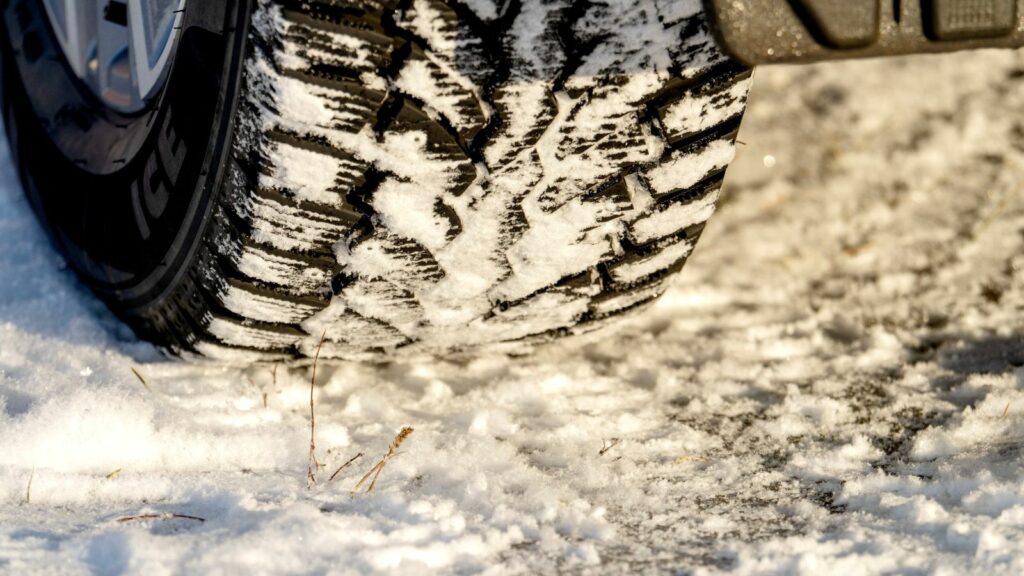
For many Canadian households, preparing for winter brings an uncomfortable financial decision. Winter tires can improve safety on icy roads, snowy highways, and during freezing temperatures, but purchasing them adds another expense to budgets already stretched by groceries, housing, insurance, and everyday necessities.
New findings from the Tire and Rubber Association of Canada reveal a growing tension between road safety and affordability. Although 86 per cent of Canadian drivers consider winter tires an important investment, 38 per cent cite rising living costs as a factor discouraging their purchase. At the same time, winter tire use remains widespread, reflecting Canadians’ continued concern about unpredictable weather. The findings highlight a difficult reality: knowing how to prepare for winter driving does not always mean having enough money to do so.
The Survey Reveals a Growing Affordability Problem
The latest findings come from an online poll of 1,232 Canadian drivers conducted by Abacus Data between October 16 and 21, 2026, for the Tire and Rubber Association of Canada (TRAC). The research found that 80 per cent of motorists believe winter tires are more important than ever because of unpredictable winter weather. Another 86 per cent consider them a worthwhile investment despite increasing living expenses. However, 38 per cent cited higher living costs as a factor discouraging their purchase.
The distinction is important because the financial figure does not mean 38 per cent of all Canadian motorists are currently driving without winter tires. In fact, 80 per cent report using them. Nevertheless, the findings reveal a gap between recognizing the benefits of winter tires and being able to justify the expense. A household replacing worn tires faces a different financial challenge from someone who can reuse an existing set. For drivers struggling with everyday bills, even a purchase they consider essential can become difficult to prioritize.
Winter Tire Usage Remains High Despite Financial Pressure
Although affordability concerns are increasing, winter tire ownership remains widespread across Canada. The latest findings show that 80 per cent of drivers are equipping their vehicles with winter tires for the 2026-27 season, matching the 80 per cent reported in 2025. The earlier research also showed substantial progress over the previous decade, with adoption increasing from 68 per cent in 2016 to 78 per cent in 2024. Those figures suggest that awareness of winter driving safety has translated into lasting changes in motorists’ habits.
However, widespread adoption does not eliminate financial barriers. Many drivers who already own winter tires can continue using them for several seasons, provided their condition remains suitable. Others may need to purchase an entirely new set, creating a much larger immediate expense. A stable national usage rate can therefore coexist with growing concerns about affordability. The latest findings suggest that financial pressure may be affecting purchasing decisions even as Canadians continue to recognize the benefits of winter-specific equipment.
The Cost of Winter Tires Goes Beyond the Purchase Price
Buying winter tires can represent a substantial expense, particularly for households replacing an entire set. A January 2026 report from BCIT News estimated that four new 16-inch winter tires for a Honda Civic could cost between $900 and $1,400 in the Vancouver area, depending on the brand and quality. That example is not a national average, and prices vary considerably by vehicle and tire size. Nevertheless, it illustrates why replacing tires can become a major household purchase rather than a routine maintenance expense.
The costs also extend beyond the tires themselves. Installation, balancing, seasonal changeovers, and storage can add to the total. Canadian service-price guides place mounting and balancing for four tires at roughly $80 to $160, although actual charges vary by shop. A separate set of wheels can make future seasonal changes less expensive, but requires additional spending initially. For apartment residents without space to store unused tires, seasonal storage may create another bill. These combined expenses help explain why some drivers struggle to make the investment.
Rising Household Expenses Are Competing With Vehicle Safety
The pressure on winter tire budgets reflects wider financial challenges facing Canadian households. Statistics Canada’s September 2026 Consumer Price Index showed overall consumer prices increasing 3.1 per cent from a year earlier, while transportation costs rose 8.4 per cent. Gasoline prices were 27.8 per cent higher than in September 2025. Although annual grocery inflation had slowed to 1.7 per cent, grocery prices were still 33 per cent above September 2020 levels, illustrating the cumulative effect of several years of price increases.
Those pressures are consistent with broader research into household finances. An April 2026 Statistics Canada study reported that 39 per cent of Canadians aged 15 and older had difficulty meeting their financial needs in spring 2025, compared with 19 per cent in summer 2021. These figures do not measure winter tire purchasing directly, but they provide important economic context. When rent, food, transportation, and insurance absorb a larger share of income, drivers may have less flexibility to cover seasonal vehicle expenses. The result can be delayed purchases even when safety remains a concern.
Winter Tire Adoption Varies Considerably Across Canada
The national average conceals substantial regional differences in winter tire use. According to the latest TRAC findings, 86 per cent of drivers in Atlantic Canada report using winter tires, compared with 77 per cent in Ontario. Adoption stands at 75 per cent in Alberta, 74 per cent across Manitoba and Saskatchewan, and 65 per cent in British Columbia. Quebec, which was not included in the national release’s regional breakdown, reported usage approaching 100 per cent in a separate provincial release, reflecting its mandatory winter tire requirements.
These differences demonstrate why winter tire purchasing cannot be understood through a single national figure. Drivers in different regions face varying weather conditions, legal requirements, road networks, and transportation needs. A Vancouver commuter may experience relatively mild conditions for much of the winter, while someone regularly travelling through mountain passes encounters a considerably different environment. The research does not establish exactly how much affordability contributes to each region’s adoption rate. Nevertheless, the geographic differences show that access to suitable winter equipment remains uneven, despite widespread recognition of its safety benefits.
Winter Tires Can Make a Difference Before Snow Arrives
One of the biggest misconceptions about winter tires is that they are needed only when roads become covered in snow. Transport Canada explains that conventional all-season and summer tires begin losing elasticity as temperatures fall below 7°C, reducing their ability to maintain traction. Dedicated winter tires use compounds designed to remain flexible in colder conditions, improving grip when drivers encounter snow, ice, slush, and low temperatures. That makes tire selection relevant well before the first major winter storm reaches a community.
Independent testing also demonstrates the potential safety difference. In comparative testing reported by Tire Rack in 2026, a dedicated Michelin winter tire stopped from 25 mph on snow in 56.1 feet, compared with 81.1 feet for a conventional Michelin all-season model. Those results apply to the specific tires and test conditions rather than every vehicle. However, they illustrate why stopping performance matters. At a busy intersection or during an unexpected traffic slowdown, additional braking distance can make a dangerous situation harder to avoid.
Many Drivers Still Believe All-Season Tires Are Sufficient
Despite growing recognition of winter tire benefits, conventional all-season tires remain a common reason motorists choose not to make the seasonal switch. The 2026 TRAC findings show that 64 per cent of drivers who do not use winter tires believe all-season alternatives provide sufficient protection. That represents an 11-percentage-point decline from 2025, suggesting fewer motorists are convinced that ordinary all-season tires are adequate for Canadian winters. Nevertheless, the belief remains widespread among those who have not adopted dedicated winter tires.
An important distinction exists between conventional all-season tires and all-weather products carrying the Three-Peak Mountain Snowflake symbol. Transport Canada recognizes the symbol as evidence that tires meet specific snow-traction performance requirements. Some all-weather tires can provide year-round convenience while offering greater winter capability than conventional all-seasons. However, the Tire and Rubber Association of Canada emphasizes that dedicated winter tires generally provide stronger performance in severe winter conditions. For budget-conscious drivers, understanding these differences is important because a lower-cost or more convenient option should still be suitable for the roads and temperatures they regularly encounter.
More Canadians Are Cutting Back on Winter Driving
Another notable finding involves drivers who are responding to winter conditions by limiting their travel. Among motorists who do not use winter tires, 35 per cent report reducing their winter driving, an increase of 11 percentage points from 2025. This shift suggests that some Canadians are changing their behaviour rather than relying entirely on their existing tires. However, the research does not establish that every driver reducing travel is doing so because winter tires are unaffordable. Weather concerns, driving confidence, and personal circumstances may also influence these decisions.
Reducing unnecessary travel during severe weather can be a sensible precaution. Insurance Corporation of British Columbia advises motorists to check road conditions and consider postponing trips when conditions become dangerous. However, avoiding winter driving altogether is not realistic for everyone. Many Canadians need their vehicles for work, medical appointments, grocery shopping, or family responsibilities. Someone facing an early morning commute may have little flexibility when freezing rain develops overnight. Driving less can reduce exposure to difficult conditions, but it does not eliminate the importance of appropriate equipment for essential trips.
Protecting Family Members Remains a Powerful Motivation
For many Canadian drivers, the decision to purchase winter tires is connected directly to the safety of people travelling with them. The latest TRAC research found that 67 per cent of winter tire users identified protecting their families through improved traction, cornering, and braking performance as a primary purchasing motivation. Another 83 per cent said they believed their winter tires had helped them avoid a collision or loss of control. These experiences help explain why winter tires remain a priority even as household expenses increase.
The 83 per cent figure represents drivers’ personal assessments, rather than independently verified collisions prevented by their tires. Nevertheless, it reflects strong confidence among motorists who already use winter-specific equipment. Other purchasing motivations include lower insurance premiums, cited by 26 per cent, and recommendations from family and friends, cited by 21 per cent. For someone transporting children to school or regularly driving relatives to appointments, the potential safety benefits can outweigh the inconvenience of seasonal changeovers. The financial challenge arises when those same households recognize the importance of winter tires but cannot comfortably absorb the expense.
Provincial Rules and Financial Incentives Can Influence Decisions
Winter tire requirements differ considerably across Canada, creating additional considerations for drivers managing tight budgets. In Quebec, winter tires are mandatory on most vehicles registered in the province from December 1 to March 15, with noncompliance potentially resulting in fines between $200 and $300. British Columbia requires suitable winter tires or chains on designated highways, generally from October 1 through March 31 or April 30, depending on the route. Ontario takes a different approach, requiring automobile insurers to offer discounts for vehicles equipped with winter tires.
Some provinces also offer financing arrangements designed to reduce the immediate expense. Manitoba Public Insurance operates a Winter Tire Program allowing eligible drivers to finance up to $2,000 per vehicle, with repayment periods ranging from one to four years at prime plus two percentage points. Since October 1, 2026, the program has required qualifying tires to be marketed specifically for winter use, excluding all-weather products. Such measures can make purchases more manageable, although financing still creates repayment obligations and interest costs. They illustrate how government regulations and financial assistance can influence access to winter driving equipment.
Canadians Have Ways to Manage Costs, but Affordability Remains a Challenge
Drivers facing financial pressure may be able to reduce the total cost of winter tires through careful planning. Comparing quotes from multiple retailers, accounting for installation and storage charges, and checking available insurance discounts can help households understand the complete expense. TRAC also provides an online Winter Tire Cost Calculator that compares the long-term costs of using one set of tires against maintaining separate winter and warmer-weather sets. The calculator considers mileage, expected tire life, additional wheels, changeovers, and storage expenses.
However, reducing costs should not mean compromising basic safety requirements. Transport Canada recommends installing four suitable winter tires rather than mixing winter and conventional tires, which can create handling problems. It also advises against using tires with less than four millimetres of tread depth in snowy conditions and recommends checking inflation pressures regularly. Ultimately, the latest research highlights a challenge that shopping strategies alone cannot eliminate. Canadian motorists increasingly understand the importance of preparing for winter, but household finances can still limit their options. Making appropriate winter tires more affordable remains an important part of improving road safety.
