Darkness changes how a vehicle is perceived. A burned-out lamp, unreadable plate, strange parking position, or repeated slow pass through the same area can stand out far more after sunset than it would in daytime traffic. Police and road-safety agencies also recognize certain combinations of equipment problems and unusual driving behaviour as reasons for closer attention.
These 17 things that can make a vehicle look suspicious at night range from simple maintenance issues to driving patterns associated with impairment or activity that appears out of place. None proves that a crime has occurred, and many have completely innocent explanations. Context matters. Still, understanding what attracts attention can help explain why an otherwise ordinary vehicle may suddenly look unusual after dark.
Headlights That Are Completely Dark
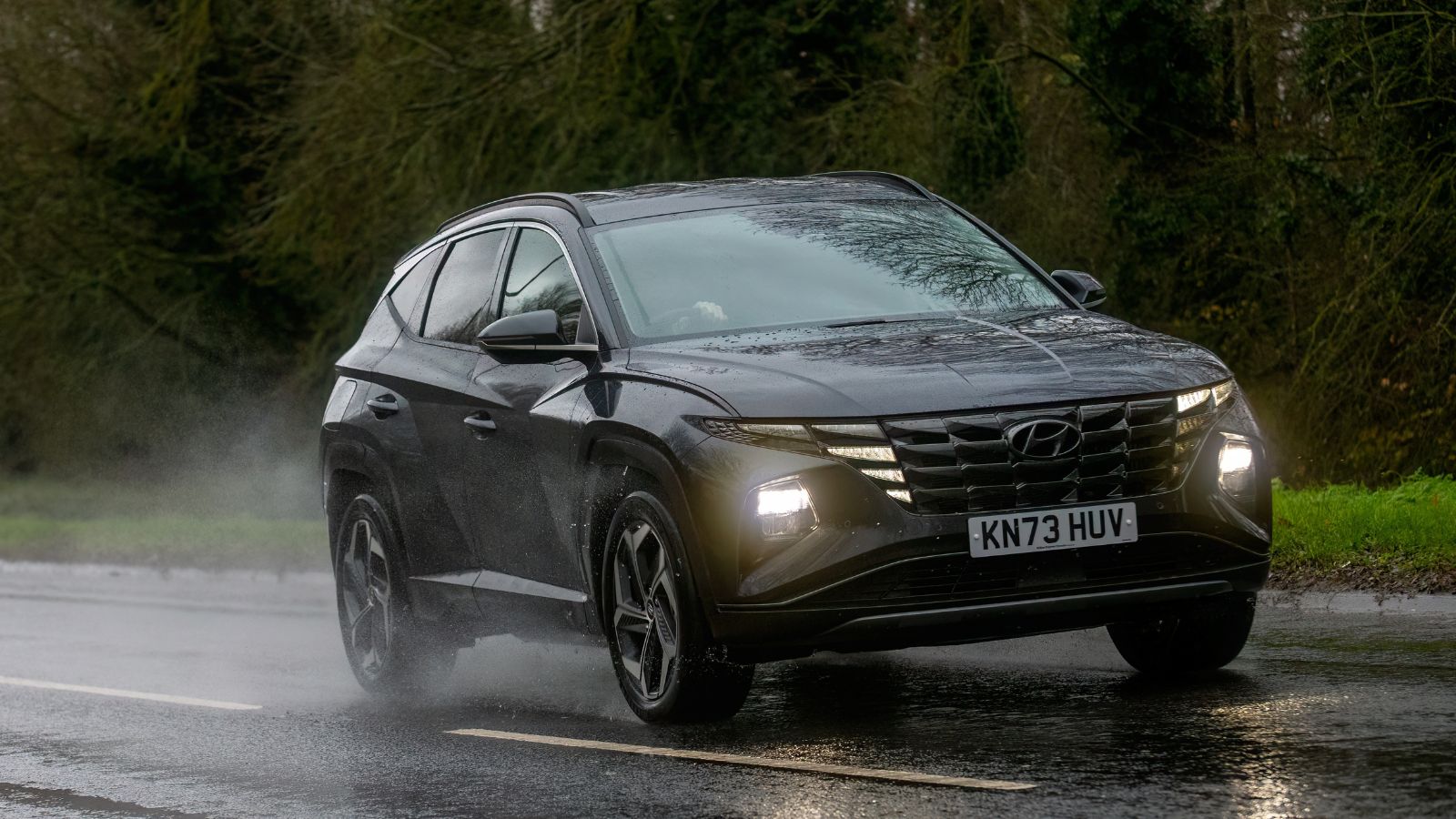
Few things make a moving vehicle stand out at night faster than having no headlights illuminated. What may begin as a simple oversight can make the vehicle difficult for pedestrians and other motorists to detect while also giving police an obvious reason to take notice. British Columbia, for example, requires specified vehicle lamps to be illuminated from half an hour after sunset until half an hour before sunrise, as well as during other conditions when objects cannot clearly be seen from 150 metres away.
Driving without headlights at night also appears in the U.S. National Highway Traffic Safety Administration’s training material on detecting potentially impaired motorists. That does not mean a dark vehicle automatically has an impaired driver. Modern illuminated dashboards, unfamiliar rental cars and incorrect lighting settings can all contribute to mistakes. Nevertheless, a car travelling through a dark neighbourhood with no visible headlamps creates an immediate contrast with surrounding traffic, making an innocent error unusually conspicuous.
Missing or Broken Tail and Brake Lights
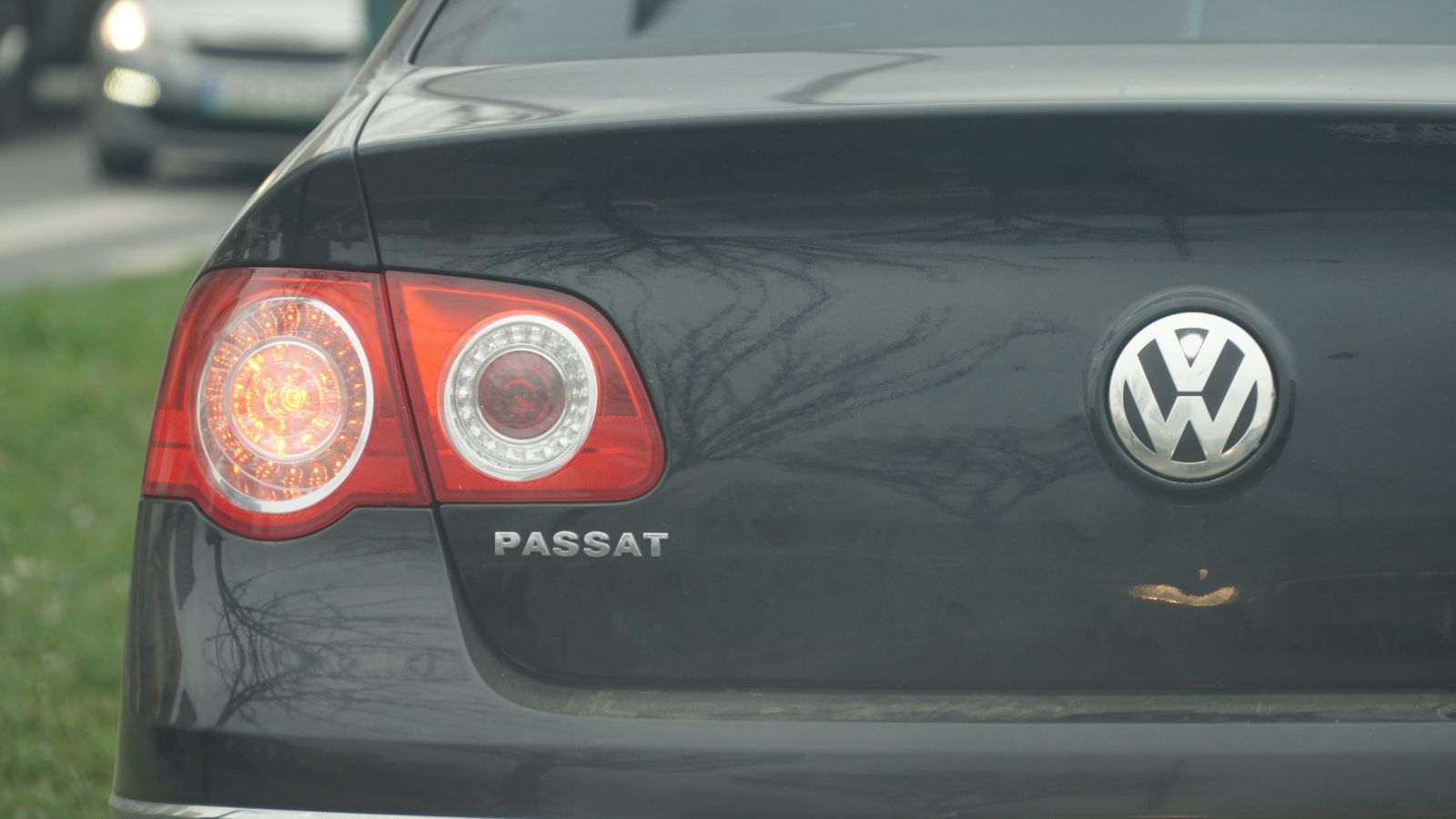
A car can appear normal from the driver’s seat while looking very different from behind. A failed tail lamp may leave one side of the vehicle almost invisible, while defective brake lamps prevent trailing drivers from receiving a clear warning that the vehicle is slowing. At night, that asymmetry is easy to notice, especially when most nearby vehicles display two evenly illuminated rear lamps.
Equipment standards demonstrate why these lights matter. British Columbia’s regulations require most motor vehicles to have two red tail lamps visible from 150 metres to the rear. Stop lamps must also display red light and operate when the service brake is applied. A vehicle with only one working lamp can therefore attract attention for reasons that have nothing to do with criminal activity: it simply looks mechanically incomplete. The situation becomes more noticeable if several lights are out at once, because the vehicle’s shape and movement become harder for other road users to interpret.
A Licence Plate That Cannot Be Read
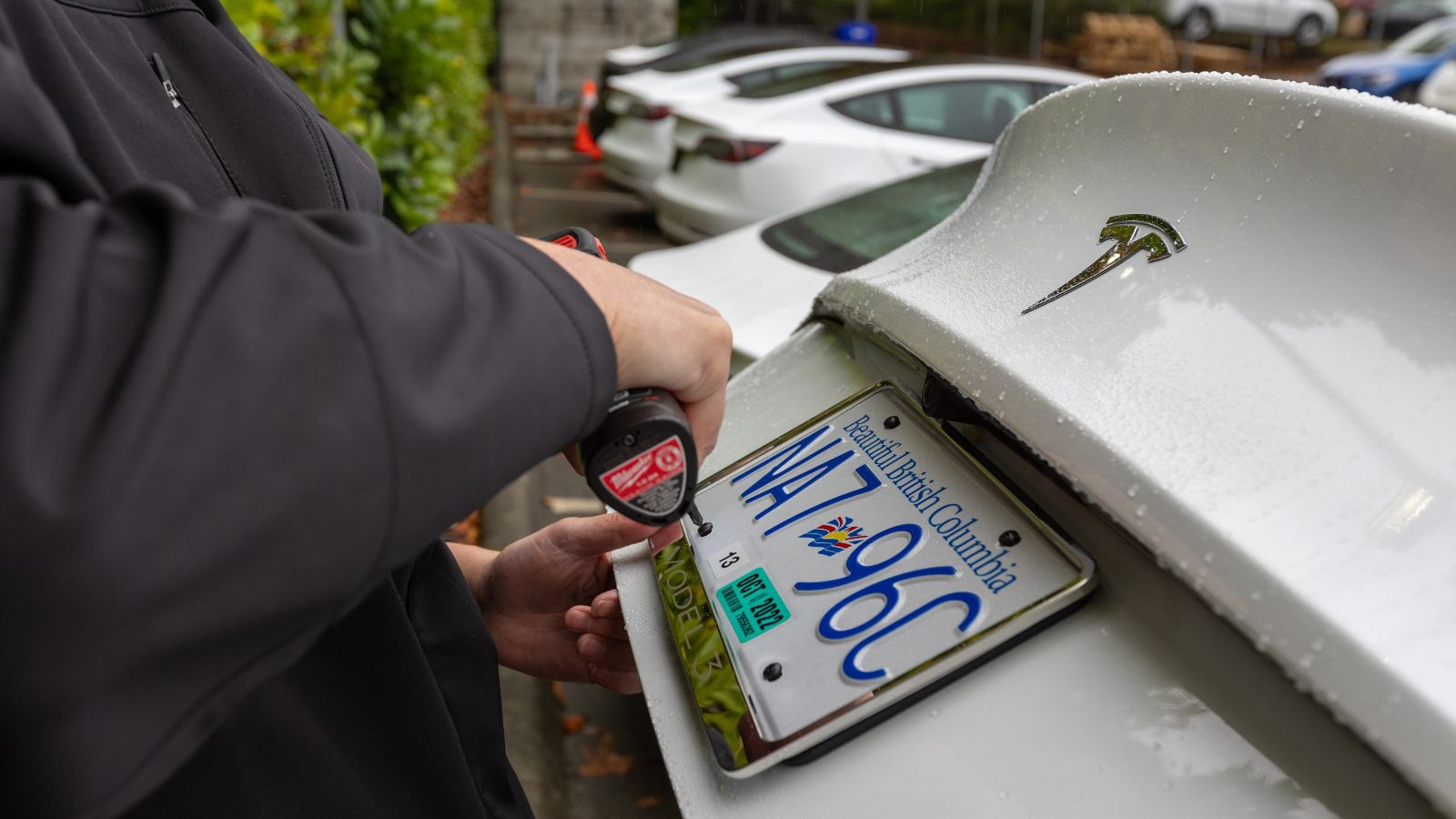
At night, the licence plate becomes one of the quickest visual identifiers on the rear of a vehicle. If it is missing, folded upward, concealed by a cover, buried beneath grime or sitting in darkness because the plate lamp has failed, the vehicle can immediately look unusual. Even when the explanation is harmless, an unreadable plate removes information normally visible on practically every properly registered vehicle around it.
Canadian provincial rules illustrate how specifically plate visibility is treated. British Columbia requires a number plate to remain unobstructed and free from dirt or foreign material so its characters can be plainly read. The province also requires a rear plate lamp that uses white light and makes the plate legible from 15 metres behind the vehicle. A plastic frame covering characters, packed winter slush or a burned-out bulb may therefore create more than an untidy appearance. At night, those small issues can make an otherwise ordinary car noticeably harder to identify.
Extremely Dark Front Windows
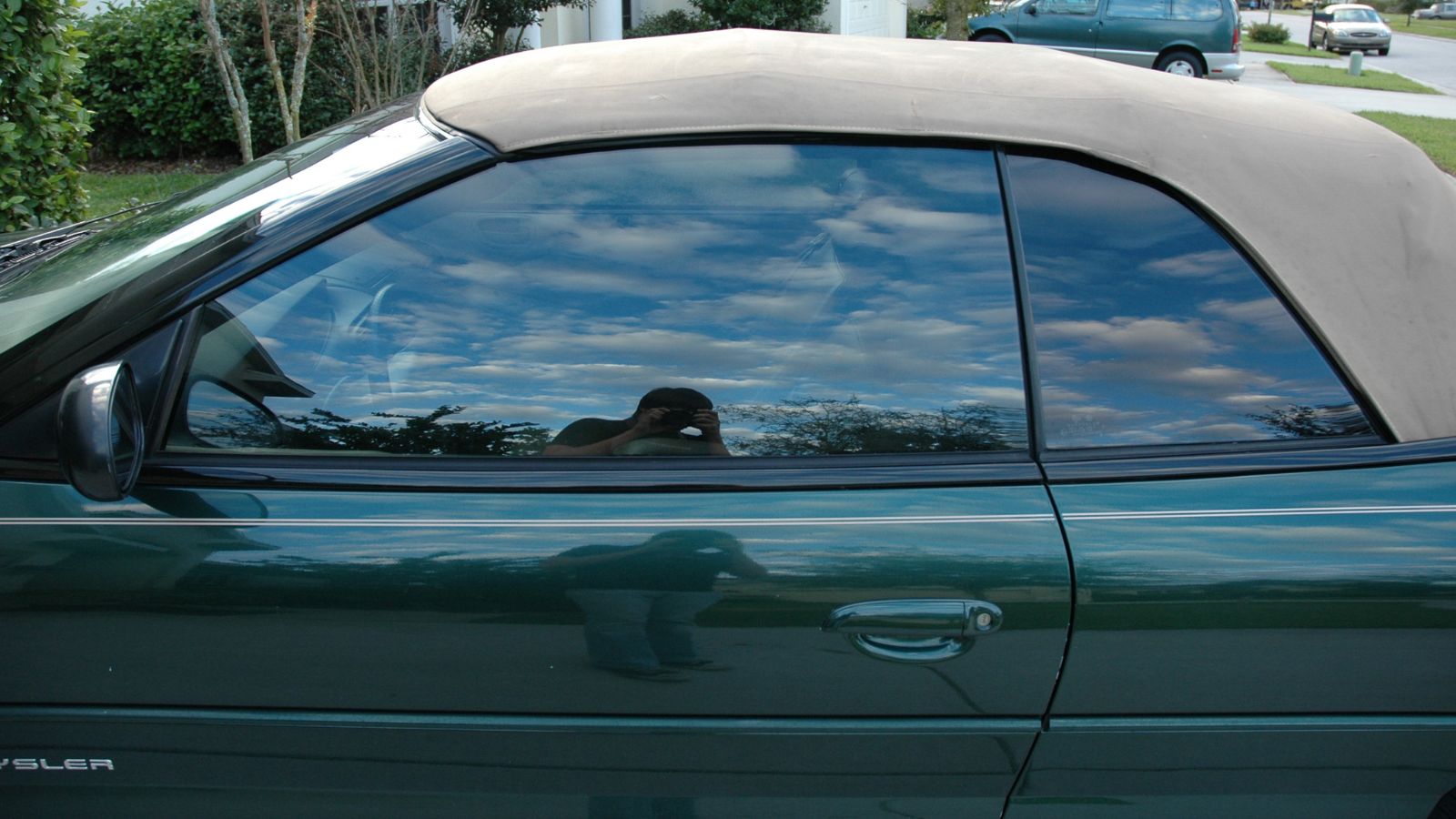
Dark glass can dramatically change the appearance of a vehicle after sunset. When front side windows or the windshield appear almost black, people outside may be unable to see basic movement inside the cabin. That can attract attention during a traffic stop, in a parking lot or when a vehicle is lingering in a residential area. There are legitimate reasons for factory privacy glass on rear portions of many vehicles, so tint by itself should never be treated as evidence of wrongdoing.
Rules governing the front of the cabin are often considerably stricter. In British Columbia, added material that reduces light transmission generally cannot be placed on the windshield except within a strip no more than 75 millimetres below its top, while added tinting material is permitted on side windows behind the driver. The exact rules differ elsewhere. Beyond enforcement, visibility is the practical issue: at night there is already less ambient light, so heavily darkened front glass can make a vehicle’s occupants and interior unusually difficult to see.
High Beams That Stay On Around Traffic

An approaching vehicle with glaring high beams can draw attention from a remarkable distance. The problem becomes particularly obvious when the driver fails to dim them for oncoming traffic or continues using intense auxiliary lighting behind another car. Other motorists may interpret it as aggressive or careless behaviour, while police can see a lighting issue before they are close enough to identify the vehicle itself.
There are measurable reasons for those concerns. British Columbia requires upper beams to illuminate objects at substantially greater distances than lower beams and prohibits their use when another motor vehicle is within 150 metres when the high-intensity portion could strike or reflect into another driver’s eyes. Auxiliary driving lamps also have rules governing their aim and operation. A misaligned lifted truck, improperly installed replacement bulb or forgotten high-beam switch can produce the same appearance without malicious intent. Still, persistent glare is one of those nighttime problems that is almost impossible for surrounding traffic to overlook.
Unusual Flashing or Aftermarket Lighting
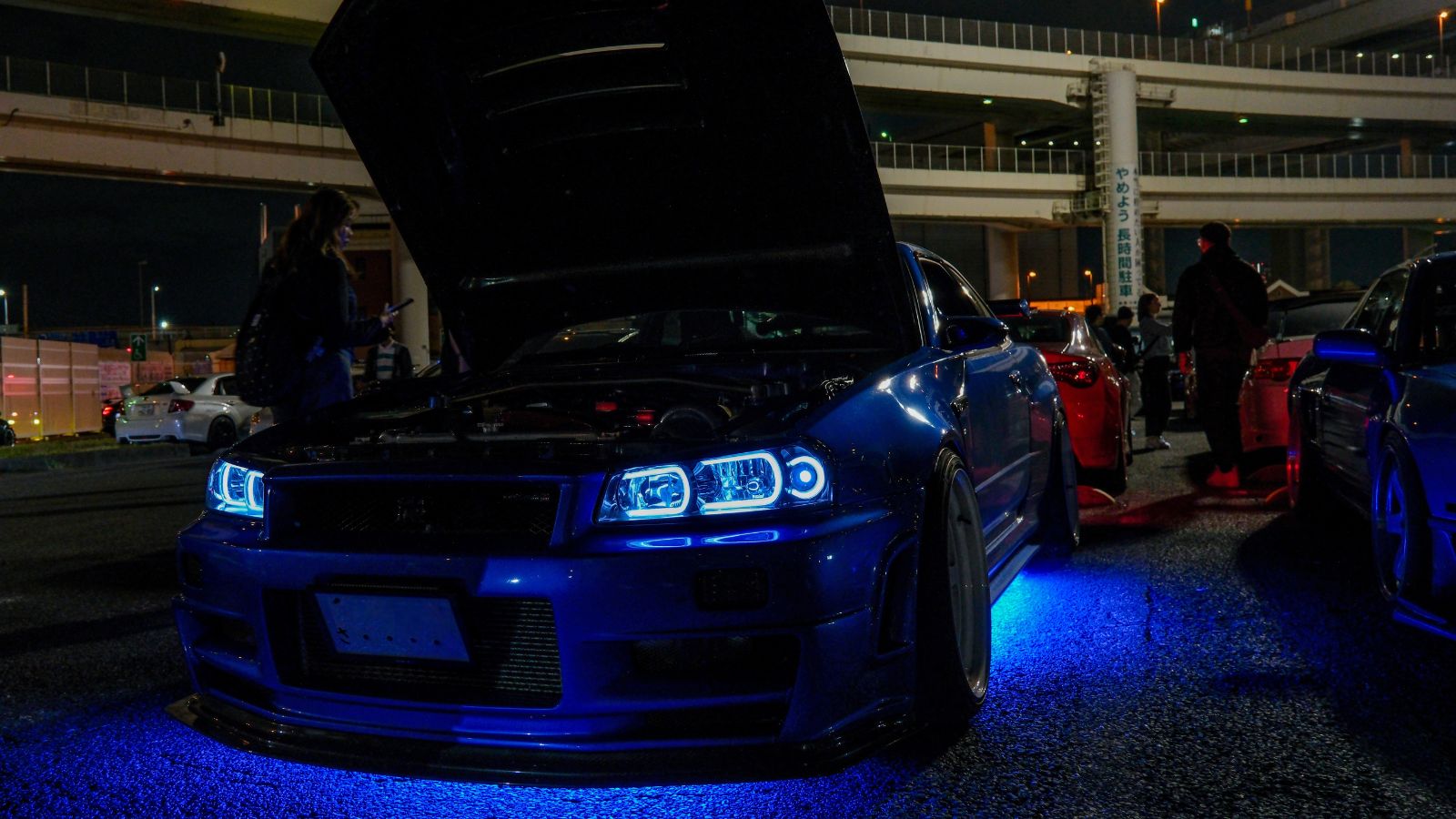
Bright accent lights can make a vehicle distinctive, but some combinations can also make it look out of place on a public road. Rapidly flashing lamps, powerful uncovered off-road lights or lighting colours associated locally with emergency and service vehicles may prompt a second look. Regulations vary substantially by province and state, so there is no universal rule declaring every aftermarket lighting modification unlawful.
British Columbia provides a useful example of how detailed the restrictions can become. Vehicles on highways may use only lighting devices authorized under provincial rules or specifically authorized by the regulator. Headlamps are required to display white light, front parking lamps may be white or amber, rear parking lamps are red, and flashing lamps are restricted to specified circumstances and vehicle classes. The province also requires off-road lamps to be covered while the vehicle is on a highway. What looks impressive at a car meet can therefore become conspicuous in ordinary nighttime traffic if the equipment operates differently from the lighting patterns people expect.
Weaving From One Side of the Lane to the Other
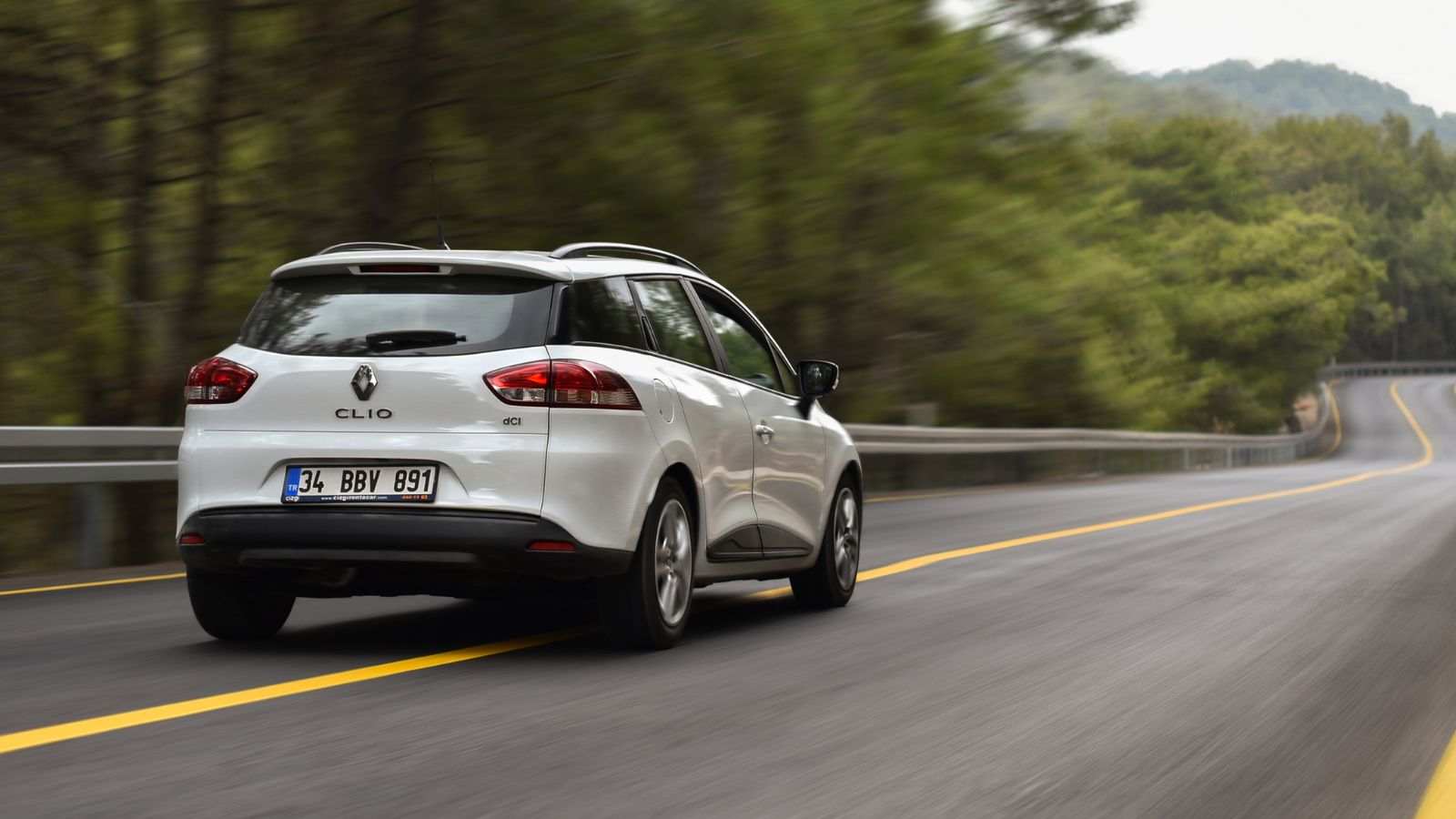
A vehicle that repeatedly wanders toward one lane line and then corrects toward the other naturally attracts attention, particularly late at night. Sometimes the cause is mundane: a driver may be adjusting the climate controls, navigating an unfamiliar road or avoiding potholes. Persistent weaving, however, is one of the vehicle movements law-enforcement training has historically associated with possible impairment.
NHTSA’s visual detection guide was developed after research involving hundreds of officers and more than 12,000 enforcement stops. It identifies weaving, crossing lane lines, drifting, swerving and straddling a lane line among problems maintaining proper lane position. In that research, observing weaving or weaving across lane lines was associated with a greater-than-50-percent probability of alcohol impairment under the circumstances studied. Those numbers should not be used to diagnose an individual driver, and the research is not a substitute for an investigation. From an observer’s perspective, though, repeated corrections create an unmistakably irregular pattern against the normally steady movement of nighttime traffic.
Speeding Up and Slowing Down for No Clear Reason

A vehicle maintaining 70 km/h, suddenly dropping well below the flow of traffic and then accelerating again without an obvious obstacle can look peculiar from behind. Normal driving naturally involves speed adjustments, especially around intersections, hills, wildlife or changing limits. What draws attention is repeated variation when the road ahead appears clear and surrounding traffic remains steady.
Unexplained acceleration and deceleration appear among the speed-and-braking indicators in NHTSA’s impaired-driver detection material. The guide groups varying speed, unexplained acceleration or deceleration, unusually slow travel and irregular stopping together as cues officers may consider alongside other observations. Importantly, no single speed change establishes impairment. Mechanical trouble, poor visibility, unfamiliarity with the route or searching for an address can create similar behaviour. At night, however, surrounding visual information is reduced, so the movement of the vehicle itself becomes a larger part of what observers notice. A repeated surge-brake-surge pattern can consequently make an otherwise unremarkable vehicle seem unusually unpredictable.
Crawling Far Below the Normal Traffic Speed
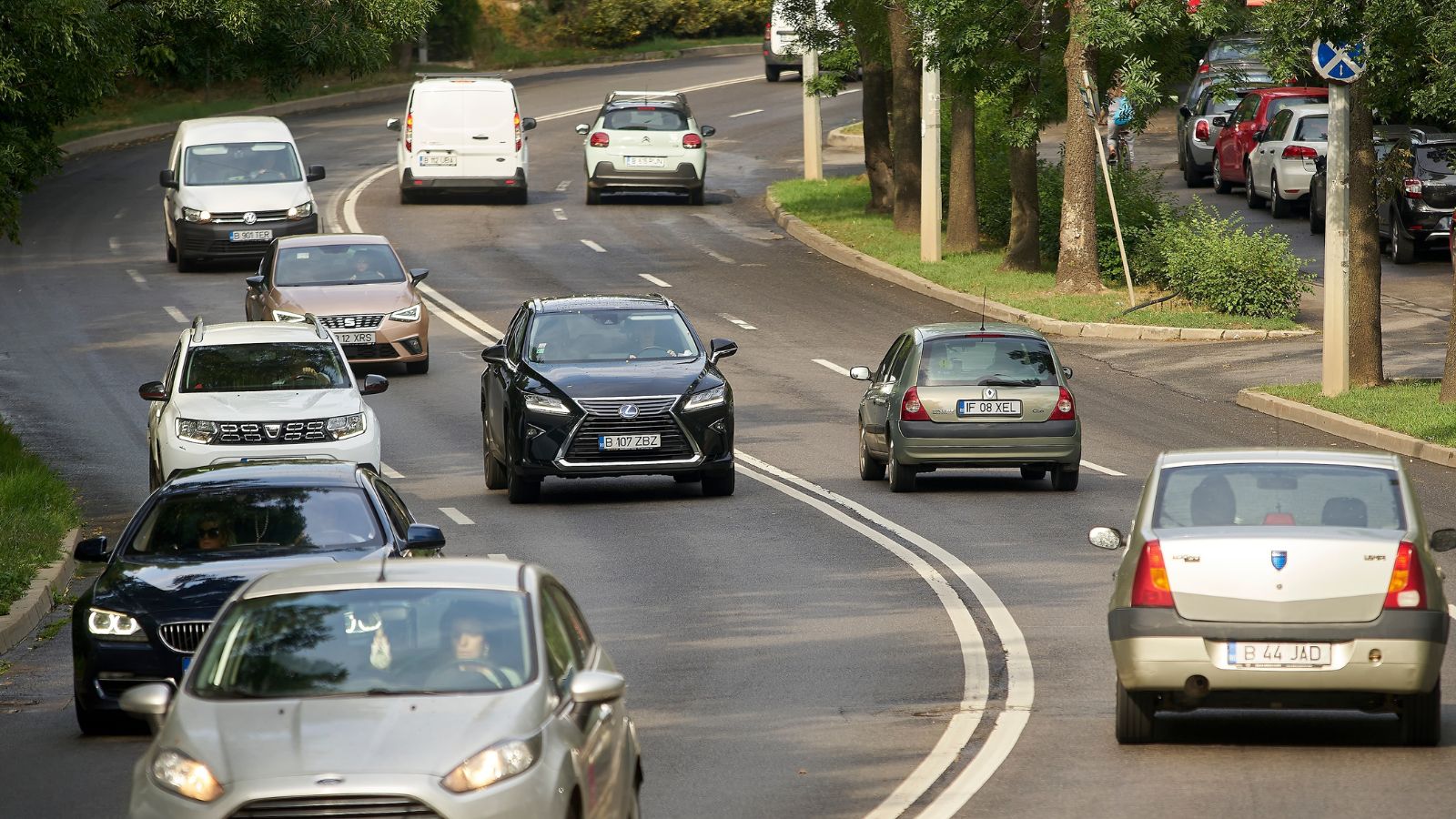
Driving cautiously at night can be sensible. Rain, fog, wildlife, icy pavement and limited visibility may all justify travelling below the posted limit. A vehicle moving dramatically slower than surrounding traffic on a clear, unobstructed road is different because observers cannot immediately see what is causing the hesitation. That uncertainty can make the vehicle appear lost, impaired, mechanically troubled or unusually interested in its surroundings.
NHTSA’s impaired-driving detection guide specifically includes slow driving—defined in that material as roughly 10 mph or more below the limit—as one possible nighttime cue when considered in context. Local police crime-prevention guidance also shows why location matters. Victoria, Texas, lists slow-moving vehicles whose route appears aimless or repetitive among behaviours that may warrant attention, particularly around certain sensitive locations. Neither standard means that slow driving is inherently suspicious. A delivery worker searching for an address is a straightforward counterexample. What attracts attention is the combination of unusual speed, location, repetition and lack of an obvious explanation.
Signals That Do Not Match the Vehicle’s Movement
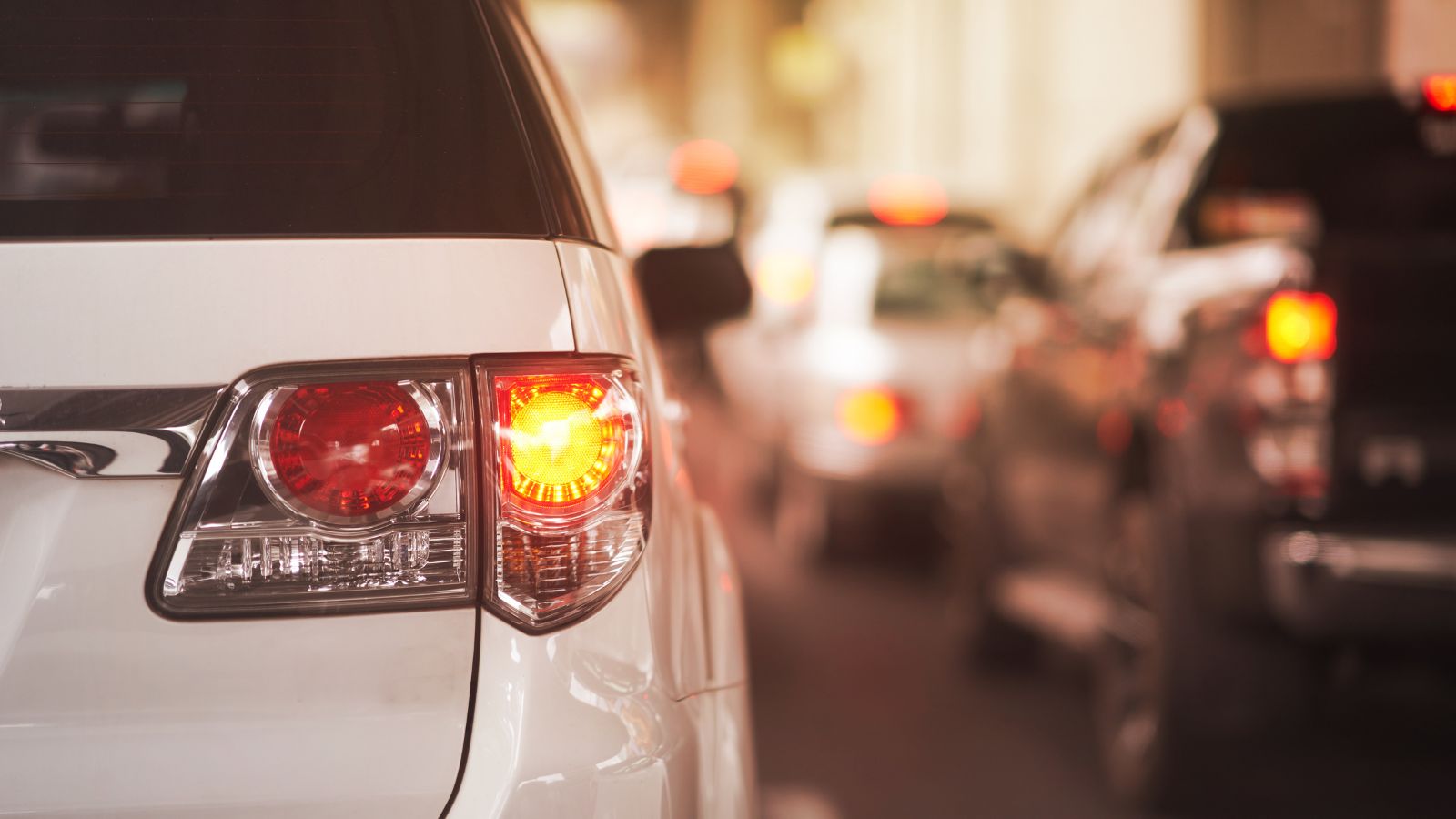
Turn signals are supposed to make a driver’s intentions predictable. When a vehicle signals left but turns right, leaves a blinker operating through several intersections or suddenly changes lanes without signalling at all, that predictability disappears. At night, flashing turn lamps are especially visible, so a signal that contradicts the vehicle’s movement may stand out more strongly than it would in bright daylight.
NHTSA identifies failure to signal and signals inconsistent with driving actions among the vigilance cues historically used in impaired-driving detection. Regulations also emphasize that signals must be conspicuous: British Columbia requires qualifying lamp-type turn signals to be visible from each side at a distance of 100 metres in normal sunlight, illustrating how deliberately noticeable these devices are designed to be. An accidental signal is common and usually meaningless. Drivers can forget to cancel a blinker, and some older mechanisms do not self-cancel reliably. Repeated signalling mistakes combined with other erratic behaviour, however, can create a pattern that attracts substantially more attention.
Stopping in a Travel Lane for No Apparent Reason
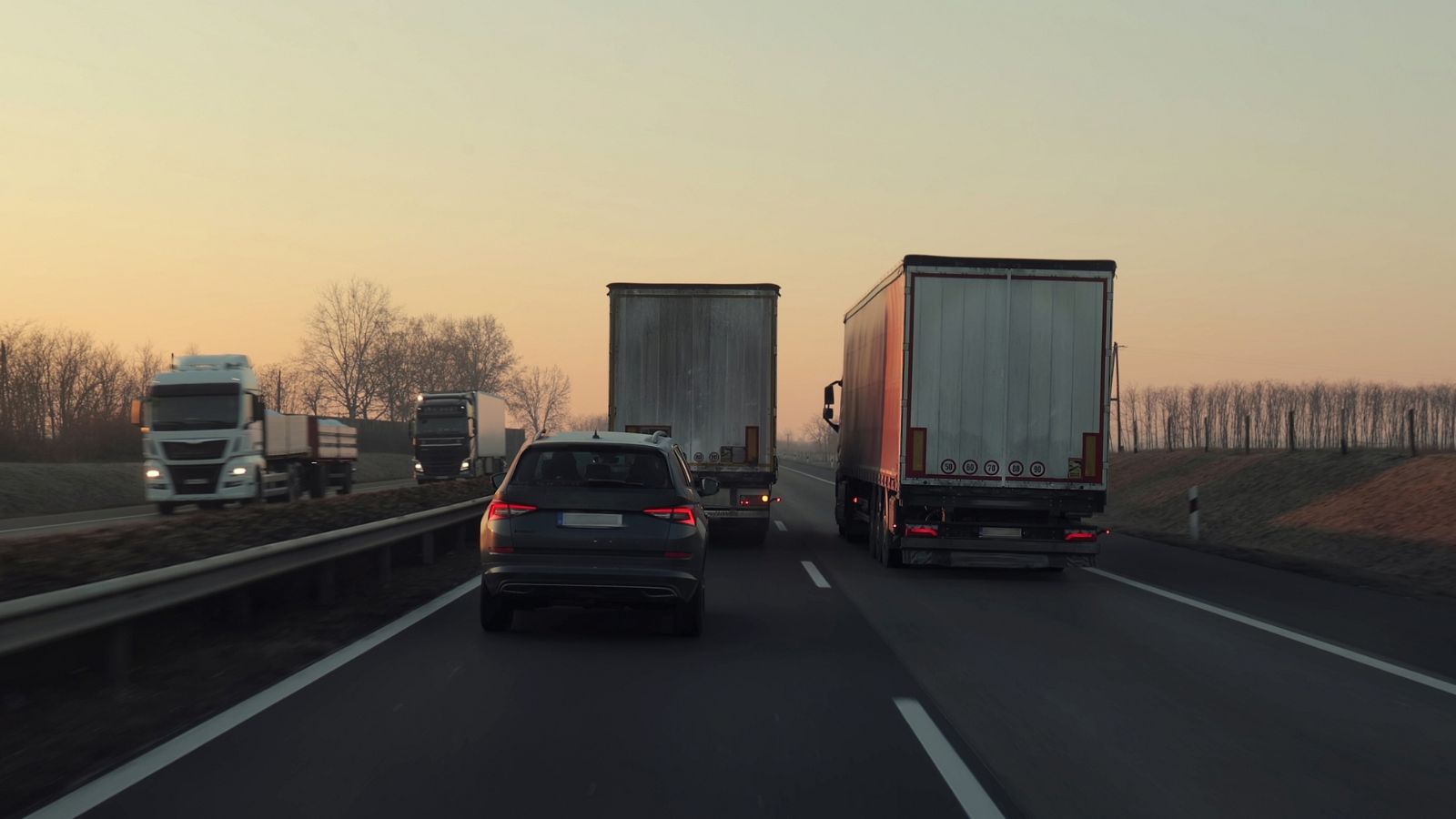
A car sitting motionless in an active lane late at night can instantly look wrong, even before anyone understands the reason. The driver might have encountered a mechanical failure, become confused by navigation instructions or stopped for an animal that other motorists cannot see. Because stopping in a live lane creates an immediate hazard, however, police and approaching drivers have good reason to pay attention.
NHTSA’s impaired-driver detection material lists stopping in a lane for no apparent reason as a vigilance problem and also identifies unusually slow responses to traffic signals. The agency’s guidance notes that a driver who remains stopped long after a light changes may simply be lost or confused, demonstrating why observation alone does not establish impairment. Context remains essential. A stalled engine and an impaired driver can initially create a very similar scene from fifty metres away. At night, when sight distance and surrounding cues are reduced, a vehicle that unexpectedly stops where traffic is supposed to keep moving is naturally likely to receive closer scrutiny.
Repeatedly Circling the Same Streets or Parking Lot
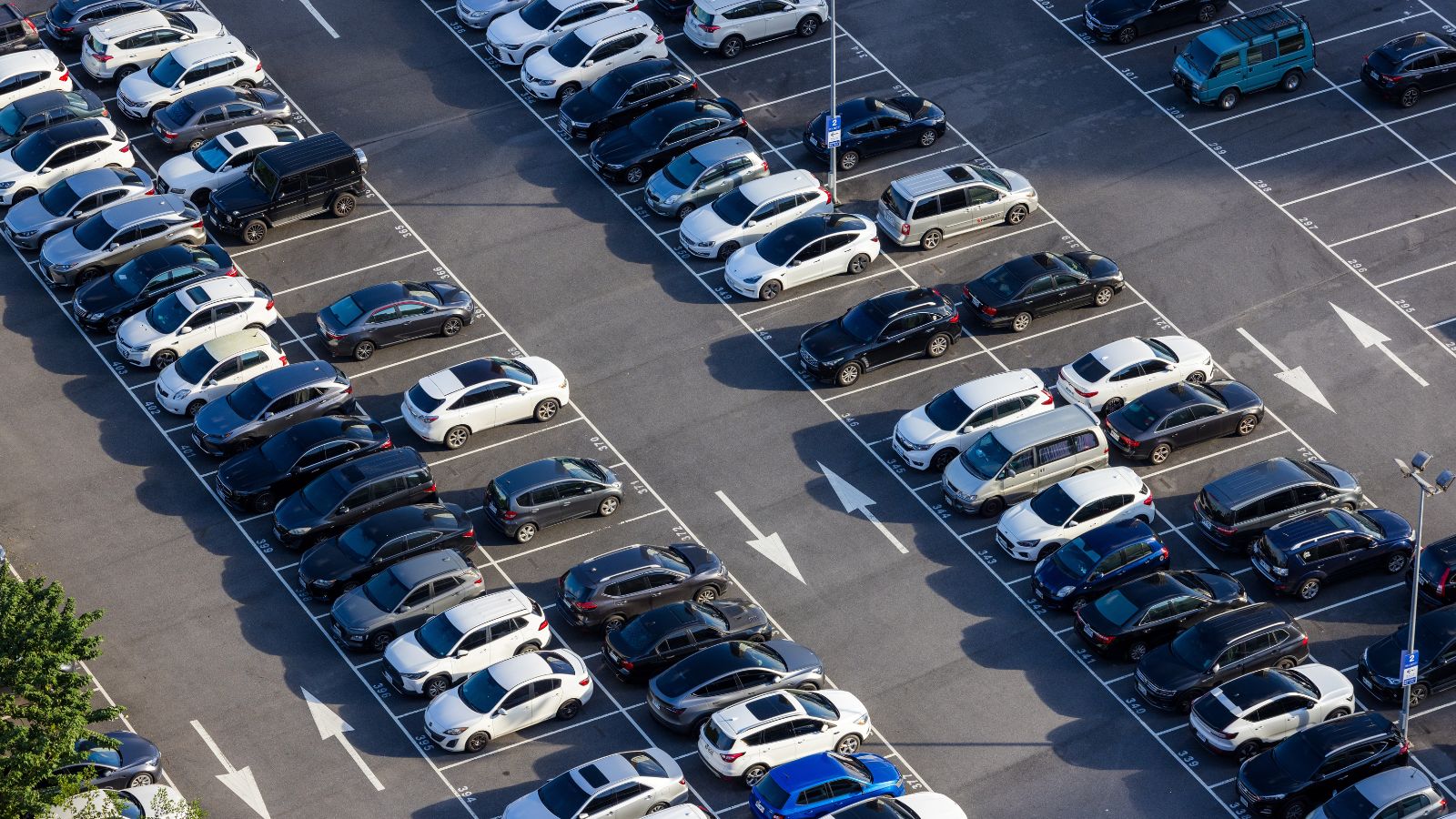
Passing the same house or row of parked cars once means very little. Passing it again and again at low speed can create a very different impression, particularly when nearby businesses are closed. The driver could simply be searching for an address, waiting for a pickup or navigating a confusing one-way system. Repetition is what makes the behaviour noticeable because it suggests the vehicle is concentrating on a small area rather than simply travelling through it.
Official police crime-prevention guidance provides examples of that distinction. The Tiburon Police Department lists vehicles cruising parking lots at very slow speeds for extended periods while observing parked cars as suspicious activity. It also mentions vehicles that continue cruising after dropping someone off. Victoria police similarly identifies routes that appear aimless or repetitive. These are examples rather than proof of criminal activity, and innocent delivery or rideshare work can look remarkably similar. Still, after dark, repeated loops around the same quiet block can make a vehicle stand out quickly to residents, security personnel and patrol officers.
Sitting in a Running Parked Car for a Long Time
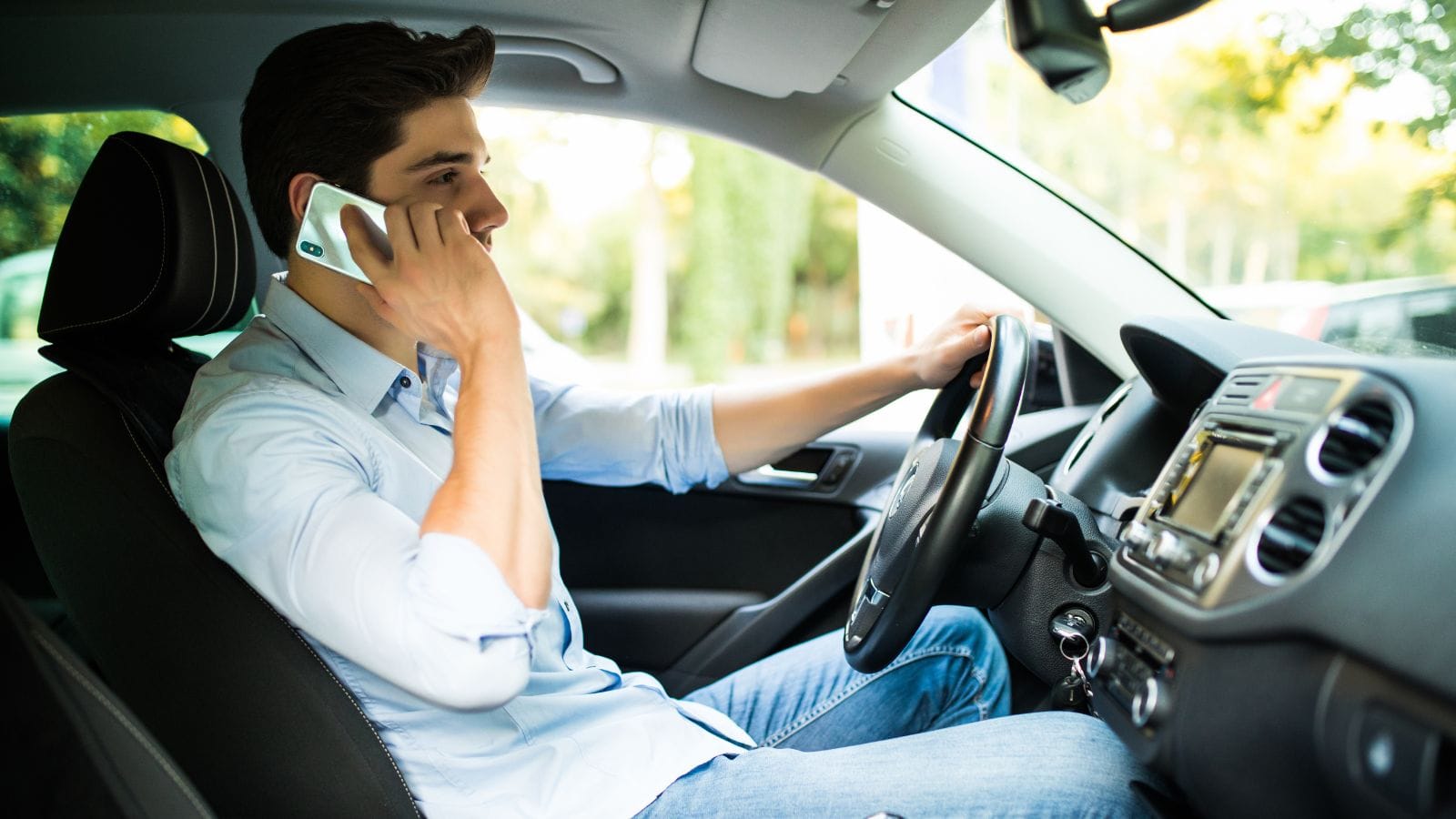
An occupied vehicle idling for several minutes is ordinary in many situations. Someone may be waiting for a passenger, warming the cabin in winter, finishing a phone call or working as a rideshare driver. The same behaviour becomes more noticeable when it continues for a long period outside a closed business, near an empty parking lot or on a quiet residential street in the middle of the night.
Several police agencies explicitly tell residents that context is important when observing parked vehicles. Tiburon police includes people sitting in running parked cars for prolonged periods among activities residents may find suspicious. Victoria police similarly notes that certain parked and occupied vehicles can draw attention when observed at an unusual hour. Neither agency’s guidance means an occupied parked car is evidence of an offence. It illustrates how time and location can transform an ordinary action. Ten minutes outside an open restaurant looks routine; the same ten minutes beside an unoccupied warehouse at 3 a.m. may naturally prompt more questions.
Parking in a Location That Makes Little Sense
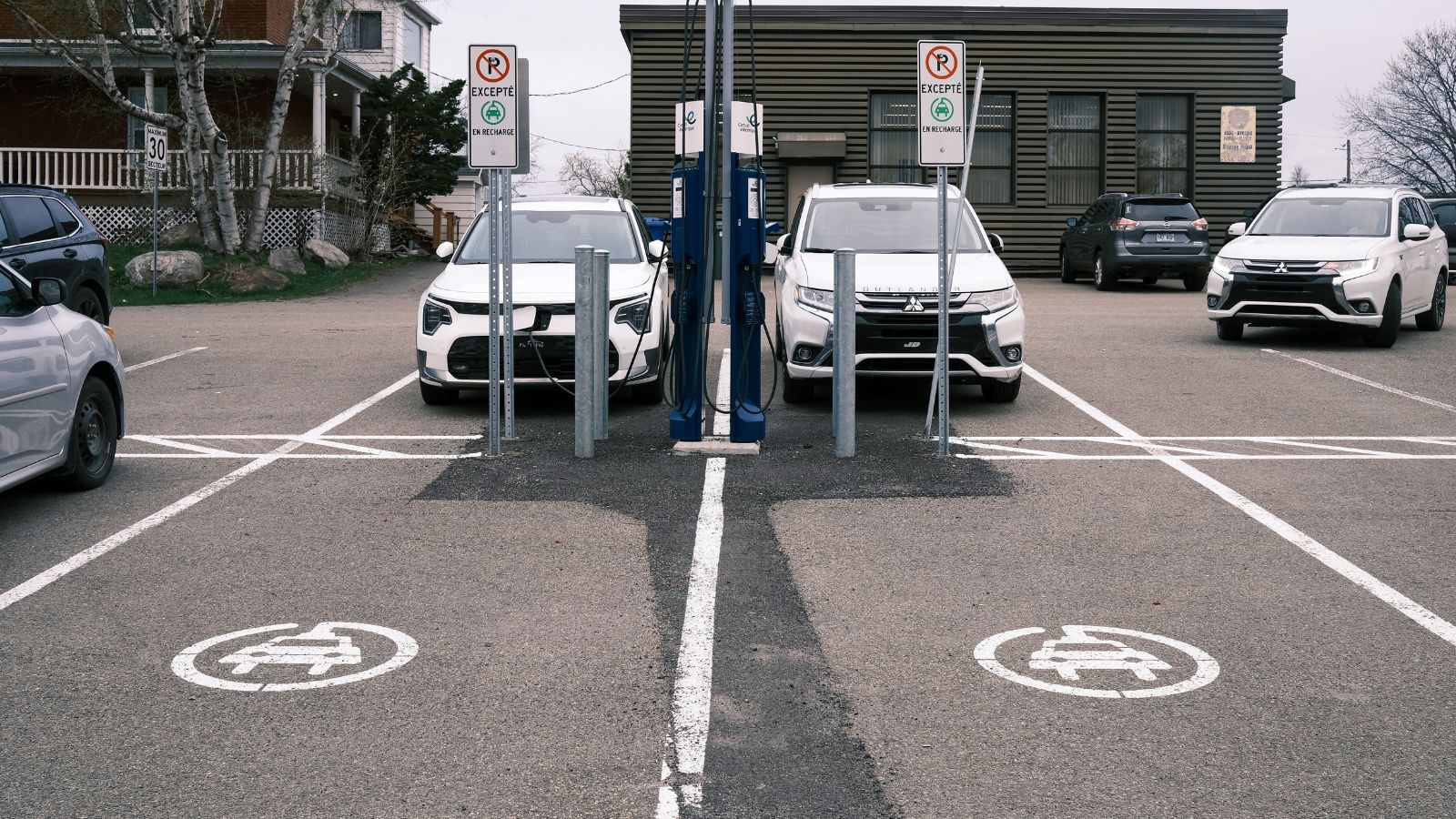
Sometimes it is not the condition of a vehicle but where it has been placed that changes how people perceive it. A car parked properly in a residential driveway blends into the background. The same vehicle tucked behind a closed facility, positioned beside a restricted entrance or stopped where vehicles rarely have a reason to wait can appear conspicuous, especially when the surrounding area is otherwise empty.
The Metropolitan Police Department in Washington, D.C., includes a vehicle parked in an odd location among examples of unusual situations that can warrant attention in an appropriate security context. Its guidance also emphasizes attention to facilities and infrastructure when behaviour goes beyond ordinary public interest. That distinction matters. There are countless innocent reasons to stop somewhere unfamiliar, ranging from navigation problems to roadside emergencies. Location alone cannot establish intent. What changes perception is context: an unusual parking position combined with a late hour, prolonged waiting or repeated observation of a particular property can make the situation look substantially less routine than the vehicle itself.
Loading Property Outside a Closed Building
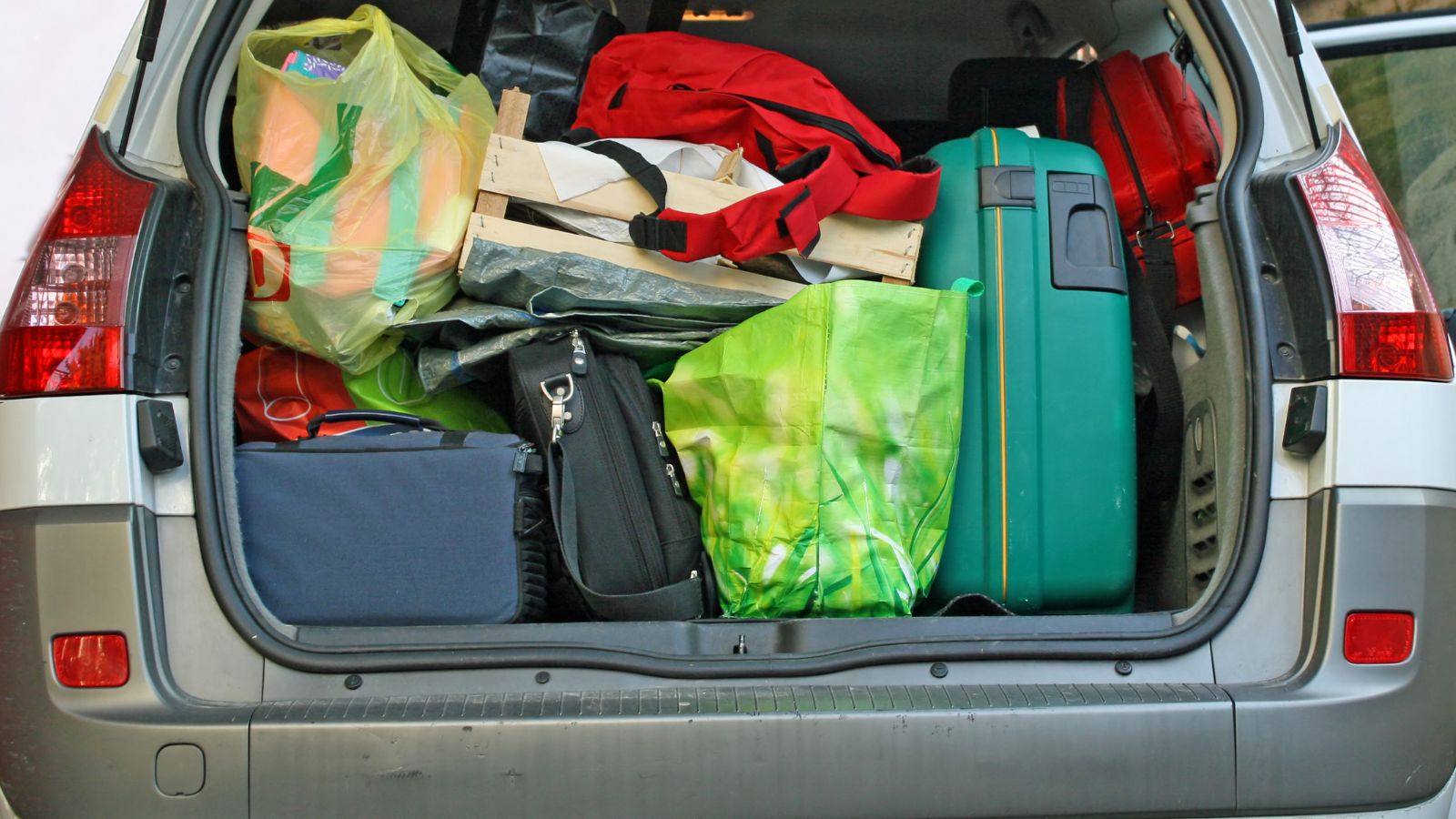
Moving boxes, electronics, tools or furniture into a vehicle is normally unremarkable. At the right time and place, it may simply be someone moving house or a contractor finishing a job. At night outside a building that is clearly closed or a residence known to be empty, however, the same activity can look very different because observers cannot easily determine whether the property is being removed legitimately.
Victoria police specifically identifies vehicles being loaded with valuables in front of a closed business or unattended residence as a type of suspicious activity. Its guidance notes that even a legitimate-looking commercial vehicle does not automatically resolve the question, because context is more important than appearance. That is also why a branded van should not be presumed innocent or guilty solely because of its markings. Legitimate movers, technicians and emergency repair crews routinely work unusual hours. Still, a vehicle rapidly receiving high-value property from a dark building at midnight provides observers with more concrete behavioural information than a car that is simply parked nearby.
Dirt, Snow or Debris Covering the Lights and Plate
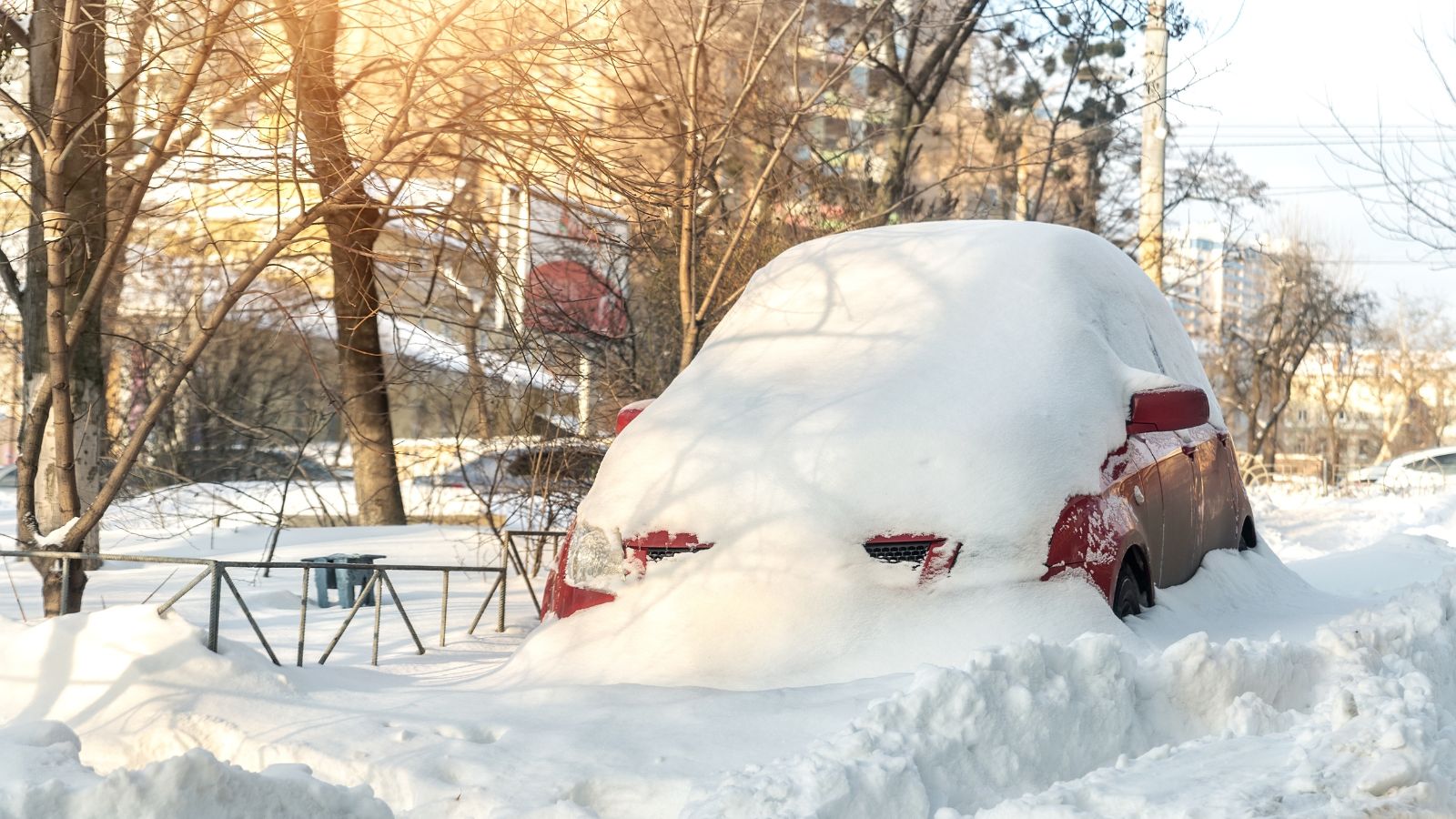
Winter can turn an ordinary vehicle into something surprisingly difficult to recognize. Snow accumulates across tail lamps, slush coats licence plates, and road grime can reduce the effectiveness of reflectors and lenses. In daylight the problem may look like routine winter mess. At night, covered lighting can distort the visible shape of the vehicle, while an unreadable plate may make it appear deliberately concealed even when the buildup happened naturally.
British Columbia regulations directly address both issues. Number plates must remain unobstructed and free from dirt or foreign material so their characters can be read. Required lamps and reflectors must also be maintained in working order and cannot be covered or obscured by dirt or other material. That makes a quick walk around the vehicle particularly worthwhile after driving through heavy snow or slush. A driver may have done nothing suspicious whatsoever, yet a rear end with two snow-packed lamps and an invisible plate can look strikingly abnormal to anyone approaching from behind—and can create a genuine visibility problem at the same time.
Front Lights On but the Rear of the Vehicle Is Dark
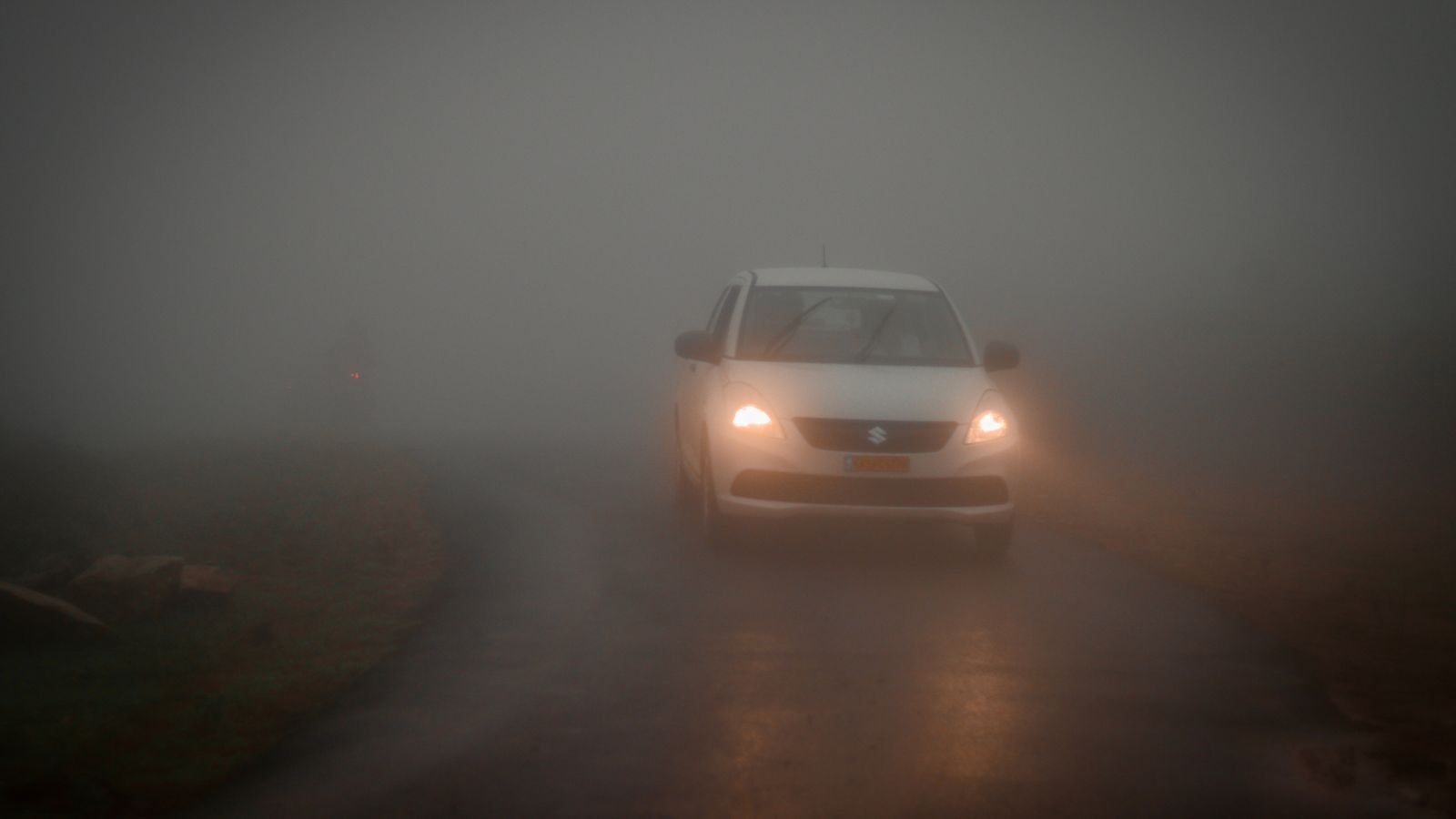
One of the stranger nighttime sights is a vehicle that appears illuminated from the front but almost disappears when viewed from behind. Daytime running lights helped create this phenomenon on some older vehicles because drivers could see light ahead and an illuminated dashboard without realizing that their normal nighttime lighting—and particularly the rear lamps—had not been switched on. Transport Canada came to describe such vehicles as “phantom vehicles.”
The concern was significant enough for Canada to change its vehicle-lighting requirements. Transport Canada introduced new standards applying to new vehicles from September 2021. Manufacturers must use solutions designed to prevent drivers from unknowingly travelling in darkness without the appropriate lighting, such as automatically activating rear lights with daytime running lights, automatically switching on the required lamps in darkness, or keeping the instrument panel dark until the lights are activated. Older vehicles remain on the road, of course. A car showing bright front running lamps while presenting a dark rear profile can therefore still attract immediate attention on a nighttime highway.

Alanna Rosen is an experienced content writer that focuses on many EV and educational content. Her articles are regularly published on Get CyberTrucked and syndicated on large publications.