
A vehicle’s cabin is built to handle years of commuting, errands, road trips, muddy shoes, and changing weather, but durability does not make it indestructible. Many signs of interior aging are accelerated by ordinary habits that seem harmless at the time. Sunlight can fade materials, loose grit can act like an abrasive, everyday cosmetics can mark surfaces, and an innocent cleaning product can be surprisingly aggressive.
The good news is that much of this wear is preventable without obsessive detailing or expensive treatments. These 17 everyday mistakes show how small routines can affect seats, carpets, trim, screens, and other cabin components—and what simple changes can help keep an interior looking and functioning better for longer.
Parking in Direct Sunlight Day After Day

A sunny parking space may be convenient, but repeated exposure to heat and ultraviolet radiation can be punishing for interior materials. Hyundai specifically cautions that excessive sunlight and heat can fade and dry certain leather, contributing to wrinkles and discoloration. AAA likewise notes that prolonged sunlight can affect upholstery, dashboards, plastics, and electronics. A parked vehicle can also become extremely hot surprisingly quickly.
That does not mean every outdoor parking session ruins a dashboard. The concern is accumulated exposure over months and years. A commuter who leaves the same side of a vehicle facing afternoon sun every weekday may eventually notice uneven fading or drying. Garage parking is ideal when available, while shade and a windshield sunshade can reduce direct exposure. Even periodically changing how a vehicle is parked can keep one seat, door panel, or section of the dashboard from taking the full burden every day.
Letting Spills Sit Until Later
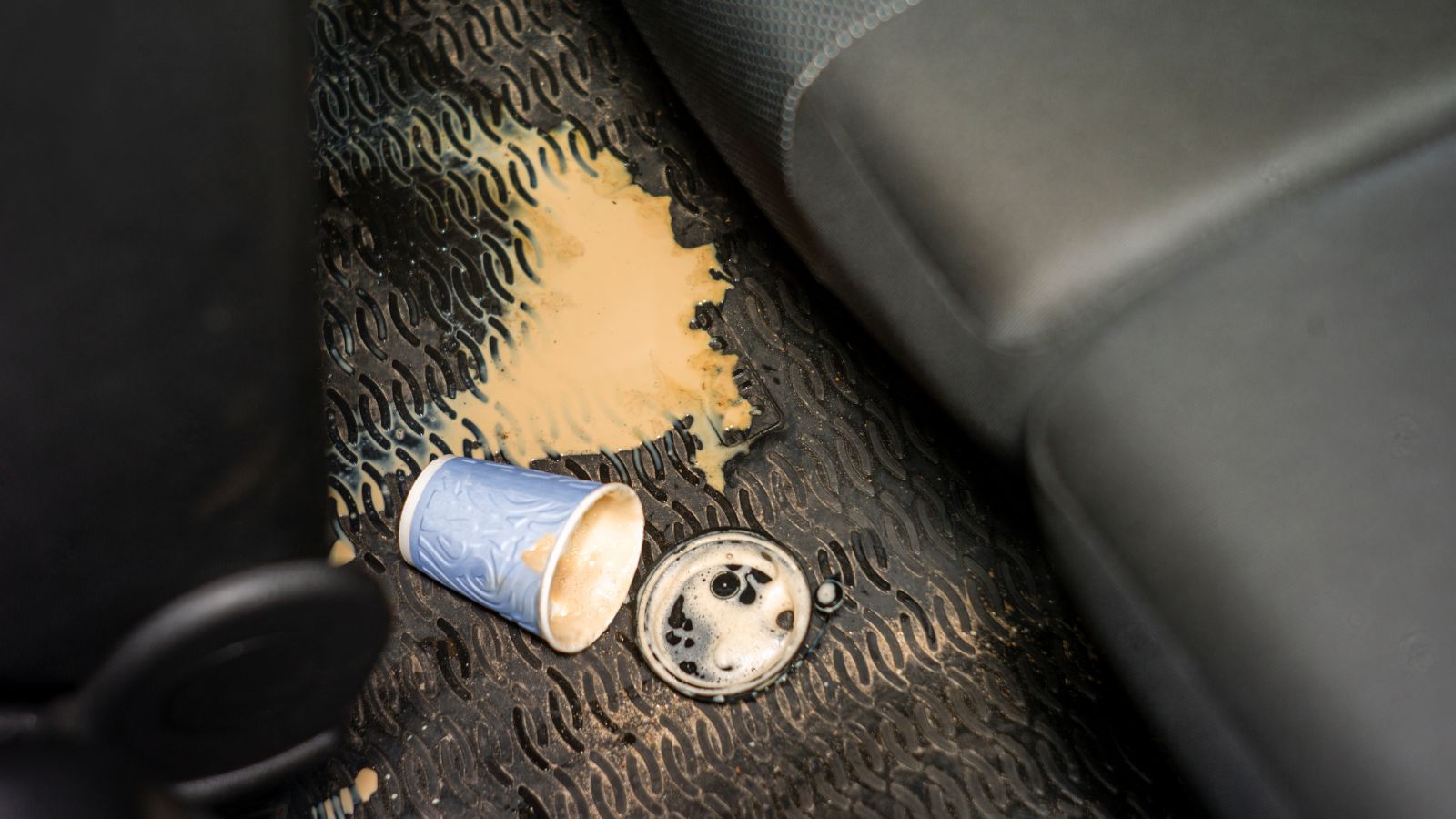
A splash of coffee during the morning commute can feel like something that can wait until the weekend. Unfortunately, automaker care instructions repeatedly recommend dealing with contamination quickly. Hyundai says spills on leather should be removed immediately, while Kia warns that untreated fresh spots on fabric can stain and affect the material’s colour. Tesla similarly advises wiping spills and chemical residues from interior surfaces as soon as practical.
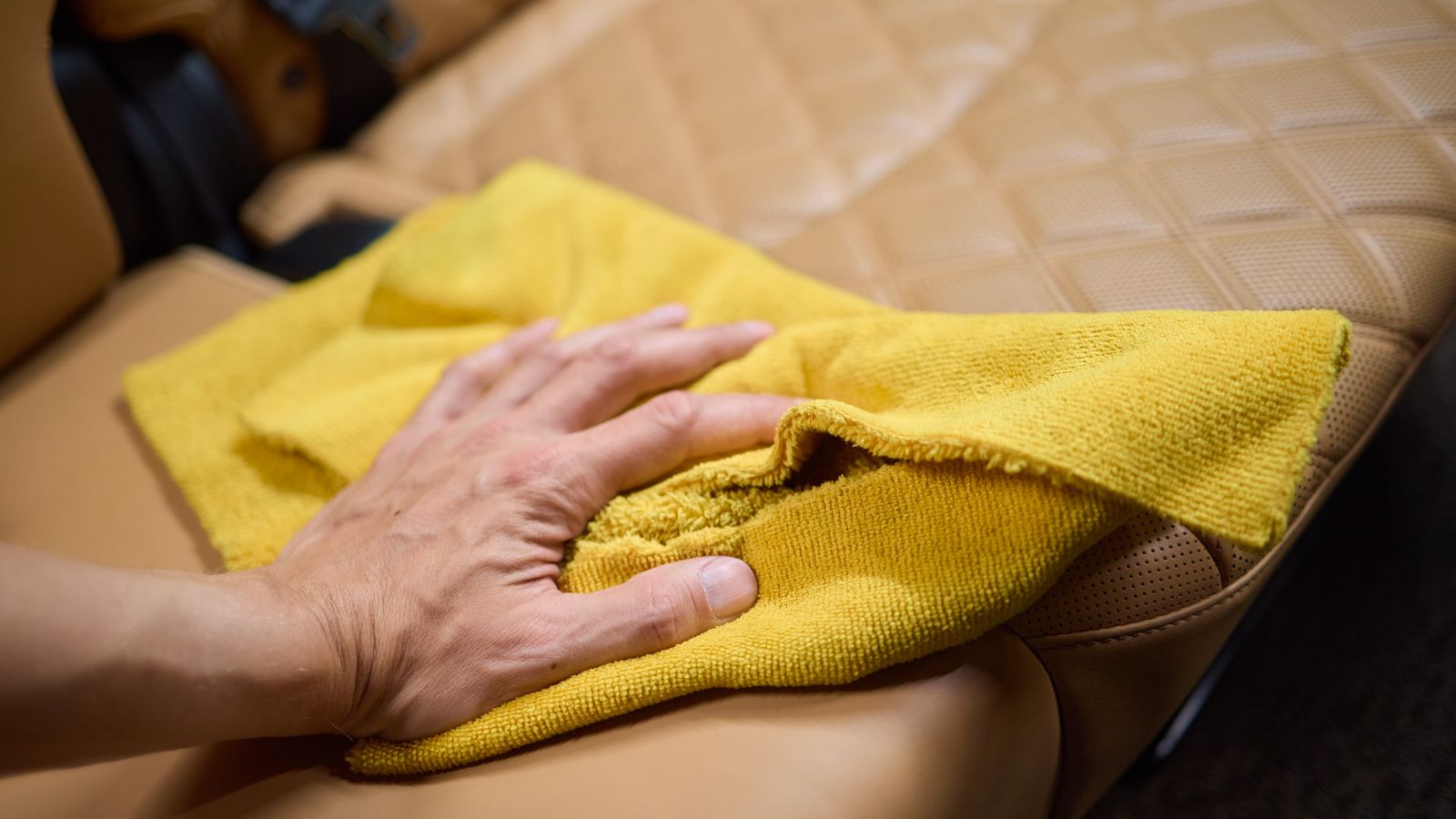
Speed matters because liquid can spread beyond the visible mark. It may work into stitching, perforations, seams, carpet backing, or seat padding before anyone realizes how far it travelled. Sugary drinks and oily foods can be particularly annoying because a surface may look clean while residue remains underneath. Keeping a clean microfiber cloth in the glovebox gives owners a practical first response: blot the spill, avoid aggressive rubbing, and complete the appropriate material-specific cleaning when there is time to do it properly.
Eating and Drinking Without Managing the Mess

Breakfast in traffic and snacks on a road trip are part of everyday car ownership, but regularly turning the cabin into a dining room creates more opportunities for stains, crumbs, grease, and lingering smells. AAA notes that vehicle carpets commonly collect crumbs from spilled food, while Consumer Reports recommends checking beneath seats and around cupholders when tracking down interior odours. Kia specifically provides cleaning guidance for beverages such as coffee and soft drinks on leather.
The biggest problem is often accumulation rather than one dramatic spill. A few cereal pieces disappear between the cushions, fries migrate underneath a seat, and small coffee drips dry inside a cupholder. Months later, the cabin can smell stale despite appearing reasonably clean. Using closed drink containers helps, but routine vacuuming matters just as much. Removing food debris from seams, carpets, and areas beneath seats prevents minor messes from becoming deeply embedded problems that require far more work later.
Reaching for Household Cleaners Without Checking First
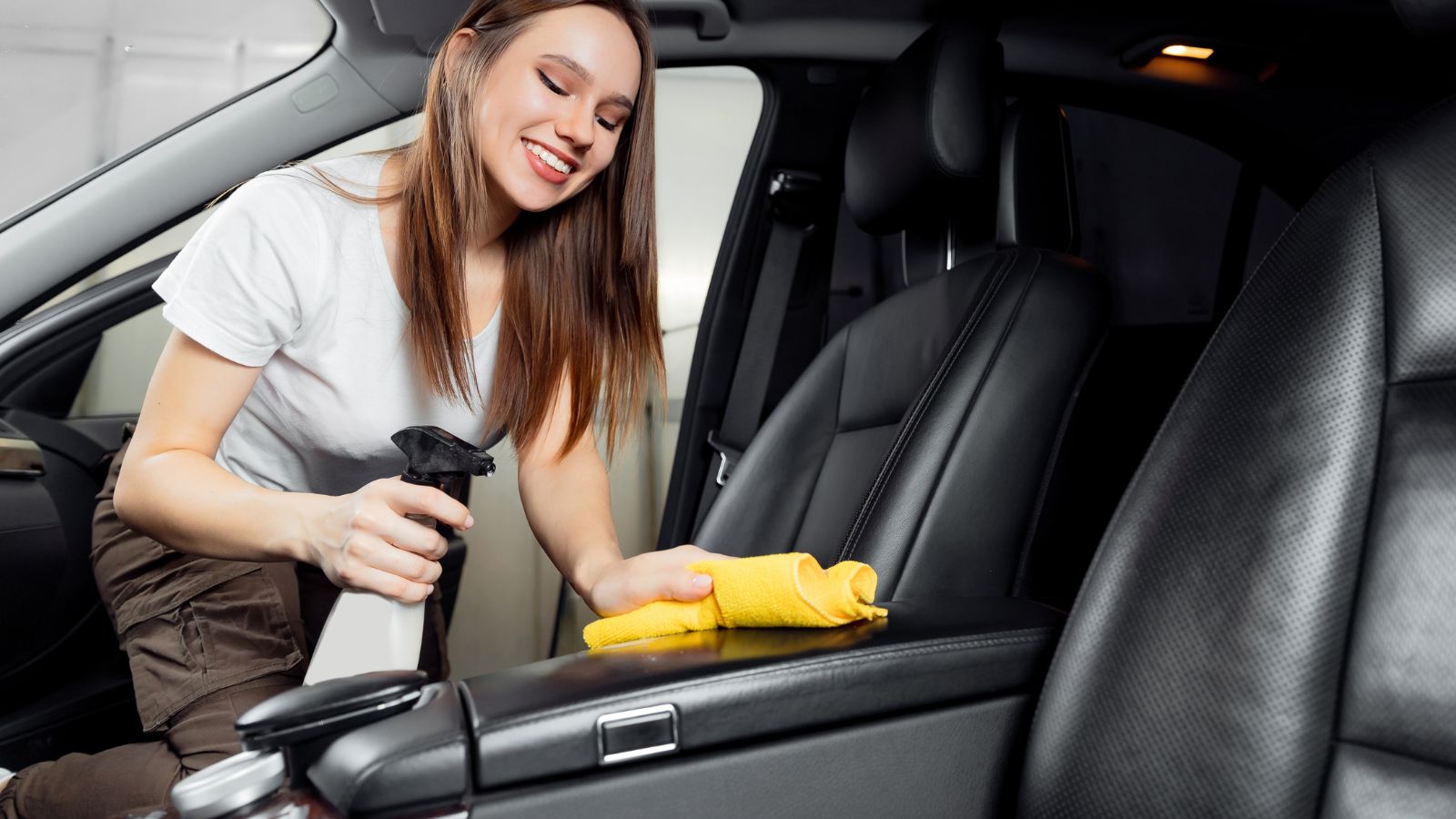
A powerful household cleaner can make a kitchen counter shine, but automotive interiors contain coatings, plastics, synthetic materials, electronics, leather, fabrics, and decorative finishes that may respond very differently. Kia warns that high-alcohol solutions and acidic or alkaline detergents can fade leather or strip its surface. Tesla cautions against several solvents and chemicals on interior components and recommends mild approaches for many surfaces.
The mistake usually happens with good intentions. Someone sees a stubborn mark and assumes a stronger product will remove it faster. It might—but it can also change the sheen, create a pale patch, soften a coating, or leave permanent discoloration. Automaker instructions should therefore take priority over generic cleaning advice. When trying an unfamiliar product, testing a tiny concealed area first is a sensible precaution. The goal is not simply to remove dirt; it is to remove it without taking part of the original finish along with it.
Scrubbing Upholstery as Hard as Possible
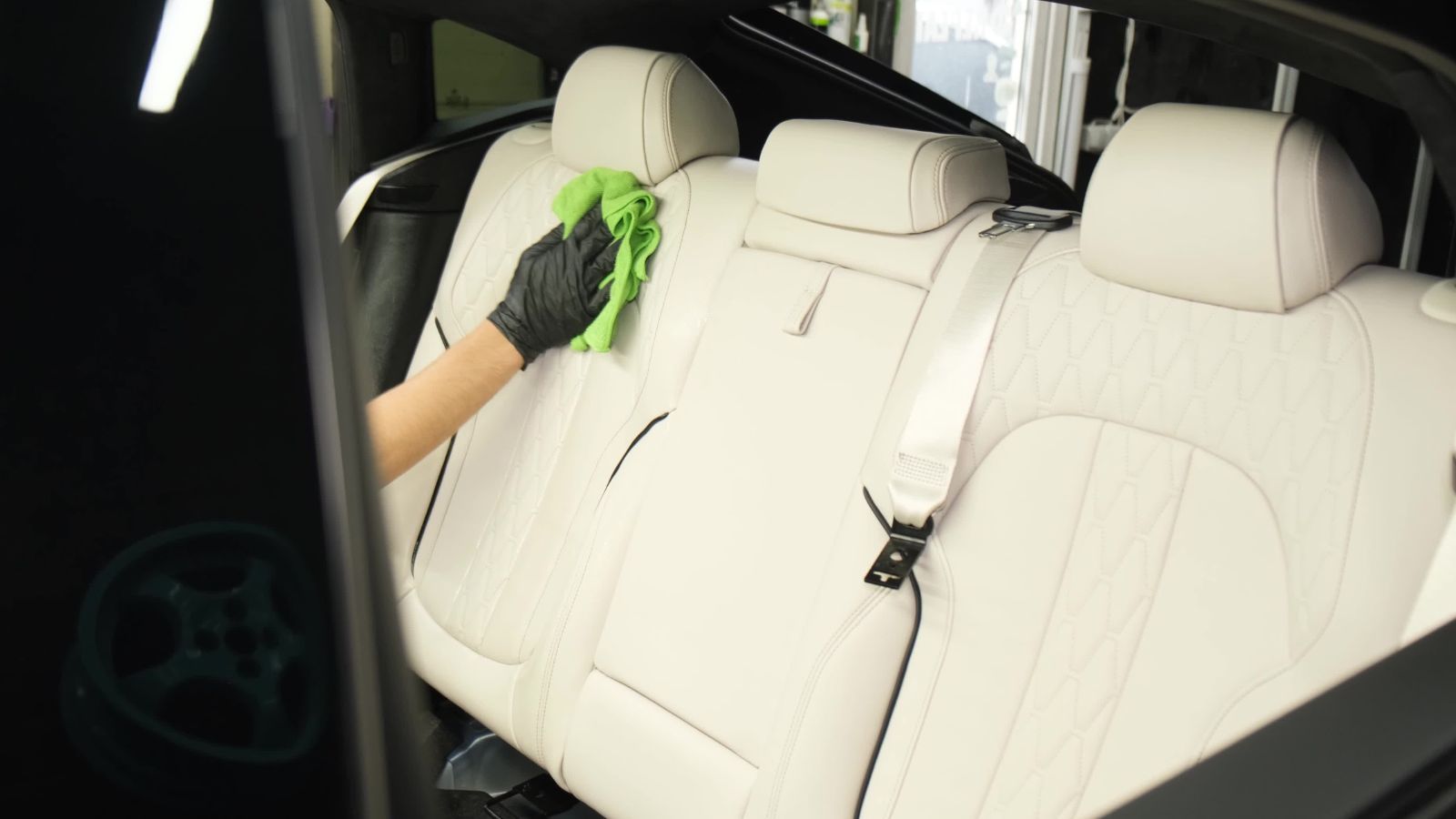
More pressure does not automatically produce a cleaner seat. Kia recommends soft sponges or microfiber cloths and moderate pressure when treating fabric upholstery, while Hyundai cautions against procedures that can affect a fabric’s appearance. Leather surfaces can be even less forgiving because their finish may be damaged by aggressive abrasion, especially when grit is already sitting on the material.
A common example is a pale stain that refuses to disappear on the first pass. Frustration turns gentle wiping into forceful scrubbing, concentrating friction on one small area. The stain may fade, but the cleaned patch can end up looking smoother, lighter, or more worn than everything surrounding it. Repeated gentle passes with the correct product are usually a better strategy than attacking the surface in one session. Vacuuming loose debris first is also important because rubbing trapped particles against upholstery can effectively turn ordinary dirt into an abrasive.
Leaving Sunscreen, Lotion, and Hand Sanitizer on Surfaces
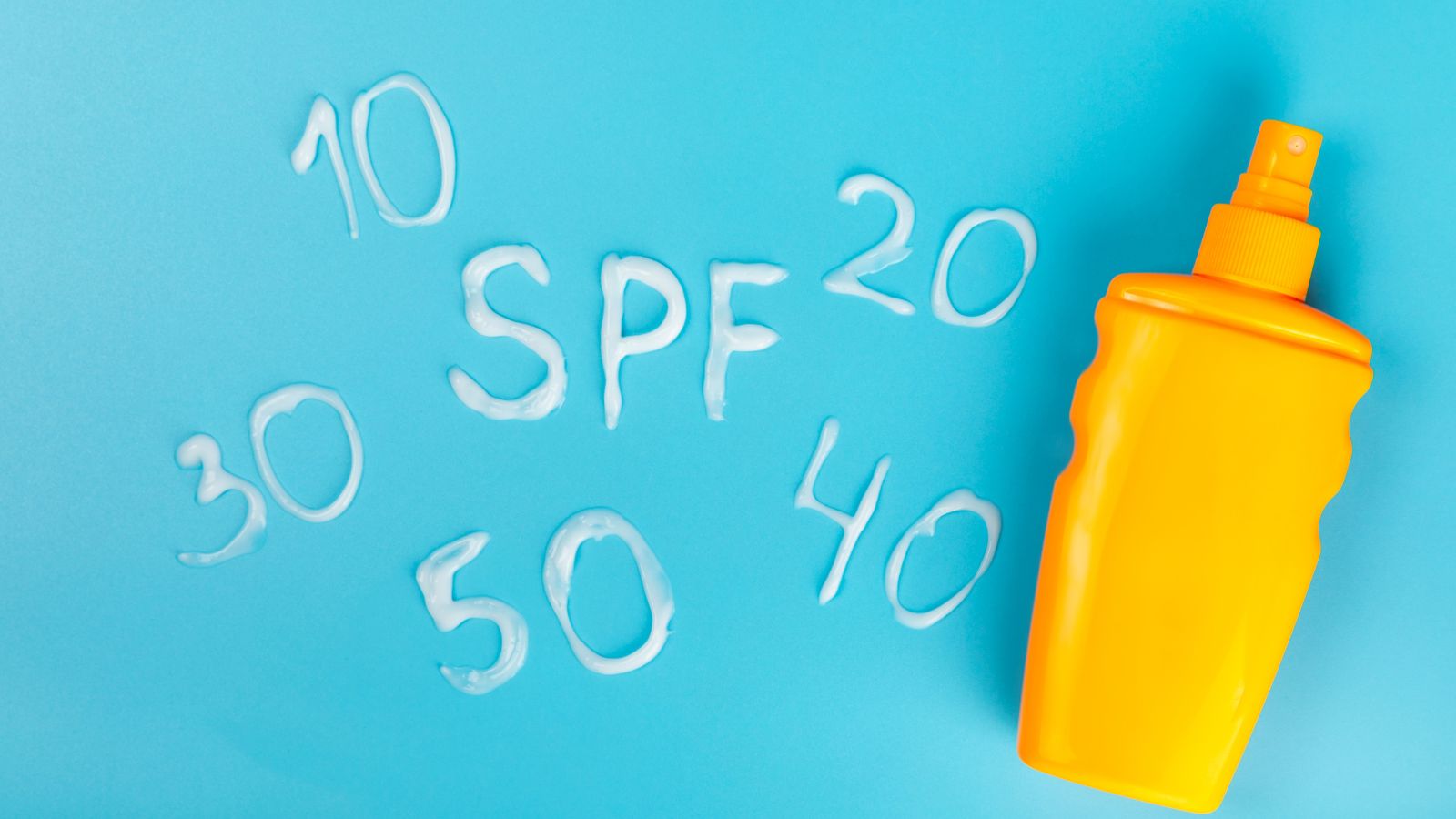
Products used to protect skin or keep hands clean do not always treat automotive materials kindly. Hyundai and Kia owner guidance specifically mentions sunscreen, cosmetic oils, hand-cleaning products, and similar substances as materials that may damage or discolor interior parts. Tesla also advises removing excess sunscreen, hand cream, and similar residues from steering-wheel surfaces rather than allowing them to remain.
This is particularly easy to overlook during summer. A driver applies sunscreen, immediately grips the steering wheel, rests an arm on the door panel, and transfers residue to several surfaces without noticing. Repeated contact can gradually create shiny areas, staining, or discoloration. Light-coloured upholstery tends to make contamination particularly visible, although darker surfaces are not immune. There is no reason to stop using necessary skincare products; the practical solution is simply to avoid heavy residue and wipe accidental transfer promptly using the cleaning method specified by the vehicle manufacturer.
Smoking or Vaping Inside the Vehicle

Opening a window does not make everything produced by smoking disappear. CDC-published research notes that tobacco-smoke residues remain on vehicle surfaces, and a study of used cars found significantly higher nicotine levels in the air, dust, and surfaces of vehicles in which owners had smoked. Research has also found that nicotine from electronic-cigarette aerosol can deposit on materials such as glass and fabric.
For the interior itself, that means smoke is not merely an airborne smell that vanishes after ventilation. Residue can settle onto upholstery, carpets, headliners, glass, and trim. Over time, the cabin may develop persistent odours and contamination that ordinary wiping does not completely remove. A vehicle that looks clean can therefore retain evidence of regular smoking long after the last cigarette. Keeping the cabin smoke-free is far easier than trying to remediate embedded residue later, particularly when soft materials have absorbed contaminants during years of repeated exposure.
Leaving Wet and Salty Floor Mats in Place
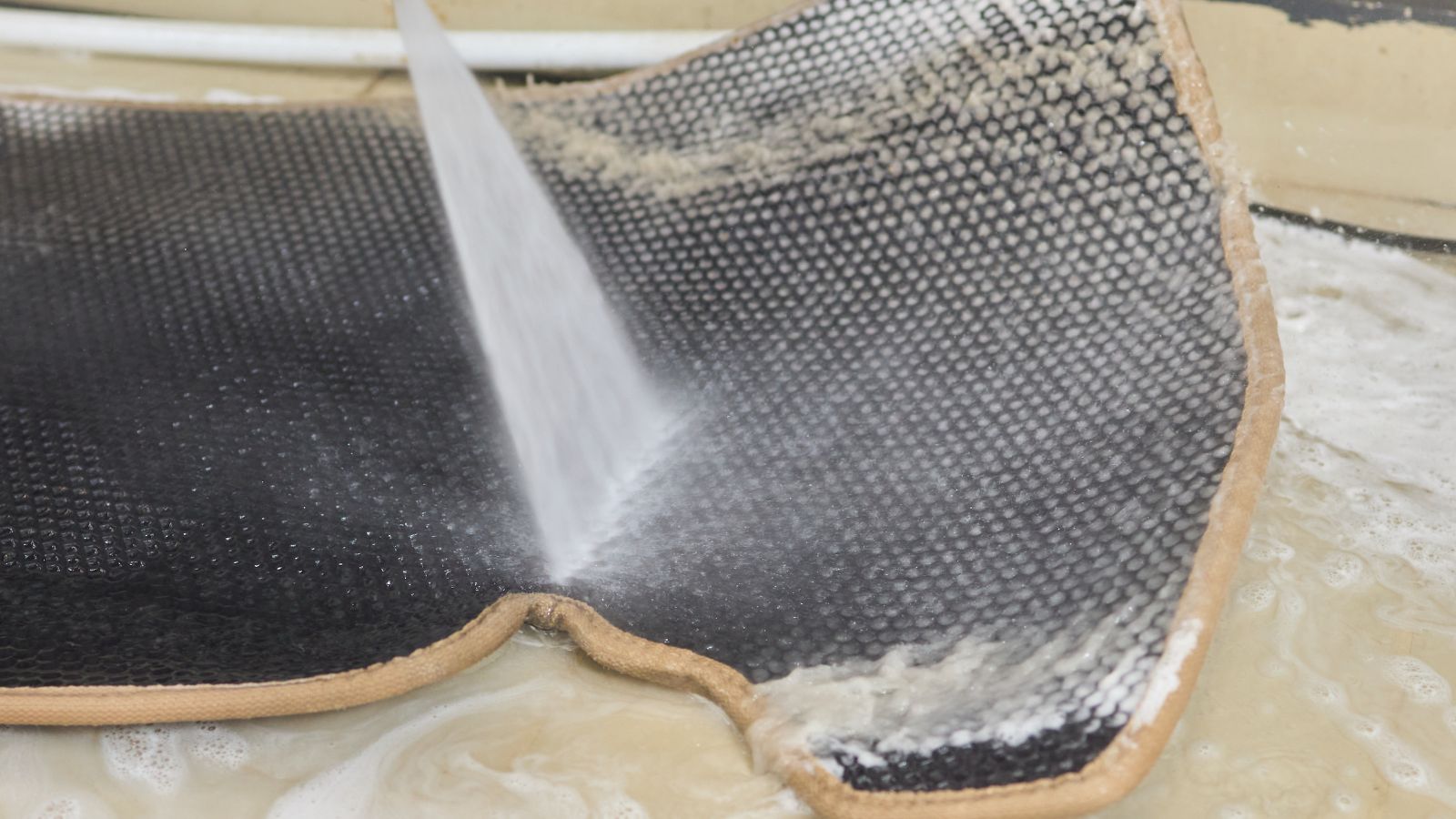
Winter slush creates a hidden interior problem because most of the mess lands exactly where owners rarely look: underneath the floor mats. Hyundai warns that moisture can collect beneath mats and carpeting and contribute to corrosion, recommending periodic checks to ensure carpeting remains dry. Kia accessories designed for harsh weather specifically emphasize protection from water, mud, sand, and road salt.
A rubber mat can appear to be doing its job while moisture sneaks around its edges or becomes trapped underneath. If the mat remains in place for weeks, the carpet below may stay damp much longer than expected. Salt also dries into gritty deposits that are easily tracked farther into the cabin. During snowy or rainy seasons, lifting mats occasionally is therefore more useful than judging cleanliness from above. Shake out loose material, wash appropriate all-weather mats, and allow both the mats and underlying carpet to dry thoroughly before everything is put back.
Forgetting an Open Window or Sunroof Before Rain
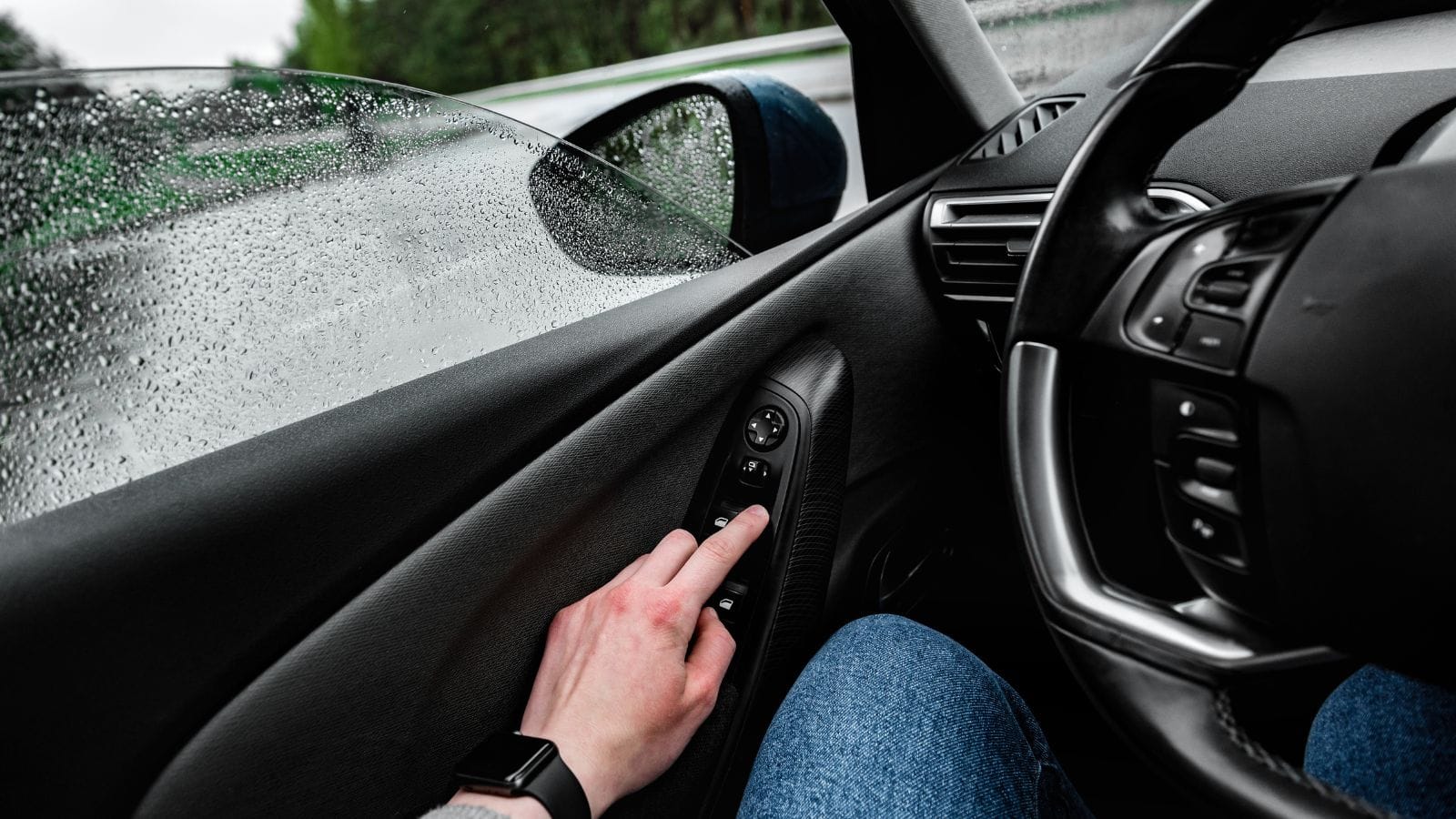
A cracked window feels harmless until an unexpected downpour arrives. Water entering a modern vehicle can soak seat fabric, carpeting, padding, switches, and areas containing electrical components. Automakers including Kia and Hyundai specifically caution against allowing liquids to reach interior electrical and electronic components because damage may result. Persistent interior moisture can also become trapped beneath carpeting and mats.
The response matters almost as much as the mistake. A slightly damp seat should not simply be ignored with the assumption that a closed vehicle will eventually dry itself. Removing mats, blotting standing moisture, increasing safe ventilation, and thoroughly drying affected materials can limit the problem. A genuinely soaked cabin or malfunctioning electronics deserves professional attention. Drivers who routinely leave the sunroof tilted for ventilation may find that developing a simple “windows, roof, valuables” check before walking away prevents one forgotten opening from turning an ordinary rainstorm into an expensive interior cleanup.
Allowing Sand and Grit to Build Up

Sand looks insignificant because each grain is tiny, but manufacturers treat it as more than a cosmetic nuisance. Kia and Hyundai specifically advise periodically vacuuming dust and sand from leather seats because the particles can contribute to abrasion and damage. Loose material can also collect in seams, carpet fibres, seat tracks, and the narrow spaces where occupants slide in and out.
Beach trips are an obvious source, although everyday shoes can introduce plenty of grit as well. The damaging part often comes later, when passengers sit on the particles or someone wipes a dusty surface before vacuuming it. Body weight and rubbing can move the grit repeatedly across upholstery like extremely fine abrasive material. A quick vacuum before wet cleaning is therefore one of the most useful interior-care habits. Paying attention to seams and seat edges is worthwhile because those are exactly the places where particles can remain hidden between cleaning sessions.
Sitting on Seats With Keys, Zippers, or Metal Accessories
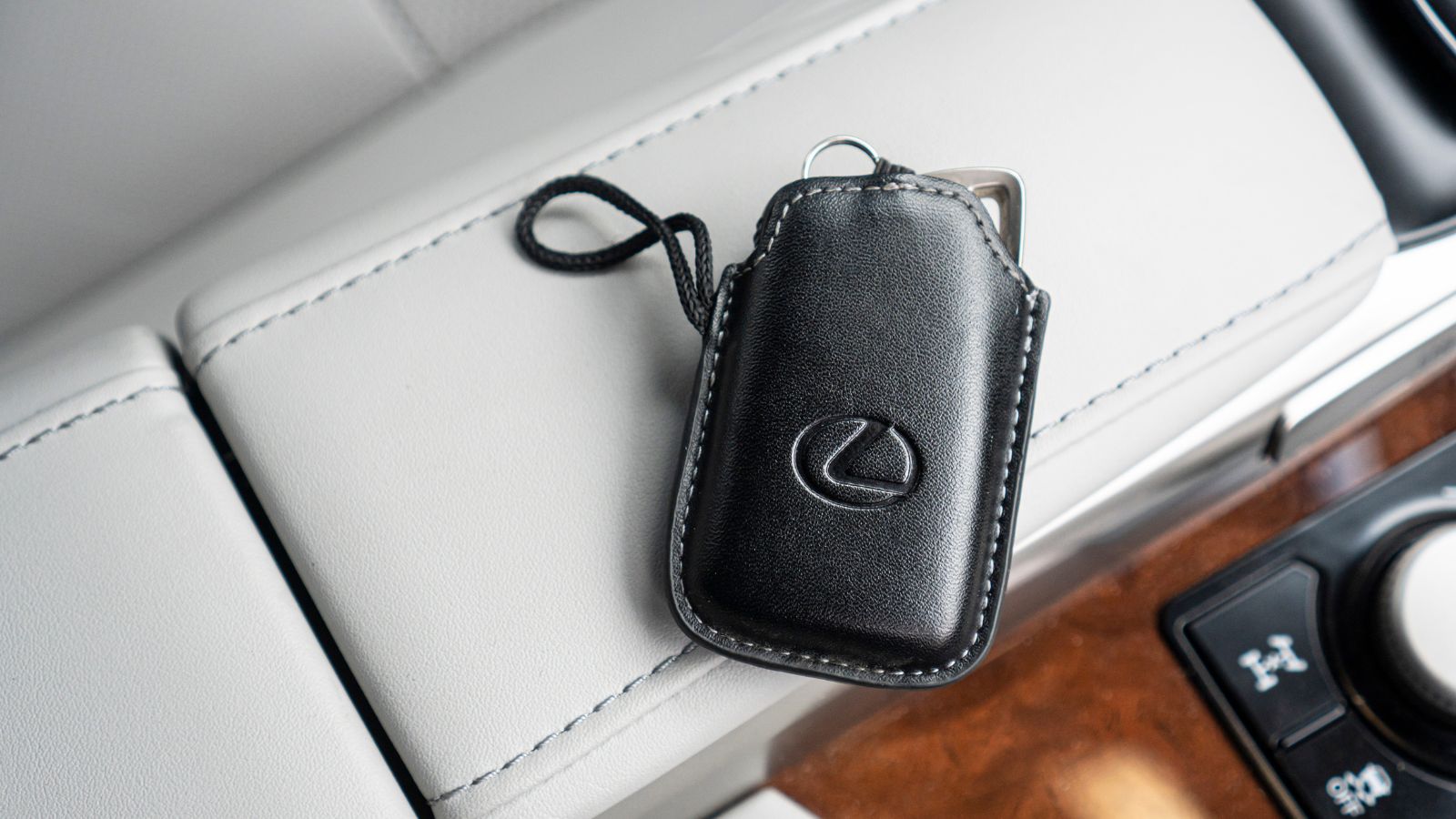
The objects attached to clothing can be surprisingly hard on upholstery. Hyundai’s current interior-care guidance specifically warns that belts with metallic accessories, zippers, and keys carried in a back pocket may damage seat fabric. Kia also cautions that sharp objects and hook-and-loop fasteners can snag or scratch seat surfaces.
The damage often happens during ordinary movement rather than a dramatic incident. A key ring in a rear pocket presses into a seat while the driver gets in, then drags slightly across the material as body weight shifts. A metal decoration on a bag can do something similar when it is tossed onto the passenger seat. Owners with softer leather, synthetic leather, or tightly woven fabric should be particularly conscious of contact points. Moving keys and other hard objects out of back pockets before sitting down is a tiny habit, but it can prevent scratches, punctures, and snags that are difficult to disguise later.
Letting Pets Ride Directly on Unprotected Upholstery

Dogs bring enthusiasm to a drive, but they can also bring hair, mud, moisture, and concentrated wear to the back seat. Ford sells pet-specific seat protection intended to shield interiors from dirt, fur, mud, moisture, and everyday wear, while AAA recommends frequent removal of pet hair because lingering hair can contribute to persistent odours in vehicle fabrics.
Claws add another concern, particularly when a pet shifts position repeatedly on leather or climbs across door panels and seat bolsters. The solution does not require excluding pets from the vehicle. A well-fitted protective cover or cargo liner can take much of the punishment instead of the factory upholstery, and vacuuming soon after dirty outings prevents hair and soil from becoming embedded. Any pet restraint or protective accessory should also be compatible with the vehicle’s seating and safety systems. Protecting the material is useful, but it should never interfere with seat belts, airbags, or occupancy sensors.
Ignoring Dye Transfer From Dark Clothing
New dark jeans can leave more behind than most drivers expect. Hyundai cautions that clothing capable of transferring colour may contaminate seat-covering materials and specifically notes that bright-coloured leather can be stained by dyed materials such as jeans. Capital One has also documented denim transfer as a common problem on lighter leather and fabric interiors.
Friction makes the driver’s seat particularly vulnerable because the same clothing repeatedly rubs against the side bolster during entry and exit. At first, blue or dark staining may resemble ordinary dirt and wipe away easily. If it is repeatedly ground into the surface, removal can become more difficult and aggressive cleaning may create a second problem. Light beige, cream, white, and grey interiors tend to reveal the effect sooner. Owners do not need a special wardrobe for the car, but checking light seats periodically and dealing with new colour transfer promptly can prevent a faint mark from becoming a permanent-looking patch.
Soaking Seats and Carpets During Cleaning
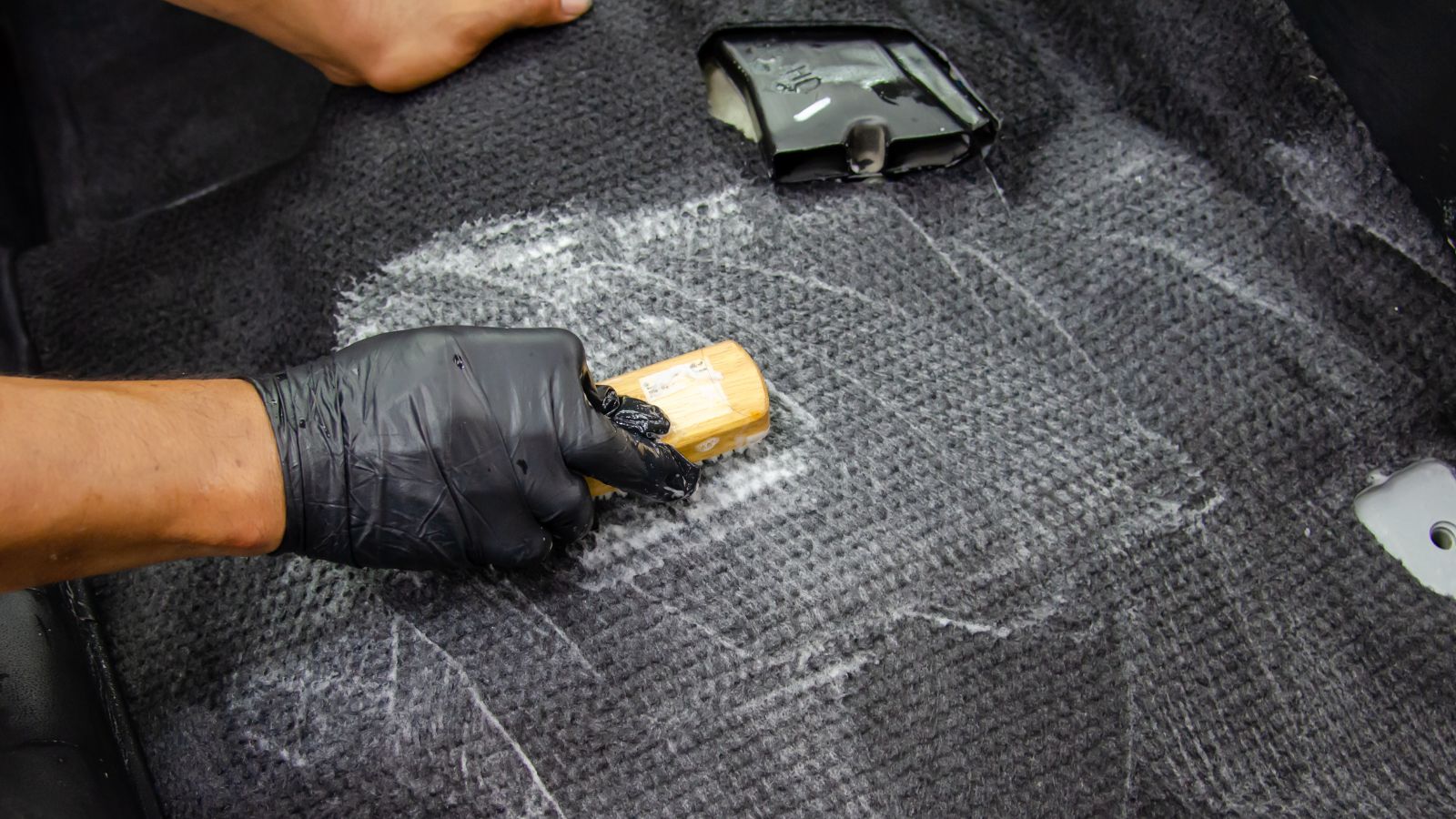
Using more water can feel like a shortcut to a deeper clean, yet interior materials are not designed to be saturated indiscriminately. Hyundai advises against wetting certain natural-leather seats and notes that excessive moisture can alter the material. Kia warns against wiping leather with a wet cloth because cracking may result, while Tesla specifically advises owners to avoid over-wetting carpets.
The problem is that visible upholstery is only the upper layer of a seat or floor. Excess cleaning solution can move into foam, stitching, carpet backing, electrical connections, or areas that receive very little airflow. Surface fabric may feel dry while moisture remains underneath. That can lead to unpleasant smells and a much longer drying process. Cleaning should therefore focus on controlled amounts of product, extraction or blotting where appropriate, and thorough drying. When an interior needs genuine deep extraction, careful equipment use is preferable to repeatedly saturating the same area at home.
Cleaning Seat Belts With Bleach or Strong Detergent

Seat belts can become grimy, particularly in family vehicles, but they should not be treated like ordinary laundry. Kia’s owner guidance states that belts should be kept clean and dry and recommends mild soap and warm water when cleaning is necessary. It specifically warns against bleach, dye, strong detergents, and abrasives because they may damage and weaken the fabric. Hyundai issues a similar warning against bleaching or re-dyeing webbing.
That makes cosmetic restoration a safety issue rather than merely an appearance issue. A stained belt may tempt an owner to use a strong whitening product or scrub aggressively until the mark disappears. The better approach is gentle manufacturer-approved cleaning and inspection for fraying, cuts, stiffness, or other damage. Seat-belt webbing is part of a restraint system expected to manage enormous forces during a collision. Preserving its structural integrity matters far more than making an older belt look perfectly new.
Treating the Touchscreen Like a Kitchen Window
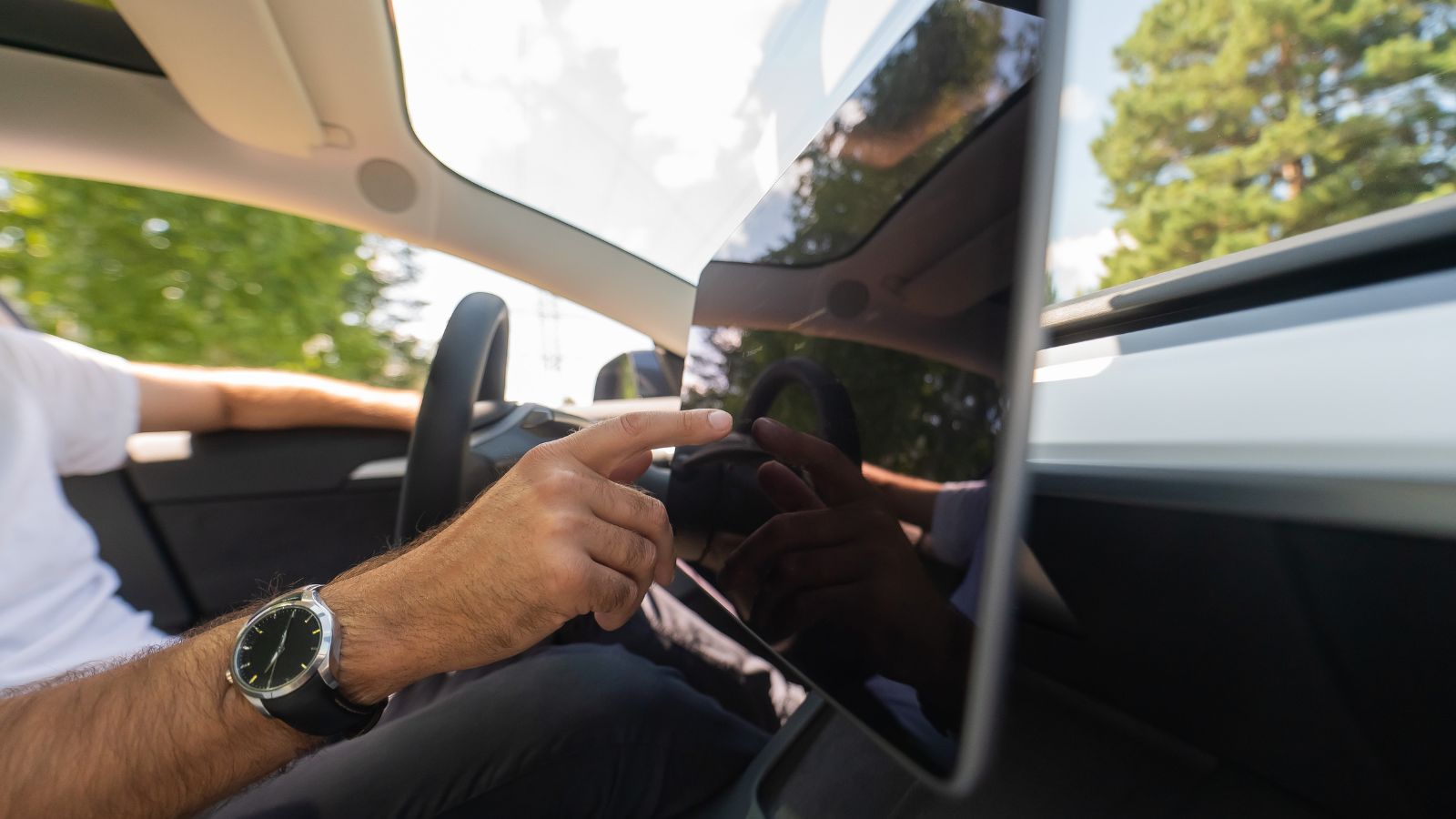
Large digital displays have become central to many modern interiors, yet the spray bottle used on household glass may be unsuitable for them. Tesla instructs owners to clean touchscreens with a soft lint-free cloth designed for monitors and specifically warns against glass cleaner, alcohol-based gel products, wet wipes, and statically charged cloths. Other interior surfaces can have equally specific restrictions.
This matters because automotive screens may include surface coatings that control glare, fingerprints, or appearance. A cleaner can appear successful after one use while gradually altering that finish through repetition. Spraying liquid directly at a display also increases the chance of moisture reaching surrounding gaps and controls. The safest routine is to consult the model’s manual, apply only approved methods, and use gentle pressure. Considering how frequently infotainment screens are touched, adopting the right cleaning method from the beginning can prevent hundreds of unnecessary applications of an incompatible chemical over the vehicle’s life.
Letting Perfume or Air Freshener Liquid Touch the Trim
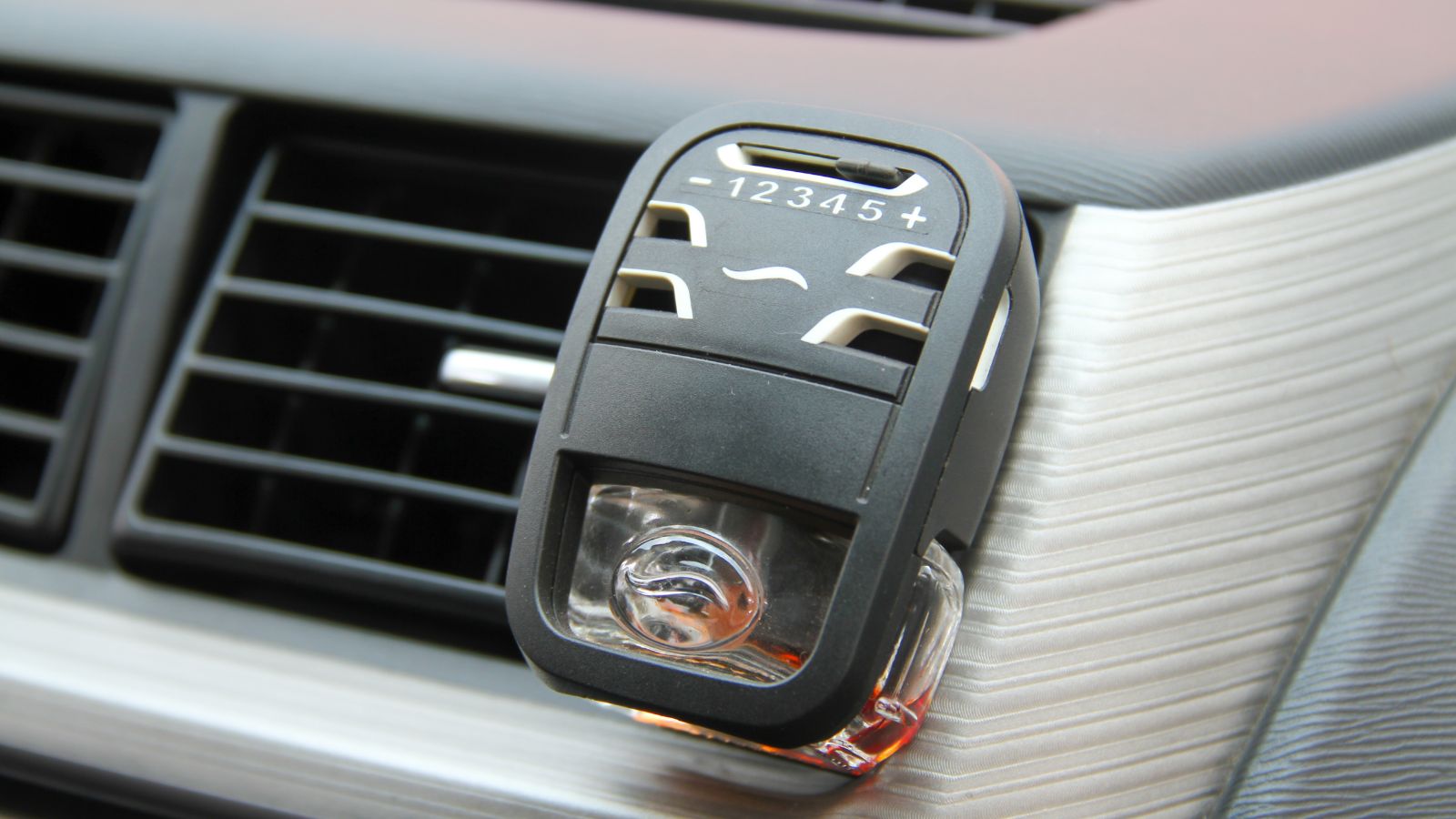
Air fresheners are meant to improve a cabin, yet some fragrance products can cause the opposite result when their liquid contents contact interior surfaces. Kia explicitly lists perfume and air freshener among chemicals that should be prevented from contacting interior parts because they may cause damage or discoloration. Hyundai similarly cautions against allowing perfume and cosmetic oils to remain on cabin components.
The risk is easy to underestimate because the product was designed for use inside a vehicle. A leaking vent clip, tipped fragrance bottle, or saturated hanging freshener can place concentrated oils or solvents directly against plastic or decorative trim for hours. By the time it is noticed, the finish may have changed. Fragrance products should be installed exactly as their instructions specify and kept from resting against dashboard or console surfaces. If a leak occurs, prompt cleanup using the manufacturer-approved interior method is safer than allowing the liquid to evaporate on its own.
19 Used Cars Canadians Should Avoid in 2026 (Based on Owner Complaints)

Buying a used car in Canada can feel safe until repair bills start stacking up. Owner complaints tell a different story than glossy listings. Transmission failures, electrical problems, and weak winter reliability show up again and again in consumer reports. Many of these issues appear after warranties expire, when owners least expect them. Some vehicles look affordable upfront, but become expensive to keep on the road. Others struggle in cold weather, urban driving, or long highway commutes. Here are 19 used cars Canadians should avoid in 2026 (based on owner complaints).
19 Used Cars Canadians Should Avoid in 2026 (Based on Owner Complaints)

Alanna Rosen is an experienced content writer that focuses on many EV and educational content. Her articles are regularly published on Get CyberTrucked and syndicated on large publications.