
Buying a vehicle has become complicated enough that old rules of thumb can be more expensive than helpful. Financing structures have changed, used-car values fluctuate, technology has added new questions, and Canadian winter conditions can expose weaknesses that a quick test drive never reveals. Yet familiar beliefs about cash discounts, low mileage, all-wheel drive, premium fuel, hybrids, electric vehicles, and leasing still shape many purchasing decisions.
These 22 car-buying myths separate useful instincts from assumptions that can distort the real cost or suitability of a vehicle. Some myths contain a grain of truth, which is precisely why they persist. The better approach is to compare the complete transaction: vehicle condition, financing cost, ownership expenses, safety needs, warranty coverage, and how the vehicle will actually be used.
Paying Cash Always Gets the Lowest Price

Cash feels powerful because it removes financing from the equation. A buyer arriving with enough money to pay for the entire vehicle may naturally assume that the dealer will reward that simplicity with the lowest possible selling price. That is not necessarily how modern dealership economics work. Dealers can receive compensation from lenders when arranging financing, meaning a financed transaction can sometimes be more valuable to the dealership than a cash purchase.
Ontario’s vehicle regulator specifically allows dealers to advertise different cash and financing prices when those conditions are clearly disclosed. In some cases, a finance-only price may actually be lower. That does not mean financing is automatically smarter, because interest can erase an upfront discount. It means buyers should compare the total amount paid, including interest and any financing-related costs, rather than assuming the payment method determines the bargain. A cash buyer may still negotiate well, but cash itself is not a guaranteed discount card.
A Low Monthly Payment Means the Car Is Affordable
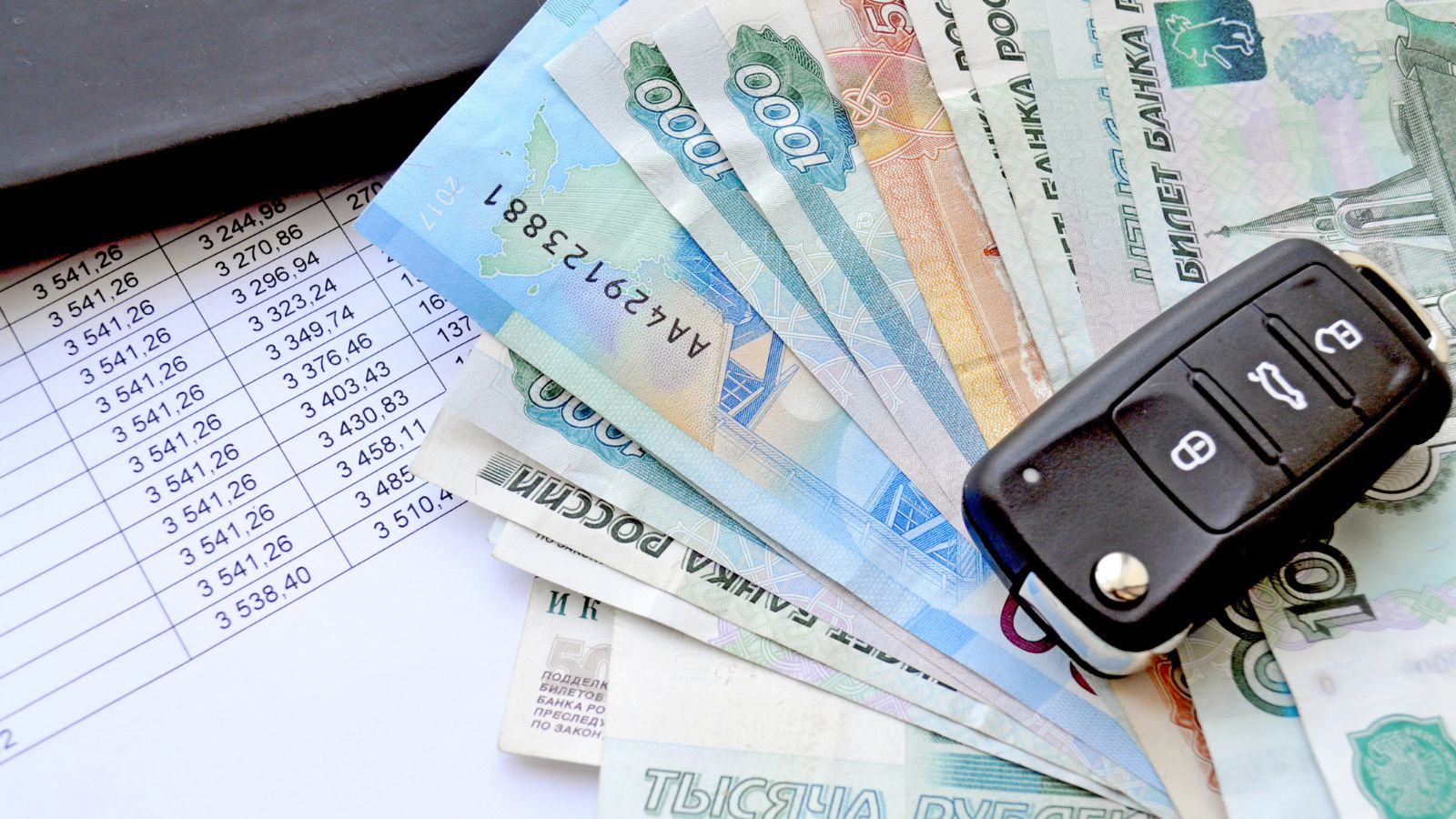
A manageable monthly number can make an expensive vehicle appear surprisingly reasonable. Stretch the loan long enough and a payment that initially looked impossible can suddenly fit within a household budget. That arithmetic is real, but it does not make the vehicle cheaper. It merely changes how quickly the bill arrives.
The Financial Consumer Agency of Canada specifically advises shoppers to consider total cost rather than focusing only on payments or the advertised interest rate. Its illustrative example shows a $25,000 vehicle financed at 5% costing $26,974 over 36 months but $29,681 over 84 months. The monthly payment falls as the term grows, while interest expense rises. Buyers therefore need two affordability numbers: what the vehicle costs each month and what it costs in total. Insurance, maintenance, fuel or electricity and other operating expenses matter too. A comfortable payment can still belong to an uncomfortable financial commitment.
Stretching the Loan Longer Is Harmless

Seven-, eight- and even longer-year financing can make a new vehicle considerably easier to fit into a monthly budget. The danger is that the loan can outlive the period when the vehicle feels new, remains under comprehensive warranty, or retains enough value to cover the outstanding debt. Canadians who expect to change vehicles within several years should pay particular attention to that mismatch.
Federal consumer guidance classifies loans of 72 months or more as long-term car loans and warns that they increase both interest expense and exposure to negative equity. In the government’s $25,000-at-5% example, extending the loan from 36 to 84 months increases interest from $1,974 to $4,681. The problem becomes especially visible if the owner needs to sell after an accident, relocation or family change while still owing more than the car is worth. The lower payment is therefore a trade-off, not free financial flexibility.
Zero-Percent Financing Is Automatically the Cheapest Deal

Nothing sounds better than borrowing money at 0%. When a manufacturer offers promotional financing, eliminating interest can certainly create substantial savings for a qualified buyer. The mistake is assuming that the zero beside the interest rate settles the comparison before the other purchase incentives have been examined.
Automotive promotions can offer different benefits depending on whether a vehicle is purchased with promotional financing, outside financing or cash. A manufacturer may, for example, attach a larger cash incentive to a purchase that does not use its subsidized financing program. Canadian financial comparisons have demonstrated situations in which a buyer taking a cash incentive and financing elsewhere can have a lower total cost than someone choosing the advertised low-rate option. Eligibility also depends on credit and program conditions. The useful number is therefore not simply the APR. Buyers should compare selling price, rebates, borrowing costs, term and total payments under every available option before choosing the deal with the most attractive headline.
Dealer Financing Is Always Worse Than Bank Financing

Some shoppers obtain a bank pre-approval before visiting a dealership and assume anything offered in the finance office must be inferior. Others believe the opposite and accept dealership financing without comparison. Neither rule is dependable because the lender, buyer’s credit profile, manufacturer incentives and vehicle being purchased can all change the outcome.
The Financial Consumer Agency of Canada notes that dealerships may arrange loans through manufacturer finance divisions, banks, credit unions or independent finance companies. A buyer’s own financial institution may sometimes negotiate an attractive rate, while dealers may have access to multiple lenders or manufacturer-backed promotional rates unavailable directly through a bank. Importantly, a dealer does not necessarily have to present the lowest rate among the offers it receives. That makes comparison essential. Arriving with a bank or credit-union quote creates a useful benchmark, while asking a dealer to disclose available financing options makes it easier to judge the complete cost rather than assuming one lending channel always wins.
The Advertised Price Works the Same Everywhere in Canada

A vehicle advertised at a tempting price may appear to give buyers a universal starting point, but automotive consumer-protection rules are largely jurisdiction-specific. Assuming every province handles dealer fees, taxes and advertised prices identically can create confusion when comparing vehicles across provincial lines.
Ontario requires an advertised dealer price to include the mandatory fees the dealer intends to collect, such as freight, administration charges and pre-delivery inspection, with HST and licensing generally permitted on top. British Columbia also imposes total-price advertising requirements, including applicable dealer and transportation charges, while taxes remain separate. The important lesson is not that every Canadian buyer should memorize another province’s legislation. It is that the price comparison should be based on the rules where the transaction occurs. Before signing, buyers should ask for the complete pre-tax and after-tax amount, verify which charges are compulsory, and consult the relevant provincial regulator when something in the pricing does not match the advertisement.
Every Dealer Add-On Is Mandatory

Protection packages can accumulate quickly in a finance office. Extended warranties, rustproofing, tire-and-wheel protection, security products and other extras may arrive on paperwork with such confidence that a buyer assumes they are simply part of purchasing the vehicle. That assumption can turn a carefully negotiated price into a considerably larger transaction.
Ontario’s regulator makes an important distinction between mandatory costs and optional products. Under its all-in pricing rules, charges that a dealer truly requires must generally be reflected in the advertised price, while optional products should only be paid for when the buyer has agreed to them. OMVIC specifically identifies products such as extended warranties and protection packages as examples that can be optional. Buyers should therefore read every line before signing and ask what can be removed. Some products may genuinely offer value for a particular owner, but that decision should be deliberate. A product appearing on a worksheet does not, by itself, establish that the customer must purchase it.
A Used Car Is Always Cheaper Than a New One
Used vehicles typically begin with an obvious advantage: someone else has already absorbed part of the depreciation, and the purchase price is often lower than that of an equivalent new vehicle. But purchase price is only one piece of ownership cost, and unusual market conditions or expensive financing can narrow the difference.
CAA’s Canadian Driving Costs Calculator treats depreciation, maintenance, fuel or electricity, insurance and payments as separate components because the cheapest vehicle to acquire is not automatically the cheapest to operate. Used-car loans can also carry higher interest rates than subsidized new-car financing, while an older vehicle may have less warranty coverage and greater maintenance needs. None of this overturns the traditional financial case for a carefully chosen used car; many remain excellent values. It does mean buyers should compare two real ownership scenarios instead of two sticker prices. A dependable three-year-old car with affordable financing can be excellent value, while a heavily priced used model with costly credit may not be.
Low Mileage Guarantees a Better Used Car
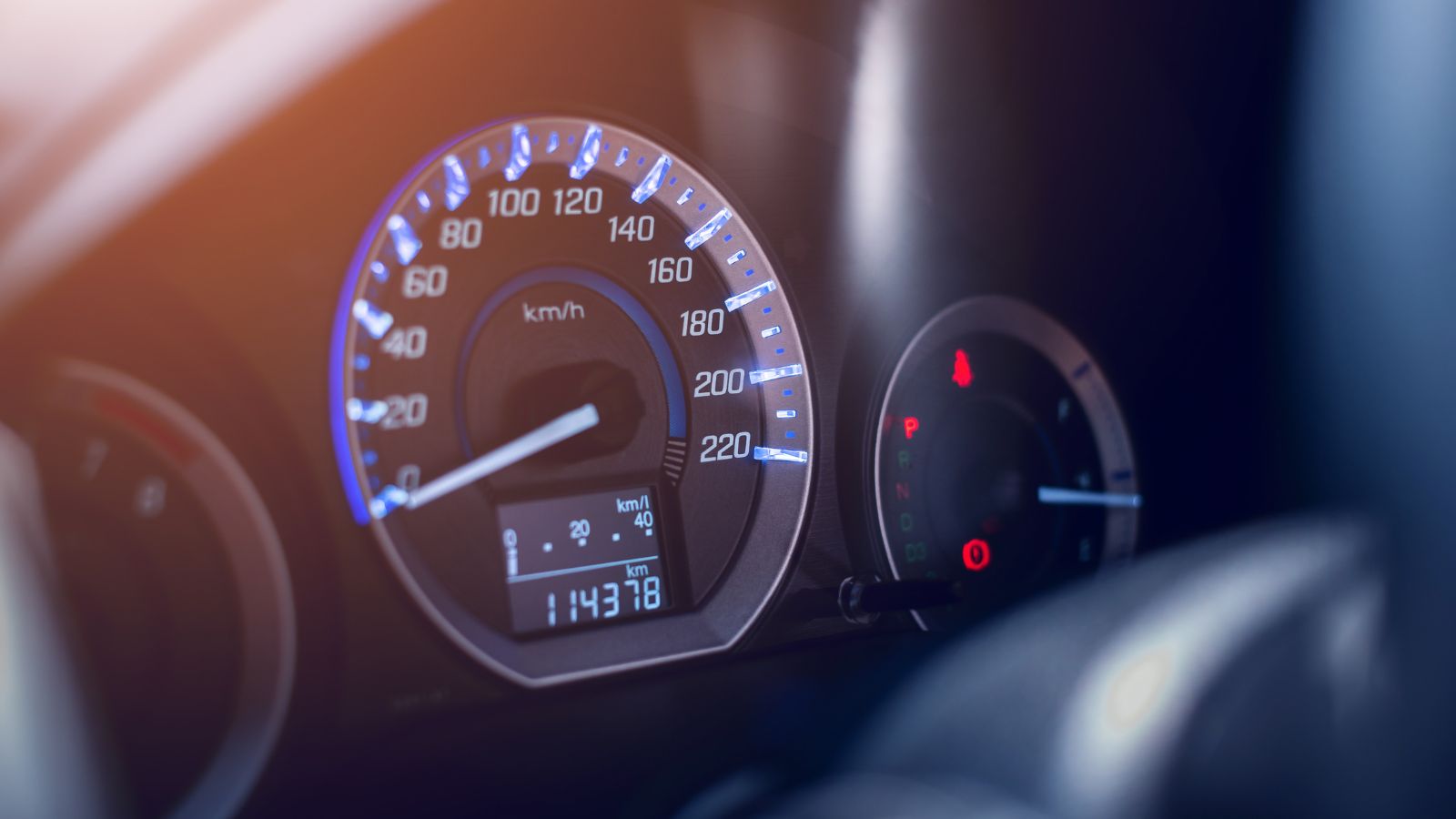
A five-year-old vehicle showing remarkably few kilometres can look like the perfect find. Mileage matters because kilometres contribute to wear and influence resale value, but the odometer cannot explain how the vehicle was maintained, stored, driven or repaired. It is one clue rather than a complete condition report.
Canadian consumer organizations recommend checking maintenance records, vehicle history, physical wear and mechanical condition together. Low mileage that does not match worn pedals, seats, steering components or recorded service history can even be a warning sign of odometer manipulation. Long periods of inactivity can also leave a buyer with an older vehicle whose age-related components still require attention. A stronger used-car assessment asks whether the kilometre reading makes sense for the vehicle’s overall story. Service receipts, ownership history, a thorough test drive and an independent mechanical inspection can reveal much more than a small number glowing on the dashboard.
High Mileage Automatically Makes a Car a Bad Buy
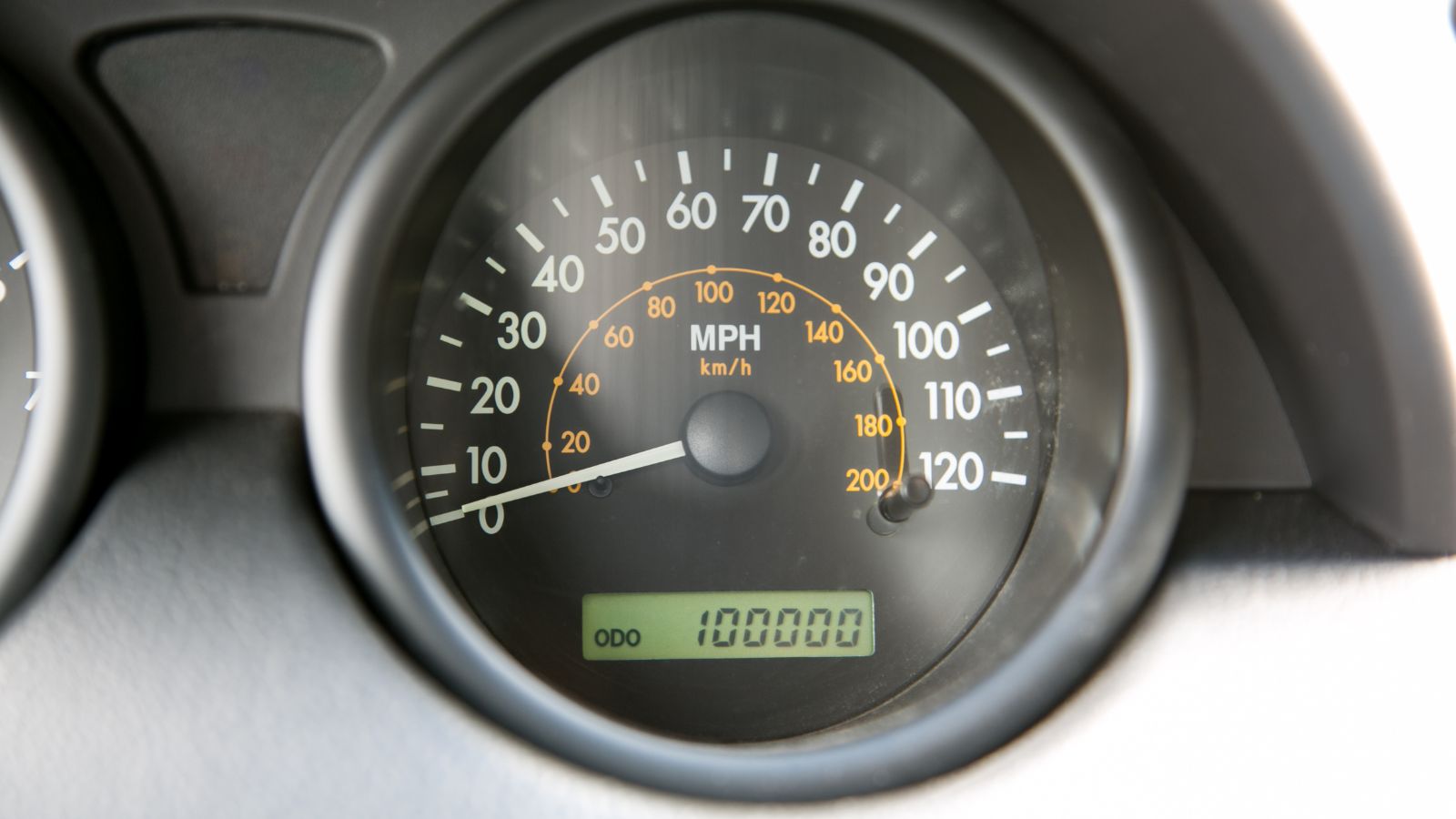
A large odometer reading can scare shoppers away before they learn anything else about a vehicle. Kilometres unquestionably influence wear and resale value, but Canadian used-car guidance consistently emphasizes maintenance records, previous use, accident history and mechanical inspection because two vehicles with identical mileage can have very different conditions.
A highway-driven vehicle that received scheduled maintenance and documented repairs may present a different proposition from a lower-mileage vehicle that endured neglected servicing or repeated short urban trips. CAA advises used-car shoppers to look for maintenance documentation and to arrange an independent inspection instead of relying on one metric. High mileage should influence price expectations and the inspection should pay particular attention to wear components, but the number alone does not diagnose the car. For budget-conscious shoppers, a well-maintained higher-kilometre vehicle can occasionally be more sensible than a suspiciously cheap low-mileage example with gaps in its history. Condition and evidence should decide the case.
A Vehicle History Report Makes an Inspection Unnecessary

History reports have transformed used-car shopping. A VIN search can reveal reported collisions, ownership changes, mileage entries, liens and other information that would have been much harder for an ordinary buyer to uncover years ago. The danger comes when a useful investigative tool is mistaken for a mechanical examination.
OMVIC cautions that services such as CARFAX are not foolproof because they depend on information being reported by third parties. Damage, maintenance problems or repairs that never enter the databases may not appear. The regulator recommends additional steps, including having the vehicle examined by a qualified mechanic. That inspection can uncover worn suspension components, leaks, corrosion, poor repairs, abnormal tire wear or other condition issues a database cannot diagnose. The best approach is to make the two tools work together: use the history report to understand what has been recorded, then use an independent inspection to evaluate what is physically sitting in front of the buyer.
Certified Pre-Owned Means No Further Checking Is Needed

Certified pre-owned programs can make a used vehicle more appealing because manufacturer-backed programs commonly involve eligibility rules, inspections and additional warranty provisions. They can reduce uncertainty, particularly for buyers who want a newer used vehicle without paying the full price of a brand-new one. The word “certified,” however, should begin the questions rather than end them.
OMVIC describes certified pre-owned vehicles as used models inspected and certified through a manufacturer’s official program, but Canadian consumer guidance still encourages buyers of used vehicles to understand history, disclosures and condition. Program standards can vary by manufacturer, and certification does not make ordinary wear disappear or guarantee that a vehicle will never require repairs. Buyers should read exactly what the CPO warranty covers, how long it lasts and whether deductibles or exclusions apply. An independent inspection can provide another layer of information, especially when a significant amount of money is involved. Certification is valuable evidence, but it is not a substitute for understanding the individual vehicle.
Any Accident History Makes a Used Car Untouchable

Seeing “accident reported” on a vehicle history report can instantly end a shopping conversation. That reaction is understandable, because severe structural damage and poor collision repairs can create serious problems. But treating every parking-lot scrape and major collision as equivalent removes information that should actually be evaluated.
Ontario’s disclosure rules illustrate why severity matters. Registered dealers must disclose specified types of significant damage, including structural damage and incidents whose repair costs exceeded the regulatory threshold. CAA’s used-car guidance is particularly cautious about vehicles involved in major crashes. Those facts support a more precise rule: understand what happened and how it was repaired. A minor, documented repair performed correctly may not have the same significance as a former total loss or a vehicle with structural repairs. Buyers should examine repair documentation, history, panel alignment and mechanical condition, and serious collision history deserves specialist scrutiny. “Accident-free” is desirable, but the word “accident” alone does not reveal the whole risk.
AWD or 4WD Eliminates the Need for Winter Tires
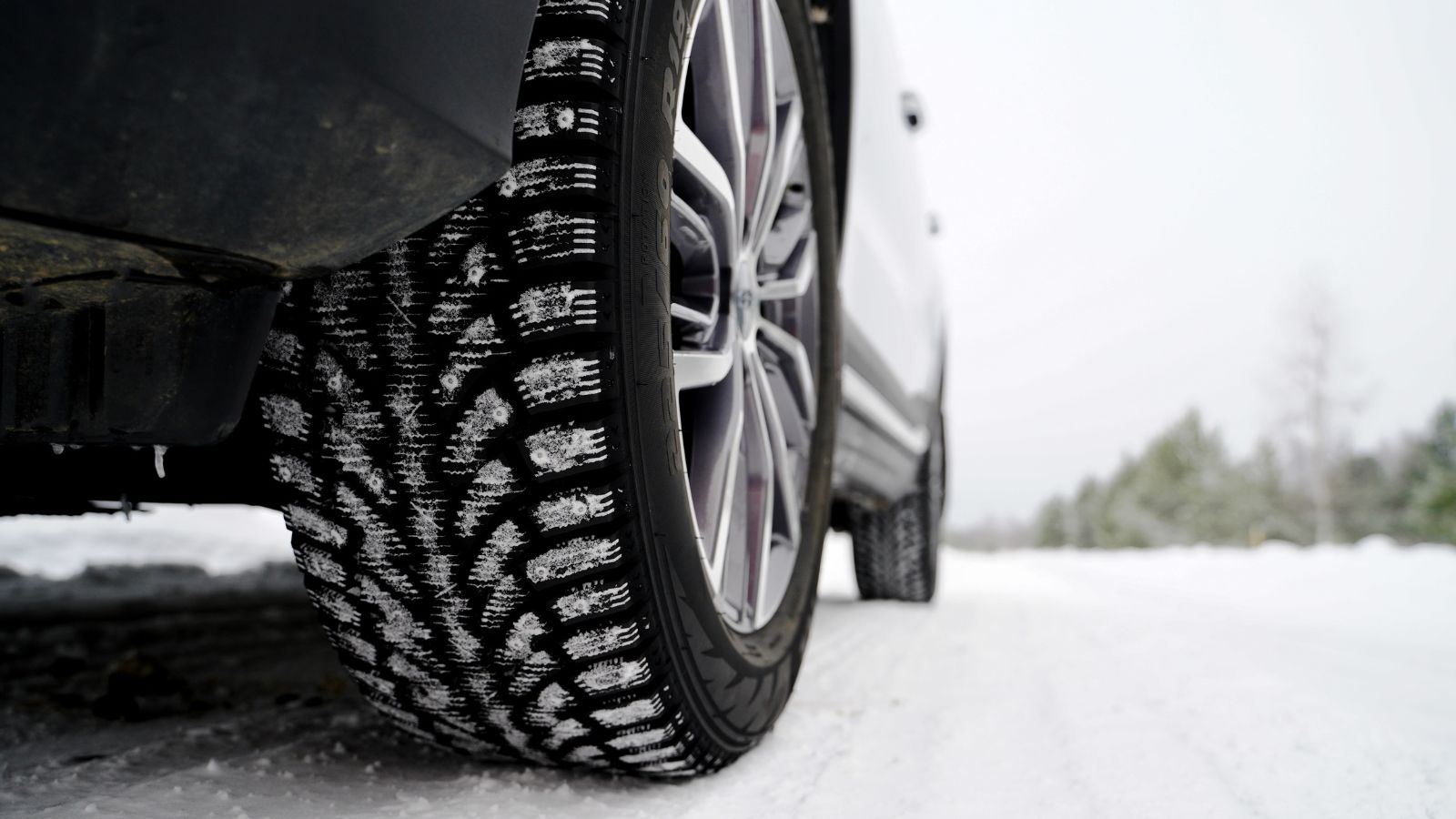
All-wheel drive sells exceptionally well in Canada because it can improve the ability to move away from a snowy intersection, climb a slippery driveway or maintain forward traction. That benefit is real. The myth begins when buyers treat the drivetrain as a replacement for the four patches of rubber actually touching the road.
Transport Canada recommends winter tires on all wheels for cold, snowy or icy conditions. Winter tires use rubber compounds and tread designs intended to maintain traction as temperatures fall. CAA likewise notes that AWD and 4WD can help propel a vehicle but do not eliminate the importance of the correct tires for braking and cornering. That makes tire equipment worth considering during the purchase itself. A front-wheel-drive car on suitable winter tires may be better prepared for many cold-weather situations than an AWD vehicle running inappropriate tires. AWD remains a valuable feature for many Canadian households, but it works with traction; it does not manufacture traction when the tires cannot grip.
AWD Makes a Vehicle Stop Faster on Snow

A confident launch from a snowy traffic light can create a misleading impression of security. Because all-wheel drive sends power to additional wheels, the vehicle may accelerate with less drama than a two-wheel-drive model. That advantage does not mean the same system can shorten the braking distance when the driver suddenly needs to stop.
CAA explicitly distinguishes propulsion from braking, noting that AWD and 4WD help get a vehicle moving but do not necessarily improve braking or turning. Transport Canada similarly emphasizes tire traction and longer stopping distances on slippery surfaces. During braking, grip between the tires and road becomes the limiting factor regardless of how many wheels received engine power during acceleration. For shoppers comparing drivetrains, that distinction matters. AWD may be worthwhile for snowy hills, unplowed roads or particular driving needs, but winter tires, appropriate speed and greater following distance remain central to stopping safely. The drivetrain badge cannot repeal the physics of an icy road.
All-Season Tires Are Enough for Every Canadian Winter
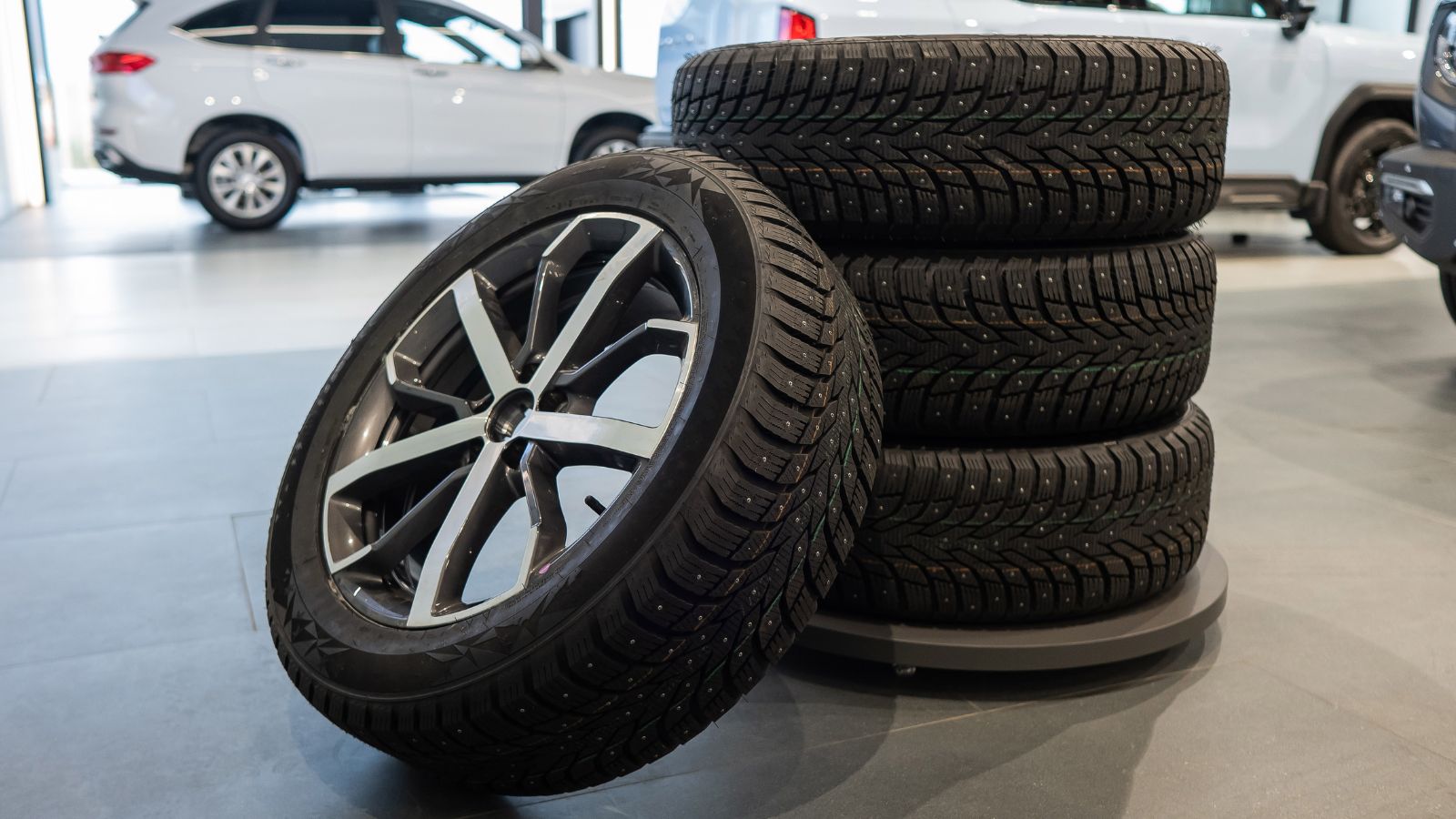
The name “all-season” sounds reassuringly comprehensive. In reality, the category was not designed to mean optimal performance in every temperature and every Canadian winter condition. A tire that works comfortably through spring rain and summer heat does not retain exactly the same characteristics when temperatures fall well below freezing.
Transport Canada states that all-season and summer tires begin losing elasticity and traction below approximately 7°C, while winter tires are formulated to remain flexible at lower temperatures. CAA gives similar guidance and recommends looking for the three-peak mountain snowflake symbol when choosing winter equipment. Climate and legal requirements vary across Canada, so the buying decision should reflect the region and driving pattern rather than a generic label. Someone facing regular snow, ice and prolonged cold has different needs from a driver in a milder environment. Tire cost should therefore be part of the purchase budget. A vehicle that appears affordable may immediately need another set of four tires to be properly prepared for winter use.
Premium Gas Makes Every Vehicle Perform Better
Premium fuel carries a higher price and a higher octane rating, which can make it sound like a higher-quality version of ordinary gasoline. Octane, however, describes resistance to engine knock. It does not function like an across-the-board performance upgrade that automatically gives every engine additional efficiency or power.
Natural Resources Canada states that motorists often associate higher octane with better fuel economy or performance, but says that is not necessarily the case. Unless an engine is designed to benefit from higher-octane fuel, using it may be unnecessary. The agency recommends following the fuel specification in the owner’s manual. This matters while shopping because a vehicle requiring or recommending premium fuel may create a meaningful ongoing expense compared with one designed for regular gasoline. Buyers comparing similar models should check fuel requirements rather than discovering them after delivery. Paying for the fuel the engine was engineered to use is sensible; paying extra simply because a pump label says “premium” may accomplish little.
EV Batteries Usually Need Replacement After a Few Years
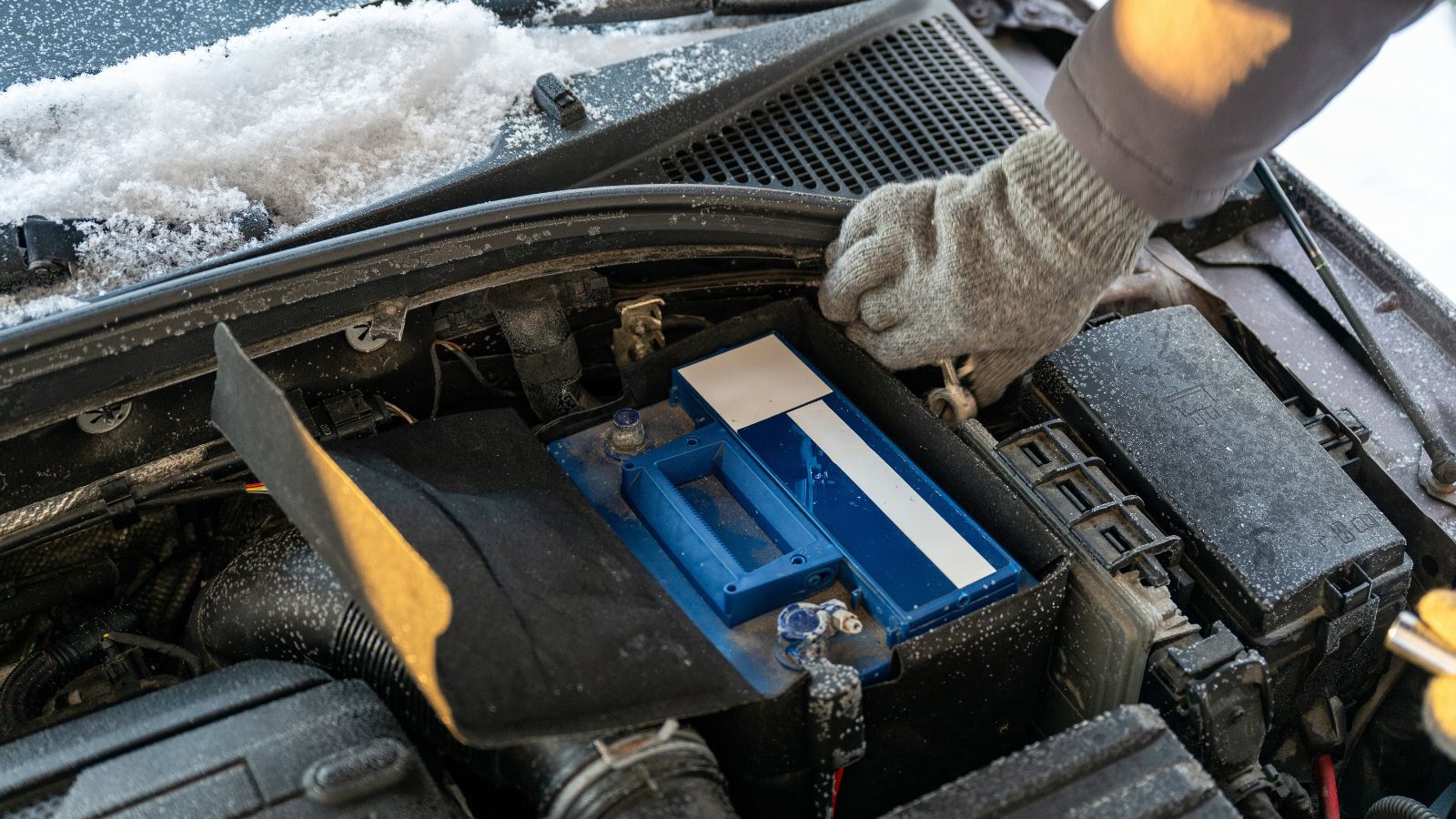
The traction battery is the most expensive and unfamiliar component in an electric vehicle, so replacement anxiety understandably influences used and new EV shopping. Stories about phone batteries losing capacity quickly can reinforce the assumption that an EV battery will behave the same way. Automotive battery packs, however, use sophisticated management systems and are designed for a much longer service life.
CAA notes that current manufacturer warranties commonly cover EV batteries for eight years and describes the packs as being built to last the vehicle’s life, although gradual degradation and some loss of driving range are expected. Natural Resources Canada also documents how lithium-ion battery life depends on factors such as temperature, state of charge and cycling. That does not mean battery failure is impossible or inexpensive; a used-EV buyer should pay close attention to battery health and warranty status. It means routine full-pack replacement after only a few years should not be treated as an inevitable ownership expense.
Electric Cars Cannot Handle Canadian Winters
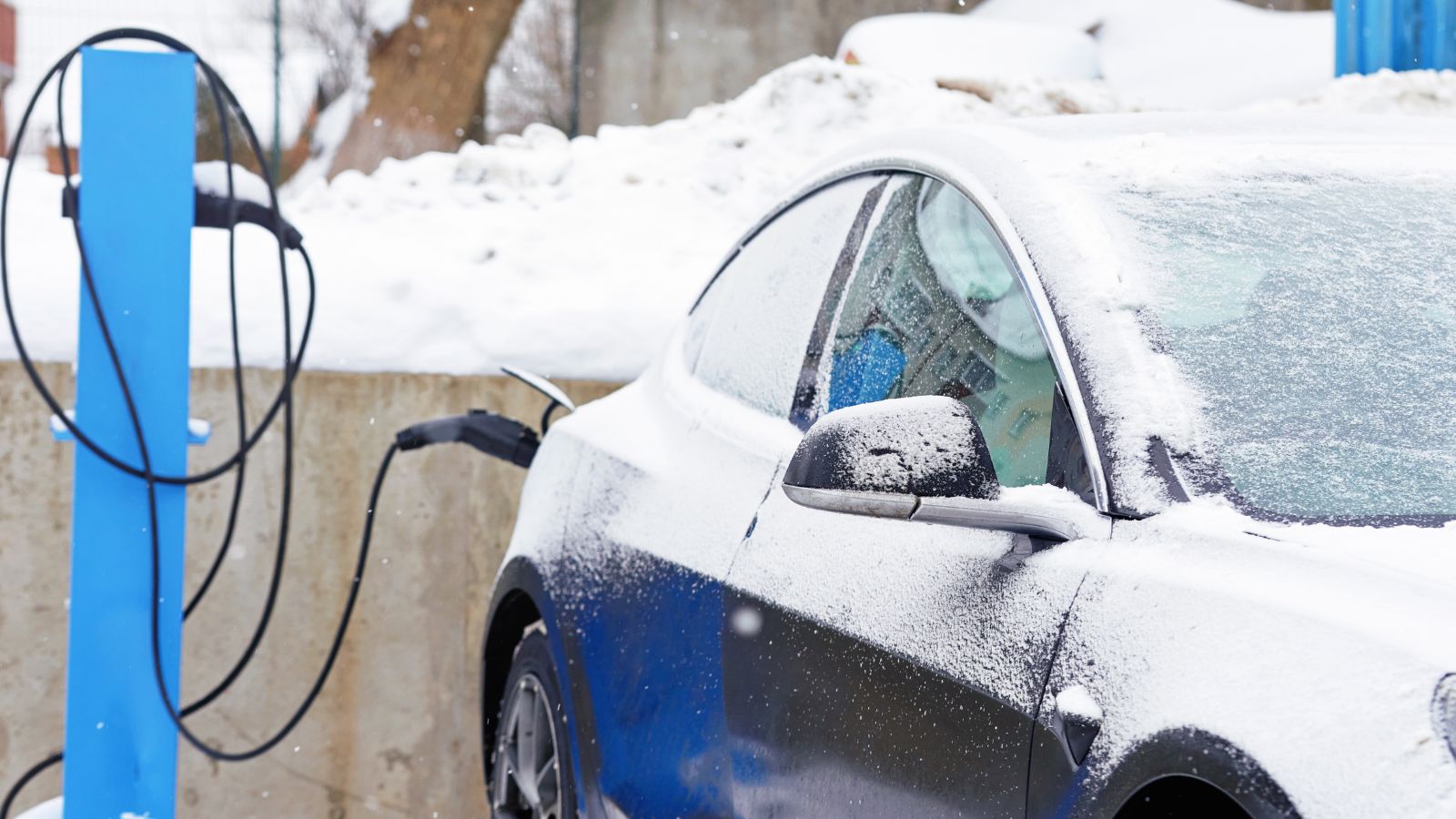
Cold weather is a genuine consideration for electric-vehicle buyers, but “reduced winter range” and “does not work in winter” are very different statements. Battery chemistry is affected by temperature, and heating the passenger compartment also requires energy. Canadian testing confirms measurable winter losses, not the disappearance of usable transportation.
CAA tested 14 EVs in temperatures ranging roughly from -7°C to -15°C and found they travelled 14% to 39% less than their official range, depending on the model. Natural Resources Canada has similarly advised that extreme cold can reduce EV range while noting that available range can still cover typical daily driving for many Canadians. For buyers, the lesson is to choose an EV using winter range rather than the best-case advertised figure. Home charging, preconditioning, route requirements and fast-charging availability matter. A household regularly making very long northern trips faces different constraints from a commuter charging nightly in a garage. Winter changes the calculation; it does not automatically eliminate the technology.
Hybrids Are Always Expensive to Maintain
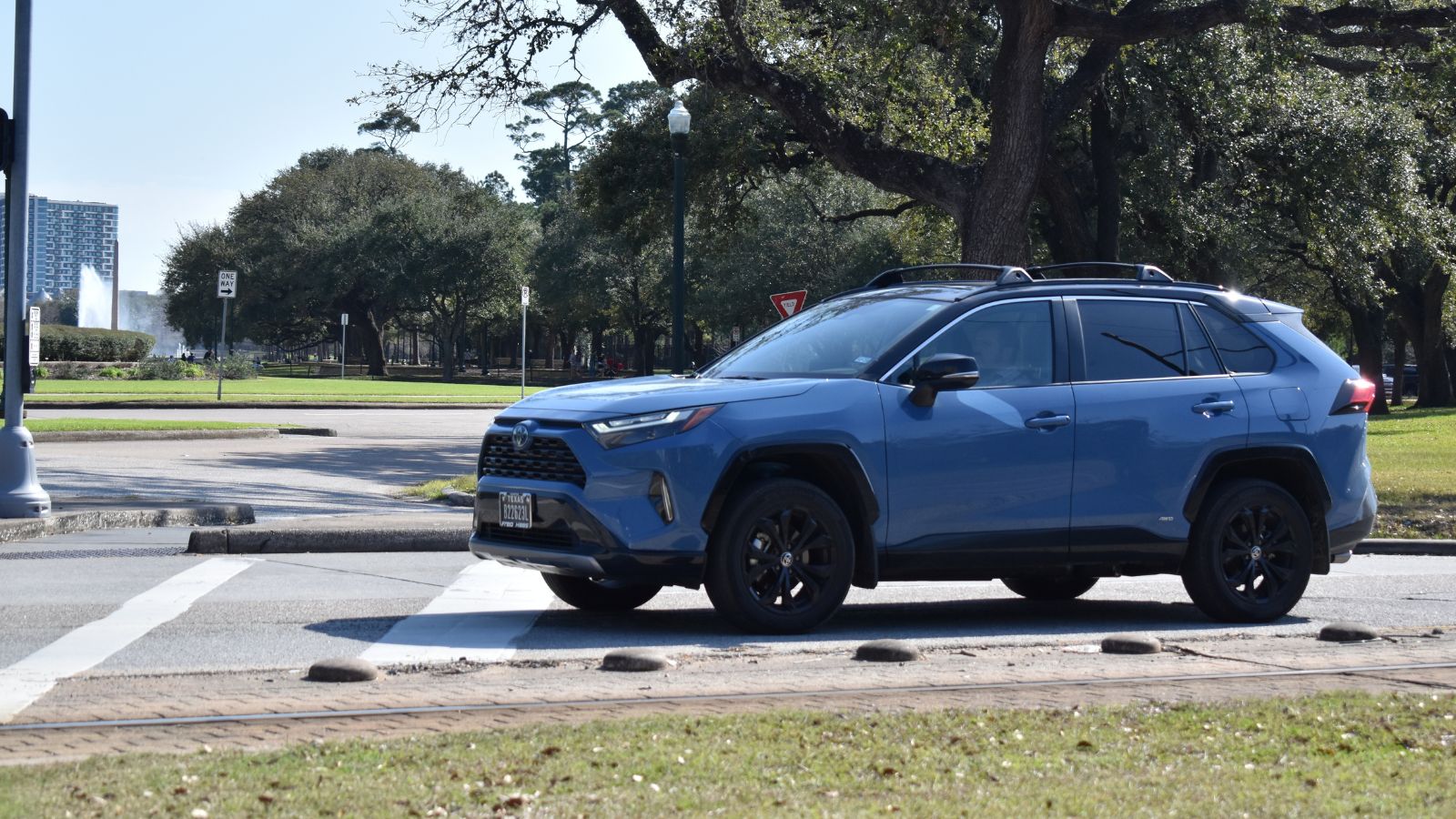
A hybrid contains both an internal-combustion engine and an electric propulsion system, so it is easy to assume that two technologies automatically create twice the maintenance burden. Hybrids certainly have components that conventional vehicles do not, including a high-voltage battery and associated electronics. That alone does not prove that routine ownership costs will be unusually high.
CAA’s Canadian ownership-cost calculator includes real hybrid models and estimates maintenance rather than treating hybrid technology as an automatic penalty. Hybrid drivetrains also use regenerative braking, recovering energy during deceleration and reducing some reliance on conventional friction braking. Natural Resources Canada identifies regenerative braking as an important efficiency feature of electrified vehicles. Buyers should still research model-specific reliability, battery warranty and service costs because no powertrain guarantees inexpensive ownership. But the presence of a hybrid badge is not enough to conclude that maintenance will be excessive. A well-established hybrid with strong reliability history may offer an entirely different ownership experience from an unfamiliar or poorly maintained example.
Leasing Is Always Cheaper Than Buying

Lease advertisements often feature payments that are noticeably lower than the finance payment for the same new vehicle. That difference is not an illusion: the Financial Consumer Agency of Canada says lease payments are generally lower than loan payments over a comparable term. The mistake is turning “lower payment” into “lower total cost.”
A lease primarily pays for the use of the vehicle during a defined period. At the end, the customer generally does not own it unless a purchase option is exercised. Federal guidance warns that leasing can sometimes cost more overall than purchasing and can bring additional charges for excessive wear, excess kilometres or early termination. On the other hand, leasing can suit someone who prefers a newer vehicle every few years and stays comfortably within the contract’s mileage limits. Buying may make more sense for a household that keeps vehicles for many years. Neither method wins automatically. The comparison should include upfront money, monthly payments, kilometres, end-of-term obligations and expected ownership duration.
Trading In a Car Makes the Remaining Loan Disappear

When a dealer agrees to take a financed vehicle as a trade, it can feel as though the old loan has been neatly erased. The lender may indeed be paid out as part of the transaction, but the customer’s debt has not magically vanished if the trade-in is worth less than the loan balance. The shortfall is called negative equity.
The Financial Consumer Agency of Canada warns that negative equity may need to be covered with additional borrowing when a vehicle is traded. OMVIC provides an example in which a customer owes $16,192 on a vehicle worth only $7,000 as a trade, leaving $9,192 of negative equity that must be dealt with as part of the next purchase. Rolling that amount into another loan means borrowing for both the new vehicle and debt left from the old one. Before discussing a replacement car, buyers should obtain the exact loan payout and realistic trade value. The dealer can move the debt within the transaction; it cannot make the underlying dollars cease to exist.
19 Used Cars Canadians Should Avoid in 2026 (Based on Owner Complaints)

Buying a used car in Canada can feel safe until repair bills start stacking up. Owner complaints tell a different story than glossy listings. Transmission failures, electrical problems, and weak winter reliability show up again and again in consumer reports. Many of these issues appear after warranties expire, when owners least expect them. Some vehicles look affordable upfront, but become expensive to keep on the road. Others struggle in cold weather, urban driving, or long highway commutes. Here are 19 used cars Canadians should avoid in 2026 (based on owner complaints).
19 Used Cars Canadians Should Avoid in 2026 (Based on Owner Complaints)

Alanna Rosen is an experienced content writer that focuses on many EV and educational content. Her articles are regularly published on Get CyberTrucked and syndicated on large publications.