Vehicle theft increasingly starts in a place that once felt relatively safe: just outside the front door. Canadian auto theft has declined from recent peaks, but the risk remains significant, particularly around homes. Équité Association reported that thefts fell 10.1% nationally in the first half of 2026 compared with the same period in 2025, while its recent impact research found that 82% of reported thefts occurred at or next to the victim’s home.
Modern theft combines old-fashioned opportunity with newer electronic vulnerabilities, which means a locked door alone may not provide enough protection. These 19 things can make a vehicle easier to target, access, start or remove from a driveway—and many involve everyday habits that seem harmless until they are viewed from a thief’s perspective.
Key Fobs Stored Near an Exterior Door
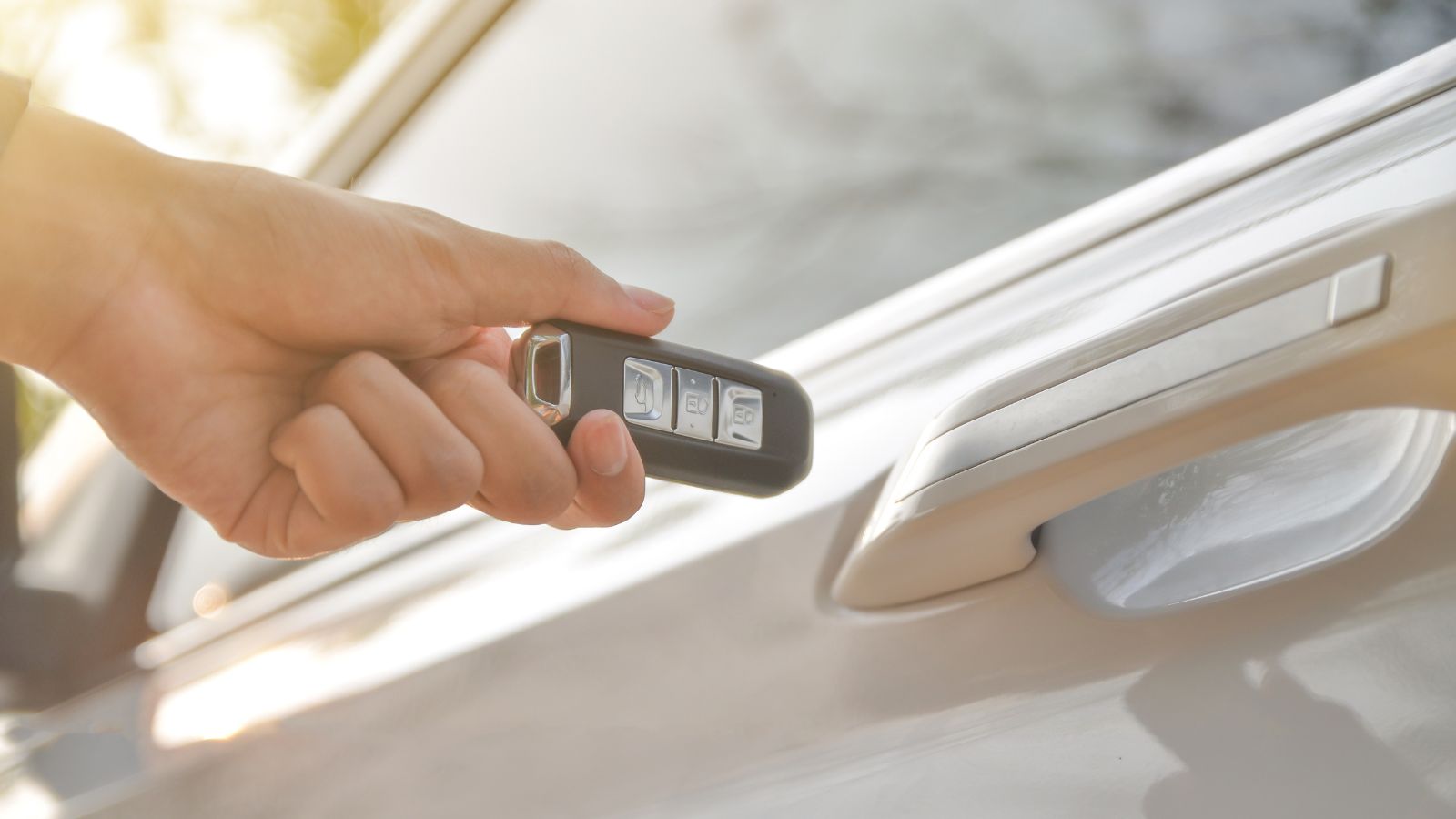
A keyless-entry fob sitting on a console table beside the front door may be convenient, but that location can create unnecessary exposure. Some modern vehicles continuously communicate with their keys, and police have documented relay-style thefts in which criminals exploit that wireless communication without physically possessing the fob. The vehicle may interpret the relayed signal as though the legitimate key were nearby.
The practical response is not to abandon keyless technology, but to reduce unnecessary signal exposure. Insurance Bureau of Canada recommends switching a fob off when the vehicle permits it or storing it in an RFID-blocking pouch when it is not being used—even at home. Halton police similarly recommend radio-frequency shielding for key fobs. A small change in where keys spend the night can therefore add another barrier between a vehicle parked only metres away and someone attempting an electronic theft.
A Spare Key Left Inside the Vehicle
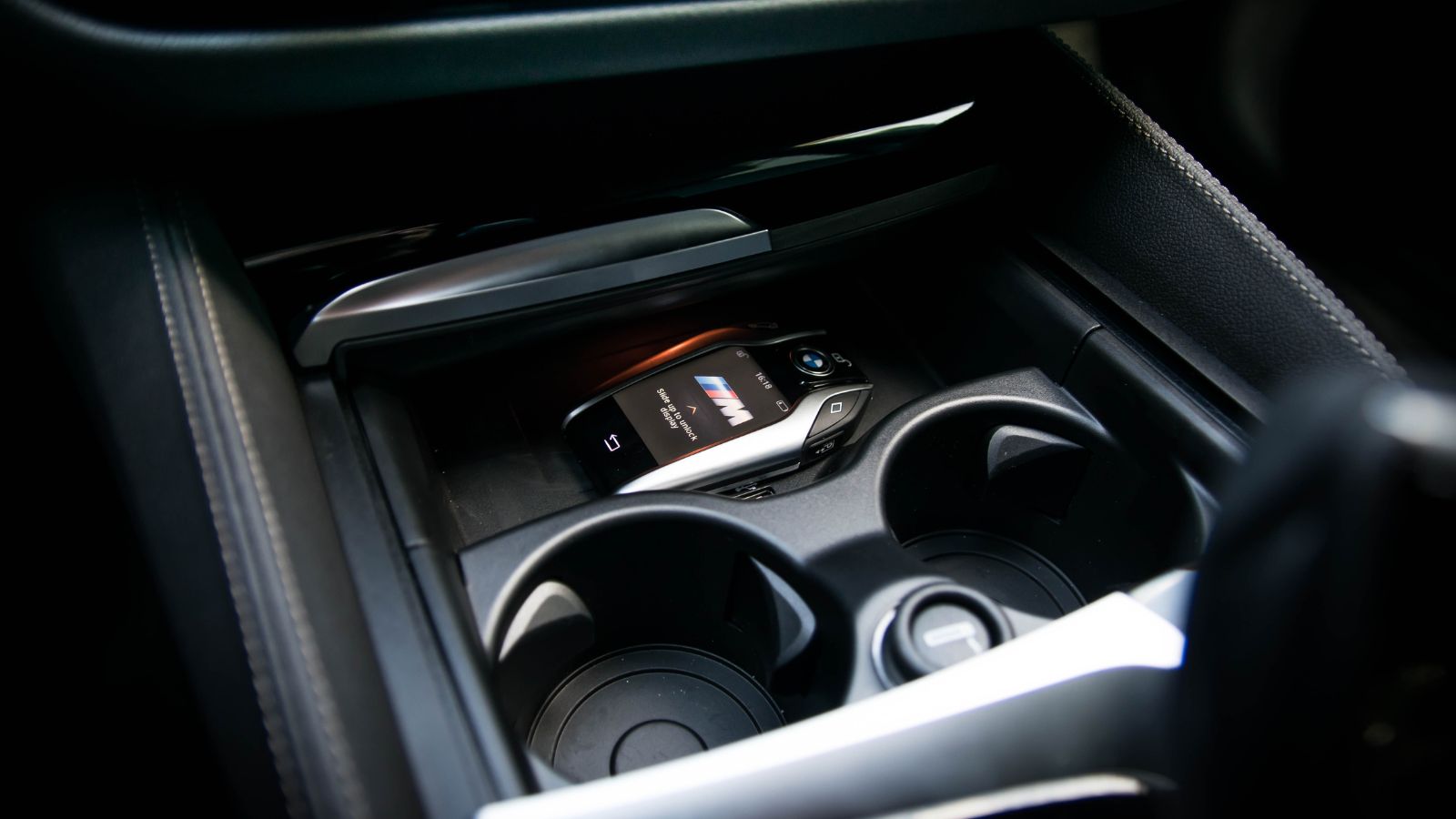
Hiding a spare key in a glove compartment, centre console or other compartment defeats much of the protection built into the vehicle. A thief who manages to gain entry no longer has to overcome the starting system if a legitimate key or fob is already sitting inside. Police prevention guidance specifically warns owners not to hide spare keys in their vehicles.
The habit often develops for understandable reasons. Families sharing a car may want a backup available, or a driver may worry about being locked out. Unfortunately, the same convenience applies to anyone who gets into the cabin. Halton Regional Police explicitly advises never hiding a spare key in the car. A better arrangement is to keep backup keys in a secure location inside the residence, away from exterior doors and windows. The difference seems minor, but it keeps unauthorized entry from immediately becoming authorized starting capability.
Spare Keys Hidden Outside the House
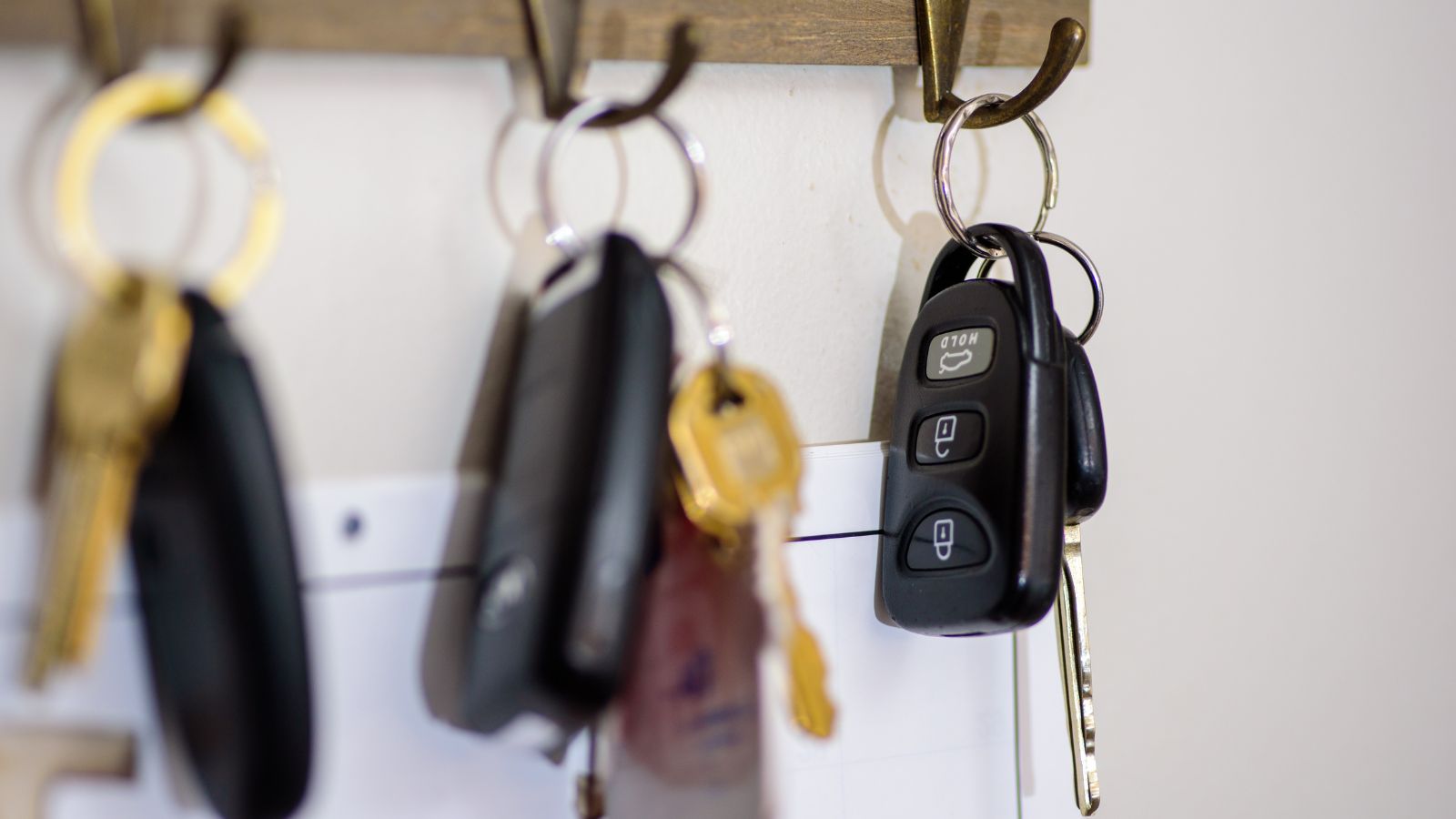
A spare vehicle key under a planter, inside an unlocked shed or in another predictable outdoor hiding place creates a different kind of vulnerability. It avoids leaving the key inside the car, but it still places legitimate access credentials outside the secure part of the home. Police guidance specifically warns against hiding spare vehicle keys outside a residence.
The concern is especially relevant when a targeted vehicle remains in the same driveway every night. Someone observing the property may have more time than expected to notice routines or accessible storage areas. There is no need to make the hiding place particularly obvious for it to become a weakness. Keeping all vehicle keys inside a secured part of the home removes that opportunity. If several family members need access, controlled indoor storage is safer than creating an outdoor backup that effectively bypasses every electronic and mechanical security feature built into the vehicle.
Doors That Are Not Actually Locked

Modern vehicles make locking almost effortless, yet unlocked doors remain one of the simplest weaknesses thieves can encounter. Both the National Insurance Crime Bureau and Canadian police agencies warn that offenders may test door handles while looking for easy opportunities. An unlocked door removes the first physical barrier without requiring damage, noise or additional time.
Automatic locking can also create false confidence. A driver may assume the vehicle locked when walking away even though a door was not fully closed, a setting was changed, or the expected confirmation signal never occurred. Physically confirming that the vehicle is secured takes only a moment. This matters even more overnight, when Halton police say many residential-driveway thefts occur. Locking does not defeat every modern electronic technique, but leaving the vehicle open eliminates a basic protective layer that still stops opportunistic entry and forces a would-be thief to overcome another obstacle.
Windows Left Slightly Open
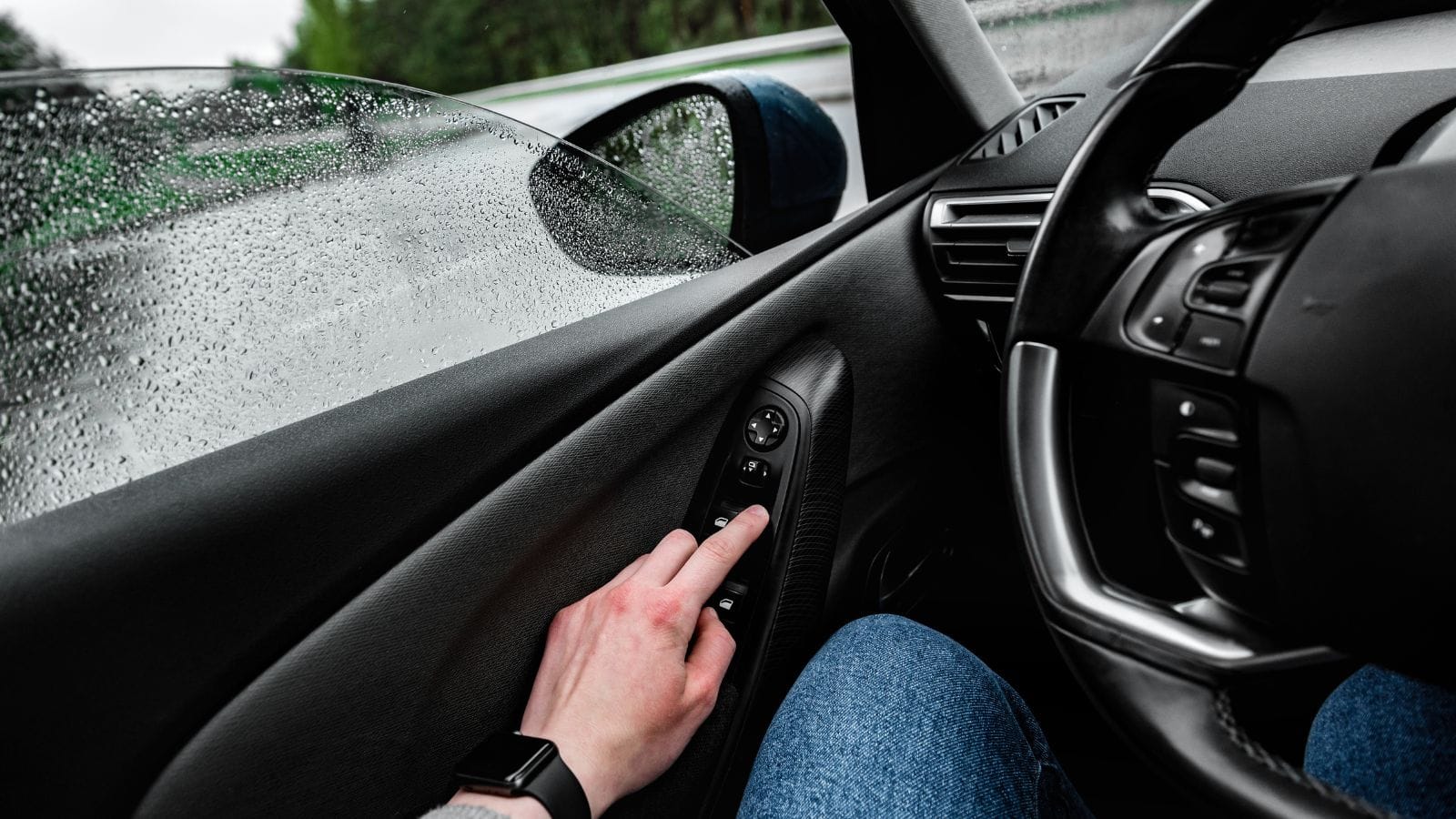
Leaving windows cracked for ventilation can seem harmless, especially during warm weather, but it creates another potential access point. NHTSA, NICB and Canadian police guidance consistently recommend completely closing windows when a parked vehicle is unattended. The principle is straightforward: fewer openings mean fewer ways to reach locks, controls or belongings inside the cabin.
A small gap may not permit immediate entry, but it can make interference with the vehicle easier and may turn a difficult target into a more approachable one. It can also expose visible possessions that attract initial attention. This is particularly relevant overnight, when there is little benefit to leaving a driveway-parked vehicle ventilated. Closing every window, sunroof and door before going inside is one of the few theft-prevention measures that costs nothing. It will not stop sophisticated electronic theft on its own, but it avoids handing an opportunistic thief an unnecessary physical weakness.
An Engine Left Running Without Anyone Inside
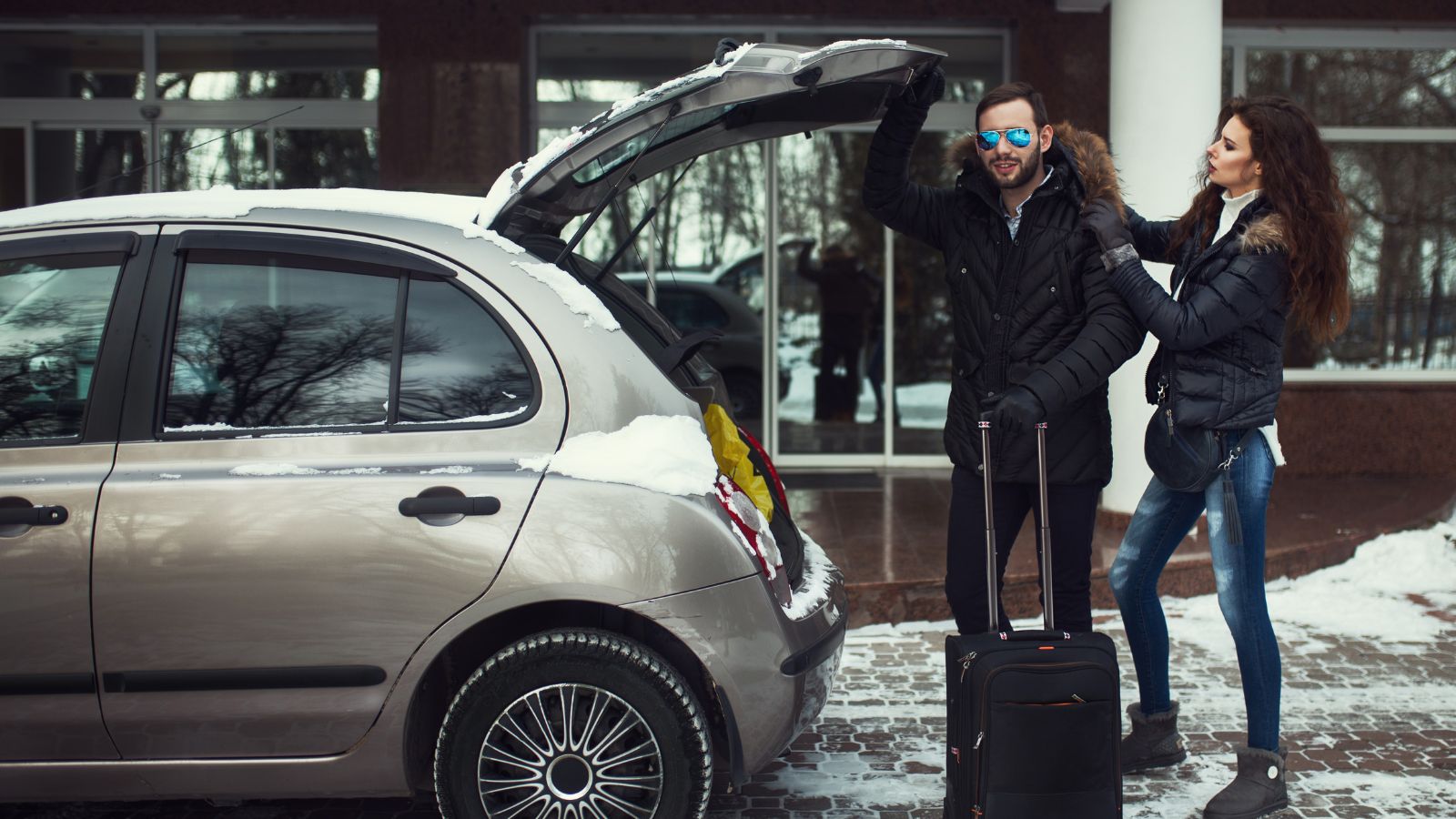
Cold mornings create one of the most avoidable vehicle-theft scenarios: a car warming in the driveway while its owner goes back inside. NHTSA, NICB, IBC and Canadian police all warn against leaving a running vehicle unattended. If the vehicle can simply be entered and driven away, sophisticated electronic methods may not be necessary at all.
The risk can arise during much shorter absences than people expect. Someone clearing snow, retrieving a forgotten bag or stepping inside for coffee may assume the driveway provides enough protection. It does not if the vehicle is running and accessible. NICB has repeatedly described unattended running vehicles as attractive crimes of opportunity. Factory remote-start systems that keep the vehicle locked operate differently from leaving an accessible vehicle running with the key or fob inside, so owners should understand how their specific system works. The basic rule remains simple: an unattended vehicle should remain secured.
Parking Outside When a Secure Garage Is Available
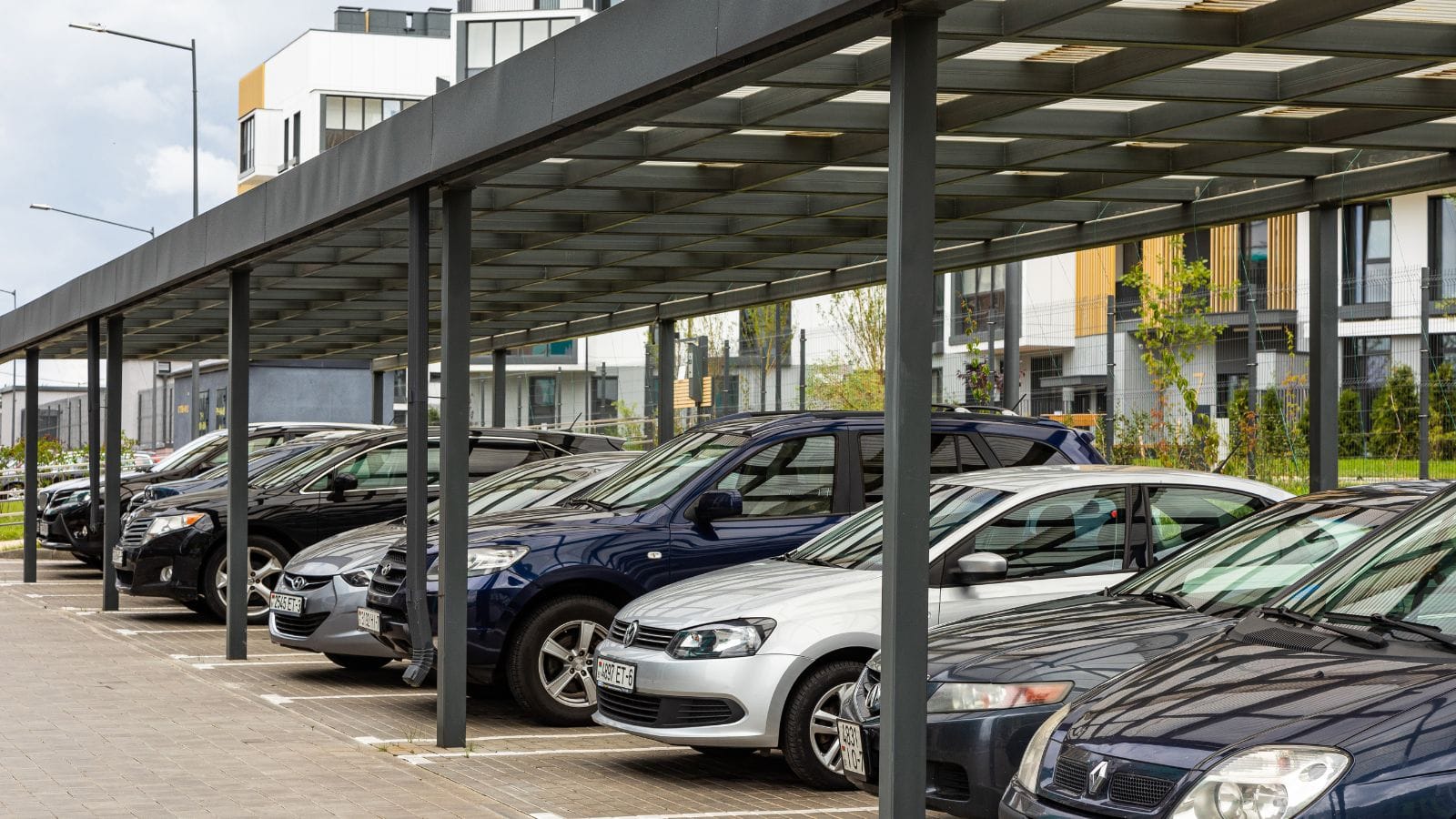
A locked garage adds a large physical obstacle that a driveway cannot provide. Insurance Bureau of Canada, Halton Regional Police and Ottawa Police all recommend using a secure garage when one is available. It removes the vehicle from immediate street view and forces a thief to overcome another secured boundary before reaching the vehicle itself.
Garages often end up holding bicycles, seasonal furniture or storage while a much more valuable vehicle sits outside. In areas experiencing organized auto theft, reversing that arrangement can materially improve security. Halton police note that many relay and reprogramming thefts occur from residential driveways during overnight hours. Garage parking is not infallible—garage doors and access points still need to be secured—but it changes the risk equation considerably. For households with limited space, simply reorganizing storage may provide a stronger theft-prevention improvement than purchasing another electronic gadget.
A Dark Driveway With Little Visibility
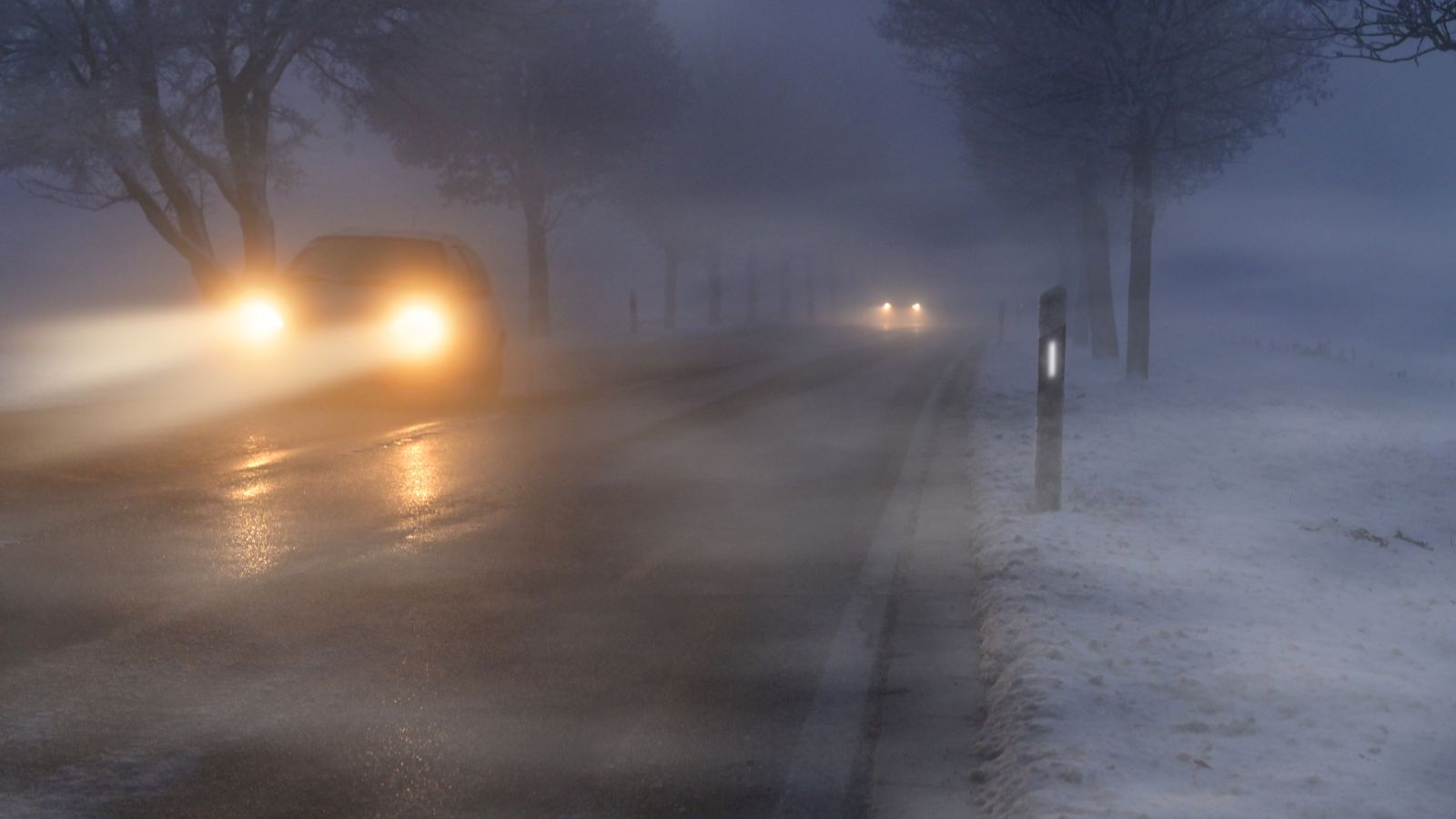
Darkness gives suspicious activity less chance of being noticed. NHTSA, NICB and Insurance Bureau of Canada all recommend parking in well-lit locations as a basic theft-prevention measure. Although lighting cannot physically immobilize a vehicle, visibility increases the possibility that neighbours, occupants or passersby will notice someone lingering around it.
Residential lighting does not need to resemble a commercial parking lot. A functioning porch light, properly positioned driveway fixture or motion-activated exterior light can reduce dark areas around the vehicle. The goal is to remove the comfortable concealment that a poorly lit property may provide. This is especially relevant because Canadian police have reported that many driveway thefts occur overnight. Lighting works best as one part of a broader system: locked doors, protected keys, physical anti-theft equipment and secure parking. On its own it is limited, but a completely dark driveway gives a thief one advantage that is easily removed.
Leaving the Target Vehicle a Clear Exit
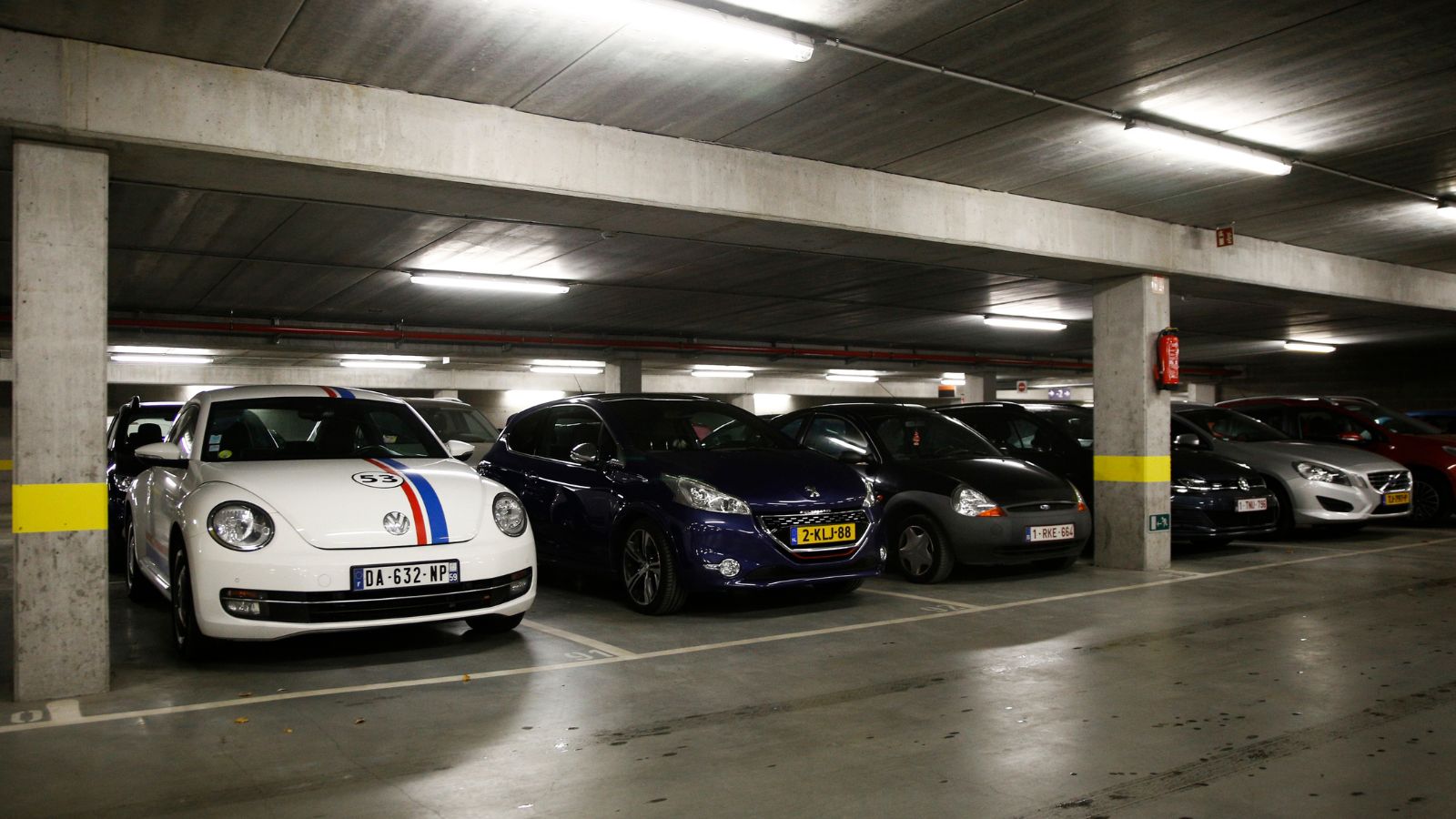
Driveway layout can affect how quickly a stolen vehicle could be removed. Ottawa Police specifically recommends tightly blocking a desirable vehicle with a second, less-targeted vehicle when garage parking is unavailable. The idea is defensive rather than complicated: adding a physical obstacle can turn what appears to be a quick departure into a much more difficult proposition.
Consider a household with two vehicles parked one behind the other. Putting the vehicle considered at greater theft risk closest to the house can create an extra layer that electronics cannot simply bypass. The outer vehicle would have to be moved before the inner one could leave. This approach will not suit every driveway and should never obstruct sidewalks, streets or emergency access, but it shows why parking arrangement matters. A vehicle facing an open street with nothing in its path presents fewer physical complications than one that has been intentionally positioned behind another secure obstacle.
No Visible Steering-Wheel Lock
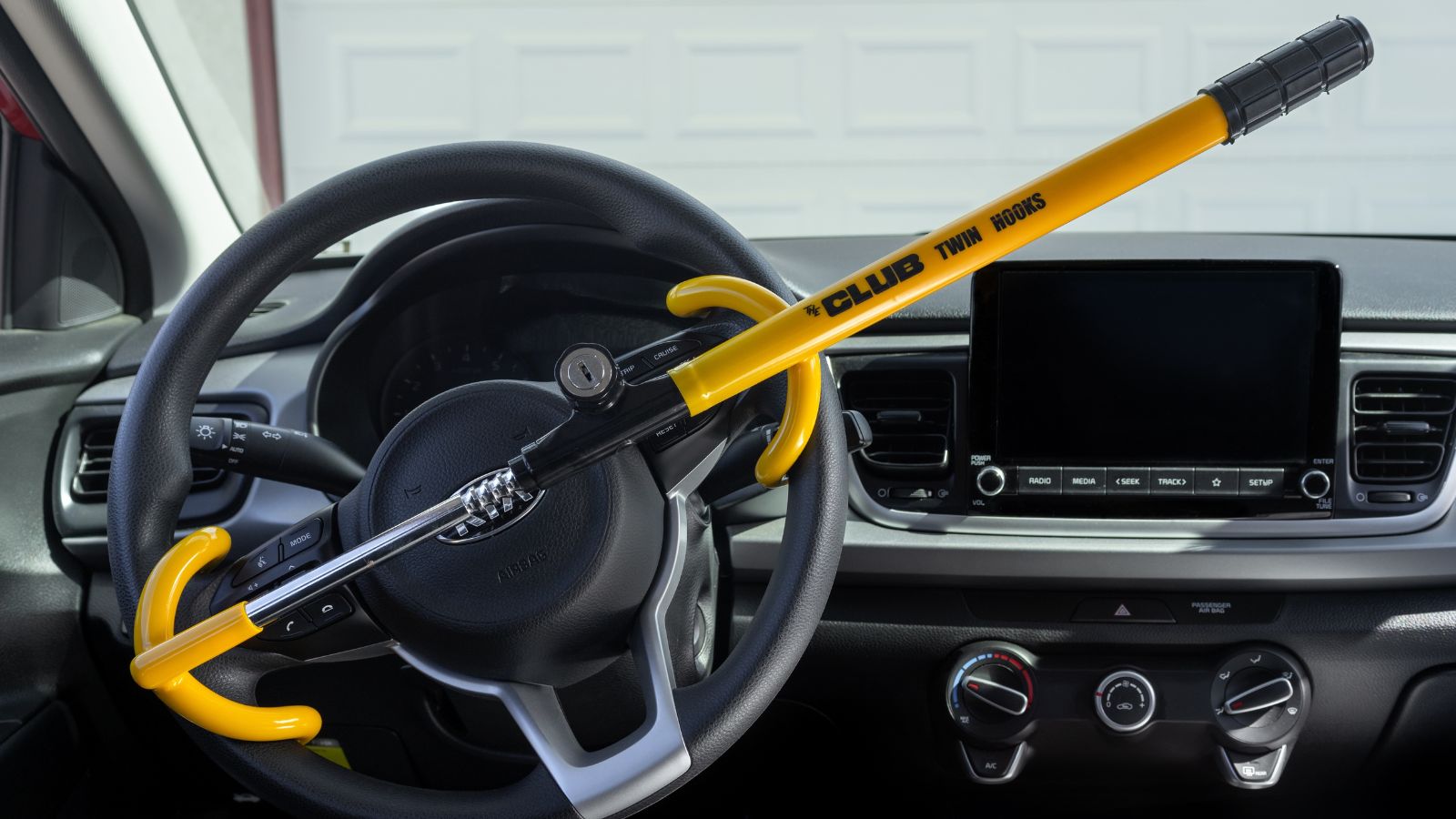
A steering-wheel lock is decidedly low-tech, and that is partly its value. It creates a visible mechanical barrier before anyone even reaches the vehicle’s electronic security systems. Halton and Ottawa police recommend steering-wheel locking devices, while NHTSA classifies visible devices such as steering-wheel locks as theft deterrents.
No physical lock is unbeatable, and Ottawa Police cautions that steering-wheel devices work best when combined with another security measure. Their advantage is that they add time, effort and visibility. A thief comparing several similar vehicles on the same street may regard one with an obvious physical lock differently from one relying solely on factory electronics. The device can be especially worthwhile for frequently targeted SUVs and pickups. It may feel old-fashioned beside push-button ignition and smartphone connectivity, but modern electronic theft is precisely why an independent mechanical obstacle can still provide useful protection.
No Obvious Theft-Deterrent Markings
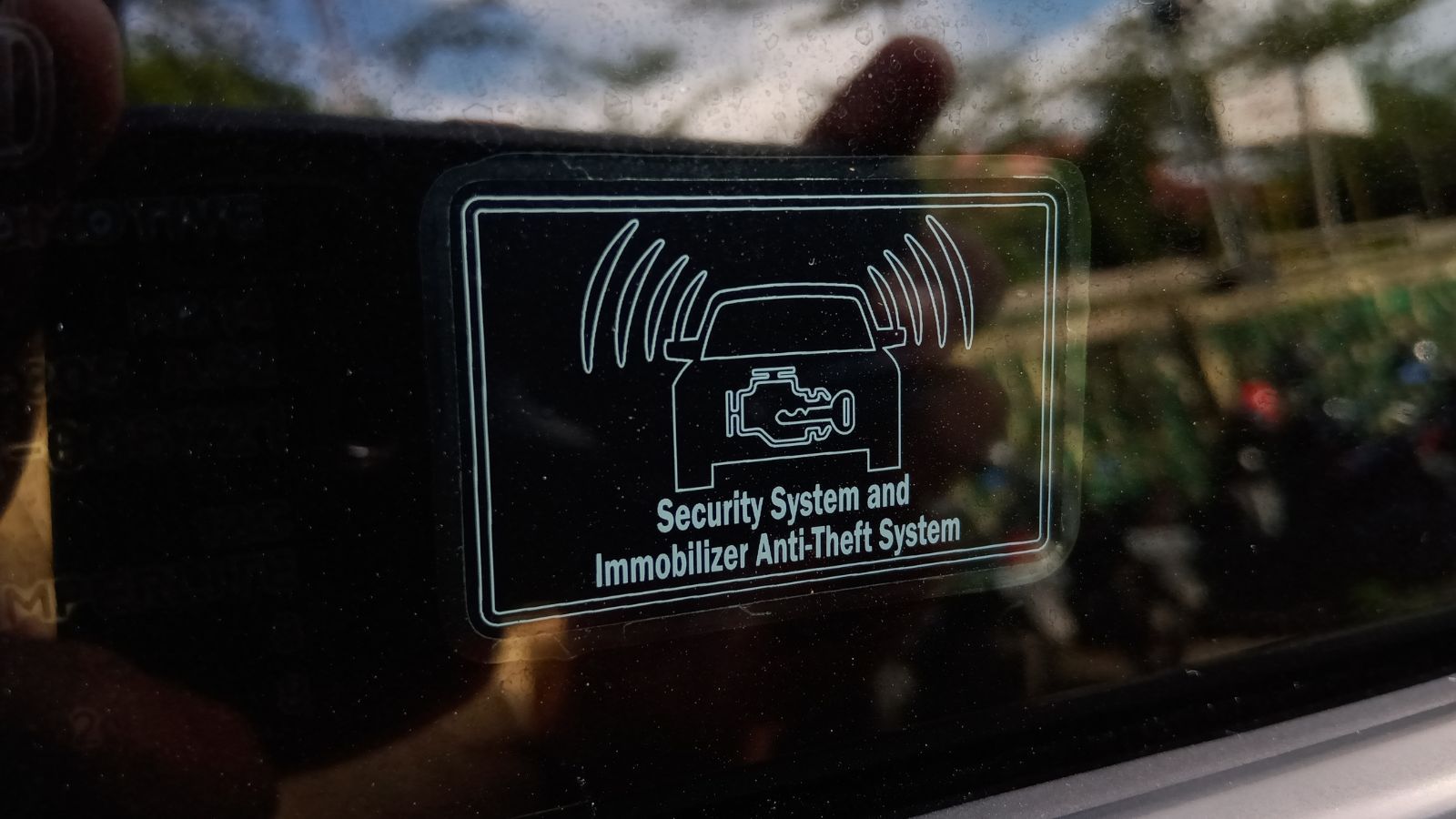
Visible deterrence extends beyond steering-wheel locks. NHTSA identifies warning decals and window etching among devices that can signal additional security, while Insurance Bureau of Canada includes theft-deterrent decals, identification markings and window etching in its layered-prevention recommendations. These measures do not physically stop a vehicle from starting, but they can communicate that the vehicle may be more troublesome to steal or resell.
Identification markings may also make stolen components easier to associate with the original vehicle. Their value should not be exaggerated; a decal by itself is no substitute for an immobilizer, secure keys or a physical lock. The stronger approach is to combine visible and hidden protection. A vehicle displaying obvious security measures while also containing less visible electronic safeguards creates uncertainty for a potential thief. By contrast, an otherwise high-risk vehicle that appears completely unprotected offers no outward indication that extra barriers may be waiting inside.
An Unprotected Diagnostic Access Point
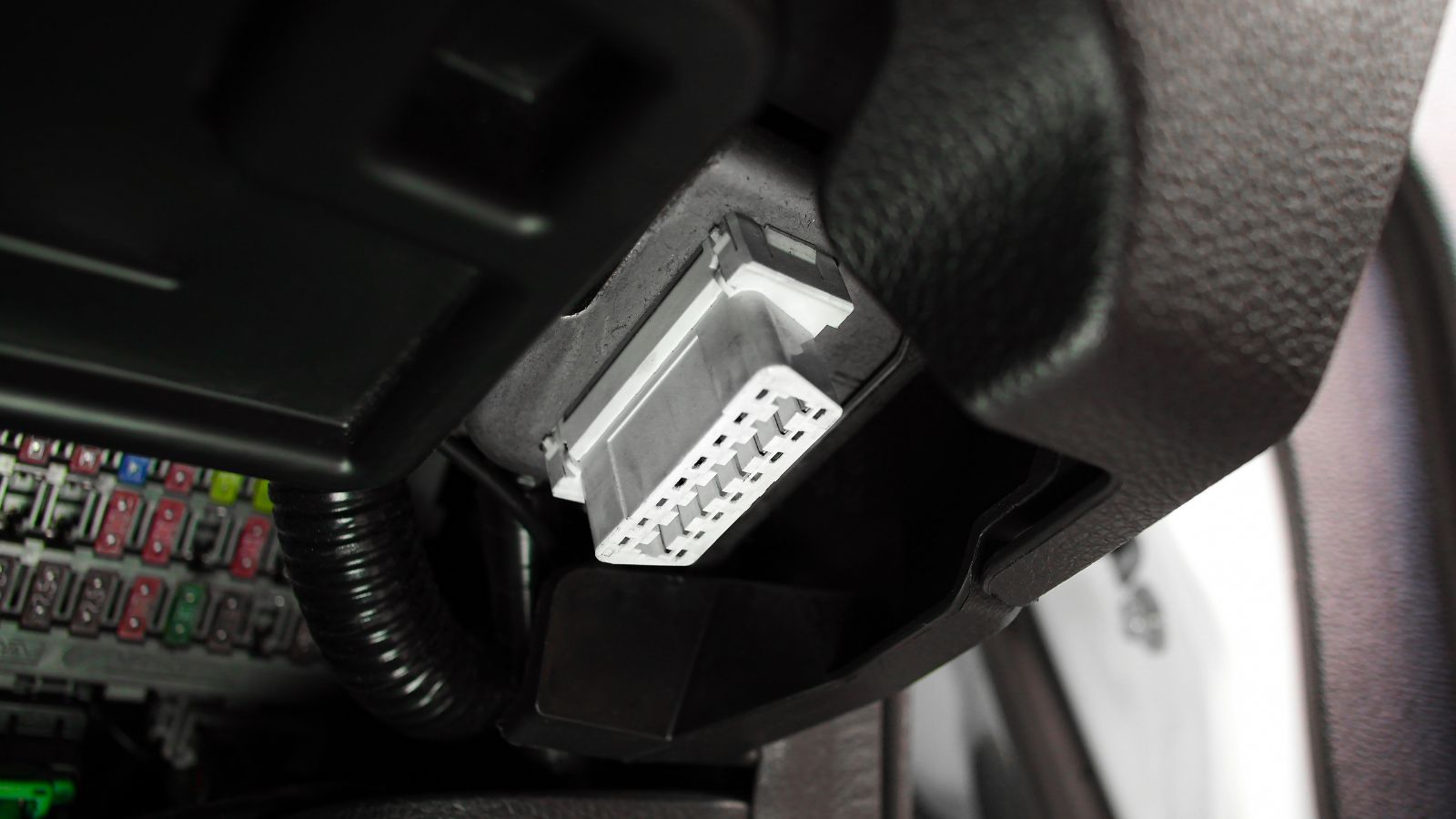
Modern vehicles contain diagnostic connections that legitimate technicians use for servicing and electronic communication. Unfortunately, Canadian police and insurers have also documented thefts involving unauthorized electronic access and key reprogramming. Halton Regional Police recommends locking the onboard diagnostic port on vulnerable vehicles, and Ottawa Police recommends protection for relevant electronic-control access points.
Owners do not need to understand or experiment with the underlying electronics. In fact, security products should be chosen with professional guidance because improperly modifying vehicle wiring can create reliability or warranty problems. The important point is that keyless relay attacks are not the only form of modern auto theft. Ottawa Police specifically notes that radio-frequency shielding will not prevent theft methods that do not depend on relaying the household key-fob signal. That is why protecting the key alone may leave another electronic route unaddressed and why layered security has become the dominant prevention recommendation.
Depending Entirely on the Factory Immobilizer
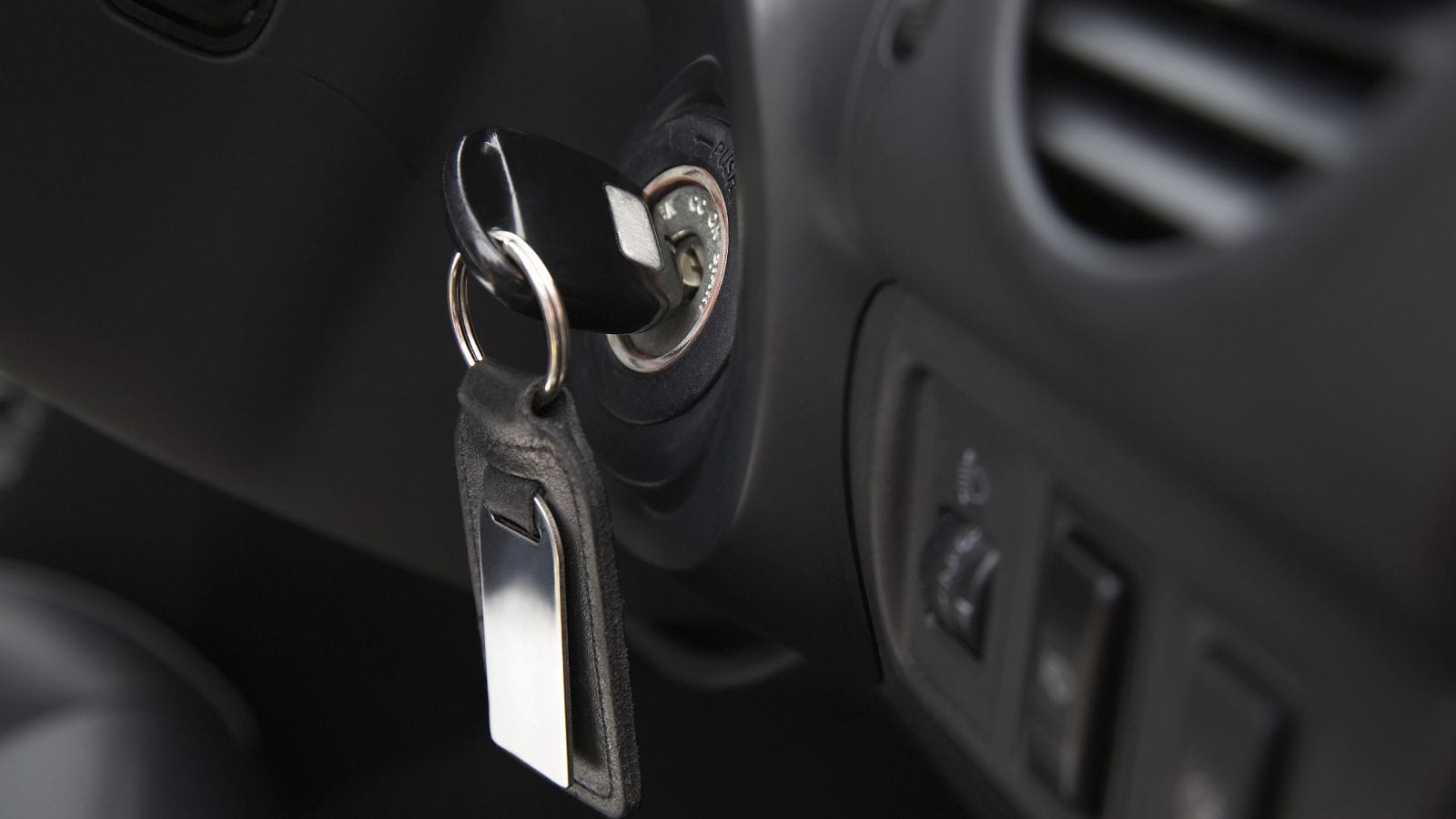
Canada has required immobilization systems on many new light vehicles since the 2008 model era, but theft techniques have evolved since the standards underlying those requirements were written. Transport Canada has been working to modernize its theft-protection rules, while Insurance Bureau of Canada recommends quality aftermarket immobilization for additional protection against newer electronic attacks.
That does not mean factory systems are useless. Immobilizers dramatically changed traditional vehicle theft by preventing unauthorized starting unless the correct electronic credential is recognized. The issue is relying on one layer as though it were impossible to bypass. Owners of frequently stolen models may benefit from discussing independent immobilization options with their dealer or insurer. Ottawa Police describes an aftermarket immobilizer and alarm as a particularly strong option when a garage or blocking vehicle is unavailable. Separating the ability to enter the cabin from the ability to start and move the vehicle forces a thief to overcome more than one security system.
No Audible Alarm or Properly Armed Security System
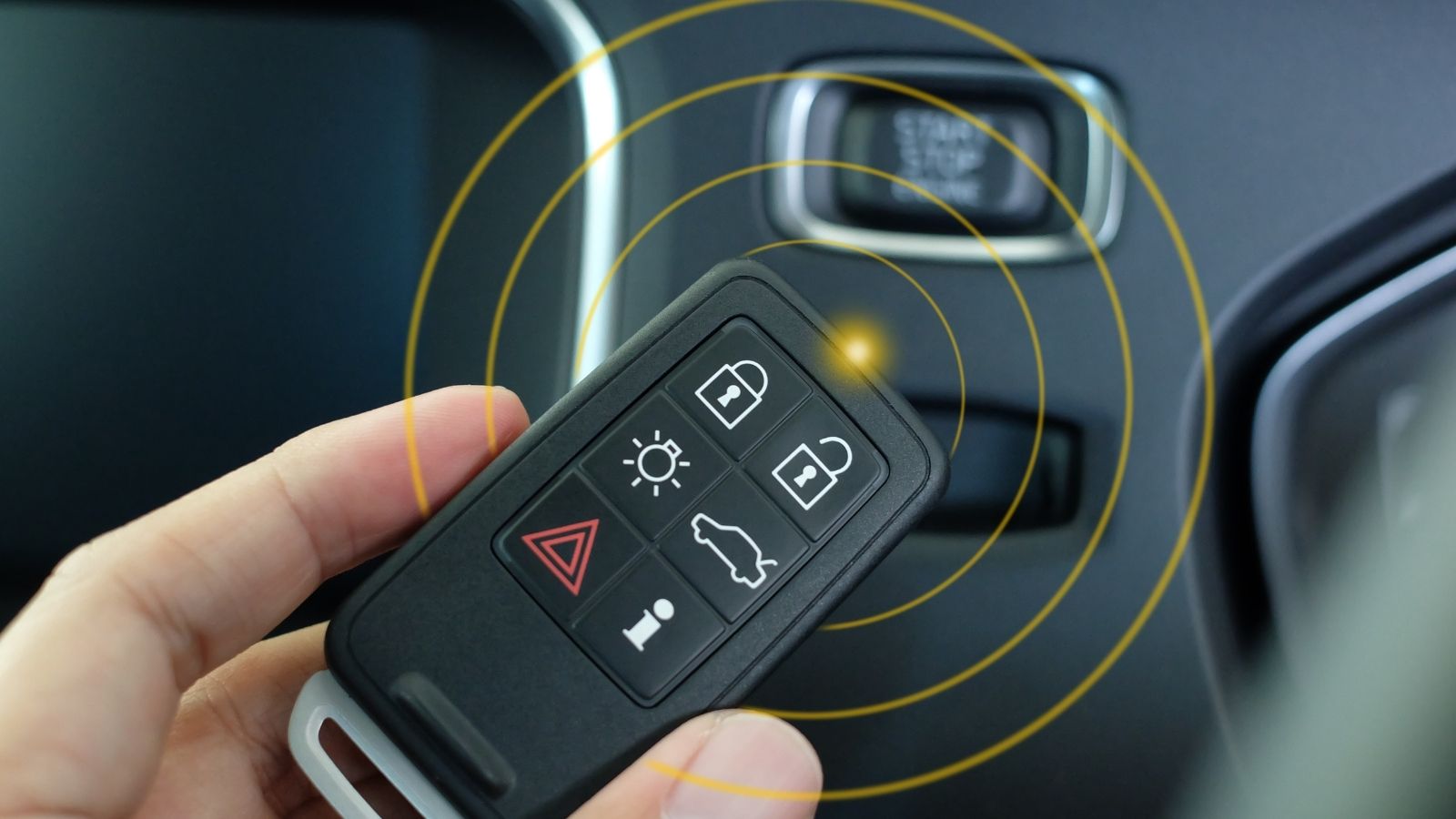
An alarm cannot physically anchor a vehicle to the driveway, but it can make unauthorized entry considerably less discreet. NHTSA describes audible alarms as deterrents because they draw attention to attempted entry, and both Halton and Ottawa police include alarms among recommended anti-theft measures.
The important detail is that an alarm has to be present, functional and armed. Owners sometimes become so accustomed to factory security that they are unsure what actually activates it. On some vehicles, locking with the remote rather than another method is required to arm certain theft-deterrent functions. Manufacturer instructions should therefore be followed rather than assuming every locking method provides identical protection. A properly functioning alarm is most useful when combined with lighting, physical locks and an immobilizer. Its purpose is not to guarantee that a thief runs away; it is to make a quiet, unnoticed attempt harder to carry out.
No Exterior Camera or Motion Detection
Security cameras are primarily evidence and awareness tools, but police also regard visible surveillance and motion lighting as potential deterrents. Halton Regional Police recommends properly positioned cameras capable of functioning around the clock, while Ottawa Police specifically suggests exterior surveillance cameras and motion-detection lighting at home.
Placement and maintenance matter more than simply owning a camera. A device aimed too high, blocked by vegetation or unable to capture useful nighttime images provides little value when suspicious activity occurs. Motion notifications can also alert residents to activity around a driveway before a missing vehicle is discovered the next morning. Cameras should never encourage homeowners to confront suspected thieves; police should handle crimes in progress. Their value is in increasing visibility, recording events and supporting a layered home-security environment. A completely unobserved driveway, by comparison, gives offenders less reason to worry about identification or early detection.
No Tracking or Geofence Capability
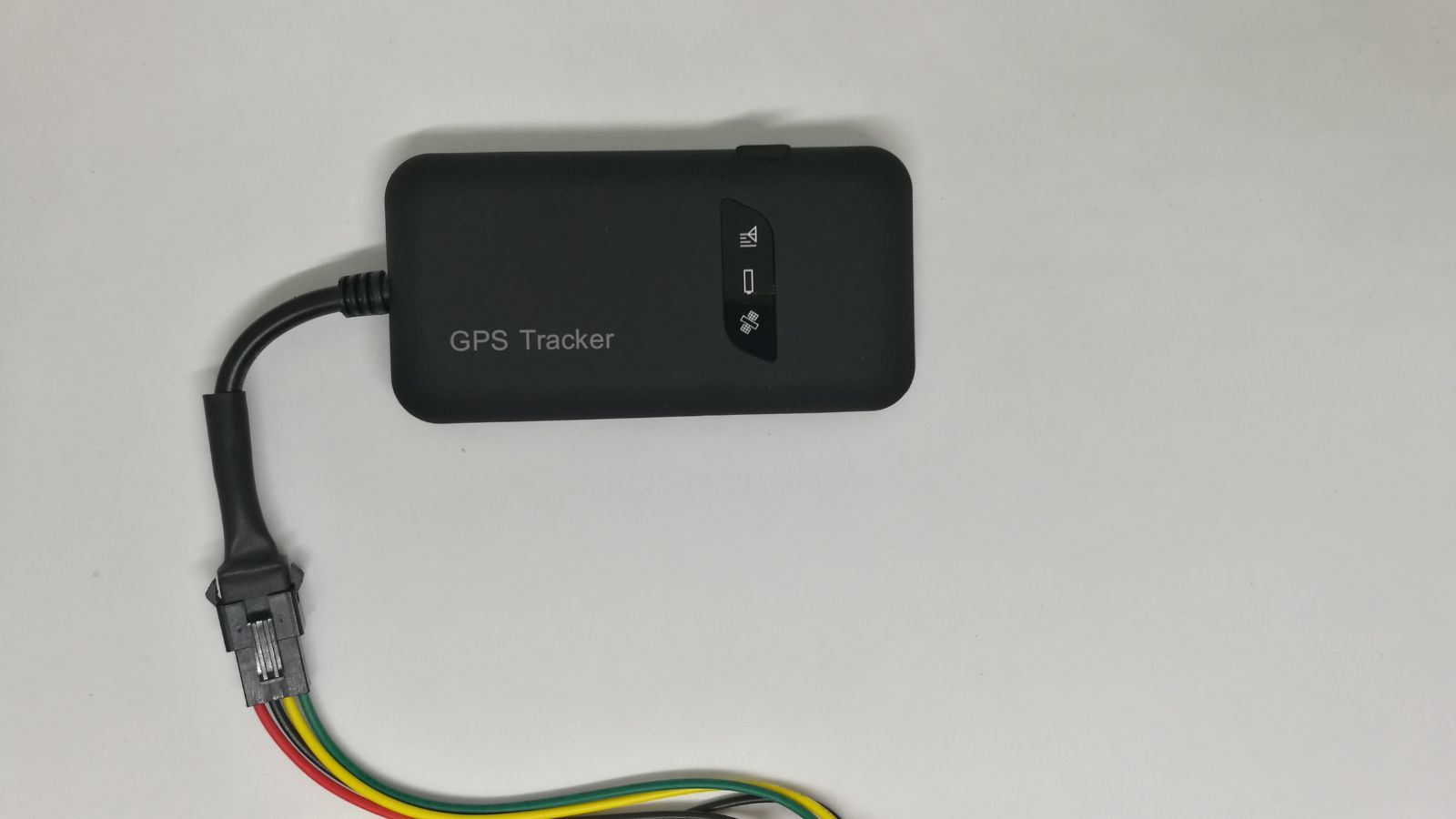
A tracker generally does not stop the initial entry into a vehicle, but it changes what happens if every preventive layer fails. NHTSA identifies vehicle-recovery systems as technology that can help law enforcement locate stolen vehicles. Halton and Ottawa police likewise recommend aftermarket GPS tracking, with Ottawa noting that some systems can create a virtual boundary and notify an owner when a vehicle unexpectedly leaves it.
Factory-connected services may already offer location functions, while some owners add an independent tracker so recovery does not rely on a single system. Compatibility, privacy and subscription costs vary, so the appropriate choice depends on the vehicle. Tracking should also be considered a recovery layer, not an invitation to personally pursue a stolen car. Police should be given the location information. In a layered strategy, a tracker sits behind locks, immobilizers and deterrents: ideally it is never needed, but it can become valuable once prevention has failed.
Valuables or Electronics Left in Plain Sight
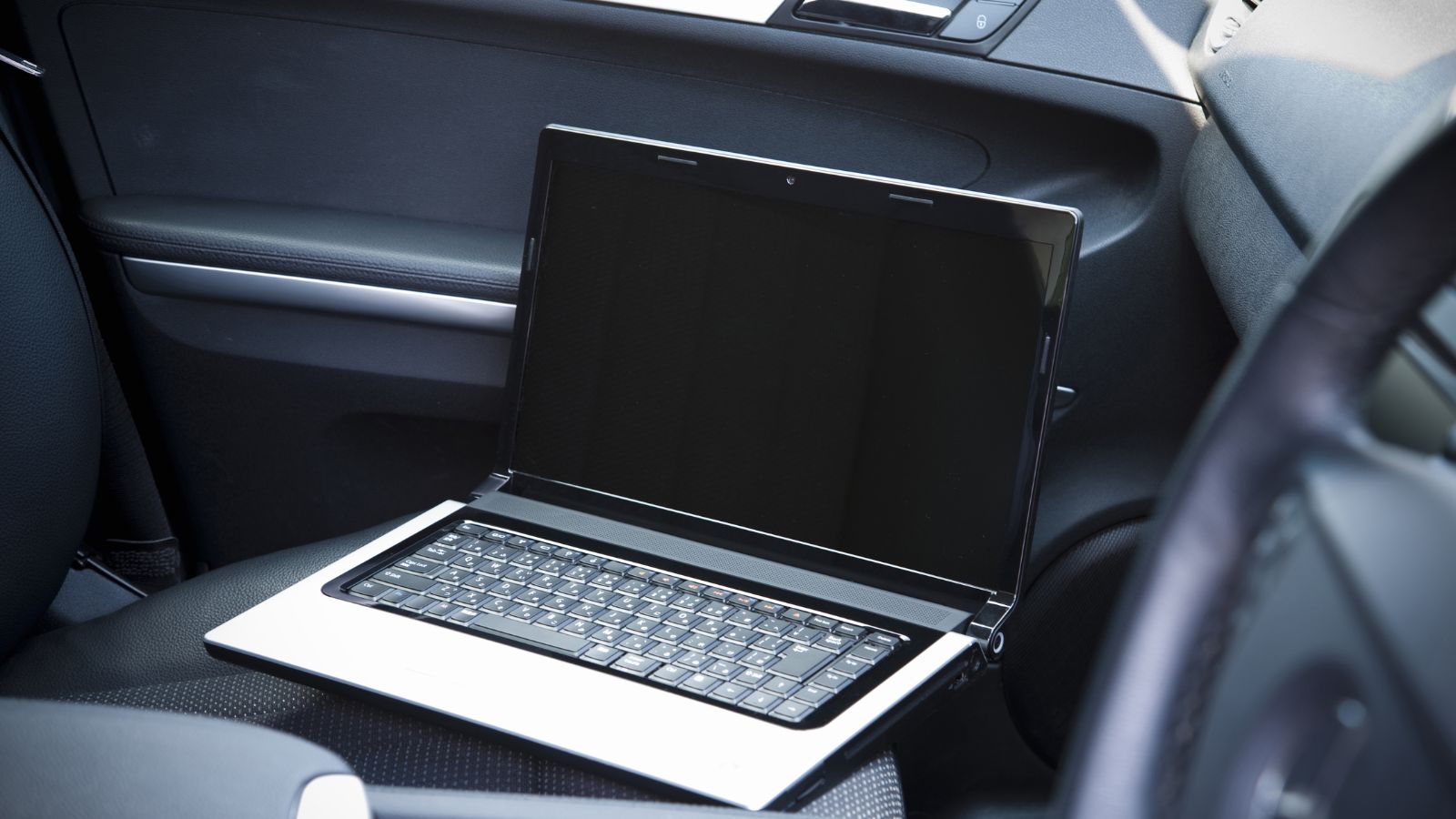
A laptop bag, phone, purse or visible electronics can attract attention to a vehicle that might otherwise have been ignored. NHTSA specifically advises against leaving visible valuables inside parked vehicles and notes that thieves also target items and vehicle components, not just the entire car. Halton police similarly recommends removing valuables and technology from view.
A break-in motivated by a visible bag is not automatically an attempted vehicle theft, but every unnecessary reason to enter the cabin increases exposure. Once inside, an offender may discover keys, garage controls, documents or other opportunities that were not visible from outside. Empty bags can be misleading too; a thief cannot know they are empty before breaking in. Clearing the cabin before parking overnight therefore serves two purposes: it reduces the attraction of theft from the vehicle and keeps unauthorized people from gaining easy access to items that could create additional security problems.
Skipping Model-Specific Anti-Theft Updates
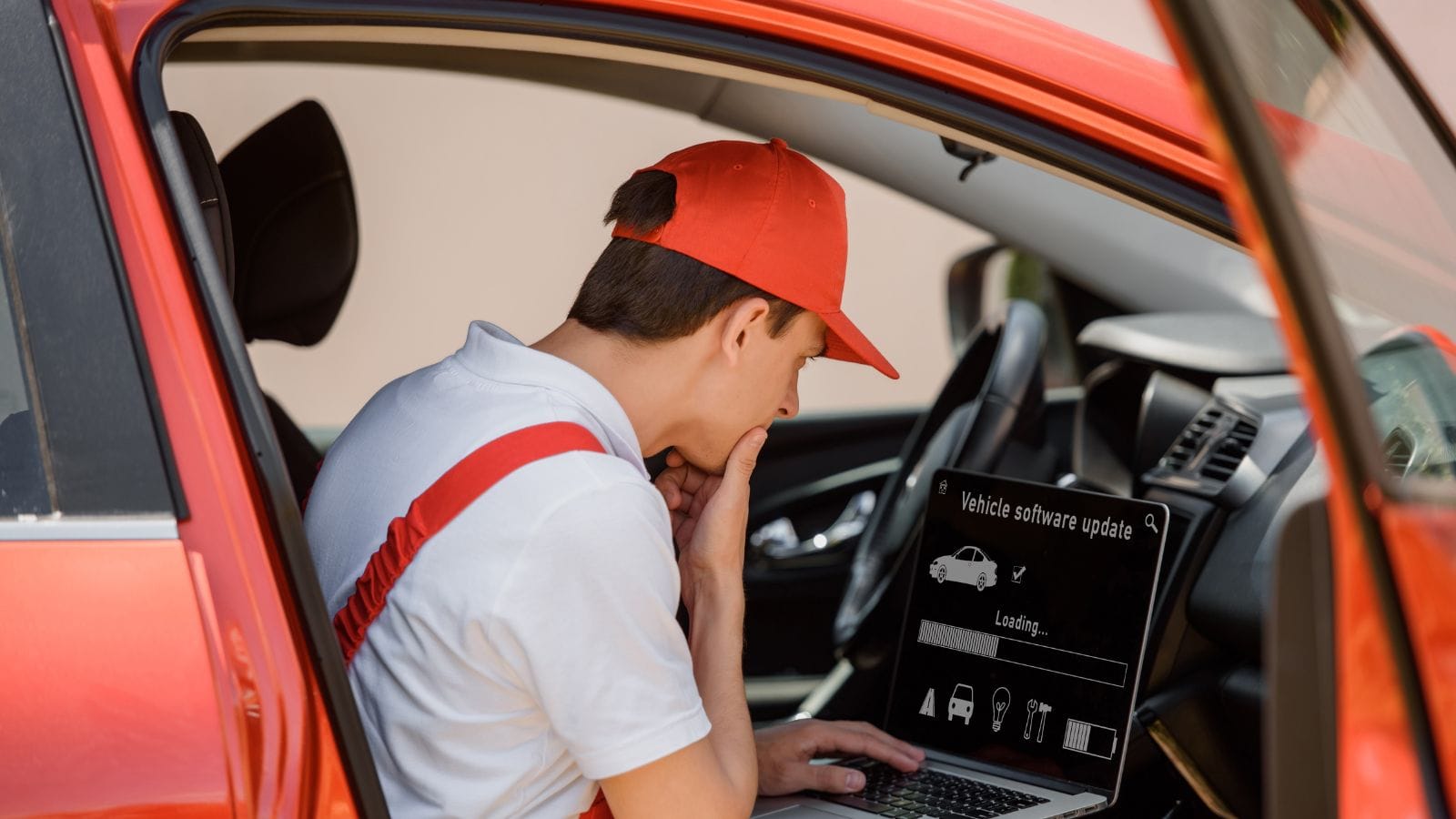
Vehicle security can change after the car has already been sold. One prominent example occurred in the United States when Hyundai and Kia introduced free theft-deterrent software and hardware measures for millions of vehicles that had become heavily targeted. NHTSA urged affected owners to obtain the available upgrades rather than continuing to operate with the original security configuration.
The lesson applies more broadly than those particular models or markets. Owners should pay attention to manufacturer notices, dealer campaigns and legitimate security updates applicable to their exact vehicle identification number. A repair visit is also a reasonable time to ask whether security-related software or hardware improvements have been released. Not every software update concerns theft, and owners should not assume a generic infotainment update improves security. The vulnerability is simply leaving an applicable, manufacturer-supported theft remedy unused after it becomes available. Where a legitimate upgrade exists, installing it closes a known gap rather than depending on the vehicle exactly as it left the factory years earlier.
A High-Theft Model With No Added Protection
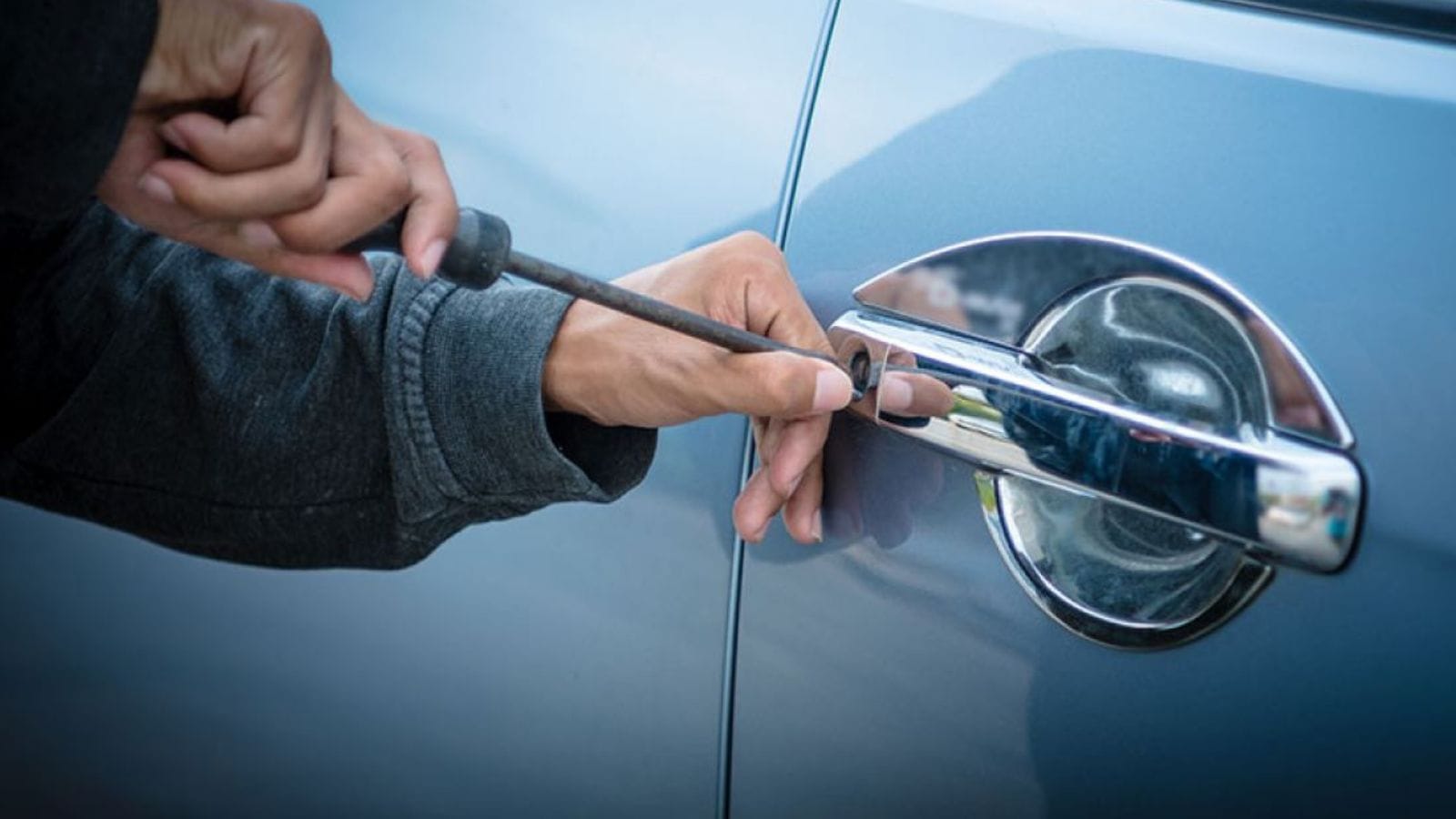
Some vehicles attract substantially more criminal attention than others. Équité Association’s Canadian data show that newer SUVs, particularly models with keyless-security vulnerabilities and strong overseas resale demand, have remained prominent targets. Its 2024 national results placed the Toyota RAV4 at the top and recorded more than 2,000 thefts of the model during that year.
Owning a frequently stolen model does not mean theft is inevitable, nor should rankings alone dictate a purchasing decision. They do suggest that identical security habits can produce different risk profiles depending on what is parked in the driveway. A high-demand SUV protected only by its factory locks presents a different proposition from the same vehicle inside a garage, with protected keys, a steering lock, independent immobilization and tracking. Insurance Bureau of Canada and Équité advocate this layered approach precisely because no single device addresses every theft method. The more desirable the target, the more valuable those extra layers become.
19 Used Cars Canadians Should Avoid in 2026 (Based on Owner Complaints)

Buying a used car in Canada can feel safe until repair bills start stacking up. Owner complaints tell a different story than glossy listings. Transmission failures, electrical problems, and weak winter reliability show up again and again in consumer reports. Many of these issues appear after warranties expire, when owners least expect them. Some vehicles look affordable upfront, but become expensive to keep on the road. Others struggle in cold weather, urban driving, or long highway commutes. Here are 19 used cars Canadians should avoid in 2026 (based on owner complaints).
19 Used Cars Canadians Should Avoid in 2026 (Based on Owner Complaints)

Alanna Rosen is an experienced content writer that focuses on many EV and educational content. Her articles are regularly published on Get CyberTrucked and syndicated on large publications.