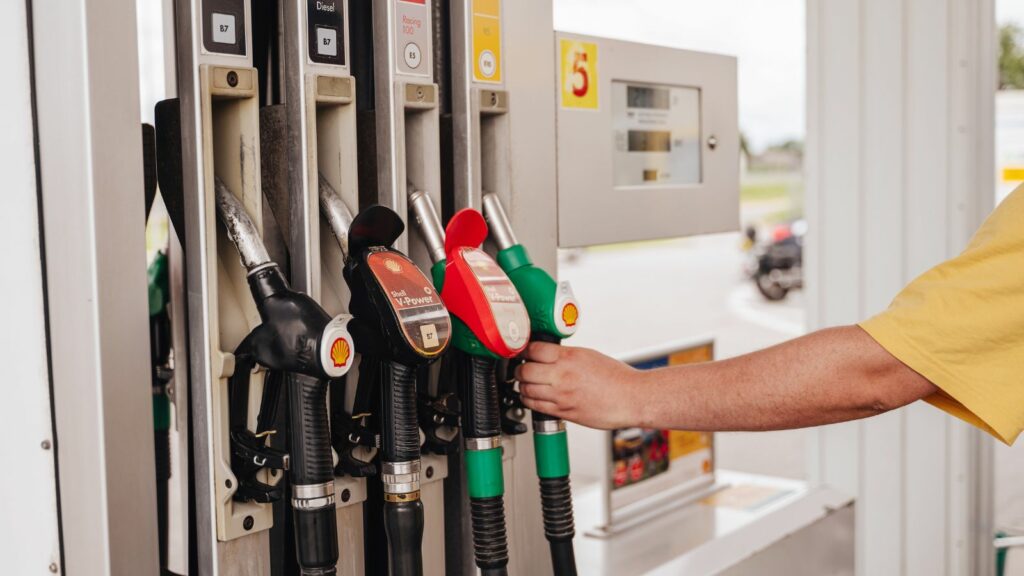
A fuel stop can feel so routine that one extra squeeze of the pump handle hardly seems worth thinking about. Yet continuing to add gasoline after the nozzle automatically shuts off—commonly called “topping off”—works against safeguards built into both the pump and the vehicle. Modern fuel systems need room for expansion and rely on carefully controlled vapor-management equipment, while gasoline itself brings spill, fire, health, and environmental concerns.
These 12 points explain why chasing a round dollar amount or forcing in a little more fuel can create consequences far beyond the few cents displayed on the pump.
The First Click Is There for a Reason
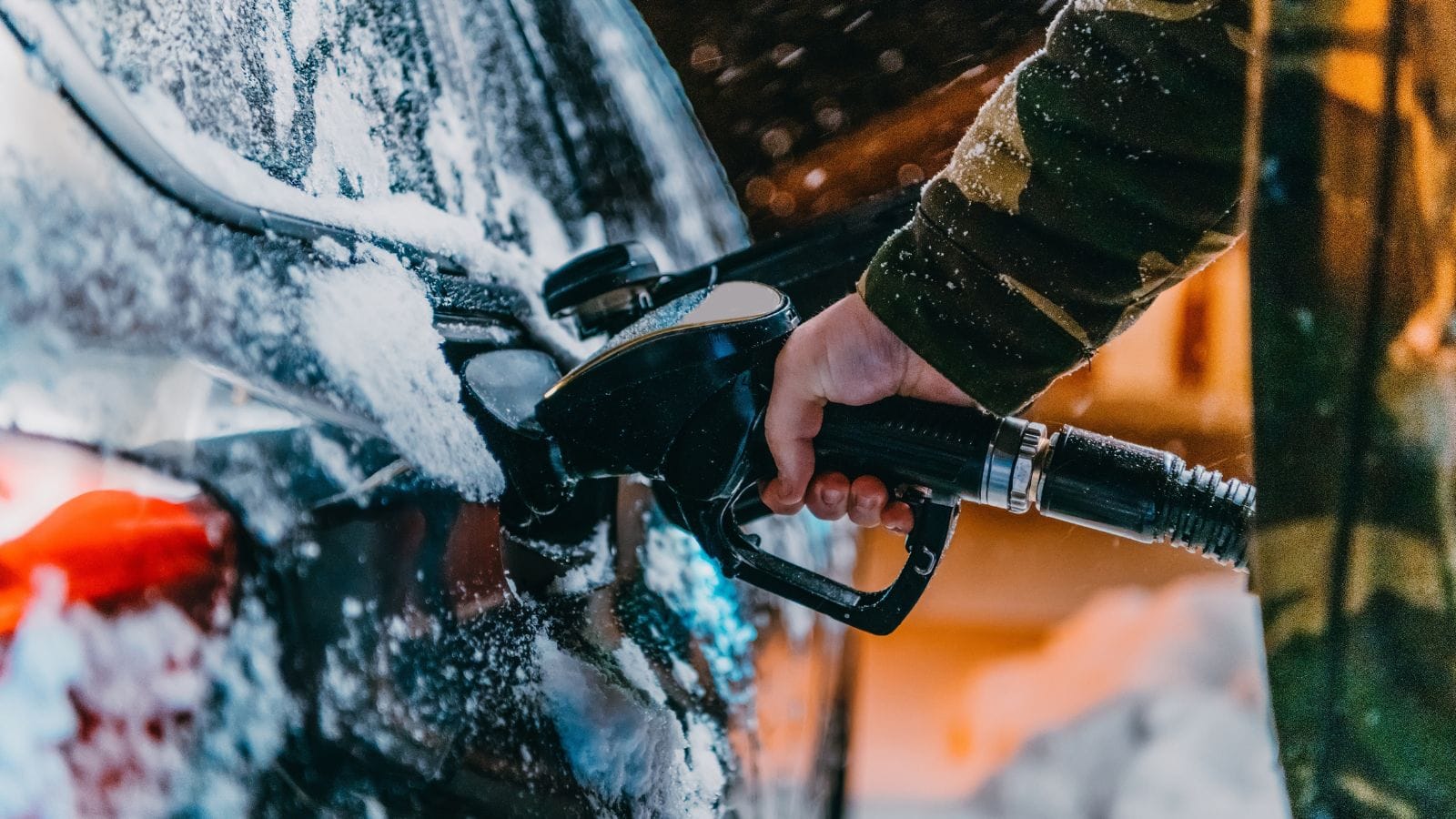
That familiar click from the nozzle is not merely an inconvenience interrupting the fill-up. Automatic nozzles are designed to stop fuel flow when conditions at the nozzle indicate that the tank has reached its intended filling level. Vehicle manufacturers reinforce that message in their operating instructions, commonly directing drivers to stop after the automatic shutoff rather than repeatedly squeezing the handle.
Ignoring that signal turns an ordinary refueling process into an attempt to put gasoline into space the vehicle was deliberately designed to preserve. The amount gained may seem tiny—a driver might simply want the receipt to read an even $60 instead of $59.73—but the extra fuel provides little practical benefit. Honda, Ford and EPA materials all caution against continuing once automatic shutoff occurs. The simplest interpretation is also the safest: when the pump says the filling process is finished, there is usually no advantage in trying to prove otherwise.
A Full Tank Still Needs Empty Space
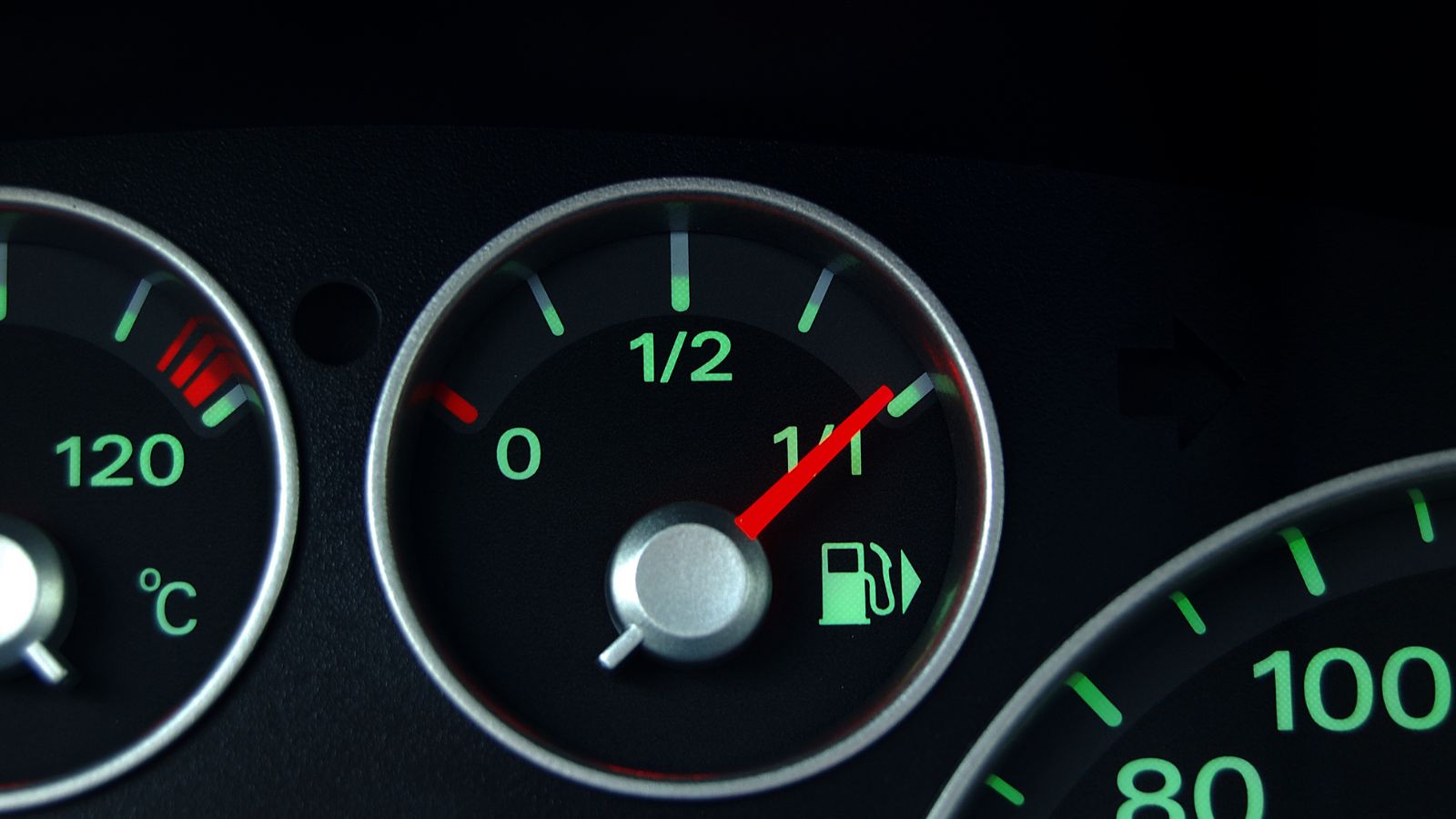
A vehicle’s fuel tank is not designed to be packed with liquid gasoline from wall to wall. Manufacturers deliberately account for an expansion space above the normal fuel level. Gasoline changes volume as temperatures change, making that unused space an important part of the system rather than wasted tank capacity.
Honda specifically explains in its refueling guidance that automatic nozzle shutoff leaves room so fuel can expand as air temperature changes. Ford similarly warns that continuing past shutoff can fill the tank’s expansion space and lead to overflow. That matters on a warm day, for example, when fuel purchased from relatively cool underground station tanks can subsequently warm inside a parked vehicle. The driver who forces another small amount into the filler neck has not meaningfully increased the vehicle’s useful range. Instead, that person has reduced a margin engineers intentionally provided. Leaving that space alone is part of normal refueling, not an indication that the pump stopped too soon.
Liquid Fuel Can Reach a System Intended to Manage Vapors
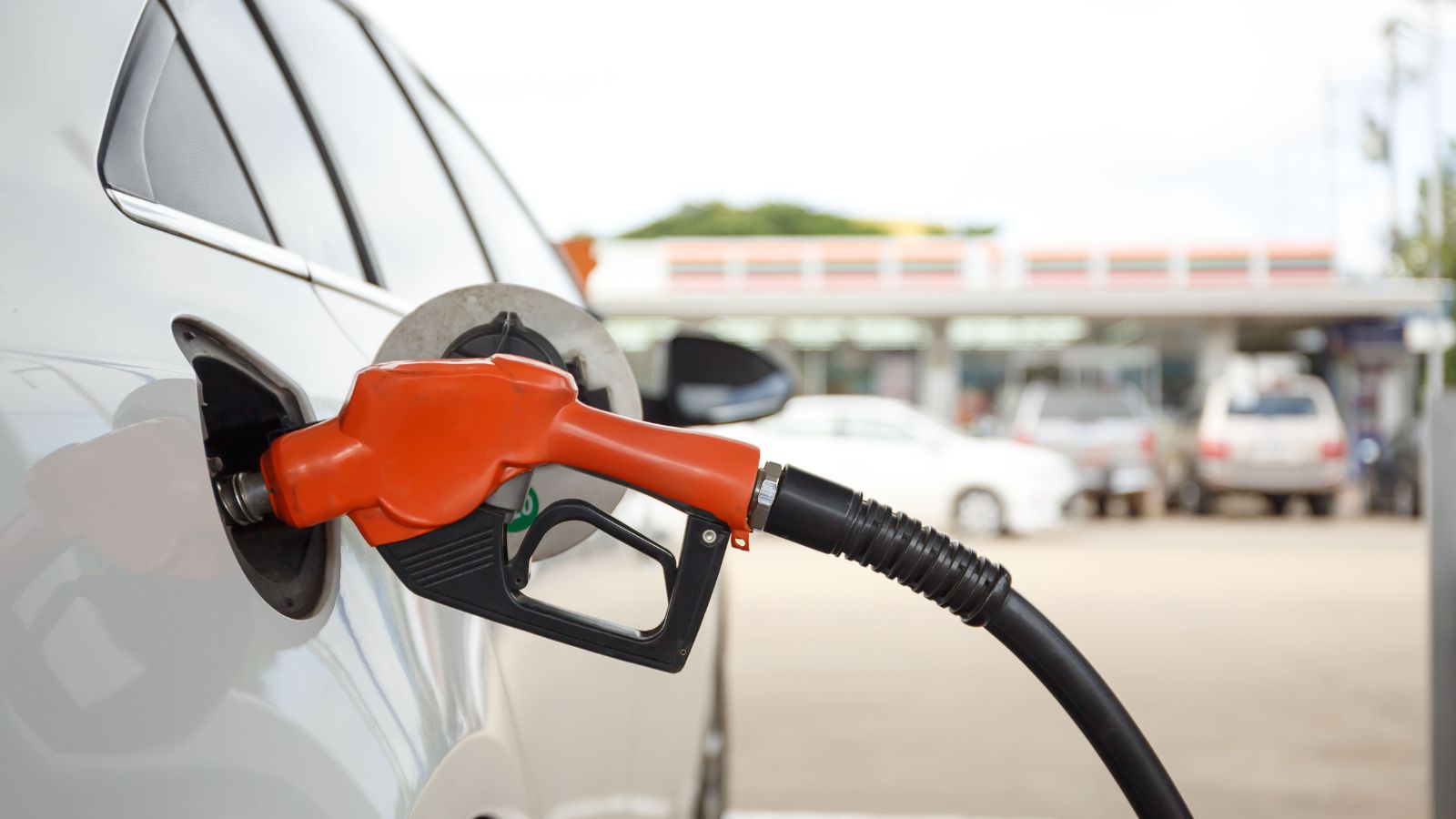
Modern gasoline vehicles do more than store fuel. Their evaporative-emissions systems capture gasoline vapors that would otherwise escape into the atmosphere. Activated-carbon canisters are widely used for this purpose, temporarily holding hydrocarbons until the engine can draw them in and burn them.
Problems can arise when overfilling allows liquid gasoline to travel into areas principally designed for vapor management. EPA technical material describes fuel-system designs that separate liquid from vapor and notes the potential for liquid gasoline reaching charcoal storage media to cause damage. EPA has also documented that expansion space helps prevent overfilling and flooding of vapor/liquid separation equipment. This does not mean one accidental extra click guarantees an expensive repair. Fuel systems contain protections, and designs differ among vehicles. The concern is increased risk from repeatedly defeating the normal stopping point. A habit that seems like maximizing every fill can therefore place unnecessary stress on equipment that exists largely out of sight.
EVAP Trouble Can Eventually Become Dashboard Trouble
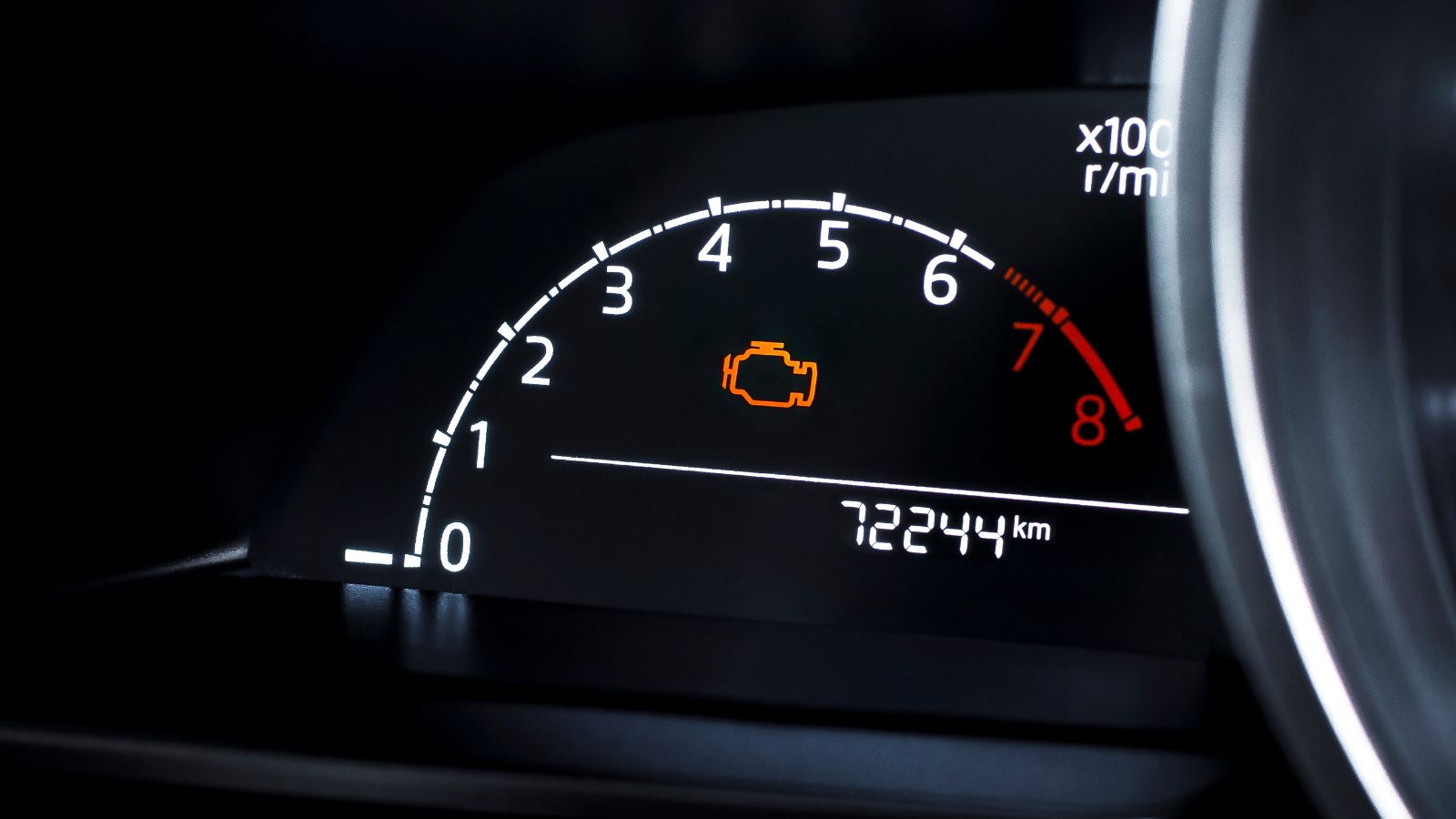
The evaporative-emissions system is part of the vehicle’s monitored emissions hardware, not an isolated collection of hoses that the car ignores. On vehicles equipped with modern onboard diagnostics, faults involving vapor leaks, purge flow, vent valves and other EVAP components can generate diagnostic trouble codes.
EPA documentation lists numerous EVAP-related OBD codes, including codes for leaks, purge-control problems, vent-control malfunctions and pressure-sensor faults. When a monitored fault meets the necessary conditions, the malfunction indicator lamp—better known as the check-engine light—can illuminate. Overfilling is not the only possible cause of EVAP trouble, and a warning light should never automatically be blamed on a recent fuel stop. A loose cap, damaged valve, hose problem or other component fault can produce similar symptoms. Still, repeatedly exposing vapor-control equipment to conditions manufacturers say to avoid adds an unnecessary variable. That extra squeeze at the pump can look far less satisfying once diagnosis requires a scan tool and an appointment.
Overflow Can Put Gasoline Outside the Tank
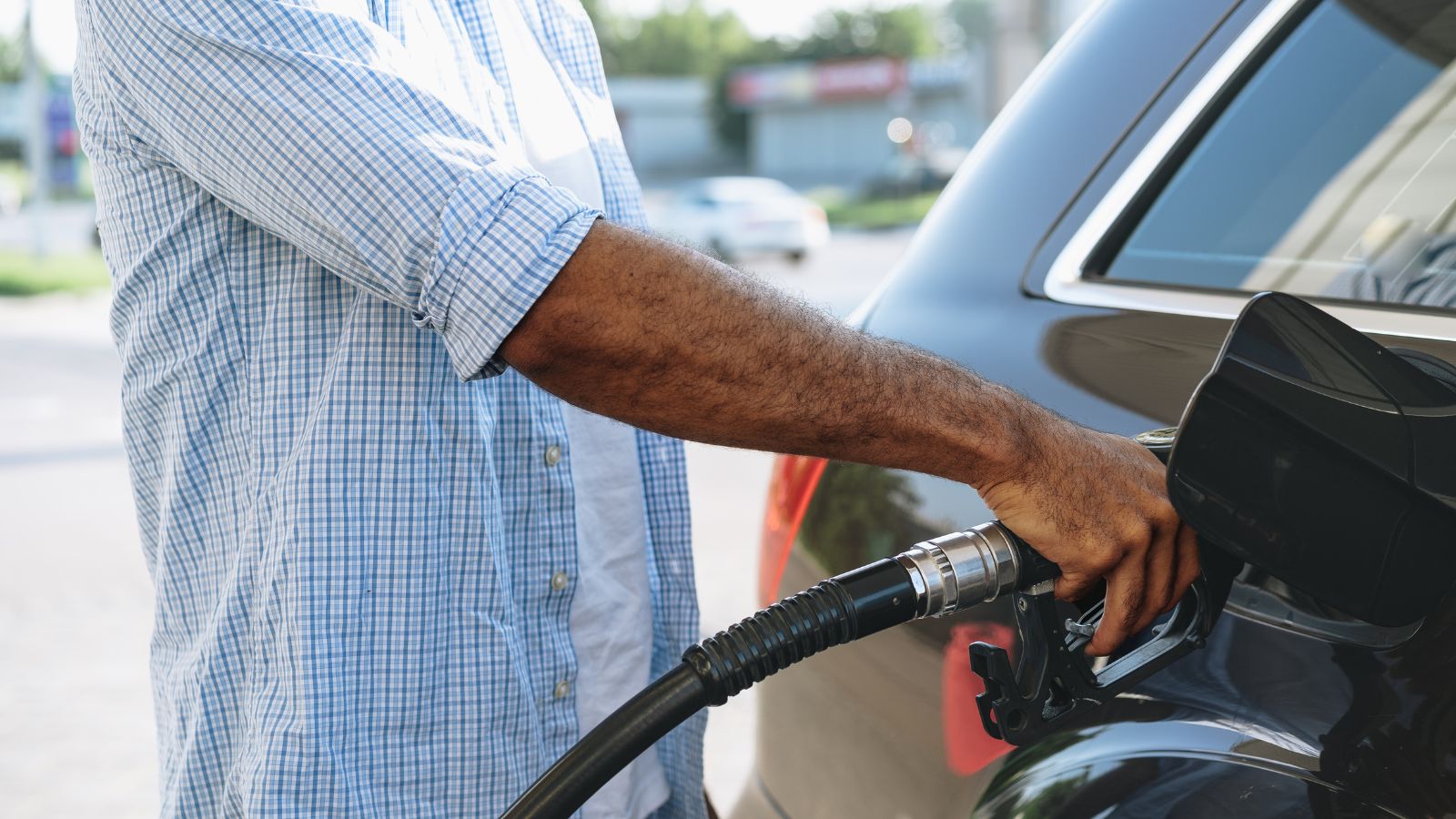
The most visible consequence of topping off is also one of the easiest to understand: gasoline can come back up the filler neck and spill. EPA technical guidance identifies repeated topping off as a form of operator error capable of causing refueling spillage, while current manufacturer instructions warn that additional fuel can exceed the intended capacity.
Once fuel leaves the filler system, the situation changes quickly from trying to gain a few kilometres of range to cleaning up a hazardous liquid. Honda instructs drivers to wipe fuel spills immediately and repeatedly emphasizes gasoline’s flammability. Modern capless systems and sophisticated filler designs do not eliminate the basic problem of trying to force more liquid into a system that has already signalled “full.” A driver standing beside the car with gasoline running down the bodywork or dripping onto pavement has gained nothing useful from those final squeezes. Preventing the spill is considerably easier than dealing with one, and stopping at shutoff accomplishes exactly that.
Overfilling Adds an Unnecessary Fire Hazard
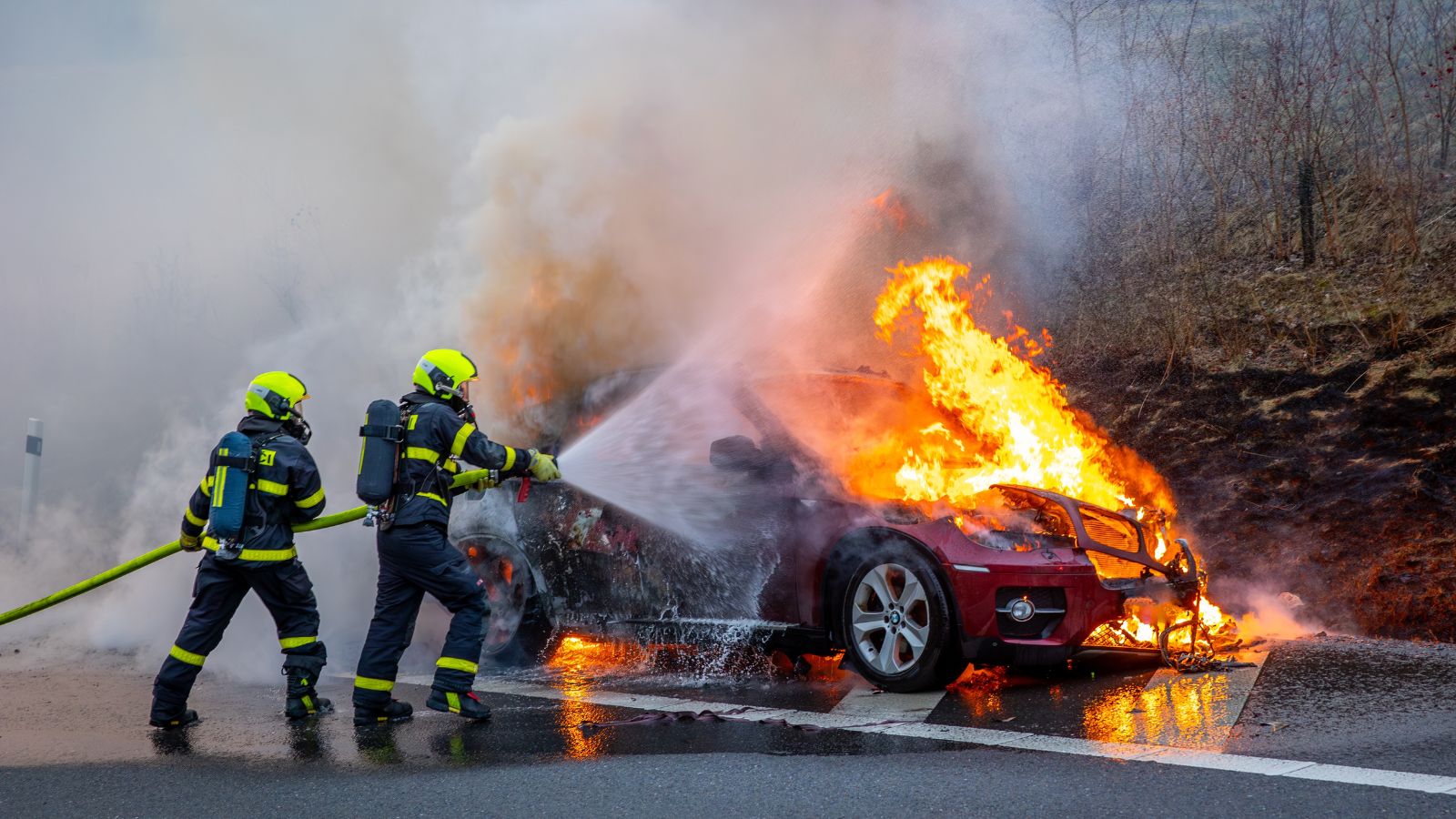
Gasoline is highly flammable, and both its liquid and vapor require careful handling. The danger is not theoretical enough for automakers to treat casually: current Ford owner information explicitly warns that pressure in an overfilled tank can cause leakage, fuel spray and fire. Honda likewise instructs drivers to keep heat, sparks and flames away while refueling.
That does not make routine gas-station visits inherently dangerous. Millions of fills occur uneventfully because pumps, vehicles and operating procedures incorporate multiple safeguards. The point is that topping off deliberately moves beyond the normal procedure. Once gasoline spills or sprays where it was not intended to go, the amount of exposed fuel and vapor around the filling area can increase. A few cents’ worth of extra gasoline is a poor trade for even a small increase in that risk. Safe refueling is largely about respecting layers of protection already built into the process—turning the vehicle off, keeping ignition sources away and accepting the nozzle’s automatic shutoff instead of fighting it.
More Spilled Fuel Also Means More Vapor Exposure
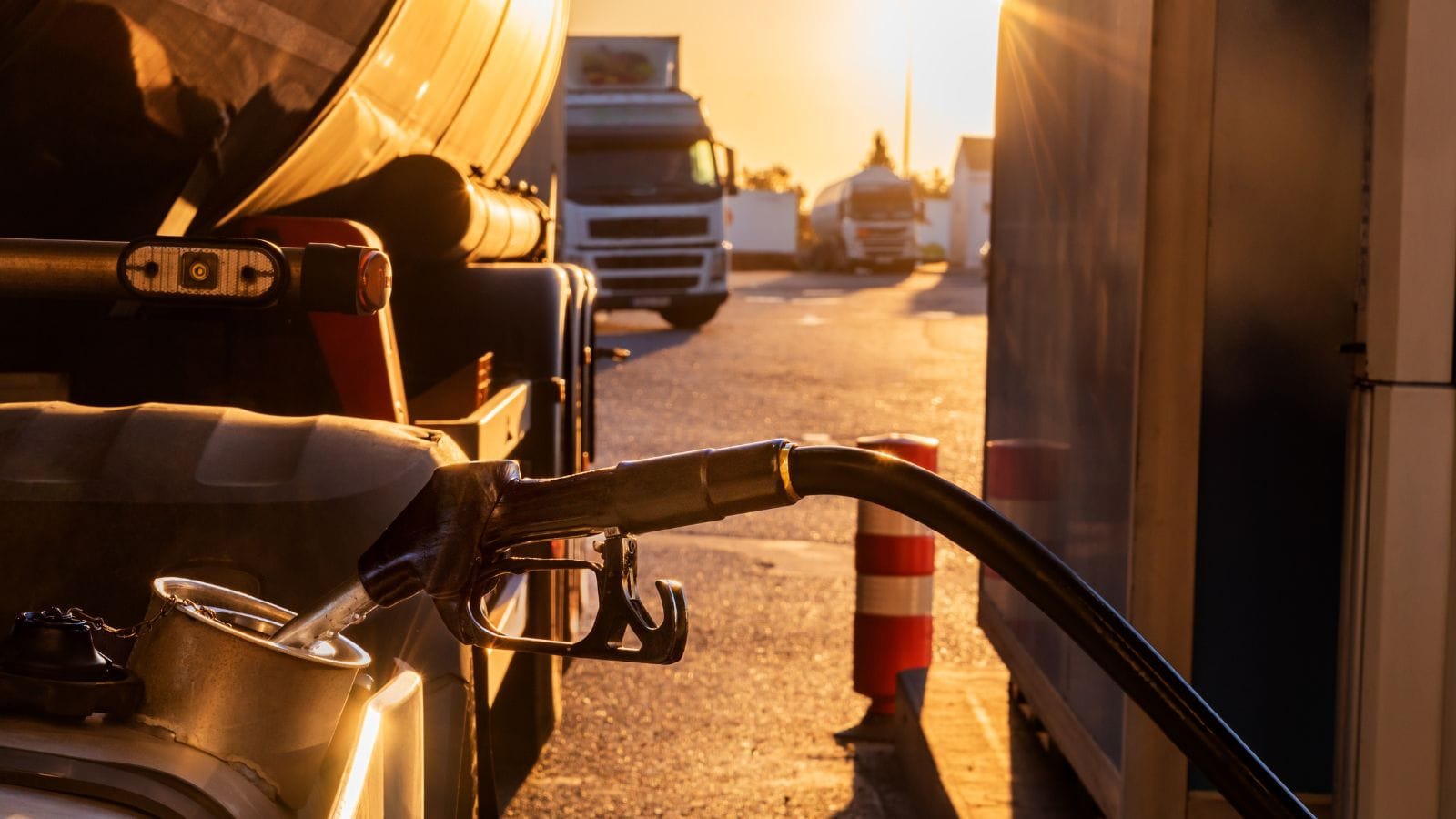
Anyone who recognizes the smell of a filling station already has firsthand experience with gasoline’s volatility. Refueling can expose people to gasoline vapor, and overfilling can increase that exposure by releasing additional vapor or putting liquid gasoline onto skin or nearby surfaces.
The U.S. Agency for Toxic Substances and Disease Registry says breathing gasoline vapor at service stations is a common exposure route and specifically notes that overfilling may increase vapor exposure or cause gasoline to contact the skin. At sufficiently high concentrations, gasoline vapor can cause symptoms including headache, nausea and dizziness and can irritate the eyes, nose and throat. Ordinary brief refueling is very different from a severe toxic exposure, so there is no reason to portray every whiff at the pump as an emergency. The practical lesson is simpler: adding avoidable fumes and spills offers no benefit. Stopping promptly and stepping away after refueling reduces unnecessary contact with a substance designed to remain inside a closed fuel system.
Those Extra Vapors Contribute to Air Pollution
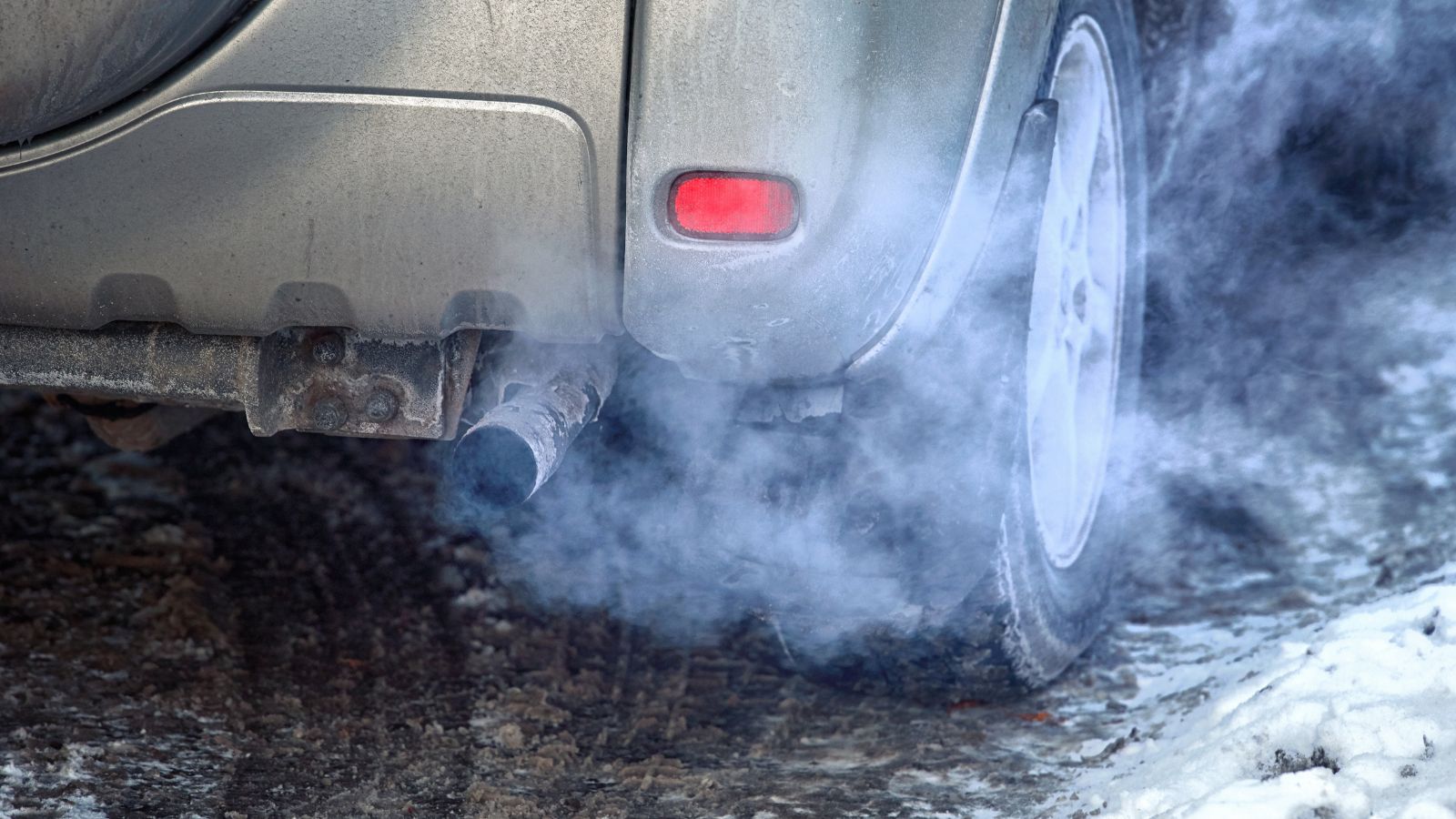
The consequences of topping off do not end with the vehicle. Gasoline vapors contain volatile organic compounds, or VOCs, and EPA explains that VOCs can react with nitrogen oxides in sunlight to help create ground-level ozone, commonly known as smog. Gasoline dispensing stations are among the recognized sources.
This is one reason considerable engineering has gone into controlling refueling emissions. EPA regulations address gasoline volatility, and vehicle systems capture vapors instead of simply releasing them into the surrounding air. Spilled gasoline can also evaporate, turning a small liquid loss into an emissions source. One driver’s extra squeeze is obviously tiny compared with nationwide fuel consumption, but the behaviour becomes more significant when repeated across millions of refueling events. It is a classic example of a minor habit whose individual payoff is almost nonexistent while its combined downside is real. Letting the pump stop normally allows the emissions-control technology at both vehicle and station level to operate closer to the way it was intended.
Topping Off May Not Even Buy More Usable Fuel
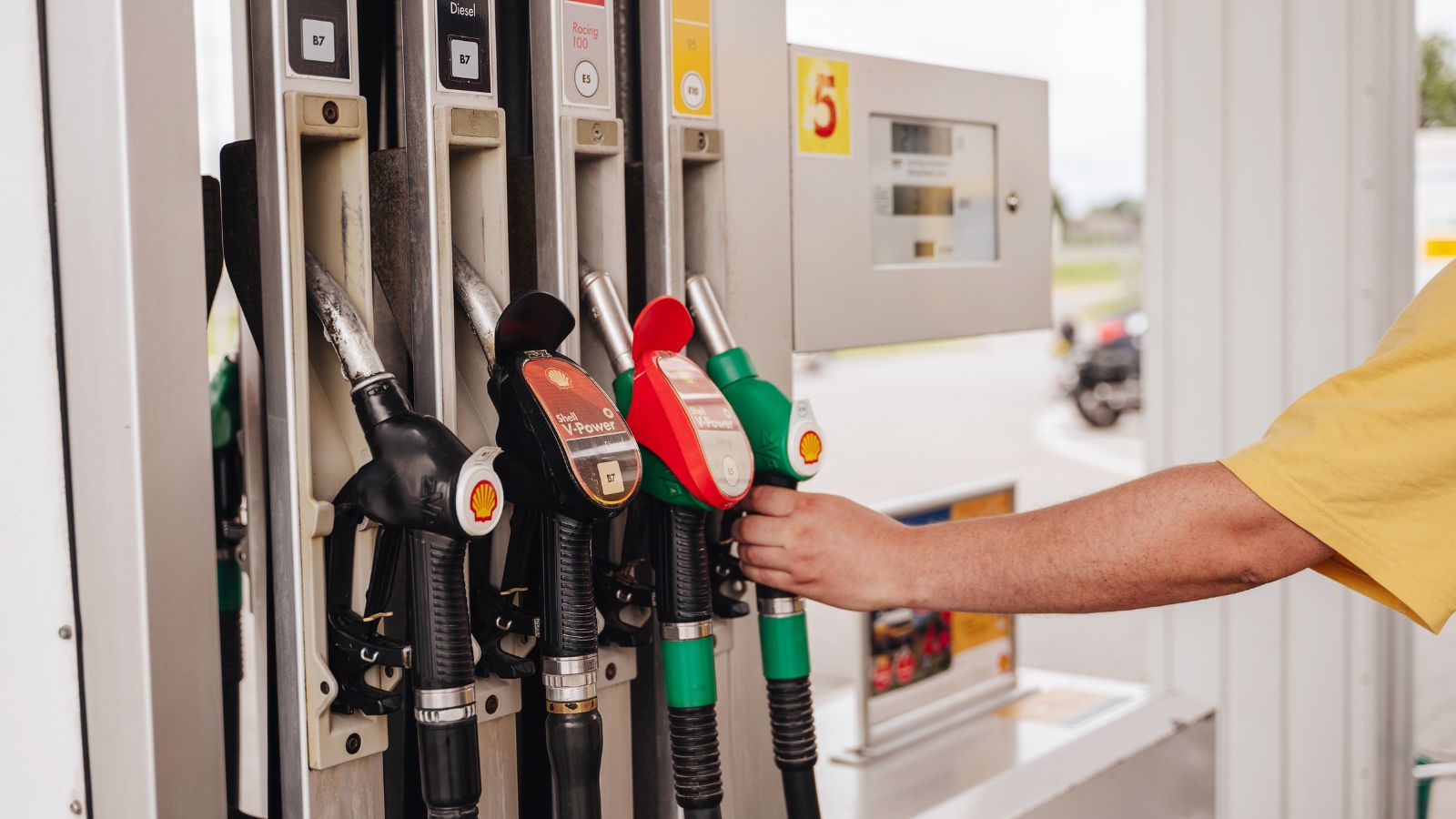
Perhaps the strangest part of topping off is that the driver can pay for gasoline without receiving the practical benefit expected. EPA has long warned consumers that fuel added after automatic shutoff can overflow, evaporate or, with certain station vapor-recovery systems, be drawn into the station’s recovery equipment.
Gasoline-station technology has evolved, and vapor-recovery configurations vary by jurisdiction, so it would be misleading to claim every extra cent automatically gets sent back underground. The broader point remains solid: once the intended filling point has been reached, there is no assurance that additional squeezing translates neatly into additional usable fuel inside the tank. Even when some extra liquid remains, the amount is usually trivial compared with total tank capacity. Rounding a purchase from $49.82 to $50 may look tidier on a receipt, but it offers no mechanical advantage. Paying for fuel that may be spilled or otherwise mishandled makes topping off questionable economics even before potential vehicle damage enters the calculation.
Repeated Early Clicks Can Signal a Different Problem
Automatic shutoff does sometimes happen before a tank is truly full. That can be frustrating, particularly when the fuel gauge was low and the nozzle clicks repeatedly after only a few litres. The wrong response is to assume every click should simply be overridden.
Honda’s current refueling guidance says that if a filler nozzle repeatedly shuts off while the tank is not full, the station’s vapor-recovery equipment may be involved. Its recommendation is to try another pump; if the problem continues, a dealer may need to inspect the vehicle. Nozzle angle, flow conditions and the vehicle’s filler design can also affect the filling process. The important lesson is to distinguish an abnormal early shutoff from the normal final click at a genuinely full tank. Continually forcing fuel past repeated shutoffs can conceal useful information about a pump or fuel-system issue. Sometimes the pump is not being overly cautious—it is providing a clue that deserves attention.
Modern Cars Actively Capture Refueling Vapors
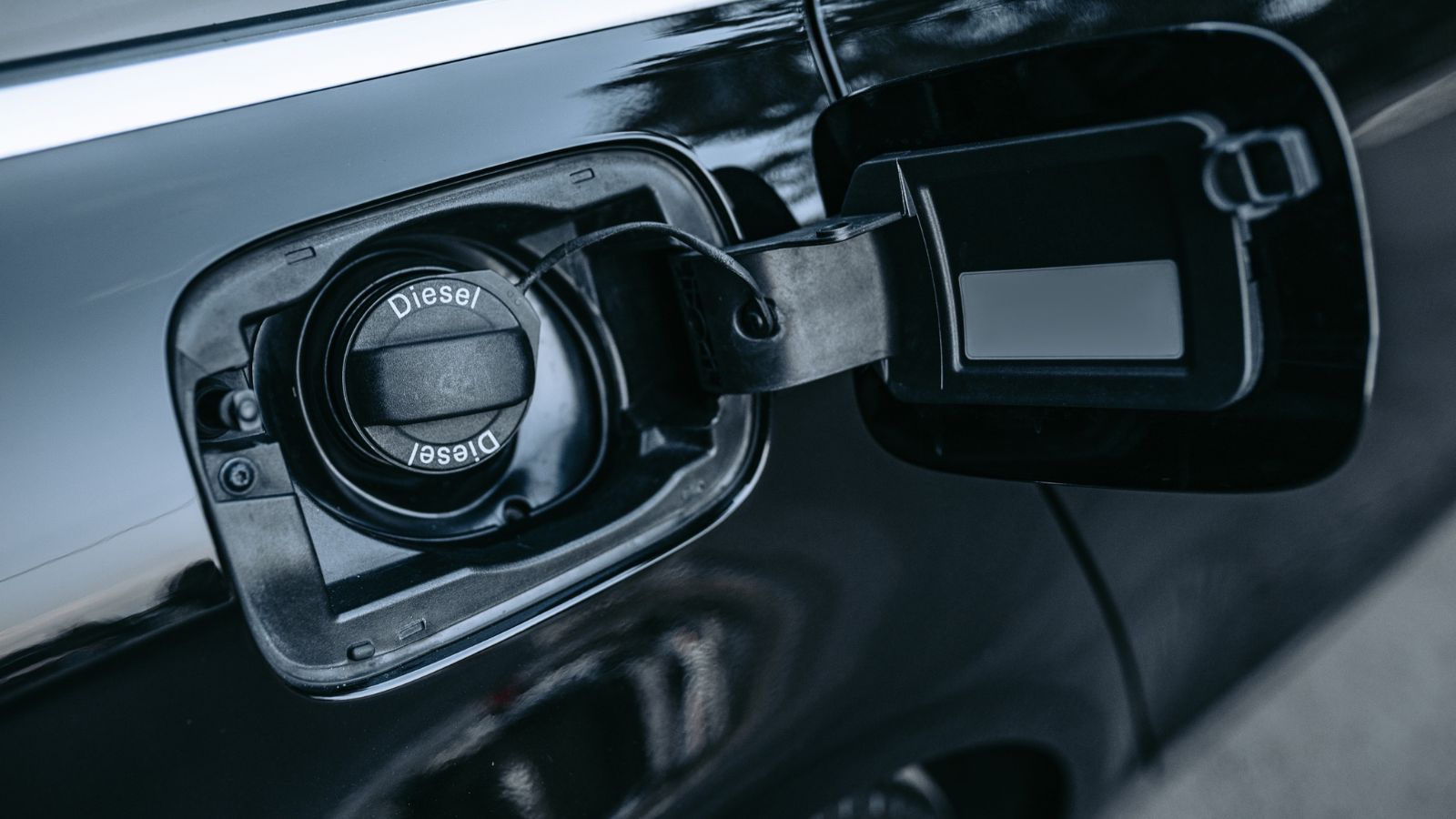
The hidden complexity behind a fuel door helps explain why an old habit such as topping off no longer makes much sense. Modern gasoline vehicles commonly use onboard refueling vapor recovery, or ORVR, technology. Instead of allowing displaced tank vapors to escape during filling, these systems route hydrocarbons into activated-carbon storage.
EPA says implementation of federal ORVR requirements began with the 1998 model year, and the technology subsequently became standard across covered gasoline-powered passenger cars and light trucks. The stored hydrocarbons can later be purged from the canister and burned by the engine. In other words, the area surrounding the fuel tank is part of an emissions-management system with valves, vapor lines, sensors and storage media—not merely a container with a pipe attached. Refueling procedures have evolved alongside that engineering. The automatic shutoff, expansion volume and vapor-control hardware work together. Repeated topping off essentially attempts to override one stage of a system that manufacturers have spent decades making increasingly controlled.
The Better Habit Takes Only a Few Seconds
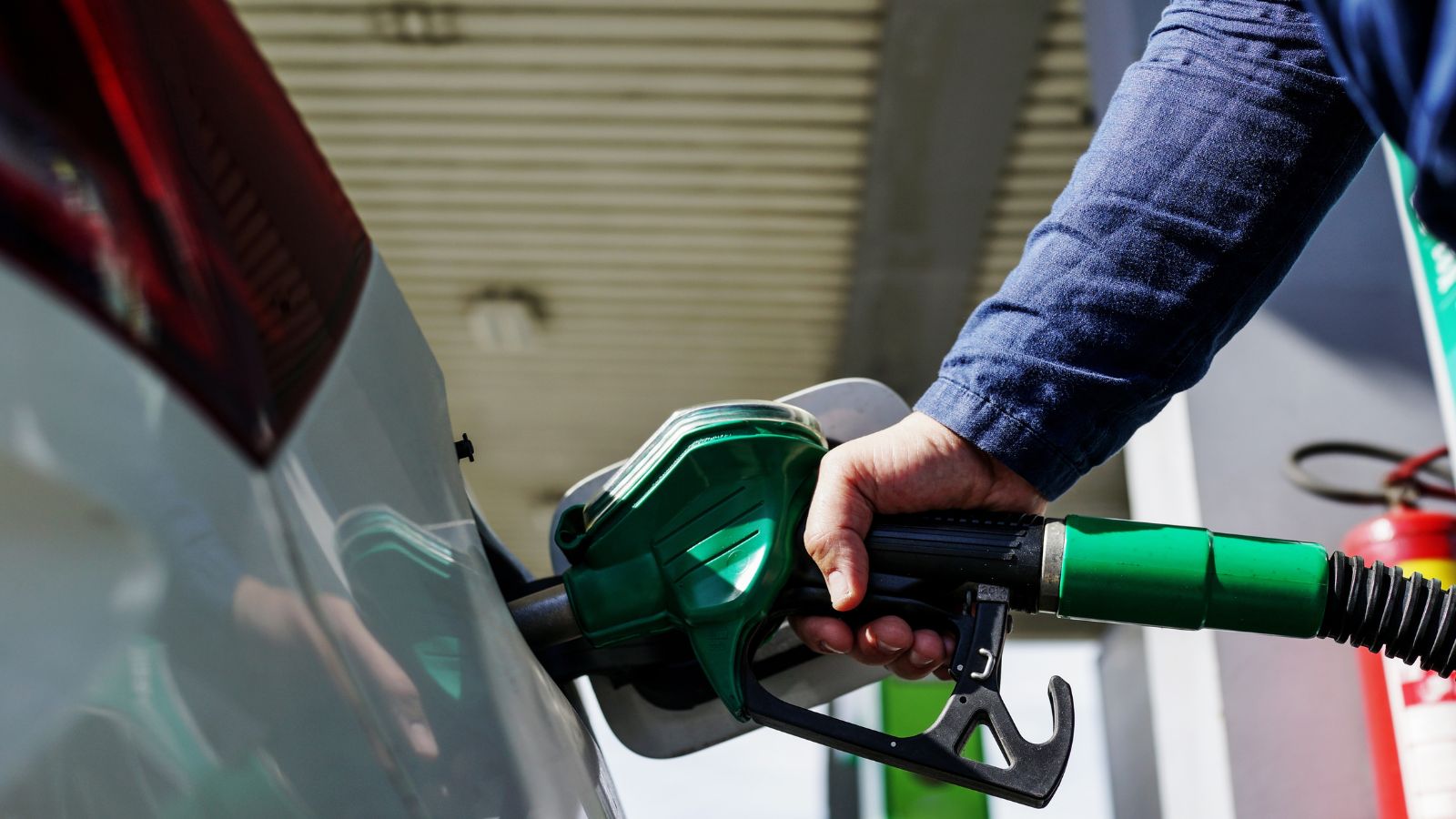
A sound refueling routine is remarkably uncomplicated. Park securely, shut the vehicle down, choose the correct fuel, insert the nozzle as directed and allow it to operate normally. When the manufacturer’s specified automatic shutoff occurs, stop adding fuel. Some vehicles also instruct drivers to wait several seconds before slowly removing the nozzle so residual fuel can drain into the tank.
Exact procedures can differ between makes and models, making the owner’s manual the best authority for an individual vehicle. Current Ford guidance, for example, commonly says to wait about five seconds after shutoff and warns against leaving the pump unattended. Honda similarly tells drivers not to continue filling after automatic shutoff and to wipe up spills immediately. None of these steps requires special mechanical knowledge. They simply replace the urge to squeeze in one more dollar’s worth with a more useful instinct: trust the equipment. At the gas pump, sometimes the cheapest maintenance decision is knowing exactly when to stop.
19 Used Cars Canadians Should Avoid in 2026 (Based on Owner Complaints)

Buying a used car in Canada can feel safe until repair bills start stacking up. Owner complaints tell a different story than glossy listings. Transmission failures, electrical problems, and weak winter reliability show up again and again in consumer reports. Many of these issues appear after warranties expire, when owners least expect them. Some vehicles look affordable upfront, but become expensive to keep on the road. Others struggle in cold weather, urban driving, or long highway commutes. Here are 19 used cars Canadians should avoid in 2026 (based on owner complaints).
19 Used Cars Canadians Should Avoid in 2026 (Based on Owner Complaints)

Alanna Rosen is an experienced content writer that focuses on many EV and educational content. Her articles are regularly published on Get CyberTrucked and syndicated on large publications.