
A car can feel perfect in a showroom and still become painfully expensive once the insurance quote arrives. That reality is pushing insurance farther up the shopping checklist for Canadians, especially as premiums, repair bills, theft losses and vehicle technology have all become more costly. The monthly payment is no longer the only number capable of changing a buying decision.
There are 12 practical reasons insurance is increasingly being checked before shoppers become attached to a particular vehicle. Together, they show why two cars with similar prices can produce very different ownership costs, why the same model can cost more in one neighbourhood than another, and why a quick quote before a deposit is placed can reveal expenses that are easy to miss during a test drive.
Premiums Have Become Too Big to Treat as an Afterthought

Insurance used to be a line item many shoppers estimated after choosing a vehicle. That approach is harder to justify now. Statistics Canada reported that passenger-vehicle insurance premiums were 36.4% higher in December 2024 than in December 2014. It also found premiums were up 8.7% year over year in December 2024, after increases had accelerated during parts of that year.
That changes the psychology of car shopping. A vehicle that appears affordable at $550 a month can feel very different after a large annual premium is divided into the household budget. In Ontario, for example, FSRA reported an average annual premium of $2,164 as of October 2025. The point is not that every driver pays the average, but that insurance has become large enough to influence which vehicle fits comfortably. Checking the quote early turns insurance from a surprise expense into part of the purchase decision, alongside financing, fuel and maintenance.
Two Similar Cars Can Carry Very Different Insurance Risk

A dealership price tag does not reveal how insurers see a vehicle. Canadian insurers use claims experience to estimate how often specific vehicles are involved in losses and how expensive those losses tend to be. Insurance Bureau of Canada’s CLEAR system incorporates claims frequency, claims cost and theft likelihood, while its How Cars Measure Up tool lets shoppers compare vehicles by make, model, model year, body style and power type.
That means two crossovers parked beside each other at similar prices may not be insurance twins. One may have a stronger record for collision losses, cheaper repairs or fewer theft claims. The other may generate costlier claims even if its purchase price looks competitive. IBC’s comparison data covers model years from 1997 through 2025 and uses claims information from the majority of Canadian auto insurers. For shoppers, the practical lesson is simple: the vehicle’s insurance history can matter almost as much as the badge on its grille.
Theft Risk Can Turn a Popular Model Into a Costlier Choice
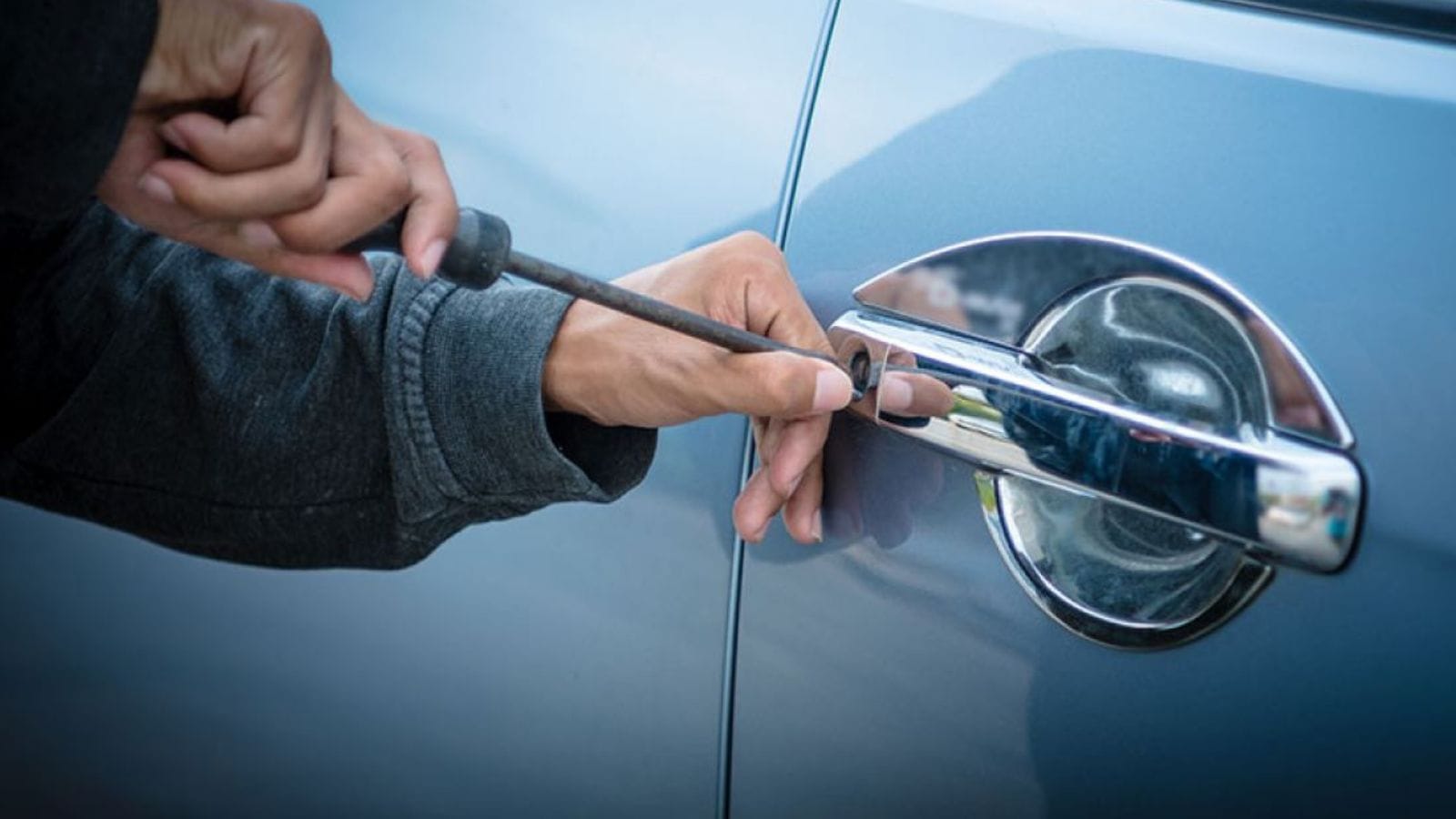
Canada’s auto-theft crisis has eased from its peak, but it still leaves a large insurance bill behind. Équité Association reported that vehicle theft fell 18% nationally in 2025 and another 10.1% in the first half of 2026 compared with the same period a year earlier. Even after that improvement, estimated insurance claims tied to auto theft still totalled about $900 million in 2025.
Some vehicles attract far more attention from thieves than others. Équité’s latest annual ranking placed the Toyota RAV4 at the top of Canada’s most-stolen list for 2024, with newer SUVs remaining prominent targets. Insurers can reflect theft experience in vehicle ratings and comprehensive premiums, and some offer incentives for approved anti-theft measures. A buyer may therefore love a vehicle for its resale value, versatility and popularity while an insurer sees those same characteristics as part of a higher loss risk. That makes theft history worth checking before signing.
Repair Inflation Has Changed What a Minor Crash Can Cost
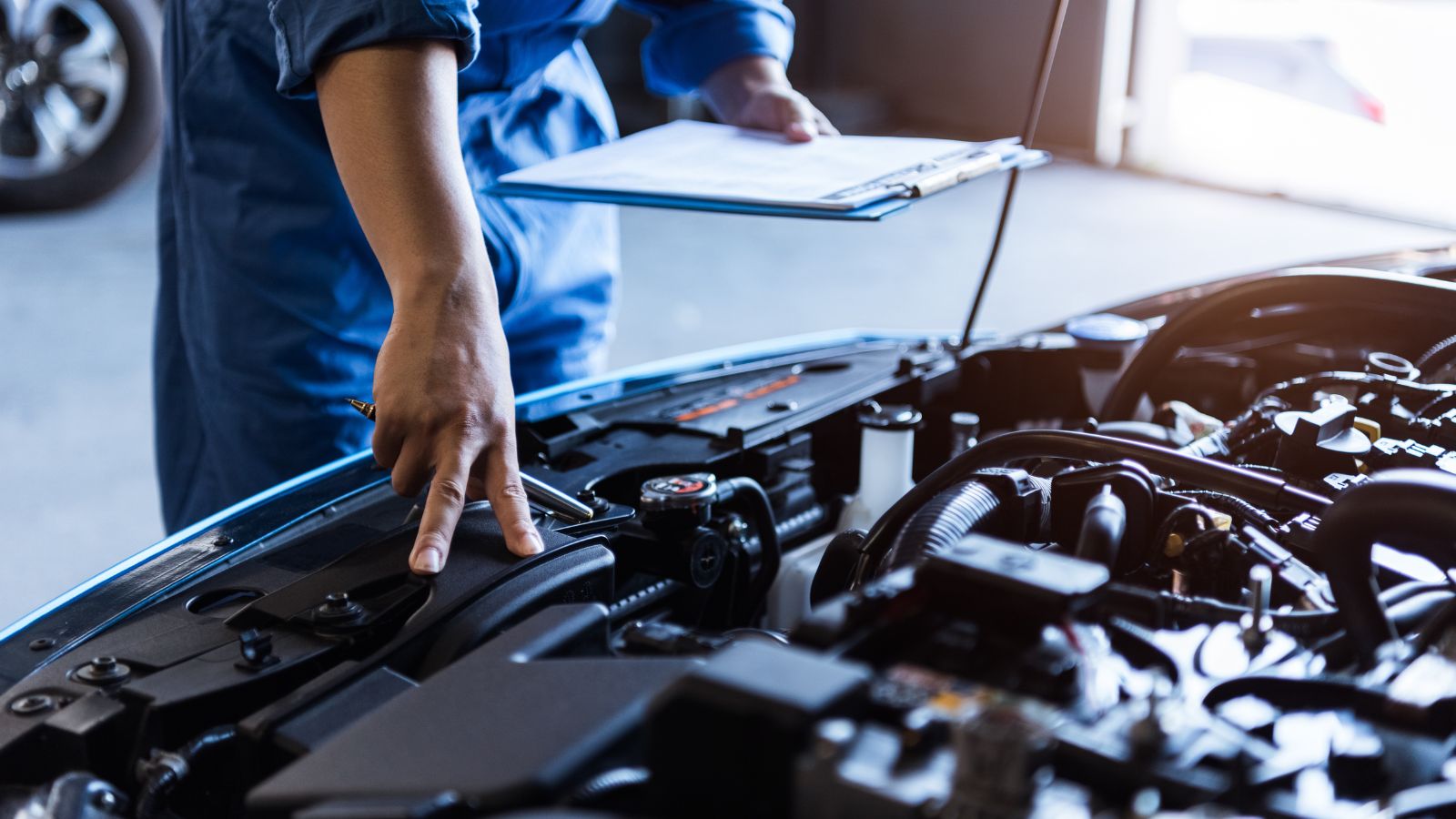
Bodywork is no longer just sheet metal, paint and labour. Statistics Canada found that the passenger-vehicle parts, maintenance and repair price index rose 22.3% from December 2019 to December 2024. Over the same period, median new-vehicle prices increased 61.5% and used-vehicle prices 82.2%, raising the value insurers may have to repair or replace after a loss.
Provincial regulators have documented the same pressure inside claims. Ontario’s FSRA says physical-damage costs per claim increased 22.5% over five years and had been rising at roughly 7.4% annually, citing parts prices and labour costs. Those increases matter when comparing cars because some models require pricier components, specialized labour or longer repair procedures. A bumper scrape on an inexpensive-to-repair model can produce a very different claim from similar damage on a vehicle with costly assemblies. Shoppers checking insurance early are effectively asking what the vehicle costs after things go wrong, not just when everything goes right.
Advanced Safety Technology Can Add Repair Complexity
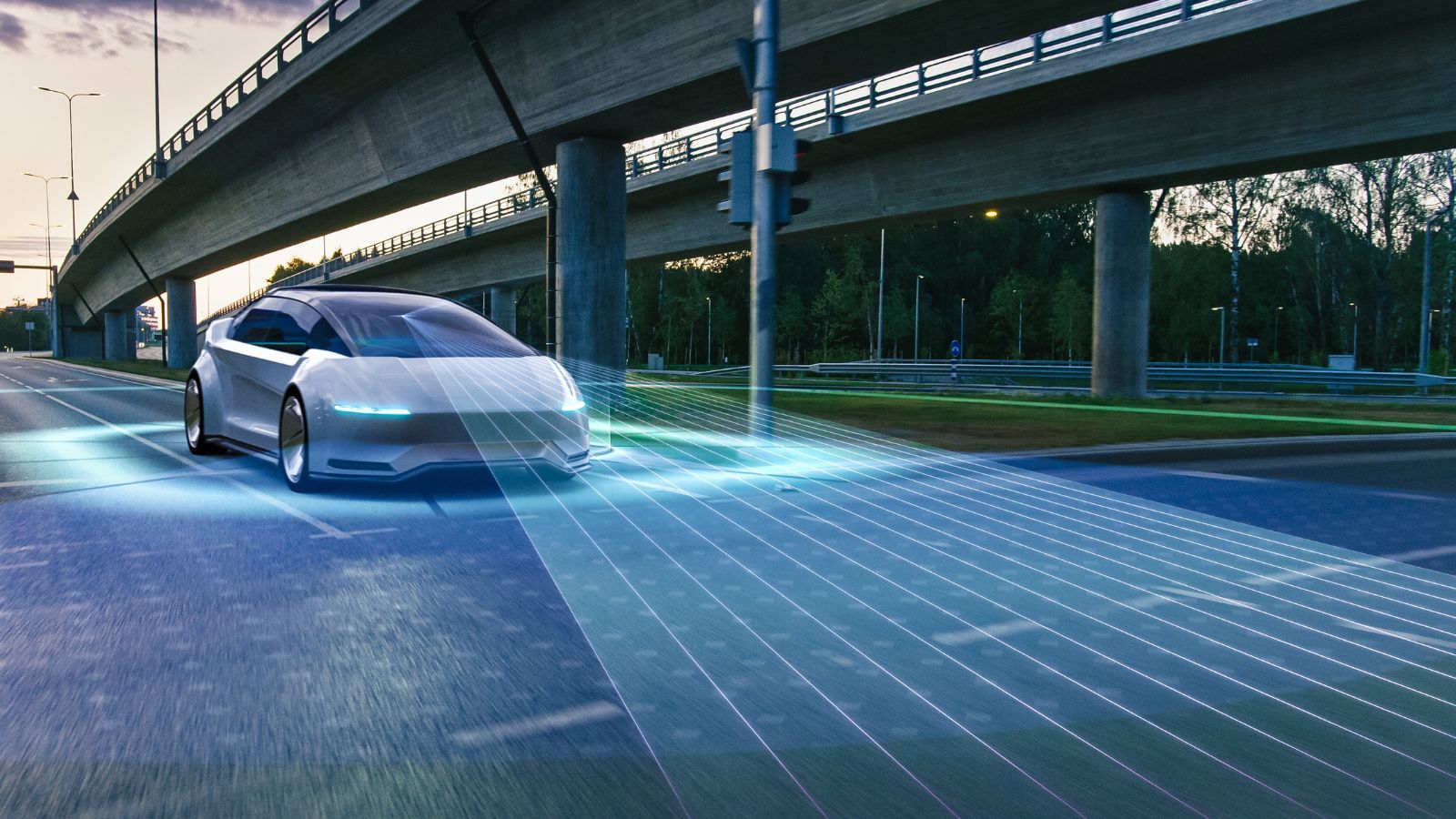
Features such as automatic emergency braking, lane keeping and parking assistance can make a vehicle more appealing, but the hardware behind them also changes collision repair. Modern bumpers, mirrors and windshields can contain cameras, radar units and sensors that must be replaced, aimed or recalibrated after repairs. FSRA specifically notes that a bumper repair may now involve technology embedded in the bumper rather than only the plastic panel itself.
British Columbia’s ICBC treats advanced driver-assistance-system calibration as a distinct paid repair operation. Its collision-repair procedures list set rates of $225 for a successful static or dynamic calibration and $450 for a successful universal calibration, with other calibrations billed under manufacturer procedures or sublet rules. Those figures are not a universal Canadian retail price, but they illustrate how new steps have entered routine repairs. A shopper comparing two well-equipped vehicles may therefore discover that sophisticated safety equipment affects both claim severity and the premium attached to the car.
EV Savings Do Not Automatically Mean Lower Insurance
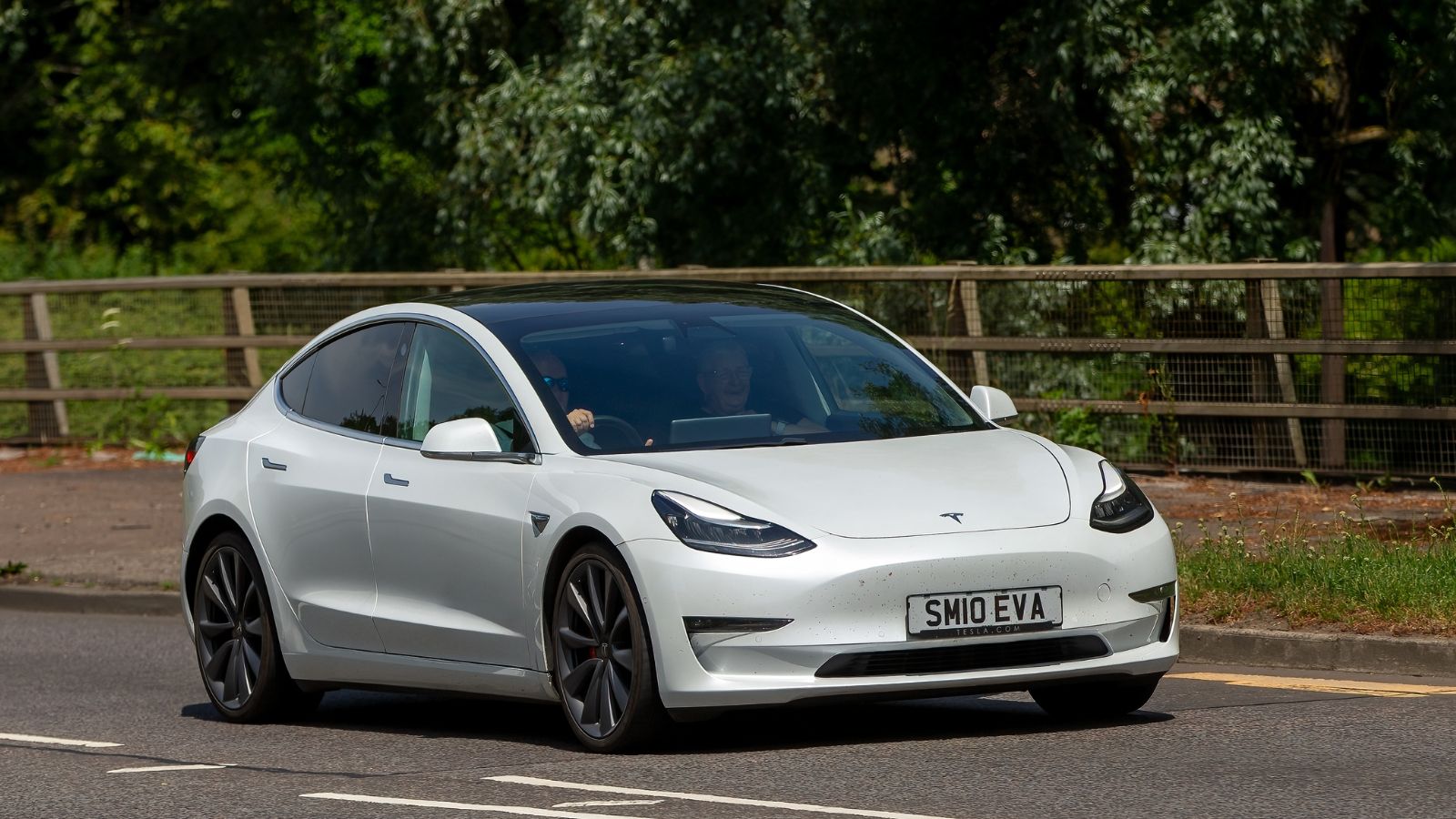
Electric vehicles can reduce fuel spending and routine powertrain maintenance, but insurance follows a different cost equation. Statistics Canada reported that the average repair cost for an electric vehicle in 2023 was $6,795, compared with $5,122 for an internal-combustion vehicle. The agency linked higher EV claim costs to factors such as vehicle weight, airbag deployment and the expense of battery replacement, while also noting that battery costs have been trending downward.
That does not mean every EV is expensive to insure or that gasoline vehicles are automatically cheaper. It means shoppers need a model-specific quote rather than assuming operating savings carry over to insurance. Power type is one of the fields in IBC’s How Cars Measure Up comparison tool, and Statistics Canada has found that engine type can contribute to premiums. For a household deciding between an EV, hybrid and gasoline model, the most useful comparison adds insurance to charging or fuel, financing and maintenance instead of treating the monthly energy bill as the whole story.
Trim, Engine and Body Style Can Matter More Than the Badge
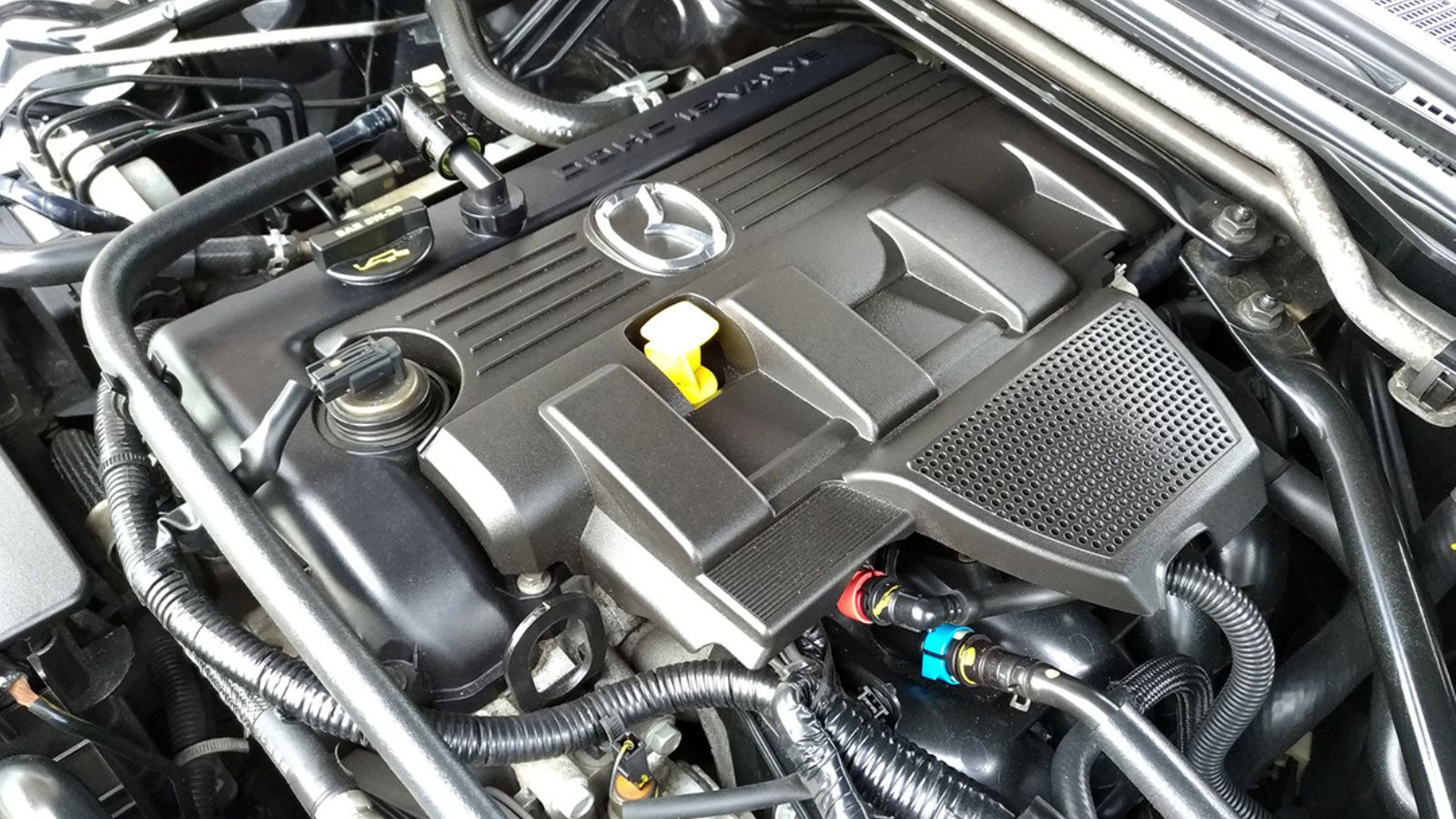
Shopping by model name alone can hide important insurance differences. Manitoba Public Insurance says premiums are affected by a vehicle’s year, make and model, along with characteristics such as engine size, passenger-protection features and repair costs. Quebec’s Autorité des marchés financiers similarly lists make, model, year, value, engine, replacement-parts cost and even the number of doors among vehicle factors that can affect premiums.
The practical effect is that the sporty version of a familiar model should not automatically be assumed to insure like the base version. A larger engine, different body configuration, more expensive wheels or specialized components can alter the claim profile and replacement cost. Statistics Canada has also found that coupes, two-door vehicles and convertibles can show higher-than-average claim costs in some coverage categories. For shoppers moving from a mainstream trim to a performance or luxury package, an insurance quote is a useful reality check before an attractive upgrade becomes a recurring expense.
Postal Code and Province Can Magnify the Vehicle’s Cost

Insurance is local as well as personal. Ontario’s FSRA reported an average annual premium of $2,810 in the Greater Toronto Area as of October 2025, compared with $1,740 in rural Ontario. The regulator explains that urban areas often carry more collision and theft exposure. In British Columbia, ICBC divides the province into 14 rating territories because traffic and other driving risks vary by location.
Provincial differences can be just as striking. Statistics Canada’s December 2024 comparison placed average written premiums at about $2,068 in Ontario, $1,818 in Alberta, $1,522 in British Columbia and $1,044 in Quebec, while cautioning that averages should be used carefully. For a shopper who recently moved, plans to relocate or is comparing ownership costs across provinces, a generic national estimate can therefore be misleading. The same car can fit one household’s budget and strain another’s simply because the insurance environment around it is different. That gap is difficult to ignore when comparing monthly ownership costs.
Leasing or Financing Can Change the Coverage Bill

The cheapest legal policy is not always an option when another company has a financial interest in the car. The Financial Consumer Agency of Canada notes that policies on financed vehicles usually include a loss-payee clause making the lender a beneficiary if the vehicle is damaged or written off. Lease contracts can go further by specifying liability limits, deductibles and physical-damage coverage that must remain in place.
Ford Credit, for example, says its Canadian leases require at least $1 million in third-party liability plus collision, all-perils and comprehensive coverage with deductibles up to $1,000. Requirements vary by lender and lease, so that example should not be treated as a national rule. Still, it shows why a low advertised lease payment may not tell the full monthly story. Buyers who quote insurance before choosing the financing structure can see whether required coverage changes the economics, rather than discovering after delivery that a cheaper policy configuration is not permitted under the contract.
The Driver Profile Can Make a Dream Car Harder to Justify

A vehicle does not have one universal insurance price. The same model can produce very different quotes depending on who drives it, where it is kept and how it is used. FSRA says Ontario insurers consider driving record, years licensed, age, location, annual kilometres and commuting, along with the vehicle itself. It also notes that younger drivers, particularly teenagers, generally have higher accident risk and that premiums often decline after age 25.
That makes the pre-purchase quote especially valuable for households adding a new or occasional driver. A parent may see a reasonable estimate for a vehicle under their own profile but a much higher household cost once a younger driver is correctly listed. Similarly, a long commute can change the rate compared with pleasure-only use. The lesson is not to manipulate the application; accurate disclosure is essential. It is to price the exact real-world driver-and-vehicle combination before a deposit makes the decision emotionally difficult to reverse.
Insurers Can Price the Same Risk Differently
Even after the car and driver are fixed, the insurer still matters. FSRA says auto-insurance quotes can vary widely among companies because insurers group risks differently and have different claims experience. Its consumer guidance recommends getting at least three quotes and comparing not only price but also deductibles, limits, optional coverage and service. The Financial Consumer Agency of Canada likewise advises drivers to shop around because premiums vary from one insurer to another.
This creates an important pre-purchase distinction between “the car is expensive to insure” and “this insurer is expensive for this car and driver.” A single quote can make a vehicle look unaffordable when another carrier may price the same profile differently. Conversely, a surprisingly low premium may come with coverage choices that are not directly comparable. Checking several quotes before falling in love with a vehicle gives shoppers a cleaner picture of the likely range and reduces the chance of rejecting—or buying—a car based on one company’s pricing model.
A Cheap Used Car Is Not Automatically Cheap to Insure

Used-car shoppers often expect insurance to fall in step with the purchase price, but claims history can break that relationship. Manitoba Public Insurance explains that, under the CLEAR system, an older or lower-value vehicle may be rated similarly to a newer, higher-value vehicle if it has fewer safety or loss-prevention features or a poorer claims record. In other words, depreciation does not erase risk.
Coverage choices still matter. On an older low-value vehicle, some owners may decide collision or comprehensive coverage no longer makes financial sense, which can reduce premiums. But before dropping coverage, the actual value, deductible and ability to absorb a loss all need consideration. For buyers comparing a $15,000 used vehicle with a newer alternative, the older car’s lower sticker price is only one part of the equation. An insurance quote can expose theft frequency, repair history and rating differences that are invisible in the classified listing, making it one of the simplest checks before committing to a “bargain.”
19 Used Cars Canadians Should Avoid in 2026 (Based on Owner Complaints)

Buying a used car in Canada can feel safe until repair bills start stacking up. Owner complaints tell a different story than glossy listings. Transmission failures, electrical problems, and weak winter reliability show up again and again in consumer reports. Many of these issues appear after warranties expire, when owners least expect them. Some vehicles look affordable upfront, but become expensive to keep on the road. Others struggle in cold weather, urban driving, or long highway commutes. Here are 19 used cars Canadians should avoid in 2026 (based on owner complaints).
19 Used Cars Canadians Should Avoid in 2026 (Based on Owner Complaints)

Alanna Rosen is an experienced content writer that focuses on many EV and educational content. Her articles are regularly published on Get CyberTrucked and syndicated on large publications.