
A fresh detail, glossy paint and spotless cabin can make a used car look as though it has lived an easy life. Mechanical components are harder to reset. Tires remember cornering loads, brakes record heat, clutches reveal repeated slipping, and suspension parts can retain evidence of impacts long after the bodywork has been polished.
None of these clues proves abuse by itself. Age, potholes, poor alignment, towing and skipped maintenance can create many of the same symptoms. The strongest warning comes when several clues tell the same story. These 21 signs can help reveal when a clean-looking car may have spent more of its life being pushed hard than its appearance suggests.
Uneven Wear on the Outer Tire Shoulders
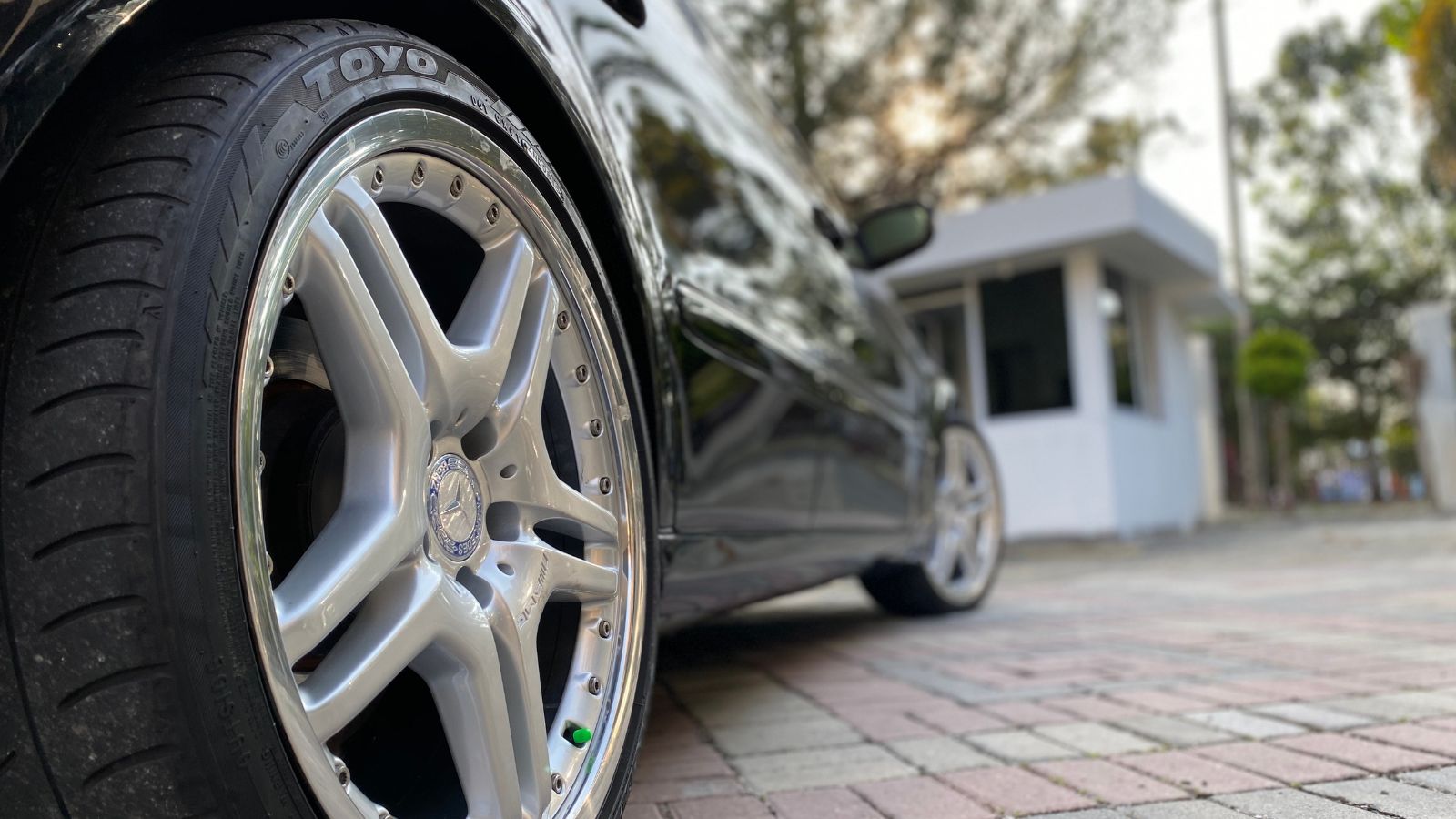
Tires are among the most revealing parts of a used car because their wear pattern reflects both maintenance and driving style. Heavy wear concentrated on the outside shoulders deserves attention, particularly when the remaining tread looks healthier through the middle. Consumer Reports specifically notes that unusually fast wear on a tire’s outside shoulder can indicate aggressive cornering. NHTSA research likewise identifies high-speed cornering, rapid acceleration and braking among the driving factors that can promote irregular tire wear.
That does not mean every worn shoulder came from enthusiastic driving. Underinflation, poor alignment and suspension problems can produce their own distinctive patterns. The useful clue is consistency. If all four tires show hard shoulder wear, the steering wheel is shiny from use, and the brakes also appear heavily worked, the pattern becomes more meaningful. A careful buyer should compare tread depth across each tire rather than simply checking whether enough rubber remains to pass an inspection.
Surprisingly New Tires on a Low-Mileage Car
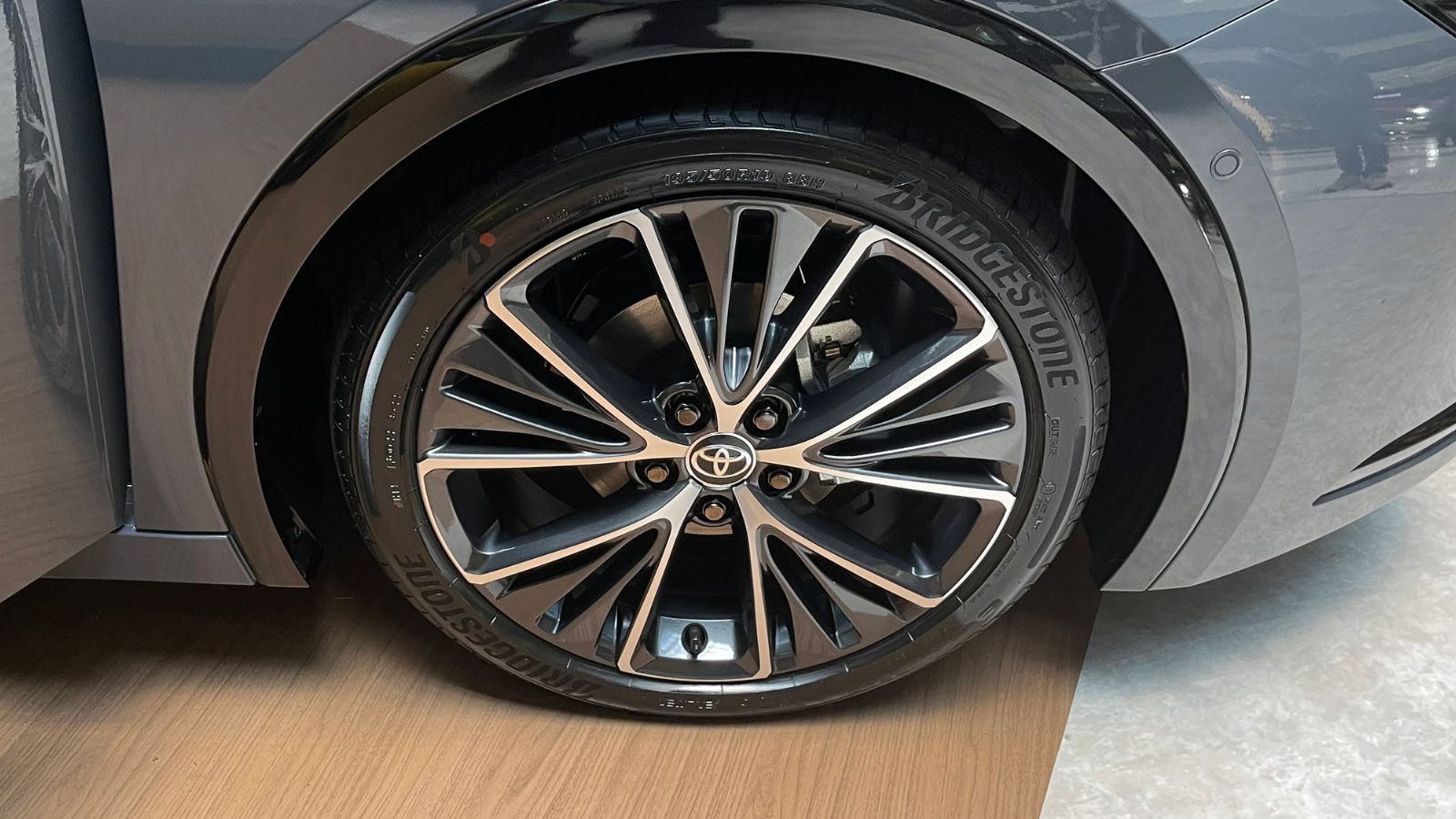
Brand-new tires often make a used car look better, but on a genuinely low-mileage vehicle they can also create an important question: what happened to the originals? Consumer Reports advises being wary of a low-mileage vehicle fitted with new tires and notes that a car with fewer than roughly 20,000 miles would often still be expected to have its original rubber. Premature replacement might have an innocent explanation, including a puncture, tire age or a switch from summer to all-season tires.
It can also mean the first set disappeared unusually quickly. Hard acceleration, repeated braking and aggressive cornering all increase tire workload, while high-performance tires can naturally have much shorter tread lives than ordinary touring tires. The important step is to compare the odometer, tire date codes and replacement receipts. Four nearly new tires are not evidence of abuse on their own, but unexplained new rubber on a young performance car is a reason to investigate rather than simply admire the fresh tread.
The Four Tires Do Not Match
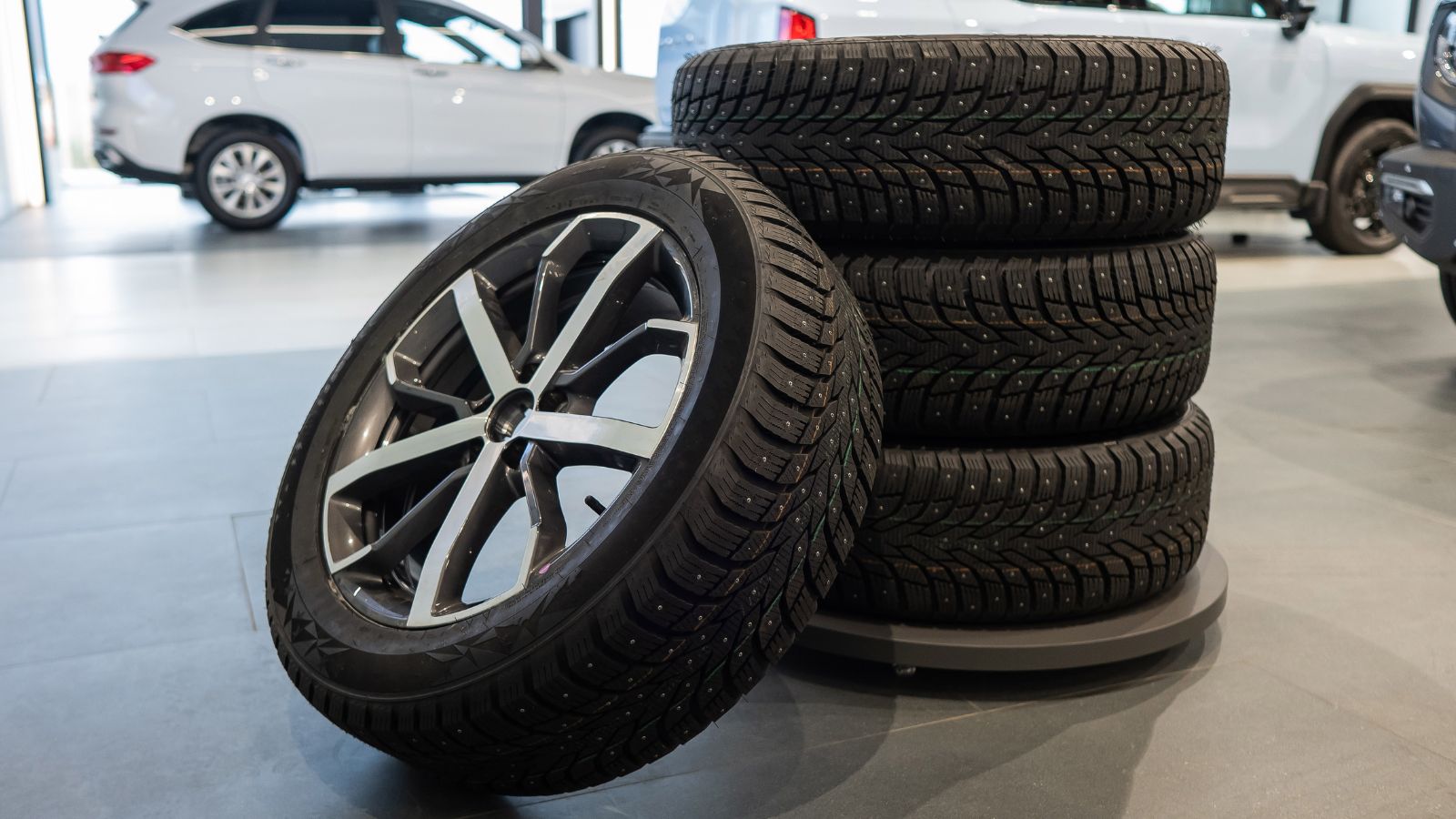
A car wearing different tire brands, models or ages at each corner may be showing the aftermath of piecemeal replacements. Consumer Reports treats mismatched tires as one of the first things worth investigating on a used vehicle and notes that using matching tires generally provides the most predictable ride and handling. Different tread depths can also reveal that individual tires were replaced after punctures, curb impacts or accelerated wear instead of being renewed as a complete set.
The clue becomes more interesting on a sporty car with modest mileage. One fresh rear tire, an older tire on the opposite side and two heavily worn fronts can suggest a history more complicated than routine rotation. It could simply reflect a budget-conscious previous owner, but it can also hide repeated tire damage or rapid wear. Buyers should check the DOT date codes as well as the brand names. A professionally detailed car can conceal years of cosmetic wear; four tires stamped with different production dates are much harder to explain away.
Brake Rotors Have Blue or Dark Heat Marks
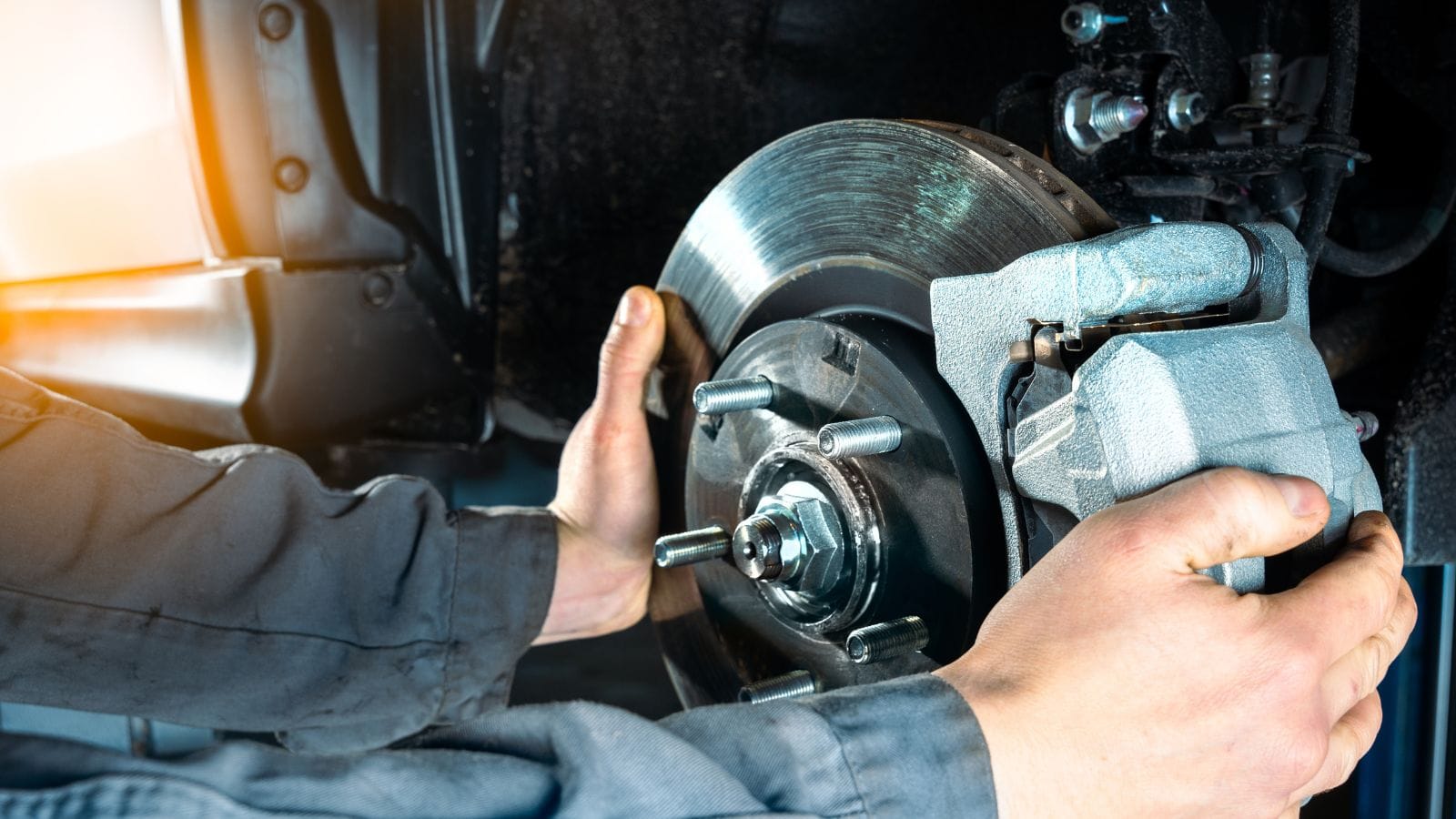
Brake discs can preserve a visual record of temperature. Brembo identifies dark spots and blue areas on rotor surfaces as conditions that warrant attention and explains that overheated discs can develop bluish, purple or dark-grey coloration. Intensive braking, long downhill braking and track use are among the situations capable of producing very high brake temperatures, although a sticking caliper or other mechanical fault can cause overheating as well.
This makes rotor colour particularly useful when inspecting a supposedly lightly used performance car. Looking through an alloy wheel may reveal patches or rings of discoloration even when the wheel face has been scrubbed clean. Heat-marked rotors do not automatically mean the previous owner spent weekends at a racetrack, but they do show that the brakes have operated under abnormal thermal stress. When discoloration appears alongside heavily worn tires, upgraded pads or unusually fresh brake fluid, the case for past hard use becomes considerably stronger and deserves professional inspection.
The Rotors Are Cracked, Deeply Scored or Exceptionally Worn
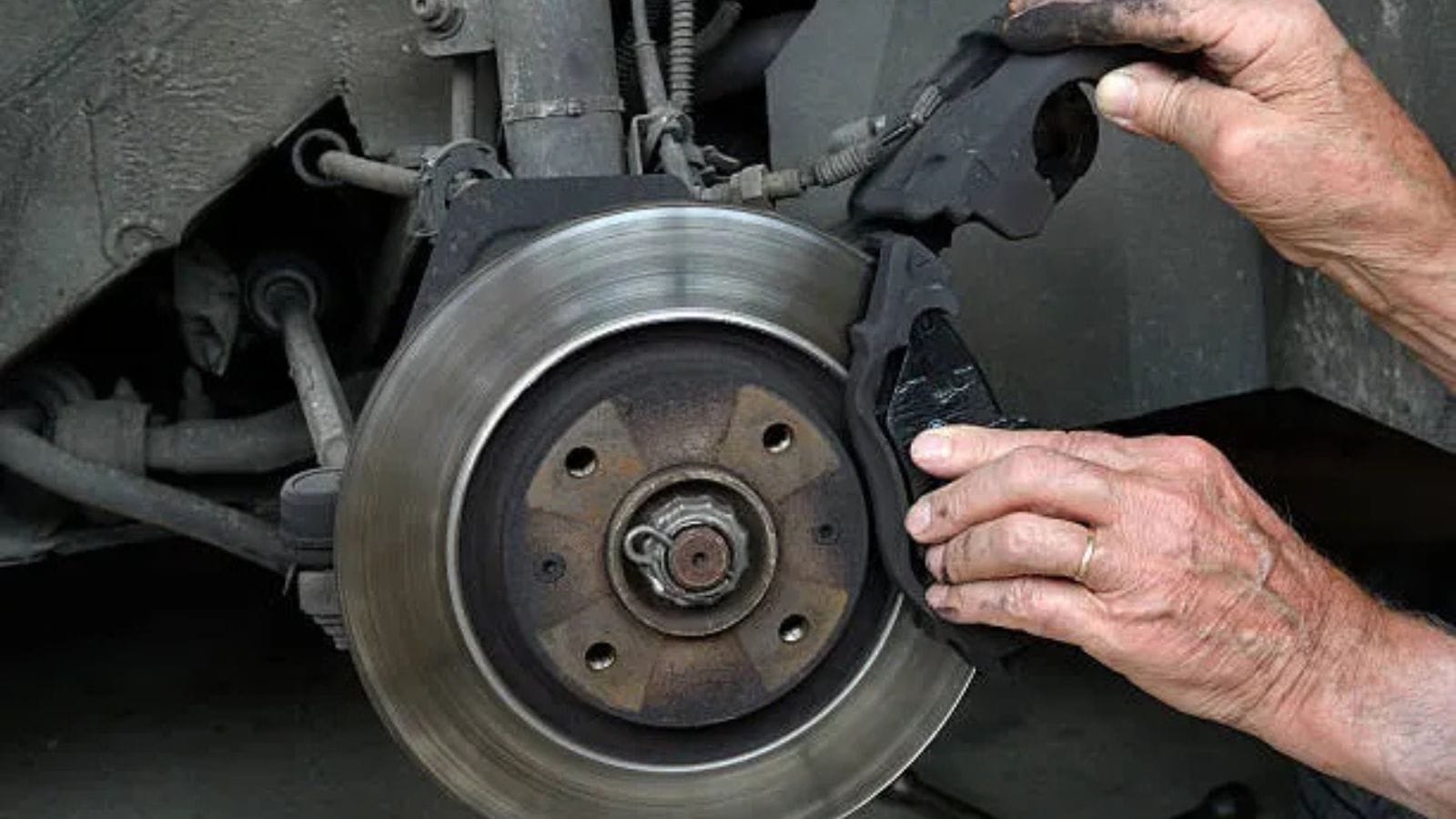
Brake wear becomes more concerning when the rotor surface shows physical damage rather than ordinary polishing. Brembo recommends replacement when rotors have reached their specified minimum thickness or when deep circular scoring, radial cracks or significant deformation is present. The company also notes that extremely sharp or violent braking can overheat pads and rotors, potentially compromising both performance and component integrity.
Cracks deserve particular scrutiny on cars marketed as performance machines. Thermal stress can create cracking when brake temperatures repeatedly rise and fall, although corrosion, component defects and worn brake hardware can contribute too. Deep grooves may indicate that pads were allowed to wear excessively before replacement. None of these observations can reconstruct exactly how the previous owner drove, but they reveal that the braking system has experienced meaningful stress or neglect. A shiny exterior should not distract from a rotor that is visibly heat-checked or grooved. Replacement costs can also turn an apparently attractive purchase into an expensive first month of ownership.
The Steering Wheel or Pedal Vibrates While Braking

A smooth-looking brake rotor can still have problems that become obvious only during a test drive. Brembo explains that overheating can deform a braking surface and produce abnormal vibration felt through the brake pedal or steering wheel. The company also links high brake temperatures with fading, reduced effectiveness and longer-term rotor damage. That makes a repeated pulsation under moderate braking more meaningful than a harmless interior rattle.
Testing should be done safely on a suitable road, with attention to whether the vibration appears specifically during braking. A steering wheel shake that exists all the time may instead involve wheel balance, a bent rim, tires or suspension. Pulsation that consistently arrives as the brakes are applied points the investigation toward the braking system. Previous hard braking is one possible explanation, but seized components and improper installation are others. The practical lesson is that a freshly washed set of wheels says little about the condition of the discs behind them; the pedal often tells a more useful story.
The Clutch Slips or Gives Off a Burnt Smell
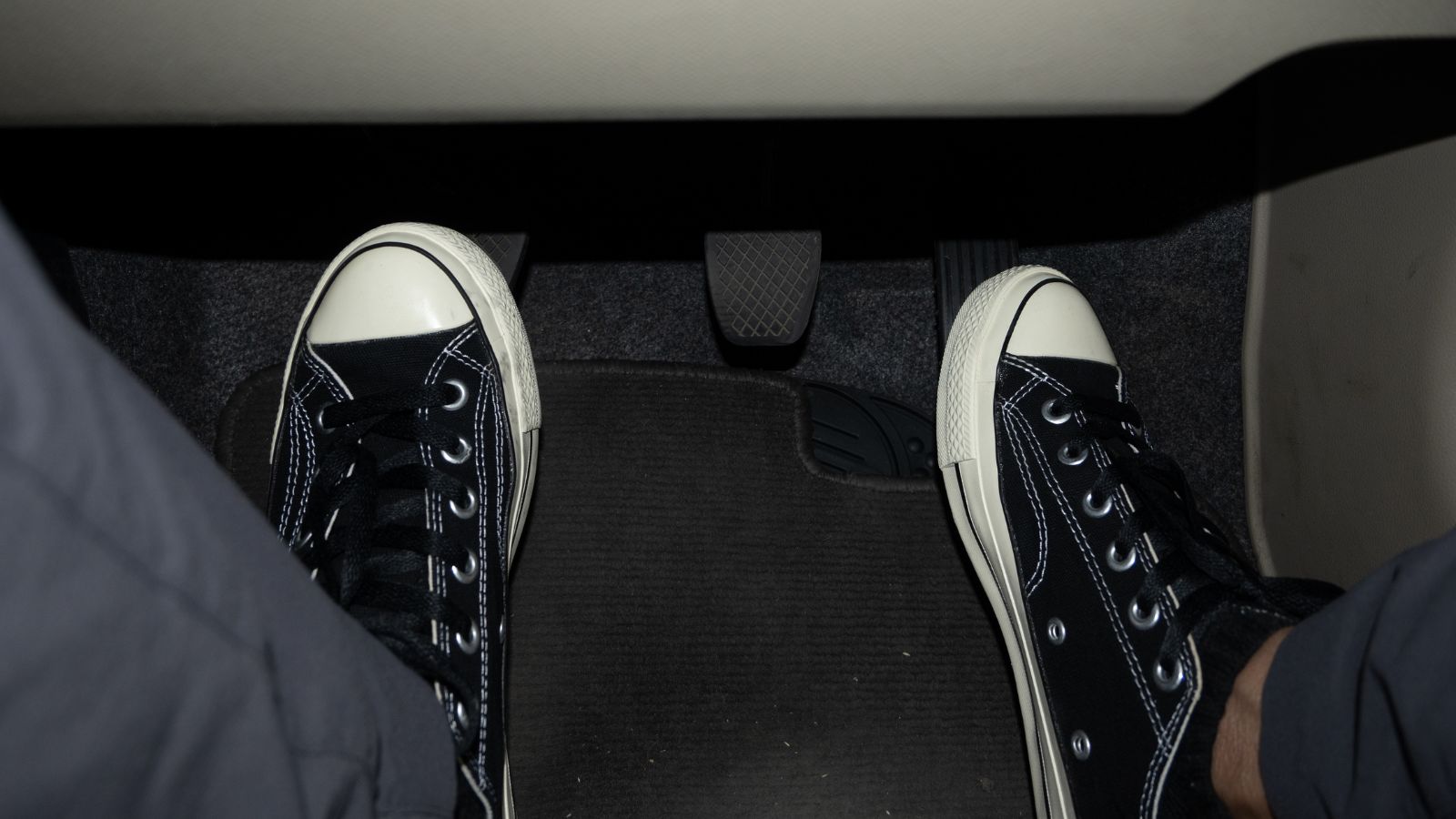
Manual-transmission cars can preserve evidence of rough treatment in their clutch. A slipping clutch often reveals itself when engine speed rises faster than road speed during strong acceleration. ZF identifies frequent start-up operation and incorrect driving style among causes of accelerated clutch-facing wear and notes that continuous clutch slip generates excessive heat. Burned or damaged friction material can result when a clutch is allowed to slip excessively.
This matters because repeated hard launches can consume clutch life much faster than gentle highway driving, even when two cars have identical odometer readings. A burning smell after a simple test drive deserves investigation, particularly if the clutch also struggles to transmit full engine torque. Still, slipping is not proof of aggressive use. Oil contamination, incorrect adjustment, component defects and simple age can create similar symptoms. The warning becomes stronger when a low-mileage performance car has already received a replacement clutch or when service records show clutch work much earlier than normally expected.
The Manual Gearbox Crunches During Quick Shifts

A healthy synchronized manual transmission should generally move between forward gears without grinding once the clutch is fully disengaged. Persistent crunching into one particular gear can indicate worn or damaged synchronizer components. An especially useful real-world example comes from a Mazda technical bulletin covering certain Mazda3 models: the manufacturer linked third-gear grinding and related wear to heavy-load driving and quick shift operation on affected vehicles.
A single difficult shift does not prove somebody abused the gearbox. Cold lubricant, clutch problems, incorrect fluid and model-specific defects can all make a manual transmission reluctant. What matters is repeatability. If second or third gear repeatedly resists engagement during an otherwise normal test drive, the car deserves closer examination. Synchronizer repairs typically require substantial transmission labour. More importantly for a buyer trying to reconstruct the car’s past, worn shifting components can reveal stress that a polished shift knob cannot. A gearbox that feels mechanically tired despite modest mileage should never be dismissed as merely “how these cars shift.”
The Automatic Transmission Fluid Smells Burnt

Where a vehicle provides a conventional transmission-fluid dipstick or accessible inspection procedure, fluid condition can provide another clue. Ford owner documentation has historically warned that a burnt or rotten odour combined with dark transmission fluid can indicate high temperature or severe vehicle use. Other Ford guidance explains that towing, high-speed operation and demanding hot-weather conditions can raise transmission temperatures enough to require cooling.
Modern vehicles frequently use sealed transmissions, so fluid should not be accessed casually or through an incorrect procedure. When inspection is possible, however, obviously burnt fluid should not be dismissed. Hard driving is only one explanation; inadequate fluid, cooling problems, towing and neglected service can also generate excessive heat. The more useful question is whether the fluid condition fits the vehicle’s age and records. A relatively young car showing transmission overheating evidence, harsh engagement and no documented fluid service deserves considerably more scrutiny than its freshly detailed engine bay might suggest.
The Engine Moves Excessively Under Load
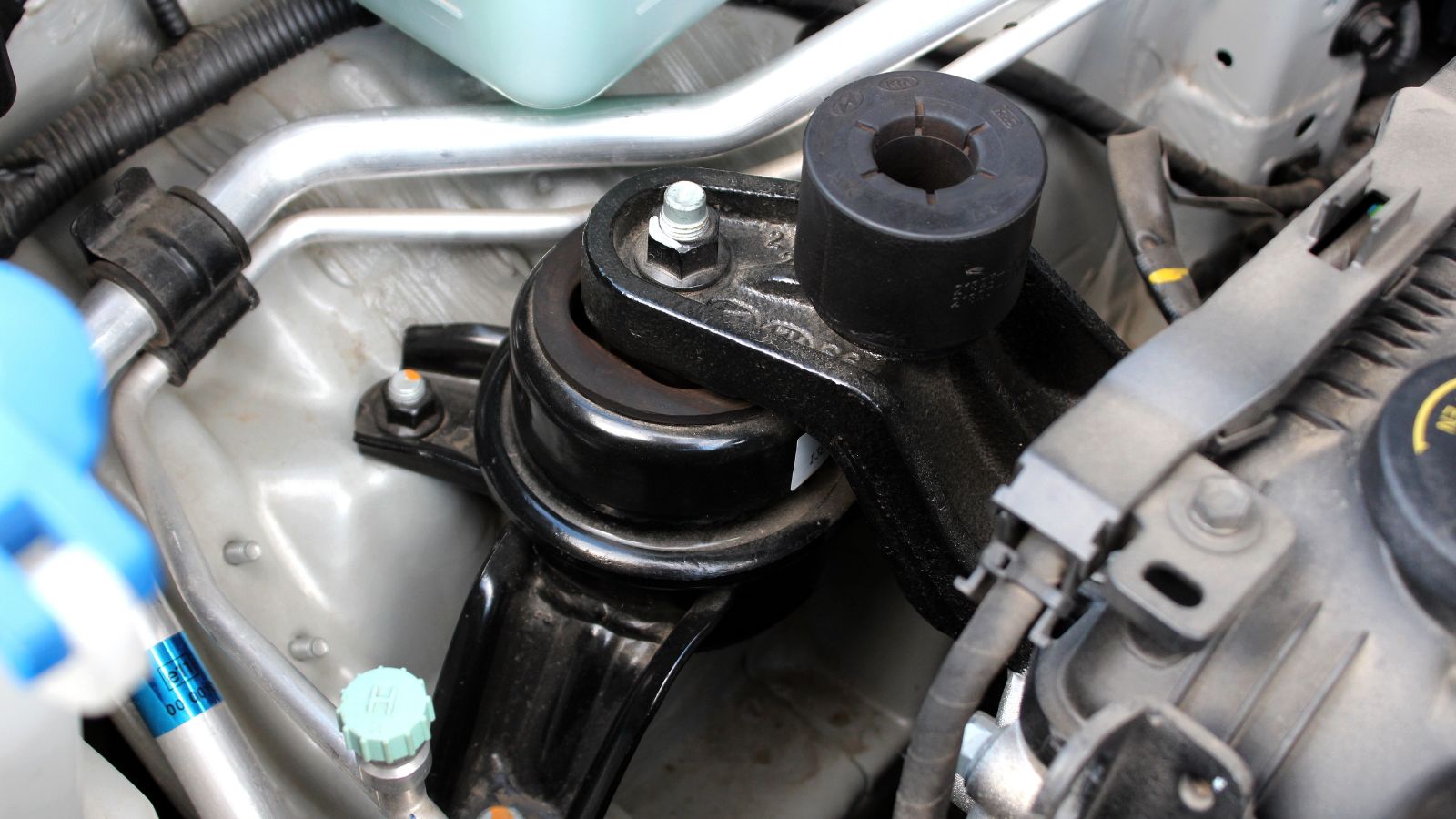
Engine and transmission mounts are designed to control powertrain movement while isolating vibration from the cabin. When mounts deteriorate, symptoms can include stronger vibration, noticeable engine movement and clicking or clunking during load changes. ZF lists those symptoms among indications of damaged mounts. A General Motors technical bulletin for certain Chevrolet Caprice police vehicles also documented cases in which hard acceleration could rupture heat-stressed hydraulic engine mounts.
That does not make failed mounts universal proof of aggressive driving. Rubber hardens with age, hydraulic mounts can leak, and contamination from engine fluids can shorten component life. Nevertheless, excessive powertrain movement on a comparatively young car is worth investigating. A clunk as the transmission moves between drive and reverse, or a noticeable thump as throttle is applied and released, may indicate that the drivetrain is no longer being restrained properly. Combined with performance modifications or clutch wear, tired mounts can help complete a broader picture of repeated high-load driving.
The Car Keeps Bouncing After the Suspension Is Compressed
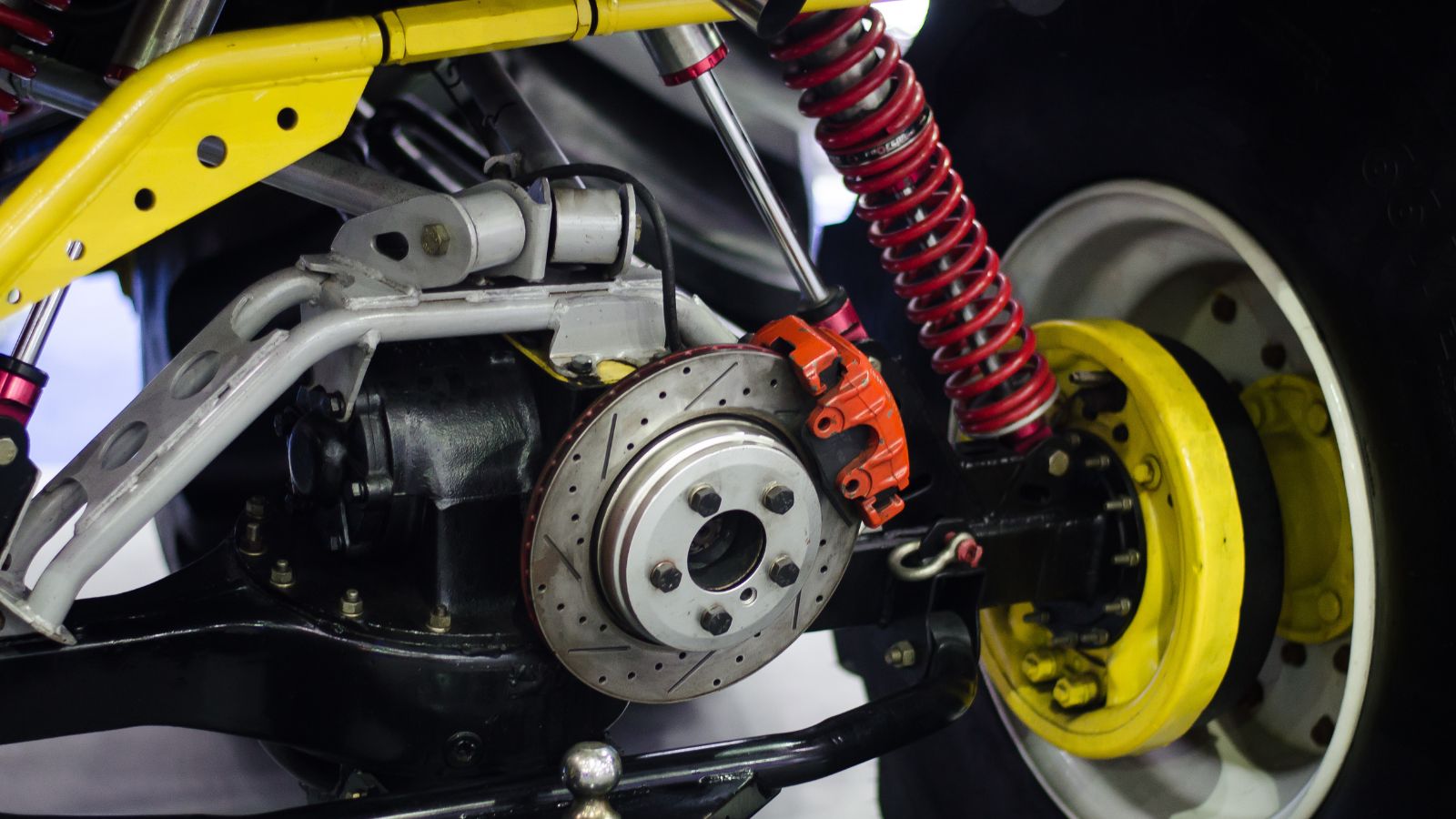
A glossy body can hide a suspension that has lost much of its ability to control movement. Consumer Reports recommends checking how a used car settles after downward pressure is applied at each corner. A healthy suspension should settle quickly, while repeated bouncing indicates a problem with the shocks or struts. During a road test, excessive bouncing or slamming over ordinary pavement is another warning.
Shock absorbers wear naturally, so mileage and age matter. A family sedan with 150,000 miles can have tired dampers without ever being driven aggressively. The concern is greater when a low-mileage car already feels loose and uncontrolled, particularly if its tires and wheels also show impact damage. Rough-road driving, repeated high-speed compression over bumps and other demanding use can accelerate stress throughout the suspension. Rather than judging ride quality solely on a smooth dealership route, a proper inspection should include normal uneven pavement where worn damping becomes far easier to recognize.
There Is Play or Clunking in the Suspension
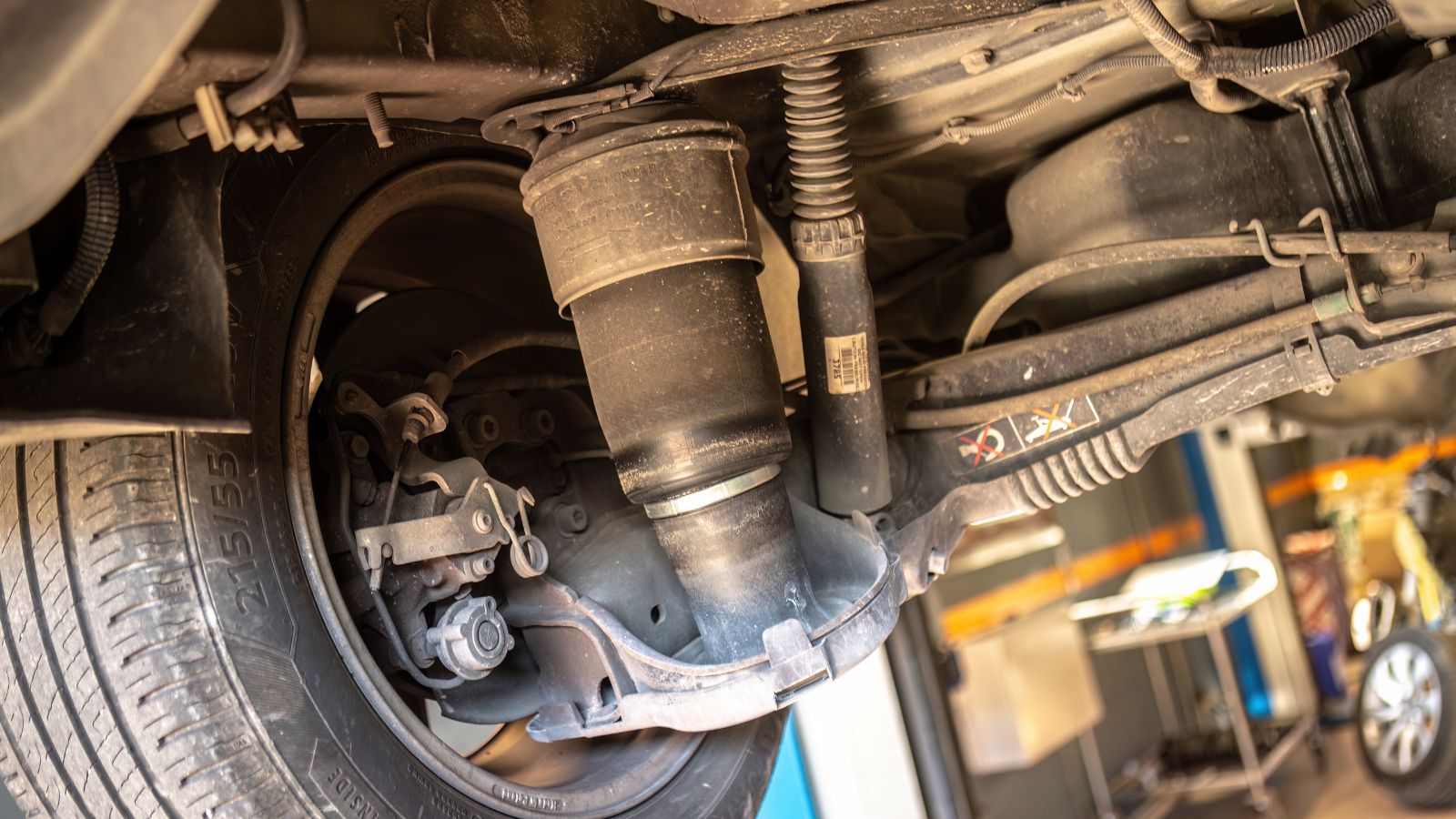
Suspension wear does not always announce itself with dramatic bouncing. Consumer Reports recommends checking for play at the wheels and listening for clunking because either condition can point toward worn wheel bearings or suspension joints. Steering linkage can produce similar warning noises when components are loose or damaged. These issues deserve attention because they affect how precisely the wheels remain located relative to the road.
Again, ordinary mileage can produce worn joints, and road salt or poor pavement may be more responsible than an aggressive driver. A useful comparison is between the odometer and the apparent mechanical wear. A relatively young car that clunks over every small bump, has loose steering and sits on damaged wheels has experienced something its spotless paint is not revealing. Impacts, rough roads and repeated high loads all work through the same suspension components. When several of those parts feel worn at once, a pre-purchase inspection becomes far more important than reassurance from a seller that the vehicle “drives fine.”
The Wheels Are Bent, Cracked or Heavily Scarred
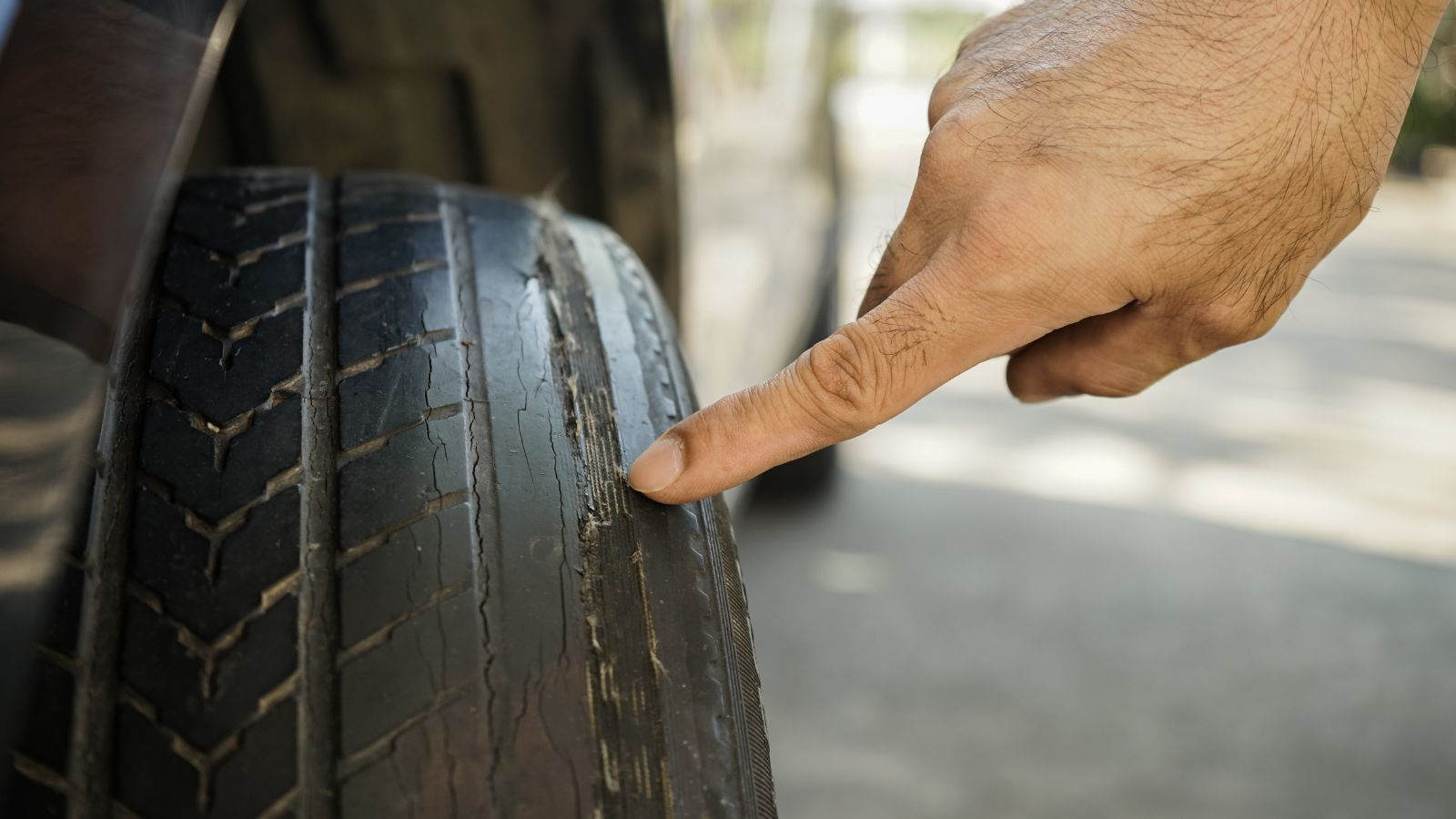
Wheel damage can reveal impacts that detailing cannot erase. Consumer Reports identifies dents and cracks in wheel rims as potential consequences of pothole strikes and notes that tires and suspension components can be damaged by the same event. NHTSA guidance similarly warns that curb and pothole impacts can damage tires or knock wheel alignment out of specification.
One damaged wheel may represent nothing more than an unlucky encounter with a pothole. Several battered wheels tell a different story. Deep curb rash around multiple rims, repaired cracks, missing sections of finish and persistent vibration can suggest a car that has repeatedly met road hazards at significant speed. Low-profile performance tires offer less sidewall cushion, making wheel inspection particularly important on sporty models. Cosmetic refinishing can make an alloy wheel look almost new, so buyers should inspect the inner barrels as well as the visible faces. A bent inner rim is easy to overlook while the vehicle is parked and often becomes obvious only once road speed rises.
The Car Pulls, Wanders or Needs Constant Steering Correction
A straight road provides a simple test of chassis condition. Consumer Reports says a used vehicle should not wander or require continuous steering corrections on smooth, level pavement. A shaking steering wheel may indicate balancing or alignment issues, though problems with the suspension, driveline or frame are also possible. NHTSA materials note that a significant jolt from a curb or pothole can cause misalignment or tire damage.
Alignment can drift for perfectly ordinary reasons, so a mild pull is not evidence of abuse by itself. The concern increases when the steering behaviour appears alongside uneven tire wear, rim damage and suspension noises. Those clues collectively suggest repeated impacts or unresolved chassis problems. Buyers should also resist accepting a fresh alignment receipt as the end of the story. If components are bent or worn, alignment settings may not remain correct. The real question is why the geometry needed correction and whether the underlying cause was properly repaired.
The Underside Shows More Damage Than the Body

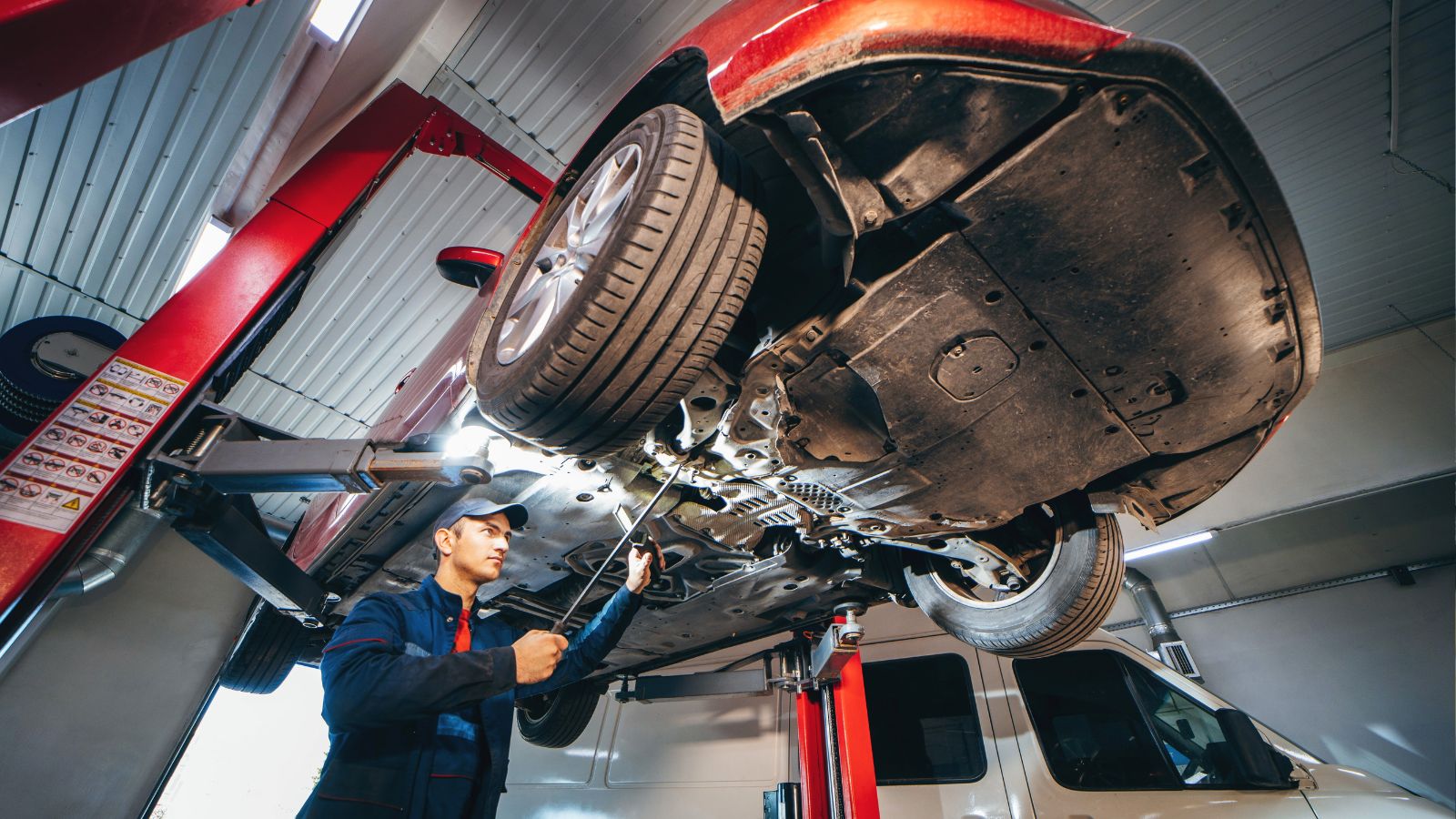
The underside is one of the easiest places to hide a car’s rough history because it is rarely included in photographs and almost never receives the same cosmetic attention as the paint. Consumer Reports recommends inspecting underneath a used vehicle and notes that kinks or large dents in structural areas, the floor pan or fuel tank can indicate previous damage. Fresh undercoating can also conceal repairs.
Not every scrape is serious. Ordinary driveways, winter roads and road debris can mark shields and exhaust components. The pattern matters. Multiple impact points, bent shields, crushed panels and damaged suspension mounting areas deserve more attention than superficial scratches. On lowered performance cars, the underside can be especially revealing because reduced ground clearance increases the consequences of poorly judged bumps or road transitions. A lift inspection is far more informative than crouching beside the rocker panel with a flashlight. If the upper body looks immaculate while the underside appears repeatedly battered, the car’s life may have been considerably harder than the detailing suggests.
The Tires Show Blistering or Other Heat Damage
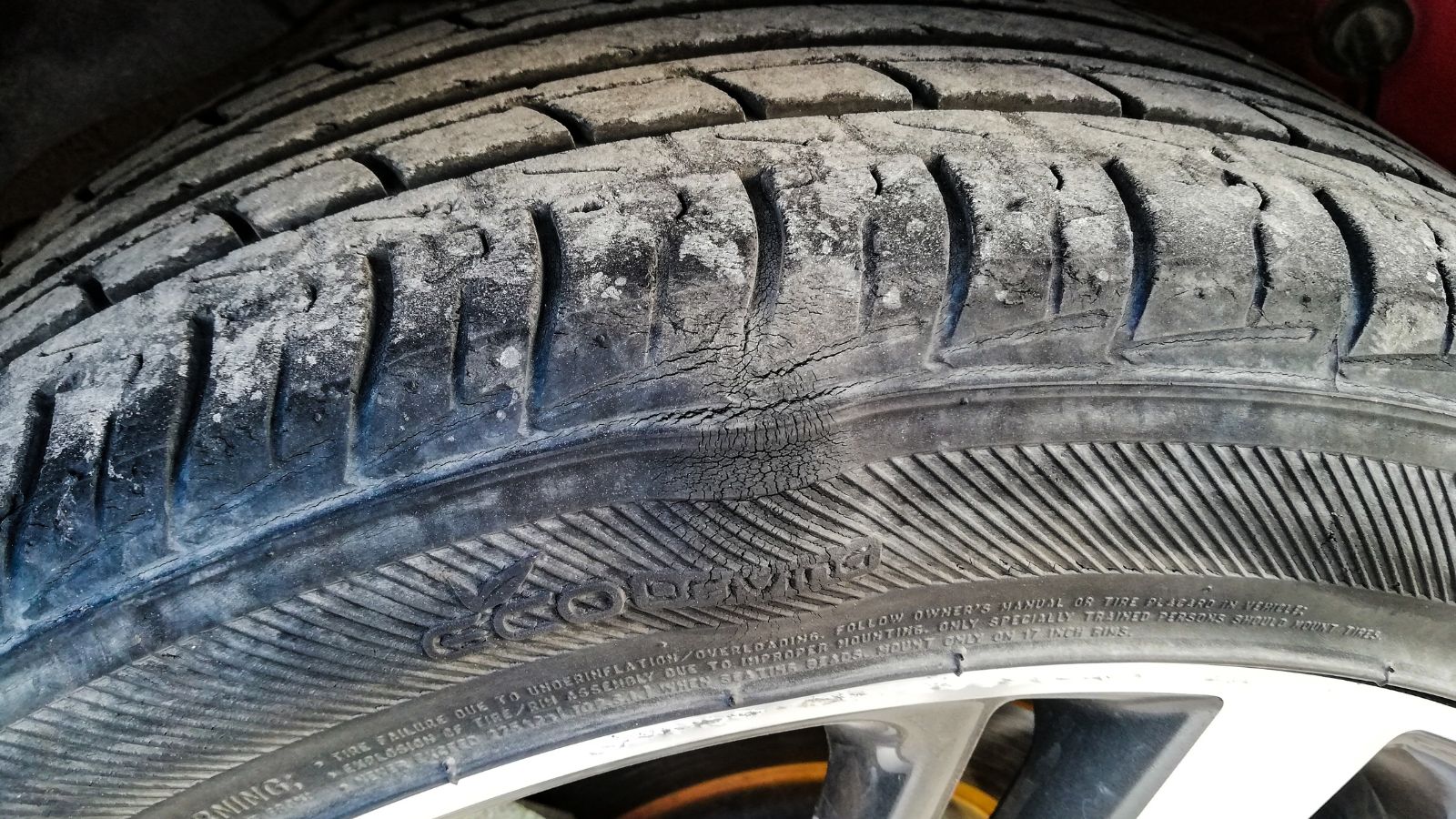
Ordinary tread wear is one thing; a tire that looks as though it has endured sustained high temperatures is another. In its used BMW M3 buying guidance, Car and Driver specifically cautioned shoppers about tires showing blistering and extreme tread depletion when evaluating cars that may have been heavily tracked. The same publication’s track-day advice emphasizes that tires and brakes absorb significant punishment during high-speed lapping.
Heat-damaged rubber is particularly relevant on sports cars fitted with performance tires. Track sessions repeatedly load the tread during acceleration, braking and cornering, creating conditions far beyond routine commuting. Yet heat-related damage still requires context: incorrect pressures, alignment issues and extreme road temperatures can influence tire condition. Buyers should inspect every tire closely, including the shoulders and inner edges that are difficult to see with the steering straight. A car presented on brand-new rubber also warrants checking old service photographs or invoices, because a fresh set can conveniently remove one of the clearest records of previous use.
It Has a Collection of Track-Oriented Modifications
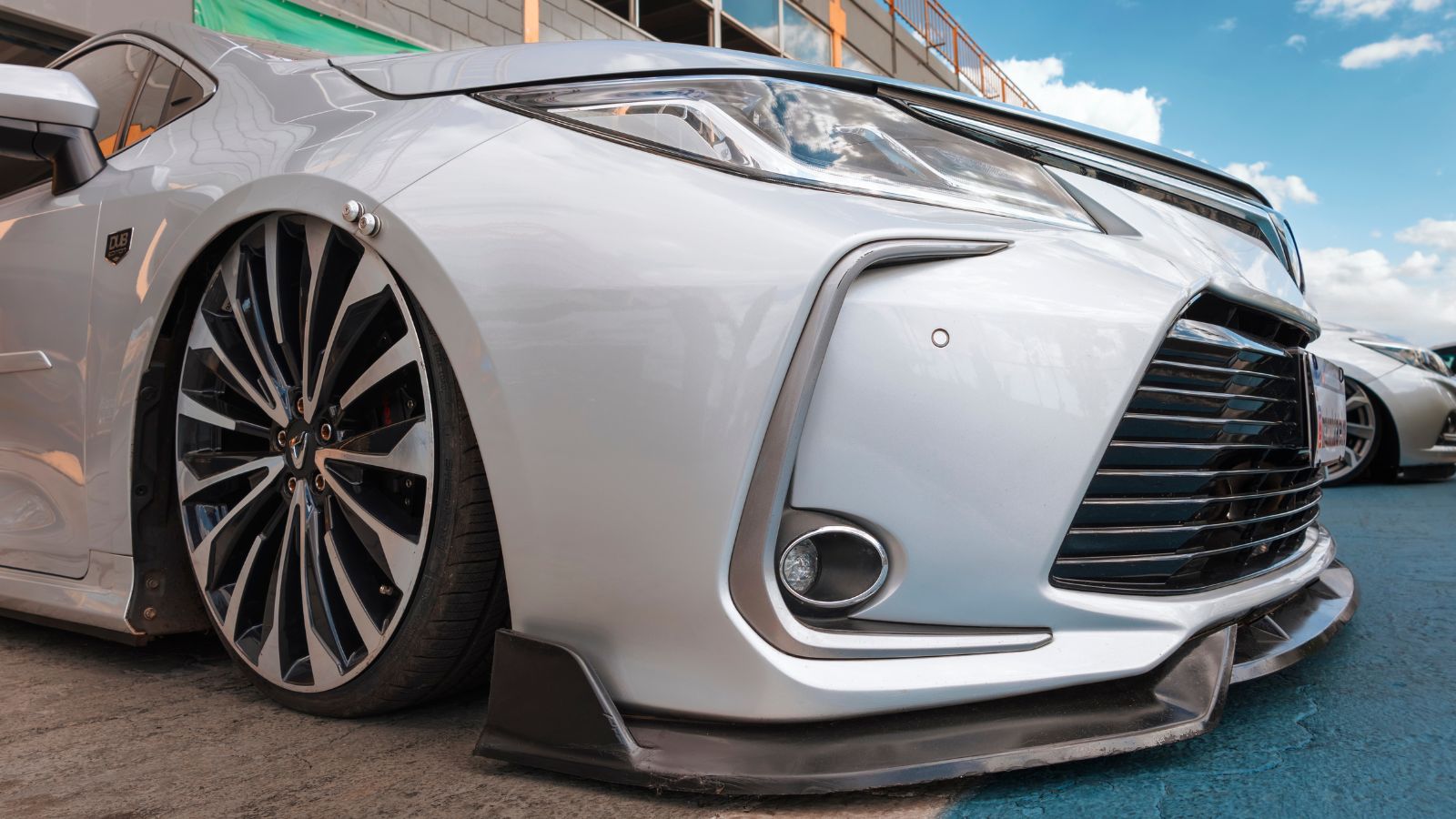
Modifications do not prove abuse. Many enthusiasts install quality parts simply because they enjoy improving their cars. Still, a combination of lowered suspension, power-enhancing software, altered intake or exhaust components, non-standard wheels and upgraded brakes should change the depth of a pre-purchase inspection. Consumer Reports specifically advises caution with extensively customized sports cars and says an unmodified example is generally preferable when shopping used.
Context matters more than any individual component. Car and Driver’s BMW M3 buying guidance notes that track-focused modifications are common and advises buyers to research them carefully. A professionally installed brake upgrade on a well-documented car can be a positive. A collection of cheap parts, missing factory components and no receipts is different. Modifications can also increase engine torque, braking capability or cornering grip, potentially placing greater loads on associated components. The useful question is not simply whether the car was modified, but whether the modifications, maintenance records and mechanical condition collectively suggest enthusiastic use that the seller has failed to disclose.
The Service Records Show an Unusual Appetite for Consumables

Receipts can tell stories that polished bodywork cannot. Hagerty recommends studying invoices rather than relying solely on a stamped service book because detailed records can reveal work involving brake pads, discs, gearbox oil, differential repairs and wheel alignments. Car and Driver also notes that track-day cars should have their brakes, fluids and tires inspected and may be serviced before and after high-speed lapping.
Repeated replacement is not automatically bad. In fact, a car that received expensive maintenance on time may be preferable to one whose worn parts were ignored. What matters is frequency relative to mileage. Several sets of tires, repeated brake jobs, clutch work and multiple alignments over a surprisingly short distance invite questions about how the car was used. Performance cars naturally consume some parts faster, but an unusually dense repair history can reveal a demanding life. A buyer should compare invoice dates and recorded odometer readings, looking for patterns rather than focusing only on whether the maintenance book contains stamps.
Pedal and Driver-Seat Wear Does Not Match the Odometer

Interior wear cannot prove aggressive driving, but it can expose a mismatch between the car’s claimed history and its actual use. Consumer Reports notes that a low-mileage vehicle should not normally show heavy pedal wear and says rubber worn through on the pedals—or suspiciously new pedal pads—can indicate substantial driving. It also advises looking critically at badly worn seating in cars claiming low mileage.
This clue matters because mileage provides context for almost every other mechanical sign. A car advertised with unusually low kilometres but showing a polished steering wheel, flattened driver’s bolster and heavily worn brake or clutch pedal deserves extra verification. Perhaps most of its distance was accumulated in stop-and-go use, which can be mechanically demanding despite low annual mileage. Perhaps worn trim was simply caused by a particular driver. Either way, inconsistency is the warning. When the cabin, tires and mechanical condition all appear older than the odometer suggests, the clean exterior should carry much less weight in the buying decision.
Diagnostic Data Shows Significant Over-Rev Events
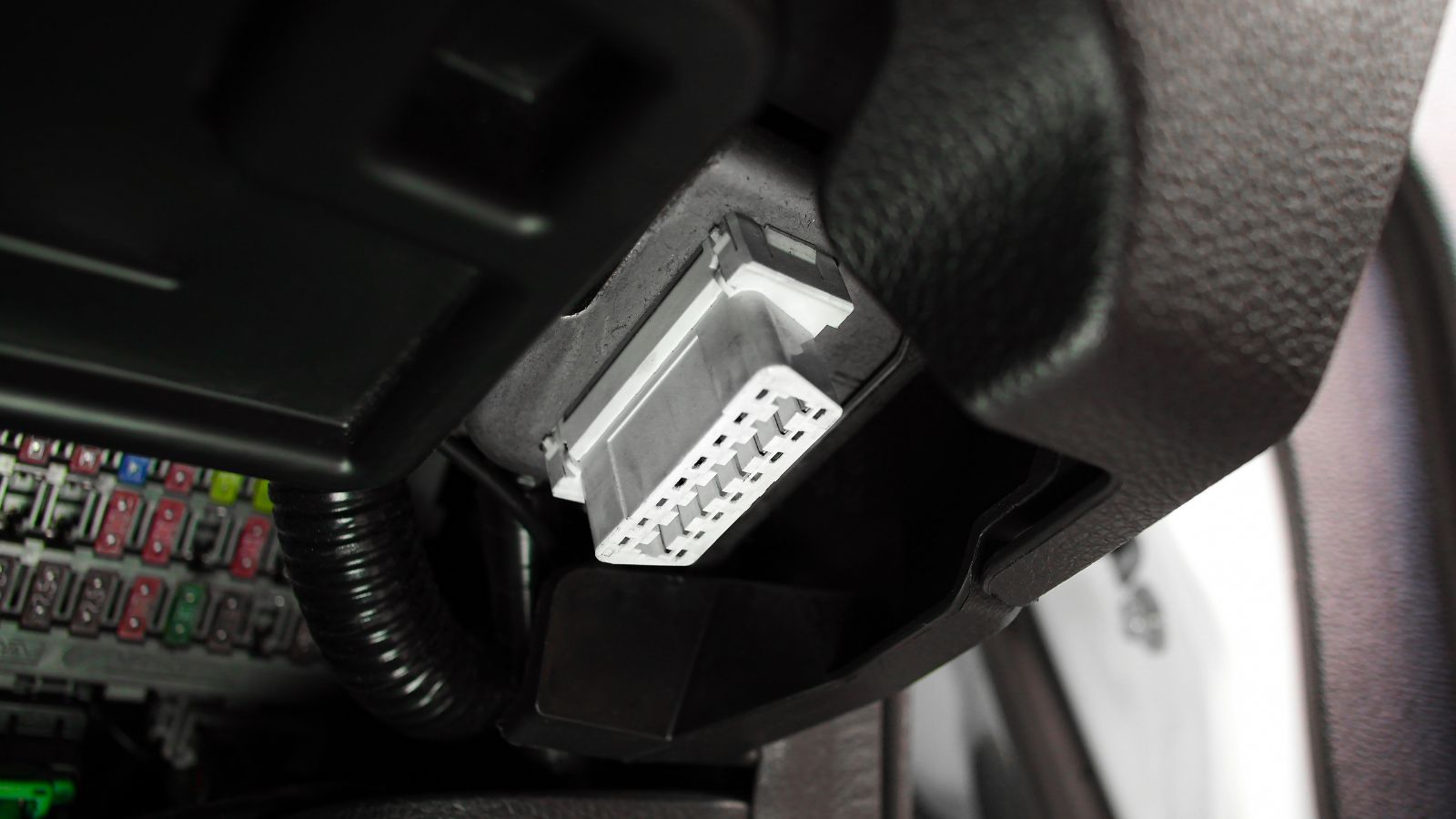
Some performance cars store operating data that can provide a much more objective glimpse into their past. Porsche specialists, for example, routinely discuss reading engine-control-unit information for recorded over-rev events on certain generations. Such reports can show how many ignition events occurred within specific engine-speed ranges and approximately how many engine operating hours had elapsed when the events occurred.
This is highly vehicle-specific and should never be generalized to every car. Many models do not provide buyers with comparable information, and stored fault data requires knowledgeable interpretation. Even on vehicles that record over-revs, context and the manufacturer’s procedures matter. Still, when appropriate diagnostic data exists, it can be far more informative than a spotless engine cover. A seller can replace tires and polish brake calipers, but stored operating information may remain available to a specialist. For expensive performance cars, asking a marque expert to perform a diagnostic scan can therefore be an important part of a serious pre-purchase inspection.
The Car’s Overall Story Does Not Add Up
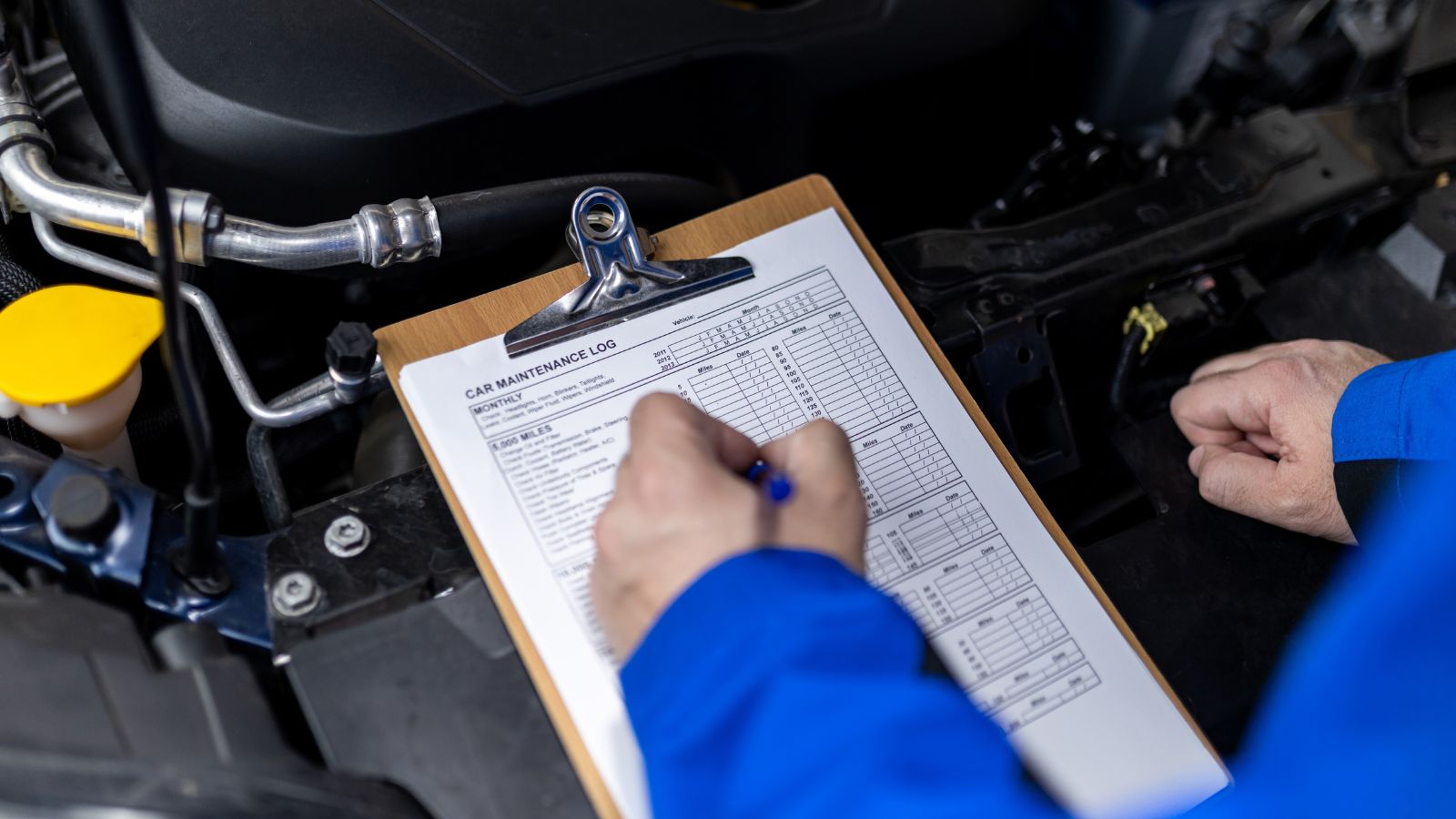
The strongest sign is often not one dramatic defect but a collection of inconsistencies. Consumer Reports stresses that low mileage is no guarantee of gentle treatment and recommends comparing physical condition, service records and the seller’s explanation before buying. A car claiming an easy life might simultaneously have fresh tires, worn pedals, heat-marked brakes, damaged wheels and several alignment invoices. Each clue has an innocent explanation; all of them together deserve skepticism.
This is where a professional pre-purchase inspection earns its value. An independent technician can put the vehicle on a lift, inspect the undercarriage, measure wear and search for problems that are difficult to see during a parking-lot walkaround. A clean vehicle can absolutely have been driven hard and maintained exceptionally well, just as a cosmetically rough car can be mechanically excellent. The goal is not to punish enthusiast ownership. It is to make sure the mechanical evidence, documented maintenance and asking price tell a consistent story before money changes hands.
19 Used Cars Canadians Should Avoid in 2026 (Based on Owner Complaints)

Buying a used car in Canada can feel safe until repair bills start stacking up. Owner complaints tell a different story than glossy listings. Transmission failures, electrical problems, and weak winter reliability show up again and again in consumer reports. Many of these issues appear after warranties expire, when owners least expect them. Some vehicles look affordable upfront, but become expensive to keep on the road. Others struggle in cold weather, urban driving, or long highway commutes. Here are 19 used cars Canadians should avoid in 2026 (based on owner complaints).
19 Used Cars Canadians Should Avoid in 2026 (Based on Owner Complaints)

Alanna Rosen is an experienced content writer that focuses on many EV and educational content. Her articles are regularly published on Get CyberTrucked and syndicated on large publications.