
A used SUV can look almost perfect while quietly carrying thousands of dollars’ worth of deferred maintenance, drivetrain wear, electronic trouble, or old accident damage. Fresh detailing, clean upholstery, and a short test drive reveal surprisingly little about what is happening underneath. The costly mistake is buying before the vehicle has been independently inspected and its maintenance history has been properly checked.
That matters more with SUVs because many combine all-wheel drive, turbocharged engines, sophisticated transmissions, towing capability, advanced safety sensors, and, increasingly, hybrid systems. Each adds another area where neglected maintenance can become expensive. These 12 trouble spots show why skipping proper mechanical due diligence can turn an appealing used SUV into a financial headache long after the excitement of the purchase has faded.
Skipping an Independent Pre-Purchase Inspection

The most expensive mistake often happens before ownership even begins: assuming that a clean appearance, a smooth test drive, or a dealer inspection is enough. A proper pre-purchase inspection is different from a quick safety check. An independent technician can put the SUV on a lift, examine leaks, brakes, suspension components, driveline parts, tires, corrosion, and other areas that are difficult to judge while standing beside the vehicle. Diagnostic scanning can add another layer of information that a 15-minute drive around the block simply cannot provide.
The difference can be enormous when an SUV is nearing several maintenance milestones at once. A vehicle might drive beautifully while needing tires, brakes, fluid services, suspension work, and a cooling-system repair within months. None of those problems necessarily produces a dramatic noise during the sale. A written inspection report also turns vague concern into numbers: instead of wondering whether the SUV “seems okay,” a buyer can see what requires attention and what those repairs are likely to cost.
Trusting the Vehicle-History Report Too Much

A vehicle-history report is useful, but it is not a mechanical examination. Such reports can reveal valuable information about title status, reported collisions, ownership changes, salvage records, and sometimes maintenance. What they generally cannot do is certify the present condition of a transmission, turbocharger, differential, wheel bearing, cooling system, or suspension component. A spotless report therefore should not be interpreted as proof that the SUV itself is spotless.
There is another limitation: databases can only display information that reaches them. Repairs performed privately, unreported damage, neglected maintenance, and some forms of abuse may leave little or no obvious paper trail. An owner who struck something off-road, damaged a skid plate, and paid cash for repairs could theoretically leave very little history behind. That is why documentation and physical inspection work best together. Records explain what happened previously; the inspection helps establish what condition the vehicle is actually in today. Treating either one as a substitute for the other creates unnecessary risk.
Ignoring Mismatched Tires on an AWD SUV
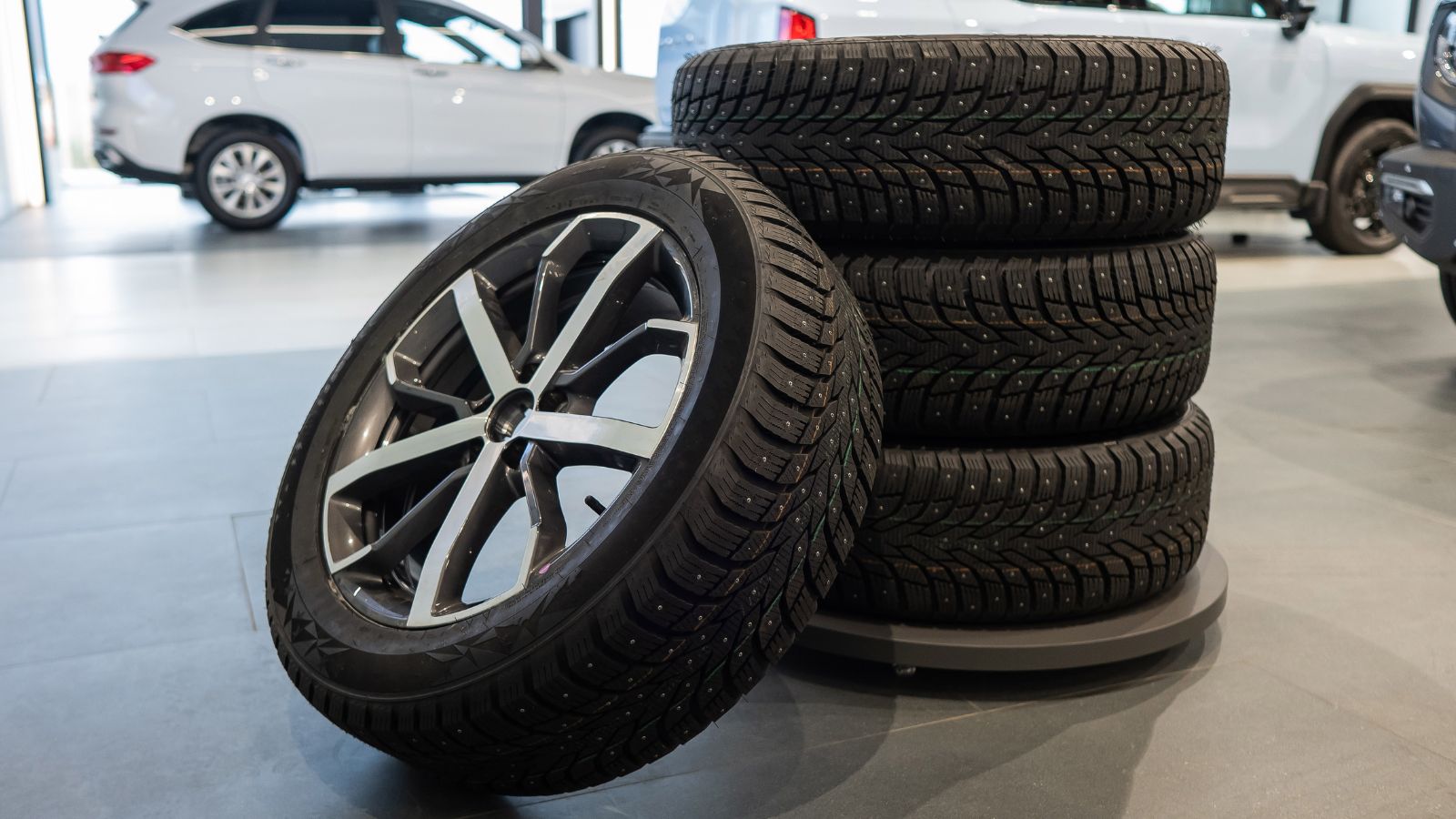
Four tires with plenty of visible tread can still be a warning sign on an all-wheel-drive SUV. AWD systems may be sensitive to differences in tire diameter caused by uneven tread wear, different tire models, incorrect sizing, or substantially different inflation pressures. Because tires with different rolling circumferences rotate at slightly different speeds, the driveline may be forced to compensate continuously. On some vehicles, manufacturers specifically warn that continued operation with significantly different tire diameters can damage powertrain components.
That makes the tires surprisingly useful clues during a used-SUV inspection. One nearly new tire beside three considerably worn tires deserves investigation. So does a mix of brands or tread patterns when the vehicle manufacturer requires closely matched tires. The concern is not merely the cost of replacing rubber. Differentials, transfer components, and AWD hardware can be far more expensive than a set of tires. Measuring tread depth at all four corners and checking the manufacturer’s tire requirements is therefore part of evaluating the drivetrain, not merely checking how soon new tires will be needed.
Overlooking Transmission, Differential, and Transfer-Case Fluids
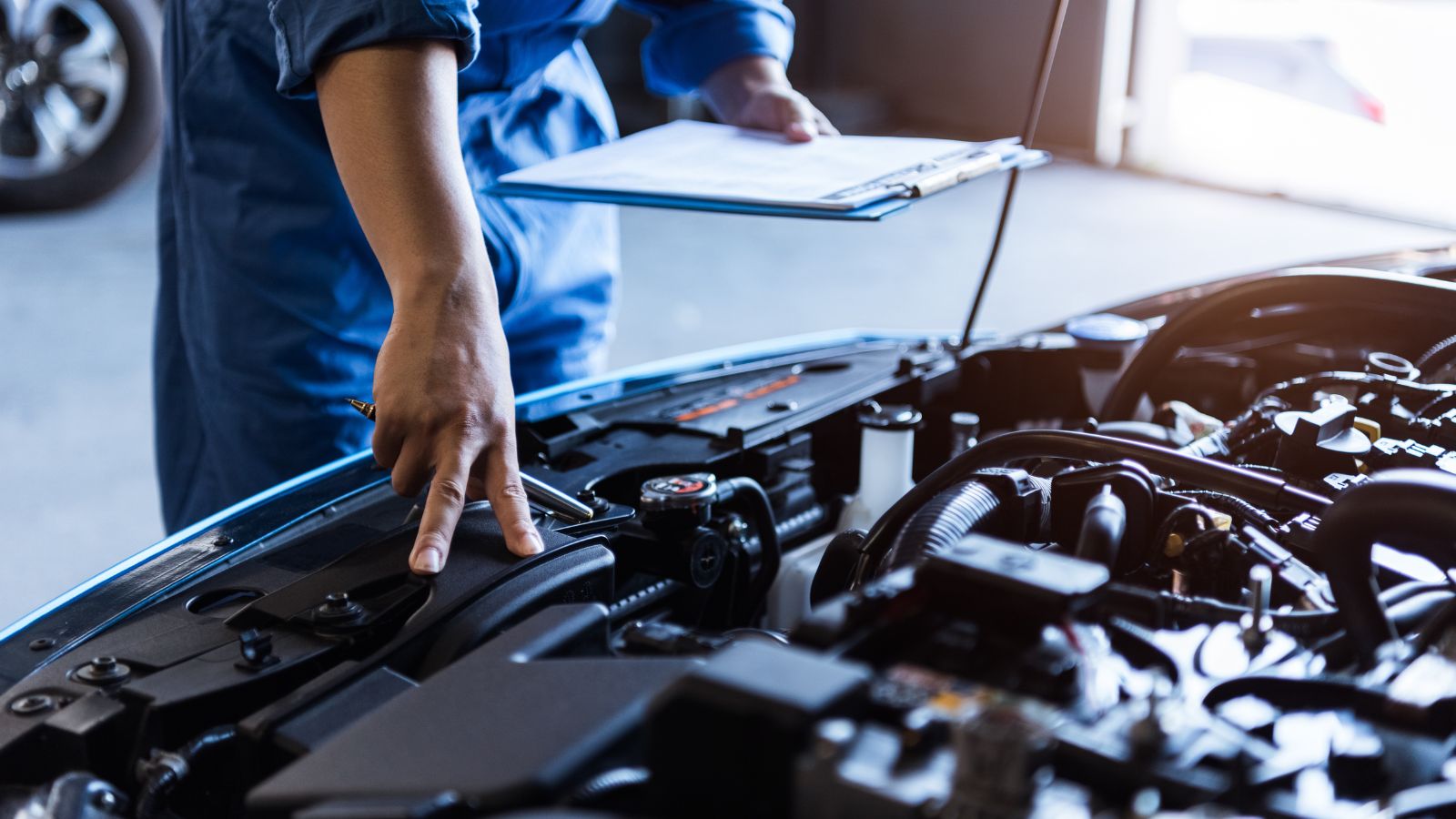
SUV maintenance involves more than engine oil. Depending on the model, an all-wheel-drive or four-wheel-drive vehicle may have automatic-transmission fluid, front or rear differential lubricant, and transfer-case fluid that require inspection or periodic replacement. Manufacturer maintenance schedules can also call for shorter or additional service under demanding operating conditions. A used SUV with years of undocumented drivetrain maintenance should therefore raise more questions than one with a thick folder of dated service records.
These fluids live in hardworking mechanical systems, yet they are easy for previous owners to forget because they are rarely discussed as often as oil changes. Towing, heavy loading, mountain driving, and other severe use can further change service requirements on some models. The dangerous assumption is that “lifetime” ownership means nothing ever needs checking. A technician familiar with the specific SUV can inspect for leaks, assess available service information, and compare the odometer reading with the manufacturer’s schedule. Catching overdue maintenance before purchase is far preferable to discovering driveline trouble afterward.
Treating Turbocharged Engines Like Any Other Used Engine
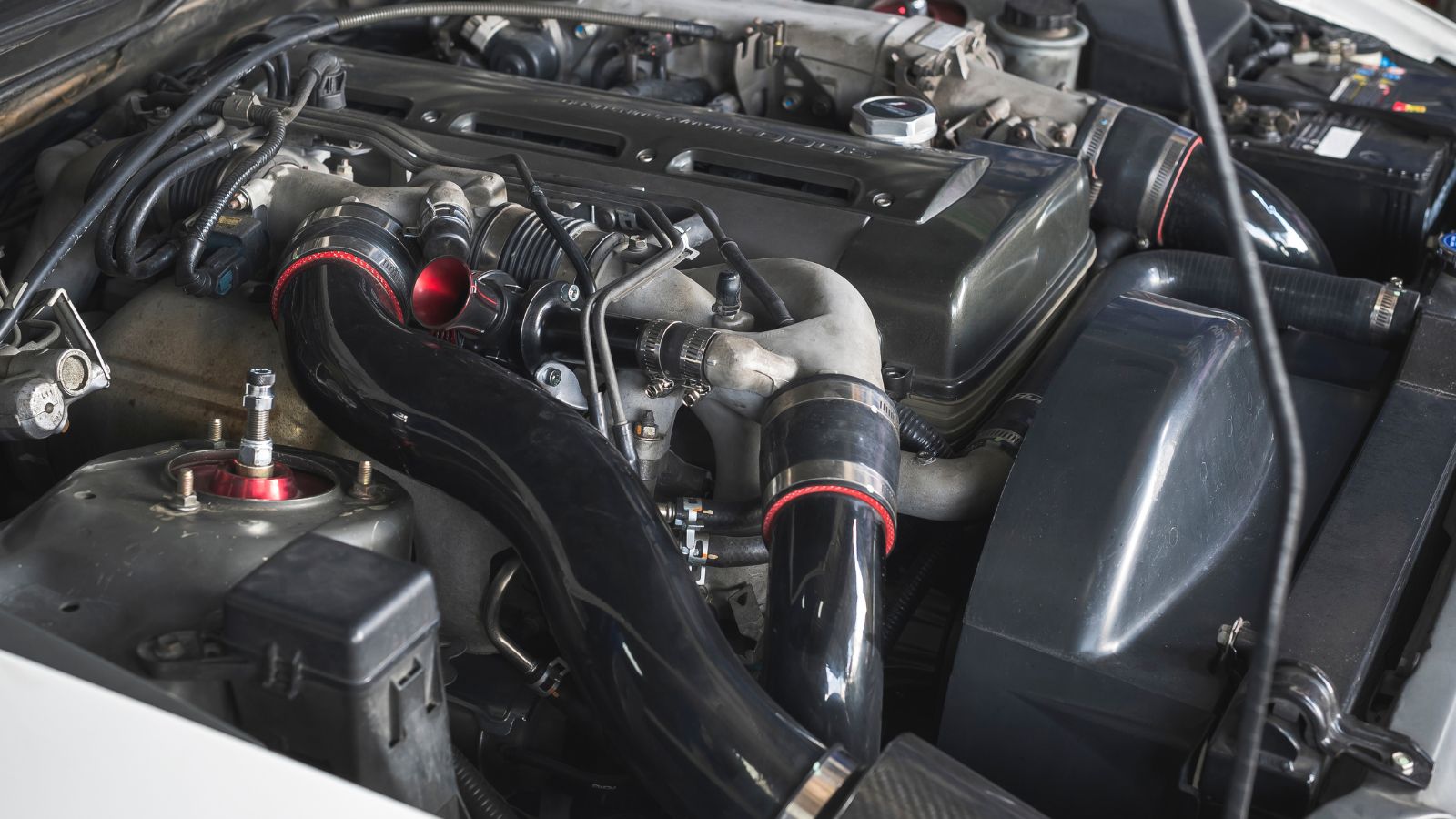
Turbochargers have helped automakers produce strong power from smaller engines, and they are now common in SUVs of almost every size. They also make maintenance history particularly important. A turbocharger operates at extremely high rotational speeds and depends on an appropriate supply of clean engine oil. Turbo manufacturers identify insufficient lubrication, contaminated oil, blocked oil passages, and extended maintenance as potential causes of bearing wear and turbocharger damage.
That does not mean a turbocharged SUV should automatically be avoided. It means missing oil-change records deserve more attention than a seller’s assurance that the vehicle was “always taken care of.” An inspection should look for abnormal smoke, oil leaks, unusual turbo noise, boost-related faults, and evidence of neglected lubrication. Service receipts showing the correct oil specification and reasonable maintenance intervals can provide valuable reassurance. A used SUV with a powerful turbo engine may still be an excellent purchase, but the previous owner’s maintenance habits matter because expensive hardware has been relying on those habits for every mile already accumulated.
Missing a Major Timing-Belt or Cooling-System Service
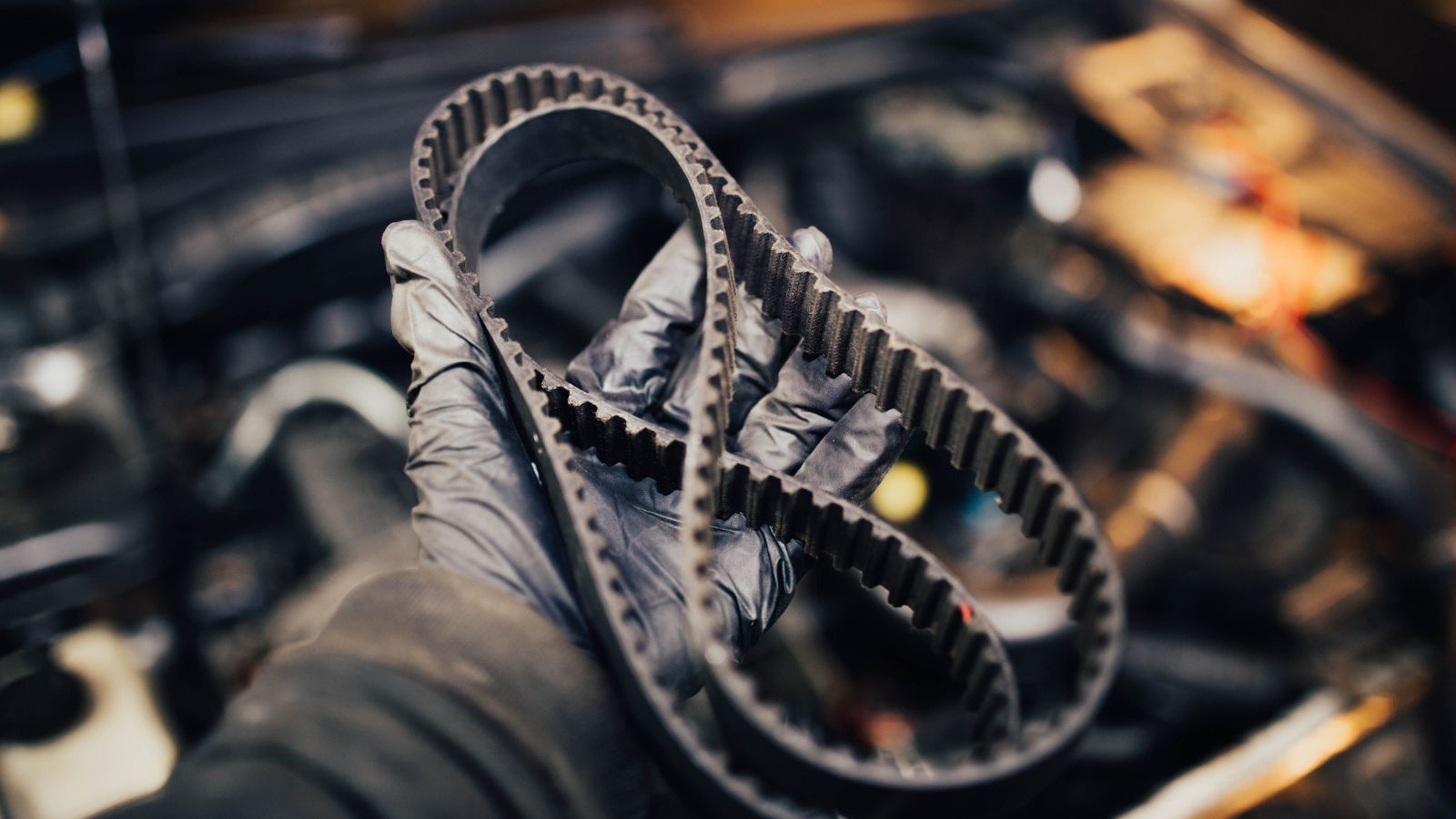
Some used SUVs reach the market just before expensive scheduled maintenance becomes due. Timing belts are a classic example on engines that use them. Manufacturer maintenance programs may pair timing-belt replacement with inspection of the water pump, while cooling systems have their own coolant-change and inspection requirements. A seller may advertise an SUV at an attractive price precisely when the next owner is approaching a significant maintenance bill, even though the vehicle itself is running perfectly during the test drive.
Cooling-system neglect can be equally deceptive. A small leak, deteriorating hose, weak water pump, or radiator problem may initially produce few obvious symptoms. Yet overheating can cause serious engine damage if the underlying fault is ignored. The sensible approach is to identify the exact engine before buying, retrieve its factory maintenance schedule, and compare required services with invoices. “It probably had that done” is not documentation. When an SUV is near a major mileage milestone, proof of maintenance can materially change its real value.
Failing to Look for Flood Damage and Hidden Corrosion
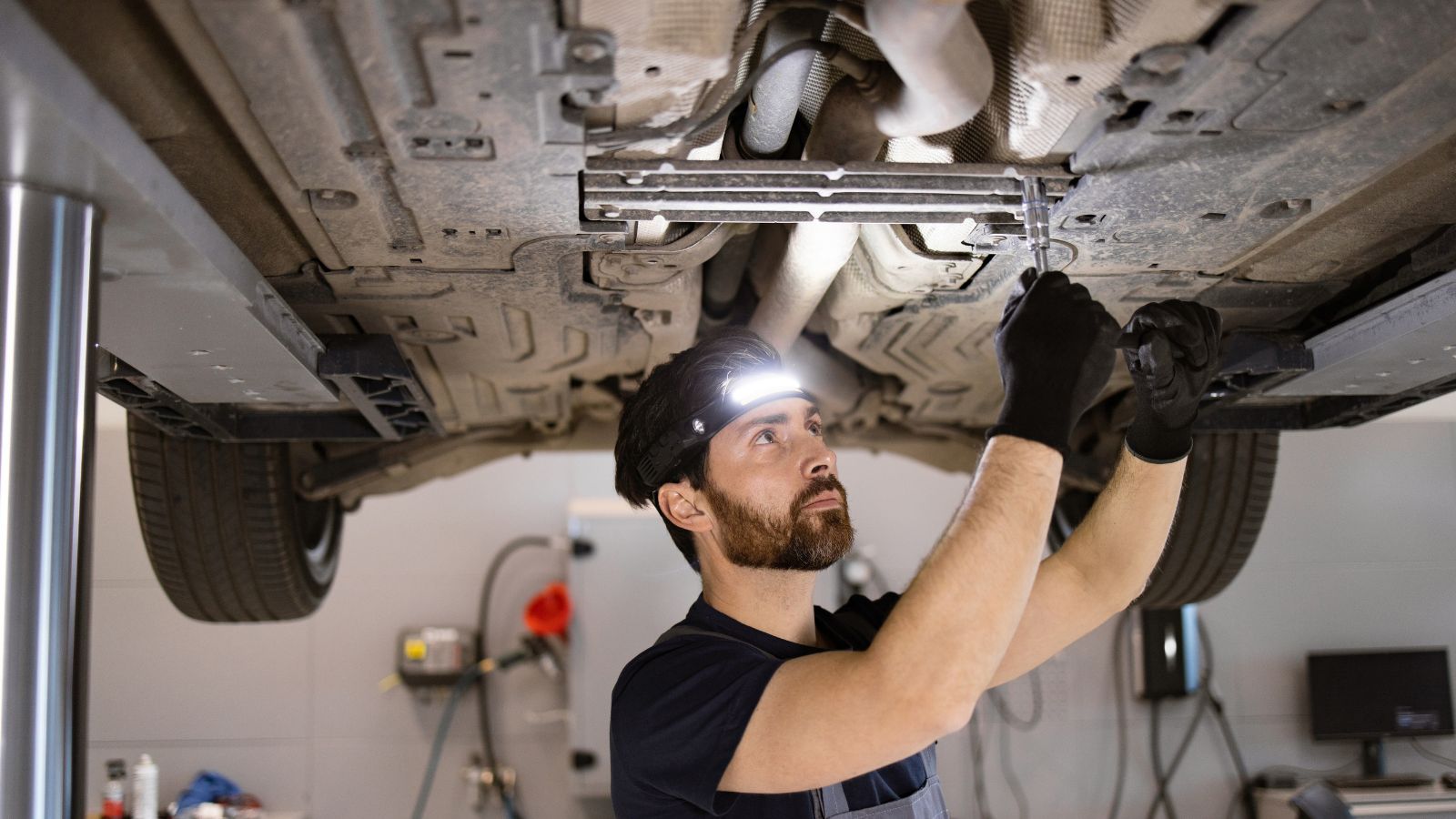
A freshly cleaned cabin can disguise a surprisingly ugly history. Flood-damaged vehicles are sometimes cleaned, repaired, transported, and returned to the used market. Water exposure can affect mechanical and electrical systems long after the vehicle appears dry, while corrosion may develop in places a casual shopper never sees. Warning signs can include unusual rust, sediment in hidden areas, staining beneath carpeting, musty odors, excessive deodorizer, or inconsistent interior materials.
SUVs warrant particularly careful underbody inspection because many are also driven through snow, road salt, mud, standing water, and unpaved areas. Some surface corrosion may be normal for age and location, but structural corrosion or suspicious water evidence is another matter. A history report can help reveal salvage or flood branding, yet government consumer guidance still recommends a physical inspection because records can be incomplete. Checking underneath seats, around electrical connections, inside the spare-tire area, and beneath the vehicle may reveal more about its past than polished paint and freshly shampooed carpets ever will.
Never Asking How the SUV Was Used for Towing
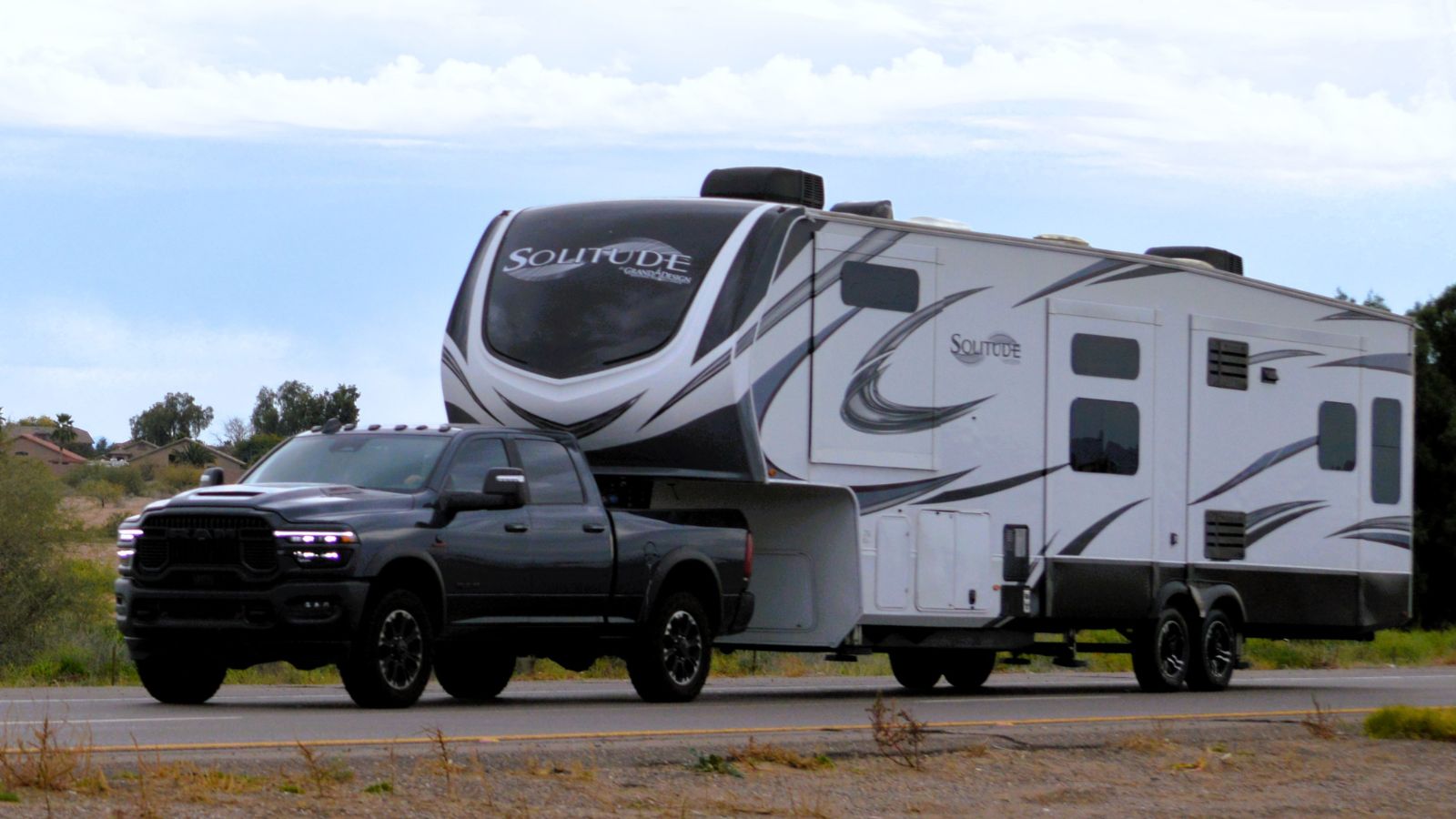
Two identical SUVs with identical odometers can have lived very different lives. One might have spent most of its mileage carrying a family along highways. Another might have regularly pulled a boat or camper through mountain terrain. The second vehicle is not automatically a bad purchase, but manufacturers recognize that towing and heavy loading can place additional demands on driveline systems and may require additional or more frequent maintenance.
Factory maintenance documents illustrate the point. Some specify additional transmission-fluid, transfer-fluid, or differential-fluid service for vehicles that tow or operate under severe conditions. That makes a receiver hitch, trailer-brake controller, wiring connector, or obvious towing accessories worth discussing rather than ignoring. Service records become especially important when substantial towing appears likely. A properly maintained tow vehicle can remain perfectly serviceable; the risk comes from heavy use combined with skipped maintenance. The odometer shows distance, not difficulty. Understanding how those miles were accumulated provides context that mileage alone cannot supply.
Assuming a Dark Dashboard Means There Are No Faults

A dashboard without warning lights can create instant confidence, but electronic diagnostics can tell a more complicated story. Modern vehicles continuously monitor emissions and many powertrain functions through onboard diagnostics. Trouble codes can be cleared, and disconnecting or replacing a battery can reset portions of the monitoring system. When that happens, certain readiness monitors may temporarily show “not ready” because the vehicle has not completed enough operating conditions to evaluate those systems again.
That is why an inspection with a capable scan tool can be useful even when no check-engine light appears. A technician can look at diagnostic trouble codes, pending codes, readiness status, and other available data. Several incomplete monitors do not automatically prove someone hid a defect; recent battery service or legitimate repairs can produce the same result. They do, however, justify questions. An SUV that was supposedly untouched for months but has multiple recently reset monitors deserves an explanation before money changes hands, especially if a warning light conveniently disappeared shortly before the sale.
Forgetting to Check the VIN for Open Recalls
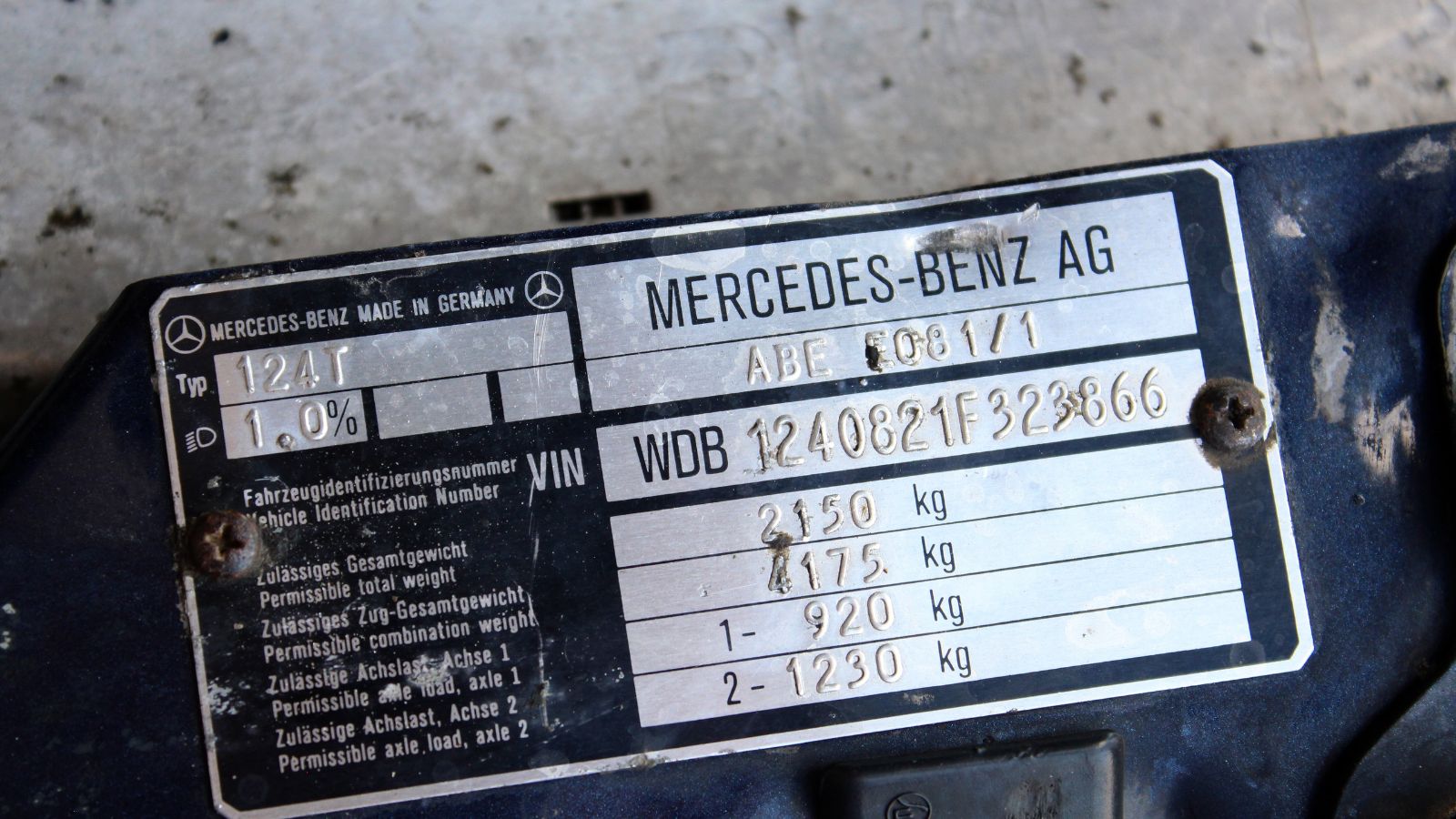
Used vehicles do not automatically arrive with every recall completed. A recall may have been announced after the original owner moved, changed contact information, stopped visiting the dealership, or simply ignored the notice. That means a visually immaculate SUV can still have an outstanding safety campaign attached to its VIN. Recall databases allow shoppers to check whether particular vehicles have unrepaired recalls rather than relying solely on year, make, and model.
An open recall does not necessarily make an SUV a poor purchase. In the United States, manufacturers generally provide the prescribed safety-recall remedy without charging the owner, and recall campaigns can remain active for many years. The important point is knowing about the issue before the transaction and confirming how the remedy will be handled. A VIN search also gives the buyer another opportunity to confirm that the VIN on the dashboard, paperwork, and vehicle history all agree. It takes only a few minutes, yet it can reveal an important piece of unfinished business that a normal test drive cannot.
Underestimating the Cost of Cameras, Radar, and Sensors

A repaired bumper once meant checking paint quality, body-panel alignment, and mounting hardware. On many newer SUVs, that same area may also contain radar units, parking sensors, cameras, and other components used by advanced driver-assistance systems. Windshields and side mirrors can house important cameras as well. That means poorly documented collision repairs deserve greater scrutiny on a technology-heavy SUV than they might have received a generation ago.
AAA research involving 2023-model vehicles found that ADAS-related work could account for more than one-third of the total repair cost in some collision scenarios. In its study, replacing ADAS components after a minor front collision averaged $1,540, while cameras and sensors could add hundreds or more than a thousand dollars depending on the component. Calibration matters too, because replacing glass or collision-damaged hardware does not necessarily finish the job. A used SUV with accident history should therefore be checked not only for straight bodywork, but also for proper system operation and evidence that required calibration was completed.
Assuming Every Hybrid SUV Has the Same Battery Protection
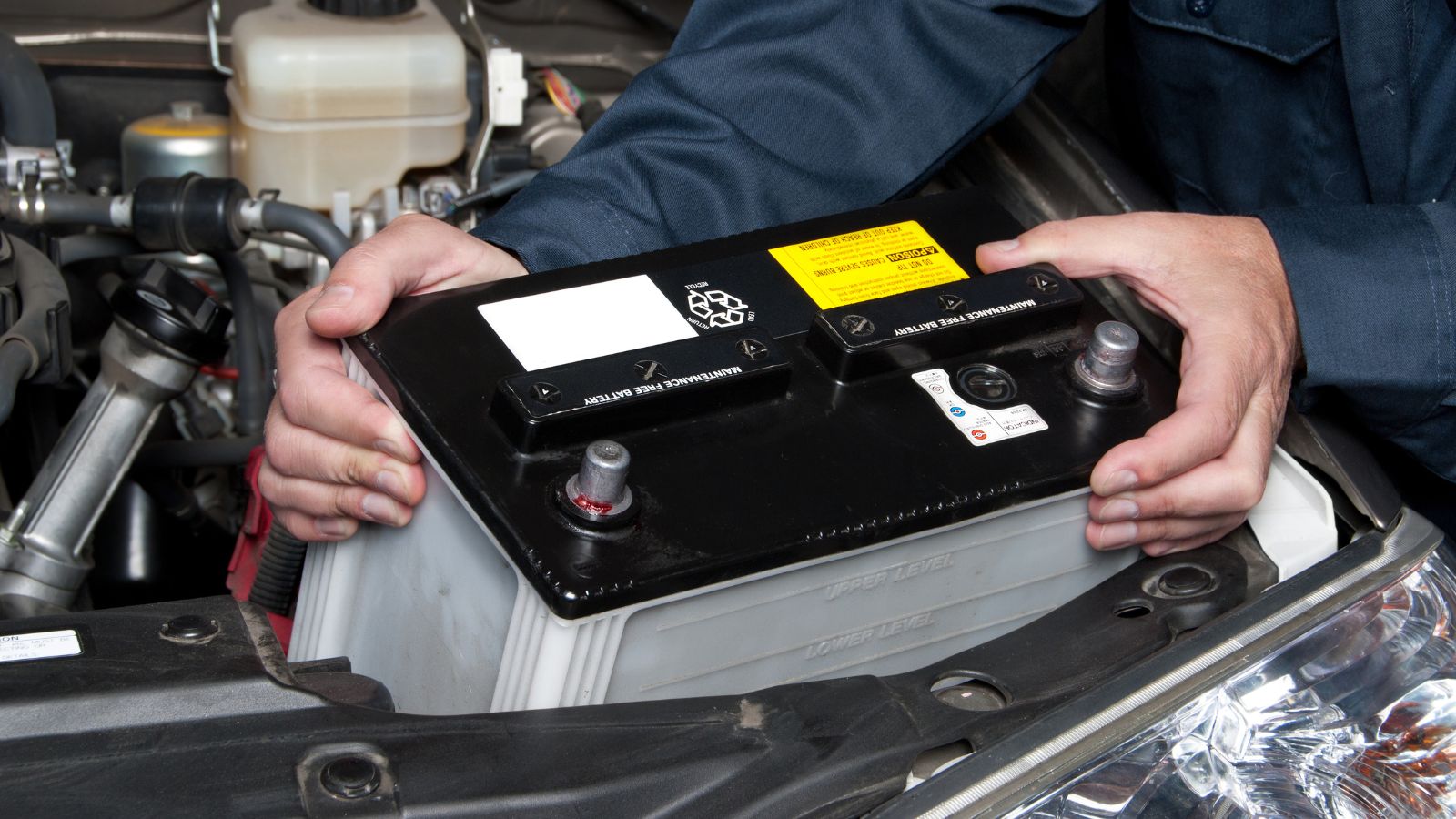
Hybrid SUVs introduce one more expensive component that deserves attention: the high-voltage battery and its related electronics. Battery warranties can be lengthy, but terms vary substantially among manufacturers, models, markets, and model years. Toyota, for example, expanded the hybrid-battery warranty on U.S. model-year 2020 vehicles to 10 years or 150,000 miles from the original in-service date, while Ford lists an eight-year/100,000-mile hybrid-component warranty for the 2026 Escape. That difference alone shows why assumptions about coverage are risky.
Age and original in-service date matter just as much as the number on the odometer. Honda warranty information also notes that high-voltage batteries degrade with use and that dealers can assess battery condition. A hybrid SUV therefore deserves model-specific research before purchase. Buyers should determine exactly what coverage remains, what components are included, and whether diagnostic testing can provide useful information about battery condition. Electrification can deliver excellent efficiency, but a vague promise that the battery is “still under warranty” should always be checked against the actual warranty documents.
19 Used Cars Canadians Should Avoid in 2026 (Based on Owner Complaints)

Buying a used car in Canada can feel safe until repair bills start stacking up. Owner complaints tell a different story than glossy listings. Transmission failures, electrical problems, and weak winter reliability show up again and again in consumer reports. Many of these issues appear after warranties expire, when owners least expect them. Some vehicles look affordable upfront, but become expensive to keep on the road. Others struggle in cold weather, urban driving, or long highway commutes. Here are 19 used cars Canadians should avoid in 2026 (based on owner complaints).
19 Used Cars Canadians Should Avoid in 2026 (Based on Owner Complaints)

Alanna Rosen is an experienced content writer that focuses on many EV and educational content. Her articles are regularly published on Get CyberTrucked and syndicated on large publications.