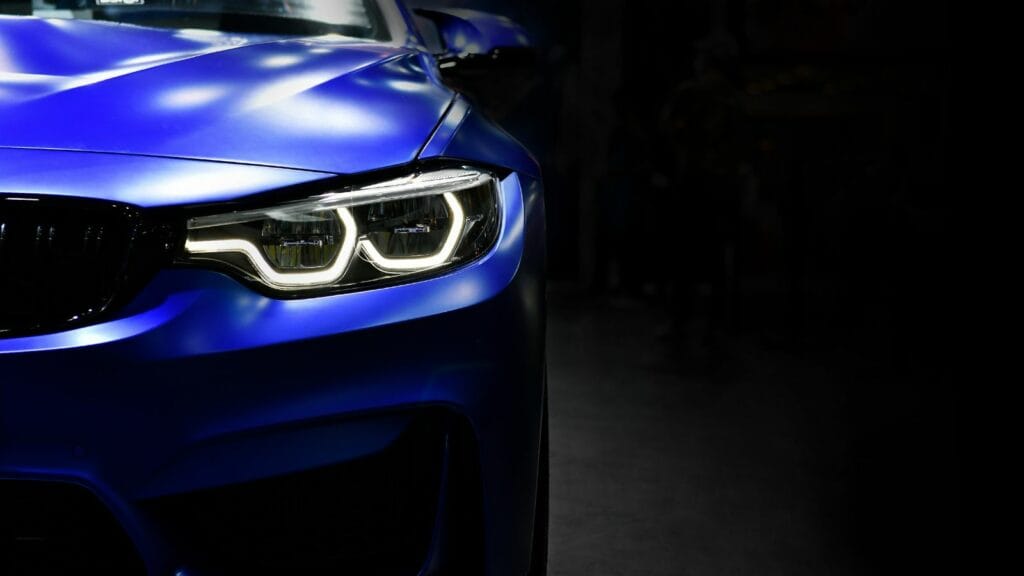
Night driving has always demanded more concentration, but modern vehicle lighting has added a new complication: headlights can help one driver see farther while making the road harder for someone else to read. Complaints about glare now span different ages, vehicle types, and countries, prompting fresh research and regulatory attention in Canada, the United States, and Europe.
The issue is more complicated than blaming LEDs alone. Brightness, beam aim, vehicle height, road shape, light colour, weather, aftermarket modifications, and even the biology of the human eye all affect how dazzling a headlamp becomes. These 12 factors explain why headlight glare has become such a persistent nighttime-driving problem—and why solving it requires more than simply making every lamp dimmer.
Headlight Glare Is No Longer a Fringe Complaint
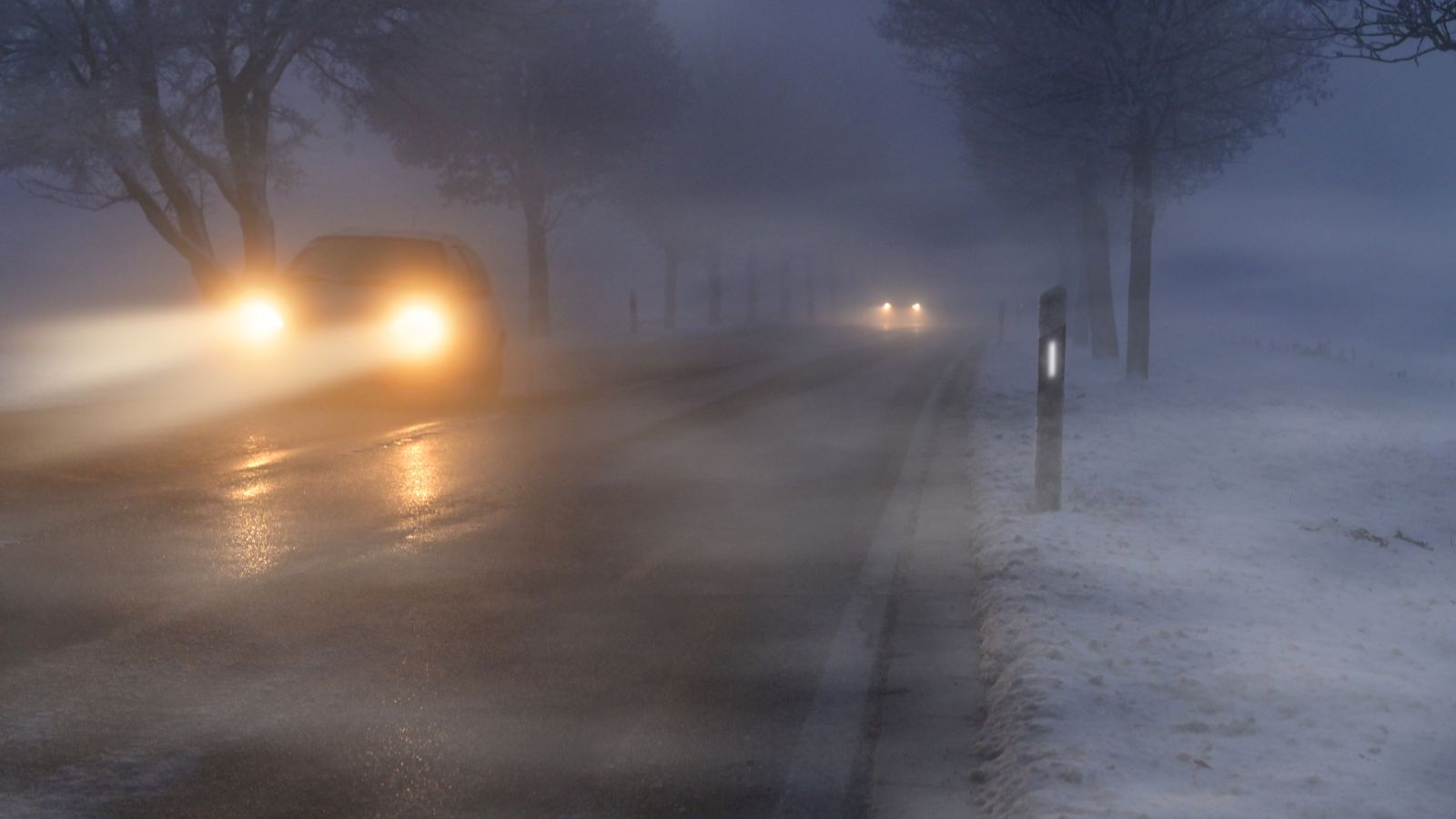
Headlight glare has moved from an occasional annoyance to a widely reported nighttime-driving concern. In March 2026, AAA reported that six in 10 drivers in its U.S. research considered glare a problem after dark. Among those affected, nearly three-quarters believed it had become worse over the previous decade. The concern is substantial enough that Transport Canada conducted a national consultation in spring 2026 specifically examining Canadians’ experiences with nighttime headlight glare.
Research commissioned by Britain’s Department for Transport reached a similarly striking conclusion. A Transport Research Laboratory study involving 1,850 drivers found that more than half reported having reduced or stopped nighttime driving because of headlamp glare—or said they would reduce it if circumstances allowed. That does not mean headlights alone are making every nighttime journey objectively less safe, but it demonstrates how strongly glare can influence confidence and behaviour. A problem that changes when people choose to drive deserves more attention than simple complaints about uncomfortable brightness.
The Biggest Issue Is Light Reaching the Other Driver’s Eyes
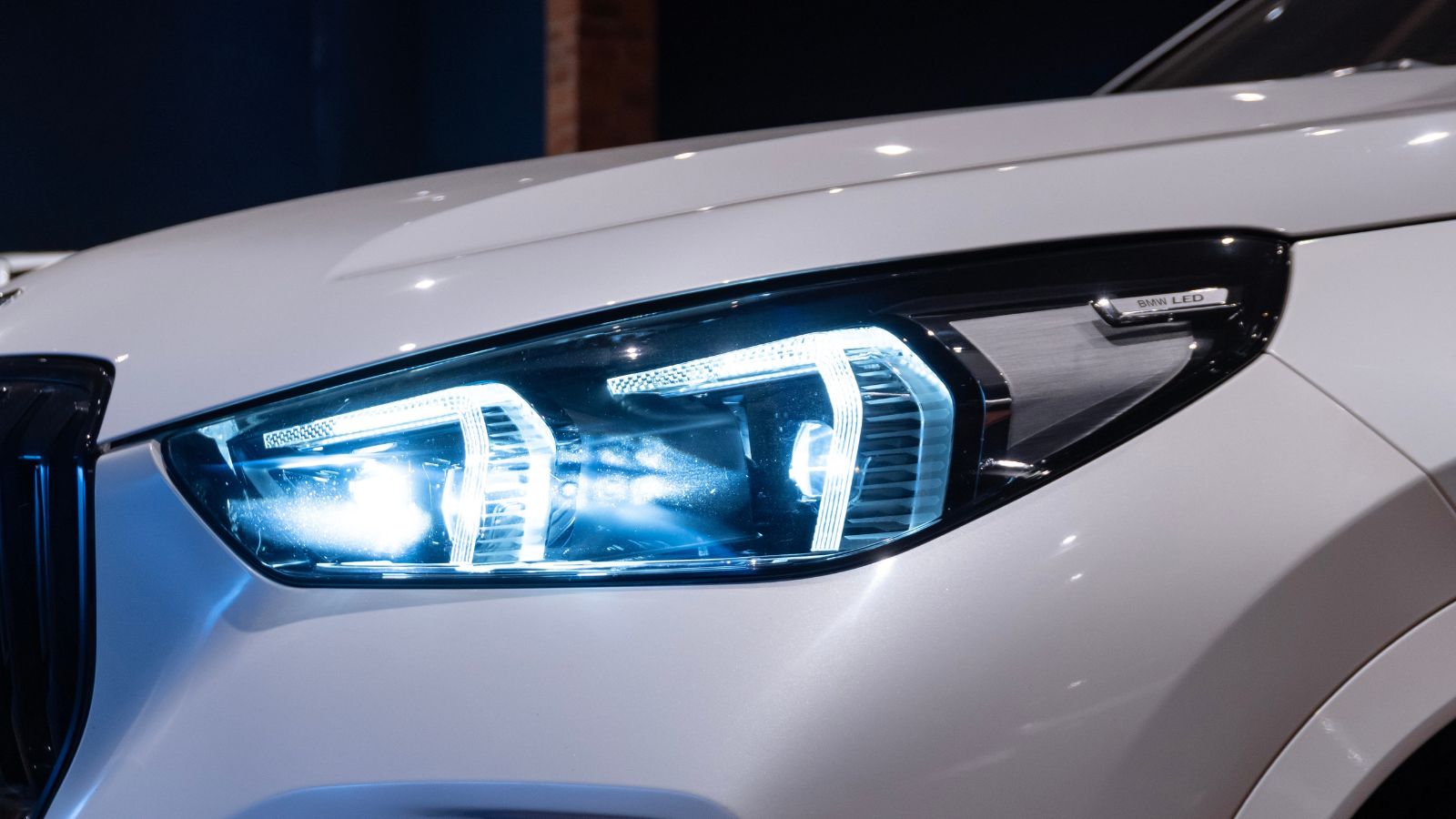
Calling the problem an “LED problem” is convenient, but research shows that headlamp technology alone does not determine how severe glare becomes. Experiments conducted by lighting researchers found that illuminance reaching an oncoming driver’s eyes was the dominant factor affecting both visual performance and discomfort. A poorly directed beam from an older lighting system can therefore be more troublesome than a carefully controlled modern LED system.
That distinction matters because modern headlights are designed as complete optical systems. The bulb or LED source, reflector, projector lens, mounting position, beam pattern, and aim work together to determine where the light actually travels. Two cars can both have LED headlights and produce very different experiences for approaching traffic. Current IIHS evaluations illustrate that variation: some LED systems remain below glare limits while others exceed them. The useful question is therefore not simply whether a headlamp is LED, HID, or halogen, but how much light its entire system sends toward another road user’s eyes.
Whiter Light Can Feel More Aggressive at Night
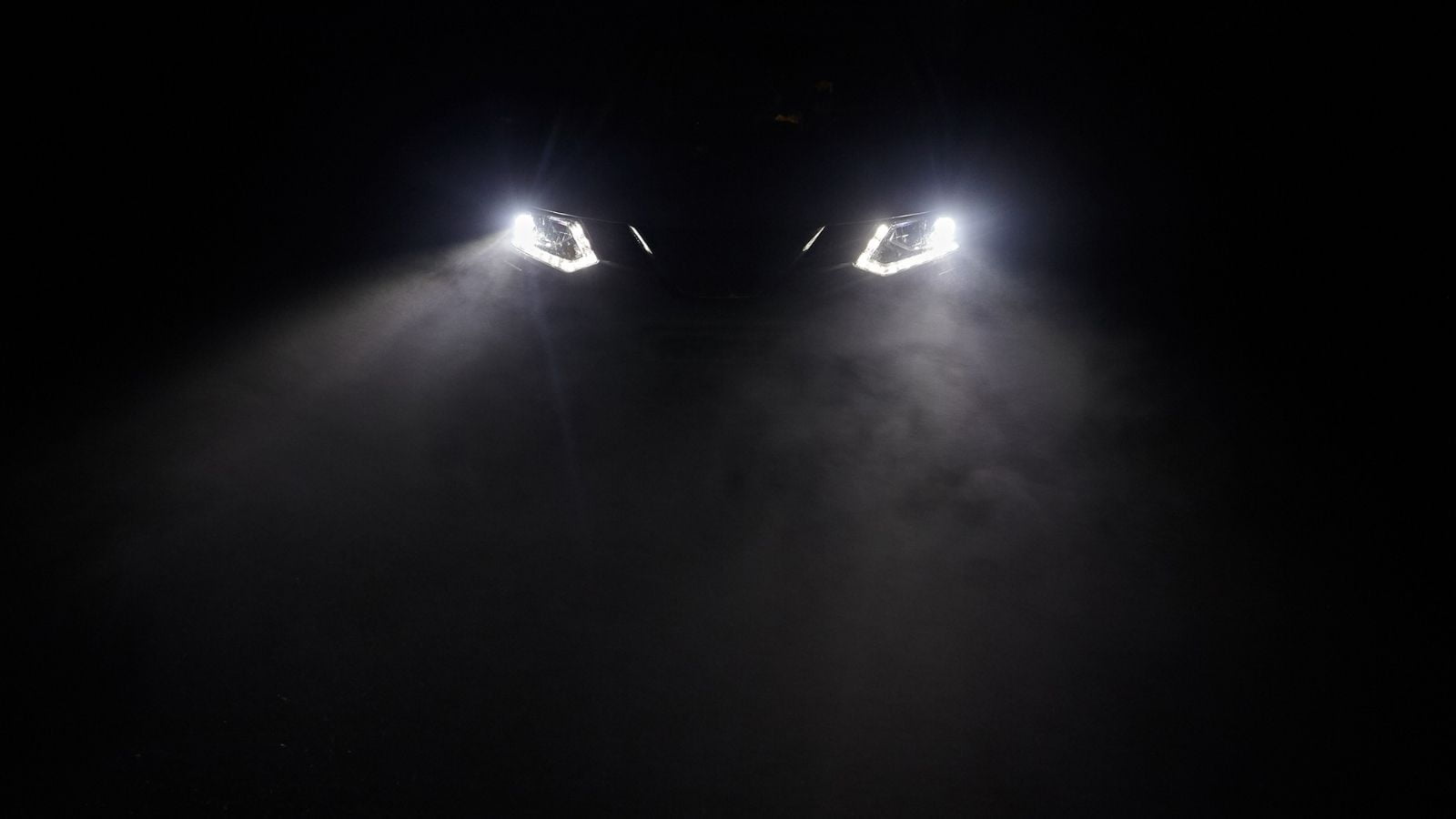
Modern headlights often produce a noticeably whiter appearance than the warmer yellowish light associated with traditional halogen bulbs. That difference is not purely cosmetic. Research into headlamp spectrum has found that greater short-wavelength content can increase perceived discomfort glare under nighttime conditions, even when the relationship between colour and actual visual disability is more complicated. In other words, a light can feel particularly harsh without its colour necessarily being the main reason vision becomes impaired.
The distinction helps explain why drivers frequently describe modern white headlights as unusually dazzling. Transport Research Laboratory’s 2025 work found that survey participants generally perceived whiter headlamps as especially problematic. Earlier SAE research likewise found that light spectrum affected discomfort ratings, while the amount of illumination reaching the eye remained the stronger influence on disability glare. Brightness and colour can therefore work together in perception. The intense, crisp white appearance of a modern lamp may make an already poorly positioned beam feel even more intrusive during an otherwise dark drive.
Taller Vehicles Change the Headlight Geometry
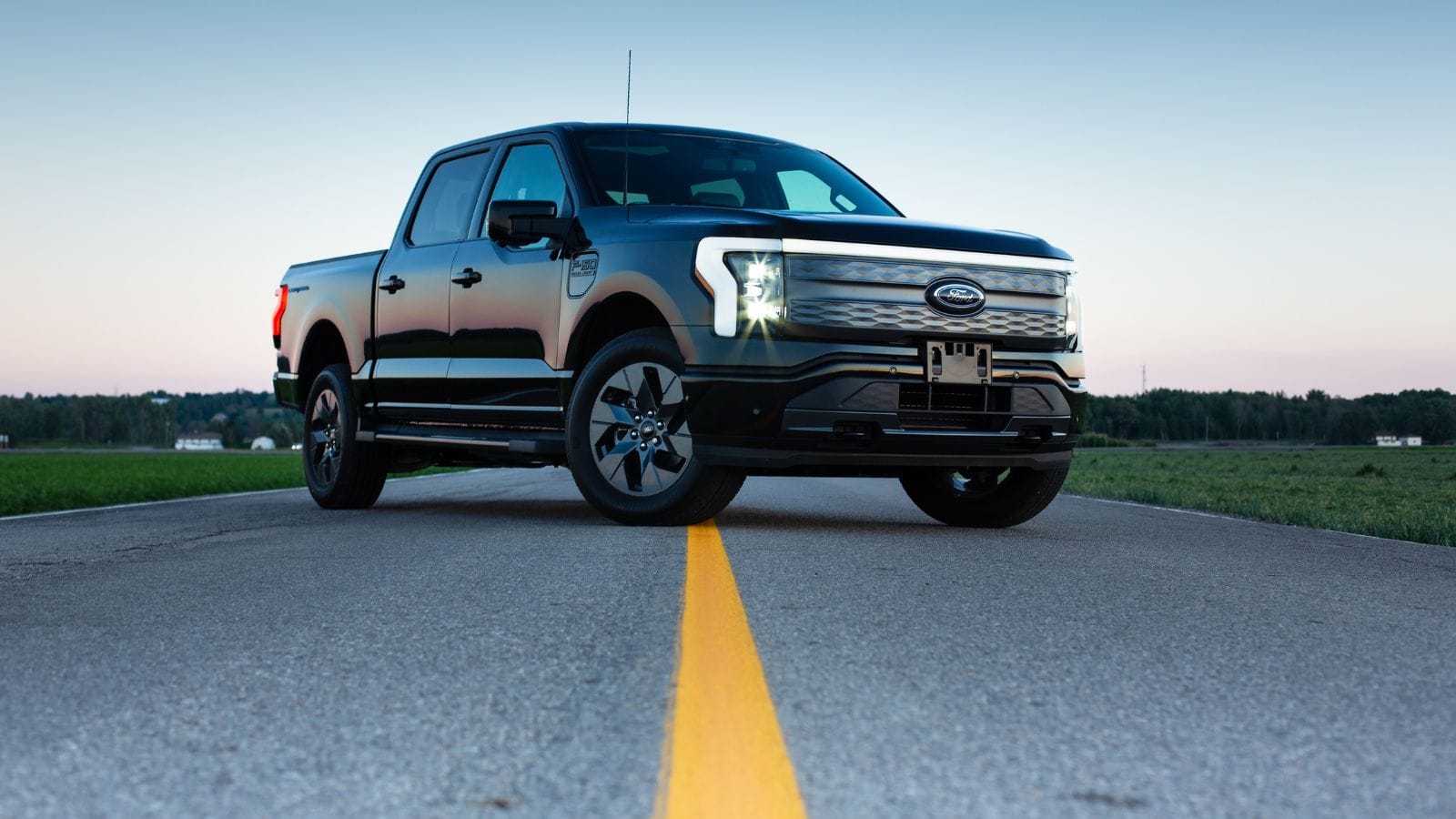
The growth of SUVs, pickups, and other high-riding vehicles has introduced another important ingredient: mounting height. A headlamp positioned farther above the pavement begins from a different geometric relationship to occupants of lower cars. When two vehicles meet on a level road, that can place the taller vehicle’s lighting closer to another driver’s eye line, particularly when beam aim, loading, or road slope is less than ideal.
NHTSA-sponsored research specifically examined headlamp mounting height and found a general tendency for glare to increase as mounting height increased. The study linked higher mounting positions with greater discomfort and reductions in visual performance under the conditions tested. Britain’s recent TRL research also identified larger and taller vehicles as a possible contributor, although investigators cautioned that more targeted work is needed to isolate vehicle-type effects. This helps explain a familiar experience: a lighting system that seems perfectly ordinary from behind the wheel of an SUV can appear dramatically more intense through the windshield or mirrors of a low sedan.
A Small Aiming Error Can Create a Big Glare Problem
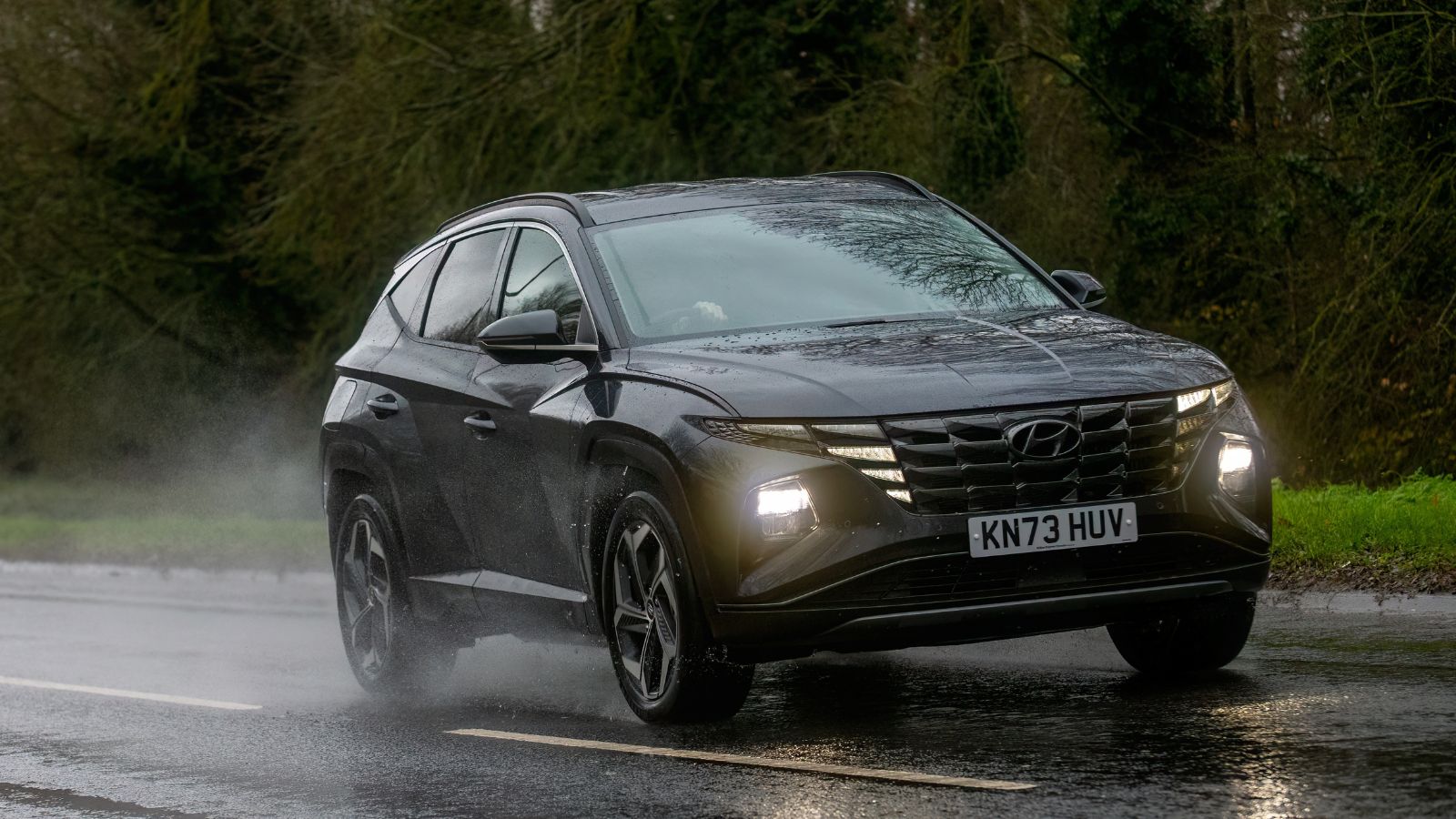
Low beams are supposed to place useful illumination on the roadway while limiting the amount directed into approaching drivers’ eyes. That balance depends heavily on aim. Move a beam upward, and light that was intended for pavement and roadside objects can suddenly enter the visual field of other motorists. Research into glare exposure has shown that even relatively modest upward misalignment can meaningfully increase recovery time under some headlamp conditions.
Proper aim is not guaranteed simply because a vehicle is new or its headlights appear intact. A NHTSA study measuring more than 100 in-use vehicles found that roughly 62 percent had at least one headlamp outside the aiming tolerances used in the research. About 30 percent of the small sample of new vehicles also had at least one mis-aimed lamp. Vehicle loading, repairs, suspension changes, replacement lamp assemblies, and adjustment can all alter beam orientation. That makes alignment one of the least glamorous but most important parts of the headlight-glare discussion—and one of the more practical problems to correct.
Hills and Bends Can Turn Normal Low Beams Into Glare
Headlights are generally regulated and tested against defined geometric conditions, but real roads refuse to remain perfectly level. Cars climb hills, crest rises, enter dips, lean through curves, accelerate, brake, and travel across uneven pavement. Every one of those movements changes the relationship between the beam and the eyes of nearby drivers. A low beam pointed safely below another motorist on flat pavement can temporarily point almost directly toward that motorist when the vehicles approach a crest.
Real-world research reinforces the effect. Transport Research Laboratory’s instrumented-road study found glare reports were associated with the test vehicle’s pitch and roll, as well as particular locations. Its accompanying guidance noted that glare was more likely around hills and bends where headlamp beams could catch another driver more directly. Earlier automotive-lighting research has also investigated automatic levelling because acceleration and braking alter vehicle pitch. This helps explain why drivers sometimes experience an intense burst of light even when the approaching vehicle does not appear to have its high beams activated.
Sharp Beam Cutoffs Can Produce a Flashing Effect
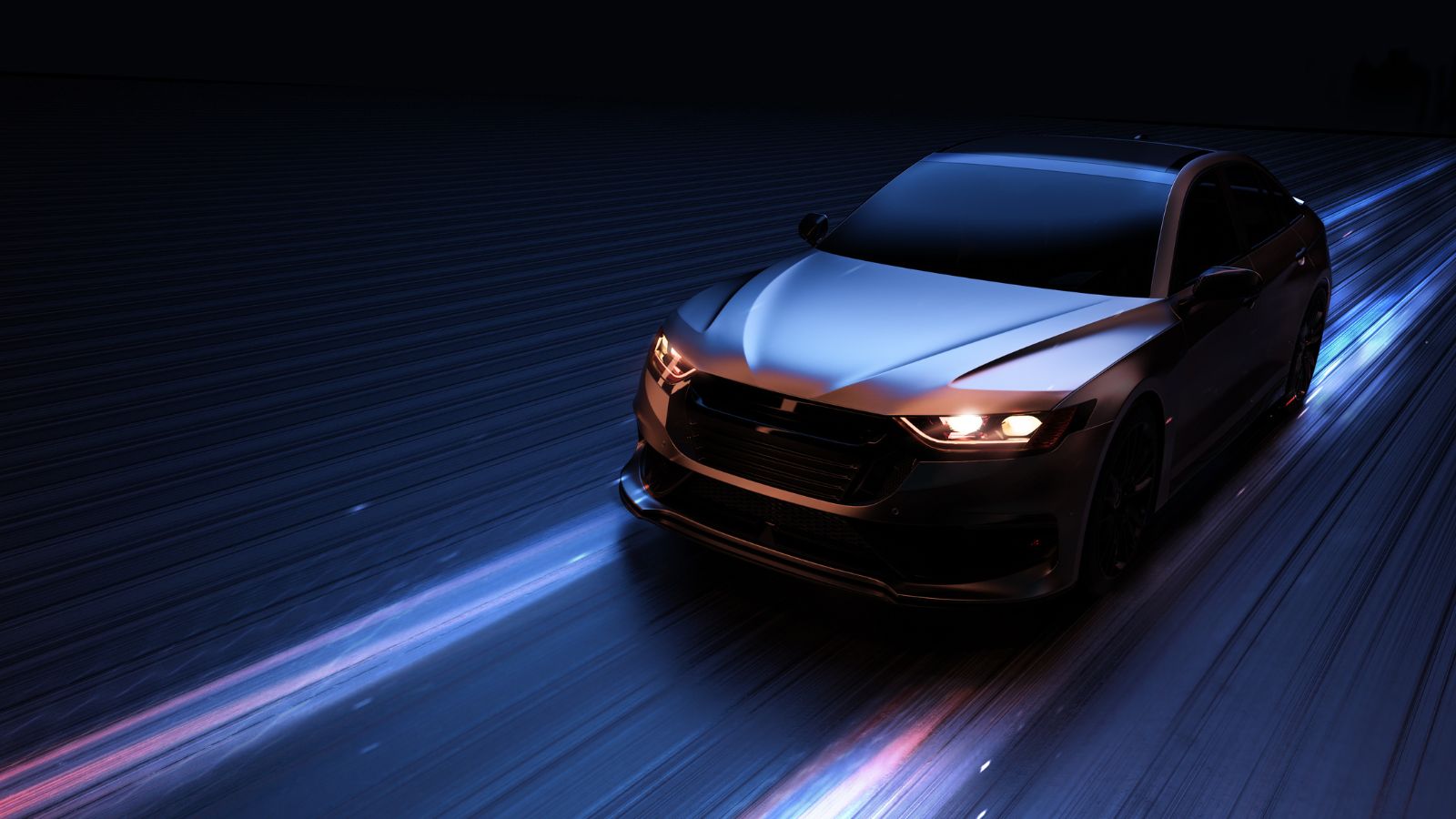
Modern projector headlights can create an impressively defined boundary between the brightly illuminated portion of the road and the darker area above it. That sharp cutoff is useful because it can place substantial light where the driver needs it while restricting illumination directed toward oncoming traffic. Yet the same precision creates another problem when vehicle movement repeatedly pushes the cutoff above and below another driver’s eye level.
Researchers have described how sharply defined beams can produce a flashing sensation on uneven roads as the vehicle pitches and the cutoff moves through an approaching driver’s field of view. NHTSA research has similarly warned that sharper cutoffs may produce large changes in the amount of light reaching other drivers when aim or road geometry varies. The result can resemble someone repeatedly flicking between brighter and dimmer illumination even though the lamp itself is operating normally. Modern optics can therefore control glare extremely well under the intended conditions while producing unusually noticeable bursts when real-world geometry moves the beam outside those conditions.
Aging Eyes Have a Harder Time Recovering From Glare
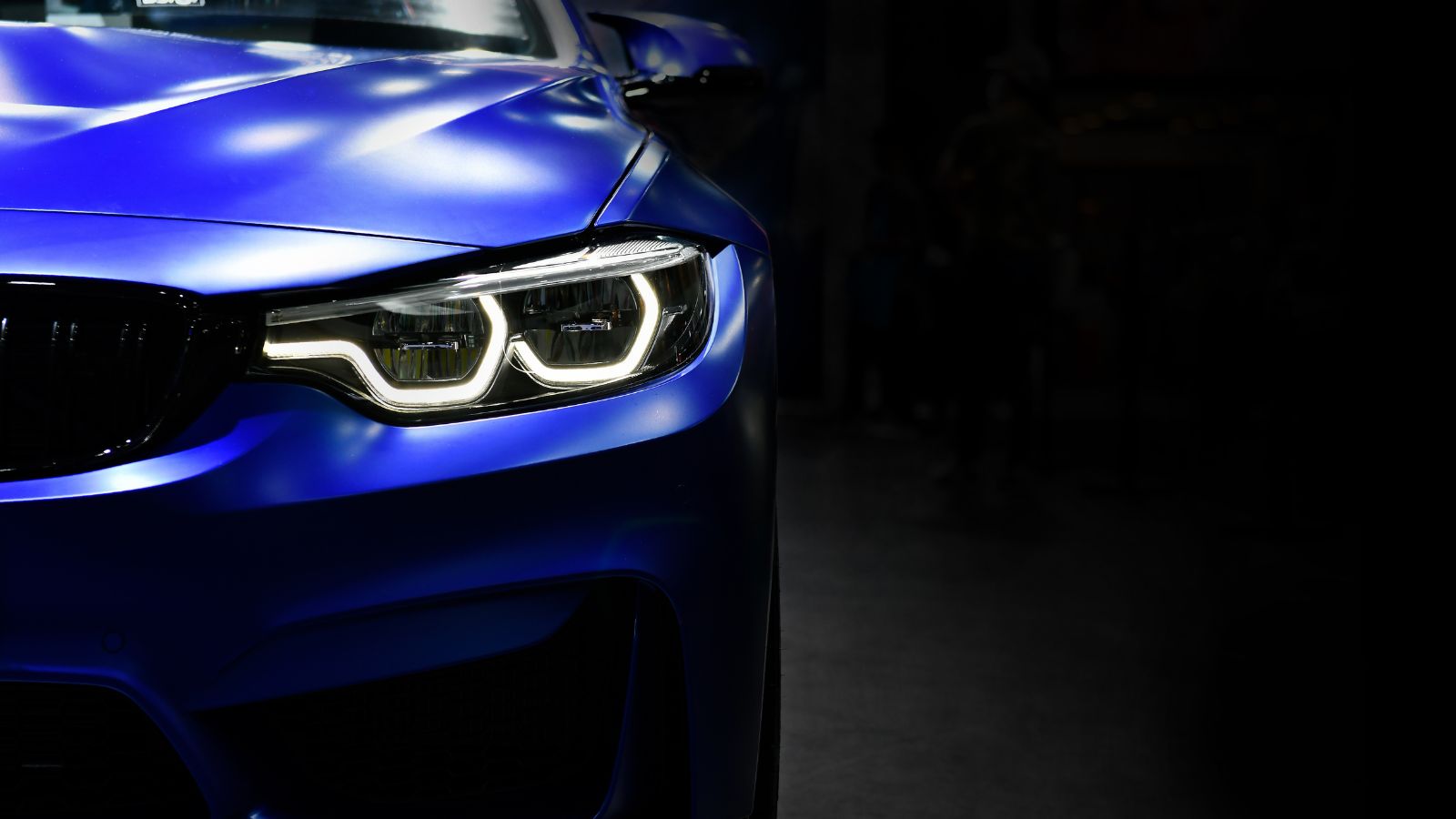
Headlight glare does not affect every pair of eyes equally. Aging changes how light behaves inside the eye, including increased scattering that can reduce contrast and make bright sources more disruptive. Research has shown that glare-recovery time tends to lengthen with age, while night vision and contrast sensitivity can decline even when conventional daytime visual-acuity results still appear relatively good.
The driving consequences can be significant. A 2017 closed-road study involving older drivers found intermittent glare reduced overall nighttime driving performance, while pedestrian detection fell 38 percent when glare was present. Separate research has documented increasing intraocular scatter and longer photostress recovery among older adults. That means an approaching headlamp may disappear from view after only a moment, yet its visual effect can linger while the vehicle continues moving through darkness. This is one reason headlight standards cannot be evaluated solely around what a young driver with excellent vision finds tolerable. An aging driving population makes glare control increasingly important even when every vehicle technically complies with lighting regulations.
Rain Adds Reflections to an Already Difficult Visual Scene
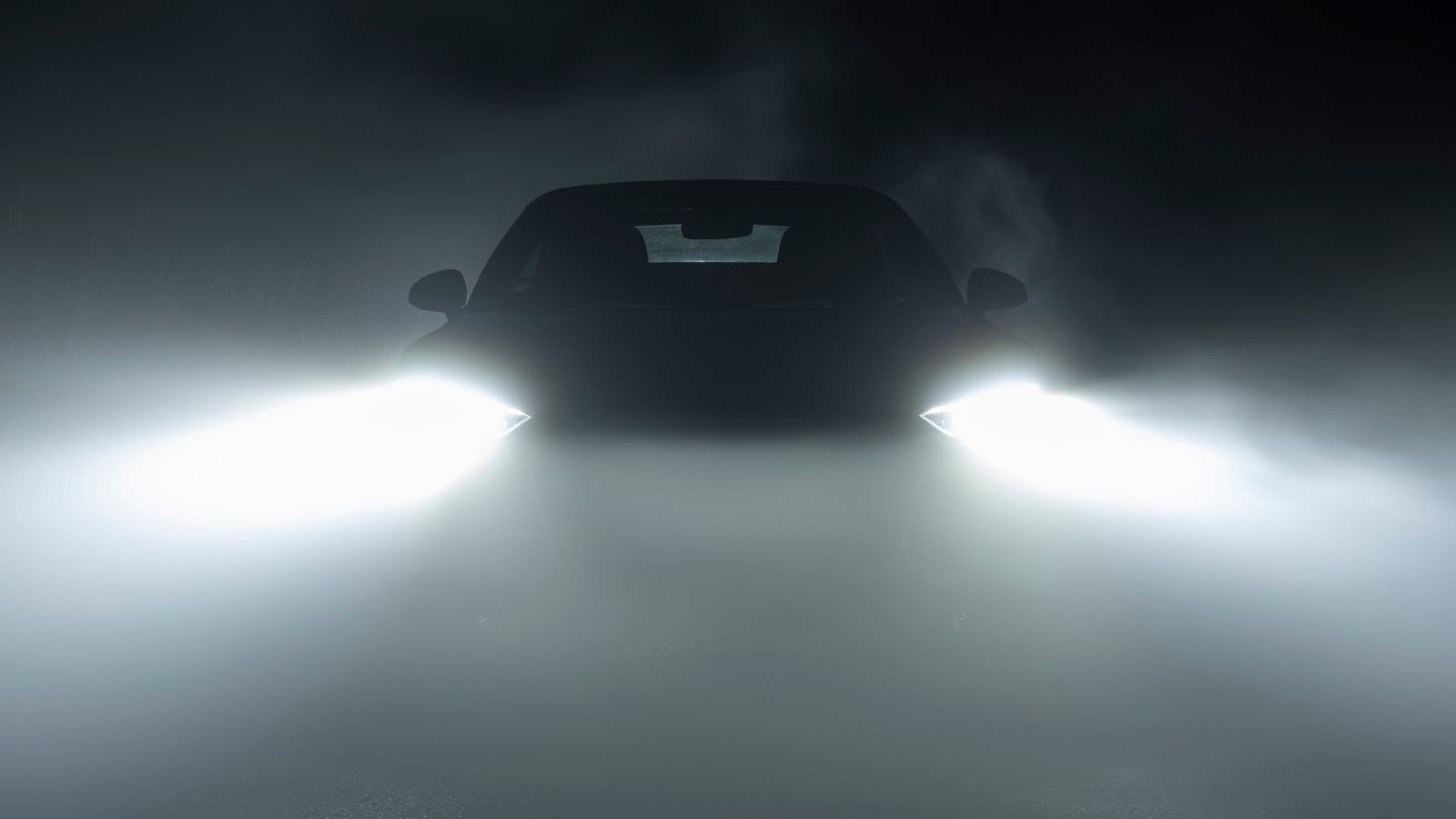
A rainy night combines several visibility problems at once. Water on the pavement changes how light is reflected, lane markings can become more difficult to distinguish, and headlights from approaching traffic can appear amid a field of reflections from the roadway, signs, storefronts, and other vehicles. The driver must separate useful information from visual clutter at precisely the time contrast is already reduced by darkness.
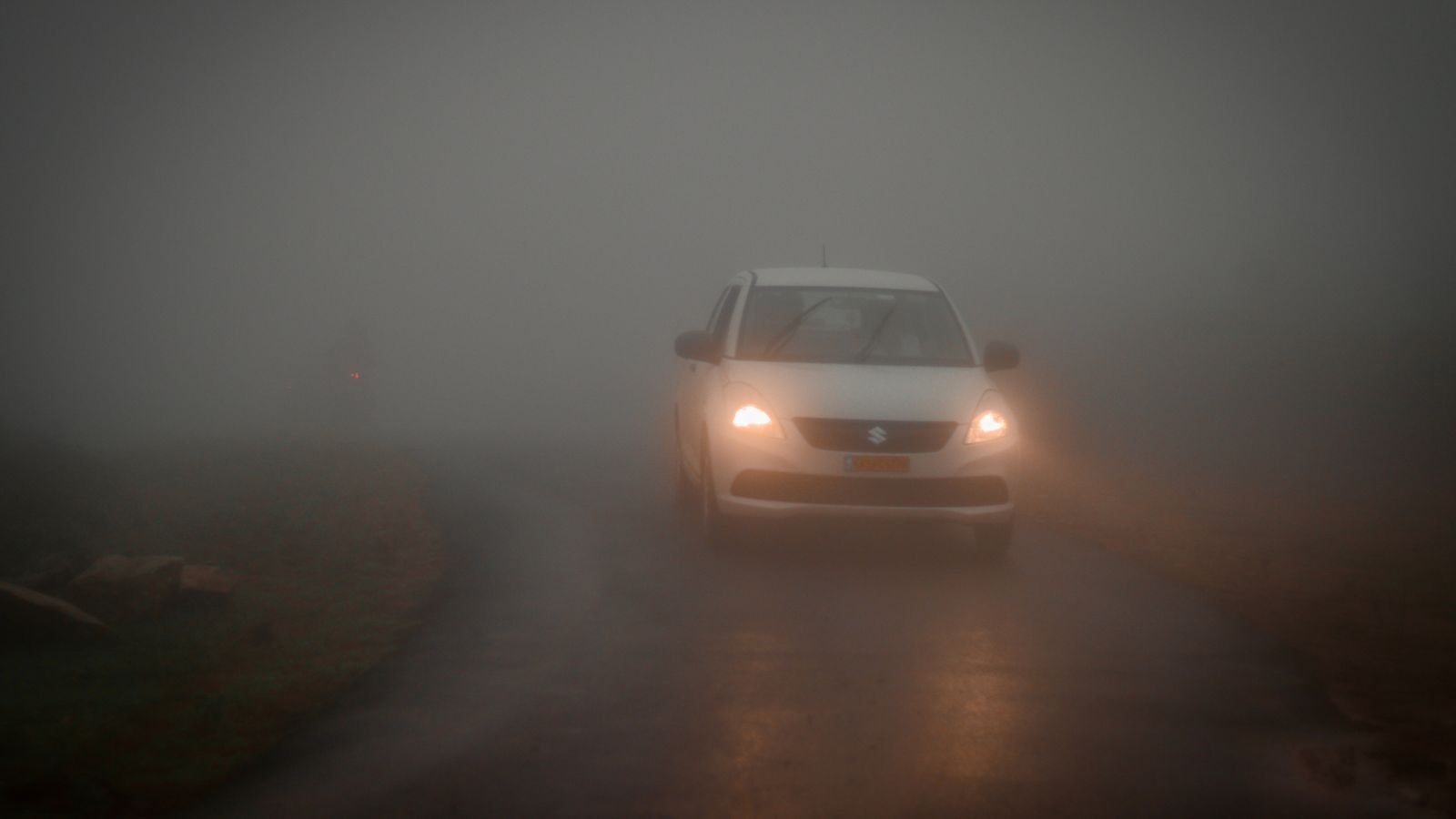
Federal Highway Administration guidance notes that wet weather reduces visibility of hazards and traffic-control devices and can diminish the effectiveness of retroreflective materials. FHWA research on pavement markings also explains that water can cause a road surface to behave more like a mirror, redirecting light and contributing to glare. Transport Canada consequently advises against using high beams in rain, fog, or snow because reflected light can make the road and obstacles more difficult to see. Bright headlights are therefore only part of the rainy-night problem. Wet surfaces create additional luminous distractions, making an uncomfortable oncoming beam harder to ignore and potentially masking pedestrians, lane edges, or other low-contrast hazards.
Aftermarket Bulb Swaps Can Destroy the Intended Beam Pattern
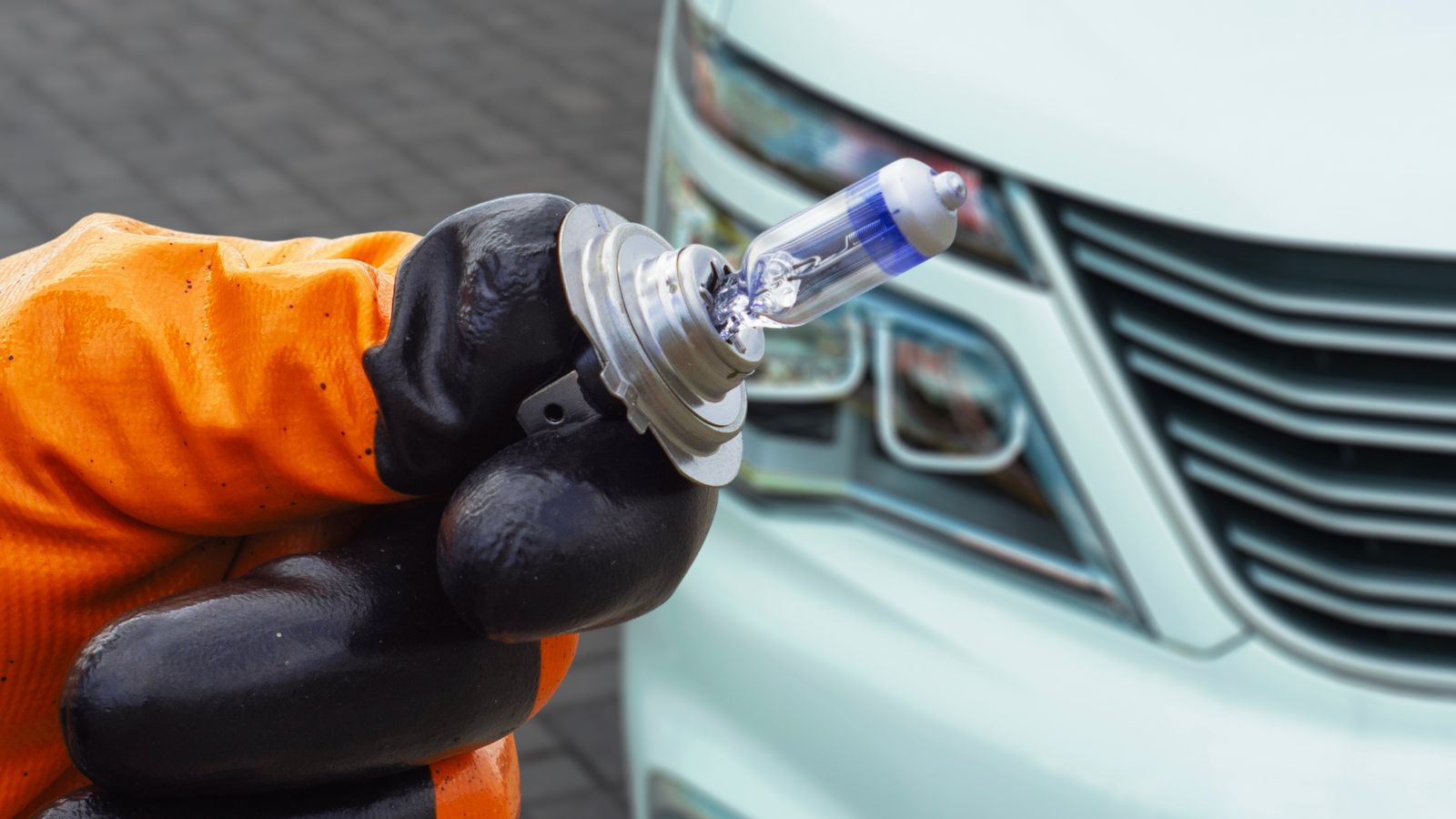
A headlamp housing is engineered around a particular light source positioned precisely relative to its reflector or projector. Replacing a halogen bulb with an aftermarket LED or HID source may appear to provide a simple brightness upgrade, but changing the shape and location of the light-emitting element can change where the optical system sends that light. The result may be more illumination in unwanted directions rather than genuinely better usable visibility.
Regulators have repeatedly warned about this problem. Britain’s Department for Transport explains that placing an HID source inside a housing designed around a halogen filament can produce glare in some parts of the beam while leaving too little light in others. NHTSA has similarly stated that LED replacement light sources not conforming to the requirements for replaceable-bulb headlamps can appear for sale even though they do not meet federal requirements. A conversion that looks dramatically brighter against a garage wall can therefore be a poor upgrade on the road, especially when optical control deteriorates.
Simply Making Every Headlight Dimmer Would Create Another Safety Problem
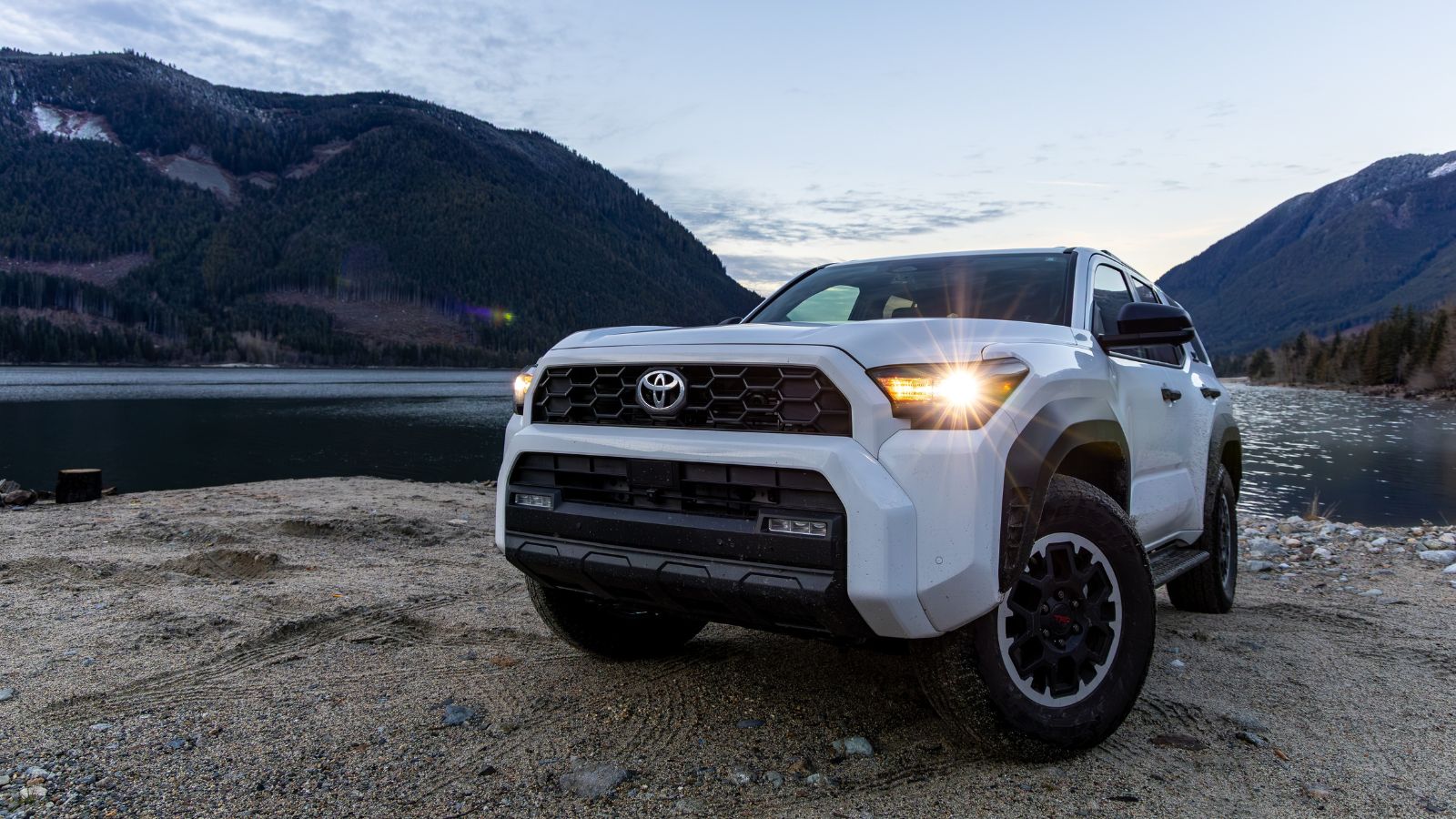
Glare gets most of the attention because it is immediately unpleasant, but weak headlights create their own danger. Drivers need enough forward illumination to identify pedestrians, animals, curves, debris, and other hazards early enough to react. IIHS research has found a measurable relationship between better headlight performance and lower nighttime crash rates, illustrating why reducing light output indiscriminately would solve one problem by strengthening another.
Vehicles with headlights rated “good” by IIHS have been associated with 19 percent fewer nighttime single-vehicle crashes and 23 percent fewer nighttime pedestrian crashes than vehicles with poor-rated systems. At the same time, IIHS’s 2026 analysis of police-reported data across 11 states found headlight glare recorded in only about 0.1 to 0.2 percent of nighttime crashes. Those figures should not be interpreted as proof that glare is insignificant; reporting may not capture every moment of discomfort or reduced visibility. They do show why lighting policy involves a difficult tradeoff: the goal is better-controlled light, not simply less light.
Adaptive Driving Beams Point Toward a Better Solution
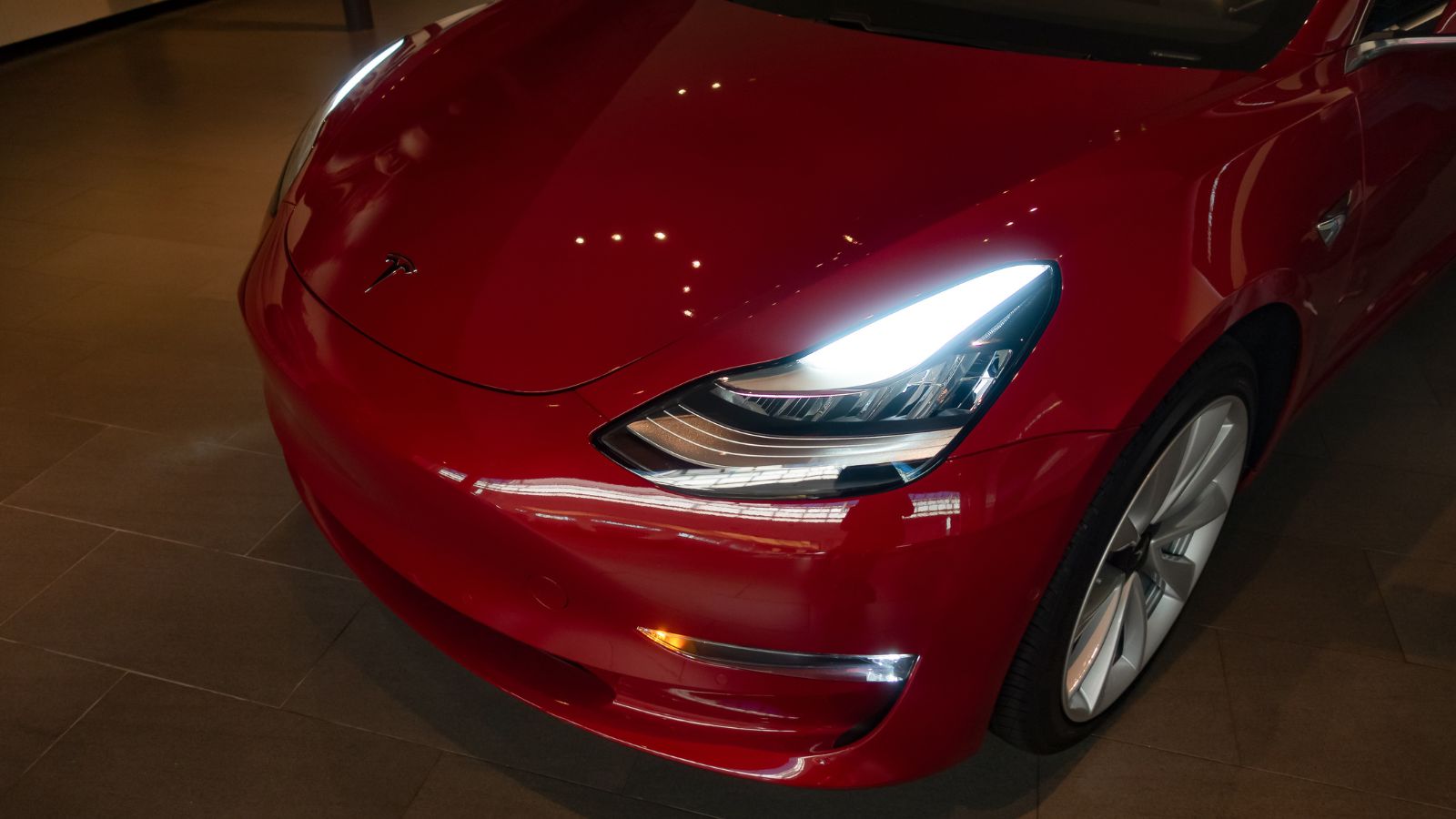
The most promising approach is to stop treating headlights as having only two choices: low beam or full high beam. Adaptive driving beam systems use cameras and electronically controlled lighting to maintain strong illumination in open portions of the road while reducing light directed toward detected vehicles. Rather than dimming everything, the system can effectively create a moving darker zone around another road user.
Transport Canada describes adaptive driving beams as capable of improving visibility for pedestrians and cyclists while reducing glare for nearby drivers. The technology is fundamentally different from automatic high beams, which simply switch the entire system between high and low settings. NHTSA changed U.S. regulations in 2022 to permit ADB systems, and Canadian standards also contain provisions for the technology. IIHS testing has shown encouraging glare performance from adaptive systems, although implementation and regulatory differences continue to affect availability. That may ultimately be the real solution to the headlight problem: not returning to dimmer technology, but becoming far more precise about where modern brightness is allowed to go.
19 Used Cars Canadians Should Avoid in 2026 (Based on Owner Complaints)

Buying a used car in Canada can feel safe until repair bills start stacking up. Owner complaints tell a different story than glossy listings. Transmission failures, electrical problems, and weak winter reliability show up again and again in consumer reports. Many of these issues appear after warranties expire, when owners least expect them. Some vehicles look affordable upfront, but become expensive to keep on the road. Others struggle in cold weather, urban driving, or long highway commutes. Here are 19 used cars Canadians should avoid in 2026 (based on owner complaints).
19 Used Cars Canadians Should Avoid in 2026 (Based on Owner Complaints)

Alanna Rosen is an experienced content writer that focuses on many EV and educational content. Her articles are regularly published on Get CyberTrucked and syndicated on large publications.