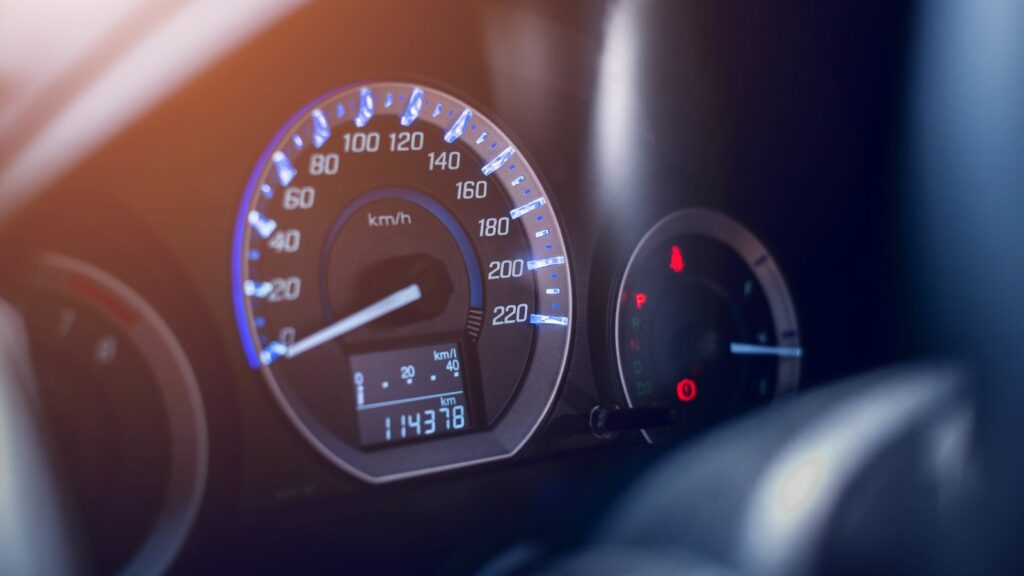
A vehicle can look like a solid financial choice on the day it leaves the dealership and still lose value much faster than expected. Depreciation is unavoidable, but the pace is shaped by far more than age alone. Canadian weather, kilometres driven, accident history, maintenance habits, regional demand and even changing technology can influence what a vehicle is worth when it returns to the used market.
Canadian Black Book valuation data reflects how dramatically retained value can differ across vehicles and market segments, while vehicle-history specialists track how individual ownership histories change pricing. These 22 factors can accelerate vehicle depreciation in Canada, ranging from preventable wear and neglected maintenance to larger forces such as changing consumer preferences and shifts in the electric-vehicle market.
Choosing a Model With Weak Residual Value

Depreciation begins with the vehicle itself. Two new vehicles carrying similar sticker prices can be worth dramatically different amounts four years later because the Canadian used market does not value every brand, body style or model equally. Canadian Black Book specifically analyzes historical depreciation, brand strength, market conditions and supply-and-demand dynamics when forecasting residual values. That means resale performance is partly determined before the first owner has accumulated a single kilometre.
This is why seemingly similar vehicles can produce very different ownership costs. A model with a large and loyal pool of second-hand buyers generally has more pricing support than one competing in a shrinking or crowded segment. Canadian Black Book’s 2026 residual-value awards covered 20 categories, illustrating how retention varies among cars, SUVs, trucks, luxury vehicles and electrified models. An attractive purchase discount can soften the initial price, but it cannot necessarily compensate for years of weak demand when the vehicle eventually reaches the used market.
Putting Kilometres on Faster Than the Market Expects
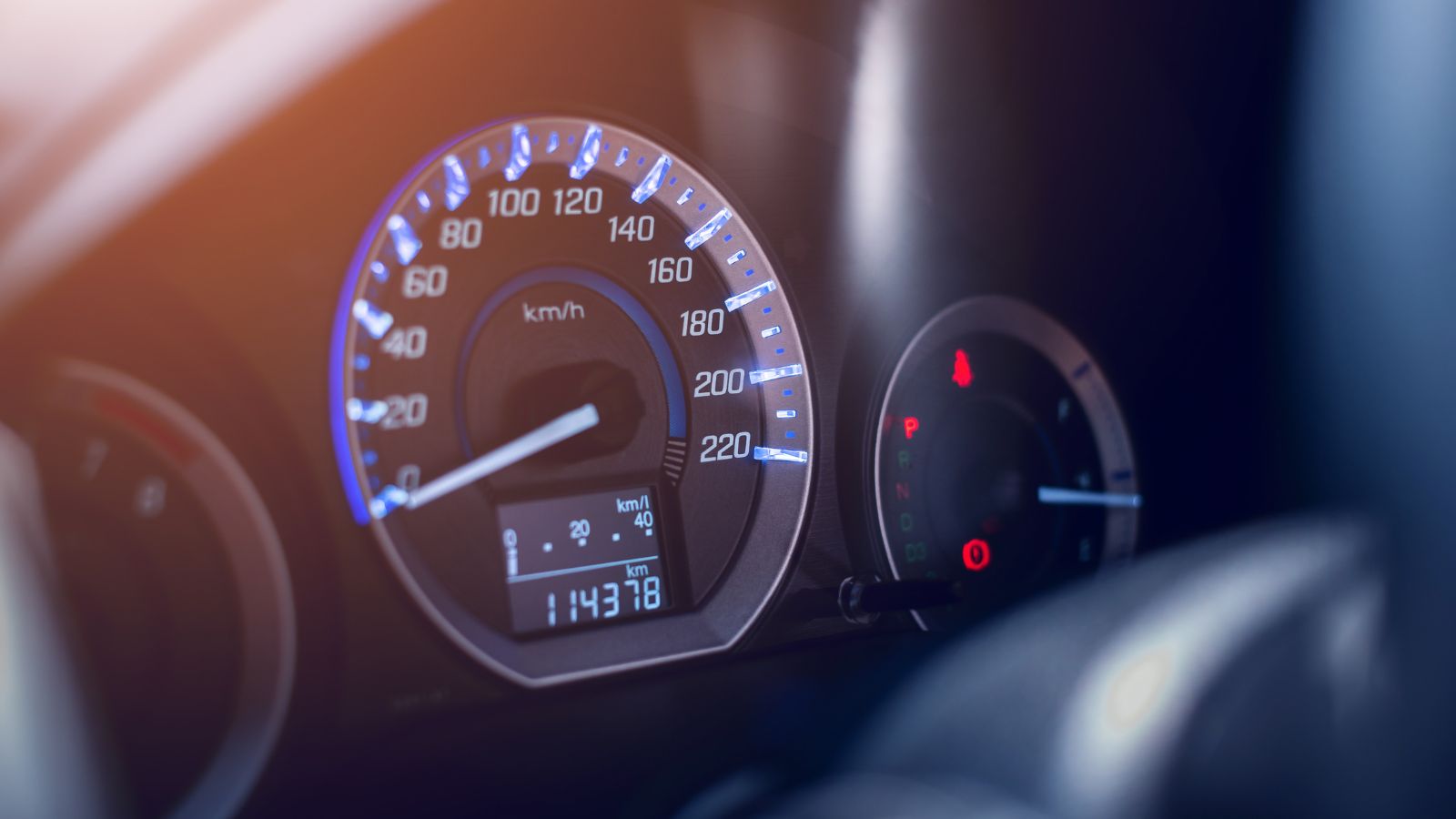
Mileage remains one of the simplest signals used-car buyers understand. A four-year-old vehicle with 60,000 kilometres generally tells a different story from an otherwise identical example showing 140,000. CARFAX Canada explicitly includes odometer readings in its History-Based Value calculations, while Canadian Black Book adjusts its national retention index for mileage alongside age and condition.
Heavy commuting can therefore accelerate depreciation even when the vehicle is impeccably maintained. A driver travelling 30,000 or 40,000 kilometres annually may reach expensive maintenance milestones years earlier than a lower-mileage owner. Buyers understand that tires, suspension components, wheel bearings and other wear items accumulate kilometres regardless of how carefully the vehicle was driven. High mileage does not automatically make a car undesirable, particularly when records are excellent, but it normally reduces the number of buyers willing to pay top-of-market pricing. The odometer effectively becomes a running financial meter as well as a record of distance travelled.
Having an Accident on the Vehicle’s History
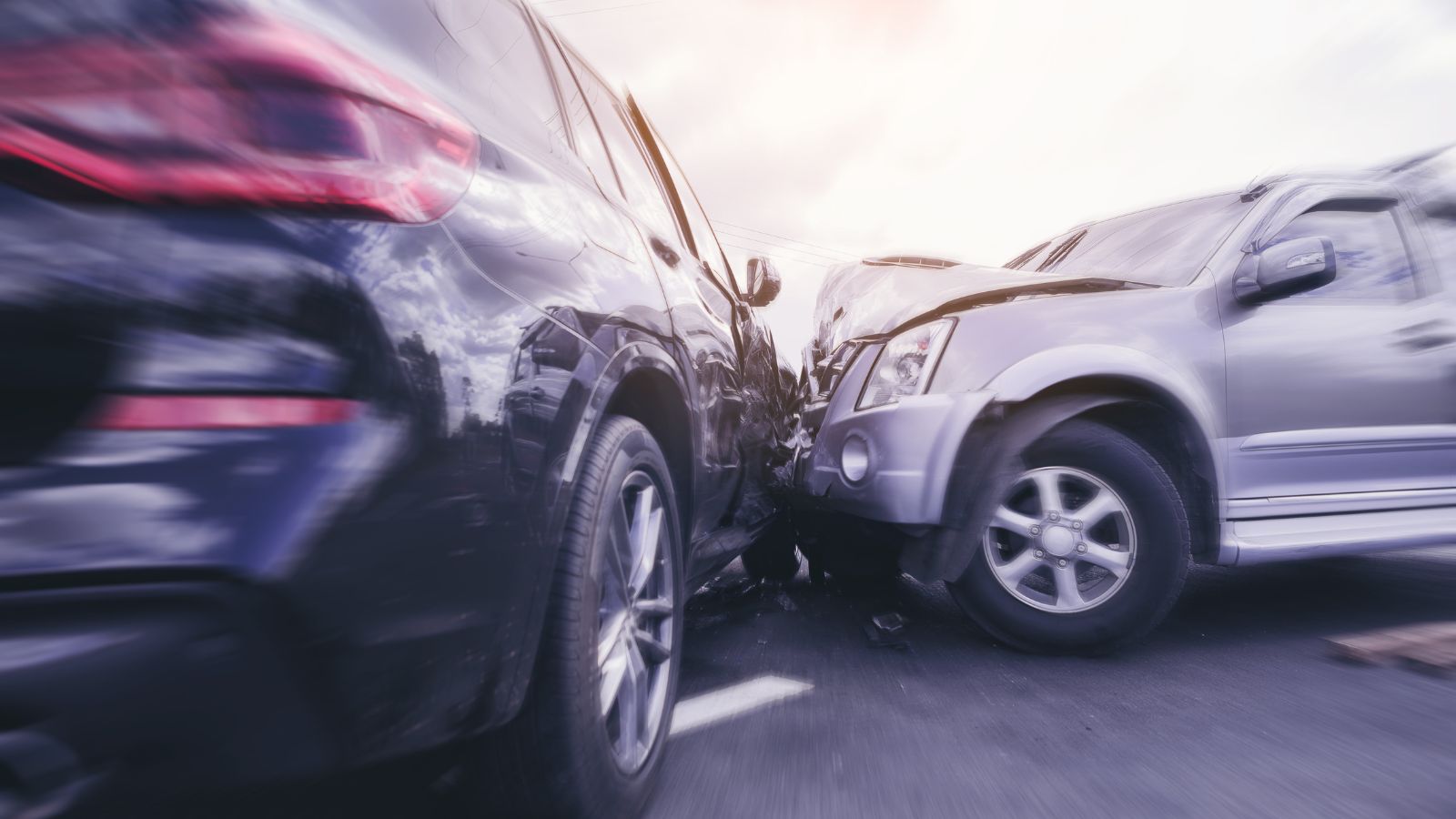
A repaired collision can remain financially relevant long after the bodywork looks perfect. CARFAX Canada says accident and damage history has a direct effect on a used vehicle’s market value, and its valuation system distinguishes vehicles with previous damage from comparable examples without recorded repairs. Severity matters: minor cosmetic damage generally has less influence than structural damage, airbag deployment, flooding or a major collision.
The effect is often most noticeable when several nearly identical vehicles are available. A shopper comparing two three-year-old crossovers with similar mileage may naturally favour the accident-free example unless the repaired one comes with a meaningful price reduction. Multiple incidents can create an even larger disadvantage because buyers may wonder how much cumulative repair work has occurred. None of this means a professionally repaired vehicle is necessarily unsafe or a bad purchase. It simply means the history becomes part of its economic identity, and sellers may need to accept a lower resale price to compensate future buyers for perceived uncertainty.
Having Collision Repairs That Are Poorly Documented
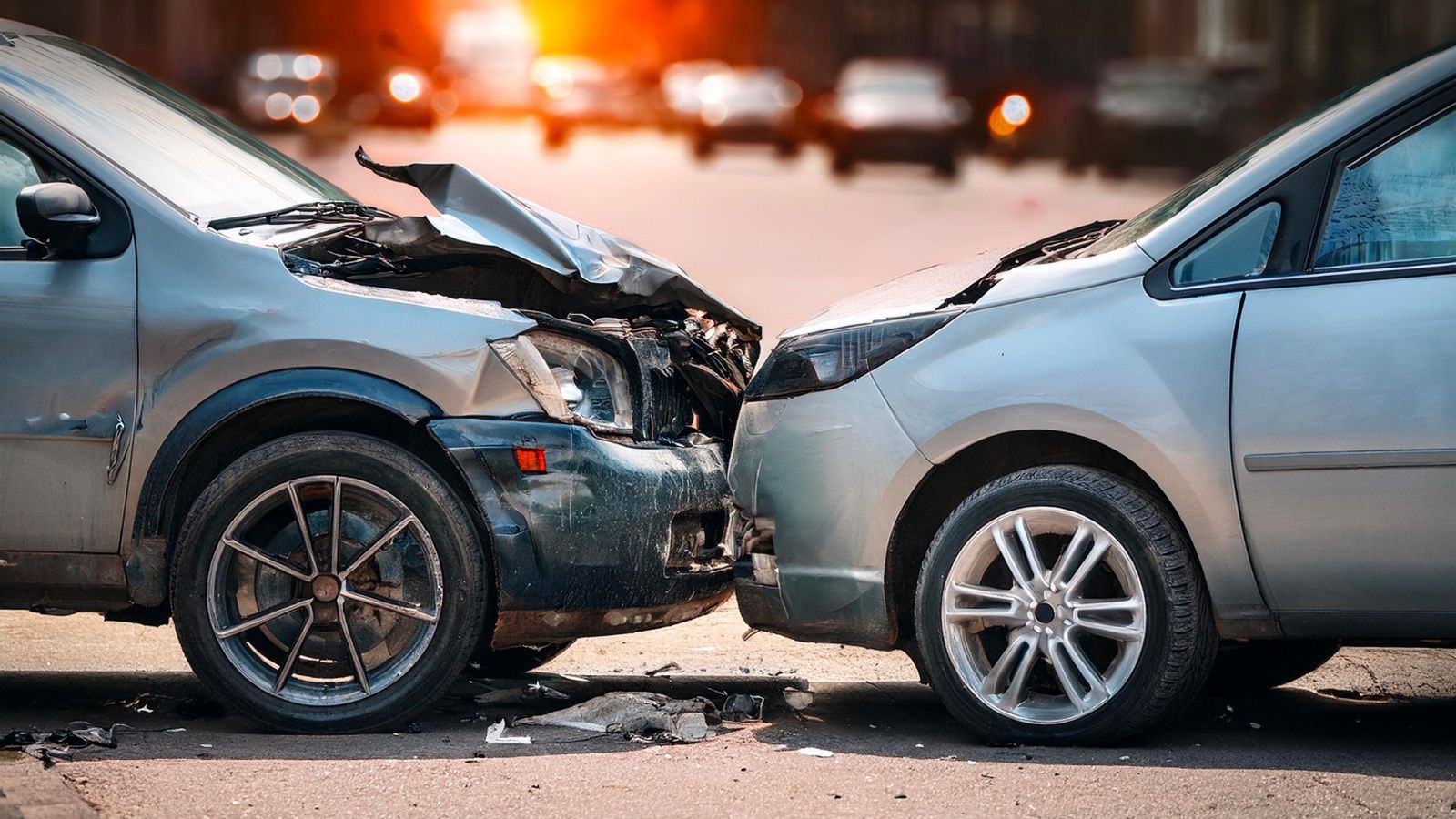
The accident itself is only part of the equation. CARFAX Canada notes that repair quality and documentation can influence the effect damage has on market value. Proper repairs performed by a reputable or certified facility, supported by invoices and documentation, can provide considerably more reassurance than vague explanations about work completed years earlier.
Imagine two vehicles with identical $8,000 collision records. One owner produces photographs, insurance paperwork and invoices showing professional repairs. The other can offer little more than an assurance that everything was “fixed.” A used-car buyer or dealership appraiser has substantially more uncertainty in the second situation. Questions about frame alignment, replacement parts, paint quality and hidden damage can translate directly into a more conservative offer. Serious structural or flood damage carries even greater concern. Repairing a vehicle properly is therefore only half the resale-value equation. Preserving evidence of how that repair was completed can matter almost as much when the vehicle changes hands several years later.
Skipping Routine Maintenance
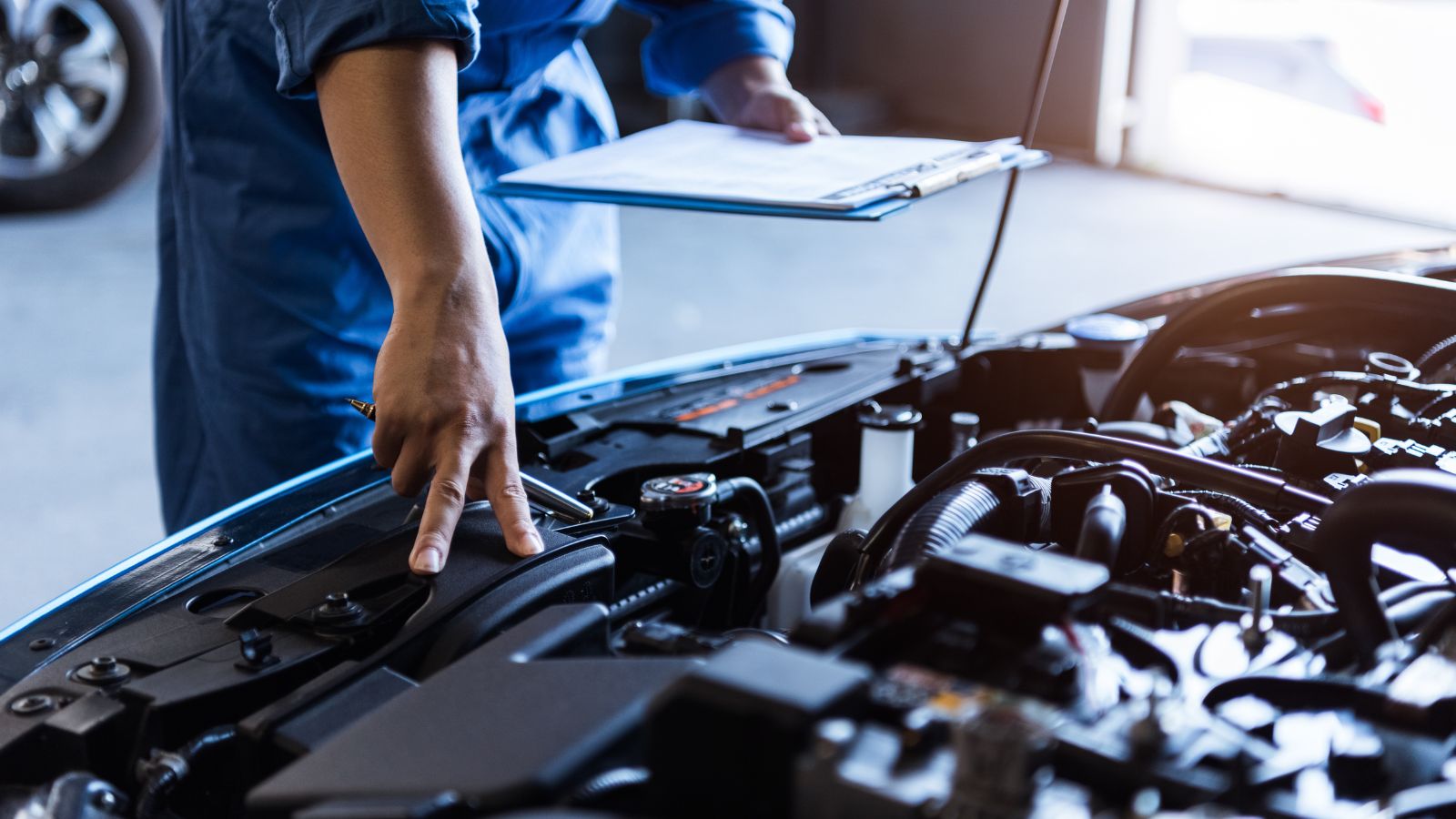
Deferred maintenance can save money temporarily and cost considerably more when the vehicle is sold. CARFAX Canada says regular servicing can support used-vehicle value because it reassures buyers that the vehicle has been properly cared for. Oil changes, brake inspections, tire rotations and other scheduled work are more than operating expenses; collectively, they help establish the condition buyers expect from a well-maintained vehicle.
The depreciation penalty can become particularly visible when skipped maintenance creates secondary problems. Neglected oil service may raise concerns about engine wear, while ignored alignment problems can destroy tires prematurely. Delayed fluid changes can also leave buyers wondering whether expensive driveline components have received appropriate care. A vehicle does not need to look neglected to create concern. An inspection showing dirty fluids, worn components or overdue service can quickly alter negotiations. Dealers face the same calculation because anything they must repair or service before resale becomes a reconditioning expense that can be deducted from a trade-in offer.
Losing the Service Records

A properly maintained vehicle and a vehicle that can prove it was properly maintained are not always worth exactly the same amount. CARFAX Canada uses service history as an input in its History-Based Value system and encourages owners to preserve maintenance documentation. Its guidance says service records can demonstrate that recommended intervals were followed and provide potential buyers with additional confidence.
That becomes especially important once a vehicle is several years old or has accumulated substantial mileage. A 120,000-kilometre car accompanied by years of invoices for oil changes, transmission servicing, brakes and other scheduled work gives buyers something concrete to assess. The same car with no records forces them to make assumptions. Missing information does not prove neglect—some repair facilities do not report service information to vehicle-history databases—but uncertainty often works against the seller. Keeping receipts, digital service records and major repair invoices can therefore protect more than warranty claims. They help preserve the story behind the odometer.
Letting Canadian Road Salt Turn Into Corrosion
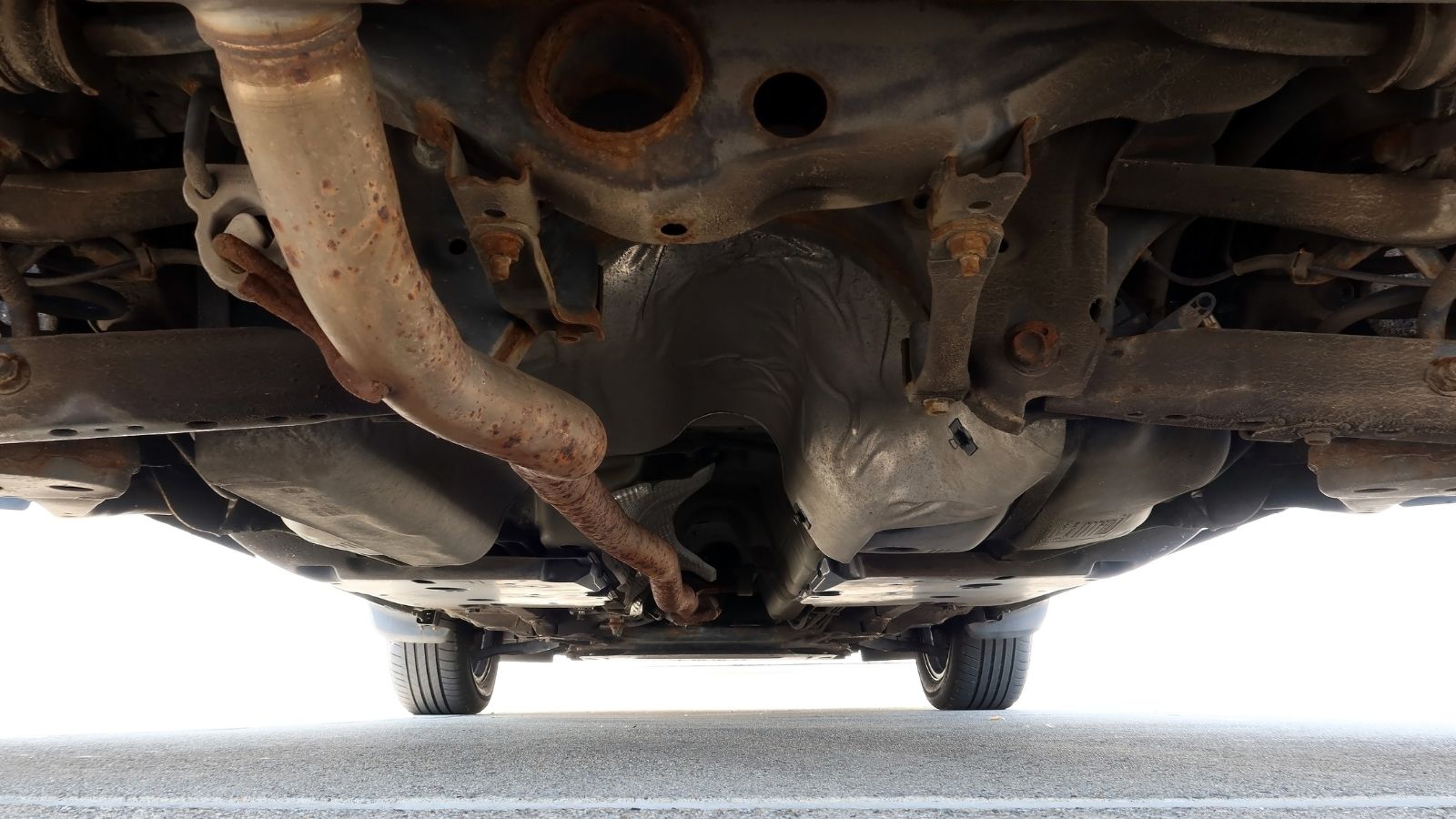
Canadian winters can attack a vehicle long after the snow disappears. Environment and Climate Change Canada confirms that road salts are widely used for winter de-icing and anti-icing, while Quebec’s SAAQ warns that salt-based products, moisture and winter conditions encourage corrosion. The Automobile Protection Association notes that vehicles in high-salt regions of central and eastern Canada can begin experiencing body and mechanical deterioration as they age.
Rust matters because it can move from an appearance problem to a structural and mechanical one. Door bottoms and fenders may blister first, but corrosion can also affect brake lines, fuel lines, electrical connections and underbody components. The APA says deterioration around the seventh or eighth year can contribute to higher repair costs or reduced resale value. Regular washing—particularly underneath the vehicle—and appropriate rust protection can slow the process. A ten-year-old vehicle with clean body seams and a solid undercarriage can present very differently from an identical model showing visible corrosion around structural mounting points.
Accumulating Dents, Scratches and Paint Damage
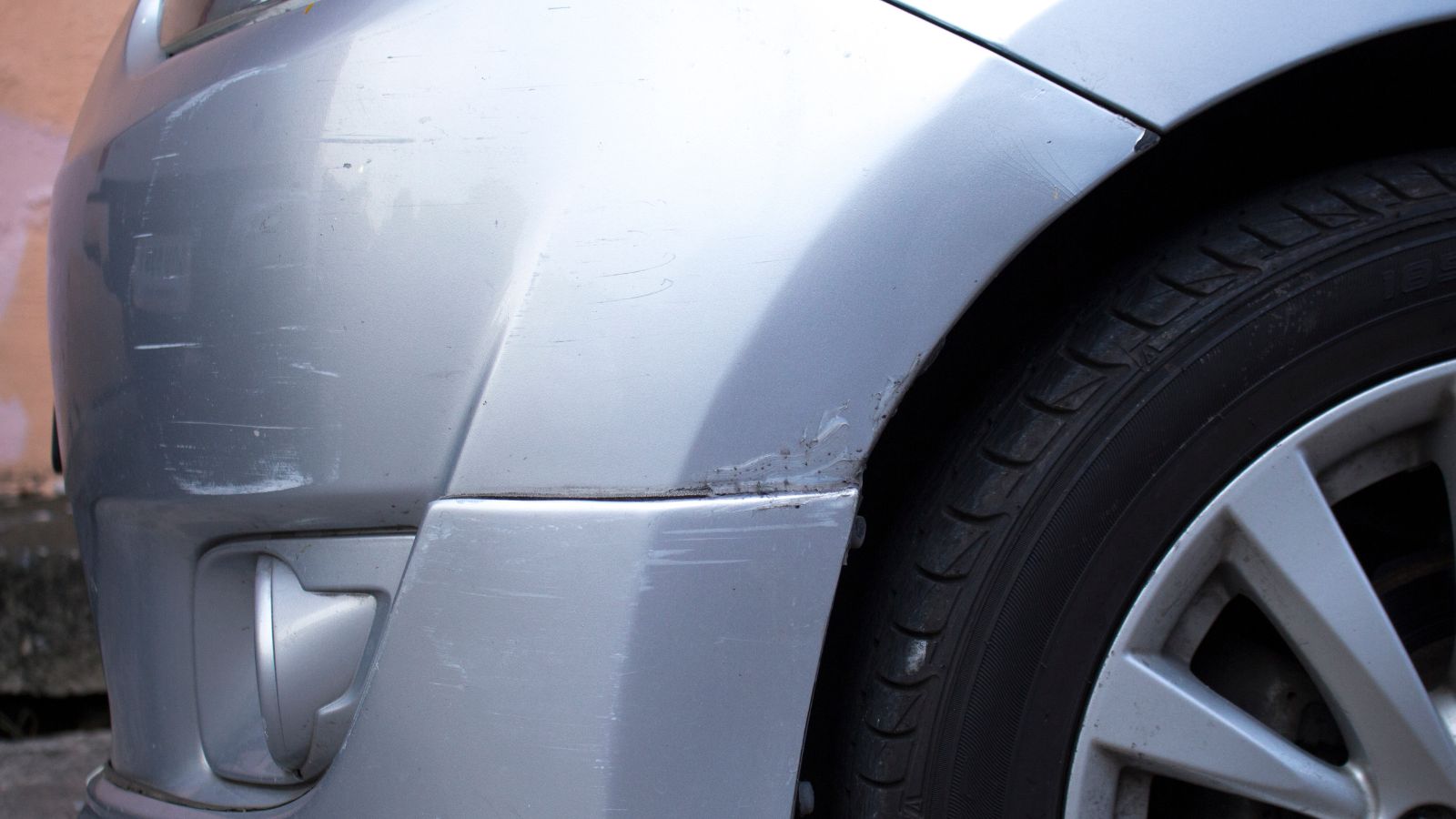
Small cosmetic defects rarely destroy a vehicle’s value individually, but years of them can create an expensive first impression. AutoTrader Canada notes that rust, scratches, stone chips and other body damage reduce vehicle value. Dealers also consider the amount of exterior reconditioning needed before a trade can be placed on a retail lot.
This is where ordinary Canadian driving conditions gradually become visible. Parking-lot door dents, chipped bumper paint, highway stone damage and scratches around loading areas can make a mechanically excellent vehicle appear older than its odometer suggests. Paint chips can become more serious when bare metal is exposed and corrosion begins underneath. The difference becomes obvious when two otherwise comparable vehicles are parked beside one another: buyers generally expect the rougher one to cost less. Regular washing, timely chip repair and inexpensive paintless dent removal cannot eliminate depreciation, but they can prevent relatively minor flaws from accumulating into a sizable resale disadvantage.
Allowing the Interior to Become Permanently Worn or Smelly
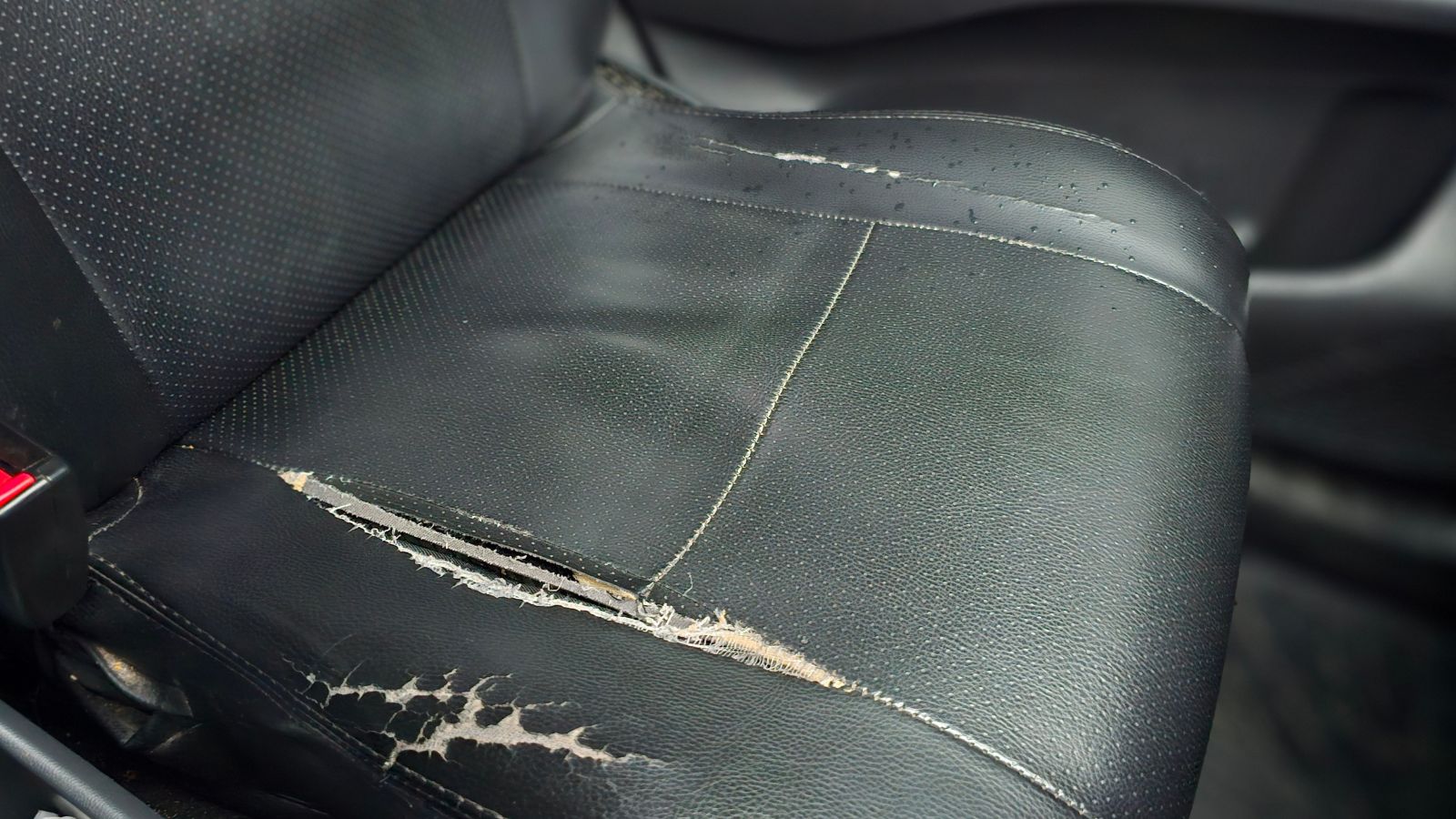
The cabin can reveal years of ownership within seconds. CARFAX Canada’s selling guidance specifically warns that lingering odours can turn off prospective buyers, and its used-car advice lists smoking history and interior condition among factors that can influence value. Stained upholstery, damaged trim, torn leather, burned surfaces and persistent smells can shrink the audience willing to consider a vehicle.
Smoke is particularly challenging because the smell can become embedded in carpets, headliners and ventilation systems. Strong pet or moisture odours may produce similar hesitation. A buyer may reasonably assume professional detailing or replacement trim will be needed and adjust an offer accordingly. Family vehicles face another familiar challenge: years of spilled drinks, child-seat impressions, scratched door panels and cargo damage can make a relatively young SUV look much older. Routine cleaning may seem disconnected from depreciation while the vehicle is new, but preserving the cabin helps preserve the impression that the entire vehicle has been cared for.
Wearing Out Tires and Brakes Before Selling
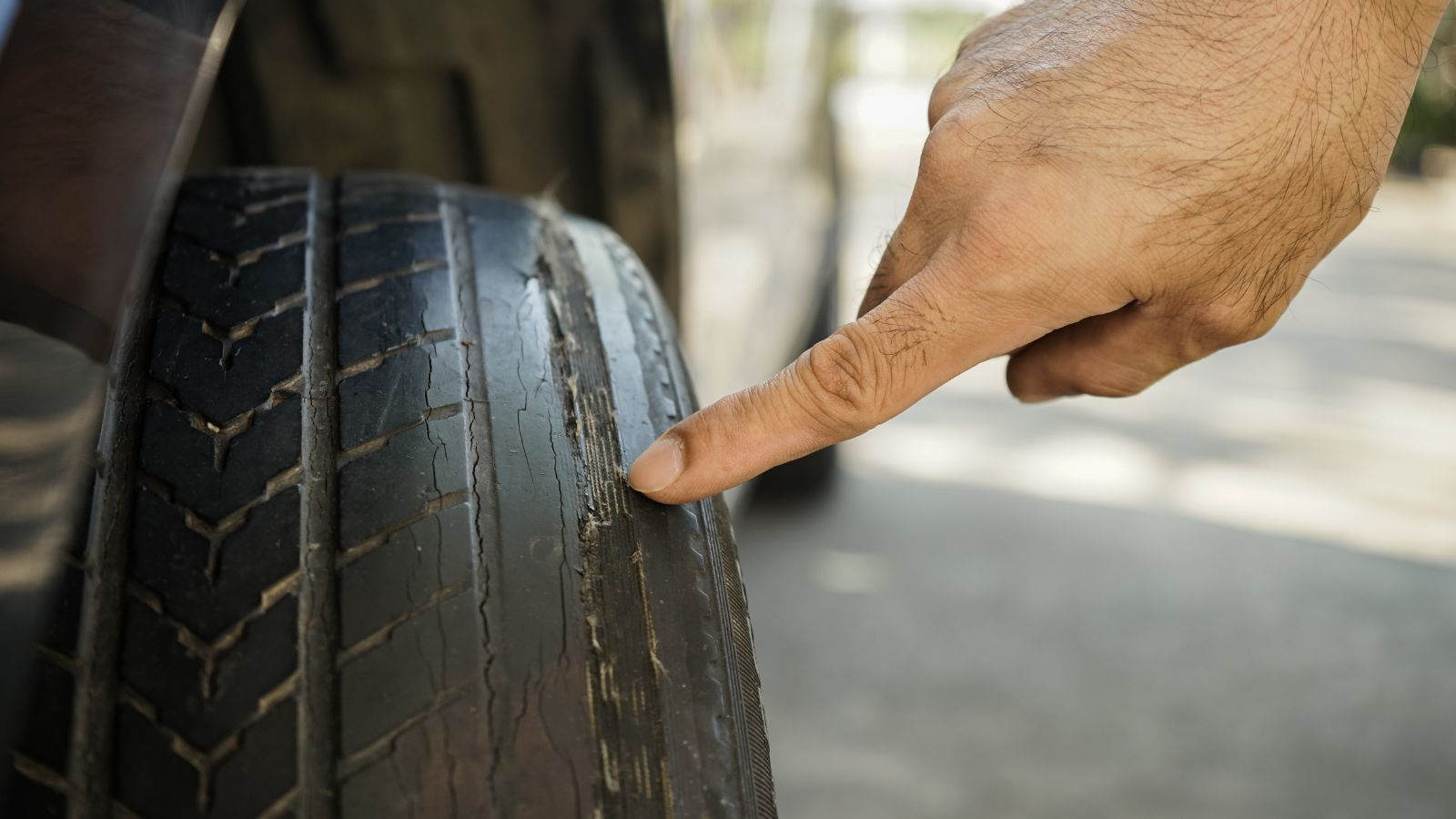
Consumable parts have real value when a vehicle changes hands. AutoTrader Canada specifically notes that vehicles needing tires, brakes or body repairs are generally worth less than comparable examples that do not require those expenses. A dealership evaluating a trade has to consider what it will spend making that vehicle sale-ready, while a private buyer often performs the same calculation mentally.
Four quality tires can represent a substantial bill, particularly on crossovers, luxury vehicles and pickups with large wheels. Brakes can add another sizeable expense. If an inspection reveals both are nearly finished, the buyer effectively inherits thousands of dollars in near-term maintenance. That can become negotiating leverage even when the engine and transmission are perfectly healthy. Conversely, invoices showing recently installed tires, brakes or a battery can help reassure a purchaser. Owners do not necessarily recover every dollar spent on replacement parts, but selling a vehicle just as several expensive wear items reach the end of their lives can accelerate the effective depreciation experienced at trade-in.
Ignoring Mechanical Problems and Warning Lights
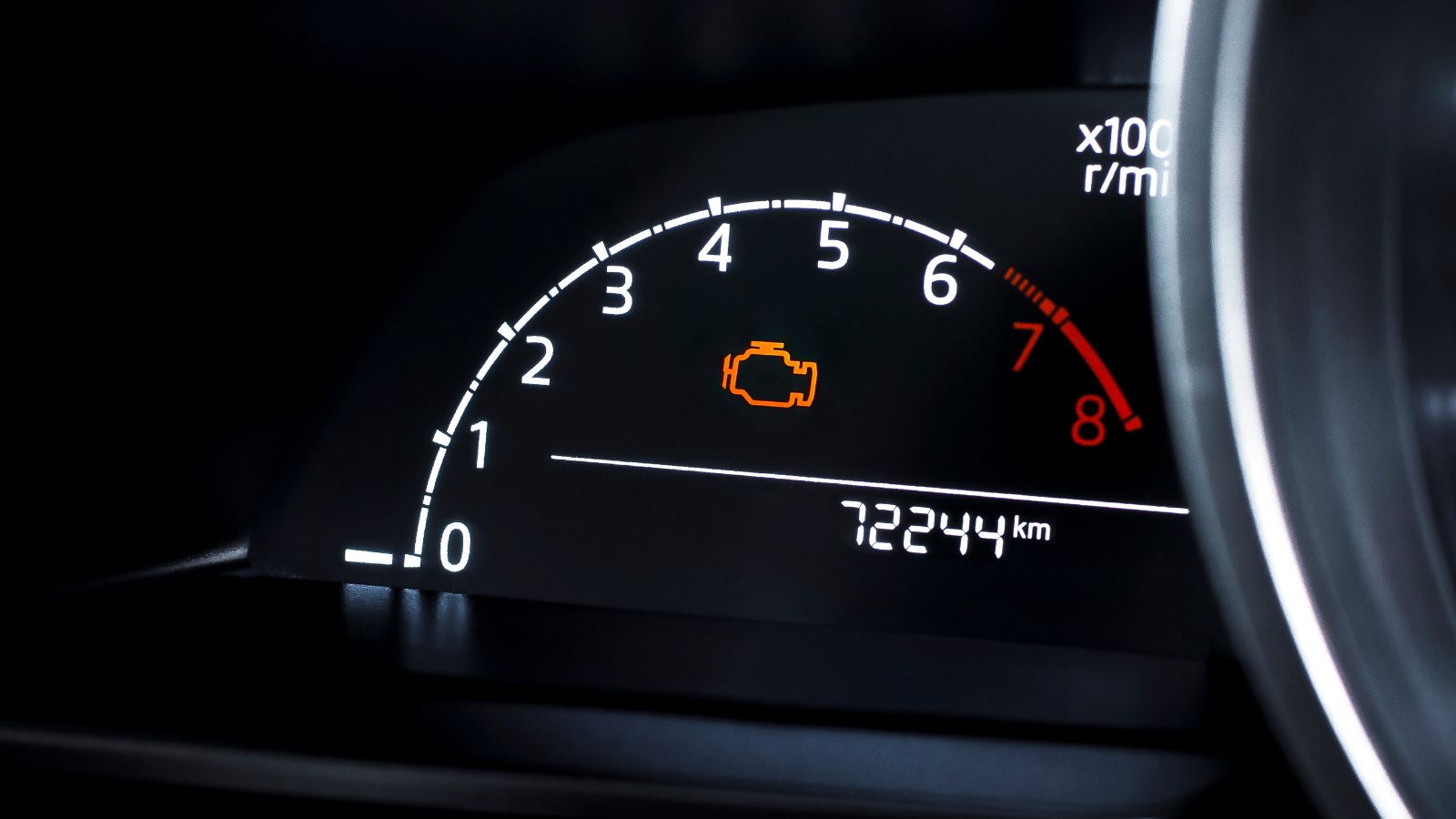
A check-engine light can turn a routine appraisal into a risk calculation. AutoTrader Canada advises that unresolved clunks, poor running and warning lights can reduce a vehicle’s sale prospects because buyers and dealers have to account for unknown repair costs. CARFAX Canada likewise lists mechanical flaws among the factors owners should consider when determining a vehicle’s value.
The uncertainty is often more damaging than the actual defect. A warning light might ultimately require an inexpensive sensor, but until the vehicle is diagnosed, a buyer has to consider the possibility of a catalytic converter, emissions-system failure, transmission problem or another expensive repair. Strange suspension noises and fluid leaks create the same dilemma. Dealerships protect themselves by building a financial cushion into their trade offers, and private buyers frequently demand a discount. Addressing an inexpensive fault before selling can therefore prevent it from being treated like an expensive unknown. A mechanically sound vehicle is easier to value because fewer unpleasant surprises need to be priced into the transaction.
Adding Highly Personal Aftermarket Modifications

Thousands of dollars spent customizing a vehicle do not necessarily add thousands of dollars to its resale value. In some cases, they can do the opposite. AutoTrader Canada advises owners seeking maximum resale value to keep vehicles relatively original, noting that custom engine parts, suspension alterations, lighting, stereos, body components and non-factory wheels can reduce appeal.
The problem is less about whether modifications are inherently good or bad and more about market size. A lowered suspension, loud exhaust or aggressive engine tune may be exactly what one enthusiast wants while eliminating dozens of mainstream shoppers. Performance modifications can also prompt questions about how hard the vehicle was driven, whether factory reliability has been affected and whether warranty coverage remains intact. Poorly installed electrical modifications create additional concerns. Reversible accessories are generally less troublesome because the original components can be reinstalled before sale. Modifying a vehicle for personal enjoyment may be worthwhile, but expecting every upgrade to behave like an investment is where depreciation surprises begin.
Choosing a Colour the Used Market Does Not Reward

Colour sounds superficial until large datasets show measurable differences in depreciation. CARFAX Canada identifies colour as one factor that can influence resale value, while iSeeCars analyzed more than 1.2 million three-year-old vehicles in its recent colour study and found a 10.4-percentage-point spread between the best- and worst-performing colours overall.
The relationship is more complicated than simply choosing neutral paint. In the iSeeCars analysis, yellow, orange and green vehicles retained value unusually well overall because supply was limited relative to demand, while performance varied considerably by vehicle segment. Green, for example, behaved differently on sedans than on SUVs. Canadian demand also differs by region and vehicle type. A distinctive colour that suits a sports car may make sense, while the same shade on a conservative luxury sedan could narrow the buyer pool. The practical lesson is that paint colour interacts with scarcity, segment and local tastes rather than operating according to one universal rule.
Having a Rental, Fleet or Commercial Past

Not every kilometre is perceived equally. CARFAX Canada’s valuation system explicitly incorporates vehicle use type, including whether a vehicle was used personally, as a rental or as part of a fleet. Its data-driven valuation material states that prior rental, commercial or fleet use can affect value.
Buyers often approach these vehicles with additional questions because usage patterns can be very different. A rental car might have been driven by hundreds of people, while a commercial vehicle may have accumulated long operating hours, frequent stops or heavy loads. On the other hand, some fleets follow strict maintenance schedules and can produce well-documented vehicles. The label alone does not prove abuse. What matters is that prior use adds another variable the market considers when comparing examples. A clean, privately owned vehicle with similar age and kilometres may receive a premium because its history appears simpler. Documentation becomes especially valuable when a former fleet vehicle has been maintained to a high standard.
Changing Owners Repeatedly

Ownership history forms part of CARFAX Canada’s History-Based Value calculations, and the company’s selling guidance lists the number of previous owners among factors that can affect a vehicle’s value. Multiple owners do not automatically indicate a problem, but frequent turnover can make a vehicle’s history harder to interpret.
Consider a six-year-old car that has already passed through four or five owners. A prospective buyer may wonder why it changed hands so frequently and whether every owner maintained it equally well. Service paperwork can become fragmented, modifications may appear and disappear, and explanations for repairs become harder to verify. By contrast, a one-owner vehicle accompanied by continuous service records gives a buyer a relatively straightforward history to evaluate. There are plenty of excellent multi-owner vehicles, particularly older models, so ownership count should never be treated as proof of neglect. Still, when several comparable vehicles compete for the same buyer, the example with the clearest and most consistent ownership history often has an easier path to a stronger price.
Selling in a Region Where the Vehicle Is Less Desirable

There is no single Canadian used-car market. CARFAX Canada says vehicle values can differ by location and province, and its valuation tools incorporate geographic information. Urban supply, dealer competition, local industries, climate and consumer preferences can all change what a particular vehicle is worth.
A configuration that attracts strong interest in one part of the country may be considerably harder to move elsewhere. Four-wheel-drive pickups can benefit from demand in rural and resource-oriented markets, while smaller fuel-efficient vehicles may attract a broader audience in dense urban areas where parking and commuting costs matter more. Climate can influence preferences as well. The important point is that depreciation is partially local. A vehicle does not have one immutable national price simply because an online guide provides an estimate. When local supply is high and demand is weak, sellers may have to lower prices faster. Canadian valuation providers therefore use postal-code or provincial information because geography materially changes real-world transactions.
Selling at the Wrong Time of Year

Seasonality can alter demand even when nothing about the vehicle has changed. CARFAX Canada specifically notes that different seasons suit different vehicle types and that supply and demand can affect resale prices. AutoTrader Canada also identifies time of year among the variables influencing a used vehicle’s worth.
A convertible naturally attracts more attention when warm weather approaches than when much of the country is dealing with snow, road salt and freezing temperatures. Four-wheel-drive SUVs and pickups can experience the opposite effect when winter capability becomes immediately relevant. Timing does not transform an undesirable model into a valuable one, but it can affect how quickly a seller finds a motivated buyer and how much negotiating leverage that buyer possesses. Dealers also change inventory strategies seasonally. Selling into a weak seasonal window may therefore make depreciation feel suddenly steeper even though some of the lost value reflects temporary demand conditions rather than permanent deterioration.
Owning a Vehicle With High Fuel Consumption
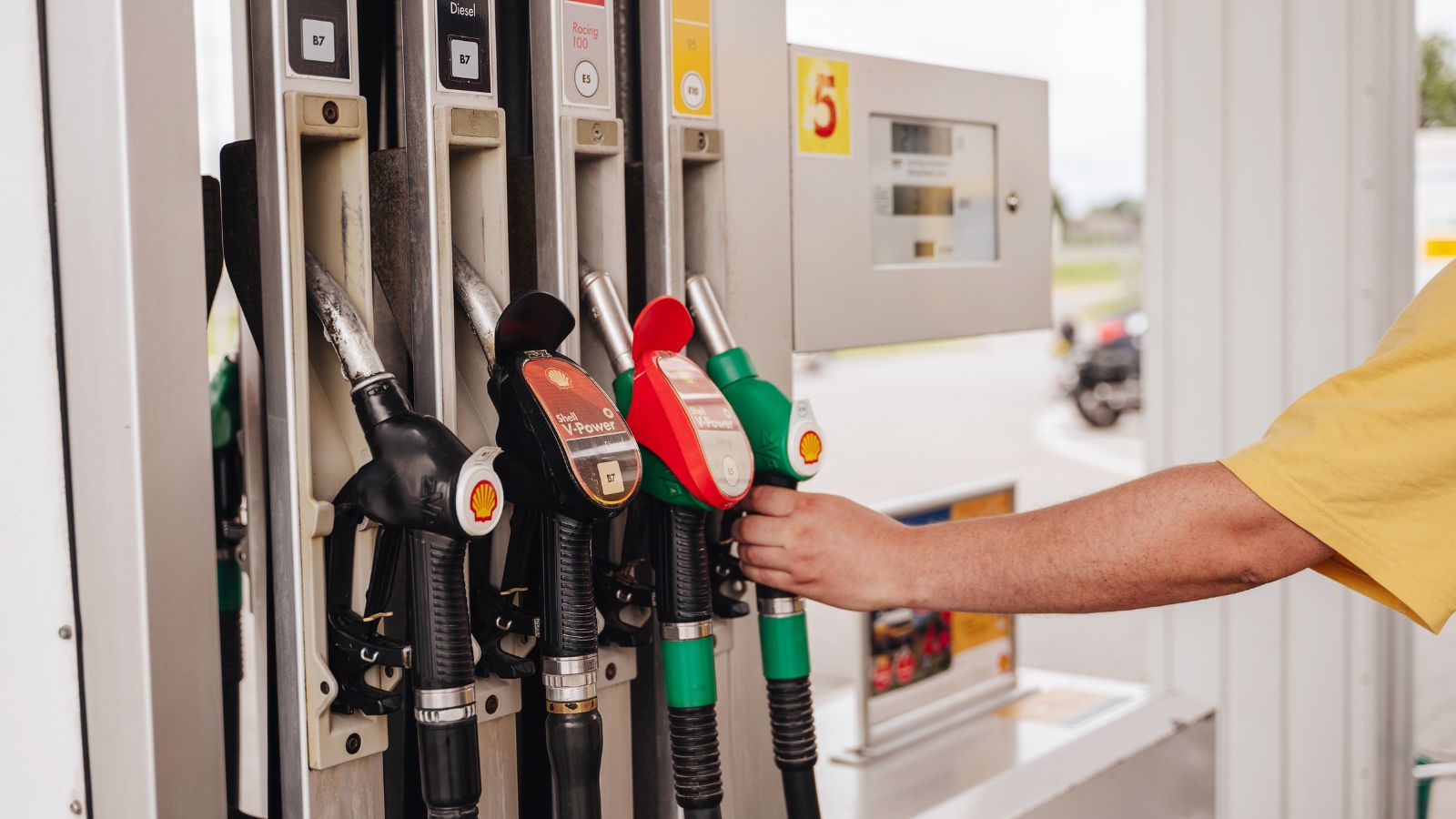
Fuel economy influences ownership cost long after the purchase price has been forgotten. Natural Resources Canada publishes model-specific consumption ratings specifically so Canadians can compare fuel use and annual operating costs. Its guidance notes that fuel consumption among vehicle types can vary enormously and estimates annual fuel expense based on 20,000 kilometres of driving.
That difference can influence used-market demand when household budgets tighten or fuel prices rise. A large vehicle consuming substantially more than 10 L/100 km may remain highly desirable when buyers prioritize towing, space or capability, but expensive fuel consumption can become a disadvantage when comparable alternatives offer similar usefulness with lower operating costs. Canadian Black Book has also identified fuel prices among the pressures affecting the broader vehicle market. Fuel economy does not determine resale value on its own—many thirsty pickups retain value remarkably well—but when demand shifts toward cheaper operating costs, inefficient models can face stronger depreciation pressure than their more economical competitors.
Buying Into a Fast-Depreciating Luxury Segment

A prestigious badge does not guarantee prestigious resale value. Canadian Black Book’s 2025 depreciation report found particularly steep declines in several luxury categories during 2024. Luxury cars depreciated 23.0% during the year in its two-to-six-year-old wholesale analysis, while prestige luxury cars declined 31.2%. Those figures were substantially worse than the 15.5% decline recorded across all vehicles in the report.
Several forces can contribute. Luxury vehicles often begin with high MSRPs, carry expensive equipment and compete against heavily updated new models. Used buyers may also anticipate higher maintenance, tire and repair expenses once factory warranty coverage disappears. A $100,000 vehicle losing 20% of its value represents a much larger dollar loss than a $35,000 model depreciating at the same percentage. There are major exceptions—certain luxury sports cars, SUVs and sought-after configurations retain value extremely well—but assuming a high purchase price will automatically translate into strong retained value can be an expensive mistake.
Getting Caught in Rapid EV Technology Changes
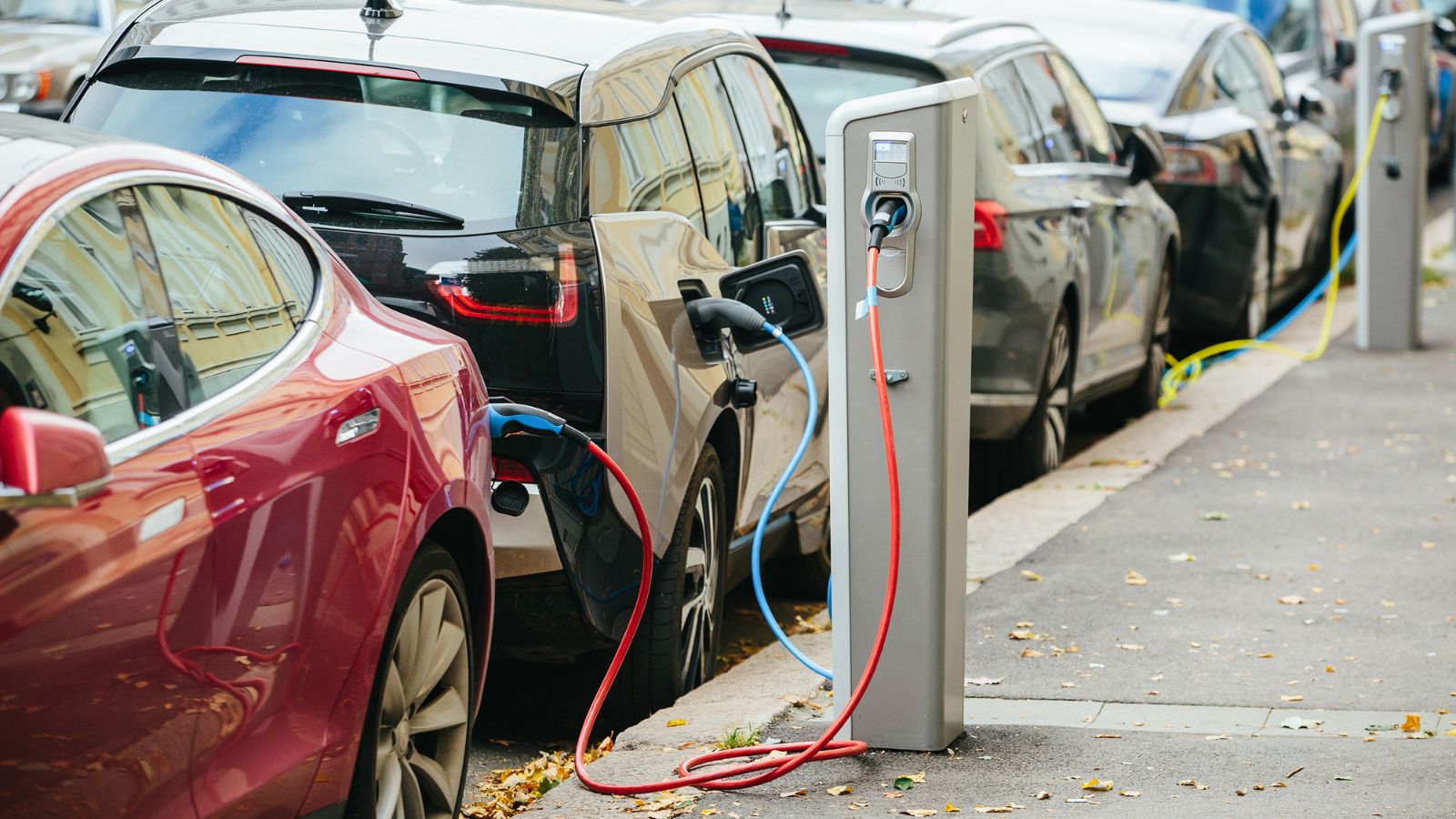
Battery-electric vehicles have added a new dimension to depreciation. Canadian Black Book reported that battery-electric vehicles experienced the sharpest depreciation among powertrain groups in its 2025 report, with four-year-old BEVs declining 14% year-over-year. The organization linked the pressure to oversupply and rapidly evolving technology.
That technological pace matters because newer EVs can arrive with longer range, faster charging, improved software and lower prices while relatively young used models are still competing for buyers. Increasing supplies of off-lease EVs can add further pressure. Battery condition and remaining warranty coverage also become important considerations because shoppers accustomed to judging engines and transmissions must now evaluate a costly high-voltage component. This does not mean every EV depreciates badly—Canadian Black Book recognizes individual electric models and brands with strong retained values. It does mean that buying an EV solely on the assumption that all vehicles depreciate similarly can produce a surprise when technology and supply change quickly.
Being Overtaken by a Redesign or Discontinuation

Cars can age overnight without accumulating another kilometre. When an all-new generation arrives with dramatically different styling, technology, safety equipment or powertrains, the outgoing version can suddenly look much older. Kelley Blue Book has identified shorter design cycles as a potential drag on resale performance because frequent redesigns make previous versions appear dated more quickly.
Discontinuation adds another layer of uncertainty. Black Book has studied discontinued models and found that their value performance varies widely: some continue outperforming their segments because buyers still want them, while others lose ground after production ends. The key is demand. A discontinued enthusiast model can become scarce and desirable, whereas a low-demand model may lose support when buyers worry about future parts, service or market interest. Therefore, discontinuation should not automatically be treated as a depreciation disaster. It becomes dangerous when the model was already struggling for buyers or when its replacement makes the outgoing vehicle feel obsolete.
Selling Into a Weakening Used-Vehicle Market

Even a perfectly maintained vehicle can lose value because the entire market moves against it. Canadian Black Book’s national retention index tracks wholesale values across hundreds of auctions and adjusts for age, mileage and condition, making broader market changes easier to separate from individual vehicle problems. In April 2026, the index was 6.8% lower than a year earlier; by May, the year-over-year decline had reached 7.6%.
New-vehicle incentives can contribute to that pressure. When manufacturers discount new cars aggressively, nearly new used vehicles have to become cheaper to remain attractive. Increasing used inventory can have a similar effect because buyers gain more alternatives. Canadian Black Book said increasing incentives were adding downward pressure to wholesale values in 2026, while the growing supply of used EVs was introducing more lower-retention vehicles into the market. Owners cannot prevent macroeconomic depreciation, but understanding market conditions can explain why an otherwise excellent vehicle may receive a noticeably weaker trade offer than it would have several months earlier.
19 Used Cars Canadians Should Avoid in 2026 (Based on Owner Complaints)

Buying a used car in Canada can feel safe until repair bills start stacking up. Owner complaints tell a different story than glossy listings. Transmission failures, electrical problems, and weak winter reliability show up again and again in consumer reports. Many of these issues appear after warranties expire, when owners least expect them. Some vehicles look affordable upfront, but become expensive to keep on the road. Others struggle in cold weather, urban driving, or long highway commutes. Here are 19 used cars Canadians should avoid in 2026 (based on owner complaints).
19 Used Cars Canadians Should Avoid in 2026 (Based on Owner Complaints)

Alanna Rosen is an experienced content writer that focuses on many EV and educational content. Her articles are regularly published on Get CyberTrucked and syndicated on large publications.