
A used vehicle can look spotless, drive quietly, and still carry a history capable of turning a bargain into an expensive mistake. One of the simplest ways to reduce that risk starts with a small string of characters already attached to the vehicle: its Vehicle Identification Number, or VIN. That number can connect a prospective purchase to registration records, accident histories, liens, theft databases, recalls, and other information that may never appear in a classified ad.
For Canadian shoppers, the most effective approach is not merely glancing at a history report but making the VIN the starting point for a broader background check. These 12 checks show what that process can uncover, where warning signs tend to hide, and why a few minutes of verification can be far more valuable than an unusually low asking price.
Start With the Vehicle’s 17-Character Fingerprint
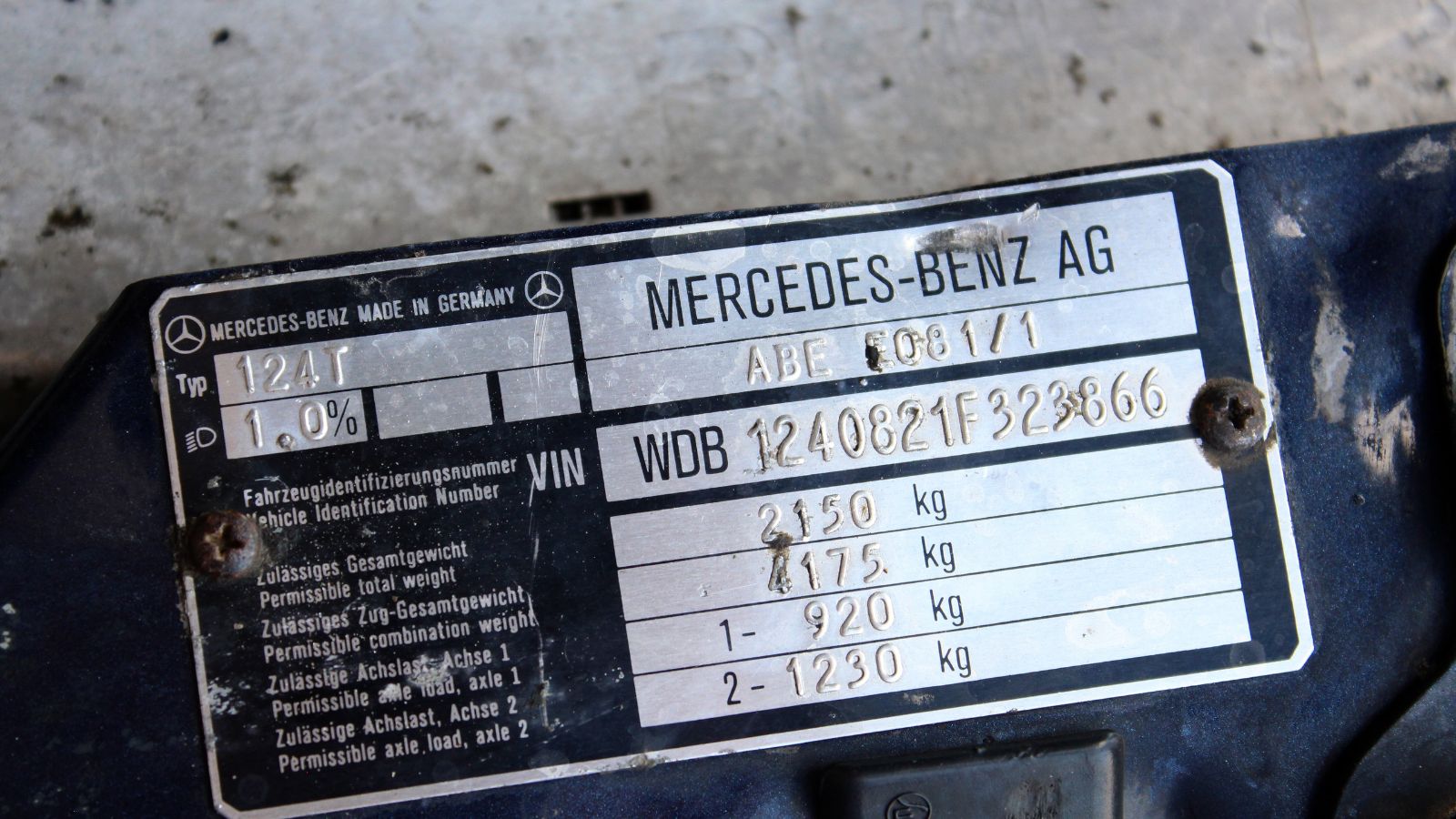
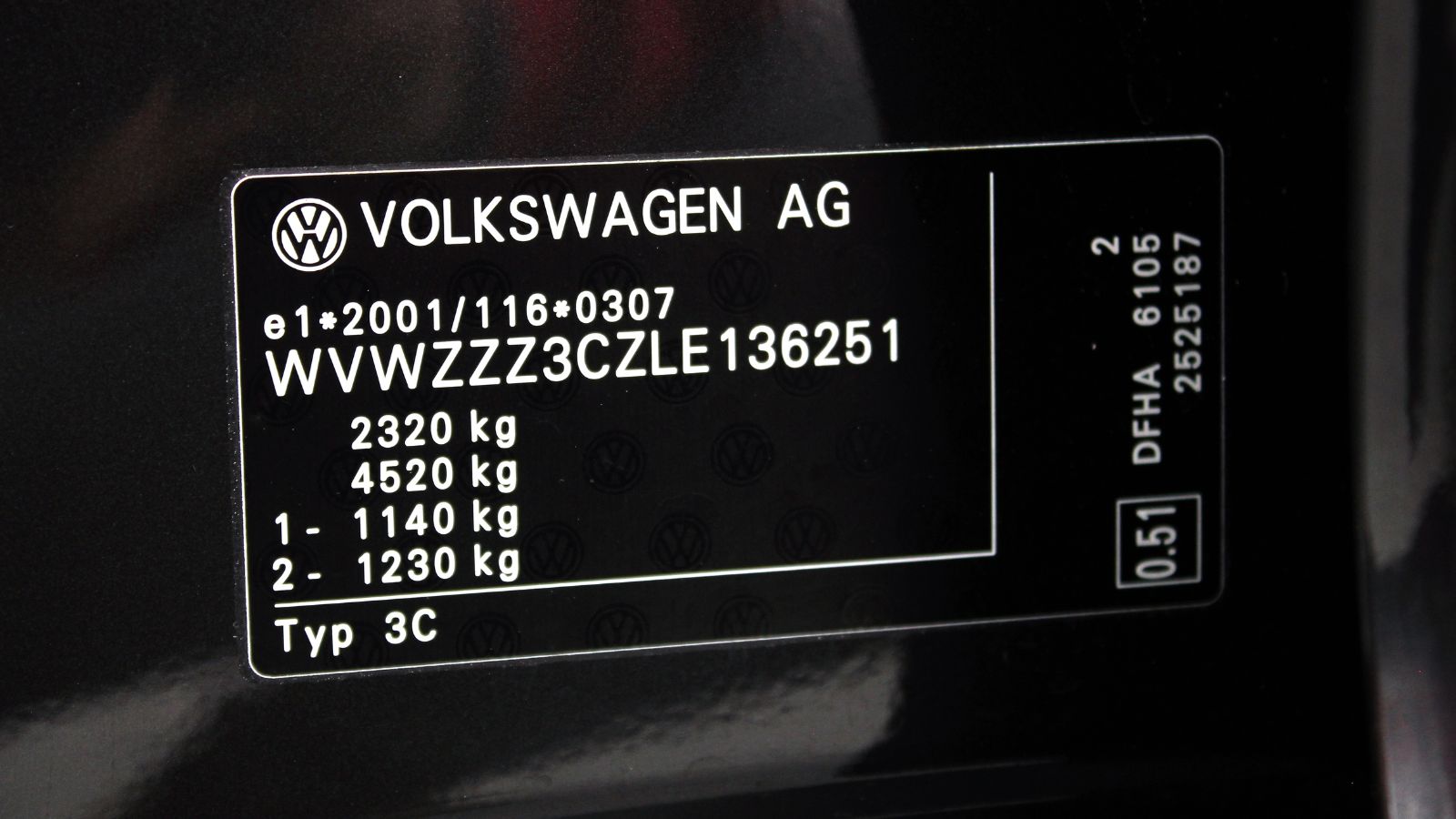
Modern vehicles use a 17-character VIN that functions as a unique identifier. It can reveal basic information about the vehicle and, more importantly for a used-car buyer, provides the reference number needed to search many registration, lien, recall, theft, and vehicle-history systems. That makes the VIN one of the most useful pieces of information to obtain before becoming emotionally or financially committed to a particular car.
A seller who readily provides the VIN gives a buyer the opportunity to investigate before money changes hands. A seller who repeatedly avoids providing it deserves more scrutiny. The number itself does not certify that the car is trouble-free, but it opens the door to information that a walk-around inspection cannot reveal. Transport Canada describes the VIN as a unique identifier, while provincial agencies routinely use it to connect a vehicle with official records. In other words, checking the VIN early can turn an attractive advertisement into something that can actually be verified.
Make Sure Every VIN Actually Matches

Running a vehicle-history search is useful only if the VIN entered belongs to the vehicle sitting in front of the buyer. Before relying on any report, the number visible on the car should be compared with the registration and other paperwork. Common VIN locations include the dashboard near the windshield and labels around the driver’s door area, although placement can vary by vehicle.
This physical comparison matters because Canadian regulators specifically warn buyers to watch for VIN discrepancies or signs that plates and decals have been altered. ICBC advises buyers to confirm that the VIN, make, model, and licence plate correspond with the registration. Ontario similarly advises physically inspecting the VIN and ensuring it has not been altered. A difference of even one character should not be brushed aside as a harmless typo until it is properly explained. If the paperwork describes one vehicle while the physical identifiers point to another, the safest reaction is to stop the transaction rather than accept a convenient explanation.
Compare the VIN Records With the Person Selling the Car

The vehicle’s identity is only half of the background check. In a private transaction, the identity of the seller matters just as much. Canadian consumer regulators recommend asking for identification and comparing the seller’s name with the registered owner’s information. A legitimate private owner should normally be able to explain clearly why the vehicle is registered in a particular name and provide the paperwork needed to transfer it properly.
This can expose a practice regulators often call curbing or curbsiding, where an unlicensed dealer poses as an ordinary private seller. Warning signs can include several vehicles advertised under the same contact information, a seller whose name does not appear on the registration, or someone claiming to be selling the car for a friend or relative without convincing documentation. Ontario’s OMVIC and British Columbia’s Vehicle Sales Authority both warn that curbers may sell vehicles with hidden accident histories, incorrect odometers, liens, or other problems. A VIN check becomes far more useful when the vehicle’s documented identity and the seller’s identity tell the same story.
Look Beyond “No Accidents” in the Advertisement
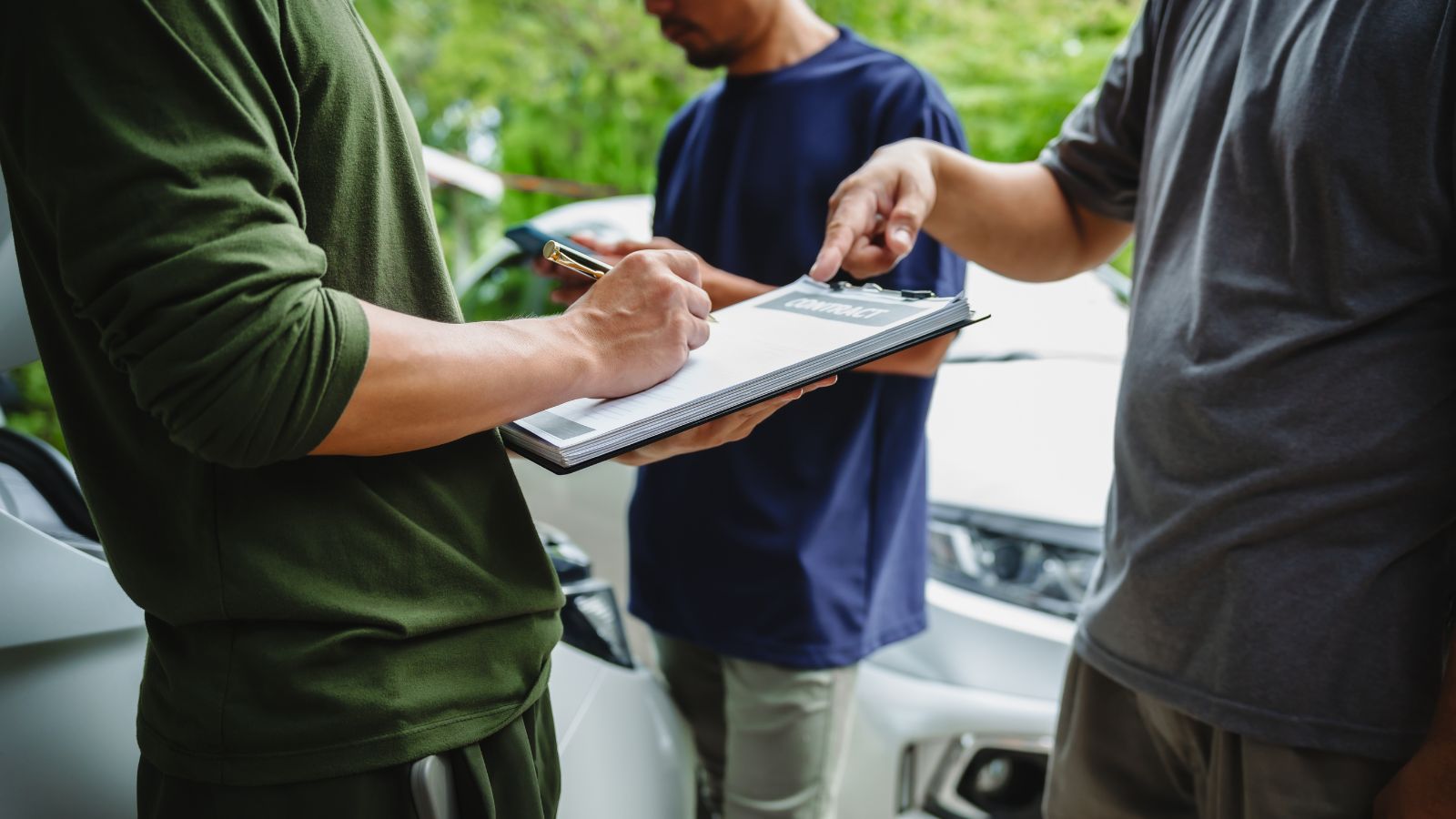
A seller’s claim that a vehicle has never been in a crash should be treated as something to verify, not simply accept. Vehicle-history records can reveal reported collisions, insurance claims, damage estimates, structural repairs, or total-loss events. Even when a repaired vehicle looks excellent from the outside, its history can materially affect how much a buyer is willing to pay and whether a further structural inspection is warranted.
Ontario provides a useful example of why accident history matters. Registered dealers there have specific disclosure obligations, including structural damage and certain collision or incident repairs. Damage repairs exceeding $3,000 must generally be disclosed in writing, along with the repair cost when known. Dealers must also disclose when an insurer declared a vehicle a total loss. These rules are Ontario-specific rather than national standards, but they demonstrate why collision history should never be treated as a cosmetic detail. A large repair does not automatically make a vehicle unacceptable; unexplained or concealed damage is the much larger warning sign.
Read the Vehicle’s Brand or Status Carefully
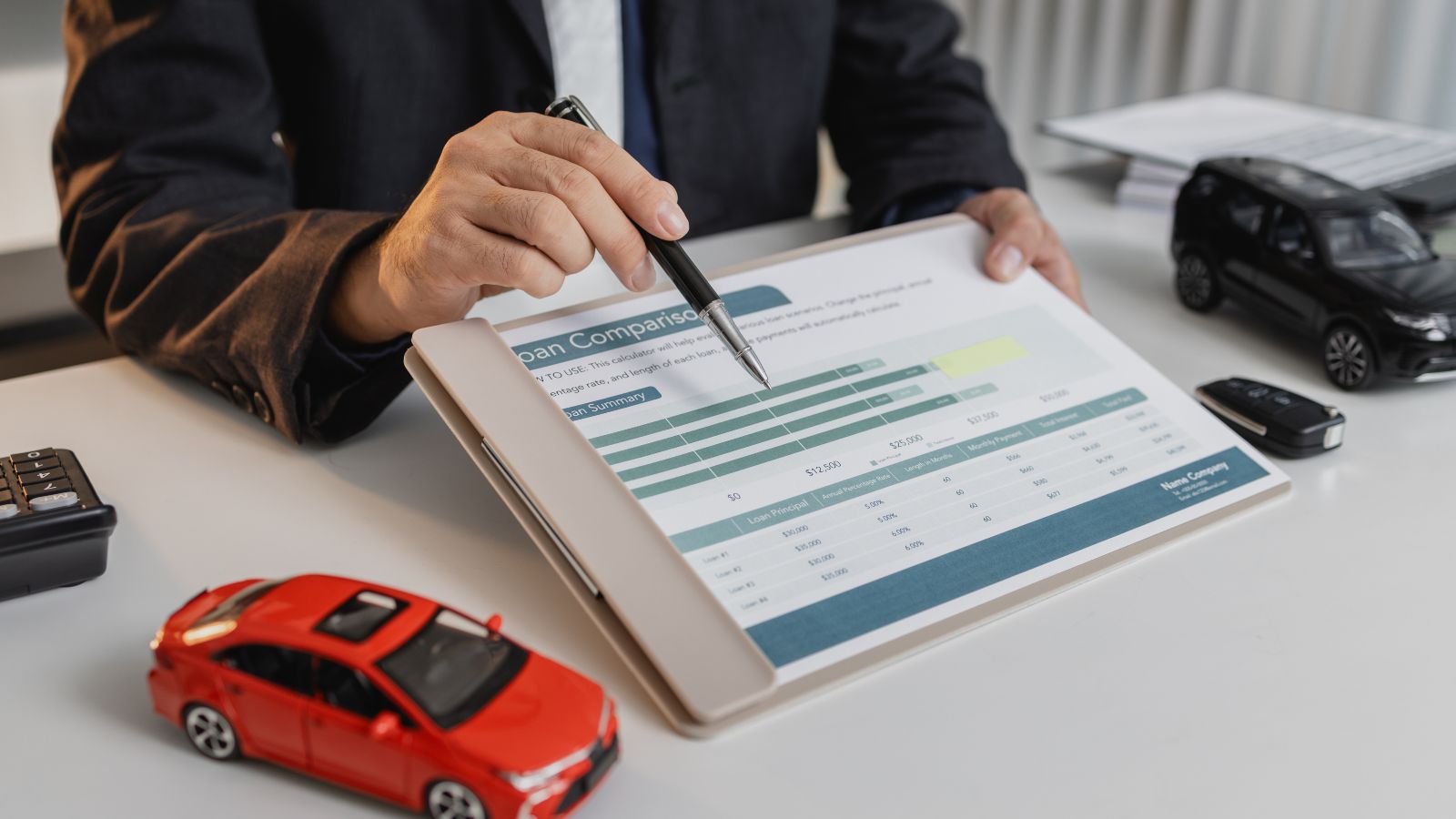
A history search may uncover words such as “salvage,” “rebuilt,” “irreparable,” or “non-repairable.” Those labels are far more significant than ordinary maintenance notes. Provinces maintain vehicle-branding or status systems designed to identify vehicles that have suffered severe damage and, in some cases, determine whether they may legally return to the road.
Ontario, for example, uses brands including None, Rebuilt, Salvage, and Irreparable. A salvage vehicle may eventually become rebuilt after required repairs and inspections, while an irreparable vehicle cannot legally return to Ontario roads. British Columbia similarly distinguishes normal, rebuilt, salvage, altered, and non-repairable vehicles. Importantly, a “normal” or “None” designation should not be interpreted as proof that a vehicle has never been damaged; provincial agencies explicitly caution against that assumption. A rebuilt vehicle can be legally roadworthy while still carrying a history that may influence its value, insurance considerations, future resale appeal, and the level of inspection a cautious buyer should demand.
Check for Liens Before Handing Over the Money

A vehicle can be mechanically excellent and still become a financial disaster if someone else has a legal claim against it. A lien may be registered when a vehicle secures a loan or another unpaid obligation. The Financial Consumer Agency of Canada advises used-car buyers to check for liens and notes that searches can be conducted through provincial or territorial personal-property security systems using the VIN.
The consequences are serious enough that this check deserves to happen before final payment. ICBC warns that when a vehicle carrying a lien is sold and the previous owner fails to satisfy the debt, repossession can become a risk for the new buyer. The federal government also notes that a vehicle may have liens registered in more than one jurisdiction, which becomes particularly relevant when a car has moved between provinces. A clean-looking bill of sale is therefore not enough. If a search reveals an outstanding lien, the buyer should insist that it be properly discharged and documented before ownership changes hands rather than relying on a promise that it will be handled later.
Follow the Odometer’s Paper Trail
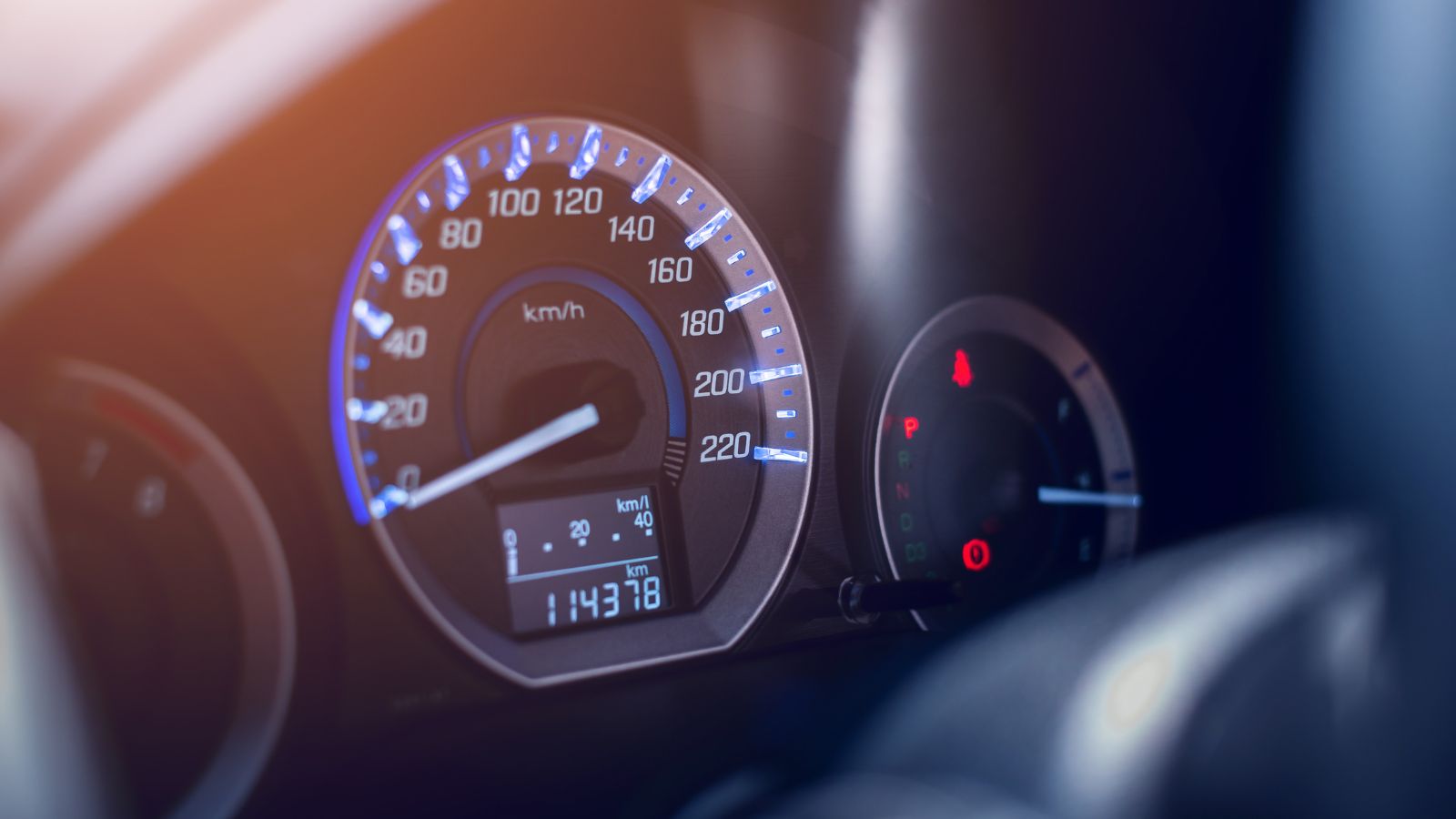
Low kilometres are one of the easiest ways to make an older used vehicle look unusually desirable. That is exactly why historical odometer readings deserve attention. Registration records, provincial documents, service records, and vehicle-history reports can provide earlier mileage entries that allow the current dashboard reading to be checked against the vehicle’s documented past.
OMVIC warns that odometer rollbacks remain a concern, particularly with dishonest private sellers and unlicensed dealers. Its guidance recommends comparing historical readings and examining whether the physical condition of the vehicle makes sense for the claimed kilometres. Heavy wear on seats, steering wheels, pedals, suspension components, or other frequently used areas can justify further investigation when the odometer shows surprisingly little use. Small inconsistencies do not automatically prove fraud because individual historical readings can contain errors. A sequence showing mileage moving substantially backward, however, is a much harder anomaly to dismiss. The strongest check combines the VIN history, service invoices, current odometer, and the vehicle’s observable wear.
Find Out Where the Vehicle Has Lived
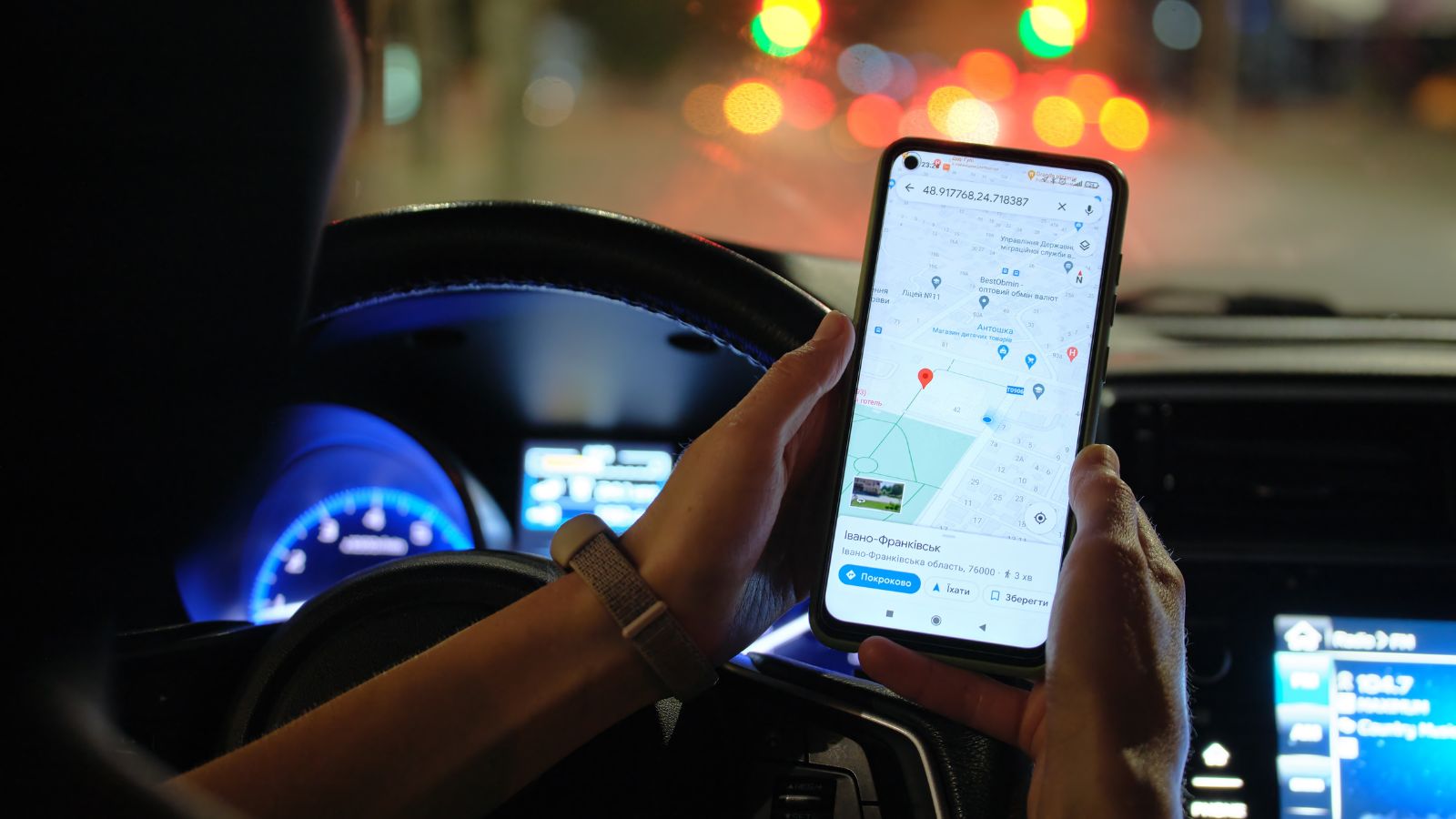
A vehicle offered in one province may have spent much of its life somewhere else. That is not automatically a problem, but it changes the investigation. Provincial history systems can have different coverage, and imported vehicles may bring records from the United States or another jurisdiction that are not obvious from the current licence plate.
ICBC, for example, distinguishes vehicles imported into British Columbia and explains that broader history reports can provide information beyond B.C.-only claims records. Transport Canada also maintains procedures for vehicles imported into Canada, particularly those coming from the United States and Mexico. In Ontario, dealers have disclosure obligations regarding certain previous registrations outside the province. These movements matter because a buyer examining only the vehicle’s current provincial history could miss earlier events. When a report shows several jurisdiction changes, the sensible response is not immediate rejection but more investigation: determine where the vehicle was registered, whether its branding followed it, and whether the available accident and lien searches cover those jurisdictions.
Run the VIN Through Canada’s Stolen-Vehicle Database

Vehicle theft creates a risk that a normal-looking used car may have a much more complicated identity than its advertisement suggests. Fortunately, Canada provides a public tool for checking whether a vehicle has been reported stolen. The Canadian Police Information Centre, managed by the RCMP for the Canadian law-enforcement community, allows the public to search vehicles using their VIN.
The system covers cars, trucks, vans, SUVs, motorcycles and several other vehicle categories. CPIC says its public vehicle data is updated daily, making it a useful additional check close to the purchase date. A positive or possible stolen-vehicle result is not something a buyer should try to resolve directly with the seller; CPIC instructs users to contact local police for confirmation and assistance. The theft search is particularly useful because it is independent of whatever paperwork or history report the seller provides. When thousands of dollars are about to change hands, entering the VIN into an official national database is a small effort compared with the potential consequences of purchasing stolen property.
Use the VIN to Check for Outstanding Safety Recalls
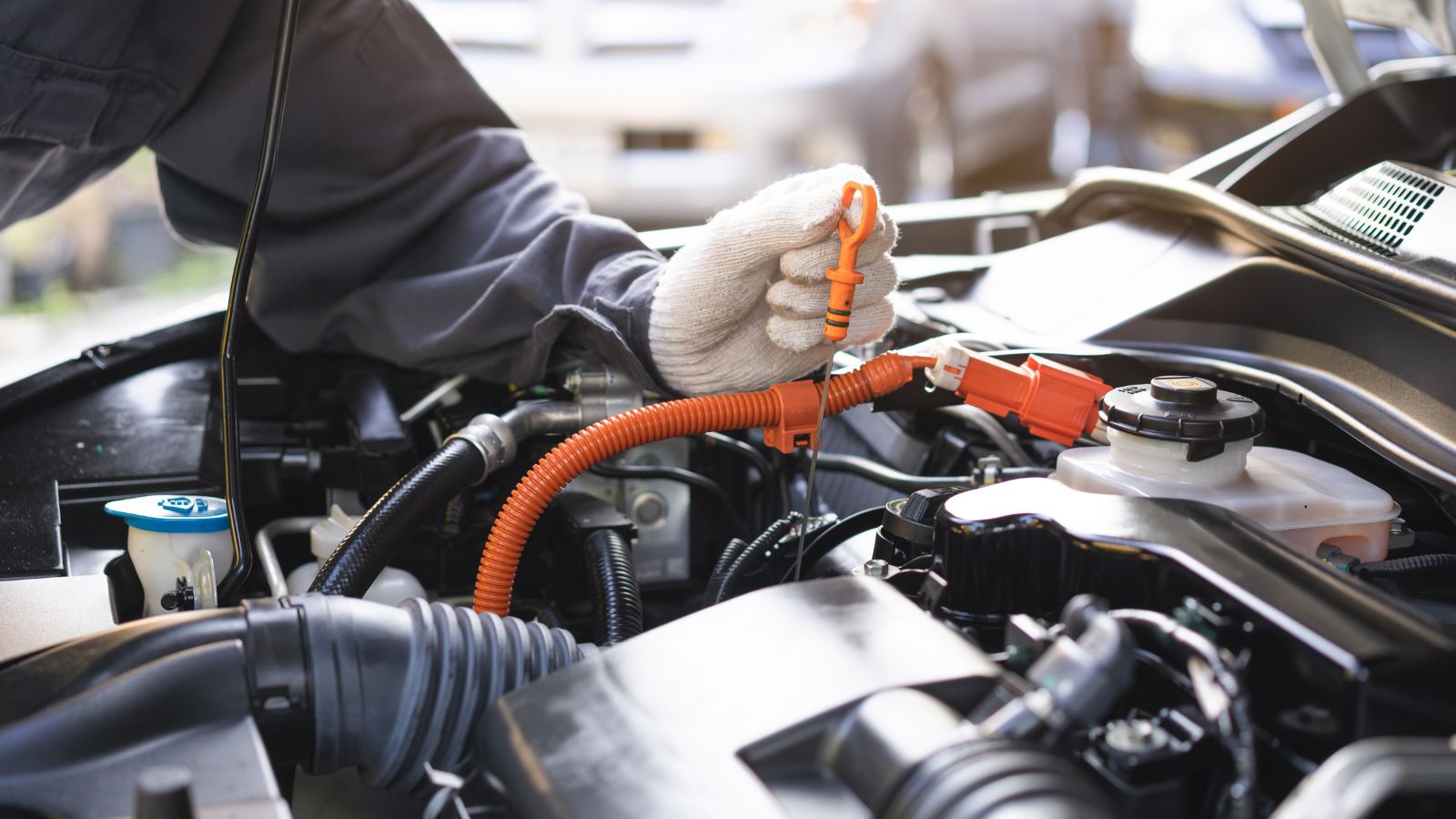
A used vehicle can have an apparently clean accident history and still require important safety work. Transport Canada maintains its Road Safety Recalls Database, with Canadian recall information going back to the 1970 model year. Manufacturers may also provide VIN-specific lookup tools capable of determining whether a particular vehicle is affected by an outstanding recall.
This is more precise than simply searching the make and model. A recall may apply only to vehicles built during a particular production period or equipped with specific components. Transport Canada advises used-vehicle shoppers to check recalls before purchase and says an authorized dealer can use the VIN to determine whether applicable recall repairs have already been completed. In many cases, recall remedies are provided without charge by the manufacturer. A buyer can therefore ask the seller to have outstanding work completed before delivery. The check also prevents an important misconception: passing a test drive does not demonstrate that every safety campaign affecting that particular VIN has been addressed.
Remember That a Clean History Report Is Not a Guarantee
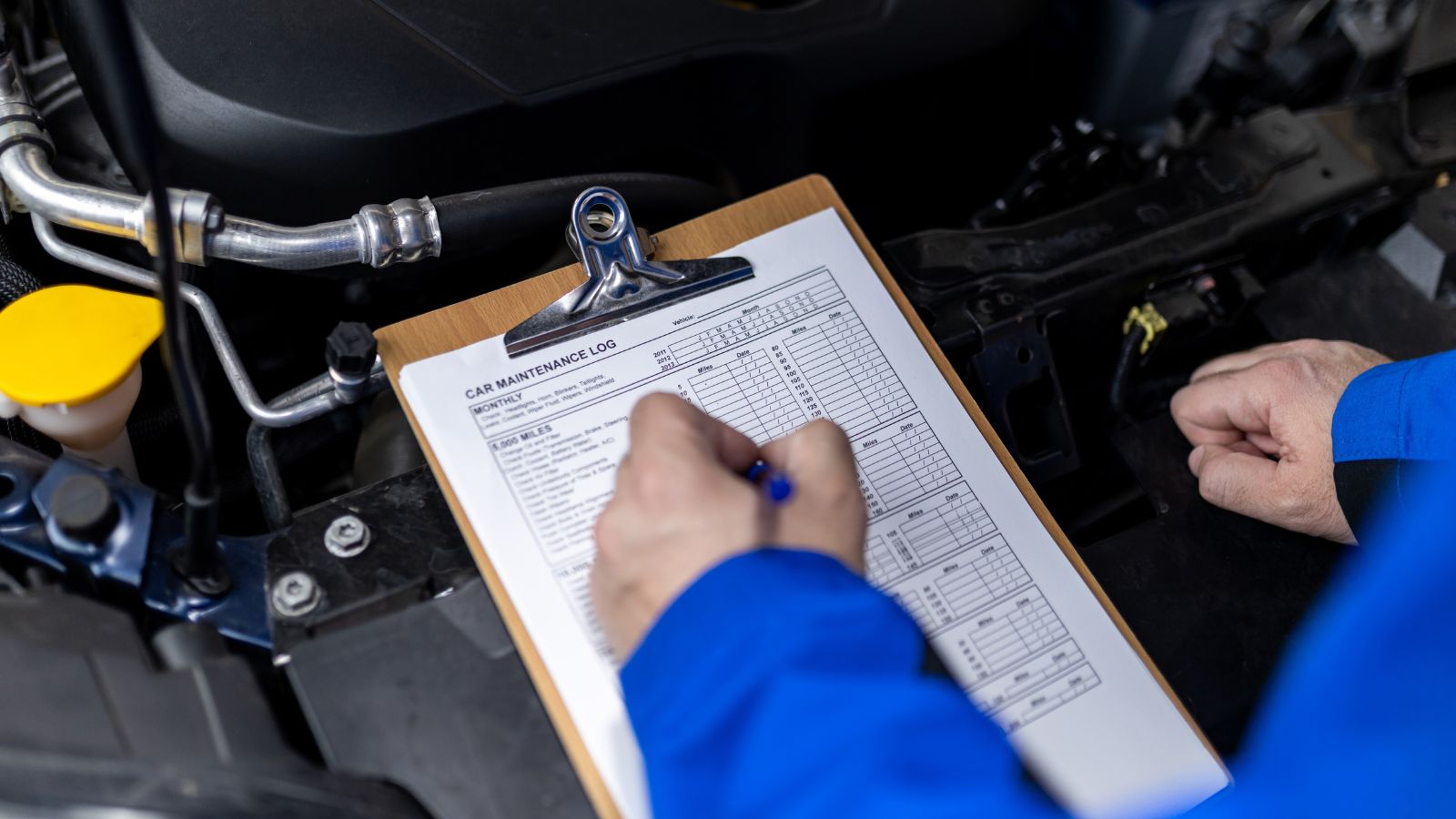
Perhaps the most important lesson in reading a vehicle-history report is understanding what “clean” actually means. It generally means the databases searched did not contain adverse records matching that VIN at the time of the search. It does not guarantee that the vehicle has never been damaged, repaired privately, poorly maintained, or involved in an event that was never supplied to the reporting service.
CARFAX Canada explicitly says its reports rely on information supplied by participating data sources and acknowledges that other vehicle information may exist without appearing on a report. ICBC makes a similar distinction with its own claims-history product, explaining that its records concern claims contained in ICBC files and do not automatically encompass every possible source outside that system. That limitation changes how a buyer should interpret an empty accident section. “No reported damage” is considerably more accurate than assuming “never damaged.” The report is best treated as a screening tool that identifies documented risks and questions requiring further investigation—not a mechanical warranty or certificate of perfection.
Finish the VIN Check With an Independent Inspection
The VIN can uncover what happened to a vehicle on paper; a mechanic can examine what is happening to it now. That distinction is why provincial agencies recommend combining history research with an independent pre-purchase inspection. A vehicle may have no recorded collision, no lien, no theft flag, and no odometer discrepancy while still needing expensive engine, transmission, suspension, brake, electrical, or corrosion repairs.
ICBC strongly recommends professional inspection when a buyer is serious about a used vehicle and notes that an auto-body specialist can also help assess structural repair when there is a crash history. Ontario guidance likewise advises used-car buyers to have a trusted mechanic inspect a prospective purchase. A seller who refuses reasonable inspection should therefore be treated as a significant warning sign. The smartest version of the “simple check” is ultimately a sequence: verify the physical VIN, research the history tied to that VIN, investigate anything inconsistent, and then have the actual vehicle inspected. That combination cannot eliminate every used-car risk, but it can make many expensive problems much harder to hide.
19 Used Cars Canadians Should Avoid in 2026 (Based on Owner Complaints)

Buying a used car in Canada can feel safe until repair bills start stacking up. Owner complaints tell a different story than glossy listings. Transmission failures, electrical problems, and weak winter reliability show up again and again in consumer reports. Many of these issues appear after warranties expire, when owners least expect them. Some vehicles look affordable upfront, but become expensive to keep on the road. Others struggle in cold weather, urban driving, or long highway commutes. Here are 19 used cars Canadians should avoid in 2026 (based on owner complaints).
19 Used Cars Canadians Should Avoid in 2026 (Based on Owner Complaints)

Alanna Rosen is an experienced content writer that focuses on many EV and educational content. Her articles are regularly published on Get CyberTrucked and syndicated on large publications.