
A car that feels perfectly adequate during school runs and short commutes can reveal a very different personality once it is packed with people, luggage, snacks, electronics, and hundreds of kilometres of highway ahead. Family road trips place unusual demands on a vehicle: sustained speeds, heavier loads, hot weather, mountain grades, repeated stops, and long hours with passengers who need more than simply a seat.
Some problems can leave a family stranded, while others turn an otherwise dependable vehicle into an exhausting or uncomfortable travel companion. These 18 things that can make a car fail at family road trips cover mechanical weaknesses, overlooked safety issues, cargo limitations, passenger comfort, and practical shortcomings that often become obvious only after the journey has begun.
Tires That Were Fine Around Town but Aren’t Ready for Highway Miles
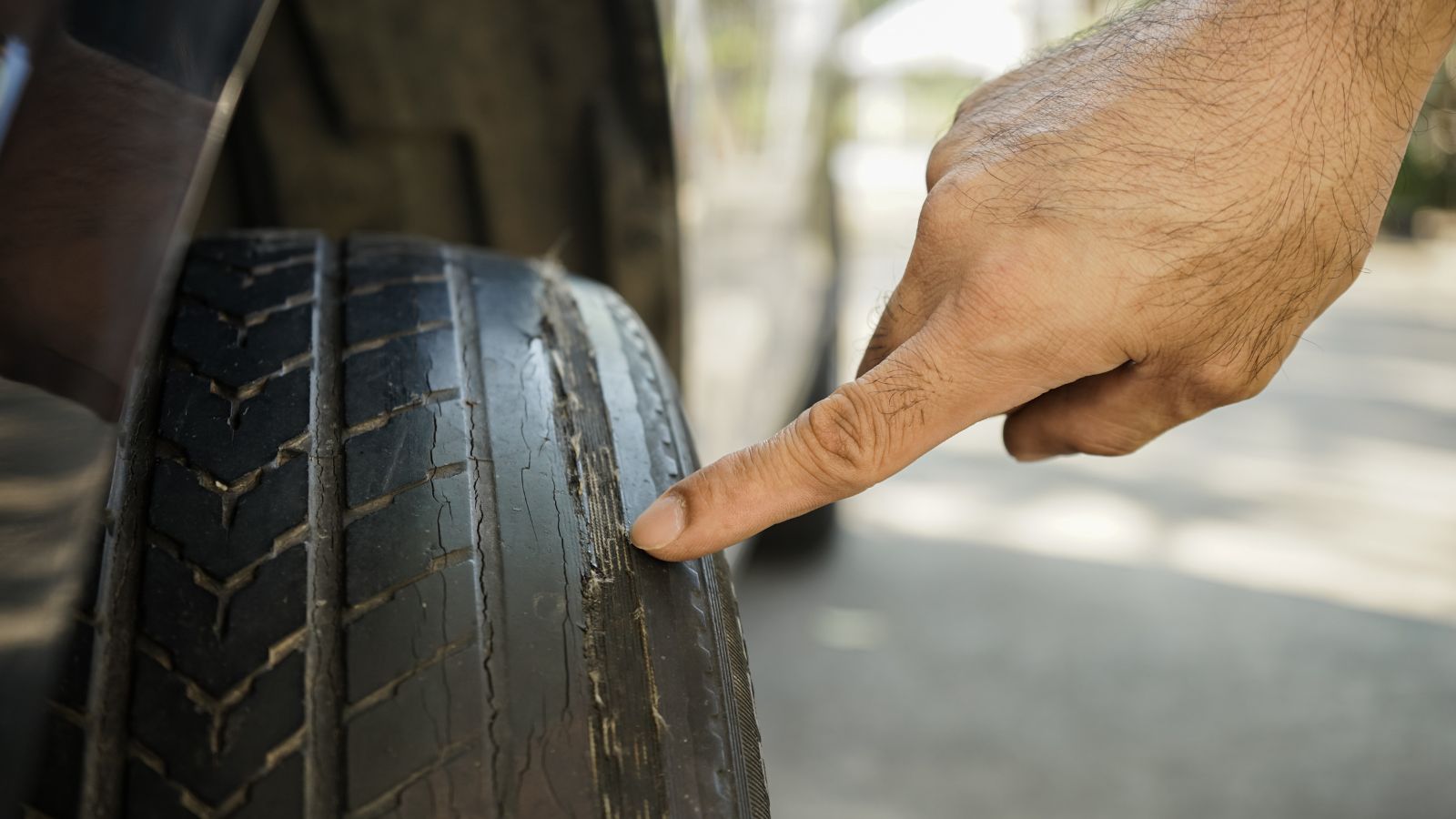
Tires can hide trouble surprisingly well during short local drives. A slightly underinflated tire, aging sidewall, unevenly worn tread, or small bulge may cause little drama at neighbourhood speeds, yet a loaded vehicle traveling for hours at highway speed asks much more from its tires. NHTSA specifically recommends checking pressure, tread, sidewalls, and the spare before long trips. It also identifies underinflation as a leading cause of tire failure. Pressure should be checked when the tires are cold and set to the vehicle manufacturer’s specification rather than the maximum pressure molded onto the tire.
A family road trip adds another complication: weight. Passengers, suitcases, coolers, strollers, and vacation equipment all increase the load being supported by the tires. Consider a tire already running low on pressure before a four-hour interstate drive on a hot afternoon. Heat, speed, and load can turn a manageable maintenance issue into a roadside stop. Uneven wear deserves attention as well because it may indicate alignment or suspension trouble that could worsen over a long journey.
A Weak Battery That Gives Up Far From Home
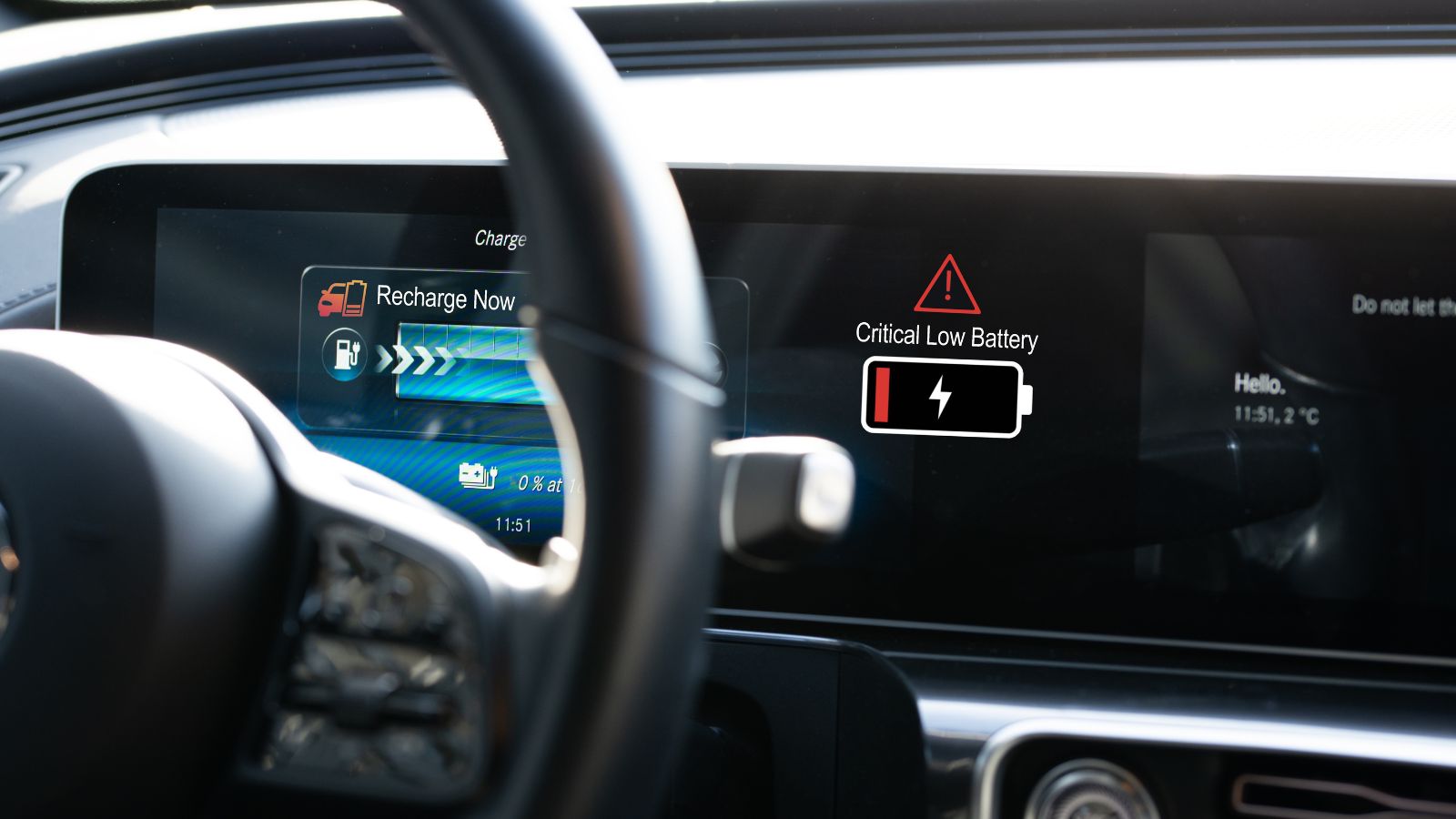
A battery does not have to be completely dead to become a road-trip liability. A weakening unit may continue starting the engine during familiar daily routines, giving little indication that its reserve capacity has deteriorated. Then a family stops for lunch after several hours of driving, everyone climbs back into the vehicle, and the starter suddenly produces little more than a click. AAA identifies battery trouble as a leading reason motorists require roadside help and advises having the battery and charging system checked before extended travel.
Summer does not necessarily protect a battery, either. High temperatures accelerate chemical activity and can contribute to internal deterioration, corrosion, and shortened battery life. AAA notes that heat and vibration are major contributors to battery failure, which makes hot-weather vacation driving particularly relevant. A road trip can also mean heavier electrical use from climate control, charging ports, entertainment equipment, lights, and repeated engine starts. Testing an older battery before departure is far easier than arranging a jump-start with tired children and a fully packed vehicle hundreds of kilometres from home.
A Cooling System That Cannot Handle Hours of Heat
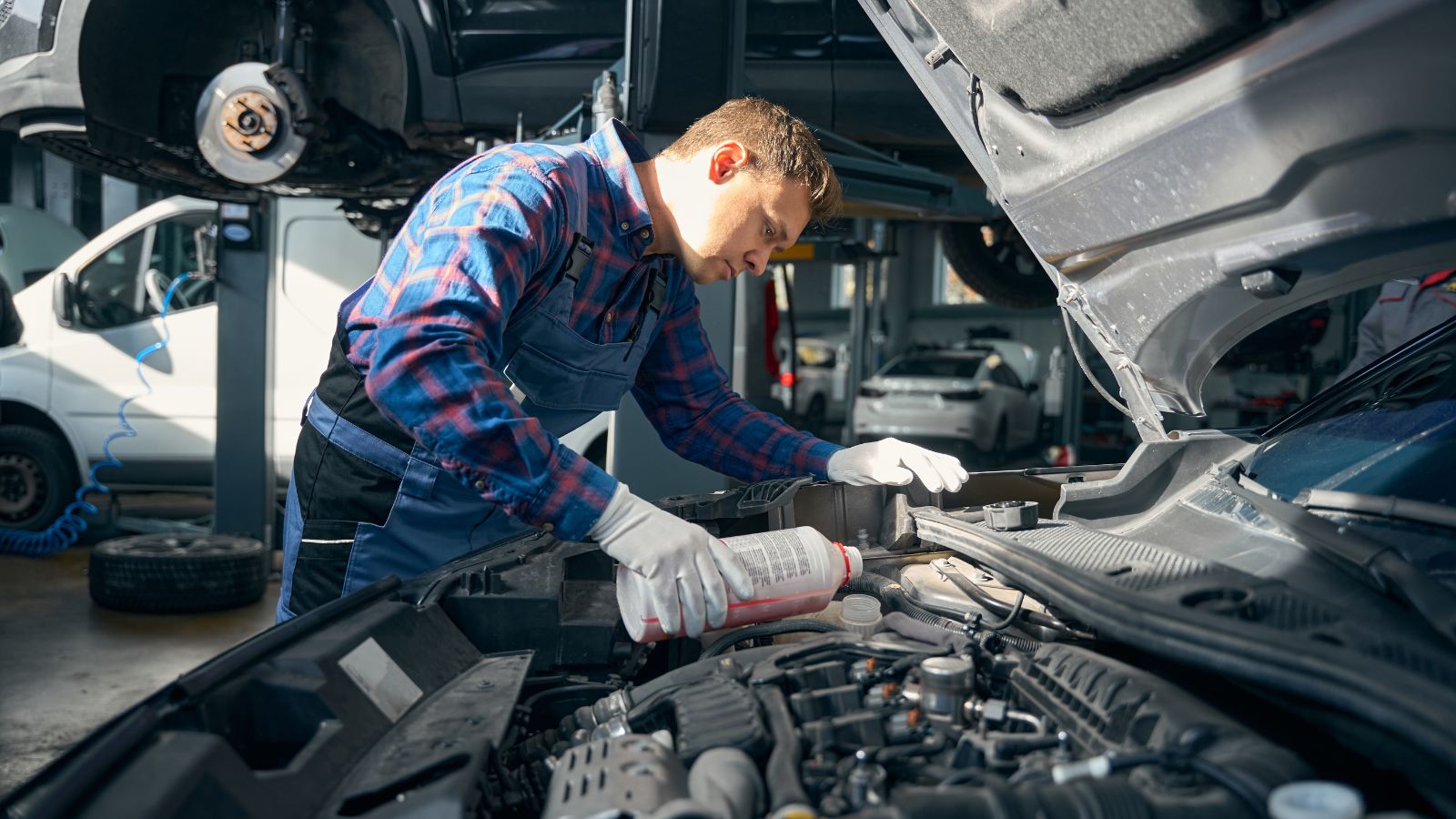
A cooling system may tolerate ten-minute errands while still being dangerously close to its limit. Long highway climbs, summer temperatures, air-conditioning use, extra passengers, and cargo create a much tougher environment. NHTSA recommends checking coolant level and specification before summer travel and having leaks, coolant condition, hoses, and related components inspected. Rubber hoses also deteriorate with age and heat, and a small leak that seems insignificant in the driveway can become serious once the engine remains hot for several consecutive hours.
The warning signs can arrive quickly. A temperature gauge creeping toward the hot zone, warning light, steam, loss of cabin cooling, or a sweet coolant smell should never be treated as an inconvenience to push through until the next planned stop. Overheating can lead to serious engine damage. Picture a heavily loaded crossover climbing a long mountain grade in July: the cooling system must shed substantially more heat than it does during an easy suburban commute. A vehicle that repeatedly loses coolant, runs unusually hot, or has questionable hoses deserves attention before it is asked to carry an entire family across several states or provinces.
Brakes That Struggle Once the Road Turns Mountainous
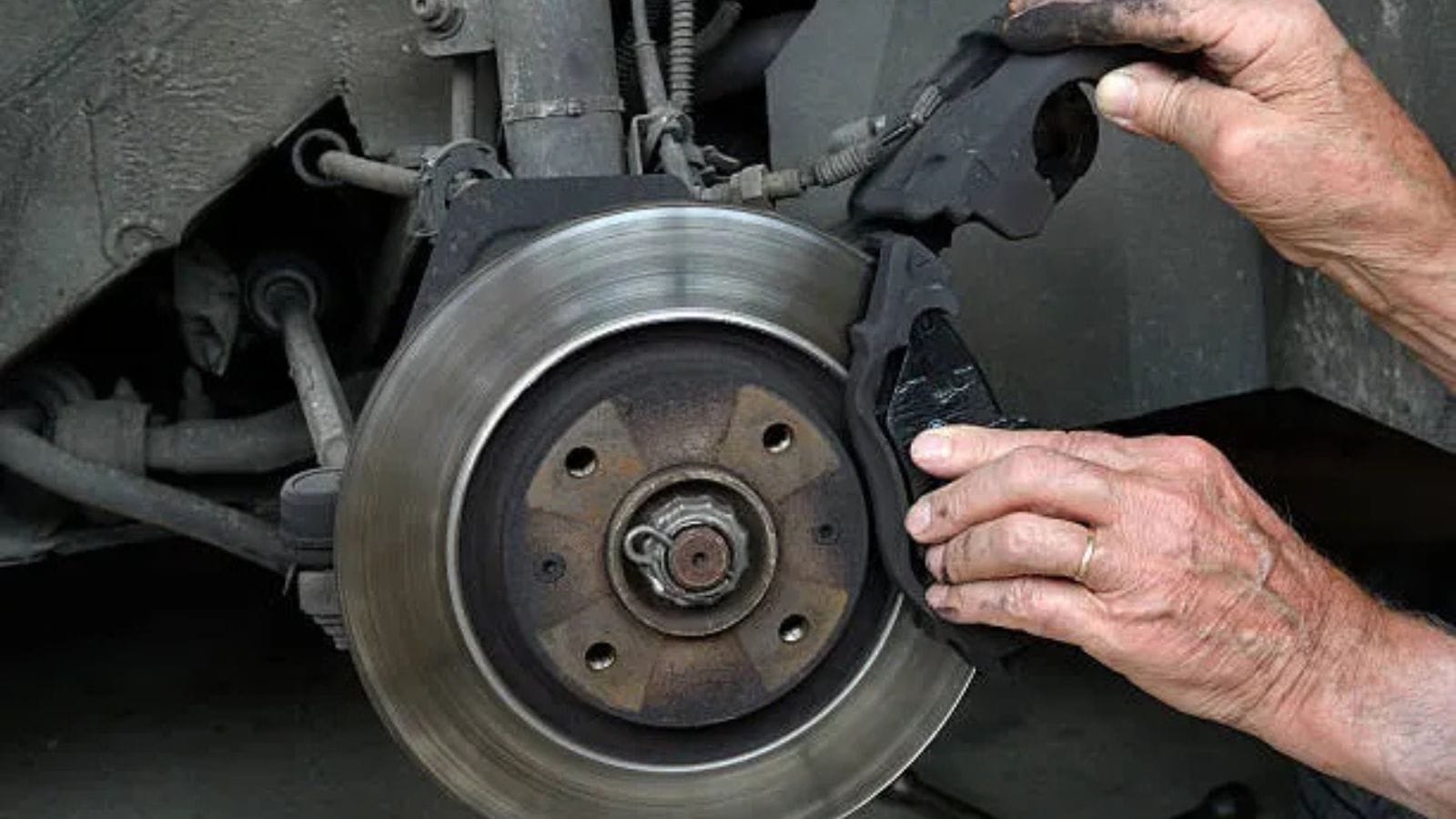
Family trips often lead vehicles into terrain they rarely encounter at home. Long mountain descents can expose worn pads, questionable brake fluid, warped components, or braking habits that seemed harmless on flat roads. Brakes convert a moving vehicle’s energy into heat, and repeatedly riding the brake pedal downhill can build enough temperature to reduce braking performance. Vehicle guidance published through NHTSA specifically warns that brakes can become excessively hot on long grades and recommends using a lower gear so the engine helps control speed.
That matters even more when the vehicle is carrying several passengers and a full luggage load. Additional mass means there is more energy for the braking system to manage whenever the vehicle slows. Before a long trip, NHTSA recommends checking brake fluid along with other critical fluids, while unusual vibration, grinding, squealing, a soft pedal, or steering pull under braking deserves investigation. A family discovering brake fade halfway down a mountain has very few good options. Healthy brakes may barely be noticed during a vacation; marginal brakes can become the most important component on the entire trip.
Packing the Vehicle Beyond Its Real Payload Capacity

A seven-seat vehicle does not automatically have enough payload capacity for seven people and all their belongings. Payload includes occupants as well as cargo, meaning suitcases, coolers, roof-rack equipment, bicycles attached to certain carriers, and other items can consume the available capacity faster than families expect. Federal vehicle-loading guidance requires a tire-and-loading placard showing the combined weight of occupants and cargo the vehicle is designed to carry. The number is vehicle-specific and can be much more useful than simply judging available space by whether everything physically fits.
Imagine a family filling every seat, then adding luggage for a week, a stroller, sports equipment, food, and a cargo carrier. The doors may close perfectly while the vehicle is still carrying more weight than intended. Excess load affects tires, suspension components, braking demands, and handling. It can also reduce the remaining payload available when towing because trailer tongue weight generally counts against the vehicle’s load capacity. Checking the driver-door placard therefore provides information that cargo volume alone cannot. A roomy cabin can create a misleading impression that a vehicle has unlimited carrying ability when its certified weight limits say otherwise.
A Roof Box That Quietly Wrecks Fuel Economy

Roof boxes are enormously convenient when the cabin has disappeared beneath suitcases and children’s equipment, but convenience comes with an aerodynamic penalty. At highway speed, the engine must constantly push the vehicle through the air, and placing a large box in that airflow increases drag. U.S. Department of Energy guidance says a large, blunt rooftop cargo box can reduce fuel economy by roughly 6% to 25% during highway or interstate driving, depending on speed and conditions. The effect becomes especially noticeable during a trip covering hundreds or thousands of kilometres.
That can upset a carefully planned fuel schedule. A vehicle that normally reaches the next overnight stop comfortably on one tank may suddenly need an additional stop because the roof box, extra weight, higher speed, headwind, or mountainous terrain has changed its consumption. Electric vehicles face a similar aerodynamic reality, with increased drag consuming battery energy that would otherwise become driving range. Rear-mounted cargo carriers generally carry a smaller fuel-economy penalty than large roof boxes according to Department of Energy research. The lesson is not that roof storage should never be used, but that its effect should be included when estimating range, fuel costs, and stopping intervals.
Air Conditioning That Cannot Keep the Whole Cabin Comfortable
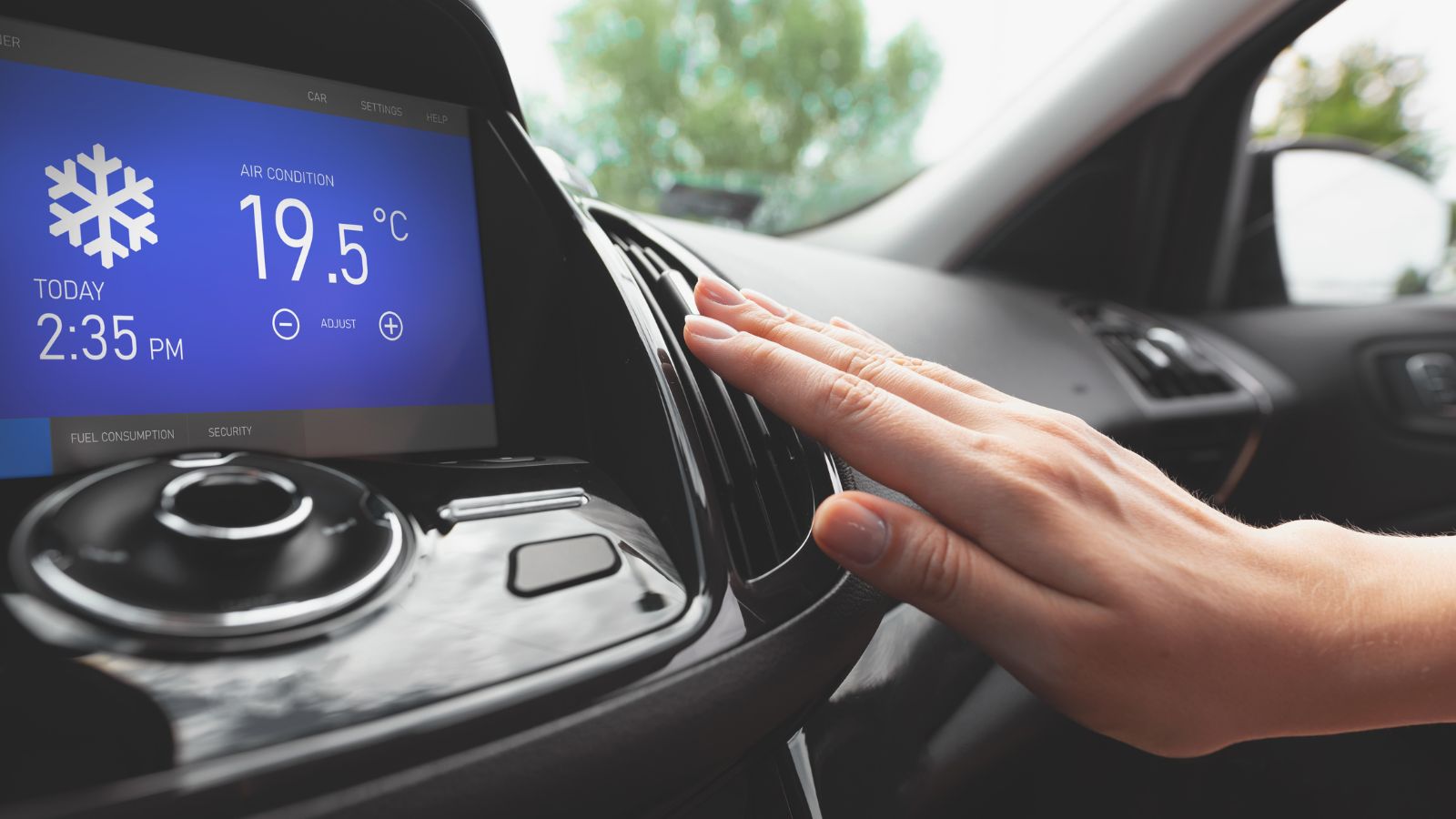
Weak air conditioning can seem like a minor repair until five people are trapped inside a sun-heated vehicle for an afternoon drive. NHTSA recommends checking A/C performance and the cabin air filter before summer travel, noting that air conditioning works harder as temperatures rise. It also emphasizes that loss of effective cooling can be particularly significant for children, older adults, and people sensitive to heat. A system that feels acceptable during a short drive with one occupant may struggle once the vehicle has been parked in direct sun and every seat is occupied.
Cabin layout matters as well. Some vehicles cool the front seats quickly but provide weak airflow to second- or third-row passengers. That becomes obvious when a child in the back complains of heat while the driver is already comfortable. Families should pay attention to rear vents, fan strength, climate zones, sun exposure through large windows, and how quickly the entire cabin cools after parking. Heat inside parked vehicles can rise rapidly, making effective climate control more than a luxury during hot-weather travel. A weak compressor, clogged filter, malfunctioning fan, or inadequate rear ventilation can make several hours on the road miserable.
Child Seats That Technically Fit but Are Awkward to Install Correctly
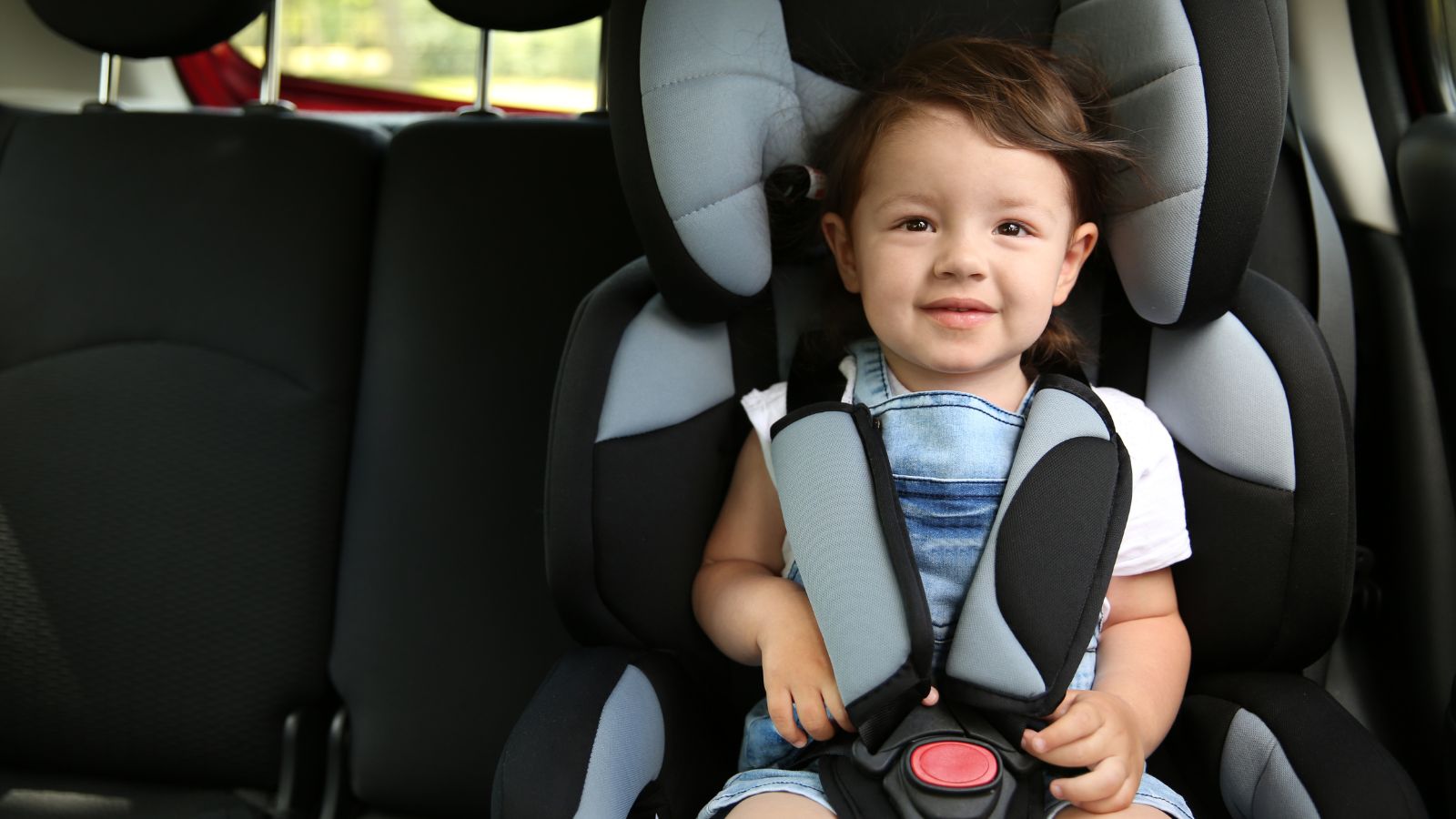
A vehicle can have plenty of rear-seat space and still be frustrating for families using child restraints. Lower LATCH anchors may be buried deep between cushions, tether anchors can be difficult to identify, and seat contours sometimes make secure installation awkward. IIHS evaluates vehicles specifically for LATCH usability because hardware design and accessibility vary. Its research has found that anchor depth, clearance, location, and confusing tether hardware can influence whether restraints are attached correctly. Some three-row vehicles also provide fewer usable lower-anchor positions than parents might assume from the seating capacity.
The consequences go beyond convenience. NHTSA reported in 2024 that almost half of car seats are installed incorrectly and says correctly installed restraints can reduce fatal-injury risk substantially for infants and toddlers. A properly secured seat should generally move no more than one inch at the belt path. For families buying or preparing a road-trip vehicle, physically installing the seats before departure can reveal problems a brochure will never show. A rear-facing restraint may force the front passenger seat unusually far forward, while three child seats may not fit side by side despite apparently generous specifications. The best family car is one that works with the family’s actual restraints.
Loose Luggage That Becomes a Hazard During Sudden Braking

Packing often ends when the final bag has been squeezed somewhere inside the vehicle. Safety demands one more question: what happens to that object during an emergency stop? NHTSA warns that unsecured loads endanger vehicle occupants as well as other road users. Its current secure-load guidance says crashes involving objects in the roadway kill roughly 850 people and injure almost 19,000 annually in the United States, with passenger vehicles accounting for most of the vehicles involved in those crashes.
The same principle matters inside the cabin. Heavy suitcases stacked above the seatbacks, loose tools, water bottles, camping equipment, and other objects can shift dramatically during abrupt manoeuvres or collisions. Families also tend to open a packed cargo area repeatedly during trips, allowing carefully arranged luggage to migrate as items are removed and replaced. Heavy objects should be kept low and secured where practical, and exterior loads need appropriate straps, netting, or attachment systems. A vehicle with a useful cargo cover, tie-down points, divided storage, and enough space to keep luggage behind occupied seats can therefore be safer and easier to live with than one that requires belongings to be piled throughout the passenger compartment.
Discovering There Is No Spare Tire After the Flat Happens
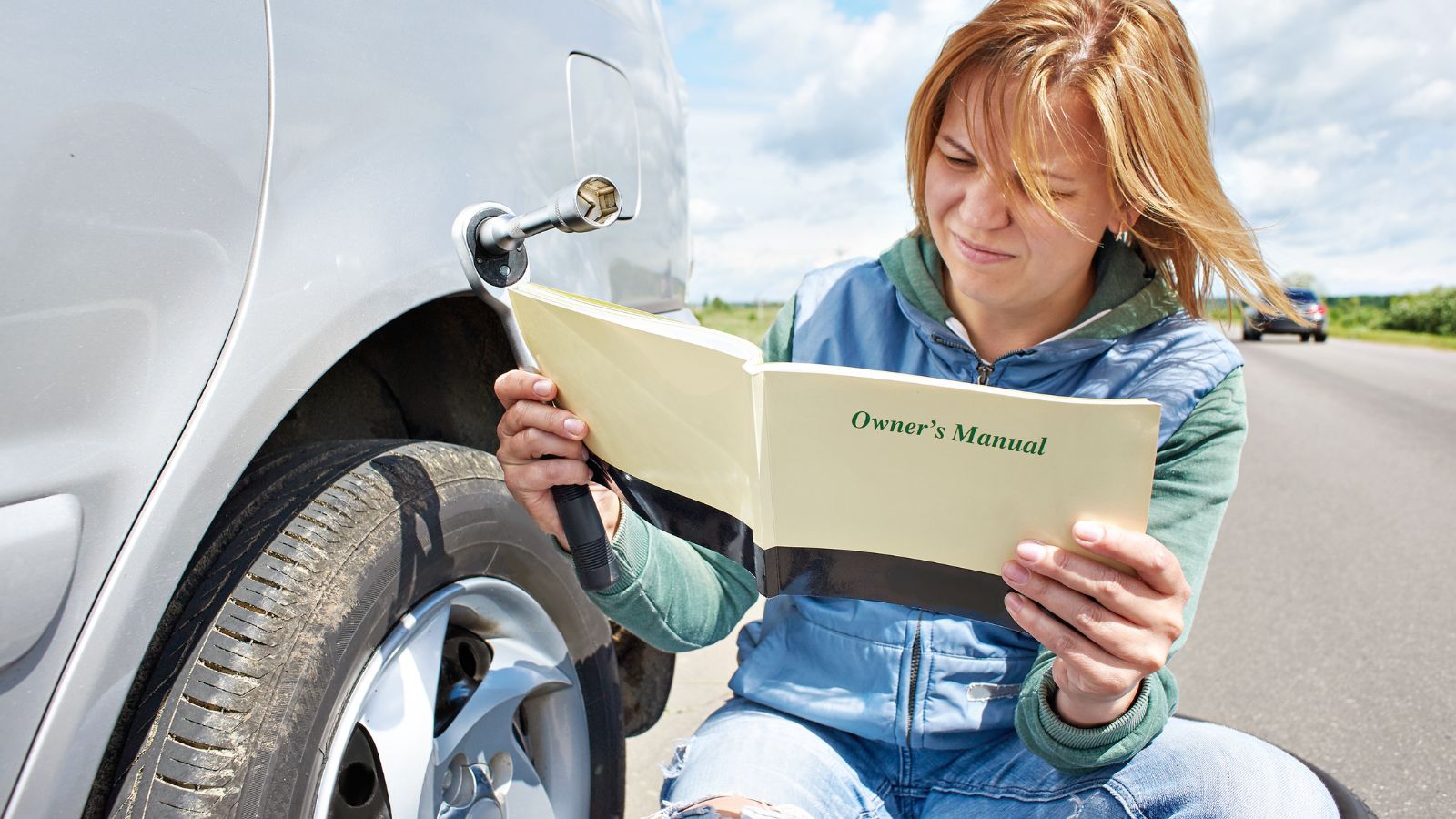
Many drivers still assume a spare tire, jack, and lug wrench are hidden beneath the cargo floor. That assumption can turn an ordinary puncture into an expensive tow. AAA has reported that roughly one-quarter to one-third of newer vehicles may lack a conventional spare, with manufacturers sometimes substituting run-flat tires or an inflator-and-sealant kit. AAA also says it responded to nearly 3 million flat-tire roadside-assistance calls in 2024, illustrating how common tire trouble remains despite modern tire-pressure monitoring systems.
Inflator kits are not universal solutions. They generally work only on certain small tread punctures and cannot repair many sidewall failures, blowouts, damaged wheels, or tires that have separated from the rim. Before a family trip, the useful question is not simply whether the vehicle has “flat-tire equipment,” but exactly what equipment is present and whether everyone understands its limitations. A temporary spare also needs inflation checks because an unused tire can slowly lose air for years. In remote areas or during late-night travel, knowing the vehicle’s backup plan before a puncture occurs can dramatically change how disruptive the incident becomes.
Wipers and Lights That Become a Problem Only When Weather Turns Bad
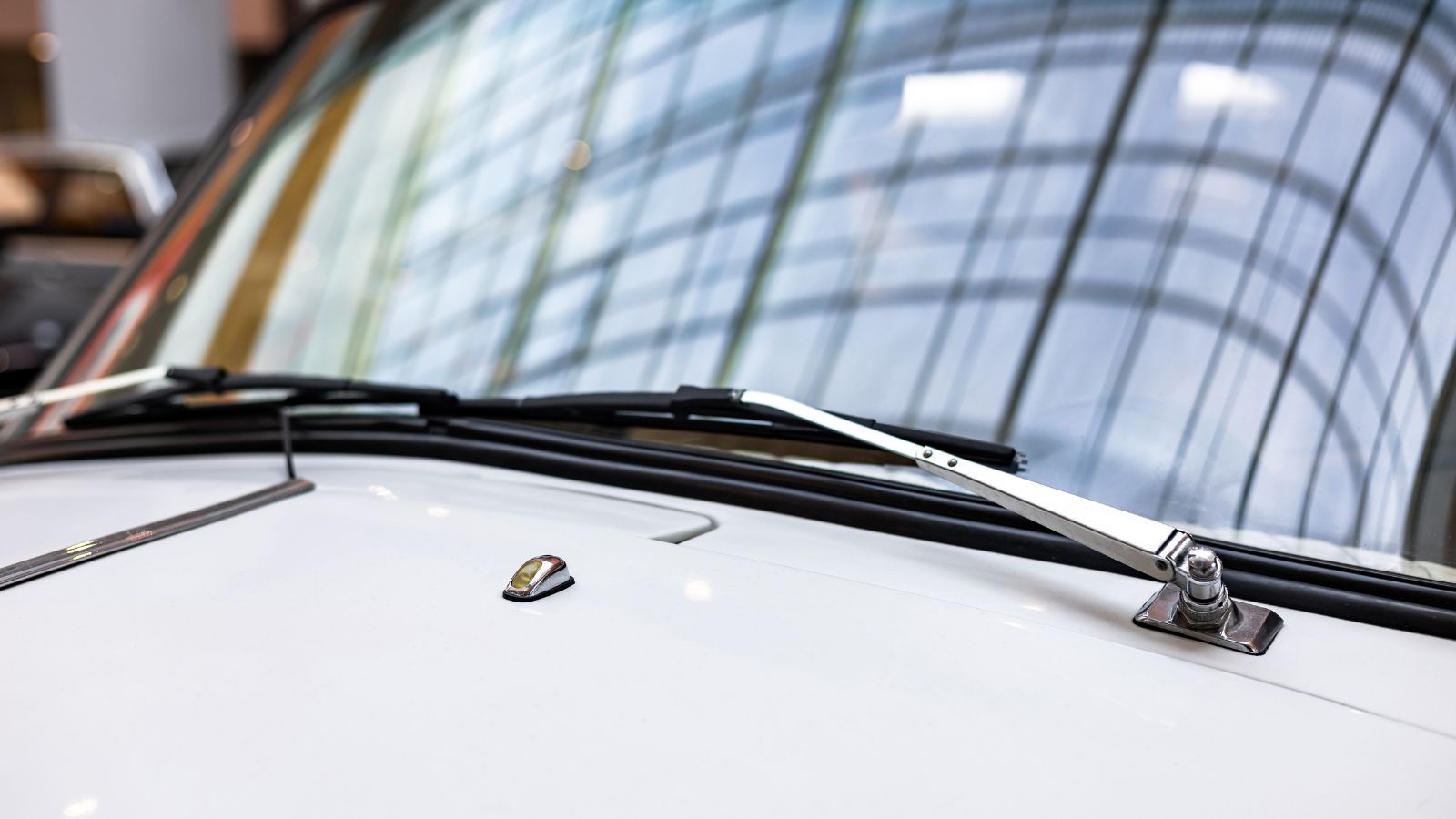
Clear skies at departure can make worn wiper blades easy to ignore. Four hours later, heavy rain can turn small streaks into an exhausting visibility problem. NHTSA recommends inspecting windshield wipers before long summer trips because heat, winter weather, and age can deform or damage the rubber. It also recommends checking headlights, brake lights, turn signals, emergency flashers, and other exterior lighting before departure. These components may receive little attention during normal daytime driving but become essential when a trip runs into darkness or severe weather.
A road trip compounds the problem because drivers encounter unfamiliar roads where clear sightlines matter even more. Spray from trucks, dirty windshields, insects, fogging, and rapidly changing weather can all increase demand on the washer and wiper systems. AAA notes that worn blades may smear water rather than clearing it, while adequate washer fluid is especially important on extended journeys. Something as mundane as a cracked blade can therefore transform a thunderstorm into an unnecessarily stressful experience. A five-minute pre-trip check of lights, wipers, washer fluid, and defroster operation can eliminate several problems that are otherwise discovered at exactly the worst moment.
An Open Safety Recall Nobody Checked Before Leaving
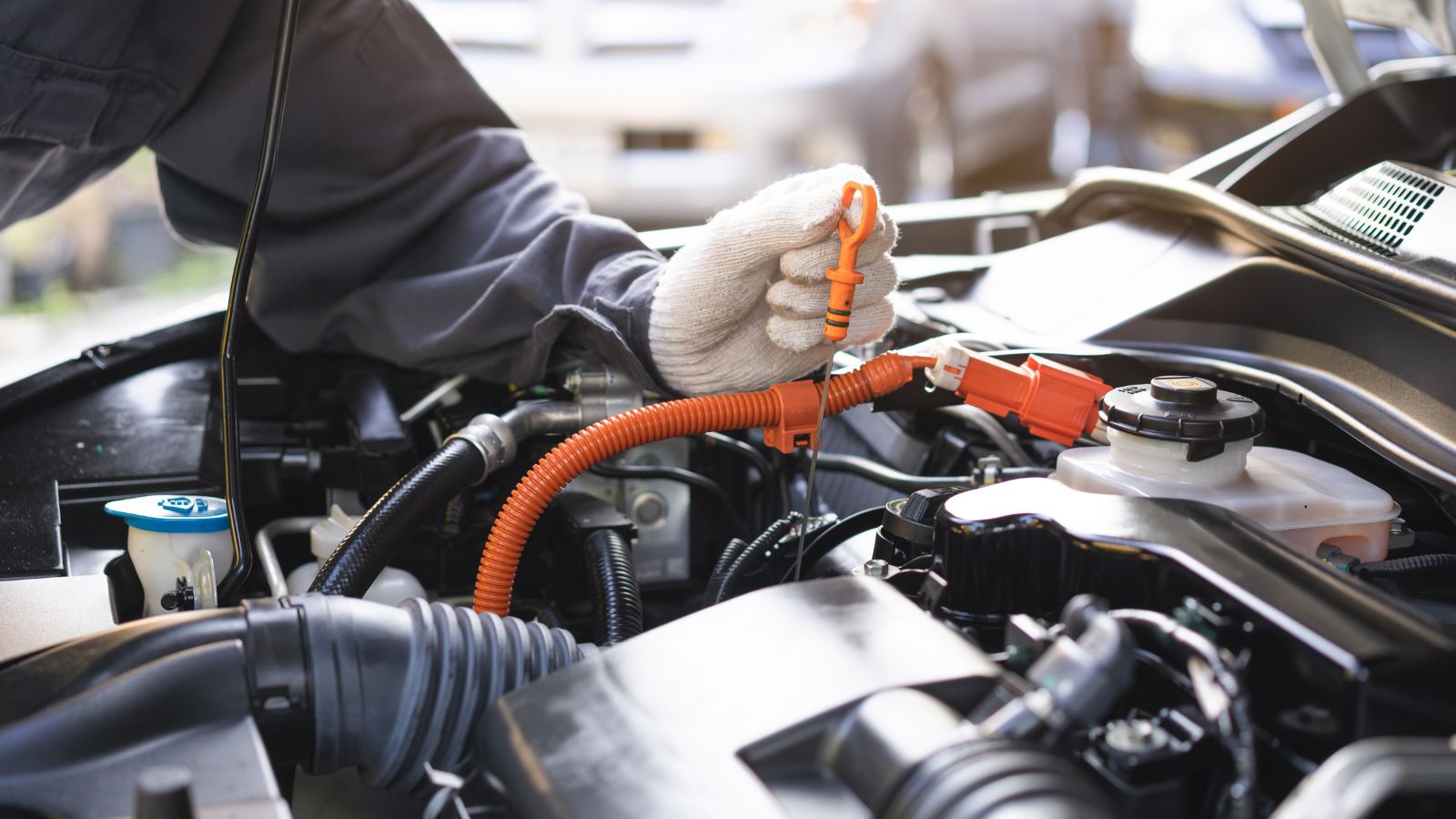
A car can run flawlessly while still having an unresolved safety defect. Recalls may involve components ranging from airbags and fuel systems to electrical equipment, brakes, seats, tires, or other critical hardware. NHTSA says 997 vehicle safety recalls affected more than 29 million U.S. vehicles in 2025, yet millions of recalled vehicles remain unrepaired or unaddressed each year. Recall repairs are generally performed free by the manufacturer’s dealership, making an open-recall check one of the simplest pre-trip precautions available.
The timing matters because some recall instructions are more serious than ordinary maintenance recommendations. Depending on the defect, manufacturers may issue special guidance such as “do not drive” or “park outside” until repairs are completed. NHTSA allows owners to search by VIN or, for many vehicles, licence plate, and its SaferCar app can provide future recall notifications. Families should also remember that recalls can involve car seats, tires, trailers, and other vehicle-related equipment. Checking a VIN shortly before departure is particularly worthwhile on an older or recently purchased used vehicle, where previous owners may have ignored letters or changed addresses before a repair was completed.
Range That Shrinks Once the Trip Stops Resembling Everyday Driving

Drivers naturally learn how far their own vehicle usually travels between fuel or charging stops. Road trips can break those expectations. Higher sustained speeds, roof cargo, heavy loads, mountain grades, strong climate-control use, headwinds, and detours can all change consumption. NHTSA recommends keeping the fuel tank reasonably full and planning stops on longer journeys. For electric vehicles, Department of Energy guidance specifically notes that driving range varies with conditions and can decline with extreme temperatures, high-speed highway driving, rapid acceleration, heavy loads, significant inclines, and heating or cooling demands.
A family trip leaves less margin for optimistic calculations because running low with children aboard is considerably more complicated than making an unplanned stop during a solo commute. Charging also works best when locations, backup sites, and expected arrival state of charge have been considered beforehand. Likewise, gasoline drivers crossing sparsely populated areas should not assume the next service station will be open or conveniently positioned. The advertised range of a vehicle is not a promise that every loaded vacation journey will reproduce it. A practical road-trip car should provide enough reserve that wind, weather, traffic, or a missed stop does not immediately turn into a range emergency.
A Driver Who Becomes the Weakest Part of the Vehicle
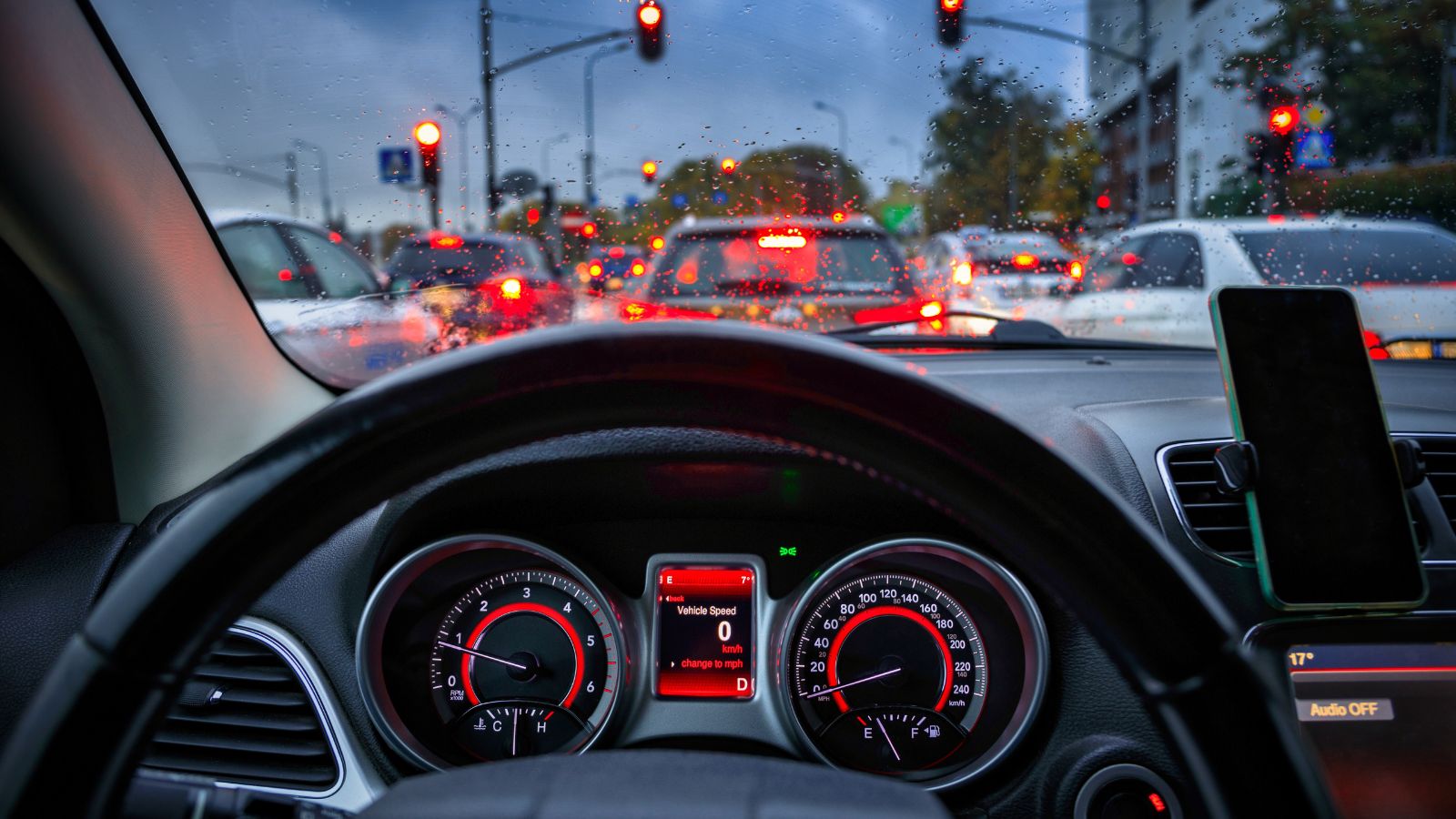
The car may be mechanically perfect while the person behind the wheel is running on too little sleep. Long, monotonous highways are particularly unforgiving because fatigue reduces reaction speed, decision-making quality, awareness, and lane control. CDC/NIOSH guidance says most adults need roughly seven to nine hours of sleep and identifies long periods of inactivity, extended wakefulness, insufficient sleep, and certain times of day as contributors to driver fatigue. Microsleeps can last from fractions of a second to many seconds, during which a moving vehicle may travel a considerable distance without meaningful control.
Family schedules can make the problem worse. Drivers sometimes leave before dawn to “beat traffic,” continue late at night to reach a hotel, or push through the final hour because children are asleep and stopping feels inconvenient. CDC guidance stresses that sleep is the actual remedy for fatigue; opening windows or turning up the radio is not a reliable substitute. NHTSA likewise recommends building enough time into long trips for food, stretching, driver changes, and rest. A comfortable family vehicle should make those pauses easier, but no seat, driver-assistance system, or cup of coffee can safely compensate for a driver who genuinely needs sleep.
Infotainment That Demands Too Much Attention While Driving

A feature-packed dashboard can look impressive in the showroom yet become irritating when basic tasks require several taps at highway speed. Navigation changes, temperature adjustments, music selection, incoming messages, and requests from passengers can accumulate into a significant distraction burden. NHTSA reported that distracted-driving crashes killed 3,275 people and injured an estimated 324,819 in the United States in 2023. The agency also cautions that distraction statistics are likely underreported because determining distraction after a crash can be difficult.
Family trips create constant opportunities for attention to wander. Someone wants a different playlist, another passenger needs a charging cable, the navigation system suggests a route change, and a child asks for help with a tablet—all while the driver is entering unfamiliar traffic. AAA research has found that certain infotainment tasks can keep drivers visually and mentally occupied for extended periods, especially when interfaces are complicated. Good road-trip preparation therefore includes more than charging devices. Destinations can be programmed before departure, frequently used controls can be learned in advance, and passengers can handle navigation changes or messages. A vehicle that makes common functions simple and predictable reduces unnecessary workload over a long day.
A Cabin Layout That Makes Motion Sickness Worse
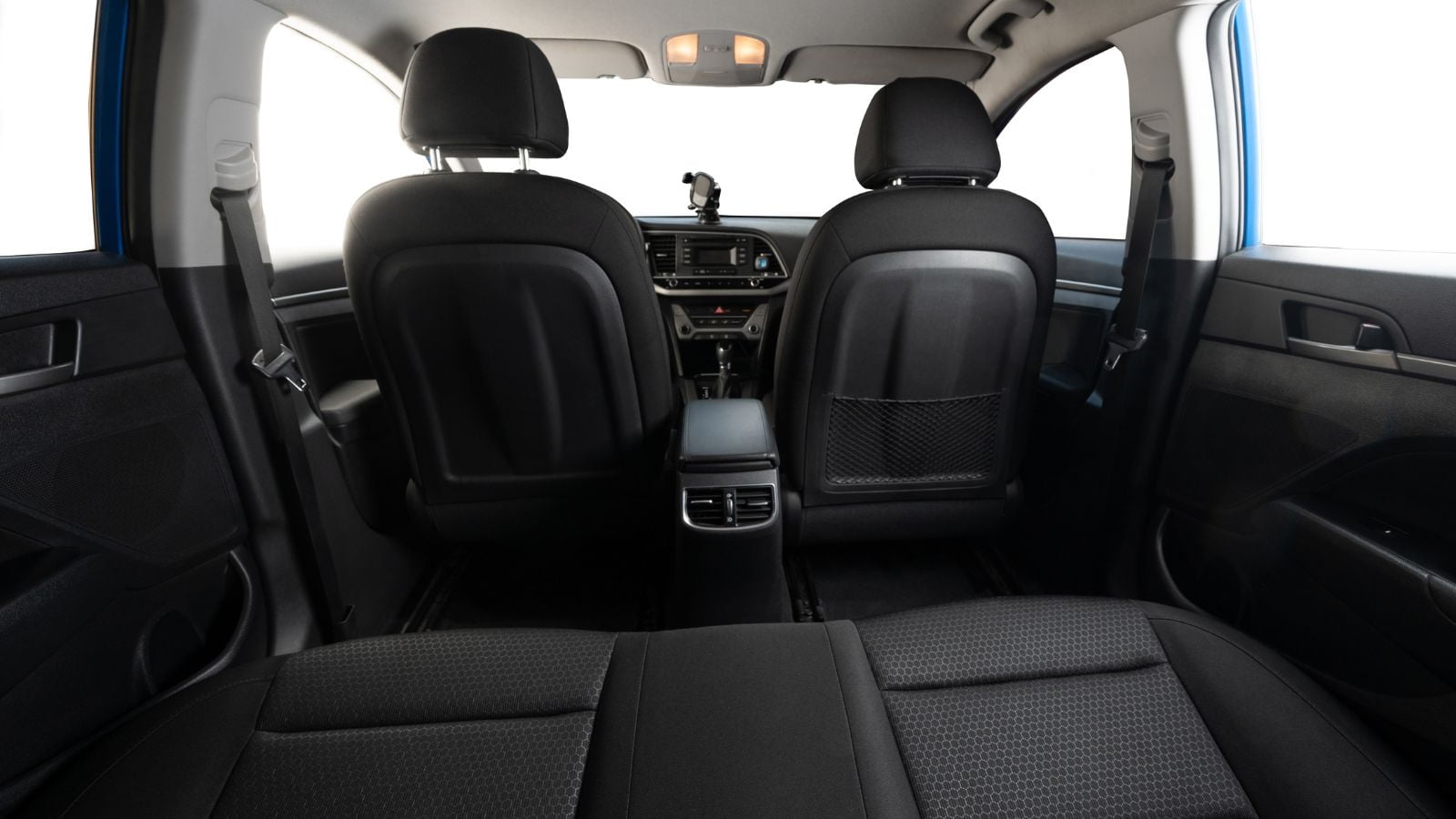
For a child prone to carsickness, an otherwise excellent vehicle can become the least popular member of the family. Motion sickness occurs when information from vision conflicts with movement sensed by the inner ear. CDC guidance lists nausea, dizziness, and vomiting among the possible symptoms and recommends strategies such as looking toward the horizon, closing the eyes or sleeping, staying hydrated, and positioning oneself where outside motion is easier to anticipate when appropriate.
Research into carsickness supports the importance of visual information. Controlled studies have found that passengers with a forward external view can experience less motion sickness than those unable to see the road ahead. That makes cabin design surprisingly relevant. High beltlines, small rear windows, heavily obstructed sightlines, or entertainment screens positioned low in the cabin may encourage passengers to stare downward rather than outside. Reading and sustained screen use can also aggravate symptoms for susceptible travellers. For a family dealing with recurrent carsickness, seating position, visibility, smooth ride behaviour, ventilation, and the ability to take regular breaks may matter far more than acceleration times or dashboard technology.
Poor Alignment or Worn Suspension That Becomes Exhausting Over Hundreds of Kilometres
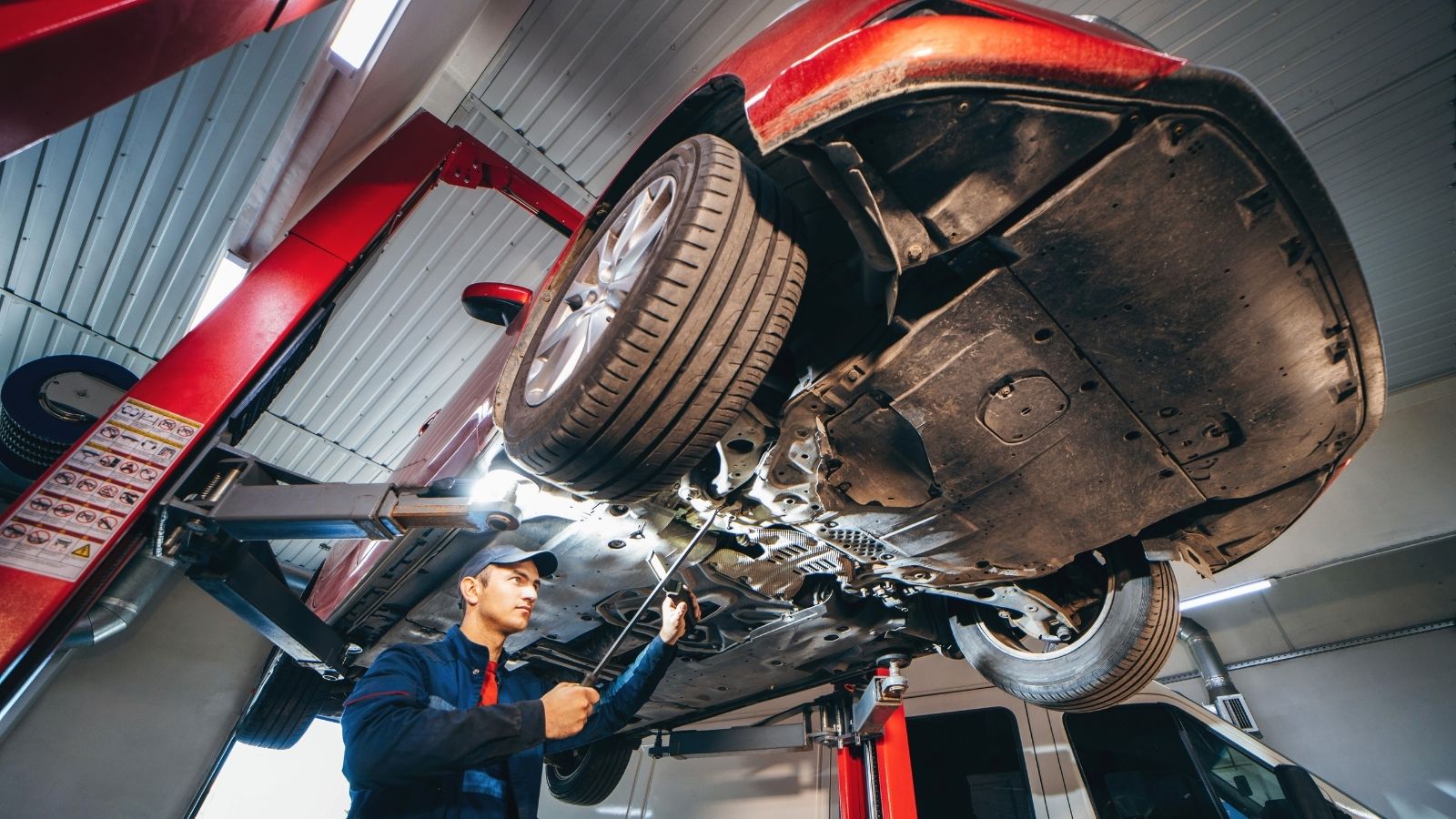
A slight steering pull or vibration can be tolerated for a fifteen-minute commute. Over eight hours, constantly correcting the steering wheel becomes tiring, while vibration that seemed minor around town can make the whole vehicle feel unsettled. NHTSA says proper wheel alignment is important for vehicle safety and tire life. Misalignment can cause a vehicle to veer left or right on a straight road and contribute to uneven tire wear, while wheel-balance problems can produce shaking or vibration.
Suspension condition affects the experience as well. Worn shocks, struts, bushings, or other components may allow excessive movement over bumps and can contribute to abnormal tire wear or poor handling. AAA lists pulling, off-centre steering, vibration, and uneven tread wear among common signs that alignment or suspension-related inspection may be needed. These problems become particularly noticeable with a full passenger load because the vehicle is being asked to control additional mass for hour after hour. A road-trip car should track confidently and settle quickly after bumps. If the steering requires constant correction or passengers complain about excessive bouncing, the problem deserves attention before a long-distance departure.
Towing a Trailer as Though the Vehicle Were Empty
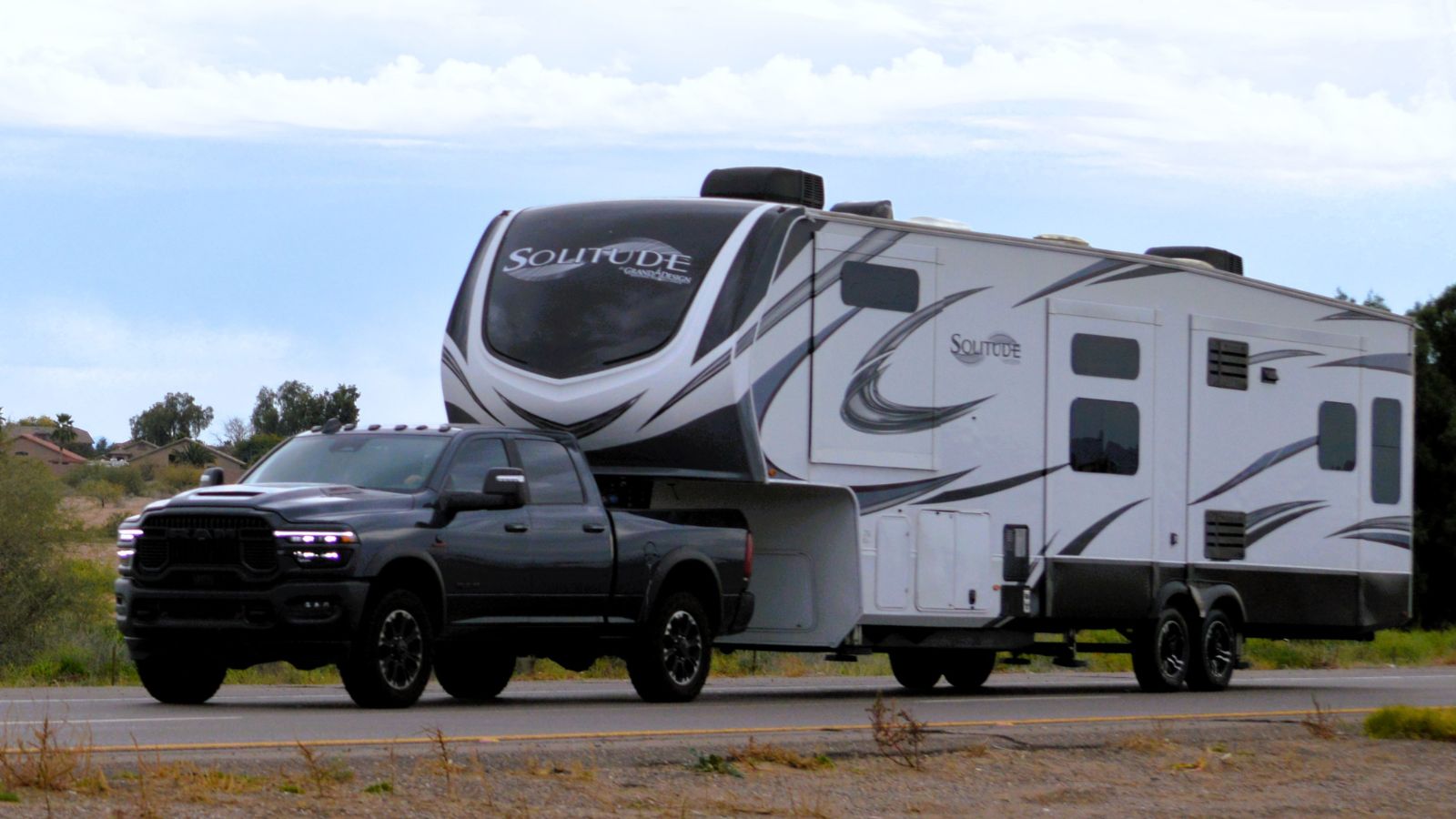
Adding a camper, boat, utility trailer, or vacation trailer fundamentally changes what the tow vehicle must do. The engine or electric motors work harder, tires and suspension carry additional forces, braking distances change, and steering becomes less forgiving. Manufacturer towing guidance archived by NHTSA emphasizes that trailers place additional loads on the drivetrain, brakes, tires, and suspension. Electric vehicles can also experience a substantial reduction in driving range while towing because of additional weight and aerodynamic drag.
The advertised maximum towing figure is only part of the calculation. Passengers and luggage remain important because payload, axle ratings, gross vehicle weight, gross combined weight, hitch limits, and trailer tongue weight can all impose separate constraints. NHTSA guidance on vehicle loading emphasizes that weight ratings must not be exceeded, while towing instructions commonly call for correctly distributed trailer weight, functioning lights, secure connections, appropriate tire pressures, safety equipment, and trailer brakes where required. A family vehicle that can technically tow a trailer on paper may have far less usable capacity once every seat and cargo area is occupied. Successful towing begins with the loaded numbers, not the headline rating.
19 Used Cars Canadians Should Avoid in 2026 (Based on Owner Complaints)

Buying a used car in Canada can feel safe until repair bills start stacking up. Owner complaints tell a different story than glossy listings. Transmission failures, electrical problems, and weak winter reliability show up again and again in consumer reports. Many of these issues appear after warranties expire, when owners least expect them. Some vehicles look affordable upfront, but become expensive to keep on the road. Others struggle in cold weather, urban driving, or long highway commutes. Here are 19 used cars Canadians should avoid in 2026 (based on owner complaints).
19 Used Cars Canadians Should Avoid in 2026 (Based on Owner Complaints)

Alanna Rosen is an experienced content writer that focuses on many EV and educational content. Her articles are regularly published on Get CyberTrucked and syndicated on large publications.