A used vehicle can look remarkably ordinary even after spending years earning money one passenger or food order at a time. Rideshare and delivery work does not automatically make a car a bad purchase, but commercial-style use can concentrate mileage, idling, stop-and-go driving, and interior wear in ways that ordinary ownership may not.
No single clue can establish a vehicle’s history with certainty. A long commute, large family, or city lifestyle can create similar patterns. The strongest case usually comes from several details pointing in the same direction. These 19 signs can help reveal when a seemingly normal personal vehicle may have spent part of its life working for rideshare or delivery platforms.
The Mileage Is Unusually High for the Vehicle’s Age
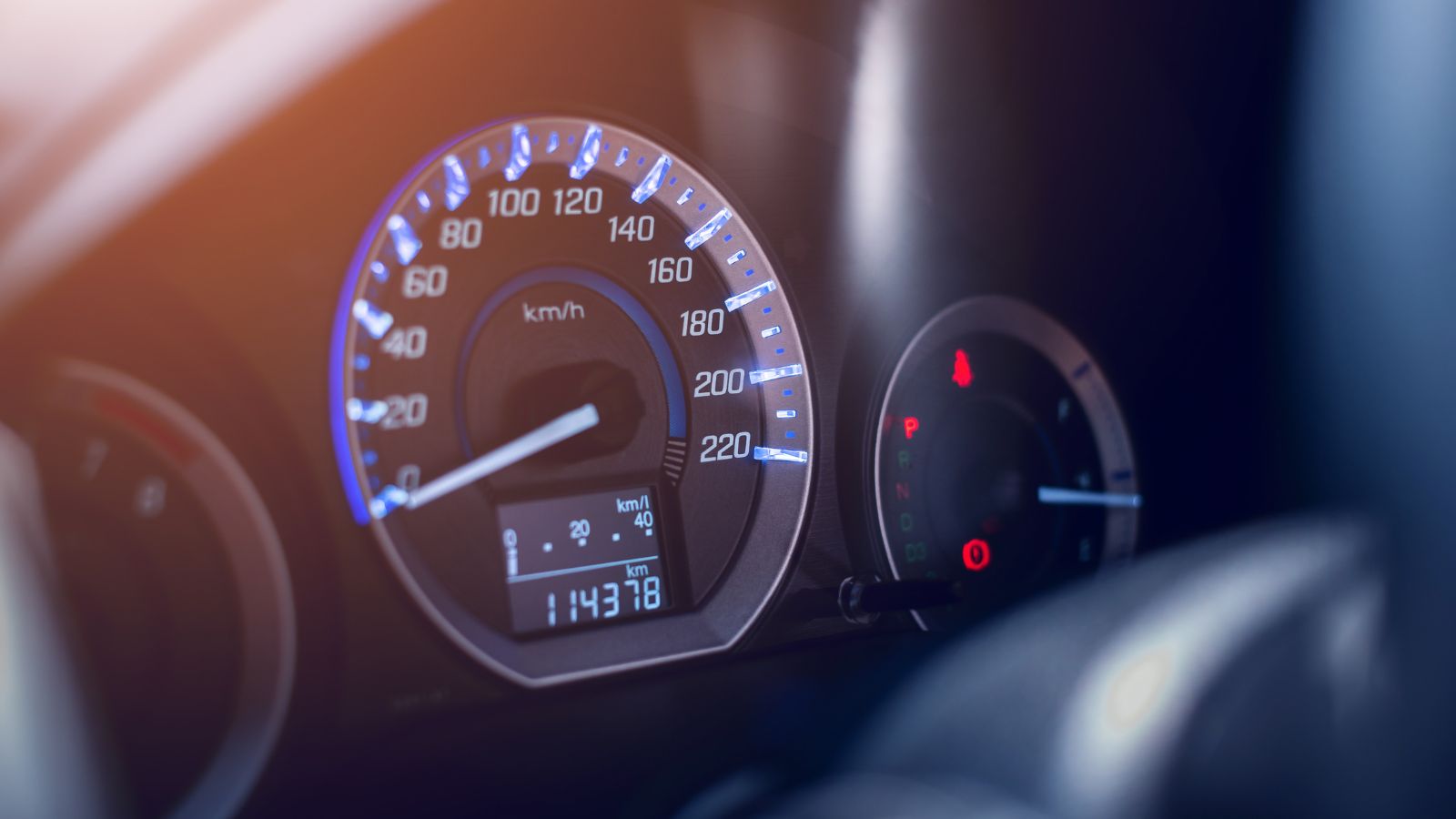
Mileage is the first clue because earning money with a vehicle generally requires spending considerable time on the road. Research examining ride-hailing has connected the industry’s growth with increases in vehicle miles traveled, while other research has documented substantial amounts of driving by drivers using platforms such as Uber. A three-year-old sedan showing mileage normally associated with a much older car deserves questions about how those miles accumulated.
High mileage alone proves very little. A salesperson covering several states or someone with a 100-mile daily commute can produce similar numbers, and steady highway use can sometimes be mechanically easier than short urban trips. The more telling combination is unusually high mileage alongside worn rear seats, frequent brake work, repeated tire replacements, or records showing short service intervals. Buyers should compare the odometer reading with the vehicle’s age, maintenance documents, reported ownership history, and visible wear rather than treating mileage as a standalone verdict.
The Rear Seat Looks More Used Than the Front Passenger Seat
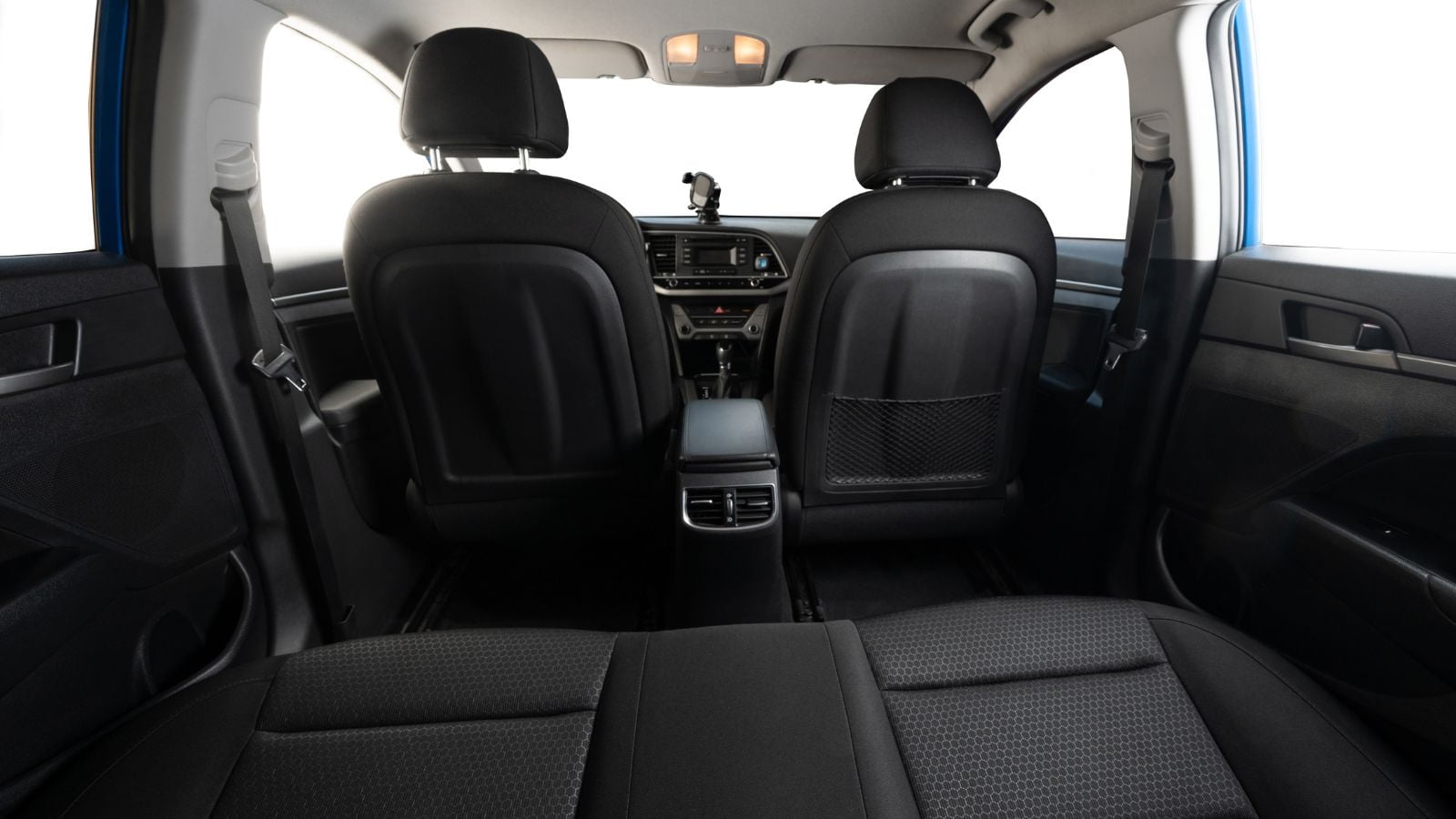
Most privately owned sedans spend far more time carrying someone in the driver’s seat than in the rear. Rideshare operation can reverse that pattern. Uber’s own rider safety guidance encourages solo passengers to sit in the back when possible, and its guidance to drivers specifically emphasizes keeping the rear seating area clean, uncluttered, and prepared for customers.
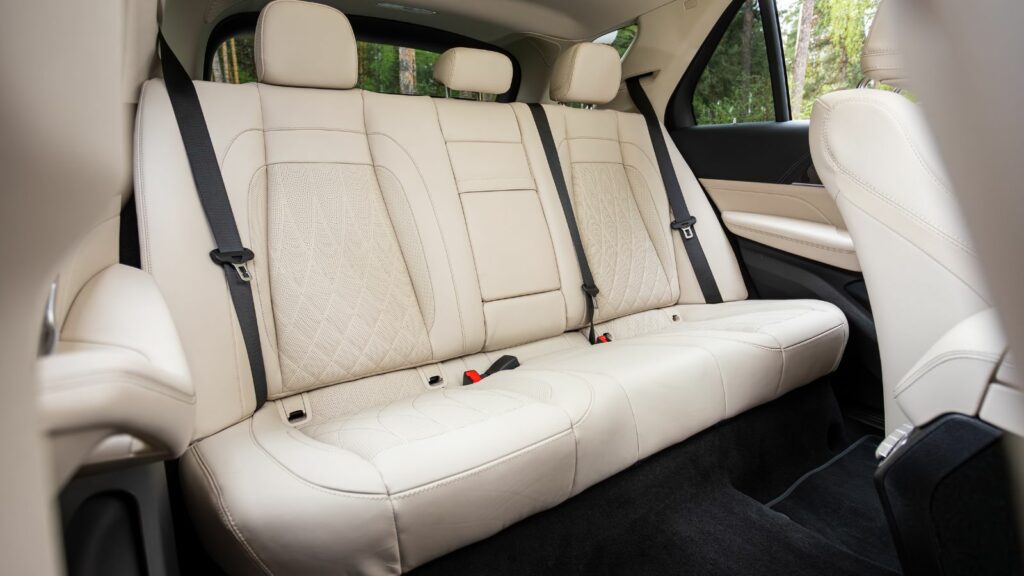
That makes disproportionate rear-seat wear worth noticing. Look for flattened cushions, polished or cracked upholstery edges, stretched seat fabric, scratched plastic trim, or a noticeably softer seat base behind the front passenger. Compare those surfaces with the rarely used parts of the cabin. A parent transporting children every day could produce equally heavy rear-seat wear, so context matters. However, a relatively young sedan with spotless front-passenger upholstery and visibly tired rear cushions tells an unusual story. When that pattern appears together with high mileage and other passenger-related clues, rideshare work becomes a reasonable possibility to investigate with the seller.
Rear Door Sills and Door Panels Are Disproportionately Scuffed

Rideshare vehicles can experience a stream of passengers entering and exiting throughout a working day. Uber even offers drivers the ability to accept another trip while the current one is still underway, allowing back-to-back passenger runs. That operating pattern can mean far more use of the rear doors than would occur in many privately owned cars.
Inspect the painted door jambs, plastic sill plates, lower door pockets, armrests, interior handles, and trim surrounding the rear doors. Shoes, luggage, handbags, and repeated entry can gradually leave scratches and dull polished areas. Again, this is not exclusive to commercial service; families with children can be especially hard on rear trim. The clue becomes more meaningful when the rear doors look dramatically older than the rest of the cabin. A seller describing a car as a lightly used commuter may have difficulty explaining rear sill plates that look as though hundreds of different pairs of shoes have crossed them.
The Rear Seat Belts and Buckles Show Heavy Handling
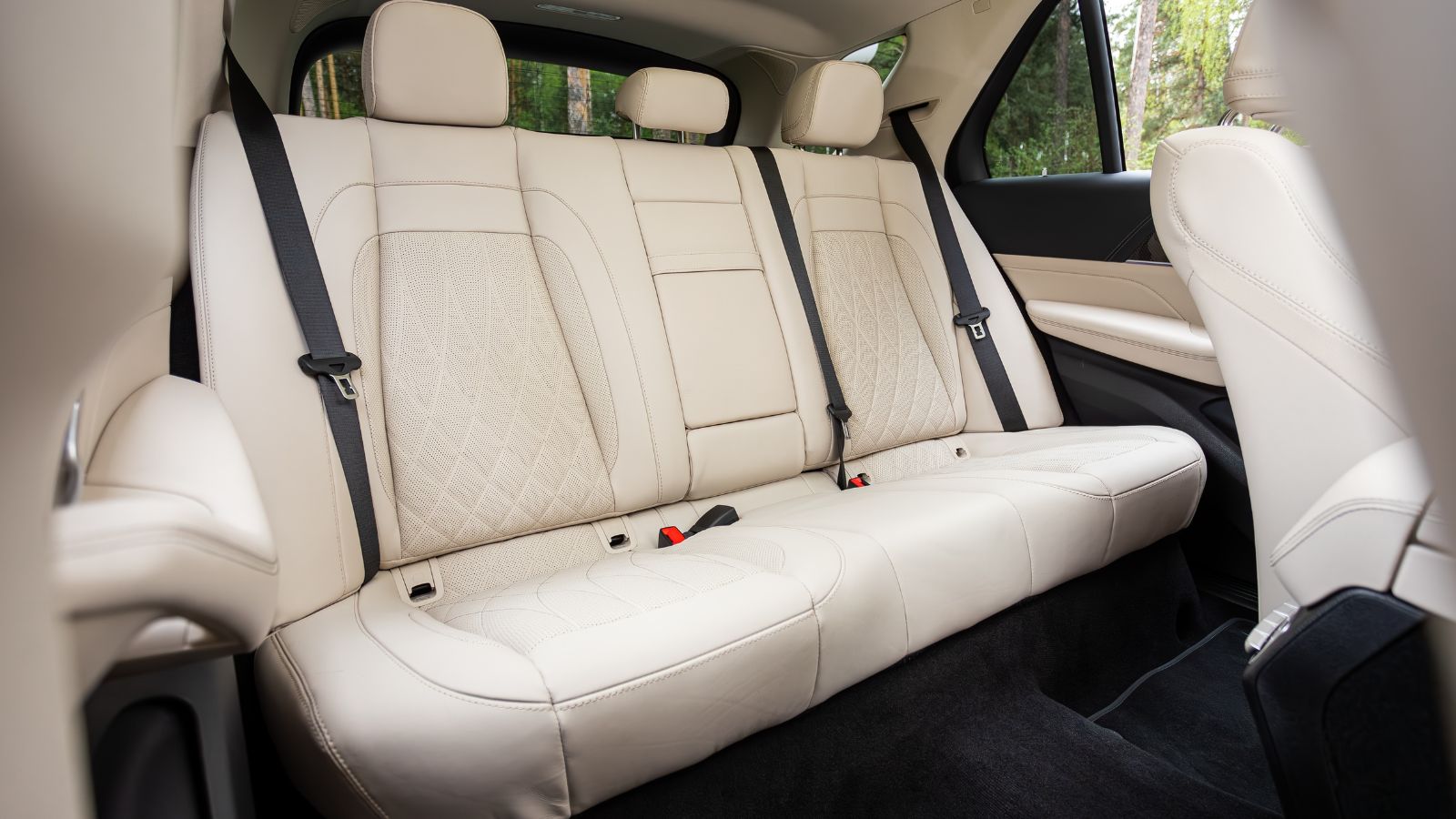
Seat belts are easy to overlook during a used-car inspection, yet their condition can reveal how frequently particular seating positions were occupied. Uber tells riders and drivers that occupants, including those in the rear, should wear seat belts. A vehicle carrying passengers repeatedly can therefore accumulate substantially more handling of rear belt webbing, buckles, and surrounding plastic than a typical single-occupant commuter car.
Pull each rear belt completely out and compare it with the front passenger belt. Look for polished buckle surfaces, scratches surrounding the receptacles, slow retraction, twisted webbing, or grime where hands repeatedly grabbed the belt. Damaged or badly frayed belts can have other causes and should be professionally evaluated because restraint systems are safety equipment. Heavy rear-belt use does not identify Uber, Lyft, or any specific service. It simply adds another piece to the pattern. When a supposedly lightly occupied sedan has unusually tired rear restraints and fresh-looking front-passenger components, asking how the vehicle was used is entirely reasonable.
The Trunk or Cargo Area Looks Like a Working Space
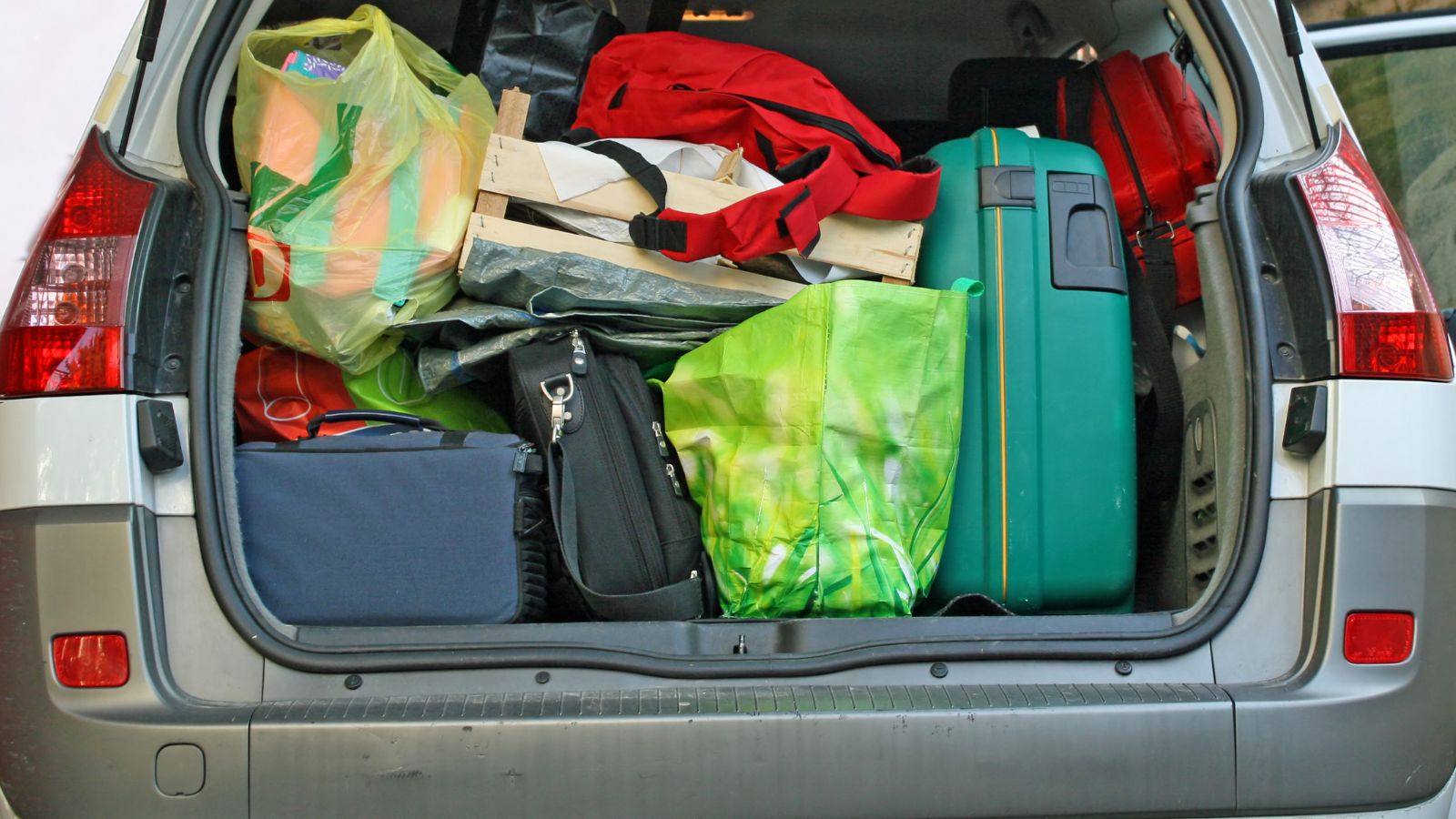
A trunk often receives relatively light use in an ordinary commuter vehicle. Commercial driving can be different. Uber advises rideshare drivers to keep trunk space available for passenger luggage, while food-delivery platforms explicitly allow workers to use personal cars for deliveries. Repeated loading and unloading can gradually leave evidence even after a seller vacuums the cargo area.
Look underneath removable cargo mats rather than judging only the freshly cleaned surface. Scuffed side panels, flattened carpeting, scratched threshold trim, worn seatback coverings, stains, damaged tie-down points, or an unusually battered plastic loading lip deserve attention. Delivery work can also concentrate wear in hatchbacks where orders are routinely placed in the cargo compartment or folded rear area. None of these marks is conclusive; sports equipment, pets, strollers, and home-improvement supplies can be equally punishing. The useful clue is inconsistency. A pristine five-year-old cabin paired with a cargo compartment that looks ten years old should prompt a detailed conversation about the vehicle’s previous routine.
The Driver’s Seat and Pedals Look Older Than the Odometer Suggests
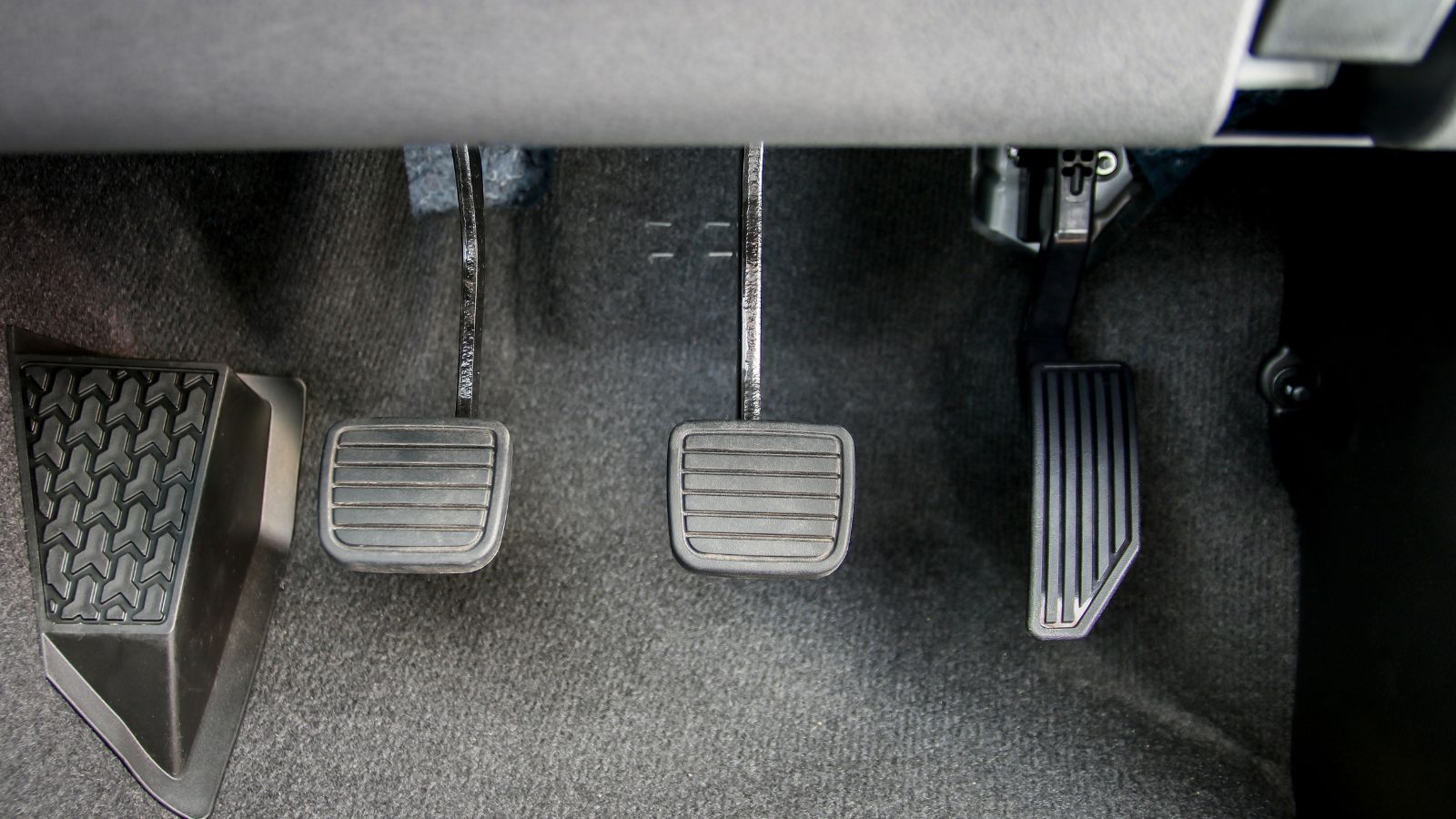
Commercial use does not only affect passenger areas. The driver may remain behind the wheel for hours at a time, producing concentrated wear on the seat bolster, steering wheel, pedals, and frequently touched controls. Consumer Reports specifically recommends examining pedal rubber when evaluating a used vehicle because substantial pedal wear can indicate that a car has been driven much more than its apparent condition or claimed usage might suggest.
Examine the outside edge of the driver’s seat where the driver slides in, then compare its condition with the passenger seat. Look at the brake and accelerator pedal pads, steering-wheel rim, gear selector, start button, and window switches. A car with moderate indicated mileage but a polished steering wheel, flattened seat cushion, and worn pedal rubber deserves closer inspection. Wear patterns vary widely according to driver size and materials, so they cannot independently prove high mileage or commercial use. Their value lies in exposing contradictions between the physical car, the odometer, and the seller’s description.
The Service History Shows Repeated Brake Work

Rideshare and food-delivery driving commonly involves urban traffic, pickups, traffic lights, parking maneuvers, and repeated changes of speed. AAA notes that stop-and-go traffic and frequent hard braking can shorten brake life. Consequently, a service history containing several brake-pad, rotor, or related brake jobs at relatively short intervals may reveal that a vehicle has spent much of its life in demanding city conditions.
Brake life varies dramatically with vehicle weight, driving style, terrain, regenerative braking on hybrids and EVs, and component quality, so there is no universal replacement mileage. The better approach is to compare invoices chronologically. A relatively young car that has already consumed several sets of friction components may deserve questions about its workload. Buyers should also listen for scraping or grinding and have remaining pad and rotor thickness measured during a pre-purchase inspection. Frequent brake service may actually show diligent maintenance, but it can simultaneously reveal the intensity of the driving that made the maintenance necessary.
Tires Have Been Replaced Frequently or Show Uneven Wear
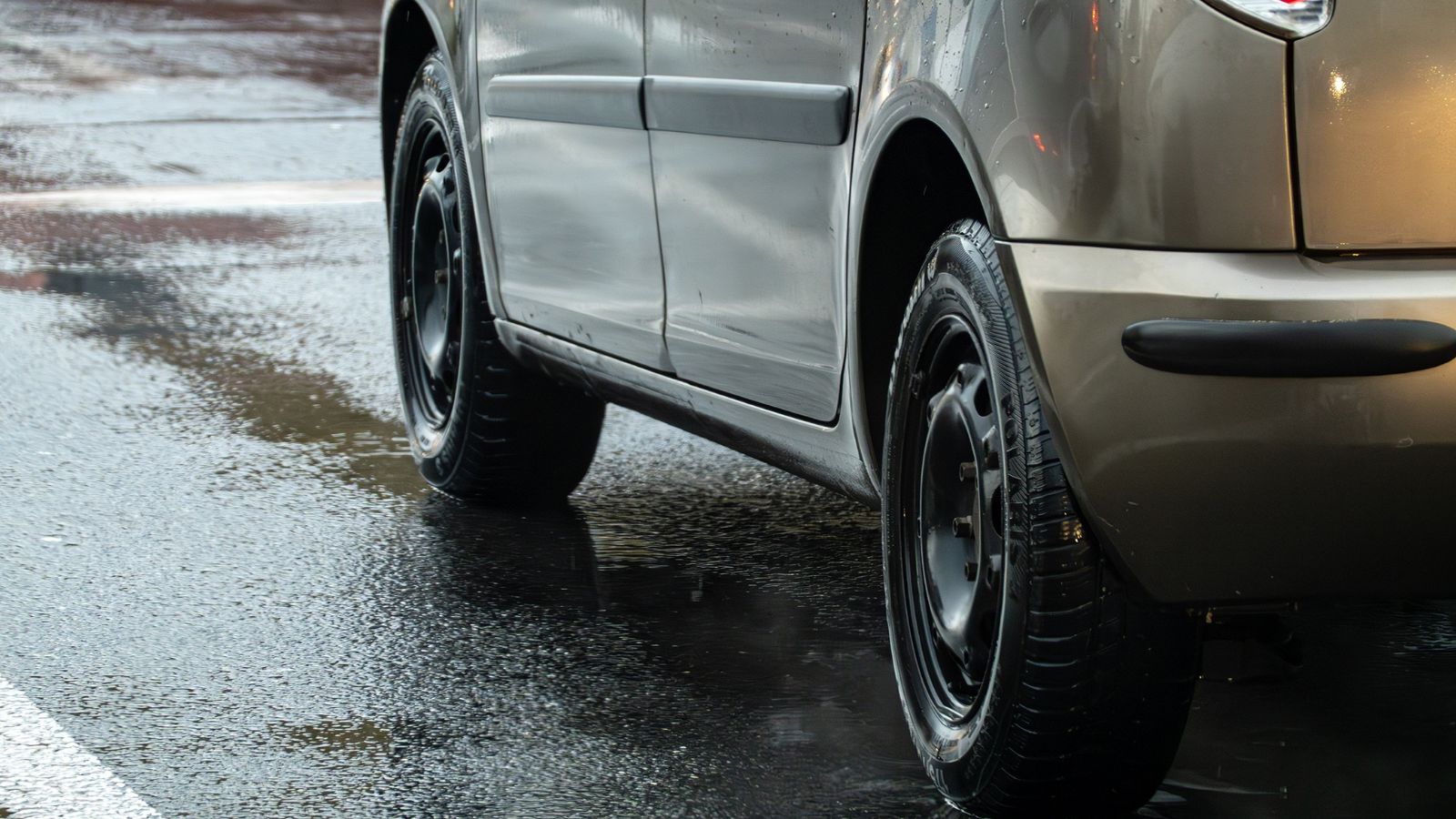
Tires quietly document how a vehicle has interacted with the road. Their lifespan depends on inflation, alignment, driving style, road conditions, rotation practices, and mileage. Federal safety information emphasizes monitoring tread wear, while automotive guidance warns that incorrect alignment can produce abnormal wear patterns and shorten tire life.
Receipts can therefore be revealing. A vehicle that has consumed several sets of tires in surprisingly few years may simply have accumulated substantial mileage. Mixed tire brands or noticeably different manufacturing dates can also indicate piecemeal replacements after punctures, curb impacts, or accelerated wear. Inspect all four tires rather than admiring the newest pair fitted before the sale. Uneven inner or outer tread can point toward alignment or suspension issues that deserve professional diagnosis. None of this specifically identifies rideshare service, but repeated tire expenditure combined with high mileage, city-related body damage, and frequent brakes can help establish a broader picture of intensive daily operation.
The Suspension or Steering Feels Tired Earlier Than Expected
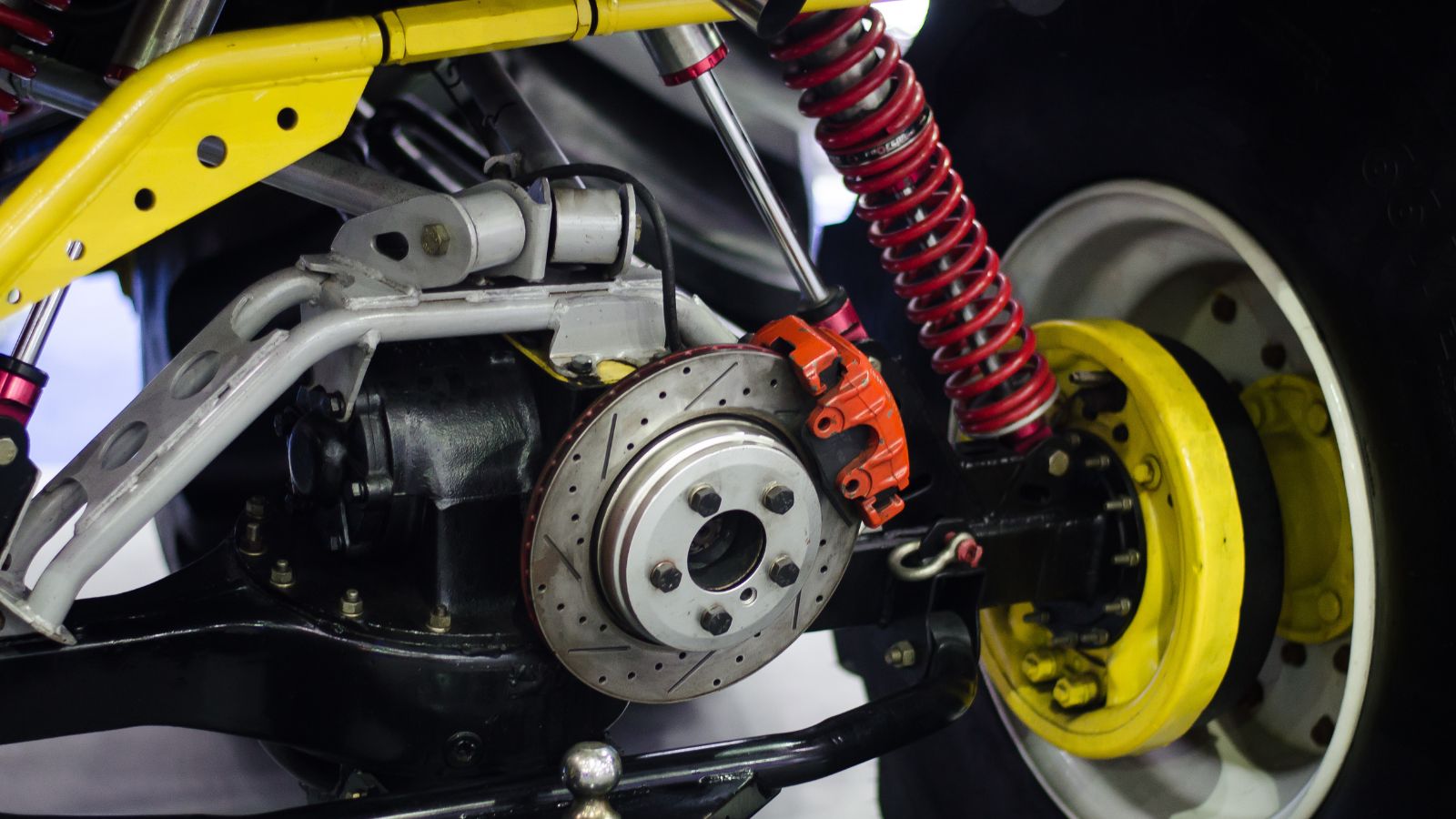
Commercial driving often exposes a car to whatever roads customers and delivery addresses require rather than a predictable commuting route. That can mean speed bumps, potholes, damaged side streets, parking-lot entrances, and repeated curb encounters. AAA notes that significant pothole impacts can affect alignment, steering, tires, wheels, and suspension components.
A test drive may reveal the consequences. Listen for clunks over low-speed bumps, pay attention to steering-wheel vibration, and see whether the vehicle tracks straight on a level road. Uneven tire wear or a steering wheel that sits off-center can also point toward alignment problems. These symptoms are not unique to gig work, and even a privately owned vehicle can be abused on poor roads. What matters is premature deterioration relative to age and mileage. A three-year-old car described as gently driven should not casually be dismissed if its front end feels loose or noisy. A professional inspection can separate ordinary alignment needs from worn ball joints, bushings, shocks, or other components.
Maintenance Records Resemble a Severe-Service Schedule
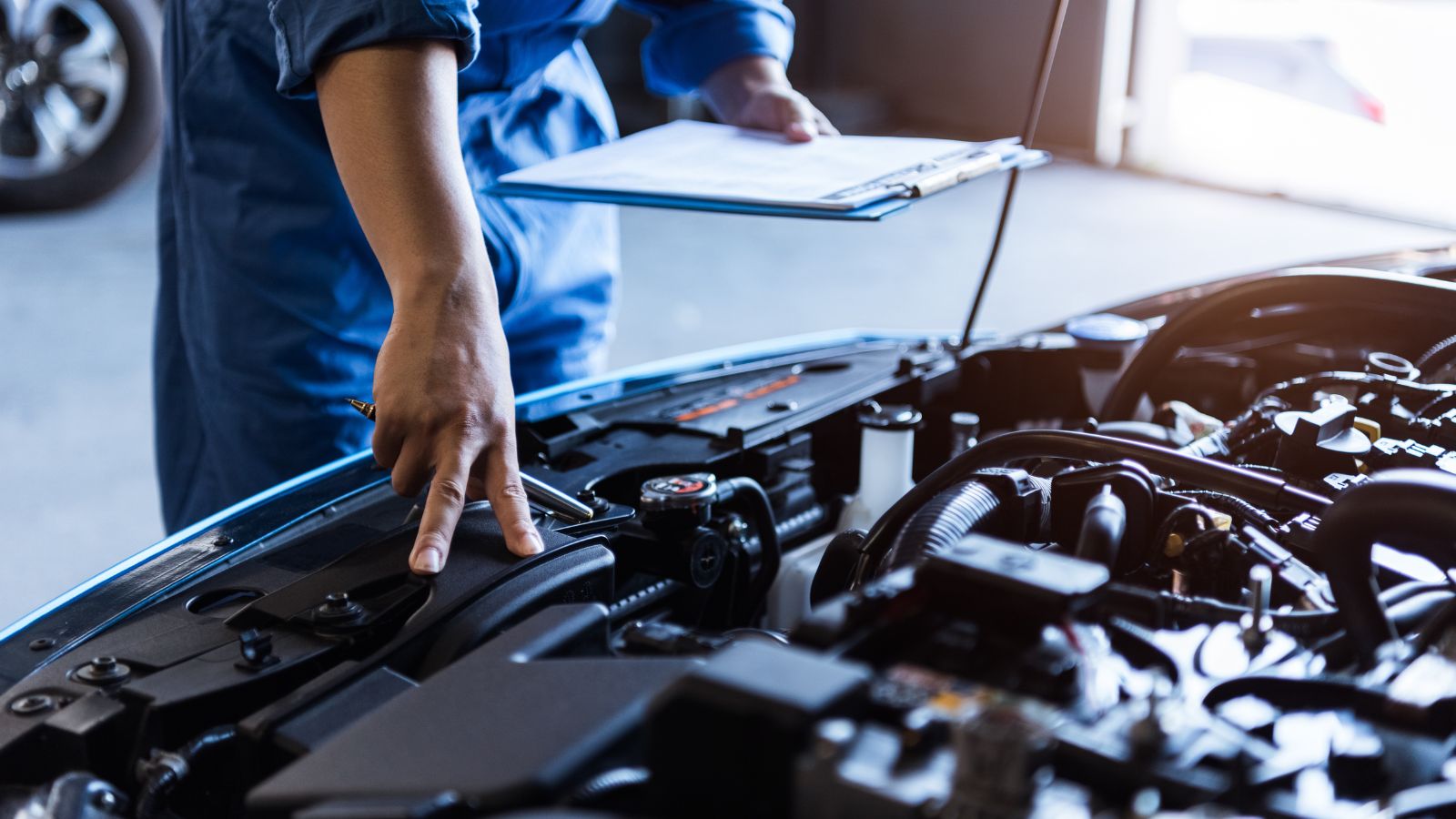
One of the clearest clues may be hiding in the invoices rather than the upholstery. Automakers sometimes define particular working conditions as severe or special service. Toyota maintenance guidance, for example, specifically identifies extensive idling or prolonged low-speed operation such as police, taxi, or door-to-door delivery use when describing additional maintenance requirements.
That makes unusually frequent oil changes interesting rather than automatically suspicious. Records showing services consistently performed earlier than an ordinary owner’s schedule may indicate that someone understood the car was experiencing demanding duty. Look for repeated oil and filter changes, inspections, tire rotations, and other maintenance tightly clustered by mileage or time. Such records are ultimately positive because they suggest somebody cared for the vehicle. The key is what they reveal about its past. A seller claiming occasional weekend use may need to explain why the maintenance history resembles the schedule an automaker recommends for taxi or delivery operation. Documentation can occasionally tell a more accurate story than cosmetic condition.
Engine Hours Are High Compared With Odometer Mileage
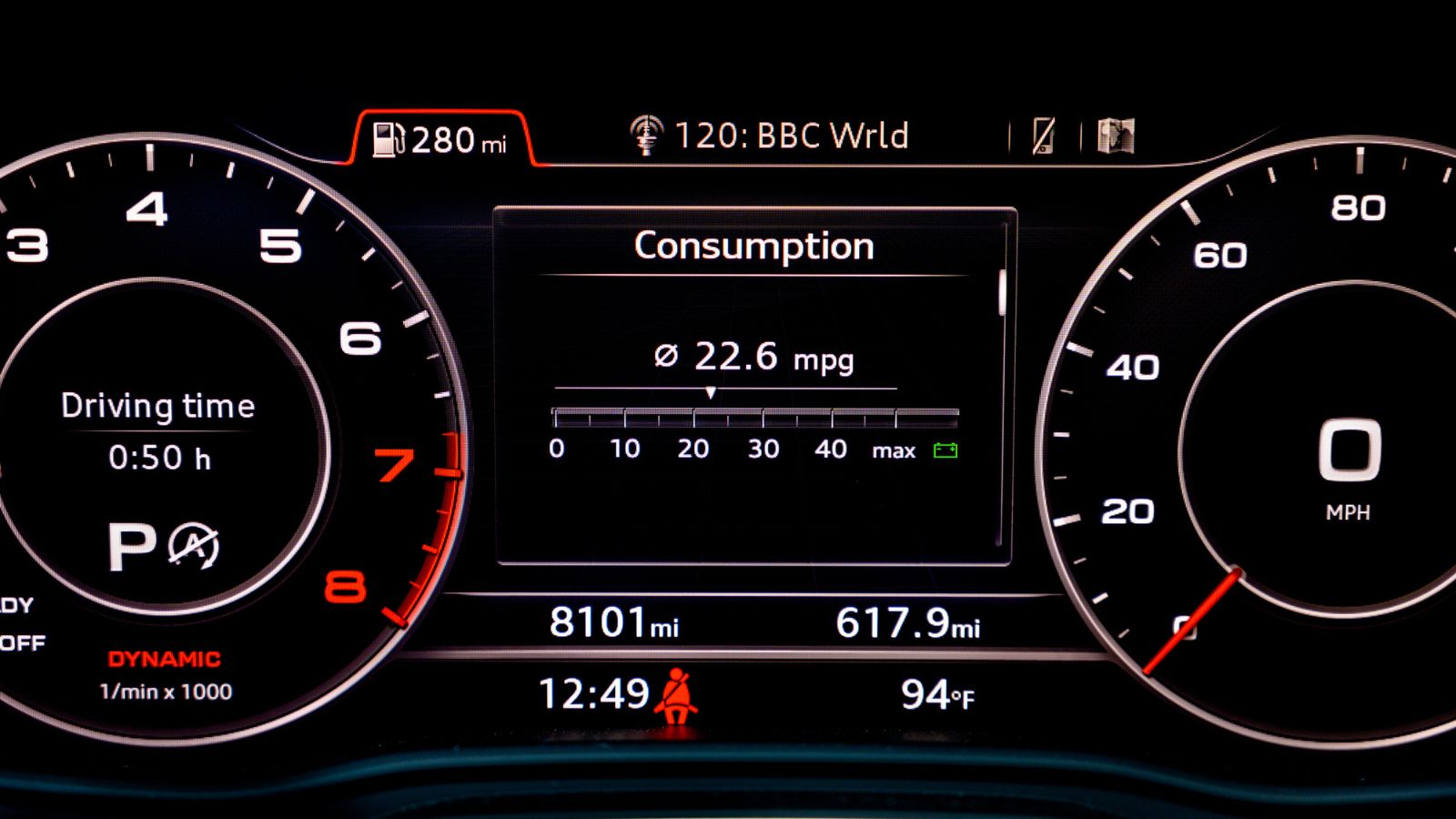
Some vehicles record engine operating hours as well as distance traveled. That measurement can expose use invisible to the odometer because an engine can run while the vehicle remains stationary. Ford documentation, for example, explains that certain vehicles display total engine hours and idle hours separately, and the manufacturer has long warned that extensive idling accumulates engine use without adding corresponding road mileage.
This can be especially relevant to commercial-style operation. A driver waiting for a passenger, sitting outside a restaurant, or keeping the cabin conditioned between trips may spend time with the vehicle powered while barely moving. If a model provides engine-hour information through the instrument cluster or diagnostic system, compare it with mileage and ask a technician whether the relationship appears reasonable for that particular powertrain. There is no universal hour-to-mile formula applicable to every vehicle, so simplistic calculations should be avoided. A surprisingly high hour count is best treated as supporting evidence that the odometer alone does not describe the car’s entire working life.
The Battery Has Been Replaced More Often Than Expected
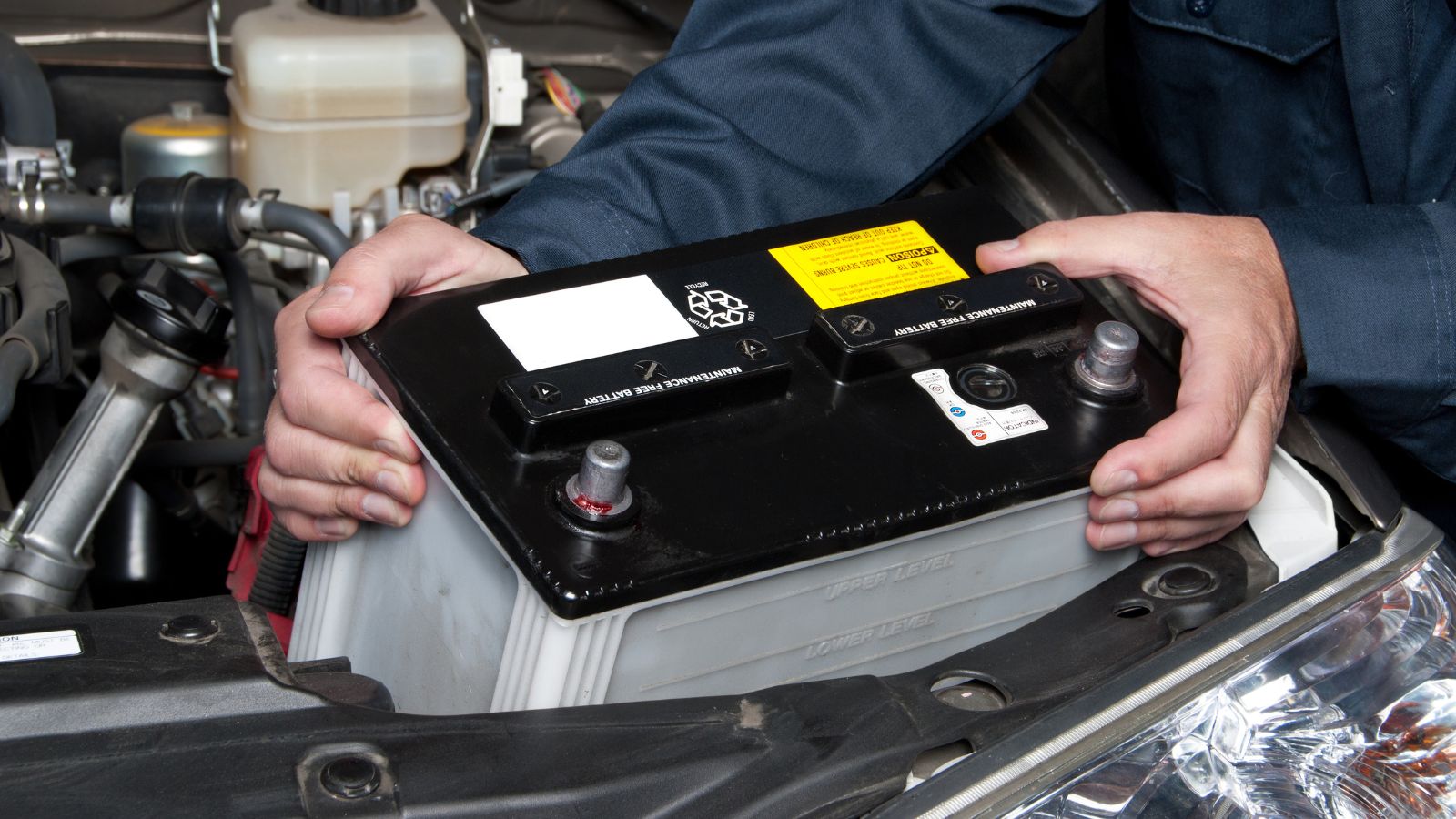
Delivery work can involve a pattern of relatively short trips: start the car, drive to a restaurant, stop, drive to a customer, stop again, and repeat. AAA explains that short trips may prevent a conventional 12-volt battery from fully recovering the energy used to start a vehicle, and usage patterns can affect battery longevity.
Service receipts showing repeated batteries, jump-start complaints, or charging-system checks may therefore deserve attention, particularly on a vehicle otherwise too young to have an extensive electrical history. Climate is a major complicating factor because heat also accelerates battery deterioration, while modern vehicles vary considerably in electrical demand. Hybrid and stop-start systems additionally use different battery technologies and should not be judged by simple rules developed for older cars. Still, battery history can contribute to the larger picture. Combined with high annual mileage, frequent short-interval servicing, and signs of repeated city use, an unexpectedly busy electrical-service record may fit the operating pattern of delivery work.
The Interior Has Many Small Stains, Marks, or Persistent Odors
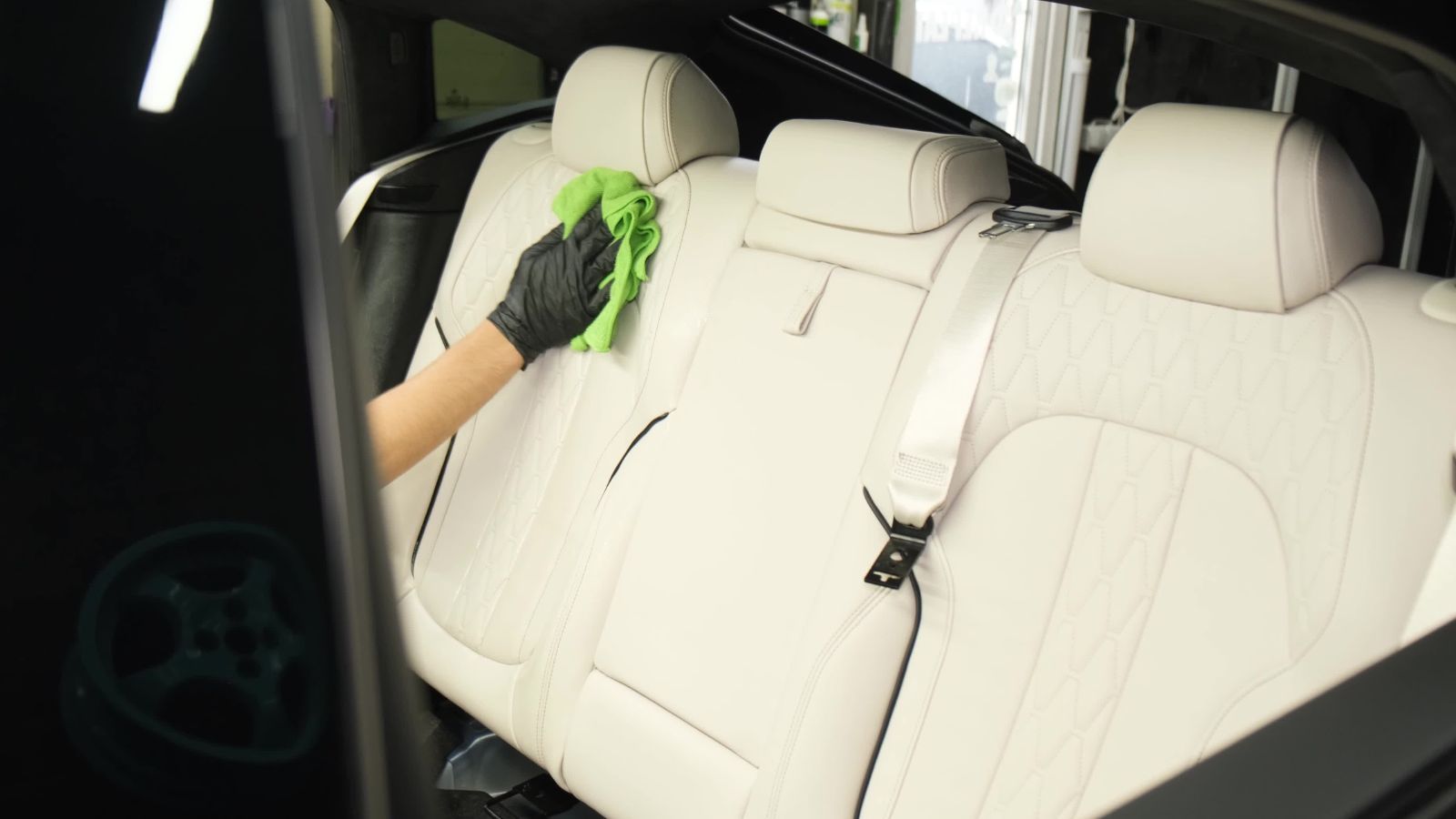
A professionally detailed cabin can hide a surprising amount, but close inspection often reveals what cleaning could not completely erase. Uber advises drivers to check the rear seat between rides, remove debris, wipe surfaces, and address odors—an acknowledgment that keeping a passenger vehicle presentable requires continued attention. Consumer Reports likewise advises used-car buyers to examine every seat and investigate unusual interior smells.
Instead of focusing on one large stain, look for a collection of smaller clues: discoloration between seat cushions, marks inside rear cup holders, scratches around door pockets, residue along carpet edges, or different shades where upholstery has been spot-cleaned repeatedly. Delivery vehicles can develop food smells or spills, while rideshare vehicles may simply show the cumulative effects of many occupants. Pets, children, smoking, and ordinary family use can create exactly the same evidence, making this one of the weaker clues by itself. Its value increases when concentrated in passenger or cargo areas that should otherwise have seen limited use.
There Are Permanent Marks From a Phone Mount or Navigation Setup

App-based driving depends heavily on smartphones. Uber’s Driver app uses mapping functions to show drivers busy areas and guide trip activity, while delivery platforms similarly rely on phone-based applications for accepting and completing work. A vehicle used for that purpose may have carried a phone in essentially the same dashboard or windshield position for thousands of working hours.
Look for circular suction-cup shadows on glass, adhesive residue on the dashboard, scratches around an air vent, worn trim where a clamp once sat, or charging cables routed unusually neatly toward the driver’s line of sight. Those clues are far from definitive because millions of ordinary commuters use phone mounts and navigation every day. Permanence is what makes them interesting. A deeply faded rectangle on the dashboard or hard-wired charging arrangement suggests equipment remained installed for a long period. Paired with other commercial-use clues, it can help explain how the driver’s workspace was organized for repeated navigation from one unfamiliar address to another.
Remnants of a Dashcam Installation Are Still Visible
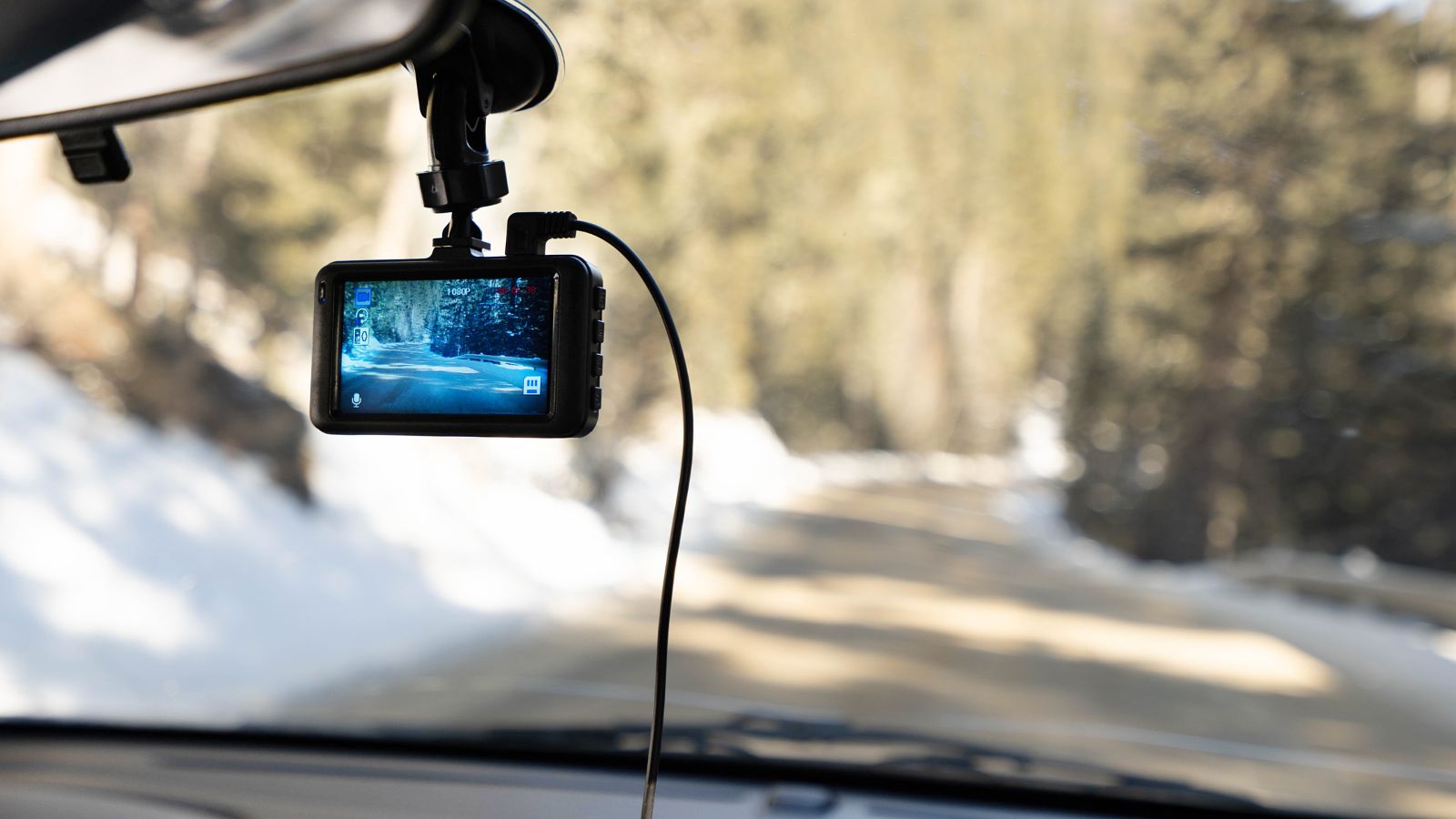
Dashcams have become common among many motorists, but they are particularly relevant to rideshare work because recording can provide documentation when strangers are regularly inside the vehicle. Uber’s safety information specifically states that drivers can install and register inward- or outward-facing dashcams and that riders can be notified when a trip will be recorded.
Even after a camera has been removed, the installation may leave traces. Look around the rearview mirror for adhesive pads, inspect the headliner for a wire tucked along its edge, and check lower dashboard panels for added power leads or fuse taps. Some vehicles may also show marks where an inward-facing camera was aimed at the rear cabin. None of this proves commercial operation; ordinary owners increasingly use dashcams for insurance and security purposes. However, an inward-facing camera arrangement becomes more suggestive when accompanied by unusually worn rear seating, back-door scuffs, high mileage, and inspection records associated with transportation-network driving.
The Wheels and Body Carry Lots of Minor Urban Damage
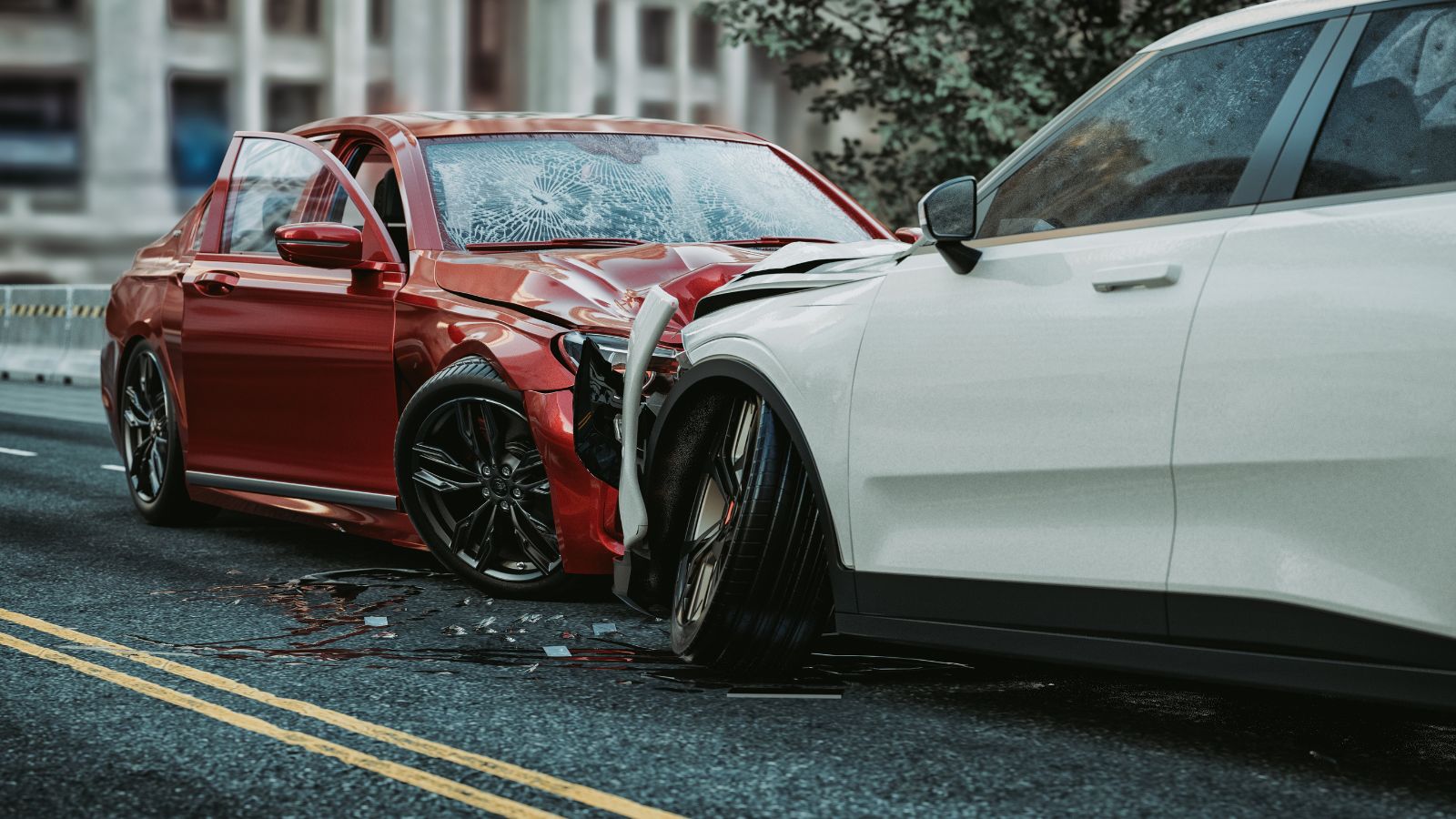
Repeated pickups and deliveries can mean constant interaction with curbs, tight parking spaces, narrow streets, loading areas, and crowded lots. The resulting damage is often too minor to generate a collision report: a scraped wheel edge, small bumper mark, door ding, or scratch near a loading surface. Consumer Reports recommends checking used vehicles carefully for scratches, dents, wheel damage, and other exterior defects that can easily be obscured by favorable lighting or fresh detailing.
A single scraped wheel means almost nothing. Four heavily marked wheels, multiple bumper corners, scratched door edges, and a battered trunk sill on a relatively young car tell a more interesting story. Urban private owners can produce identical wear, so geographic context matters as much as condition. The question is whether the pattern fits the seller’s explanation. A vehicle supposedly used for occasional suburban errands but carrying years’ worth of repetitive parking scars deserves more scrutiny, particularly when its mechanical records also point toward heavy city mileage.
Cabin-Air-Filter and HVAC Service Appears Surprisingly Frequent
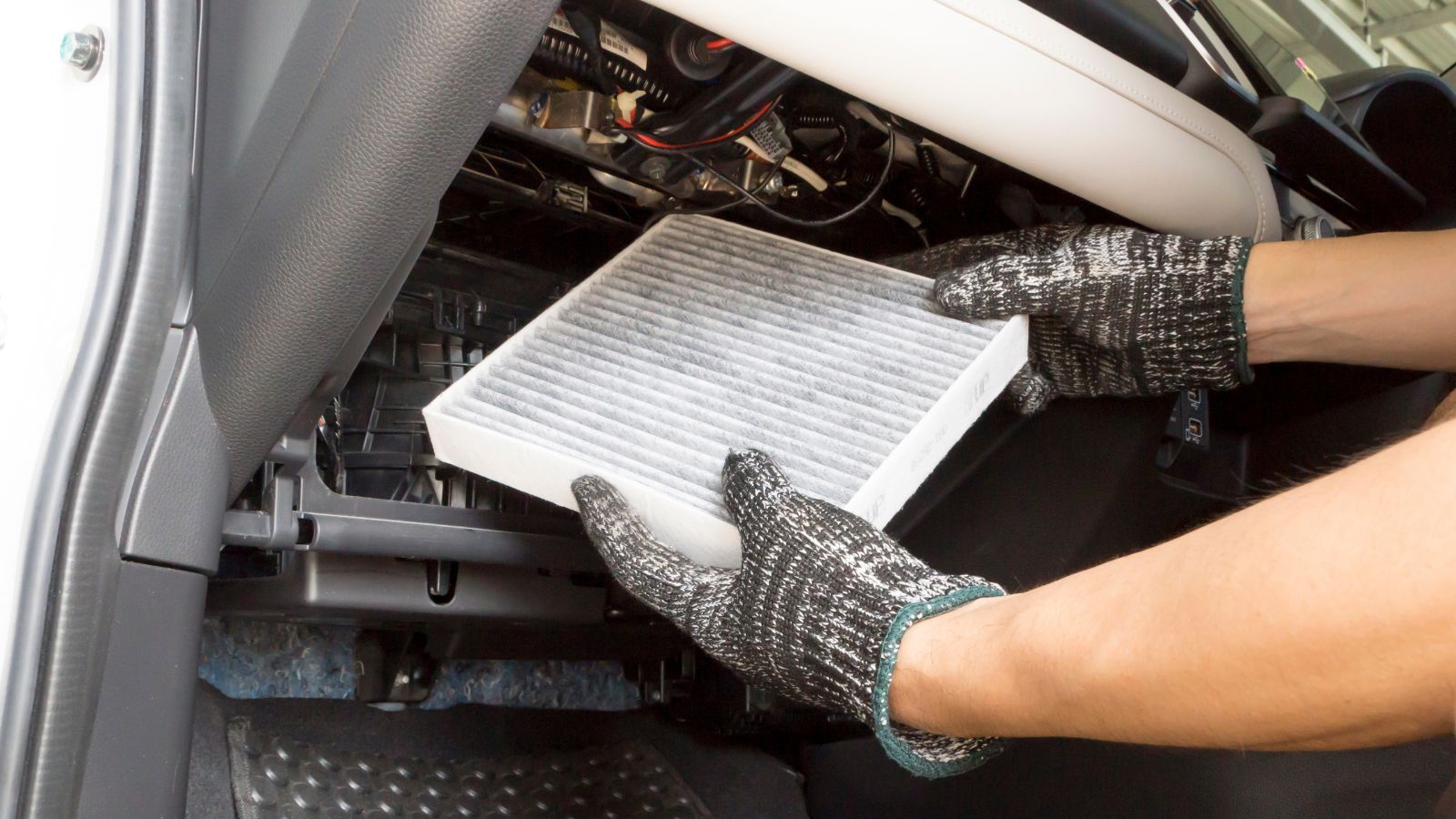
Passengers expect a comfortable cabin, and delivery drivers may spend long stretches in traffic with heating or air conditioning operating. Urban conditions themselves can increase HVAC maintenance demands. Toyota’s maintenance guidance notes that driving in heavy traffic or certain dusty urban conditions can shorten cabin-air-filter life and may require earlier replacement when airflow deteriorates.
Receipts for frequent cabin-filter replacements, air-conditioning checks, blower work, or repeated odor treatments are therefore worth reading rather than discarding as trivial maintenance. They cannot establish rideshare history, because an owner with allergies or someone living in a dusty environment might service the ventilation system more often than average. The clue becomes more relevant when the vehicle also shows extensive idling, rear-seat use, and high mileage. Test every blower speed, confirm that heat and air conditioning perform correctly, and listen for fan noise. A cabin that was kept comfortable for customers for thousands of hours may have accumulated usage that its exterior appearance does not reveal.
Rideshare Inspection Forms or Receipts Turn Up in the Paperwork
Sometimes there is no need to interpret worn upholstery because the paperwork provides a direct clue. Uber states that vehicle-inspection requirements vary by location and that drivers in some markets must have a vehicle inspected before beginning trips. Its U.S. guidance also describes inspection forms and annual inspection procedures used in applicable areas.
When examining a used vehicle’s records, look beyond dealership maintenance invoices. Glove compartments and document folders may contain inspection sheets, receipts from facilities advertising rideshare inspections, platform-related printouts, or forms referencing a transportation network company. Because rules differ substantially by jurisdiction, the absence of this paperwork proves nothing; many locations use different requirements, electronic records, or no comparable form. Finding such documentation, however, is much stronger evidence than a scratched door sill or phone-mount mark. A prospective buyer can then ask the seller directly how long the vehicle was used commercially and compare that answer with mileage and service records before making a decision.
Insurance or Platform Documents Mention Rideshare or Delivery Use

The strongest clue may be a document that explicitly connects the vehicle to gig work. Uber explains that rideshare and delivery activity involves commercial insurance arrangements while drivers must also maintain applicable personal coverage. DoorDash likewise explains insurance requirements for Dashers using personal vehicles and discusses coverage applying during specified delivery periods.
Receipts or policy documents mentioning rideshare endorsements, transportation-network-company use, delivery coverage, commercial licensing, or platform certificates deserve attention. They do not indicate that the car was abused; in fact, proper coverage suggests the owner took legal and financial obligations seriously. What the paperwork does establish is that the vehicle may have been used differently from a conventional personal car. At that point, the important issue becomes condition rather than stigma. A well-maintained former rideshare vehicle can be a better purchase than a neglected private car. A thorough mechanical inspection, complete maintenance history, and price reflecting mileage and wear ultimately matter more than the logo of the app that once helped pay for its fuel.
16 Costco Canada Habits That Could Be Costing Shoppers More Than They Save
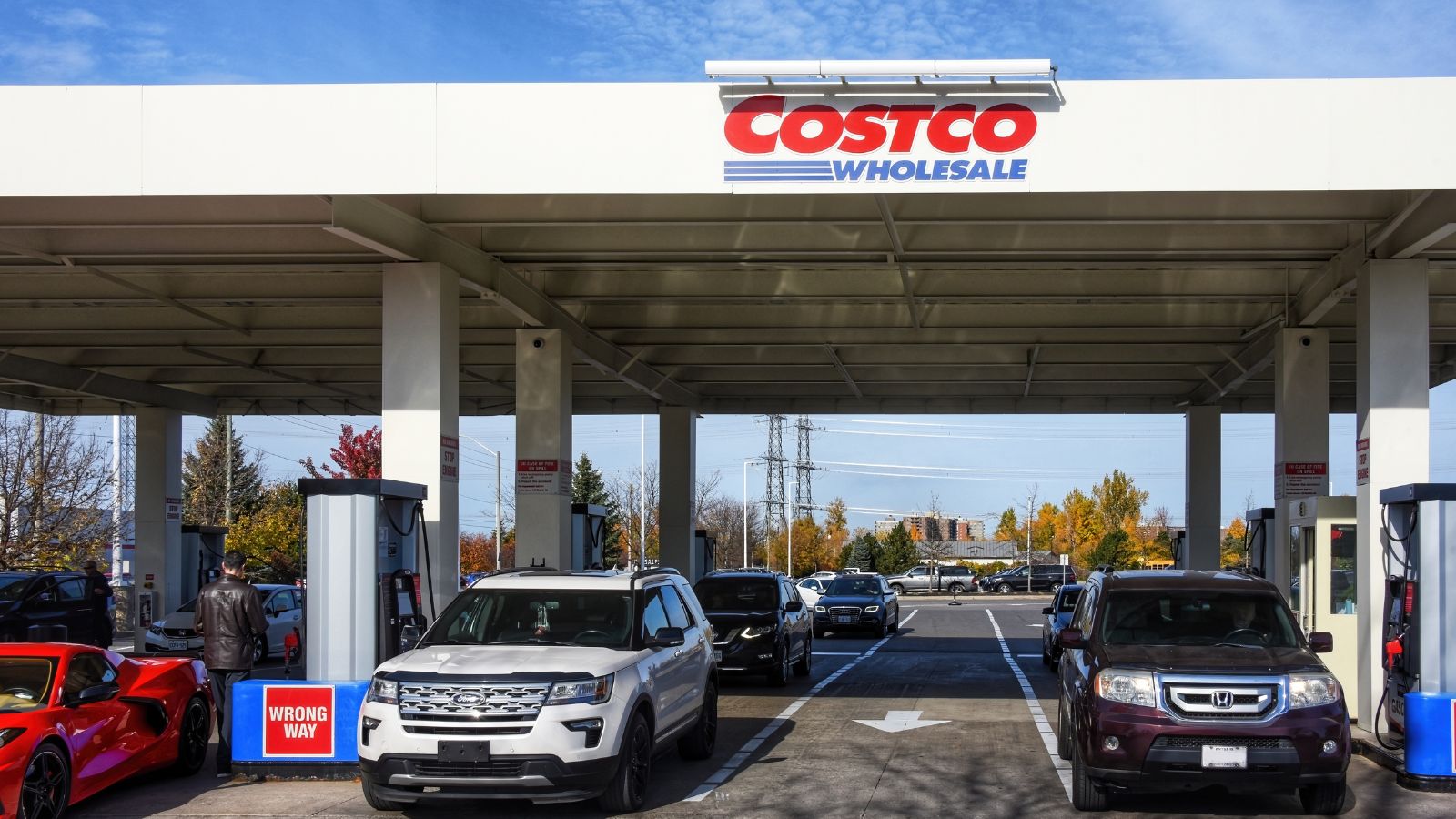
The Executive Membership can feel like an obvious upgrade because the 2% annual reward sounds straightforward. For households that spend heavily at Costco Canada, the extra fee may be easy to justify. But the habit becomes costly when shoppers upgrade first and calculate later. A Gold Star Membership costs less, while Executive costs more and only pays off if eligible annual spending is high enough to offset the difference.
16 Costco Canada Habits That Could Be Costing Shoppers More Than They Save

Alanna Rosen is an experienced content writer that focuses on many EV and educational content. Her articles are regularly published on Get CyberTrucked and syndicated on large publications.