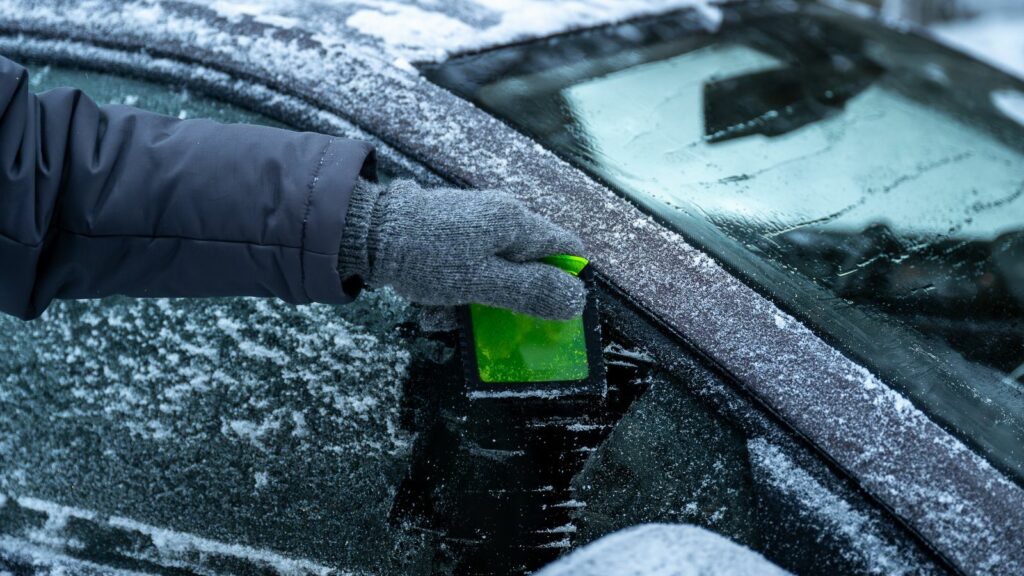
Few winter frustrations create more temptation than an iced-over windshield on a rushed morning. Pouring hot or boiling water across the glass seems logical: heat melts ice, the view clears quickly, and the car can get moving. Yet the sudden temperature change can create thermal stress in cold automotive glass, while the runoff can refreeze and cause problems elsewhere.
The consequences can extend well beyond one cracked pane. Modern vehicles combine laminated safety glass with wipers, washer systems, cameras, sensors, powered windows and weather seals that all face their own winter vulnerabilities. These 12 risks and safer practices show why the kettle shortcut can turn a few saved minutes into damaged equipment, compromised visibility and a much larger repair.
Why the Kettle Is the Wrong Tool
A frozen windshield can make a kettle of hot water look like the fastest route out of the driveway. The problem is thermal shock. Automotive glass sitting below freezing is cold throughout its outer layers; a sudden dose of hot or boiling water heats the exposed surface much faster than the rest of the pane. That sharp temperature difference creates stress, and a weak point can turn into a visible crack almost instantly.
AAA, CAA and the RAC all warn against using hot water to de-ice automotive glass. The risk rises when temperatures are very low or when the windshield already has defects. The frustrating part is that the shortcut may appear to work several times before the glass gives way. A method that saves a few minutes one morning can therefore create a repair bill on another, which is why gradual heating and proper de-icing tools remain much safer.
A Tiny Chip Can Become a Winter-Length Crack
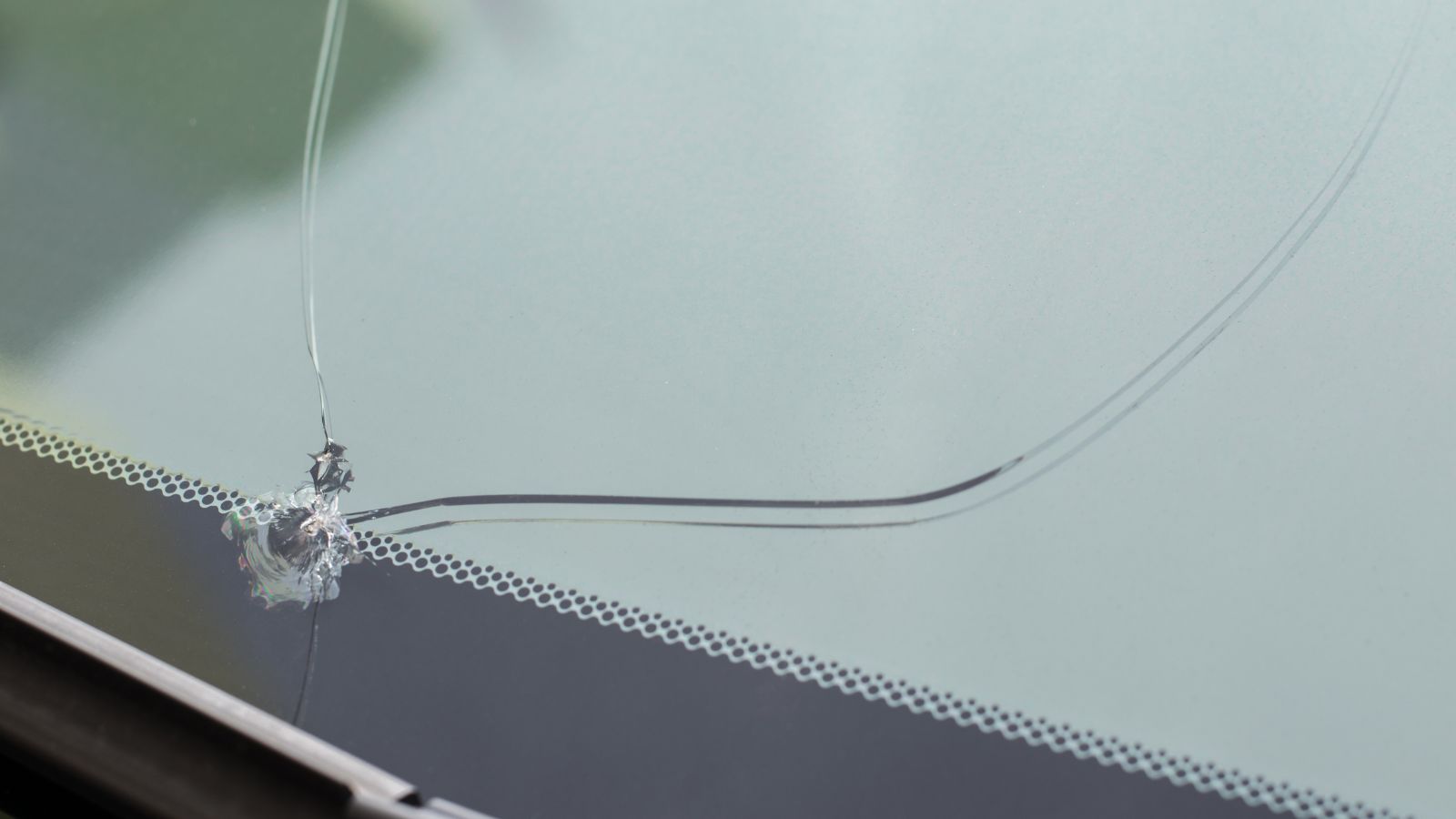
A windshield does not need to look badly damaged to be vulnerable. A small stone chip creates a stress concentration in the glass, and winter adds repeated expansion-and-contraction cycles around that weak spot. Cold outside air, warm cabin air, road vibration and moisture inside the chip can all help an existing defect spread. Adding hot water can create an especially abrupt temperature gradient.
Safelite cites testing by the Motor Industry Research Association showing that chips became highly likely to spread under severe cold conditions, and its guidance warns that rapid temperature changes can turn minor damage into a long crack. This is why a driver who has ignored a small bull’s-eye mark since autumn can suddenly find a fracture stretching across the windshield after a cold morning. Repairing a chip early is a better strategy than discovering, during the first deep freeze, that a once-small blemish now requires full replacement.
The Windshield Is Safety Equipment, Not Decorative Glass
A cracked windshield is more than a cosmetic annoyance. Modern windshields use laminated safety glass: layers of glass bonded around a plastic interlayer. U.S. federal glazing rules are designed to reduce injuries from impact, preserve driver visibility and help reduce the chance of occupants being thrown through vehicle glazing during a crash. Separate windshield-retention rules also recognize that keeping the windshield mounted matters during a collision.
That makes preventable winter damage more consequential than household-glass damage. A spreading crack can intrude into the driver’s field of view, and a replacement must restore the glazing and mounting system correctly. In practical terms, the windshield is part of a vehicle’s safety package, even though it is easy to treat it like a weather barrier. Pouring hot water on it is a poor trade: a few minutes saved while de-icing can create a defect in equipment regulated because visibility and occupant protection matter.
A Replacement Can Bring an ADAS Calibration Bill
On many newer vehicles, replacing a windshield is no longer just a glass job. Forward-facing cameras used for lane-departure warning, emergency braking and adaptive cruise control are often mounted near the top of the windshield. When the glass is removed or replaced, the camera’s position relative to the road can change enough that the manufacturer requires calibration or aiming before the system is properly restored.
I-CAR documents windshield-related calibration requirements across many manufacturers, while the Insurance Institute for Highway Safety has noted that calibration contributes to the higher cost and complexity of modern glass repairs. In an IIHS owner study, problems after repairs were especially common when work involved a windshield replacement. The lesson is simple: cracking a camera-equipped windshield with a de-icing shortcut may trigger costs beyond replacement glass. Depending on the model, the job can also involve scanning, targets, road testing or calibration procedures specified by the automaker.
Water Can Refreeze and Put the Problem Right Back
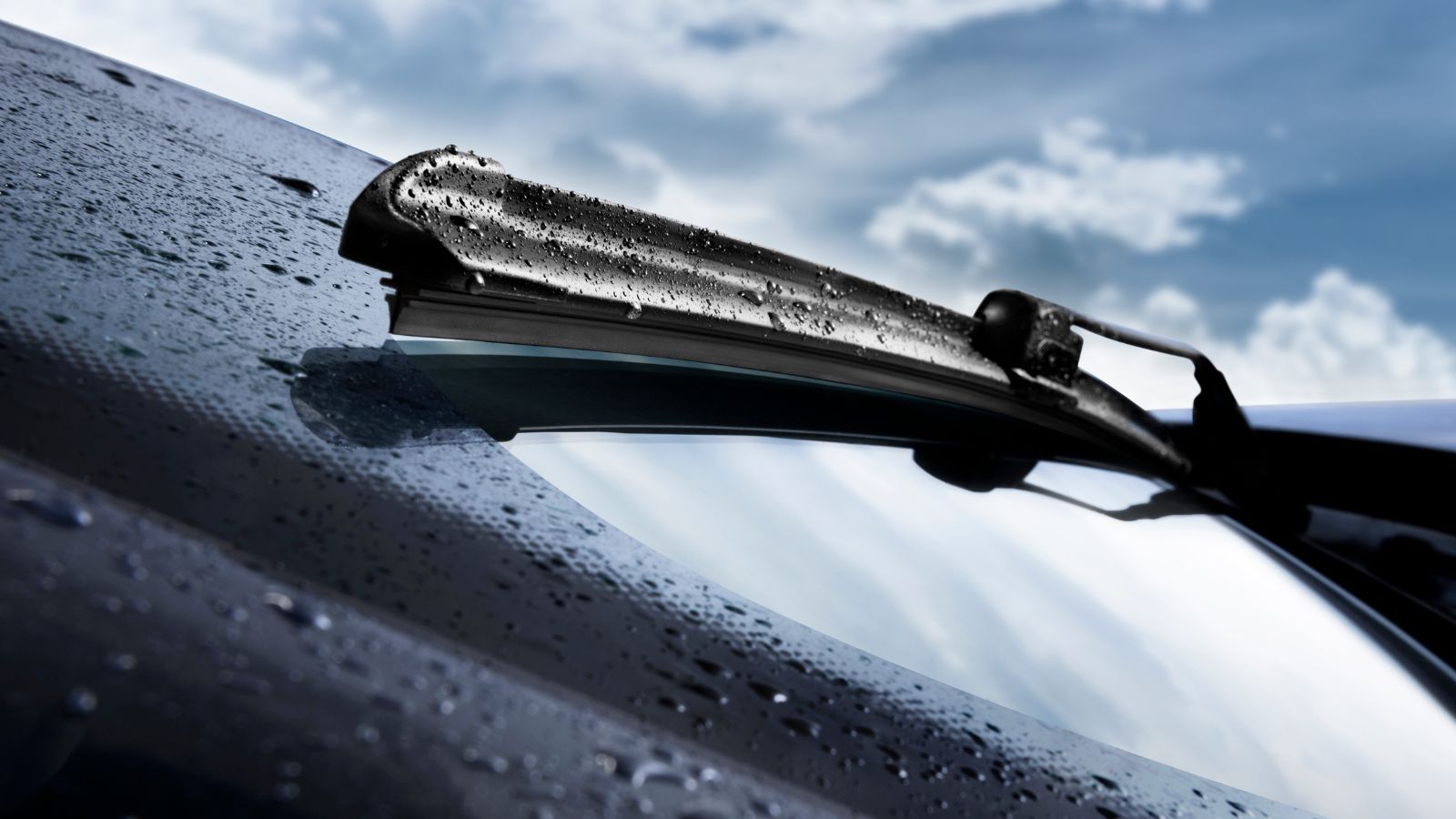
Even when hot water does not crack the glass, it can create another winter problem. Water that runs down the windshield cools quickly in subfreezing air. AAA warns that it can freeze again as it cools, while the AA notes that refreezing can leave another layer of ice on the glass and can also collect around the wipers. That turns a supposed time-saver into another round of scraping.
The refreeze can be particularly annoying around the lower edge of the windshield, where wiper blades park and meltwater naturally drains. If water freezes there, the blades may stick to the glass. Water spilled onto a driveway can also become an icy patch. None of those outcomes requires unusual weather; they follow from adding liquid water to surfaces that remain below freezing. A proper de-icer works differently because its formulation lowers the freezing point, while the vehicle’s defroster raises glass temperature gradually.
Frozen Wipers Can Turn a Shortcut Into Mechanical Damage
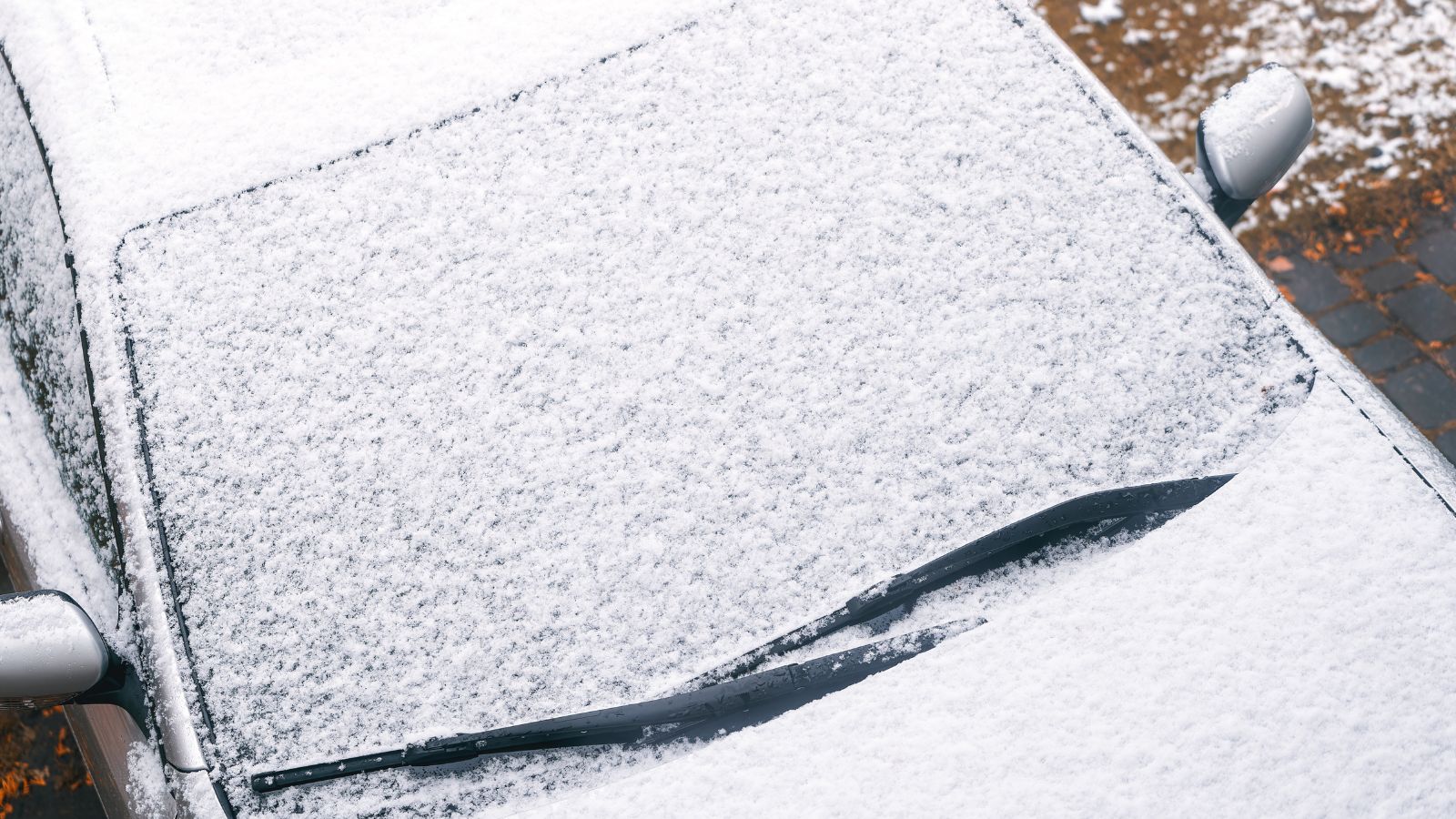
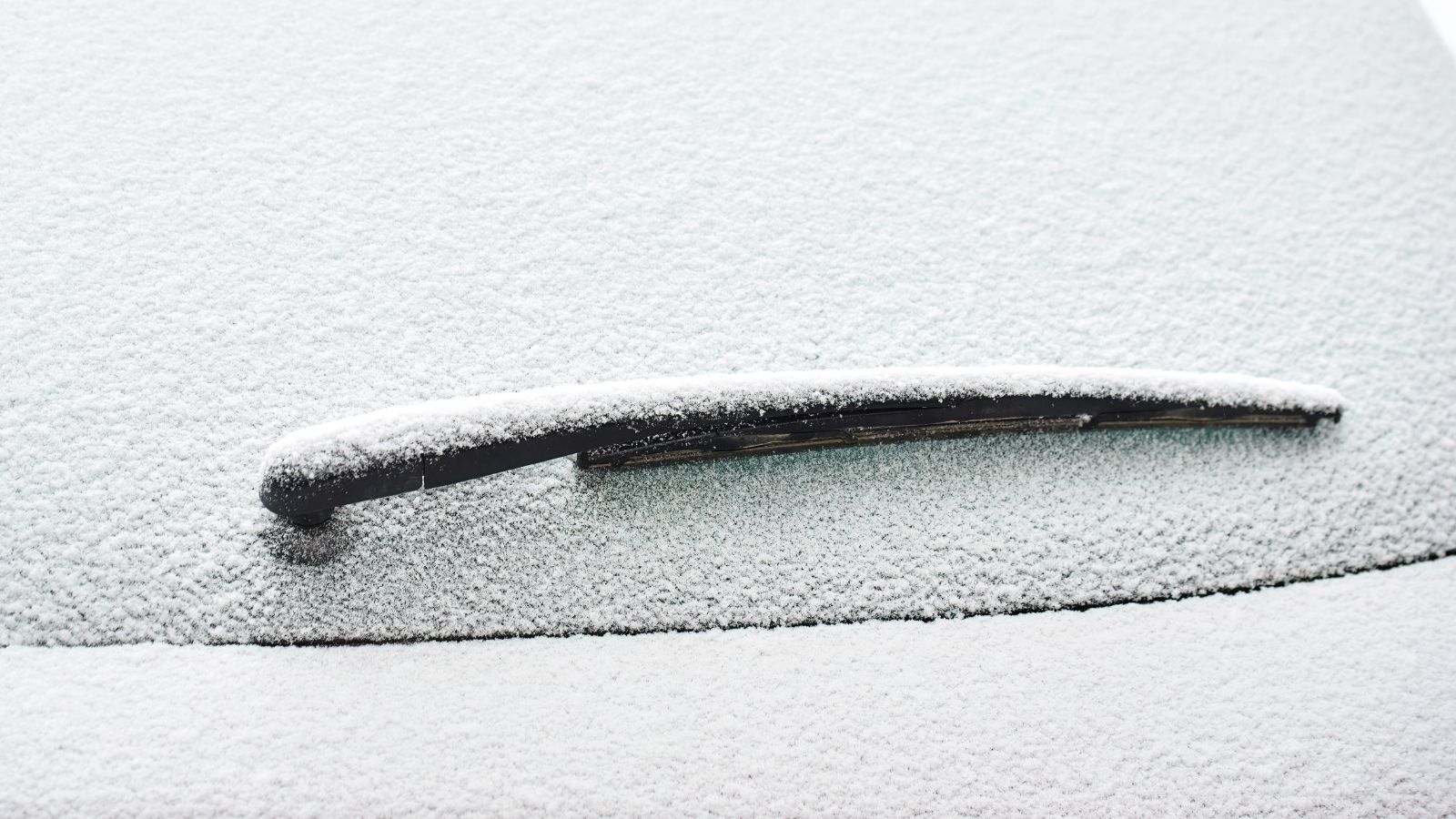
The wipers are another casualty of hurried de-icing. Ice can bond the rubber blades to the windshield, and a pile of snow adds resistance the wiper system was never designed to sweep away. AAA advises against turning on frozen wipers because the load can damage blades, the motor or the linkage. Pulling stuck blades free by force can also tear rubber, bend frames or damage joints.
Hot water does not reliably solve that problem. If the water refreezes at the base of the windshield, it can leave the blades stuck again. The safer sequence is to let the defroster soften the ice, free the blades gently, clear the glass with a scraper or brush, and only then operate the wipers. That may add a few minutes to the morning routine, but it avoids turning a simple sheet of frost into a repair involving blades, arms, linkages or an electric motor.
Summer Washer Fluid Can Freeze in the System
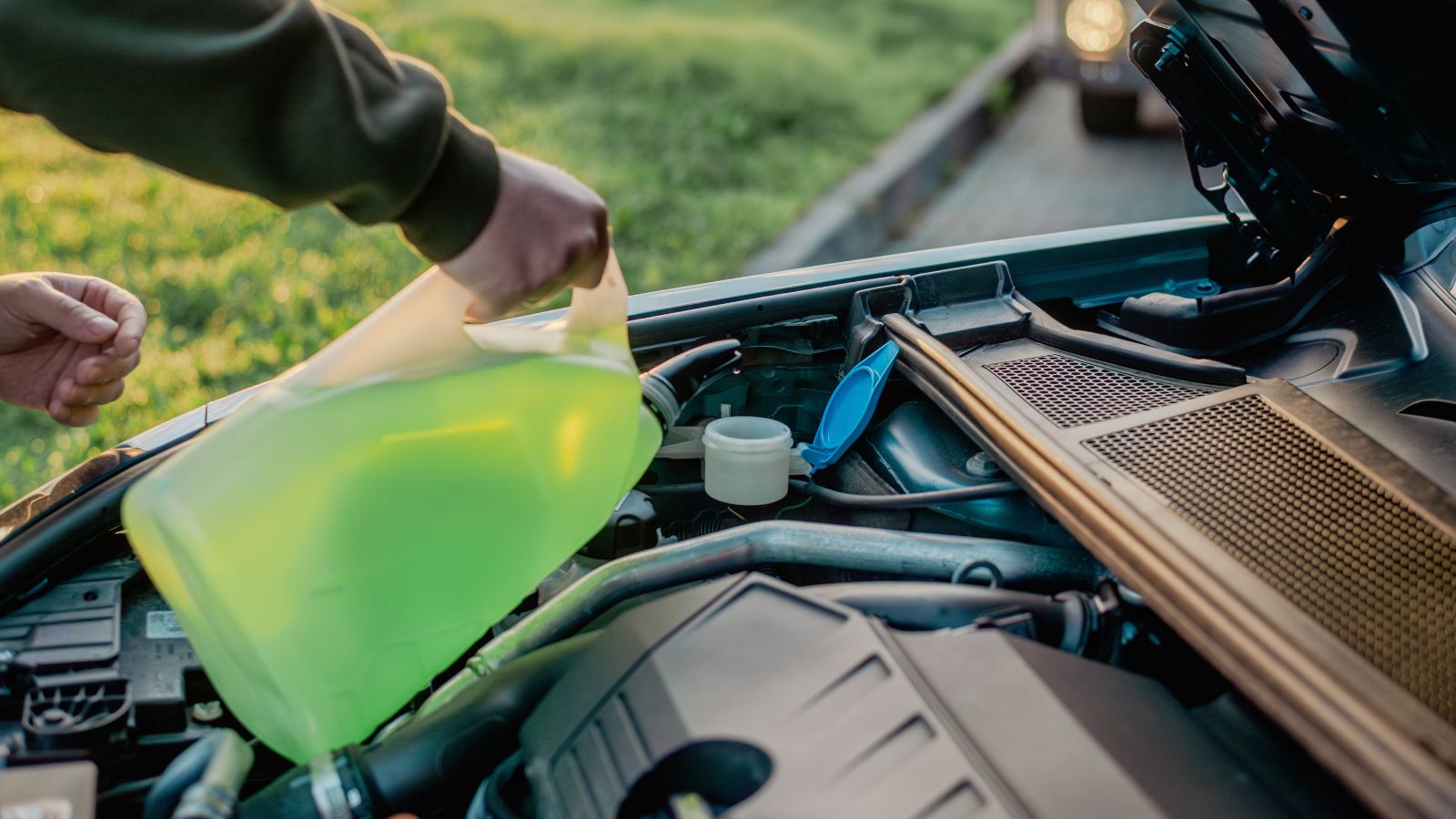
A tempting shortcut is treating the washer reservoir as though any clear liquid will do. In winter, it will not. AAA recommends washer fluid formulated for low temperatures because ordinary fluid or plain water can freeze. Ford’s owner guidance similarly warns that water can freeze, cracking hoses or damaging the reservoir. A frozen washer system also removes an important tool for clearing salt and slush while driving.
This matters because winter visibility problems do not end once a car leaves the driveway. Road spray can coat the windshield quickly on treated highways. If the reservoir, lines or nozzles are frozen, the driver may have wipers but nothing useful to spray. Transport Canada recommends winter washer fluid in the -40 C range for Canadian conditions and suggests carrying an extra jug. Choosing the correct fluid before temperatures plunge is a maintenance step that prevents failure exactly when clear glass matters most.
Improvised Scrapers Can Damage Glass and Blades
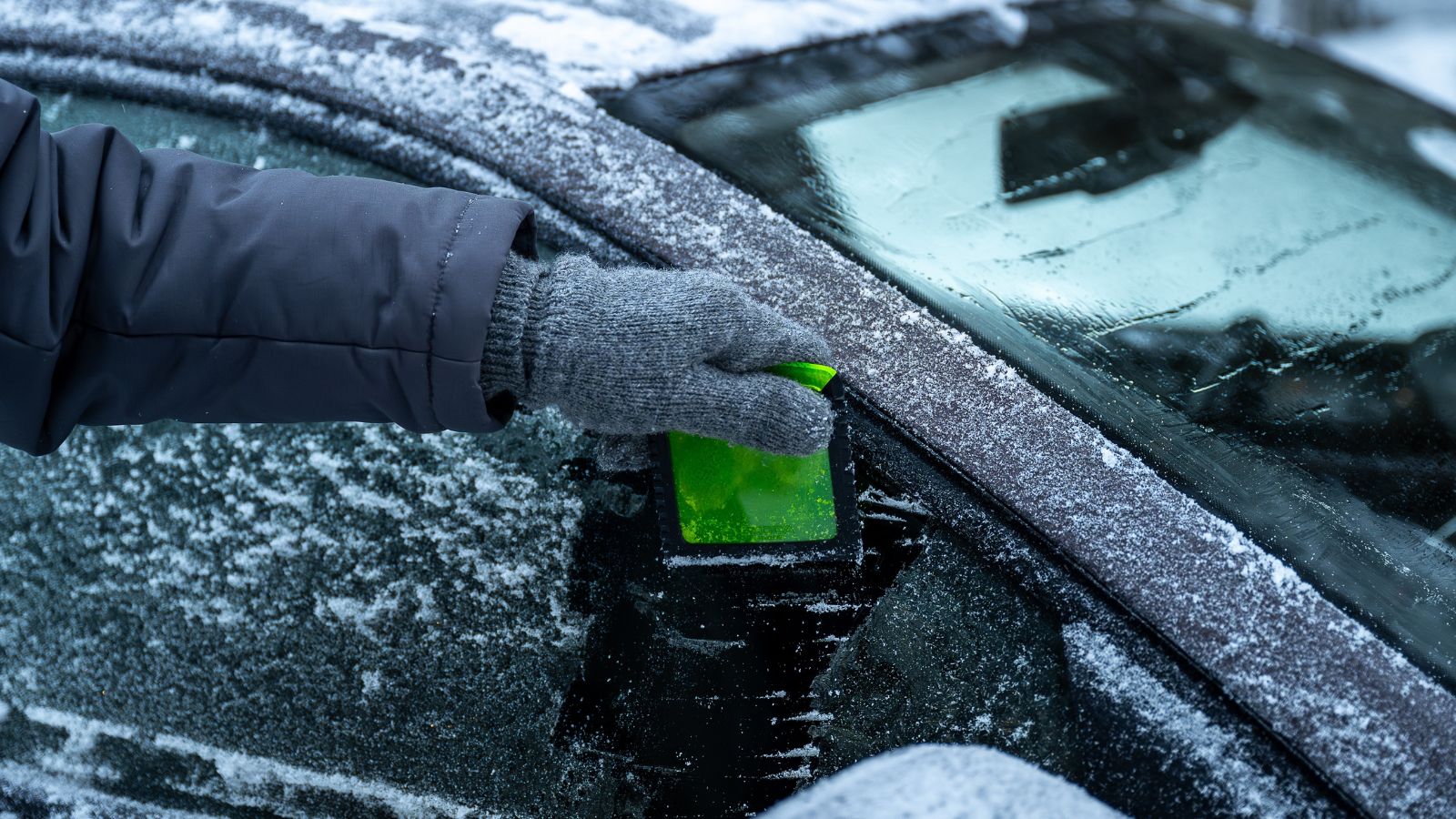
When the kettle is ruled out, another shortcut appears: grabbing whatever hard object is nearby. Metal scrapers, tools, cards and improvised edges may remove ice, but they are poor substitutes for automotive-glass tools. AAA specifically warns that metal scrapers can scratch the windshield and damage wiper blades. The RAC likewise recommends a proper ice scraper rather than household objects such as cards or CD cases.
Brute force is not the best technique. Heat from the vehicle should first begin loosening the bond between the ice and glass. A plastic scraper can then remove softened ice more easily, while a soft brush handles loose snow. Drivers should also avoid striking or tapping the windshield to fracture thick ice; AAA cautions that impact can turn de-icing into a glass-replacement problem. In winter, the safest tool is the proper tool, used carefully after the defroster has had enough extra time to help safely.
A Small Peephole Is Not a Safe Shortcut
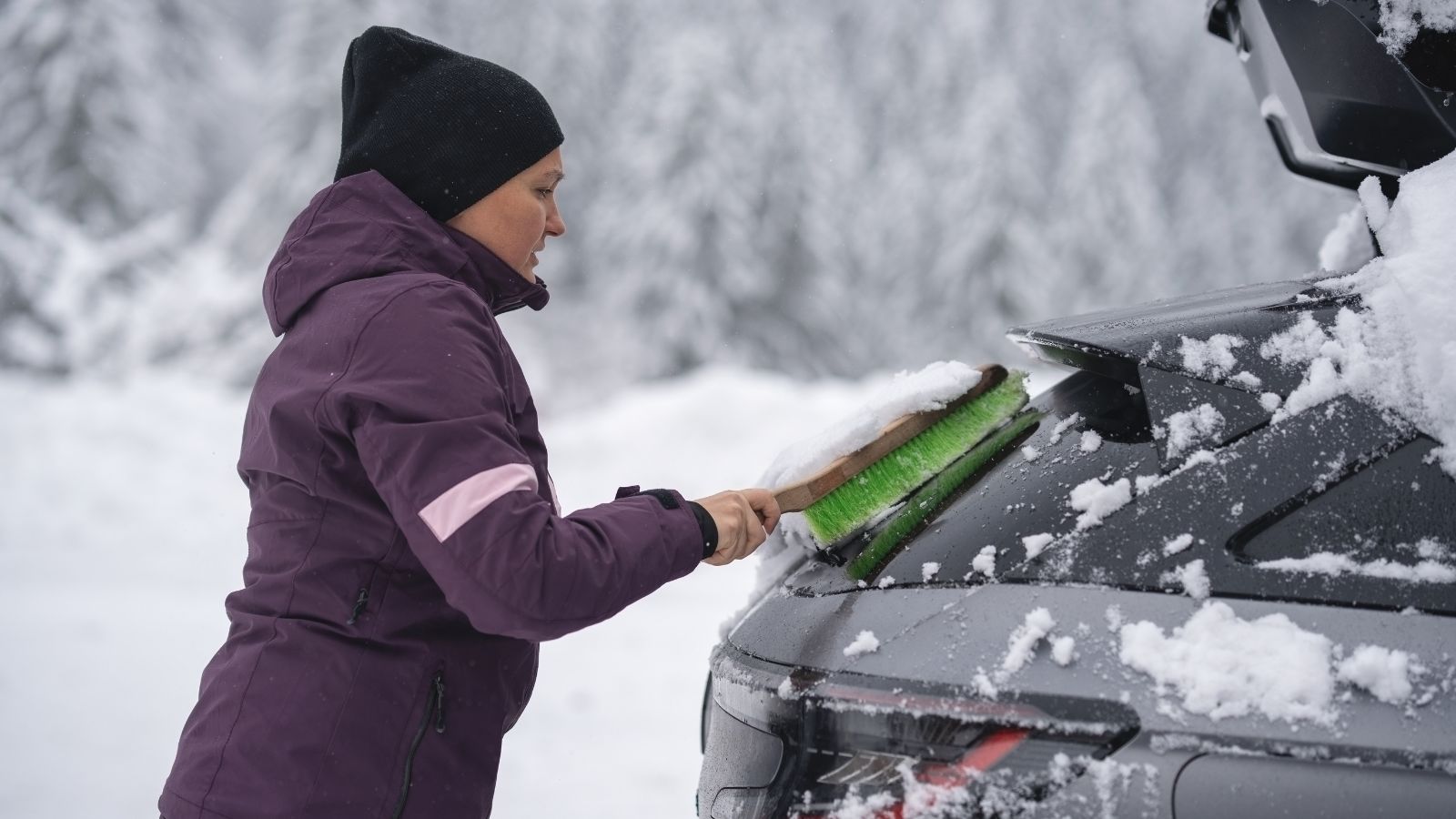
Some drivers skip the hot-water gamble but still rush the process by clearing only a narrow patch directly in front of the steering wheel. That creates another hazard. Transport Canada advises removing snow from the hood, roof, windows and lights and clearing every window of frost and fog. CAA similarly tells drivers to clear all exterior windows and mirrors before driving. The goal is full visibility, not simply a forward tunnel.
A tiny opening can hide pedestrians, cyclists, side-approaching vehicles, traffic lights or activity near an intersection. Winter reduces contrast and brings blowing snow, darkness and glare, so voluntarily narrowing the field of view makes a difficult environment harder. In some Canadian provinces, failing to clear a vehicle can also lead to a fine. Extra scraping restores the sight lines the vehicle was designed to provide and reduces the chance that ice becomes the reason a routine turn turns dangerous.
Snow Left on the Roof Can Come Back at the Windshield
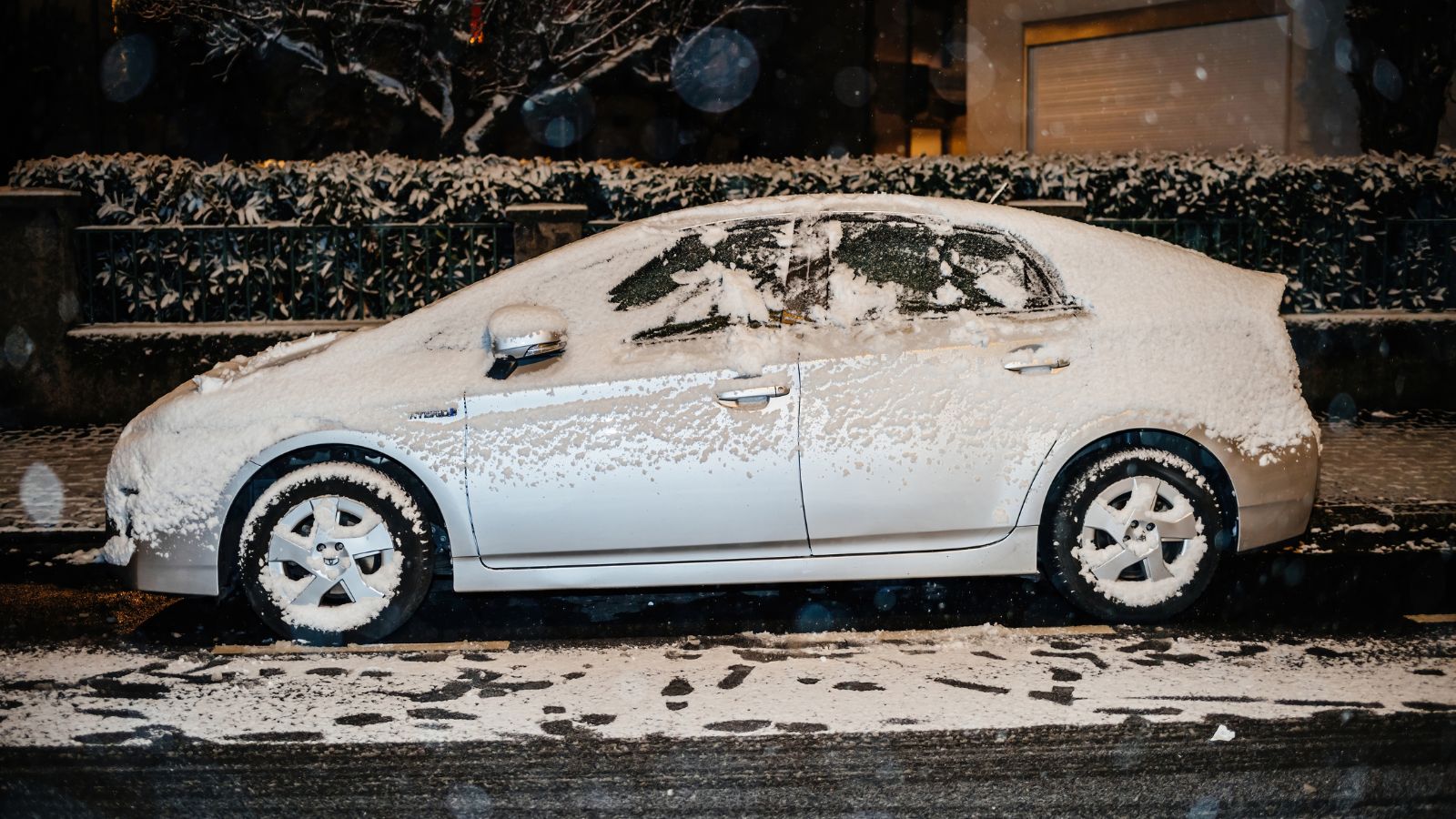
Clearing the windshield while ignoring the roof is a shortcut that can backfire once the vehicle moves. Transport Canada warns that snow left on the roof or hood can slide onto the windshield or fall onto other vehicles. AAA gives similar advice, noting that chunks of snow and ice can move forward during braking or fly backward at speed. Either can create a sudden visibility problem.
This matters after wet snow freezes into a dense slab overnight. The windshield may look perfect when the vehicle leaves the driveway, yet the first hard stop can send accumulated roof material forward. The same load can become another driver’s hazard if it detaches on the highway. A snow brush with enough reach to clear the roof belongs in the visibility routine as the scraper. The task takes longer on SUVs and vans, but it prevents yesterday’s snowfall from becoming today’s surprise in traffic.
Hot Water Around Doors and Windows Can Cause New Trouble
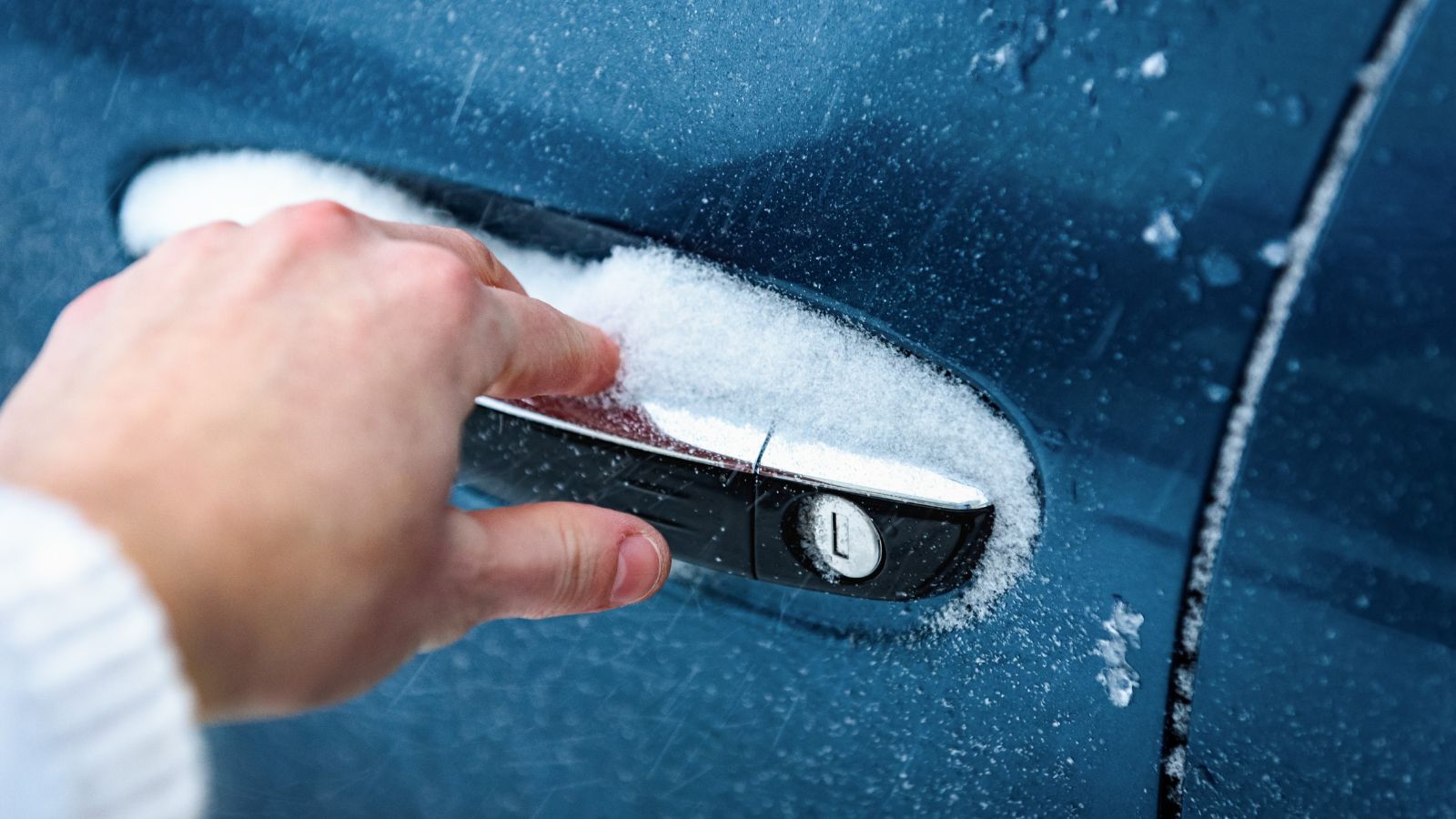
The same hot-water instinct can spread beyond the windshield when doors, locks or side windows freeze. That brings different risks. AAA advises against pouring hot water into frozen locks because added moisture can refreeze, and it warns not to keep pressing a power-window switch when the glass is frozen in place. Continued force can damage the mechanism inside the door and may even break the window.
Frozen door handles and seals also deserve patience. Yanking on a stuck handle can break components, while water added to a frozen door can solve the immediate problem and then freeze again. Recommended alternatives include appropriate lock de-icer, gradual cabin heat, and gently freeing ice without forcing moving parts. Winter can turn ordinary mechanisms into temporarily immovable, so the safest response is to thaw them rather than overpower them. A shortcut that introduces more water often creates the conditions for the next frustrating freeze-up.
The Safe Routine Is Slower, but Only by Minutes
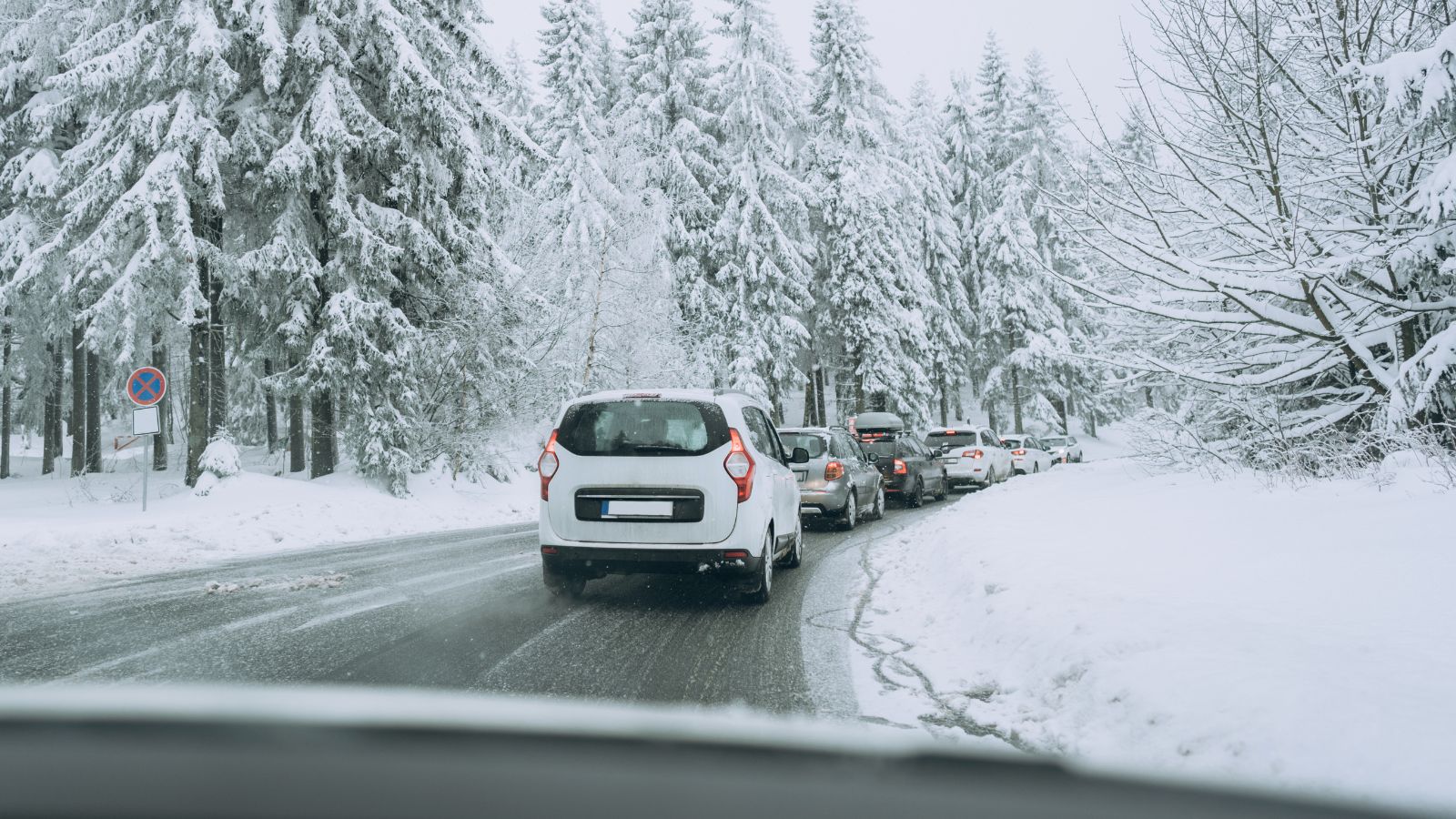
A reliable winter routine is uneventful. Start with enough time for the vehicle’s defroster to begin warming the glass gradually. Brush loose snow from the roof, hood, lights, sensors and windows. As ice softens, use a proper plastic scraper and, when necessary, a commercial de-icer suitable for automotive glass. Free the wiper blades before switching them on, and make sure winter-grade washer fluid is available for the road.
Transport Canada recommends carrying an ice scraper, snow brush and extra washer fluid, while the RAC suggests allowing roughly 10 minutes to clear a vehicle properly on frosty mornings. A windshield cover can reduce the workload further. Importantly, none of these methods relies on a dramatic temperature change or brute force. Preparation may feel slower than a kettle of hot water, but it protects the glass, wipers, washer system, visibility equipment and calibration-sensitive technology mounted behind the windshield on many newer vehicles.
16 Costco Canada Habits That Could Be Costing Shoppers More Than They Save
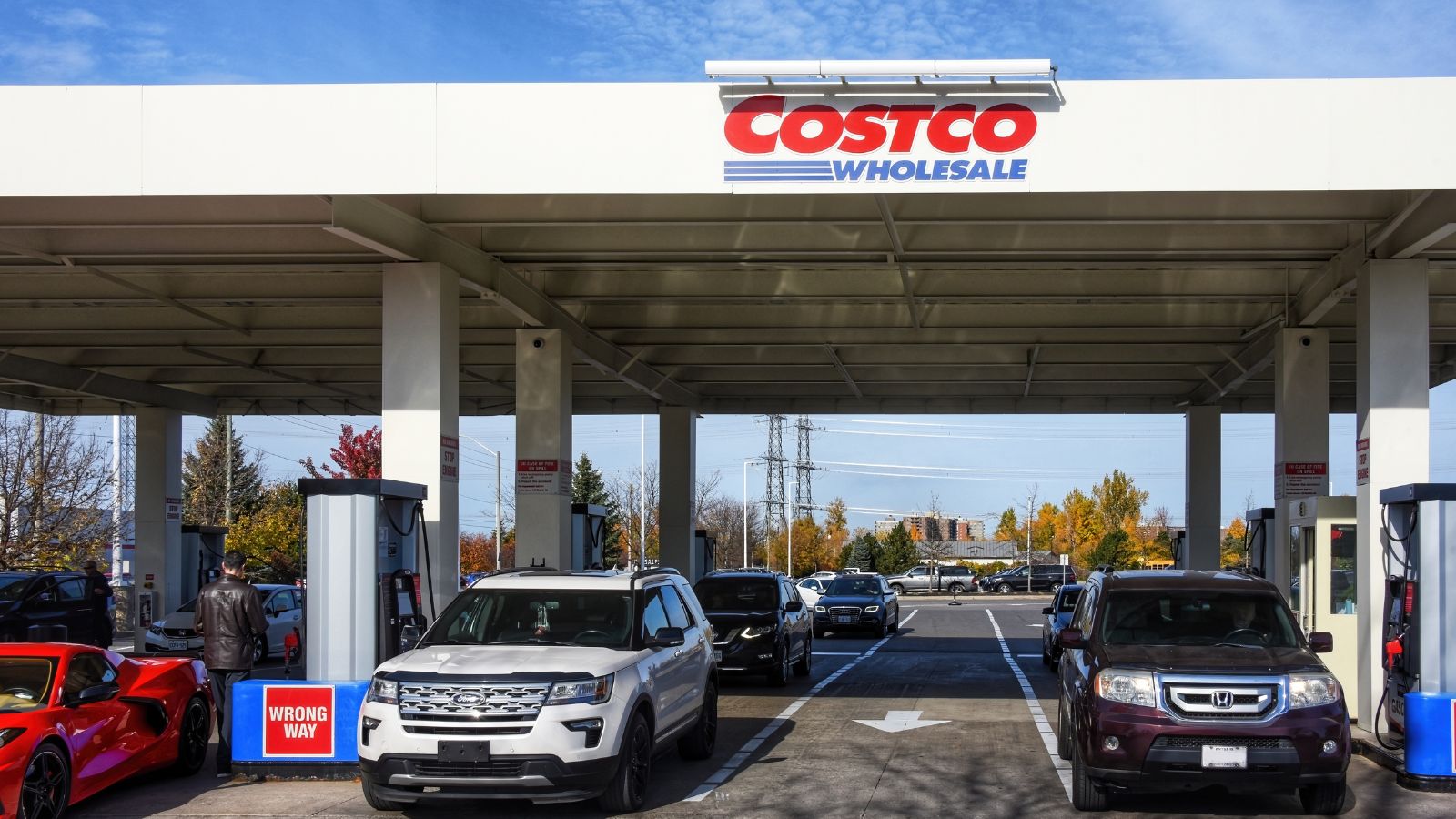
The Executive Membership can feel like an obvious upgrade because the 2% annual reward sounds straightforward. For households that spend heavily at Costco Canada, the extra fee may be easy to justify. But the habit becomes costly when shoppers upgrade first and calculate later. A Gold Star Membership costs less, while Executive costs more and only pays off if eligible annual spending is high enough to offset the difference.
16 Costco Canada Habits That Could Be Costing Shoppers More Than They Save

Alanna Rosen is an experienced content writer that focuses on many EV and educational content. Her articles are regularly published on Get CyberTrucked and syndicated on large publications.