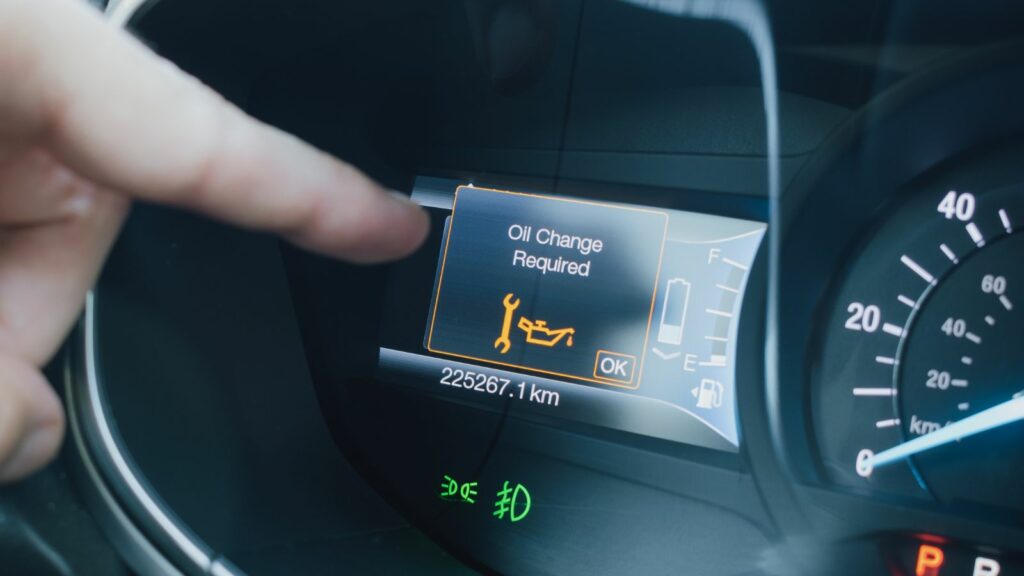
Modern cars can watch blind spots, read lane markings, detect pedestrians, monitor driver attention, regulate following distance, and sometimes brake before the person behind the wheel reacts. Those capabilities can prevent crashes, but the growing web of cameras, radar units, ultrasonic sensors, and monitoring systems also introduces new ownership frustrations.
For some motorists, the concern is no longer whether a car has enough technology, but whether it has more technology than they actually want to maintain and manage. These 12 reasons explain why sensor-heavy vehicles can lose their appeal, from repeated warnings and complicated repairs to winter limitations, privacy concerns, and expensive calibration procedures.
Constant Alerts Can Become Background Noise
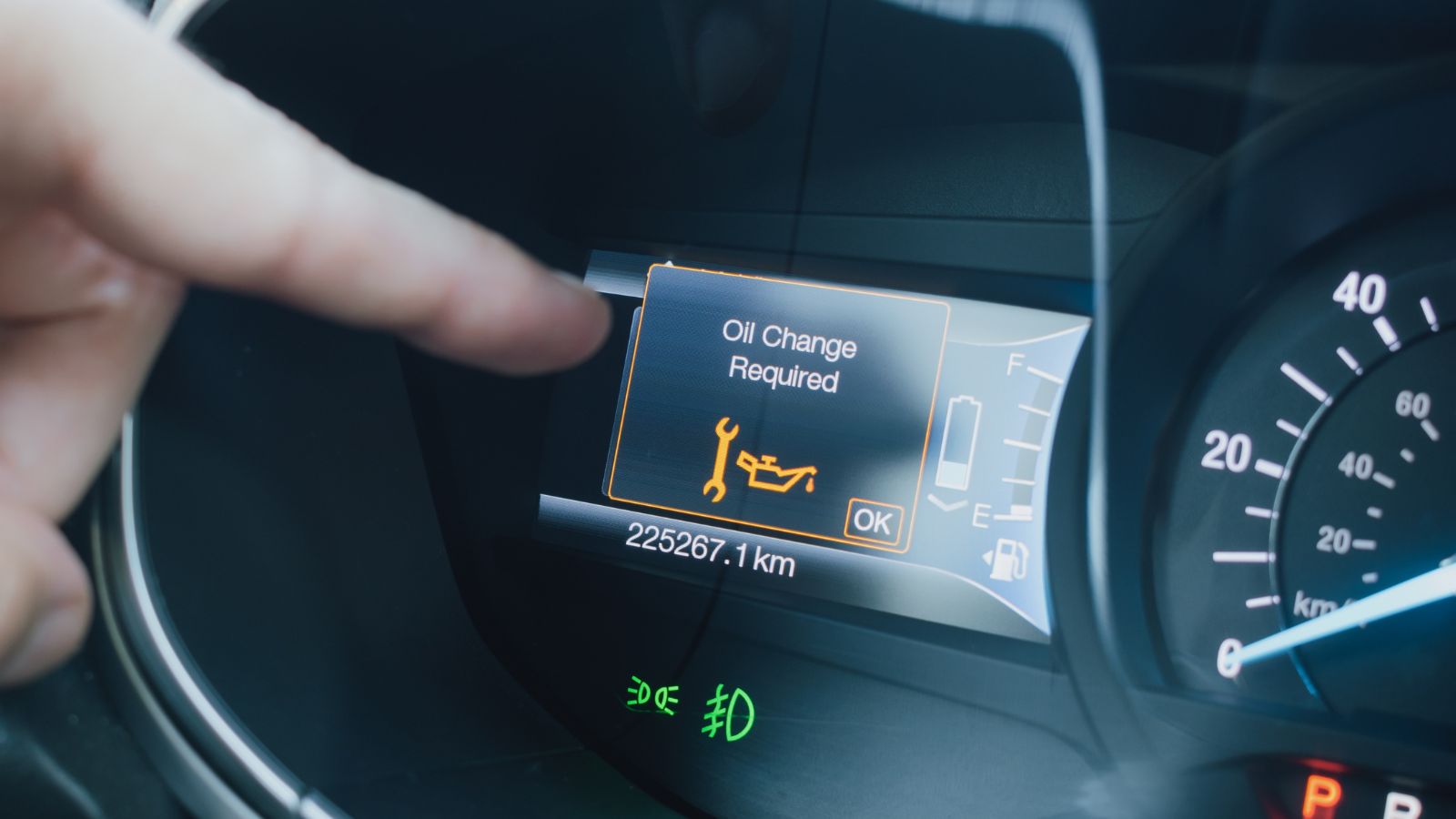
A safety warning is valuable when it calls attention to a genuine hazard. The experience changes when a vehicle repeatedly chimes about lane position, following distance, parking obstacles, driver attention, or nearby traffic. J.D. Power’s 2024 research found that alerts were the biggest problem category reported with advanced driver-assistance systems, accounting for 9.0 problems per 100 vehicles. The organization specifically identified annoying or bothersome alerts as a major owner complaint.
That irritation can influence how drivers use the technology. Earlier J.D. Power research found that people bothered by lane-keeping or lane-centering alerts were substantially more likely to switch those features off. That creates an awkward outcome: equipment installed to improve safety may be ignored because its warnings become too intrusive. For shoppers who have owned a car that beeped during ordinary lane positioning or routinely issued warnings they considered unnecessary, a simpler vehicle can start looking refreshingly attractive.
Routine Repairs Can Suddenly Require Calibration
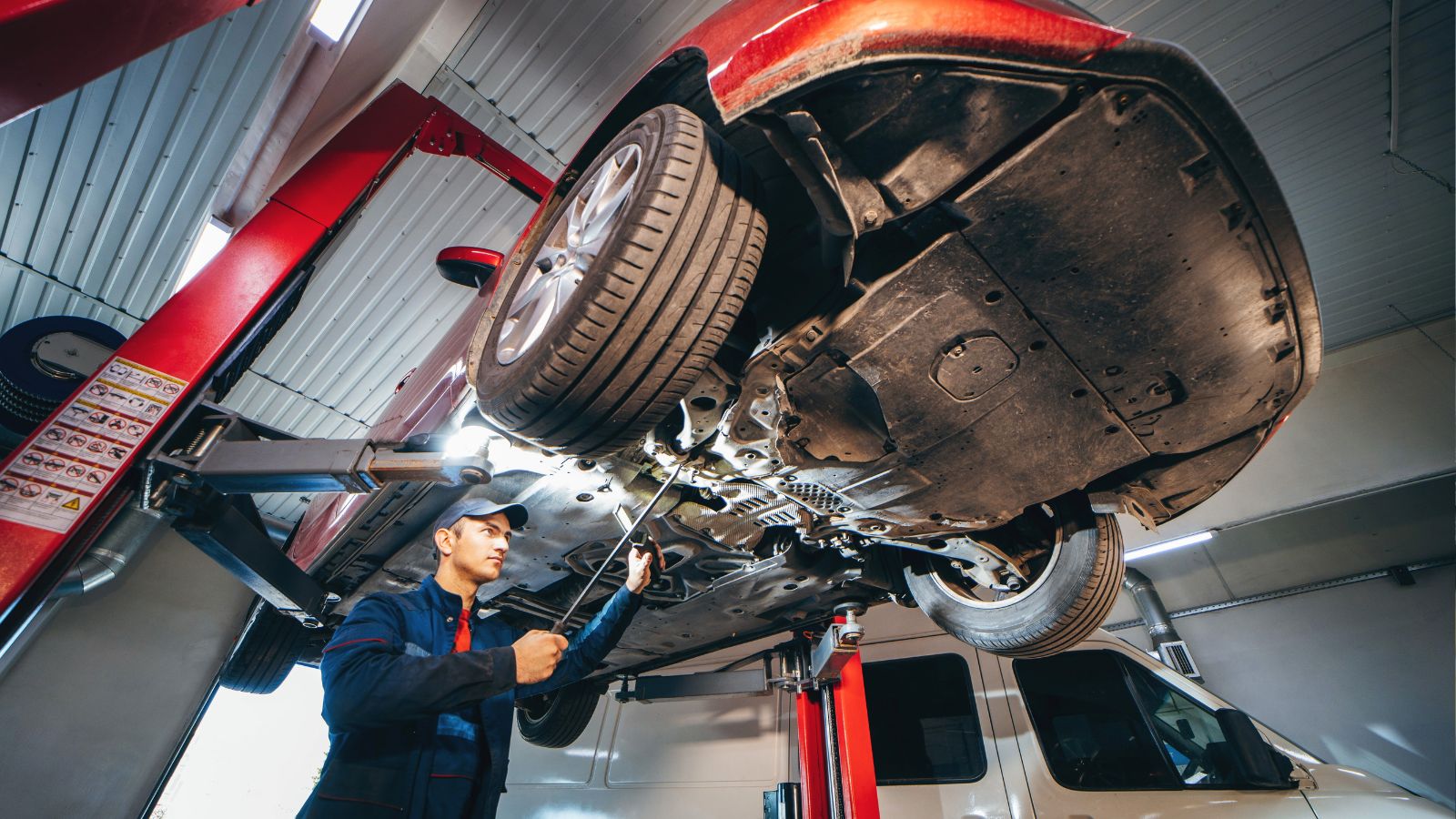
A sensor does not necessarily have to break to create an additional repair procedure. Cameras and radar units often have to be aimed with considerable precision, meaning seemingly unrelated work can disturb the measurements they depend upon. AAA notes that ADAS calibration may be required after windshield replacement, suspension work, wheel alignment, sensor removal, or even relatively minor collision repairs.
The precision involved helps explain the inconvenience. AAA says a sensor positioned only a fraction of an inch or roughly a degree away from its intended orientation can be looking significantly off target farther down the road. Depending on the vehicle, calibration may require specialized targets, scan tools, carefully measured workshop space, a wheel alignment, or a controlled road drive. What once might have been a straightforward repair therefore becomes a multi-step process. Drivers accustomed to inexpensive maintenance can reasonably see that complexity as another potential bill, appointment, and opportunity for something to require specialized attention.
Even Replacing a Windshield Can Become Complicated
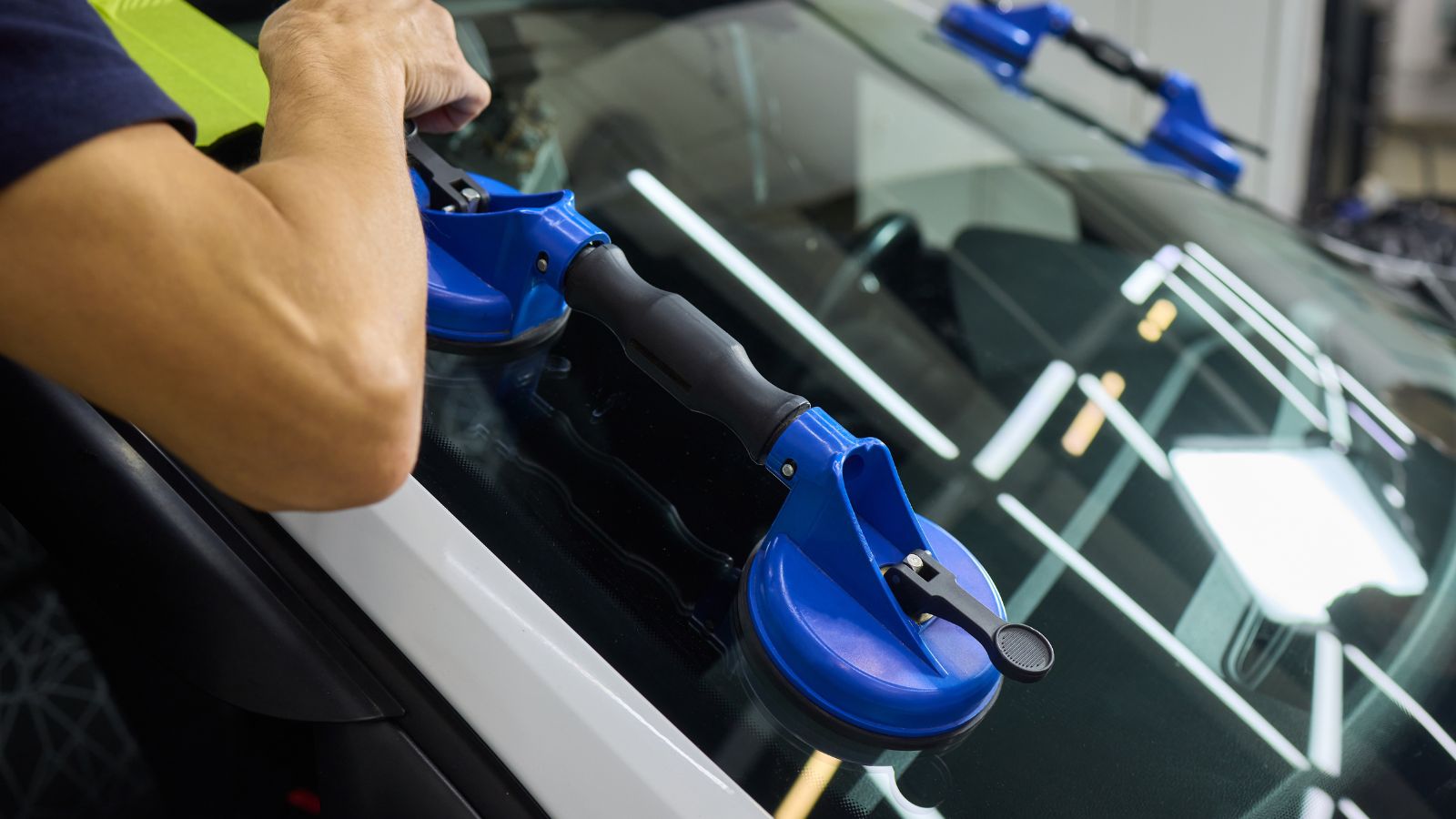
Windshield replacement used to revolve mainly around removing damaged glass, installing a new piece, and ensuring it sealed correctly. Many newer vehicles place a forward-facing camera near the rear-view mirror, where it supports functions such as automatic emergency braking, adaptive cruise control, lane departure warning, traffic-sign recognition, and lane-keeping assistance. Replacing the windshield can therefore require recalibrating that camera.
AAA’s repair-cost research found that the portion of a windshield replacement attributable to ADAS equipment averaged about $360 among the vehicles it studied. Its separate consumer guidance also notes that some vehicles may require original-equipment replacement glass and specialized camera calibration afterward. This matters because windshields are not rare failure points; stones, road debris, temperature changes, and collisions can damage them during otherwise ordinary ownership. For a driver comparing two cars, the prospect of turning a familiar glass replacement into a specialized electronic procedure can make the model with fewer integrated sensors seem easier to live with.
A Small Bump Can Produce a Surprisingly Large Bill
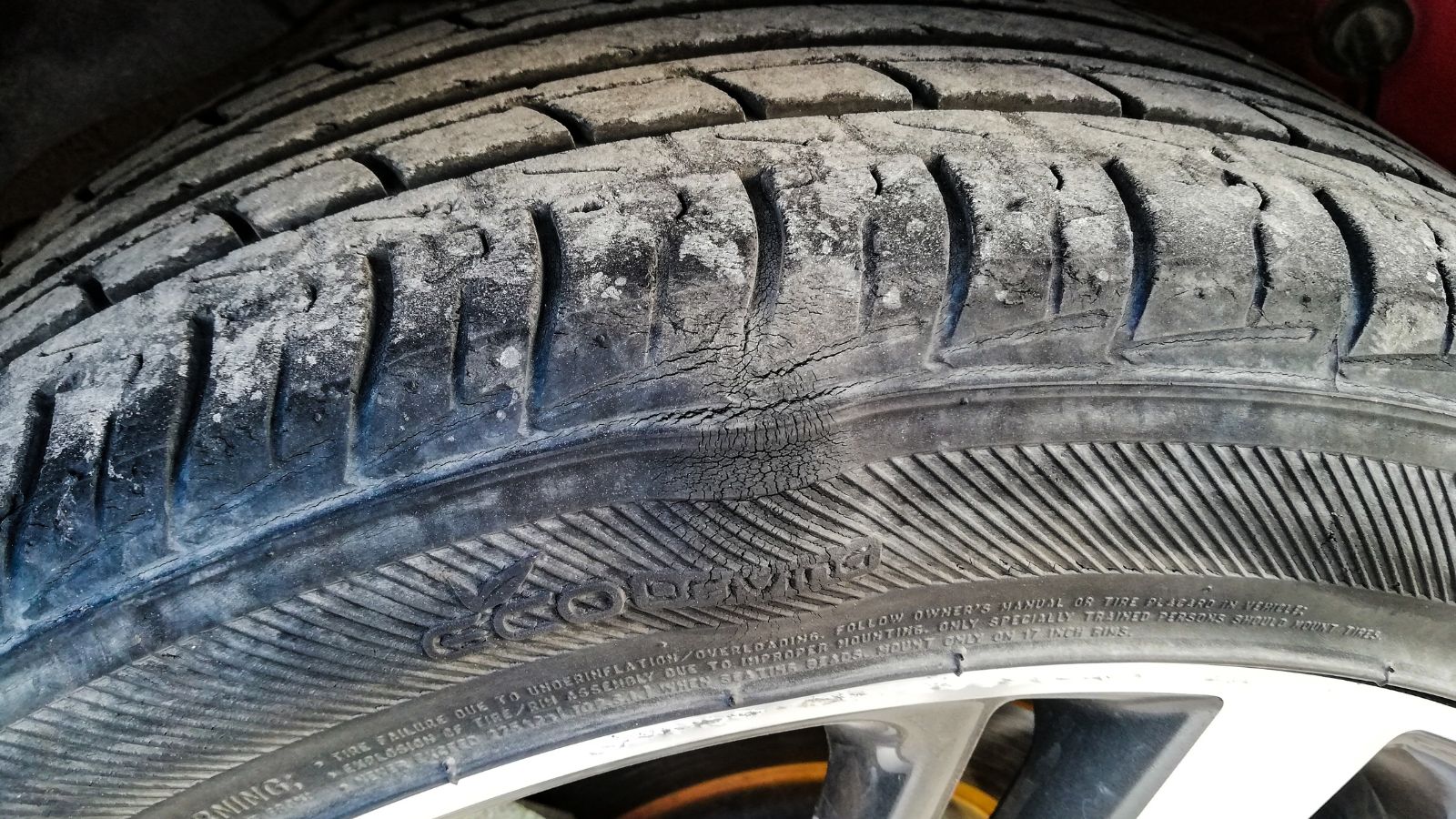
Modern bumpers are no longer merely painted covers protecting structural components. They can conceal radar modules, ultrasonic parking sensors, wiring, brackets, and other equipment used by automatic braking, adaptive cruise control, blind-spot monitoring, and parking systems. That means a parking-lot impact that appears largely cosmetic can potentially affect components hidden underneath the surface.
AAA examined several 2023 vehicles and found that ADAS components added an average of $1,540 to a minor front-collision repair. In its rear-collision scenario, replacing ADAS components averaged $684, representing 40.9% of the total estimated repair. Individual radar, camera, mirror, and ultrasonic-sensor repairs in the study ranged from hundreds of dollars to well above $1,000. Consumer Reports has similarly warned that even apparently undamaged bumper covers can hide sensors knocked out of alignment. For owners worried about long-term repair expenses, sophisticated bumpers can therefore feel less like convenient technology and more like fragile electronic real estate.
Rain, Snow, Ice and Dirt Can Block the View
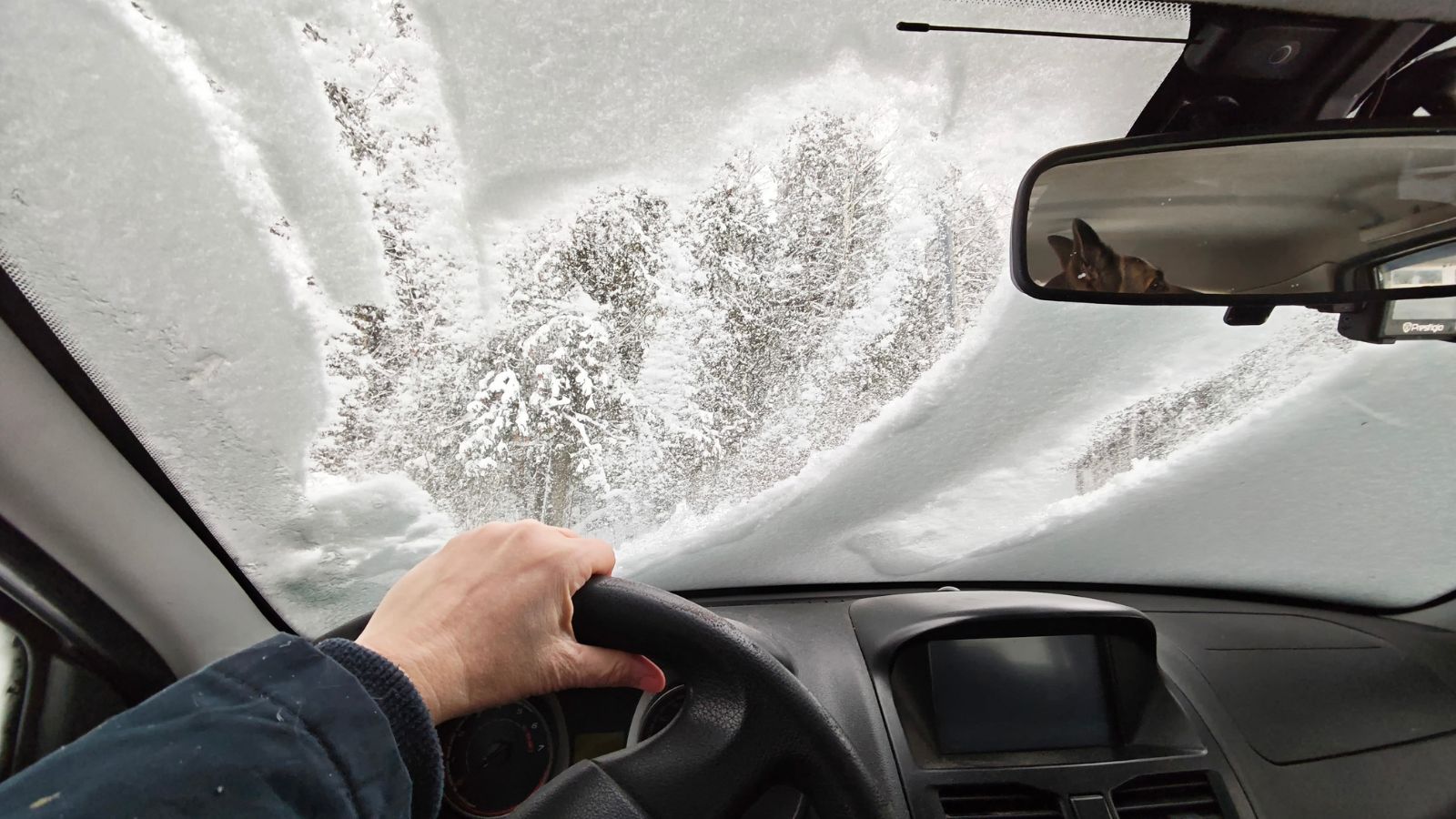
Electronic eyes still have to deal with the physical world. Cameras can be obscured by snow or grime, while radar and other sensors may encounter interference from ice, heavy precipitation, road spray, or objects covering their mounting areas. IIHS notes that lane-departure systems can struggle when roads are poorly marked or covered with snow, and that some sensing technologies perform less effectively in low light or inclement weather.
AAA demonstrated the problem under controlled conditions by testing automatic emergency braking and lane-keeping systems in simulated moderate-to-heavy rain. At 35 mph, the tested vehicles struck the stationary target in one-third of the automatic-braking trials, while lane-keeping vehicles departed their lane during 69% of test runs. Newer systems continue to improve, and those results should not be generalized to every vehicle. Still, drivers in places with severe winters may dislike discovering that expensive assistance features can temporarily become unavailable precisely when weather makes driving more difficult.
False Warnings Can Erode Confidence
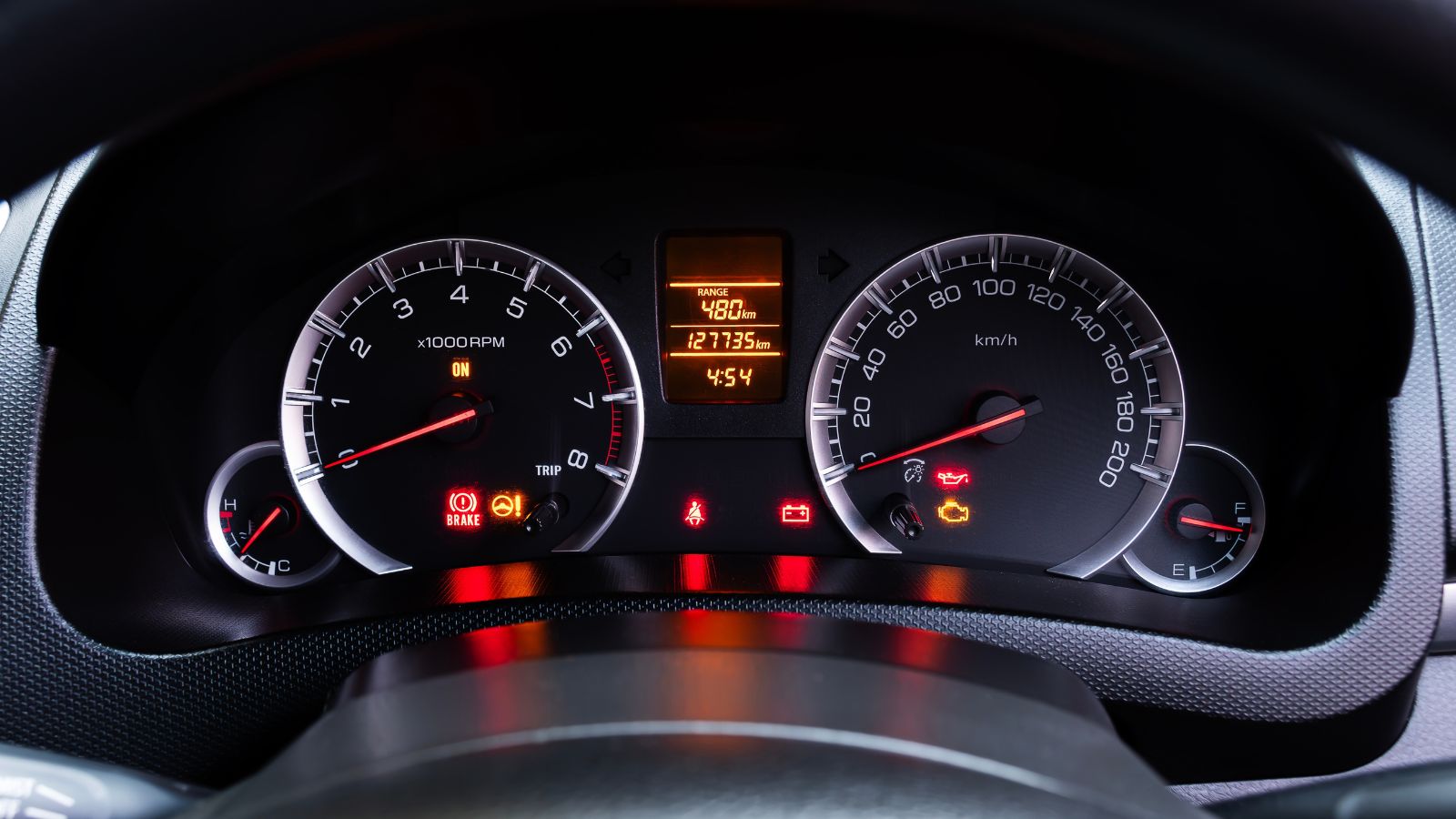
Sensor systems have an unusually difficult job: they must identify genuine danger quickly without constantly reacting to harmless objects. A system that misses an obstacle is obviously undesirable, but one that frequently warns about threats the driver cannot see creates a different problem. Reflections, unusual roadside structures, weather, sensor obstruction, and alignment problems can all contribute to unwanted detections under certain circumstances.
The resulting frustration is not merely theoretical. J.D. Power has repeatedly identified bothersome warnings as a major complaint surrounding driver-assistance technology. Research involving Subaru’s camera-based DriverFocus system also found that owners sometimes perceived distraction or drowsiness warnings as false alarms, even though the study noted that driver misunderstandings contributed to some of those perceptions. Most DriverFocus owners still valued the system, illustrating an important distinction: occasional false warnings do not make sensor technology useless. They do, however, show why calibration and alert tuning matter so much. Once drivers stop trusting a warning system, every new chime can become something to question rather than immediately respect.
Sensors Do Not Recognize Every Road Situation Equally
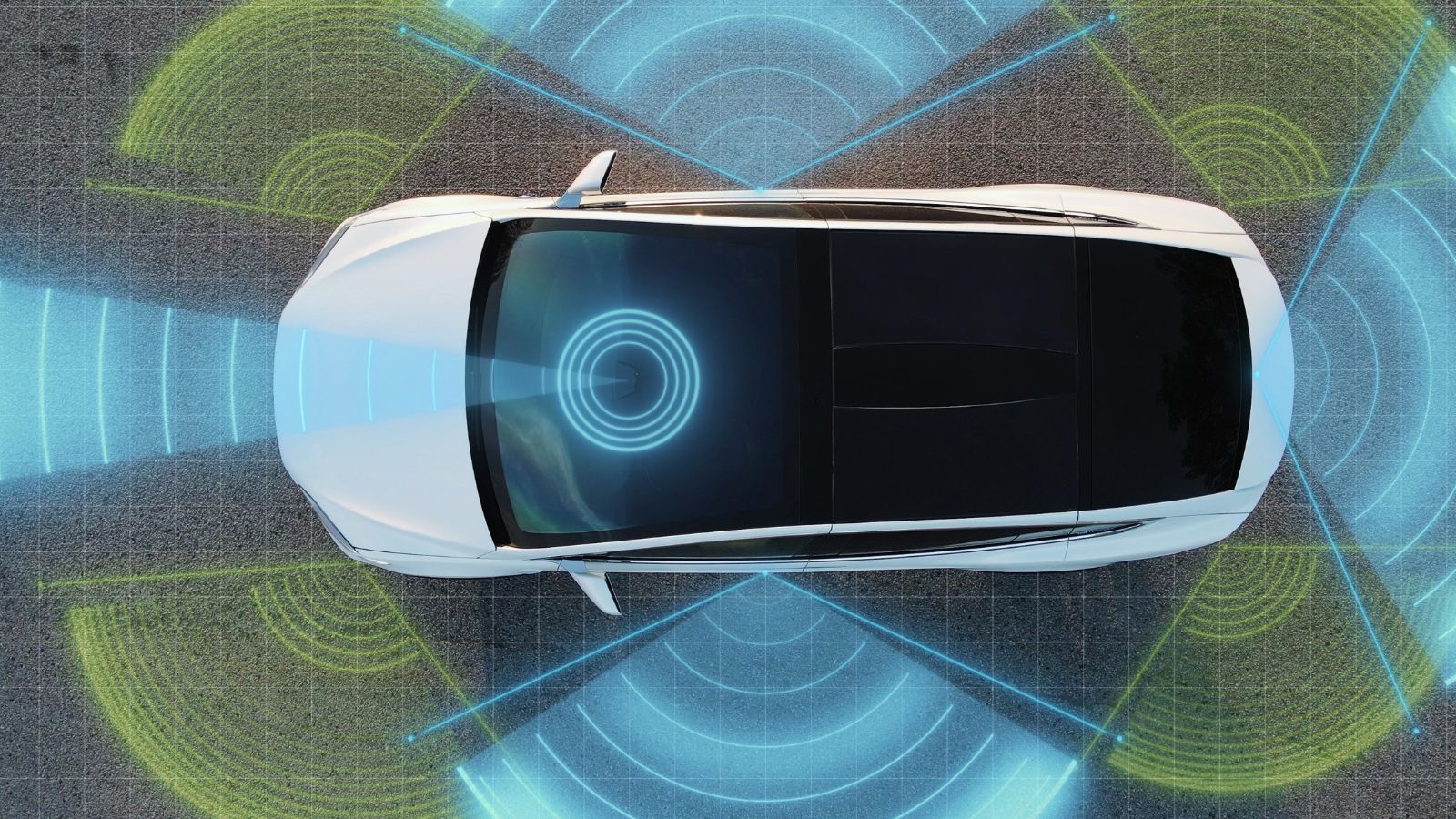
A modern front-crash system might perform extremely well when approaching a conventional passenger car and less effectively when encountering a different target. IIHS and Transport Canada research has demonstrated that vehicle type can matter. An analysis involving more than 160,000 rear-end crashes found front-crash prevention associated with a 53% reduction in rear-end crashes involving another passenger vehicle, compared with reductions of 38% when the struck vehicle was a medium or heavy truck and 41% when it was a motorcycle.
Those differences helped motivate tougher testing. IIHS updated its front-crash-prevention evaluation to include motorcycles and large trucks as well as passenger cars and to examine performance at higher speeds. Only one of the first 10 small SUVs evaluated in the new 2024 test received a good rating. Technology has continued evolving since those tests, but the results illustrate why some motorists remain cautious about treating a large sensor suite as proof of uniformly strong performance. The number of sensors matters less than how effectively the complete system handles difficult situations.
Driver-Monitoring Cameras Can Feel Intrusive
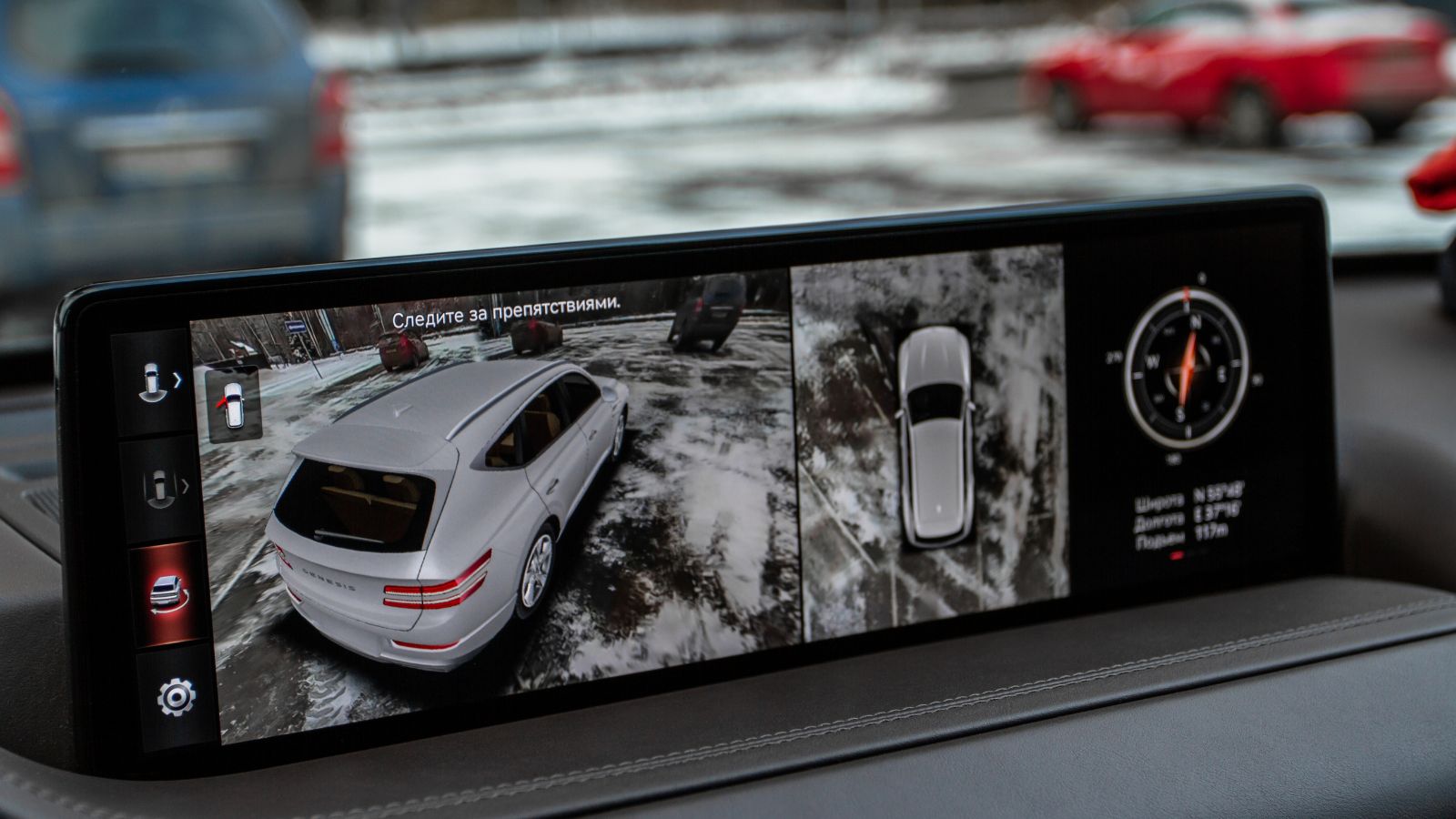
Some newer cars do not just look outside. Driver-monitoring systems may use an inward-facing camera to determine whether a motorist is looking at the road, becoming drowsy, or properly supervising partial automation. There are strong safety arguments for this technology. IIHS considers effective driver monitoring an important safeguard for partially automated systems, and research involving Subaru DriverFocus found that 87% of surveyed owners used the feature most or all of the time.
Yet a camera pointed permanently toward the driver’s face can create an understandable privacy concern, particularly when shoppers do not know whether images stay inside the vehicle. The Federal Trade Commission has warned that connected vehicles can collect sensitive information including biometric, geolocation, video, and other personal data. Data practices differ considerably among manufacturers: Consumer Reports has documented closed-loop driver-monitoring systems that manufacturers say do not transmit cabin video, while other configurations may allow information to be shared when users consent. For privacy-conscious buyers, understanding those distinctions adds another layer to an already complicated purchase.
More Automation Can Mean More Supervision
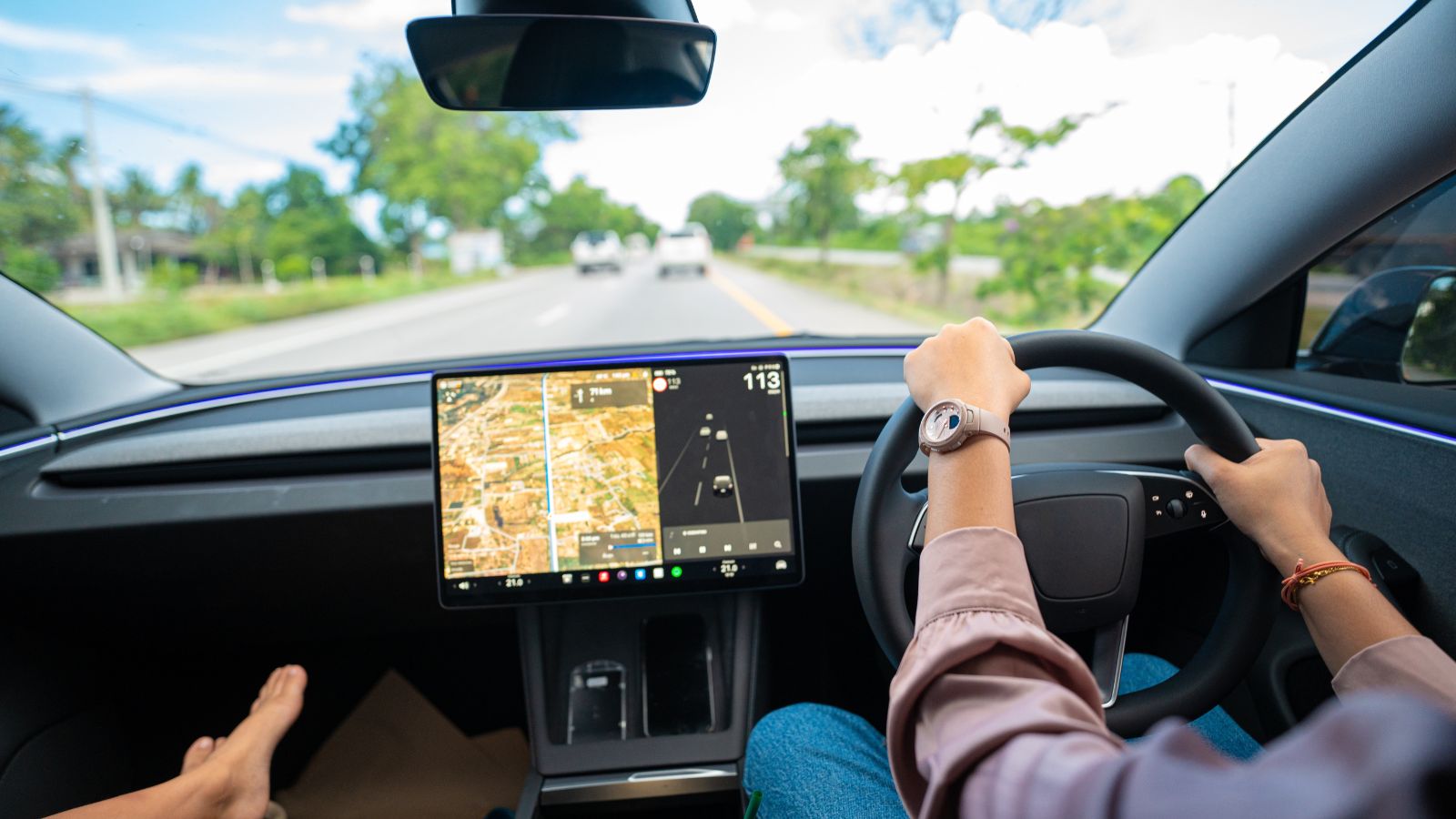
A sophisticated assistance package can sound as though it will substantially reduce the driver’s workload. In reality, today’s Level 2 systems still require active human supervision. The driver must understand what the system can handle, recognize circumstances when it is reaching its limits, monitor warnings, and remain ready to intervene. IIHS has cautioned that drivers who regularly use partial automation can develop an exaggerated sense of what their systems are capable of doing.
That creates a strange relationship: the vehicle performs more driving tasks while simultaneously requiring sensors to verify that the human being is still engaged. Attention reminders may watch eye position, head direction, or steering-wheel contact and escalate if the system decides concentration has wandered. In its 2026 U.S. Tech Experience Index, J.D. Power found that conventional Level 2 systems actually outperformed more advanced hands-free Level 2+ systems on execution and overall experience. Greater technical capability, in other words, did not automatically produce greater owner satisfaction.
Finding the Right Repair Shop Can Be Harder
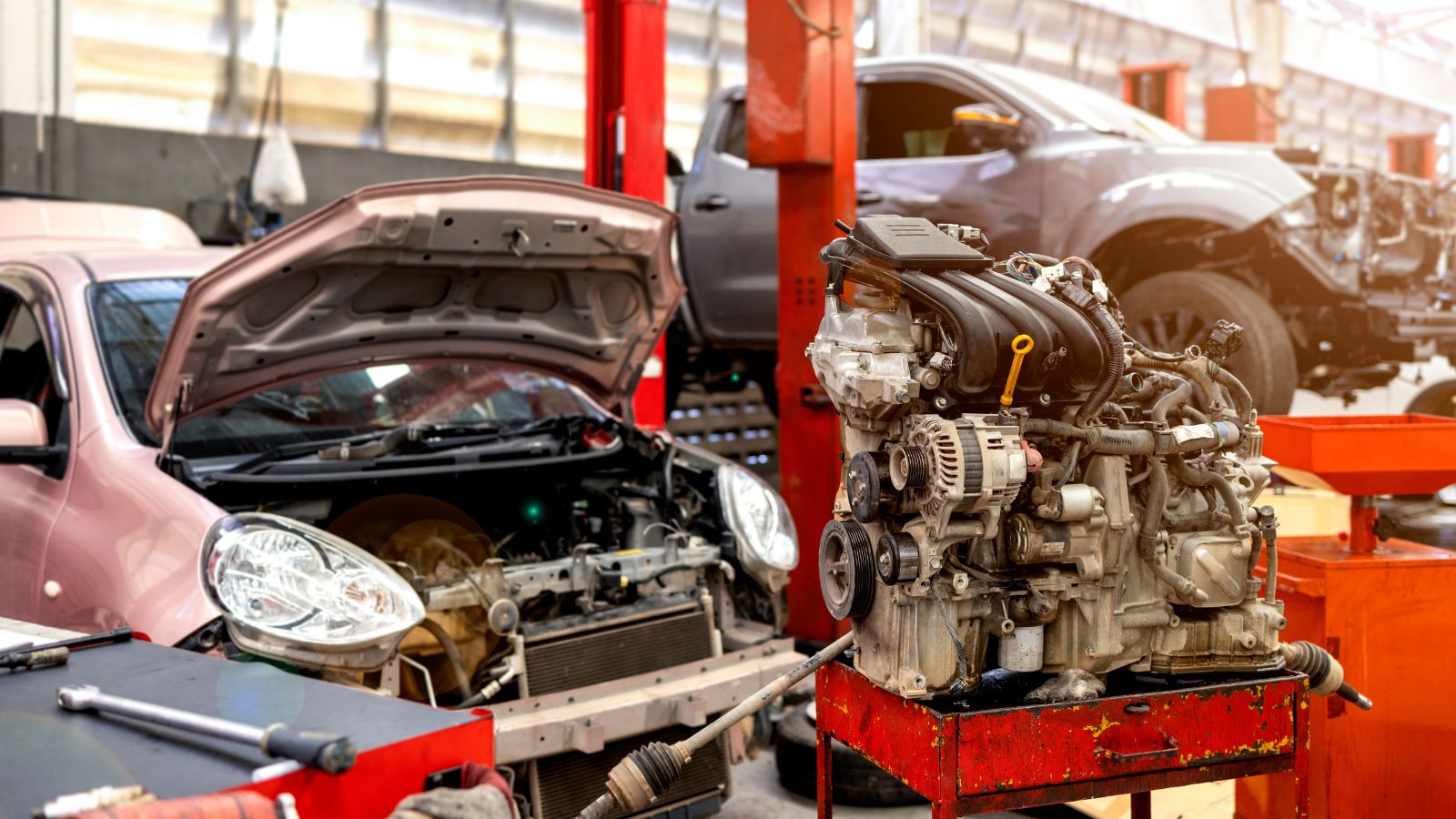
Sensor-heavy vehicles create requirements that extend beyond buying replacement components. A collision repairer may need current manufacturer procedures, scan equipment, alignment tools, calibration targets, sufficient workshop space, and technicians trained to identify exactly which systems were disturbed. I-CAR emphasizes that calibration procedures vary between manufacturers and even among models from the same company.
The work can be surprisingly specific. Certain calibration procedures require a vehicle to be perfectly level, unloaded, properly aligned, or positioned a prescribed distance from special targets. Others require dynamic calibration performed while the vehicle is driven under particular conditions. Industry analysis from Mitchell has noted that calibration can take anywhere from about an hour to several hours depending on the system, and outsourced calibration can extend repair time further. None of this means sensor-equipped cars are inherently unreliable. It does mean owners may have fewer practical repair options, particularly outside major population centres, which can make mechanically simpler vehicles attractive to drivers who prioritize easy servicing.
Previous Collision Damage Becomes More Important
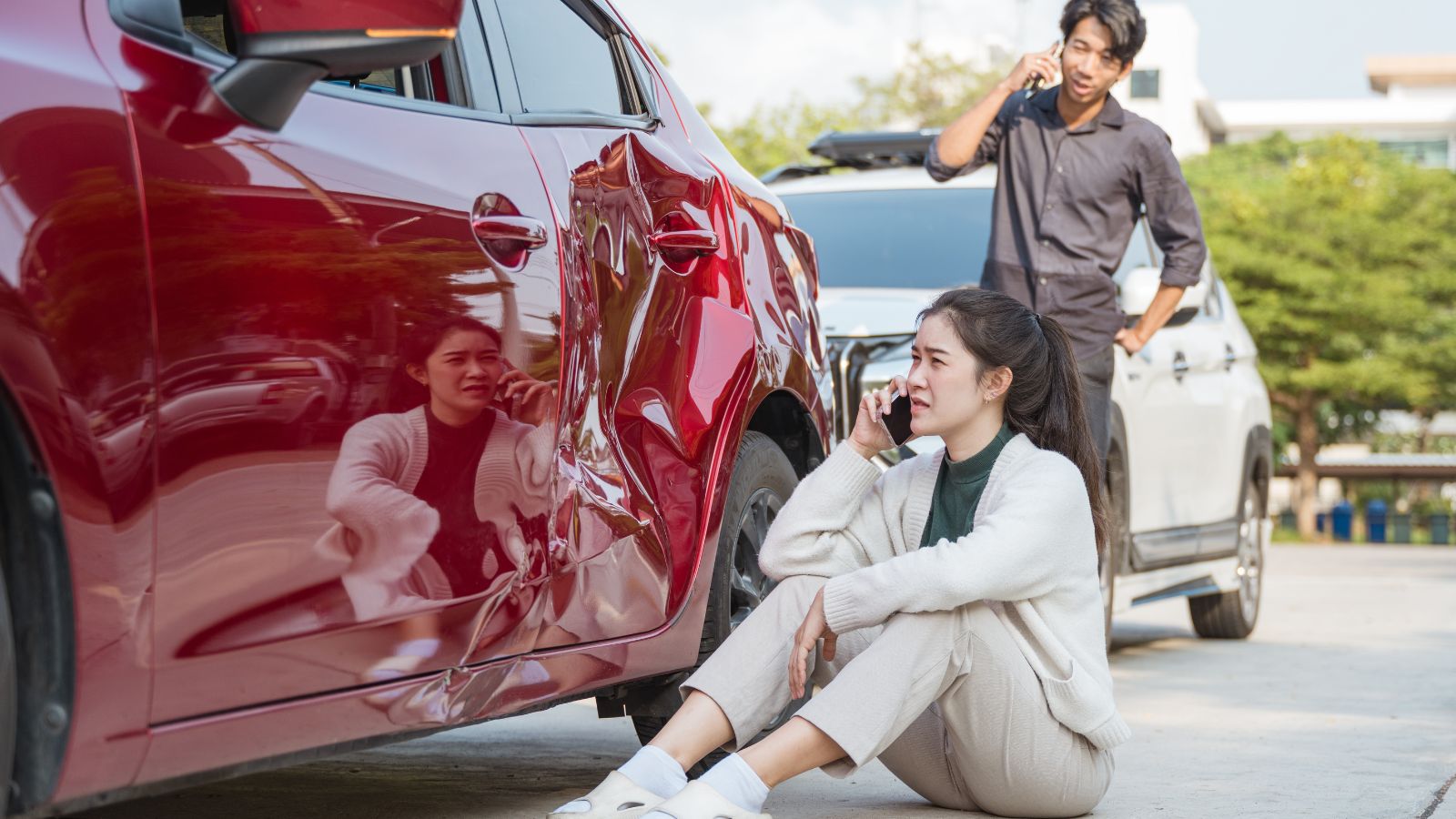
Visible bodywork has never told the entire story of a used vehicle, but advanced sensors add another hidden layer. A bumper may look perfectly straight while a radar bracket beneath it has previously been disturbed. Likewise, a replaced windshield might appear flawless even though the associated camera was never correctly recalibrated. Consumer Reports advises that newer cars involved in collisions can suffer sensor misalignment even when the outer bumper shows little obvious damage.
I-CAR’s collision-repair guidance requires technicians to identify ADAS equipment, conduct appropriate diagnostic scanning, determine which systems have been affected, perform required calibrations, and complete post-repair checks according to manufacturer procedures. That is reassuring when the work has been properly documented. The difficulty for a second or third owner is establishing whether an older repair actually followed those procedures. A clean-looking used car can therefore require more investigation than before, and shoppers who want straightforward pre-purchase decisions may intentionally favour vehicles with less elaborate sensor packages.
Some Drivers Simply Want Technology That Disappears
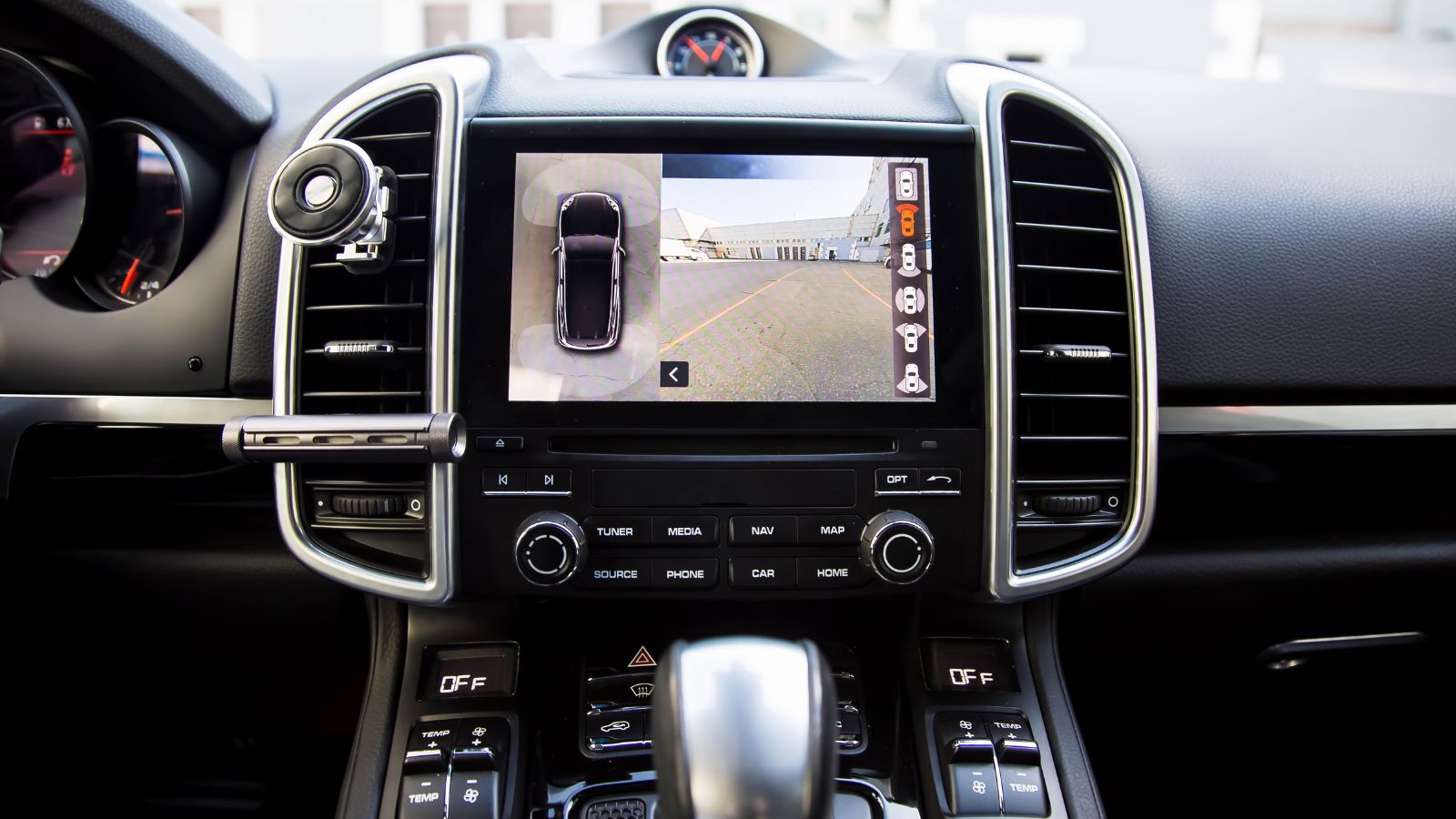
The strongest criticism of automotive technology is not necessarily that cars should become technologically primitive. Drivers routinely embrace features that provide obvious value without demanding attention. Blind-spot cameras, automatic emergency braking, parking aids, and other well-executed systems can make everyday driving easier or safer. The problem begins when technological complexity becomes something the owner has to continually manage.
J.D. Power’s 2026 U.S. Tech Experience Index captured that preference clearly. Based on responses from 68,084 owners of 2026-model-year vehicles, it found particularly high satisfaction with technologies that worked quietly in the background. Smart ignition recorded only 2.4 problems per 100 vehicles, while J.D. Power concluded that adding more automation does not automatically create a better experience. That helps explain why sensor count itself is becoming a consideration for some shoppers. A simpler car may sacrifice a few conveniences, but it can also offer something increasingly valuable: fewer alerts, fewer calibrations, fewer privacy questions, and less technology demanding attention.
19 Used Cars Canadians Should Avoid in 2026 (Based on Owner Complaints)

Buying a used car in Canada can feel safe until repair bills start stacking up. Owner complaints tell a different story than glossy listings. Transmission failures, electrical problems, and weak winter reliability show up again and again in consumer reports. Many of these issues appear after warranties expire, when owners least expect them. Some vehicles look affordable upfront, but become expensive to keep on the road. Others struggle in cold weather, urban driving, or long highway commutes. Here are 19 used cars Canadians should avoid in 2026 (based on owner complaints).
19 Used Cars Canadians Should Avoid in 2026 (Based on Owner Complaints)

Alanna Rosen is an experienced content writer that focuses on many EV and educational content. Her articles are regularly published on Get CyberTrucked and syndicated on large publications.